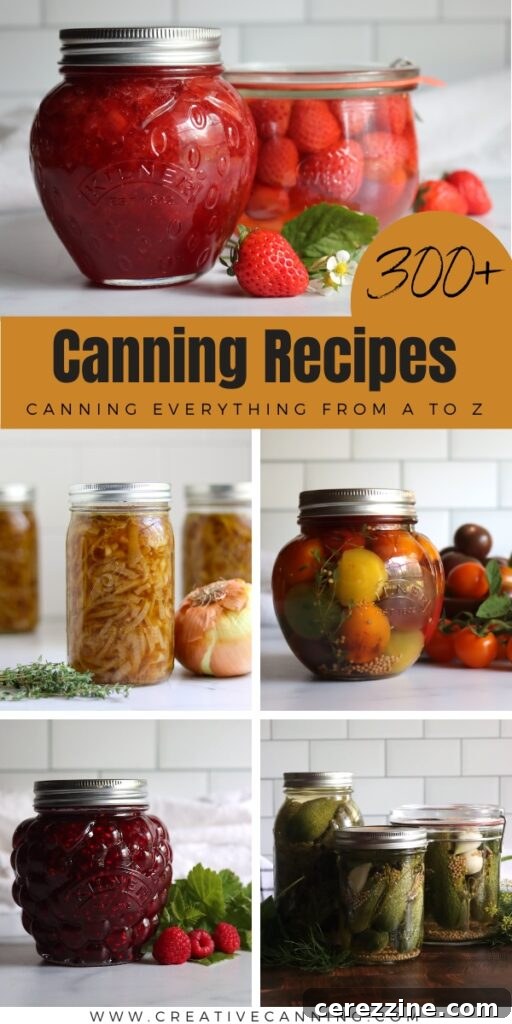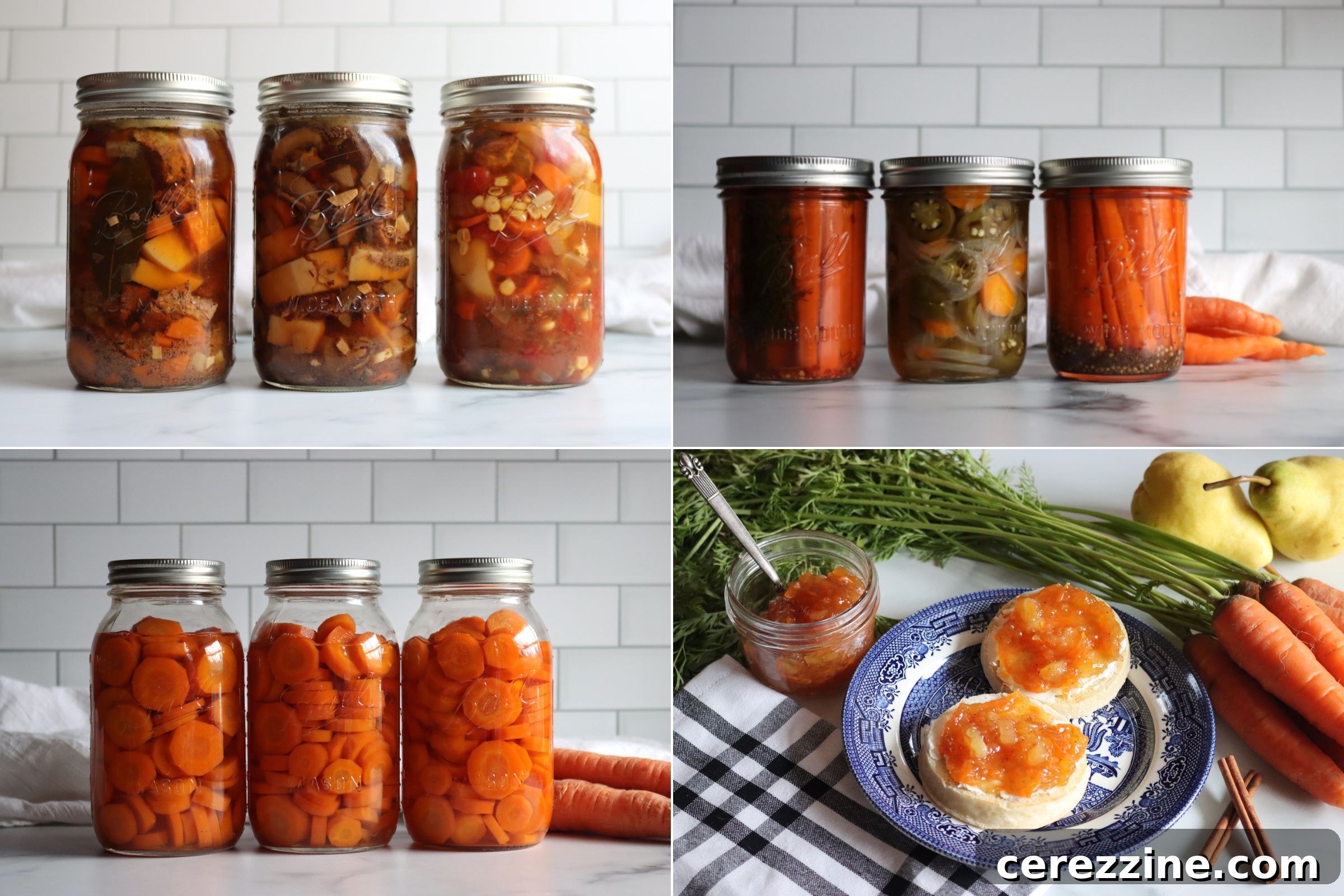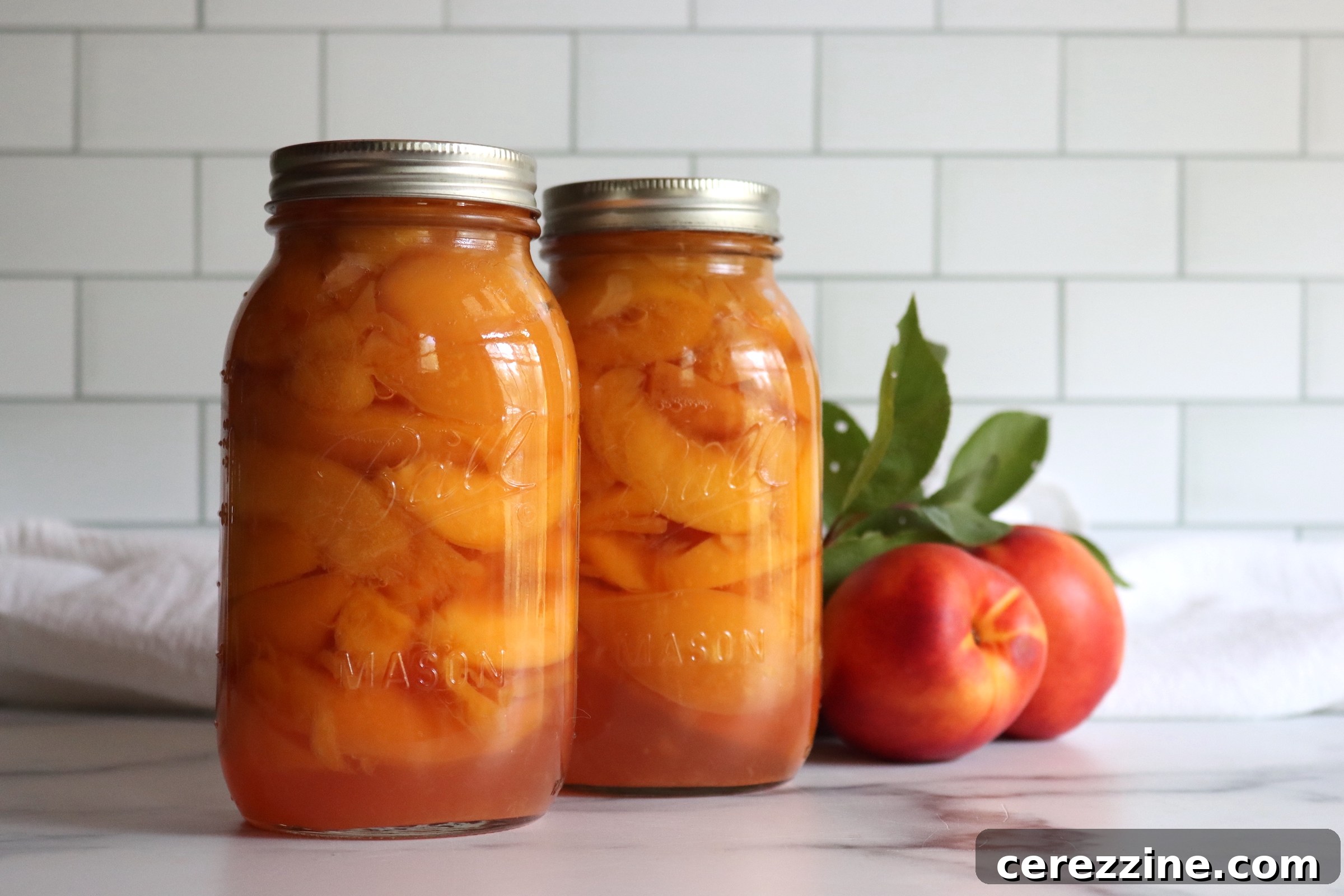
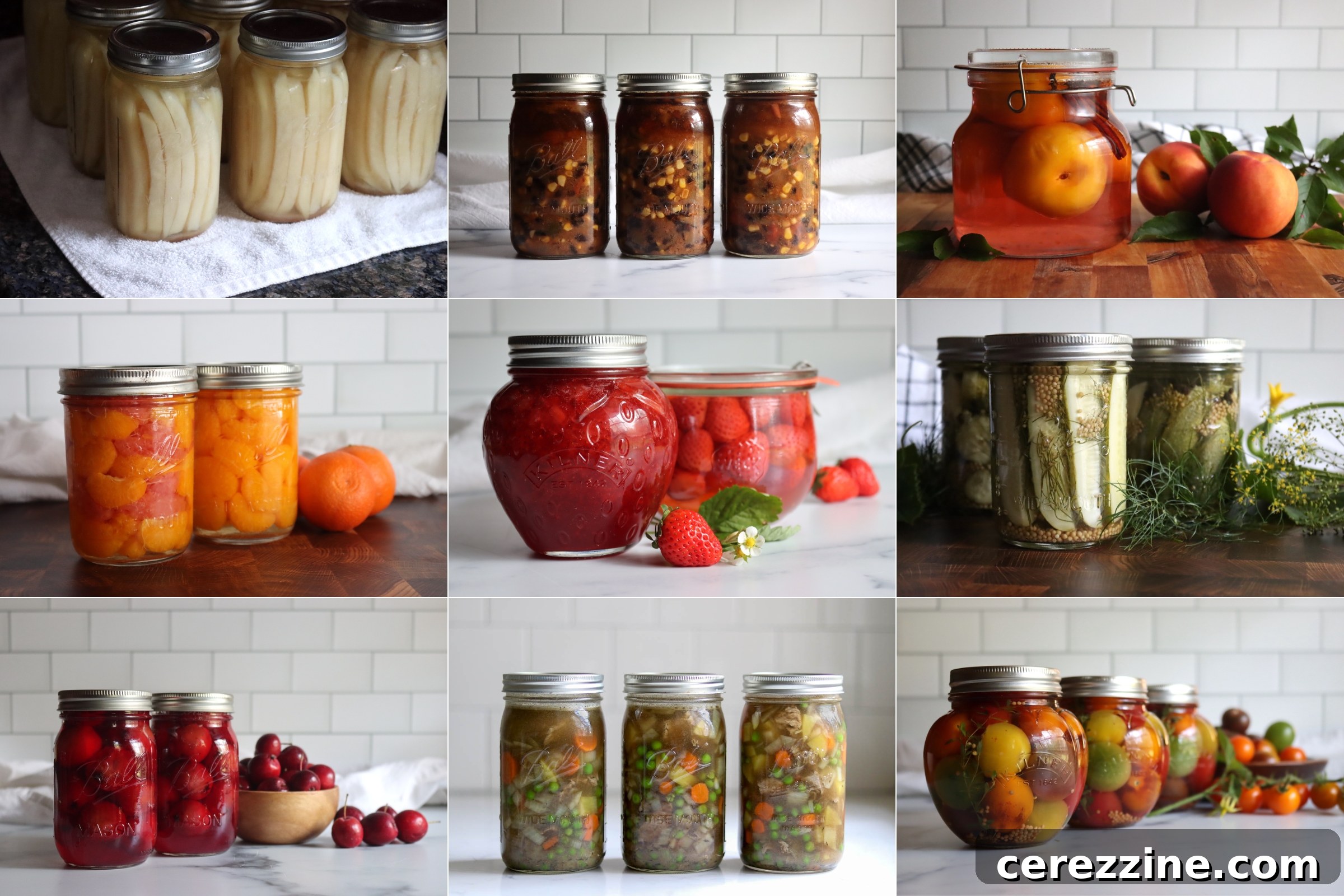
Welcome to Creative Canning, your ultimate resource for preserving the bounty of your garden and local harvests! We know how challenging it can be to find the perfect canning recipes, especially when your kitchen counters are overflowing with seasonal produce. That’s why we’ve cultivated a vast, organized library of hundreds of trusted canning recipes, sorted by ingredient, ready to transform your abundant crops into delicious, shelf-stable delights. Whether you’re a seasoned homesteader or new to the art of food preservation, our intuitive collection makes finding your next project as simple as a click. Dive in and discover endless possibilities to stock your pantry with homemade goodness all year long.
Apricot Canning Recipes: Preserving Summer’s Golden Harvest
Few things capture the essence of summer quite like fresh apricots. If you’ve ever experienced the joy of harvesting them from your own tree or purchasing a bumper crop from a local farm, you know they ripen quickly and abundantly. It’s a sweet problem to have, but also one that calls for creative preservation! While freezing is a popular option, home canning offers a delightful variety of ways to enjoy the vibrant flavor of apricots all year long, far beyond the brief seasonal harvest.
At Creative Canning, we understand the pleasure and challenge of a plentiful apricot yield. That’s why we’ve meticulously compiled a comprehensive collection of tested **apricot canning recipes** designed to help you make the most of your golden bounty. From classic sweet treats to surprisingly savory delights, our recipes ensure no delicious apricot goes to waste. Discover how to transform these sun-kissed fruits into pantry staples that will brighten any meal.
Beyond the ever-popular apricot jam (because one can only eat so much, right?), our selection includes innovative and delicious options. Explore recipes for luscious apricot pie filling, perfect for homemade desserts, sparkling apricot jelly, and rich, smooth apricot butter. For those who enjoy a culinary adventure, don’t miss our unique savory creations like tangy apricot BBQ sauce. With their high natural acidity, apricots are perfectly suited for safe and easy **water bath canning**, making them a fantastic fruit for both beginner and experienced canners alike. Dive into our collection and start creating your apricot pantry today!
Apricot Jam
Apricot Butter
Apricot Red Currant Jam
30+ Apricot Canning Recipes
Asparagus Canning: Freshness Beyond the Season
Asparagus, with its tender spears and distinct flavor, is a true sign of spring. While nothing compares to freshly harvested asparagus, preserving this delightful vegetable ensures you can enjoy its unique taste long after its brief season has passed. At Creative Canning, we offer versatile methods to preserve asparagus, catering to different tastes and equipment. From wholesome plain spears to zesty pickled varieties, there’s a canning method for every home preserver.
For those who love the pure taste of asparagus, **pressure canning** is the recommended method for preserving plain spears. Asparagus is a low-acid vegetable, meaning it requires the higher temperatures achieved in a pressure canner to ensure safety and prevent spoilage. This method locks in the natural flavor and tenderness, making it ideal for adding to stir-fries, casseroles, or as a simple side dish during the colder months.
If you only have a water bath canner, or simply prefer a tangy twist, **pickled asparagus** is a fantastic option. The addition of vinegar raises the acidity level, making it safe for water bath processing. Pickled asparagus offers a crisp texture and a delightful zest that can elevate any meal. Imagine serving these elegant, tangy spears alongside sandwiches or as a gourmet addition to your charcuterie board—they’re a wonderfully refreshing alternative to traditional cucumber pickles. Explore our recipes for detailed instructions and bring the taste of spring to your table year-round.
Canning Asparagus Soup Base
Canning Asparagus Potato & Leek Soup
Canning Dry Beans: Ultimate Convenience for Busy Kitchens
While dry beans are known for their excellent long-term storage capabilities, the preparation process can be a barrier to quick, weeknight meals. Typically, dry beans require an overnight soak followed by several hours of cooking, a timeframe that doesn’t always align with a busy schedule. This is where **canning dry beans** truly shines, offering unparalleled convenience and flavor at your fingertips.
Canning dry beans transforms a time-consuming staple into a ready-to-use ingredient. Imagine simply opening a jar of perfectly cooked black beans for enchiladas, white beans for a hearty soup, or kidney beans for a quick chili, without the need for pre-soaking or extensive cooking. This makes home-canned beans an invaluable asset for busy individuals and families looking to save time in the kitchen without sacrificing wholesome, homemade quality.
Unlike seasonal produce like green beans, which demand attention during peak harvest, dry beans can be canned at your leisure during the off-season. Many home canners find joy in preparing these nourishing legumes on a cold winter day, building up a year-round supply of convenient meal starters. Since dry beans are a low-acid food, **pressure canning** is the essential and safe method for their preservation. Explore our diverse recipes for canning various types of dry beans and discover how easy it is to add convenience and flavor to your pantry.
Canning Black Bean Soup (Cuban Style)
Chipotle Black Bean Soup
Canning White Bean and Kale Soup
Canning Vegetarian Baked Beans
Green Bean Canning: Preserving Garden Freshness
Productive, nourishing, and undeniably tasty, green beans are a quintessential vegetable on many small farms and homesteads. While nothing quite compares to the snap and flavor of garden-fresh green beans, canning is an excellent and practical method to preserve any surplus, ensuring you have this versatile veggie on hand all year. Unlike other preservation methods, canning green beans allows them to maintain a desirable texture and color, ready for countless culinary applications.
When it comes to preserving green beans, understanding their acidity is key. As **low-acid vegetables**, plain green beans require the high temperatures achieved in a **pressure canner** for safe processing. This method effectively neutralizes harmful bacteria and ensures a stable product for your pantry. Proper pressure canning results in tender, flavorful beans perfect for side dishes, soups, stews, and casseroles.
Alternatively, if you’re working with a water bath canner, **pickled green beans** are a fun and tangy option. The addition of an acidic brine, typically vinegar-based, makes them safe for water bath canning. “Dilly beans,” a popular type of pickled green beans, are a fantastic savory snack with a delightful crunch and herby dill flavor. They’re a flavorful addition to relish trays, sandwiches, or simply enjoyed straight from the jar. Explore our recipes to master both pressure canning and pickling techniques for your abundant green bean harvest.
Amish Chow Chow
Piccalilli (English Style Mustard Pickles)
Pickled Dilly Beans (Dill Pickled Green Beans)
Beet Canning: Sweet & Earthy Preserves
Beets, with their vibrant color and distinctive earthy sweetness, are a rewarding crop for any gardener. To safely preserve beets for long-term storage, you have two primary methods: **pressure canning** or **pickling**. While pressure canning plain beets is an option for many low-acid vegetables, beets truly shine when transformed into a pickled delicacy.
Many home preservers, including myself, find that pickled beets are far superior in flavor and texture to their pressure-canned plain counterparts. The natural sweetness of beets harmonizes beautifully with the tang of vinegar and a medley of warm spices, creating a truly irresistible treat. This combination not only enhances their culinary appeal but also makes them safe for **water bath canning**, thanks to the added acidity from the pickling liquid.
Our favorite pickled beet recipes often feature a robust blend of spices such as cloves, cinnamon, and allspice, which infuse the beets with an incredible aromatic depth. These sweet and savory pickles are a versatile addition to your pantry, perfect for serving as a vibrant side dish, adding to salads, or enjoying as a flavorful snack. Explore our recipes and discover how to capture the unique essence of beets in a jar, ready to be savored whenever you desire.
Classic Pickled Beets
Blackberry Canning: Capturing Wild Summer Flavors
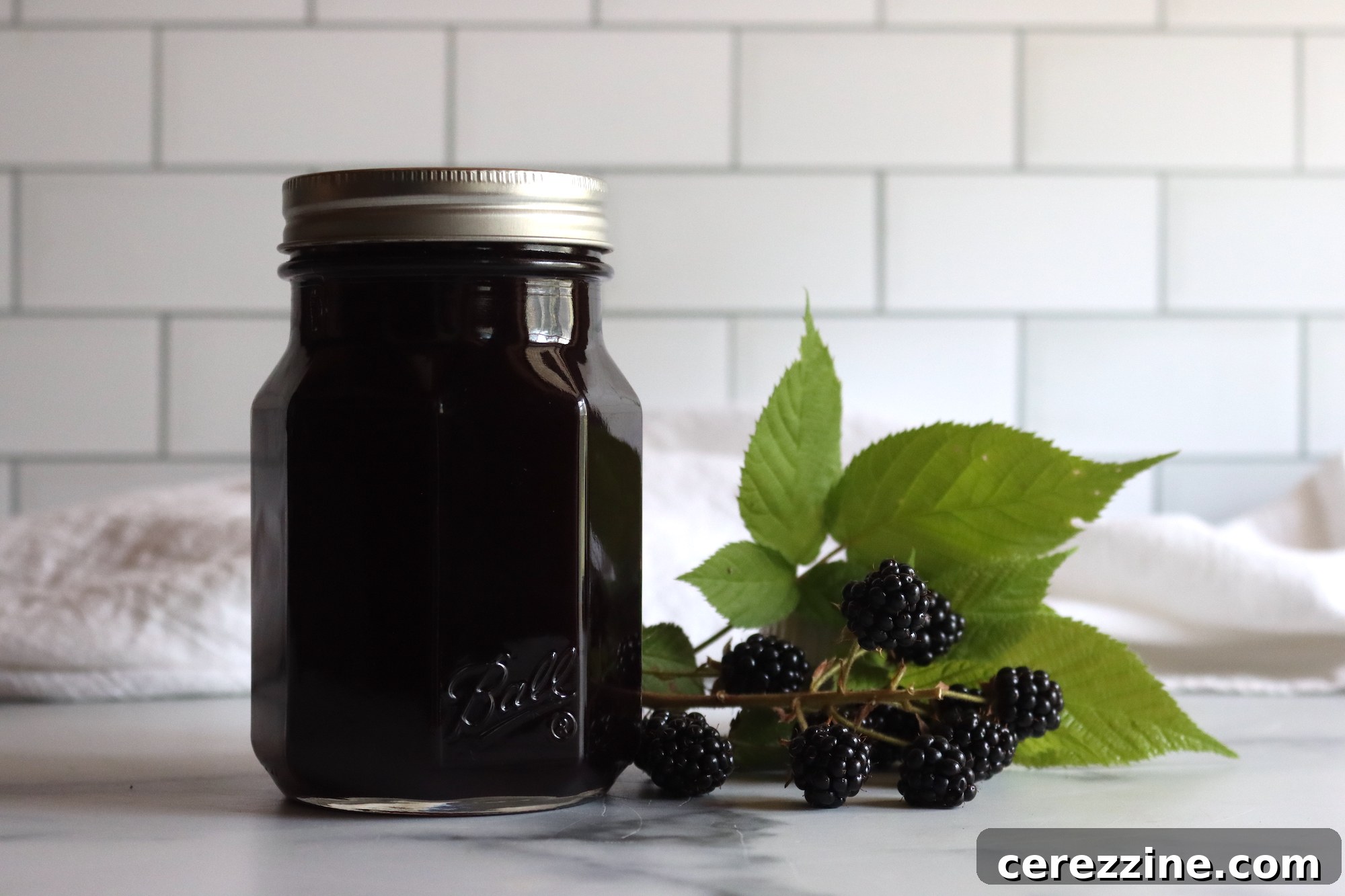
Blackberries are a backyard treasure, offering one of the most reliable and prolific fruit crops for any home gardener or forager. Even a small patch can yield a generous harvest, leaving you with an abundance of these juicy, dark berries. Fortunately, blackberries are exceptionally well-suited for home preservation due to their naturally high sugar and acidity levels. This makes them perfect for simple and safe processing using a **water bath canner**.
At Creative Canning, we celebrate the versatility of blackberries with a wide array of delicious recipes. Beyond eating them fresh, canning is an ideal way to extend their season and enjoy their robust flavor year-round. Our comprehensive collection of **blackberry canning recipes** provides tested methods for creating everything from jams and jellies to pie fillings and syrups, all easily accomplished in your kitchen.
Imagine the delight of enjoying homemade blackberry pie filling in the depths of winter or spreading rich blackberry jam on your toast. The natural pectin in blackberries often means less or no added pectin is needed, allowing the pure fruit flavor to shine. And for those with a flair for fermentation, don’t forget that blackberry season is also an excellent time to craft a few batches of homemade blackberry wine, adding another layer of artisanal preservation to your homesteading efforts. Explore our recipes and make the most of your abundant blackberry harvest!
Canning Blackberry Pie Filling
Old Fashioned Blackberry Jam (No Added Pectin)
20+ Blackberry Canning Recipes
Seedless Blackberry Jam (No Added Pectin)
Cabbage Canning: Beyond the Root Cellar
Cabbage has a long and storied history as a storage vegetable, prized for its ability to last through cold seasons. Historically, resourceful ancestors, like those described in the Foxfire books about Appalachian settlers, would even bury cabbage to preserve it through winter. In many homes, a cool, moist basement or root cellar served as the primary storage solution, where cabbage was kept whole or transformed into sauerkraut.
Traditional sauerkraut involved shredding and salting cabbage, allowing it to ferment in stoneware crocks, providing a tangy staple for months. While root cellars remain an excellent option, modern home canners have additional methods. Unfortunately, canning plain cabbage is neither safe nor recommended for taste, as it becomes mushy and unappetizing. However, cabbage excels when preserved in combination with other ingredients, particularly in pickled forms.
For those without a cold cellar, **canning sauerkraut** is a fantastic option, ensuring you have this probiotic-rich food year-round. Beyond sauerkraut, cabbage is a traditional ingredient in a variety of relishes, where its crisp texture and mild flavor contribute to complex profiles. It’s often featured in chow chow relish recipes, and our southern chow chow recipe is a particularly beloved way to preserve this versatile vegetable. Explore these delicious options to extend the life of your cabbage harvest!
24+ Relish Recipes for Canning (Beyond Pickle Relish)
Southern Chow Chow (Traditional Green Tomato Relish)
Green Tomato Piccalilli (New England Style)
Canning Sauerkraut
Carrot Canning: Versatile & Delicious Preserves
Carrots are a foundational vegetable in countless cuisines, prized for their sweetness, vibrant color, and nutritional value. While a well-maintained root cellar or cool, moist basement can extend the fresh storage of larger carrots, canning offers a reliable and convenient solution for everyone else, especially for smaller or surplus harvests. Home-canned carrots are an excellent way to ensure you have this healthy vegetable on hand for quick meals and emergency preparedness.
Like most vegetables, carrots are a **low-acid food**, meaning they require a **pressure canner** for safe preservation when canned plain. This method ensures that the carrots reach the necessary temperature to prevent spoilage and maintain their quality. Alternatively, carrots can be safely preserved using a **water bath canner** if they are pickled, as the vinegar brine elevates their acidity.
I personally love canning plain carrots, which can be easily added to hearty winter soups and stews, or served as a simple, nutritious side dish on busy evenings. They are a traditional component in comforting chicken soup and pot roast. The Ball canning guide also offers a specific recipe for a delightful home-canned carrot soup. Beyond plain canning, carrots make excellent pickles. Their firm texture yields a wonderfully crisp pickle, and their natural sweetness beautifully complements vinegar and pickling spices. Explore our range of carrot canning recipes to enjoy this essential vegetable all year long.
Canning Chicken Soup
Canning Beef Pot Pie Filling
Canning Carrot Soup
Canning Pot Roast in a Jar
Cauliflower Canning: Pickled Perfection
Cauliflower, much like its cruciferous cousin cabbage, presents unique challenges for home canning. While a versatile and nutritious vegetable, there is no safely tested method for canning plain cauliflower on its own. The National Center for Home Food Preservation has conducted tests that revealed cauliflower tends to break down significantly during the pressure canning process, resulting in an unappealing, mushy texture that no one would truly enjoy. Therefore, direct canning of plain cauliflower is not recommended.
However, this doesn’t mean you can’t preserve your cauliflower harvest! Cauliflower truly excels when transformed into pickles. Pickling cauliflower in an acidic brine not only enhances its flavor but also ensures its safety for **water bath canning**. The pickling process maintains a desirable crispness, making it a wonderful addition to your preserved food collection.
You can pickle cauliflower alone, allowing its distinct flavor to shine, or incorporate it into mixed vegetable pickles for a medley of tastes and textures. It’s a staple in traditional chow chow recipes like the classic Amish Chow Chow, and an essential component in robust British Mixed Mustard Pickles. Pickled cauliflower is fantastic for elevating charcuterie boards, serving alongside barbecued meats, or adding a tangy crunch to salads. Explore our creative recipes to pickle your cauliflower harvest and enjoy its crisp, flavorful goodness year-round.
Pickled Cauliflower with Curry Spices
Cherry Canning: Sweet & Tart Preserves for Any Occasion
Cherries are a beloved summer fruit, bursting with either sweet or tart flavors depending on the variety. In colder climates, such as Vermont, cold-hardy “sour” or “pie cherries” thrive, yielding abundant harvests that are perfect for canning. The effort of pitting these jewels is truly worth it when you taste the incredible home-canned cherry pie filling or savor a spoonful of our highly-rated sour cherry jam – a personal favorite and an absolute treat!
Sour cherries, with their bright acidity, pair wonderfully with added sugar in recipes, developing a deep, rich flavor and maintaining their vivid red color during processing. For those in warmer regions or when sweet cherries are on sale, these can also be safely canned. Sweet cherries, which are commonly enjoyed fresh, transform into a delightful black cherry jam or can be preserved whole in light syrup. Both sweet and tart varieties are naturally high in acid, making them safe for **water bath canning**.
Canning cherries offers numerous easy and delicious ways to enjoy this fruit throughout the year. From vibrant jellies and luscious jams to versatile pie fillings and refreshing concentrates, there’s a cherry canning recipe for every palate and purpose. Stock your pantry with these jewel-toned preserves and bring a taste of summer to your desserts, breakfast table, or beverages, no matter the season.
Cherry Jelly
Sour Cherry Jam
Canning Cherry Limeade Concentrate
Canning Cherry Pie Filling
Corn Canning: Sweetness Sealed for Winter
Sweet corn is a true summer delight, and thankfully, it’s one of the most rewarding vegetables to preserve through canning because it retains its vibrant flavor and tender texture so remarkably well. Pressure-canned sweet corn is a fantastic addition to your pantry, providing a taste of summer to your winter meals. Imagine quickly adding it to hearty soups, savory Shepherd’s pies, or as a simple, delicious side dish to any weeknight dinner.
Due to its nature as a **low-acid vegetable**, sweet corn must be preserved using a **pressure canner** to ensure safety and prevent spoilage. This method effectively neutralizes harmful bacteria, making your home-canned corn a reliable and healthy food source. For those who prefer a tangier flavor profile, sweet corn can also be pickled, which allows for safe processing in a water bath canner by increasing its acidity.
While many sweet corn canning recipes tend to be straightforward, this simplicity is precisely why they are so beloved. The corn’s inherent sweetness and texture are so well-preserved that elaborate preparations aren’t always necessary. However, our collection also includes creative recipes like zesty salsas and hearty chowders that showcase corn’s versatility. Explore our delicious corn canning options and guarantee a burst of summer flavor in your kitchen all year long.
Chicken Vegetable Soup
Chicken and Corn Chowder
Southwestern Corn Salsa
Roasted Poblano Corn Chowder
Cranberry Canning: Tangy Treats for Your Pantry
Cranberries are a vibrant and intensely flavorful fruit, known for their distinctive tartness and rich red hue. Thanks to their naturally high acidity, cranberries are an excellent candidate for safe and easy home preservation using a **water bath canner**. This makes them a joy to work with for both novice and experienced canners alike, ensuring a taste of this unique berry can be enjoyed year-round.
The classic choice for canning cranberries is, of course, Cranberry Orange Sauce. Once you’ve experienced the bright, balanced flavors of a homemade version, you’ll likely never return to store-bought varieties. Our recipes allow you to control the amount of sugar and customize with your favorite spices, creating a sauce that perfectly suits your taste, far superior to the often overly sweetened commercial options.
Beyond the traditional sauce, there are several other fantastic ways to can cranberries. Explore recipes for delightful jams, sparkling jellies, and even savory salsas that beautifully highlight their tart profile. These versatile preserves are perfect for holiday feasts, everyday breakfast spreads, or as a flavorful accompaniment to various dishes. If you fall in love with these recipes, you might even consider growing cranberries in your own backyard—it’s surprisingly easy and incredibly rewarding! Stock your pantry with these tangy treats and enjoy the unique flavor of cranberries throughout the year.
Cranberry Apple Jam
Christmas Jam
12+ Cranberry Canning Recipes
Cranberry Salsa
Cucumber Canning: The Art of the Perfect Pickle
Cucumbers are synonymous with pickles! There’s nothing quite like the crisp, tangy flavor of homemade pickles, whether served alongside juicy burgers at a family cookout or tucked into your favorite sandwich. The versatility of cucumbers means you can create a wide array of pickled delights, moving beyond the classic dill to explore new taste sensations that cater to every palate.
If traditional dill pickles aren’t your preference, don’t worry! Our collection features a variety of popular recipes, including the beloved bread and butter pickles, sweet pickles, and spicy garlic pickles. Each offers a distinct flavor profile, ensuring that you can find the perfect pickle to complement any meal or snack. The high acidity of pickling brine makes cucumbers ideal for **water bath canning**, a straightforward and accessible method for preserving their crunch and flavor.
For gardeners, cucumbers are often incredibly prolific, leading to a bounty that can sometimes overwhelm. While a family might have a limit on how many jars of traditional pickles they need, we offer creative ways to preserve cucumbers beyond just pickling. Explore our recipes for unique relish ideas or other cucumber-based preserves that add versatility to your pantry. With Creative Canning, you’ll be able to manage your cucumber harvest efficiently and enjoy its refreshing qualities year-round.
Classic Bread and Butter Pickles
Dill Pickle Spears
Kosher Dill Pickles
Traditional French Cornichons
Canning Fish & Seafood: A Culinary Challenge for Experienced Preservers
Canning fish and seafood is a rewarding but advanced preservation technique that we recommend for experienced canners. This category presents unique challenges and requires meticulous adherence to tested recipes due to the specific properties of seafood. Unlike fruits and many vegetables, fish and seafood are **low-acid foods**, making a **pressure canner** absolutely essential for safe processing. The higher temperatures achieved under pressure are critical for eliminating harmful bacteria and ensuring the stability of your preserved seafood.
For those ready to expand their canning expertise, preserving fish and seafood can open up a world of culinary possibilities. Imagine having home-canned salmon for quick meals, shrimp for delicious pasta dishes, or crab for gourmet appetizers, all safely stored in your pantry. However, it is paramount to emphasize that precision is key. Recipes for freshwater fish may differ from those for saltwater varieties, and each type of seafood has its own specific processing times and instructions.
We strongly encourage anyone considering these recipes to first gain solid experience with general meat canning before attempting seafood. Carefully follow each recipe’s instructions to the letter, paying close attention to processing times, jar preparation, and pressure levels. The safety and quality of your preserved fish and seafood depend entirely on this diligence. Explore our specialized recipes and confidently embark on your seafood canning journey.
Canning Salmon
Canning Shrimp
Canning Crab
Canning Salmon Chowder Base
Gooseberry Canning: Unique & Easy Preserves
Gooseberries are a fascinating and robust addition to any homestead or garden, offering a unique tart flavor and incredible versatility. These hardy plants are not only fun to grow but also remarkably easy to preserve through canning. To ensure both safety and optimal flavor, it’s crucial that your gooseberries are fully ripe before you begin the canning process. Gooseberry varieties can ripen to various colors—some turn green, others red or deep purple—so knowing your specific variety is key to identifying peak ripeness.
What makes gooseberries particularly appealing for canning is their naturally high pectin content. This abundance of natural pectin means you can create rich, thick jams and jellies with minimal effort, often requiring only fruit and sugar. My absolute favorite way to process a gooseberry harvest is to make a vibrant **gooseberry jam**, which captures their distinctive sweet-tart essence beautifully. For those who prefer a clear preserve, a sparkling **gooseberry jelly** is also an excellent option.
Beyond jams and jellies, you can also preserve whole gooseberries in syrup, allowing for versatile use in desserts, breakfast dishes, or as a garnish throughout the year. With their innate acidity, gooseberries are safely processed using a **water bath canner**, making them an ideal fruit for all levels of home canners. Explore our recipes and bring the delightful and unique taste of gooseberries into your pantry.
Canning Gooseberries
Grape Canning: A Taste of Childhood & Beyond
There’s an undeniable magic to homegrown or locally sourced grapes—their flavor is a world apart from store-bought varieties. This superior taste is perfectly preserved through canning, allowing you to enjoy the astounding richness of fresh grapes long after their harvest season. Each year, I delight in processing batches of homemade grape jelly, a timeless childhood favorite, for all the little ones in my life.
Beyond classic jelly, **canning grape juice** is another excellent way to preserve this fruit. Homemade grape juice offers a pure, refreshing taste and is one of the few approved recipes that can be safely processed in convenient half-gallon mason jars, making it a staple for any home pantry. The natural acidity of grapes makes them ideal for **water bath canning**, ensuring a simple and safe preservation process.
But these beloved childhood favorites aren’t the only ways to enjoy canned grapes. For more mature palates, our collection features recipes for old-fashioned grape jam, often made with the skins left on for added texture and depth of flavor. You can also create luscious grape pie filling or even can whole grapes in syrup, perfect for enhancing holiday desserts or adding to fruit salads. Explore our diverse grape canning recipes and capture the exceptional flavor of fresh grapes for year-round enjoyment.
Wild Grape Jelly
Lemon Canning: Zesty Preserves for Every Season
Lemons, with their bright, zesty flavor, are an indispensable ingredient in countless culinary applications, especially in the world of canning. While often used for their juice to add acidity to water bath canning recipes like tomato sauce and blueberry jam, few people consider canning lemons themselves. However, lemons are fantastic on their own and offer exciting possibilities for direct preservation.
Whether you’re fortunate enough to have a thriving lemon tree in your backyard or simply capitalize on a great sale at the market, there are many delightful ways to preserve these versatile citrus fruits. One of my favorite methods is to can lemon slices in syrup, which transforms them into a candy-like treat perfect for adding a gourmet touch to cocktails or desserts. The vibrant flavor and elegant presentation make them a truly special pantry item.
Beyond slices, you can easily preserve an abundance of lemons as home-canned lemon juice, providing a convenient source of fresh citrus flavor for cooking and baking. Transform them into refreshing lemonade or lemonade concentrate, perfect for quenching thirst on a hot day. Rich marmalades and creamy lemon curds are also wonderful ways to capture their essence. With their high natural acidity, lemons are perfectly suited for **water bath canning**, ensuring safe and flavorful results. Explore our recipes to unleash the full potential of lemon canning!
Canning Strawberry Lemonade Concentrate
Canning Lemonade (& Lemonade Concentrate)
Canning Watermelon Lemonade Concentrate
Canning Plum Lemonade Concentrate
Meat Canning: Convenient & Flavorful Meals for Your Pantry
Canning meat is one of the most practical and rewarding forms of food preservation, transforming raw ingredients into ready-to-eat meals or versatile components for quick dinners. For all meat canning recipes, a **pressure canner** is an absolute necessity. Meat of any kind is a **low-acid food**, requiring the high temperatures achieved in pressure canning to safely preserve it and eliminate any risk of harmful bacteria. While the initial investment in a pressure canner might seem significant, its utility and the culinary freedom it offers are truly invaluable.
Once you’ve mastered the techniques of pressure canning, the possibilities for preserving meat are endless. You can can plain meat—chicken, beef, pork, or venison—in chunks or strips, creating a convenient protein source for adding to other recipes. These plain canned meats are perfect for quickly whipping up tacos, stir-fries, or adding to gravies and sauces.
Even more exciting are the “meal-in-a-jar” options. Pressure canning allows you to combine meat with other ingredients like beans, vegetables, and broths to create delicious, ready-to-heat chili, stews, soups, and even gourmet dishes. Imagine a hearty chicken marsala or beef stroganoff ready in minutes from your pantry shelf! These recipes offer unparalleled convenience, transforming dinner prep from hours to minutes. Explore our diverse collection of meat canning recipes and discover how to stock your pantry with delicious, wholesome meals.
Canning Chicken Marsala
Canning Chicken Korma
Canning Chicken and Gravy Meal in a Jar
Canning Chicken Taco Meat
Mushroom Canning: Preserving Farmed Fungi
For mushroom enthusiasts and foragers, it’s crucial to understand that not all mushrooms are suitable for home canning. While foraging for wild varieties like chanterelles or chicken of the woods is a delightful pastime, there are currently no safely tested canning recipes for wild mushrooms. Their diverse compositions and varying density make consistent heat penetration unreliable, posing safety risks.
However, you can safely preserve **farmed mushrooms** using a **pressure canner**. This method is specifically tested and approved for domestic varieties, ensuring a safe and delicious product for your pantry. When canning farmed mushrooms, it’s essential to select clean, fresh specimens with tight veils (unopened caps) to achieve the best results in terms of texture and flavor.
Canning mushrooms allows you to enjoy their earthy umami notes throughout the year, adding depth to soups, stews, casseroles, and sauces. Beyond plain canned mushrooms, you can create delightful concoctions like savory mushroom soup base, marinated mushrooms with a zesty kick, or even incorporate them into heartier “meal-in-a-jar” recipes such as beef stroganoff. Explore our tested recipes for farmed mushrooms to add these flavorful fungi to your home-canned provisions safely and deliciously.
Canning Chicken and Mushrooms in Garlic Sauce
Zesty Marinated Mushrooms (Canning Recipe)
Canning Beef Stroganoff
Canning Mushroom Soup Base
Onion Canning: Flavorful Additions to Your Pantry
Onions are a cornerstone of countless culinary traditions, celebrated for their ability to add depth, sweetness, and pungency to nearly any dish. While most of our onion harvest is typically stored fresh in a root cellar for long-term keeping, canning offers exciting opportunities to preserve onions in new and flavorful ways. The primary goal of canning onions isn’t simply extended shelf-life, but rather the creation of unique flavor profiles that enhance everyday meals.
Unlike many other vegetables, canning plain onions isn’t the most common approach; instead, they shine when transformed into gourmet condiments or ready-to-serve meals. **Onion jam** and **pickled onions** are among my personal favorites, perfect for elevating sandwiches, burgers, or charcuterie boards with their sweet and tangy notes. The caramelization in onion jam and the zing in pickled onions offer layers of flavor that are impossible to achieve with fresh onions alone.
For ultimate convenience, home-canned **French onion soup** is a true game-changer. Imagine having a rich, deeply flavored soup base ready to heat and serve on a chilly evening, requiring minimal effort. Since onions are a low-acid vegetable, recipes that preserve them alone or in low-acid combinations typically require a **pressure canner**. However, pickled onion recipes are safely processed in a **water bath canner** due to the added acidity of vinegar. Explore our collection to add these versatile and delicious onion preserves to your pantry.
Caramelized Onion Jam
Canning French Onion Soup
Peach Salsa
Zucchini Relish Recipe for Canning
Orange Canning: Bright Citrus Preserves
Oranges, like many other vibrant citrus fruits, are often overlooked when it comes to home canning, which is a missed opportunity for delicious year-round flavor. Their bright, refreshing taste and high acidity make them excellent candidates for preservation, allowing you to enjoy the sunshine of citrus long after their peak season. I make sure to process a fresh batch of oranges whenever I encounter a good sale, filling my pantry with their cheerful goodness.
As a child, I adored those small mandarin orange slices, and today, my entire family still savors them from our homemade jars. Canning whole or sliced oranges in a light syrup preserves their delicate texture and sweet-tart flavor, making them a versatile ingredient for desserts, salads, or simply enjoyed on their own. The process is simple and rewarding, especially since oranges are naturally high in acid, making them perfectly safe for **water bath canning**.
Beyond whole fruit, oranges lend themselves beautifully to a variety of other preserves. A good **orange jam** or a classic, slightly bitter **marmalade** are fantastic ways to capture their distinctive flavor. These preserves are wonderful on toast, pastries, or as glazes for meats. From zesty sauces to refreshing concentrates, explore our collection of orange canning recipes to infuse your pantry with the bright and invigorating taste of citrus, ready to brighten any day.
Canning Oranges
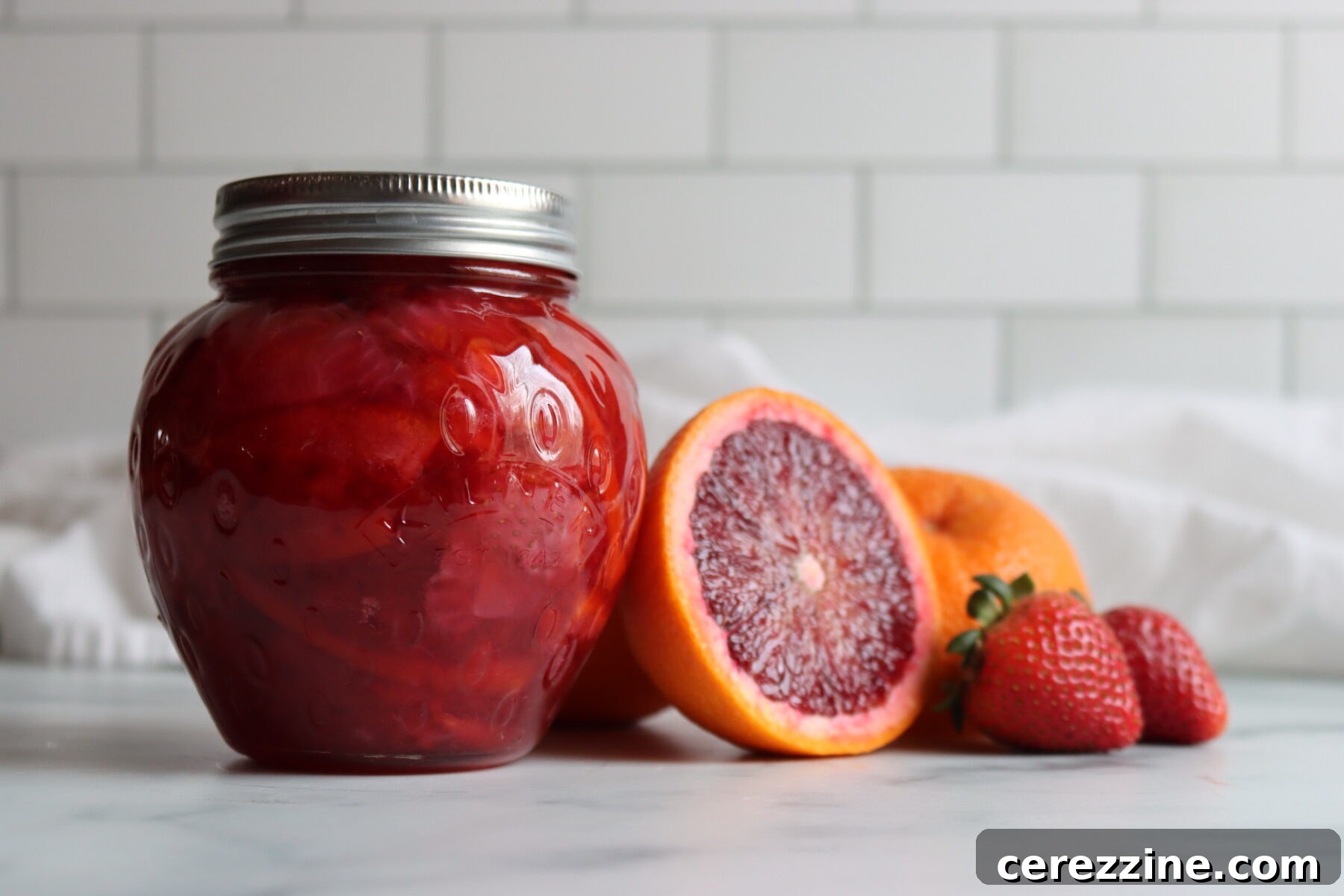
Blood Orange Marmalade
Cranberry Orange Sauce
Low-Sugar Orange Marmalade
Papaya Canning: Tropical Flavors for Your Pantry
Papaya, with its sweet, unique flavor and vibrant color, is a tropical fruit that might not immediately come to mind for home canning in cooler climates. However, for those with access to this delicious fruit, it offers wonderful opportunities for preservation. Papaya is another fruit that is naturally high in acid, making it perfectly safe and suitable for **water bath canning** methods. This means you can enjoy the exotic taste of papaya even when fresh fruit isn’t readily available.
While I may not have extensive personal experience canning papaya in my Vermont homestead, the National Center for Home Food Preservation provides multiple thoroughly tested and approved papaya canning recipes. These reliable resources ensure that you can safely and effectively preserve papaya, bringing a taste of the tropics to your home pantry. Whether you’re looking to capture its sweetness in a jam or preserve it in syrup, the results are always a delightful treat.
Our collection includes popular recipes like papaya jam, which showcases its tropical essence beautifully, and instructions for canning plain papaya in syrup. These versatile preserves can be used in a variety of ways, from enhancing breakfast spreads to adding a unique flavor to desserts and smoothies. Discover the joys of canning papaya and infuse your kitchen with its delightful, sun-kissed flavor all year long.
Papaya Jam
Canning Papaya
Peach Canning: Sweet Summer Preserves
Peaches embody the very essence of summer, delivering a burst of sweet, juicy flavor that is universally loved. For my family, peach season means our midsummer canning efforts are in full swing, turning abundant harvests into pantry staples. There’s a truly wonderful feeling that comes from biting into a slice of homemade peach pie or enjoying tender peach halves in the depths of January, a sweet reminder of warmer days.
Fortunately, most **peach canning recipes** are wonderfully straightforward. Peaches are naturally sugary and acidic, making them perfectly safe and ideal for **water bath canning**. This accessible preservation method ensures that even beginner canners can confidently create delicious preserves. Our collection offers a variety of ways to capture the unparalleled taste of fresh peaches, from sweet slices in syrup to delectable jams and jellies.
An important note for safety: It’s crucial not to use these recipes for canning white peaches. White-fleshed peaches are considerably lower in acid than their yellow counterparts and require specific, tested recipes with added acidification (like lemon juice) for safe preservation. Always ensure you are working with yellow-fleshed peaches for the recipes listed here. With careful attention, you can fill your pantry with the glorious taste of summer peaches, ready to be enjoyed throughout the colder months.
Peach Nectar
Summer Fruit Salsa with Honey & Balsamic
Peach Jelly
Blueberry Peach Jam
Pear Canning: Sweet & Succulent Preserves
Pears are a delightful autumn fruit, but unless you cultivate specific storage varieties and possess an ideal root cellar, their fresh shelf life can be quite limited. Fortunately, pears are naturally acidic, making them excellent candidates for home preservation. **Water bath canning** provides a straightforward and reliable method to ensure your family can enjoy a continuous supply of delicious pears throughout the long winter months.
Canning pears allows you to capture their delicate sweetness and tender texture, transforming them into versatile pantry staples. You can preserve whole or sliced pears in light syrup, create luscious jams and jellies, or even make a smooth, flavorful pear butter. These preserves are perfect for desserts, breakfast toppings, or as a simple, elegant side dish. The mild flavor of pears also makes them a wonderful base for combining with other fruits and spices, adding complexity to your canned goods.
Important Preservation Note: These pear canning recipes are specifically designed for standard pear varieties. Do not use them for Asian pears. Asian pears are a **low-acid fruit** and cannot be safely canned without the addition of a significant amount of acid, typically in the form of lemon juice or vinegar. Always consult Asian pear-specific, tested canning recipes to ensure safety. With our diverse collection, you’re ready to make the most of your pear harvest and enjoy these succulent fruits all year long.
Pear Jam
Pear Sauce
Pear Butter
Pea Canning: A Taste of Summer in Every Jar
There’s a simple, nostalgic pleasure in spending a breezy early summer evening on the porch, shelling peas. It’s a labor of love, a mindful process that yields a harvest far superior to any store-bought peas. When I open a jar of home-canned peas in the middle of winter, those warm summer evenings on the porch instantly come to mind, bringing with them a taste of freshness and cherished memories.
To safely preserve plain peas for your pantry, you will need a **pressure canner**. Peas are a **low-acid vegetable**, meaning they require the high temperatures achieved under pressure to eliminate harmful bacteria and ensure a safe, shelf-stable product. This method locks in their natural sweetness and delicate texture, making them perfect for adding to hearty stews, casseroles, or as a simple, nutritious side dish.
However, if you’re working with a **water bath canner** and looking for a creative way to preserve peas, consider pickling snap peas. The addition of an acidic pickling brine makes them safe for water bath processing and transforms them into a delightful, tangy snack. Pickled snap peas offer a refreshing crunch and a burst of flavor, perfect for relish trays, salads, or enjoyed straight from the jar. Explore our tested recipes to enjoy the taste of summer peas throughout the year.
Canning Split Pea Soup
Pepper Canning: Spice & Flavor for Your Pantry
Peppers, whether sweet or hot, are surprisingly productive in the home garden, often yielding an abundant harvest by the end of summer. While freezing a large batch for future chili is a common practice, canning offers a fantastic alternative for preserving their vibrant flavors and versatile uses. **Pickled peppers** are a particular favorite, providing a tangy, zesty kick that’s perfect for tossing onto subs, hot dogs, pizzas, or incorporating into various dishes.
The beauty of canning peppers lies in its simplicity and adaptability. Both hot and sweet peppers can be safely processed in the same way, making it easy to preserve a mixed harvest. Pickling peppers involves submerging them in an acidic brine, which makes them suitable for safe **water bath canning**. This method maintains their crisp texture and infuses them with delightful flavors from vinegar and spices.
Beyond simple pickled peppers, you can also can a basic hot sauce, allowing you to enjoy a homemade fiery condiment on eggs, tacos, and more throughout the year. For a more complex flavor profile, marinated peppers offer a rich, savory addition to your pantry, perfect for antipasto platters or gourmet sandwiches. Explore our diverse range of pepper canning recipes and discover how to capture the unique spice and flavor of your harvest for year-round enjoyment, adding a zesty punch to any meal.
Marinated Peppers
Salsa Ranchera
Restaurant Style House Salsa
Roasted Tomatillo Salsa
Pineapple Canning: Taste the Tropical Difference
Many home cooks might wonder why bother canning pineapple at home when store-bought versions are readily available. The simple answer lies in the incredible difference in taste. Home-canned pineapple is a revelation, a far cry from its commercial counterpart, much like comparing a fresh, vine-ripened heirloom tomato to a mealy midwinter supermarket variety. The vibrant, balanced sweet and tart notes of homemade canned pineapple are truly incomparable.
Pineapples are naturally high in acid, which makes them an ideal candidate for safe and straightforward preservation using a **water bath canner**. This accessible method allows you to easily capture the fruit’s exquisite flavor and delicate texture, bringing a taste of the tropics to your pantry year-round. Beyond simply canning chunks or slices in syrup, pineapple offers exciting possibilities for more creative preserves.
Explore recipes for zesty pineapple mango salsa, a burst of tropical flavor perfect for summer barbecues or as a topping for grilled fish. You can also get creative by incorporating pineapple into unique combinations, like canning zucchini in pineapple juice for a surprising, sweet treat. With home-canned pineapple, you control the ingredients, ensuring a fresher, more flavorful product free from excessive sugars or artificial additives. Discover our easy pineapple canning recipes and elevate your pantry with this delightful tropical fruit.
Pineapple Mango Salsa
Canning Pineapple
Canning Zucchini in Pineapple Juice
Plum Canning: A Bountiful Harvest Preserved
For those fortunate enough to have productive plum trees, the annual harvest can be truly overwhelming. Our homestead, for instance, boasts over 20 plum trees, encompassing a variety of cold-hardy types that thrive in our challenging zone 4 winters. While we relish eating as many fresh plums as possible straight from the branch, it’s an undeniable truth that we can never consume them all before they spoil. This abundance makes plums an ideal candidate for home preservation.
Fortunately, plums are perfectly suited for canning, and the sheer number of creative plum canning recipes available ensures that preservation remains an exciting culinary endeavor. Their natural acidity makes them safe for **water bath canning**, an accessible method for all home canners. My personal favorite way to preserve plums is by making luscious plum jam, capturing their intense flavor and vibrant color. You can even create distinctive single-variety batches, like the rich damson jam or the delicate greengage jam, celebrating the unique characteristics of each plum type.
Beyond jams, plums offer versatile preservation options. You can can whole or sliced plums in syrup, providing a more versatile ingredient than jam for holiday desserts, breakfast parfaits, or simply enjoyed as a fruit side. These charming preserves add a touch of elegance and homemade goodness to any dish. Explore our extensive collection of plum canning recipes and turn your abundant harvest into a year-round pantry full of delicious possibilities.
Greengage Jam
30+ Plum Canning Recipes
Damson Jam
Potato Canning: Convenience for Your Pantry
Potatoes are a staple crop, traditionally stored in cool, dark root cellars where larger varieties can last for months. If you’re fortunate enough to have such a space, it’s an ideal way to keep your main potato harvest fresh. However, smaller potatoes or those stored without optimal conditions tend to spoil more quickly. Moreover, the sheer convenience of having ready-to-use potatoes makes canning a highly appealing option for any home kitchen.
I always make sure to **pressure can** several batches of potatoes each year. This method is essential for safely preserving potatoes, as they are a **low-acid vegetable** and require the high temperatures of a pressure canner to prevent spoilage. The convenience of opening a jar of perfectly cooked potatoes is unmatched. They’re ready to be mashed for a quick dinner side, tossed into hearty stews and soups, or even transformed into unique dishes.
Our collection of potato canning recipes goes beyond plain potatoes. You can pressure can them as a primary ingredient in delicious soups and stews, creating “meal-in-a-jar” options that simplify weeknight cooking. Explore recipes for hearty potato leek soup, or a comforting sausage, potato, and kale soup. We even have a surprising recipe for canning French fries! With home-canned potatoes, you’ll always have this versatile vegetable at your fingertips, reducing prep time and adding wholesome goodness to your meals all year long.
Canning French Fries
Canning Potato Leek Soup
Canning Sausage Potato and Kale Soup (Copycat Zuppa Toscana)
Pumpkin & Winter Squash Canning: Safe & Flavorful Preserves
Pumpkin and winter squash are quintessential autumn harvests, but preserving them requires specific techniques to ensure safety and quality. To safely preserve pumpkin and other winter squashes, you must use a **pressure canner** and follow a very precise method. This is critical because pumpkin is a **low-acid vegetable**, and improper canning can lead to serious health risks. Understanding and adhering to tested guidelines is paramount for these hearty vegetables.
One of the most important rules for canning pumpkin and winter squash is to **can them in chunks, not as a puree**. Pumpkin puree is too thick for home canning in glass jars; the heat from the pressure canner cannot adequately penetrate the dense puree to safely sterilize the contents. While commercial pumpkin puree is canned, it uses industrial processes that differ significantly from home canning methods. Always cut your squash into uniform chunks for safe processing.
Don’t worry about missing out on puree for your pies and soups! The pressure-canned chunks become wonderfully soft and are incredibly easy to mash or puree once they are removed from the jar and ready for use. Our comprehensive recipes for canning pumpkin and winter squash provide detailed, tested instructions to guide you through the process safely. Explore options for plain chunks, butternut squash soup base, or even unique creations like Thai coconut squash soup. Preserve your harvest confidently and enjoy the flavors of autumn all year long.
12+ Pumpkin, Butternut & Winter Squash Canning Recipes
Canning Butternut Squash Soup Base
Canning Thai Coconut Squash Soup (Tested Recipe)
Canning Butternut Squash and White Bean Soup
Quince Canning: Unlocking a Unique Fruit’s Potential
Quince is an extraordinary fruit, often a mystery to those unfamiliar with its unique characteristics. Even when fully ripe, quince remains remarkably firm, making it challenging to determine its readiness. The key indicators are its enchanting fragrance and distinctive color: a ripe quince should emit a sweet, floral, and almost intoxicating aroma, accompanied by a vibrant yellow hue. This hardiness also means quince truly shines after a good deal of cooking.
Thankfully, quince is an excellent candidate for home canning, transforming its firm flesh into tender, flavorful preserves. My favorite way to process quince is by making a delightful **quince jam**. Quince is naturally rich in pectin, a quality that makes it exceptionally easy to create a thick, luscious jam using just the fruit and sugar, without the need for added pectin. This natural property also makes for an effortlessly smooth no-pectin-added quince jelly, perfect for spreading on toast or pairing with cheese.
Beyond jams and jellies, you can also preserve quince in syrup, allowing for versatile use in desserts or as an accompaniment to savory dishes. With its inherent acidity, quince is safely preserved using a **water bath canner**, making it an accessible and rewarding fruit for home canners. Explore our range of quince canning recipes and discover how to transform this intriguing fruit into delectable, aromatic pantry staples that will surprise and delight your palate.
Quince Jam
Canning Quince
Quince Jelly
Raspberry & Black Raspberry Canning: Sweet Berries for All Seasons
Raspberries and black raspberries are truly nature’s candy—abundant, intensely flavorful, and a highlight of the summer season. While my family can effortlessly devour a surprisingly large harvest when these little gems are fresh, their delicate nature means they don’t keep well for long. This abundance and fragility make them prime candidates for home preservation, ensuring their exquisite taste can be savored far beyond their short growing season.
Thankfully, raspberries are remarkably easy to preserve through canning, offering a versatile range of options for your pantry. Their natural acidity makes them perfectly suited for safe **water bath canning**. You can preserve whole raspberries in light syrup for desserts or enjoy them in classic preparations like raspberry pie filling, vibrant jams, or sparkling jellies. These preserves are fantastic for spreading on toast, topping ice cream, or enriching baked goods.
For those who prefer a smoother texture, a bit of extra effort with a simple fine mesh strainer allows you to create delectable seedless raspberry jam, maximizing the fruit’s pure flavor without any distractions. Raspberry syrup is another fantastic option, perfect for drizzling over pancakes or mixing into refreshing drinks. Explore our comprehensive collection of raspberry canning recipes to turn your bountiful berry harvest into delightful, year-round treats that capture the essence of summer.
Seedless Raspberry Jam (No Added Pectin)
Raspberry Syrup
20+ Raspberry Canning Recipes
Canning Raspberry Pie Filling
Rhubarb Canning: Spring’s Tart Delights Preserved
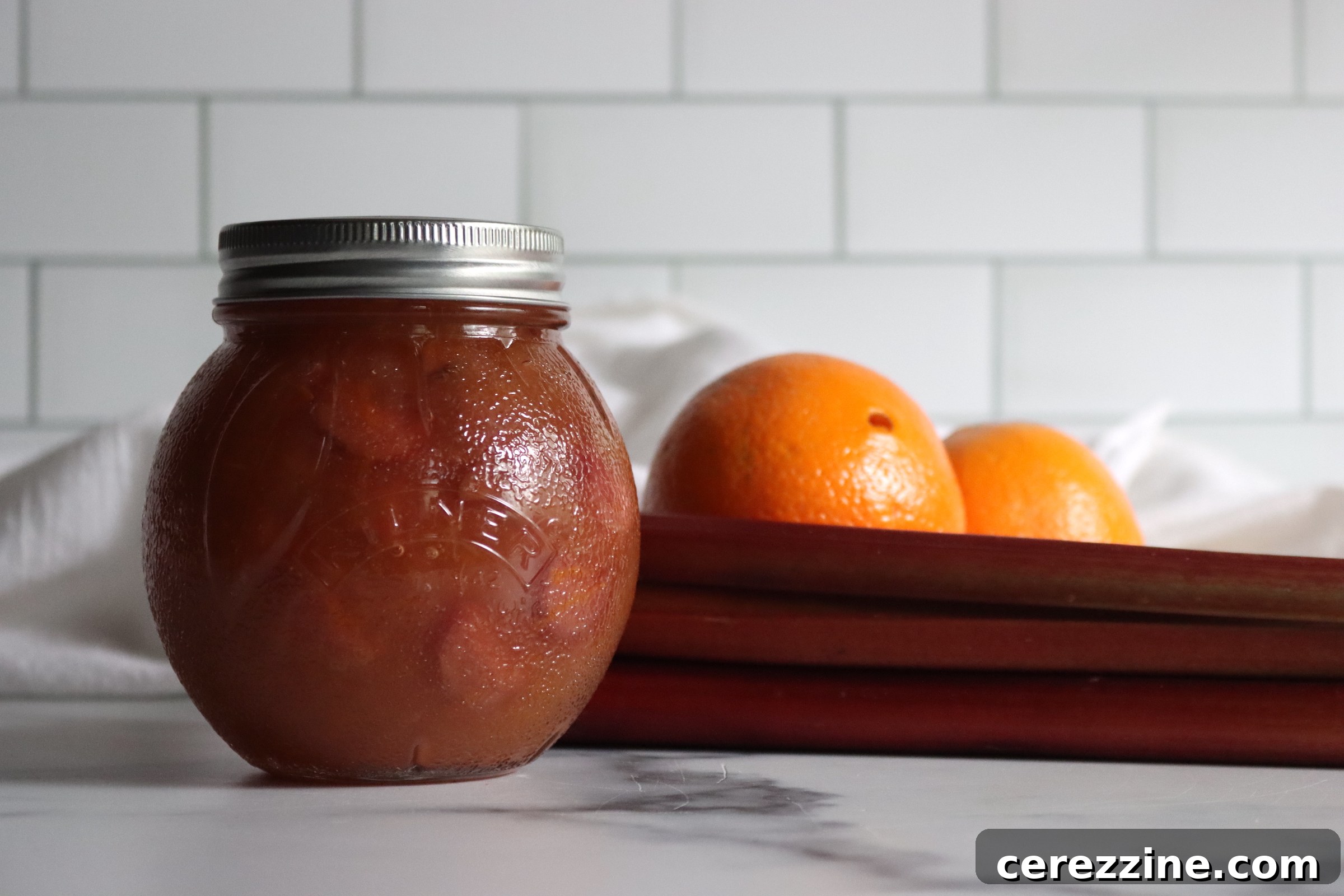
Rhubarb holds a special place in the hearts of many, particularly in regions with chilly springs, as it’s often one of the very first crops to emerge and be harvested. Its vibrant stalks signal the start of a new growing season, and its distinctive tartness makes it incredibly versatile. While I love immediately enjoying rhubarb in fresh crisps and pies, it is also an exceptional candidate for canning, offering a multitude of delicious ways to savor its unique flavor throughout the year.
Our comprehensive collection of rhubarb canning recipes showcases its incredible adaptability. From classic sweet treats like vibrant jams and jellies to surprising savory applications like tangy barbecue sauce, there’s a recipe to suit every palate. Rhubarb’s natural acidity makes it ideal for **water bath canning**, ensuring a safe and simple preservation process for both novice and experienced canners.
While often used in sweet preparations, rhubarb is botanically a vegetable, and its tartness lends itself beautifully to savory dishes as well. Beyond canning, if you’re looking for diverse culinary inspiration, explore our wide range of unique rhubarb recipes, including fantastic savory rhubarb recipes that can elevate your dinner table. And for those times when canning isn’t an option, freezing rhubarb is a quick and effective way to preserve its fresh goodness. Whether you’re making juice concentrate, pie filling, or jam, rhubarb is a rewarding ingredient to preserve.
Rhubarb Juice Concentrate (with Canning Instructions)
Canning Rhubarb Pie Filling
Rhubarb Jelly
Rhubarb Jam
Salsa Canning: A Flavor Fiesta for Your Pantry
Salsa is a quintessential condiment that brings vibrant flavor and a delightful kick to countless dishes. The good news for home preservers is that salsa is remarkably easy and safe to preserve using a **water bath canner**. This simplicity, combined with the endless possibilities for flavor combinations, makes salsa canning a favorite among home canners. Think beyond just traditional tomato salsa and explore a wide spectrum of fruits and vegetables that can be transformed into incredible, shelf-stable creations.
Our diverse collection of salsa recipes ensures there’s something for every palate. For those who crave a satisfying crunch, our Southwestern corn salsa is a fantastic choice, blending sweet corn with savory spices and a hint of tang. If you’re looking for a refreshing and slightly unexpected twist, our fruit salsa with honey and balsamic is a personal favorite, perfect for summer barbecues or as a unique accompaniment to grilled chicken or pork.
From fiery jalapeño salsa to mild and chunky varieties, you can customize your salsa to your preferred spice level and texture. The natural acidity from tomatoes, fruits, and vinegar in most salsa recipes makes them safe for water bath processing, allowing you to enjoy these vibrant flavors year-round. Stock your pantry with homemade salsa and elevate your tacos, enchiladas, grilled meats, and appetizers with a burst of fresh, garden-inspired taste.
Hearty Tomato Salsa (with Paste Tomatoes)
Tomato Salsa with Tomato Paste (Thickened Salsa)
Spicy Jalapeño Salsa
Apricot Salsa
Soup Canning: Hearty Meals for Any Day
One of the most comforting and efficient ways to preserve an abundance of summer vegetables, especially when combined with savory broths and seasonings, is to make and can homemade soup. These ready-to-heat jars are perfect for quick lunches, offering a wholesome and comforting meal, particularly when paired with a simple sandwich or when you’re feeling under the weather. The versatility of home-canned soup also allows you to bulk it up at serving time with added rice, pasta, or meat, transforming a light meal into a hearty feast.
For those who might find plain canned vegetables a bit uninspired, canning soups provides a fantastic alternative. These recipes infuse vegetables with rich flavors from stock and seasonings, creating a more appealing and satisfying way to consume your daily dose of produce. From vibrant tomato basil soup to robust southwestern vegetable soup, our recipes cater to a variety of tastes and dietary preferences. Since many soups contain low-acid ingredients, a **pressure canner** is often required for safe processing, ensuring all ingredients are preserved effectively.
However, many fruit and vegetable-based soups with added acid (like tomatoes or lemon juice) can be safely processed in a **water bath canner**. Our collection includes both pressure-canned and water-bath-canned soup recipes, clearly outlining the necessary equipment and safety guidelines for each. Explore our diverse range of soup canning recipes and stock your pantry with delicious, convenient, and flavorful meals for any season.
20+ Vegetarian Soup Canning Recipes
Heirloom Tomato Soup
Roasted Red Pepper Soup
Southwestern Vegetable Soup
Strawberry Canning: Capturing Spring’s Sweetness
Strawberries are undeniably one of the most anticipated and delightful fruits of early spring. On our Vermont homestead, the annual strawberry harvest signifies the joyful start of the canning season. We cultivate an extensive patch, featuring both June-bearing and ever-bearing varieties, ensuring a continuous supply of these succulent berries. After indulging ourselves with fresh strawberries, our thoughts immediately turn to preserving their sweet essence for the months ahead.
Canning **strawberry jam** is often the traditional kick-off to my busy summer canning routine. Their natural sweetness and acidity make them ideal for easy and safe preservation using a **water bath canner**. Beyond classic jam, you can also can sparkling strawberry jelly or whole berries in syrup, ensuring you have a taste of spring’s bounty until the next season. The versatility of strawberries means there’s a perfect canning recipe for every preference.
Our comprehensive collection of strawberry canning recipes offers an extensive array of options to inspire you. From luscious strawberry pie filling, perfect for homemade desserts, to old-fashioned strawberry jam without added pectin that highlights the fruit’s pure flavor, you’ll find plenty to get started. For those who prefer less sugar, we also offer low-sugar strawberry jam recipes with pectin, and delightful strawberry syrups. Explore our recipes and fill your pantry with the irresistible taste of home-canned strawberries!
Canning Strawberry Pie Filling
Old Fashioned Strawberry Jam (No Added Pectin)
Low Sugar Strawberry Jam (with Pectin)
Strawberry Syrup
Tomatillo Canning: Zesty Southwestern Flavors
Tomatillos, those intriguing little green, husk-covered relatives of the tomato, are a fantastic crop for any gardener and an essential ingredient in Southwestern cuisine. They are remarkably easy to grow and yield abundantly, making them a prime candidate for home preservation. Their unique tangy flavor and inherent acidity make them perfect for transforming into delicious sauces and salsas that can be enjoyed throughout the year.
One of my favorite ways to utilize a tomatillo harvest is by making a vibrant **tomatillo sauce** for enchiladas or incorporating it into hearty pork stews. The bright, zesty notes of tomatillos add a distinct depth of flavor that can’t be replicated. Crucially, tomatillos are naturally acidic, which simplifies the canning process significantly. This means they are perfectly safe and ideally suited for **water bath canning**, an accessible method for both novice and experienced canners.
Our collection of tomatillo canning recipes offers several delicious ways to preserve this versatile fruit. Explore recipes for zesty chipotle tomatillo salsa, a smoky and spicy condiment that elevates tacos and chips. Learn how to make a classic canned tomatillo sauce, which serves as an excellent enchilada sauce or simmer sauce base. And, of course, a fresh salsa verde (tomatillo salsa) is a must-have for any pantry. Dive into these recipes and infuse your meals with the authentic, zesty flavors of tomatillos, year-round.
Chipotle Tomatillo Salsa
Canning Tomatillo Sauce (Enchilada Sauce or Simmer Sauce)
Salsa Verde (Tomatillo Salsa)
Tomato Canning: The Heart of Your Pantry
Tomatoes are an undisputed cornerstone of our home pantry, occupying a significant portion of our garden each summer. We diligently put up dozens of jars of tomatoes every season, utilizing a wide array of recipes to ensure we have this versatile fruit available for our meals throughout the year. From hearty minestrone and spicy chili to comforting lasagna and savory stuffed peppers, countless beloved dishes rely on the rich flavor of home-canned tomatoes.
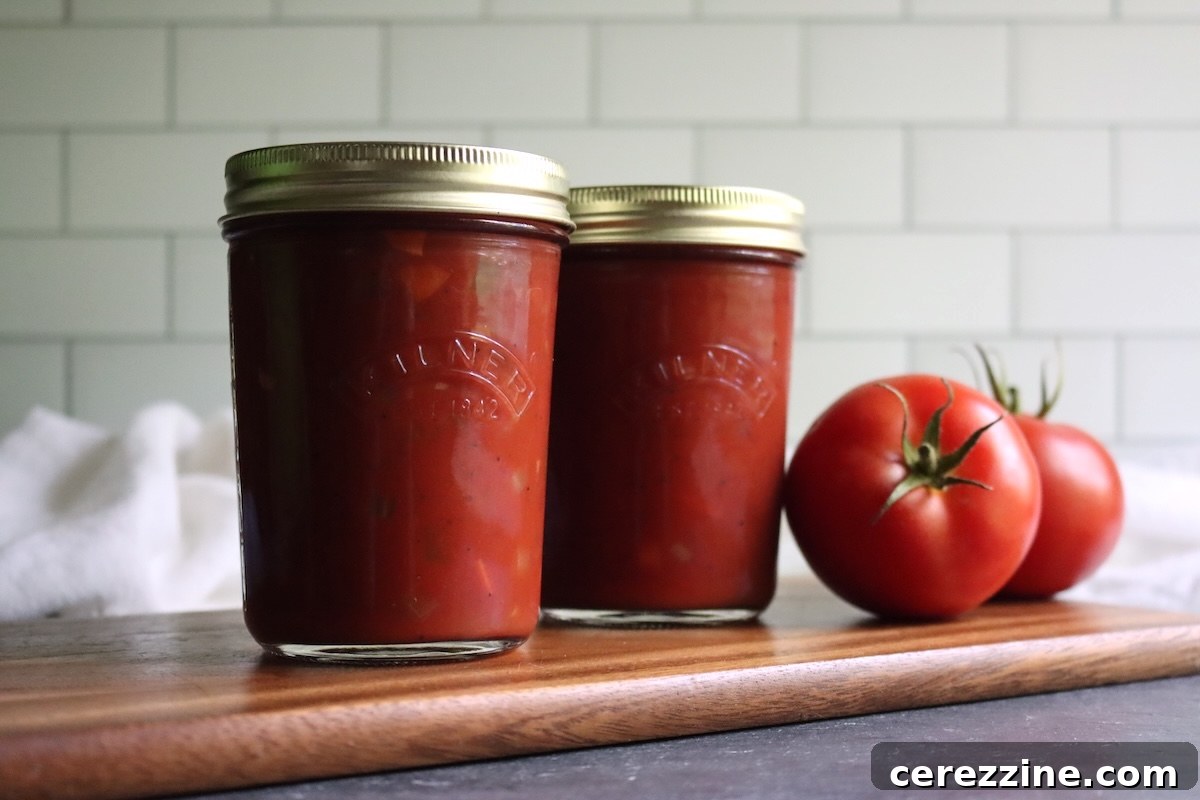
The world of tomato canning recipes is incredibly diverse, offering options such as whole peeled tomatoes, chunky tomato jam, tangy pickled tomatoes, and a variety of sauces. This versatility allows you to preserve tomatoes in the form best suited for your family’s favorite meals. However, it’s crucial to remember that tomatoes are considered **borderline acidic** for canning. This means strict adherence to tested recipes is essential for safety.
When canning tomatoes, always add the appropriate amount of lemon juice or citric acid as specified in the recipe. This extra acidification ensures the pH level is low enough for safe **water bath canning**, preventing the growth of harmful bacteria. By following these guidelines, you can confidently fill your shelves with flavorful, wholesome, and safe home-canned tomatoes, ensuring a taste of summer in every dish, all year long.
Canning Tomatoes in Wine
Roasted Marinara Sauce (Waterbath Canning Recipe)
Southwest Tomato Soup
Canning Enchilada Sauce (Ball Canning Recipe)
Unripe Green Tomato Canning: Savory Fall Preserves
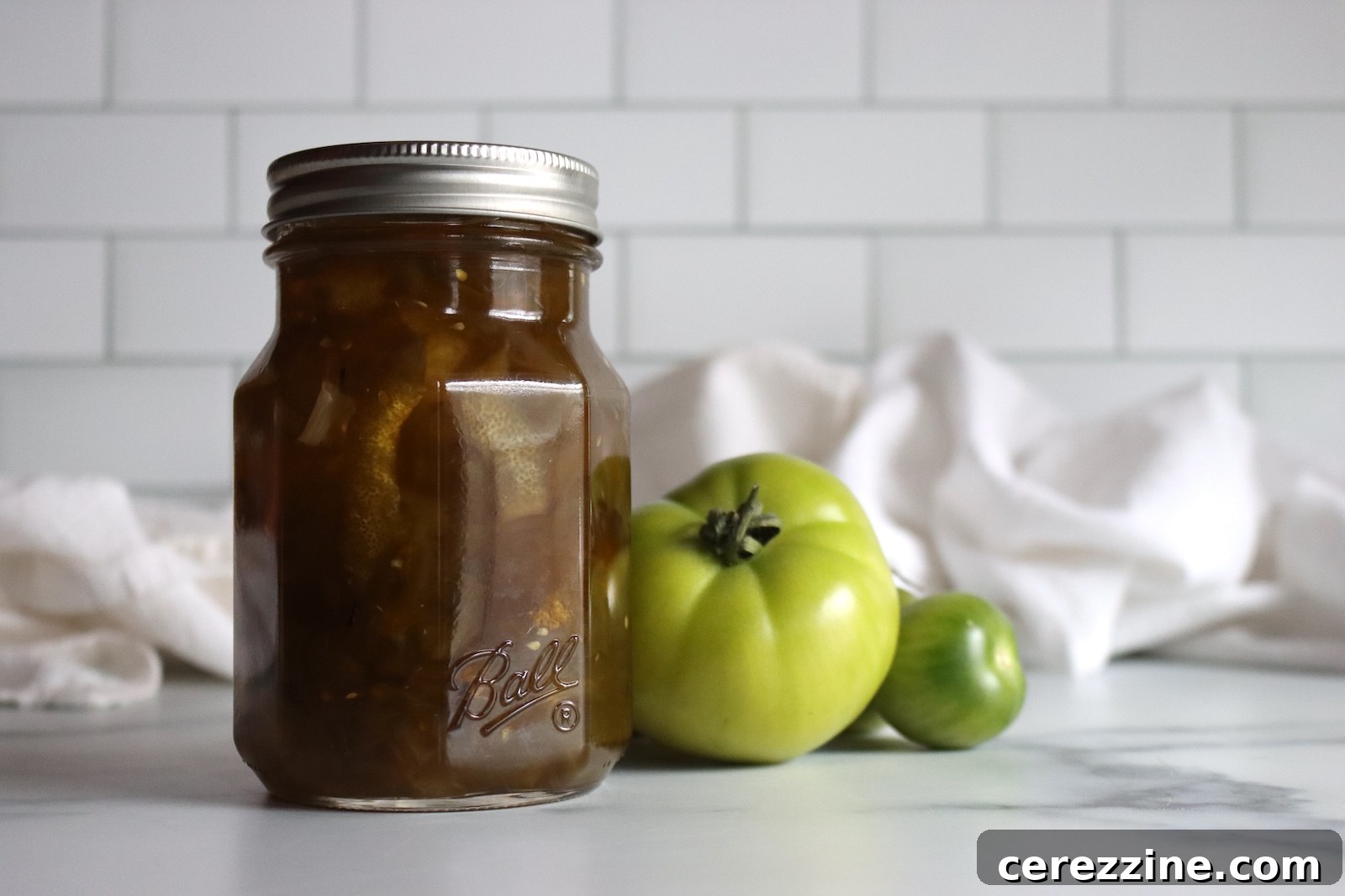
As the growing season draws to a close, many gardeners find themselves with a surplus of unripe green tomatoes. Rather than letting them go to waste with the first frost, these firm, tangy fruits are perfect for home preservation. In fact, green tomatoes are even more acidic than their ripe red counterparts, making them an excellent choice for safe and flavorful **water bath canning**.
Canning green tomatoes opens up a world of savory possibilities for your pantry. They excel when transformed into a variety of condiments and ingredients that add a unique zest to your meals. Imagine crafting homemade green tomato ketchup, a wonderfully tangy alternative to traditional red ketchup, perfect for burgers and fries. Explore recipes for vibrant chutneys, which offer a sweet and spicy kick, or unique savory jams that pair beautifully with cheeses and meats.
A particularly delightful option is home-canned green tomato pie filling, a surprising and delicious treat that captures the essence of late-season harvest. Green tomatoes are also a classic ingredient in various relishes, including the popular chow-chow and piccalilli varieties. By canning your unripe green tomatoes, you not only reduce food waste but also extend the garden’s bounty, providing delicious and versatile ingredients for your culinary adventures throughout the colder months.
Dill Pickled Green Tomatoes
10+ Chow Chow Recipes (& Piccalilli too!)
Green Tomato Chow Chow (Canadian Style)
Green Tomato Ketchup
Watermelon & Other Melons Canning: Sweet Summer Preserves
Nothing quite compares to the refreshing taste of fresh watermelon straight off the vine, a quintessential joy of summer. However, the season for these succulent melons is fleeting, and their high water content makes them notoriously tricky to preserve. While freezing is an option, it often alters their delicate texture. Fortunately, there are several delicious and carefully tested watermelon canning recipes that effectively capture their sweet flavor and unique character.
Watermelon, like other melons, is a **low-acid fruit**, meaning that specific recipes and careful preparation are essential for safe home canning. Many of these recipes incorporate added acidity, such as lemon juice or vinegar, to ensure safety for **water bath canning**. This balance allows you to enjoy the sweet taste of watermelon long after summer has faded.
One of my favorite preservation methods for watermelon is making watermelon rind pickles. This ingenious recipe not only produces a wonderfully crisp and tangy treat but also helps reduce food waste, making the most of every part of your watermelon harvest. I also love canning watermelon jelly, which provides a bit of its distinctive sweetness and refreshing flavor to spread on toast or pastries throughout the year. Explore our creative melon canning recipes to savor the taste of summer’s sweetest bounty well into the colder months.
Watermelon Canning Recipes
Watermelon Rind Preserves
Watermelon Rind Pickles
We hope this comprehensive guide has inspired you to explore the incredible world of home canning! With hundreds of reliable, ingredient-sorted recipes at your fingertips, Creative Canning is dedicated to helping you preserve the freshest flavors of the season and fill your pantry with homemade goodness. Whether you’re making jam, pickling vegetables, or crafting ready-to-heat meals, the rewards of home preservation are endless.
What delightful canning creations have you been making, or what recipes are you eager to add to your pantry this year? We’d love to hear from you!
Leave us a note in the comments below with your thoughts, suggestions, or any canning recipes you’d love to see featured. Happy canning!