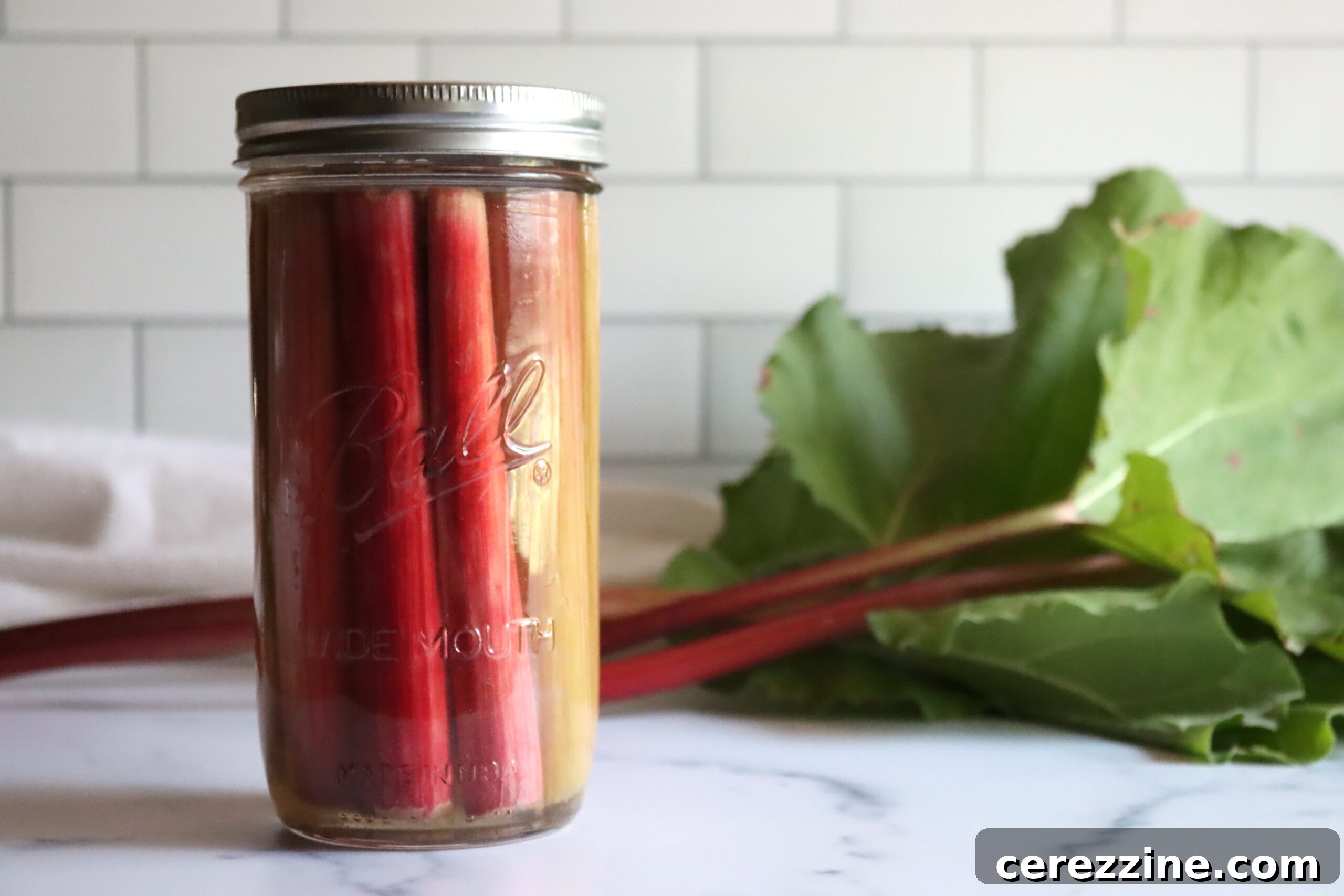
Pickled rhubarb offers a truly delightful and distinctive way to savor this vibrant, tangy vegetable. This age-old preservation method not only extends rhubarb’s shelf life but also magnificently transforms its flavor profile, creating a harmonious balance of sweet and sour that is guaranteed to tantalize your taste buds. Imagine a burst of zesty sweetness perfect for enhancing a myriad of dishes, making it a versatile staple in any pantry.
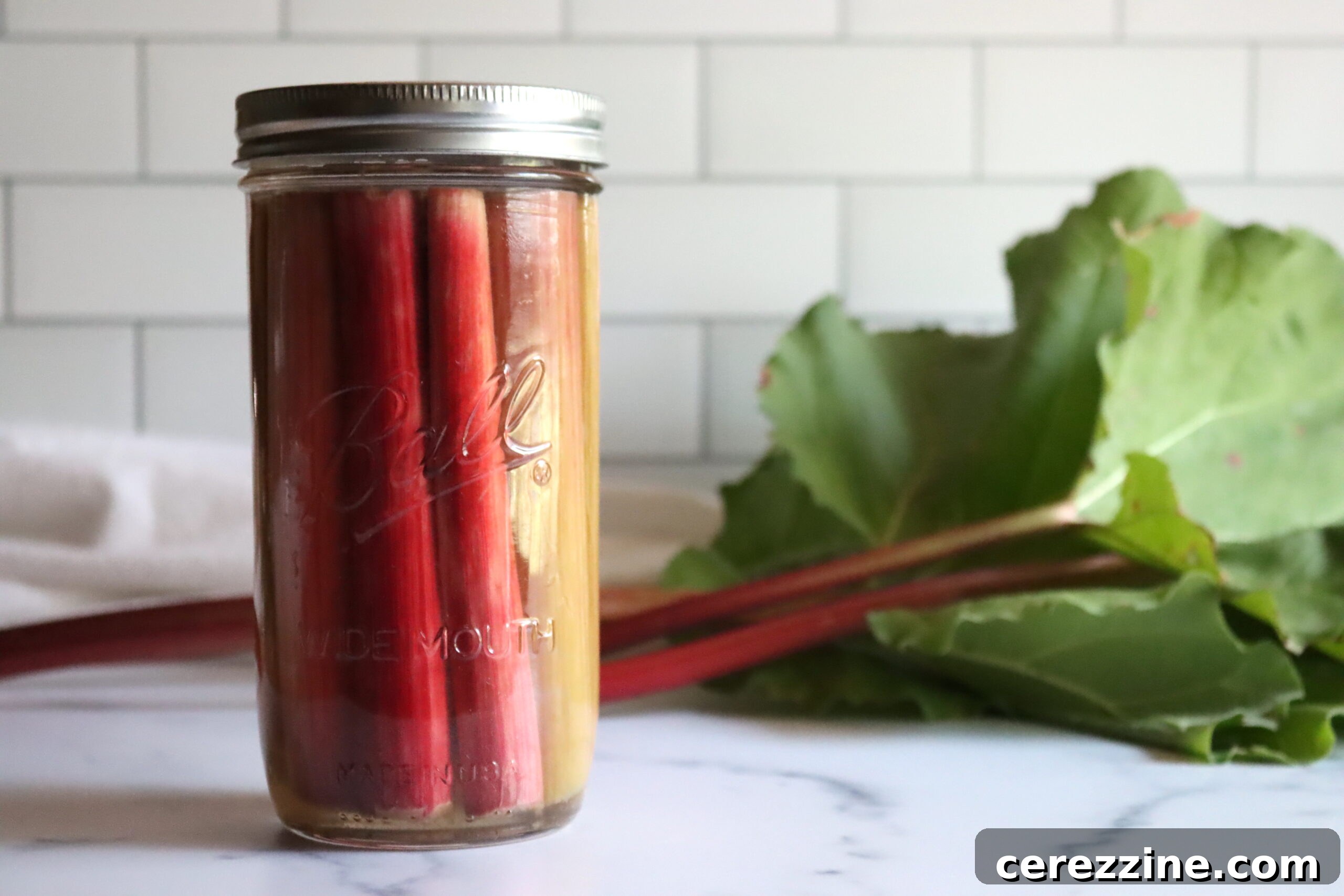
Rhubarb, often mistakenly identified as a fruit due to its culinary applications, is botanically a vegetable. Its sturdy, colorful stalks are a powerhouse of nutrition, rich in essential fiber, vitamins, and minerals. Naturally, rhubarb possesses a pronounced tartness, which can sometimes be a challenge for home cooks. However, through the magical process of pickling, this tartness mellows and blends beautifully with sweet and savory notes, transforming rhubarb into an incredibly versatile ingredient. From bright additions to salads and sandwiches to unique cocktail garnishes and dessert components, the possibilities are truly endless.
Whether you’re harvesting fresh stalks straight from your garden or selecting the finest specimens at your local farmers market, canning sweet pickled rhubarb is an excellent way to capture the essence of this seasonal delight. This method ensures you can enjoy its unique flavor and numerous health benefits long after its short growing season has passed, bringing a taste of spring to your table all year long.
Understanding Rhubarb: The Tangy Springtime Star
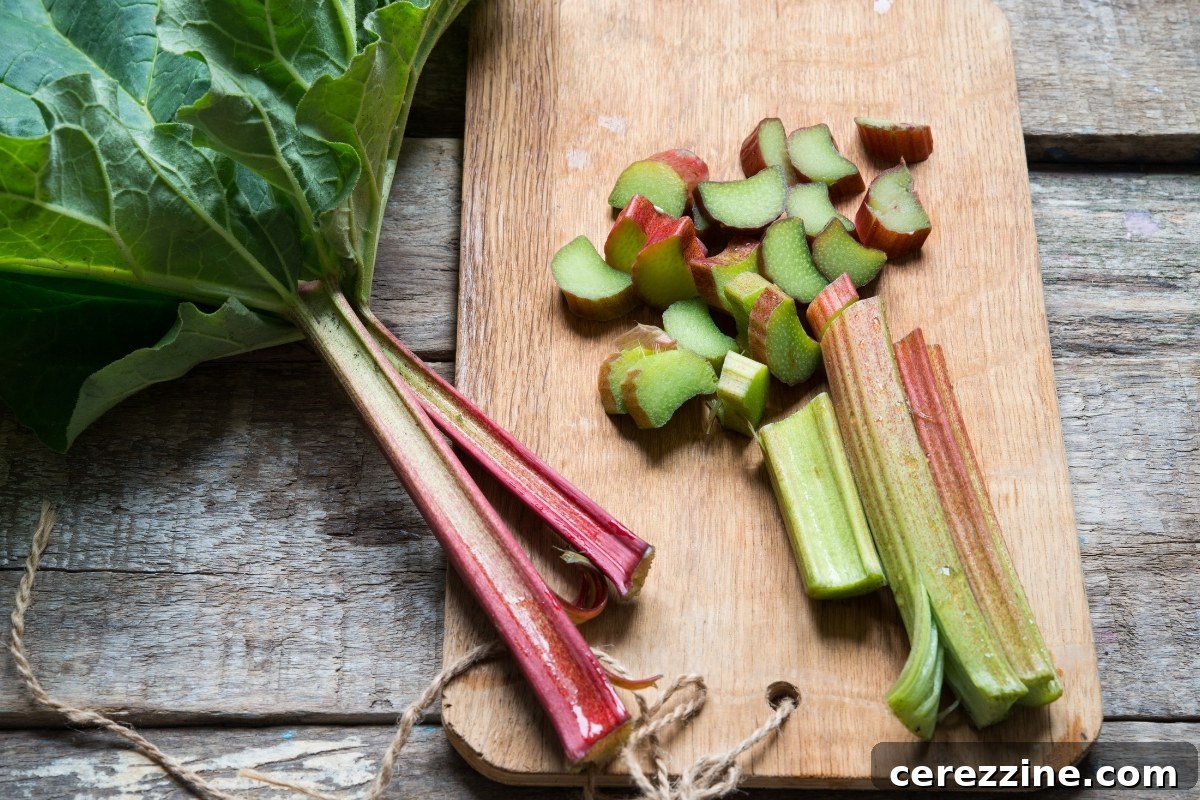
Rhubarb (Rheum rhabarbarum) is a perennial plant known for its striking red, pink, or pale green stalks. While its leaves are toxic and must always be removed, the stalks are perfectly safe and incredibly delicious when prepared correctly. Thriving in cooler climates, rhubarb is typically harvested from early spring through mid-summer, making it a beloved seasonal ingredient. When selecting rhubarb for pickling, look for firm, crisp stalks with a vibrant color, free from blemishes or soft spots. Thinner stalks, ideally no thicker than a half-inch (1 cm) in diameter, tend to be less fibrous and more tender, yielding a superior pickled product.
The Art of Pickling: Why Sweet Pickled Rhubarb is a Must-Try
Pickling is a time-honored preservation technique that dates back thousands of years. It involves submerging food in an acidic solution, typically vinegar, to inhibit spoilage and impart a distinct tangy flavor. For rhubarb, pickling works wonders. The natural tartness of the rhubarb is balanced by sugar in the pickling brine, creating a complex sweet and sour profile that is both refreshing and addictive. Infused with aromatic spices like ginger and cinnamon, the pickled rhubarb develops depth and warmth, making it far more interesting than raw or simply cooked rhubarb.
Beyond its incredible taste, pickling offers practical benefits. It allows you to preserve an abundance of fresh rhubarb, ensuring no harvest goes to waste. Home-canned pickled rhubarb can be stored for months, providing a convenient and flavorful ingredient whenever inspiration strikes. It’s an excellent way to experiment with new flavors and elevate everyday meals with a gourmet touch.
Gathering Your Essentials: Ingredients for Perfect Pickled Rhubarb
This recipe is a tried-and-true, safe canning method, thoughtfully adapted from “The Complete Book of Pickling” by Jennifer MacKenzie. Adhering to the specified vinegar quantities is crucial for food safety in canning. While the vinegar amount must remain constant, you have the flexibility to adjust the sugar or salt content to better suit your personal taste preferences. You can also customize the spice blend, adding your favorite pickling spices for a unique twist.
To prepare a canner batch yielding four pint-sized (500 mL) jars of this delightful sweet pickled rhubarb, you will need the following high-quality ingredients:
- 2 lbs (1 kg) rhubarb stalks, with all leaves meticulously removed. Aim for about thirty 12-inch (1 kg) stalks, each ideally no thicker than ½ inch (1 cm) in diameter, as thicker stalks can be tough and stringy.
- Ample Ice water for soaking.
- 4 thin slices of fresh ginger root, about the size of a quarter.
- 4 one-inch (2.5 cm) pieces of cinnamon stick.
- 2 whole cloves (these will be discarded before jarring, contributing flavor to the brine).
- 3 ¾ cups (925 mL) granulated sugar.
- 1 tsp (5 mL) canning or pickling salt (essential for proper brine and safety, ensure it’s not iodized table salt).
- 3 cups (750 mL) apple cider vinegar (must be 5% acidity for safe canning).
- 1 ⅓ cups (325 mL) water.
For convenience and aesthetic appeal, you can choose to leave the rhubarb stalks whole or slice them into smaller, uniform pieces before pickling. Both methods yield excellent results, allowing you to tailor the final product to your intended use.
Step-by-Step Guide: Crafting Your Sweet Pickled Rhubarb
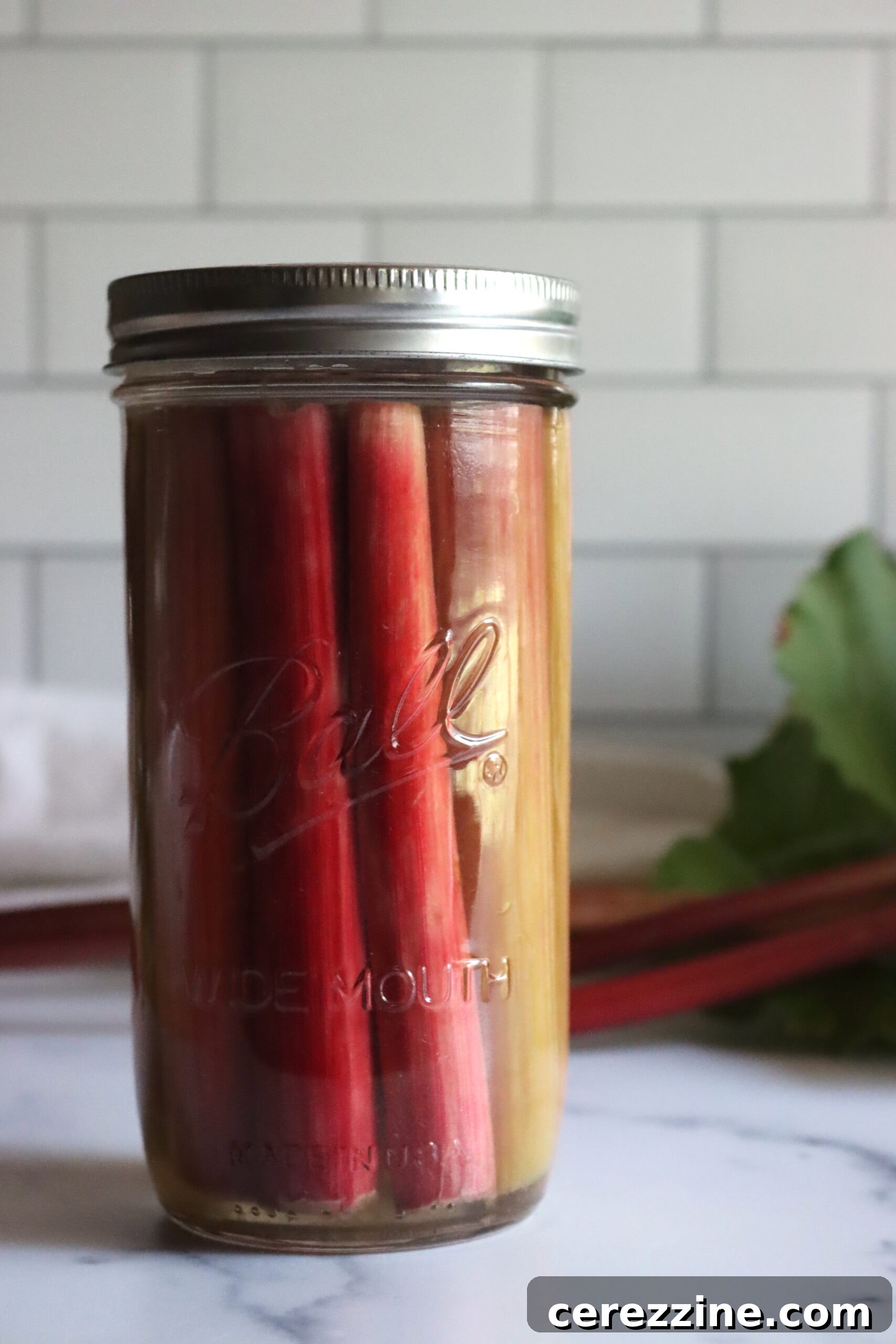
Creating your own sweet pickled rhubarb is a rewarding process that follows a simple, yet precise, series of steps. By meticulously following these instructions, you’ll ensure both the safety and exceptional flavor of your homemade preserves.
- **Prepare the Rhubarb:** Begin by trimming any tough ends from your rhubarb stalks. Then, cut the stalks into uniform four-inch (10 cm) pieces. It’s important to ensure these pieces will comfortably fit into your canning jars while leaving sufficient headspace for the pickling liquid.
- **Firming Soak:** To achieve a desirable crisp texture in your pickled rhubarb, immerse the cut pieces in a bowl of ice water for a minimum of 30 minutes, and up to an hour. This cold soak helps to firm up the rhubarb.
- **Sterilize Equipment:** While the rhubarb soaks, prepare your canning equipment. Wash your water bath canner, jars, and lids thoroughly. Sterilize your jars by submerging them in simmering water (not boiling) or using a dishwasher’s sanitizing cycle. Keep jars hot until ready to fill.
- **Drain and Set Aside:** Once the rhubarb has soaked, drain it completely in a colander, allowing any excess water to drip off. Set the drained rhubarb aside.
- **Prepare the Pickling Brine:** In a large, non-reactive pot, combine the ginger, cinnamon sticks, granulated sugar, whole cloves, canning salt, water, and apple cider vinegar.
- **Boil the Brine:** Bring the mixture to a rolling boil over medium-high heat, stirring frequently to ensure the sugar and salt fully dissolve. Allow it to boil vigorously for one full minute, then reduce the heat to a gentle simmer, keeping the pickling liquid hot while you fill the jars.
- **Fill the Jars:** Working with one hot, sterilized jar at a time, place one cinnamon stick and one thin slice of ginger root into each jar. Discard the whole cloves from the brine mixture, as their purpose was to infuse flavor into the liquid.
- **Pack the Rhubarb:** Tightly pack the prepared rhubarb pieces vertically into the hot jar, leaving enough space at the top for the pickling liquid and the required headspace.
- **Add Pickling Liquid:** Carefully pour the hot pickling liquid over the rhubarb in each jar, ensuring you leave ½ inch (approximately 1 cm) of headspace from the rim of the jar.
- **Remove Air Bubbles:** Use a non-metallic utensil (like a plastic chopstick or canning bubble remover) to gently slide down the inside of the jar, releasing any trapped air bubbles. Adjust the headspace by adding more hot pickling liquid if necessary after removing air.
- **Clean Rims and Seal:** Wipe the rims of each jar thoroughly with a clean, damp cloth to remove any food residue that could interfere with the seal. Center the hot, sterilized lids on the jars, and then screw the bands down until they are “fingertip tight” – meaning secure but not overtightened.
- **Process in Water Bath Canner:** Carefully place the filled jars onto the rack in your water bath canner, ensuring they are fully submerged in water. Bring the canner to a full, rolling boil.
- **Process and Rest:** Process the pint jars for 10 minutes (remember to adjust processing time for your specific altitude, see section below). After the processing time is complete, turn off the heat, remove the canner lid, and let the jars sit undisturbed in the hot water for an additional five minutes. This helps to equalize the temperature and aids in achieving a strong seal.
- **Cool and Check Seals:** Carefully remove the jars from the canner and place them on a towel-lined surface or a wire rack, ensuring there’s space between each jar for proper air circulation. Let them cool undisturbed for 12 to 24 hours. After cooling, check the seals: the center of the lid should be depressed and not flex when pressed. Any jars that did not seal properly should be refrigerated immediately and consumed within two months.
Voila! You have successfully created homemade sweet pickled rhubarb, ready to add a gourmet touch to your salads, sandwiches, charcuterie boards, and so much more. Enjoy the fruits (or rather, vegetables!) of your labor!
Crucial Altitude Adjustments for Safe Canning
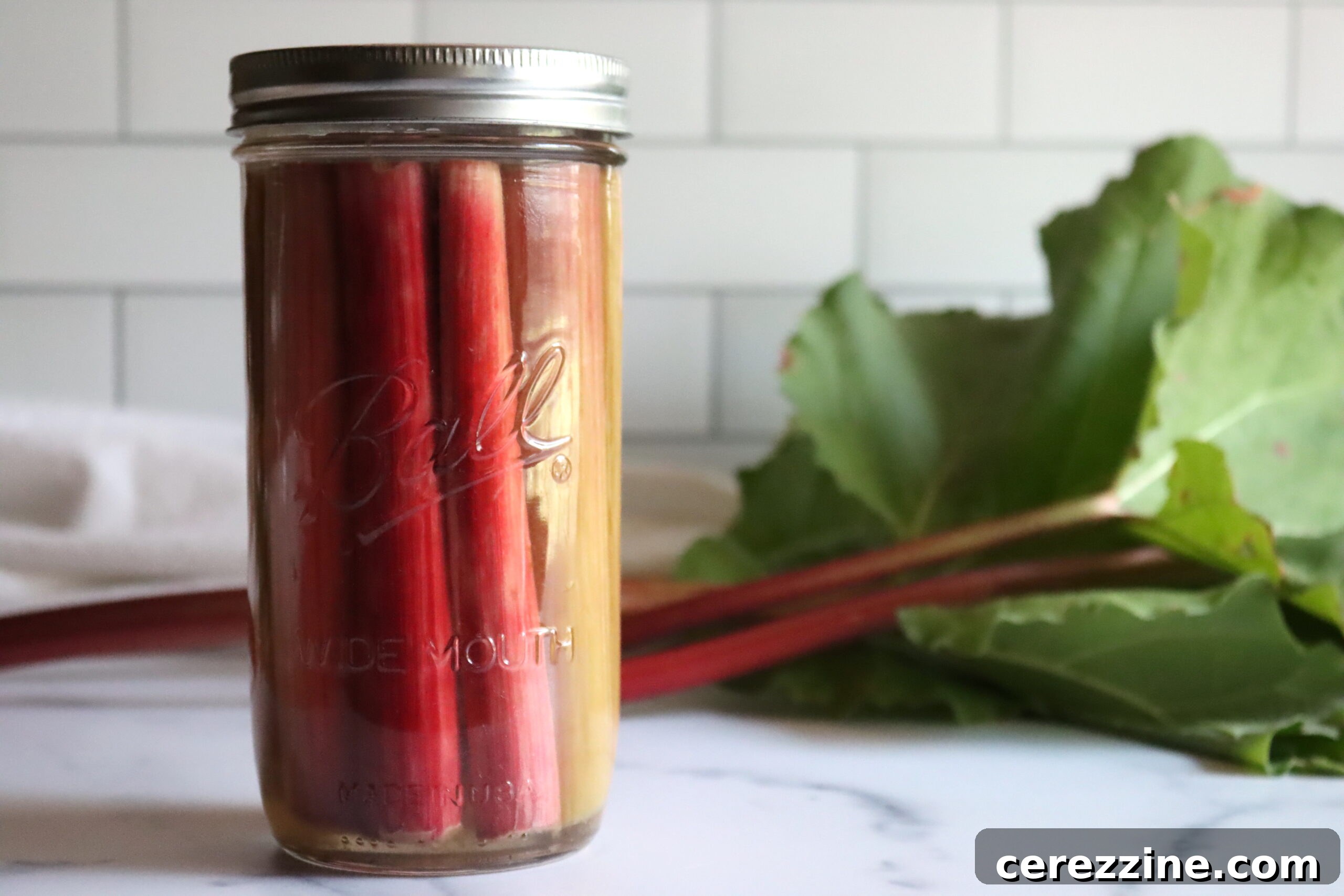
When engaging in water bath canning, it is absolutely vital to adjust processing times based on your elevation above sea level. Water boils at lower temperatures at higher altitudes, which means food needs to be processed for longer to ensure harmful bacteria are destroyed. Failure to adjust for altitude can compromise the safety and shelf stability of your preserved goods. Here are the necessary altitude adjustments for canning pickled rhubarb:
- **For 0 to 1,000 Feet in Elevation:** Process pint jars for 10 minutes, and quart jars for 15 minutes.
- **For 1,001 to 6,000 Feet in Elevation:** Process pint jars for 15 minutes, and quart jars for 20 minutes.
- **Above 6,001 Feet in Elevation:** Process pint jars for 20 minutes, and quart jars for 25 minutes.
Always consult a local extension office or reliable canning guide if you are unsure about your specific altitude or canning procedures.
Unleashing Flavor: Creative Ways to Serve Pickled Rhubarb
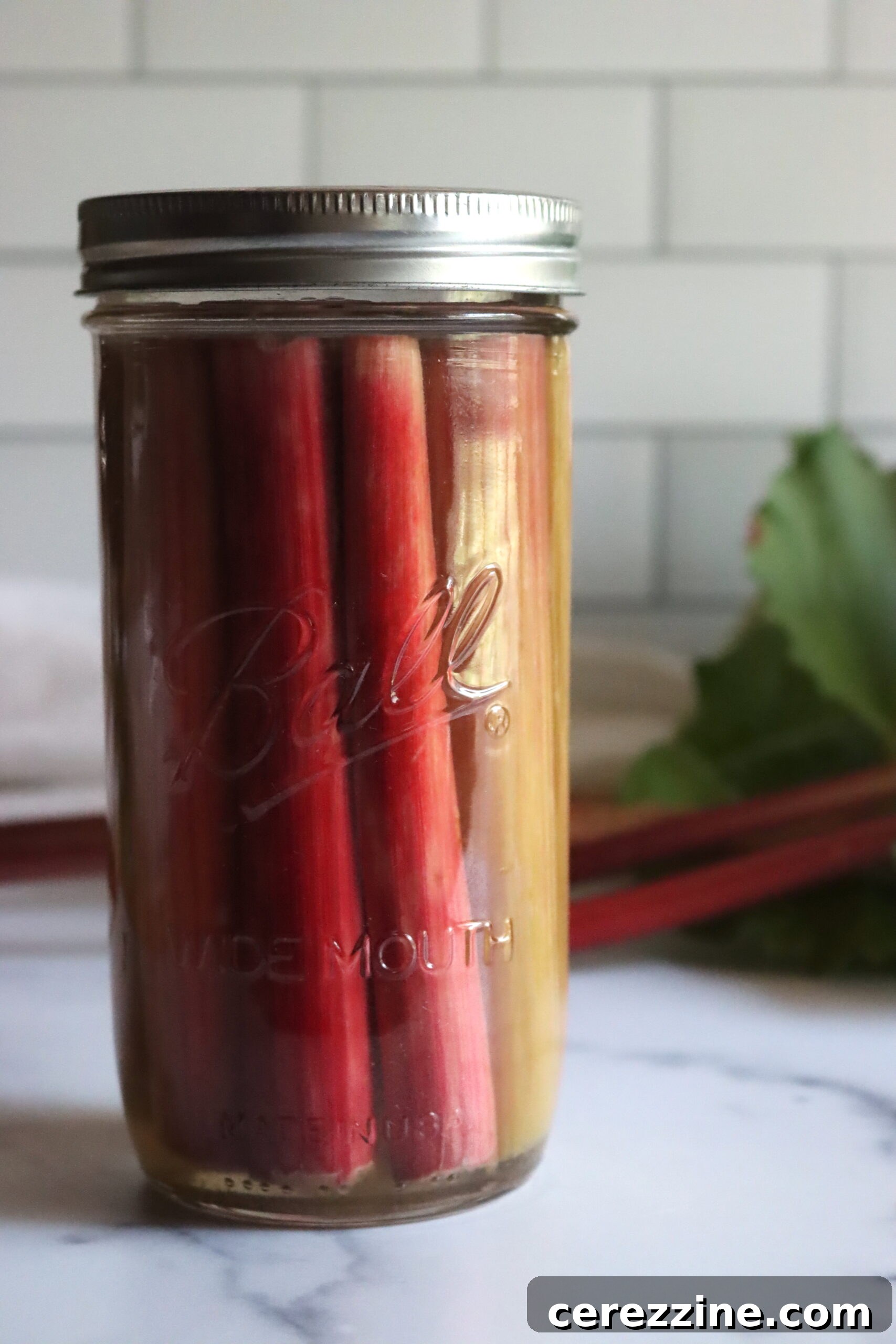
Once your sweet pickled rhubarb has sealed and cooled, the real fun begins: exploring its culinary potential! This versatile preserve is surprisingly adaptable and can elevate a wide array of dishes. It’s a “heat-and-eat” condiment, meaning it’s ready to enjoy straight from the jar – just bring it to room temperature for optimal flavor and texture.
Here are some creative ideas to inspire your culinary adventures with pickled rhubarb:
- **Appetizer Platter Star:** Arrange pickled rhubarb on a charcuterie board alongside cheeses (especially goat cheese or brie), cured meats, olives, and other sweet or savory pickles. Its vibrant color and tangy kick make it a standout.
- **Savory Pairings:**
- **Grilled Meats & Vegetables:** Serve as a bright and tangy counterpoint to rich grilled pork chops, chicken, or firm fish. It also pairs wonderfully with roasted root vegetables or grilled asparagus.
- **Sandwiches & Wraps:** Add a layer of thinly sliced pickled rhubarb to turkey, ham, or vegetarian sandwiches for an unexpected burst of flavor and crunch.
- **Salads:** Chop it finely and toss into green salads, quinoa salads, or grain bowls for a refreshing tang and texture.
- **Cheese & Crackers:** A simple yet elegant snack, pickled rhubarb complements creamy cheeses and artisan crackers beautifully.
- **Sweet Applications:**
- **Dessert Topping:** Use it as a topping for vanilla ice cream, plain yogurt, or cottage cheese.
- **Baking Ingredient:** Incorporate chopped pickled rhubarb into muffins, scones, or even cheesecake for a unique sweet-tart element, replacing or complementing traditional fruit preserves.
- **Pancakes & Waffles:** A spoonful over your breakfast staples adds an exciting twist to your morning routine.
- **Beverage Garnish:** For the truly adventurous, use a stalk as a unique garnish for craft cocktails, particularly those featuring gin or vodka, where its tartness can complement botanical notes.
Don’t be afraid to experiment! Sweet pickled rhubarb is a flexible ingredient that invites creativity in the kitchen. Its complex flavor profile makes it a gourmet addition to almost any meal.
Sweet Pickled Rhubarb
Equipment
-
Water Bath Canner
Ingredients
- 2 lbs rhubarb stalks, (1 kg) with the leaves removed
- Ice water
- 4 thin slices ginger root
- 4 one-inch pieces cinnamon stick (2.5 cm pieces)
- 2 whole cloves
- 3 ¾ cups granulated sugar (925 mL)
- 1 tsp canning or pickling salt (5 mL)
- 3 cups apple cider vinegar (750 mL)
- 1 ⅓ cups water (325 mL)
Instructions
- Trim the ends off the rhubarb and cut them into four-inch (10 cm) pieces.
- Soak the rhubarb in ice water for at least 30 minutes (up to an hour) to firm it up.
- Prepare your canner, jars, and lids by washing and sterilizing them.
- Drain the rhubarb in a colander and set it aside.
- In a pot, combine ginger, cinnamon, sugar, cloves, salt, water, and vinegar.
- Bring it all to a boil over medium heat, stirring occasionally until the salt and sugar are dissolved. Boil it for a minute, then reduce the heat and keep the liquid hot.
- Working with one jar at a time, place a cinnamon stick and a slice of ginger into a hot jar, and discard the cloves from the brine.
- Pack the rhubarb into the jar, leaving some room for the liquid.
- Pour in the hot pickling liquid, leaving half an inch (about 1 cm) of headspace.
- Remove any air bubbles, and adjust the headspace as needed by adding more hot pickling liquid.
- Clean the rims and place the hot lids onto the jars. Screw the bands down until they’re fingertip tight.
- Load the jars into the canner and return it to a boil.
- Process the jars for ten minutes (adjust for altitude), then turn off the heat. Remove the canner lid and let the jars sit in the water for five minutes.
- Carefully remove the jars from the canner and place them on a towel-lined surface. Let them sit for 12-24 hours.
- Check the seals, label the jars, and store them in a cool, dark place.
Notes
Canning Altitude Adjustments
Water boils at a lower temperature at higher altitudes, so jars need to be processed a bit longer as you go up in elevation. Here are the altitude adjustments for canning pickled rhubarb:
- For 0 to 1,000 Feet in Elevation – Process pint jars for 10 minutes, and quart jars for 15 minutes.
- For 1,001 to 6,000 Feet in Elevation – Process pint jars for 15 minutes, and quart jars for 20 minutes.
- Above 6,001 Feet in Elevation – Process pint jars for 20 minutes, and quart jars for 25 minutes.
Nutrition
Nutrition information is automatically calculated and should only be used as an approximation.
Enjoyed this recipe? Share your thoughts in the comments below!
Explore More Pickling Adventures
If you’ve enjoyed the delightful process of making sweet pickled rhubarb and are eager to expand your pantry with more homemade preserves, we have a variety of other simple and rewarding pickling recipes for you to explore. Each recipe is designed to be approachable for home canners of all experience levels, allowing you to capture the fresh flavors of the season and enjoy them year-round.
- Pickled Corn Salad: A vibrant and crunchy addition to any meal.
- Pickled Three Bean Salad: A classic side dish with a tangy twist.
- Pickled Green Tomatoes: A savory treat perfect for sandwiches or snacking.
- Pickled Green Beans (Dilly Beans): Crisp, dilly, and wonderfully addictive.
- Pickled Jalapenos: Add a spicy kick to your favorite dishes.
- Pickled Fiddleheads: A unique and earthy seasonal delicacy.
Final Thoughts on Your Pickling Journey
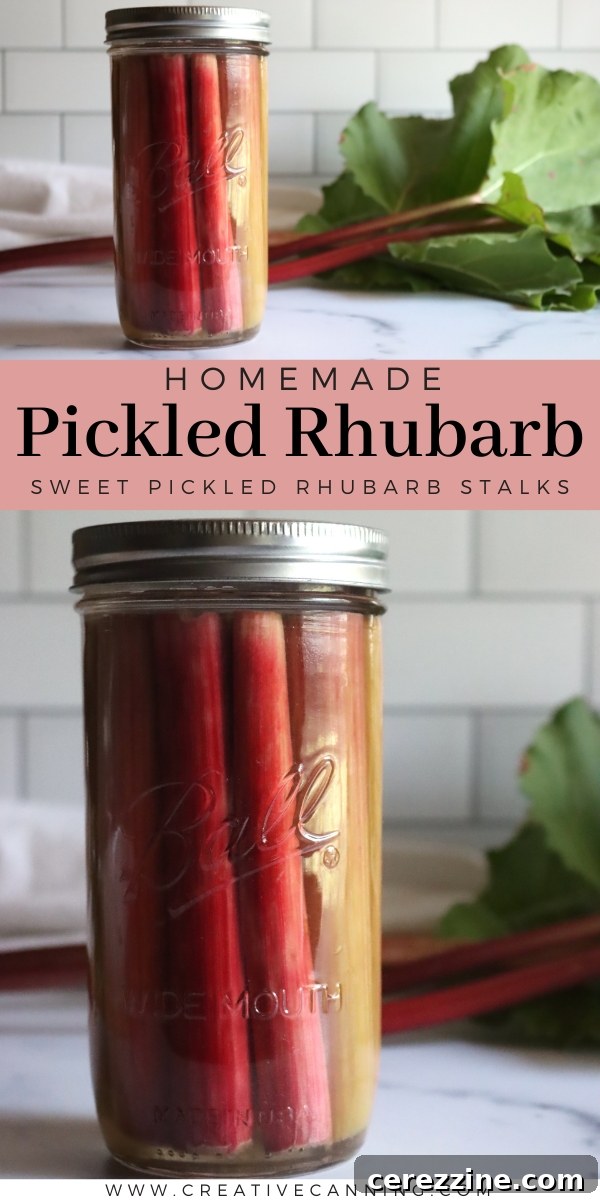
Embracing the world of home canning, especially with a unique ingredient like rhubarb, opens up a realm of culinary creativity and satisfaction. This sweet pickled rhubarb recipe isn’t just about preserving food; it’s about preserving flavor, tradition, and the simple joy of homemade goodness. From the moment you select your fresh rhubarb stalks to the final satisfying “pop” of a sealed jar, you’re engaging in a process that yields not only a delicious condiment but also a sense of accomplishment. We encourage you to try this recipe and share your results. Happy pickling!