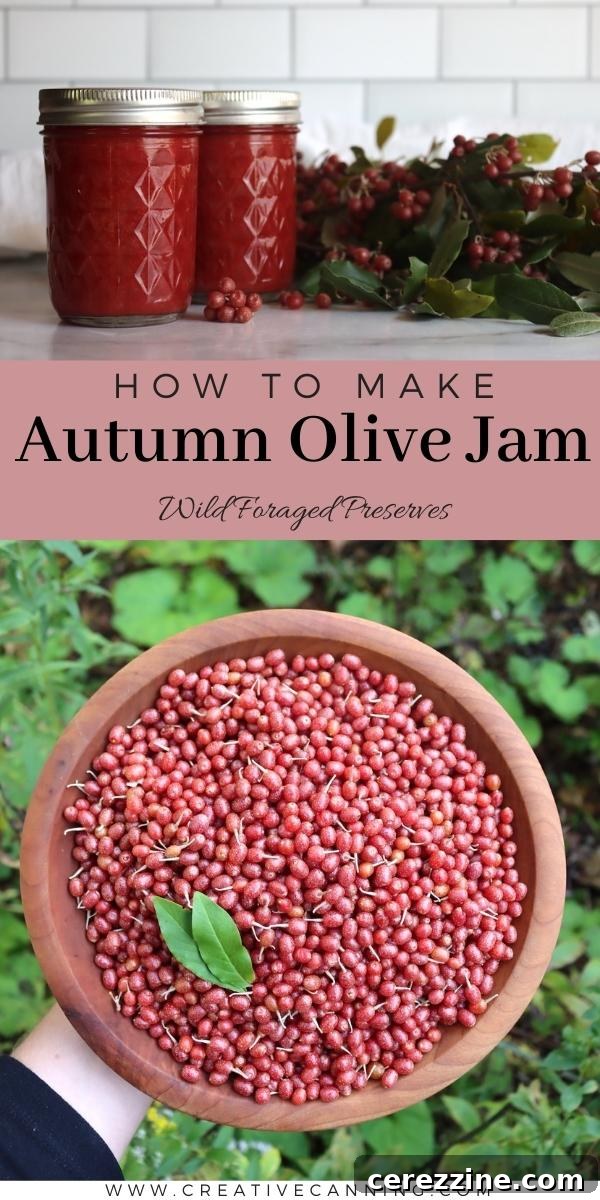
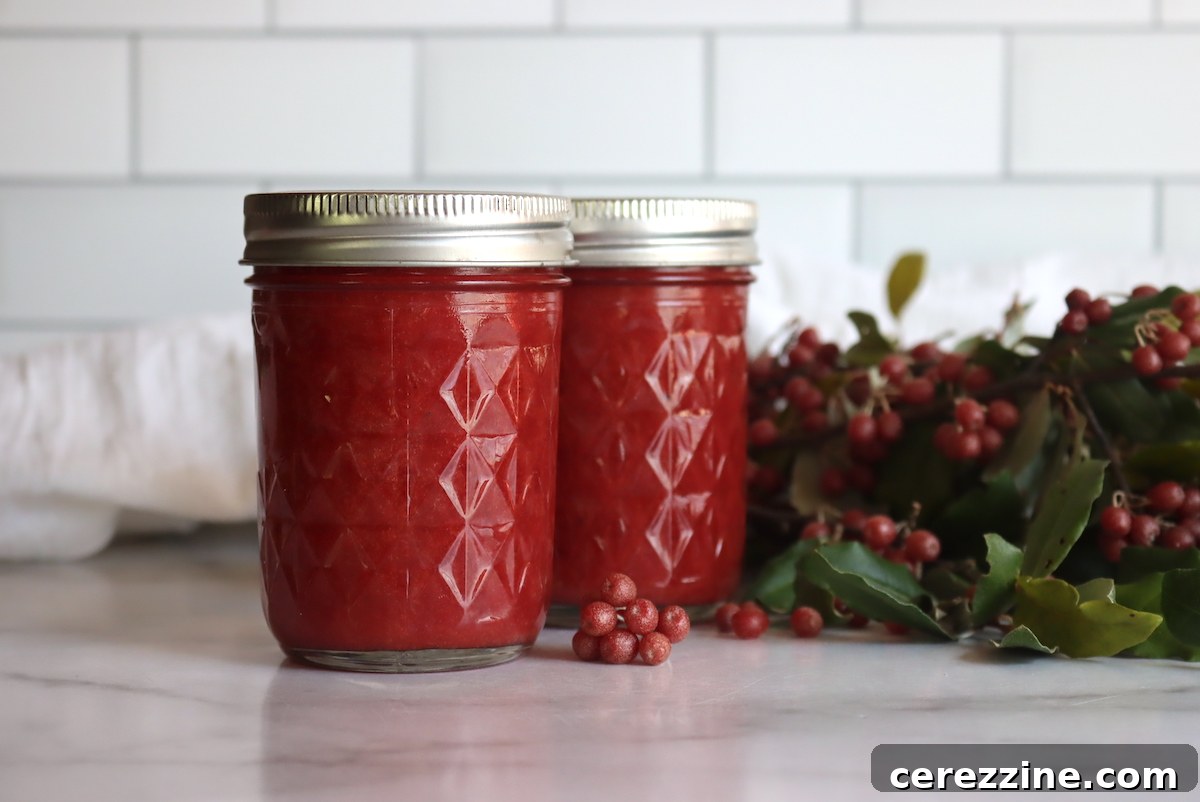
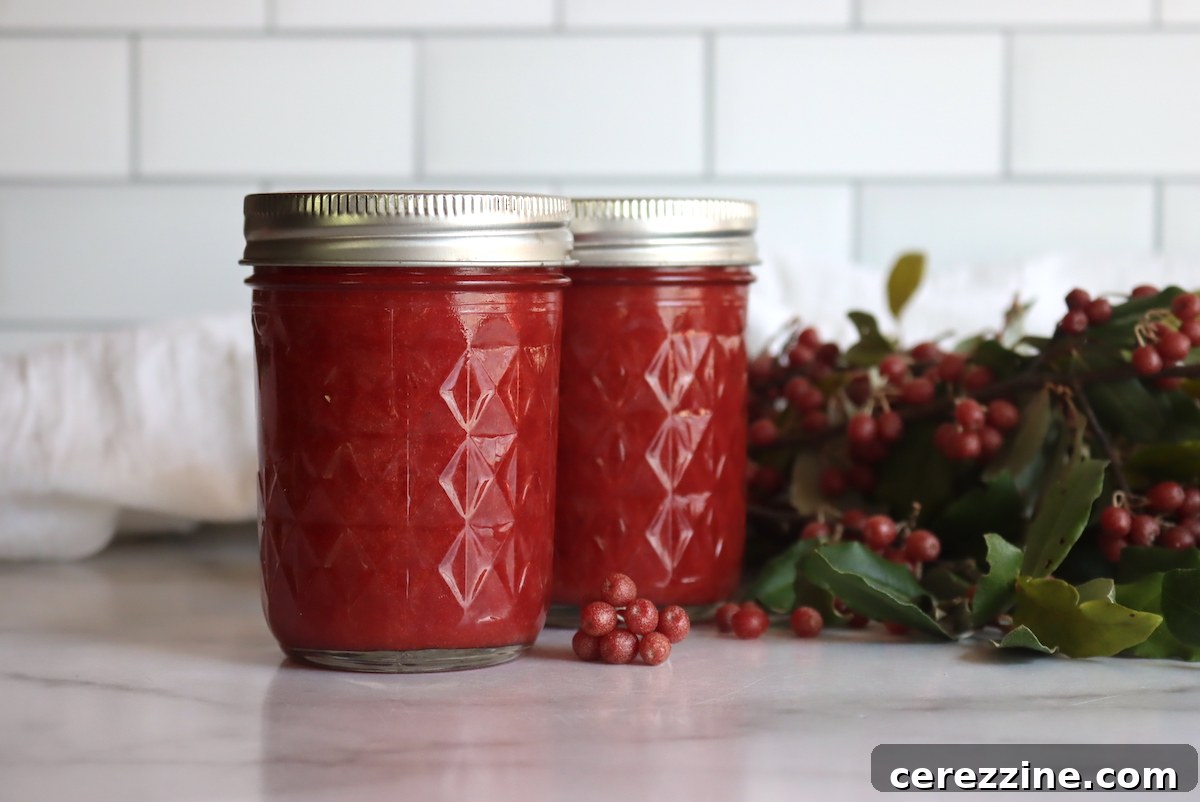
Autumn olive jam is a delightful way to utilize the bountiful harvest of autumn olives during their peak season in the fall. These incredible wild-foraged fruits are remarkably abundant, yet many home cooks find themselves searching for reliable and delicious autumn olive recipes. Fear not, for a fantastic solution awaits: homemade autumn olive jam!
Autumn olives stand out as one of nature’s truly underappreciated wild treasures. Many view these resilient shrubs as a nuisance, often labeled “invasive” by authorities, leading to their widespread removal. However, this often happens without a true understanding of their value, especially their delicious fruit.
From a different perspective, a robust, nitrogen-fixing shrub that thrives almost anywhere and yields an abundance of tasty, edible fruit is a true blessing, not a burden. Embracing these plants and learning to harvest their bounty can transform an overlooked resource into a culinary delight. By understanding how to identify wild autumn olives, you unlock a consistent supply of nutritious fruit late in the season, long after most summer berries have faded.
And the most exciting part? These vibrant berries transform into an exceptionally flavorful autumn olive jam, offering a unique blend of sweet and tart that is truly unforgettable.
What Are Autumn Olives (Elaeagnus Umbellata)?
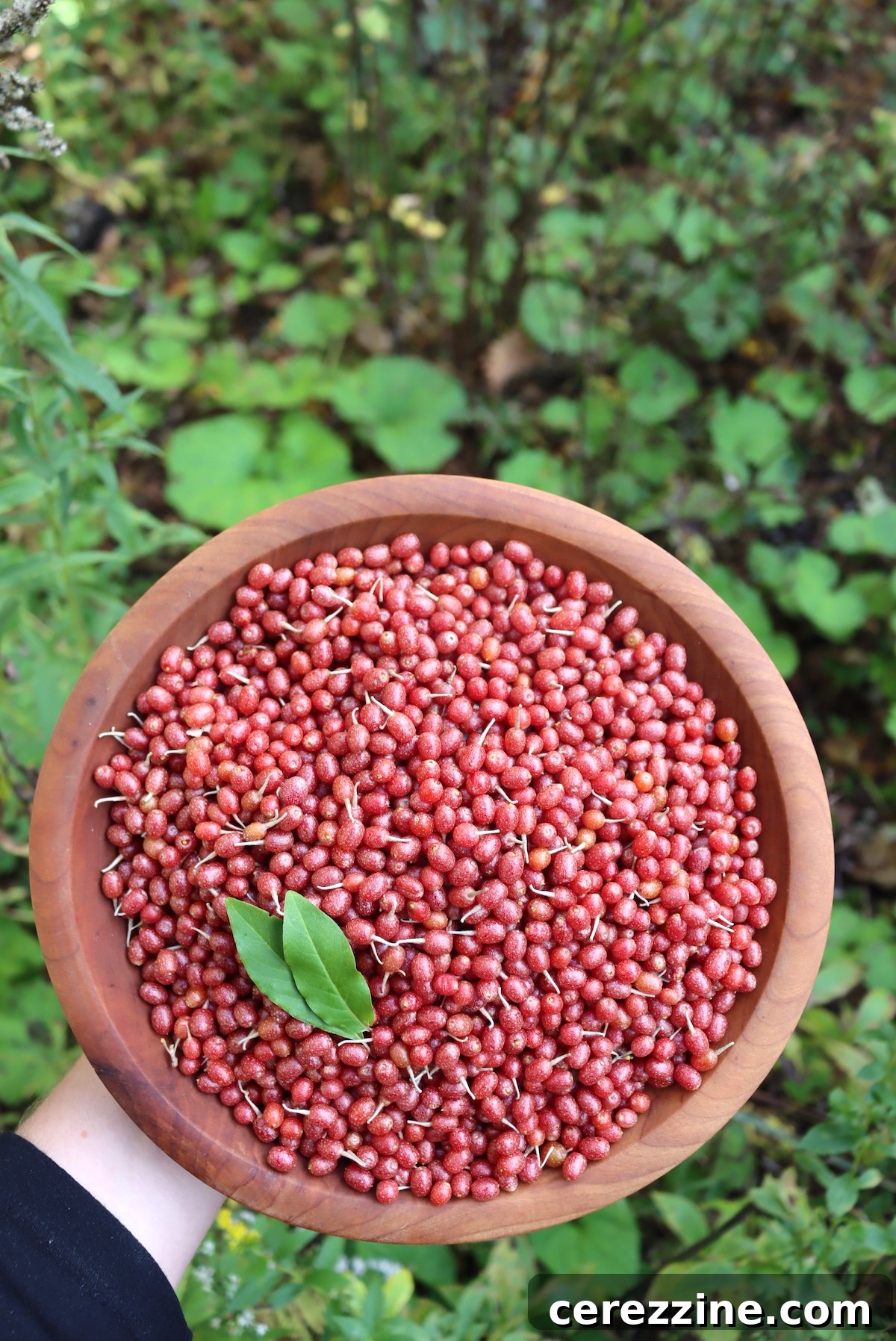
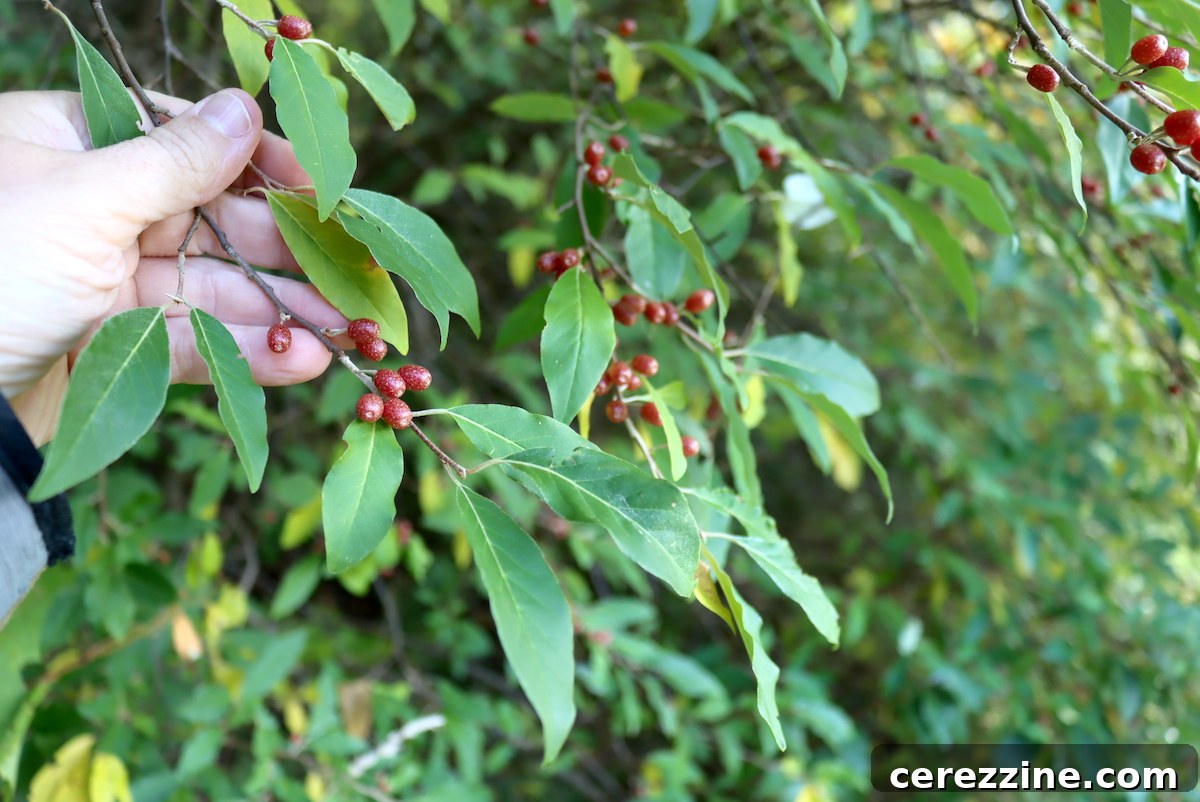
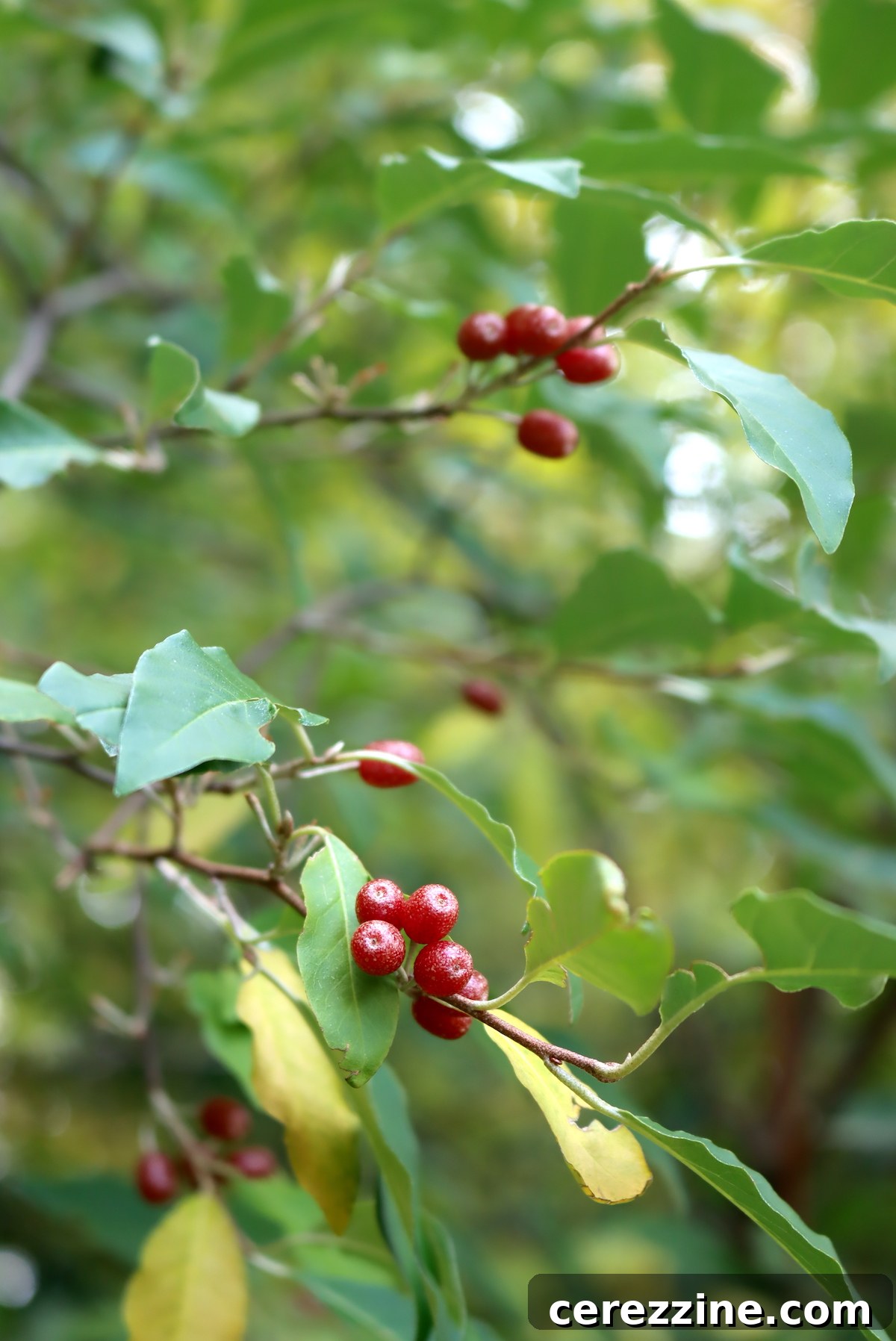
Autumn olives, scientifically known as Elaeagnus umbellata, are vigorous, fast-growing shrubs renowned for their nitrogen-fixing capabilities. Native to Asia and the Himalayas, these adaptable plants were introduced to North America and have since become naturalized in many areas. While there are several other Elaeagnus species, some native to the US, the “non-native” autumn olive is often praised for having the most superior flavor profile for culinary uses.
These shrubs typically grow between 6 and 12 feet tall, often forming dense thickets. Key identifying features of Elaeagnus umbellata include its distinctive silvery-green leaves, which are typically oval-shaped with wavy margins. The fruit, a small, oval, speckled berry, contains a single, relatively large seed. It’s crucial to ensure a positive identification before consuming any wild plant. For detailed guidance on identifying autumn olives, consult reliable foraging resources.
For the best flavor, autumn olives are ideally harvested later in the season, particularly after the first frost. This natural chilling process works wonders, sweetening the fruit and significantly reducing its inherent astringency, making it much more palatable for fresh eating and processing into delicious preserves.
Are Autumn Olives Safe for Canning? Understanding pH and Food Safety
Given that autumn olives are a lesser-known wild fruit, it’s understandable that specific USDA-approved canning recipes for them are not readily available. The USDA cannot provide guidelines for every single wild fruit species, of which there are thousands. However, they do provide crucial general guidance for safe home canning: fruits must have a pH level below 4.6 to be safely canned using the water bath method.
In regions with high ambient temperatures, such as tropical zones like Hawaii or Puerto Rico, the safety threshold for canning jam is even more stringent, set at a pH of 4.2. While autumn olives are cold-hardy and don’t typically grow in tropical climates, adhering to the most stringent pH requirement (4.2) offers an additional layer of safety when dealing with lesser-known fruits.
Fortunately, scientific studies have investigated the pH levels of autumn olives from various locations and growing conditions. These studies consistently show that autumn olives have a pH range between 3.3 and 3.7 (Source). This range is well below both the general 4.6 and the more stringent 4.2 pH safety thresholds, confirming that autumn olives are indeed acidic enough for safe preservation using standard water bath canning methods.
Ingredients for Autumn Olive Jam: Crafting Your Perfect Preserve
To create a delectable autumn olive jam, you’ll need just a few essential ingredients: fresh autumn olives, sugar, and pectin. A small amount of water is also necessary to cook the fruit and facilitate the crucial step of extracting the flavorful pulp from the seeds.
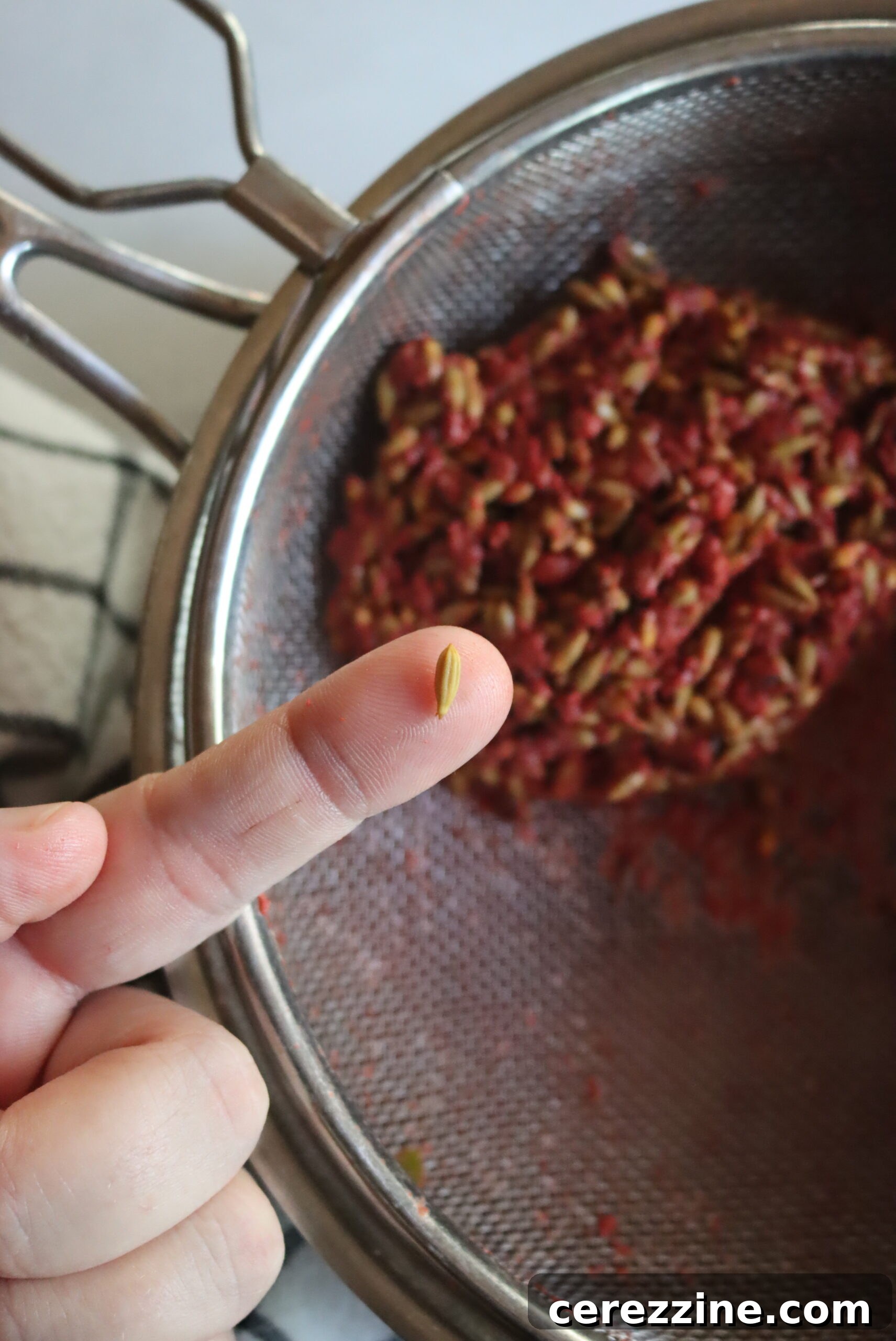
One important consideration when working with autumn olives is the size of their seeds relative to the fruit. The seeds are quite large, meaning you’ll need a substantial amount of fruit to yield a reasonable quantity of pulp for jam. For instance, approximately one pound of autumn olive fruit measures about 3½ cups by volume. When cooked with 1 cup of water and then processed through a fine-mesh sieve, this amount typically yields around 2 cups of rich fruit pulp.
Removing the large, hard seeds is paramount for a pleasant jam texture. While the seeds are separated, the skins and pulp are pressed through the mesh, resulting in a true “jam” rather than a clear jelly. If your preference is for a smooth autumn olive jelly, simply use a jelly bag to filter out both seeds and pulp, collecting only the liquid juice.
For a standard batch of jam, designed to work with a single box of low-sugar pectin, you will need 6 cups of fruit pulp, which typically comes from 3 pounds of fresh autumn olives. This quantity should yield approximately six 8-ounce jars of finished jam. Here are the specific ingredients required:
- 3 lbs autumn olive fruit (approximately 10 to 11 cups fresh fruit), yielding about 6 cups of pulp
- 3 cups water, for cooking the fruit
- 2 to 3 cups sugar (adjust to your sweetness preference)
- 1 box (1.75 oz) low-sugar pectin (such as Sure-Jell Low Sugar)
How to Make Autumn Olive Jam: A Step-by-Step Guide
Creating delicious autumn olive jam is a rewarding process. The first crucial step involves cooking the fruit with water to effectively separate the luscious pulp from the seeds. For this recipe, you will need 1 cup of water for every pound of fruit. Therefore, for a full batch, combine 3 pounds of autumn olives (roughly 10-11 cups) with 3 cups of water in a large pot.
Bring the fruit and water mixture to a boil over medium-high heat. The autumn olives soften and break down remarkably quickly; stir continuously for just 1-2 minutes until the fruit appears to fall apart. Immediately remove the pot from the heat to prevent overcooking.
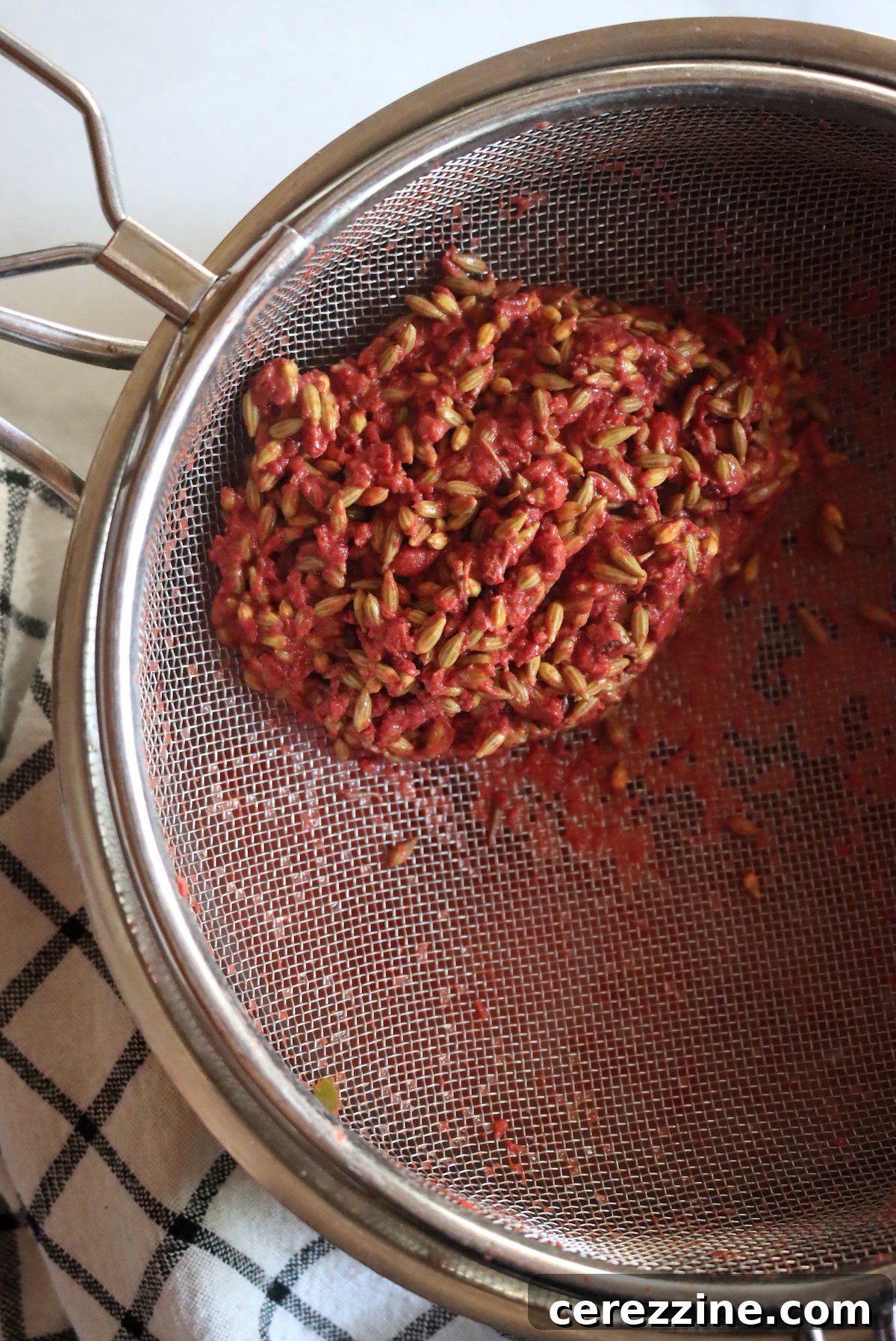
Next, carefully press the cooked fruit through a fine-mesh sieve or a food mill. This essential step effectively separates the tender fruit pulp from the large, inedible seeds. Work the fruit gently with a spatula or the back of a spoon to ensure you extract as much pulp as possible while leaving the seeds behind. This method ensures your jam has a smooth consistency without being a clear jelly, as the fine skins and some small bits of fruit are incorporated.
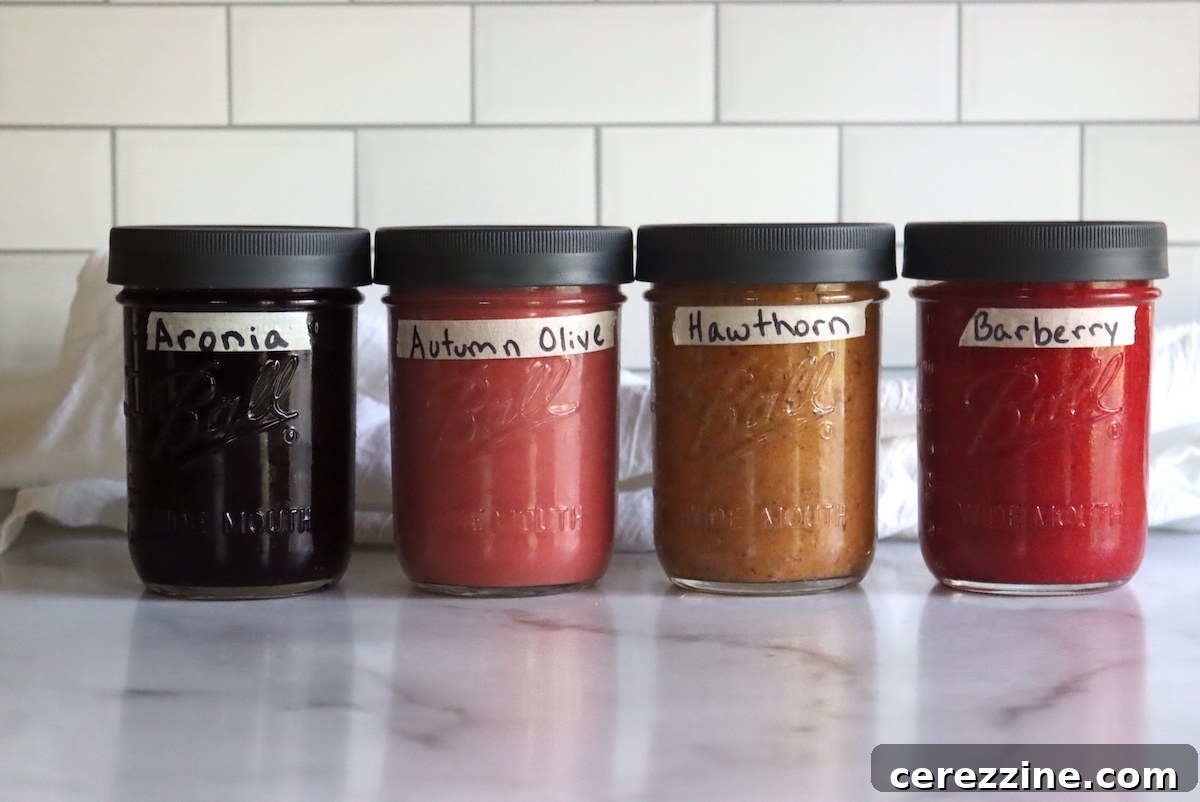
During a recent foraging season, I had the pleasure of processing several types of wild fruit into various preserves. While some, like hawthorn pulp for ketchup, presented a challenge due to their tough texture, others proved quite straightforward. Barberry, Aronia, and autumn olives were all relatively simple to process, yielding excellent results.
I can confidently say that autumn olive jam, along with barberry jam, will be making a regular appearance in my pantry; both are truly spectacular. Aronia jam is also good, though it retains a slight astringency. Hawthorns, however, are simply too difficult to pulp efficiently, leading me to prefer making hawthorn jelly in the future, which focuses on the juice rather than the pulp.
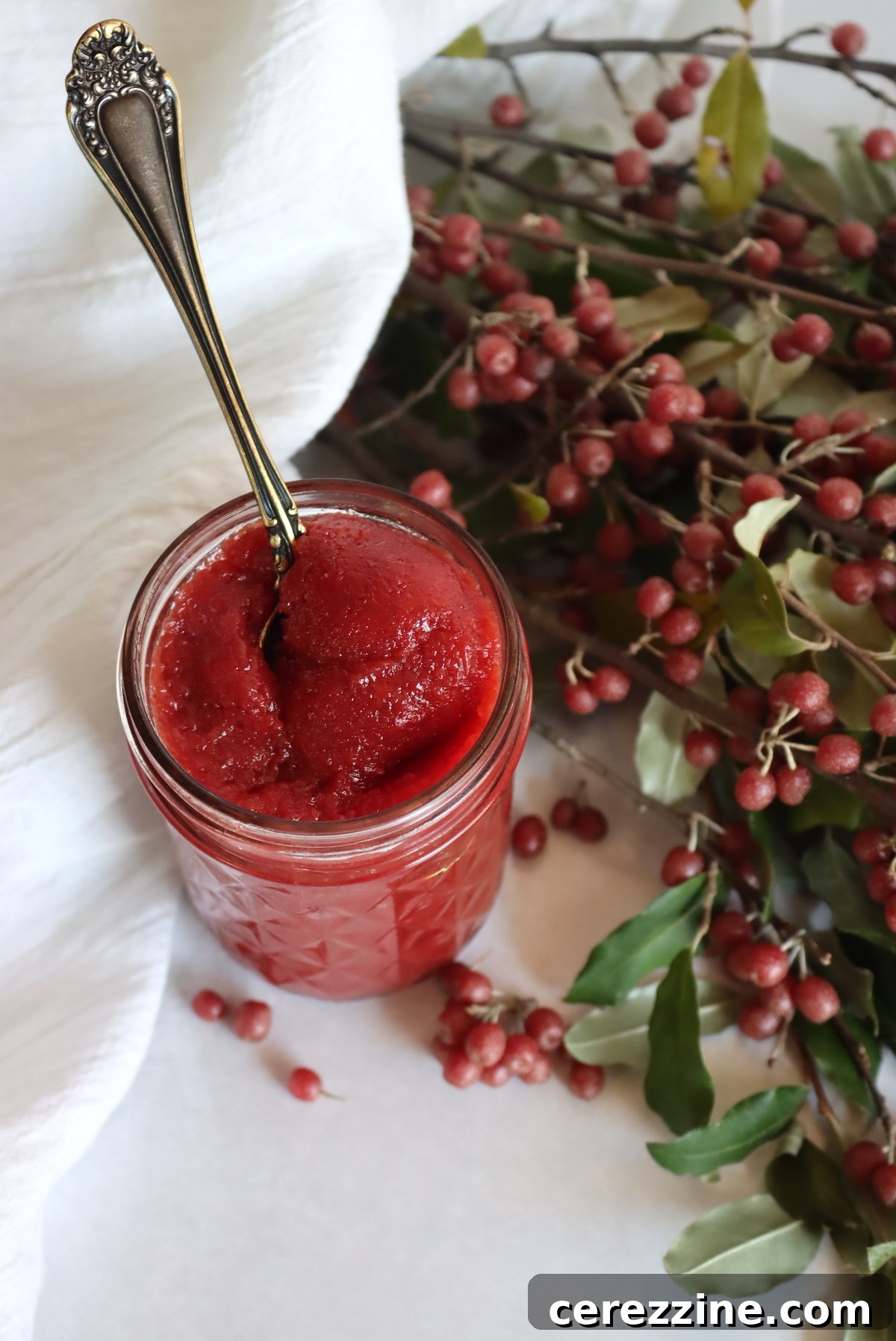
Remember, a pound of fruit cooked with 1 cup of water typically yields about a pint of autumn olive pulp. For this recipe, starting with 3 pounds of fruit should give you approximately 6 cups of smooth fruit pulp. Transfer this pulp back into a clean jam pot and bring it to a rolling boil. *Do not add the sugar at this stage.*
Once the pulp is boiling, stir in one box of low-sugar pectin (such as Sure-Jell Low Sugar). Continue to stir vigorously to ensure the pectin is fully dissolved and incorporated, then bring the mixture back to a full, rapid boil for exactly 1 minute.
Now, it’s time to add the sugar. The amount of sugar can range between 2 and 4 cups, depending entirely on your personal taste preference. My preference is 2 cups, which results in a wonderfully balanced sweet-tart jam. For a “full sugar” jam, you might opt for closer to 4 cups, which will produce a very sweet preserve. The beauty of using low-sugar pectin is that it will set the jam regardless of the exact amount of sugar added.
A word of caution: Avoid using “regular” full-sugar pectin, which typically requires a 1:1 ratio of sugar to fruit. Autumn olives are naturally quite sweet, so using 6 cups of sugar would result in an overwhelmingly sweet jam. Similarly, liquid pectin often demands even more sugar (7-8 cups), which is simply excessive for autumn olive jam. For the best results with this fruit, stick to low-sugar pectin.
After the sugar has been added, bring the jam mixture back to a rolling boil for another 1 minute, stirring constantly. Then, remove the pot from the heat. Carefully ladle the hot jam into your prepared canning jars, ensuring you leave a ¼-inch headspace at the top of each jar.
Canning Autumn Olive Jam: Preserving Your Harvest
While this autumn olive jam recipe works beautifully as a refrigerator jam, lasting several weeks in the fridge or up to 6 months in the freezer (remembering to leave ample headspace in freezer-safe jars), canning truly elevates its longevity. The effort invested in foraging these unique berries deserves to be rewarded with preserves that can be enjoyed at your leisure, not rushed before they spoil.
As previously discussed, autumn olives boast a natural pH between 3.3 and 3.7, making them adequately acidic for safe home canning using the water bath method. This natural acidity is key to preserving their freshness and flavor.
If you choose to can your jam, begin by preparing your water bath canner and sterilizing your jars before you even start cooking the jam. This ensures everything is ready once the jam is prepared.
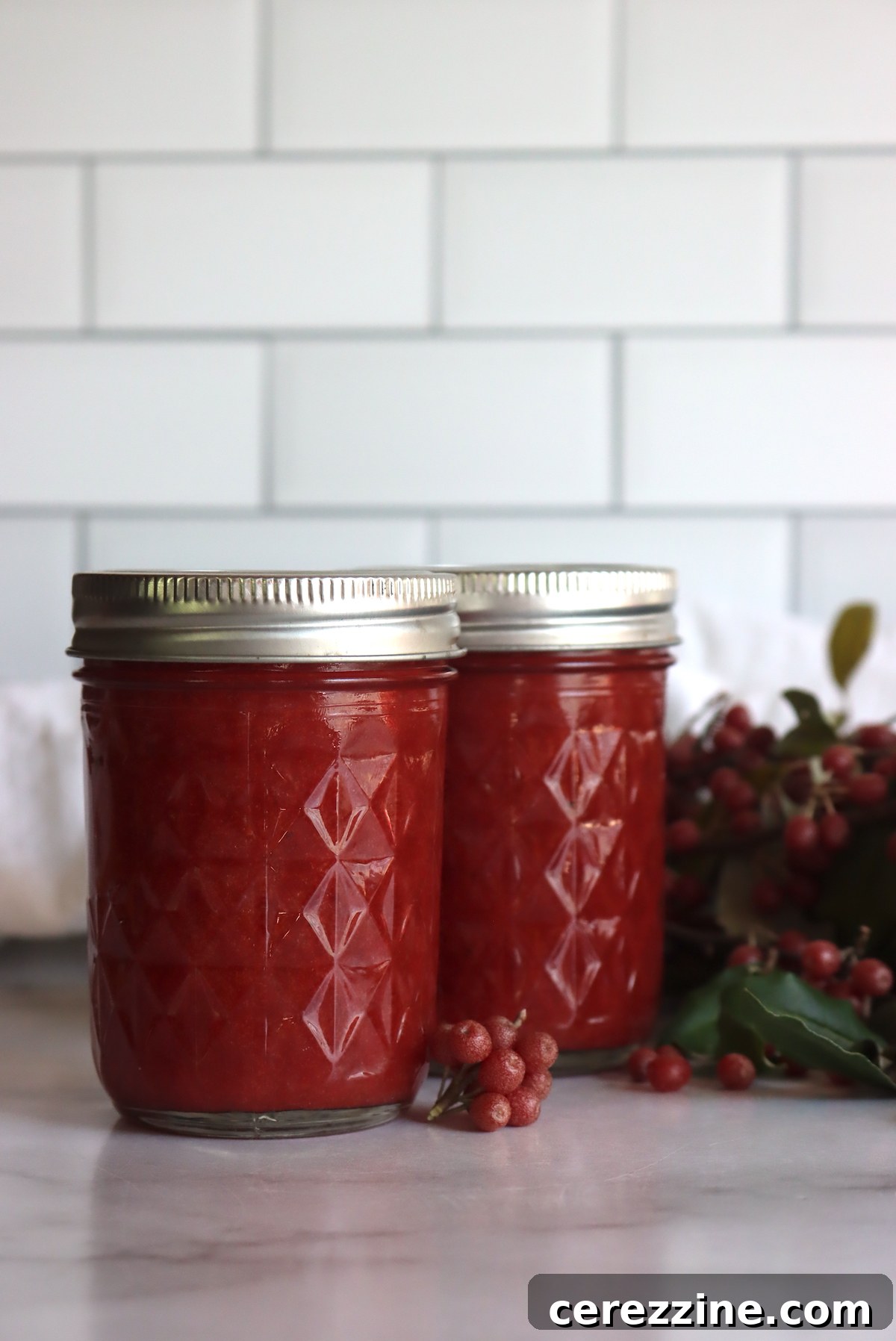
Once your jam is cooked and ready, carefully ladle it into the prepared canning jars, leaving a precise ¼-inch headspace. Wipe the rims clean, center the two-part canning lids, and tighten the bands fingertip-tight. Carefully place the filled jars into your preheated water bath canner, ensuring they are fully submerged by at least 1 inch of water. Bring the water to a rolling boil and process the jars for 10 minutes. If you are canning at altitudes above 6,000 feet, increase the processing time to 15 minutes to account for the lower boiling point.
After the processing time is complete, turn off the heat and let the jars sit in the canner for 5 minutes before carefully removing them. Place the hot jars on a clean towel on your countertop, allowing them to cool completely undisturbed for 12-24 hours. During this cooling period, the lids should seal, indicated by a concave dip in the center. After 24 hours, check all seals; any unsealed jars should be refrigerated immediately for prompt consumption. Properly canned and sealed jars of autumn olive jam will maintain their peak quality on the pantry shelf for approximately 18 months. Beyond this period, they are generally still safe to eat if the seal remains intact, but you may notice a slight decline in quality or flavor. Always refrigerate jars after opening.
Discover More Autumn Olive Recipes
Beyond delicious jam, autumn olives can be transformed into a variety of other exciting culinary creations. If you’re looking to explore the versatility of this incredible wild fruit further, consider these inspiring recipes:
- Autumn Olive Ketchup ~ Learning and Yearning
- Autumn Olive Cookies ~ Edible Wild Food
- Autumn Olive Jelly ~ Unruly Gardening
- Autumn Olive White Chocolate Chip Cookies ~ Doughn’t Worry, Bake Happy
- Lemon and Autumn Olive Tart ~ Edible Wild Food
- Autumn Olive Cinnamon Swirl Loaf Bread ~ Doughn’t Worry, Bake Happy
48
servings, Makes 6 half-pint (8 oz) jars
Autumn Olive Jam
Ashley Adamant
15 minutes
5 minutes
10 minutes
30 minutes
Equipment
-
Water Bath Canner
Ingredients
- 3 lbs autumn olive fruit, about 10 to 11 cups fresh fruit, to make 6 cups pulp
- 3 cups water, for cooking fruit
- 1 to 4 cups sugar, see note
- 1 box Low Sugar Pectin, 1.75 oz low sugar pectin (such as Sure-Jell low sugar) or 6 Tbsp bulk pectin
Instructions
-
Place the autumn olives in a pot with water. Use 1 cup of water per pound of autumn olives, or for the full recipe, 3 cups water and 3 lbs autumn olives (10-11 cups fruit).
-
Bring to a boil and then cook the fruit with water for 1 to 2 minutes, until it falls apart.
-
Strain the fruit through a fine-mesh strainer or food mill, working the fruit with a spatula to push the pulp through but keep the seeds in the strainer. You should have about 6 cups pulp.
-
Place the strained fruit pulp back into a jam pot, bring it to a boil, and add the powdered pectin. (Do not add the sugar yet.) Boil the fruit pulp and pectin for 1 minute, stirring to incorporate.
-
Add the sugar, stir to incorporate, and return to a boil for 1 minute. Remove from heat and ladle into prepared jars, leaving 1/4 inch headspace.
-
If canning, process in a water bath canner for 10 minutes (15 minutes above 6,000 feet in elevation).
-
Cool jars completely on a towel on the counter, and check seals. Store any unsealed jars in the refrigerator for immediate use. Sealed jars will keep on the pantry shelf. Refrigerate after opening.
Notes
Sugar
For a “low sugar” sweet/tart jam, go with 1 to 2 cups sugar. I used 2 cups sugar, and it was just right for my low-sugar tastes. Tart, but not too tart.
A “full sugar” jam would be more like 4 cups and will come out very sweet. Either way, you’re using pectin which will set regardless of the amount of sugar used.
(Do not use “regular” full sugar pectin, which requires a 1:1 ratio of sugar to fruit, and autumn olives are already quite sweet. That’d be 6 cups of sugar, and that’s crazy sweet. Similarly, liquid pectin would require even more, at 7 to 8 cups sugar. I do not recommend those for autumn olive jam.)
Autumn olives are already quite sweet, so keep that in mind when adjusting sugar levels.
Shelf Life
It’s perfectly fine to make this autumn olive jam recipe as a refrigerator jam (or a freezer jam). It will last several weeks in the refrigerator and up to 6 months in the freezer.
If freezing, be sure to leave plenty of headspace and use freezer-safe jars.
Properly canned and sealed jars of autumn olive jam will maintain peak quality on the pantry shelf for around 18 months. Past that, they’re still good, provided they’re sealed, but the quality will start to decline.
Refrigerate after opening.
Nutrition
Per Serving (Approx. 1 tbsp):
- Calories: 29 kcal
- Carbohydrates: 8g
- Protein: 0.1g
- Fat: 0.1g
- Saturated Fat: 0.002g
- Polyunsaturated Fat: 0.02g
- Monounsaturated Fat: 0.01g
- Sodium: 1mg
- Potassium: 23mg
- Fiber: 1g
- Sugar: 5g
- Vitamin A: 17IU
- Vitamin C: 4mg
- Calcium: 3mg
- Iron: 0.1mg
Nutrition information is automatically calculated, so should only be used as an approximation.
If you enjoyed this recipe, please consider leaving a comment below and sharing your experience!
More Wild Foraged Preserves
Foraging offers a fantastic opportunity to connect with nature and enjoy unique flavors. If you’re keen on exploring more ways to preserve wild foods, these recipes are perfect additions to your pantry:
- Elderflower Jelly
- Wild Grape Jelly
- Persimmon Jam
- Thimbleberry Jam
- Sea Buckthorn Jam
Hearty Autumn Canning Recipes
Autumn is a prime season for canning, offering a bounty of produce beyond wild fruits. If you’re looking to fill your pantry shelves with more delicious homemade preserves this season, here are some excellent recipes to try:
- Cranberry Apple Jam
- How to Make Fruit Butter
- Pear Butter
- Pear Sauce