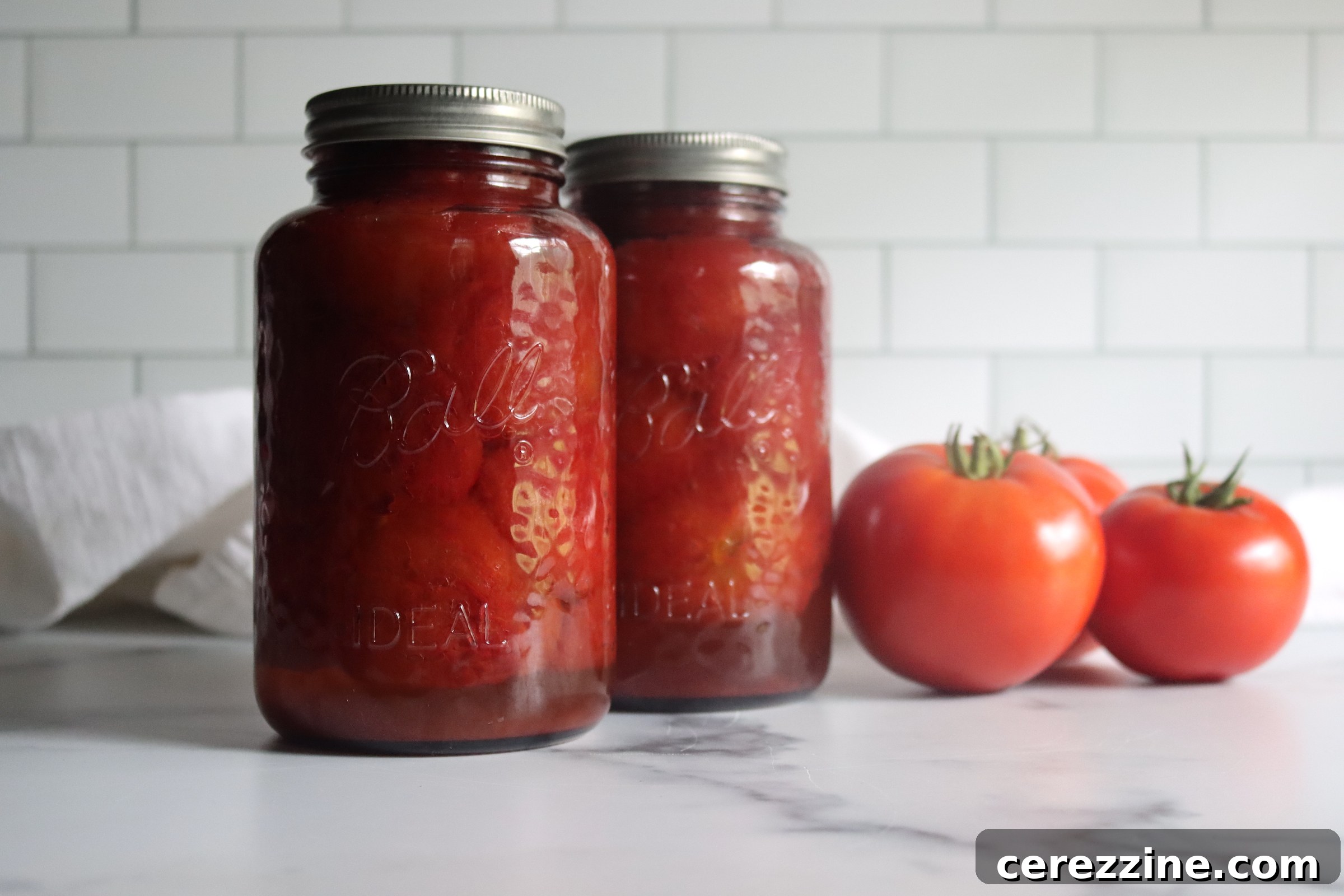
Canning whole tomatoes in red wine is a simple twist on a classic canning recipe, adding rich, complex flavor to your home canned tomatoes. This innovative approach elevates everyday produce into a gourmet pantry staple, perfect for enhancing your culinary creations throughout the year.
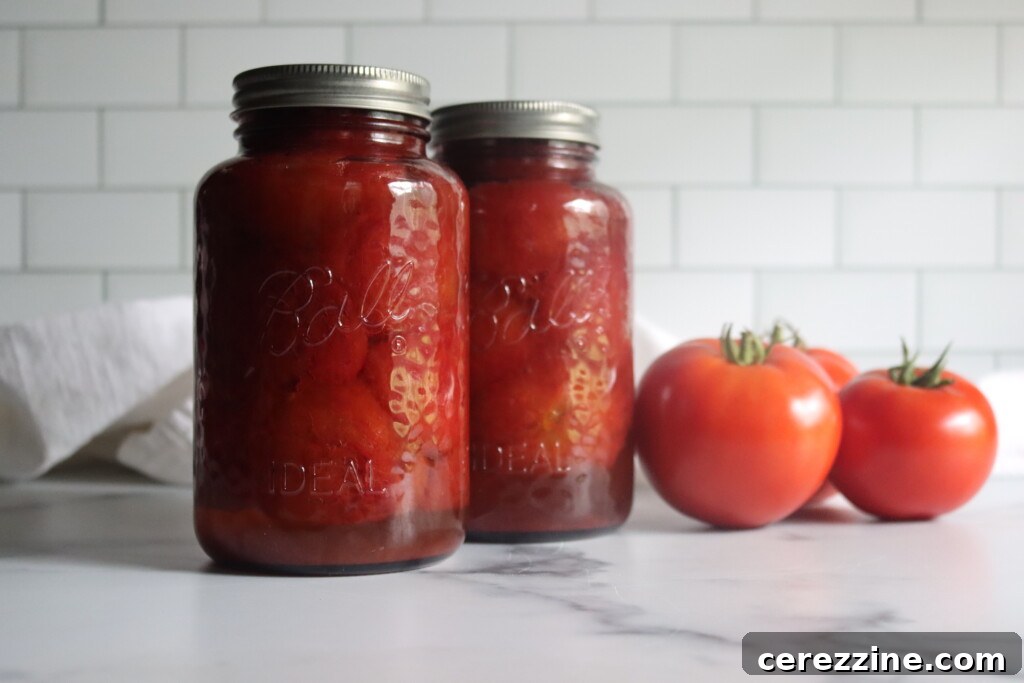
Elevate Your Pantry: Canning Whole Tomatoes in Wine for Gourmet Flavor
Transform your harvest with a unique and delicious method for preserving tomatoes: canning them in red or white wine. This simple yet sophisticated twist on traditional home canning introduces incredible depth and complexity to your pantry, making everyday meals feel truly special. By substituting plain water with a quality dry wine as the packing liquid, you infuse the tomatoes with nuanced flavors that mature beautifully over time, ready to elevate your sauces, stews, and braises.
The beauty of this method lies in its adherence to established canning safety protocols. It follows the same tested procedures used for canning whole tomatoes in water, ensuring a safe and shelf-stable product. Importantly, since wine is naturally more acidic than water, it serves as a perfectly safe alternative, provided you continue to follow the standard acidification rules required for all home-canned tomatoes.
The Art and Science of Wine-Infused Canning
Why Choose Wine for Canning Tomatoes? The Flavor Advantage
Imagine the subtle notes of a robust red wine or the crisp freshness of a dry white wine slowly permeating juicy, ripe tomatoes. This isn’t just a culinary fancy; it’s a strategic move to unlock new dimensions of flavor. As the tomatoes process and store, they absorb the wine’s characteristics, developing a richer, more profound taste profile than water-packed alternatives. Red wine offers earthy, savory, and sometimes fruity undertones, making it ideal for hearty, slow-cooked dishes. White wine, on the other hand, contributes bright, acidic, and often floral notes, perfect for lighter fare and seafood. The alcohol dissipates during the canning and cooking process, leaving behind only the concentrated essence of the wine, enhancing the natural sweetness and umami of the tomatoes.
Understanding Tomato Acidity and Safe Canning Practices
Tomatoes are categorized as a “borderline-acid” food, meaning their pH level can fluctuate, sometimes being just above the threshold required for safe water bath canning. This is why acidification is an absolutely non-negotiable step in all tomato canning recipes. Whether you’re preserving them in water, tomato juice, or wine, you must add bottled lemon juice or citric acid to lower the pH to a safe level (below 4.6). This crucial step inhibits the growth of *Clostridium botulinum*, the bacteria responsible for botulism, a serious foodborne illness. The addition of wine, while acidic itself, does not negate the need for this acidification, ensuring your home-canned tomatoes are safe for long-term storage in either a water bath or pressure canner.
Using the hot pack technique in this recipe also plays a vital role in safety and quality. By briefly simmering the peeled, cored tomatoes before packing, trapped air is expelled, improving the texture of the finished product and significantly reducing the chances of floating fruit and liquid separation in the jars. Additionally, working with warm ingredients throughout the process helps prevent thermal shock when filling the jars and loading them into the canner, minimizing the risk of jar breakage.
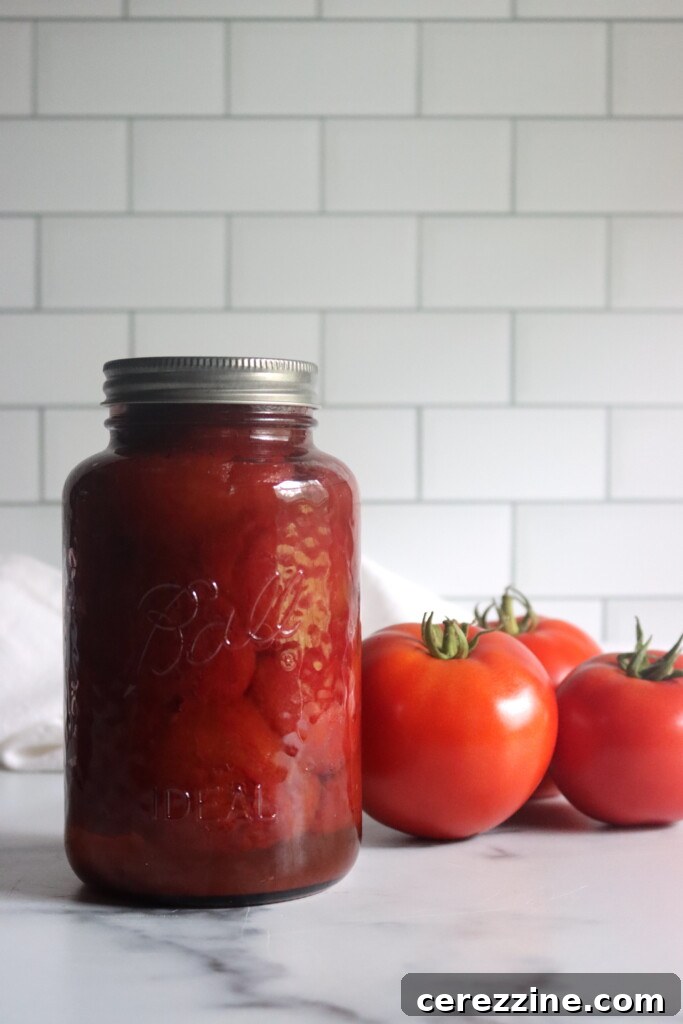
Selecting Your Ingredients for Optimal Flavor
Choosing the Best Tomatoes for Canning
The success of your home-canned tomatoes begins with selecting the right produce. For this recipe, you’ll need approximately 21 pounds of fresh tomatoes for a full canner load of 7 quarts, or 13 pounds for 9 pints. The type of tomato you choose can significantly impact the final texture and use of your canned product:
- Paste-Type Tomatoes: Varieties like Roma, San Marzano, or Amish Paste are excellent choices. They have thick walls, fewer seeds, and lower water content, resulting in a denser, richer product ideal for thick sauces, pastes, and stews.
- Slicer Tomatoes: While typically juicier, varieties like Beefsteak, Brandywine, or Early Girl can also be used. They will yield a more liquid-rich canned tomato, which is great for broths, soups, or dishes where a looser consistency is desired. Ensure they are firm and ripe.
Always select ripe, firm tomatoes free from blemishes, cracks, or soft spots. The quality of your raw ingredients directly correlates with the quality and safety of your preserved goods.
The Perfect Wine Pairing for Your Canned Tomatoes
The wine you choose doesn’t need to be expensive, but it should be a dry, drinkable wine free from added sugars or artificial flavors. Think about the culinary direction you want your canned tomatoes to take. Here are some recommendations:
- For Rich, Hearty Dishes (Red Wine):
- Côtes du Rhône: A fantastic choice for its balanced acidity, medium body, and notes of dark fruit, herbs, and earth. It adds incredible depth to French-inspired dishes like cassoulet, coq au vin, or a slow-simmered beef stew.
- Classic Chianti: With its bright acidity, savory undertones, and often notes of cherry and spice, Chianti is superb for Italian meals. It holds up beautifully in pasta sauces, ragùs, and braised meat dishes, providing that familiar, authentic Italian flavor profile.
- Merlot or Cabernet Sauvignon: For a bolder, fruitier flavor, choose a dry, unoaked Merlot or Cabernet Sauvignon. These can add a robust character to your canned tomatoes, perfect for intense sauces.
- For Lighter, Fresher Dishes (White Wine):
- Dry Sauvignon Blanc: Offers crisp acidity and vibrant citrus notes, making it excellent for seafood-based recipes, light cream sauces, or anything with a Mediterranean feel.
- Pinot Grigio: A versatile and widely available option, Pinot Grigio provides a clean, dry, and often subtly fruity backdrop that complements delicate flavors without overpowering the tomatoes.
What to Avoid: Steer clear of sweet wines (like Riesling or Moscato) or heavily oaked wines, as these flavors can become concentrated and potentially unpleasant in the finished jars. The goal is to enhance, not overpower, the natural taste of the tomatoes.
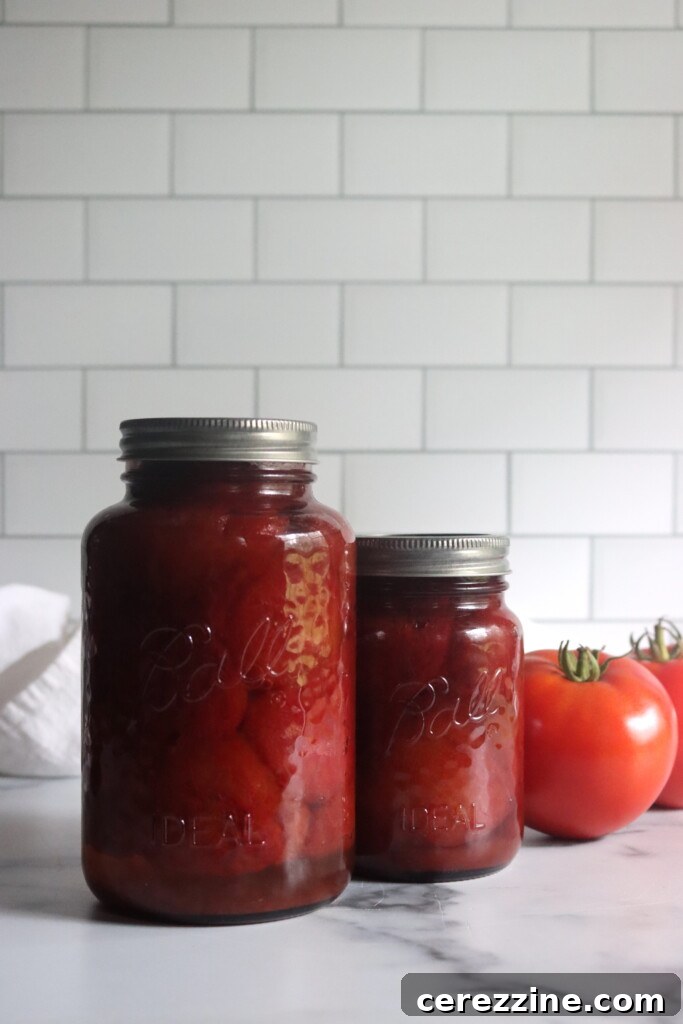
Essential Equipment for Successful Home Canning
Having the right tools makes the canning process smooth, safe, and efficient. Here’s a checklist of what you’ll need for canning whole tomatoes in wine:
- Canner: A large boiling water bath canner (with rack) is suitable for this recipe, or a pressure canner for higher altitudes or preference.
- Canning Jars: Glass canning jars (pint or quart size) with new lids and bands. Always use jars specifically designed for canning.
- Large Stockpot: For blanching tomatoes and simmering them before packing.
- Saucepan: For simmering the wine and keeping it hot.
- Jar Lifter: Essential for safely handling hot jars in and out of the canner.
- Canning Funnel: Helps prevent spills and keeps jar rims clean when filling.
- Headspace Tool or Ruler: To accurately measure the space between the food and the rim of the jar.
- Ladle: For adding hot wine or water to the jars.
- Slotted Spoon: For packing hot tomatoes into jars.
- Non-Metallic Utensil: A plastic knife or specific canning debubbler tool to remove air bubbles from packed jars.
- Clean Kitchen Towels: For wiping jar rims and cooling jars.
- Timer: For precise processing times.
Canning Whole Tomatoes in Wine: Step-by-Step Instructions
This method employs a hot pack technique, which is crucial for safety and quality, helping to expel air, improve texture, and reduce floating fruit in your finished jars.
- Prepare the Tomatoes:
- Thoroughly wash all fresh tomatoes. Remove any stems or blemishes.
- Score a shallow “X” on the bottom of each tomato.
- Bring a large pot of water to a rolling boil. Carefully blanch the scored tomatoes in the boiling water for 30 to 60 seconds, or just until their skins begin to split.
- Immediately transfer the blanched tomatoes to a bowl of ice water to stop the cooking process and cool them rapidly.
- Once cool enough to handle, easily slip off the skins and remove the cores. Leave the tomatoes whole, or cut them into halves if they are very large. Do not chop or crush them, as this method is only tested for whole or halved tomatoes for safe processing.
- Prepare Canning Jars and Acidify:
- Wash your canning jars, new lids, and bands in hot, soapy water, then rinse thoroughly. Keep the jars hot until they are ready to be filled to prevent thermal shock, which can cause jars to break.
- To each clean, hot pint jar, add 1 tablespoon of bottled lemon juice (or ¼ teaspoon of citric acid).
- To each clean, hot quart jar, add 2 tablespoons of bottled lemon juice (or ½ teaspoon of citric acid).
- If desired for flavor, add ½ teaspoon of canning salt to each pint jar or 1 teaspoon to each quart jar at this stage.
- Warm the Wine:
- In a separate saucepan, gently heat your chosen dry red or white wine until it is simmering (but not boiling vigorously).
- Pour ½ cup of the simmering wine into each prepared pint jar, or 1 cup into each quart jar. Set these jars aside.
- Hot Pack the Tomatoes:
- Place the peeled, cored tomatoes into a large pot. Add just enough water to barely cover them.
- Bring the water to a gentle boil and allow the tomatoes to simmer for 5 minutes. This step heats the tomatoes through, expelling air and making them easier to pack densely.
- Fill the Jars:
- Using a slotted spoon, carefully pack the hot tomatoes into your prepared, hot canning jars. Gently press the tomatoes down to minimize air pockets.
- Leave ½ inch of headspace from the rim of the jar.
- Top off each jar with additional simmering wine or hot water as needed, ensuring the tomatoes are completely covered by liquid and the ½ inch headspace is maintained.
- Debubble and Clean Rims:
- Use a non-metallic utensil (like a plastic knife or a canning debubbler tool) to gently remove any trapped air bubbles from between the tomatoes and the jar walls. Add more liquid if necessary to bring the headspace back to ½ inch.
- Wipe the jar rims meticulously clean with a damp paper towel. This ensures a proper seal will form.
- Apply Lids and Bands:
- Center a clean, new lid on top of each jar.
- Screw on the bands until they are “fingertip-tight” – meaning secure enough to hold the lid in place, but not overly tight, allowing air to escape during processing.
- Process Jars:
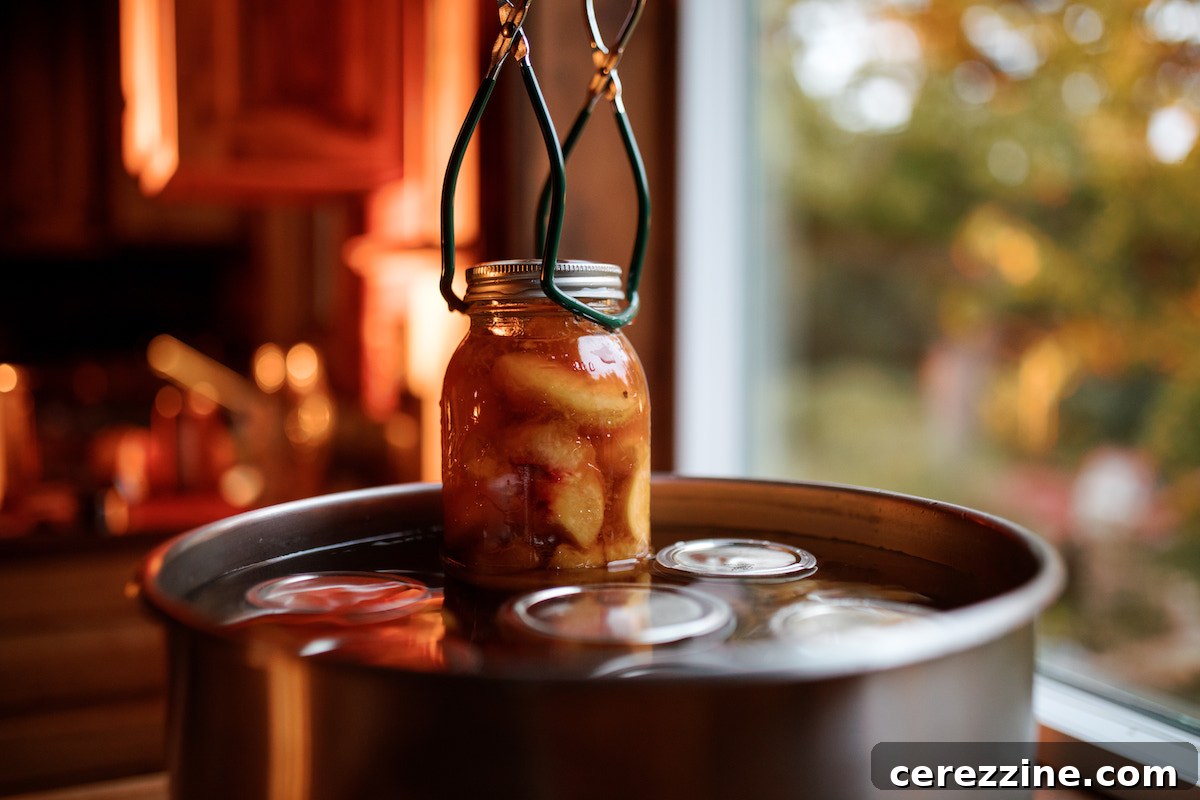
- Carefully place the filled jars into your prepared boiling water bath canner or pressure canner. Ensure the water level for water bath canning covers the jars by at least 1-2 inches.
- Process the jars according to the altitude-adjusted times and pressures provided in the “Altitude Adjustments” section below.
- Once processing is complete, turn off the heat and let the jars sit in the canner for 5 minutes before carefully removing them.
- Cool and Check Seals:
- Remove the hot jars from the canner using a jar lifter and place them on a clean kitchen towel or cooling rack on your countertop, ensuring they are not touching each other.
- Allow the jars to cool undisturbed for 12 to 24 hours. You will hear the satisfying “ping” sound as the lids seal.
- After cooling, check the seals: the lids should be concave and not flex when pressed in the center. If any jar has not sealed properly, reprocess it within 24 hours (using a new lid) or refrigerate the contents and consume within one week.
Altitude Adjustments for Safe Canning
Adhering to correct processing times and pressures is paramount for food safety, especially when preserving low-acid foods like tomatoes. Remember, acidification is required for both water bath and pressure canning methods to ensure safety.
Boiling Water Bath Canning (Hot Pack Only)
When using a boiling water bath canner, the processing times must be increased at higher elevations. This compensates for the lower boiling temperatures that occur at increased altitudes. Be sure to adjust your processing time based on your geographical location:
- 0–1,000 feet: 40 minutes for pints and 45 minutes for quarts
- 1,001–3,000 feet: 45 minutes for pints and 50 minutes for quarts
- 3,001–6,000 feet: 50 minutes for pints and 55 minutes for quarts
- Above 6,000 feet: 55 minutes for pints and 60 minutes for quarts
Pressure Canning (Hot Pack Only)
For pressure canning, the processing time remains constant at 15 minutes for both pints and quarts. However, the required pressure (PSI – pounds per square inch) must be increased at higher elevations to maintain the necessary internal temperatures for safe food preservation.
Dial Gauge Pressure Canner (Process pints or quarts for 15 minutes):
- 0–2,000 ft: 6 lbs PSI
- 2,001–4,000 ft: 7 lbs PSI
- 4,001–6,000 ft: 8 lbs PSI
- 6,001–8,000 ft: 9 lbs PSI
Weighted Gauge Pressure Canner (Process pints or quarts for 15 minutes):
- 0–1,000 ft: 5 lbs PSI
- Above 1,000 ft: 10 lbs PSI
Storing Your Home Canned Tomatoes
Once your jars have cooled completely and you’ve confirmed a proper seal, remove the screw bands (they can be reused). Wash the jars to remove any food residue. Label your jars with the contents and date of canning. Store your home-canned wine-infused tomatoes in a cool, dark, dry place, such as a pantry, basement, or cupboard. Properly sealed and stored, they will maintain their peak quality for up to 18 months, though they are often best consumed within a year for optimal flavor and texture. Avoid storing them near heat sources or in direct sunlight, as this can degrade the quality and potentially compromise the seal over time.
Creative Serving Suggestions for Wine-Infused Tomatoes
Tomatoes canned in red or white wine are a versatile and gourmet addition to your kitchen, particularly during colder months when you crave rich, complex flavors without having to uncork multiple bottles. The wine component integrates beautifully, deepening the tomato flavor rather than imparting a strong alcoholic taste. These homemade canned tomatoes are truly a culinary secret weapon!
- Elevated Pasta Sauces: Use them straight from the jar as the base for an extraordinary marinara, a slow-simmered ragù with ground meat, or a luxurious Bolognese. The wine adds an unparalleled depth that will make your Italian dishes sing.
- Hearty Stews and Braises: These tomatoes are perfectly suited for robust dishes like beef bourguignon, coq au vin, lamb stew, or even vegetarian lentil stews. They contribute a rich, savory backbone that enhances any slow-cooked meal.
- Gourmet Soups: Blend them into a sophisticated tomato soup, perhaps finished with a swirl of cream, a drizzle of high-quality olive oil, or fresh basil. The wine base will give it a restaurant-quality essence.
- Quick Pan Sauces: Reduce the contents of a jar on the stovetop with some sautéed garlic, fresh herbs, and a splash of broth. This creates an instant gourmet sauce ideal for serving alongside roasted chicken, pork tenderloin, or pan-seared steak.
- Mediterranean & Seafood Dishes (White Wine Tomatoes): If you chose white wine for canning, these tomatoes are exceptional in seafood-centric recipes like cioppino, baked white fish dishes, or delicate pasta preparations with shrimp and mussels. Their crisp acidity brightens the flavors beautifully.
- Artisan Pizza and Flatbread Base: Lightly crush the wine-infused tomatoes and spread them over homemade pizza dough or flatbread for a vibrant, flavorful base that elevates your favorite toppings.
- Bruschetta Topping: Dice the tomatoes, mix with fresh basil, garlic, and a touch of balsamic glaze for a sophisticated bruschetta topping.
With a jar of these wine-infused tomatoes in your pantry, you’re always just moments away from crafting a truly memorable meal that tastes like it came from a gourmet kitchen.
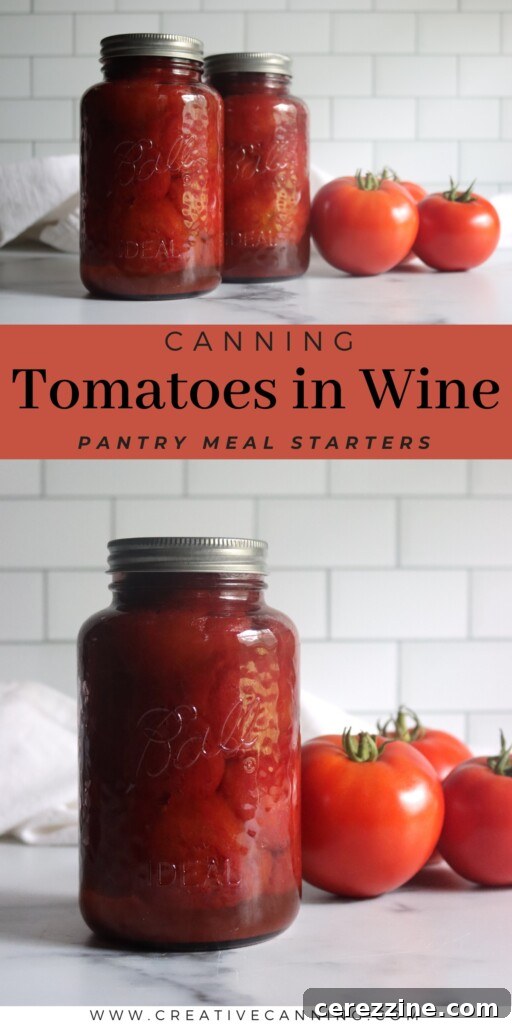
Recipe Card: Canning Whole Tomatoes in Wine
Whole Tomatoes Canned in Wine
Whole peeled tomatoes packed in red or white wine for bold, versatile flavor in sauces, stews, and braises. This hot pack canning recipe is a safe and delicious twist on the classic method using water, adding gourmet depth to your pantry.
- Servings: 28 (makes 7 quarts)
- Prep Time: 30 minutes
- Cook Time: 20 minutes
- Canning Time: 40-60 minutes (varies by altitude and canner type)
- Total Time: Approximately 1 hour 30 minutes (excluding cooling time)
Equipment
- Water Bath Canner (with rack)
- Pressure Canner (optional, recipe also tested for water bath)
- Large stockpot
- Saucepan for wine
- Canning jars (pints or quarts) with new lids and bands
- Jar lifter
- Canning funnel
- Headspace tool or ruler
- Ladle
- Slotted spoon
- Non-metallic utensil for debubbling
- Clean kitchen towels
Ingredients
- 21 lbs fresh tomatoes (for 7 quarts) OR 13 lbs (for 9 pints)
- 2 bottles (750ml each) dry red or white wine (approximately 1 cup per quart / ½ cup per pint, plus extra for topping)
- Bottled lemon juice OR citric acid:
- 2 Tbsp bottled lemon juice per quart OR 1 Tbsp per pint
- OR ½ tsp citric acid per quart OR ¼ tsp per pint
- Optional: 1 tsp canning salt per quart OR ½ tsp per pint
Instructions
- Prepare Tomatoes: Wash tomatoes thoroughly. Bring a large pot of water to a boil. Score a shallow “X” on the bottom of each tomato and blanch for 30–60 seconds until skins split. Immediately transfer to ice water. Slip off skins and remove cores. Leave tomatoes whole or cut into halves (do not chop or crush).
- Prepare Jars: Wash jars, lids, and bands. Keep jars hot. Add bottled lemon juice (2 Tbsp/quart or 1 Tbsp/pint) or citric acid (½ tsp/quart or ¼ tsp/pint) to each jar. Add optional canning salt (1 tsp/quart or ½ tsp/pint) for flavor.
- Add Wine: Heat wine to a simmer. Pour ½ cup of simmering wine into each pint jar or 1 cup into each quart jar. Set jars aside.
- Hot Pack Tomatoes: Place peeled, cored tomatoes in a large saucepan, add just enough water to cover. Bring to a gentle boil and simmer for 5 minutes to heat through.
- Fill Jars: Using a slotted spoon, pack hot tomatoes into prepared jars, leaving ½ inch headspace. Gently press down to remove air. Add more hot wine or water as needed to cover tomatoes and maintain headspace.
- Seal Jars: Use a non-metallic utensil to remove air bubbles. Wipe jar rims with a clean, damp cloth. Apply lids and screw bands until fingertip-tight.
- Process Jars: Process in either a boiling water bath canner or a pressure canner using altitude-adjusted times and pressures. Refer to the “Altitude Adjustments” section in the main article for details.
- Cool and Check Seals: After processing, remove jars and cool on a wire rack or towel for 12-24 hours. Check seals; unsealed jars must be reprocessed or refrigerated.
Notes
- Always use a dry, unsweetened wine for best and safest results. This method works well with both red and white wines.
- Acidification with bottled lemon juice or citric acid is mandatory for safety, even when using wine. Do not skip this step.
- Only whole or halved tomatoes are safe for this tested canning method. Avoid chopping or crushing.
Nutrition Information (Approximation per 0.5 cup serving)
Calories: 61kcal | Carbohydrates: 13g | Protein: 3g | Fat: 1g | Saturated Fat: 0.1g | Polyunsaturated Fat: 0.3g | Monounsaturated Fat: 0.1g | Sodium: 17mg | Potassium: 806mg | Fiber: 4g | Sugar: 9g | Vitamin A: 2834IU | Vitamin C: 47mg | Calcium: 34mg | Iron: 1mg
Nutrition information is automatically calculated and should only be used as an approximation.