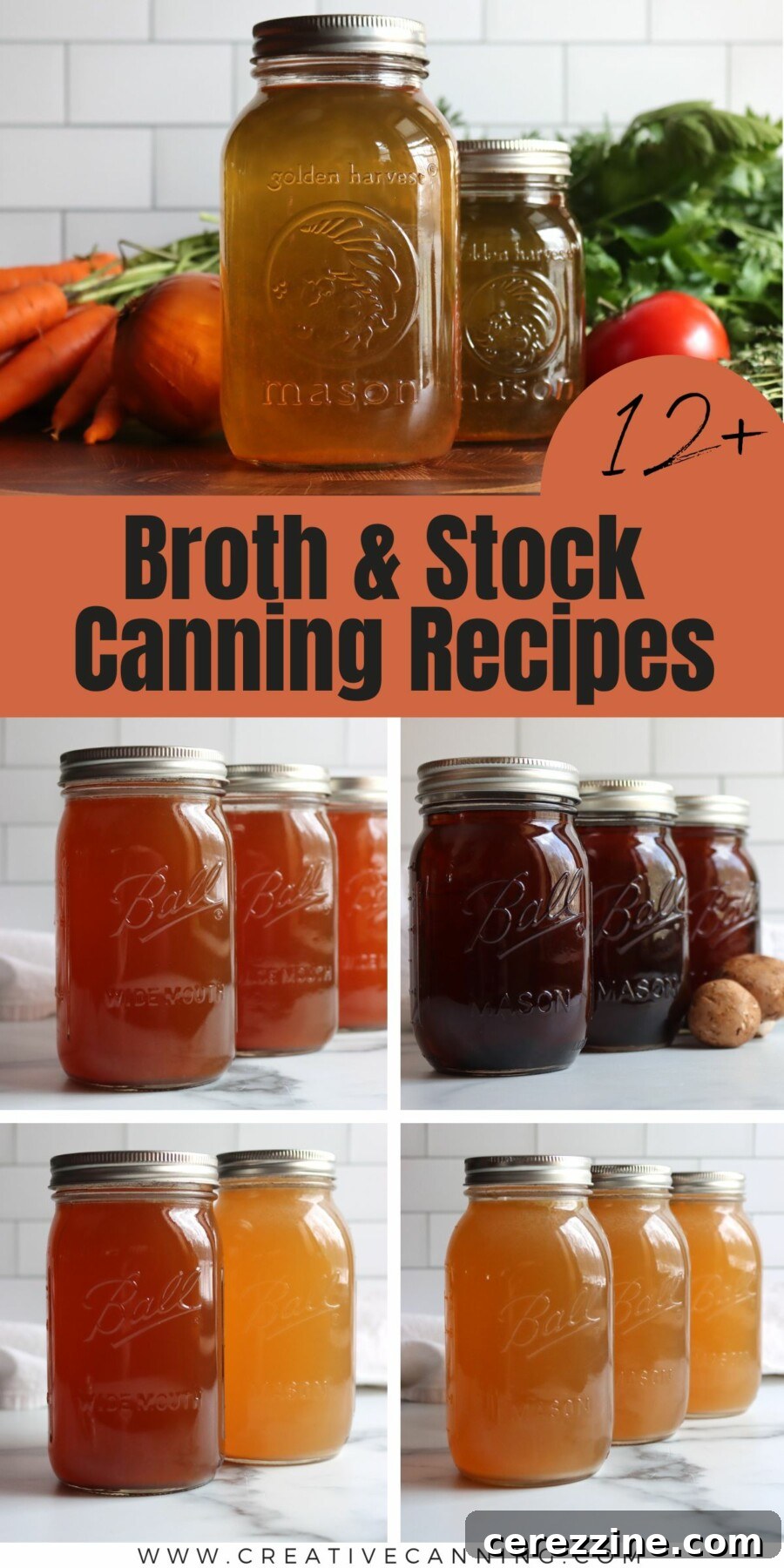
Broth and stock canning recipes are among the most useful jars you can keep on a pantry shelf. They may not appear as showy as pie filling or jam, but having homemade broth on hand makes quick soups, sauces, gravies, and from-scratch meals much easier to prepare.
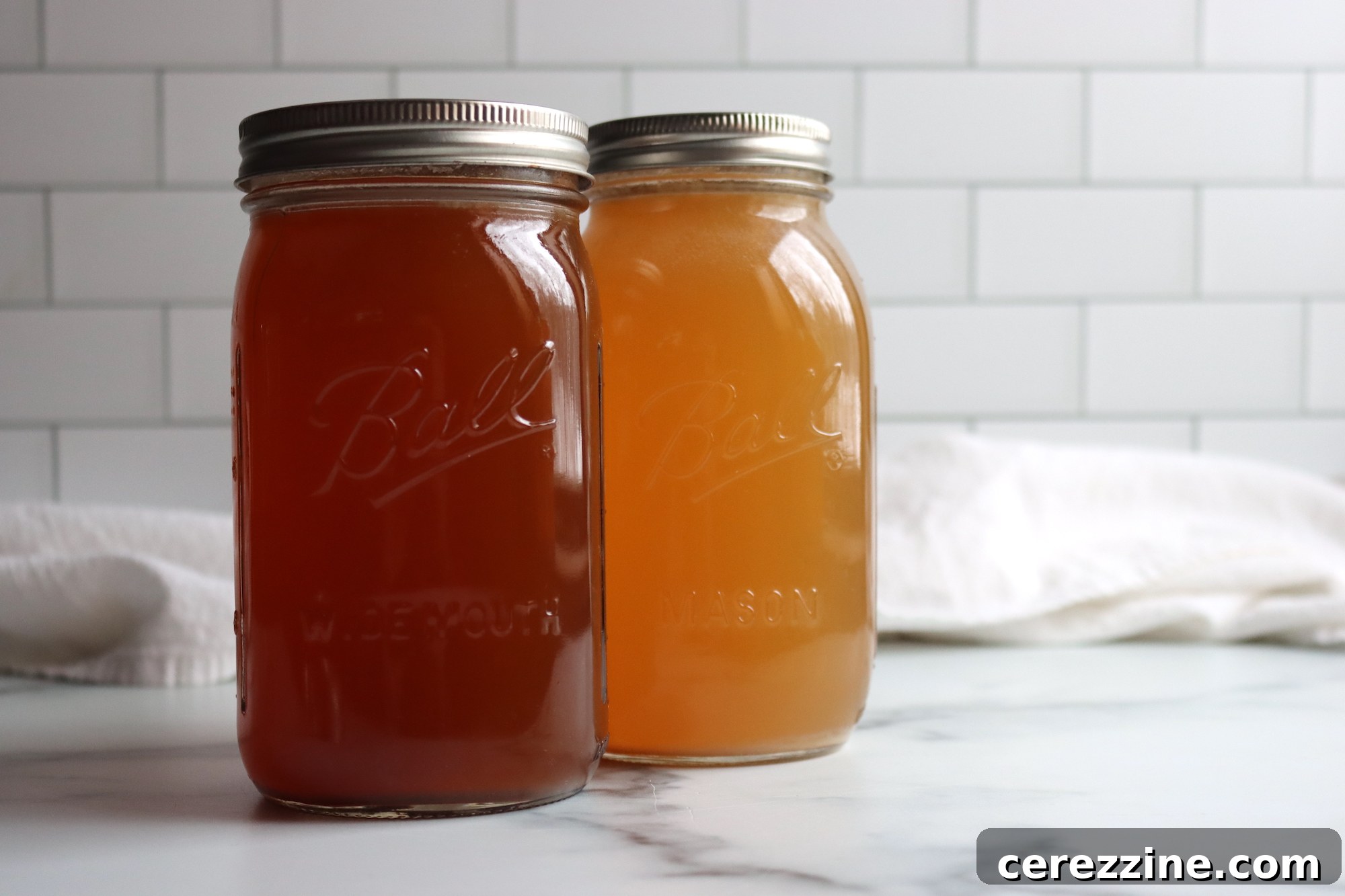
Canning your own broth is deeply satisfying and highly practical. Homemade stock delivers richer flavor than most store-bought options and is a smart way to use bones, vegetable trimmings, herbs, and other scraps that might otherwise be discarded. Once jars are processed, you have ready-to-use bases for soups, grains, beans, stews, and sauces.
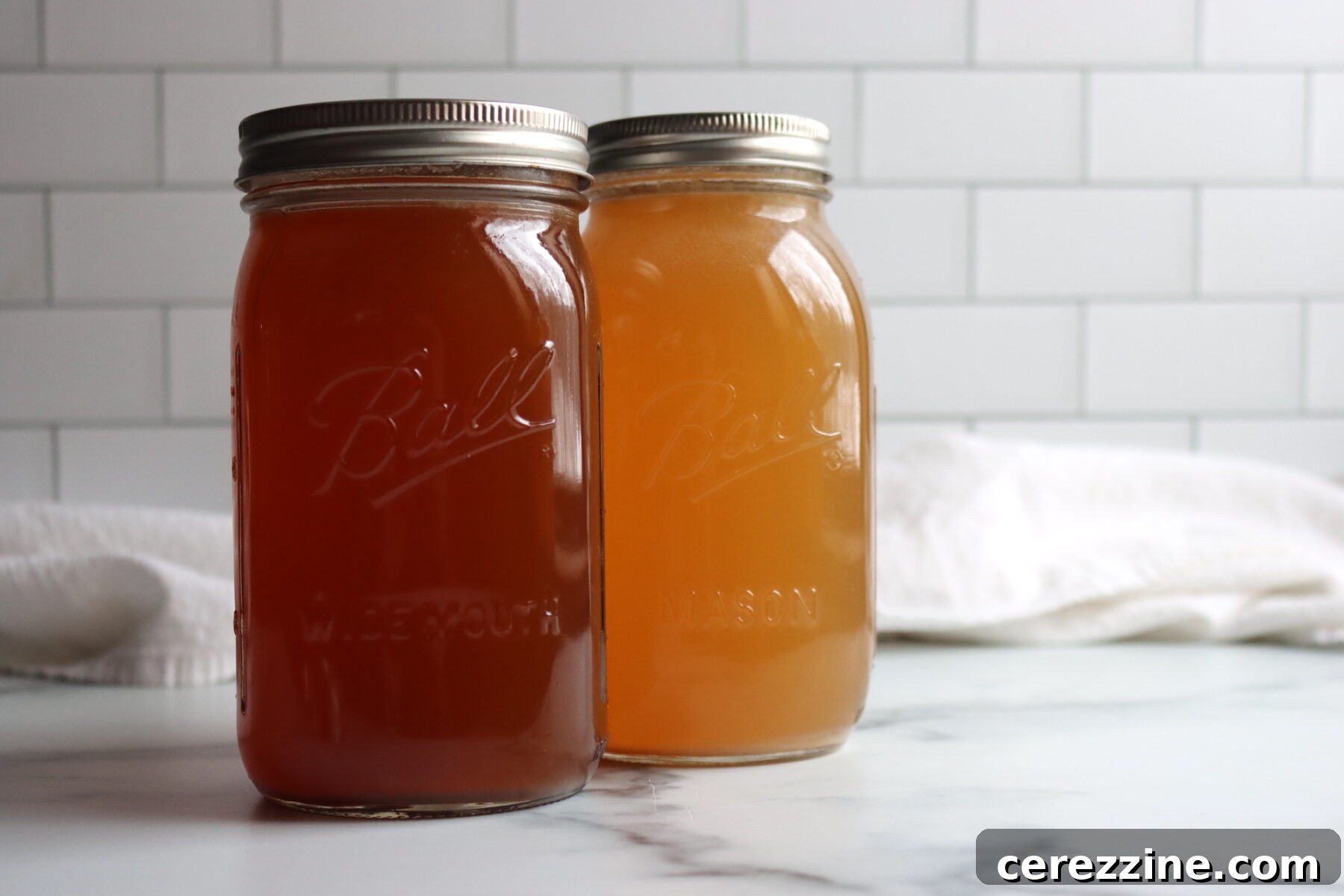
Pressure-canned broths and stocks are shelf-stable and compact, which makes them especially useful if freezer space is limited or you want pantry staples that survive power outages or long-term storage. Whether you keep simple, clear broths or richer, gelatinous bone stocks, these jars save time and add depth to many dishes.
Why Can Broth and Stock?
The main reason to can broth is convenience. Jars of pressure-canned stock are easy to store, use, and rotate. They free up freezer space and remain safe on the shelf for long periods. Canning also stretches ingredients: a roast chicken can become broth, then soup, then gravy, and bones from beef or game can flavor multiple meals.
By canning broth you preserve not only the liquid, but the flavor and effort that went into making it—saving time and boosting the quality of everyday cooking.
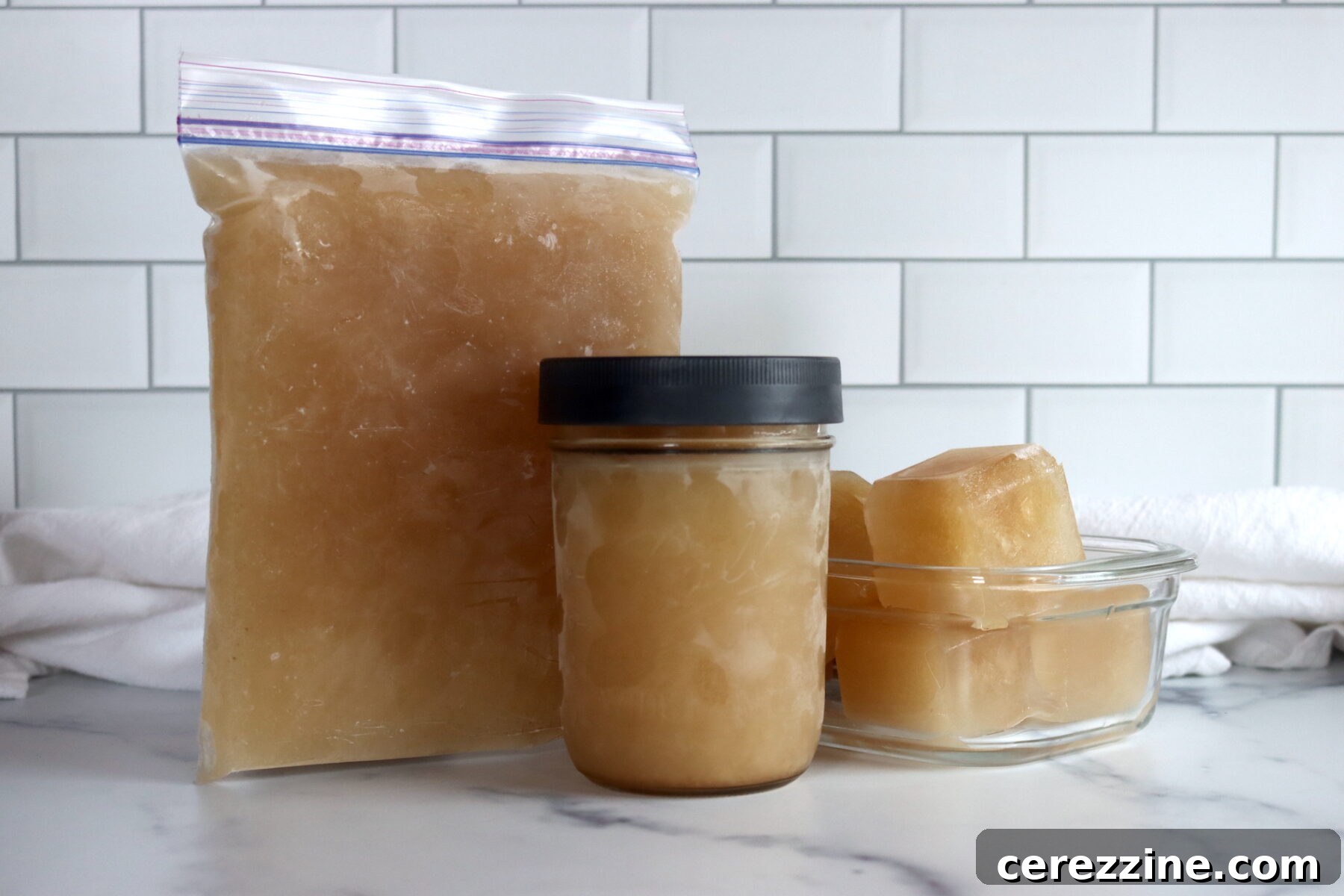
What’s the Difference Between Broth and Stock?
In everyday cooking the terms broth and stock are often used interchangeably, but traditionally there is a distinction. Broth is typically made from meat and vegetables and is lighter and ready to drink on its own. Stock is usually made from bones (often with some meat left attached) and simmers longer to release gelatin, resulting in a fuller body and richer mouthfeel.
In a home kitchen the line blurs: a pot with carcasses, onion ends, and herbs can reasonably be called either. For canning, the important point is that the liquid is fully strained and contains no thickeners, dairy, grains, noodles, rice, or pureed solids. Both broth and stock are processed the same way when they are a plain strained liquid—what matters most for safety is what’s in the jar, not the label.
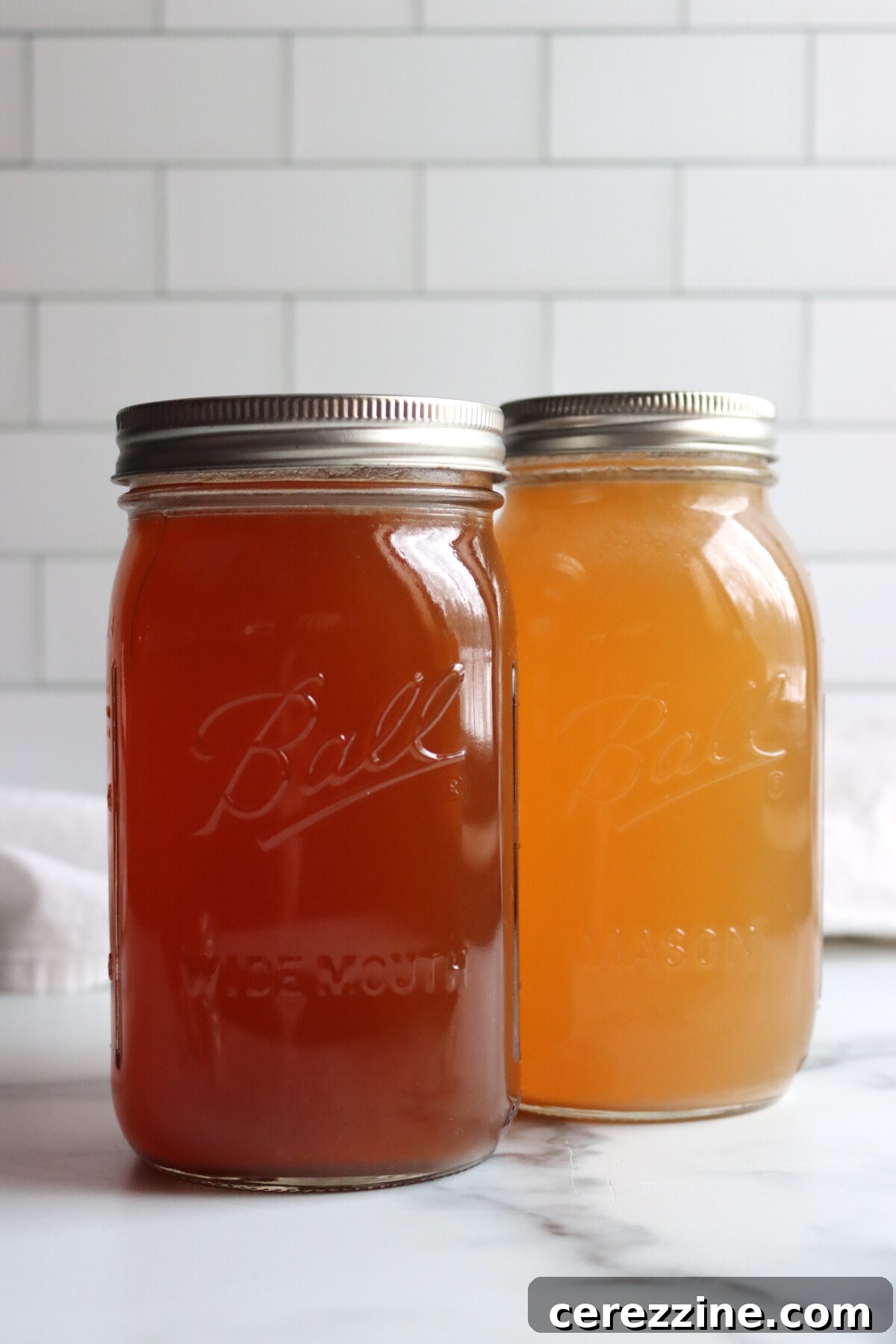
Basic Instructions for Pressure Canning Broth and Stock
Canning broth and stock is straightforward because you start with a strained liquid. Prepare your broth or stock as usual, then strain it carefully to remove all solids—no pieces of bone, meat, or vegetables should remain. Reheat the liquid to a boil, ladle it into hot jars, and leave 1 inch of headspace. Wipe the jar rims, apply lids, and place the jars in a preheated pressure canner.
For meat-based broths and stocks the tested processing times are typically 20 minutes for pints and 25 minutes for quarts in a pressure canner, adjusted for altitude. These relatively short processing times make meat-based broths convenient pantry items compared with soups or mixtures containing solids.
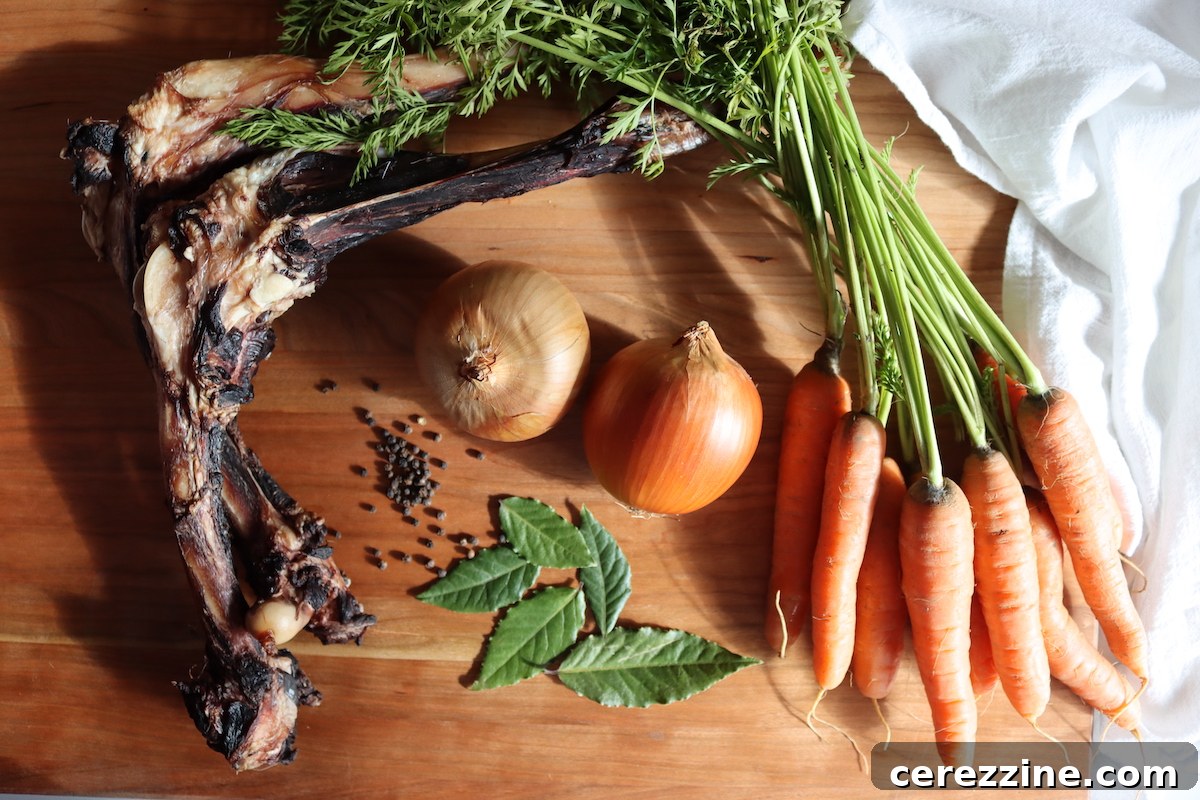
Vegetable broth is an exception: tested recipes require longer processing times than meat stock. For example, a common tested vegetable stock procedure calls for 30 minutes for pints and 35 minutes for quarts in a pressure canner, with altitude adjustments. Because of these timing differences, follow tested recipes for each type of broth.
Always can plain, unthickened broth or stock. Once you add solids or turn the liquid into a finished soup with noodles, rice, cream, or thickening agents, you must use a different, tested process with longer canning times.
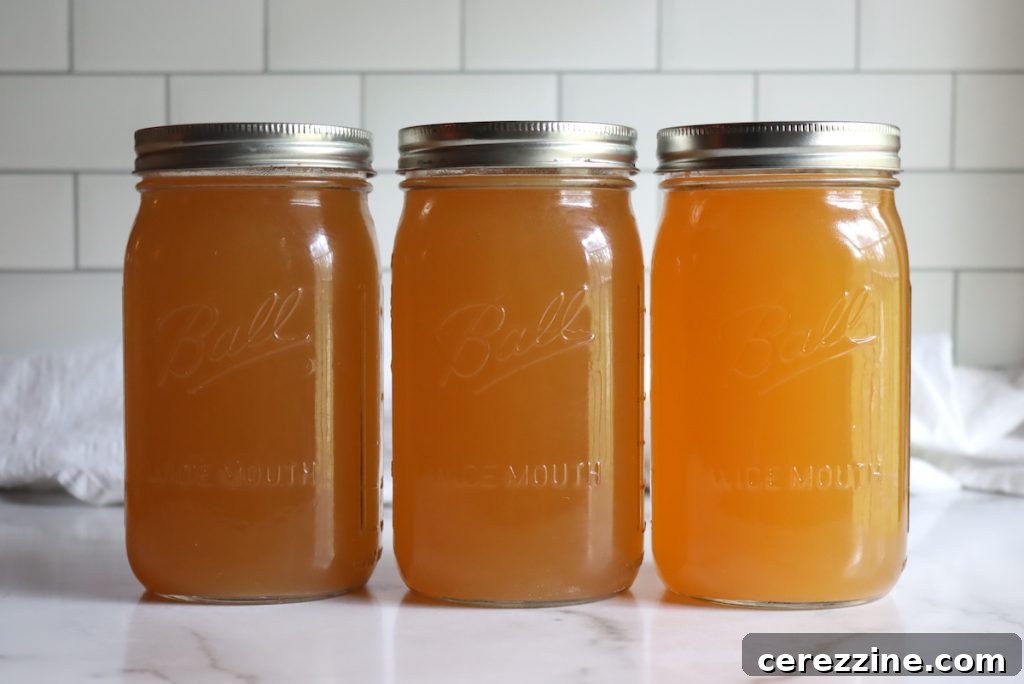
Poultry Broth Canning Recipes
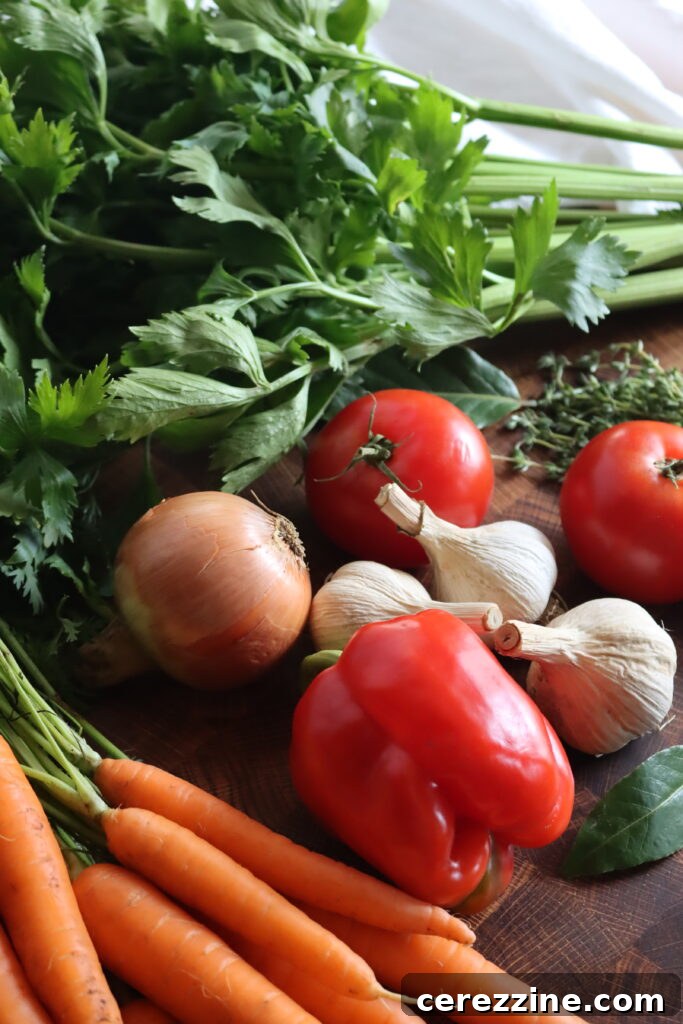
Poultry broths—chicken, turkey, duck, and similar stocks—are among the most versatile pantry staples. They are mild enough for delicate dishes yet flavorful enough for soups, gravies, rice, stuffing, casseroles, and sauces. Making broth from leftover roast chicken or turkey carcasses is efficient; roasting the bones first and simmering them with peeled vegetables yields a cleaner, more developed flavor.
- Canning Chicken Broth
- Canning Turkey Broth
- Canning Duck Broth
- Canning Pheasant Broth
Beef & Lamb Broth Canning Recipes
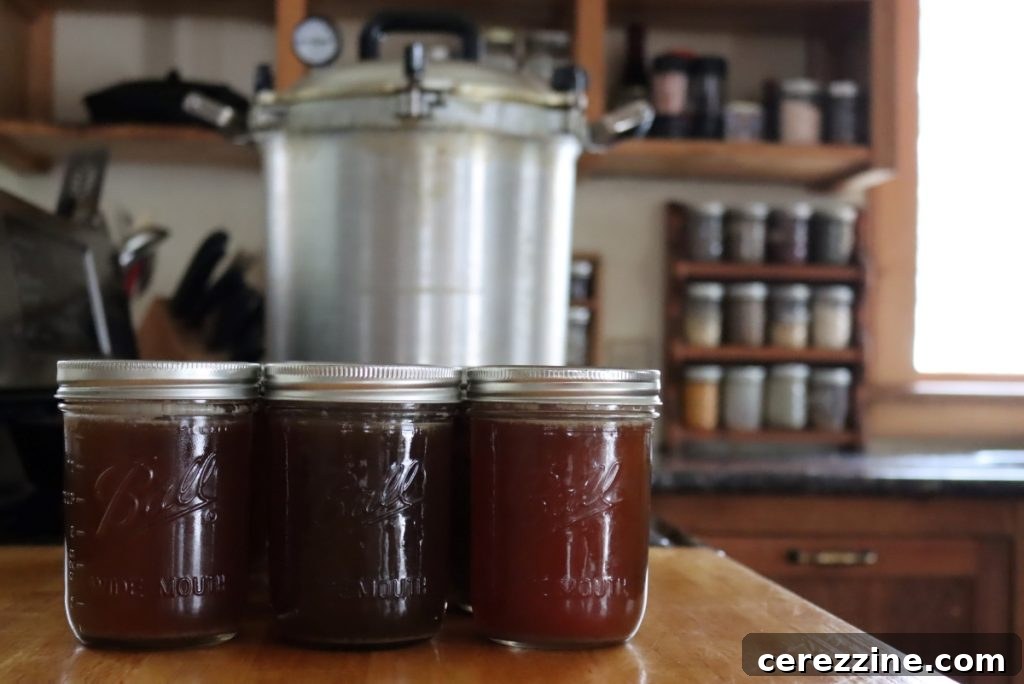
Beef and lamb stocks are robust and full-bodied. They often begin with roasted bones and a long, slow simmer alongside peeled vegetables, which produces a darker, more gelatinous broth than a quick stovetop stock. These jars are ideal for gravies, stews, French onion soup, and any dish that benefits from deep savory notes.
I often start with beef shanks that still have meat attached, roast the shanks, then simmer them for hours. That way you can pick the meat for another use and still preserve the rich stock in jars.
- Canning Beef Broth
- Canning Lamb Broth
Pork Broth & Specialty Meat Broths
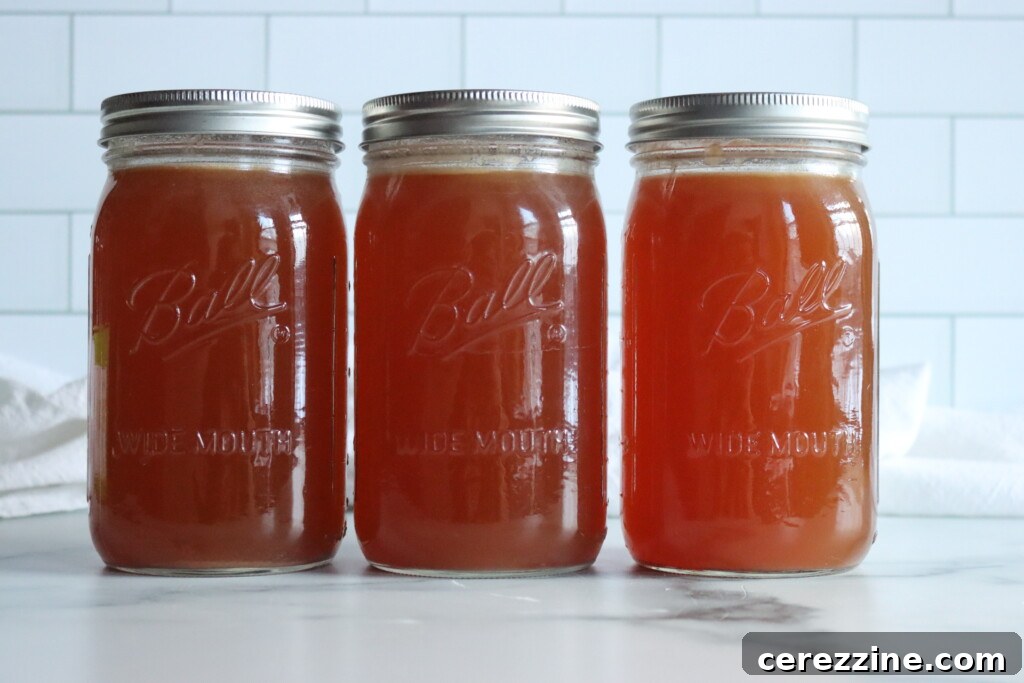
Pork broth offers rich, savory depth and works well in bean dishes, ramen-style soups, gravies, and rustic braises. It’s especially handy as a base for canning beans or for dishes that benefit from a pork-forward flavor. Specialty broths—like rib broth—are excellent ways to turn leftover rib bones or smoked scraps into a flavorful stockpot addition.
- Pork Broth
- Rib Broth
Wild Game Broth Canning Recipes
Wild game broths are a great way to use bones after butchering season. Venison, in particular, produces a deep, distinctive stock that adds complexity to stews, gravies, and winter soups. Canning game broths helps you make the most of the whole animal and preserves those unique flavors for later use.
- Venison Bone Broth
Vegetable Broth Canning Recipes
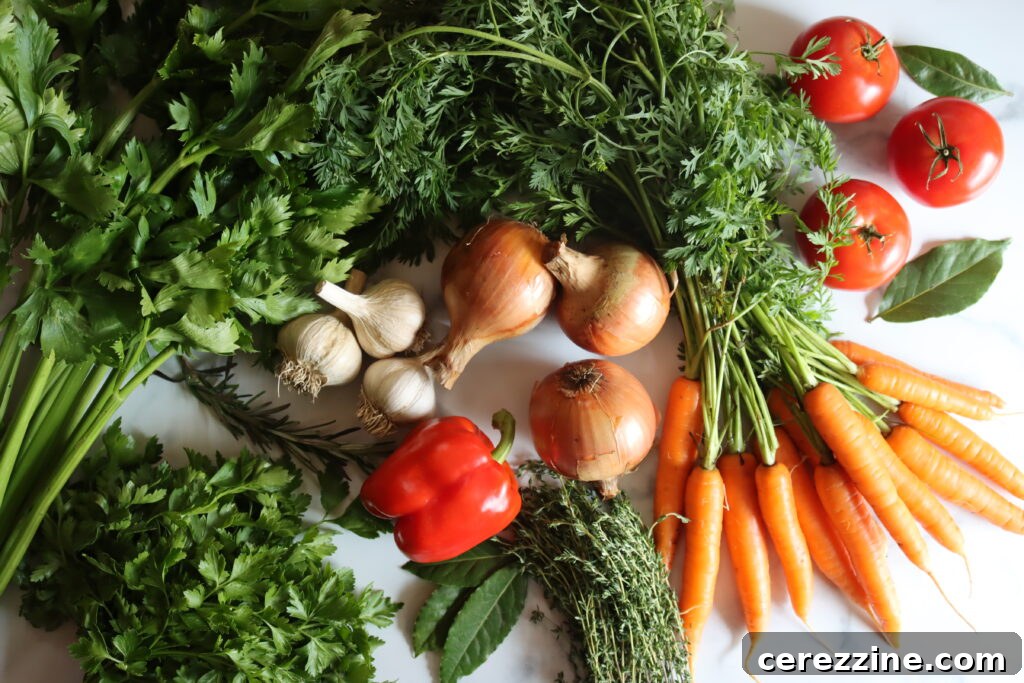
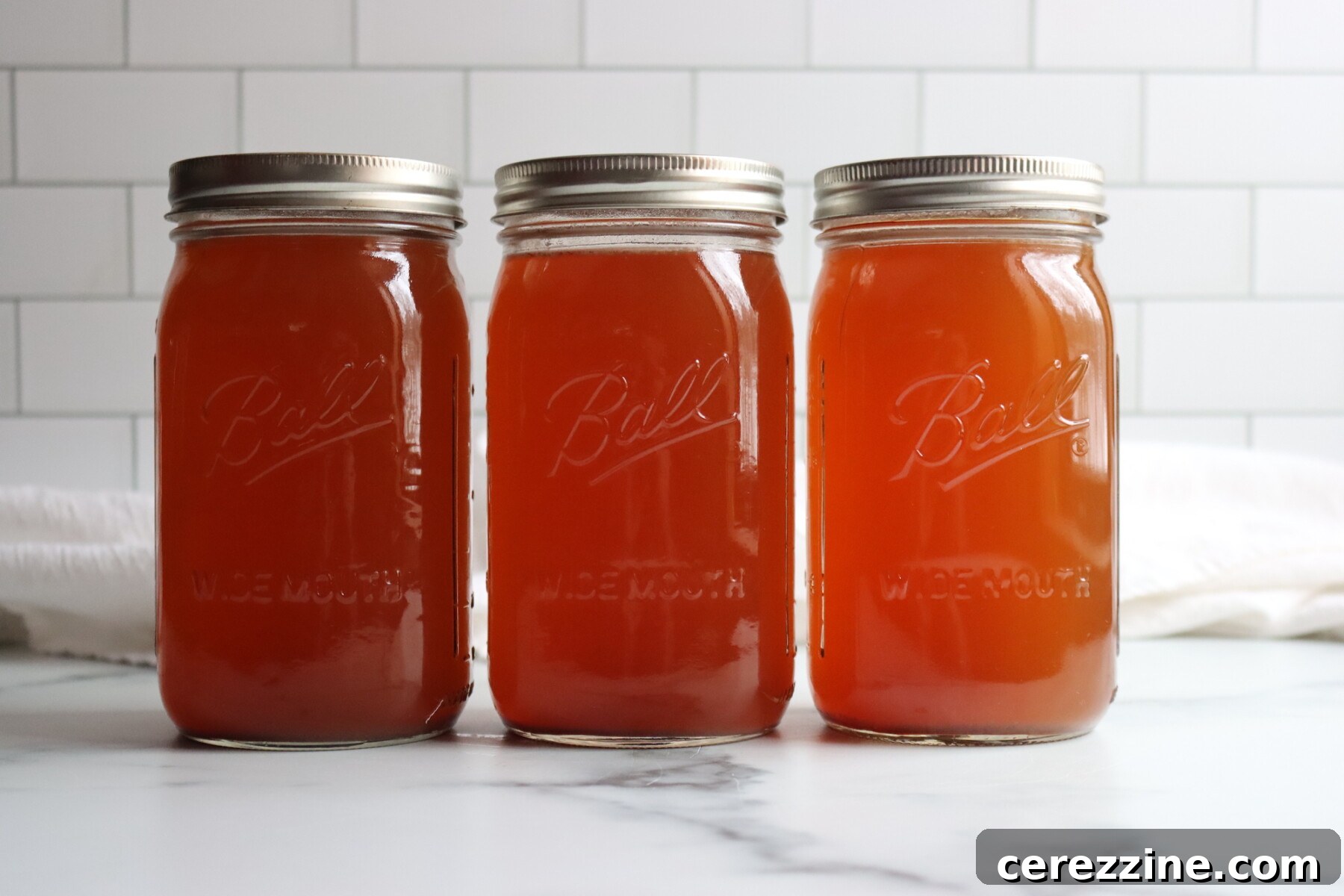
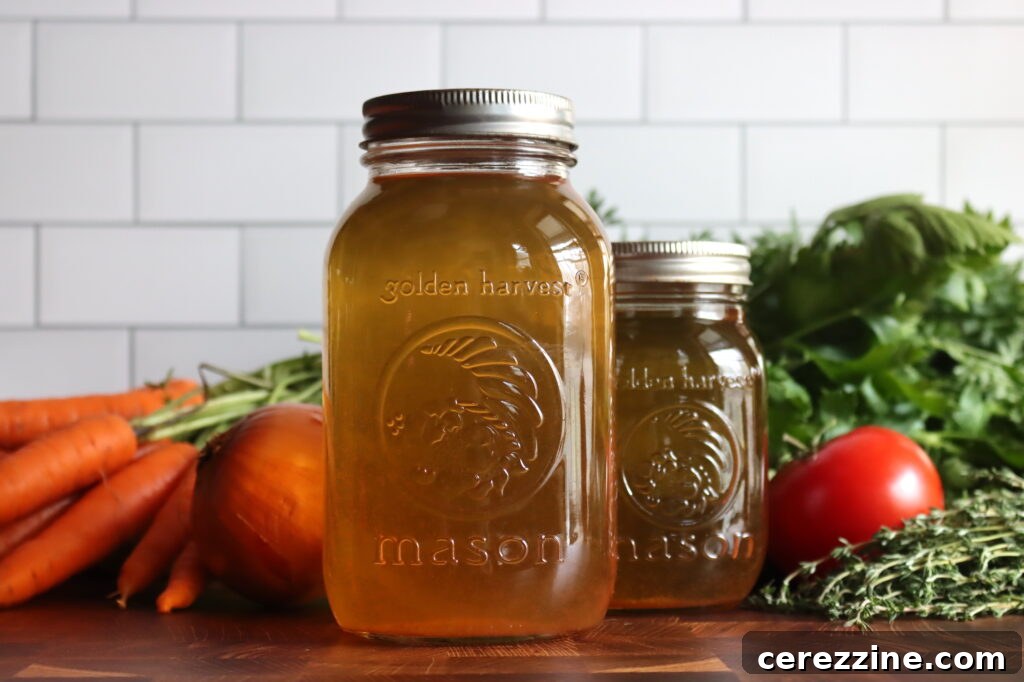
Vegetable broth is an economical and flavorful way to use vegetable scraps, but it benefits from careful ingredient choices. For a clear, pleasant-tasting broth, use peeled vegetables and avoid an excess of strong brassicas or bitter trimmings. Even when fully strained, vegetable broth requires longer pressure-canning times than meat stock—typically 30 minutes for pints and 35 minutes for quarts in tested procedures, with altitude adjustments.
You can create specialty vegetable broths—onion, pumpkin “guts” stock, or corn cob stock—by selecting vegetables that emphasize the flavor profile you want.
- Classic Vegetable Broth
- Onion Broth
- Pumpkin Guts Stock (a zero-waste approach using pumpkin trimmings)
- Corn Cob Stock
Mushroom Broth Canning Recipes
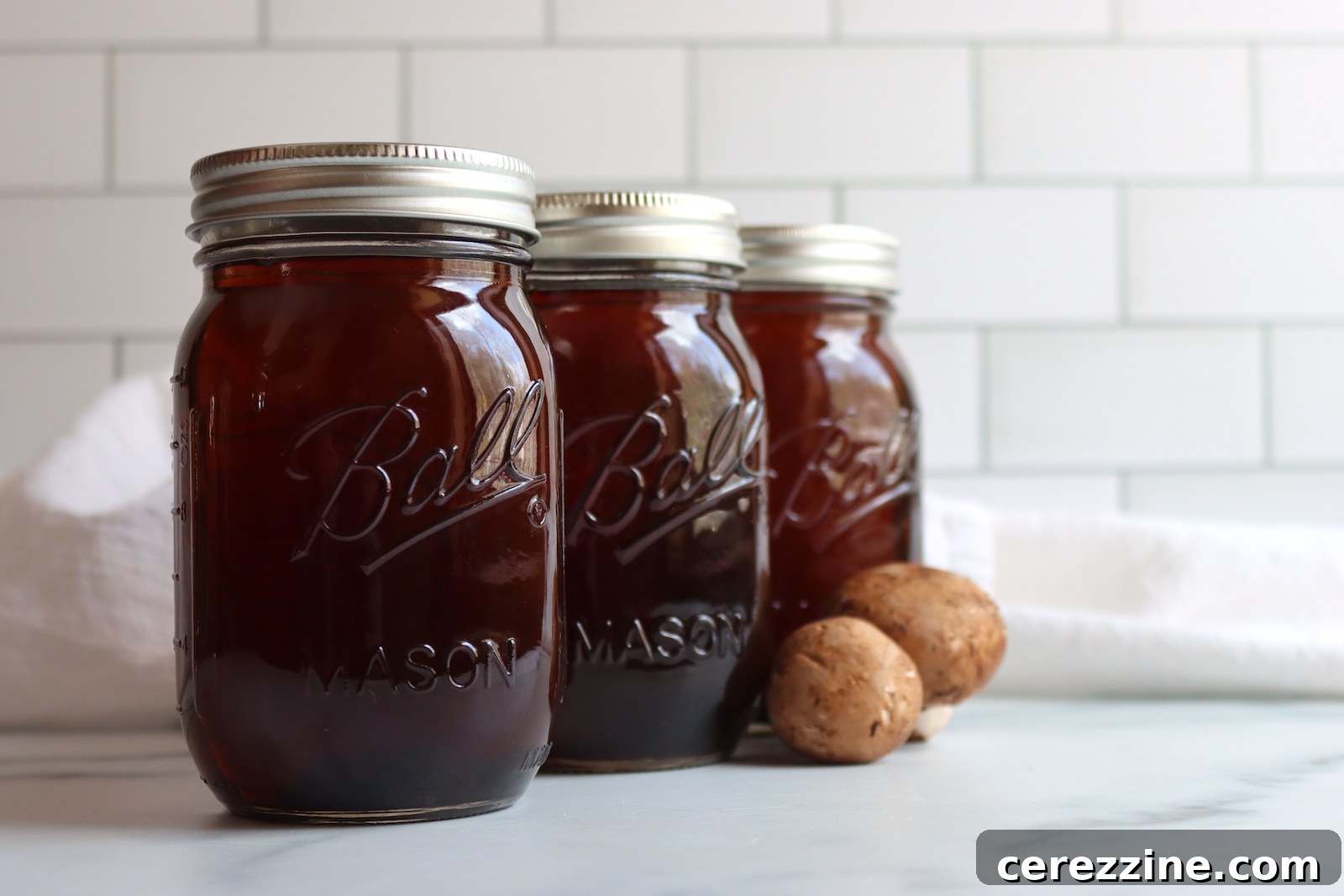
Mushroom broth yields an earthy, savory base ideal for risotto, gravies, pan sauces, ramen, and vegetarian soups. Made from stems and trimmings, a long simmer extracts deep umami flavor that elevates many dishes. Because mushrooms have their own tested canning process, a fully strained mushroom broth should be canned using the timing established for mushrooms—generally 45 minutes for half-pints or pints in a pressure canner—rather than the shorter times used for meat or regular vegetable stocks. Note that the tested mushroom timing applies to half-pints and pints.
- Canning Mushroom Broth
Broth and stock jars might not be the flashiest items in a pantry, but they are among the most used. Once you start putting up homemade broth, you’ll find yourself reaching for it repeatedly—for soups, to cook beans and grains, to build quick sauces, or to give weeknight meals a flavorful head start.
These recipes also help you maximize what you already have: roast bones, kitchen trimmings, mushroom stems, leftover ribs, turkey carcasses, or venison bones all become valuable pantry staples when turned into canned broth. If you’re creating a from-scratch pantry, broth is a smart and efficient place to begin.
Canning Recipe Lists
30+ Beef Canning Recipes (Stew, Chili and Meal in a Jar Recipes)
20+ Vegetarian Soup Canning Recipes
40+ Chicken Canning Recipes (Soup, Chili & Meal in a Jar Recipes)
Find the perfect recipe
Looking for a specific recipe? Use the site search or browse recipe lists to find the broth or stock that fits your needs.