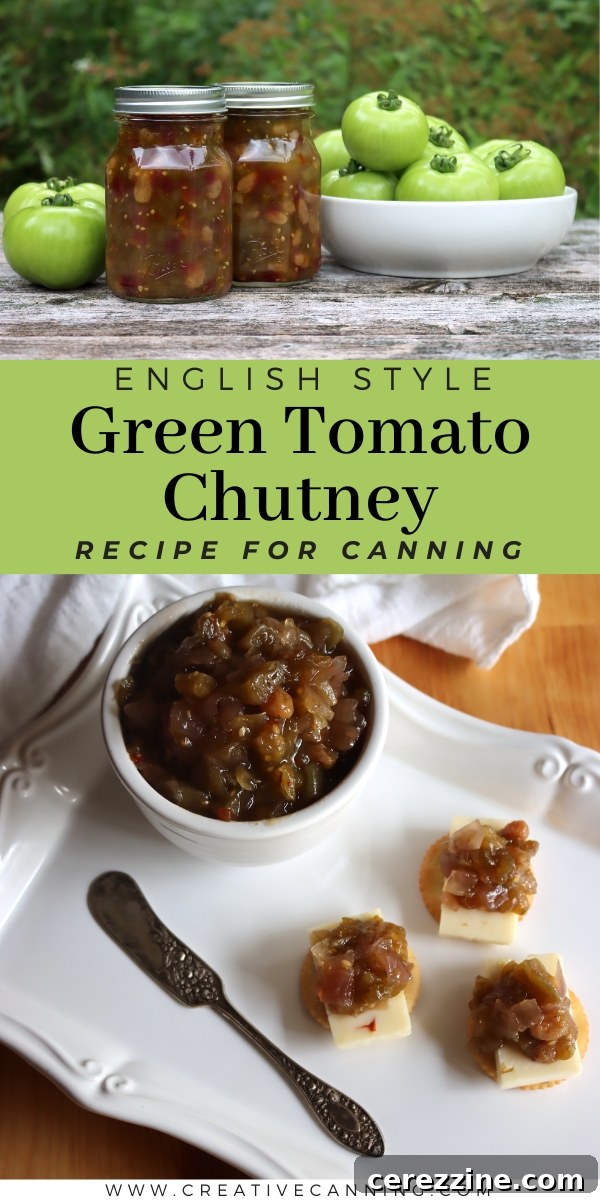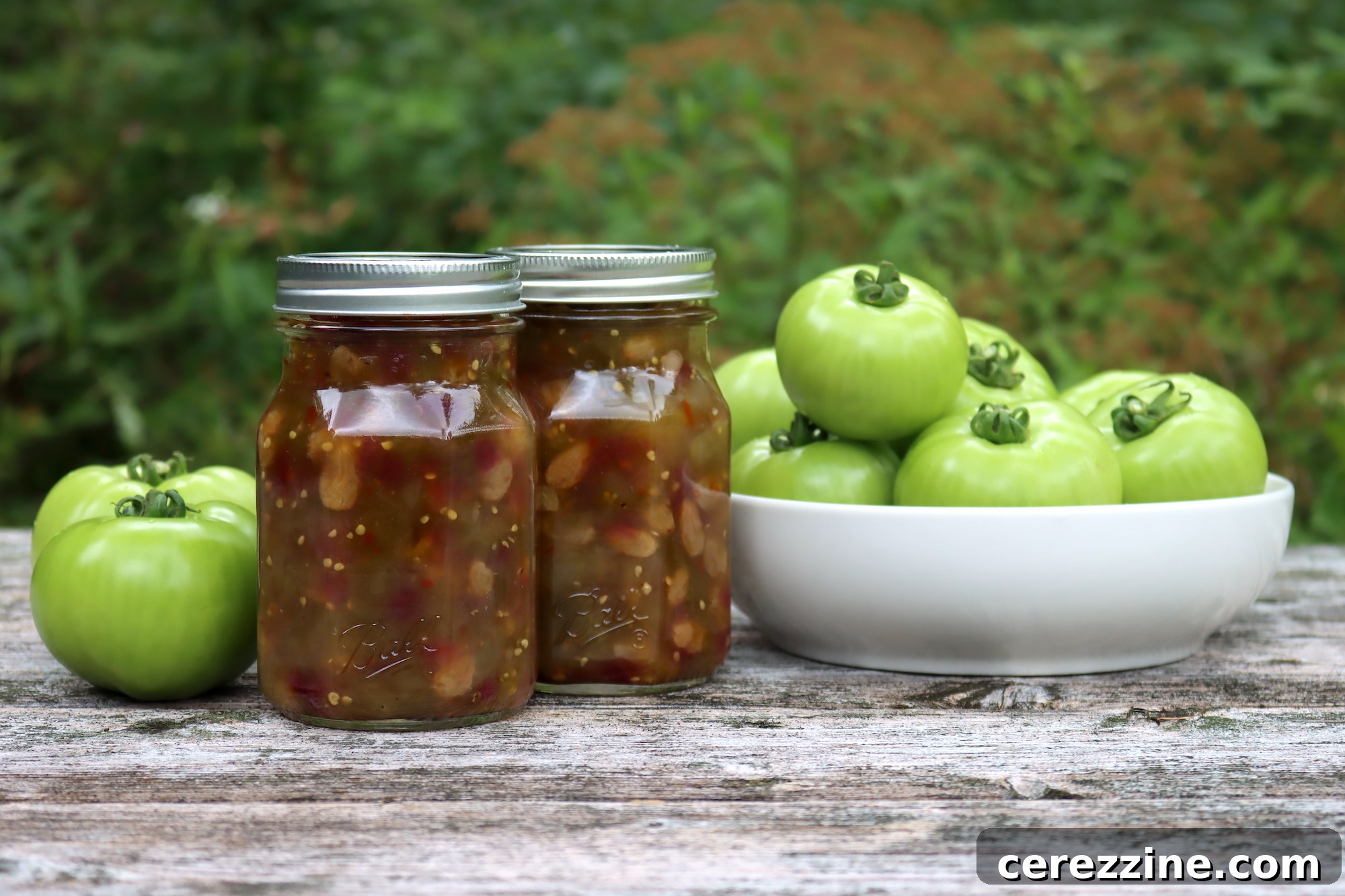
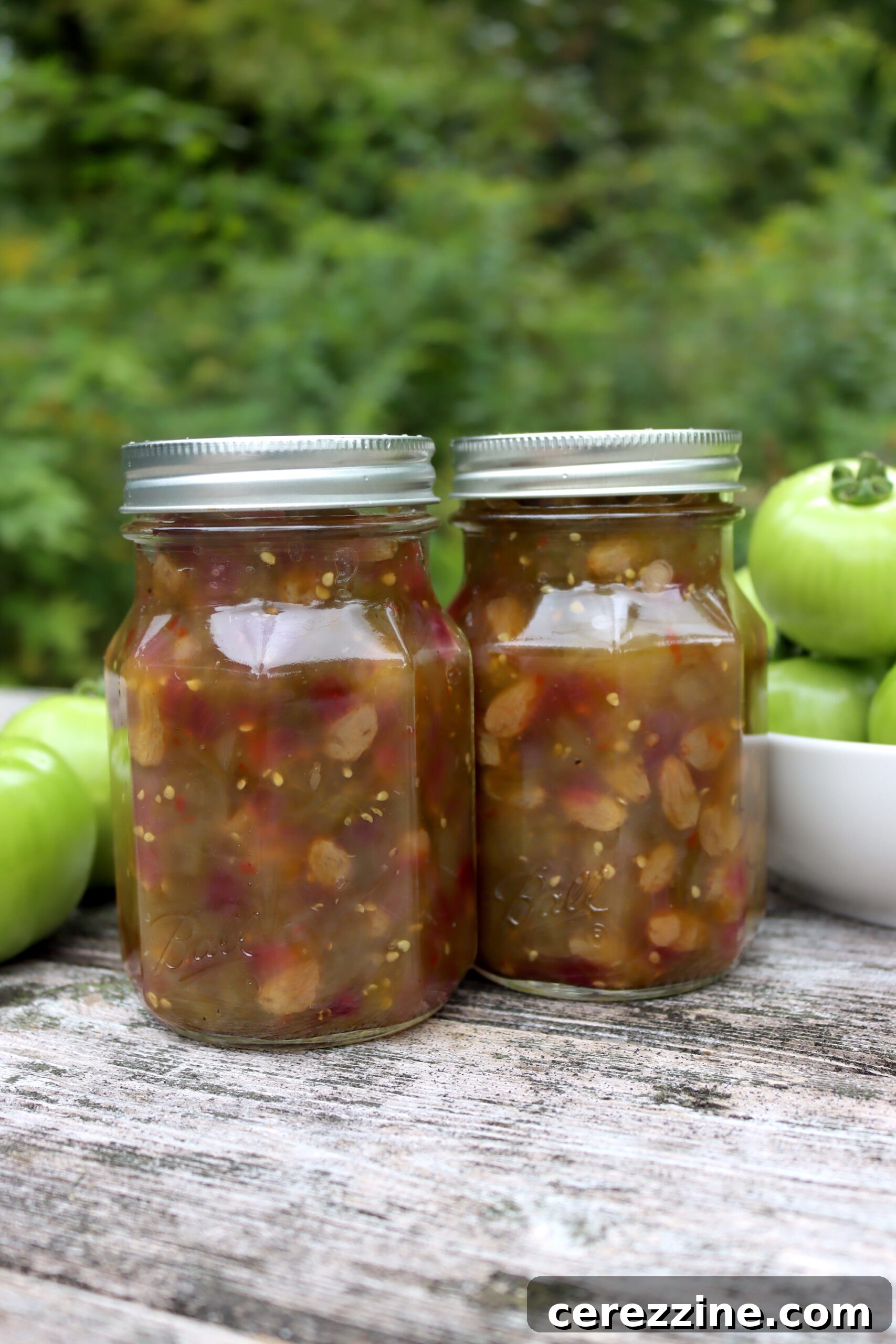
Green tomato chutney is a classic British condiment, a delightful symphony of sweet and tangy flavors, perfect for preserving the last abundant harvest of green tomatoes as the gardening season winds down. This beloved preserve transforms tart, unripe tomatoes into a vibrant, versatile staple that will brighten your pantry and your plate throughout the colder months.
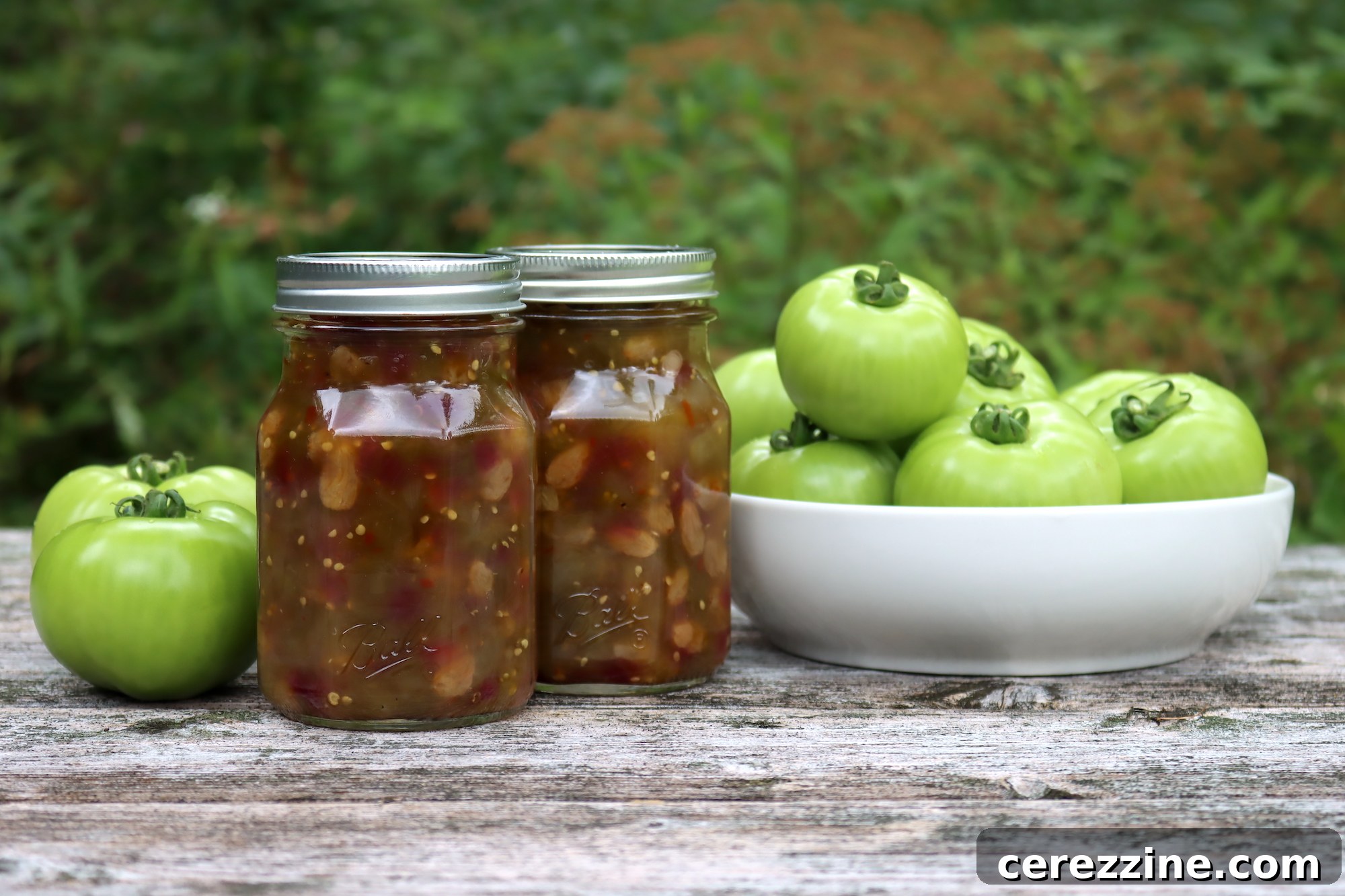
Homemade Green Tomato Chutney: A Sweet & Tangy British Classic
For many gardeners, especially those in regions with shorter growing seasons, the end of summer often brings a bittersweet dilemma: an abundance of green tomatoes that simply won’t ripen before the first frost arrives. While you might have already preserved plenty of pasta sauce, whole canned tomatoes, or even sweet tomato jam, those firm, green beauties offer a unique opportunity. Instead of letting them go to waste, why not turn them into something truly special? This traditional English-style green tomato chutney is the perfect solution, offering a delicious way to extend your harvest and enjoy the taste of summer long into winter.
This recipe provides a fantastic foundation for a batch of homemade green tomato chutney that’s equally at home enhancing a simple sandwich or elevating a sophisticated charcuterie board. Its complex flavor profile – a masterful blend of tartness from the tomatoes and vinegar, sweetness from sugar and raisins, and warmth from aromatic spices – makes it an indispensable condiment for any kitchen.

Why Preserve Green Tomatoes as Chutney?
Green tomato chutney isn’t just a practical way to deal with an end-of-season bounty; it’s a culinary treasure. Unripe green tomatoes possess a firm texture and a distinctive tartness that softens beautifully during the slow cooking process, absorbing the rich flavors of spices and sweet elements. This makes them ideal for chutney, yielding a preserve with wonderful depth and a satisfying bite. Unlike ripe tomatoes, green tomatoes hold their shape better, contributing to the chunky texture that many love in a good chutney. Furthermore, the high acidity of green tomatoes, combined with vinegar, makes them an excellent candidate for safe water bath canning, ensuring a long shelf life and homemade goodness whenever you crave it.
Essential Ingredients for Your Green Tomato Chutney
Creating this flavorful green tomato chutney requires a careful selection of ingredients that balance sweetness, acidity, and spice. This recipe yields approximately 2 pint jars (16 oz each) or 4 half-pint jars (8 oz each), perfect for gifting or stocking your pantry.
Chutney Ingredients:
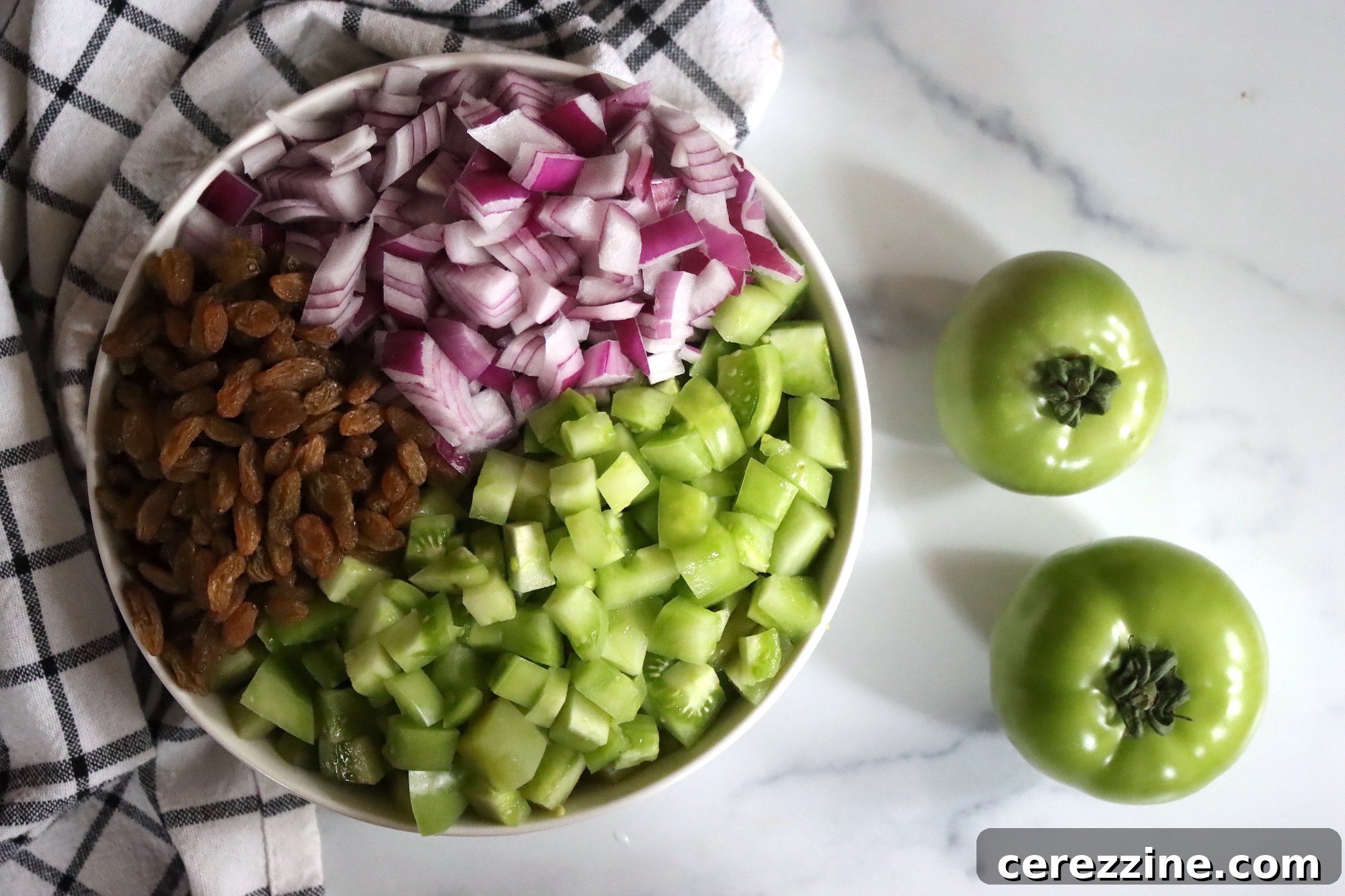
- 4 cups green tomatoes, chopped: Choose firm, unblemished green tomatoes. They don’t need to be peeled or seeded for this recipe, but do remove the tough core. The tartness is key to the chutney’s character.
- 2 cups red onion, diced: Red onions contribute a milder, sweeter flavor and a lovely color. The fineness of your dice will impact the chutney’s final texture.
- 1 cup raisins (Golden Sultanas preferred): Golden raisins are often sweeter and juicier than dark raisins, adding a brighter note and appealing color. However, standard dark raisins work perfectly well if golden ones are unavailable. They provide bursts of concentrated sweetness and plump texture.
- 1 cup granulated sugar: Essential for balancing the acidity of the tomatoes and vinegar, and for helping create the thick, syrupy consistency characteristic of chutney.
- ½ – 1 tsp. red pepper flakes: Adjust to your preference. Start with ½ teaspoon for a mild heat, or use 1 teaspoon for a more pronounced kick.
- 1 tsp. ground ginger: A warming spice that complements the tomatoes and adds depth to the overall flavor profile.
- 1 cinnamon stick: Provides a subtle, sweet, and woody aroma, a classic chutney spice. It will be removed before jarring.
- 1 cup white vinegar: Crucial for both flavor and preservation. White vinegar offers a clean, sharp acidity that cuts through the sweetness and helps ensure the chutney is safe for water bath canning.
Ingredient Selection Tips:
- When selecting your green tomatoes, ensure they are firm and free from any soft spots or blemishes. Any size green tomato will work, as they will be chopped.
- Golden Sultana raisins, often simply called “golden raisins” in the U.S., are typically yellow and offer a slightly sweeter, fruitier profile compared to traditional brown raisins. They also contribute a beautiful golden hue to the finished chutney. If you only have dark raisins, they are a perfectly acceptable substitute and will still result in a delicious chutney.
Step-by-Step Guide: How to Make Green Tomato Chutney
Making green tomato chutney is a straightforward process, but attention to detail will ensure a delicious and safely preserved product. Follow these steps for a perfect batch:
Preparation Steps:
- Prepare the Tomatoes: Begin by thoroughly washing your green tomatoes under cool, clean running water. Allow them to air dry or gently pat them with a clean towel. Using a sharp paring knife, carefully remove the top stem and any tough core material from each tomato, discarding these parts.
- Chop the Tomatoes: Slice each tomato in half, then chop them into uniform pieces. The size of your chop depends on your desired chutney texture. For a chunkier chutney, aim for roughly ½-inch to ¾-inch pieces. For a smoother consistency, chop them more finely. Measure out exactly 4 cups of chopped green tomatoes.
- Dice the Red Onion: Peel the outer skin of the red onion and dice it. Again, the size of the dice is up to your preference; smaller pieces will integrate more smoothly into the chutney, while larger pieces will add more texture. Measure out 2 cups of diced red onion.
- Combine and Macerate: In a large, heavy-bottomed saucepan or Dutch oven, combine the chopped green tomatoes, diced red onion, 1 cup of raisins, and 1 cup of sugar. Stir all ingredients thoroughly until well combined. Allow this mixture to sit at room temperature for at least 1 hour. This crucial maceration step helps to draw out moisture from the tomatoes and firm up the chunks, contributing to a better texture in the final chutney. If you prefer a slightly softer, more saucy chutney, you can skip or shorten this maceration period.
- Add Spices and Vinegar: After maceration, add ½ to 1 teaspoon of red pepper flakes (adjusting for your preferred level of heat), 1 teaspoon of ground ginger, and the cinnamon stick to the tomato mixture. Pour in 1 cup of white vinegar and stir everything together once more to ensure the spices are evenly distributed.
- Cook the Chutney: Place the saucepan on the stove over medium heat. Bring the mixture to a gentle boil, then reduce the heat to a simmer. Cook, stirring occasionally to prevent sticking and ensure even cooking, until the chutney thickens to your desired consistency. This typically takes about 20-30 minutes, or longer if you prefer a very thick chutney. The liquid should reduce, and the mixture should resemble a thick jam or relish.
- Remove Cinnamon Stick: Once the chutney has reached its ideal thickness, carefully remove and discard the cinnamon stick. Turn off the heat.
Water Bath Canning Your Green Tomato Chutney for Long-Term Storage
Canning your green tomato chutney ensures it remains shelf-stable for months, allowing you to enjoy its vibrant flavors long after the gardening season has ended. Water bath canning is a safe and effective method for high-acid foods like chutney.
Canning Instructions:
- Prepare Your Canning Equipment: Before you start cooking the chutney, prepare your hot water bath canner, jars, and lids. Wash your canning jars thoroughly in hot, soapy water, rinse well, and keep them hot (either in the canner filled with hot water or in a low-temperature oven). Lids should be washed and kept in hot (not boiling) water until ready to use, as per manufacturer instructions. If you are new to water bath canning, please consult a reliable guide, such as one from the National Center for Home Food Preservation (NCHFP), for detailed safety protocols.
- Fill the Jars: Once the chutney has thickened and is still hot, carefully ladle or spoon it into your prepared hot jars. Use a canning funnel to prevent spills and ensure a clean jar rim. Leave ½ inch of headspace at the top of each jar. This headspace is crucial for proper sealing and to allow for expansion during processing.
- Clean Rims and Apply Lids: After filling, wipe the rims of each jar thoroughly with a damp, clean cloth to remove any food particles that could interfere with the seal. Place a prepared two-part canning lid (flat lid and band) onto each jar. Tighten the canning bands only until finger-tight; do not overtighten, as this can prevent air from escaping and compromise the seal.
- Process in Water Bath Canner: Carefully load the filled jars into your preheated water bath canner, ensuring they are fully submerged in water by at least 1 inch. Bring the water to a full, rolling boil. Once boiling, start your timer. The processing time varies based on elevation to account for differences in boiling points:
- For elevations less than 1,000 feet: Process for 10 minutes.
- For elevations between 1,000 and 6,000 feet: Process for 15 minutes.
- For elevations higher than 6,000 feet: Process for 20 minutes.
- Cool and Check Seals: After the processing time is complete, turn off the heat. Leave the jars in the canner for an additional 5 minutes before carefully removing them. Use a jar lifter to transfer the hot jars to a towel-lined counter or cooling rack, leaving at least an inch of space between each jar for proper air circulation. Do not disturb the jars as they cool, which can take 12-24 hours.
- Store Chutney: Once completely cooled, check the seals. The center of the lid should be concave and should not flex when pressed. If a jar hasn’t sealed, refrigerate it immediately and consume within a few weeks. Properly sealed jars can be stored in a cool, dry, dark place (like a pantry) for up to 18 months, maintaining peak quality for that duration. They will still be safe to eat after this period as long as the seal remains intact. Always refrigerate the chutney after opening.
Creative Variations for Your Green Tomato Chutney
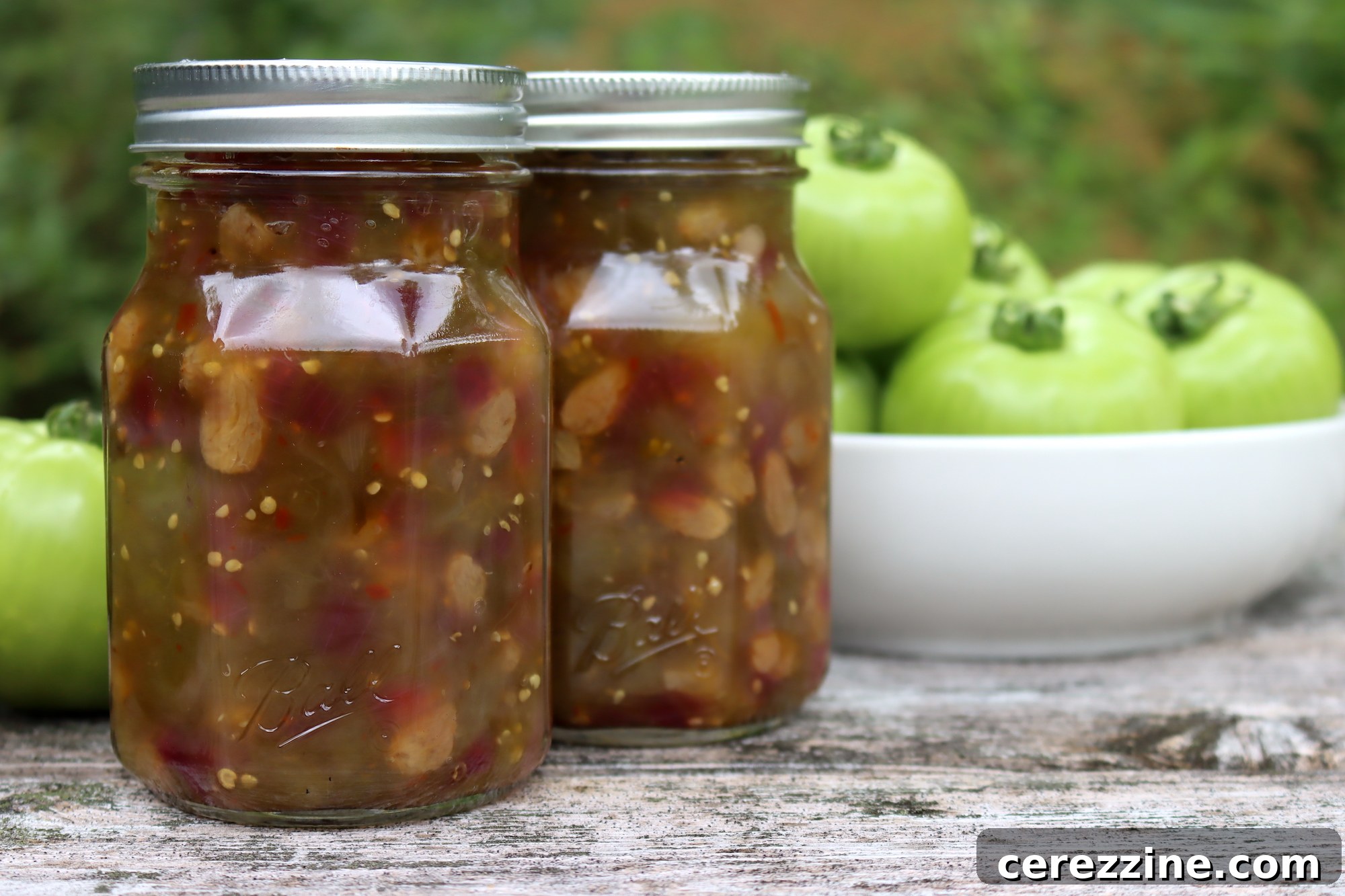
While the classic green tomato chutney recipe is exquisite on its own, it also provides a fantastic canvas for culinary experimentation. Don’t hesitate to personalize your batch with these delightful variations:
- Onion Alternatives: Instead of red onions, try using yellow or white onions for a slightly different flavor profile. Yellow onions offer a stronger, more pungent base, while white onions are milder.
- Vinegar Swaps: Experiment with different types of vinegar. Malt vinegar will lend a traditional British tang, apple cider vinegar adds a fruity tartness, and even a good quality red wine vinegar could introduce intriguing depth. Ensure any substitute maintains at least 5% acidity for canning safety.
- Sweetness Balance: Substitute a portion of the granulated sugar with brown sugar for a richer, more caramel-like sweetness. This can also mellow the spices, creating a nuanced flavor. You could also introduce a small amount of maple syrup or honey for unique sweet notes, though this may alter the overall acidity and require careful pH testing if canning.
- Spice Exploration: This is where chutney truly shines! Beyond ginger and cinnamon, consider adding:
- Warm Spices: Allspice, nutmeg, cloves (whole or ground).
- Savory Spices: Mustard seeds (brown or yellow), fennel seeds, cumin seeds, coriander seeds, or a pinch of turmeric for color and earthy notes. Toast whole seeds lightly before adding to release their aromas.
- Heat Boosters: A finely minced fresh chili pepper (like a jalapeño or serrano) for more fresh heat, or a dash of cayenne pepper.
- Aromatic Additions: A few crushed garlic cloves or a small amount of grated fresh ginger can add a pungent, zesty kick.
- Peppercorns: Whole black peppercorns can be added for a subtle, earthy heat that develops during cooking.
- Fruity Additions: For an even more complex chutney, consider adding finely chopped firm fruits like apples, pears, or even cranberries during the cooking process. These fruits will break down and meld with the other ingredients, adding natural sweetness and pectin for thickening.

Delicious Ways to Enjoy Your Green Tomato Chutney
Green tomato chutney is incredibly versatile and can elevate a wide range of dishes. Here are just a few ideas to savor your homemade preserve:
- Classic Condiment: Serve it alongside roasted or grilled meats like pork chops, chicken breast, or lamb. Its tangy sweetness cuts through rich flavors beautifully.
- Burger & Sandwich Enhancer: Spread a generous dollop on your favorite burger, hot dog, brats, or sausages. It adds a gourmet touch far beyond traditional ketchup or mustard. It’s also excellent in turkey or ham sandwiches.
- Cheese Board Star: A must-have for any charcuterie or cheese board. Pair it with sharp cheddar, creamy brie, or a pungent blue cheese. The flavors create a delightful contrast that will impress your guests.
- Snack Time Favorite: Enjoy it simply with crackers or crusty bread for a quick, satisfying snack.
- Savory Side Dish: Mix it into plain rice or couscous to serve as a flavorful side dish with pork roast or loin. It can also be stirred into mashed potatoes for an unexpected twist.
- Breakfast & Brunch Brilliance: Serve it alongside scrambled eggs, quiches, or savory pancakes for a tangy morning kick.
- Glaze for Roasts: Whisk a spoonful with a little water or broth and brush it onto roasting chicken or pork in the last 15 minutes of cooking for a glossy, flavorful glaze.
- Salad Dressing Base: Whisk a small amount into a vinaigrette for a unique, tangy salad dressing.
Recipe: Homemade Green Tomato Chutney
This recipe provides a delicious and robust green tomato chutney, perfect for preserving or enjoying fresh. It yields approximately 16 servings (2 pints or 4 half-pints).
Ingredients:
- 4 cups green tomatoes, chopped
- 2 cups red onion, diced
- 1 cup raisins (Golden Sultanas preferred)
- 1 cup granulated sugar
- ½ – 1 tsp. red pepper flakes (adjust to taste)
- 1 tsp. ground ginger
- 1 cinnamon stick
- 1 cup white vinegar
Instructions:
- Wash the green tomatoes thoroughly under cool water. Remove and discard the stems and any tough cores.
- Chop the tomatoes into your desired size (roughly ½-inch pieces for a chunky chutney). Measure out 4 cups.
- Dice the red onion. If you prefer a smoother chutney, chop the onion (and tomatoes) more finely. Measure out 2 cups of diced onion.
- In a large, heavy-bottomed saucepan, combine the chopped tomatoes, diced onions, 1 cup of raisins, and 1 cup of granulated sugar. Stir well to combine all ingredients.
- Allow the mixture to sit and macerate for 1 hour at room temperature. This step helps to firm up the tomato pieces and contributes to a chunkier finished chutney. If you prefer a softer, more saucy chutney, you may skip or shorten this maceration period.
- Add the red pepper flakes (½ to 1 tsp, according to your heat preference), ground ginger, cinnamon stick, and white vinegar to the tomato mixture. Stir all ingredients thoroughly.
- Place the saucepan on the stove over medium heat. Bring the mixture to a gentle boil, then reduce the heat and simmer until the chutney thickens. This process typically takes approximately 20-30 minutes, or until the liquid has reduced and the chutney reaches your desired consistency, stirring occasionally to prevent sticking.
- Once the chutney has thickened, carefully remove and discard the cinnamon stick.
- For immediate use: Let the chutney cool, then transfer to clean jars and refrigerate.
- For canning: Prepare your hot water bath canner, jars, and lids according to standard canning practices. Ladle or spoon the hot chutney into prepared hot jars, leaving ½ inch of headspace at the top.
- Wipe the rims of the jars with a clean, damp cloth to ensure a good seal. Apply two-part canning lids until finger-tight.
- Load the filled jars into your preheated water bath canner, ensuring they are covered by at least 1 inch of water. Bring the water to a full, rolling boil.
- Process jars for the appropriate time based on your elevation:
- 10 minutes for elevations less than 1,000 feet.
- 15 minutes for elevations between 1,000 and 6,000 feet.
- 20 minutes for elevations above 6,000 feet.
- After processing, turn off the heat and let the jars rest in the canner for 5 minutes. Carefully remove the jars and place them on a towel-lined counter to cool completely for 12-24 hours.
- Check seals after cooling. Store properly sealed jars in a cool, dark pantry. Refrigerate any unsealed jars and consume promptly.
Nutrition Information (per serving, approximate):
Calories: 99kcal, Carbohydrates: 24g, Protein: 1g, Fat: 0.3g, Saturated Fat: 0.1g, Polyunsaturated Fat: 0.1g, Monounsaturated Fat: 0.03g, Sodium: 15mg, Potassium: 207mg, Fiber: 2g, Sugar: 15g, Vitamin A: 381IU, Vitamin C: 13mg, Calcium: 18mg, Iron: 1mg
Nutrition information is automatically calculated and should only be used as an approximation.
Frequently Asked Questions About Green Tomato Chutney
Can I use ripe tomatoes instead of green tomatoes?
While you can make chutney with ripe tomatoes, the result will be quite different. Ripe tomatoes are much softer and sweeter, lacking the firm texture and tartness that green tomatoes bring to this classic chutney. The recipe relies on the unique characteristics of green tomatoes for its specific flavor and consistency. For best results and the authentic British chutney experience, stick with unripe green tomatoes.
How long does green tomato chutney last?
When properly water bath canned and sealed, green tomato chutney can last for 18 months or even longer in a cool, dark pantry. For optimal flavor and quality, it’s best consumed within this timeframe. Once opened, always refrigerate the chutney and consume it within 2-3 weeks.
Do I have to peel or seed the green tomatoes?
No, for this green tomato chutney recipe, there’s no need to peel or seed the tomatoes. The skins soften nicely during cooking and contribute to the chutney’s texture, while the seeds are generally small and unobtrusive in unripe tomatoes. Just be sure to remove any tough cores.
Can I reduce the sugar in the recipe?
Sugar plays a vital role in chutney, contributing not only to sweetness but also to the texture, preservation, and balance of flavors. While you can slightly reduce the sugar, significant reductions are not recommended, especially if you plan to water bath can the chutney, as it can affect the overall safety and shelf stability. Small adjustments (e.g., a quarter cup less) might be acceptable for flavor, but always ensure the pH remains below 4.6 if you are concerned about canning safety.
What if my chutney isn’t thickening?
Chutney thickens as the liquid evaporates during simmering. If your chutney isn’t thickening, it usually means it needs more time on the stove. Increase the heat slightly to maintain a more vigorous simmer, and continue to cook, stirring frequently, until it reaches your desired consistency. Keep in mind that chutney will continue to thicken as it cools. A good test for thickness is to draw a spoon through the chutney; if a clear path remains for a few seconds, it’s likely ready.
Like this? Leave a comment below!
More Green Tomato Canning Recipes to Explore
If you’ve enjoyed preserving your green tomato harvest in chutney, you’ll be thrilled to discover other creative ways to use these versatile fruits:
- 30+ Green Tomato Canning Recipes: A comprehensive collection of recipes to inspire your canning adventures.
- Sweet & Spiced Green Tomato Jam: A delightful jam that transforms green tomatoes into a sweet spread.
- Crispy Pickled Green Tomatoes: Tangy and delicious, perfect for snacks or as a side.
- Homemade Green Tomato Pie Filling: A unique and tasty filling for your seasonal pies.
Relish Canning Recipes: Keep the Preservation Going!
Beyond chutney, the world of relish offers another fantastic way to preserve fruits and vegetables. Here are a few more ideas to keep your canning season productive and delicious:
- Flavorful Corn Relish: A vibrant and sweet-savory relish, perfect with grilled meats.
- Classic Sweet Dill Pickle Relish: A timeless condiment that pairs well with hot dogs and sandwiches.
- Versatile Zucchini Relish: A great way to use up an abundant zucchini harvest.