Safe canning recipe changes let you personalize tested canning recipes without risking food safety. Whether you want less sugar in jam, milder peppers in salsa, or a clove of garlic in dill pickles, research-backed guidance shows which adjustments are safe and which make a jar unsafe.
Once you learn the few core rules behind that guidance, you can confidently customize preserves and trust every jar on your shelf.
This guide has been reviewed for safety and accuracy by a Master Food Preserver certified through the University of Cornell Cooperative Extension.
I’m blunt about safety: I only can using tested recipes from trusted sources. Every jar of pasta sauce, every batch of apple butter, and every quart of chicken soup I put on my pantry shelf follows those tested instructions.
I wouldn’t recommend anything I wouldn’t confidently serve to my own children. That standard guides every tip I share on Creative Canning.
That said, it’s reasonable to want to tweak recipes. You might prefer lower-sugar homemade jam, dislike cilantro in your salsa, or wonder if jalapeños can replace bell peppers in a pepper relish. Food science has clear answers to these common questions.
I’ve gathered guidance from the USDA Complete Guide to Home Canning, the National Center for Home Food Preservation, and multiple university extension services into one concise resource so you can customize safely. This covers both pressure canning recipes and waterbath canning recipes.
Quick Reference
Short version: the changes listed below are safe only when made within a tested recipe of the same type. They are not universal permissions.
Generally Safe (within a tested recipe):
- Reduce or remove salt used for flavor (canned fruit, tomatoes, pickles, and pressure-canned foods). Do not change salt in fermented foods like sauerkraut or crock pickles.
- Reduce sugar in canned fruit, salsa, quick-process pickles, and pressure-canned foods. (Jams and jellies have special rules.)
- Change dried herbs or spices, or add a moderate amount of dried seasoning. Fresh garlic and onion are low-acid vegetables and are treated differently.
- Substitute 5% cider vinegar and 5% white vinegar measure for measure.
- Substitute lemon or lime juice measure for measure in place of vinegar; citrus juices are more acidic than vinegar.
- Swap hot peppers for sweet, or sweet for hot, measure for measure, in a tested salsa or pepper recipe.
- Swap peppers for onions, or onions for peppers, cup for cup, in a tested salsa recipe.
- Use red, white, or yellow onions interchangeably.
- Use a smaller jar than the recipe specifies but process it for the time the recipe gives for the larger jar.
- Add one clove of garlic or one small dried hot pepper per jar to a tested pickle recipe.
Never Safe:
- Add flour, cornstarch, or other thickeners before canning.
- Add more low-acid vegetables than a recipe specifies.
- Reduce or omit required acid (vinegar, lemon juice, lime juice, or citric acid).
- Use a larger jar size than the recipe provides a processing time for.
- Skip required acidification when canning tomatoes.
- Use an untested method (oven canning, water bath for low-acid foods, or pressure cooker in place of a pressure canner).
Understanding Why Recipe Changes Matter
Safe canning depends on two interacting factors: the pH (acidity) of the jar contents and the heat process used. Most recipe changes affect one of those factors, so recognizing which lever you’re touching explains the rules.
Why pH Matters
Foods at pH 4.6 or below are high-acid and prevent botulism spores from germinating, allowing safe processing in a boiling water bath or atmospheric steam canner. Foods above pH 4.6 are low-acid and require pressure canning at higher temperatures to destroy heat-resistant spores. No amount of extra water-bath time replaces the higher temperatures of a pressure canner.
That’s why adding extra low-acid vegetables or cutting acid in a recipe can push the pH past the safe threshold.
Heat Penetration
Processing times are based on how long it takes heat to reach the jar’s center. Factors that change heat penetration include:
- Density and thickness. Sugar, salt, and starch change thickness and heat flow. Starchy beans heat slower than porous green beans.
- Size, shape, and temperature of pieces. Smaller pieces heat faster than whole items; raw-packed and hot-packed meats heat differently.
- Jar size and shape. Both affect how heat reaches the center; that’s why you can’t safely use a larger jar without a tested time.
Thickeners like flour or cornstarch slow heat penetration dramatically and must not be added before canning. Add thickeners when you prepare the food for the table instead.
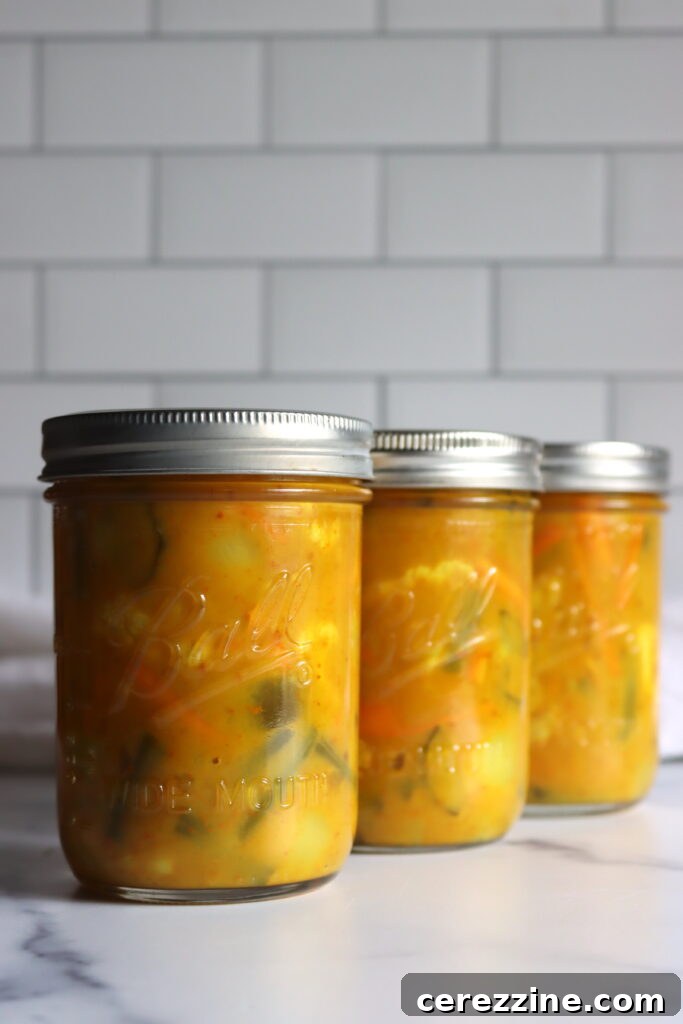
Fruits and Fruit Sauces
In plain canned fruit, sugar adds color, texture, and sweetness but is not required for safety. That gives flexibility.
You May:
- Replace some or all sugar with honey, maple syrup, or agave for flavor. It’s safe, though it can affect texture or set in preserves.
- Reduce or eliminate sugar entirely and can fruit in water or unsweetened juice. Water-packed fruit may lose color and texture faster and should be used soon after opening.
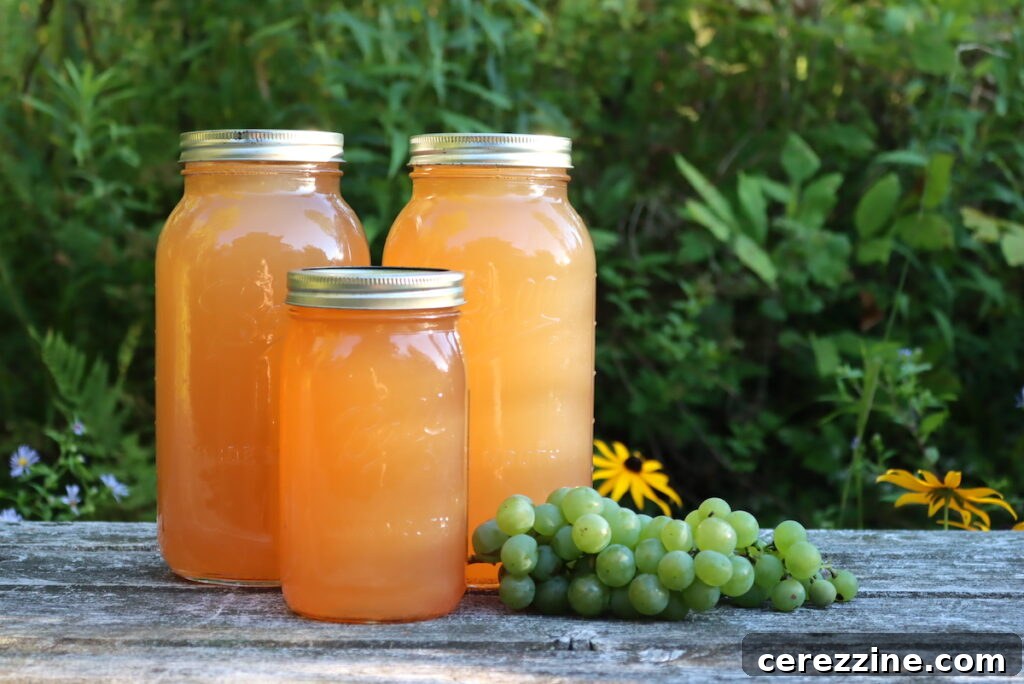
- Swap sugar syrup for a light juice such as grape, pineapple, or apple cider for gentler sweetness.
Sugar Substitutes
There are no tested recipes using sucralose, stevia, or similar substitutes. These sweeteners don’t provide sugar’s texture or preservation qualities and can change flavor during storage. If using a substitute, add it after opening the jar.
Low-Acid Fruits
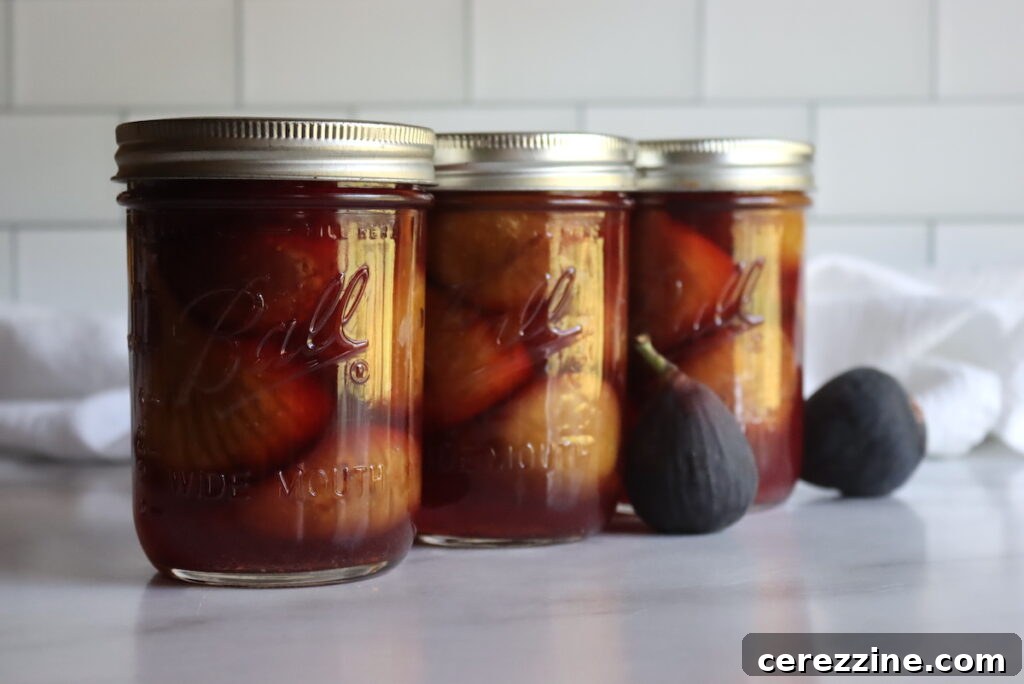
Some fruits have low acid and lack tested home-canning instructions. White-fleshed peaches and white nectarines are commonly too low in acid for standard canning; freeze or refrigerate them instead. Mango, elderberry, persimmon, banana, and melon either need special handling or aren’t suitable for home canning. Some low-acid fruits like figs and Asian pears have tested recipes only when bottled lemon juice is added to raise acidity.
Jams and Jellies
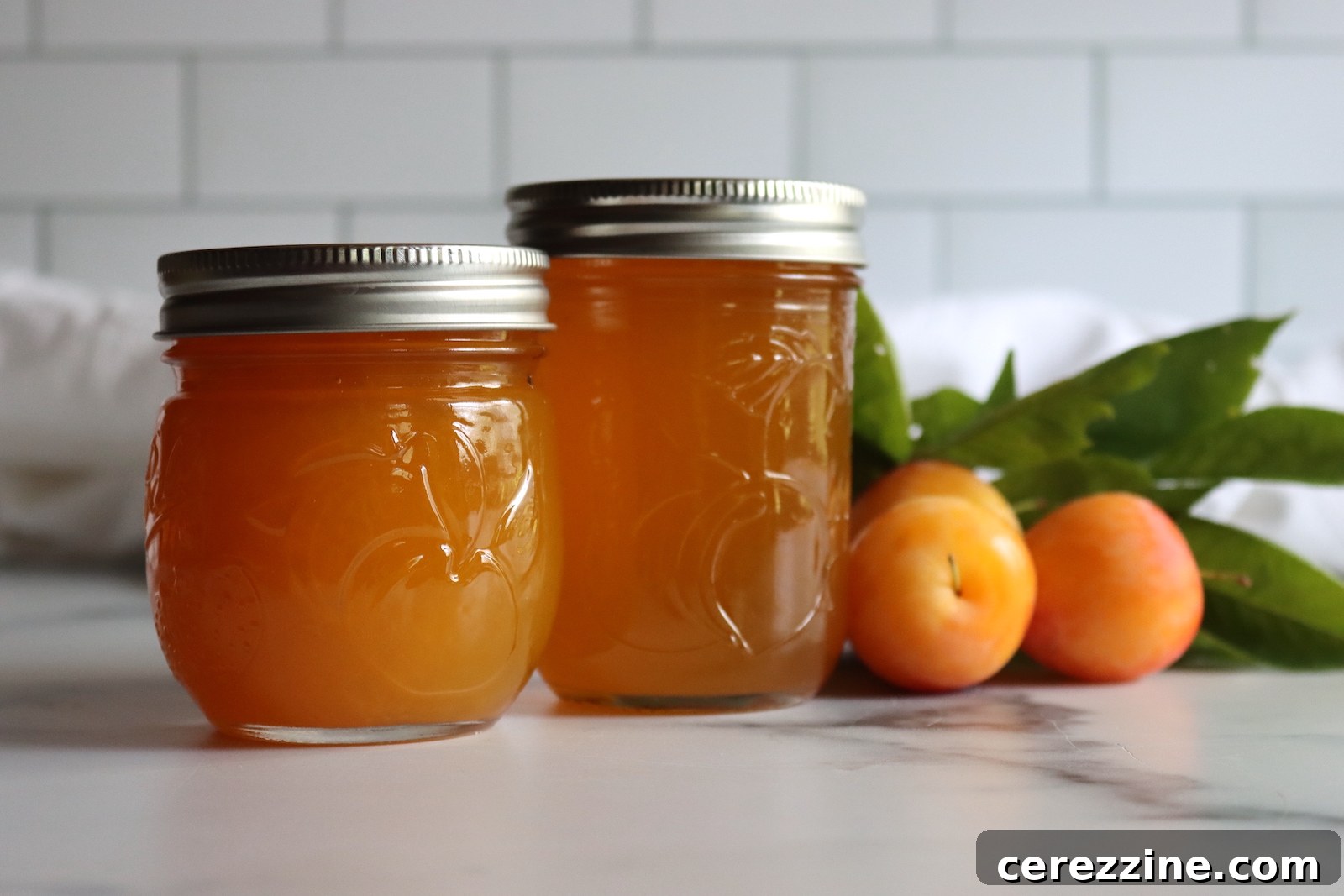
Jams and jellies rely on pectin, acid, and sugar to gel. They are processed in a boiling water or steam canner. You can adjust flavors, but set and safety depend on correct pectin and acid balance.
You May:
- Add a small amount (a teaspoon or less) of an herb or flavoring to a jam or jelly.
- Substitute similar fruits (peaches for nectarines, apples for pears) except Asian pears, which differ.
- Use unsweetened frozen-and-thawed fruit or drained canned fruit in place of fresh; measure accurately.
- Replace up to 1 cup of sugar with 1 cup of honey per 6-pint batch when using pectin; in no-pectin recipes honey can replace up to half the sugar and reduce liquid accordingly. Full substitution with honey or maple may affect set and risk scorching.
- Use bulk regular powdered pectin at 6 tablespoons to replace a single boxed packet where recipes call for that substitution.
For low-sugar jam, use a recipe and pectin designed for less sugar instead of cutting sugar in a standard recipe.
Rules to follow:
- Match your recipe to the type of pectin specified; powdered, liquid, regular, and low-sugar pectins are not interchangeable without following the pectin’s instructions.
- Don’t double a jam or jelly batch; make multiple batches instead to preserve proper heating and set.
Tomatoes
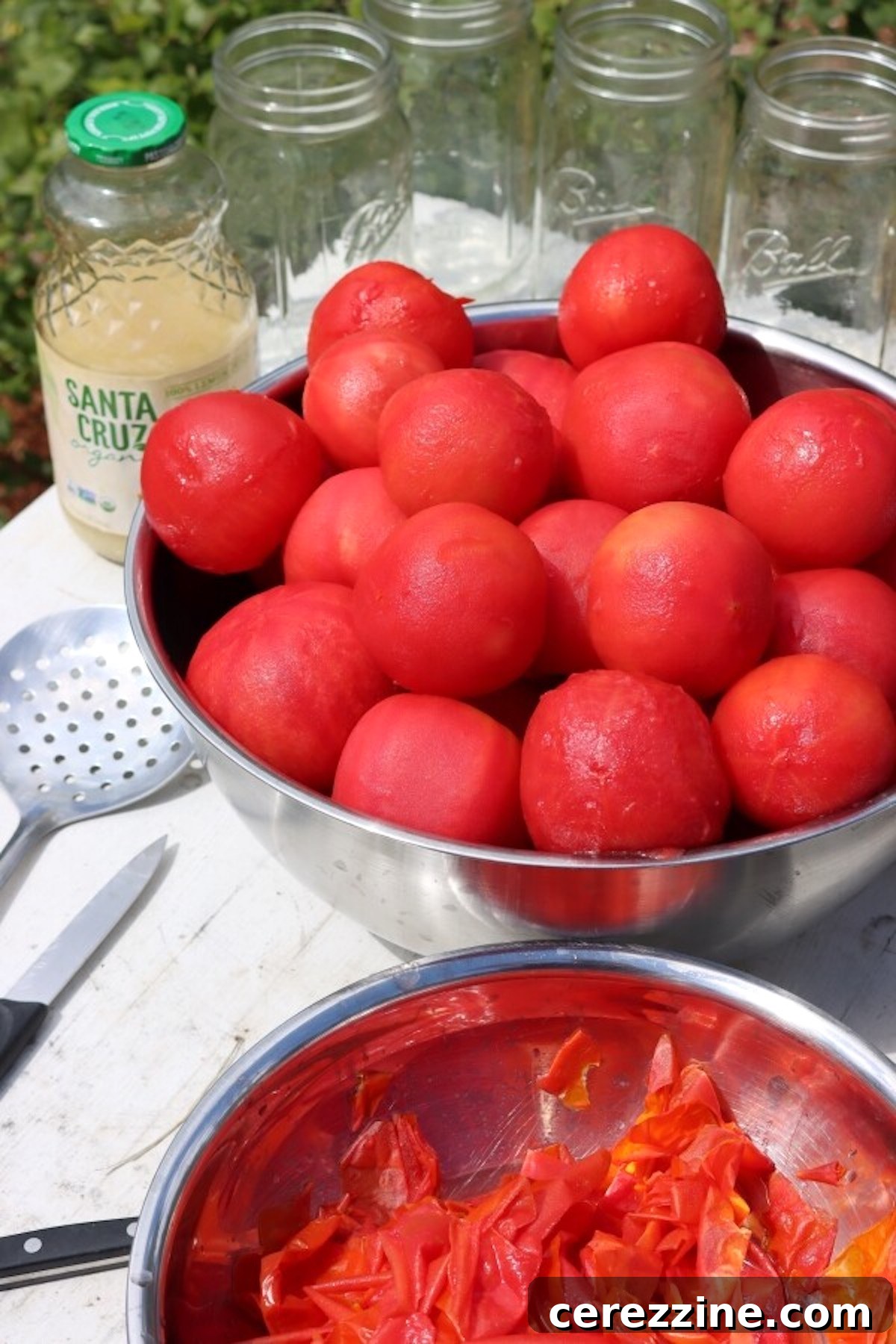
Tomatoes hover near the critical pH line, so every home-canned tomato product must be acidified. Varieties and growing conditions change acidity, so the rule is universal.
Required Acidification (Non-Negotiable)
Add one of the following to each jar:
- Per pint: 1/4 teaspoon citric acid OR 1 tablespoon bottled lemon juice
- Per quart: 1/2 teaspoon citric acid OR 2 tablespoons bottled lemon juice
This is required whether using a boiling water canner or a pressure canner; processing times assume the added acid.
You May:
- Add a little sugar for flavor balance when lemon juice is used.
- Reduce or remove salt for flavor; salt is not needed for safety in tomatoes.
For Safety, You May Not:
- Add low-acid ingredients like peppers, onions, or celery to a tomato product unless the tested recipe includes them.
- Thicken tomato products with flour or cornstarch before canning; thicken at serving instead.
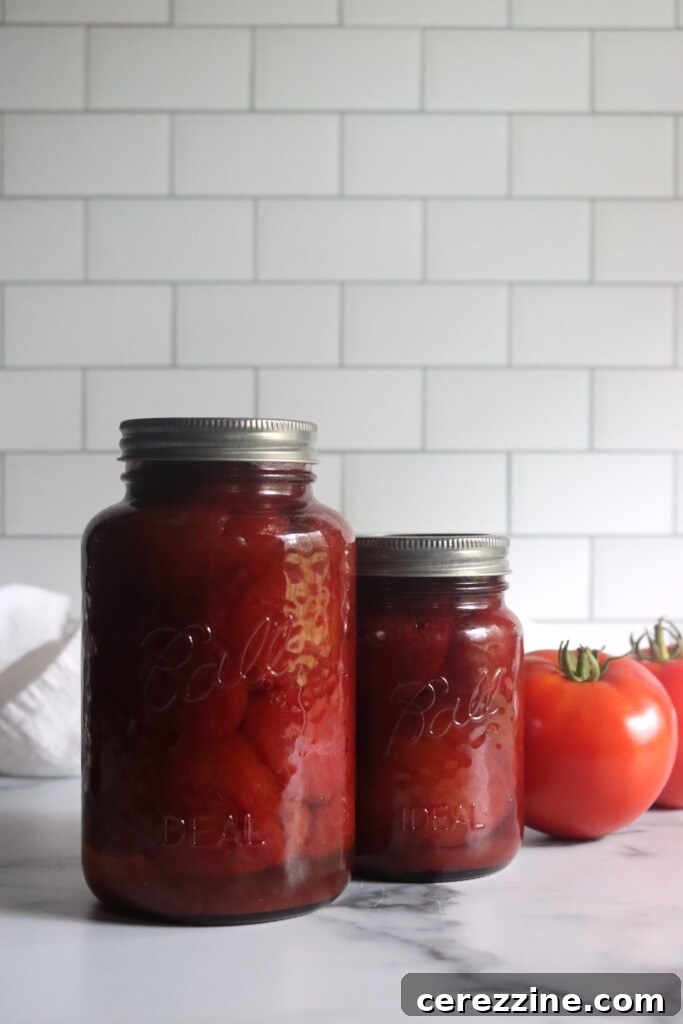
Kitchen Tip: When processing pints and quarts together, process the entire load for the quart time.
Pickles and Relishes
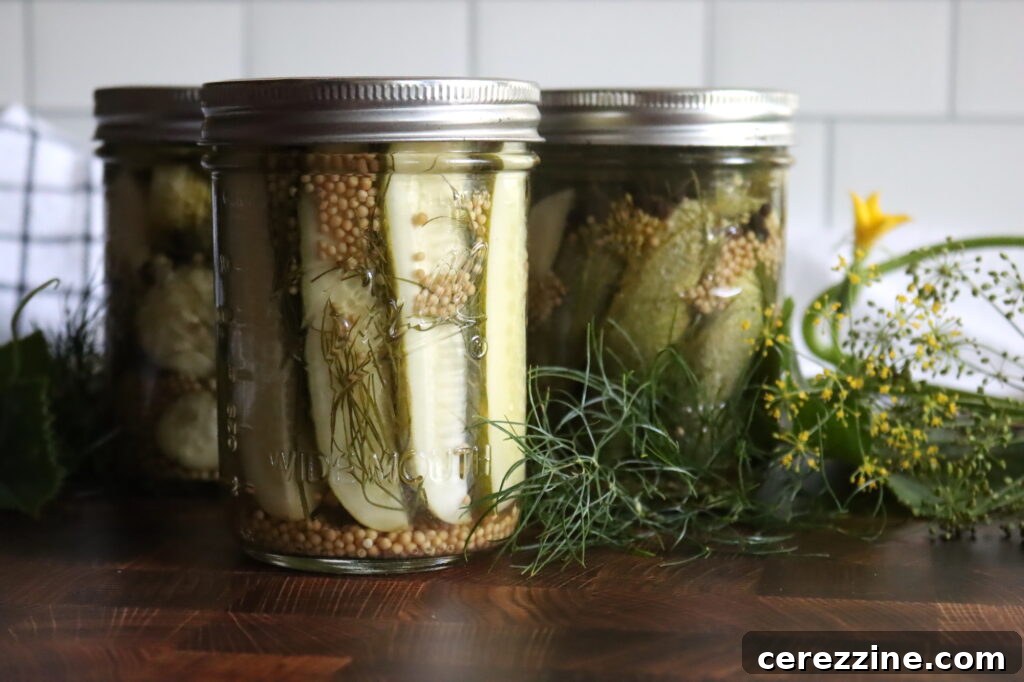
Pickles and relishes are water-bath processed and rely on vinegar for safety. Keep the acid intact and you have room for sensible tweaks.
You May:
- Reduce sugar or salt in quick-process pickle recipes.
- Exchange 5% cider vinegar and 5% distilled white vinegar measure for measure. Check acidity labels before substituting other vinegars; never use vinegar under 5% or homemade vinegar.
- Add a clove of garlic or a small dried hot pepper per jar in tested pickle recipes without changing processing time.
- Use zucchini or summer squash in place of cucumber in approved relish recipes; grocery cucumbers can replace pickling cucumbers but may soften.
- Add calcium chloride (Pickle Crisp) for crunch. Avoid pickling lime unless the recipe specifies and follow rinsing instructions exactly.
Exception — Fermented Products: Do not change salt amount or type in fermented vegetables like sauerkraut or true crock dill pickles. Salt controls fermentation and safety.
Kitchen Tip: To cut sodium from fermented foods, rinse finished sauerkraut in a colander to reduce salt by 30–40% at serving time. If a pickle recipe isn’t safe for canning, make refrigerator pickles instead; they keep for a couple of weeks.
Salsa
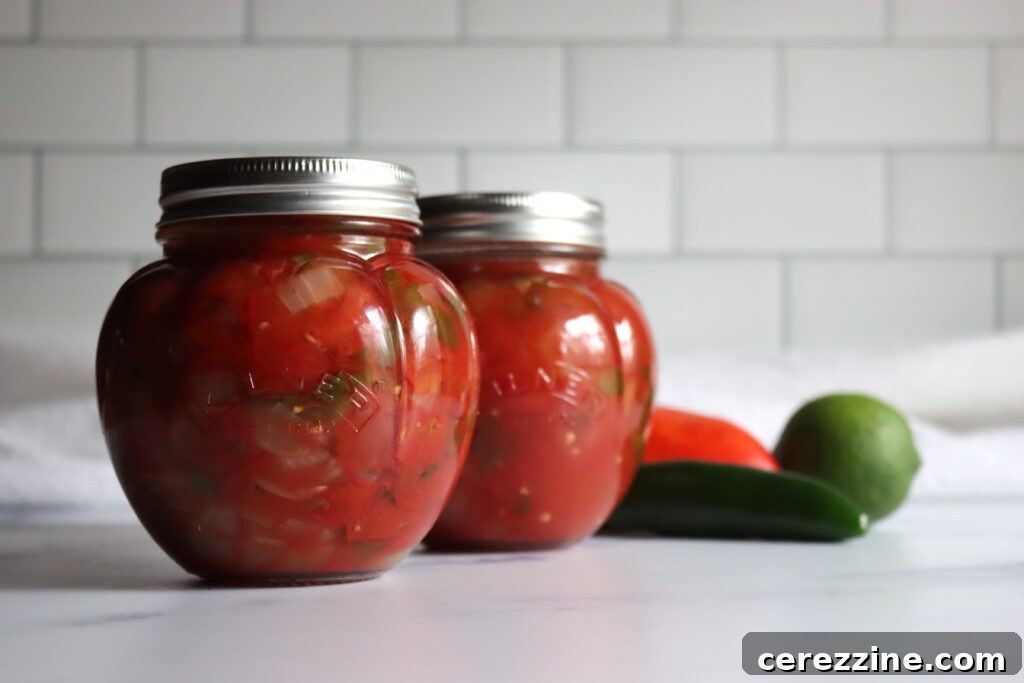
Salsa mixes high-acid ingredients (tomatoes or fruit) with low-acid ones (peppers, onions, garlic), making it trickier to can safely. Improper canning has caused foodborne illness, so follow tested recipes closely.
Note: there are no approved recipes for canning salsa in jars larger than a pint.
You May:
- Swap sweet and hot peppers measure for measure.
- Trade peppers and onions cup for cup to keep the same total low-acid volume.
- Use red, white, or yellow onions interchangeably.
- Adjust dry seasonings moderately; dried spices do not change acidity.
- Reduce or eliminate sugar or salt in a tested salsa recipe.
- Reduce low-acid ingredients like onion, celery, or green pepper, but do not add beyond the recipe amount.
- Substitute tomatillos for tomatoes if total volumes stay the same; green tomatoes may be used where a tomatillo recipe permits.
- Use any tomato variety or color, provided fruit is not from a dead or frost-damaged plant.
- Substitute acids sensibly: bottled lemon or lime juice can replace vinegar measure for measure; to use vinegar in place of bottled citrus, use twice as much vinegar. Always use bottled citrus (not fresh) and vinegar labeled at 5% acidity.
For Safety, You May Not:
- Thicken salsa before canning with cornstarch, flour, or extra tomato paste.
- Add corn, black beans, or other low-acid ingredients that the recipe does not allow.
- Sneak in large amounts of garlic, onion, or fresh herbs as “seasoning”; that adds low-acid material and dilutes acidity.
- Reduce the total acid called for; if salsa is too tart, add sugar rather than cutting acid.
- Reduce the tomatoes, which provide base acidity.
Kitchen Tip: If you want a salsa with more vegetables, more heat, or less acid than a tested recipe allows, refrigerate or freeze it instead. Fridge salsa keeps about two weeks. If canned salsa is thinner than you like, strain before serving.
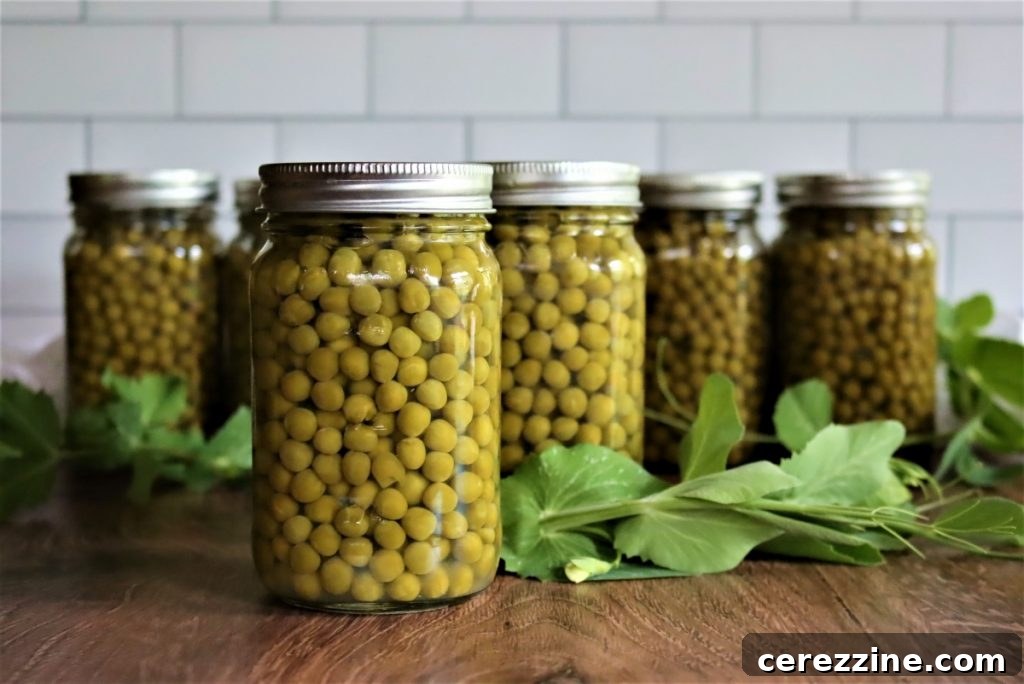
Plain Vegetables
Most vegetables are low-acid and must be pressure canned. The allowed changes are brief and pragmatic.
You May:
- Combine vegetables only when there is a tested recipe for each and process for the longest required time among them.
- Add up to one clove of garlic per jar to canned vegetables without changing processing time.
- Reduce or eliminate salt for flavor.
For Safety, You May Not: thicken canned vegetables or soups with flour, cornstarch, or add rice, pasta, or other starches; thickening low-acid vegetable products creates unsafe jars.
Texture note: mixing vegetables with different processing times often makes the quicker-cooking item mushy. For better texture, freeze mixed vegetables or can them separately and combine when serving.
Meat and Poultry
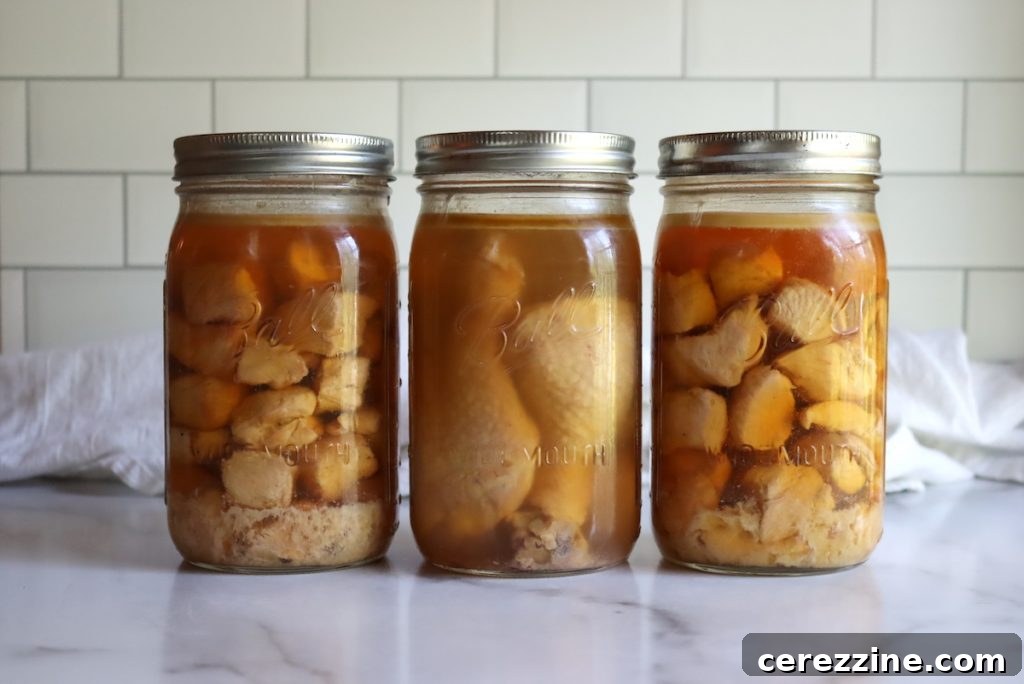
Meat is low-acid and must be pressure canned. Modifications are limited to preserve safety.
You May add without changing processing times:
- 1 teaspoon per pint or 2 teaspoons per quart of dried seasoning, onion, or garlic.
- 1 tablespoon per pint or 2 tablespoons per quart of fresh seasoning, onion, or garlic.
For Safety, You May Not:
- Add meat to a recipe that does not include it unless using a tested formulation that specifies meat.
- Add thickeners such as flour, cornstarch, rice, pasta, or barley.
- Add fat to canned meat.
If you want meat, grains, or thickeners in a finished dish, add them when reheating for the table rather than before canning.
Pressure Canning Seasoning Adjustments
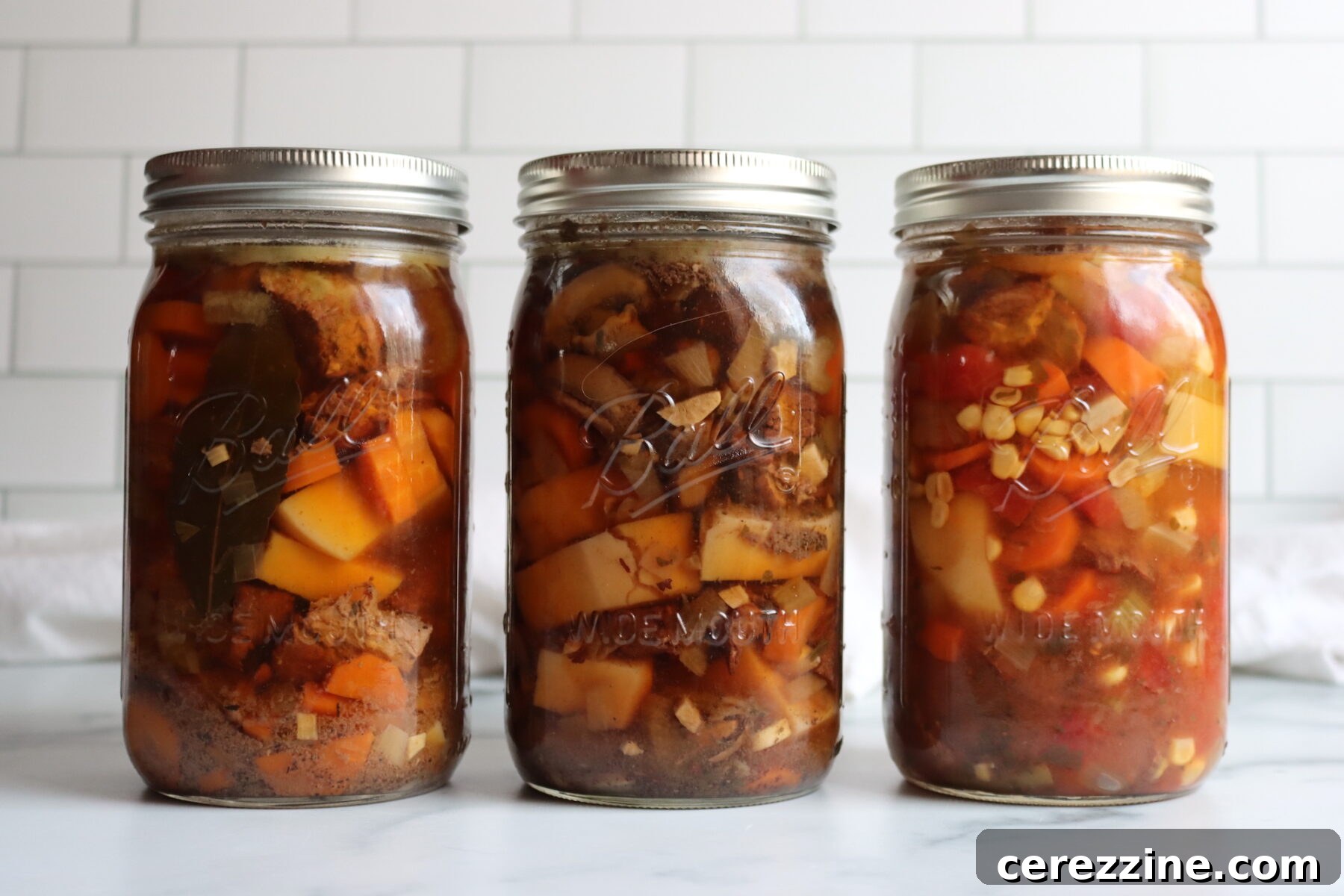
For low-acid foods processed in a pressure canner (vegetables, meats, soups, complete meals), these seasoning guidelines apply:
Salt is for flavor and color retention, not safety. You can increase, decrease, or omit it. Use a pure salt labeled as such; iodine or anti-caking additives can cloud brines or affect color and flavor.
Sugar is also for flavor and color, not safety; adjust or replace it with honey, maple syrup, or brown sugar if desired.
Herbs and seasonings can be adjusted: moderate amounts of dried herbs and spices are safe. If a recipe calls for fresh herbs, dried can substitute at about one-third the quantity. Don’t replace dried with large amounts of fresh herbs, since extra moisture changes the product. Note that sage can become bitter during processing, so use it sparingly or add it at serving.
What You Can Never Safely Change
Some rules are absolute. Never cross these lines:
Never, In Any Recipe
- Invent a canning recipe without basing it on a tested formula. Without testing, processing times and safety are unknown.
- Add thickeners (flour, cornstarch, arrowroot, etc.) unless a tested recipe specifically allows a named thickener. ClearJel is the only thickener approved for certain canning recipes like pie fillings.
- Add extra low-acid vegetables to salsa, tomato products, or other recipes; they dilute acidity and can make jars unsafe.
- Reduce or omit required acid (vinegar, lemon juice, lime juice, or citric acid).
- Use a larger jar than the recipe provides a time for; adding minutes does not make larger jars safe.
- Water-bath a low-acid food; it will never reach the temperatures of a pressure canner.
- Skip acidifying tomatoes; processing times assume the added acid.
- Cool a pressure canner under running water; normal cool-down is part of safe processing.
- Use untested methods such as oven canning, dishwasher canning, or processing in a pressure cooker rather than a pressure canner.
Finding Reliable Canning Recipes
The safest approach is to start with a tested recipe from reputable sources. University extension services and the National Center for Home Food Preservation publish recipes tested in labs. Avoid recipes from social media, uncited food blogs, pre-1994 cookbooks, or anecdotal community recipes that haven’t been tested.
Every recipe on Creative Canning is based on tested guidance so you can rely on the safety standards used there.
A Note About Jar Sizes
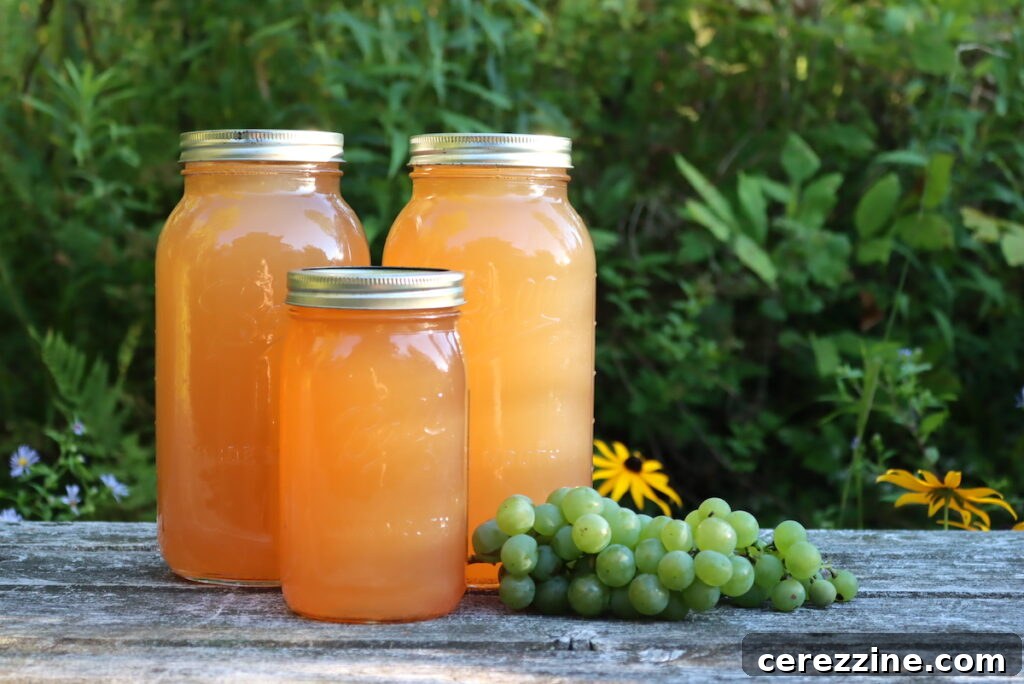
You may use a smaller jar than the recipe specifies and process it for the listed time. You may not use a larger jar unless the recipe provides a tested time for that size. Most tested home canning recipes do not include jars larger than a quart, except for a few juices tested in half-gallon jars such as apple cider and grape juice.
Notes from My Kitchen

These rules can feel restrictive, but they exist because the most dangerous bacteria in canned food can appear without visible signs. An underprocessed jar can look, smell, and taste normal until it makes someone sick. That’s why guidelines matter.
Within the rules there’s a lot of creativity: pressure-canning vegetables and adding pasta at reheating, using pectin designed for low sugar, or adjusting salsa heat. The boundaries keep your creative adjustments safe so you can enjoy the results without worry. Can safely, friends.
Safe Canning Recipe Change FAQs
Yes, in most recipes. Sugar is for flavor, color, and texture rather than safety in canned fruit, tomatoes, quick pickles, and pressure-canned foods, so you can reduce or replace it with honey (up to certain amounts). Jams and jellies are different because sugar works with pectin and acid to set the gel; for lower sugar, use a recipe and pectin designed for it.
No tested recipes use stevia, sucralose, monk fruit, or similar sweeteners for canning. They lack sugar’s preservation and texture effects and can alter flavor during storage. If desired, add substitutes after opening, or choose a jam recipe built for no-sugar pectin.
Yes, with caution. Bottled lemon and lime juice are more acidic than 5% vinegar and can replace vinegar measure for measure. To replace bottled citrus with vinegar, use twice as much vinegar to match acidity. Use bottled citrus (not fresh), check vinegar for 5% acidity, and never reduce the total acid called for.
No. You may add up to one clove of garlic per jar to tested pickle recipes or to canned vegetables, and measured amounts of garlic to canned meats, without changing processing times. Do not add garlic to jams, jellies, tomato products, or salsa beyond what a tested recipe specifies.
Yes, in most recipes salt is for flavor and can be reduced or omitted. The exception is fermented products like sauerkraut and true crock pickles, where salt concentration controls the fermentation and safety; leave salt as written and reduce sodium at serving by rinsing if desired.
Sources
Guidance here is based on published recommendations from reputable organizations, primarily university extension services and the National Center for Home Food Preservation. Key references include the USDA Complete Guide to Home Canning (2015 revision), the NCHFP, and state extension publications synthesizing safe substitutions and modifications.
More Canning Guides
Can You Can in the Instant Pot? (& Electric Pressure Canning Options)
Sugar in Canning Recipes: Is It Necessary for Preservation?
Troubleshooting Jelly That Didn’t Set (and How to Fix It)
Find the perfect recipe
Searching for something else? Enter keywords to find the perfect recipe!