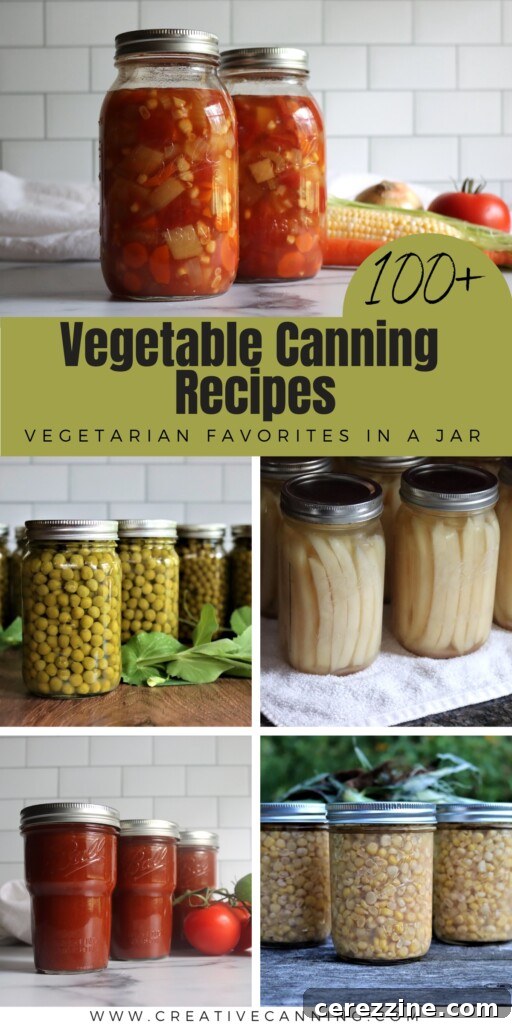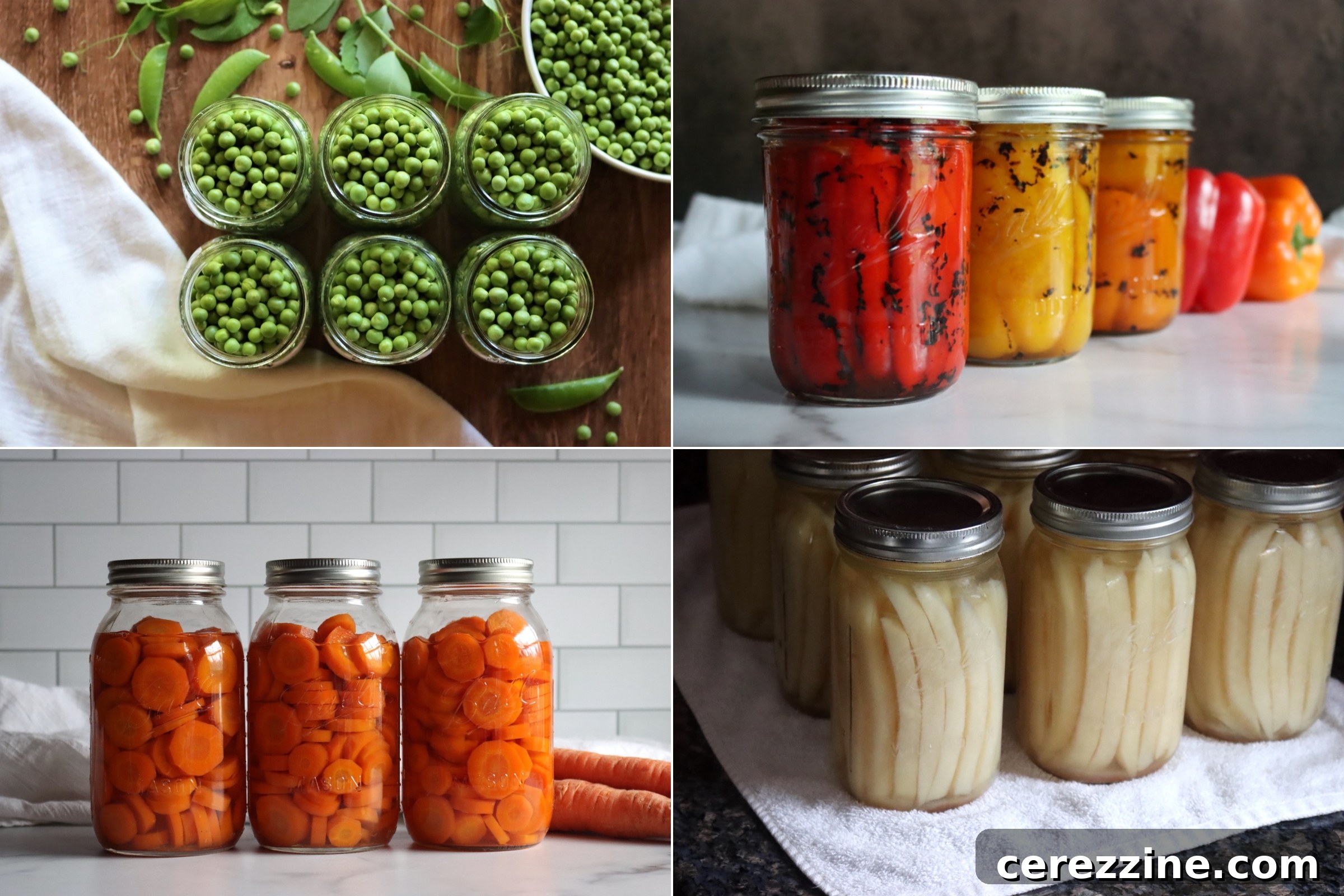
Canning vegetables is an extraordinary way to capture the essence of peak season produce, whether you’re celebrating a bountiful harvest from your home garden or capitalizing on fantastic deals at your local farmers market. This age-old preservation method offers a straightforward and efficient solution to store your hard-earned bounty without the need for traditional root cellars or expansive chest freezers.
Historically, families relied on root cellars to store staple vegetables like carrots, cabbages, and winter squash. However, in our modern world, access to such traditional storage spaces is rare, making contemporary homesteaders and home preservers seek alternative, practical solutions. This is where the art and science of home canning truly shine, providing food security and culinary flexibility for months to come.
While other food preservation methods exist, each comes with its own set of considerations. Dehydrating vegetables, for instance, is a viable option for long-term storage, but it often demands significant time and equipment. If you possess only one dehydrator, processing a large quantity of vegetables before they begin to spoil can be a race against time. Furthermore, dehydrated vegetables require a longer rehydration period before they are ready for consumption. While this is perfectly acceptable for hearty soups or stews that simmer for extended periods, many home cooks appreciate the convenience of canned vegetables that can be quickly heated and served as part of a speedy weeknight meal.
Freezing vegetables is another popular preservation technique I occasionally employ. However, preserving an entire garden’s harvest through freezing would necessitate substantial chest freezer space. For those of us living off-grid with limited power resources, or even those connected to a traditional grid, relying heavily on multiple freezers can lead to increased electricity bills and the significant risk of losing an entire harvest due to a single power outage. The financial and logistical burdens can quickly outweigh the benefits.
This is precisely why canning vegetables has become my preferred method for preserving our garden’s abundance. Canned goods are shelf-stable, require no electricity for storage, and are ready for a quick meal, retaining much of their flavor and nutritional value for months on end. It offers unparalleled convenience and peace of mind, knowing that delicious, homegrown produce is always within reach, irrespective of the season or external conditions.
Understanding Pressure Canning vs. Water Bath Canning for Vegetable Preservation
When delving into the world of vegetable canning, it’s crucial to understand the fundamental difference between pressure canning and water bath canning. This distinction is not merely a matter of preference but a critical safety measure based on the acidity levels of the foods being preserved. Most vegetables we consume are classified as low-acid foods. This means they do not naturally contain enough acidity to prevent the growth of harmful bacteria, particularly Clostridium botulinum, which can cause botulism, a serious foodborne illness. Therefore, for the vast majority of vegetables to be safely preserved, they must undergo the high-temperature processing achieved only through pressure canning.
You’ll notice that almost all water bath canning recipes for vegetables involve ingredients like vinegar or lemon juice. These acidic additions are essential because they lower the pH of the food, making it safe for water bath canning. This is why you primarily find recipes for pickles, relishes, and chutneys among water bath canned vegetable options. These recipes are delicious and offer unique flavors, but they inherently limit the culinary versatility of the preserved vegetable due to the added acidity.
For this comprehensive guide, I’ve made sure to include both pressure canning and water bath canning options for each vegetable where applicable, offering a wide range of choices for your preserving projects. My personal preference leans heavily towards pressure canning vegetables in plain water or with minimal salt. This method yields a product that is much more versatile, as it can be incorporated into countless recipes later without altering the intended flavor profile of the dish. Imagine using plain pressure-canned corn to create a creamy chowder, a savory shepherd’s pie, or delightful corn fritters. In contrast, corn relish, which is water bath canned, is typically only suitable as a side dish or condiment due to its pronounced vinegary taste.
For those new to the rewarding practice of pressure canning, I highly recommend consulting a reliable beginner’s guide to pressure canning before you begin. Understanding the science and proper techniques is paramount for ensuring both safety and quality. Similarly, if you’re just starting your journey into home food preservation, a beginner’s guide to water bath canning will provide you with the foundational knowledge for preserving high-acid foods with confidence and ease.
A Comprehensive Collection of Safe Vegetable Canning Recipes
As an avid canner and collector of recipes for many years, I’ve curated an extensive list of reliable vegetable canning recipes to simplify your preservation efforts. To make navigating this treasure trove of recipes as easy as possible, I’ve meticulously organized them by vegetable type. My goal was to be as comprehensive as possible, including a wide array of vegetables and diverse recipes for each. Should you notice any omissions or have a favorite recipe that isn’t listed, please share it in the comments below, and I’ll gladly consider adding it to this ever-growing resource.
While my personal canning endeavors predominantly involve pressure canning most vegetables to retain their natural flavor and versatility, this list thoughtfully incorporates both pressure canning and water bath canning recipes. It’s important to reiterate that all water bath canning recipes for vegetables inherently include added acidity, primarily in the form of vinegar, citrus juice, or fermentation, resulting in delicious products like relishes, pickles, and even some jams. Each recipe featured in this collection adheres strictly to the most current and rigorous safety guidelines set forth by the National Center for Home Food Preservation, ensuring that your home-canned goods are not only delicious but also safe for your family to enjoy.
Hearty Vegetarian Soups & Meals in a Jar
Before diving into individual vegetable canning techniques, let’s explore the incredibly convenient world of pre-made vegetarian soups and complete meals in a jar. These “heat and eat” recipes are perfect for those demanding weeknights when time is short but you still crave a wholesome, homemade meal. They’re a testament to how home canning can simplify healthy eating.
Among our family favorites are tomato basil soup, a classic comfort food, and my personal go-to, the vibrant southwestern vegetable soup, packed with flavors. These recipes not only save time but also ensure you have nutritious options readily available.
20+ Vegetarian Soup Canning Recipes
Roasted Red Pepper Soup
Roasted Poblano Corn Chowder
Southwestern Vegetable Soup
Canning Asparagus: Preserving a Spring Delicacy
There’s truly nothing quite like the delicate flavor and crisp texture of fresh garden asparagus, a cherished harbinger of spring. However, preserving this fleeting seasonal delight can be a bit challenging with conventional methods. In my experience, properly canned asparagus stands out as the superior way to enjoy its unique taste long after the growing season has passed. It allows you to savor that spring freshness even in the depths of winter.
Many find that frozen asparagus tends to lose its vibrant flavor and can become unpleasantly stringy upon thawing, making it less appealing for certain dishes. While dehydrating is an option for some vegetables, asparagus isn’t a primary ingredient I typically incorporate into dried soups or stews. I prefer asparagus as a simple, elegant side dish or mixed into egg dishes, where rehydrated vegetables often don’t deliver the desired texture.
Therefore, my go-to method for preserving asparagus is to pressure can it plain, in its natural state. This approach ensures that the asparagus retains its distinct flavor and a pleasing texture. We particularly enjoy it during the colder months as a perfect accompaniment to fish or various meat dishes. Additionally, I always put up a few jars of pickled asparagus. While I don’t use it as frequently as the plain variety, its tangy, crisp bite is a delightful treat. I often find pickled asparagus even more enjoyable than traditional pickled cucumbers, and it adds a fantastic zing to sandwiches or charcuterie boards.
Canning Asparagus Soup Base
Canning Asparagus Potato & Leek Soup
Preserving Beets: A Versatile Root Vegetable for Canning
Beets hold a special place in my canning repertoire, as they are one of the few vegetables I genuinely enjoy more when canned than when fresh. There’s something uniquely satisfying about the earthy sweetness and tender texture of canned beets. I often find myself eating them straight from the jar as a quick snack. For an elevated treat, I simply drain them, drizzle with a touch of balsamic vinegar, and add a pinch of salt—it’s a surprisingly gourmet and healthy indulgence.
I dedicate a significant portion of my canning efforts to preserving beets in plain water using a pressure canner. These simply preserved beets are incredibly versatile and form a fantastic base for various culinary applications. They can be effortlessly incorporated into vibrant salads, served as a colorful and nutritious side dish, or even used in uncooked preparations like refreshing beet soup. Their inherent flavor and ease of use make them a pantry staple.
In addition to plain beets, I also prepare a substantial batch of pickled beets each year. The addition of warm spices like cloves and cinnamon, along with a hint of sugar, elevates their flavor profile, making them even more enticing than their plain counterparts. The delightful sweet and sour balance of pickled beets makes them an ideal accompaniment to hearty winter meals. My family, in particular, absolutely adores pairing these vibrant pickled beets with savory potato latkes, creating a comforting and delicious combination that evokes warmth and tradition.
Classic Pickled Beets
Canning Cabbage: Relishes, Sauerkraut, and Safety Guidelines
Unfortunately, for those hoping to preserve plain cabbage through canning, there are no tested and approved recipes available from the National Center for Home Food Preservation. Furthermore, the NCHFP advises against canning cabbage in soups due to safety and quality concerns. As detailed in an excellent article by Healthy Canning, the primary reason for this recommendation is the significant degradation of quality; plain canned cabbage simply tastes unappetizing. Since cabbage is a low-acid vegetable, it would require extensive pressure canning times to ensure safety, which would inevitably result in a thoroughly unpleasant texture and flavor.
However, this doesn’t mean cabbage cannot be safely canned in other forms! The good news is that approved recipes for canning sauerkraut are readily available. The fermentation process involved in making sauerkraut naturally increases its acidity, making it safe for quick processing in a water bath canner. This method yields a delicious, tangy product that retains some of cabbage’s desirable crunch.
Beyond sauerkraut, cabbage also finds its way into various mixed relish and chow chow recipes. These traditional relish canning recipes are characterized by a generous amount of vinegar, which provides the necessary acidity for safe water bath canning. The vinegar not only ensures preservation but also helps mitigate the quality issues associated with plain canned cabbage, resulting in flavorful condiments perfect for adding a tangy kick to meals. These pickled cabbage variations offer fantastic ways to preserve this versatile vegetable safely and deliciously.
24+ Relish Recipes for Canning (Beyond Pickle Relish)
Southern Chow Chow (Traditional Green Tomato Relish)
Amish Chow Chow
Green Tomato Piccalilli (New England Style)
Canning Carrots: From Garden to Pantry for Year-Round Enjoyment
Even with a dedicated root cellar on our Vermont homestead, storing fresh carrots successfully has always presented a unique challenge. While potatoes, onions, and garlic thrive in the dry, cool conditions of our cellar, it simply isn’t humid enough to keep carrots crisp and prevent them from spoiling quickly. This environmental hurdle has pushed us to explore more reliable long-term storage methods for our carrot harvest.
Although we successfully overwinter some carrots directly in the garden, the heavy snow in our region makes digging them out during the colder months quite a hassle, especially when rushing to prepare dinner on busy weeknights. Consequently, the bulk of these overwintered carrots are typically harvested in early spring as the snow recedes, still remarkably fresh, crisp, and delicious. To truly enjoy carrots year-round without these inconveniences, canning becomes an indispensable practice.
For this very reason, I always prioritize growing hardy storage carrot varieties that are perfectly suited for pressure canning. These robust types retain their flavor and firm texture admirably through the canning process, resisting the mushiness that can plague more tender summer carrots. It’s crucial to select the right varieties for canning; tender summer carrots simply don’t hold up well. I always keep a well-stocked pantry of pressure-canned plain carrots. They serve as an incredibly quick and nutritious side dish and are a fantastic addition to impromptu soups and stews, providing depth of flavor and texture. While dehydrated carrots also work in soups and stews, they require a longer rehydration time and aren’t ideal as a standalone side.
Beyond plain carrots, I also prepare a variety of pickled carrots using a water bath canner. Carrot pickles are exceptionally delicious and surprisingly versatile. Some varieties we enjoy simply as a crisp, tangy snack. Others, like my ginger pickled carrots, are specifically prepared for specialty culinary projects, serving as a vibrant garnish for Asian dishes or an essential component of homemade udon bowls. This dual approach to canning carrots ensures we have both plain and flavored options to enhance our winter meals.
Canning Pot Roast in a Jar
Canning Beef Burgundy (Julia Child’s Recipe)
Canning Beef Pot Pie Filling
Canning Carrot Soup
Canning Cauliflower: Pickling for Optimal Flavor and Texture
Cauliflower, much like its cruciferous relative cabbage, presents a challenge when it comes to pressure canning plain. Unfortunately, there are no safe, tested recipes for canning plain cauliflower, primarily because the resulting product would be thoroughly unpalatable. The texture breaks down significantly, and the flavor becomes undesirable, leading the National Center for Home Food Preservation to not recommend this method.
However, if you find yourself with an abundance of cauliflower and wish to preserve it, my strongest recommendation is to transform it into delicious cauliflower pickles using a water bath canner. This method is not only safe but also yields a fantastic product that celebrates the unique qualities of cauliflower.
Cauliflower is an exceptional vegetable for pickling because of its ability to absorb the flavors of various spices beautifully, creating a complex and satisfying taste experience. Moreover, it maintains its delightful crunch and texture much better than many other vegetables, including cucumbers, during the pickling process. While cauliflower is often included in mixed pickled vegetable assortments, it truly shines when pickled on its own. Experiment with different spice blends—mustard seeds, turmeric, and dill are classic choices—to create a signature pickled cauliflower that will be a welcome addition to any meal or snack.
Piccalilli (English Style Mustard Pickles)
Pickled Cauliflower with Curry Spices
Canning Corn: Sweet Harvest Preservation for Every Season
Each growing season, we dedicate a substantial portion of our garden to sweetcorn. No other vegetable evokes the vibrant spirit of summer quite like fresh corn on the cob, bursting with natural sweetness. While botanically a grain, its culinary use as a vegetable makes it an essential addition to any home canner’s list, especially when faced with an abundant harvest from your garden.
The process of pressure canning corn might seem lengthy, but the incredibly delicious and convenient results are unequivocally worth the effort. Given that corn is technically a grain and quite starchy, it requires a specific processing time to ensure safety: pint jars must be held at pressure for 55 minutes, and quart jars for 85 minutes. This is notably longer than almost any other vegetable canning recipe you’ll encounter, underscoring the importance of adhering strictly to tested guidelines for safe home canning.
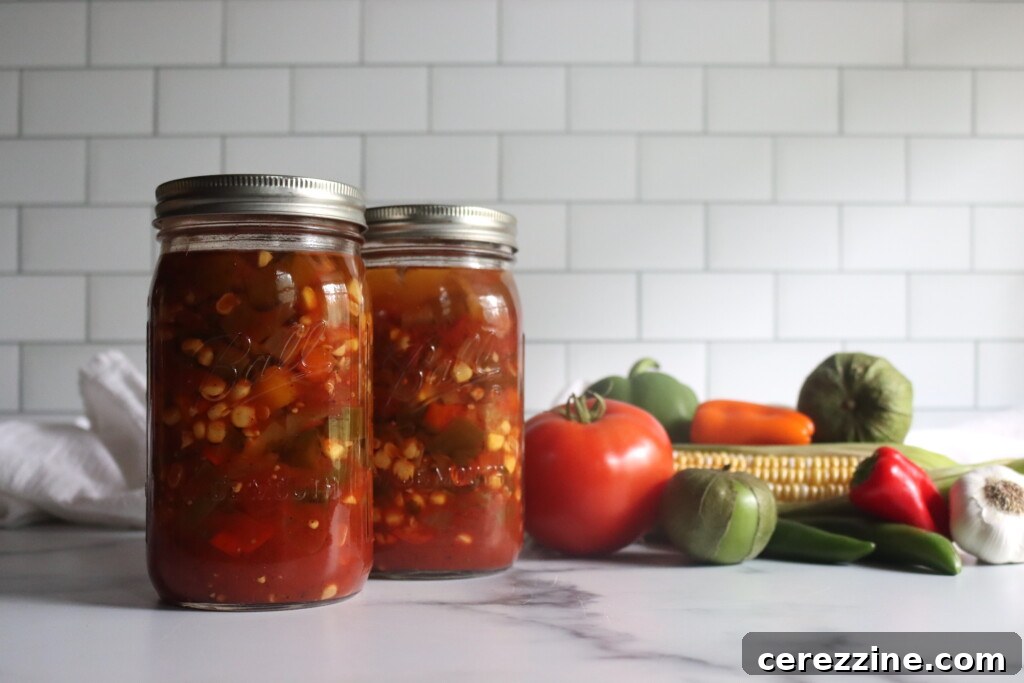
Beyond the versatility of plain pressure-canned corn, which can be used in a myriad of savory dishes, there are also numerous delightful water bath canned corn salsa and relish recipes. Our favorites include a zesty Southwestern corn salsa and a tangy pickled corn relish. The key to safely water bath canning these recipes lies in the addition of acid, whether through vinegar or citrus juice, which lowers the pH of the mixture to a safe level. This allows for a vibrant array of flavored corn products that add a burst of flavor to any meal.
For a truly unique and resourceful canning project, consider exploring the safe and approved corn cob jelly recipes. These innovative recipes transform what would typically be a waste product into a delightful, flavorful jelly, showcasing the incredible potential for creativity and sustainability in home food preservation.
Chicken Vegetable Soup
Chicken and Corn Chowder
Southwestern Corn Salsa
Pickled Corn
Canning Cucumbers: A World of Pickles and Beyond
When it comes to canning cucumbers, you won’t find any recommendations for pressure canning them plain – and for good reason; the resulting texture would be unappetizingly mushy. However, the world of water bath canning truly opens up for cucumbers, offering hundreds of delicious pickling recipes for cucumbers. These recipes allow you to transform your harvest into crisp, flavorful delights that can be enjoyed year-round.
Among the timeless classics, I have a fondness for bread and butter pickles, whose sweet and tangy crunch is simply perfect on a juicy hamburger. For subs and sandwiches, nothing beats the crisp, refreshing taste of dill pickle slices. Beyond these traditional favorites, the versatility of cucumbers shines through in numerous recipes that creatively incorporate additional spices, herbs, and even fruits to create unique flavor profiles. Imagine spicy garlic pickles, sweet gherkins, or even refrigerator quick pickles for immediate enjoyment.
Perhaps the most surprising and unique way I’ve encountered for preserving cucumbers is by transforming them into a tasty jam. While unconventional, this method yields a surprisingly delicious spread. The key to safe water bath canning for cucumber jam, as with any low-acid fruit or vegetable in a jam, is to add sufficient lemon juice or citric acid. This ensures the pH is low enough for safe processing. It’s an adventurous and rewarding project for the curious canner looking to explore beyond traditional pickle recipes and utilize a bumper crop of cucumbers in an entirely new way.
Classic Pickle Relish
Cucumber Relish
Sweet Pickle Relish
Dill Relish
Canning Green Beans: From Garden Abundance to Pantry Staple
Green beans are arguably one of the most prolific vegetables you can grow in a garden. Even from a modest raised bed, you can quickly find yourself with baskets overflowing with these vibrant legumes. While there’s nothing quite like fresh green beans, the sheer volume often exceeds immediate consumption, making preservation an essential task. Faced with such abundance, pressure canning plain green beans is my preferred and most common method for handling the majority of our harvest.
Freezing is also a viable option, but our limited freezer space often directs me back to the efficiency and shelf-stability of the pressure canner. Properly canned green beans are a culinary delight, perfect for comforting casseroles on the holiday table, hearty winter soups, and stews. It is paramount to remember that green beans, being a low-acid vegetable, absolutely *must* be pressure canned to ensure safety. Ignore any online sources that suggest water bath canning plain green beans; it is not a safe practice and poses a risk of botulism.
For a different flavor profile, pickled beans, affectionately known as “dilly beans,” are an excellent and safe option for water bath canning. These are preserved in a tangy vinegar brine, which provides the necessary acidity. Dilly beans are celebrated for their ability to retain a satisfying crispness and shape, making them just as, if not more, enjoyable than traditional dill pickled cucumbers. I love using them in creative ways, from adding a zesty crunch to sandwiches and wraps to serving them as a unique, flavorful side alongside a lunch plate. Their bright, piquant flavor makes them a fantastic addition to any home-canned pantry.
Pickled Dilly Beans (Dill Pickled Green Beans)
Canning Onions: Beyond Simple Storage
Onions are remarkably easy to store fresh for extended periods, making them less of a priority during my main canning season. However, despite their excellent raw storage capabilities, there are a couple of specific ways I particularly enjoy preserving and canning them to enhance our pantry’s variety and convenience.
There is indeed a tested recipe for canning plain onions, but it comes with a specific caveat: it is exclusively designed for pearl onions or very small whole onions. Attempting to can onion slices using this method is not recommended, as the texture and safety parameters would be compromised. These small, whole canned onions are wonderful for adding to stews or as a quick side.
Where onions truly shine in canning is as versatile condiments and flavorful additions to complex recipes. Savory onion jam, with its rich, sweet-and-savory profile, and crisp pickled onions are two of my absolute favorites. These add a gourmet touch to sandwiches, charcuterie boards, or grilled meats. Furthermore, onions are a fundamental ingredient in countless other canning recipes, including a wide array of salsas, tangy onion relish, robust pasta sauces, and various pressure-canned soups. This highlights that while plain onion canning is limited, onions are integral to a vast number of approved and delicious canning recipes, making them a cornerstone of any well-stocked preserved food pantry.
Lime Pickled Onions
Onion Relish
Pepper Onion Relish
Summer Fruit Salsa with Honey & Balsamic
Canning Peas: The Sweet Reward of a Summer Afternoon
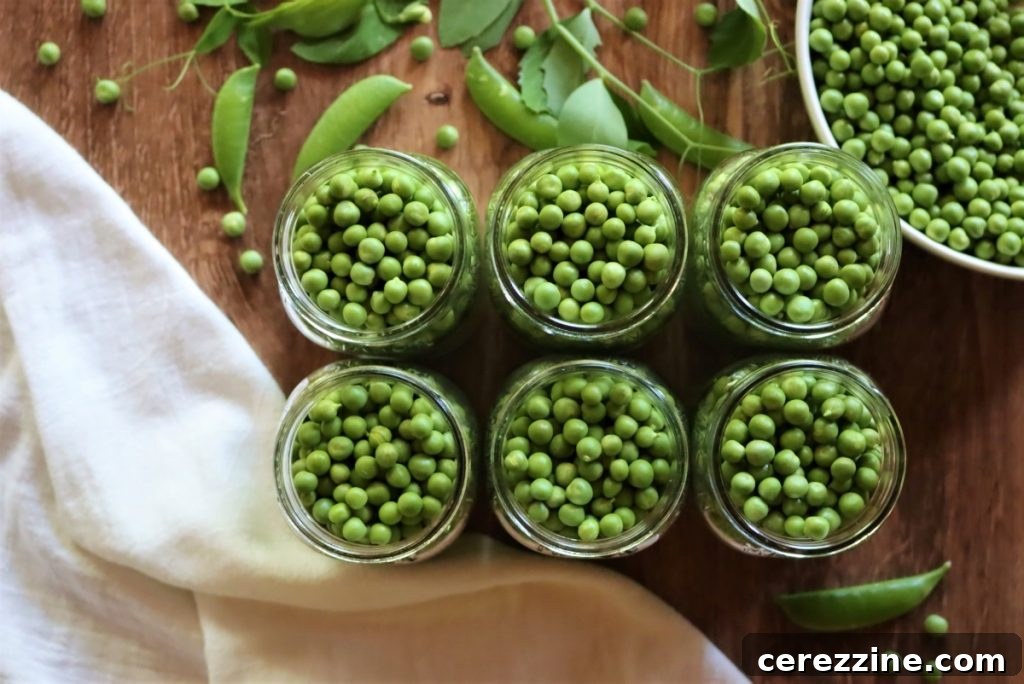
While some might debate the effort involved, I firmly believe that shelling peas is time incredibly well spent! There’s a certain tranquility and satisfaction in dedicating a summer afternoon to shelling peas on the porch, even amidst a never-ending list of homestead chores. It’s truly one of the best ways to enjoy a breezy afternoon, perhaps with good company, and anticipate the sweet reward.
Once you’ve successfully navigated the shelling process, the homegrown peas you’ve diligently prepared are absolutely ideal for pressure canning. This preservation method effectively locks in their delicate sweetness and tender texture, allowing you to enjoy the fresh taste of summer peas throughout the colder months. Canned peas are fantastic additions to winter casseroles, soups, and stews, providing a burst of garden-fresh flavor and a touch of vibrant green. They also make a quick and easy side dish, ready to be heated and served with minimal fuss. For serious home preservers, pressure canning peas is a rewarding endeavor that ensures a taste of summer is always within reach, offering both convenience and a touch of nostalgic comfort.
Canning Split Pea Soup
Canning Peppers: Preserving Vibrant Flavors and Colors
Peppers are undoubtedly among the most visually stunning produce I cultivate in my garden. The sight of baskets overflowing with bell peppers in all their glorious stages of ripeness – from crisp green to sunny yellow and fiery red – is truly a feast for the eyes. Fortunately, their beauty extends beyond the garden, as they look equally appealing nestled in glass jars on a pantry shelf, ready to brighten winter meals with their vibrant colors and flavors.
I find plain, pressure-canned peppers to be an invaluable ingredient for enhancing a wide array of winter recipes. They seamlessly integrate into hearty chilis, robust pasta dishes, and flavorful stir-fries, providing a fresh taste and tender texture that complements rich, savory flavors. The pressure canning process ensures they are safely preserved while retaining much of their natural sweetness and a pleasant, tender-crisp bite.
In addition to plain peppers, I also regularly utilize the water bath canning method to create various pickled peppers. These tangy delights are perfect for adding a zesty kick to pizzas, a refreshing crunch to sandwiches, or serving as a versatile, all-purpose relish. From mild banana peppers to fiery jalapeños, pickling transforms peppers into intensely flavored condiments that awaken the palate. Whether you prefer the straightforward utility of plain canned peppers or the bold zest of pickled varieties, preserving peppers is a rewarding way to extend their garden-fresh goodness throughout the year.
Pickled Banana Peppers
Peach Salsa
Tomato Salsa with Tomato Paste (Thickened Salsa)
Apricot Salsa
Canning Potatoes: A Convenient Pantry Staple
While fresh, mature potatoes store exceptionally well in a cool, dark place, not everyone chooses to can their potatoes. However, I find the process to be incredibly worthwhile, offering a convenience that fresh storage simply can’t match. One key advantage is that fresh, new, small potatoes, which tend to have a shorter shelf life and don’t store well on their own, can be beautifully and safely preserved through canning, capturing their tender texture and mild flavor.
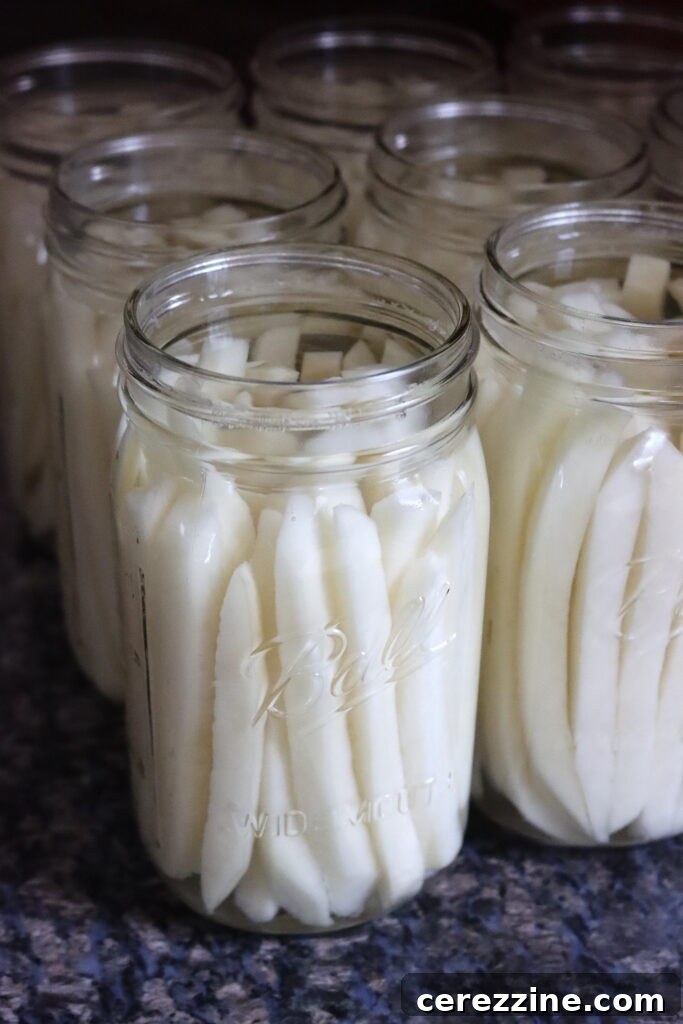
The greatest benefit of having canned potatoes in your pantry is their instant usability. They are ready to be incorporated into meals straight out of the jar, saving significant preparation time. Imagine whipping up a quick batch of creamy mashed potatoes or crispy hash browns on a busy weeknight without the need for peeling, chopping, and boiling raw potatoes. Canned potatoes are also excellent for adding to soups, stews, and casseroles, providing a hearty and satisfying element with minimal effort. They maintain a pleasing texture when properly canned, making them a versatile and invaluable ingredient for expediting meal preparation. This method ensures you always have a supply of pre-cooked potatoes, ready to be transformed into a variety of comforting dishes.
Canning Chicken and Gravy Meal in a Jar
Canning French Fries
Canning Potato Leek Soup
Canning Sausage Potato and Kale Soup (Copycat Zuppa Toscana)
Canning Pumpkin & Winter Squash: Cubes for Safety and Versatility
Pumpkin and various winter squash varieties are fantastic candidates for pressure canning, offering a taste of autumn throughout the year. However, it is absolutely crucial to follow specific safety guidelines to ensure proper preservation. The most important rule for canning pumpkin and winter squash is that you must process them as cubes, not as a puree. Pureed pumpkin or squash is too dense and thick for the heat to penetrate adequately to the center of the jar during the pressure canning process, rendering it unsafe for home canning due to the risk of botulism.
Fortunately, canning pumpkin in cubes is incredibly practical and offers greater versatility in the kitchen. If a recipe calls for pumpkin puree, you can easily mash the canned cubes after opening the jar, providing the desired consistency with minimal effort. Beyond pureeing, these firm cubes are ideal for a multitude of dishes. They can be effortlessly added to hearty soups, simmering stews, comforting curries, or even roasted vegetables, contributing their sweet, earthy flavor and tender texture. This method of canning ensures both safety and culinary flexibility, allowing you to enjoy your homegrown pumpkins and winter squash in a variety of delicious ways, long after the harvest season has ended.
Pickled Sugar Pumpkin
Canning Pumpkin (& Other Winter Squash)
12+ Pumpkin, Butternut & Winter Squash Canning Recipes
Canning Rhubarb: A “Vegetable” That Thinks It’s a Fruit
Although I typically use rhubarb in ways more akin to a fruit—strawberry-rhubarb crisp is an absolute dream dessert, for instance—it is botanically classified as a vegetable. I’ve chosen to include it in this comprehensive canning list because many gardeners in my area often designate a patch of rhubarb within their vegetable gardens, recognizing its unique culinary role and versatility.
Rhubarb is naturally quite acidic, which makes it an excellent candidate for safe water bath canning. You can easily preserve it as stewed rhubarb, which is divine served with ice cream, yogurt, or as a topping for other desserts. For a heartier and more substantial treat, you can thicken it into rhubarb pie filling, ready to be poured into a crust for a quick homemade pie. Beyond these classic preparations, rhubarb can also be water bath canned in various forms of jam and jelly, and even more exotic and savory recipes like zesty rhubarb chutney, tangy BBQ sauce, and more, adding a unique piquant note to your meals.
Rhubarb pairs exceptionally well with other fruits, creating delightful flavor combinations. It’s particularly lovely in blueberry rhubarb jam, and also shines in peach rhubarb jam and vibrant orange rhubarb jam. The British, in particular, have a cherished tradition of combining rhubarb with ginger, creating a harmonious blend of tartness and warmth. This wide array of canning possibilities ensures that your rhubarb harvest can be enjoyed in diverse and delicious ways throughout the entire year.
Sweet Pickled Rhubarb
Blueberry Rhubarb Jam
Rhubarb Chutney
Rhubarb Jelly
Canning Tomatillos: Salsas and Sauces with a Tangy Twist
While tomatillos possess a natural tartness, making them seem inherently acidic, their pH can actually fluctuate significantly based on various growing conditions. To ensure the utmost safety in home canning, I always recommend adding an extra acidifying agent to tomatillo recipes. My personal preference is to incorporate lime juice, as its bright, zesty flavor complements tomatillo-based recipes beautifully, enhancing their overall taste profile.
For safely canning plain tomatillos using a water bath canner, a general guideline is to add 1 tablespoon of bottled citrus juice (like lemon or lime juice) to each pint jar, or 2 tablespoons per quart jar. This critical step ensures that the pH level is consistently low enough to prevent the growth of harmful bacteria during processing and storage. It is a small but vital addition that guarantees a safe and delicious product.
It’s particularly important to note that when you’re combining tomatillos with other low-acid ingredients such as peppers and onions to create a vibrant salsa, you will need a substantial amount of vinegar or bottled citrus juice. This is necessary to bring the pH of the entire mixture down to a safe range for water bath canning. Adhering to tested recipes and their specified acid quantities is paramount. By following these guidelines, you can confidently preserve your tomatillo harvest into an array of delectable salsas and sauces, ensuring they are safe and ready to enjoy anytime.
Salsa Verde (Tomatillo Salsa)
Canning Tomatillo Sauce (Enchilada Sauce or Simmer Sauce)
Roasted Tomatillo Salsa
Chipotle Tomatillo Salsa
Canning Tomatoes: Safety First with Added Acidity
Many traditional, older canning recipes often categorize tomatoes as sufficiently acidic for safe water bath canning. However, modern scientific understanding and food preservation guidelines tell a different story. Tomatoes, especially many contemporary varieties, hover precariously close to the borderline of safe acidity for canning. Their pH can be significantly influenced by various factors, including the amount of sunlight they receive, irrigation levels, and even fertilizer applications. This variability means that relying solely on their natural acidity can be risky.
Today, all safe tomato canning recipes, regardless of whether they are for pressure canning or water bath canning, mandate the addition of an acidifying agent. This crucial step typically involves incorporating citric acid, vinegar, or bottled lemon juice into the jars before processing. This ensures that the pH level of the tomatoes is consistently lowered to a safe threshold, effectively preventing the growth of harmful bacteria and protecting against foodborne illness. It’s important to understand that these guidelines apply universally; both pressure canning and water bath canning recipes for tomatoes have been scientifically tested and approved with the inclusion of added acid.
As of the most recent updates to food preservation guidelines, there are no approved recipes for pressure canning plain tomatoes without the addition of acidity. Therefore, it is imperative not to skip this vital step. Always follow tested and approved recipes from reliable sources like the National Center for Home Food Preservation to ensure the safety and quality of your home-canned tomatoes. By doing so, you can confidently enjoy your preserved tomato products in countless culinary applications, from rich sauces and hearty soups to vibrant salsas and beyond.
Canning Tomatoes in Wine
Heirloom Tomato Soup
Hearty Tomato Salsa (with Paste Tomatoes)
Salsa Ranchera
Canning Zucchini: Beyond the Bumper Crop
It’s almost a running joke among gardeners: the seemingly endless abundance of zucchini each season! Perhaps it’s this prolific nature that has inspired a surprisingly extensive number of safe and tested zucchini canning recipes. Whatever the reason, home canners are fortunate to have a wealth of delicious options to transform this versatile squash into savory pickles, tangy relishes, and even delightful jams, ensuring no zucchini goes to waste.
These inventive, acidic recipes are all approved for water bath canning, offering a fantastic way to preserve zucchini in forms that maintain texture and flavor. However, it’s crucial to note that there are no approved recipes for pressure canning plain zucchini. The reason is simple: zucchini, when subjected to the high temperatures and pressures of a canner, tends to break down entirely, transforming into an unappetizing, mushy paste. This significant degradation in texture and flavor makes plain pressure-canned zucchini highly undesirable.
Beyond its poor textural outcome, pressure canning plain zucchini also poses a safety concern. Because it doesn’t retain its shape or chunkiness, the heat penetration throughout the jar cannot be guaranteed, making it impossible to ensure that all harmful bacteria are effectively neutralized. The only safe and approved pressure canning recipe that includes zucchini is a specific mixture of zucchini and tomato chunks. In this recipe, the robust tomato chunks help to keep the zucchini pieces separated, allowing for proper heat distribution. Additionally, the tomatoes contribute to the overall acidity of the mixture, which helps reduce the required pressure canning time. This tomato-zucchini blend makes an excellent, ready-to-use base for winter soups and pasta dishes, offering a practical and delicious solution for preserving some of your zucchini harvest safely.
13+ Zucchini Canning Recipes
Canning Zucchini in Pineapple Juice
Bread and Butter Zucchini Pickles
Zucchini Relish Recipe for Canning
Other Ideas and Your Favorite Canning Adventures
This comprehensive guide aims to cover a wide array of popular vegetables suitable for home canning, offering both pressure canning options for low-acid vegetables and water bath canning recipes for those where added acidity ensures safety and deliciousness. We’ve explored everything from asparagus to zucchini, providing insights into their unique preservation challenges and the best methods to capture their peak flavor and texture for year-round enjoyment.
However, the world of home food preservation is vast and ever-evolving, filled with countless regional specialties, heirloom varieties, and innovative approaches. Are there any fantastic vegetables or unique canning ideas that I might have overlooked? What are your personal favorite vegetables to can, and what creative recipes do you rely on to preserve your garden’s bounty or farmers’ market finds? Your experiences and culinary wisdom are invaluable to our community of home preservers.
Please share your insights, suggestions, and favorite canning adventures in the comments section below! I’m always eager to learn about new recipes, discover overlooked vegetables, and expand this resource to make it even more valuable for everyone passionate about food preservation. Let’s continue to grow our collective knowledge and inspire each other to keep the art of home canning alive and thriving.