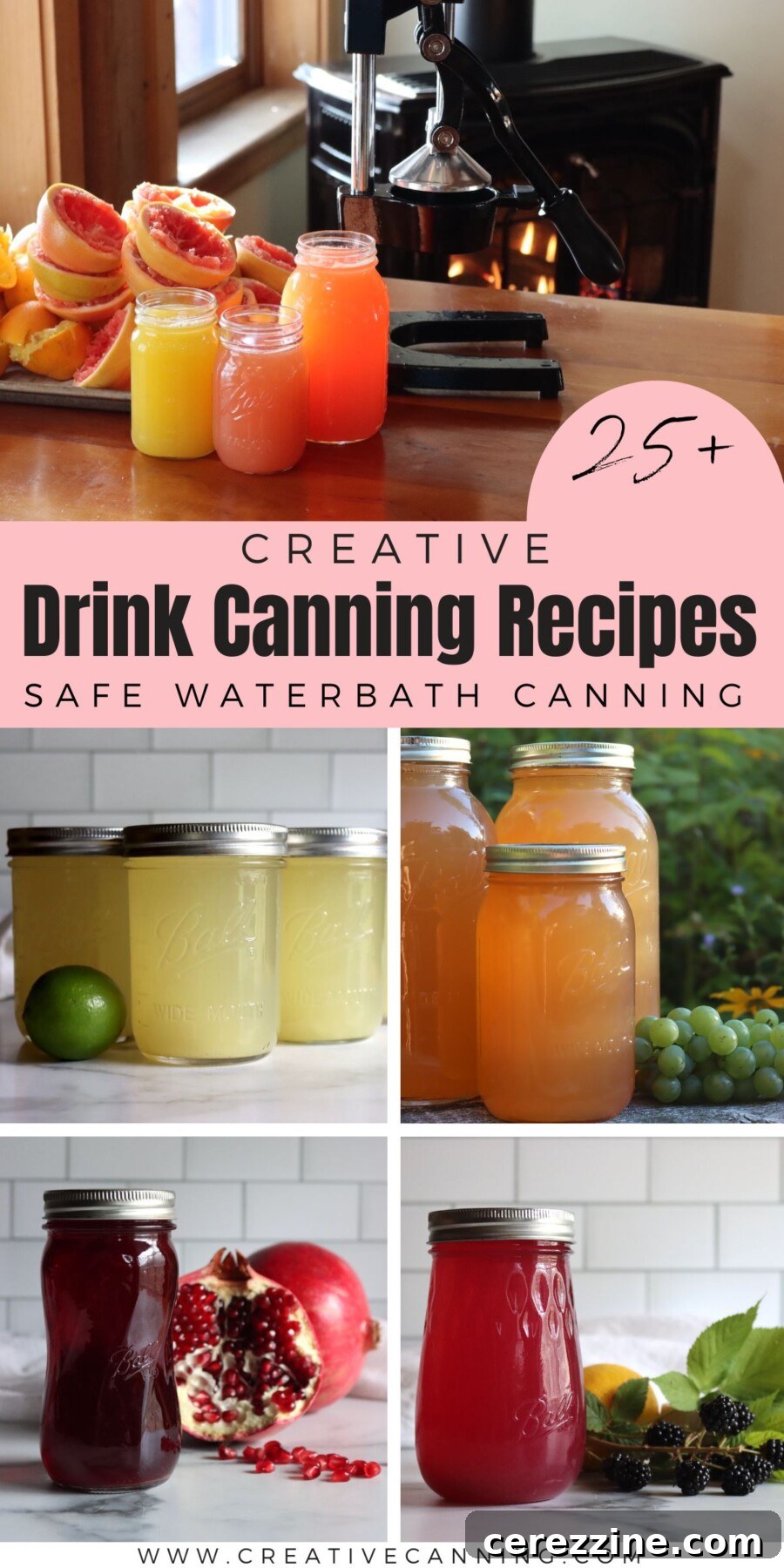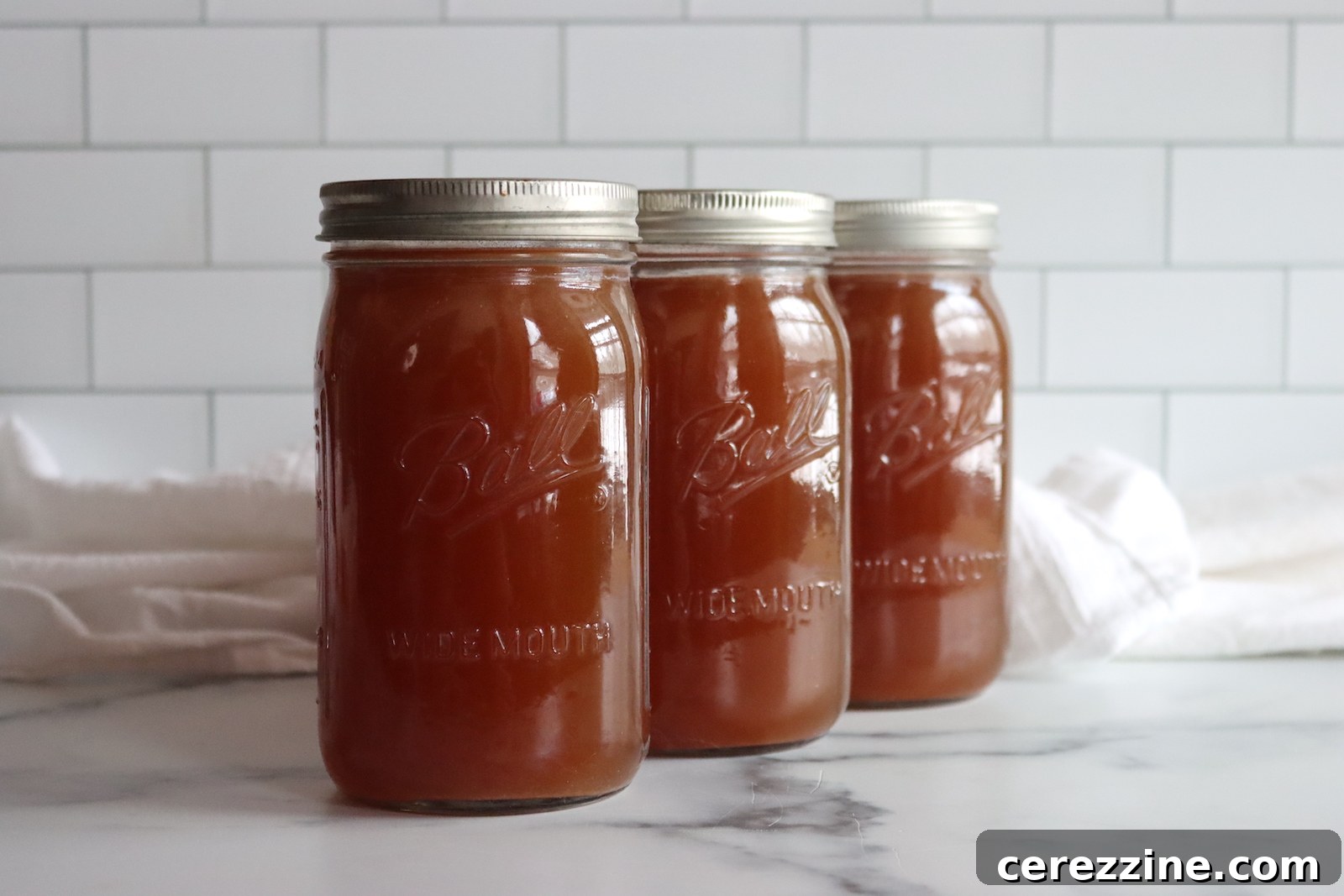
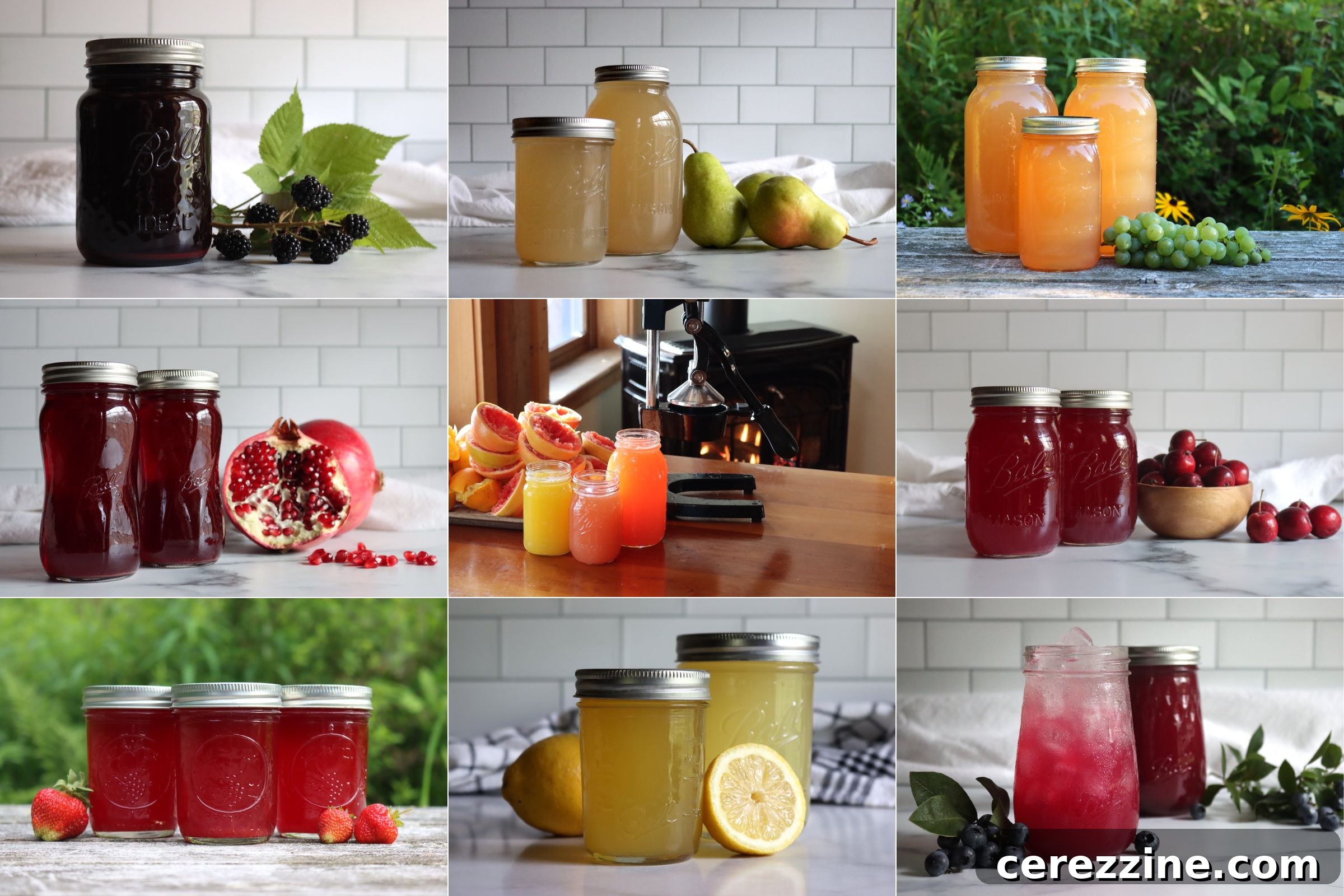
Drink canning recipes are an easy way to preserve homemade lemonades, fruit juices, and syrups so they sit on the pantry shelf ready to mix and serve long after the fresh fruit is gone. Instead of buying a bottled drink, open a jar, add cold water or a splash of seltzer, and have a homemade beverage in under a minute.
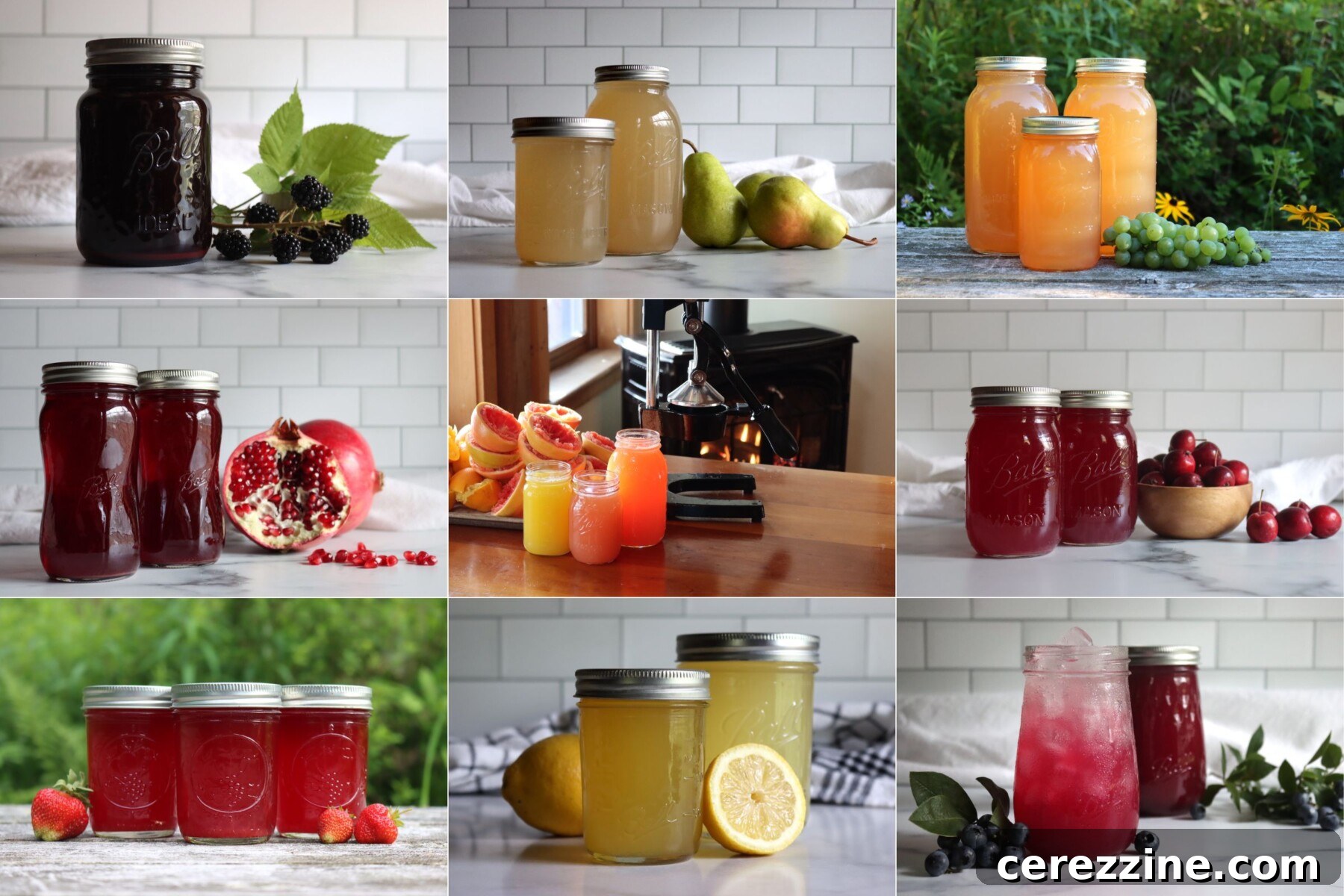
Most of these recipes are concentrates or syrups, so a few jars take up very little shelf space while one batch stretches into multiple pitchers. They’re all suitable for water bath canning, which means you do not need a pressure canner—making these projects welcoming for beginners.
There are several styles of canned drinks and each behaves slightly differently once opened. Lemonade and limeade concentrates are meant to be diluted with water into a finished pitcher. Plain fruit juices can be drunk straight or added to sparkling water. Fruit nectars are thicker—almost pourable purees—good over ice or in smoothies. And drink syrups, with higher sugar content, turn plain seltzer into homemade soda with just a spoonful and also serve as a fruit topping for pancakes or ice cream.
On the savory side, canned tomato juice and Bloody Mary mix provide pantry options that aren’t sweet and are great for cocktails, soups, or sipping cold. Nearly all of these recipes combine fruit, sometimes citrus, and sugar, canned into a high-acid or acidified base that’s safe for water bath canning. That means you can preserve whatever fruit is in season—berries in summer, orchard fruit in fall, citrus in winter—and keep a varied selection of homemade drinks year-round.
Using Canned Drink Recipes
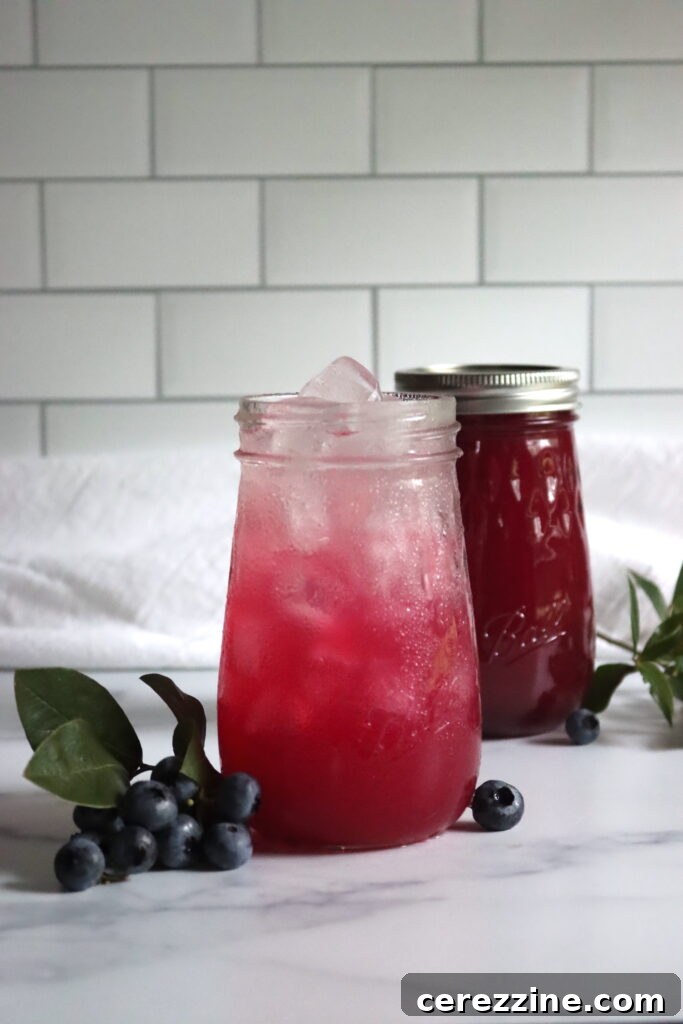
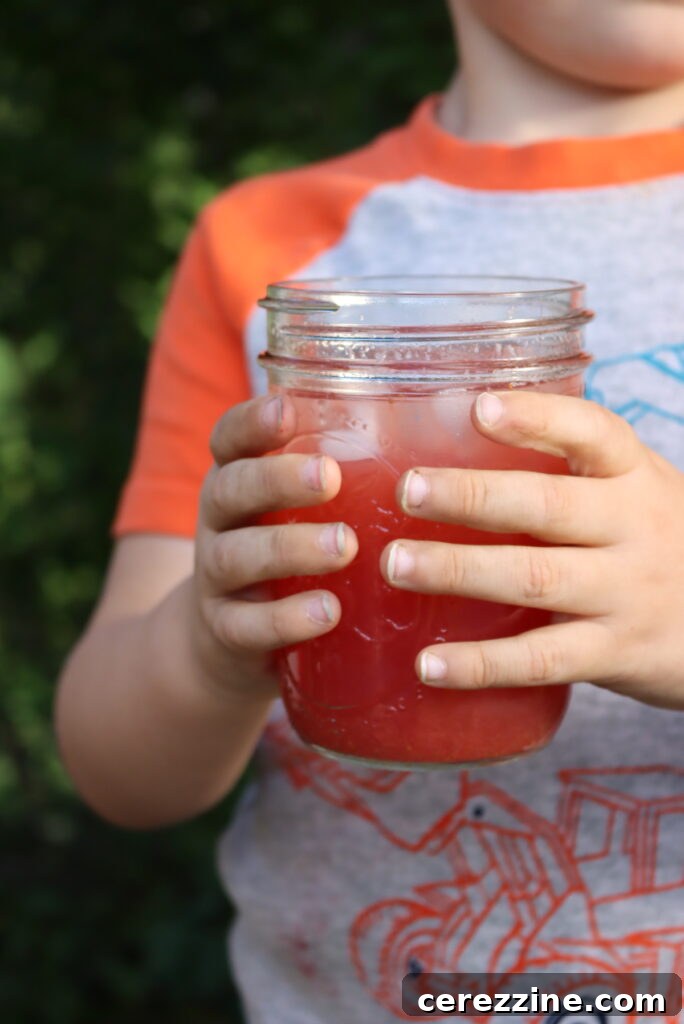
How you serve these depends on the style you’ve canned. Concentrates are diluted—start with 1 part concentrate to 3 parts cold water and adjust to taste; a pint of concentrate yields about a half-gallon of lemonade, while a half-pint makes roughly a quart. Plain juices need no dilution: sip them straight, pour over ice, or add to sparkling water. Syrups are the most concentrated—use a spoonful in seltzer for homemade soda, or drizzle them over pancakes and ice cream. All styles also make convenient bases for mocktails, punches, and mixed drinks.
Lemonade Concentrates
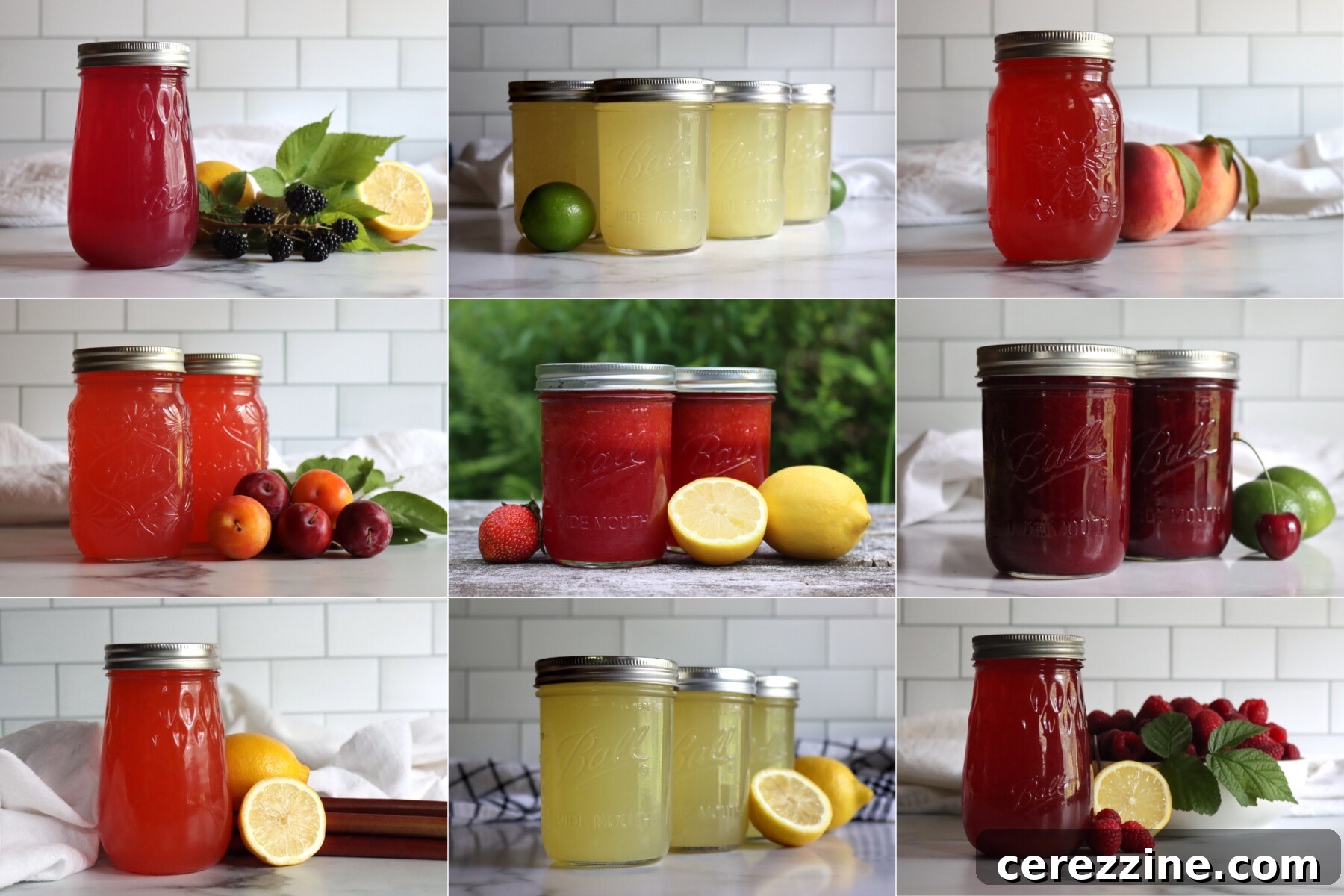
Lemonade concentrate is a common starting point because it’s familiar and adapts well to added fruit. Flavored lemonade concentrates let you capture the season: use berries in summer, stone fruit in late summer, and other fruits as they come into season. Popular choices include plain canned lemonade, strawberry lemonade made with puree, watermelon lemonade for a mild flavor, blueberry lemonade for a jammy note, blackberry lemonade for a darker berry flavor, rhubarb lemonade for extra tartness, and plum lemonade for a soft, floral late-summer option.
Limeade Concentrates
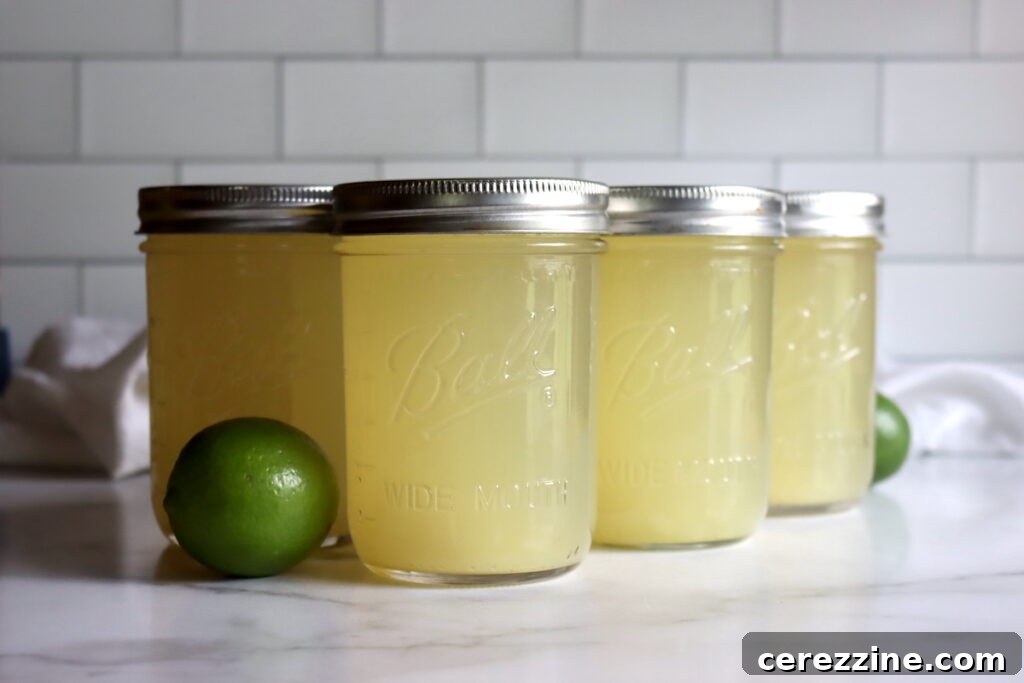
Limeade follows the same approach as lemonade but with a sharper bite. Many recipes can swap lemon for lime depending on your preference. If you prefer a more bracing citrus note, limeade is a great option. Try plain limeade or cherry limeade for a nostalgic soda-shop flavor.
Fruit Juices to Bottle
Canned fruit juices are convenient to drink straight or to mix into spritzers. Following the harvest season pays off: put up berries in summer, then move to orchard or tropical fruits as they become available. Some juice recipes are concentrates that require dilution, so check the recipe before serving.
Apple Juices
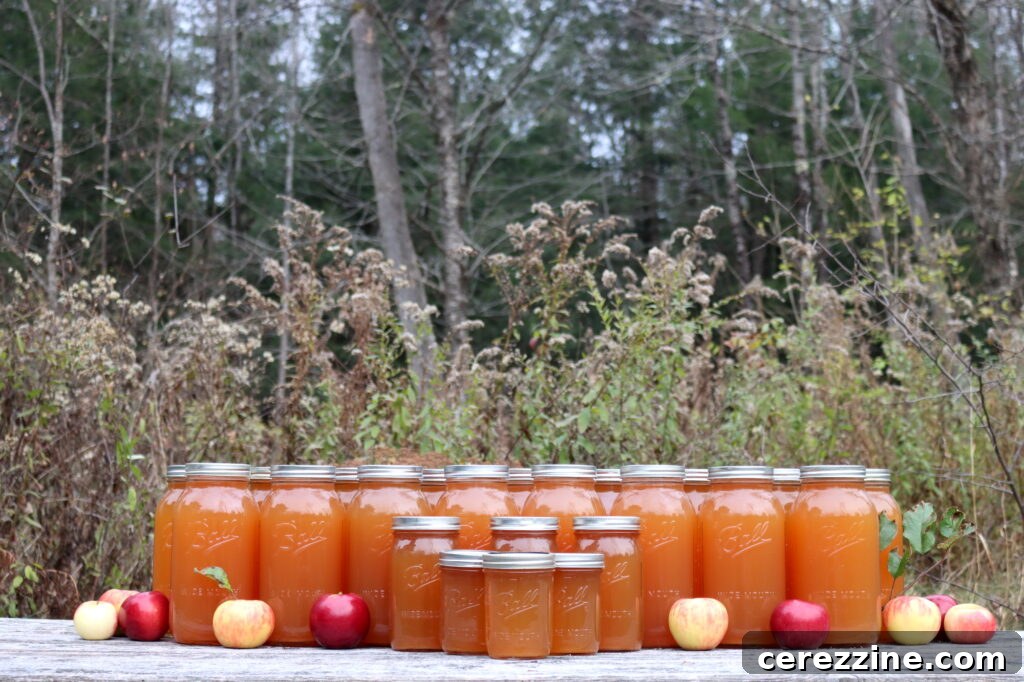
- Canned apple cider: fresh-pressed cider preserved for the shelf, ready to warm with spices or drink cold.
- Crabapple juice and syrup: tart crabapples yield a pretty pink juice and a syrup you can reduce from the same batch.
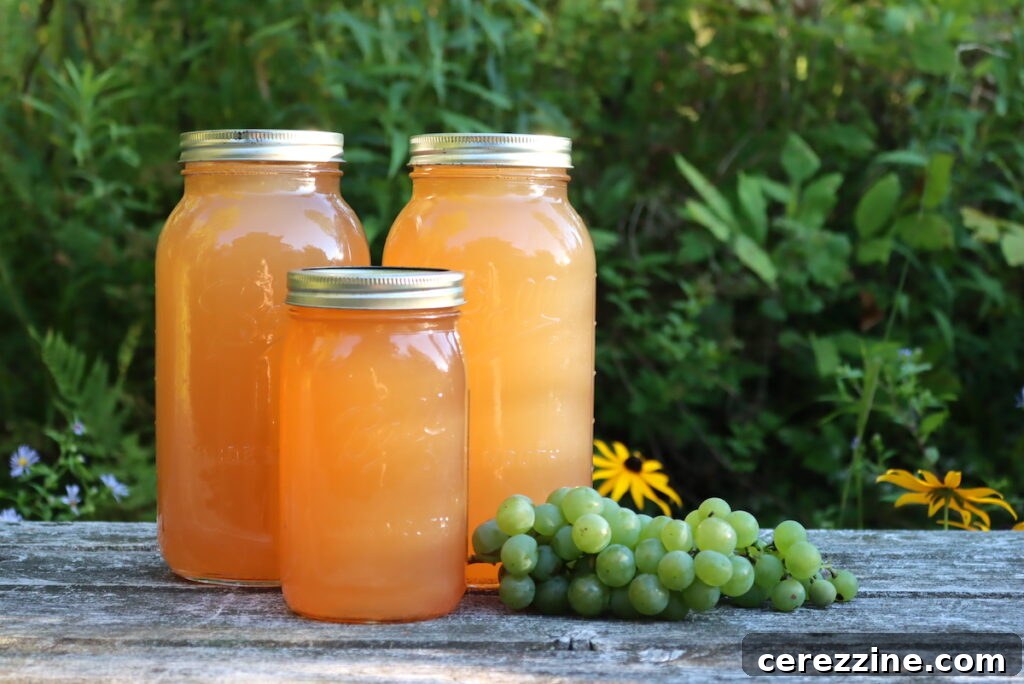
Grape Juices
- Grape juice: classic Concord grape juice pressed and canned for winter drinking.
- Muscadine juice: a Southern grape with a distinct musky sweetness.
Berry Juices
- Mixed berry juice: press a mix of available berries for a versatile bottled juice that’s excellent with sparkling water.
- Strawberry juice: pure pressed strawberry, sweet enough to sip on its own or to add to lemonade on the fly.
- Blueberry juice: mild and lightly sweet, good over ice, in smoothies, or as a soda base.
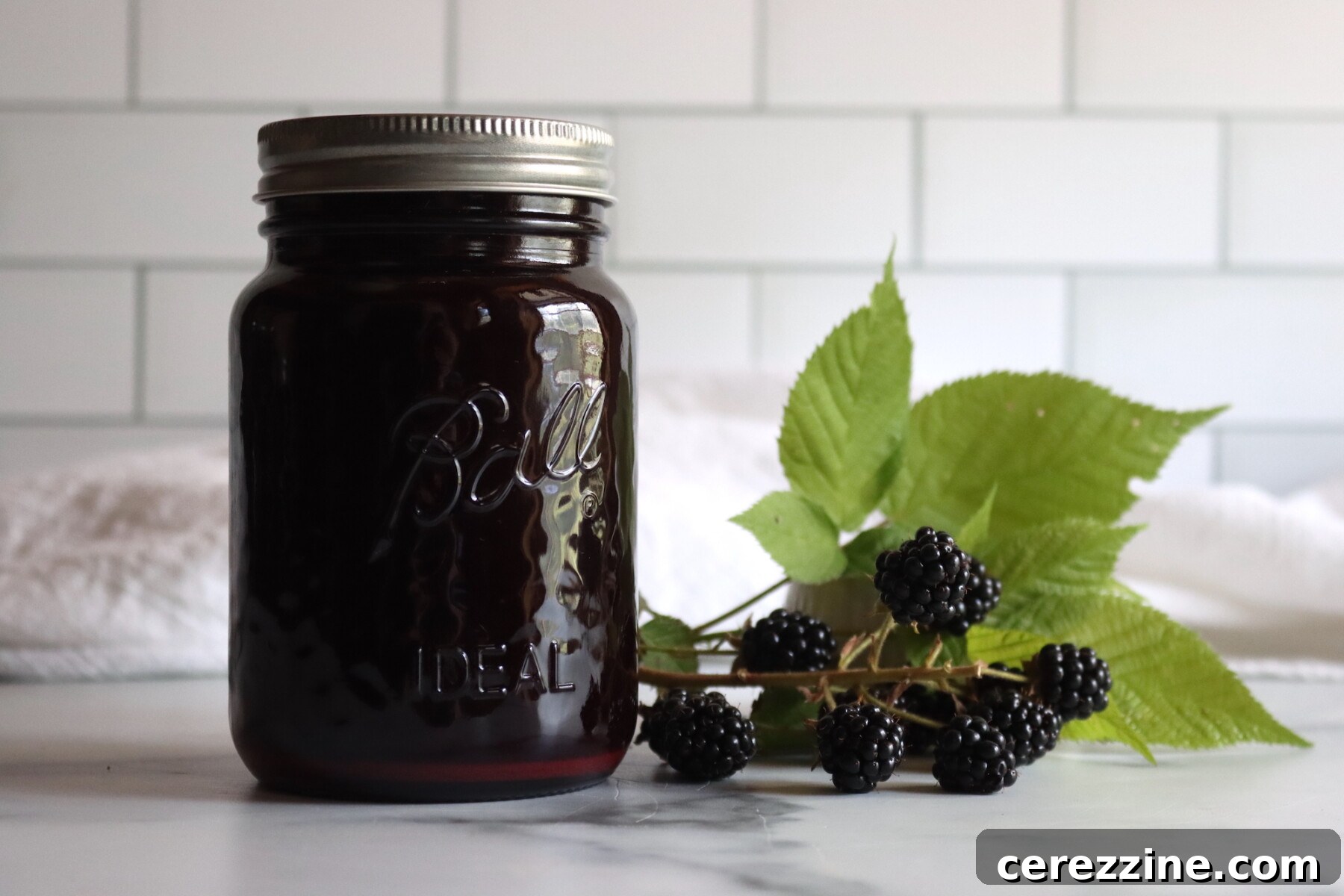
- Blackberry juice: deeper and slightly tart, nice with seltzer or stirred into lemonade.
Unique Juices
- Pineapple juice: bright and tropical, great on its own or as a punch base.
- Cranberry juice: tart and lively—perfect to preserve during cranberry season.
- Pomegranate juice: deep, tart, and naturally acidic, which makes it well suited to water bath canning.
- Rhubarb juice concentrate: sharply tart and concentrated, a little goes a long way when diluted.
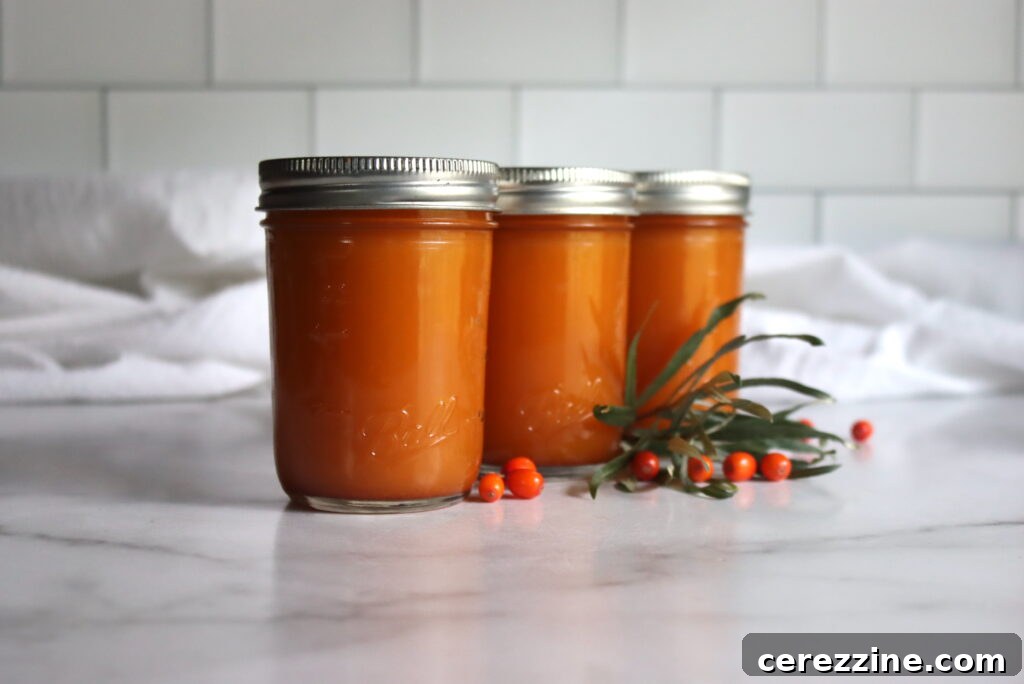
- Sea buckthorn juice: intensely tart and high in vitamin C, meant to be diluted and sweetened to taste.
Tomato-Based Juice
Not all canned drinks are sweet. Tomato-based juices fill the savory corner of the pantry—good for sipping cold, adding to soups, or mixing into cocktails. Pay attention to acidity when blending other vegetables with tomato, since it can lower overall acidity. These recipes use tested ratios and often add bottled lemon juice or citric acid to remain safe for water bath canning.
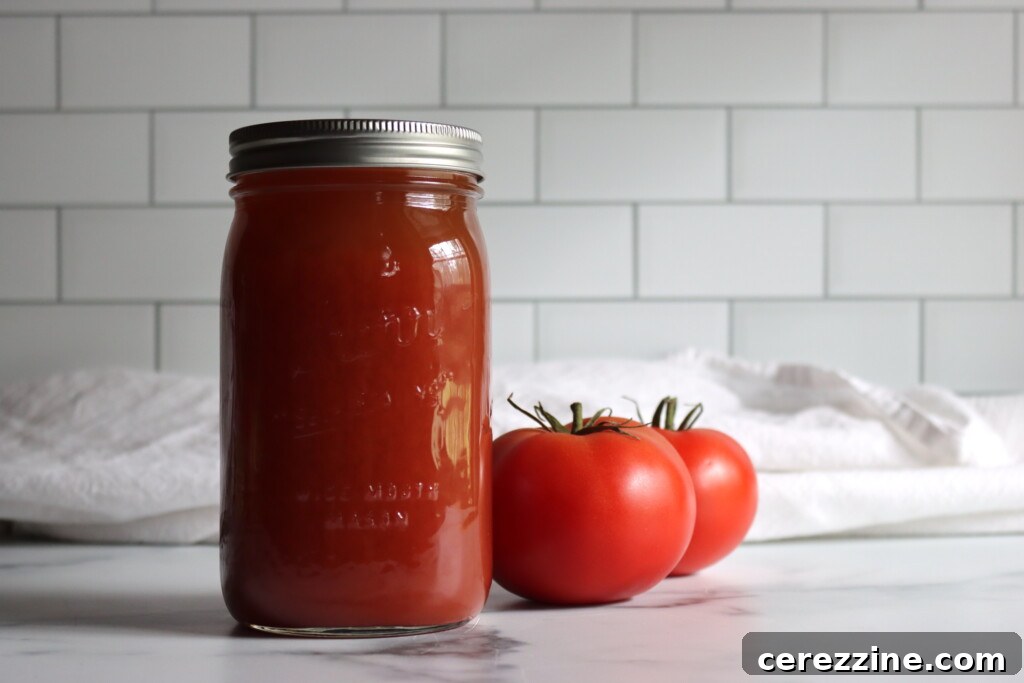
- Canned tomato juice: a savory staple for sipping, cooking, or making cocktails.
- Bloody Mary mix: seasoned tomato juice ready to pour over ice and vodka; prepared using safe, tested proportions.
- Vegetable juice cocktail: a tomato base rounded with celery, carrot, and pepper, kept within safe ratios for water bath canning.
Fruit Syrups for Sodas and Spritzers
Drink syrups are the most concentrated way to preserve fruit for beverages. A single spoonful turns plain seltzer into homemade soda. Because they contain more sugar, syrups hold their flavor well on the shelf and also serve as toppings for pancakes, waffles, and ice cream.
Berry Syrups
- Strawberry syrup: thick and sweet, perfect for strawberry soda or breakfast toppings.
- Blueberry syrup: a spoonful makes blueberry soda or dresses up breakfast dishes.
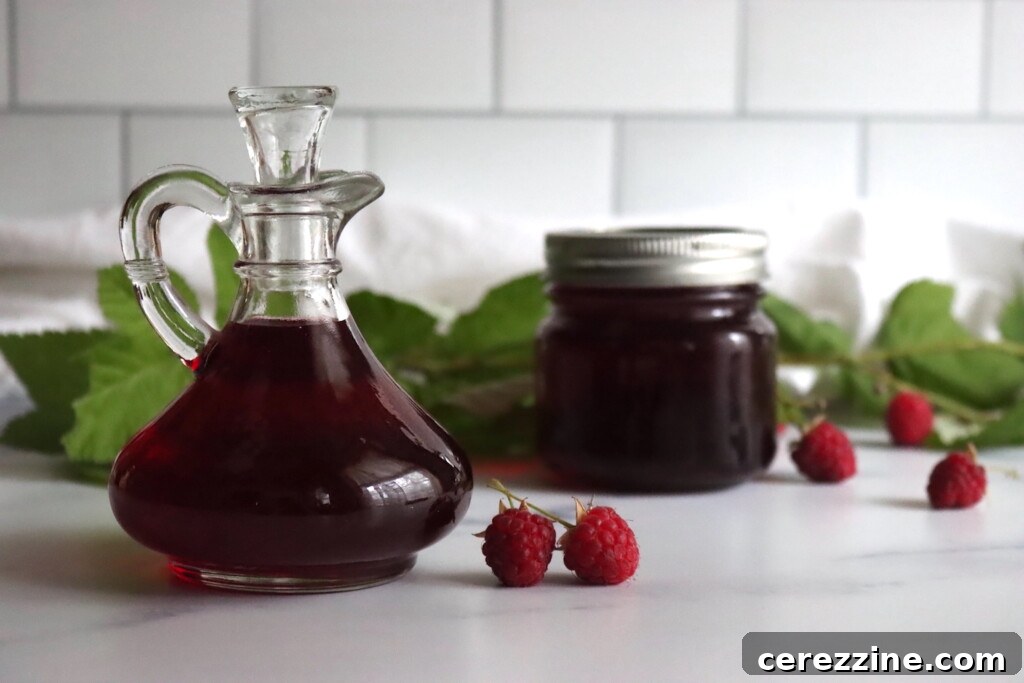
- Raspberry syrup: tart and intensely fruity, classic for Italian sodas and a lively addition to lemonade.
- Blackberry syrup: dark and rich, great in seltzer or spooned over desserts.
Stone Fruit Syrups
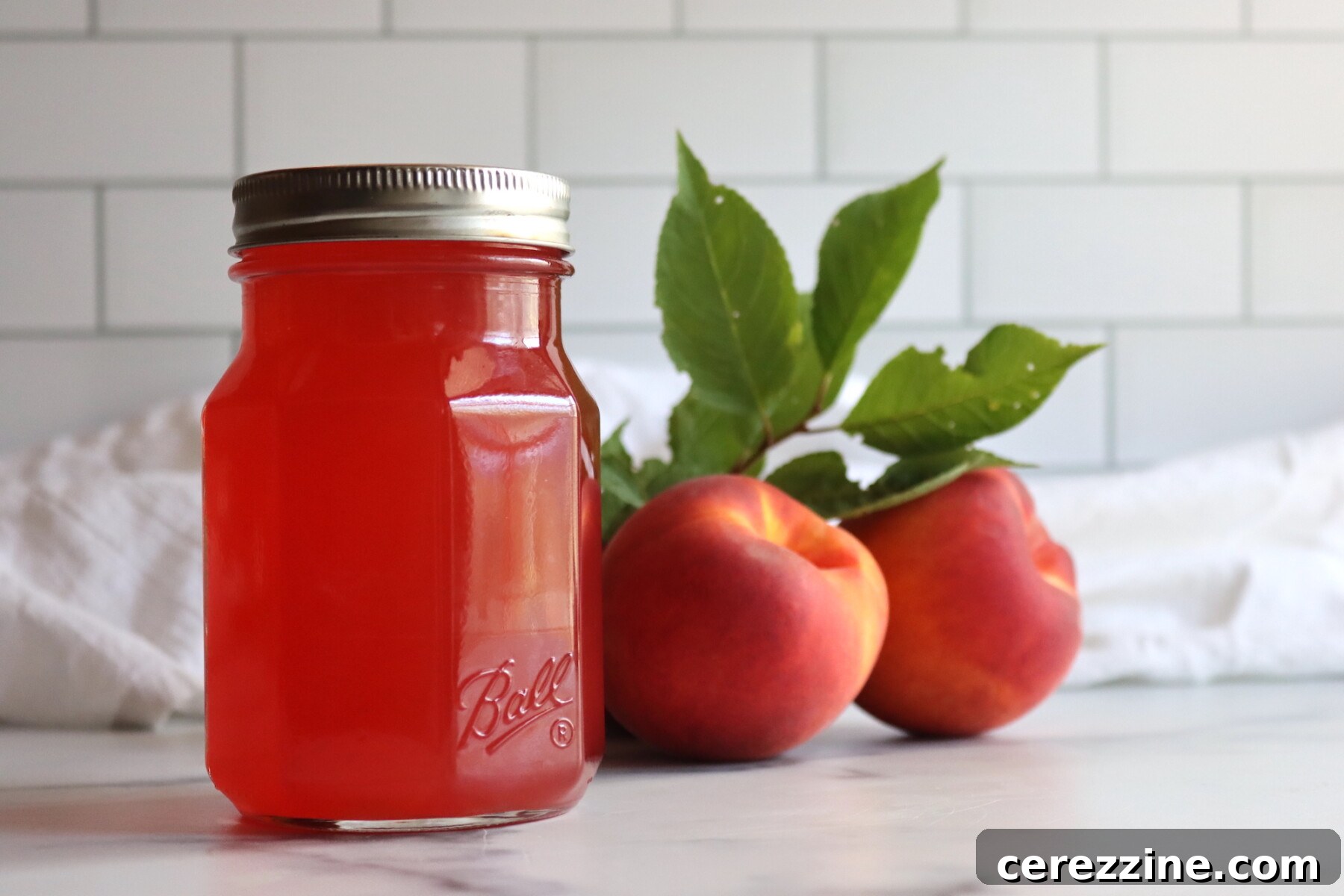
- Nectarine syrup: lighter and brighter than peach, a softer option than berry syrups.
- Peach syrup: mellow, honey-sweet, and lovely in seltzer or over oatmeal.
Other Syrups
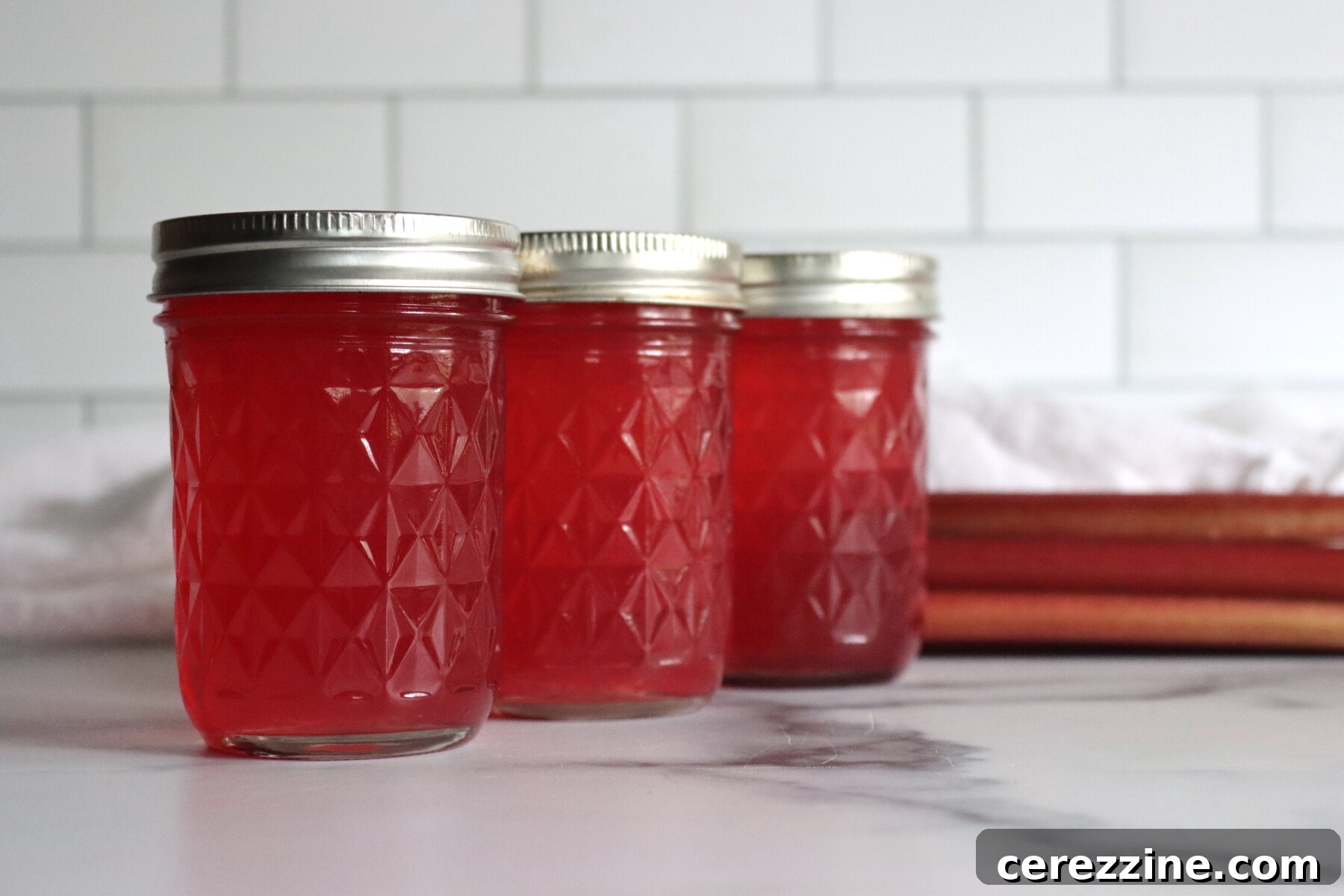
- Rhubarb syrup: tangy and bright, balanced so it doesn’t become cloying—excellent in spritzers or over vanilla ice cream.
Fruit Nectars
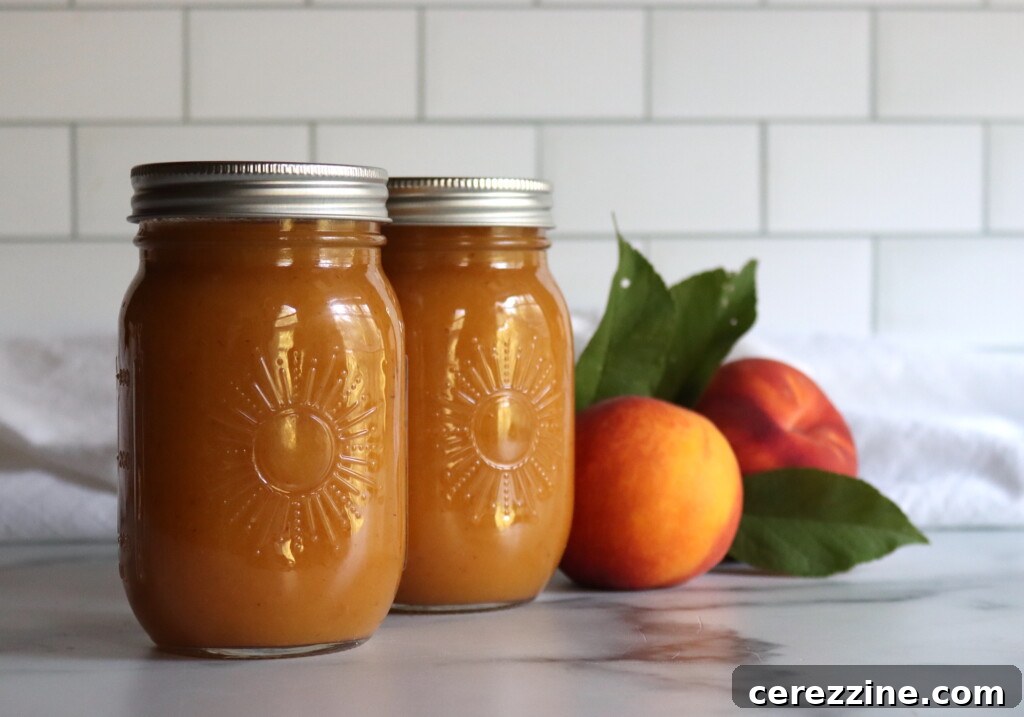
Fruit nectars sit between juice and puree. Fruit is cooked down, blended smooth, and thinned slightly so the result pours thickly—almost like a smoothie. Nectars are lovely over ice, mixed into sparkling water, blended into smoothies, or used in place of orange juice in cocktails.
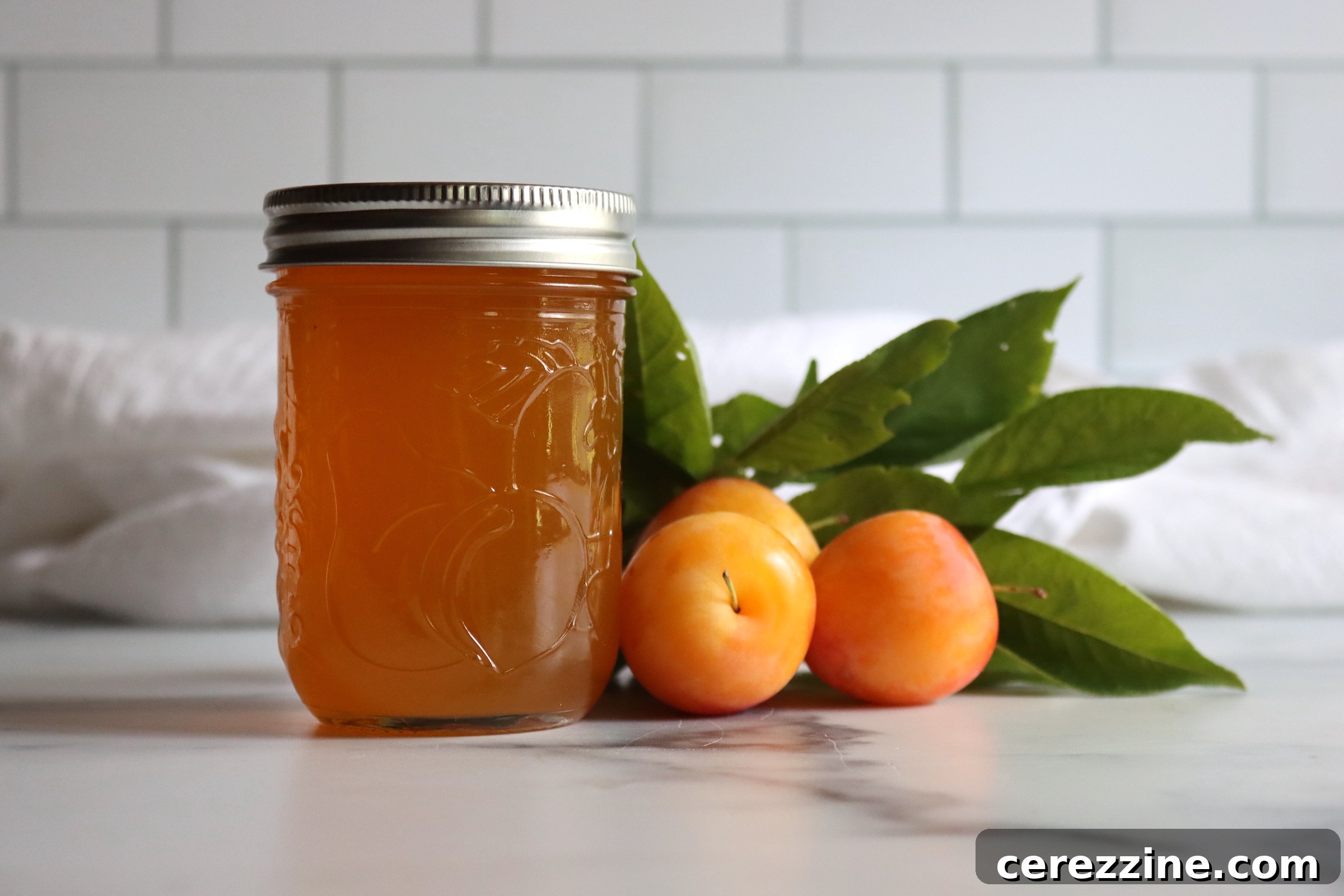
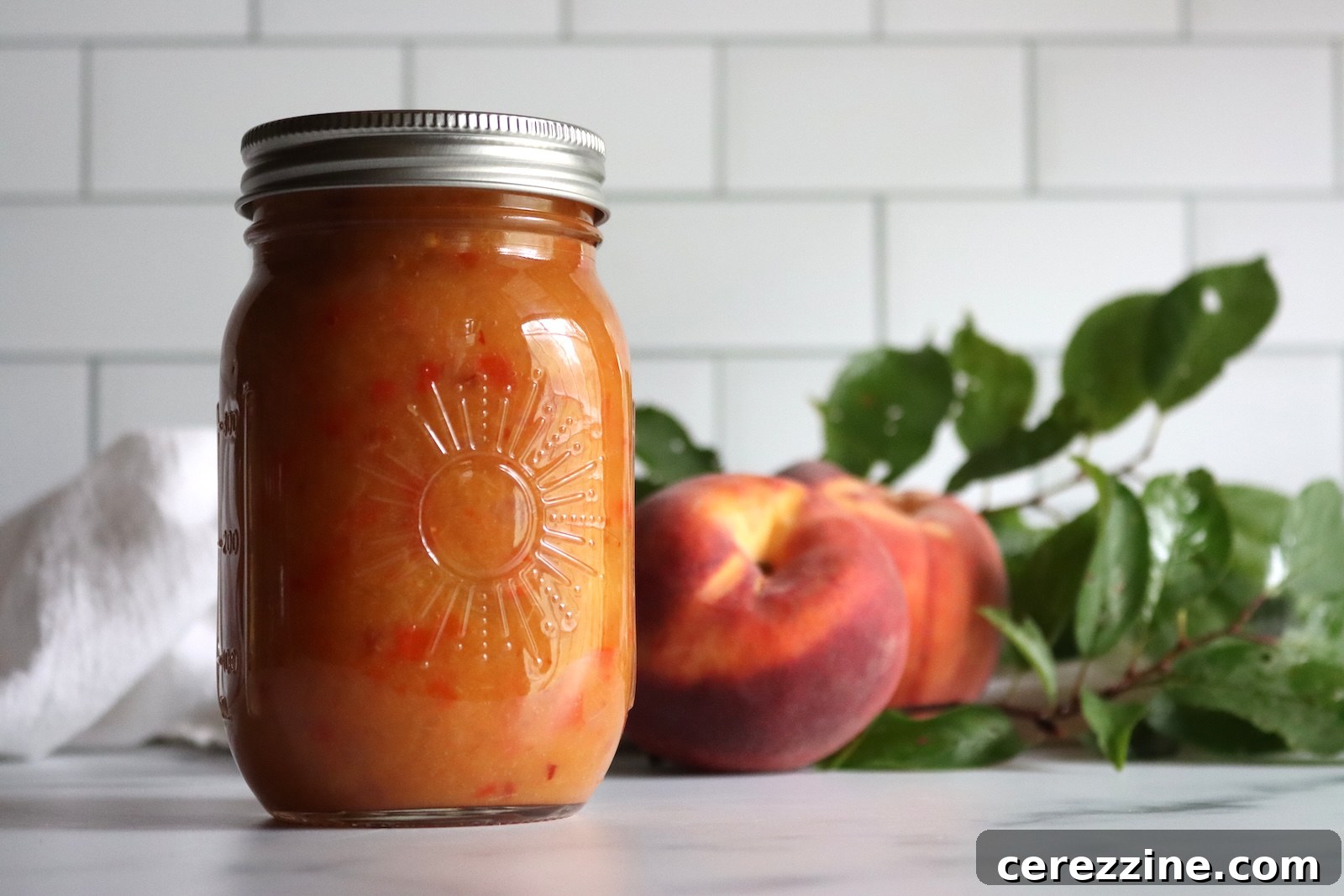
- Peach nectar: smooth yellow-peach puree, naturally sweet and ideal for soft or overripe fruit.
- Apricot nectar: a thick, golden nectar that drinks well over ice.
- Pear nectar: a silky pear puree thinned into a drink using standard, higher-acid pear varieties.
Nectars work best with fruits that have enough natural acidity. Some fruits—white peaches, ripe mango, and Asian pears—are too low in acid for safe water bath canning when made into juice or nectar; there are no safe home canning recipes for their juices. If you prefer a thicker spread, the same fruit can be turned into fruit butter or sauce instead.
Concentrates, juices, syrups, and nectars that are canned for the pantry are either naturally high-acid or properly acidified, which is why they can be safely processed in a water bath canner. Put up a variety as each fruit comes into season, and you’ll always have homemade drinks ready to pour straight from the pantry.
Canning Recipe Lists
How to Make Flower Jelly (with 20+ Recipes!)
30+ Cranberry Canning Recipes
100+ Meal in a Jar Canning Recipes
Find the perfect recipe
Looking for something specific? Search by keyword to find the right canning recipe for your pantry.