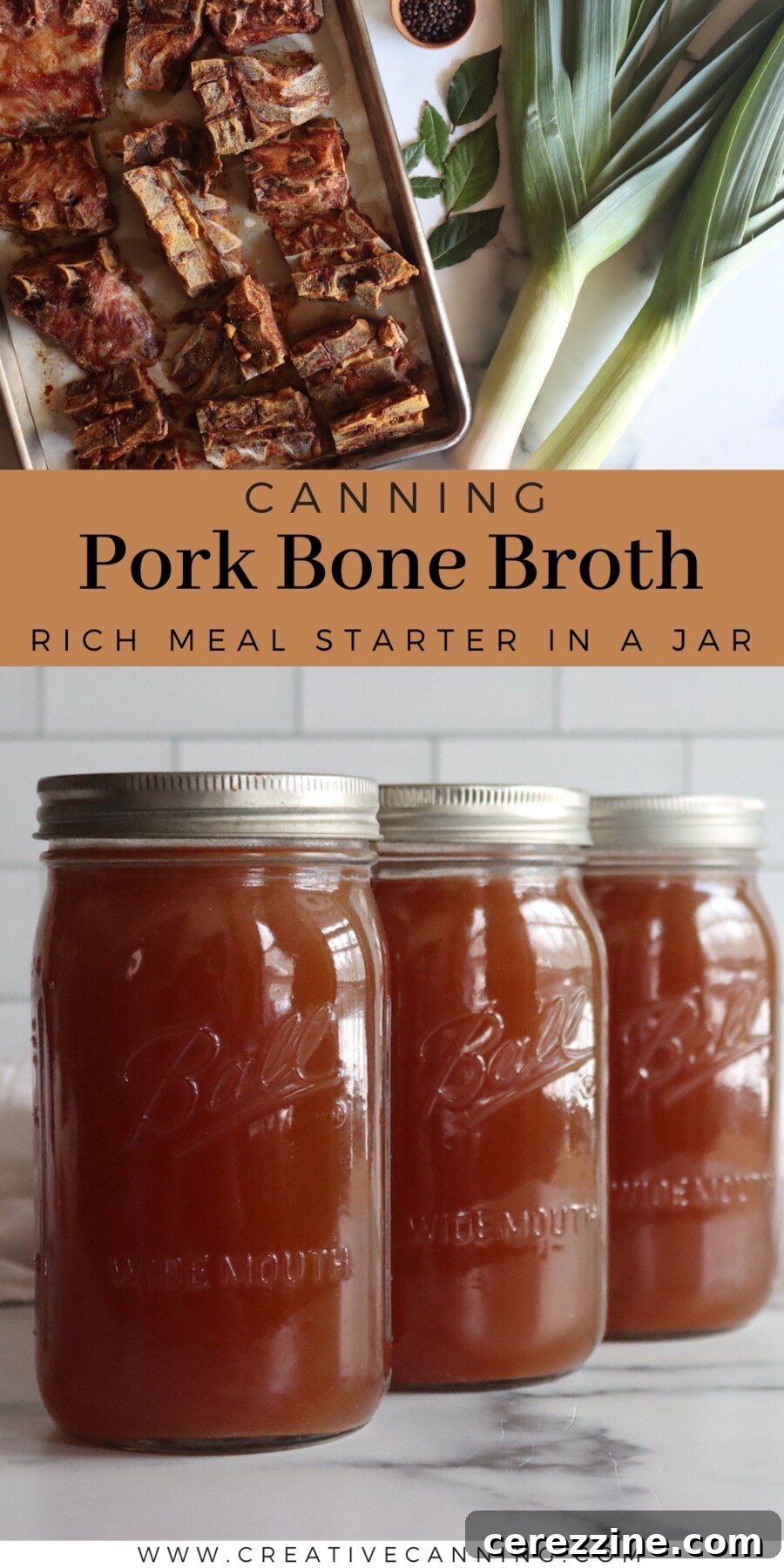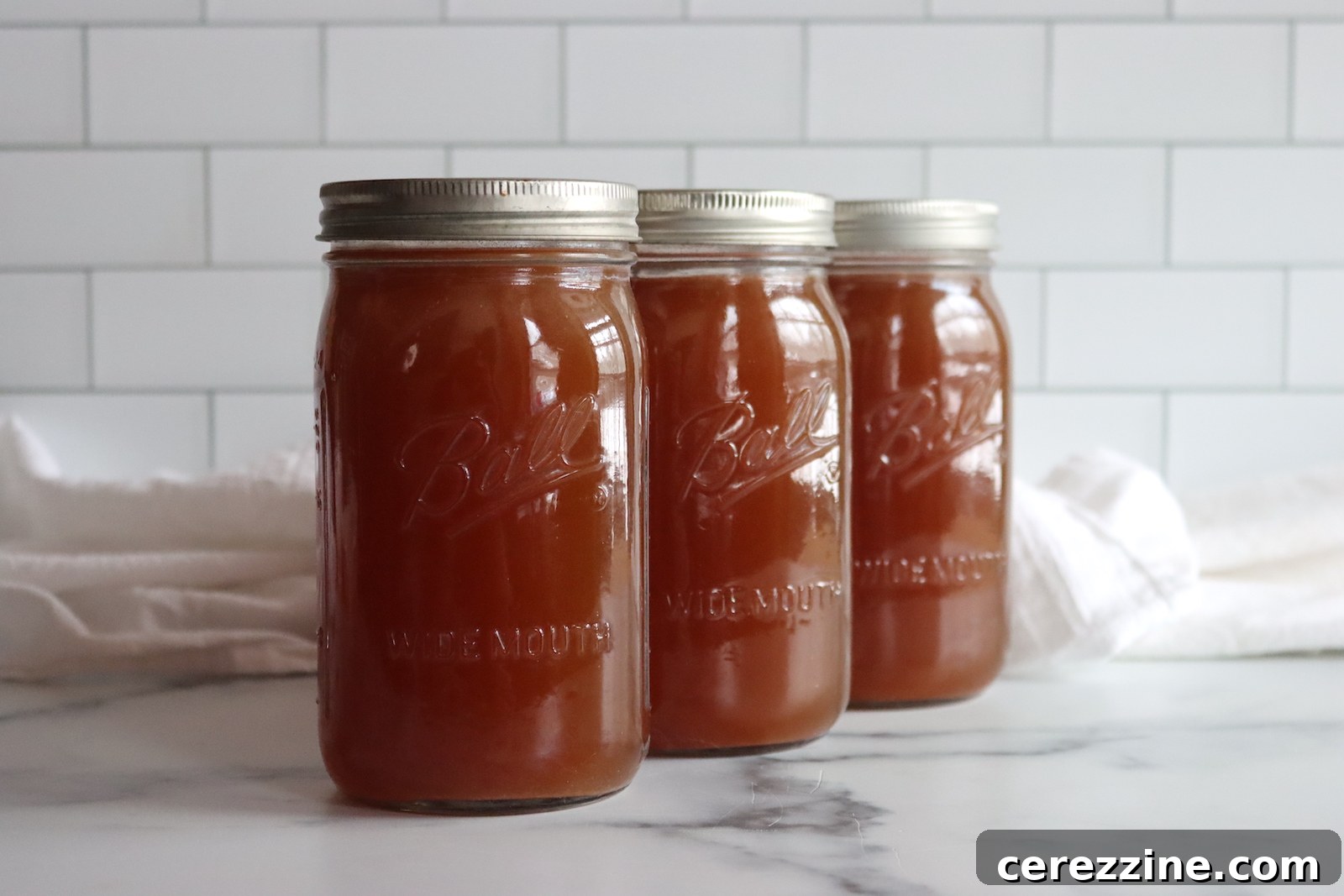
Canning pork bone broth creates a richly flavored pantry staple that’s ready to use in soups, ramen, braises, rice dishes, and any recipe that calls for chicken broth. Pork broth is usually lighter in color than beef stock but delivers deep, savory flavor—especially when made from roasted bones and simmered slowly.
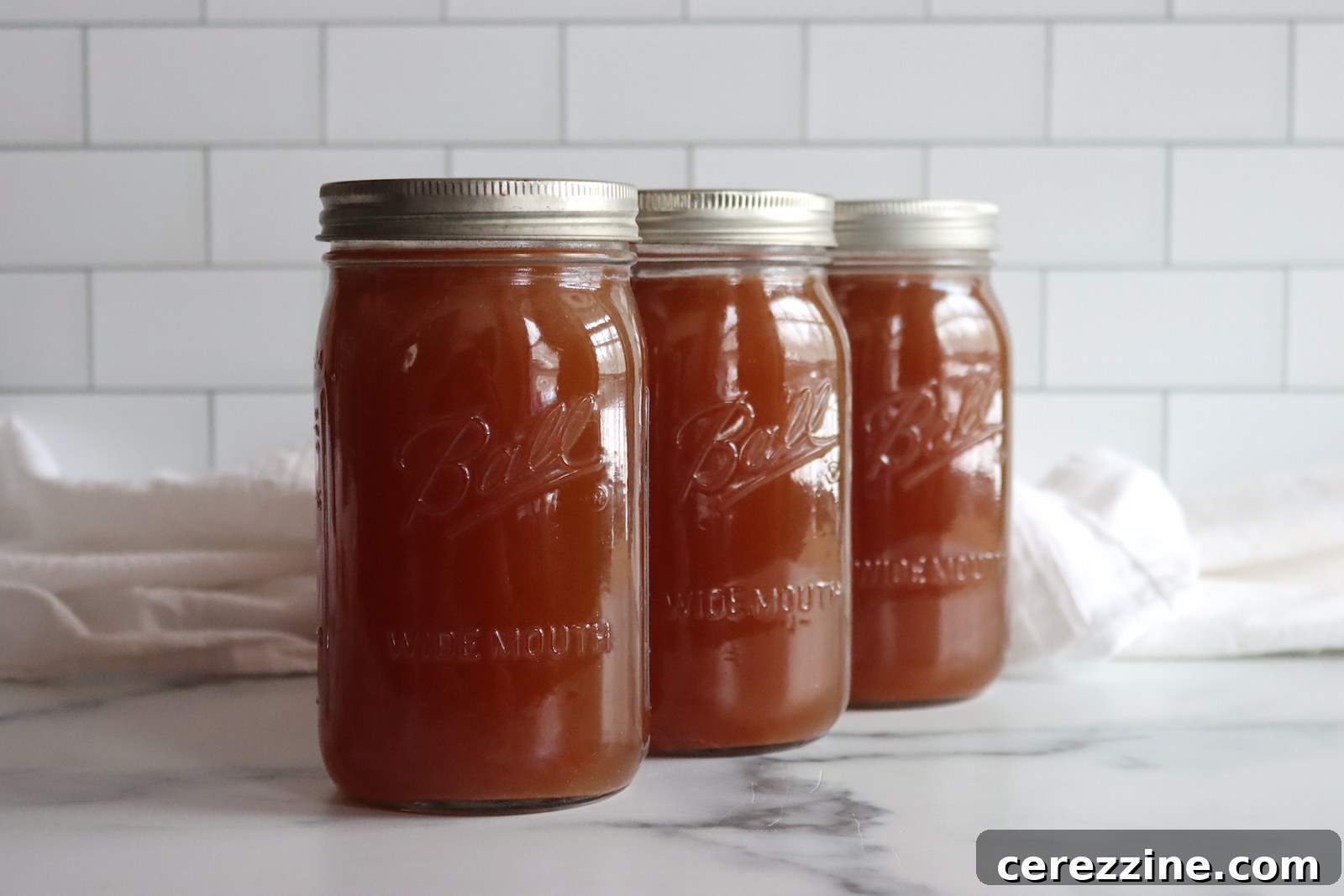
This recipe has been reviewed for safety and accuracy by a Master Food Preserver certified through the University of Cornell Cooperative Extension.
On our Vermont homestead we raise pork and make the most of every animal, including turning bones into broth. For years we stored broth in the freezer, but freezers filled up quickly. Pressure canning the broth is an efficient way to preserve it long-term without relying on frozen storage—important for small, off-grid, or solar-powered kitchens.
These instructions follow established meat stock canning guidelines and use the same processing times recommended for other meat-based stocks such as beef, venison, and chicken broth. Important: this is a pressure canning recipe. There is no safe water bath method for canning meat-based stock.
Why you’ll love this pork bone broth recipe!

Homemade pork broth has excellent, nuanced flavor that many people haven’t experienced. Store-bought pork broth is rare and rarely compares to a stockpot of slow-simmered, roasted bones. It has a savory-sweet depth that shines in ramen, bean soups, braised greens, and anything that benefits from a richer foundation than plain chicken broth.
Keep a bag of bones in the freezer and start a batch whenever you have 3 to 5 pounds saved. Depending on simmer time and water added, that amount typically yields roughly 3 to 5 quarts of finished broth. Canning the broth frees up freezer space and leaves jars ready on the shelf whenever you need them.
Quick Look at the Recipe
- Recipe Name: Canning Pork Bone Broth
- Recipe Type: Stock and Broth Canning
- Canning Method: Pressure canning
- Prep/Cook Time: About 45 minutes active, plus 3–18 hours simmering
- Canning Time: 20 minutes for pints, 25 minutes for quarts
- Yield: Approximately 3 to 5 quarts (varies by bones and simmer time)
- Jar Sizes: Pints or quarts
- Headspace: 1 inch
- Ingredients Overview: Pork bones, onion, celery, leek, garlic, peppercorns, bay leaves, water
- Difficulty: Easy. Most time is hands-off simmering; canning is quick.
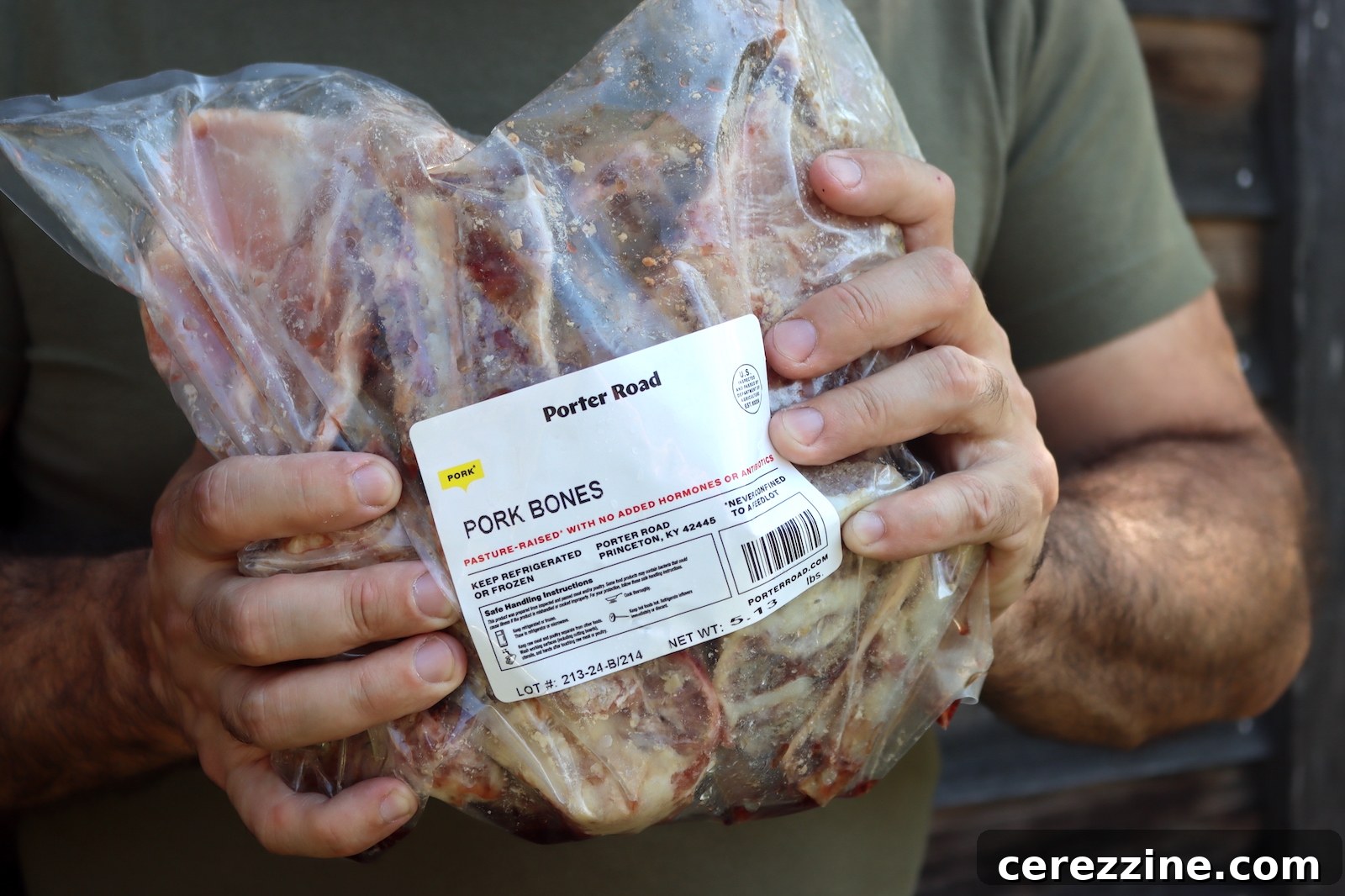
Ingredients for Pork Bone Broth
The amounts below are flexible. As long as you use bones, some vegetables, and aromatics—and strain out all solids before canning—you can adjust quantities to taste. Taste the broth near the end of simmering and season as needed before canning.
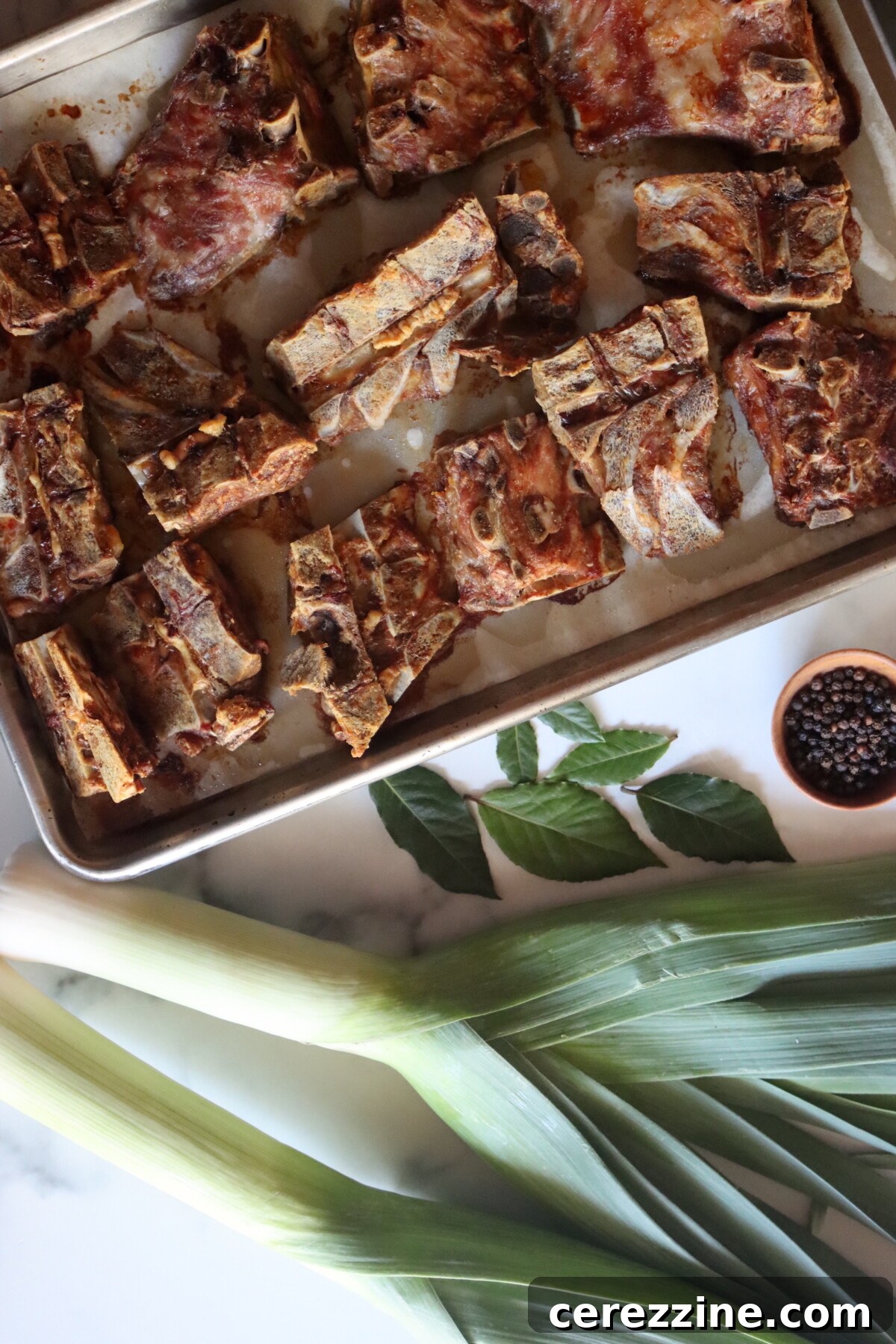
- Pork bones: 3 to 5 pounds. Neck bones, spine bones, knuckles, ribs, shoulders, and leg bones all work. Bones from roasts and chops are fine—keep a bagged collection in the freezer until you have enough.
- Onion: 1 large yellow onion, quartered (skins optional for color)
- Celery: 2 ribs, roughly chopped
- Leek: 1 medium, halved and well washed (leeks trap grit between layers)
- Garlic: 4 cloves, peeled, or a halved head for a stronger garlic note
- Peppercorns: Whole, about 20, added during simmer
- Bay leaves: 2–3 whole
- Water: Enough to cover bones by at least 2 inches—typically 5 to 6 quarts for a full batch; top up as needed while simmering.
Note on fat: skim excess fat before canning. Too much fat can bubble during pressure processing and interfere with sealing. The easiest approach is to refrigerate the strained broth overnight and remove the solidified fat, or skim thoroughly with a ladle while hot if canning the same day.
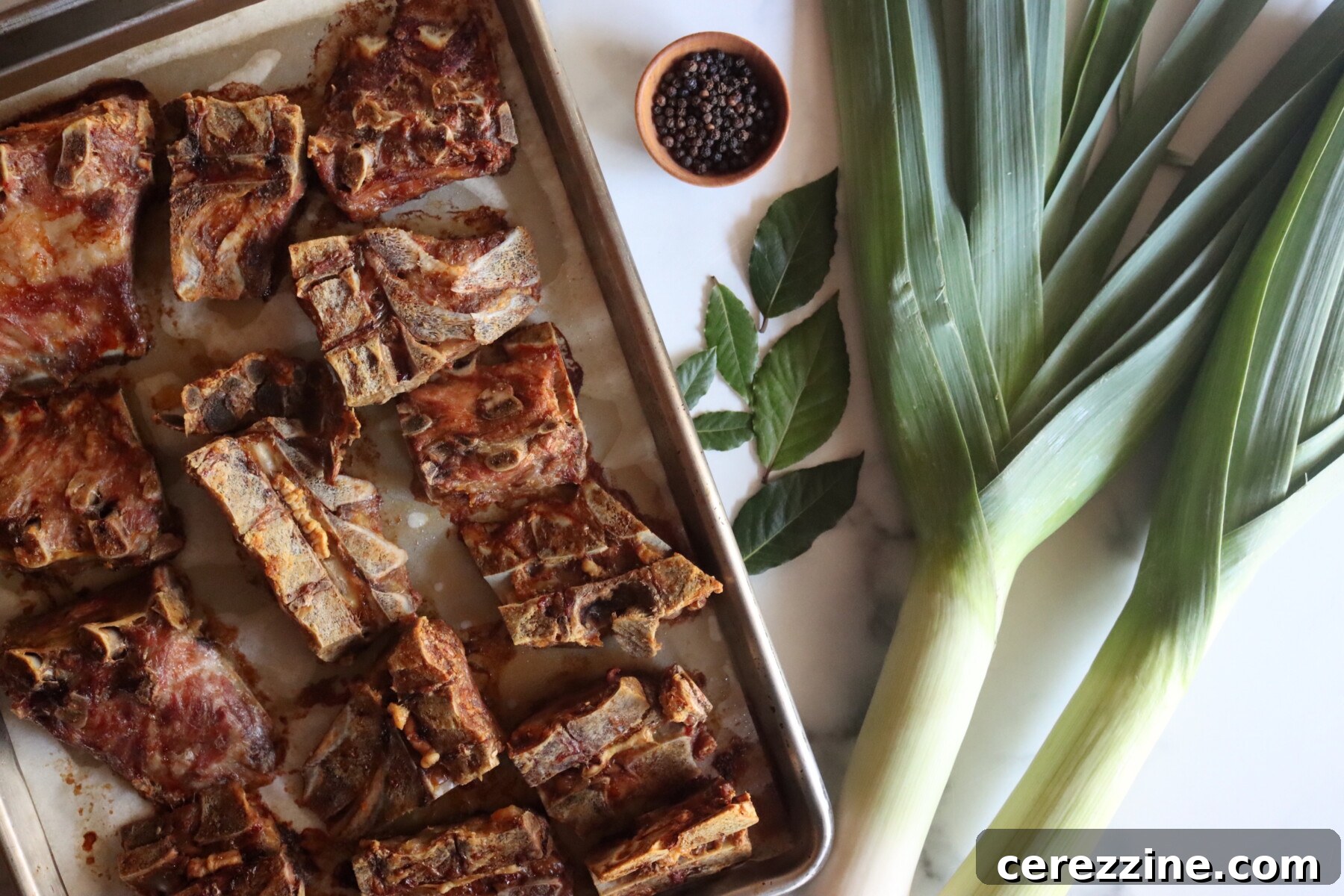
How to Make Pork Bone Broth
For the clearest, most flavorful broth, roast the bones first and then simmer gently. Hard boiling can make the stock cloudy; a low simmer produces the best clarity and extraction.
Roast the Bones
Preheat the oven to 400–450°F. Arrange bones in a single layer on a large roasting pan and roast 30–45 minutes, turning once, until deeply browned and fragrant. Roasting is the most impactful step for flavor—don’t skip it if you can help it.
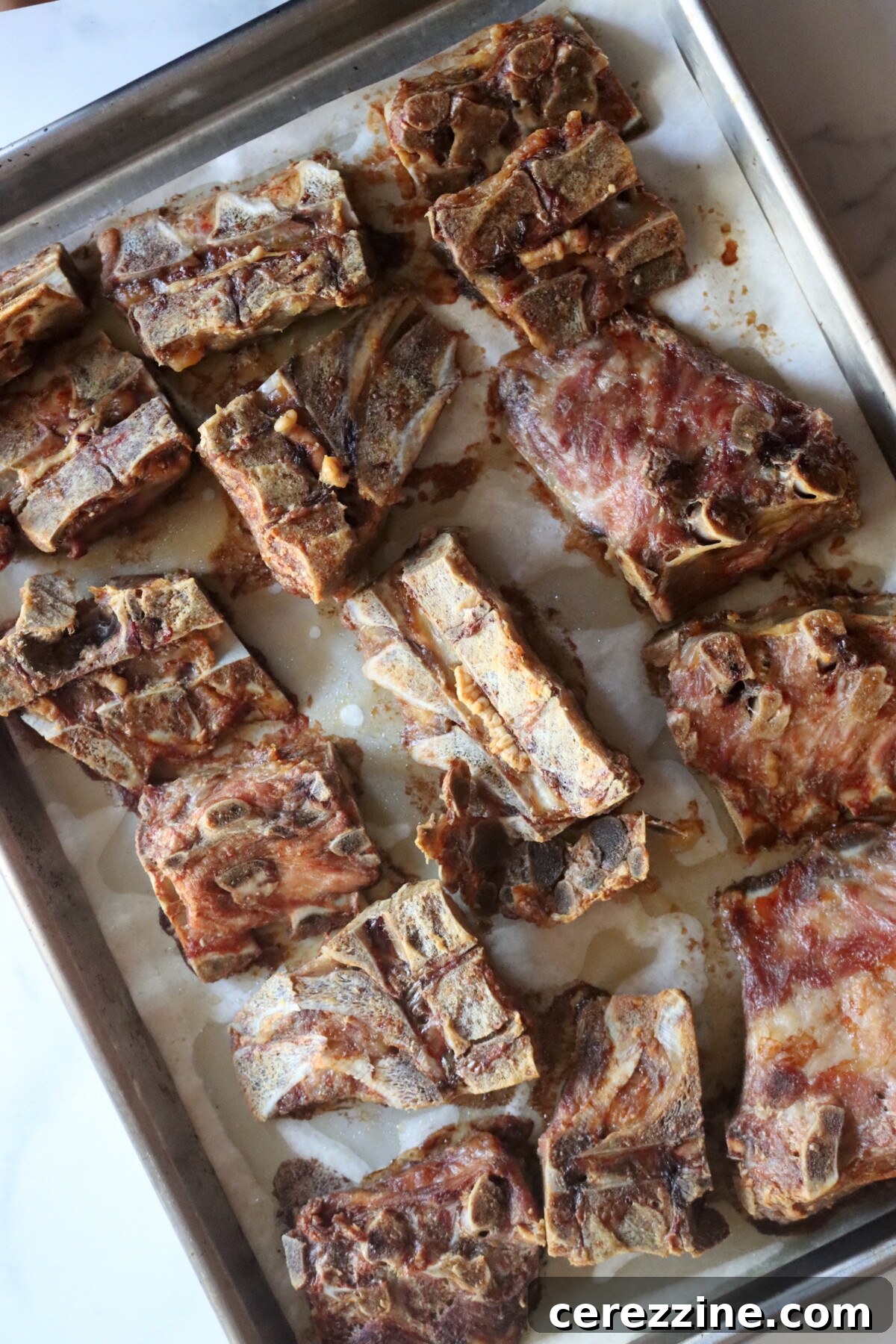
Build the Broth
Move roasted bones to a large stockpot. Deglaze the pan with 1–2 cups of water, scraping up browned bits, and add that liquid to the pot. Add onion, celery, leek, garlic, peppercorns, bay leaves, and cold water to cover bones by 2 inches.
Bring to a gentle boil, skimming foam from the surface during the first 20–30 minutes. Then reduce heat to a low simmer and place the lid slightly ajar.
Simmer
Simmer at least 3–4 hours, or as long as 10–18 hours for a more concentrated, gelatinous broth. Keep the heat low so the liquid barely bubbles, and add water as needed to keep bones submerged. A slow cooker is convenient for overnight simmers.
Strain and Skim
Remove large bones with tongs, then strain the broth through a colander lined with several layers of cheesecloth into a clean pot. Do not press or squeeze the solids—allow them to drain. Chill and remove the congealed fat layer or carefully skim fat while the broth is hot.
If you choose to add salt, do so after straining and before canning, tasting and adjusting to your preference. Many prefer to can without salt so they can season dishes individually later.
Can the Broth
Prepare a pressure canner, jars, lids, and bands. Reheat the strained broth to a full boil and fill hot jars, leaving 1 inch headspace. Wipe rims, apply lids and bands fingertip-tight, and process pints for 20 minutes or quarts for 25 minutes, following the proper pressure adjustments for your altitude and canner type.
Allow the canner to depressurize naturally. Remove jars and let them cool undisturbed for 12–24 hours. Check seals, label jars, and store in a cool, dark place.
Canning Pork Bone Broth
Pork bone broth is a low-acid product and must be pressure canned. Water bath canning is not safe for meat-based stocks. The recommended processing times for meat stock are 20 minutes for pints and 25 minutes for quarts; use the correct pressure for your altitude and canner type. Thoroughly strain the broth through cheesecloth and remove excess fat before canning to ensure proper heat penetration and jar sealing.
Altitude Adjustments
Processing times remain the same at higher elevations, but required pressures increase. Use the pressure settings appropriate for your canner type and elevation.
Dial gauge pressure canners — examples of common adjustments:
- 0 to 2,000 feet: 11 lbs
- 2,001 to 4,000 feet: 12 lbs
- 4,001 to 6,000 feet: 13 lbs
- 6,001 to 8,000 feet: 14 lbs
Weighted gauge pressure canners — example adjustments:
- 0 to 1,000 feet: 10 lbs
- Above 1,000 feet: 15 lbs
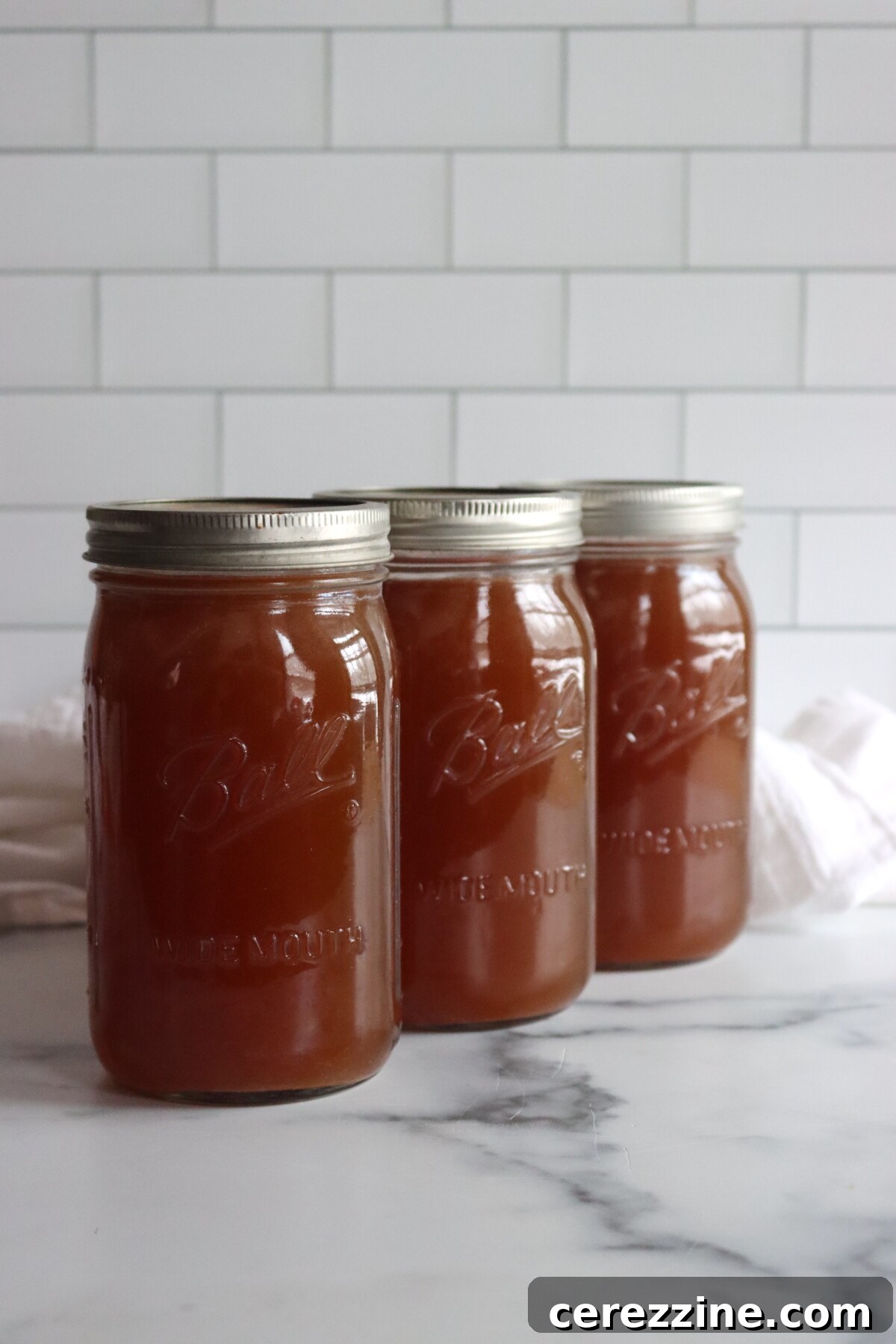
Serving Ideas
Pork broth is extremely versatile. Use it as a ramen base—heat a quart, add a splash of soy sauce and mirin, then add noodles, a soft-boiled egg, and toppings. Substitute it for chicken broth in soups, risotto, braises, and pan sauces for added depth. Braised cabbage or collard greens simmered in pork broth with garlic make a quick, flavorful side.
Canning Pork Bone Broth FAQs
Yes. Bones saved from roasts, ribs, and chops are excellent for broth. Cooked bones may yield slightly less gelatinous stock because some collagen has already rendered, but flavor is excellent and the broth can be canned safely. If using cooked bones, you may skip roasting, though a brief roast will deepen the flavor.
Pork bone broth is low-acid and therefore requires pressure canning to reach temperatures high enough to safely preserve meat-based stock. Water bath canning does not reach the necessary temperature for safe shelf storage of low-acid foods.
Yes. You can vary the vegetables and aromatics to suit your taste. Always strain out all solids before canning, and do not add dairy, starchy thickeners, or fat-based emulsions before processing.
Broth Canning Recipes
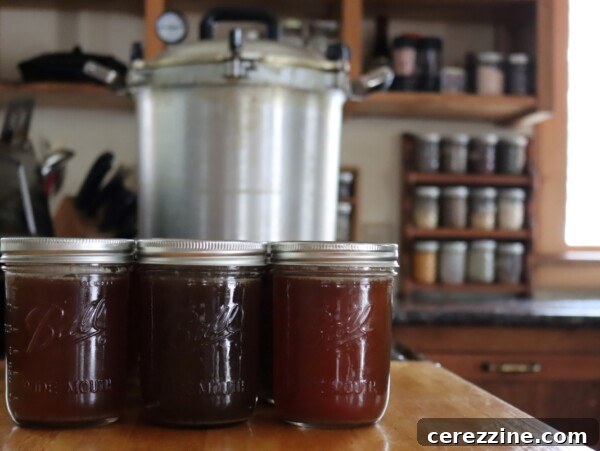
Canning Beef Broth
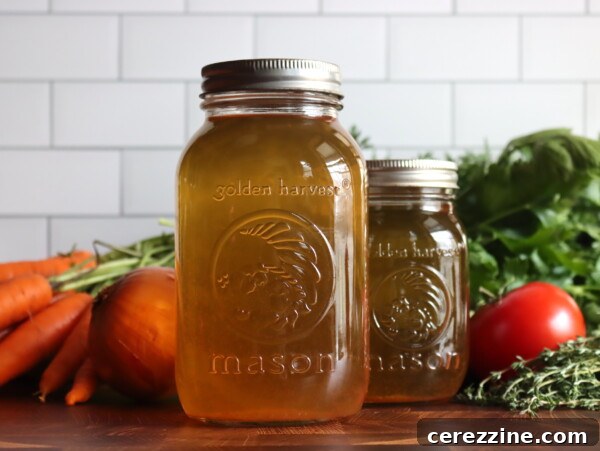
Canning Vegetable Broth
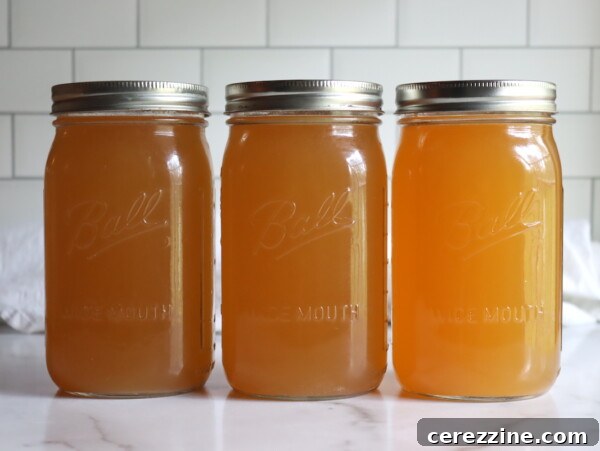
Canning Chicken Broth
If you try this Canning Pork Bone Broth recipe, please rate it and share your experience in the comments. Feedback helps refine recipes and serves other home preservers.
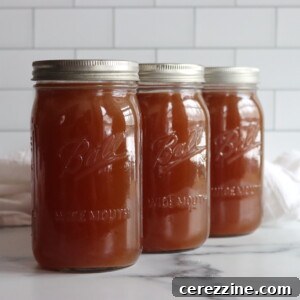
Canning Pork Bone Broth
Equipment
- Pressure canner
- Large stockpot
- Cheesecloth
Ingredients
- 3 to 5 lbs pork bones (neck, knuckles, spine, ribs, or saved bones)
- 1 large onion, quartered (skins optional)
- 2 ribs celery, roughly chopped
- 1 medium leek, halved and thoroughly washed
- 4 cloves garlic, peeled
- 20 whole black peppercorns
- 2–3 whole bay leaves
- About 6 quarts cold water, enough to cover bones by 2 inches; top up as needed
Instructions
- Preheat oven to 400–450°F. Arrange bones in a single layer on a roasting pan and roast 30–45 minutes, turning once, until deeply browned and fragrant.
- Transfer roasted bones to a large stockpot. Deglaze the roasting pan with 1–2 cups water, scraping up browned bits, and add to the pot. Add the onion, celery, leek, garlic, peppercorns, and bay leaves. Cover with cold water by at least 2 inches.
- Bring to a boil and skim any foam that rises in the first 20–30 minutes. Reduce heat to a gentle simmer, leave the lid slightly ajar, and simmer 3–4 hours minimum or up to 10–18 hours for a richer result. Keep the heat low so the broth barely bubbles and add water if needed to keep bones submerged.
- Remove large bones and strain the broth through a colander lined with several layers of cheesecloth into a clean stockpot. Do not press or squeeze. Skim off excess fat. For the clearest result, refrigerate overnight and remove solidified fat before canning. Add salt if desired and adjust to taste.
- Prepare your pressure canner, jars, lids, and bands. Reheat the strained broth to a full boil. Ladle hot broth into hot jars, leaving 1 inch headspace. Wipe rims, apply lids and bands fingertip-tight, load into the preheated canner, vent for 10 minutes, bring to pressure, and process pints for 20 minutes and quarts for 25 minutes (adjust pressure for altitude). Allow pressure to drop naturally, then cool jars undisturbed for 12–24 hours. Check seals, label, and store.
Notes
Bones: Raw bones give a more gelatinous broth; cooked bones work well and are convenient if you save them from meals.
Roasting: Strongly recommended for deeper flavor, though optional if bones are already cooked.
Fat: Remove excess fat before canning to ensure proper sealing.
Yield: About 3–5 quarts depending on bones and simmer time.
Salt: Optional and does not affect canning safety. If adding, use sparingly so you can season dishes when serving.
Storage: Store sealed jars in a cool, dark place for up to 18 months. Refrigerate after opening.
Nutrition
Calories: 48 kcal, Carbohydrates: 11 g, Protein: 2 g, Fat: 0.3 g, Sodium: 23 mg (approximate values).
Nutrition information is automatically calculated and should be used as an estimate only.
Pork Canning Recipes
Canning Sausage, Potato, and Kale Soup
Canning Boston Baked Beans
Canning Pork Broth
Find the perfect recipe
Looking for another recipe? Search your pantry ingredients or browse broth and meat canning recipes to find ideas that fit your needs.