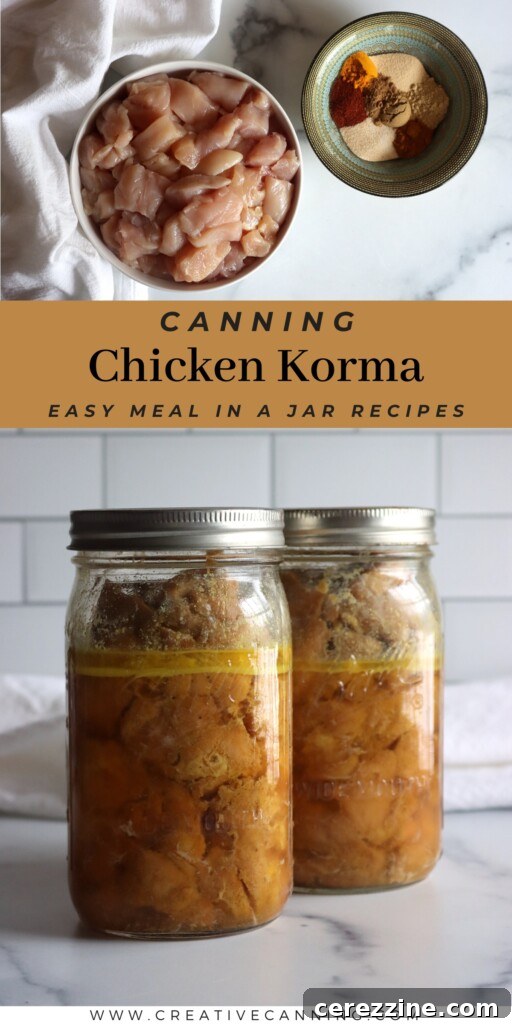
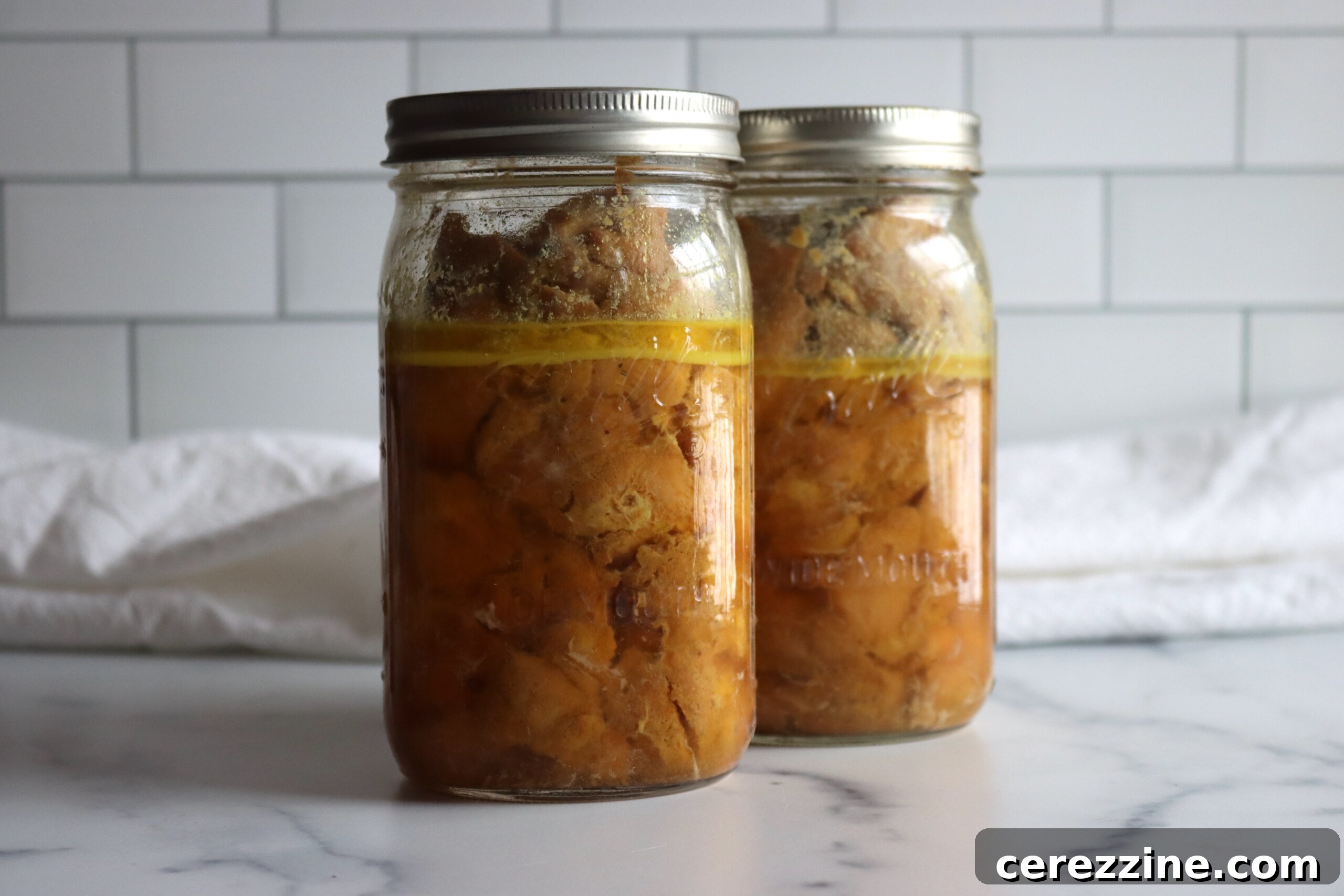
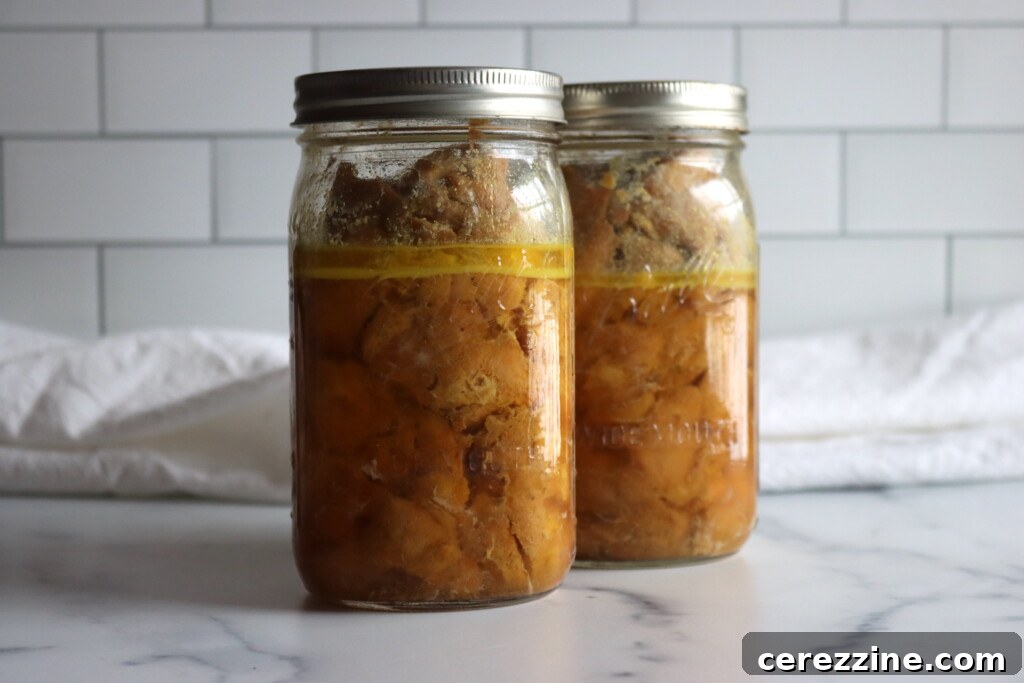
Embark on a culinary adventure right from your pantry with this incredible recipe for Canning Chicken Korma. This method transforms the rich, aromatic flavors of an Indian-inspired curry into a perfectly shelf-stable meal base, ready to be enjoyed whenever you crave a taste of the exotic. Using a simple raw pack technique with succulent boneless chicken breast and a robust blend of dry spices, this recipe ensures every jar is bursting with concentrated flavor, without any added liquid to dilute its essence.
Designed for maximum convenience, your homemade Chicken Korma base is meant to be finished at serving time with creamy coconut milk or luxurious cashew cream. Imagine a quick, satisfying curry that’s ready in minutes – simply heat, add your finishing touches, and serve. This isn’t just a meal; it’s a flavorful convenience, a testament to the art of home preservation, and a delicious way to ensure gourmet dinners are always within reach.
Why You Should Be Canning Chicken Korma
Pressure canning chicken korma offers a multitude of benefits, making it an indispensable addition to any pantry. Beyond the sheer convenience of having a delicious, ready-to-heat meal on demand, canning allows you to preserve bold, complex flavors that typically require lengthy cooking times.
Unmatched Convenience for Busy Lifestyles
Life gets hectic, and sometimes, cooking an elaborate meal feels impossible. With jars of pressure-canned chicken korma in your pantry, you can whip up a restaurant-quality dinner in mere minutes. There’s no need to thaw meat, chop vegetables, or spend hours simmering. Just open a jar, add a few fresh ingredients like coconut milk, and you’re set for a satisfying meal. This makes it perfect for weeknight dinners, unexpected guests, or even emergency meal preparedness.
Control Your Ingredients, Elevate Your Health
When you make your own canned foods, you have complete control over the quality of ingredients. You can choose organic chicken, fresh, high-quality spices, and adjust salt levels to suit your dietary needs. Unlike many store-bought options that might contain preservatives or excessive sodium, your homemade chicken korma is pure, wholesome, and exactly what you want it to be. This is particularly appealing for those with allergies or specific dietary preferences.
Long-Term Food Security and Savings
Canning is an excellent way to ensure food security for your household. Buying chicken in bulk when it’s on sale and preserving it into delicious korma can lead to significant cost savings over time. Furthermore, a well-stocked pantry of shelf-stable meals provides peace of mind, knowing you have nutritious food available regardless of external circumstances.
Preserving Authentic Flavors
This pressure-canned chicken korma recipe specifically focuses on retaining the authentic, vibrant flavors of this classic Indian dish. By using a raw pack method with dry spices and no added liquid, we ensure that the seasoning is highly concentrated. When you finally add your coconut milk or cashew cream, the flavors blossom, creating a depth and richness that is truly remarkable. This method avoids diluting the spices, guaranteeing a genuinely robust korma experience.
Choosing the Right Chicken for Canning Korma
While many traditional korma recipes might call for chicken thighs due to their rich flavor and tenderness, when it comes to canning, boneless, skinless chicken breast or tenders are highly recommended. This distinction is crucial for achieving the best texture in your shelf-stable curry.
Chicken thighs, while delicious in fresh preparations, tend to become stringy and fall apart during the high-heat, extended processing time required for pressure canning. This shredded texture is perfectly fine for dishes like canned chicken taco meat or BBQ pulled chicken, where a broken-down consistency is desired. However, for a korma, you typically want distinct, firm pieces of chicken that hold their shape and offer a satisfying bite.
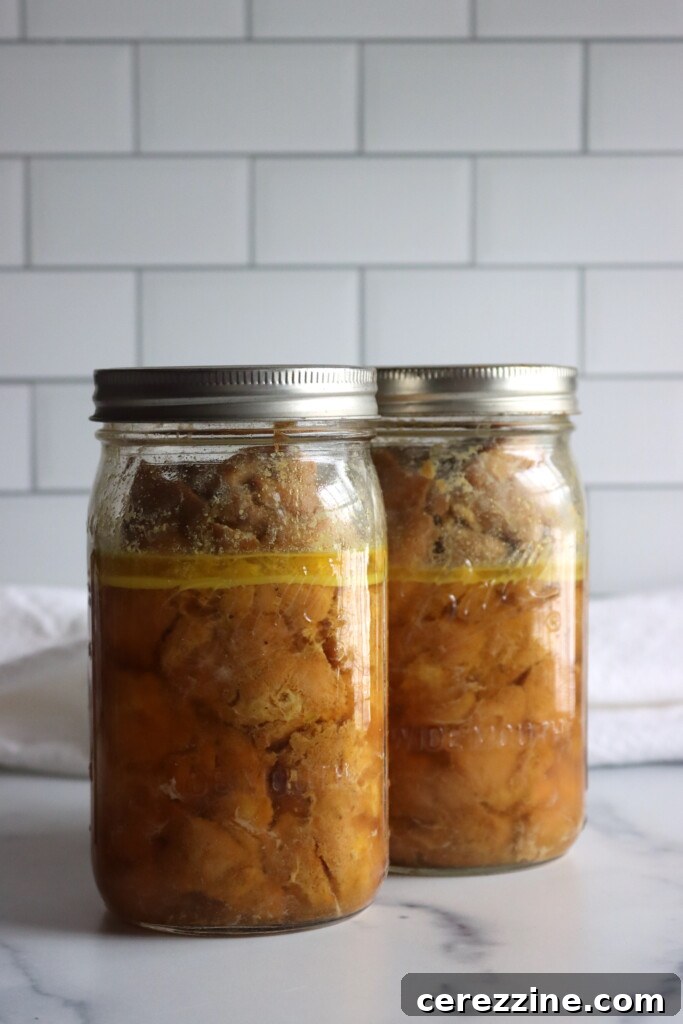
Using boneless, skinless chicken breasts ensures that the chicken remains in clean, firm chunks after canning and reheating. This allows for a more appealing presentation and a better eating experience in your finished curry. Opting for breast meat also simplifies the preparation, as there’s no need to debone or remove skin, making the raw pack process even faster and more straightforward. Always aim for high-quality, fresh chicken breasts for the best results.
Ingredients for Chicken Korma in a Jar
This recipe is perfectly sized to make 2 quarts of flavorful chicken korma base, but it’s incredibly easy to double or triple for larger canning sessions. Here’s what you’ll need to create this aromatic pantry staple:
- Boneless, Skinless Chicken Breast: As discussed, this is the star of the dish, providing clean, firm pieces that hold up beautifully through the pressure canning process.
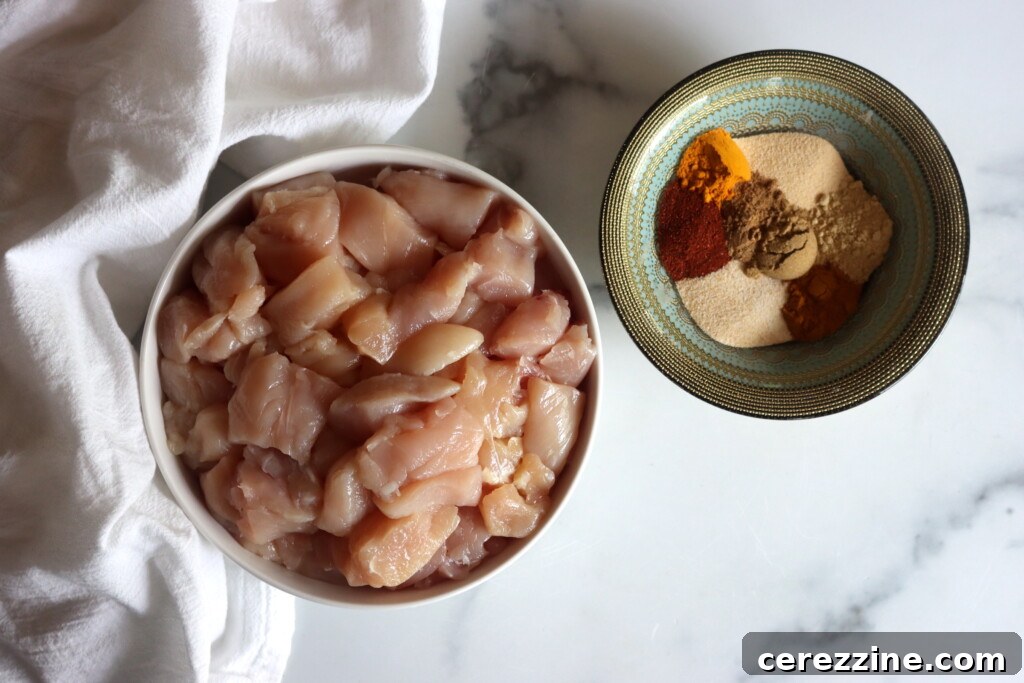
- Dry Spice Blend: The heart of any great korma lies in its spices. For a bold and authentic flavor profile, you’ll be using a generous tablespoon each of fragrant curry powder, earthy turmeric, pungent garlic powder, and savory onion powder. To round out this rich base, add warm garam masala, aromatic cumin, zesty ginger powder, a hint of chili powder (or mild paprika for less heat), and, of course, salt to bring all the flavors into harmony.
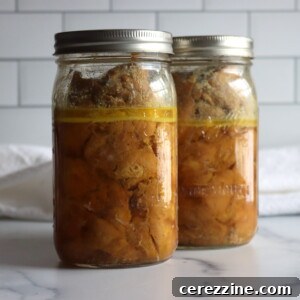
A key aspect of this particular canning recipe is the absence of any added broth or liquid. This intentional choice ensures the spices’ intensity is fully preserved and concentrated. The chicken will release its natural juices during the canning process, creating a rich, flavorful broth within the jar that perfectly infuses the meat with the vibrant spice blend. This concentration is what makes the final dish so incredibly flavorful once you add your creamy liquid at serving time.
How to Make Chicken Korma for Pressure Canning
This raw pack canning recipe is designed for simplicity and speed. There’s no need to pre-cook the chicken, saving you significant time and effort in the kitchen. Just follow these steps for a perfectly preserved chicken korma base:
- Prepare the Chicken: Begin by cutting your boneless, skinless chicken breast into uniform 2-inch pieces. Consistency in size helps ensure even cooking during the canning process.
- Season Generously: Place the cut chicken into a large mixing bowl. Add all of your carefully measured dry spices: curry powder, turmeric, garlic powder, onion powder, ginger powder, garam masala, cumin, chili powder (or paprika), and salt.
- Coat Evenly: Using your hands (wearing gloves is recommended) or a sturdy spoon, thoroughly mix the chicken pieces until they are uniformly coated with the aromatic spice blend. Ensure every piece gets a good layer of seasoning.
- Pack into Jars: Carefully pack the seasoned raw chicken into hot, clean canning jars. It’s crucial to leave 1¼ inches of headspace. This amount of space is vital for raw pack canning, especially since no additional liquid is added. It allows for the meat to release its natural juices and for proper processing without siphoning.
- Debubble and Clean Rims: Gently debubble the jars using a non-metallic utensil to release any trapped air pockets (do this as best you can with raw pack, as it won’t be as straightforward as with liquid-filled jars). Wipe the rims of the jars clean with a damp cloth to ensure a perfect seal. Any food residue on the rim can prevent the lid from sealing properly.
- Secure Lids: Place new, clean two-piece canning lids (flats and rings) onto the jars and tighten the bands fingertip-tight.
- Pressure Process: Place the jars into your pressure canner, ensuring there’s adequate water in the canner as per your manufacturer’s instructions. Process the jars at 10 pounds pressure for weighted gauge canners or 11 pounds for dial gauge canners. Remember to adjust the pressure according to your altitude for safety and proper preservation.
- Canning Times: Process pint-sized jars for 75 minutes and quart-sized jars for 90 minutes. These times are critical for ensuring the safety and shelf-stability of your chicken korma.
- Cool Down and Check Seals: Once the processing is complete, allow the canner to cool down naturally until the pressure drops to zero. Do not rush this process. Carefully remove the jars from the canner and place them on a towel-lined counter, allowing them to sit undisturbed for 12–24 hours. After this cooling period, check all seals. Properly sealed jars will have lids that are concave and do not flex when pressed. Label your jars with the contents and date before storing them in a cool, dark place.
Pressure Canning Altitude Adjustments
Altitude significantly impacts the boiling point of water and thus the required pressure for safe canning. Always adjust your pressure canner settings based on your elevation to ensure proper food safety and successful preservation. The processing times for pressure canning remain constant, but the required pressure changes.
For dial gauge pressure canners, adjust as follows:
- 0 to 2,000 feet in elevation – 11 lbs pressure
- 2,001 to 4,000 feet in elevation – 12 lbs pressure
- 4,001 to 6,000 feet in elevation – 13 lbs pressure
- 6,001 to 8,000 feet in elevation – 14 lbs pressure
For weighted gauge pressure canners:
- 0 to 1,000 feet in elevation – 10 lbs pressure
- Above 1,000 feet – 15 lbs pressure
How to Serve Your Canned Chicken Korma
The beauty of this canned chicken korma lies in its versatility and ease of preparation once you’re ready to eat. The concentrated flavor base is designed to be brought to life with a few simple additions.
When hunger strikes, simply pour the entire contents of a jar (including any released juices) into a saucepan. Bring the mixture to a gentle boil, then reduce the heat and simmer for 5–8 minutes, or until the chicken is thoroughly heated through.
Now, for the creamy finish that defines a classic korma: stir in one can of full-fat coconut milk. For an even richer, more luxurious texture, you can opt for coconut cream. The coconut milk will meld with the intense spices and chicken juices, creating a velvety, flavorful sauce.
For an extra layer of richness and a hint of nutty sweetness, consider incorporating cashews. You can stir in ½ cup of smooth cashew butter or blend ¾ cup of raw cashews into a paste with a little water before adding. Whole raw, unsalted cashews also work wonderfully, adding a pleasant textural contrast to the dish.
Serve your piping hot, creamy chicken korma over fluffy basmati rice, fragrant jasmine rice, or with warm, buttery naan bread for dipping. Garnish with fresh cilantro for a burst of color and herbaceous flavor. This quick and deeply satisfying meal will transport your taste buds straight to India, all from the convenience of your pantry.
4
servings, makes 2 quart jars
Canning Chicken Korma
10
mins
1
hr
30
mins
1
hr
40
mins
Equipment
-
Pressure Canner
Ingredients
-
4
lbs
chicken breast,
boneless, skinless -
1
Tbsp
curry powder -
1
Tbsp
turmeric powder -
1
Tbsp
garlic powder -
1
Tbsp
onion powder -
2
tsps
ginger powder -
2
tsps
garam masala -
1
tsp
cumin -
1
tsp
chili powder,
or paprika for less heat -
2
tsp
salt
Instructions
-
Cut chicken into 2-inch chunks.
-
Place chicken in a large mixing bowl and add all spices. Stir to coat the chicken evenly.
-
Pack seasoned raw chicken into hot jars, leaving 1¼ inch headspace. Do not add any broth or liquid.
-
Debubble jars, wipe rims clean, and apply two-piece canning lids.
-
Process in a pressure canner at 10 lbs pressure (weighted gauge) or 11 lbs (dial gauge), adjusting for altitude.
-
Process pints for 75 minutes and quarts for 90 minutes.
-
Let jars cool undisturbed for 12–24 hours. Check seals before storing. Properly canned and sealed jars will maintain peak quality on the pantry shelf for 12-18 months. Refrigerate after opening.
Notes
Altitude Adjustments
Adjust pressure as needed:
Dial Gauge Canners
- 0–2,000 ft: 11 lbs
- 2,001–4,000 ft: 12 lbs
- 4,001–6,000 ft: 13 lbs
- 6,001–8,000 ft: 14 lbs
Weighted Gauge Canners
- 0–1,000 ft: 10 lbs
- Above 1,000 ft: 15 lbs
Serving Suggestions
To serve, heat contents of one quart jar in a saucepan and bring to a boil. Add one can of coconut milk (or coconut cream). Optional: stir in cashew butter or ground cashews for added richness. Serve over rice or with naan.
Nutrition
Calories:
551
kcal
,
Carbohydrates:
6
g
,
Protein:
98
g
,
Fat:
13
g
,
Saturated Fat:
3
g
,
Polyunsaturated Fat:
2
g
,
Monounsaturated Fat:
4
g
,
Trans Fat:
0.1
g
,
Cholesterol:
290
mg
,
Sodium:
1703
mg
,
Potassium:
1819
mg
,
Fiber:
2
g
,
Sugar:
0.3
g
,
Vitamin A:
306
IU
,
Vitamin C:
7
mg
,
Calcium:
50
mg
,
Iron:
4
mg
Nutrition information is automatically calculated, so should only be used as an approximation.
Explore More Chicken Canning Recipes
Once you’ve mastered canning chicken korma, you’ll likely be eager to fill your pantry shelves with more delicious, homemade chicken meals. The world of pressure canning offers endless possibilities for transforming everyday ingredients into convenient, shelf-stable staples. Whether you’re in the mood for another bold curry or craving comforting, traditional flavors, there’s a chicken canning recipe for every palate.
Beyond this richly spiced chicken korma, which is fantastic with coconut milk, consider venturing into even bolder territory. For a fiery kick, try a Canning Chicken Curry, packed with vibrant spices. If you prefer Southeast Asian profiles, our Thai Red Curry Chicken recipe offers a delightful blend of heat and sweetness, perfect for quick Asian-inspired dinners. Both are tested recipes, ensuring safe and flavorful results.
For those who lean towards classic comfort food, canning provides an excellent way to prepare hearty meals. Our recipes for Canning Chicken and Gravy and Chicken Pot Pie Filling are fantastic options that easily transform into cozy, satisfying dinners with minimal effort. Imagine the warmth of a homemade pot pie filling ready to go, or tender chicken in gravy for a quick meal over mashed potatoes.
And, of course, no canning pantry is complete without the versatile basics. Learning Canning Chicken Soup ensures you always have a comforting remedy on hand, while Chicken and Corn Chowder makes for a delightful and hearty meal. These fundamental recipes are endlessly adaptable, serving as the foundation for countless other dishes or enjoyed simply on their own. Dive into the world of chicken canning and unlock a pantry full of homemade convenience and flavor!