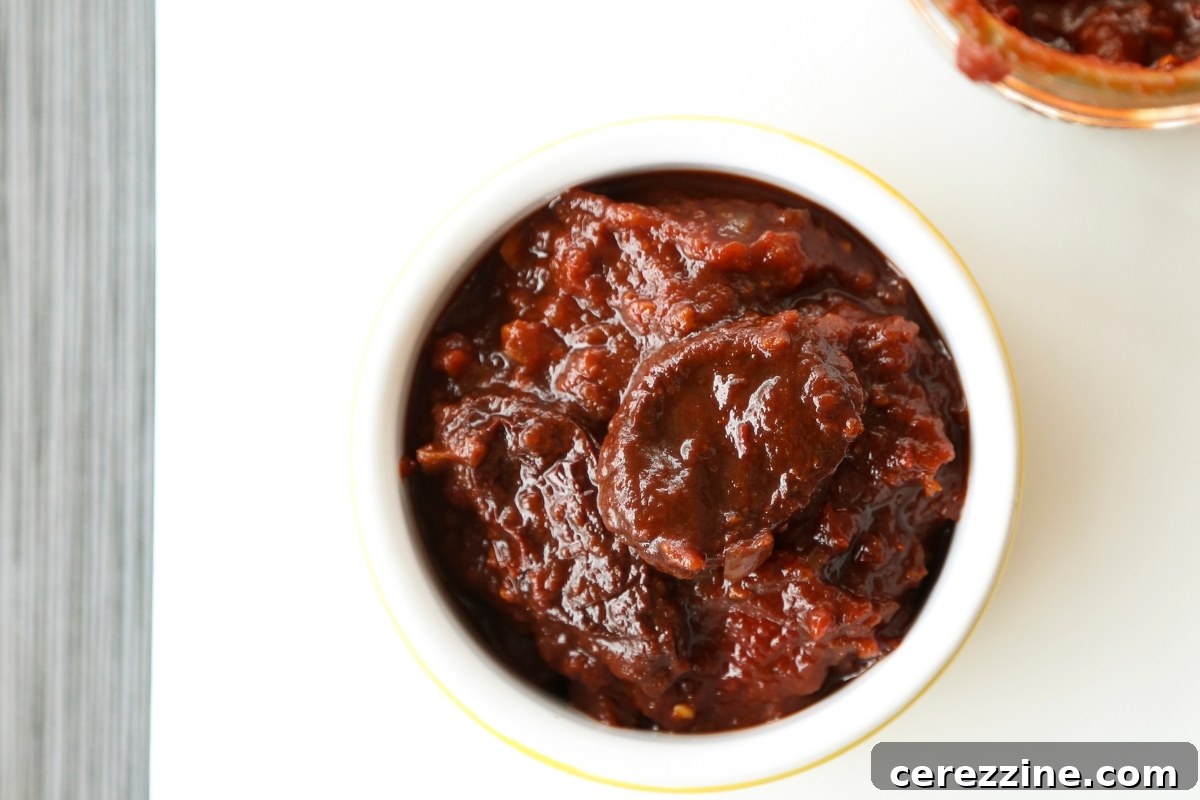
Homemade Chipotles in Adobo Sauce: A Comprehensive Canning Guide
Unlock a world of rich, smoky, and spicy flavor by learning how to make your own chipotles in adobo sauce right at home. While commercially canned versions are a kitchen staple for many, crafting them yourself offers unparalleled freshness, customizable heat, and the immense satisfaction of a truly homemade ingredient. This guide will walk you through the surprisingly simple process of transforming humble dried peppers into a vibrant, versatile sauce, perfect for enhancing countless culinary creations.
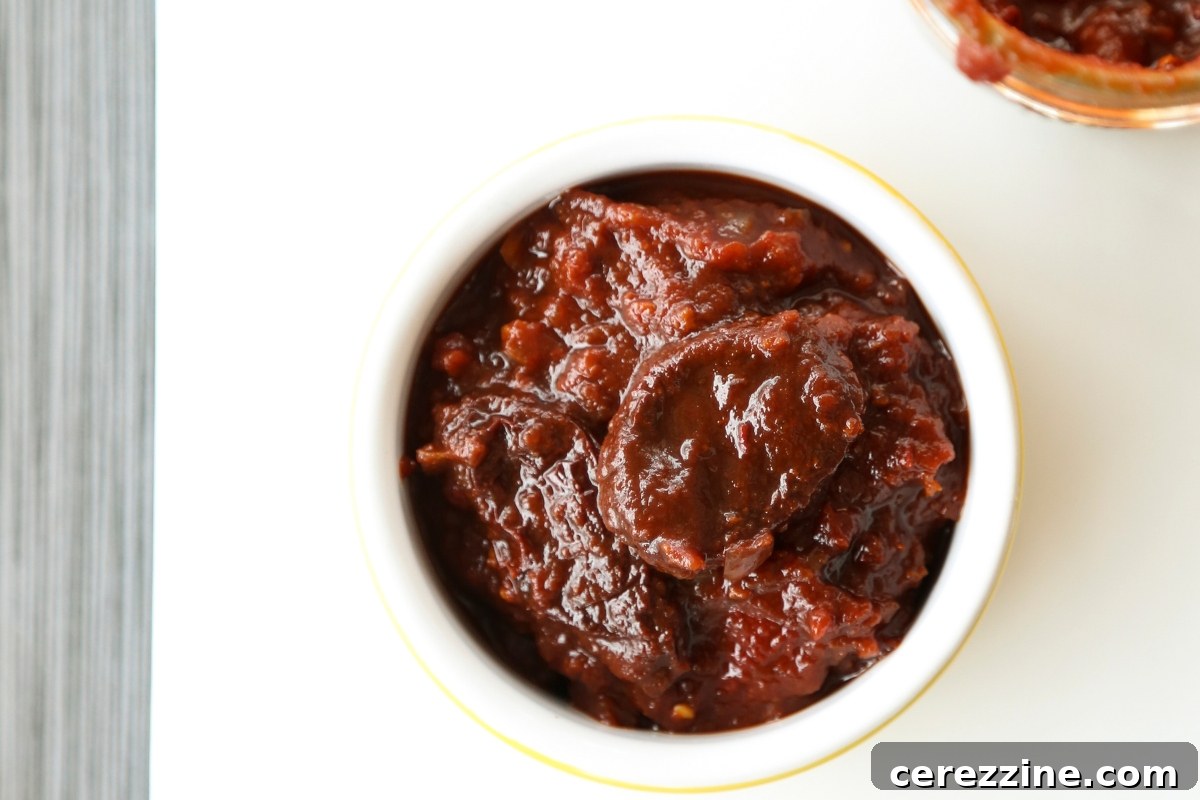
What Exactly Are Chipotles in Adobo?
Chipotle peppers are a testament to the transformative power of traditional food preservation. They are, quite simply, fully ripened jalapeño peppers – those vibrant green chiles allowed to mature on the vine until they turn a deep, brilliant red. Once red, these jalapeños are then subjected to a meticulous drying and smoking process. This ancient technique concentrates their natural sugars and imbues them with a distinctive, complex flavor profile that is smoky, moderately spicy, and subtly sweet. It’s this unique combination of characteristics that sets chipotles apart from other dried chiles.
The “adobo” in “chipotles in adobo” refers to the rich, tangy, and spiced sauce in which these rehydrated smoked peppers are typically simmered and preserved. This sauce acts as a flavorful bath, reawakening the dried peppers and infusing them with an additional layer of savory depth. Common adobo ingredients often include tomatoes, vinegar, garlic, onions, and an aromatic blend of spices like cumin and cinnamon, creating a harmonious balance of heat, tang, and earthiness.
These peppers are almost always rehydrated and stored in adobo sauce, making them incredibly easy to incorporate into a wide array of recipes, from Tex-Mex favorites to authentic Mexican dishes.
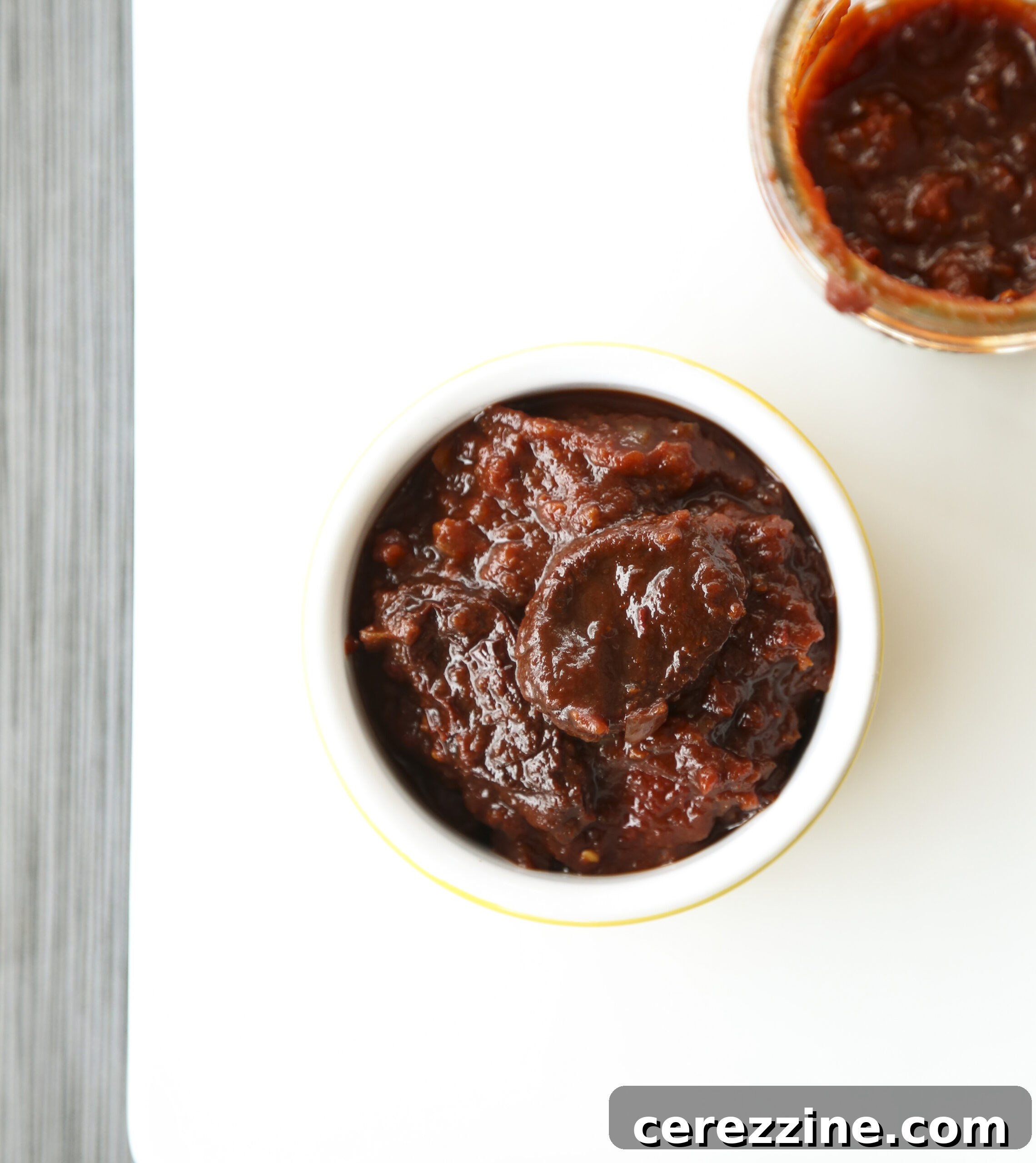
Reprinted with permission from Not Your Mama’s Canning Book by Rebecca Lindamood. Page Street Publishing Co. 2016. Photo credit: Rebecca Lindamood.
Why Make Your Own Homemade Chipotles in Adobo?
The first time I asked at our small, rural grocery store where they kept the chipotles in adobo, the reply was a bewildered, “keep the WHAT?!” It was then I realized that if I wanted to keep this indispensable ingredient stocked in my pantry, I would have to learn to make it myself. This personal journey unveiled a host of compelling reasons why homemade chipotles in adobo not only rival but often surpass their store-bought counterparts.
Beyond the simple convenience of having them on hand, making your own chipotles in adobo offers several significant advantages:
- **Unmatched Flavor and Freshness:** Commercial varieties, while convenient, can sometimes lack the vibrant, nuanced flavors of homemade. When you prepare chipotles in adobo from scratch, you control the quality of each ingredient, from the dried peppers to the fresh aromatics and spices. This results in a sauce with a brighter, more complex taste profile that truly stands out.
- **Customizable Heat and Sweetness:** Do you prefer your adobo with a little more kick or a touch more sweetness? Making it yourself allows you to adjust the spice levels, the amount of sugar, and the acidity to perfectly suit your palate. You can experiment with different types of dried chiles or vary the spice blend to create a unique signature flavor.
- **Control Over Ingredients:** Many processed foods contain additives, preservatives, or high levels of sodium. By making your own, you know exactly what goes into each jar. This is particularly beneficial for those with dietary restrictions or who prefer to avoid artificial ingredients.
- **Cost-Effectiveness:** Dried chipotle peppers and other adobo ingredients are often inexpensive when purchased in bulk or online. Producing a batch of homemade chipotles can be far more economical than regularly buying several cans from the grocery store, especially if you use them frequently.
- **The Joy of Preserving:** There’s a profound sense of accomplishment and self-reliance that comes with home canning. It connects you to culinary traditions and allows you to enjoy seasonal flavors year-round. Sharing a jar of your homemade chipotles in adobo with friends and family is a truly special gesture.
This particular recipe has been carefully developed with enough added vinegar to ensure its safety for canning in a water bath canner, much like homemade salsa. This means you can enjoy your delicious, homemade chipotles in adobo for months to come, always ready to elevate your cooking.
Essential Canning Equipment
To embark on your home canning journey for chipotles in adobo, ensure you have the following basic equipment:
- Water Bath Canner: A large pot with a lid and a rack at the bottom, deep enough to cover your jars by at least 1-2 inches of boiling water.
- Canning Jars: Half-pint (8 oz) jars are ideal for this recipe. Ensure they are specifically designed for canning.
- New Lids and Bands: Always use new lids for proper sealing. Bands can be reused if in good condition.
- Jar Lifter: Essential for safely placing and removing hot jars from the canner.
- Canning Funnel: Helps prevent spills and keeps jar rims clean when filling.
- Headspace Tool (or ruler): To accurately measure the space between the food and the rim of the jar.
- Bubble Remover (or non-metallic utensil): To remove air bubbles from jars before sealing.
- Large Stockpot or Preserving Pot: For simmering the adobo sauce.
- Blender: For achieving a smooth adobo sauce consistency.
- Fine Mesh Sieve: To strain soaking liquid.
- Tongs: For handling hot peppers.
With these tools ready, you’re well-prepared to create and preserve your batch of exquisite homemade chipotles in adobo.
Ingredients for Homemade Chipotles in Adobo
To create approximately 5 half-pint (8 oz) jars of this delectable homemade chipotle in adobo sauce, gather the following high-quality ingredients:
- 3 ounces (84 g) dried chipotle peppers
- 1 dried ancho chile
- 3 cups (700 ml) boiling water
- 4 cups (900 g) tomato purée
- 1 cup (240 ml) cider vinegar
- 1 cup (201 g) diced onion
- ¾ cup (108 g) raw or brown sugar
- 8 garlic cloves, peeled and minced or pressed in a garlic press
- 1 tsp kosher salt
- 1 tsp ground cumin
- 1 tsp ground cinnamon
Important Note on Ingredients for Safety: While you can slightly reduce the total amount of spices in this recipe to suit your taste preferences, it is absolutely crucial not to alter or lower the specified amounts of vinegar or tomato purée. These ingredients are essential not just for flavor, but for providing the necessary acidity required for safe water bath canning. Adhering to these ratios ensures the stability and safety of your canned product.
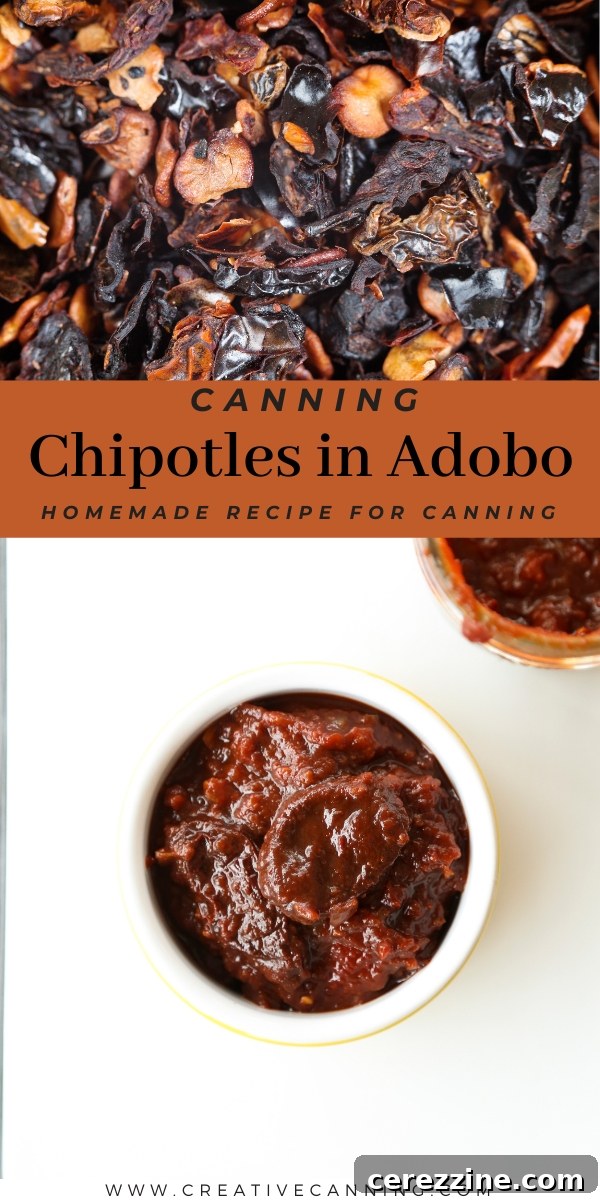
Canning Chipotles in Adobo: Step-by-Step Instructions
Follow these detailed steps carefully to ensure a delicious and safely canned batch of chipotles in adobo:
- **Prepare the Peppers:** Begin by carefully removing any stems and caps from both the dried chipotle peppers and the ancho chile. Place these prepared peppers into a heatproof bowl. Pour the 3 cups (700 ml) of boiling water over them, ensuring they are fully submerged. Tightly cover the bowl with plastic wrap. Allow the peppers to rehydrate on your kitchen counter for a full 30 minutes. This step is crucial for softening the peppers and making them ready for blending.
- **Blend the Ancho Chile and Strain Liquid:** Using tongs, transfer only the rehydrated ancho chile into a blender. Ladle a portion of the soaking liquid into the blender with the ancho. Secure the blender lid firmly and blend on high speed until the ancho chile forms a smooth paste. Pour this blended mixture into a large stainless steel stockpot or your designated preserving pot. Next, use tongs to transfer the rehydrated chipotle peppers into the same pot. Carefully pour the remaining soaking water through a fine mesh sieve directly into the pot. This filters out any small particles or debris that may have settled at the bottom of the bowl, ensuring a cleaner sauce.
- **Simmer the Adobo Sauce:** Add all the remaining ingredients—tomato purée, cider vinegar, diced onion, raw or brown sugar, minced garlic cloves, kosher salt, ground cumin, and ground cinnamon—to the pot with the peppers. Stir everything together thoroughly to combine. Bring the mixture to a rolling boil over medium-high heat, stirring frequently to prevent sticking. Once boiling, reduce the heat to medium-low and allow the sauce to simmer gently for at least 30 minutes. During this simmering phase, stir very frequently, especially towards the end, to prevent scorching on the bottom of the pot. Continue to simmer until the sauce has visibly reduced by more than half and has achieved a thick, ketchup-like consistency. This reduction process concentrates the flavors and ensures a rich adobo.
- **Prepare Jars and Fill:** While your sauce is simmering, prepare your canning jars. Wash your half-pint jars, lids, and bands in hot, soapy water. Rinse them thoroughly. Keep the jars hot until filling by either leaving them in hot water or in a warm oven. Once the adobo sauce is ready, ladle it carefully into the hot, prepared jars, leaving ½ inch (13 mm) of headspace (the space between the surface of the food and the rim of the jar). This headspace is vital for proper sealing and expansion during processing.
- **Clean Rims and Seal Jars:** Before sealing, dampen a clean paper towel with a little extra cider vinegar and use it to meticulously wipe the rims of each jar. Any food residue on the rim can prevent a proper seal. Place a clean, new lid onto each jar, centering it carefully. Then, apply the screw bands and tighten them fingertip-tight – firm but not overly tight.
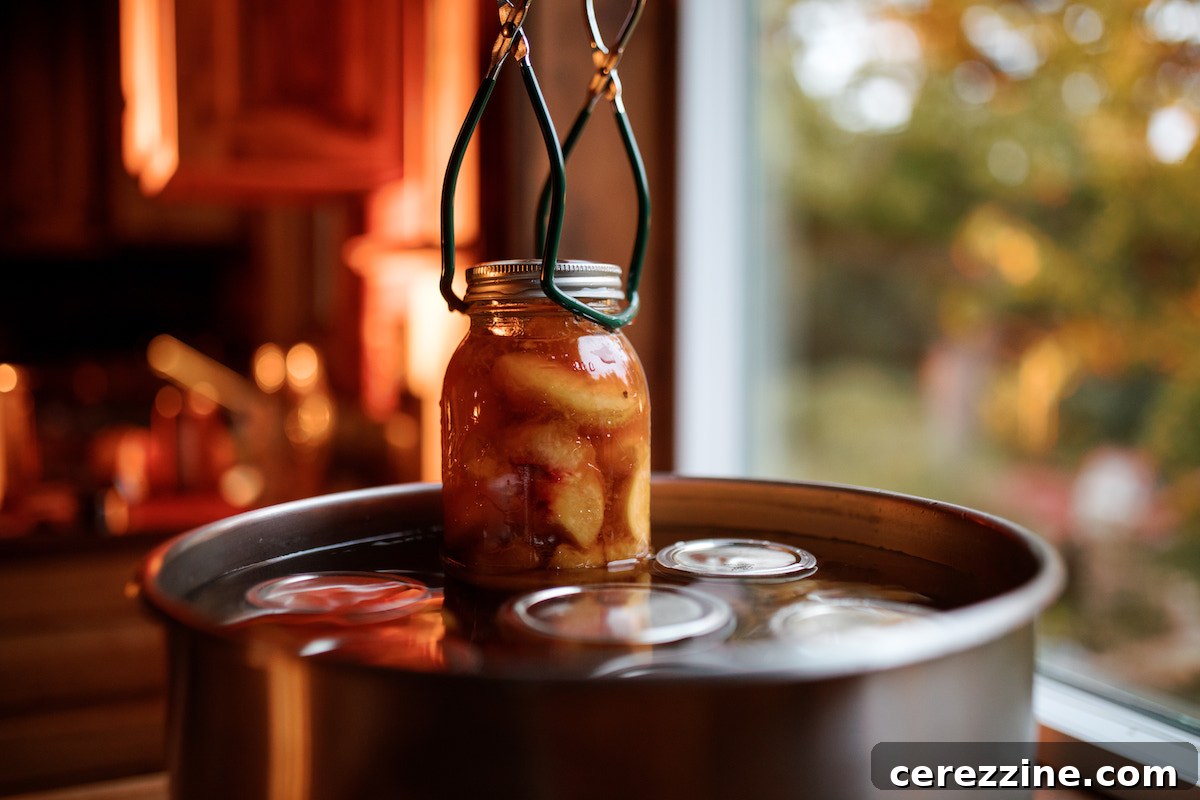
- **Process in Water Bath Canner:** Using canning tongs, carefully transfer the filled, sealed jars into your water bath canner. Ensure the canner is filled with enough boiling water to cover the tops of the jars by at least 2 inches (5 cm). Place the canner lid securely in position. Bring the water in the canner back to a full, rolling boil. Once boiling vigorously, begin timing the processing. Process the jars for 15 minutes. Remember that processing times need to be adjusted for altitude, so please consult the altitude adjustment chart provided below.
- **Cool and Store:** After the processing time is complete, turn off the heat and carefully remove the canner lid. Allow the jars to sit in the hot water for 5 minutes before carefully removing them with the jar lifter. Transfer the hot jars to a wire rack or a towel-lined counter, ensuring they are not touching each other, to cool completely. This cooling process should take at least 12 hours. Do not disturb the jars during this time, as it’s when the seals form. Once thoroughly cooled, check each jar for a proper seal (the lid should be concave and not flex when pressed). Remove the screw rings, wipe the jars clean, and label them with the contents and date. Store your homemade chipotles in adobo in a cool, dark place for up to 1 year.
Altitude Adjustments for Canning Chipotles in Adobo
Altitude affects the boiling point of water, which in turn influences the effectiveness of water bath canning. To ensure the safety and longevity of your canned chipotles in adobo, it’s critical to adjust the processing time based on your elevation above sea level. Please consult the following guidelines:
- For Under 1,000 Feet in Elevation – Process half-pint jars for 15 minutes
- For 1,001 to 3,000 Feet in Elevation – Process half-pint jars for 20 minutes
- For 3,001 to 6,000 Feet in Elevation – Process half-pint jars for 25 minutes
- For 6,001 to 8,000 Feet in Elevation – Process half-pint jars for 30 minutes
- For 8,001 to 10,000 Feet in Elevation – Process half-pint jars for 35 minutes
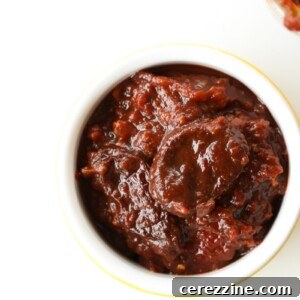
Canning Chipotles in Adobo Sauce
Rate
Ingredients
- 3 ounces 84 g dried chipotle peppers
- 1 dried ancho chile
- 3 cups 700 ml boiling water
- 4 cups 900 g tomato purée
- 1 cup 240 ml cider vinegar
- 1 cup 201 g diced onion
- ¾ cup 108 g raw or brown sugar
- 8 garlic cloves, peeled and minced or pressed in a garlic press
- 1 tsp kosher salt
- 1 tsp ground cumin
- 1 tsp ground cinnamon
Instructions
-
Remove any stems and caps from the chipotle and ancho peppers. Place the peppers into a heatproof bowl, pour in the boiling water and cover the bowl tightly with plastic wrap. Leave the bowl on the counter and let the peppers rehydrate for 30 minutes.
-
Use tongs to move the ancho chiles into a blender. Ladle some of the soaking liquid into the blender, fix the lid in place and blend on high until smooth. Pour the contents of the blender into a stainless steel stockpot or preserving pot. Use tongs to transfer the soaked chipotle peppers into the pot. Pour the soaking water through a fine mesh sieve into the pot to filter out any particles that fell to the bottom.
-
Add the remaining ingredients to the pot and bring to a boil, stirring frequently. Reduce the heat to medium-low and simmer for at least 30 minutes, stirring very frequently to prevent scorching, or until the sauce is reduced by more than half and is as thick as ketchup.
-
Ladle into jars, leaving ½ inch (13 mm) of headspace. Dampen a paper towel with vinegar and use it to wipe the rims. Fasten the lids in place and tighten them appropriately.
-
Use canning tongs to transfer the jars to a canner filled with enough boiling water to cover the jars by 2 inches (5 cm). Put the lid in place and return to a full rolling boil. Process jars for 15 minutes, adjusting for altitude; see notes below.
-
Transfer jars to a wire rack or towel-lined counter. Cool completely (at least 12 hours) before removing any rings, wiping clean and labeling. Store in a cool, dark place for up to 1 year.
Notes
• Dried ancho chiles are quite sweet and bring a little bit of that fruity sweetness to the sauce, making it more complex. If you can’t find dried anchos, you can skip using it without harming the safety of the recipe.
Altitude Adjustments for Chipotles in Adobo
In general, the altitude adjustments for water bath canning are as follows:
- For Under 1,000 Feet in Elevation – Process half-pint jars for 15 minutes
- For 1,001 to 3,000 Feet in Elevation – Process half-pint jars for 20 minutes
- For 3,001 to 6,000 Feet in Elevation – Process half-pint jars for 25 minutes
- For 6,001 to 8,000 Feet in Elevation – Process half-pint jars for 30 minutes
- For 8,001 to 10,000 Feet in Elevation – Process half-pint jars for 35 minutes
Tips for Perfect Homemade Chipotles in Adobo
Achieving outstanding homemade chipotles in adobo is within reach with a few expert tips:
- **Quality of Dried Peppers:** Start with high-quality dried chipotles and ancho chiles. They should be pliable, not brittle, and have a rich, smoky aroma. Source them from reputable spice shops or Mexican markets for the best flavor.
- **Rehydration is Key:** Don’t rush the rehydration process. Allowing the peppers to soak for the full 30 minutes ensures they become tender and easy to blend, contributing to a smoother sauce.
- **Spice Level Customization:** The recipe provides a balanced spice level. If you prefer a milder sauce, you can reduce the number of chipotles slightly, but remember the minimum quantities for canning safety. For extra heat, consider adding a pinch of dried habanero or arbol chile powder during the simmering phase.
- **Achieving the Right Consistency:** The simmering step is crucial for both flavor development and sauce thickness. Don’t be afraid to let it reduce until it’s as thick as commercial ketchup. A thicker sauce adheres better to food and offers a more intense flavor.
- **Cleanliness and Safety:** Always practice impeccable hygiene when canning. Sterilize your jars if required by your local canning guidelines (some modern recommendations focus more on hot packing into clean jars and relying on processing). Always use new lids to ensure a strong, reliable seal.
- **Don’t Skimp on Vinegar:** As highlighted earlier, the vinegar content is not just for flavor; it’s a vital component for the safety of water bath canning. Never reduce the amount of vinegar specified in the recipe.
- **Taste and Adjust Seasoning (Before Canning):** Once the sauce has simmered and thickened, taste it. You can adjust salt, sugar, or additional spices (like a pinch more cumin) at this stage. Remember, flavors can mellow slightly during canning.
Culinary Uses for Your Homemade Chipotles in Adobo
Once you’ve mastered the art of canning your own chipotles in adobo, you’ll find countless ways to incorporate this versatile ingredient into your cooking. The smoky, spicy, and tangy notes add an incredible depth of flavor to both traditional and experimental dishes. Here are just a few ideas to get you started:
- **Marinades and Rubs:** Blend a few chipotles with some adobo sauce, olive oil, lime juice, and extra spices for an incredible marinade for chicken, pork, or beef. It’s also fantastic as a rub for grilled meats.
- **Sauces and Salsas:** Stir a tablespoon or two into your favorite salsa, barbecue sauce, or enchilada sauce for an instant flavor boost. It’s the secret ingredient in many restaurant-quality Mexican sauces.
- **Soups and Stews:** Add a chipotle pepper (or just a spoonful of the adobo sauce) to chili, black bean soup, lentil stew, or even a creamy tomato soup for a warming, smoky kick.
- **Tacos, Burritos, and Enchiladas:** These are classic pairings. Mash a chipotle into your ground meat filling, spread some adobo sauce on your tortillas, or mix it into your refried beans.
- **Dips and Dressings:** Whisk a bit of adobo sauce into sour cream, Greek yogurt, or mayonnaise for a smoky, spicy dip for chips and vegetables. It also makes a fantastic base for a creamy salad dressing.
- **Eggs and Breakfast Dishes:** A small amount of finely minced chipotle added to scrambled eggs, omelets, or breakfast burritos can transform your morning meal.
- **Vegetarian Dishes:** Incorporate into roasted vegetables, bean burgers, or plant-based tacos for a rich, savory depth.
Storage After Opening: When you open a jar of your homemade chipotles in adobo, be prepared to use them all at once or within 1 week. Store any leftovers tightly covered in the refrigerator to maintain freshness and safety. For longer storage after opening, you can also freeze smaller portions of the sauce in ice cube trays or small containers.
Conclusion
Making and canning your own chipotles in adobo sauce is a rewarding culinary endeavor that brings authentic, vibrant flavors to your kitchen. From understanding the transformation of jalapeños into chipotles to mastering the nuances of water bath canning, this guide equips you with the knowledge and confidence to create a pantry staple that far surpasses store-bought versions. Enjoy the rich, smoky, and spicy depth these homemade peppers bring to your favorite dishes, knowing you’ve crafted them with care and quality ingredients.
More Delicious Vegetarian Canning Recipes
If you’re looking for more delightful meatless meal-in-a-jar canning recipes to stock your pantry, explore these fantastic options:
- Canning Carrot Soup
- Canning Butternut Squash Soup Base
- Canning Butternut and White Bean Soup
- Canning Thai Coconut Squash Soup