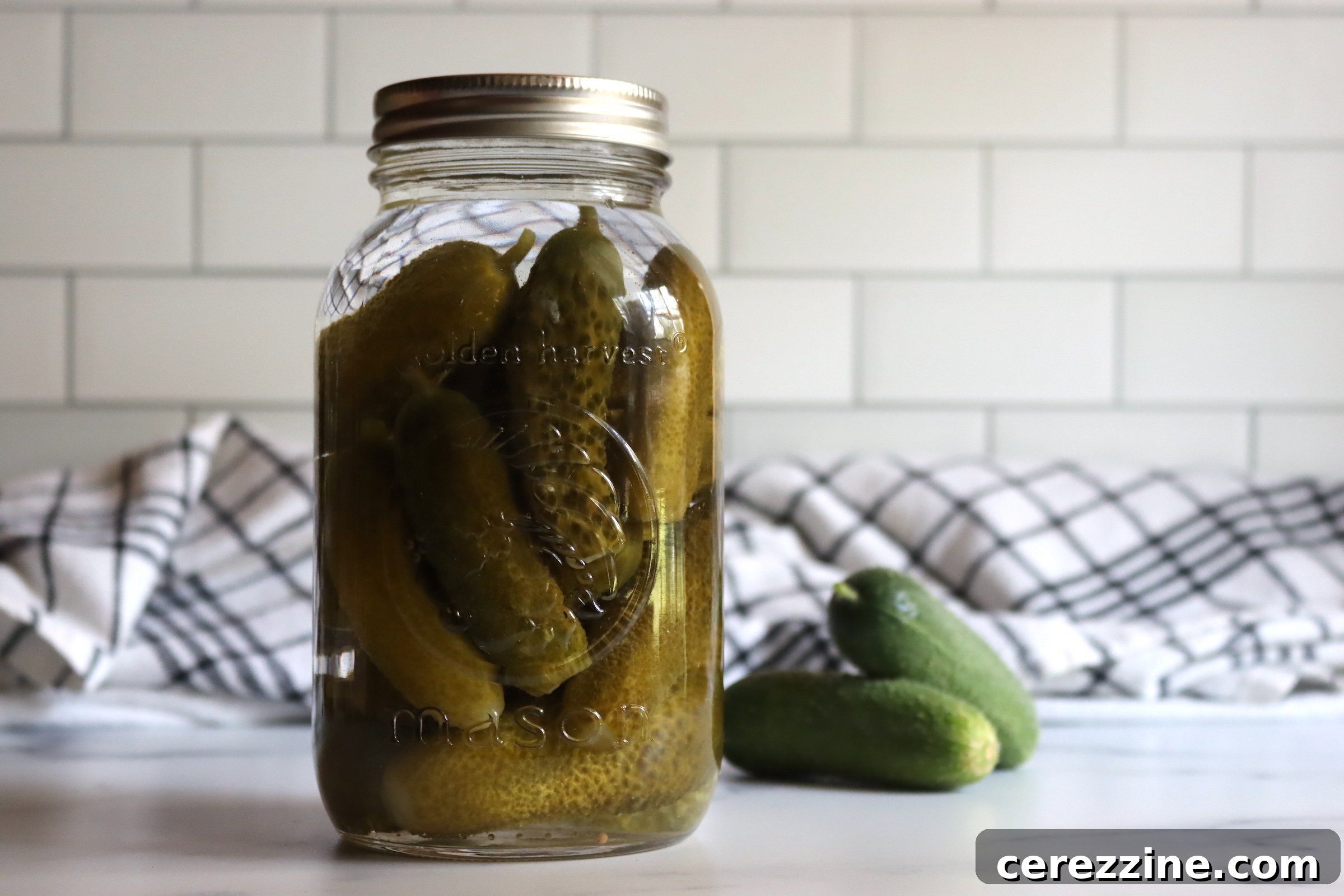
Sweet & Tangy: The Ultimate Quick Sweet Cucumber Pickles Recipe
Discover the secret to making irresistibly crisp and perfectly balanced sweet cucumber pickles right from your kitchen. This recipe simplifies the traditional pickling process, offering a fast, efficient, and incredibly rewarding way to preserve summer’s bounty. Forget multi-day brining or complicated steps – you can go from fresh garden cucumbers to shelf-stable jars of deliciousness in under an hour!
Why You’ll Love These Quick & Easy Sweet Pickles
This streamlined sweet pickle recipe isn’t just about speed; it’s about delivering exceptional flavor and convenience without compromise. Here’s why it will become your go-to method:
- Effortlessly Fast: Unlike many traditional sweet pickle recipes that demand several days (or even weeks!) of soaking and brining, this method significantly cuts down prep time. You’ll be ready to can your pickles in less than an hour, making it perfect for busy schedules or when you have an abundance of cucumbers to process quickly.
- Authentic Sweet Pickle Flavor: Don’t let the speed fool you. These pickles boast a classic, old-fashioned sweet and tangy taste. The perfect ratio of sugar to vinegar creates a harmonious brine that beautifully complements the fresh cucumber, delivering that satisfying crunch and flavor profile you crave.
- Ideal for Preserving: If your garden is overflowing with cucumbers or you’ve found a great deal at the farmer’s market, this recipe is a fantastic way to preserve them. The water bath canning process ensures shelf-stable jars of pickles, allowing you to enjoy the taste of summer long after the season ends.
- Crisp Texture Every Time: With a clever blanching step, these pickles maintain an incredible crispness that often gets lost in quicker pickling methods. Each bite offers a delightful crunch, making them a superb addition to any meal or snack.
- Simple & Straightforward: Developed from trusted home food preservation guidelines, this recipe avoids any complex techniques. It’s perfect for both seasoned canners and those new to the art of preserving, providing clear instructions for a successful batch every time.
A Speedy Alternative to Traditional Pickling Methods
Many classic sweet pickle recipes, like the well-known “14-day sweet pickles,” require extensive soaking periods, often involving multiple changes of brine over several days. While these methods yield delicious results, they can be time-consuming and labor-intensive, making them less practical for modern home canners or those with a sudden influx of produce.
This quick sweet pickle recipe, inspired by the expertise of the National Center for Home Food Preservation and adapted from their esteemed publication “So Easy to Preserve,” streamlines the entire process. By incorporating a quick blanching step and a hot pack method, we eliminate the need for prolonged brining without sacrificing flavor or the desired crisp texture. This means you can transform your harvest into ready-to-store jars in a single session, making it an accessible and efficient solution for preserving homemade pickles.
Essential Ingredients for Your Sweet Pickle Batch
This recipe is designed to yield approximately 4 to 5 pint jars of sweet cucumber pickles. Achieving that perfect balance of sweetness, tang, and crunch relies on understanding the role each ingredient plays:
Cucumbers: The Star of the Show
What to use: Opt for small to medium-sized pickling cucumbers. Varieties like Kirby or Bush Pickle are ideal due to their thin skins and firm flesh, which hold up well during processing. Avoid slicing cucumbers, as they tend to become soft and mushy.
Preparation Tip: Before blanching, it’s crucial to trim 1/16 inch from the blossom end of each cucumber. The blossom end contains enzymes that can cause softening during the pickling process. Removing this small slice helps ensure your pickles remain wonderfully crisp in the jar.
Vinegar: Acidity for Flavor & Safety
Type and Acidity: Use white distilled vinegar or apple cider vinegar with a 5% acidity level. This high acidity is non-negotiable, as it’s what creates the acidic environment necessary for safe canning and prevents the growth of harmful bacteria. The choice between white and apple cider vinegar primarily affects flavor: white vinegar offers a sharper, cleaner tang, while apple cider vinegar provides a slightly fruitier, mellower note.
Important Safety Note: Never reduce the amount of vinegar specified in the recipe. Doing so can compromise the safety and shelf-stability of your pickles. While you can adjust the type of vinegar to your preference, always ensure it has a 5% acidity and use the full amount called for.
Sweetness Factor: Sugar
Role: Sugar is central to the signature sweet flavor of these pickles. Beyond taste, it plays a vital role in balancing the sharp acidity of the vinegar, creating a well-rounded and palatable brine. It also contributes to the overall texture and preservation of the cucumbers.
Type: Granulated white sugar is typically used for its neutral flavor, allowing the cucumber and vinegar notes to shine through. Do not substitute with artificial sweeteners, as they do not offer the same preservative qualities or structural contribution to the pickles.
Canning Salt: For Pure Flavor
Why Canning Salt? Always use canning or pickling salt. This type of salt is pure sodium chloride and does not contain anti-caking agents or iodine, which are common in table salt. Anti-caking agents can make your brine cloudy, and iodine can cause discoloration of your pickles or leave sediment in the jars. Canning salt ensures a clear, vibrant brine and unblemished pickles.
Flavor Enhancement: While primarily used for its preservative qualities and to draw out moisture from the cucumbers, canning salt also enhances the overall flavor profile of the pickles without overpowering their inherent sweetness.
Optional Flavor Enhancers: Personalize Your Pickles
While this recipe focuses on a classic sweet pickle, you can easily customize the flavor profile with a few additions. Consider incorporating:
- Mustard Seeds: For a subtle, earthy tang.
- Dill Seeds or Fresh Dill Sprigs: To infuse a traditional pickle aroma.
- Celery Seeds: To add a mild, slightly bitter note that complements the sweetness.
- Red Pepper Flakes: If you enjoy a hint of heat in your sweet pickles.
- Onion or Garlic Slices: For an extra layer of savory depth.
Add these optional spices or aromatics directly into your jars before pouring in the brine. Experiment with small batches to find your perfect flavor combination!
Step-by-Step Guide: How to Make Quick Sweet Cucumber Pickles
Follow these detailed steps to create your own batch of delicious, shelf-stable sweet cucumber pickles:
1. Preparation: Clean Cucumbers & Blanching for Crispness
- Begin by thoroughly washing your pickling cucumbers under cool, running water. Gently scrub away any dirt.
- Carefully trim 1/16 inch from the blossom end of each cucumber. This small but crucial step helps prevent softening during storage.
- Place the cleaned and trimmed whole cucumbers into a large, heatproof bowl or pot.
- Bring a separate pot of water to a rolling boil. Once boiling, immediately pour the hot water over the cucumbers until they are fully submerged.
- Allow the cucumbers to sit in the hot water for 5 to 10 minutes. This blanching process slightly heats them through, beginning to soften their texture just enough to enhance brine absorption and maintain crispness.
- Drain off the hot water immediately. Pour cold water over the blanched cucumbers to quickly stop the cooking process. You may need to repeat this step once or twice, draining and refilling with fresh cold water, until the cucumbers are completely cooled.
2. Crafting the Perfect Sweet & Tangy Brine
- While your blanched cucumbers are cooling, prepare the sweet and tangy brine. In a large saucepan or stockpot, combine the specified amounts of vinegar (white or apple cider, 5% acidity), canning salt, and sugar.
- Stir the mixture well to help dissolve the sugar and salt.
- Bring the brine mixture to a full, rolling boil over medium-high heat. Continue to boil gently until all the sugar and salt are completely dissolved, ensuring a consistent flavor throughout your pickles.
- Once the brine is boiling, carefully add the cooled, blanched cucumbers to the pot. Return the entire mixture (brine and cucumbers) to a boil. This hot packing method is essential for safety and optimal texture.
3. Packing Jars & Ensuring Safety
- Prepare your canning jars: ensure they are clean and sterilized. Keep them hot to prevent thermal shock when adding hot contents.
- Carefully pack the hot cucumbers into the clean, hot pint jars, leaving ½ inch of headspace (the space between the top of the food and the rim of the jar). If you are using optional spices, add them to the jars before the cucumbers.
- Pour the boiling brine over the packed cucumbers, ensuring they are fully covered, while still maintaining the ½ inch headspace.
- Using a non-metallic utensil (like a plastic spatula or wooden chopstick), gently move it around inside each jar to release any trapped air bubbles. Adjust the liquid level as needed to maintain the ½ inch headspace.
- Wipe the rims of the jars clean with a damp cloth to ensure a proper seal.
- Center the new, clean lids on the jar rims and apply the screw bands finger-tight. Do not overtighten, as this can prevent proper sealing.
4. Water Bath Canning: Sealing in Freshness
- Place the filled and sealed jars onto the rack in your boiling water bath canner, ensuring they are covered by at least 1 inch of water.
- Bring the water to a full boil. Once boiling, start your timer.
- Process pint jars for 10 minutes and quart jars for 15 minutes. Remember to adjust processing times for your altitude (see the section below for specific adjustments).
- After the processing time is complete, turn off the heat and carefully remove the canner lid. Allow the jars to rest in the hot water for 5 minutes before carefully lifting them out. This helps prevent siphoning.
- Place the hot jars on a clean towel or cooling rack, ensuring they are not touching each other and are out of drafts. Let them cool undisturbed for 12 to 24 hours.
- Once completely cool, check the seals. The center of the lid should be concave and not flex when pressed. If any jar did not seal, refrigerate it and consume within a few weeks, or re-process with a new lid.
- Remove the screw bands, wipe down the jars, label them with the date and contents, and store them in a cool, dark place.
Altitude Adjustments for Safe Canning
Proper altitude adjustment is critical for safe home canning. Water boils at a lower temperature at higher altitudes, meaning your food may not reach the necessary temperature for safe preservation unless processing times are extended. Please adjust your processing time according to your elevation:
- 0 to 1,000 feet: Process pints for 10 minutes and quarts for 15 minutes.
- 1,001 to 6,000 feet: Process pints for 15 minutes and quarts for 20 minutes.
- Above 6,000 feet: Process pints for 20 minutes and quarts for 25 minutes.
Pro Tips for Perfectly Crisp Sweet Pickles
- Start with Fresh Cucumbers: The fresher your cucumbers, the crisper your pickles will be. Try to pickle them within 24 hours of harvesting or purchasing.
- Consistent Slice: If slicing your cucumbers, ensure consistent thickness for even cooking and texture. For whole pickles, use uniform sizes for even processing.
- Don’t Skip the Blossom End Trim: This small step makes a big difference in preventing mushy pickles.
- Blanching is Key: The quick dip in boiling water followed by a cold shock helps the cucumbers better absorb the brine and maintain their firmness.
- Sterilize Jars Thoroughly: Ensure your jars and lids are properly cleaned and sterilized to prevent spoilage and ensure a good seal.
- Maintain Proper Headspace: ½ inch headspace is crucial for proper sealing and to prevent food from interfering with the lid.
- Remove Air Bubbles: Trapped air can prevent a good seal. Use a clean, non-metallic utensil to gently release any bubbles.
- Use New Lids: Always use new, unused canning lids for each batch to ensure a reliable seal. Screw bands can be reused if they are in good condition.
- Flavor Development: While these pickles are technically ready to eat after cooling, their flavor will significantly deepen and improve after a few days, or even a few weeks, in storage. Patience is rewarded!
Storage & Shelf Life: Enjoying Your Harvest All Year
Once properly processed and sealed, your homemade sweet cucumber pickles can be stored in a cool, dark place (like a pantry or cellar) for up to one year. Always check for a proper seal before storing; the lid should be concave and not “give” when pressed. If a jar doesn’t seal, refrigerate it and consume its contents within a few weeks.
Once a jar is opened, it must be stored in the refrigerator. Opened sweet pickles will typically maintain their quality for several weeks to a month when kept cold.
Serving Suggestions: More Ways to Enjoy Your Pickles
These versatile sweet cucumber pickles are much more than just a side dish. Here are some delightful ways to incorporate them into your meals:
- Classic Sandwich Companion: A must-have with any deli sandwich, burger, or hot dog. Their sweet crunch cuts through rich flavors beautifully.
- Chopped into Relish: Finely chop the pickles to create a homemade sweet relish for hot dogs, tuna salad, or deviled eggs.
- Salad Boost: Add chopped sweet pickles to potato salad, pasta salad, or green salads for a burst of tangy-sweet flavor and crunch.
- Charcuterie Board Essential: Arrange whole or sliced pickles on a cheese and charcuterie board to offer a delightful contrast to savory meats and cheeses.
- Snack Straight from the Jar: Sometimes, the simplest way is the best! Enjoy them as a refreshing, satisfying snack anytime.
- Garnish for Cocktails: Believe it or not, a sweet pickle spear can be a unique and intriguing garnish for certain savory cocktails.
Frequently Asked Questions (FAQ)
Here are answers to some common questions about making quick sweet cucumber pickles:
- Can I skip the blanching step?
- While you technically can, it’s not recommended for this quick recipe. The blanching step is crucial for achieving the desired crisp texture and helping the cucumbers absorb the brine effectively in a shorter period. Skipping it may result in softer, less flavorful pickles.
- Can I use regular table salt instead of canning salt?
- It is strongly advised against using regular table salt. Table salt often contains anti-caking agents and iodine, which can cause your brine to become cloudy and may discolor your pickles. Canning or pickling salt is pure and will ensure clear, appealing pickles.
- What type of cucumbers are best for pickling?
- Small to medium-sized pickling varieties like Kirby, Gherkin, or Bush Pickle are ideal. These cucumbers have thinner skins, firmer flesh, and fewer seeds, making them perfectly suited for pickling. Avoid larger slicing cucumbers, which tend to become soft and watery.
- How long do these sweet pickles need to sit before eating?
- While safe to eat after they’ve cooled and sealed, the flavors will deepen and meld significantly if you allow them to sit for at least a few days, or ideally a week or two, before opening. Patience will reward you with more flavorful pickles!
- My pickles aren’t as crisp as I hoped. What went wrong?
- Several factors can affect crispness: not trimming the blossom end, using older or non-pickling cucumbers, inconsistent blanching, or incorrect processing times. Ensure you follow all steps carefully, especially the blossom end trim and blanching.
Quick Sweet Pickles Recipe
Crisp, classic sweet pickles made fast. No long brining—just cucumbers, sugar, and vinegar for a quick canning recipe that’s perfect for preserving summer’s bounty.
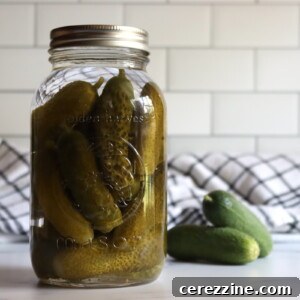
Yields: 3-4 pints (approx. 30 servings)
Prep time: 20 minutes
Cook time: 10 minutes
Canning time: 10 minutes
Total time: 40 minutes
Equipment
- Water Bath Canner
- Large heatproof bowl
- Large saucepan or stockpot
- Canning jars (pint or quart size)
- New canning lids and bands
- Jar lifter
- Canning funnel
- Headspace tool or ruler
- Non-metallic utensil for air bubble removal
Ingredients
- 4 lbs pickling cucumbers, small to medium size
- 1 Quart vinegar, white or cider vinegar, 5% acidity
- 2 tsp canning salt
- 5 cups sugar
Instructions
- Prep cucumbers: Wash cucumbers thoroughly and trim 1/16 inch from the blossom end of each.
- Blanch: Place whole cucumbers in a large heatproof bowl. Pour boiling water over them and let sit for 5–10 minutes. Drain and immediately cool under cold running water until completely chilled.
- Make brine: In a large pot, combine vinegar, canning salt, and sugar. Bring the mixture to a boil over medium-high heat, stirring until sugar and salt are dissolved. Add the blanched cucumbers to the pot and return everything to a boil.
- Pack jars: Carefully pack the hot cucumbers into clean, hot pint jars, leaving ½ inch headspace. Pour in the boiling brine until cucumbers are covered, maintaining the ½ inch headspace. Use a non-metallic utensil to remove any air bubbles and adjust the brine level as needed.
- Process: Wipe jar rims clean. Center new lids and apply screw bands finger-tight. Process jars in a boiling water bath for 10 minutes for pints (or 15 minutes for quarts). Adjust processing time for your altitude (see notes below).
- Cool & store: Turn off heat, remove canner lid, and let jars stand in the canner for 5 minutes. Carefully remove jars and let them cool undisturbed on a towel for 12–24 hours. Check seals (lids should be concave), label, and store in a cool, dark place. Flavor improves after a few days.
Notes
Altitude Adjustments: Adjust your processing time based on elevation to ensure safety:
- 0 to 1,000 feet: Process pints for 10 minutes and quarts for 15 minutes.
- 1,001 to 6,000 feet: Process pints for 15 minutes and quarts for 20 minutes.
- Above 6,000 feet: Process pints for 20 minutes and quarts for 25 minutes.
For best flavor, allow pickles to sit for at least 3-5 days after canning before opening.
Nutrition Information (Approximate)
Nutrition information is automatically calculated, so should only be used as an approximation.
- Calories: 141kcal
- Carbohydrates: 35g
- Protein: 0.4g
- Fat: 0.2g
- Saturated Fat: 0.01g
- Polyunsaturated Fat: 0.002g
- Monounsaturated Fat: 0.001g
- Sodium: 157mg
- Potassium: 84mg
- Fiber: 0.4g
- Sugar: 34g
- Vitamin A: 44IU
- Vitamin C: 2mg
- Calcium: 11mg
- Iron: 0.2mg
Like this? Leave a comment below!
We’d love to hear your thoughts and experiences with this recipe. Share your tips or questions in the comments!
Conclusion: Your Homemade Sweet Pickle Success Awaits!
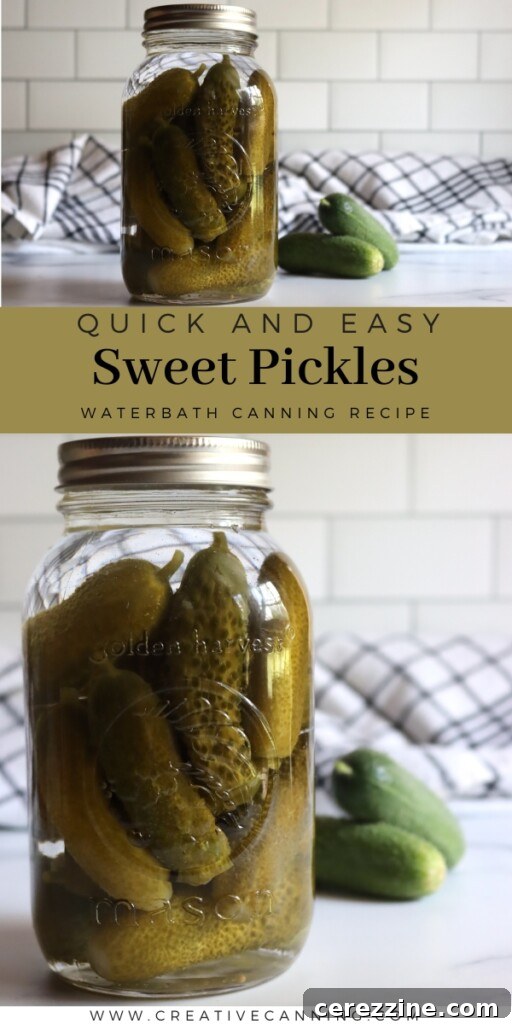
Canning sweet cucumber pickles doesn’t have to be a daunting, multi-day affair. With this quick and straightforward recipe, you can confidently transform your cucumber harvest into jars of crisp, sweet, and tangy delight in a fraction of the time. This method ensures both safety and incredible flavor, providing you with a pantry full of homemade goodness to enjoy throughout the year. So gather your ingredients, follow these simple steps, and prepare to savor the satisfying taste of your very own perfectly preserved sweet pickles!