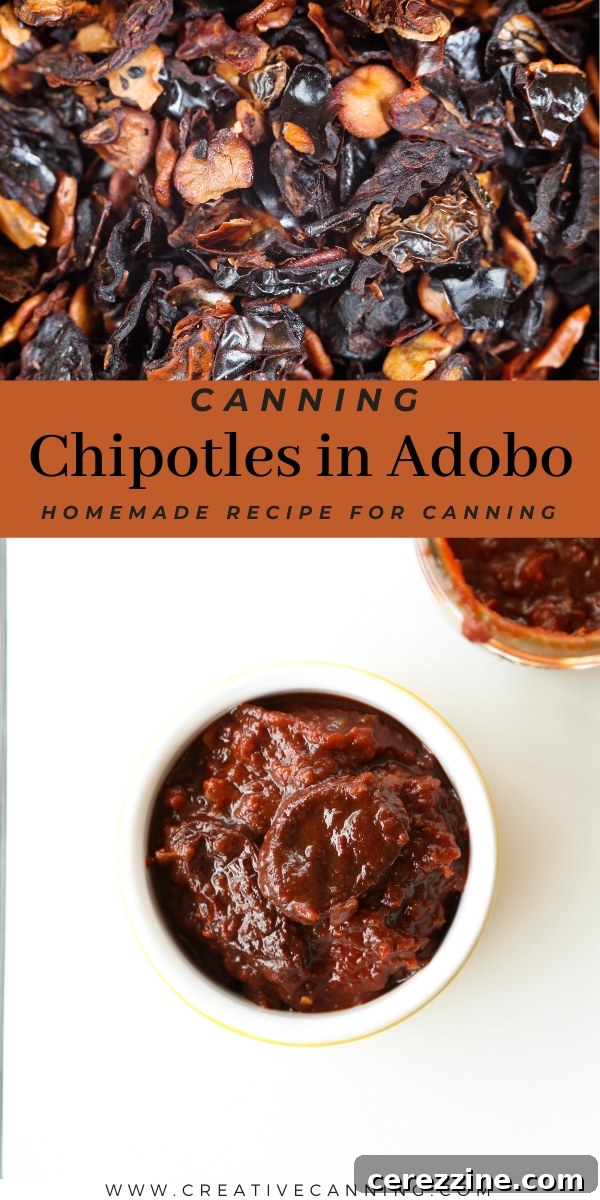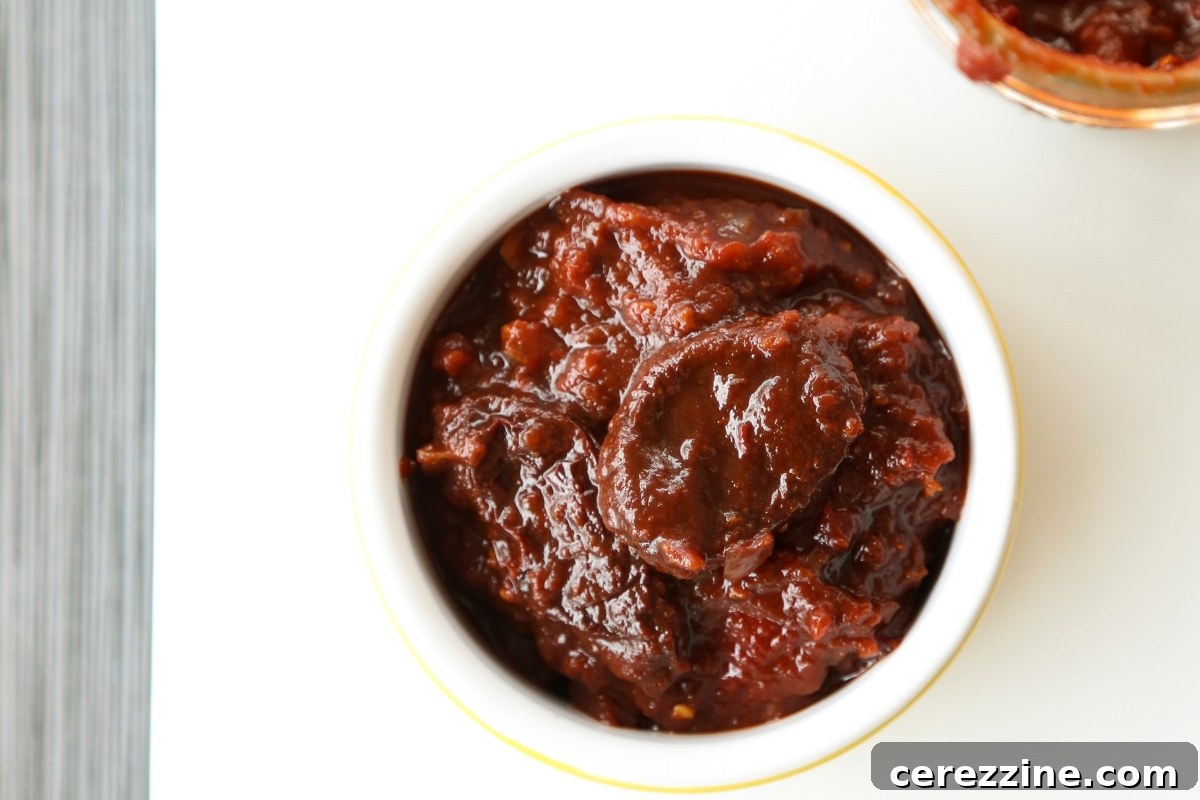
Chipotles in adobo sauce are a classic canned good that’s surprisingly easy to make at home. If you can’t find cans of chipotle peppers at your local grocery store, then learn how to make your own home-canned chipotle peppers in adobo sauce.
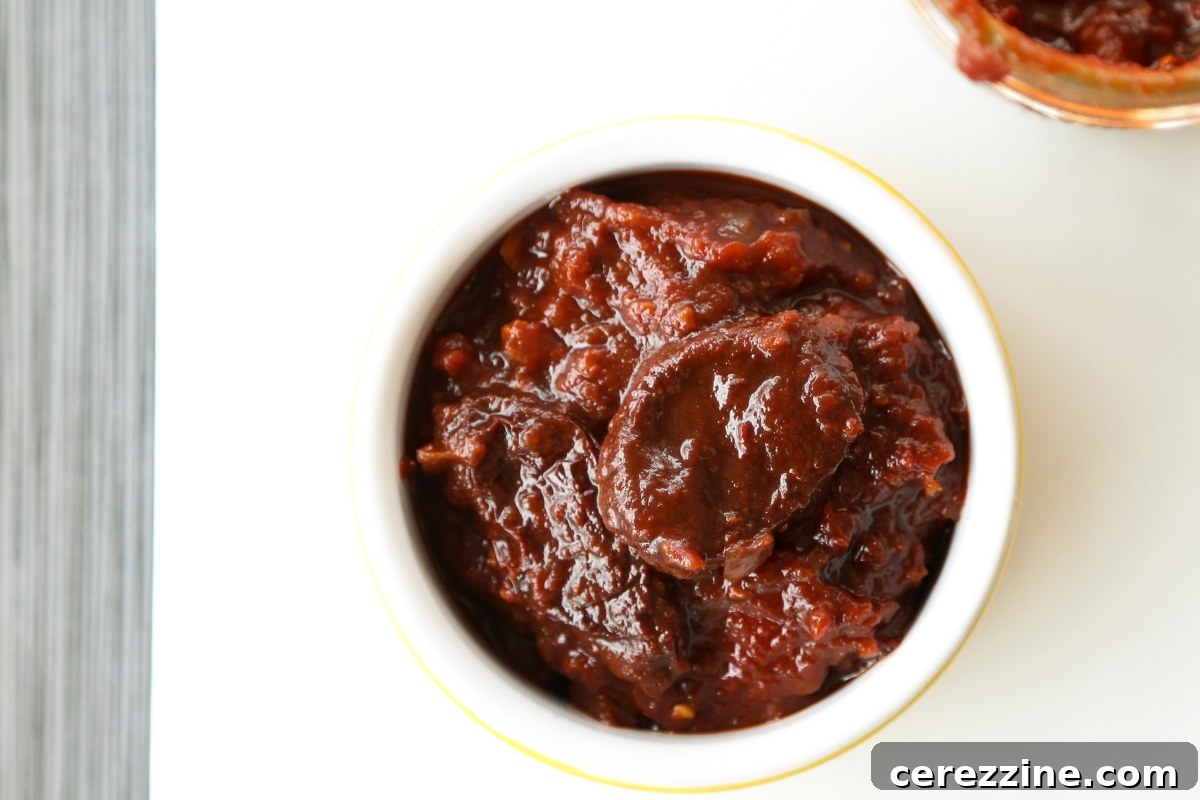
Unlock Authentic Flavors: Master the Art of Canning Homemade Chipotles in Adobo Sauce
For lovers of robust, smoky, and subtly sweet heat, chipotles in adobo sauce are an indispensable pantry staple. These versatile peppers elevate everything from tacos and stews to marinades and dips, infusing dishes with a depth of flavor that’s truly unique. While readily available in most grocery stores, the satisfaction and superior taste of homemade chipotles in adobo are unparalleled. Imagine having perfectly preserved, intensely flavorful peppers at your fingertips, crafted with care in your own kitchen. This comprehensive guide will walk you through the simple, yet rewarding, process of making and water-bath canning your very own chipotles in adobo, ensuring a steady supply of this beloved ingredient that’s fresher, more authentic, and often more cost-effective than store-bought options.
Understanding Chipotles in Adobo: From Jalapeño to Culinary Gem
Many people are surprised to learn that a chipotle pepper is simply a mature jalapeño. That’s right! Jalapeños, typically harvested when green, are allowed to ripen on the vine until they turn a vibrant red. At this stage, they develop a fuller, sweeter flavor profile. Once red, these jalapeños are traditionally smoked and dried, a meticulous process that concentrates their natural sugars and imbues them with the characteristic smoky essence we associate with chipotles. This smoking and drying process transforms the humble jalapeño into a complex culinary powerhouse, ready to deliver a unique blend of heat and profound savory notes.
The “adobo” in chipotles in adobo refers to the rich, tangy, and subtly spiced tomato-based sauce in which these dried, smoked peppers are rehydrated and simmered. This sauce is typically a harmonious blend of tomato purée, cider vinegar, aromatic garlic and onions, and an array of Mexican spices like earthy cumin and warming cinnamon. The adobo not only rehydrates the dried chipotles, making them tender and pliable, but also enhances their flavor, creating a perfect balance of smoky, spicy, sweet, and acidic notes. It’s this synergistic combination that makes them so incredibly useful in a myriad of recipes, adding instant Tex-Mex or authentic Mexican flair to your dishes.
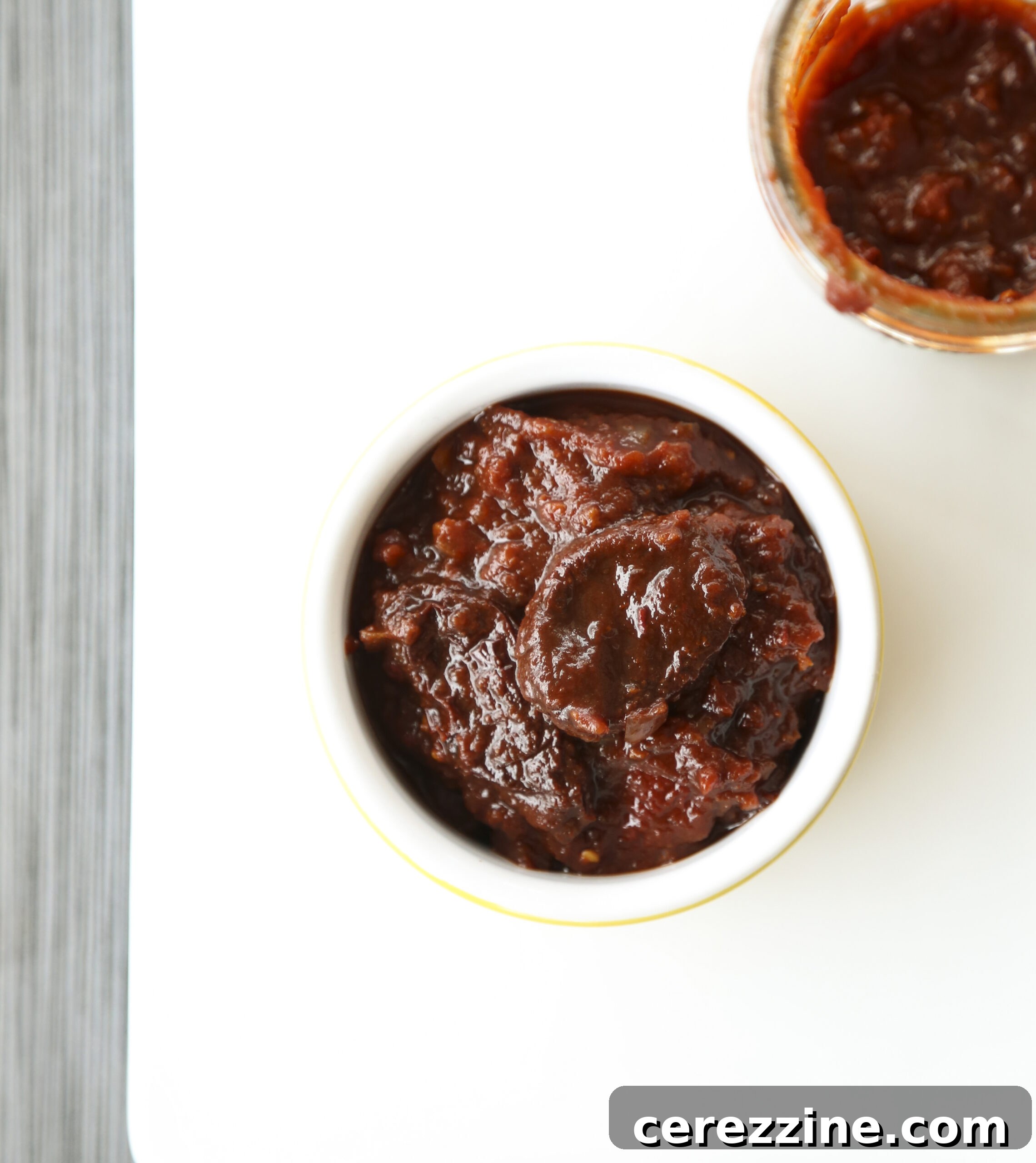
Reprinted with permission from Not Your Mama’s Canning Book by Rebecca Lindamood. Page Street Publishing Co. 2016. Photo credit: Rebecca Lindamood.
The Benefits of Homemade: Why Make Your Own Chipotles in Adobo?
While commercially canned chipotles in adobo are a staple, opting for a homemade version offers a multitude of compelling advantages that elevate your culinary experience and pantry management:
- Unrivaled Flavor and Quality: Store-bought versions, while convenient, often contain preservatives and lack the nuanced, vibrant taste of freshly prepared adobo sauce. Making your own allows you to control the quality of each ingredient, resulting in a superior product bursting with authentic flavor. You can fine-tune the spice level, sweetness, and smokiness to perfectly suit your palate, creating a truly bespoke ingredient.
- Cost-Effectiveness: Dried chipotle peppers and the other adobo ingredients are generally inexpensive, especially if purchased in bulk or if you cultivate your own jalapeños for drying. Over time, making your own can be significantly more economical than continually buying small, often pricier, cans from the grocery store.
- Complete Ingredient Control and Transparency: When you prepare food from scratch, you have full knowledge and control over every component. This is particularly appealing for those with dietary restrictions, allergies, or a preference for organic and natural ingredients. You can consciously avoid unwanted additives, high fructose corn syrup, or excessive sodium often found in commercial products, ensuring a healthier and cleaner product.
- Enhanced Accessibility, Especially in Rural Areas: For many, especially those living outside of major metropolitan areas, finding specific or high-quality international ingredients can be a consistent challenge. As the saying goes, “If you want something done right, do it yourself.” If your local grocer gives you a puzzled look when you inquire about chipotles in adobo, then mastering this recipe at home becomes a liberating and empowering solution to keep this favorite ingredient readily available.
- The Deep Satisfaction of Self-Reliance: There’s immense joy and satisfaction in creating your own pantry staples. Learning to preserve food, like canning chipotles in adobo, connects you to traditional culinary practices, sharpens your cooking skills, and empowers you with a profound sense of self-sufficiency. It’s a skill that serves you well and impresses others.
- Customization Opportunities: Beyond just adjusting spice levels, homemade versions open the door to experimenting with different types of smoked peppers or unique spice blends to create your signature adobo sauce.
Essential Ingredients for Your Authentic Batch
This recipe is designed to yield approximately 5 half-pint (8 oz) jars of delicious, ready-to-use chipotles in adobo. Adhering precisely to the specified quantities, especially for the acidic ingredients, is absolutely crucial for ensuring safe water bath canning. While you have some flexibility to subtly adjust the spices to your preference, it is imperative not to reduce the amounts of cider vinegar or tomato purée, as these are vital for establishing the correct pH level required for safe preservation.
- 3 ounces (84 g) dried chipotle peppers: These are the essential smoked, dried red jalapeños. Ensure they are completely dry and free from any signs of mold or deterioration to guarantee the best flavor and safety.
- 1 dried ancho chile: Ancho chiles are dried poblano peppers. They contribute a mild, fruity sweetness and a rich, earthy flavor that adds a layer of complexity and depth to the adobo sauce. If you cannot source a dried ancho, you can omit it without compromising the safety of the recipe, though the final flavor profile will be slightly less complex.
- 3 cups (700 ml) boiling water: Used primarily for rehydrating the robust dried peppers, softening them to facilitate blending and allowing them to release their full flavor into the sauce.
- 4 cups (900 g) tomato purée: This ingredient forms the foundational base of the adobo sauce, contributing essential body, vibrant color, and, critically, a significant amount of acidity vital for the canning process.
- 1 cup (240 ml) cider vinegar: A cornerstone ingredient for safe water bath canning. Its high acidity lowers the overall pH of the mixture, creating an environment unsuitable for spoilage organisms. This amount must not be reduced.
- 1 cup (201 g) diced onion: Adds crucial aromatic depth, a delicate sweetness, and savory undertones that build the flavor foundation of the sauce.
- ¾ cup (108 g) raw or brown sugar: This provides a necessary counterpoint to the acidity and heat, balancing the flavors and enhancing the overall richness of the adobo sauce. Brown sugar will impart a deeper, more molasses-like note.
- 8 garlic cloves, peeled and minced or pressed: A quintessential aromatic, garlic provides pungent depth and is indispensable in traditional Mexican flavor profiles.
- 1 tsp kosher salt: Beyond simply enhancing flavor, salt plays a minor but important role in preservation and ensuring the taste is well-rounded.
- 1 tsp ground cumin: A classic Mexican spice, ground cumin infuses the adobo with its signature warm, earthy, and slightly peppery notes.
- 1 tsp ground cinnamon: A surprising but traditional addition that brings a subtle sweetness and aromatic warmth, a common and delightful element in many authentic Mexican culinary preparations.
The Art of Canning Chipotles in Adobo: A Detailed Step-by-Step Guide
Preparing and canning your own chipotles in adobo is a straightforward process, but meticulous attention to detail, particularly concerning sanitation and adherence to specified processing times, is paramount for ensuring food safety and a high-quality product.
- Prepare and Rehydrate the Peppers: Begin by carefully removing any tough stems and caps from both the dried chipotle and ancho peppers. This ensures a smoother sauce and prevents any bitterness. Place the cleaned peppers into a large, heatproof bowl. Pour 3 cups (700 ml) of freshly boiled water over them. Immediately cover the bowl tightly with plastic wrap to trap the steam, which is essential for thoroughly rehydrating and softening the dried peppers. Allow the peppers to steep on your counter for at least 30 minutes. This step is crucial for making the peppers pliable enough for blending and for allowing them to begin releasing their rich flavors.
- Blend the Ancho and Filter Soaking Liquid: Once rehydrated, use tongs to carefully transfer the softened ancho chile into a blender. Ancho chiles are often tougher, so blending separately ensures smoothness. Ladle about ½ to 1 cup of the warm soaking liquid from the bowl into the blender with the ancho. Secure the blender lid firmly and blend on high speed until you achieve a completely smooth purée. Pour the contents of the blender into a large, non-reactive stainless steel stockpot or a dedicated preserving pot. Next, use tongs to transfer the remaining soaked chipotle peppers into the pot. Before adding the remaining soaking water, carefully pour it through a fine mesh sieve directly into the pot. This crucial step filters out any small seeds, pulp, or particles that may have settled at the bottom of the bowl, resulting in a cleaner and smoother adobo sauce.
- Simmer and Reduce the Adobo Sauce to Perfection: Add all the remaining ingredients to the pot: the tomato purée, cider vinegar, finely diced onion, raw or brown sugar, minced garlic, kosher salt, ground cumin, and ground cinnamon. Stir thoroughly with a spoon or whisk to combine all components evenly. Bring the entire mixture to a full, rolling boil over medium-high heat, stirring frequently to prevent any ingredients from sticking to the bottom of the pot. Once boiling vigorously, reduce the heat to medium-low and allow the sauce to simmer gently. Continue to simmer for at least 30 minutes, or longer, until the sauce has reduced significantly – by more than half its original volume – and has achieved a thick, rich, ketchup-like consistency. Frequent stirring during this extended simmering phase is absolutely essential to prevent scorching, especially as the sauce thickens and concentrates. This reduction process intensifies the flavors and ensures the correct consistency for the canned product.
- Prepare Jars and Ladle Hot Sauce: While the sauce is simmering, ensure your canning jars are clean, sterilized, and kept warm to prevent thermal shock. Your lids should also be warm. Carefully ladle the hot chipotles and adobo sauce into the prepared, warm jars, leaving a precise ½ inch (13 mm) of headspace at the top of each jar. Headspace is critical for proper vacuum sealing and to prevent siphoning during processing. Dampen a clean paper towel with a small amount of vinegar and use it to meticulously wipe the rims of each jar. This removes any errant food particles or grease that could interfere with a perfect seal. Place the new, warm lids firmly onto the jars and then apply the screw bands, tightening them only to fingertip-tight. Avoid overtightening, as this can prevent air from escaping during processing and lead to buckle lids.
- Water Bath Processing for Safety: Using canning tongs or a jar lifter, carefully transfer the filled, sealed jars into a water bath canner that is already filled with enough boiling water to cover the jars by at least 2 inches (5 cm). Ensure the water is at a full, vigorous rolling boil before lowering the jars. Once all jars are in place, put the canner lid securely in place and allow the water to return to a full, rapid rolling boil. Once the water is boiling steadily and vigorously, begin your processing time. For half-pint (8 oz) jars, process for 15 minutes. It is absolutely crucial to adjust this processing time according to your specific altitude (please refer to the detailed altitude adjustment chart provided below for precise timings to ensure safety).
- Cooling, Sealing, and Storage: Once the processing time is complete, turn off the heat and carefully remove the canner lid. Allow the jars to rest in the hot water within the canner for 5 minutes before carefully transferring them with canning tongs to a wire rack or a towel-lined counter. This gradual cooling helps prevent siphoning (liquid loss) and thermal shock, promoting a more reliable seal. Allow the jars to cool completely undisturbed for at least 12 to 24 hours. During this cooling period, you should hear the satisfying “ping” sound as the lids create a vacuum seal. After cooling, thoroughly check all seals. A properly sealed lid will be concave (curved inwards) and will not flex or pop when pressed in the center. Any unsealed jars must be immediately refrigerated and used promptly within a week. Remove the screw bands (they can trap moisture and cause rust), wipe the jars clean, and label them clearly with the contents and date of canning. Store your homemade chipotles in adobo in a cool, dark, and dry place for up to 1 year for optimal quality.
Altitude Adjustments for Water Bath Canning Chipotles in Adobo
Altitude significantly affects boiling temperatures, which in turn directly impacts canning processing times. To ensure the safety and longevity of your home-canned foods, it is crucial to adjust your processing time based on your elevation above sea level. For this specific recipe for chipotles in adobo, please refer to the following guidelines:
- For Under 1,000 Feet in Elevation: Process half-pint jars for 15 minutes.
- For 1,001 to 3,000 Feet in Elevation: Process half-pint jars for 20 minutes.
- For 3,001 to 6,000 Feet in Elevation: Process half-pint jars for 25 minutes.
- For 6,001 to 8,000 Feet in Elevation: Process half-pint jars for 30 minutes.
- For 8,001 to 10,000 Feet in Elevation: Process half-pint jars for 35 minutes.
Recipe Card: Canning Homemade Chipotles in Adobo Sauce
Here’s a convenient summary of the recipe for your cooking ease, presented clearly and focusing solely on the culinary information.
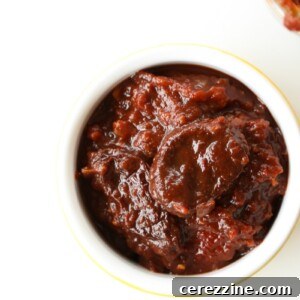
Canning Chipotles in Adobo Sauce
By: Ashley Adamant
Chipotles in adobo are a classic ingredient in Latin American cooking, and they’re easy to make at home.
Prep Time: 30 minutes
Cook Time: 30 minutes
Additional Time (Processing): 15 minutes
Total Time: 1 hour 15 minutes
Ingredients
- 3 ounces (84 g) dried chipotle peppers
- 1 dried ancho chile
- 3 cups (700 ml) boiling water
- 4 cups (900 g) tomato purée
- 1 cup (240 ml) cider vinegar
- 1 cup (201 g) diced onion
- ¾ cup (108 g) raw or brown sugar
- 8 garlic cloves, peeled and minced or pressed in a garlic press
- 1 tsp kosher salt
- 1 tsp ground cumin
- 1 tsp ground cinnamon
Instructions
- Remove any stems and caps from the chipotle and ancho peppers. Place the peppers into a heatproof bowl, pour in the boiling water, and cover the bowl tightly with plastic wrap. Leave the bowl on the counter and let the peppers rehydrate for 30 minutes.
- Use tongs to move the ancho chiles into a blender. Ladle some of the soaking liquid into the blender, fix the lid in place, and blend on high until smooth. Pour the contents of the blender into a stainless steel stockpot or preserving pot. Use tongs to transfer the soaked chipotle peppers into the pot. Pour the soaking water through a fine mesh sieve into the pot to filter out any particles that fell to the bottom.
- Add the remaining ingredients to the pot and bring to a boil, stirring frequently. Reduce the heat to medium-low and simmer for at least 30 minutes, stirring very frequently to prevent scorching, or until the sauce is reduced by more than half and is as thick as ketchup.
- Ladle into jars, leaving ½ inch (13 mm) of headspace. Dampen a paper towel with vinegar and use it to wipe the rims. Fasten the lids in place and tighten them appropriately.
- Use canning tongs to transfer the jars to a canner filled with enough boiling water to cover the jars by 2 inches (5 cm). Put the lid in place and return to a full rolling boil. Process jars for 15 minutes, adjusting for altitude (see notes below).
- Transfer jars to a wire rack or towel-lined counter. Cool completely (at least 12 hours) before removing any rings, wiping clean, and labeling. Store in a cool, dark place for up to 1 year.
Notes
- When you open a jar of chipotles, be prepared to use them all at once or within 1 week. Store leftovers tightly covered in the refrigerator.
- Dried ancho chiles are quite sweet and bring a little bit of that fruity sweetness to the sauce, making it more complex. If you can’t find dried anchos, you can skip using it without harming the safety of the recipe.
- Altitude Adjustments for Chipotles in Adobo:
- For Under 1,000 Feet in Elevation – Process half-pint jars for 15 minutes
- For 1,001 to 3,000 Feet in Elevation – Process half-pint jars for 20 minutes
- For 3,001 to 6,000 Feet in Elevation – Process half-pint jars for 25 minutes
- For 6,001 to 8,000 Feet in Elevation – Process half-pint jars for 30 minutes
- For 8,001 to 10,000 Feet in Elevation – Process half-pint jars for 35 minutes
Like this? Leave a comment below!
Creative Culinary Uses for Your Canned Chipotles in Adobo
Once you’ve made your own batch of chipotles in adobo, you’ll discover endless possibilities for incorporating their rich, smoky, and spicy flavor into your everyday cooking. Here are just a few ideas to inspire your culinary creativity:
- Vibrant Marinades: Blend a few chipotles with some of the adobo sauce, olive oil, fresh lime juice, and a touch of garlic for an incredible marinade that tenderizes and infuses chicken, pork, or beef with a smoky, spicy kick. It’s perfect for grilling, roasting, or slow-cooking.
- Elevated Sauces and Dressings: Whisk a spoonful or two of the flavorful adobo sauce into salad dressings, homemade mayonnaise, creamy sour cream, or plain yogurt for a smoky, creamy condiment. It’s fantastic in a homemade ranch dressing, a creamy avocado dressing, or as a spread for sandwiches and wraps.
- Hearty Soups and Stews: Add a whole chipotle or two (chopped, if desired) to your favorite chili recipe, classic tortilla soup, or a robust black bean soup for a deep, complex flavor boost. The adobo sauce can also be stirred directly into the broth to enrich the base.
- Dynamic Tacos, Burritos, and Enchiladas: Finely chop the peppers and mix them directly into ground meat fillings or sprinkle them over vegetarian options like roasted vegetables or lentils. The adobo sauce is also excellent when mixed into refried beans, spread onto tortillas before filling, or drizzled over finished dishes.
- Irresistible Dips and Spreads: Stir minced chipotles and a generous spoonful of adobo sauce into homemade hummus, fresh guacamole, or a cheesy dip for an irresistible appetizer that adds depth and heat.
- Spicy Breakfast Dishes: A dash of adobo sauce or finely chopped chipotles can add an exciting and flavorful twist to scrambled eggs, breakfast burritos, or even a spicy huevos rancheros, waking up your taste buds.
To use them effectively, you can either chop the peppers finely for texture or, for a smoother incorporation, crush one or two of the peppers into some of the adobo sauce with a fork before mixing it into your dish. Experiment with quantities to find your preferred level of heat and smokiness – a little goes a long way!
Safety First: Important Considerations for Home Canning
Home canning is a fantastic and rewarding way to preserve food, allowing you to enjoy seasonal ingredients year-round. However, it comes with critical safety guidelines that must be strictly followed, especially when dealing with any food product. This particular recipe for chipotles in adobo is safe for water bath canning specifically because of the significant amount of cider vinegar and tomato purée it contains, which together provide the necessary acidity to inhibit spoilage organisms. Despite this, it is paramount to adhere to the recipe precisely:
- Do Not Alter Ingredient Ratios: The amounts of cider vinegar and tomato purée are not just for flavor; they are scientifically calibrated to ensure the pH level of the mixture is low enough for safe water bath canning. Reducing these acidic ingredients can compromise the safety of the product and create an environment where harmful bacteria, such as those that cause botulism, can thrive.
- Always Use Tested Recipes: For all home canning endeavors, it is crucial to use recipes from reliable sources that have been scientifically tested and approved for safety. This includes university extension offices, reputable canning books, and established food preservation websites. This recipe is derived from a published canning book, which indicates its reliability and safety when followed correctly.
- Adhere Strictly to Processing Times: Insufficient processing time is a common cause of spoilage and potential food safety risks. Always adhere strictly to the recommended processing times for your specific jar size and make all necessary altitude adjustments without exception.
- Proper Jar Preparation is Essential: Ensure all canning jars are impeccably clean, free of any cracks or chips, and properly sterilized according to canning guidelines. Lids should always be new for each canning session to ensure a perfect, airtight seal. Screw bands, however, can be reused as long as they are in good condition.
- Thoroughly Check Seals After Cooling: Once your jars have completely cooled (after 12-24 hours), it is imperative to check that all lids have formed a proper vacuum seal. A sealed lid will be concave (curved inwards) and will not flex or pop up and down when pressed firmly in the center. Any jars that have not sealed correctly must be immediately refrigerated and consumed within one week.
Conclusion: Elevate Your Pantry with Homemade Goodness
Making and canning your own chipotles in adobo sauce is a rewarding culinary endeavor that brings unparalleled flavor, versatility, and convenience to your kitchen. Gone are the days of searching for this specific ingredient in specialized stores or settling for store-bought versions that might not meet your quality and flavor standards. With a few simple ingredients, a commitment to precise measurements, and adherence to safe canning practices, you can enjoy the rich, smoky, and spicy goodness of homemade chipotles in adobo year-round. Dive into this project and elevate your pantry with an authentic, homemade staple that will truly transform your meals and impress anyone who tastes your creations.
More Vegetarian Canning Recipes to Explore
If you’re enthusiastic about expanding your home-canned meal options, especially with delicious meatless choices perfect for your pantry, consider exploring these other fantastic recipes:
- Canning Carrot Soup
- Canning Butternut Squash Soup Base
- Canning Butternut and White Bean Soup
- Canning Thai Coconut Squash Soup