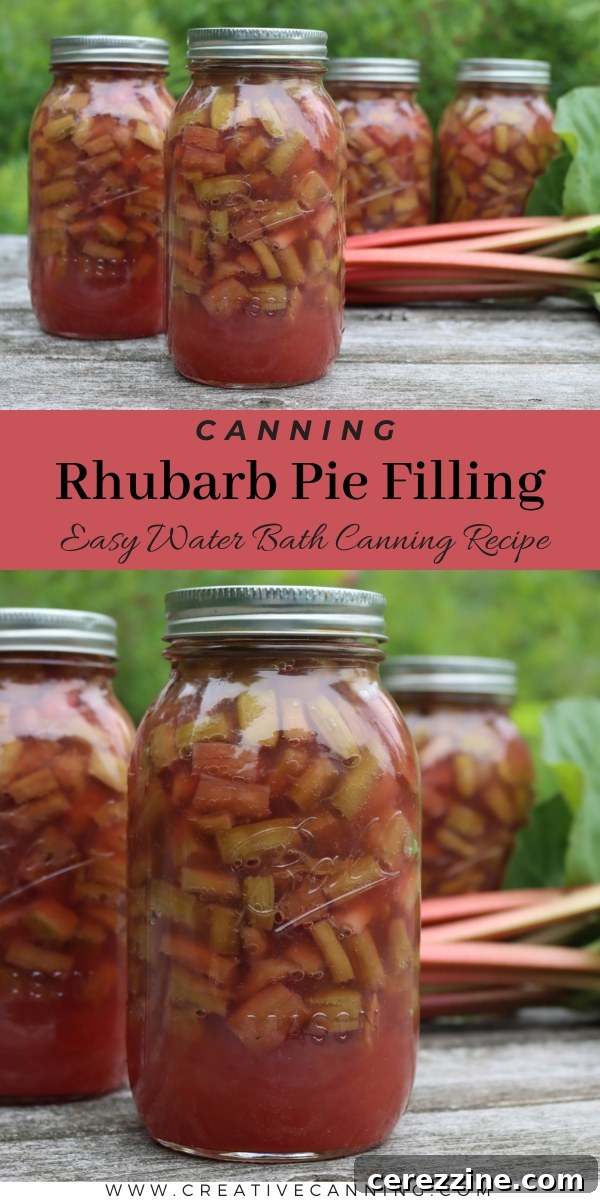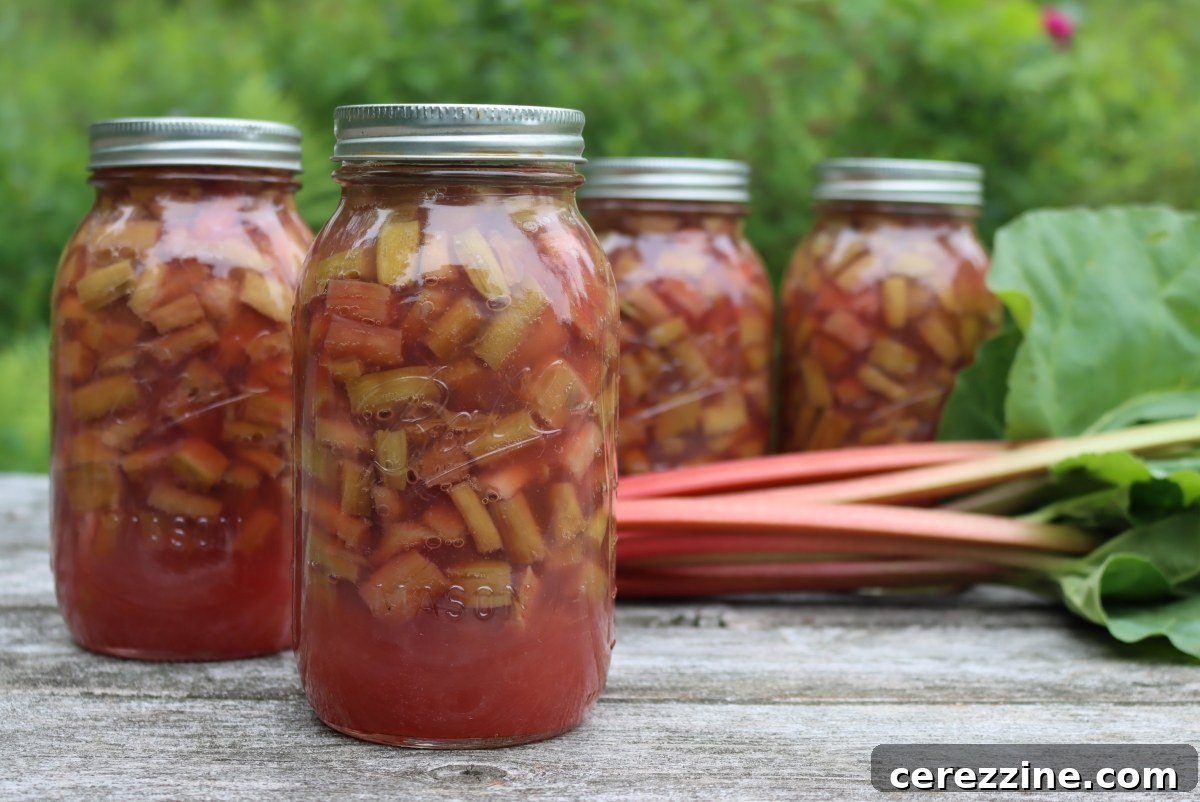
Mastering Homemade Rhubarb Pie Filling: A Comprehensive Canning Guide
There’s nothing quite like the vibrant, tart flavor of rhubarb to signal the arrival of spring. As gardens burst with its striking red and green stalks, many home cooks find themselves with an abundance of this versatile vegetable. While delicious in a multitude of desserts and savory dishes, preserving rhubarb efficiently can be a challenge. That’s where canning rhubarb pie filling comes in—a truly ingenious method to capture its fresh essence for year-round enjoyment. Imagine reaching into your pantry to pull out a jar of perfectly pre-thickened rhubarb goodness, ready to be poured into a pie shell and baked for a quick, delightful dessert. This guide will walk you through everything you need to know to safely and successfully can your own delicious rhubarb pie filling, ensuring you can savor the taste of spring long after the season ends.
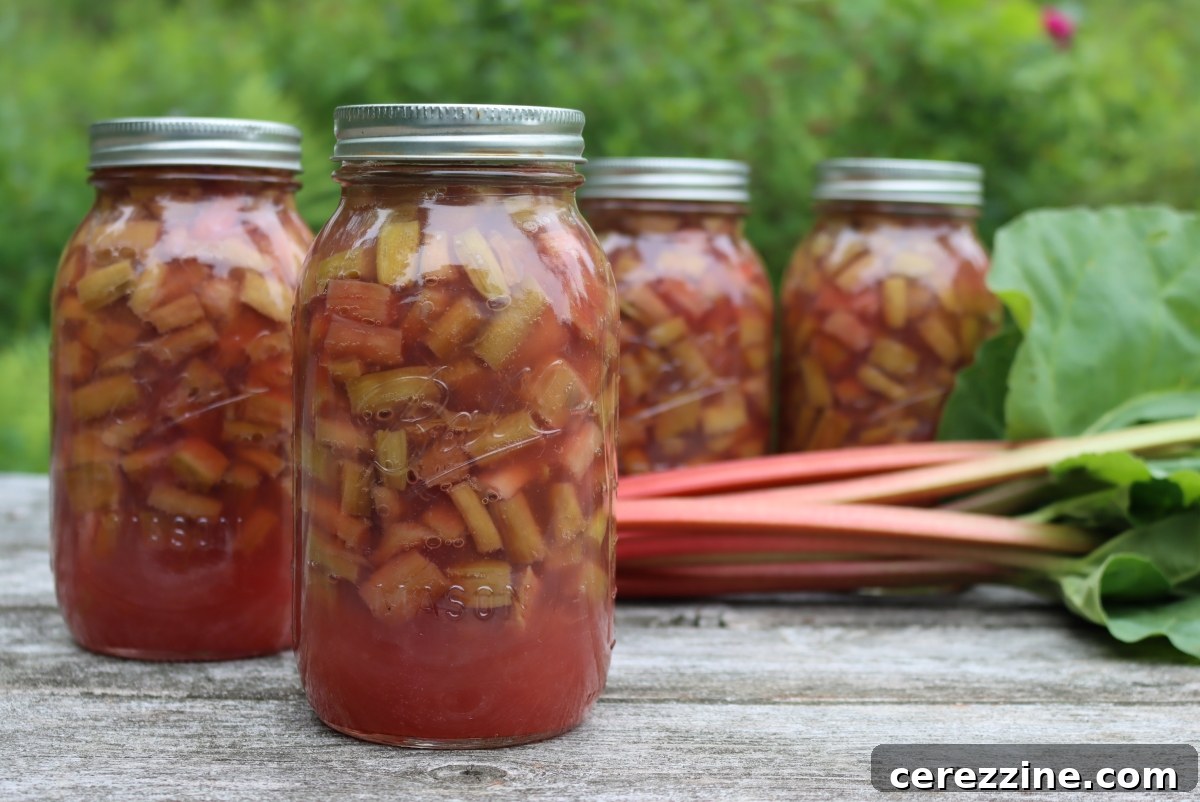
The Delightful Versatility of Rhubarb
Often mistaken for a fruit due to its prevalent use in sweet dishes, rhubarb is botanically a vegetable, a member of the buckwheat family. Its distinctive tartness, reminiscent of green apples, makes it an ideal counterpart to sugary ingredients, creating a balanced and irresistible flavor profile. The stalks range in color from pale green to a deep, striking ruby red, imparting a beautiful hue to everything from sauces and syrups to preserves and more experimental savory recipes.
Rhubarb’s season typically runs from early spring to early summer, offering a narrow window to harvest it at its peak. Once the stalks become tough and stringy later in the season, their quality for culinary uses diminishes. This makes preservation methods particularly valuable for maximizing your harvest. Beyond pie filling, there are numerous creative ways to preserve rhubarb. You can transform it into a concentrated juice for refreshing seltzers or unique cocktails. Chopped rhubarb freezes beautifully, ready to be added to crumbles or muffins. For longer-term storage, many opt to simply can plain rhubarb, while adventurous cooks might even craft homemade rhubarb wine or mead, admired for their beautiful golden-pink shades.
However, among all these methods, few offer the immediate gratification of a ready-to-bake rhubarb pie filling. With a jar of this prepped filling in your pantry, a classic rhubarb pie is just minutes away from being assembled. It’s the perfect solution for those moments when you’re facing a bountiful harvest, far too much to fit into your freezer. Canning provides an efficient and space-saving way to store large quantities, making sure not a single precious stalk goes to waste.
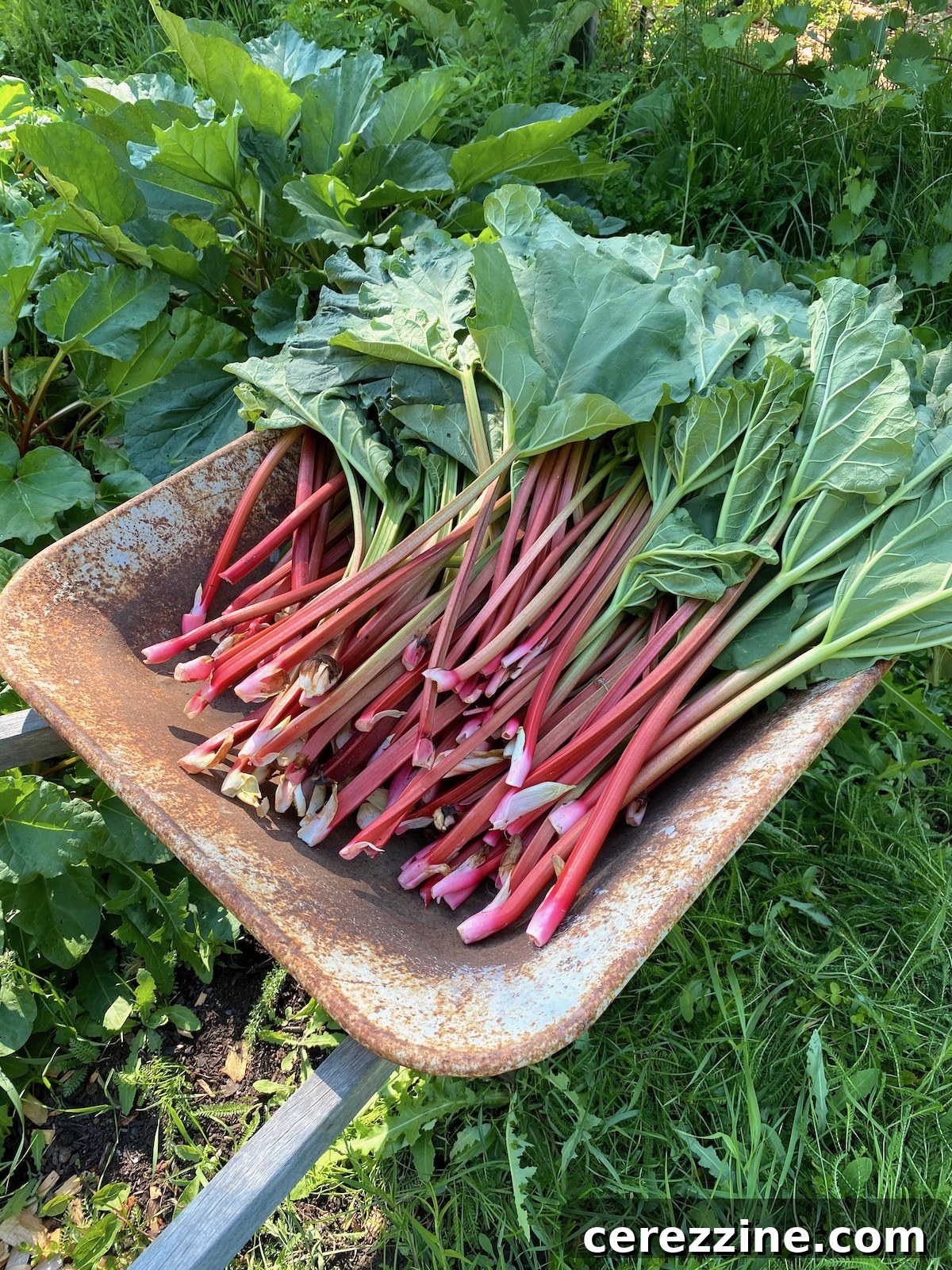
Essential Ingredients for Canning Rhubarb Pie Filling
To achieve the best possible pie filling, begin with rhubarb harvested early in the season. These stalks are tender and less fibrous than their late-season counterparts, which can become tough and stringy, affecting the texture of your finished product. The quality of your raw ingredients directly influences the deliciousness and consistency of your canned goods.
Below are the precise measurements for both a single quart jar and a full 7-quart canner batch. Adhering to these proportions is crucial for canning safety and optimal taste.
For a Single Quart Jar of Rhubarb Pie Filling, you will need:
- 3 ½ cups of rhubarb, thoroughly washed and chopped
- 1 cup granulated sugar
- ¼ cup Cook-Type Clear Jel
- ¾ cup cold water (or fruit juice, see notes below)
- ¼ cup bottled lemon juice
To Yield a Full 7-Quart Canner Batch, the amounts are as follows:
- 6 quarts of rhubarb, thoroughly washed and chopped
- 7 cups granulated sugar
- 1 ¾ cups Cook-Type Clear Jel
- 5 ¼ cups cold water (or fruit juice, see notes below)
- 1 ¾ cups bottled lemon juice
A Critical Note on Clear Jel: It is imperative to use **Cook-Type Clear Jel** for this recipe. Instant Clear Jel, cornstarch, or other thickeners are not suitable substitutes for canning pie fillings. Cook-Type Clear Jel is specifically formulated to withstand the high temperatures of the canning process without breaking down, ensuring your pie filling remains perfectly thick and luscious. For reference, Clear Jel is commonly sold by the pound, with one pound typically yielding about 3 cups.
Importance of Bottled Lemon Juice: This recipe mandates the use of bottled lemon juice, not freshly squeezed. Bottled lemon juice has a standardized acidity (pH level), which is vital for ensuring the safety of your canned goods. Fresh lemon juice can vary significantly in acidity, making it an unreliable choice for recipes where pH is a critical factor in preventing bacterial growth. Always opt for bottled lemon juice to guarantee the necessary acidity for safe canning.
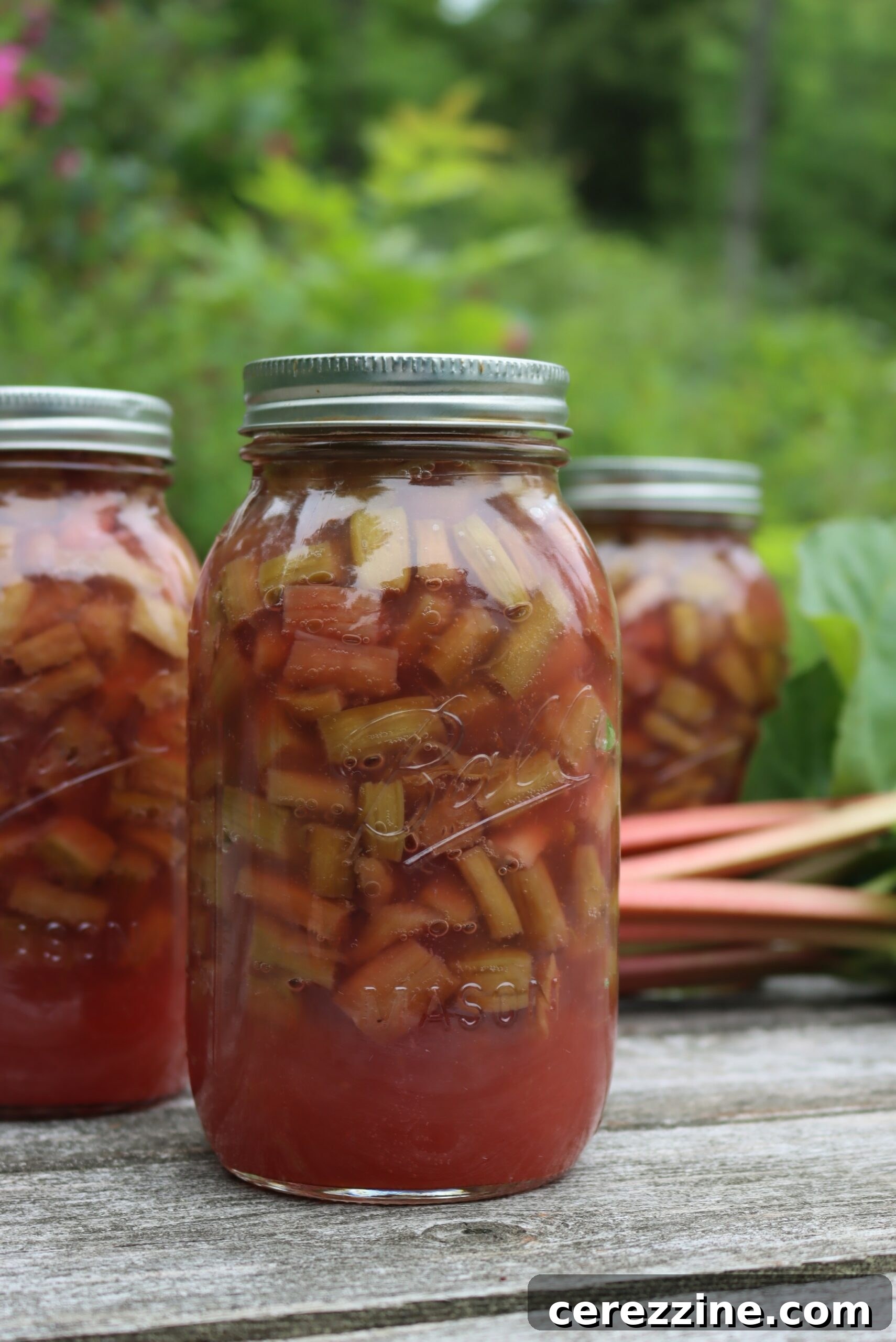
Altering the Canning Recipe for Rhubarb Pie Filling: What You Can and Cannot Change
This recipe for canning rhubarb pie filling is a tested and approved formula, originating from the Washington State University Extension. When it comes to home canning, adhering to tested recipes is paramount for food safety. While some adjustments can be made to suit your taste preferences, certain components are critical and should never be altered.
Lemon Juice: The amount of bottled lemon juice specified in the recipe is non-negotiable for safety reasons. You cannot reduce it. While you technically could add more if you prefer a very tart filling, rhubarb is naturally quite tart, and this recipe already includes a generous amount of lemon juice. Adding more might make the filling overwhelmingly sour for most palates.
Clear Jel: You have some flexibility with the amount of Cook-Type Clear Jel. If you prefer a slightly thinner pie filling, you can reduce the total quantity. However, you absolutely cannot increase it beyond the recommended amount, as this could affect heat penetration during processing and compromise safety. Furthermore, as mentioned, no other thickeners should be used. Cook-Type Clear Jel is the only approved starch for safely canning fruit pie fillings at home, as it maintains its thickening properties after processing.
Sugar: The sugar content is one element where you can truly personalize the recipe. Feel free to increase or decrease the amount to match your desired sweetness level. You can also experiment with alternative sweeteners like honey or maple syrup. Be aware that using less sugar or a liquid sugar substitute might result in a filling that isn’t quite as firmly set, but this will not impact the canning safety of the product.
Spices and Extracts: This is another area for creative expression. Adding various spices or extracts can significantly enhance the flavor profile of your rhubarb pie filling without affecting canning safety. Popular choices include warm spices like ginger, nutmeg, or cinnamon. Other recipes sometimes incorporate vanilla, allspice, cardamom, or cloves, offering a delightful twist to the classic rhubarb taste. Experiment with small batches to find your favorite combination.
How to Can Rhubarb Pie Filling: Step-by-Step Instructions
Before you begin, ensure you have all your canning equipment ready. Prepare your canning jars by washing them thoroughly and keeping them hot (either in your water bath canner, a dishwasher cycle, or a warm oven). Sanitize your lids and rings according to manufacturer instructions. If you’re new to the world of home canning, it’s highly recommended to consult a comprehensive beginner’s guide to water bath canning before proceeding.
- Prepare the Rhubarb: Start by washing your rhubarb stalks thoroughly. The decision to peel rhubarb is largely a matter of personal preference. While not strictly necessary, peeling is often recommended for very tough or late-season rhubarb, as it can be stringy, or if you desire an exceptionally smooth pie filling. Regardless of peeling, meticulously remove all leaves, as they are toxic. Trim off the very tops and bottoms of the stalks, discarding any bruised sections. Chop the clean rhubarb into uniform pieces, approximately ½ to 1 inch in length.
- Optional Color Preservation: To prevent the chopped rhubarb from browning and to maintain its vibrant color, you can soak it in a solution of 1 teaspoon ascorbic acid crystals (or six 500 mg vitamin C tablets, crushed) per 1 gallon of water. This step is entirely optional and purely for aesthetic purposes.
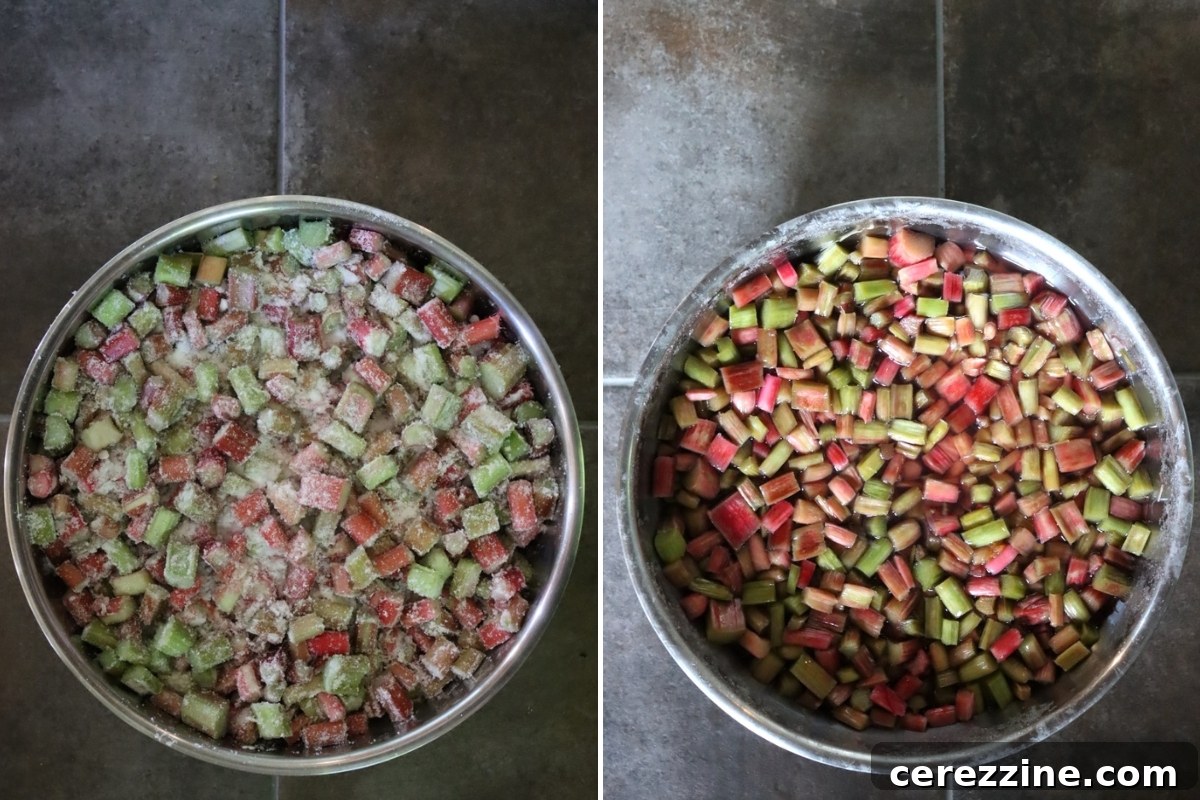
- Macerate the Rhubarb: Unlike many fruit fillings that require blanching, rhubarb pie filling has a unique initial step. In a large bowl, combine the chopped rhubarb with the granulated sugar. Stir well and let the mixture sit for at least an hour at room temperature. For even better results, you can cover it and refrigerate it overnight. This process, known as maceration, draws out the natural juices from the rhubarb, creating a lovely, flavorful syrup. After maceration, you should see the rhubarb pieces floating in this delightful liquid.
- Prepare the Clear Jel Slurry: In a separate bowl, whisk the Cook-Type Clear Jel thoroughly into the measured cold water (or juice). This step is absolutely critical: the liquid must be cold or at room temperature when the Clear Jel is added. If you attempt to mix Clear Jel into hot or even warm liquid, it will clump instantly and be almost impossible to dissolve properly, rendering it unusable. Whisk until no lumps remain and the mixture is smooth, then set it aside.
- Cook the Filling Base: Transfer the macerated rhubarb (including all its released juices) into a large stockpot. Heat over medium heat, bringing it to a gentle simmer. The rhubarb should be warm throughout.
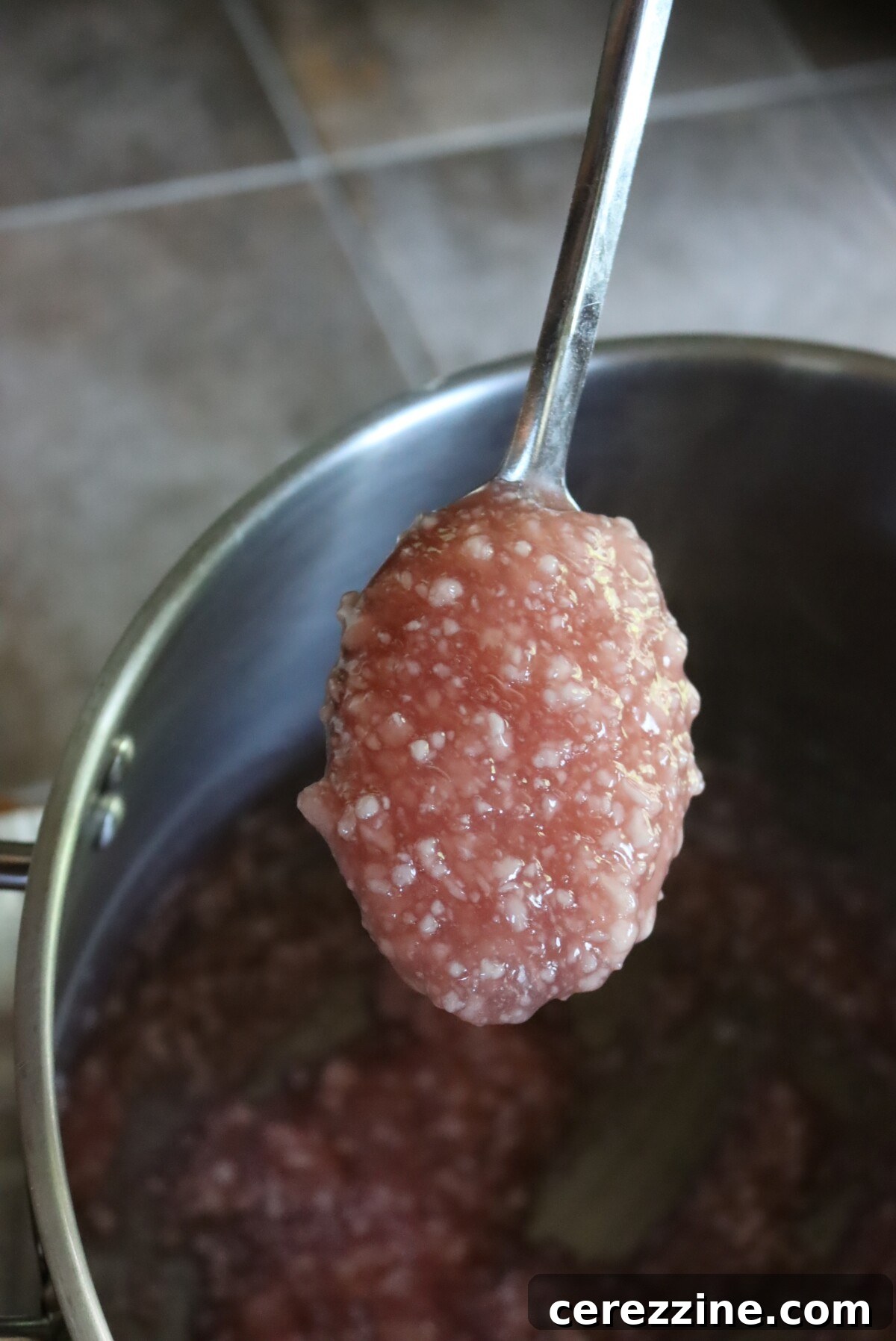
- Thicken the Filling: Gradually pour the cold Clear Jel and water mixture into the simmering rhubarb, stirring continuously. Increase the heat to medium-high and continue to stir diligently as the mixture heats and begins to thicken. It will become noticeably denser.
- Add Lemon Juice and Boil: Once the filling begins to bubble actively, add the bottled lemon juice. Continue to boil, stirring constantly, for a full minute. This ensures the Clear Jel is fully activated and the lemon juice is thoroughly incorporated for safety.
- Ladle into Jars: Immediately remove the pot from the heat. Working quickly, ladle the hot pie filling into your prepared hot canning jars, leaving precisely 1 inch of headspace. Because the filling is thick, it’s important to use a de-bubbling tool (or a clean, non-metallic knife) to gently work out any trapped air bubbles.
- Seal and Process: Wipe the rims of the jars meticulously with a clean, damp cloth to ensure a perfect seal. Center a clean, hot lid on each jar, and then apply the screw bands, twisting them until they are fingertip-tight. Carefully place the filled jars into your hot water bath canner. Ensure the jars are completely submerged in water, with at least 1-2 inches of water covering their tops. Bring the water to a rolling boil.
- Processing Time: Once the water is at a full rolling boil, begin timing. Process the rhubarb pie filling for 30 minutes. Remember to adjust this processing time according to your altitude, as detailed in the section below.
- Cooling and Checking Seals: After the processing time is complete, turn off the heat and carefully remove the canner lid. Allow the jars to rest undisturbed in the hot water bath for an additional 10 minutes. This crucial resting period helps equalize the pressure inside and outside the jars, significantly reducing the chance of siphoning (liquid loss from the jars). After 10 minutes, use a jar lifter to carefully remove the hot jars and place them on a towel-covered surface or a wire rack, ensuring they are not touching each other. Allow them to cool completely for 12 to 24 hours without disturbance.
- Storage: Once cooled, check the seals. A properly sealed jar will have a lid that is concave (curved inwards) and does not flex when pressed. Any jars that have not sealed properly should be refrigerated immediately and used first. Properly sealed jars of rhubarb pie filling should be stored in a cool, dark place and will maintain their peak quality for up to 12 months. Once opened, refrigerate any unused portion.
Altitude Adjustments for Canning Rhubarb Pie Filling
Altitude affects boiling points, which in turn influences the effectiveness of the canning process. To ensure the safety and longevity of your canned rhubarb pie filling, it’s essential to adjust your processing time based on your elevation above sea level:
- 0 to 1,000 Feet in Elevation: 30 minutes
- 1,001 to 3,000 Feet in Elevation: 35 minutes
- 3,001 to 6,000 Feet in Elevation: 40 minutes
- Above 6,000 Feet in Elevation: 45 minutes
Juice or Water for Canning Liquid: Enhancing Flavor
While the recipe calls for cold water, substituting some or all of it with juice can significantly enhance the flavor of your rhubarb pie filling, making it even more robust and delicious. There are several ways to incorporate juice into your recipe:
- Fresh Rhubarb Juice: If you have an abundance of rhubarb, extracting its juice is a fantastic option. You can follow methods similar to those used for rhubarb jelly: boil chopped rhubarb until tender, then strain the liquid through a jelly strainer or several layers of cheesecloth. Chill the extracted juice thoroughly before using it to replace some of the water in your pie filling recipe.
- Juice from Frozen Rhubarb: When thawing frozen rhubarb for this recipe, simply place it in a colander set over a bowl. As it thaws, it will release a flavorful juice. Collect this liquid, measure it, and supplement with additional water if necessary to meet the total liquid amount required by the recipe.
- Countertop Juicer: For a quick and easy method, a countertop juicer can efficiently extract fresh rhubarb juice.
- Other Fruit Juices: Don’t limit yourself to just rhubarb juice! The juice of other fruits can be a wonderful addition, though be mindful that they will impart their own distinct flavors. Apple juice, for instance, adds a complementary sweetness, while strawberry juice creates an incredibly tasty strawberry-rhubarb blend. Experiment by substituting ¼ to ½ of the water with your chosen juice for a more complex and flavorful filling.
Remember: Regardless of the type of juice you use, it is crucial that the liquid is cold or at room temperature when you mix in the Clear Jel. Whisk thoroughly until the Clear Jel is completely dissolved before heating the mixture. Mixing Clear Jel with hot liquid will cause it to clump instantly, making it unusable.
Troubleshooting Common Canning Issues
Canning can sometimes feel like a delicate science experiment, and occasionally, things don’t go exactly as planned. If your rhubarb pie filling didn’t turn out quite right, don’t despair! Here are some common issues encountered during the canning process and how to address or prevent them in the future:
Filling Didn’t Thicken
If your pie filling turned out runny, the primary suspect is almost always the thickener. For safe home canning, you absolutely must use Cook-Type Clear Jel. Instant Clear Jel, cornstarch, flour, or any other starch substitute will not work. Cornstarch, for example, cannot withstand the prolonged heat of water bath canning and will break down during processing, leaving you with a thin, watery mess. Cook-Type Clear Jel is the only starch tested and approved by extension services for canning pie fillings because it holds its texture beautifully even after the heat of processing and subsequent baking. If you are certain you used the correct product and the filling still didn’t set, it might have been a rare bad batch of Clear Jel. Many home canners have good results with brands like Hoosier Hill Farm Brand.
Lumpy or Clumping Filling
Clear Jel, while effective, can be finicky if not handled properly. Its main requirement is to be fully whisked into cold liquid before any heat is applied. If you try to mix it into hot, or even just warm, juice or water, it will begin to thicken instantly and form stubborn clumps that are difficult to break down. My own experience confirms this: during an early test, I tried using freshly extracted rhubarb juice that was still warm, and the Clear Jel seized into a gummy mess before I could even finish stirring it. To avoid this, always ensure your liquid is thoroughly chilled, then gradually add the Clear Jel while continuously whisking until it’s perfectly smooth. Only then should you introduce the mixture to heat.
Liquid Loss During Processing (Siphoning)
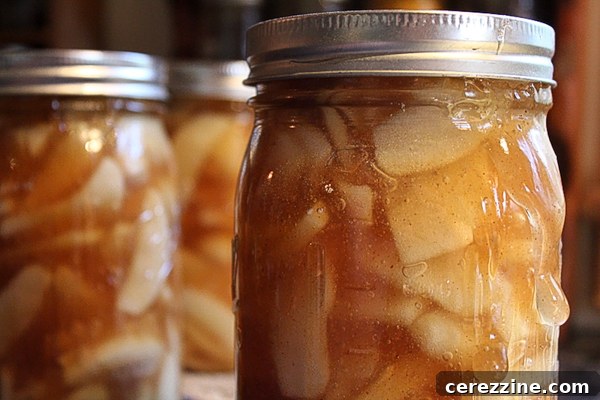
Finding sticky residue or a noticeable loss of syrup from your jars after canning indicates siphoning. This occurs when contents are forced out of the jar due to rapid pressure changes during cooling. The best preventative measure is to allow the jars to temper gradually. After the processing time is complete, turn off your water bath canner, remove the lid, and let the jars sit undisturbed in the hot water for about 5 to 10 minutes. This pause allows the temperature and pressure inside the jars to equalize slowly with the outside environment. Even if some syrup leaks out, as long as the lids are properly sealed, the contents are still safe. Simply wash the jars thoroughly after they have completely cooled, remove the rings, and confirm a good seal before storing them. (The image below shows an example of siphoning, which, while not ideal visually, still results in safe-to-store jars once cleaned.)
Fruit Floating
While rhubarb doesn’t typically float as dramatically as some other fruits like strawberries or peaches, it can still separate in the jar, with the fruit rising to the top. This can be caused by under-thickened gel, or fruit that hasn’t been properly prepared. Ensure you follow the instructions for macerating the rhubarb with sugar – this process softens the fruit fibers and helps release trapped air, making it less prone to floating. Also, give the filling a very good stir just before ladling it into jars to ensure even distribution of fruit. If some separation still occurs, it’s primarily a cosmetic issue and does not affect the safety or taste of your pie filling.
Air Bubbles You Can’t Remove
Clear Jel thickens relatively quickly. By the time you get to your last few jars, the filling might be quite dense, making it challenging to effectively use a bubble remover or knife to dislodge trapped air pockets. Try to work as quickly and efficiently as possible, removing as many bubbles as you can. However, don’t stress about achieving absolute perfection. A few small, trapped air pockets do not pose a safety risk. As long as your jars have sealed properly and the headspace is appropriate, your canned pie filling is safe to store and enjoy, even if it doesn’t win a beauty contest.
Using Your Homemade Rhubarb Pie Filling
While classic rhubarb pie remains the most cherished way to enjoy this delightful filling, its versatility extends far beyond just a traditional crust. Having jars of homemade rhubarb pie filling in your pantry opens up a world of culinary possibilities. Here are some inspiring ideas to make the most of your preserved rhubarb:
- Beyond the Classic Pie: Embrace variations like the ever-popular strawberry rhubarb pie, or combine your filling with creamy textures in a rhubarb cream pie, a fluffy meringue pie, or a rich rhubarb custard pie.
- Baked Good Enhancements: Swirl the pie filling into muffin batters, scone dough, or even a simple pound cake for a moist and flavorful boost. It can also be layered with cake mix for an effortless “dump cake” or used to create a stunning rhubarb upside-down cake.
- Hand-Held Treats: For an easy-to-eat dessert, transform your pie filling into strawberry rhubarb pie bars or turn it into turnovers.
- Quick Desserts: In a pinch, spoon the vibrant filling over vanilla ice cream, plain yogurt, or shortcake for an instant, refreshing dessert. It’s a wonderful alternative to stewed rhubarb.
- Fruit Pairings: Don’t limit rhubarb to just strawberries. Its tartness pairs beautifully with other fruits. Consider combining it with apples or various berries in pies, crumbles, or cobblers for new flavor dimensions.
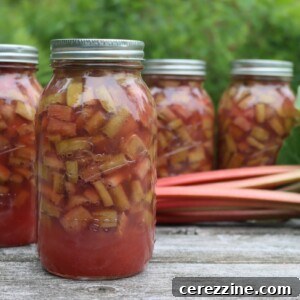
Canning Rhubarb Pie Filling
Equipment
- Water Bath Canner
Ingredients
For a Single Quart:
- 3 ½ cups rhubarb, washed and chopped
- 1 cup granulated sugar
- ¼ cup Clear Jel
- ¾ cup cold water, or juice
- ¼ cup bottled lemon juice
For a 7 Quart Canner Batch:
- 6 Quarts rhubarb, washed and chopped
- 7 cups granulated sugar
- 1 ¾ cup Clear Jel
- 5 ¼ cups cold water, or juice
- 1 ¾ cup bottled lemon juice
Instructions
- Prepare canning jars, lids, and heat a water bath canner.
- Wash rhubarb and peel if desired. Remove the tops and bottoms of the stalks and discard any leaves. Chop rhubarb stalks into ½ inch to 1 inch pieces.
- Mix the rhubarb and sugar and allow it to macerate for at least an hour (or overnight) to release its juices.
- Whisk the clear gel into the measured cold water (or juice) called for in the recipe. Make sure it’s completely dissolved, then set aside.
- Add the macerated rhubarb to a large stock pot and bring to a gentle simmer.
- Next, add in the dissolved clear gel and water mixture and cook until thickened.
- When the mixture has thickened and begun bubbling, add the lemon juice and boil for one minute more.
- Remove from heat and quickly ladle in prepared canning jars, leaving 1 inch headspace. Be sure to de-bubble the thick liquid as well.
- Wipe rims to ensure a tight seal and apply 2-part canning lids, twisting until fingertight. Process in a water bath canner for 30 minutes, increasing time as needed for altitude.
- After the processing time is complete, turn off the water bath canner and allow jars to rest for another 10 minutes to reduce the chances of siphoning.
- Remove with the aid of a jar lifter and place atop a towel-covered surface to cool. Check seals after 12 to 24 hours. Any unsealed pie fillings should be moved to the refrigerator to be used first.
- Store properly sealed jars in a cool dark location. Refrigerate after opening. Jars of rhubarb pie filling will maintain peak quality for 12 months when properly canned and stored.
Notes
Corresponding measurements have been given for both a single quart and a full 7 quart canning batch. For any increments in between, multiply the measurements given in the single quart batch to render your desired yield.
If new to home-canning, be sure to read this beginner’s guide to water bath canning beforehand.
Processing times for pints and quarts are as follows:
- 0 to 1,000 Feet in Elevation: 30 minutes
- 1,001 to 3,000 Feet in Elevation: 35 minutes
- 3,001 to 6,000 Feet in Elevation: 40 minutes
- Above 6,000 Feet in Elevation: 45 minutes
Once processing time is complete, turn off your water bath canner and allow jars to rest another 10 minutes. This reduces the risk of siphoning. Remove with a jar lifter and place atop a towel to cool, undisturbed.
Don’t forgo the towel – it acts as a buffer, preventing thermal shock (cracked jars).
Nutrition
Carbohydrates: 28g,
Protein: 1g,
Fat: 0.2g,
Saturated Fat: 0.03g,
Polyunsaturated Fat: 0.1g,
Monounsaturated Fat: 0.02g,
Sodium: 2mg,
Potassium: 162mg,
Fiber: 1g,
Sugar: 26g,
Vitamin A: 55IU,
Vitamin C: 7mg,
Calcium: 47mg,
Iron: 0.1mg
Nutrition information is automatically calculated, so should only be used as an approximation.
Like this? Leave a comment below!
Explore More Home Canned Pie Fillings
If you’ve enjoyed the process of canning rhubarb pie filling, you’ll be delighted to discover a world of other delicious pie fillings you can preserve at home. Stock your pantry with these seasonal favorites:
- Canning Apple Pie Filling
- Canning Blackberry Pie Filling
- Canning Peach Pie Filling
- Canning Cherry Pie Filling
Discover More Fruit Canning Recipes
Rhubarb is just one of many garden treasures you can preserve. Expand your home canning repertoire with dozens of fruit canning recipes, ensuring your pantry shelves are fully stocked with wholesome, homemade goodness all year long.
- Canning Peaches
- Canning Blackberries
- Canning Plums
- Canning Blueberries
- Canning Cherries