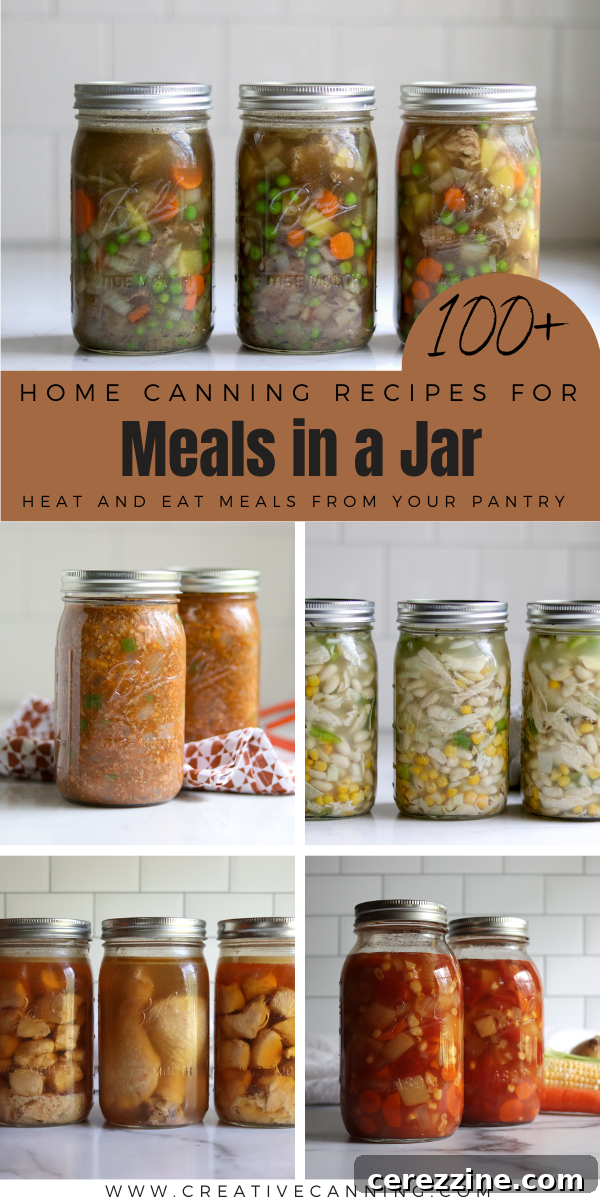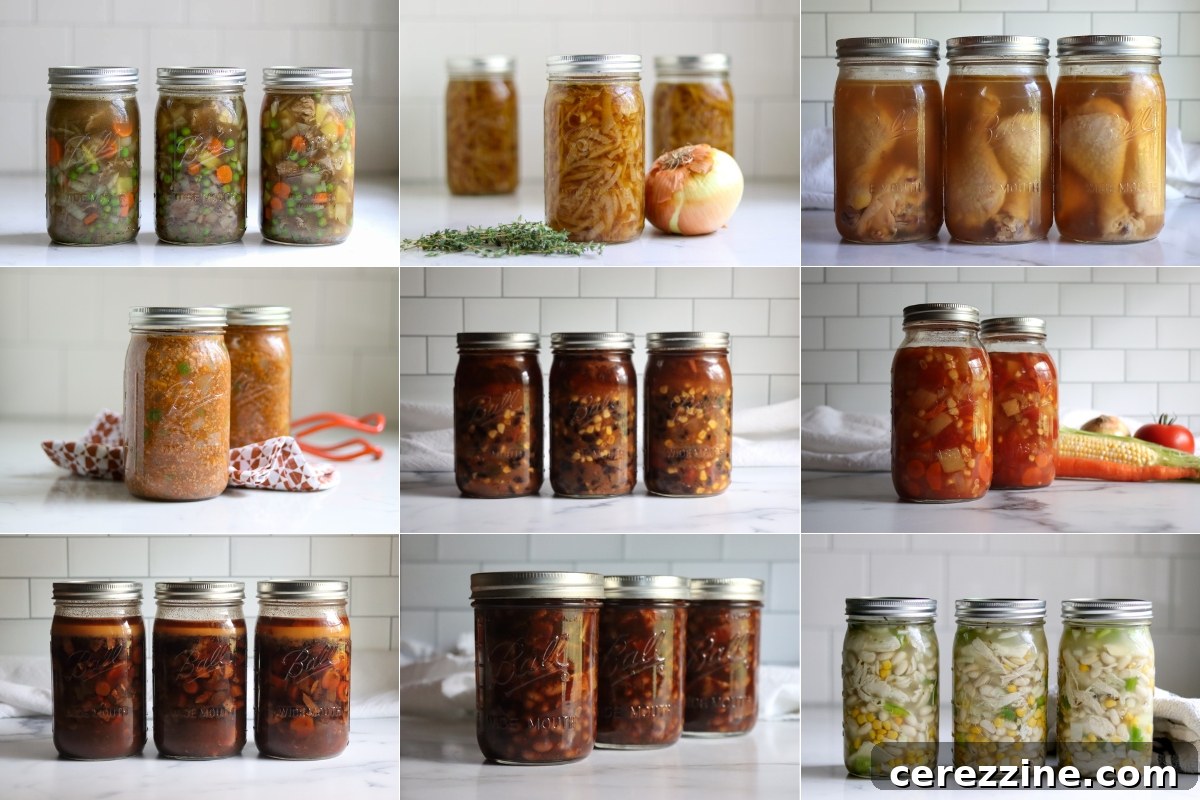
Canning “meal-in-a-jar” recipes revolutionizes home food preservation and simplifies meal preparation, offering a convenient solution for modern households. These wholesome, ready-to-eat meals are a true lifesaver, whether you’re navigating a demanding workday, facing an unexpected power outage, or simply seeking a quick, nutritious dinner without the fuss. Imagine having a pantry stocked with delicious, home-cooked dinners that are as easy to grab as takeout, but infinitely healthier and more satisfying.
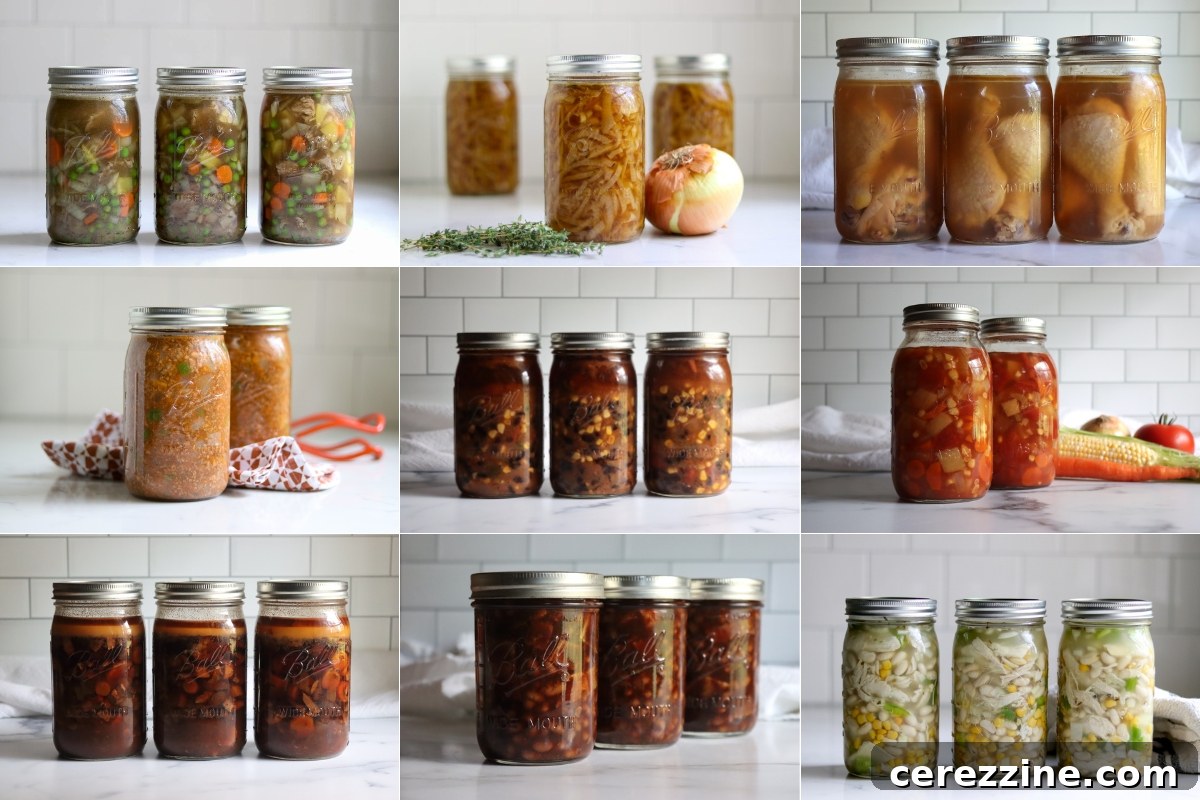
Many individuals begin their canning journey with simpler methods like water bath canning jams or pickles, sometimes progressing to pressure canning fresh vegetables straight from the garden. However, canning entire meals in a jar is an entirely different endeavor, elevating your food preservation skills to a new level of culinary self-sufficiency. Instead of preserving individual ingredients, you create complete, balanced meals that are ready to heat and serve, drastically cutting down on cooking time during busy evenings.
In our fast-paced world, this approach makes a monumental difference in maintaining a commitment to home-cooked food. While I still value canning versatile staples like green beans, carrots, potatoes, and beef, these ready-to-eat meals offer unparalleled convenience. They become priceless on evenings when fatigue sets in after a long day or a late night. Having a jar of hearty stew or a flavorful curry within reach means the difference between enjoying a healthy, homemade meal and resorting to less nutritious takeout options.
To truly maximize the benefits of these prepared meals, it’s essential to curate a diverse selection of recipes that meet two primary criteria. First, if you have an abundant supply of a particular ingredient, such as beef, venison, or garden vegetables, you’ll want effective ways to preserve and utilize it. Second, and equally important, the recipes must appeal to your family’s tastes to ensure they are enthusiastically enjoyed. This strategic selection guarantees that your pantry becomes a treasure trove of beloved, convenient meals.
Fortunately, I’ve compiled an extensive collection of reliable and delicious meal-in-a-jar recipes to help you achieve this. This comprehensive guide covers a wide array of options, ensuring you’ll find plenty of inspiration to fill your pantry with nutritious, shelf-stable dinners. And for those feeling adventurous, I even have a dedicated guide on how to create your own safe and unique meal-in-a-jar canning recipes.
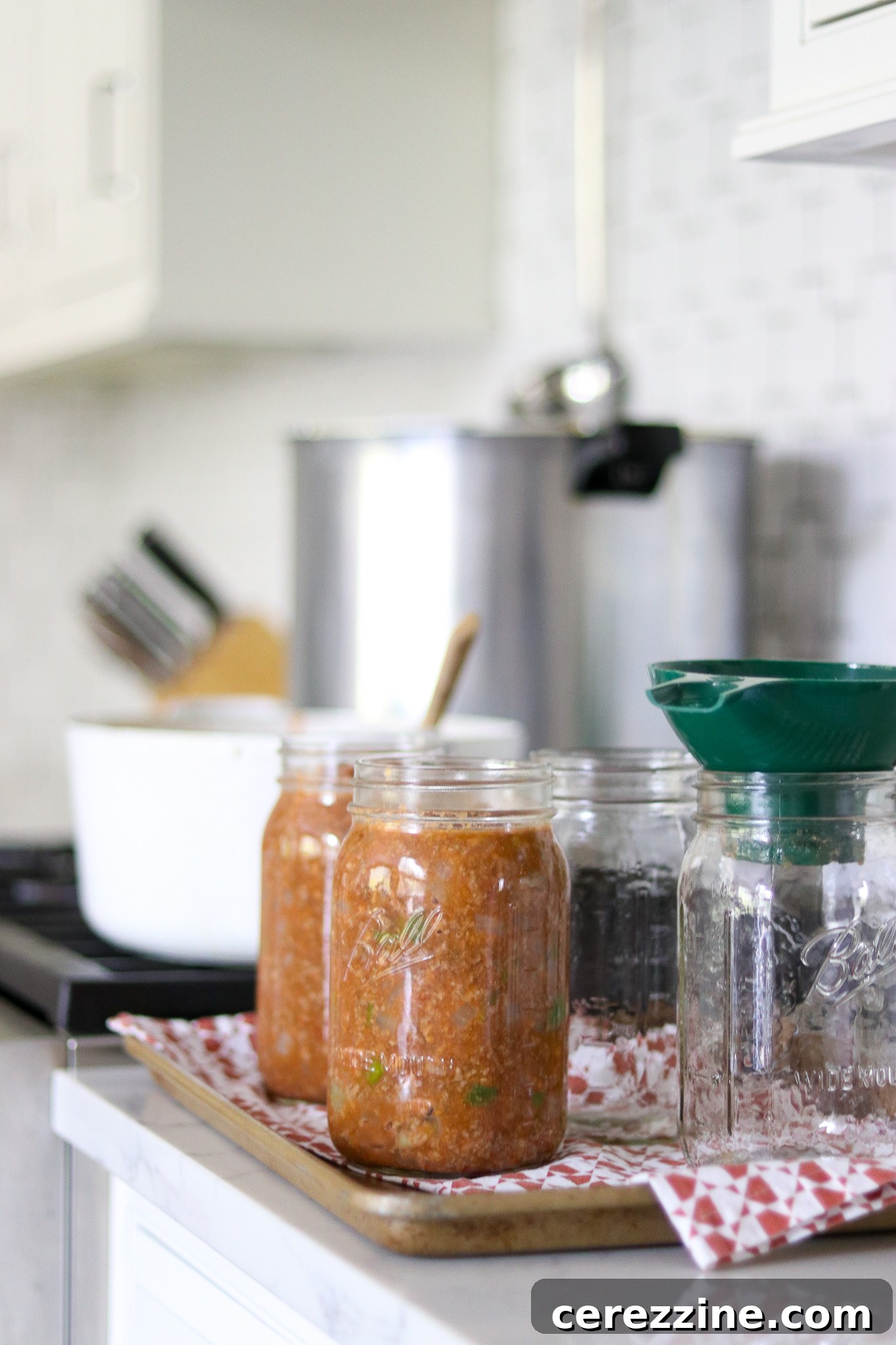
Essential Guidelines for Canning Meals in a Jar
While canning can sometimes be perceived as daunting or overly complex, I assure you it’s a straightforward process, much like mastering other fundamental cooking techniques. However, like any food preparation method, adherence to specific safety rules is paramount, especially when preserving multi-ingredient meals. Before diving into our recipe collection, let’s establish a clear understanding of what is and isn’t safe for canning complete meals in a jar.
Every recipe featured in this list is specifically designed for pressure canning. Water bath canning is suitable only for high-acid foods such as jams, jellies, and pickles. It is unequivocally unsafe for these multi-ingredient recipes, which typically contain low-acid foods like meats and vegetables, making pressure canning the only safe method to prevent the growth of harmful bacteria, including Clostridium botulinum, which causes botulism. If you’re new to pressure canning, I highly recommend reviewing my detailed beginner’s guide to pressure canning for a solid foundation.
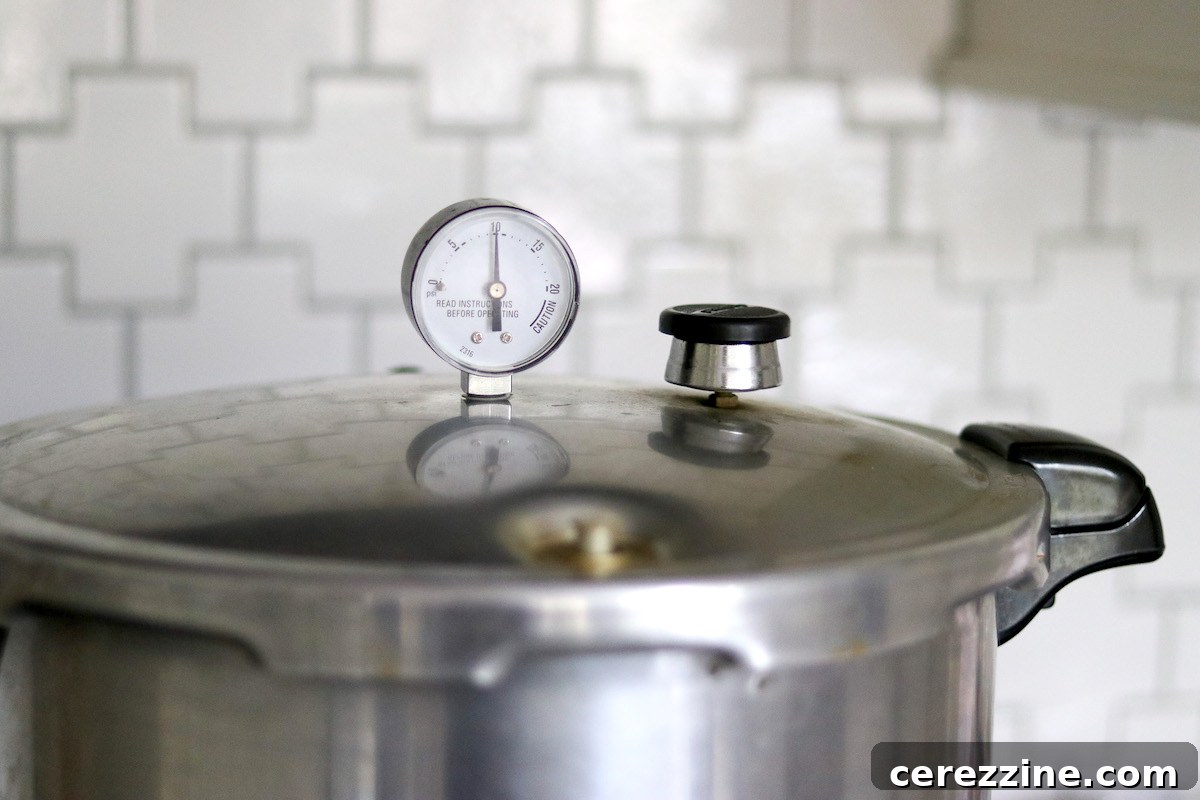
To embark on your pressure canning journey, you’ll need a few essential supplies. A reliable, high-quality pressure canner is indispensable. My personal preference is the 30-quart All-American Brand Pressure Canner, renowned for its superior quality and durability. Beyond the canner, you’ll also need canning jars, lids, bands, a jar lifter, a canning funnel, and a headspace tool. These and other helpful items are detailed in my comprehensive canning supplies article.
While a pressure canner is an incredible tool for food preservation, it’s crucial to understand that certain ingredients should never be canned, regardless of the method. Unfortunately, misinformation regarding these ingredients sometimes circulates on social media. Understanding basic canning safety principles is vital to protect yourself and your family. Ingredients that are strictly prohibited in home canning include:
- Dairy products, such as milk, cheese, and butter. These are low-acid and can create an environment for bacterial growth, plus they tend to separate and curdle during processing.
- Coconut milk, oat milk, and other plant-based milks. Similar to dairy, their composition makes them unsuitable for safe canning.
- Eggs, including pickled eggs. Eggs are a high-protein, low-acid food that does not safely preserve through canning.
- Rice, pasta, and other starchy foods. Starches can swell and create dense pockets in jars, which prevent adequate heat penetration, making safe processing impossible.
- Flour, corn starch, and most other thickeners. These can also inhibit proper heat distribution throughout the jar, compromising safety. While Clear Jel is approved for specific acidic fruit pie fillings, it has not been tested or approved for use in savory pressure-canned meals.
The good news is that these prohibited ingredients are typically easy to add fresh at the time of serving. For instance, when I prepare my home-canned Beef Stroganoff, I simply cook fresh pasta to serve it over while the stroganoff reheats. Likewise, if I’m serving Vindaloo Curry over rice, I prepare the rice while the curry warms up. Many savory dishes, such as Chicken Marsala, can be quickly thickened with a safe thickener like cornstarch slurry right before serving, achieving the perfect texture without compromising canning safety.
For those concerned about having shelf-stable versions of these complementary ingredients for emergencies, many non-perishable items like rice and pasta store exceptionally well in airtight jars or food-grade five-gallon buckets. Shelf-stable versions of perishable items, such as powdered milk, can also be stored to provide complete meal solutions when refrigeration isn’t available. These options are excellent for comprehensive emergency food storage strategies.
Finally, for those living at elevations above 1,000 feet, adjusting the pressure in your canner is a critical step to ensure your meal-in-a-jar recipes are processed correctly and safely. Always consult a reliable guide for the specific altitude adjustments required for pressure canning in your region.
Discover Your Next Favorite Meal in a Jar Canning Recipe
If you’re eager to start stocking your pantry with an impressive array of convenient, home-canned meals, you’ve come to the right place. I’ve meticulously curated an extensive collection of the best meal-in-a-jar recipes, categorized for easy browsing. You’ll find a wealth of hearty options, including comforting chilis, robust stews, versatile sandwich fillings, nourishing soups, and much more, all designed to make mealtime effortless.
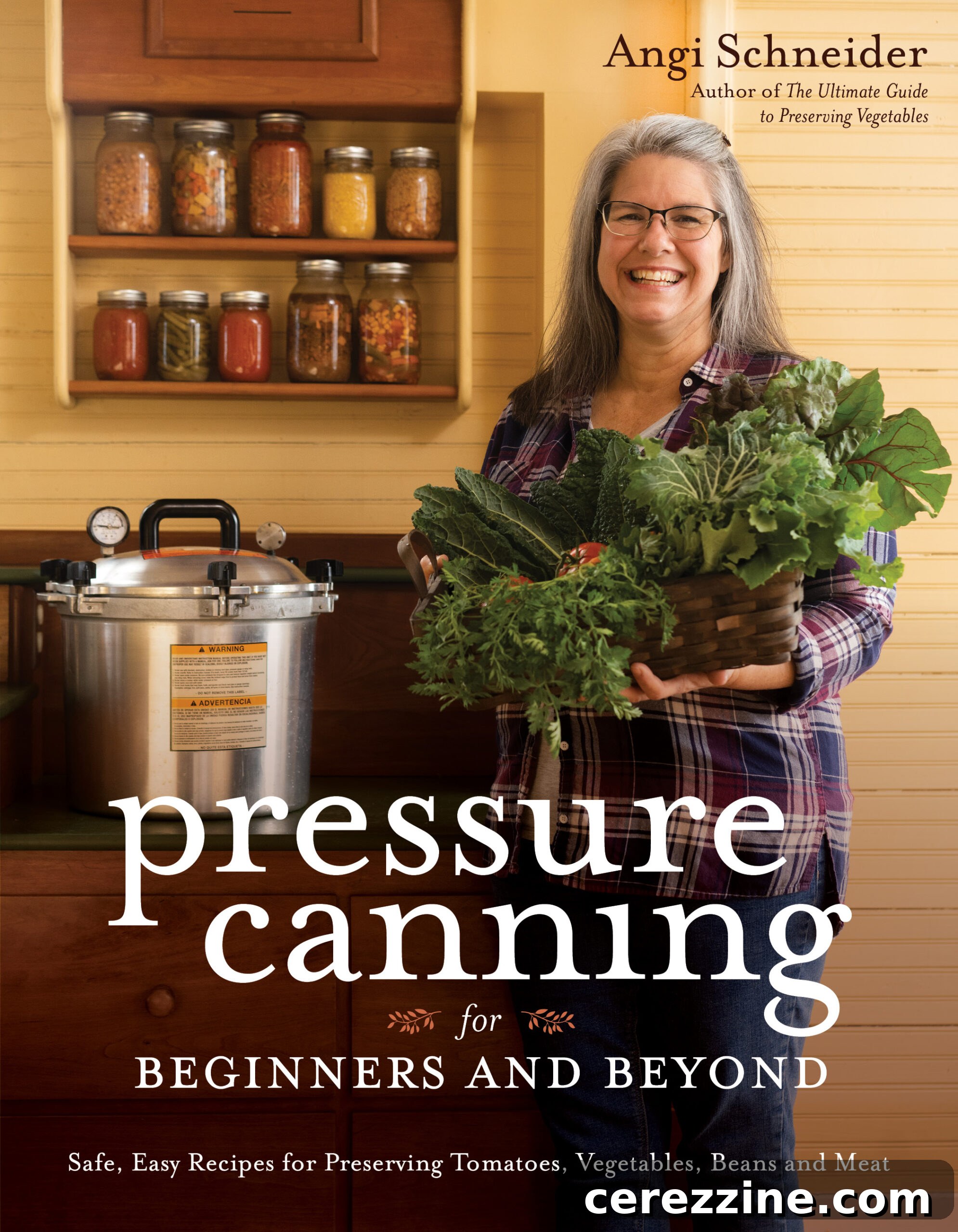
While many fantastic resources are available online, some of my absolute favorite canning recipes come from trusted canning books. A standout recommendation is “Pressure Canning for Beginners and Beyond” by Angi Schneider. This book is, without a doubt, my top choice for its innovative and delicious meal-in-a-jar recipes, perfect for creating a well-stocked pantry. Angi’s books are highly regarded because she dedicates significant effort to ensure all her recipes are rigorously tested and approved for safe home canning. If you’re serious about finding both tasty and safe meal-in-a-jar recipes, her book is an invaluable investment, offering unique culinary gems not found elsewhere online.
I also draw inspiration from Diane Devereaux’s “The Complete Guide to Pressure Canning,” though it requires a certain level of familiarity with canning safety. This is because it occasionally lists ingredients that are generally considered unsafe for home canning, such as coconut milk. Additionally, Diane’s recipes sometimes utilize Clear Jel thickener in soups. While Clear Jel is deemed safe for certain applications, many, including myself, find its texture can be somewhat gooey and less appealing in savory meals. Despite these considerations, Diane’s book offers many creative ideas that can serve as a great source of inspiration for experienced canners. However, if you’re only purchasing one canning guide, I strongly recommend Angi Schneider’s “Pressure Canning for Beginners and Beyond” for its unwavering commitment to safety and quality.
Hearty Meat Dinners: Your Convenient Culinary Backbone
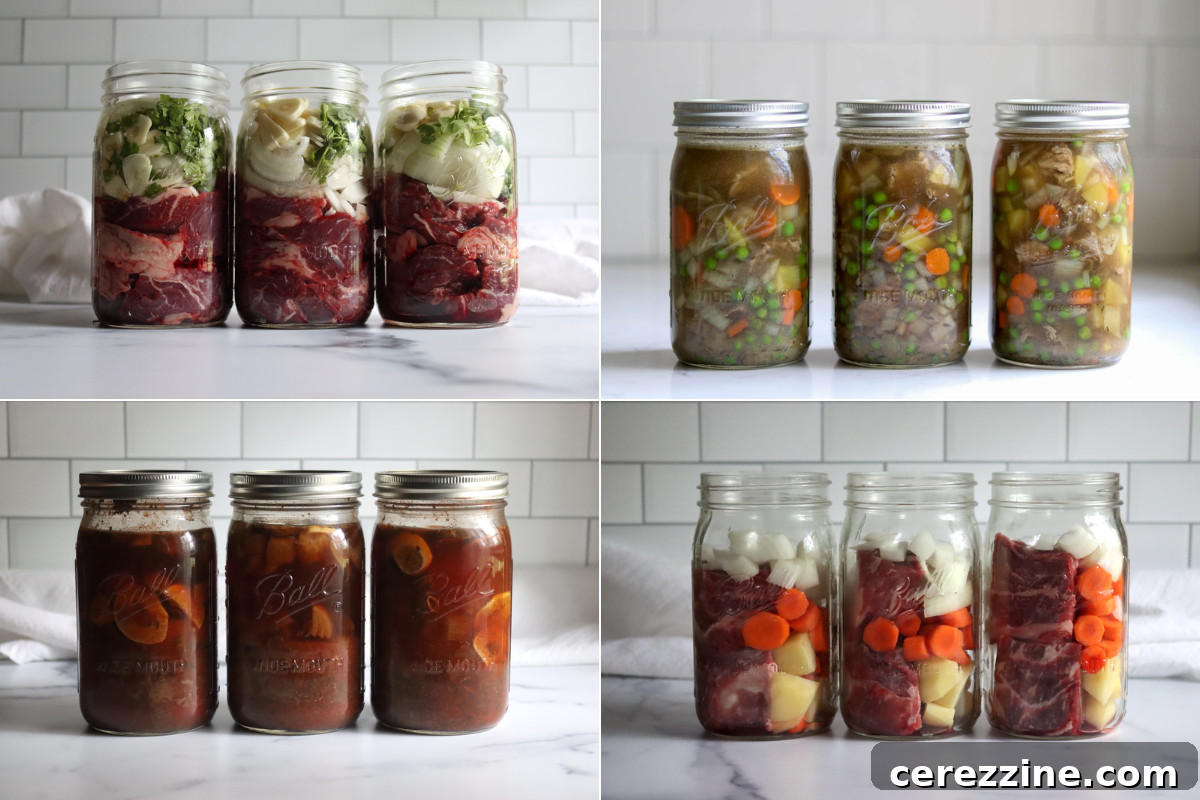
These meal-in-a-jar recipes are perfectly suited for creating substantial, meat-centric dinners. Some, like rich soups or savory stews, can stand alone as a complete meal. Others serve as an excellent main course, pairing beautifully with other home-canned produce like corn or potatoes. Many are also delightful when served alongside shelf-stable accompaniments such as rice, pasta, or tortilla chips, making them incredibly versatile for any occasion.
To make navigation easier, I’ve organized these recipes into categories based on the primary type of meat. You’ll also find a dedicated section for delicious vegetarian main dishes at the end.
Beef Canning Recipes: Robust Flavors for Your Pantry
Beef meal-in-a-jar recipes are a fantastic way to preserve extra meat, offering hearty and filling options for future meals. These recipes are also highly adaptable and can often be used with other types of red meat, including venison, moose, veal, or even bear, making them ideal for hunters or those with access to diverse game meats. Similarly, pork can be pressure canned using the same guidelines as beef, allowing for safe substitutions in any of these recipes.
Pressure canning beef is straightforward and safe, whether you prefer it as steaks, cubes, ground meat, or slices. Typically, beef is canned in a flavorful beef stock, but tomato juice can also be an excellent alternative, adding a different dimension of taste. While our site features many individual beef canning recipes, here are some of our top meal-in-a-jar favorites to get you started:
- Beef Burgundy (Julia Child’s Recipe)
- Beef Pot Pie Filling
- Beef Pot Roast in a Jar
- Beef Stroganoff
- Beef Tips and Gravy
- Beef with Wine Sauce
- Chipotle Beef for Tacos
- Goulash
- Meatballs in Stock
- Meatballs in Tomato Juice
- Meatballs with Potatoes and Carrots
- Sauerbraten
- Swiss Steak
- Korean Beef
- Mongolian Beef
- Vindaloo Curry (Usually done with lamb or goat, but beef or pork are excellent too)
Ground Beef Creations for Your Canning Pantry
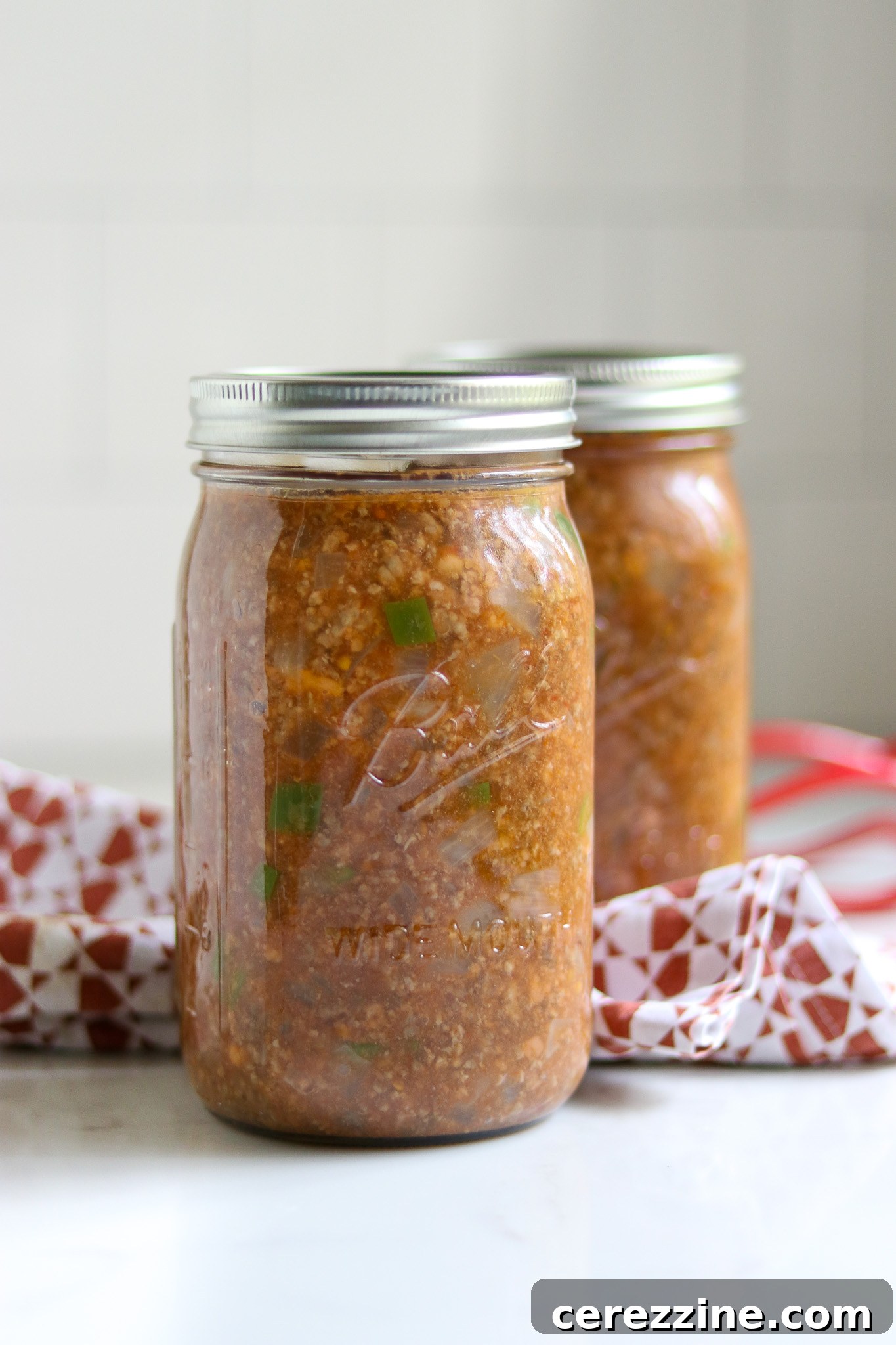
Ground beef is an exceptionally versatile and economical option for canning, making it perfect for creating a wide variety of easy-to-use meal-in-a-jar recipes. I particularly love transforming it into hearty chili, savory taco filling, and classic Sloppy Joe filling, which are always family favorites. It might sound unusual, but you can also safely can plain ground beef, either crumbled or as hamburger patties. Once removed from the jar, these can be cooked just like fresh ground beef, browned until crisp, and served as regular hamburgers or incorporated into various dishes.
- American Chop Suey (Goulash)
- Canning Hamburger (patties or crumble)
- Ground Beef Chili (Chili con Carne)
- Salisbury Steak
- Savory Beef and Vegetables
- Sloppy Joe Filling
- Taco Meat (Ground beef and seasoning)
- Unstuffed Cabbage Rolls
- Unstuffed Pepper Soup
Pork Canning Recipes: Preserving Freshness for Future Feasts
Pork is another excellent candidate for pressure canning, offering delicious meal-in-a-jar options. The process for canning fresh pork mirrors that of beef; you can preserve it in various forms, including slices, steaks, cubes, or ground pork. This flexibility allows for a wide range of culinary applications, from roasts to stews and beyond.
However, it is critically important to distinguish between fresh pork and cured pork products. Cured meats such as ham and bacon are **not safe** for pressure canning. The curing process significantly alters the meat’s density and chemical composition, which prevents it from heating reliably and uniformly throughout the jar during processing. This inconsistent heat penetration means that harmful bacteria may not be eliminated, posing a significant health risk.
Despite this general rule, a select few specifically tested canning recipes do safely incorporate small amounts of cured meat, primarily for flavor, such as Boston Baked Beans. These recipes have been meticulously developed and approved by canning authorities, and it’s essential to adhere strictly to their guidelines. You should never attempt to add more cured meat to these recipes or try to can large quantities of ham or bacon independently, as there are currently no safe home canning methods for these products. If you’re interested in long-term storage for cured pork, traditional home curing methods that don’t involve canning are a viable alternative. Here are some safe and delicious ways to pressure can fresh pork:
- Mississippi Pork Roast
- Quebec Pork Meatballs
- Pork Meatballs
- Pork Sausage
- Pork Spareribs
- Pork Tenderloin
- Pennsylvania Pot Roast
- Pulled Pork
- Pork and Apple Curry
- Roast Pork in Apple Broth
- Char Siu Pork
- Pork Al Pastor
- Pozole Rojo
- Sausage Crumbles or Patties
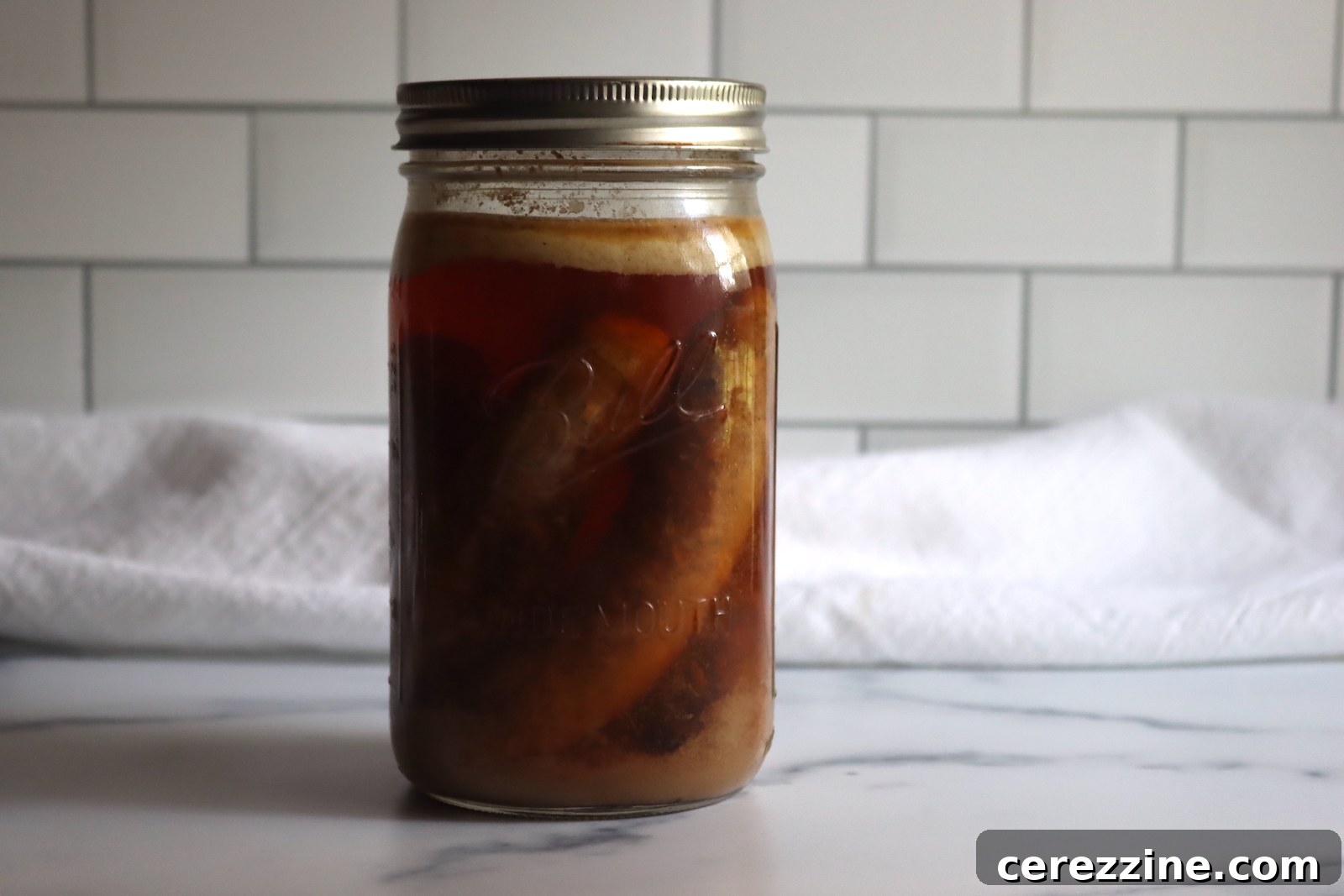
Chicken, Duck, & Rabbit: Poultry and Game Bird Canning Excellence
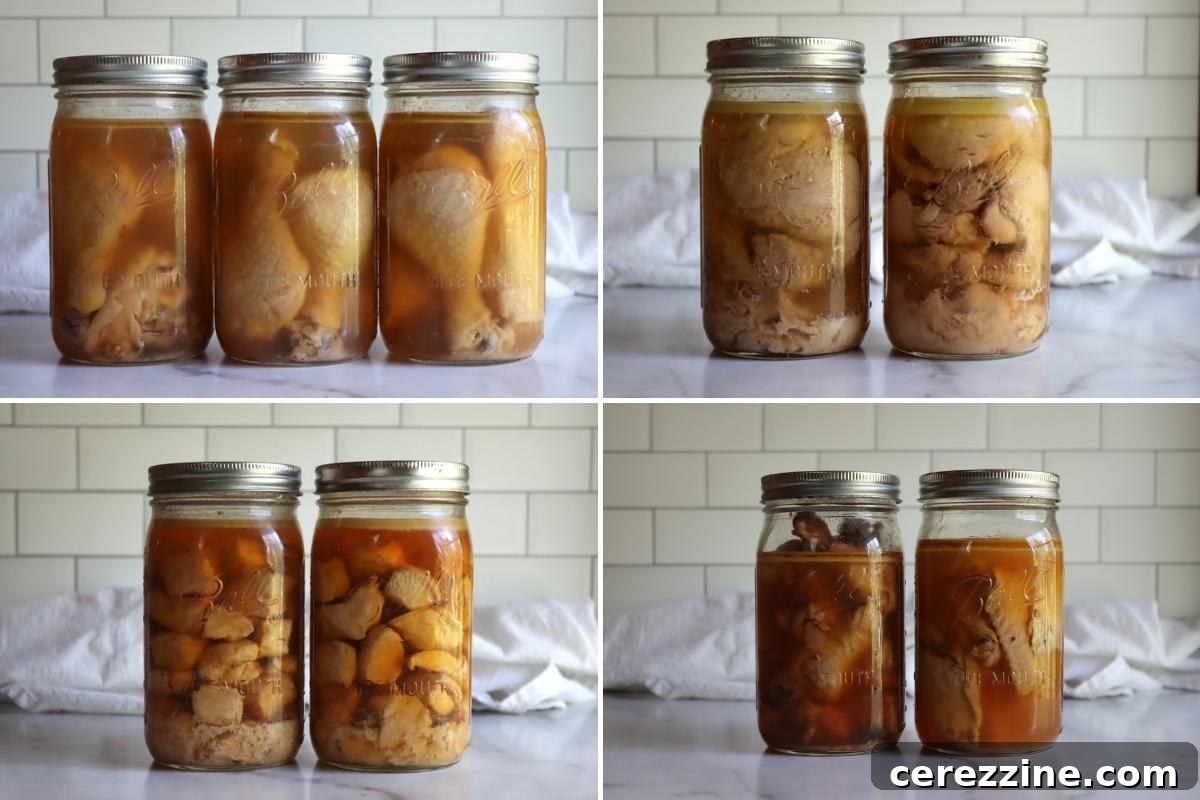
Chicken, duck, rabbit, and various other poultry and small game animals—including goose, partridge, other game birds, and squirrel—can all be safely canned using similar pressure canning methods. This versatility makes these recipes invaluable for preserving your harvest or utilizing discounted poultry from the market.
When canning poultry, you have the option of boneless or bone-in preparation, depending on your recipe and preference. Interestingly, bone-in canning often requires a slightly shorter processing time. This is because bones are excellent conductors of heat, which helps heat penetrate the center of the jar more quickly and efficiently than with boneless meat. Additionally, removing bones can sometimes be easier after the canning process, once the meat is thoroughly cooked and tender. While canning bone-in meat generally means less usable meat per jar, it can be a practical option, particularly for smaller pieces like wings and legs that are challenging to debone when raw. I offer many chicken canning recipes, but these are my top meal-in-a-jar recommendations featuring chicken, duck, and rabbit:
- Canning Chicken: Breasts, Thighs, Drumsticks, or Wings
- Chicken and Gravy Dinner in a Jar
- Chicken Taco Meat
- Chicken Pot Pie Filling
- Chicken Soup
- Thai Red Curry Duck (or Chicken)
- Sweet and Sour Chicken
- Butter Chicken
- Chicken Marsala
- Chicken Piccata
- Firecracker Chicken
- Chicken a la King
- Chicken Salad in a Jar
- Chicken Poblano
- Chicken Cacciatore
- Chicken Normandy
- Chicken Dijon
- Chicken Paprika with Vegetables
- Chicken Fajitas in a Jar
- Spicy Chili Lime Chicken
- Huli Huli Chicken
- Rosemary Chicken
- Greek Seasoned Chicken
- Spicy Chicken
- Asian Seasoned Chicken
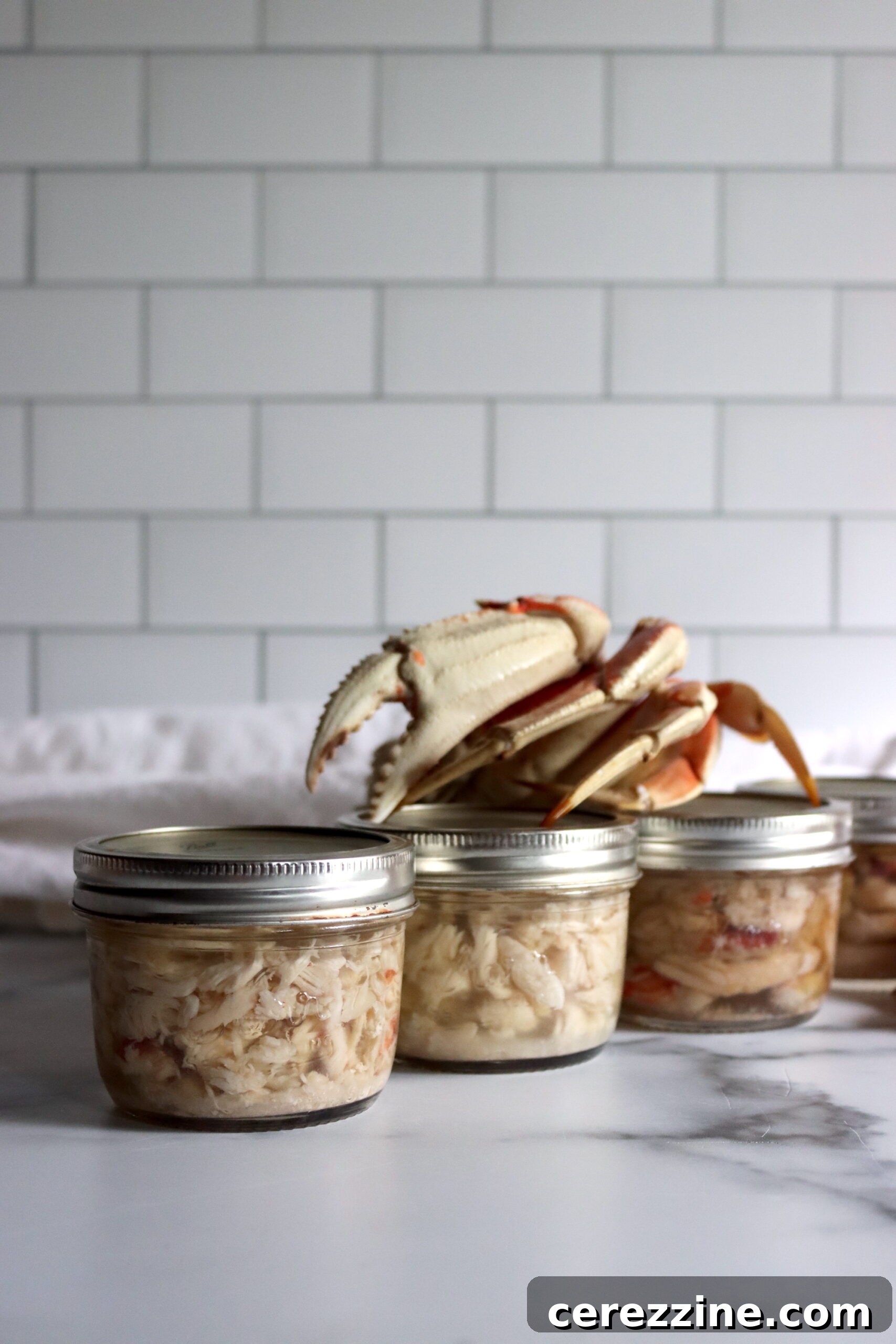
Fish & Seafood Canning Recipes: Preserving Ocean’s Bounty
Pressure canning extends its benefits to various types of fish and seafood, providing an excellent method to preserve catches from fishing trips or take advantage of sales on fresh seafood. These canned options make for convenient and healthy main dishes that can be stored for extended periods.
A crucial point to remember when canning seafood is that it generally requires significantly longer processing times compared to meats and vegetables. Always consult and meticulously follow the specific instructions for each seafood recipe to ensure safety and quality. Here are a few of my favorite fish and seafood canning recipes:
- Crab Meat
- Oysters
- Salmon
- Smoked Trout
- Trout
- Tuna
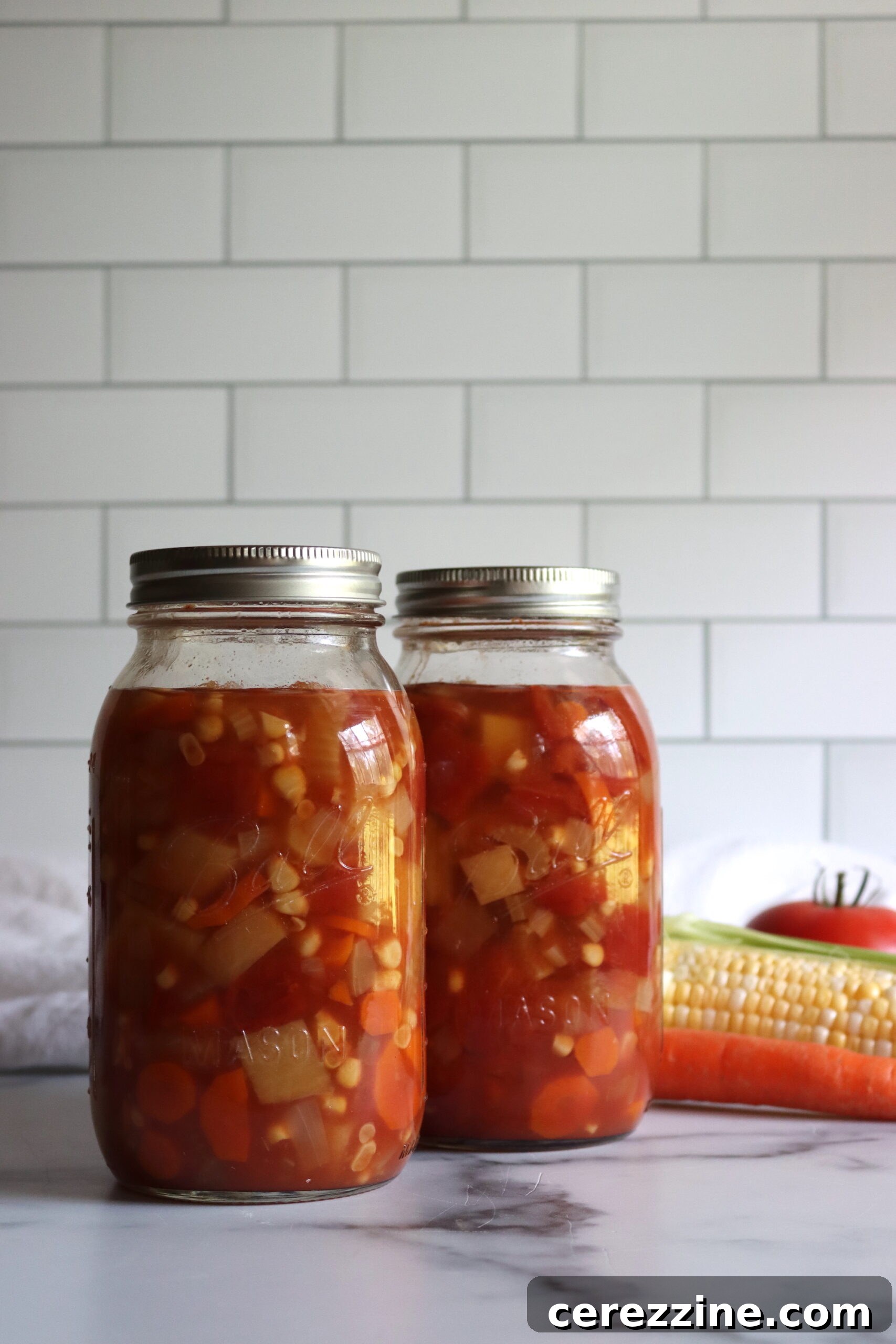
Flavorful Vegetarian Meal-in-a-Jar Canning Recipes
While meat-based meals are popular, the world of meal-in-a-jar canning offers an abundance of incredibly tasty and satisfying vegetarian options. These recipes are not only delicious but also an exceptional way to preserve the bounty of beans and fresh vegetables harvested from your garden during peak summer months. Enjoy a diverse range of plant-based meals, including savory chilis, classic baked beans, comforting soups, and much more, all ready to enjoy with minimal effort.
- Asparagus Soup
- Beans with Tomato or Molasses Sauce (Vegetarian)
- Canning Beans
- Canning Cream of Mushroom Soup Base
- Carrot and Fennel Soup
- Curried Carrot and Ginger Soup
- Four Bean Salad
- Classic Vegetable Soup
- Lentil Soup (use vegetable stock)
- Potato Leek Soup
- Tomato Soup Concentrate
- Spiced Tomato Soup
- Spicy Tomato Vegetable Soup
- Vegetarian Chili Beans
Hearty Chili Canning Recipes: Your Go-To Comfort Food
Chili holds a special place as one of my ultimate go-to winter meals, offering warmth, comfort, and quick preparation. While the classic chili con carne remains a timeless favorite, the world of chili is incredibly diverse, with unique recipes like white bean and chicken chili providing exciting variations to spice things up. These ready-to-go chilis are perfect when served alongside fluffy cornbread, warm baked potatoes, or crispy nachos, allowing for endless customization and enjoyment.
Robust Beef Chili Canning Recipes
These chili recipes are specifically formulated for beef, but their versatility means you can safely substitute any red meat. If you’re looking for an excellent way to preserve venison, elk, moose, or bear during hunting season, transforming it into a rich chili is a fantastic and flavorful option.
- Meat Lovers Chili (Ground Beef, No Beans)
- Classic Chili con Carne (with Ground Beef and Beans)
- Beef Chuck Chili (Beef Chuck, No Beans)
- Chipotle Ground Beef Chili (Ground Beef, No Beans)
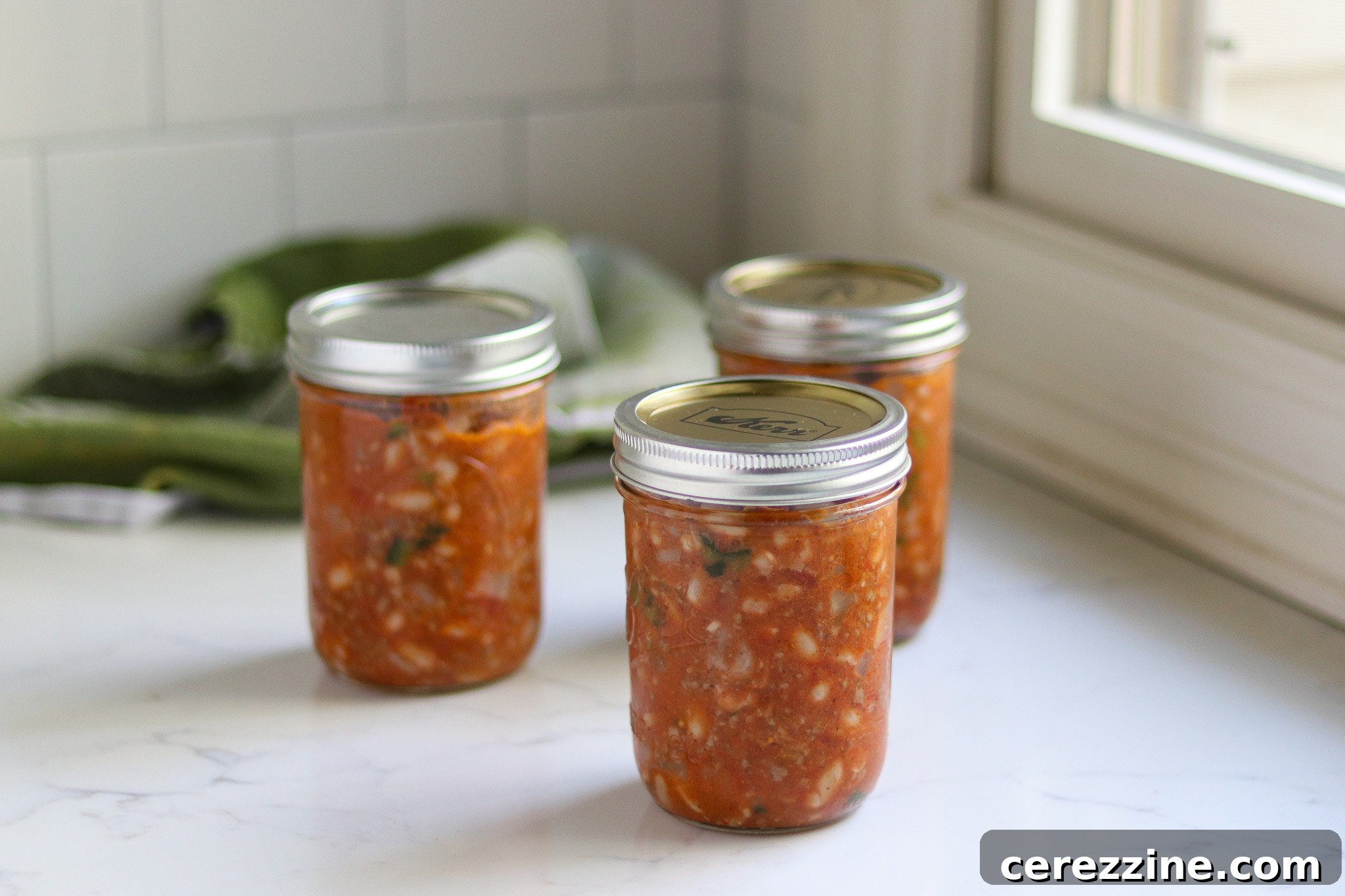
Light and Flavorful Chicken Chili Canning Recipes
While many traditional chili recipes feature red meat, chicken offers a delightful and equally delicious alternative. Chicken chili recipes often diverge from the classic, typically incorporating lighter beans instead of kidney beans and frequently omitting tomatoes for a distinct flavor profile. These chicken-based chilis are just as hearty and satisfying as their red meat counterparts, providing a fresh and exciting twist on a beloved dish. You can also easily substitute other poultry, such as goose, turkey, or duck, making them perfect for utilizing processed game or discounted birds.
- White Bean Chicken Chili
- Chicken Chili Verde
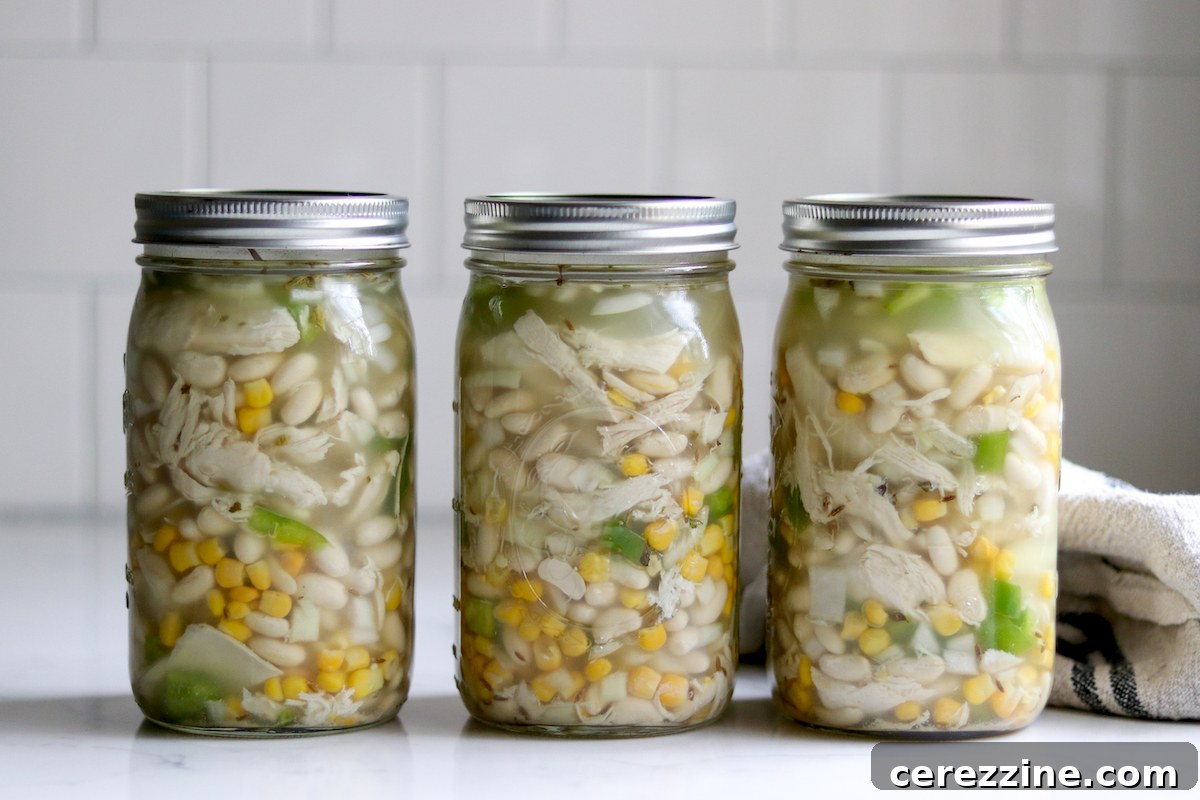
Unique Chili Canning Recipes for Diverse Tastes
While many beef chili recipes can be adapted for other red meats, there are a couple of specific chili recipes uniquely designed for alternative meats that I particularly enjoy and want to highlight for their distinct flavors.
- Venison Chili
- Pork Chili Verde
Hearty Meat and Bean Canning Recipes
While this category shares some similarities with chili, many chili recipes don’t even include beans, and there are so many fantastic combinations of meat and beans that it warranted its own dedicated section. These recipes offer a perfect balance of protein and fiber, creating incredibly satisfying and nourishing meals. Here are some excellent meat and bean canning recipes to add to your pantry:
- Beans with Salt Pork and Tomato Sauce
- Boston Baked Beans
- Burrito Filling
- Charro Beans
- Drunken Beans
- Hoppin’ John
- Cajun Red Beans and Andouille Sausage
- Chicken Fajita
- Chili Con Carne (Ground Beef Chili and Beans)
- Louisiana Red Beans
- Spicy Chicken with Canary Beans
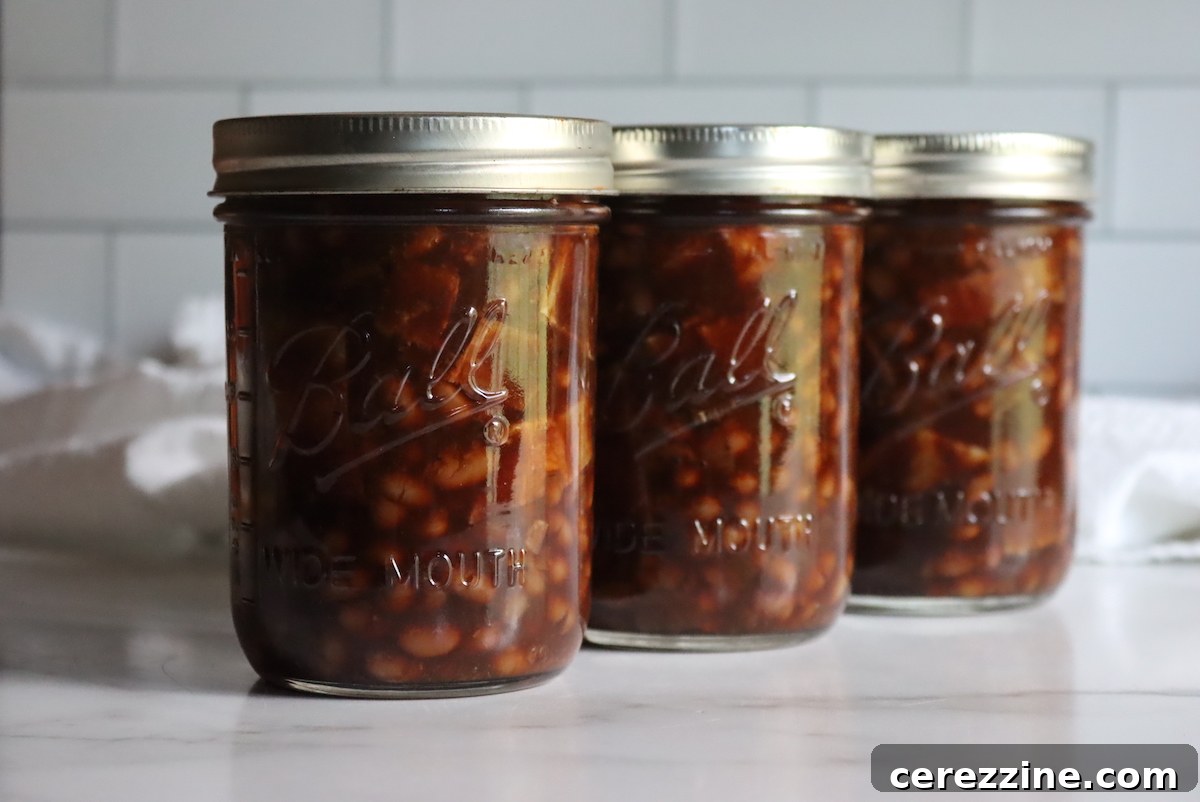
Comforting Soup Canning Recipes: Meals in a Bowl
Canning soup is arguably one of the simplest and most rewarding ways to create readily available, wholesome meals. Whether you’re feeling under the weather and need something deeply nourishing, or simply require a quick and satisfying dinner, home-canned soup is an exceptional choice. It consistently surpasses store-bought alternatives in terms of flavor, nutritional value, and overall quality. I’ve even compiled a separate, extensive list with over 100 soup canning recipes, but here are a few of my personal favorites:
- Bean & Ham Soup
- 15 Bean & Ham Soup
- Butternut Squash Soup
- Butternut Squash and White Bean Soup
- Clam Chowder
- Classic Beef Stew
- Classic Chicken Soup
- Chicken and Corn Chowder
- Chicken Mexican Soup
- Chicken Tortilla Soup
- Chicken Vegetable Soup
- French Onion Soup
- Habitant Soup with Ham (Split Pea Soup)
- Hamburger Soup
- Hamburger Vegetable Soup
- Italian Meatball Soup
- Mexican Chicken Soup
- Potato Soup
- Rosemary White Bean Soup Starter
- Sausage and Bean Soup
- Sausage, Kale, and White Bean Soup (Copycat Olive Garden Zuppa Toscana)
- Sopa de Albóndigas (Mexican Ground Beef Soup)
- Southwestern Chicken Soup
- Split Pea Soup with Ham
- Steak and Ale Soup
- Stuffed Pepper Soup
- Taco Soup
- Thai Coconut Squash Soup
- Turkey Chili Soup
- Turkey and Vegetable Soup
- USDA’s “Your Choice” Soup
- Vegetable Beef Stew
- White Bean and Kale Soup
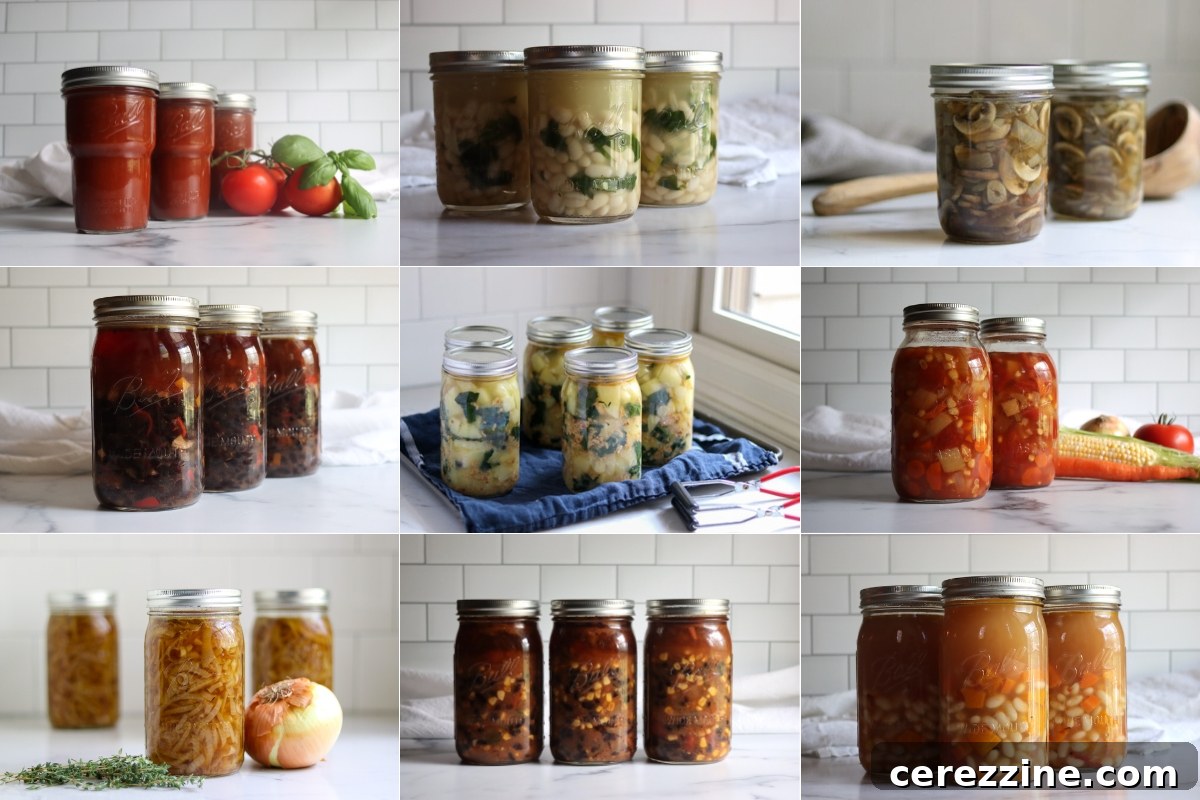
Versatile “Almost Complete” Meal-in-a-Jar Ideas
Beyond full, ready-to-serve meals, there’s another valuable category of canning recipes that provides the core components of a meal, needing just one or two fresh additions to be complete. While recipes like pasta sauce with meat aren’t technically a whole meal on their own, heating them alongside freshly cooked pasta quickly delivers a delicious and wholesome homemade dinner. These options offer incredible flexibility and significantly reduce weeknight cooking stress.
Here are some of my favorite “almost complete” meal-in-a-jar recipes:
- Bruschetta
- Classic Pasta Sauce (no meat)
- Eggplant Pasta Sauce Alla Puttanesca
- Minnesota Mix
- Pasta Sauce with Meat
- Pizza Sauce
- Roasted Marinara Sauce
- Tikka Masala Simmer Sauce
- Venison Spaghetti Sauce
- Vodka Pasta Sauce
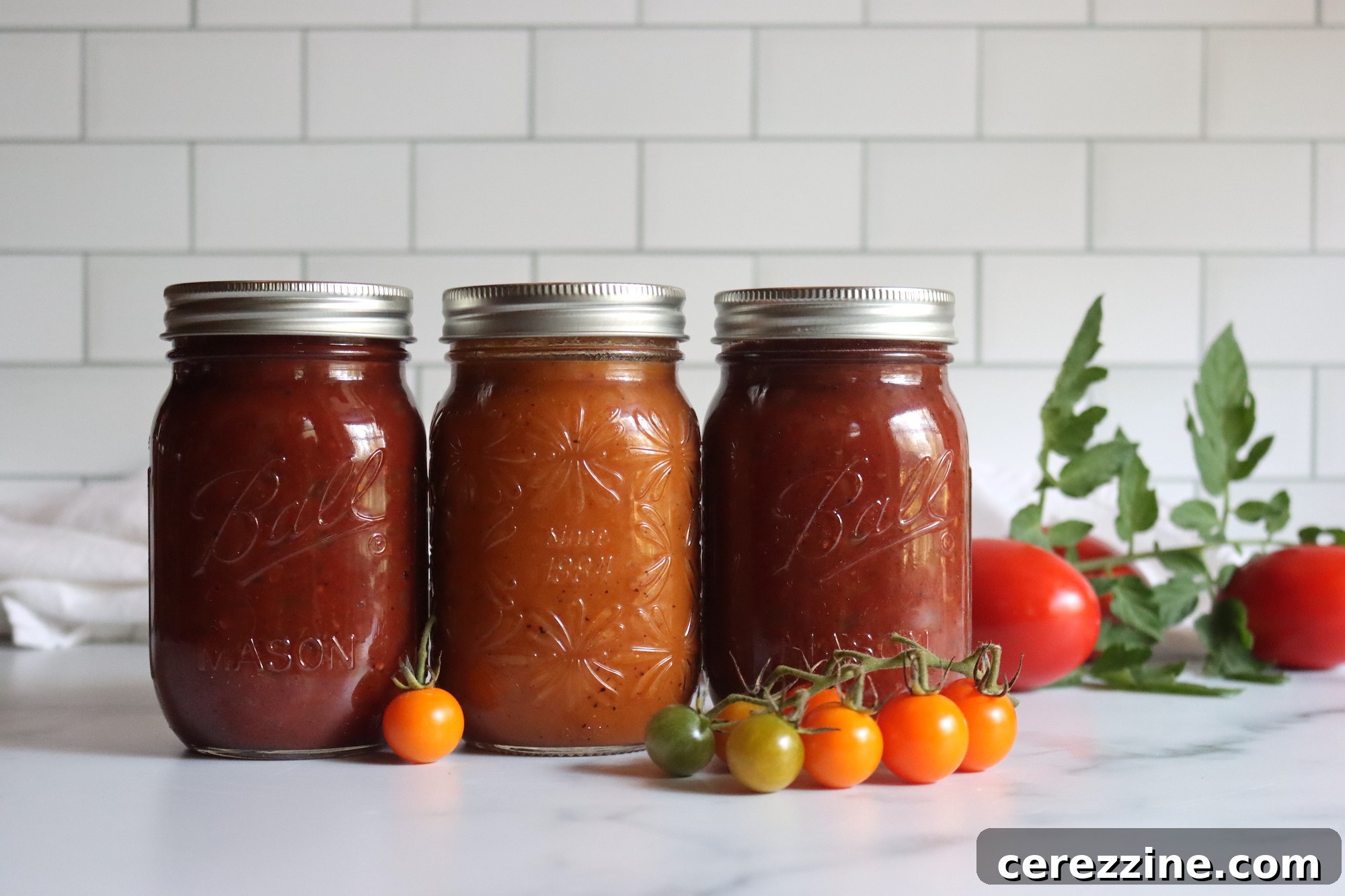
Meal in a Jar Canning Recipe: Create Your Own
These comprehensive guidelines allow you to safely develop your own meal-in-a-jar canning recipes, drawing upon the authoritative guidance from the National Center for Home Food Preservation (NCHFP) and the University of Alaska Cooperative Extension.
Servings: 2 Quarts (minimum batch size)
Prep Time: 20 minutes
Cook Time: 10 minutes
Canning Time: 1 hour 30 minutes
Total Time: 2 hours
Equipment
- Pressure Canner
- Wide Mouth Quart Mason Jars
- Wide Mouth Canning Lids
- Canning Funnel
- Jar Lifter
Ingredients
Ingredient Choices for Both Meal Types
- Fresh vegetables, e.g., carrots, onions, green beans
- Meat, e.g., beef, chicken, pork (cut into cubes)
- Fish or seafood, in bite-sized pieces
- Pre-soaked and fully cooked beans (only for brothy meals, see notes)
- Broth, or stock, water, or wine
- Herbs and spices, fresh or dried, to taste
Instructions
For Brothy Meals (Half Filled Jars):
- Choose only ingredients that are approved for canning (no flour, dairy, cheese, bread, or thickeners).
- Prepare Ingredients: Prepare all ingredients as you would for canning them individually.
- Vegetables: Wash, peel if needed, and chop. Pre-cook dense vegetables like carrots until slightly tender.
- Meat: Cook until tender, remove excess fat and bones, then cut into bite-sized pieces. Brown ground meats thoroughly.
- Fish/Seafood: Cut into small chunks; fish bones can remain for flavor.
- Beans: Fully rehydrate by soaking overnight and then cooking until tender.
- Combine Ingredients: Mix prepared solid ingredients in a large pot. Add enough liquid (broth, stock, water, or wine) to cover the solids plus an additional 2-3 inches. Bring the mixture to a boil, then simmer gently for 5 minutes. Stir in your desired herbs and spices.
- Fill Jars: Using a slotted spoon, fill your clean canning jars halfway with the solid ingredients. Then, pour the hot liquid over the solids, filling the jar to approximately 1-inch headspace (the space between the food and the rim of the jar). The jars should visually appear half solid, with the remaining space filled with broth/water. Remove any air bubbles with a non-metallic utensil, wipe the jar rims clean, and secure lids.
- Process in Pressure Canner: Process pint jars for 60 minutes and quart jars for 75 minutes. For recipes containing seafood, process both pint and quart jars for 100 minutes. Remember to adjust the pressure according to your altitude (see notes below).
- Cool and Store: Allow the processed jars to cool completely undisturbed for 12-24 hours before checking seals. Once sealed, store in a cool, dark place.
For Hearty Meals:
- Choose only ingredients that are approved for canning (no flour, dairy, cheese, bread, or thickeners). For hearty meals, avoid using dry beans, leafy greens, winter squash, sweet potatoes, or creamed corn, as these are typically only allowed in brothy meals with half-filled jars due to density considerations.
- Prepare Ingredients: Prepare all ingredients as you would for brothy meals (see step 2 above).
- Combine Ingredients: Add all prepared solid ingredients to a large pot, then cover them generously with hot broth. Bring the mixture to a boil and simmer for 5 minutes.
- Fill Jars: Pack the jars with solid ingredients, leaving 1-inch headspace. Then, add hot broth to the jars, ensuring the 1-inch headspace is maintained. Remove any air bubbles.
- Process in Pressure Canner: Process pint jars for 75 minutes and quart jars for 90 minutes. For seafood recipes in hearty meals, process pints only for 100 minutes (quarts are not recommended for hearty seafood meals). Adjust the pressure for your altitude (see notes below).
- Cool and Store: Let the jars cool completely for 12-24 hours. Check seals thoroughly before storing in a cool, dark place.
Notes
The total yield and specific nutrition facts will depend on the ingredients and quantities used in your custom recipe.
- Brothy Meals: Jars should be half-filled with solids before adding liquid, then filled with liquid to 1-inch headspace. Note that beans will expand during canning.
- Hearty Meals: Jars are mostly filled with solids to 1-inch headspace. Do not include dry beans, leafy greens, winter squash, sweet potatoes, or creamed corn in hearty meals.
- Never Add: Dairy products, thickeners (other than approved Clear Jel for specific fruit recipes), pasta, rice, or any ingredients without specific, tested canning guidelines.
- Always prepare all ingredients according to individual canning recommendations from trusted sources.
- Seafood in hearty meals can only be safely canned in pint jars.
- Minimum Batch Size: Ensure your recipe yields at least 2 quarts or 4 pints for proper processing. Maximum depends on your canner’s capacity.
- Shelf Life: If properly sealed and stored, canned goods can last indefinitely, but for best quality, consume within 12-18 months. Always check seals before use; discard if any signs of spoilage or compromised seal.
Raw Pack or Hot Pack
This customizable recipe adheres to the hot pack method, as per the guidelines developed by the NCHFP. The primary reason for this recommendation is quality; hot packs tend to yield better results with a wider variety of ingredients. While Ball Canning has recently advocated for raw pack in some of their pressure canning meal-in-a-jar recipes due to its convenience (simply placing raw ingredients in a jar and topping with hot broth), the NCHFP has not yet adopted this guidance. Therefore, for maximum safety and consistent quality, I recommend sticking with the hot pack method here.
Altitude Adjustments for Pressure Canning
Canning times remain constant regardless of altitude, but it is absolutely essential to adjust the pressure in your canner when preserving food at higher elevations to ensure food safety.
For Dial Gauge Canners:
- 0-2,000 ft: 11 lbs pressure
- 2,001-4,000 ft: 12 lbs pressure
- 4,001-6,000 ft: 13 lbs pressure
- 6,001-8,000 ft: 14 lbs pressure
For Weighted Gauge Canners:
- 0-1,000 ft: 10 lbs pressure
- Above 1,000 ft: 15 lbs pressure
Reheating Your Canned Meals
- Stovetop: Gently simmer the contents in a saucepan for approximately 10 minutes, or until heated through.
- Microwave: Transfer the meal from the jar to a microwave-safe dish (after removing the metal lid and ring). Heat until thoroughly warmed.
Nutrition
Nutrition information is automatically calculated, so should only be used as an approximation.
Serving: 1 cup, Calories: 92 kcal, Carbohydrates: 9g, Protein: 11g, Fat: 1g, Saturated Fat: 0.3g, Polyunsaturated Fat: 0.3g, Monounsaturated Fat: 0.4g, Trans Fat: 0.01g, Cholesterol: 29mg, Sodium: 548mg, Potassium: 282mg, Fiber: 2g, Sugar: 1g, Vitamin A: 3036IU, Vitamin C: 6mg, Calcium: 16mg, Iron: 1mg
Explore More Canning Recipe Guides
To further expand your canning repertoire and keep your pantry well-stocked with homemade goodness, explore these additional recipe guides:
- 20+ Ground Beef Canning Recipes
- 12+ Pumpkin, Butternut, & Winter Squash Canning Recipes
- 20+ Pie Filling Canning Recipes
- 20+ Chicken Canning Recipes
- 12+ Corn Canning Recipes