Preserving the bounty of your garden’s root vegetables has never been easier or more rewarding than with home canning. Transform your fresh harvest into shelf-stable pantry staples, ensuring a continuous supply of nutritious ingredients for delicious meals throughout the year. From beloved classics like potatoes and carrots to aromatic onions and garlic, and even more unique options, this comprehensive guide covers everything you need to know about canning root vegetables safely and effectively.
Traditionally, root vegetables were stored in cool, dark root cellars, a method that effectively prolonged their freshness. However, replicating ideal root cellar conditions can be challenging in many modern homes, often requiring significant space and specific environmental controls. While options exist for those with ample land to construct a dedicated root cellar using free root cellar plans, or for converting existing basement spaces for root cellaring foods without a traditional cellar, these solutions are not always practical or accessible for everyone.
This is precisely where the art of canning root vegetables shines as a highly efficient and convenient preservation method.
Canning allows you to store your nutritious and flavorful root crops at room temperature, making them readily available on your pantry shelf whenever inspiration strikes. Unlike fresh carrots that consume valuable refrigerator space, home-canned carrots offer the same culinary versatility and taste in a wide array of recipes, without the need for refrigeration until opened. This method not only saves space but also minimizes food waste, ensuring that your hard-earned harvest is enjoyed to its fullest potential.
Beyond carrots, numerous other root crops such as potatoes, beets, parsnips, and turnips also perform exceptionally well when canned. Don’t let a bumper crop go to waste; embrace the rewarding process of canning to enjoy your garden’s abundance long after the growing season has ended.
Ensuring Safety When Canning Root Vegetables
When it comes to preserving root vegetables, safety is paramount. The vast majority of plain root vegetables are classified as low-acid foods, making them susceptible to the growth of *Clostridium botulinum*, the bacteria responsible for botulism, a severe form of food poisoning. For this reason, plain root vegetables *must* be processed using a pressure canner, as it reaches temperatures high enough (240°F / 116°C or higher) to destroy these harmful spores.
Water bath canning, which only reaches boiling temperature (212°F / 100°C), is *not* safe for plain root vegetables. However, if your only canning equipment is a water bath canner, you can still preserve root vegetables by pickling them. The addition of sufficient acid, typically vinegar (at least 50% vinegar in the brine, with 5% acidity), lowers the pH of the food, making it acidic enough for safe water bath canning. Pickled beets and pickled carrots, for instance, are incredibly flavorful and often surprise people with how delicious they are, sometimes even preferred over traditional cucumber pickles.
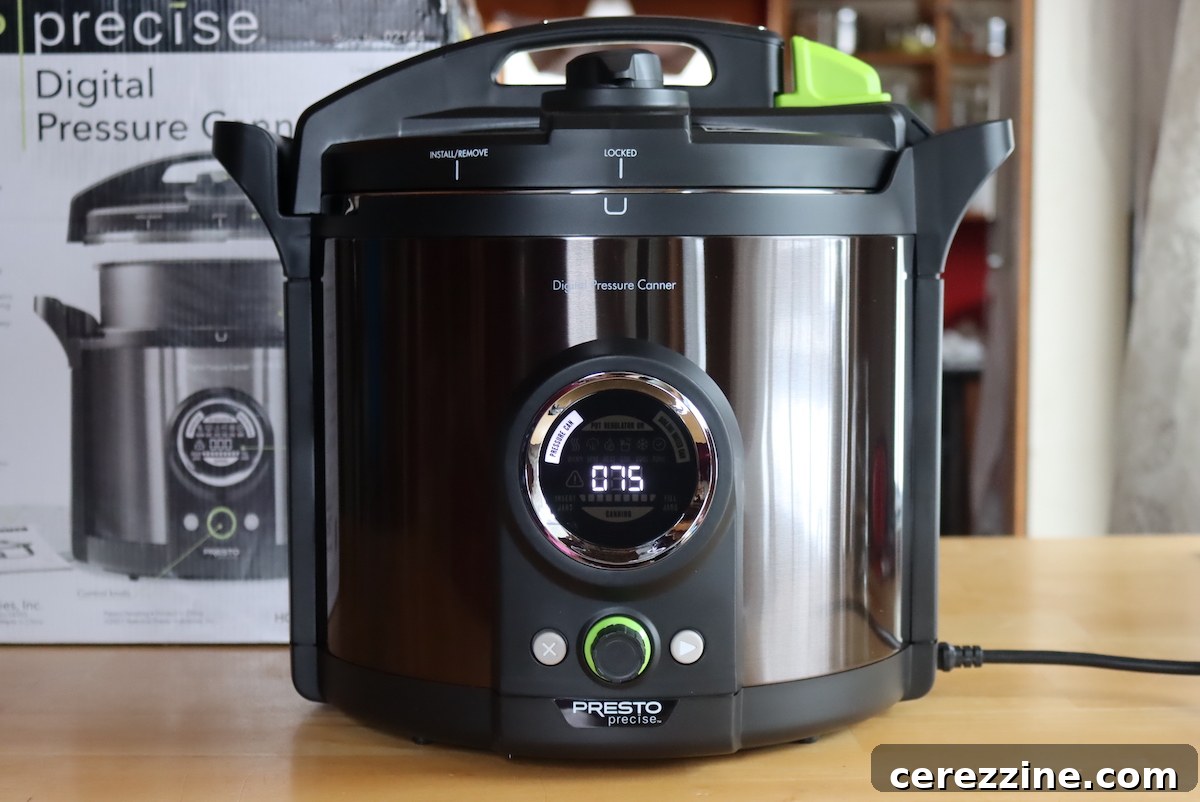
For those new to the essential practice of pressure canning, it is crucial to thoroughly review a reliable beginner’s guide to pressure canning before embarking on your first project. Investing in quality equipment is also important. For ease of use and consistent results, the Presto Electric Pressure Canner is an excellent choice, especially for beginners. Detailed instructions on how to use an electric pressure canner, along with a comprehensive review of the Presto electric pressure canner, are readily available to guide you. It’s important to note that a conventional Instant Pot cannot be used for safe pressure canning, as it does not reach and maintain the necessary temperatures and pressures required for this preservation method.
If you anticipate frequent canning for many years to come, a durable and robust option like an All-American Pressure Canner is highly recommended. These canners are renowned for their exceptional longevity and reliability, often lasting for generations.
When canning pickled root vegetables, a water bath canner is appropriate, provided you adhere to a thoroughly tested recipe that specifies a brine containing at least 50% vinegar (with 5% acidity). To familiarize yourself with this method, consult a beginner’s guide to water bath canning.
Step-by-Step Guide to Canning Root Vegetables
Canning plain root vegetables involves a series of important steps designed to ensure both safety and optimal quality. The process generally begins with thorough preparation of the vegetables themselves.
First, always wash your root vegetables thoroughly to remove any soil and debris. Following this, the crucial step of peeling is required. Peeling is vital for several compelling reasons:
Firstly, the peels of many root vegetables can become bitter and develop an unappealing, stringy texture after being processed in the canner, negatively impacting the final culinary experience.
Secondly, especially with vegetables like potatoes, the peels often separate from the flesh during the canning process. These detached peels tend to float to the top of the jar, creating an unattractive appearance and making the contents less enjoyable to cook with later.
Thirdly, and most importantly, the peels are the part of the vegetable that has had direct contact with the soil. This contact significantly increases the likelihood of them carrying *Clostridium botulinum* spores. To mitigate this serious safety risk, all tested canning recipes for root vegetables mandate peeling prior to processing. Therefore, beyond mere quality concerns, peeling is a fundamental safety measure that must not be skipped.
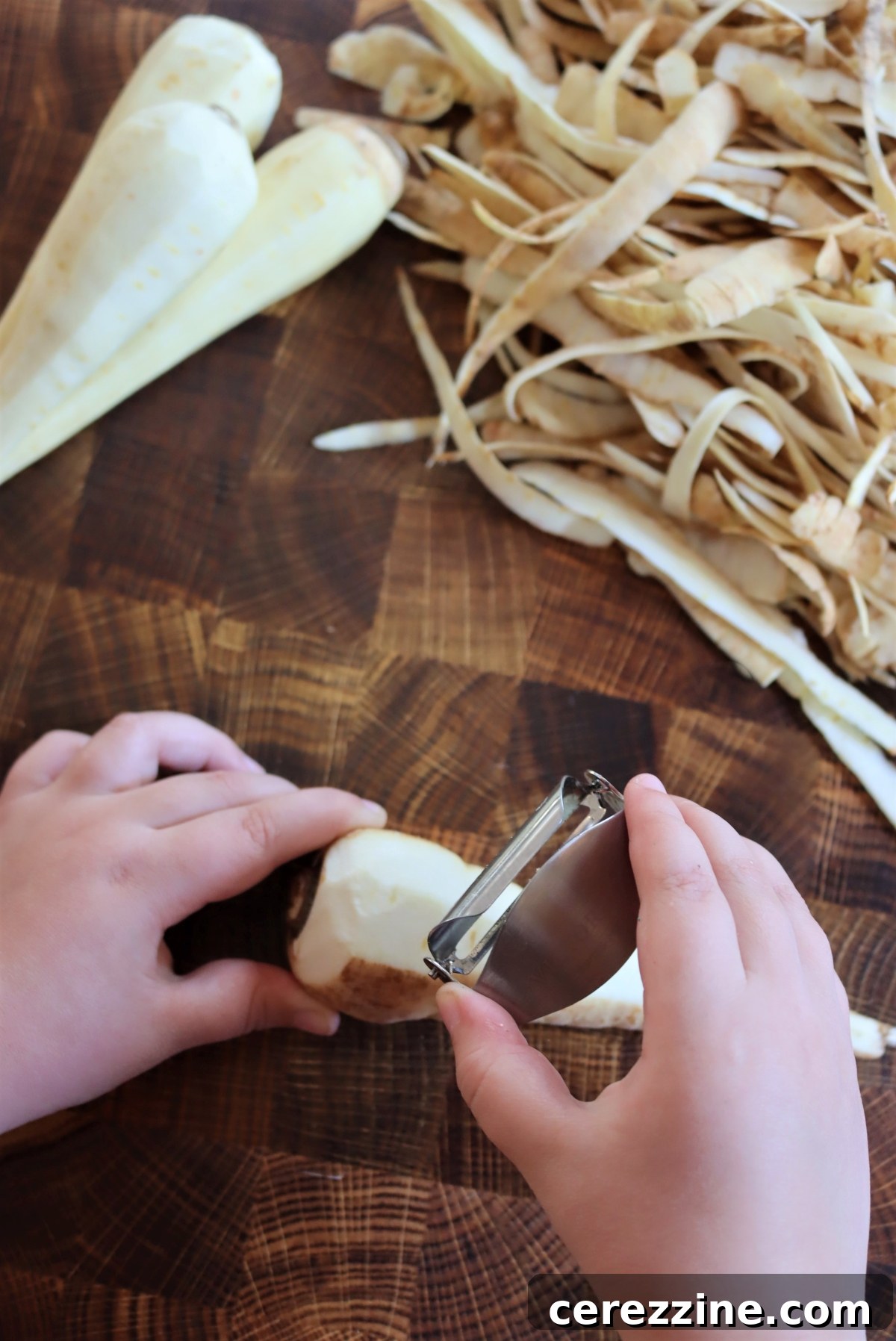
Once peeled, the root vegetables should be chopped into uniform, manageable pieces. Smaller root vegetables, typically those under 2 inches in diameter, can often be left whole. Excellent candidates for canning whole include baby beets and new potatoes, which retain their appealing shape and texture. Uniform sizing is important for consistent heat penetration during processing.
Next, you must choose between the “raw pack” or “hot pack” method. While raw packing is simpler, hot packing generally yields superior quality in the final product, although it requires a little more preparation time.
For the **hot pack** method, vegetables are first blanched by placing them in boiling water for approximately 5 minutes to heat them thoroughly. They are then packed hot into sterile canning jars, and boiling water or broth is added to cover, leaving appropriate headspace.
For the **raw pack** method, the raw, prepared vegetables are simply packed directly into sterile jars, and then boiling water or broth is poured over them to fill the jars, maintaining the specified headspace.
After packing, the jars are sealed and processed in a pressure canner. The precise processing times vary significantly depending on the specific type of root vegetable being canned, as well as the size of the jar (pints versus quarts). For instance, white potatoes require processing for 35 minutes for pints and 40 minutes for quarts. Sweet potatoes, being denser and sweeter, demand considerably longer processing times: 65 minutes for pints and 90 minutes for quarts. It is absolutely essential to consult a tested, reliable recipe from reputable sources (such as the National Center for Home Food Preservation – NCHFP) for the exact root vegetables you are canning.
When using a pressure canner, the processing *times* remain constant regardless of altitude, but the *pressure setting* must be adjusted for higher elevations to ensure the internal temperature reaches the necessary level for safety. Always verify the correct pressure for your altitude:
For dial gauge pressure canners:
- 0 to 2,000 feet in elevation – 11 lbs pressure
- 2,001 to 4,000 feet in elevation – 12 lbs pressure
- 4,001 to 6,000 feet in elevation – 13 lbs pressure
- 6,001 to 8,000 feet in elevation – 14 lbs pressure
For weighted gauge pressure canners:
- 0 to 1,000 feet in elevation – 10 lbs pressure
- Above 1,000 feet – 15 lbs pressure

Canning Pickled Root Vegetables
As an important exception to the rule for plain root vegetables, pickling allows for safe preservation using a water bath canner. This is because the high acidity of the pickling brine sufficiently lowers the pH of the vegetables, inhibiting the growth of harmful bacteria. When preparing pickled root vegetables for water bath canning, always use a tested recipe that specifies a brine composed of at least 50% vinegar (with 5% acidity). Never reduce the amount of vinegar specified in a tested recipe or dilute the brine.
Again, water bath canning times for pickled root vegetables will vary slightly by specific vegetable and recipe, but general altitude adjustments for processing are as follows:
- For 0 to 1,000 feet in elevation, process for 15 minutes
- For 1,000 to 6,000 feet in elevation, process for 20 minutes
- Above 6,000 feet in elevation, process jars for 25 minutes
Always double-check these times against the specific tested pickling recipe you are following, as slight variations may occur based on ingredients and preparation methods.
A-Z Root Vegetable Canning Recipes
Having covered the essential safety guidelines and canning methodologies, let’s explore a comprehensive list of root vegetable canning recipes, organized from A to Z. This selection includes popular staples, as well as some less common and unique options. Should your preferred root vegetable not be listed, please feel free to inquire in the comments, and we will endeavor to provide relevant canning information.
Beets
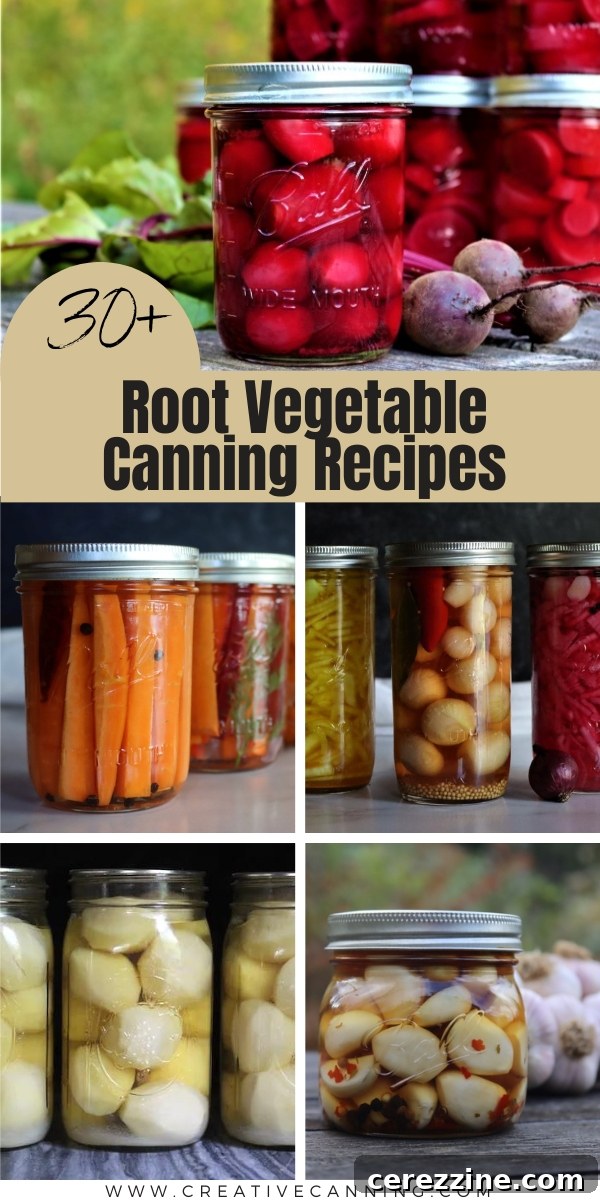
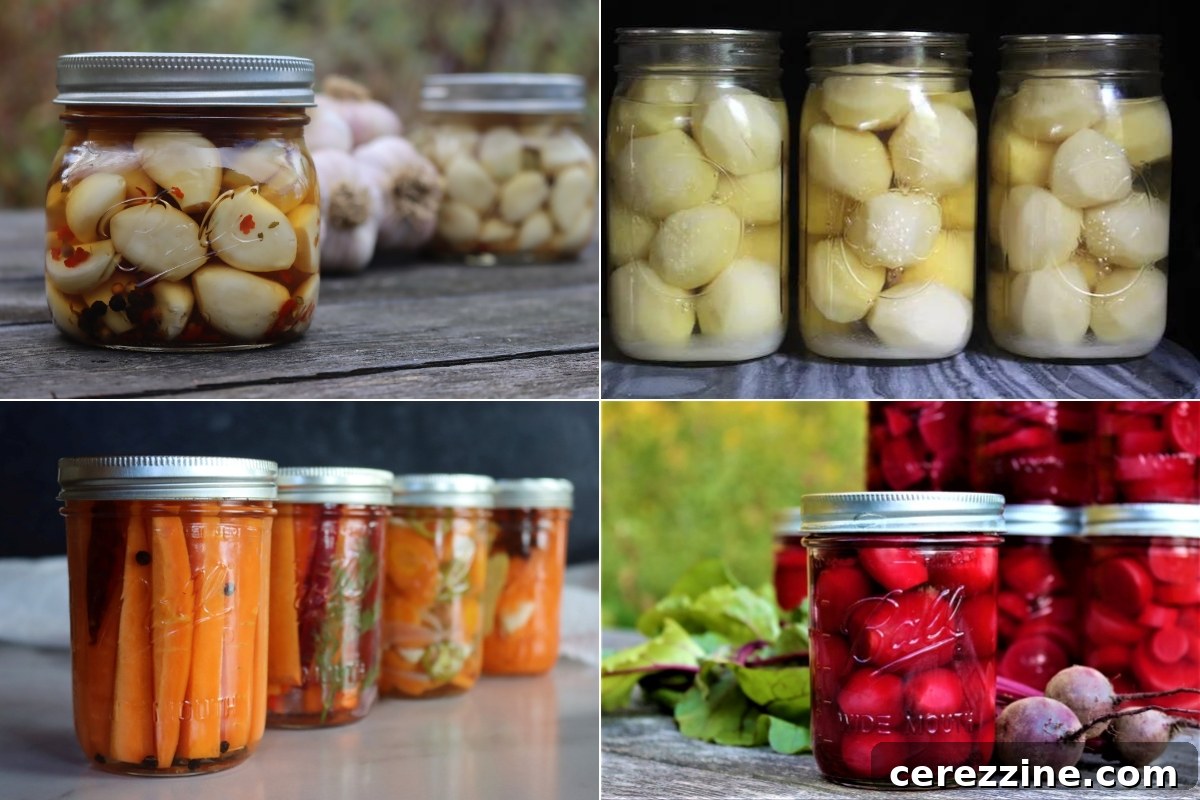
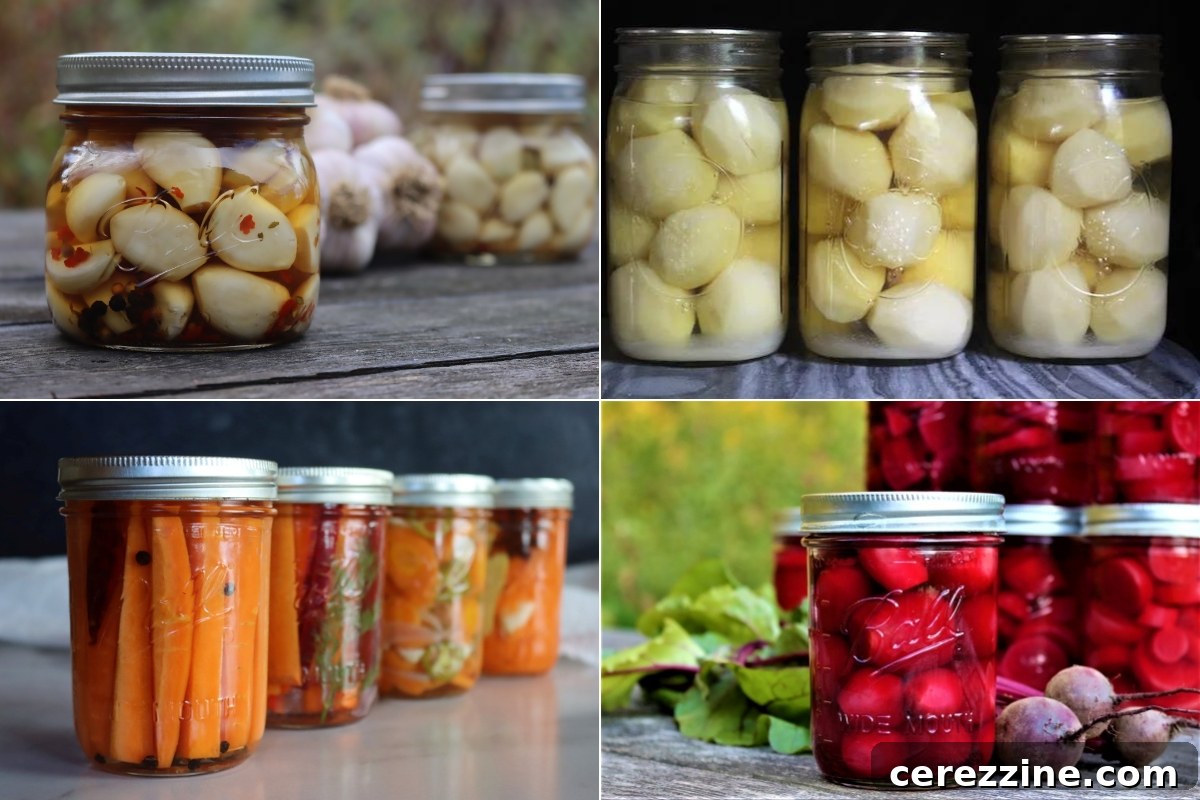
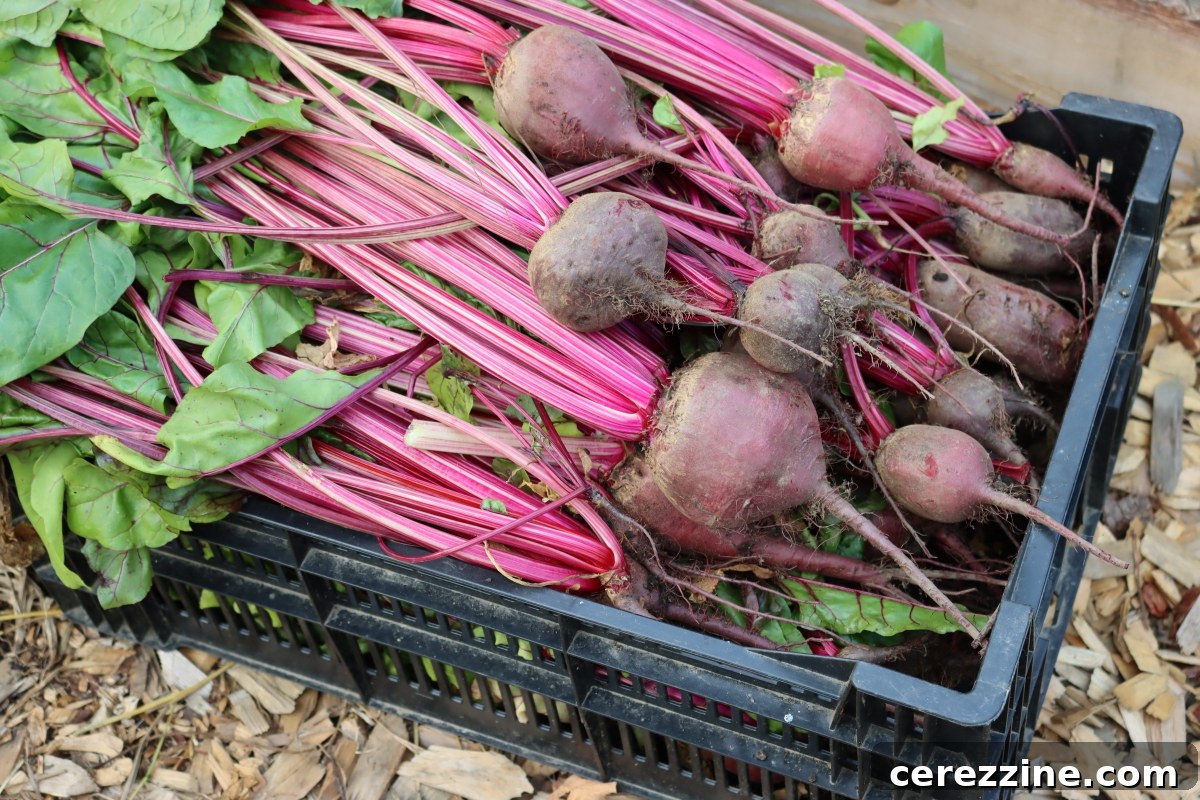
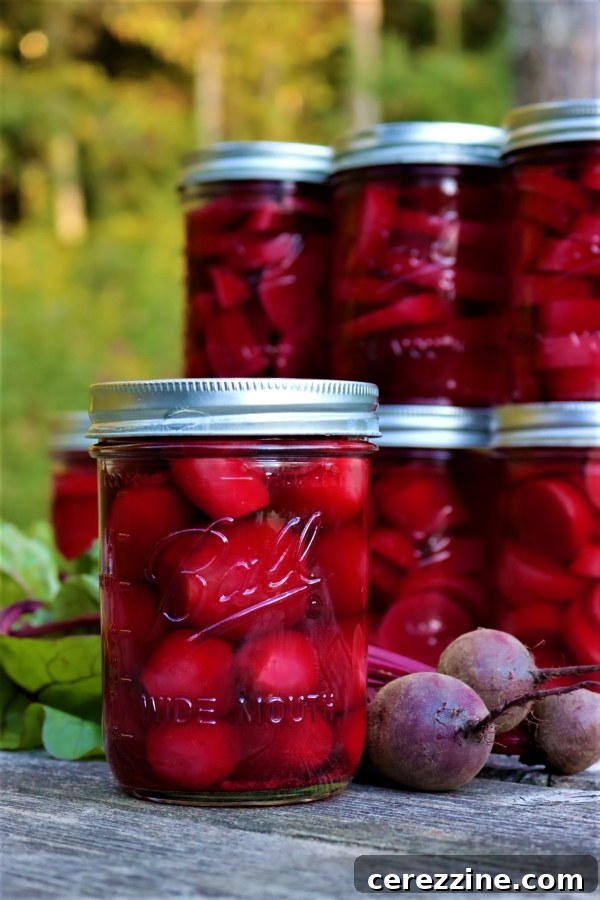
Beets are arguably one of the most versatile and rewarding root vegetables to can, performing beautifully whether canned plain or pickled. While both methods yield delicious results, plain canned beets offer unparalleled versatility in the kitchen. Once drained, they can be quickly transformed into a gourmet lunch simply by adding a crumble of feta or goat cheese and a drizzle of balsamic vinegar. Pickled beets, with their distinct tangy-sweet flavor, are also a favorite for many, making a fantastic accompaniment to hearty breakfasts or lunches, and pairing exceptionally well with hash browns or roasted meats.
- Canning Plain Beets
- Canning Pickled Beets
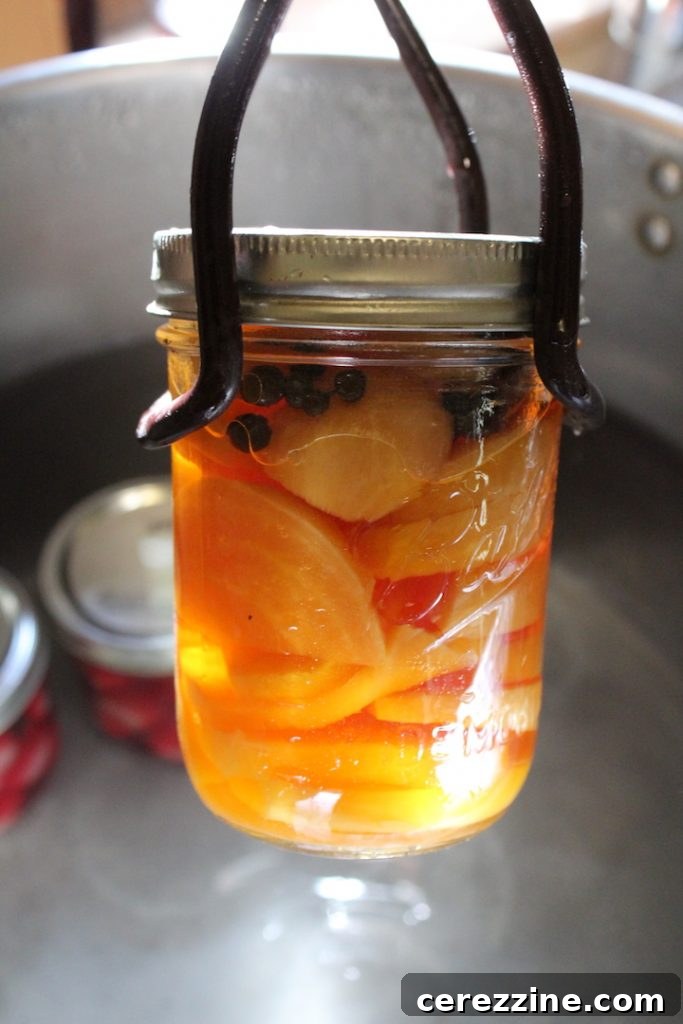
- Pickled Golden Beets
- Canning Borscht (Beet Soup)
Celeriac
Celeriac, also known as celery root, possesses a unique nutty and earthy flavor. Currently, there isn’t a widely tested and approved method for pressure canning plain celeriac. While its characteristics might suggest it could be processed similarly to parsnips or turnips, specific testing for celeriac’s safety and quality under pressure canning conditions has yet to be finalized. For now, pickling is the recommended and tested method for preserving this distinctive root vegetable, allowing its flavors to meld wonderfully with an acidic brine.
- Pickled Celeriac
Carrots
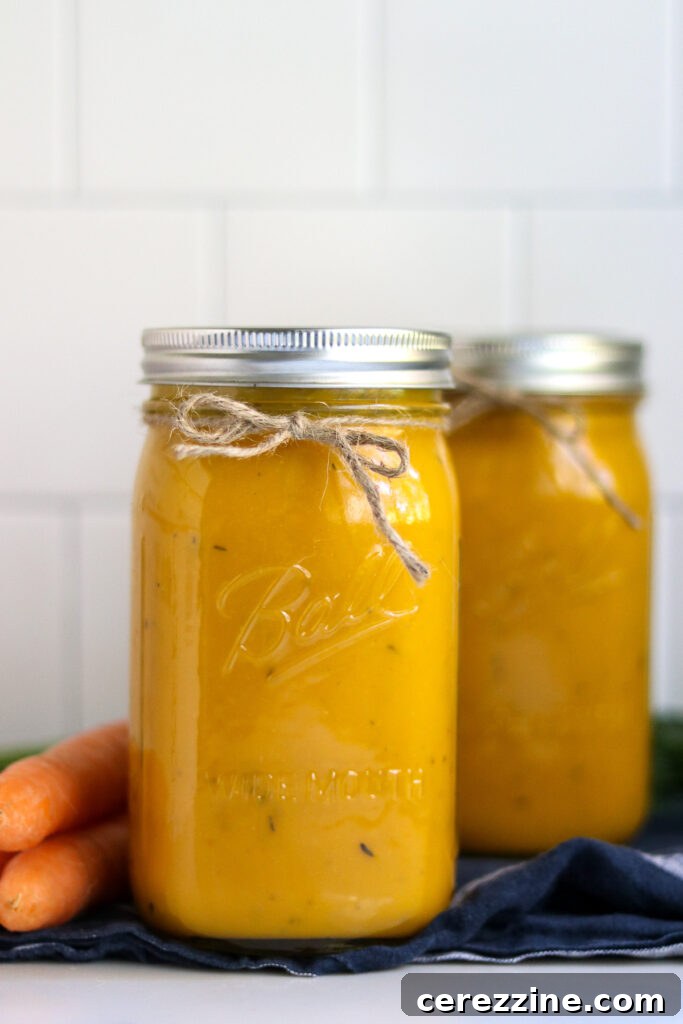
Carrots are an incredibly versatile and delicious root vegetable that excels when canned plain, making them a true staple in any well-stocked pantry for quick weeknight dinners. They can be canned simply in water, lightly seasoned, or for an added layer of flavor, preserved in broth. This flexibility allows them to be incorporated into countless recipes, from soups and stews to casseroles and side dishes. Pickled carrots, with their pleasant sweetness and ability to absorb the flavors of various pickle brines, offer a delightful tangy crunch that can elevate salads or serve as a vibrant condiment.
- Canning Carrots
- Canning Pickled Carrots (3 Ways)
- Canning Carrots Soup
Daikon
While botanically a type of radish, Daikon is significant and popular enough in various cuisines to merit its own category in canning discussions. Its crisp texture and mild, peppery flavor make it a desirable ingredient. However, similar to other radishes, there is currently no tested recipe for pressure canning plain daikon. The intense heat of pressure canning tends to diminish its delicate flavor and alter its texture undesirably. Fortunately, daikon transforms beautifully into a variety of pickles, where its crunch and subtle taste are enhanced and preserved by the acidic brine.
- Sweet Pickled Daikon
- Vietnamese Carrot and Daikon Pickles
Garlic
Unfortunately, a tested recipe for pressure canning plain garlic does not exist, primarily because garlic tends to lose much of its potent flavor and aromatic qualities when subjected to the high temperatures of pressure canning, rendering the effort largely pointless from a culinary perspective. Interestingly, commercially available minced garlic in jars often contains added citric acid, effectively pickling it, which allows for safe water bath canning while retaining its flavor due to the acid’s preservative properties. The citric acid is typically neutral enough not to noticeably affect the taste.
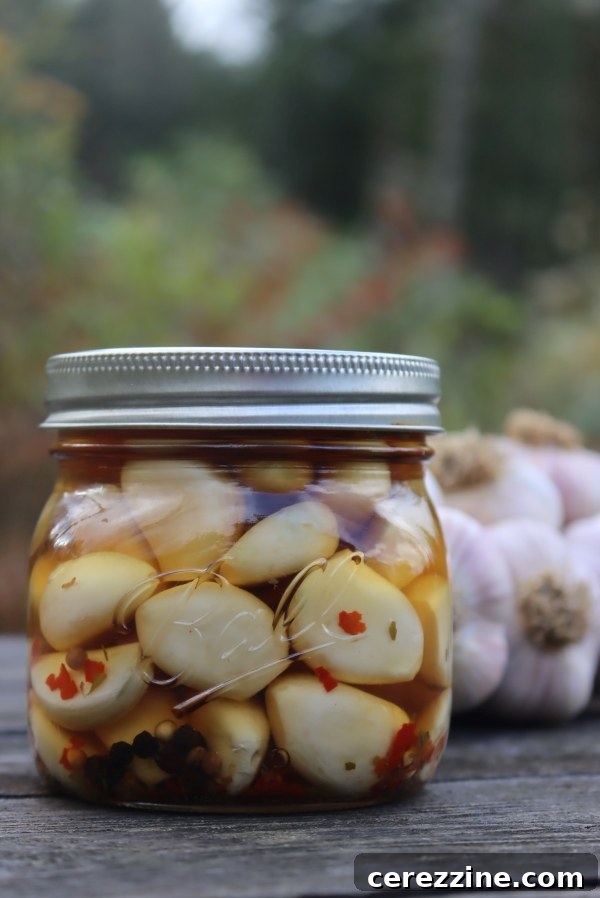
For home canners, numerous tested recipes for vinegar-pickled garlic are available. Pickled garlic is a fantastic addition to many dishes, offering a mellowed yet distinct garlic flavor, and is often enjoyed straight from the jar by true garlic enthusiasts. Additionally, the tender green garlic scapes, harvested from hardneck garlic in early summer, can also be pickled. For a truly unique culinary treat, there’s even a tested recipe for savory roasted garlic jelly, which is an exquisite accompaniment to charcuterie boards and gourmet sandwiches.
- Pickled Garlic
- Pickled Garlic Scapes
- Garlic Scape Jam
- Roasted Garlic Jelly
Ginger (& Turmeric)
At present, there are no approved pressure canning recipes for plain ginger or turmeric. The primary reason for this is that both of these aromatic roots tend to lose their distinctive flavors and beneficial compounds when exposed to the high temperatures required for safe pressure canning. If your goal is to preserve their fresh flavor and properties in a plain form, freezing or dehydrating are much more effective and recommended methods.
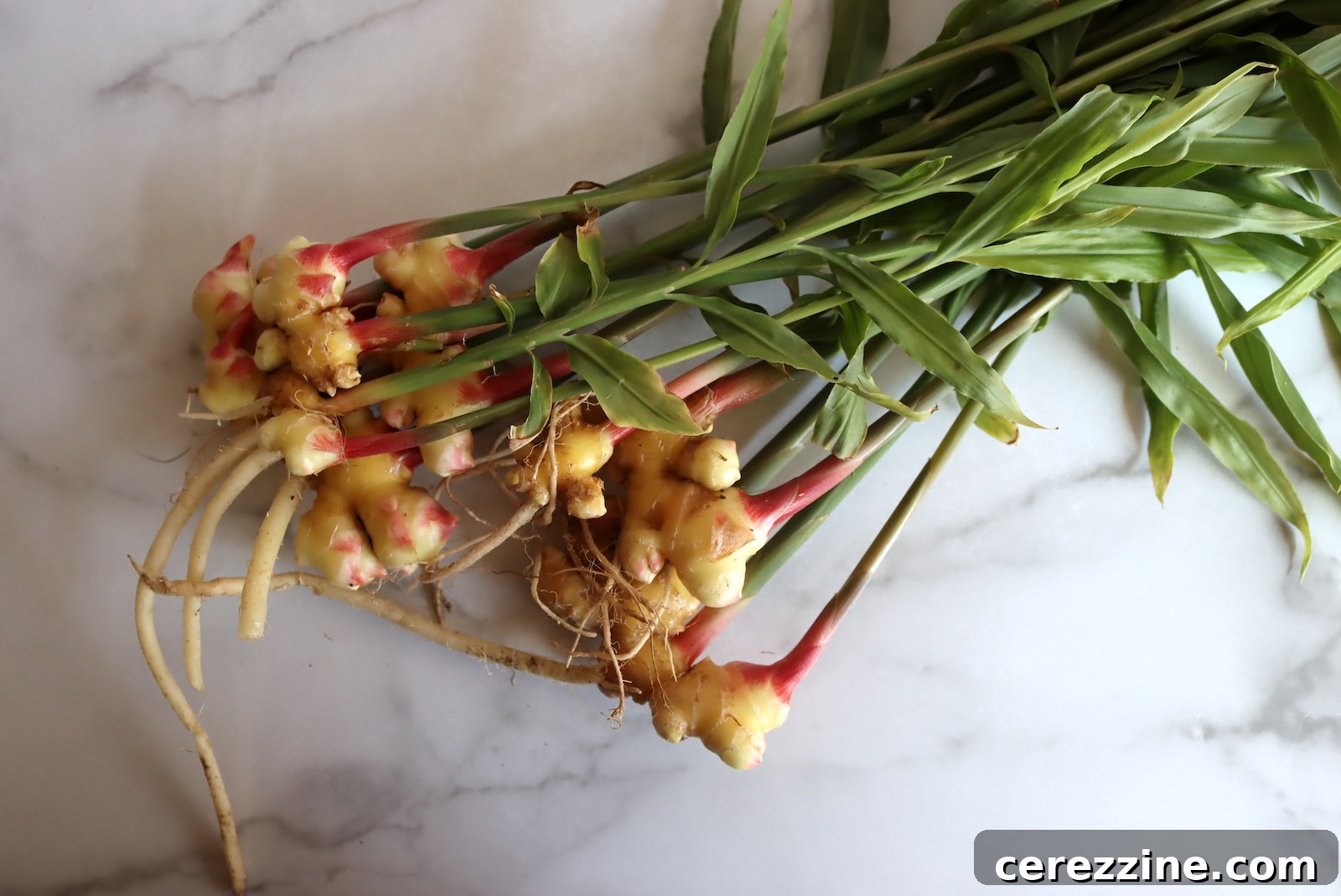
However, pickled ginger and pickled turmeric are delightful and wonderfully preserve these roots, allowing them to be used in various recipes in place of their fresh counterparts. Typically, young, fresh ginger or turmeric, harvested before it fully cures and becomes woody, is ideal for pickling. This makes pickled ginger and turmeric primarily a home-canning project for those who grow their own. Occasionally, you might also find young, fresh roots available at farmers’ markets or specialty organic grocery stores.
- Canning Pickled Ginger (or Turmeric)
Horseradish
It’s unfortunate that there are currently no tested canning instructions for preserving prepared horseradish as a standalone product. The distinctive pungent heat of horseradish is highly volatile and diminishes significantly over time, regardless of the storage method. Freshly grated horseradish is at its peak pungency, which typically starts to fade after about two months, even when refrigerated. This rapid loss of flavor is likely the reason why no tested recipes for canning horseradish, whether plain or pickled, have been developed.
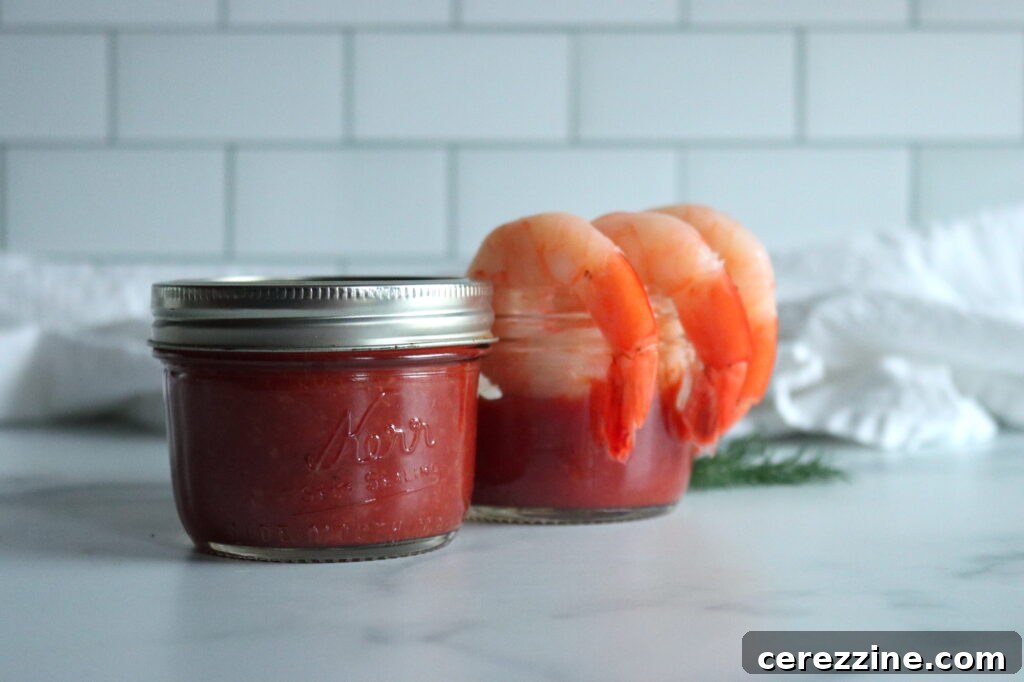
While you can prepare horseradish sauce and store it in your refrigerator for several months, an interesting exception exists: a tested recipe for canning cocktail sauce that incorporates a substantial amount of horseradish. In this recipe, the sauce base is cooked, then removed from the heat before the horseradish is stirred in. A short water bath canning process then allows the cocktail sauce to be preserved while largely maintaining the horseradish’s flavor profile, as it avoids prolonged high-heat exposure.
- Canning Cocktail Sauce
Leeks
Leeks, with their mild, sweet onion-like flavor, are often included in recipes for canning soups and stews. However, they are generally not recommended for pressure canning on their own because their delicate texture tends to become unpleasantly mushy when subjected to the prolonged high-heat processing. From a safety perspective, leeks can be safely substituted for regular onions in pressure canning recipes where onions are an ingredient. Nonetheless, canning them plain is typically not worth the effort due to the significant degradation in texture.
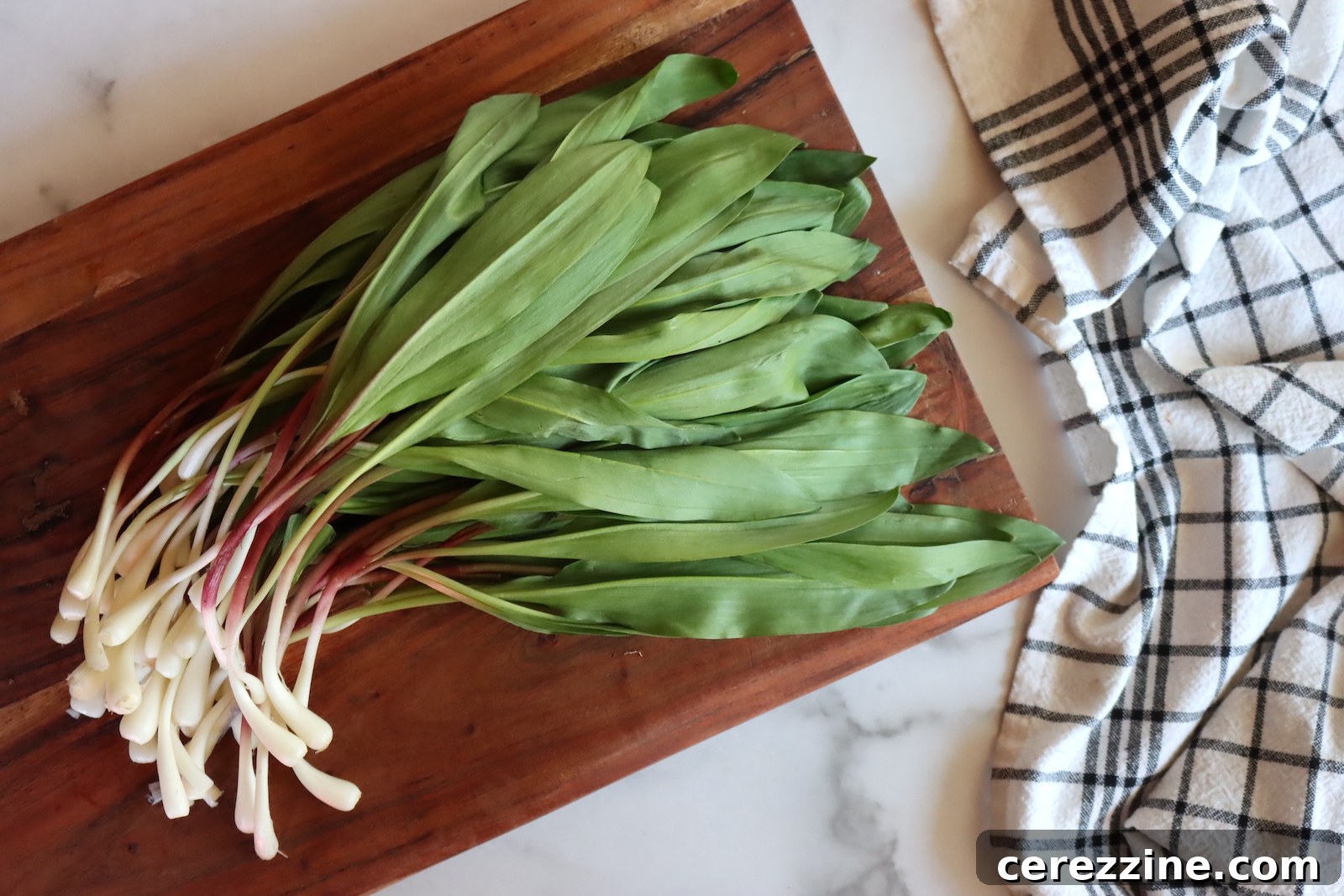
Despite this, there are a few excellent recipes available for pickling leeks, which preserve their flavor and offer a delightful tangy crunch. Additionally, if you’re fortunate enough to forage or find wild ramps (wild leeks), these can be preserved using similar pickling methods. One such recipe even works well for both plain leeks and wild ramps.
- Canning Potato Leek Soup
- Pickled Ramps (this recipe can be adapted for plain leeks or wild ramps)
Onions
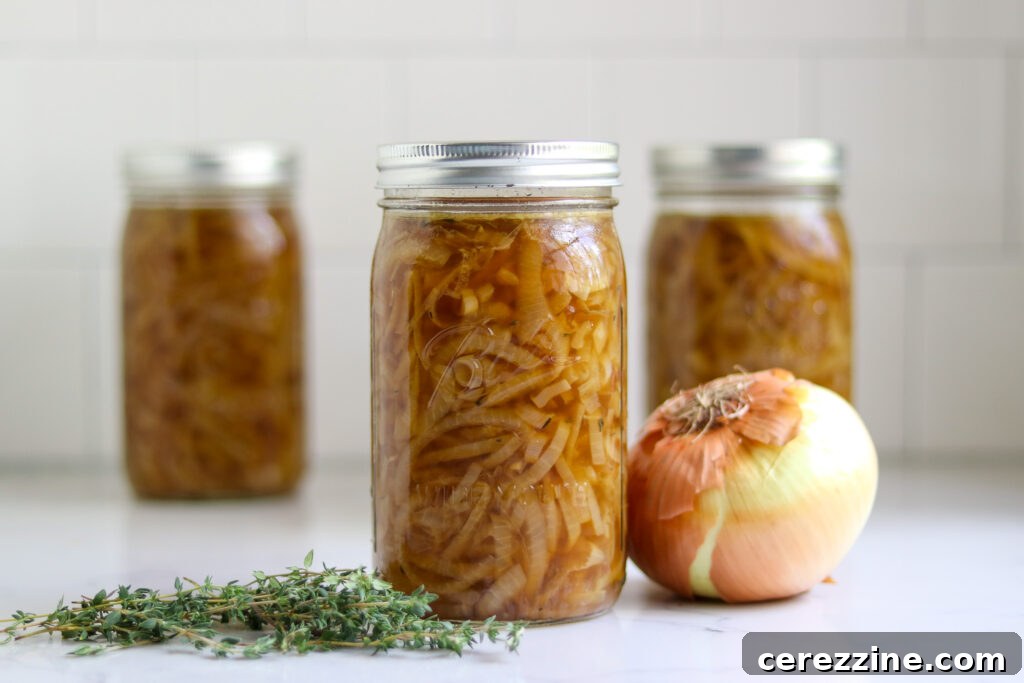
Surprisingly for many, there is a specific and highly effective canning recipe for plain onions, yielding truly wonderful results. A jar of home-canned onions, complete with the rich, flavorful onion broth it creates during processing, can be opened and added directly to soups, stews, or roasts, significantly enhancing their depth of flavor with minimal effort. This method captures the essence of fresh onions in a convenient, ready-to-use form.
Beyond plain canning, onions are also excellent for preserving as French onion soup, providing a gourmet meal solution right from your pantry. Moreover, onions make absolutely phenomenal pickles, adding a zesty, tangy bite to sandwiches, tacos, salads, and more.
- Canning Onions
- Canning French Onion Soup
- Canning Pickled Onions
Parsnips
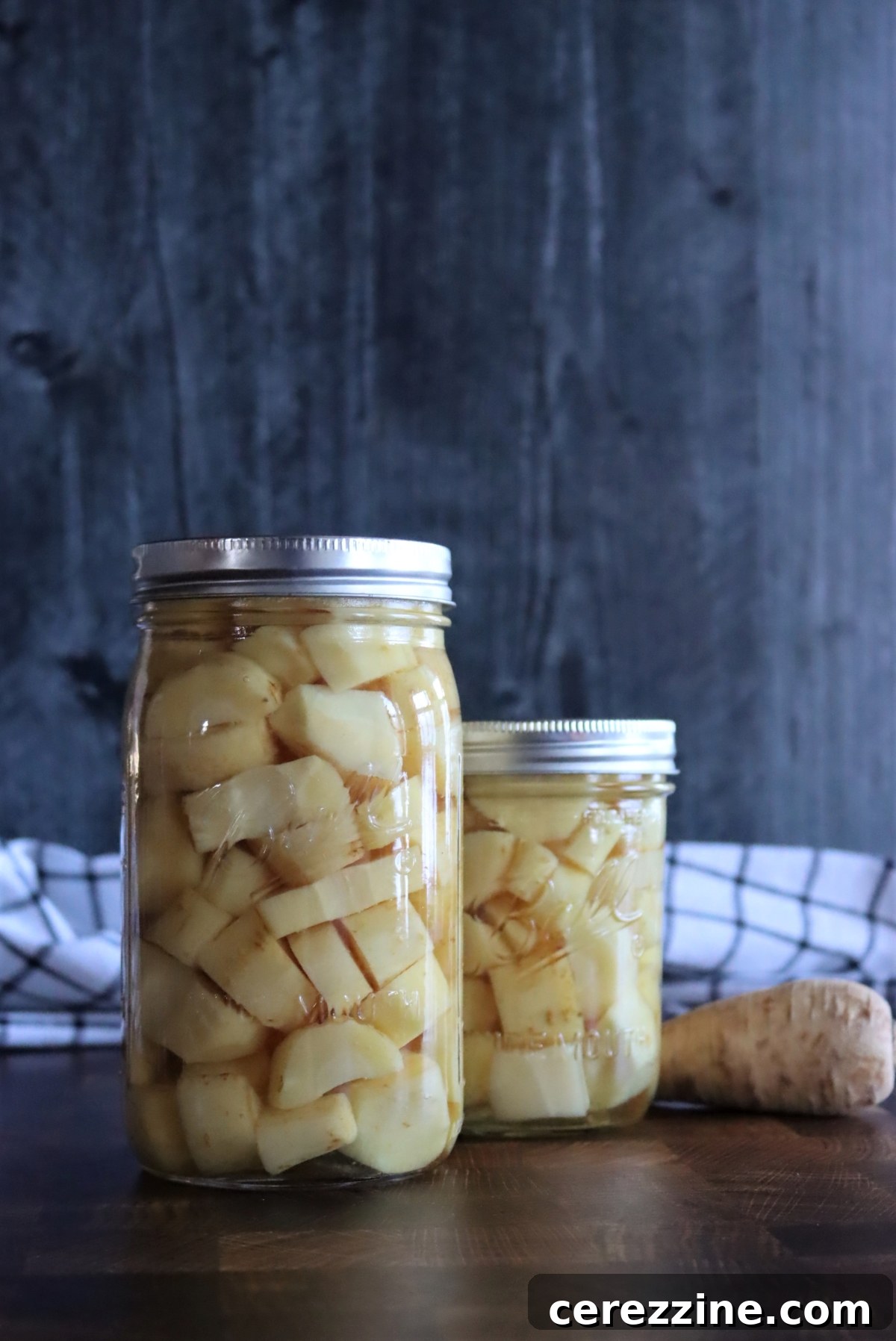
Parsnips, with their distinctive sweet, earthy, and slightly spicy flavor, are a truly underrated root vegetable that can be wonderfully preserved through canning. While some people may express reservations about the texture or flavor of canned parsnips, often, these individuals may not be enthusiastic about fresh parsnips either. In my experience, canned parsnips retain much of their characteristic taste and a pleasant tender texture, making them a highly convenient ingredient to have on hand, readily stored on the pantry shelf for use in a variety of winter dishes.
- Canning Parsnips
Potatoes
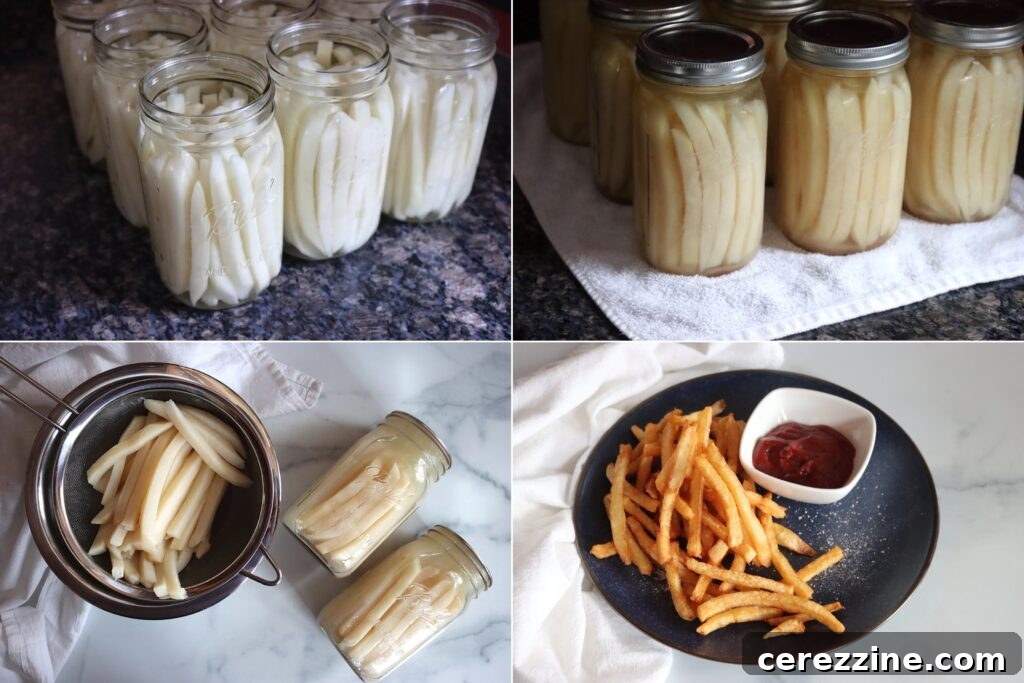
Contrary to what one might assume about their texture, potatoes actually can exceptionally well and maintain a surprisingly good consistency, resisting the tendency to become overly soggy. Once canned, these versatile tubers can be easily drained and mashed for a quick side dish, or simply heated and served as is. A particularly impressive feat is that if well-drained, home-canned potatoes can even be used to make delicious home-fried potatoes, browning up nicely in a skillet to achieve a crispy exterior and tender interior. Their presence in the pantry ensures a staple ingredient for countless meals.
- Canning Potatoes
- Canning French Fries (Raw Pack Potato Canning)
- Canning Sausage Potato and Kale Soup (Copycat Zuppa Toscana)
- Canning Beef Stew (with plenty of potatoes)
Radish
While fresh radishes are celebrated for their crisp texture and peppery bite, there are no approved recipes for pressure canning plain radishes. The primary reason for this is that the high temperatures of pressure canning cause radishes to lose their vibrant color, distinct flavor, and characteristic crunch, resulting in a bland and soft product. However, radishes truly shine when transformed into pickles. Pickled radishes retain a satisfying snap and absorb the tangy flavors of the brine beautifully, making them a delightful and safe option for water bath canning.
- Sweet Pickled Radishes
Rutabagas
Rutabagas, often overlooked, are a hearty, starchy root vegetable with a unique sweet and slightly bitter flavor. They are well-suited for canning plain, utilizing the same processing instructions and preparation methods as parsnips. When peeled and cut into chunks, rutabagas hold up well during pressure canning, offering a convenient, shelf-stable ingredient for stews, mashes, and roasted vegetable dishes, adding a robust depth of flavor.
- Canning Rutabaga
Scallions
Scallions, or green onions, are generally not recommended for pressure canning on their own as a plain vegetable because their delicate structure tends to become excessively mushy and unappetizing after prolonged high-heat processing. However, they can be safely incorporated into pressure canning recipes like soups or stews, where they can be used in place of regular onions, contributing their milder, fresher onion flavor. Despite their unsuitability for plain canning, pickled scallions are an absolutely fantastic and flavorful alternative! While specific scallion pickling recipes are not yet widely available online, they can be successfully pickled using established pickled onion recipes as a guide, preserving their crispness and vibrant taste.
Shallots
Shallots, being a member of the onion family, share similar characteristics and can therefore be safely canned using existing onion canning recipes. They also perform well when substituted for onions in various soup canning recipes, imparting their nuanced, sweeter, and more delicate onion flavor. While plain canning is an option, pickled shallots are truly exceptional. They offer a refined tang and a delightful texture that elevates many dishes. Although dedicated canning recipes for pickled shallots are not yet prevalent online, they can be successfully preserved by following tested pickled onion recipes, yielding a gourmet pantry item.
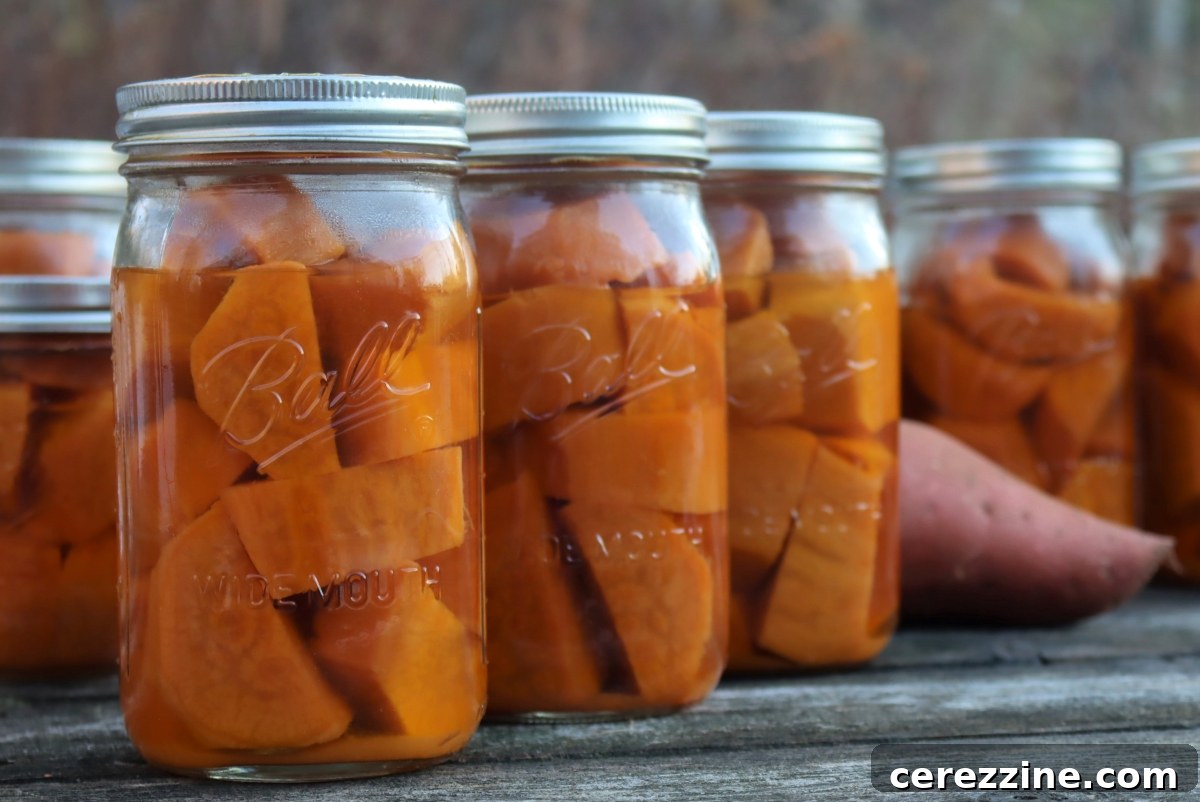
Sweet Potatoes (& Yams)
While white potatoes process relatively quickly in a pressure canner, sweet potatoes and yams require significantly longer processing times. This extended duration is due to their higher sugar content, denser texture, and often larger size, which necessitates more time for heat to thoroughly penetrate to their core for safe preservation. It is critically important to differentiate between canning white potatoes and sweet potatoes/yams. Always ensure you are following a specific, tested sweet potato canning recipe, rather than attempting to process them using a basic white potato canning guide, to guarantee both safety and quality.
- Canning Sweet Potatoes
Turnips
Turnips, similar to parsnips and rutabagas, are approved for pressure canning when properly peeled and cut into consistent chunks. The canning instructions for turnips are essentially the same as those for these other hearty root vegetables. Canned turnips offer a convenient way to enjoy their slightly pungent, earthy flavor in soups, stews, or as a simple side dish, providing a nutritious addition to your pantry year-round.
- Canning Turnips
Expand Your Canning Horizons: More Recipe Lists
Eager to explore more preservation possibilities? Dive into these extensive lists of canning recipes to discover new favorites and expand your repertoire:
- 100+ Canning Recipes from A to Z
- Comprehensive Pressure Canning Recipes
- Essential Meat Canning Recipes
- 20+ Delicious Chicken Canning Recipes
- Hearty Soup Canning Recipes
- Convenient Meal in a Jar Canning Recipes
- Versatile Vegetable Canning Recipes
- Sweet Fruit Canning Recipes
Essential Canning Guides and Equipment Reviews
For those seeking to deepen their understanding of canning techniques or needing advice on equipment, these detailed guides and reviews provide invaluable information:
- The Beginner’s Guide to Pressure Canning
- Mastering Your Electric Pressure Canner: A How-To Guide
- Can You Really Can in an Instant Pot? (Spoiler: No)
- In-Depth Review: Presto Precise Digital Pressure Canner
- Understanding Canning Salt (and Safe Substitutions)