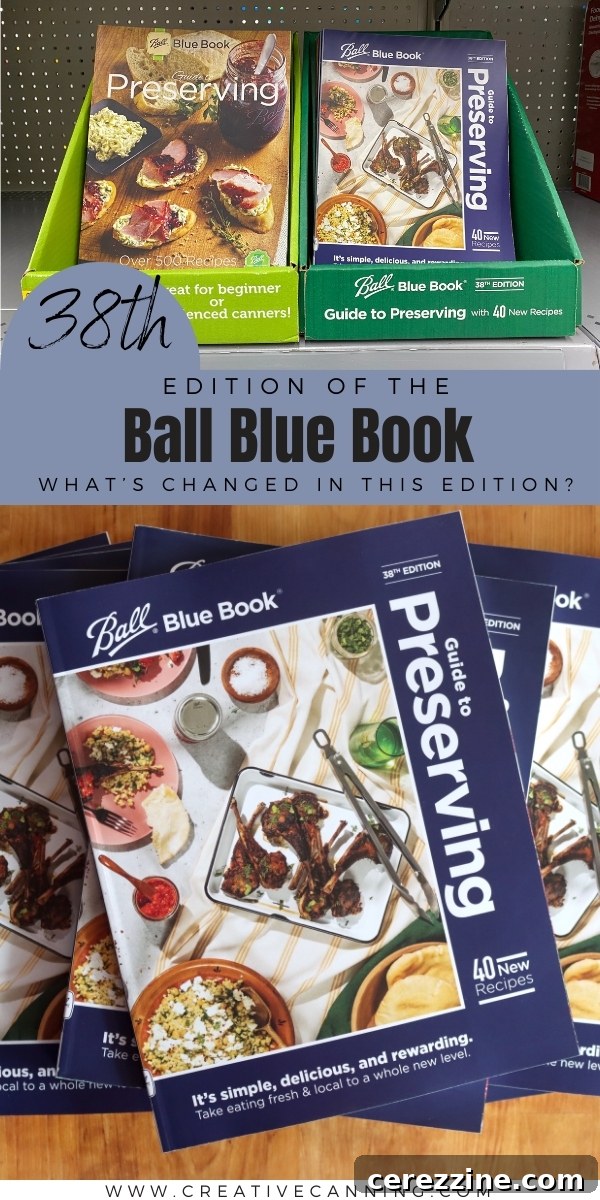
Ball Blue Book 38th Edition: Unveiling the Latest Changes for Home Canners
The highly anticipated 38th Edition of the Ball Blue Book Guide to Preserving made its debut on February 1st, 2024, sending ripples of excitement through the home canning community. For decades, the Ball Blue Book has stood as the definitive guide for safe and effective food preservation, and each new edition is eagerly awaited by enthusiasts keen to understand the evolving science and updated recipes. As dedicated canners, we want to know what’s new, what’s changed, and how these updates impact our beloved preserving traditions. I’ve taken the deep dive, meticulously comparing the 37th and 38th editions side-by-side to bring you all the essential answers.
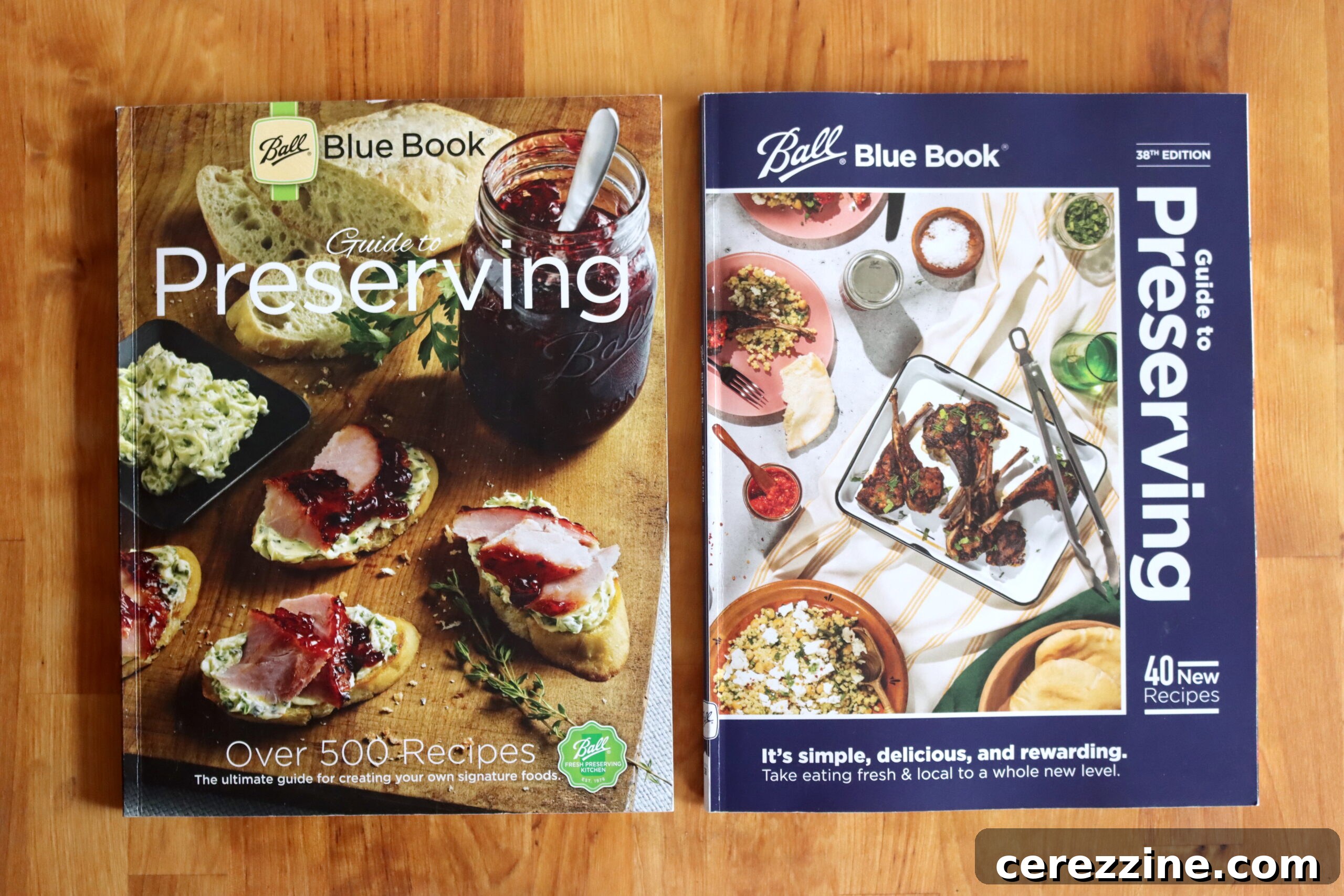
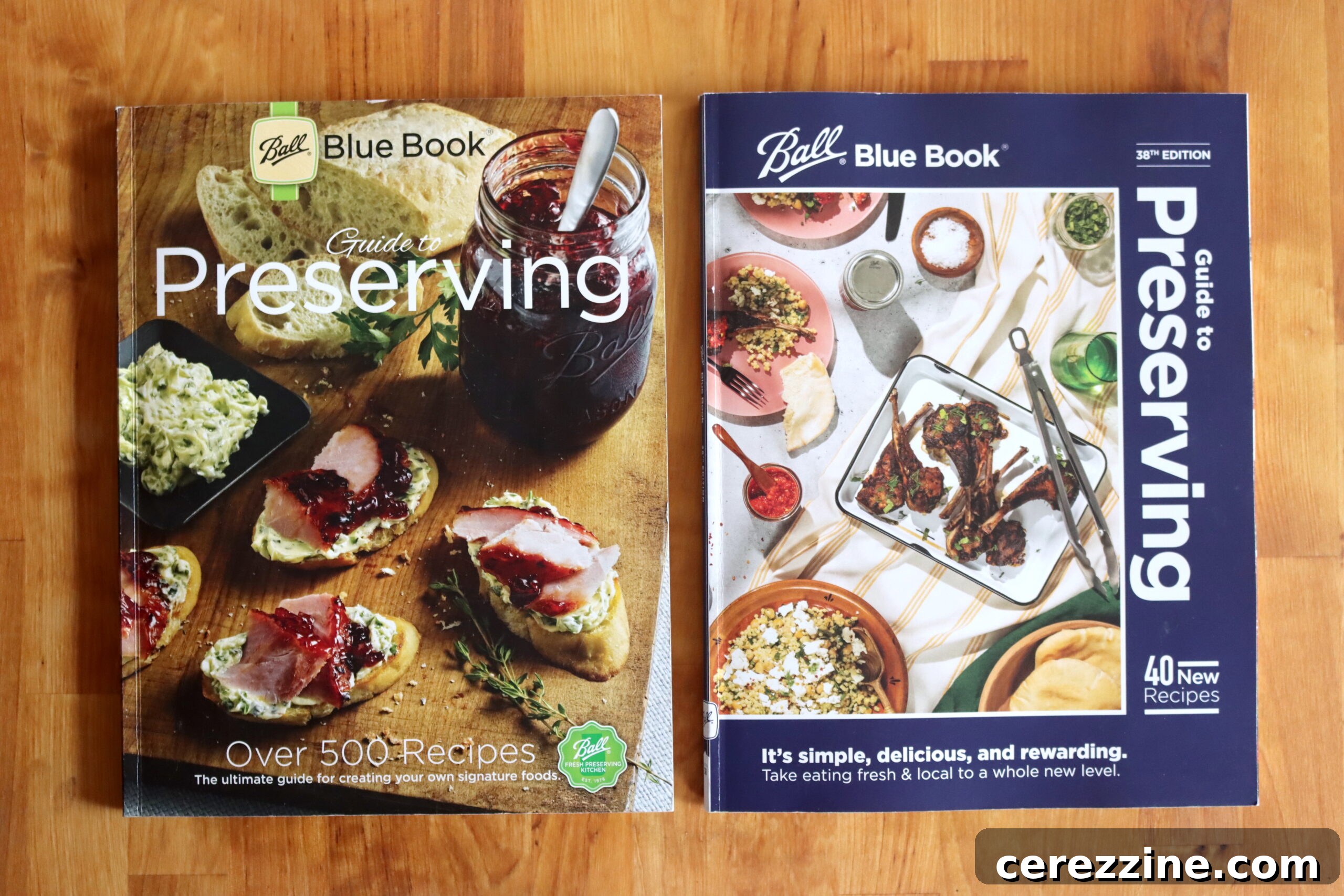
While new canning book editions are designed to supersede previous versions, they rarely explicitly highlight the specific modifications. This often leaves home canners wondering about the true impact of scientific advancements and recipe revisions. My goal in undertaking this comprehensive comparison was to illuminate how canning science has progressed over the past four years and pinpoint every recipe update included in this new release.
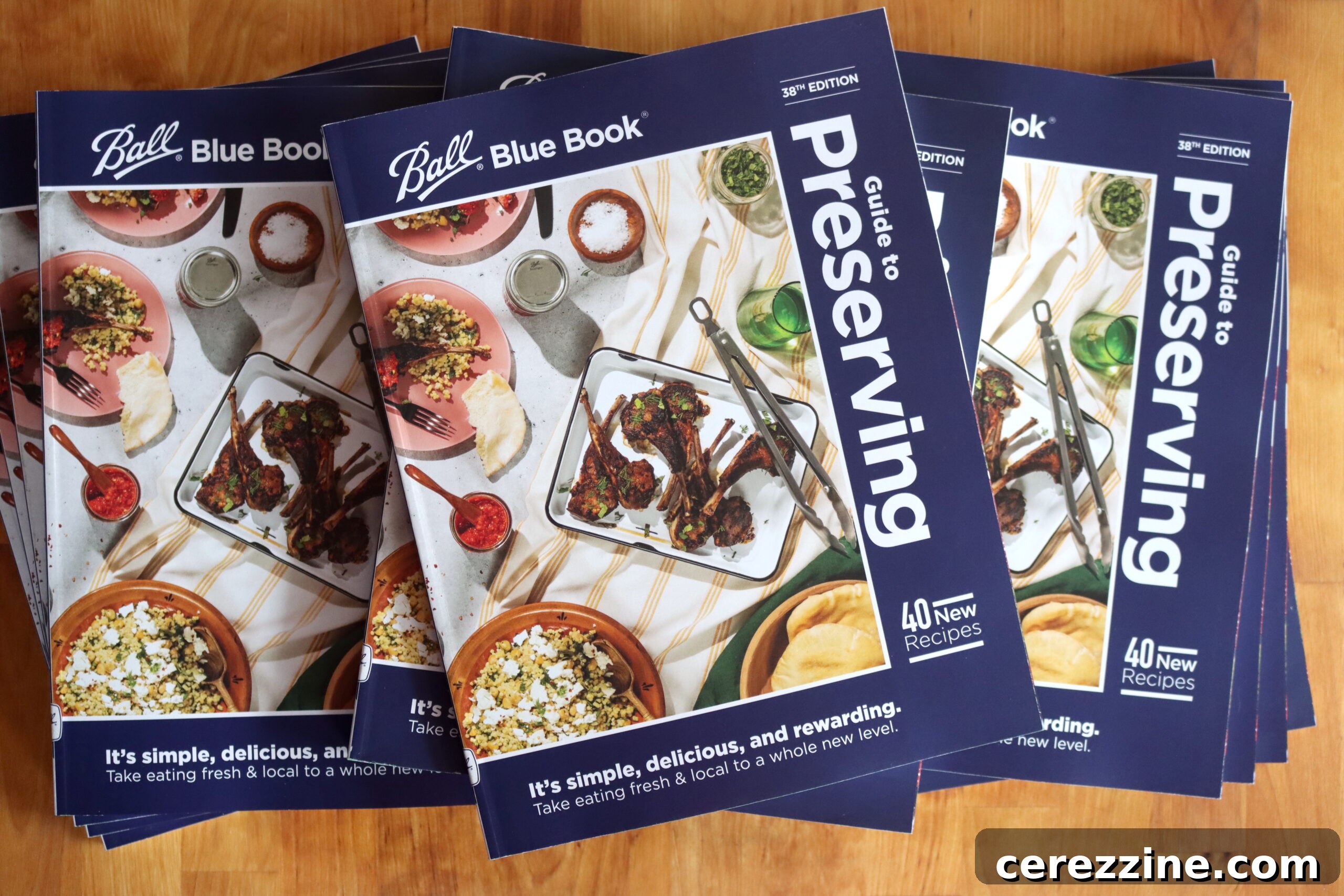
Securing Your Copy: Where to Find the 38th Edition
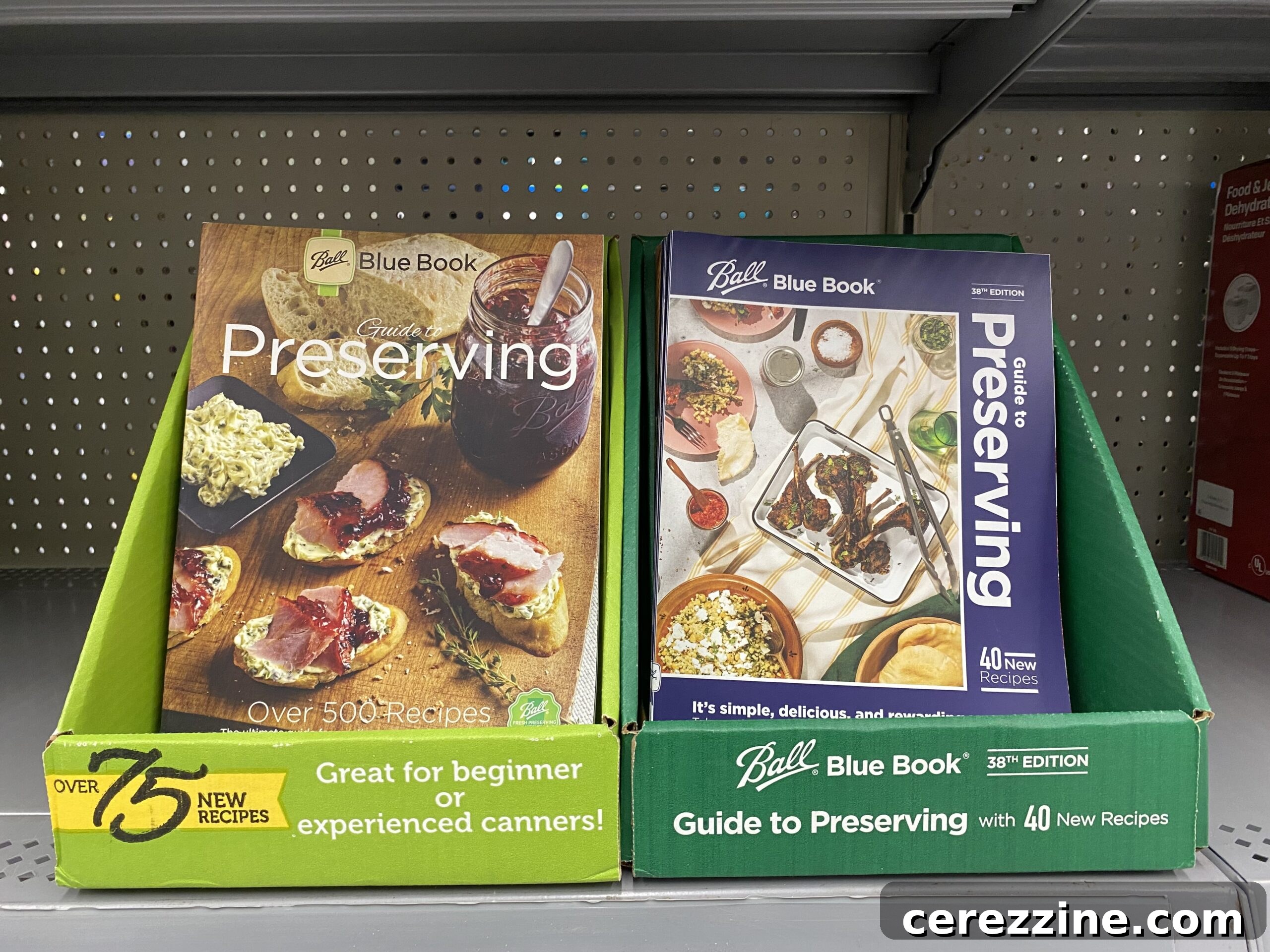
Despite its release, the 38th edition hasn’t yet reached major online retailers like Amazon, where only the 37th edition is currently available. This limited distribution has caused considerable frustration among home canners eager to get their hands on the latest guidelines. Presently, the book is primarily found at select Walmart locations, making it a challenging quest for many. For those determined to obtain a copy sooner, there have been limited copies appearing on eBay, often at reasonable prices, offering a temporary solution to the scarcity.
Understanding the difficulty many face in acquiring this essential guide, I managed to procure a substantial stock of the new edition. To help fellow canners, I’ve been running a giveaway, offering ten copies of the 38th edition of the Ball Blue Book through Creative Canning’s Substack. For those unable to locate a copy, entering the giveaway was a fantastic opportunity to win one before the May 1st, 2024, draw. (Please note: The giveaway has now closed.) This initiative aimed to alleviate some of the initial distribution challenges and ensure more home canners could access these vital updates.

The Storied Past of the Ball Blue Book: A Canning Legacy
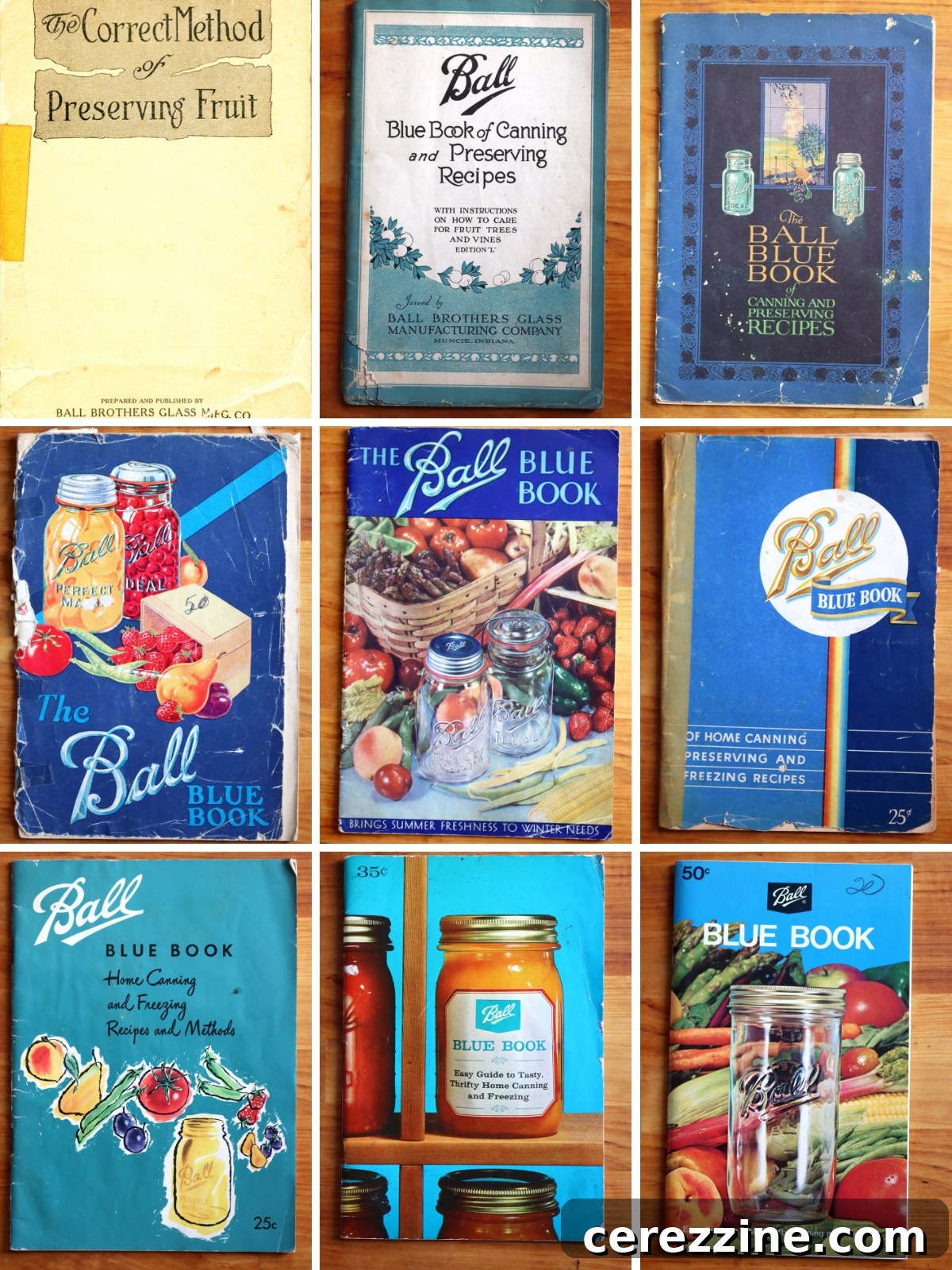
The Ball Blue Book’s journey began with its first edition in 1909, and since then, it has continually evolved, reflecting advancements in food science and culinary preferences. Each edition introduces new recipes and incorporates the latest scientific understanding, ensuring safe and effective home preservation techniques. As a keen student of canning history, my personal collection includes many of these older editions, offering a fascinating glimpse into the evolution of home preserving.
For those intrigued by the historical trajectory of this iconic guide, I highly recommend exploring my article on the History of the Ball Blue Book. This resource not only delves into the rich narrative behind the book but also provides downloadable links to several older editions, including the exceptionally rare first edition from 1909 and a valuable 1926 edition. These historical guides showcase how preserving methods, recipes, and even the understanding of food safety have transformed over more than a century, laying the groundwork for the comprehensive and scientifically backed recommendations found in today’s editions.
While the history is captivating, this article focuses on the most immediate and impactful changes. We’ll now delve into the specific modifications found in the 38th edition and provide a detailed list of all the exciting new recipes it introduces, empowering you with the most current information for your home canning endeavors.
What’s New and What’s Critical in the 38th Edition of the Ball Blue Book?
A decade has passed since the release of the 37th edition in 2014. In that time, canning science has continued to evolve, leading to crucial updates, particularly concerning the acidity levels of certain fruit varieties. These changes are not arbitrary; they stem from ongoing research into agricultural practices and fruit varietals, all aimed at ensuring the highest standards of food safety for home canners.
Apples and the Evolving Acidity Paradigm
One of the most significant shifts involves apples. Recent findings indicate that modern apple varieties, coupled with contemporary growing techniques, can result in apples with lower natural acidity. Historically, apples were considered sufficiently acidic for water bath canning without additional acid. Their pH levels generally fell well below the critical safety threshold of 4.6, which distinguishes high-acid foods suitable for water bath canning from low-acid foods requiring pressure canning.
However, today’s apples are, on average, less acidic, inching closer to that precarious 4.6 pH line. To err on the side of caution and uphold stringent food safety standards, the Ball Blue Book now unequivocally recommends adding bottled lemon juice when canning apples and a wide range of apple products, including juice, cider, apple butter, jam, and sauce. This update mirrors a similar change observed a few years ago with tomatoes, which also experienced a decline in acidity due to new varieties and cultivation methods. It underscores a broader trend in agriculture where sweeter, less acidic produce is becoming more common, necessitating adjustments in home preservation protocols. Even relying on “old-fashioned” heirloom varieties doesn’t always guarantee sufficient acidity, as the interplay between genetics, soil composition, and modern farming practices (like hydroponics or specific fertilizers) can significantly influence a fruit’s pH balance.
Detailed Apple Recipe Changes
Here are the specific apple recipes that have been updated to reflect these new acidity guidelines:
- The foundational basic apple canning recipe now mandates the inclusion of ½ cup of lemon juice for a 6-pint batch.
- The recipe formerly known as “Apples for baking” has been renamed Apple Rings and now requires ½ cup of lemon juice, a significant increase from the previous 1 tablespoon. Additionally, the sugar content has quadrupled from 1 cup to 4 cups, and the yield has been reduced from 4 quarts to 3. This substantial addition of sugar suggests a product closer to candied fruit, making “candied apple rings” a potentially more descriptive title.
- Applesauce recipes now call for 3 tablespoons of lemon juice per 6-pint batch.
- The apple juice recipe also includes an additional 3 tablespoons of lemon juice per 6-pint batch.
- For Apple Fruit Puree, 1 tablespoon of bottled lemon juice must be added for each quart of pureed apples (or ½ tablespoon per pint, consistent with applesauce guidelines).
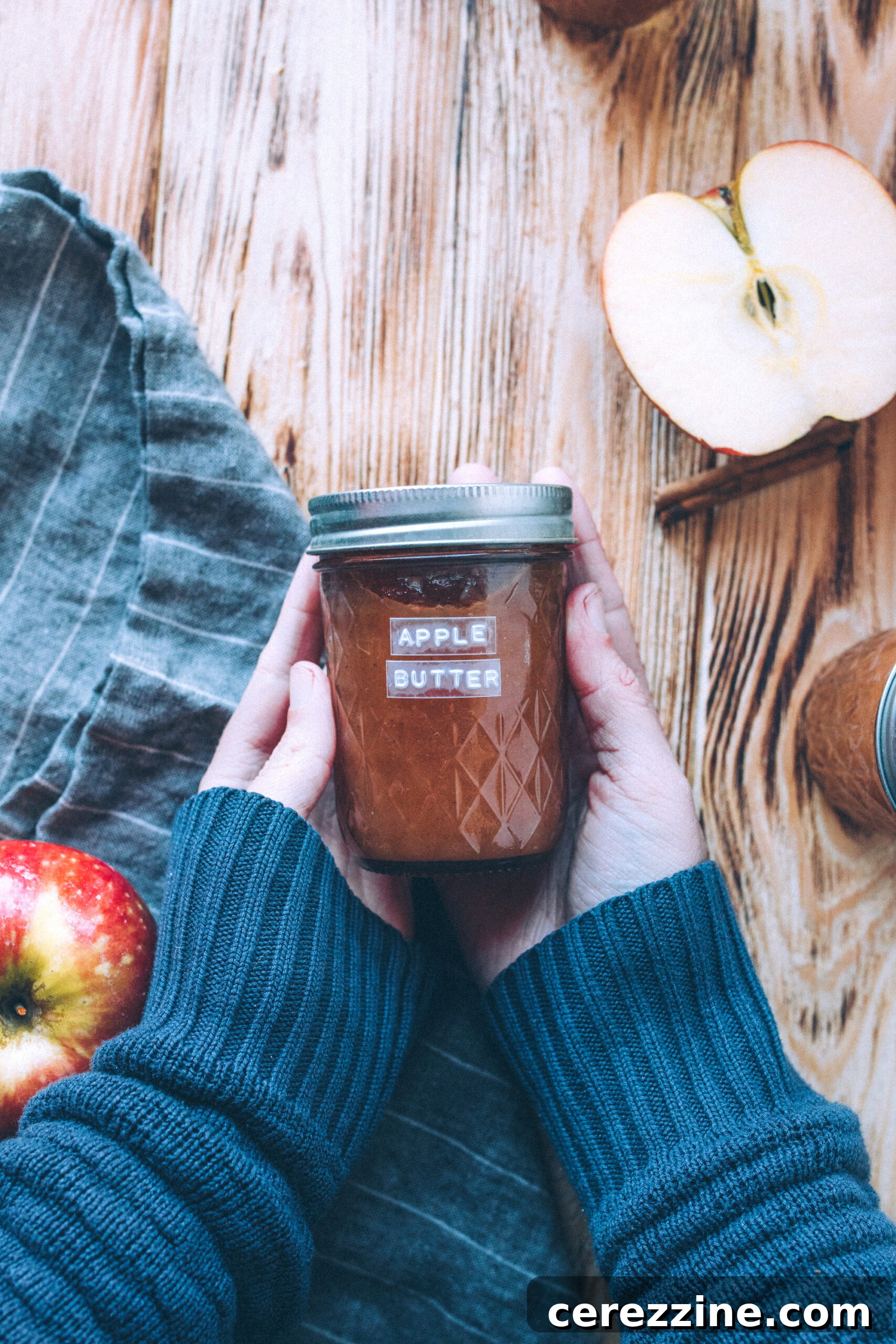
- Both the classic apple butter and sweet cider apple butter recipes now require an additional ¼ cup of lemon juice.
- Apple Jelly now specifies an extra 2 tablespoons of lemon juice for 4 cups of juice when preparing a 4 half-pint batch.
- Apple preserves have seen an increase in lemon juice from one tablespoon to two, with an explicit instruction to use bottled lemon juice over fresh.
Elderberry Recipes Removed Due to pH Concerns
Beyond the updated apple guidelines, a notable change in the 38th edition is the complete removal of elderberry canning recipes. New research has indicated that elderberries generally possess a pH level exceeding 5, placing them above the safe threshold for conventional water bath canning. Canning foods with a pH above 4.6 requires the high temperatures achieved only through pressure canning to prevent the growth of harmful bacteria like Clostridium botulinum.
While some tested recipes for elderberry jelly and elderberry jam have been recently published by reputable sources such as the Wisconsin State Extension service, which account for the high pH by using substantial amounts of added acid, Ball Canning has opted for a more conservative approach by entirely removing all elderberry recipes from the new book rather than attempting to update them. This decision underscores the paramount importance of food safety and highlights the caution necessary when dealing with fruits whose acidity levels may be inconsistent or too high for standard water bath methods.
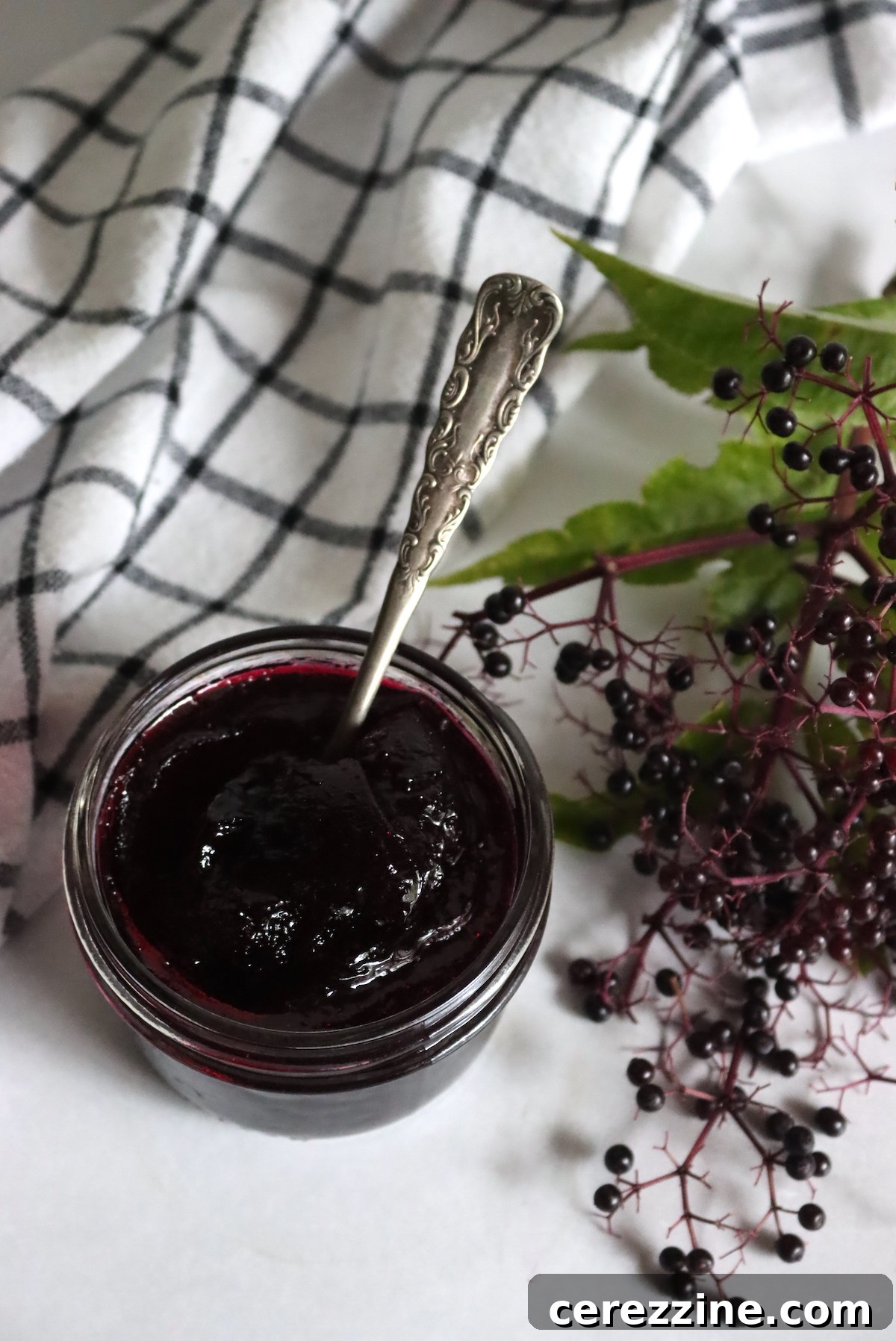
Fig Recipe Enhancements and Safety Improvements
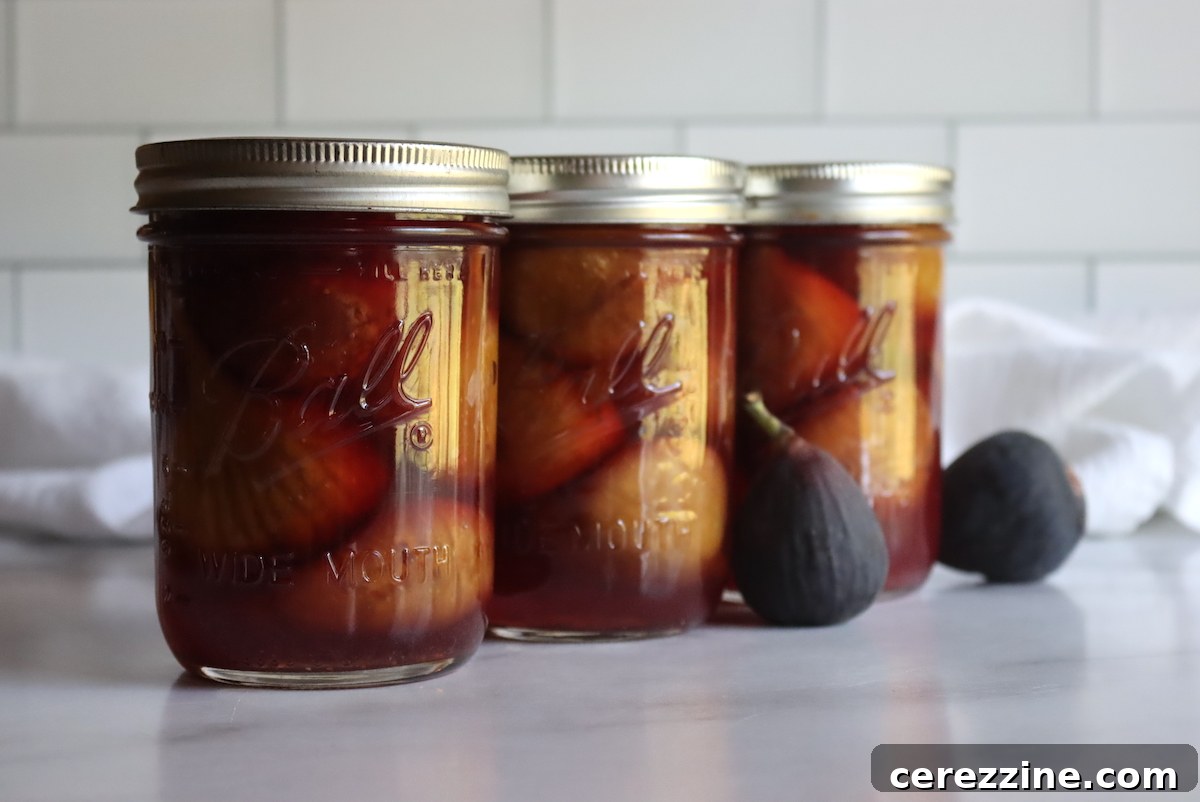
The 38th edition introduces a welcome addition in the fruit puree section: an option for a Fig Fruit Puree, which was not previously available. This new recipe offers a practical solution for canners, as fresh figs can sometimes contain internal insects, making whole fig canning less appealing for some. By pureeing the figs, canners can now easily inspect the fruit during preparation, ensuring quality and peace of mind.
For safely canning pureed figs, the recipe specifies adding 2 tablespoons of bottled lemon juice or ½ teaspoon of citric acid for each quart of puree. The processing instructions then follow those for other fruit purees, emphasizing consistency in food safety practices. Furthermore, the Fig Preserves recipe has been updated, increasing the lemon content from a single lemon to 3 tablespoons of bottled lemon juice, complemented by sliced lemon peel for enhanced flavor and acidity balance.
Caution with White Peaches and Nectarines
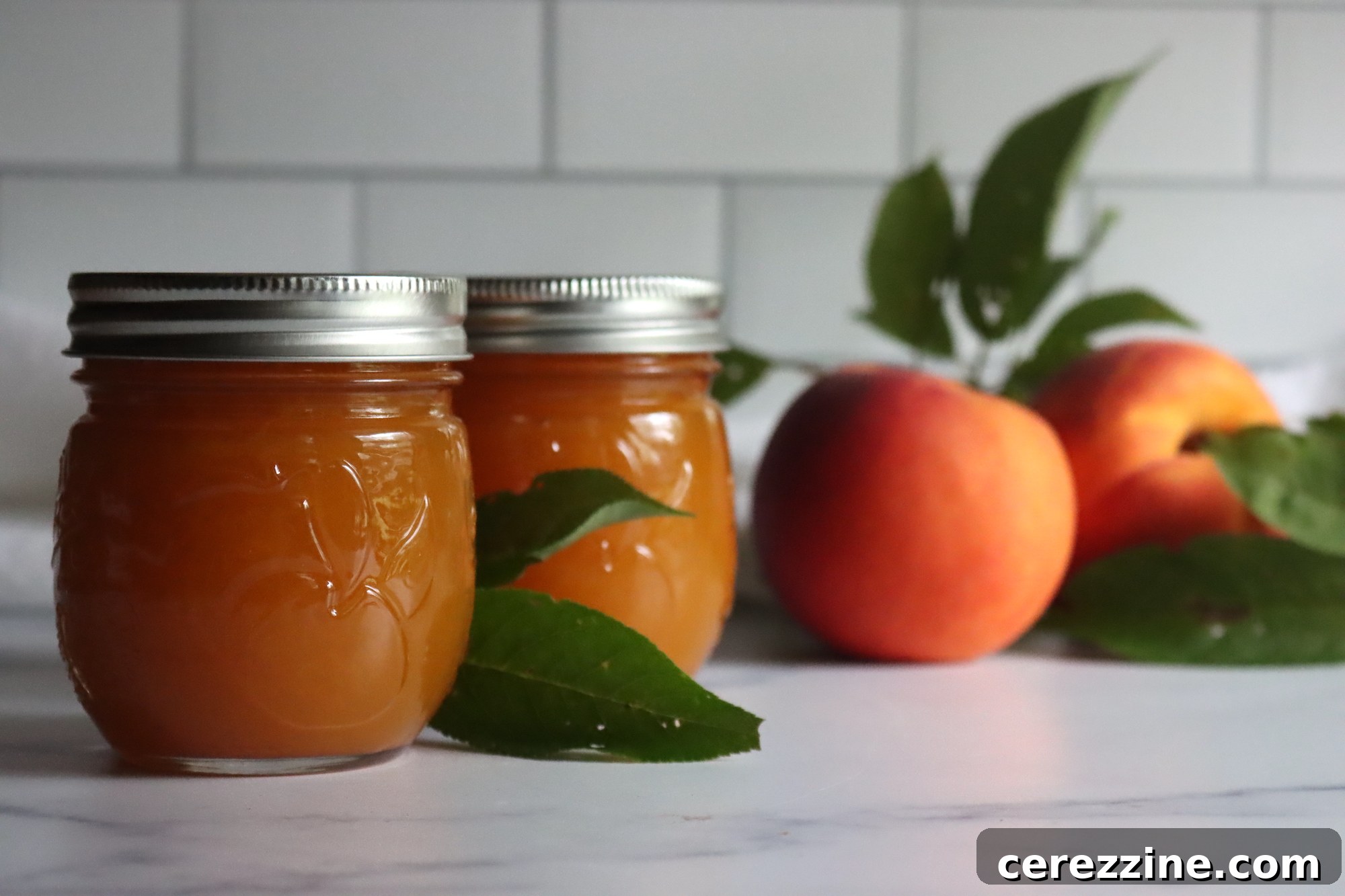
Building on existing recommendations found in many comprehensive canning guides, the new edition of the Ball Blue Book now explicitly advises against using white-fleshed peaches and nectarines for home canning across all peach and nectarine recipes. Modern white-fleshed varieties are known to be significantly less acidic than their traditional “yellow” counterparts, often possessing a milder flavor profile as well. This reduced acidity poses a substantial food safety risk, as their pH levels may not be low enough to safely inhibit the growth of spoilage organisms and harmful bacteria in a water bath canner.
At present, comprehensive testing has not been conducted to determine the precise amount of added acidity (such as lemon juice or citric acid) required to safely preserve white peaches and nectarines. Consequently, until such research provides clear and tested guidelines, these varieties are explicitly excluded from Ball’s canning recipes. Home canners should adhere to this guidance and continue to use yellow-fleshed peaches and nectarines, which have established, safe canning protocols, to ensure the safety and quality of their preserved goods.
The Bottled Citrus Juice Directive: Flavor vs. Preservation
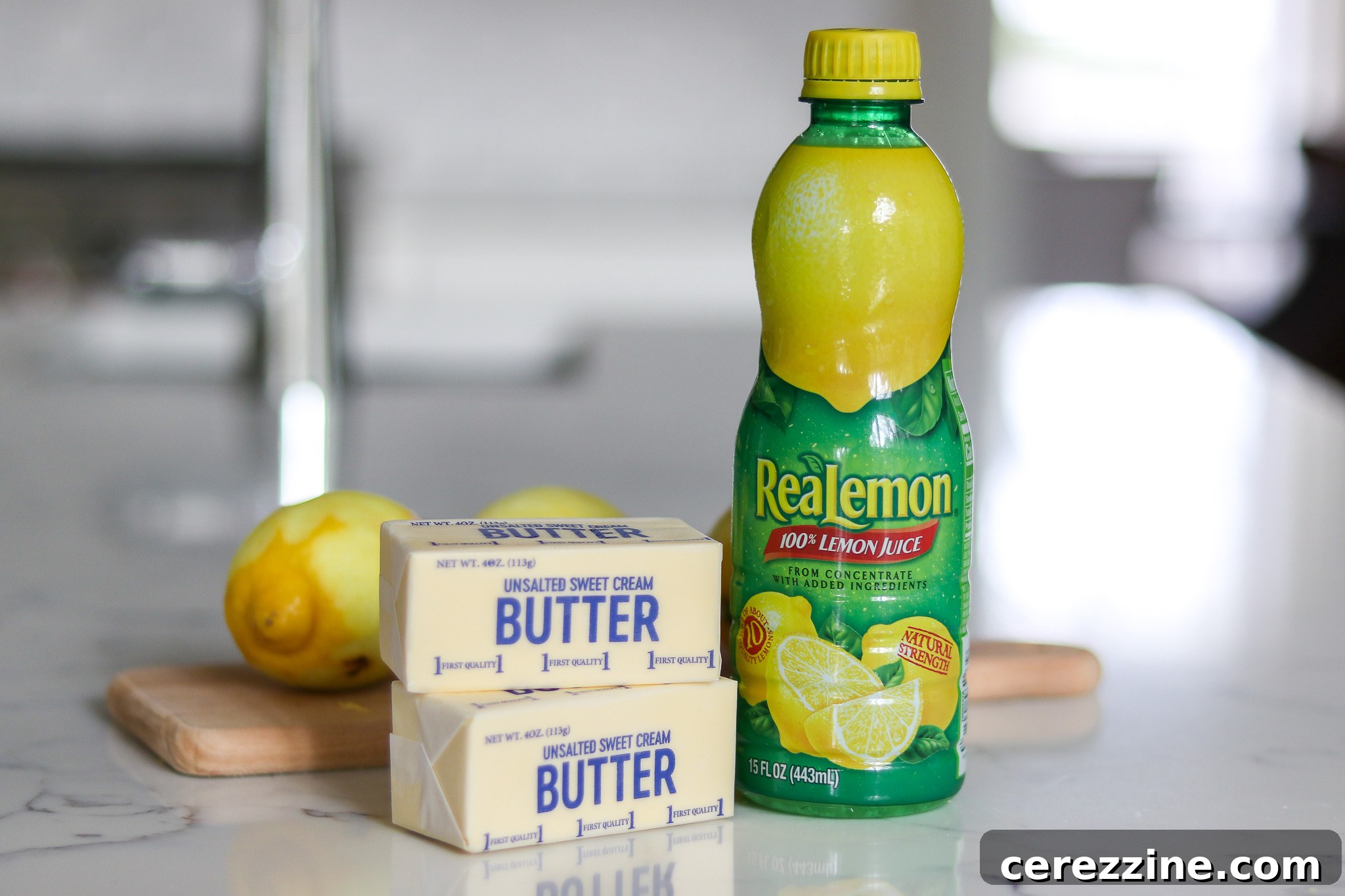
A notable and somewhat contentious change in the 38th edition is the universal recommendation for “bottled lemon/lime juice” in all recipes that call for citrus. Previously, many recipes offered the flexibility of using “Fresh or Bottled Lemon/Lime Juice,” particularly when the citrus was primarily intended for flavoring rather than playing a critical role in preservation by lowering pH. Recipes where citrus was strictly required for food safety explicitly specified “bottled.”
The new blanket instruction, while creating consistency, also introduces potential confusion. It might lead canners to assume that bottled citrus juice is always indispensable for preservation, even in cases where it primarily serves as a flavor agent. For example, in a blueberry lime jam recipe, omitting the lime altogether would simply result in a blueberry jam, as the lime’s primary function there is flavor, not pH adjustment for safety. The same applies to many salsa recipes, which now uniformly specify bottled citrus.
From a culinary perspective, fresh citrus juice undeniably imparts a superior flavor profile compared to its bottled counterpart. While bottled juice offers a standardized acidity level, which is crucial for recipes where citrus is a primary acidification agent, sacrificing flavor for this consistency becomes problematic when the juice is not critical for lowering the pH. This change is likely to spark considerable debate within canning communities, as it blurs the line between food safety necessities and flavor preferences, potentially leading to a compromise in the taste of home-canned goods in non-critical applications.
Tomato and Salsa Updates: Ensuring Adequate Acidity
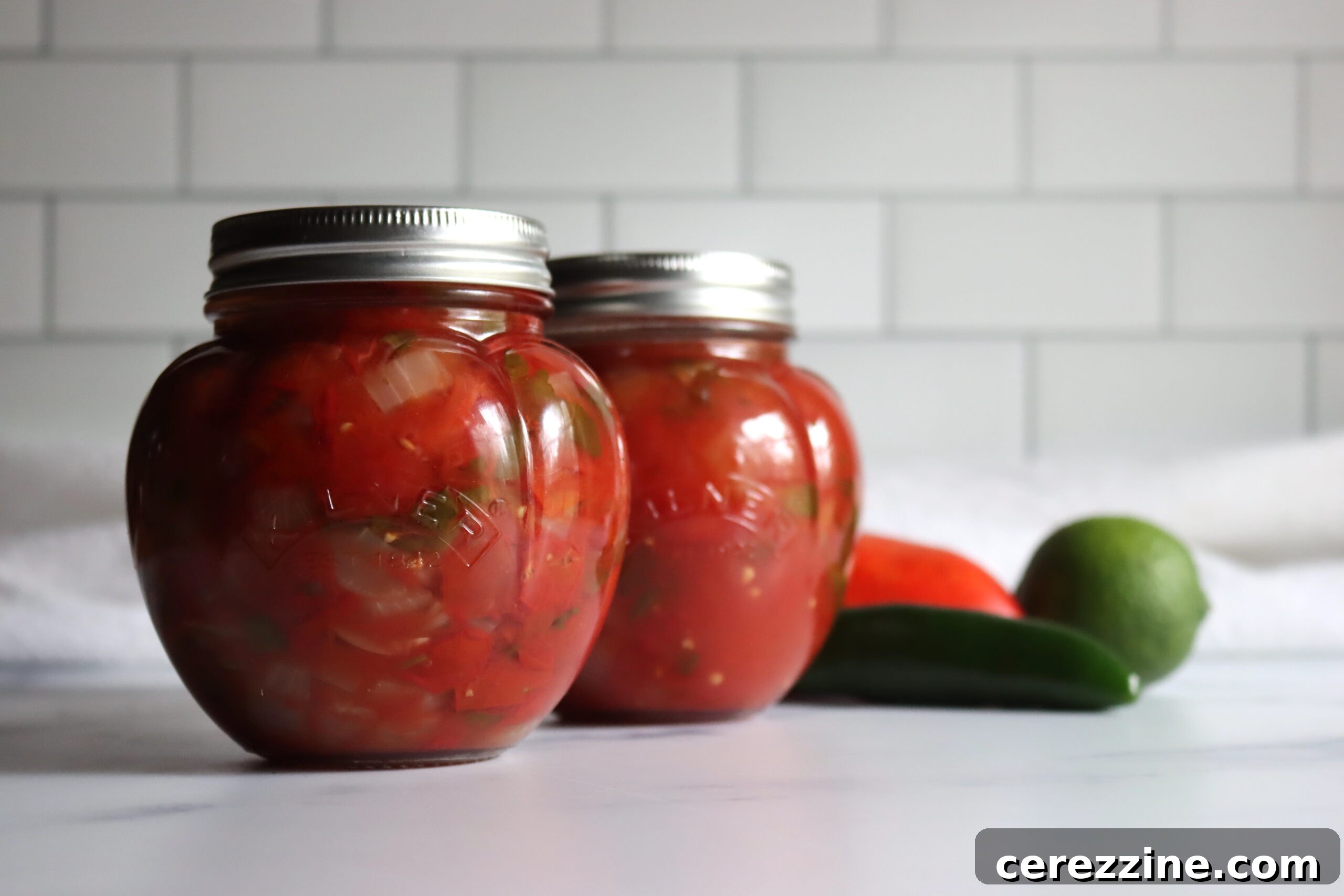
Consistent with the evolving understanding of fruit acidity, the 38th edition includes specific adjustments to tomato and salsa recipes. While most salsa recipes retained their core structure, they, too, now specify bottled lime juice, aligning with the broader citrus directive. However, one salsa recipe underwent a more substantial change directly impacting its acidity profile.
In the Jalapeno Salsa Recipe, the total amount of vinegar required has been doubled, increasing from ½ cup to a full 1 cup. This significant increase ensures a safer pH level for water bath canning, reflecting careful reconsideration of the ingredients’ combined acidity. Additionally, the recipe for Yellow Tomato Butter, which previously lacked added acidity, has been updated to include 2 tablespoons of bottled lemon juice or ½ teaspoon of citric acid per batch. This correction brings the Yellow Tomato Butter in line with standard tomato acidification requirements outlined in the book and other trusted canning resources, rectifying a past oversight and enhancing its safety profile.
Minor Corrections and Persistent Errors
Beyond the major scientific and recipe updates, the 38th edition also addresses several minor corrections, primarily to rectify obvious errors from previous editions. For instance, the Tomato Paste Recipe previously listed 4 ½ tablespoons of lemon juice for an 8 half-pint batch but then contradicted itself by instructing canners to add ½ tablespoon per jar, which would total 4 tablespoons. This inconsistency has been resolved, with the recipe now correctly specifying 4 tablespoons of lemon juice. Such minor adjustments, while subtle, are crucial for maintaining the accuracy and trustworthiness of canning instructions.
However, it’s worth noting that a number of known errors regarding batch yields, which have been a source of frustration for home canners for years, remain uncorrected. Most of the batch yields have been carried over from the previous edition, suggesting that a comprehensive re-evaluation of these figures was not undertaken. This highlights an area where future editions could still see further refinement to better assist canners in planning and executing their preservation projects.
A Bounty of Innovation: New Recipes in the 38th Edition of the Ball Blue Book
The 38th edition of the Ball Blue Book of Preserving truly shines with an impressive array of new recipes, catering to modern tastes and expanding the horizons of home canning. While some of these recipes might be familiar to those who own other recent Ball Canning Books, such as The All New Ball Book of Canning and Preserving (2016), their inclusion here makes this edition even more comprehensive and versatile. These additions demonstrate Ball’s commitment to evolving with culinary trends and providing canners with exciting new options for their pantry. In total, Ball claims 40 new recipes, and my review identified 39 unique additions, encompassing a wide range of categories from savory sauces to delectable jams and innovative condiments.
Canning Ingredients
- Pickling Spice (homemade spice mix)
Sauces: New Flavors for Your Pantry
- Smokey Sweet BBQ Sauce
- Caponata Sauce
- Harissa Sauce
- Sweet Pineapple Chili Sauce
Jams and Savory Spreads: Sweet and Unexpected Creations
- Ajvar (Roasted Eggplant and Pepper Spread)
- Blueberry Lavender Jam
- Blueberry Honey Vanilla Jam
- Cherry Vanilla Jam
- Mango Jalapeno Pepper Jelly
- Peach Toasted Almond Jam
- Red Onion and Port Jam
- Spiced Tomato Jam
- Strawberry Basil Jam
- Strawberry Honey Butter
- Sweet and Sour Pineapple Jam
Salsas: Bold and Vibrant
- Pineapple Mango Habanero Salsa
- Roasted Poblano Salsa
Syrups: Versatile and Aromatic
- Hibiscus Tea Syrup
- Peach Concentrate (spiced peach syrup)
Pickles and Condiments: Tangy Twists
- Escabeche (mixed veg pickles)
- Maple Pickled Jalapenos
- Sweet and Sour Onion Relish
Pie Filling: Ready to Bake
- Apple Cranberry Pie Filling (with clear jel)
Freezing: No Canner Needed
- Raspberry Lemon Curd (Freezer only recipe)
Meal Creations (Using Preserves): Beyond the Jar
- Caponata Pasta Salad
- Greek Salad with Marinated Feta and Caper Lemon Vinaigrette
- Overnight Oat Parfait with Peach Toasted Almond Jam
- Pan Fried Harissa Lamb Chops with Herbed Couscous
- Sweet and Sour Pineapple Chicken Sheet Pan Bake
- Baked Brie with Cran-Orange Pear Jam
Desserts (in Ball Jars): Gift-Ready Treats
- Oatmeal Cherry Chocolate Chunk Cookie Gift Jars
Extras (Not preserves, For Fresh Use): Culinary Companions
- BBQ Dry Rub Spice Mix
- Caper Lemon Vinaigrette
- Crostini with Hickory Smoked Ham and Red Chili Cherry Jam
- Honey Dijon White Wine Vinaigrette
- Hot Italian Giardiniera (fresh, not canning recipe)
- Marinated Feta
- Salty Pickled Edamame
- Tomato Chili Sambal
Recipes Removed from the 38th Edition
While the focus of the 38th edition was largely on adding new and exciting recipes, a few older recipes were removed. Most notably, the elderberry jelly recipe and all general references to canning whole elderberries were omitted. This decision, as previously discussed, is a direct response to updated scientific findings regarding the high pH of elderberries and the associated food safety concerns, underscoring the book’s commitment to safe preservation practices.
In a less safety-critical but equally regrettable move for many canners, the recipe for Apple Maple Jam was also removed. This was a particularly delicious and popular recipe, and its absence will be keenly felt. To ensure this wonderful recipe isn’t lost to the annals of canning history, I plan to recreate and publish it on Creative Canning in the near future, making it accessible to all who cherish its unique flavor profile.
Conclusion: Staying Informed for Safe and Delicious Canning
The 38th Edition of the Ball Blue Book Guide to Preserving represents a vital update for the home canning community. It reinforces the dynamic nature of food science and the continuous need for canners to stay informed about the latest safety guidelines and research. From crucial acidity adjustments for apples and the removal of elderberry recipes due to pH concerns, to the nuanced debate surrounding bottled versus fresh citrus juice, these changes underscore the paramount importance of food safety in every jar we seal.
Beyond the critical updates, the wealth of new recipes offers exciting opportunities to diversify your pantry and explore modern flavors. Whether you’re a seasoned canner or just beginning your preservation journey, investing in the latest edition is an investment in safe and successful home food preservation. We encourage you to delve into these new guidelines, try out the innovative recipes, and continue to engage with the vibrant home canning community. What are you most excited to make from the 38th Edition of the Ball Blue Book of Preserving? Share your thoughts and plans in the comments below!
(And a final reminder: the giveaway for copies of the 38th edition on Creative Canning’s Substack closed on May 1st, 2024. Thank you to everyone who participated!)