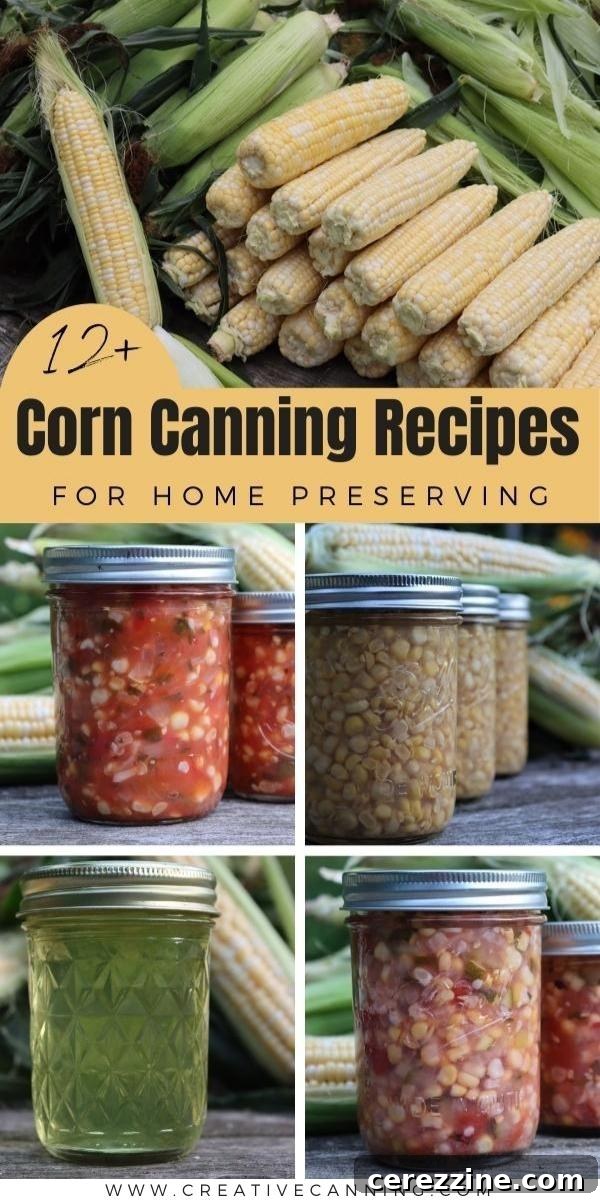
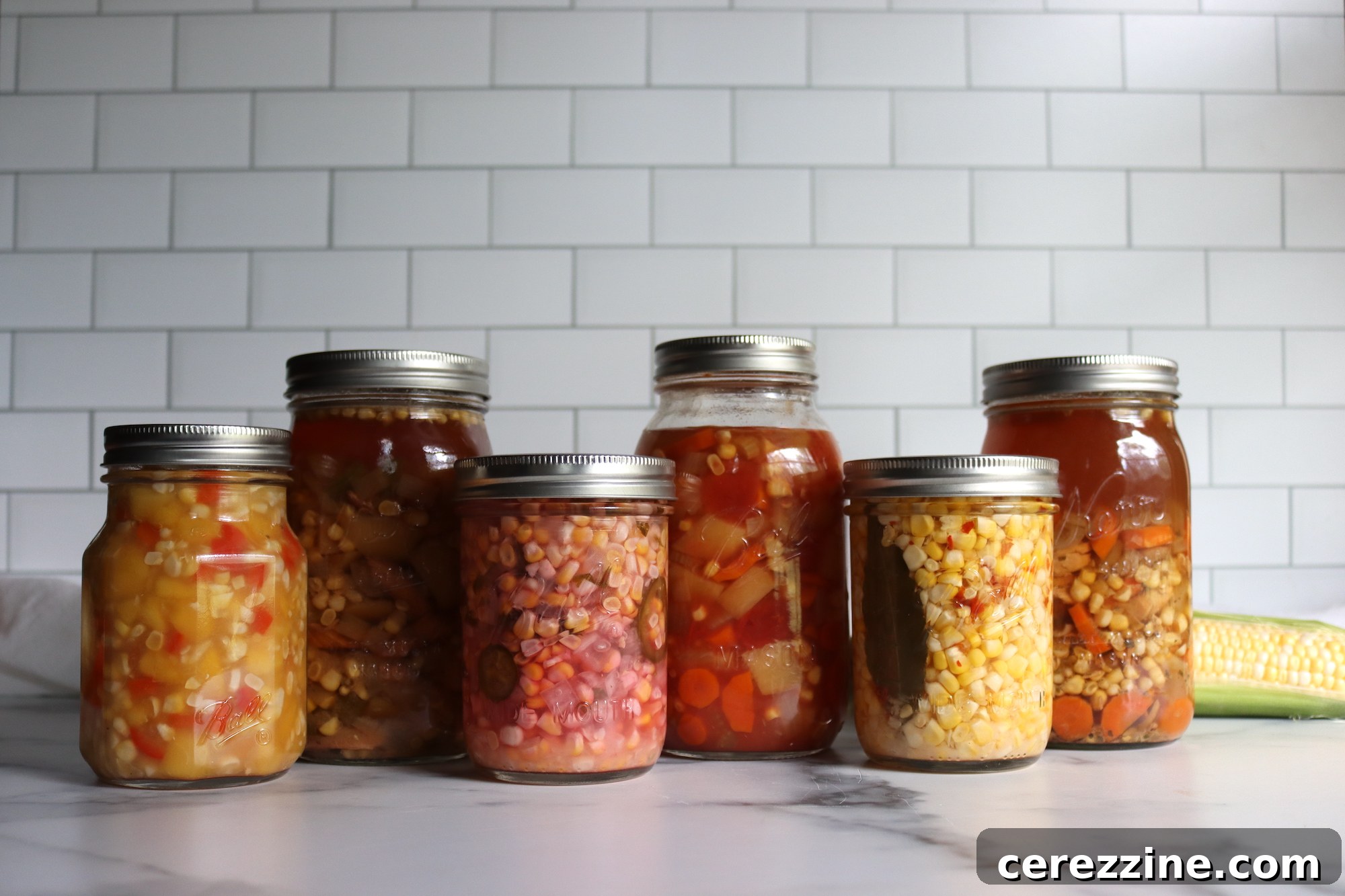
Unlock a world of culinary possibilities by mastering the art of canning corn! Far from just preserving plain kernels, home canning opens the door to a diverse array of delicious and creative corn recipes, suitable for both water bath and pressure canning methods. This comprehensive guide delves into everything you need to know to safely and effectively transform your summer corn harvest into shelf-stable pantry staples, ensuring a taste of sunshine even in the depths of winter.
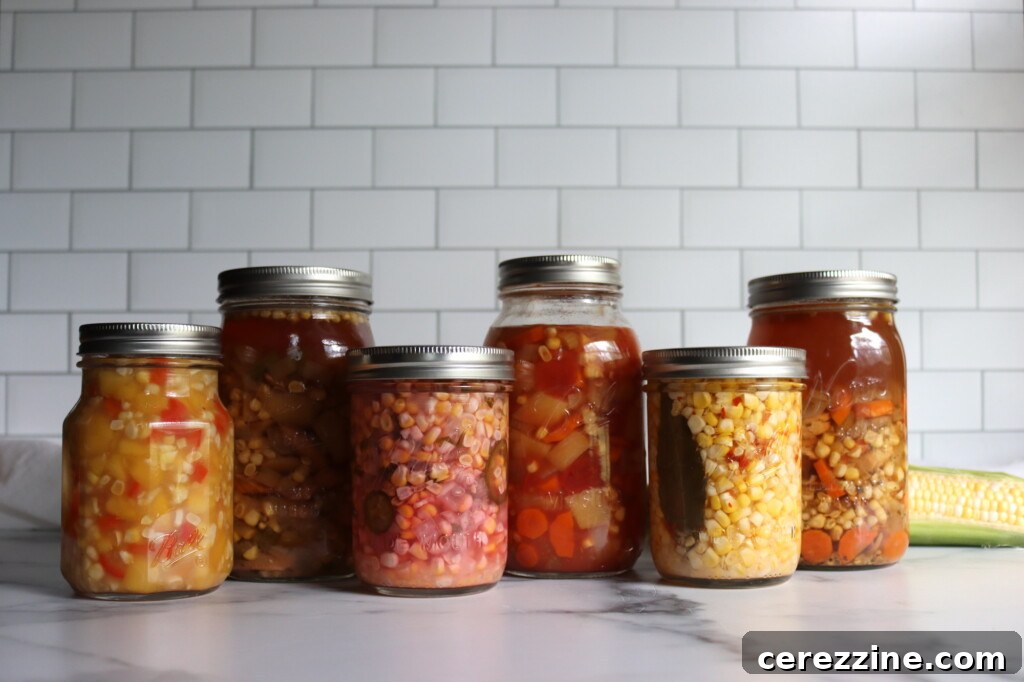
Why Choose Canning for Your Corn Harvest?
While modern conveniences like freezing vegetables have gained immense popularity, the timeless method of home canning remains a cherished and often superior choice for preserving the season’s bounty. For many, particularly those living in regions prone to frequent power outages, canning offers unparalleled reliability. Imagine the frustration of dedicating countless hours to harvesting and preparing your summer produce, only for a sudden thunderstorm or winter ice storm to knock out power, leading to a defrosted freezer and ruined food. Canning eliminates this risk entirely, securing your hard work in jars that require no electricity to maintain their integrity.
Our personal journey to an off-grid homestead truly underscored the value of diverse food preservation strategies. Despite investing in off-grid appliances, including highly dependable DC freezers powered directly by our battery bank, freezer space is inherently limited. This constraint spurred an intense exploration of canning recipes, recognizing it as a critical component of a resilient and self-sufficient food system. While our off-grid freezers offer remarkable stability, the sheer volume of a prolific corn harvest quickly exceeds their capacity.
Comparing Preservation Methods for Corn
Beyond canning and freezing, other food preservation techniques exist, but they often fall short when it comes to the generous yields of corn. Dehydration, for instance, is a wonderful method for smaller crops or herbs, but it proves inefficient for corn. The process of dehydrating corn kernels is labor-intensive and time-consuming, requiring many hours for a relatively small yield. Even with the largest dehydrators, processing a bushel of corn to feed a large family becomes an arduous task, as only a few ears worth of kernels can be handled at a time.
Lacto-fermentation also holds a valuable place in food preservation, producing delicious homemade sauerkraut and other fermented delights. However, the quantity of fermented corn one might reasonably consume is limited compared to the versatility of canned corn. While fermented corn can be a unique addition to meals, it doesn’t offer the broad utility that canned whole kernel corn, relishes, or salsas provide.
Ultimately, when faced with a bountiful corn harvest, canning emerges as the most practical and rewarding method. The ability to simply reach into the pantry and pull out a ready-made meal component, a zesty condiment, or a convenient side dish is an unparalleled advantage. Canning not only preserves the flavor and nutrients of fresh corn but also provides peace of mind and culinary flexibility.

Essential Corn Canning Recipes & Safety Guidelines
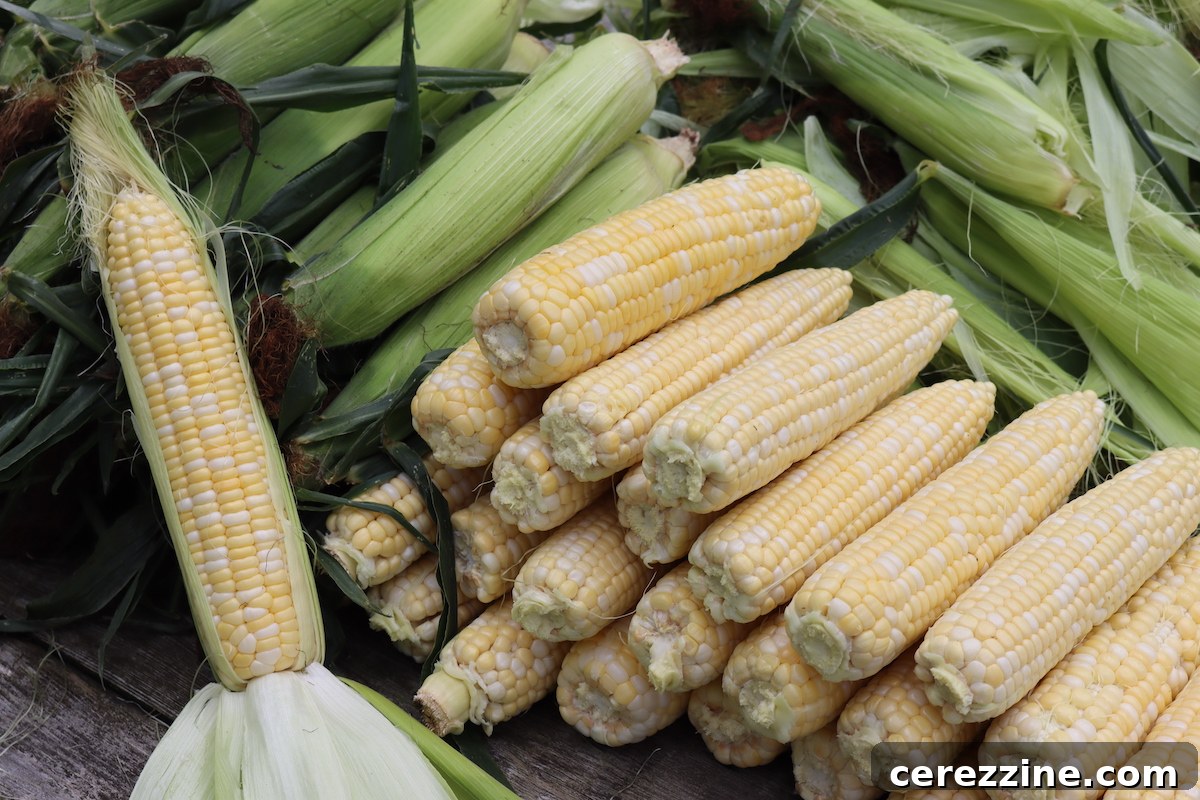
Although fresh sweet corn is commonly enjoyed as a vegetable, it’s botanically classified as a grain. This distinction is vital for canning, as corn is naturally a low-acid food. Low-acid foods present a risk of botulism if not processed correctly. Therefore, safely canning plain corn or creamed corn always requires a pressure canner. It is absolutely critical to understand that attempting to water bath can straight corn is inherently unsafe, regardless of anecdotal advice.
However, the good news is that by incorporating a sufficient quantity of high-acid ingredients, corn can be safely preserved using a water bath canner. When corn is adequately “pickled” in the jar, its pH level drops to a safe range, inhibiting bacterial growth. This means recipes like corn relish, certain corn salsas, and pickled corn, which contain ample amounts of vinegar, lemon juice, or lime juice, can be safely processed in a water bath canner. It is paramount to only use thoroughly tested and approved canning recipes to ensure the correct balance of acidic ingredients for safety.
For any corn canning recipe that includes other low-acid ingredients, such as those found in many soups and stews, a pressure canner is non-negotiable. Always scrutinize any recipe you intend to use, verifying that it is a safe, tested, and officially approved canning method from reliable sources like the National Center for Home Food Preservation (NCHFP) or university extension offices.
If you’re embarking on your canning journey, these resources will provide a solid foundation:
- Beginner’s Guide to Water Bath Canning: Learn the fundamentals of this simpler method suitable for high-acid foods.
- Beginner’s Guide to Pressure Canning: Master the essential technique for safely preserving low-acid foods like corn and meats.
- Canning Supplies and Equipment Guide: Discover the necessary tools and equipment to ensure a successful and safe canning experience.
Canning Whole Kernel & Creamed Corn: The Versatile Staple
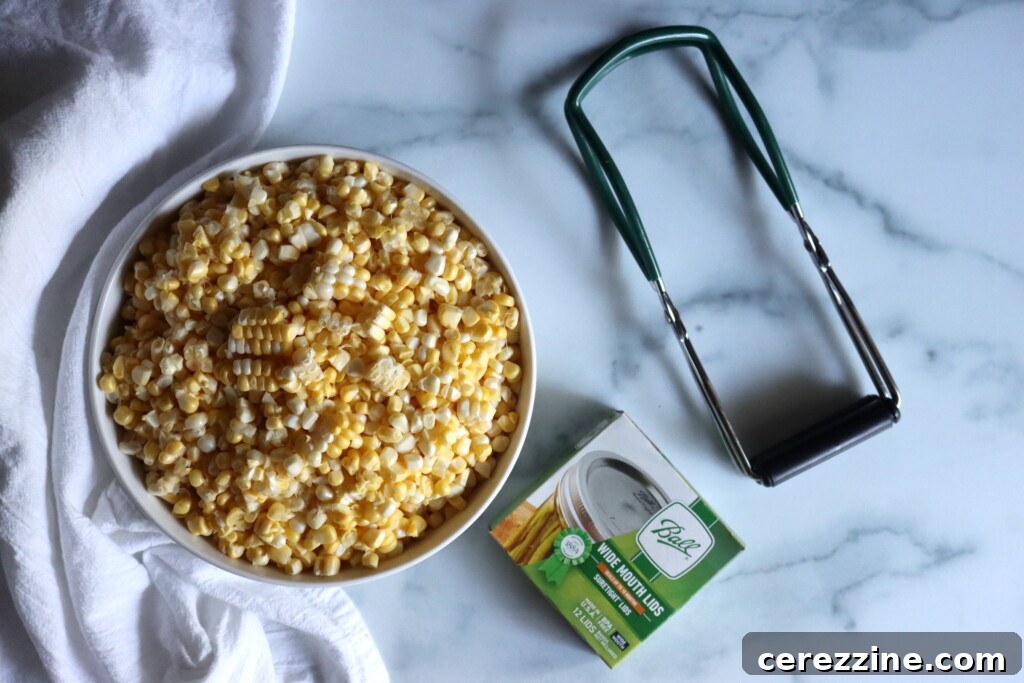
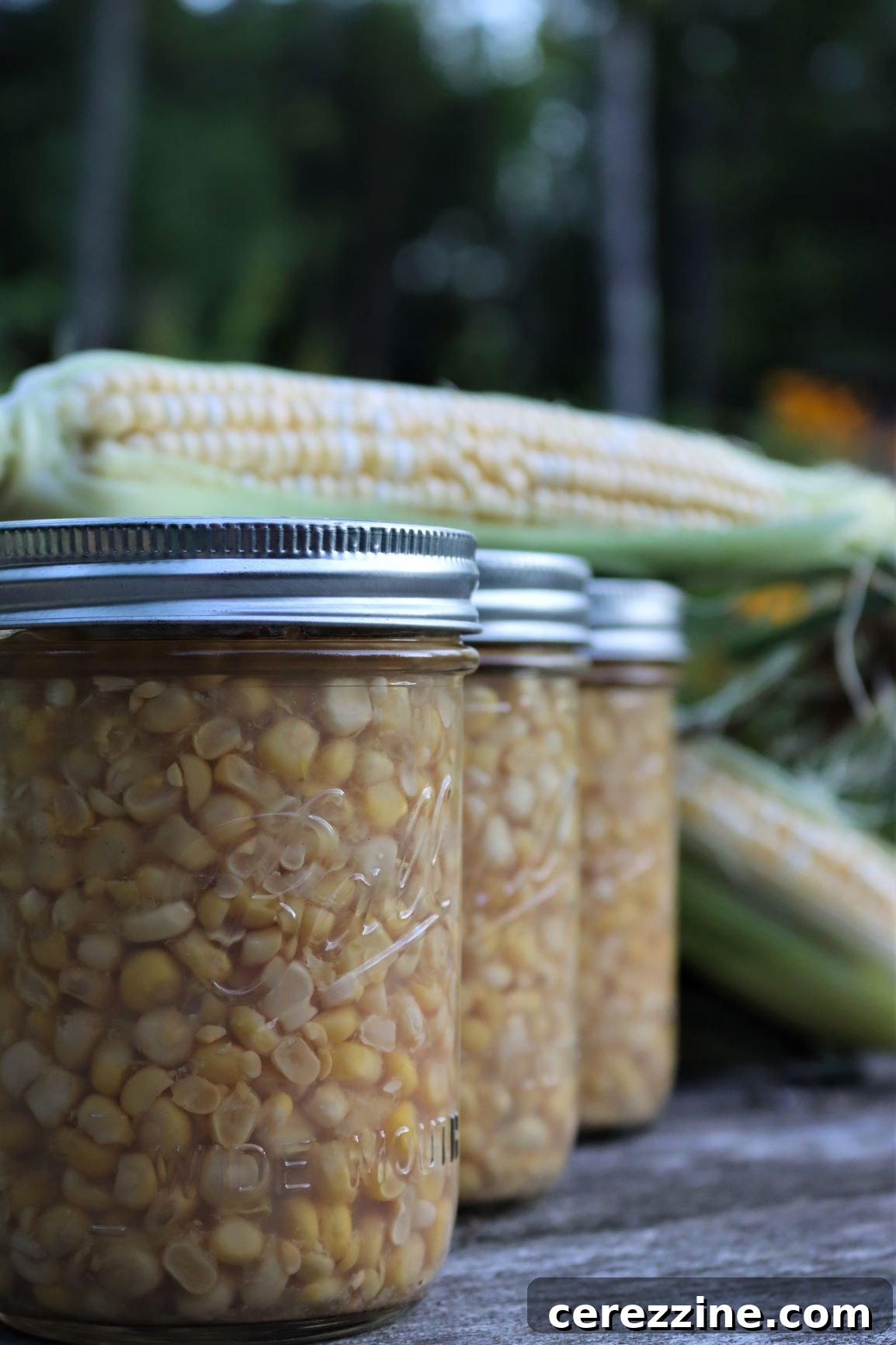
Undoubtedly, the most popular and incredibly versatile corn canning recipe involves preserving plain corn kernels. This method perfectly locks in the natural sweetness and fresh flavor of summer corn, making it available year-round. Canned whole kernel corn can be enjoyed on its own as a delightful side dish, or it can be effortlessly integrated into a vast array of recipes, from casseroles and soups to salads and stir-fries. Its simplicity makes it a freezer staple, transforming quickly harvested corn into a convenient pantry item.
As stressed previously, canning plain corn (whether whole kernel or creamed) demands a pressure canner. There are no exceptions, and safety must always be the top priority. Do not be swayed by unreliable advice online regarding water bath canning plain corn; it poses a significant health risk.
- Canning Corn (Whole Kernel or Creamed Corn): A definitive guide to safely preserving this fundamental corn product using a pressure canner.
Zesty Corn Salsa for Canning
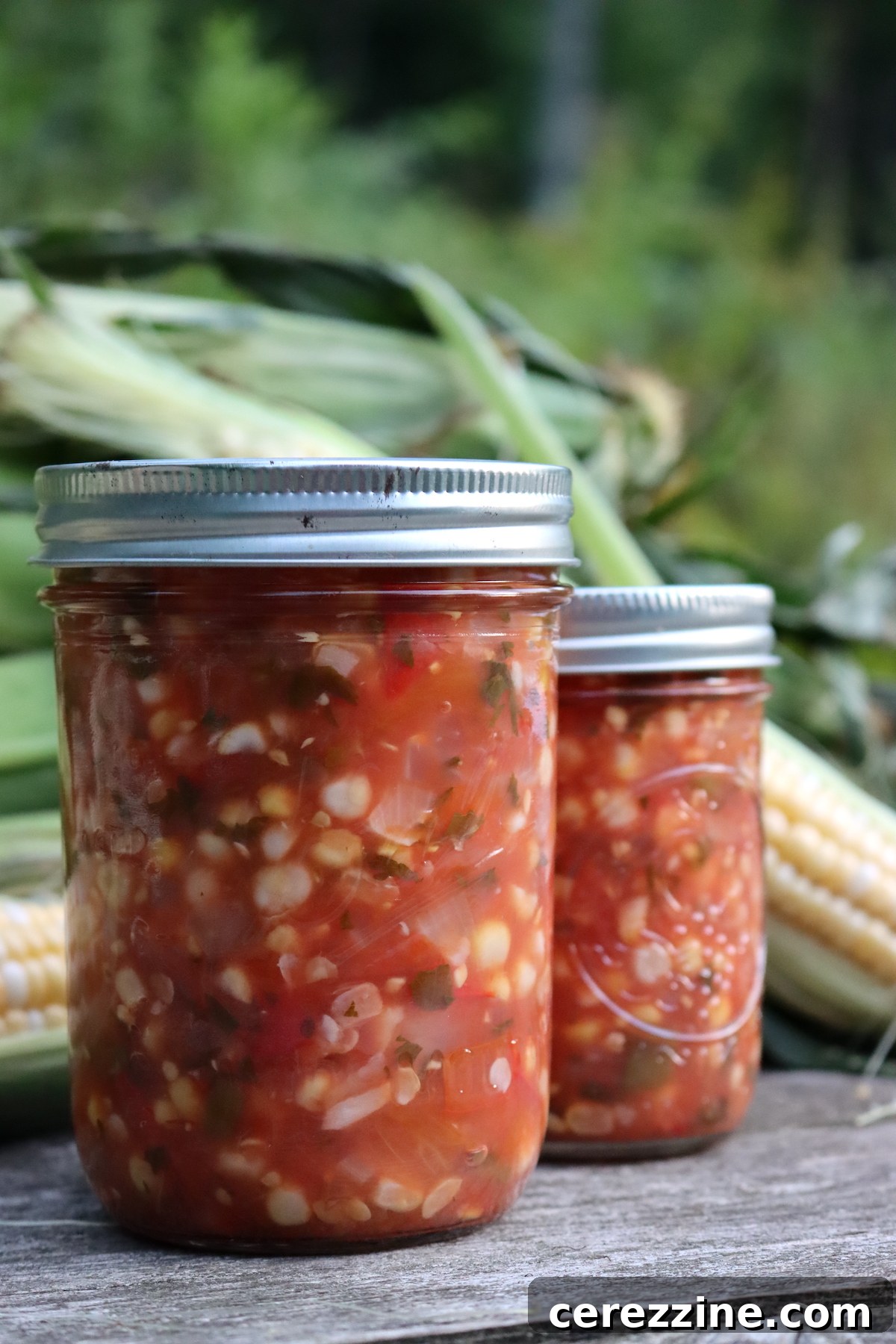
Corn salsa offers a vibrant burst of flavor, perfectly capturing the essence of summer. Depending on its specific formulation, corn salsa can be processed using either a water bath canner or a pressure canner. If a recipe contains a sufficient quantity of high-acid ingredients and has been thoroughly tested and approved, then it may be safe for water bath canning. However, it’s crucial to note that only a select few corn salsa recipes meet these criteria for water bath processing.
When searching for water bath safe corn salsa, always stick to proven recipes. If you’re open to pressure canning, a whole new world of rich and complex salsas opens up. For example, a truly delectable recipe for corn and black bean salsa requires pressure canning, regardless of added acidity, due to the low-acid nature of black beans.
- Corn & Tomato Salsa (Water Bath Canning): A bright and flavorful salsa perfect for tacos, chips, or grilled meats.
- Southwestern Corn Salsa (Water Bath Canning): A robust option featuring a medley of spices and vegetables.
Homemade Corn Relish: A Tangy-Sweet Delight
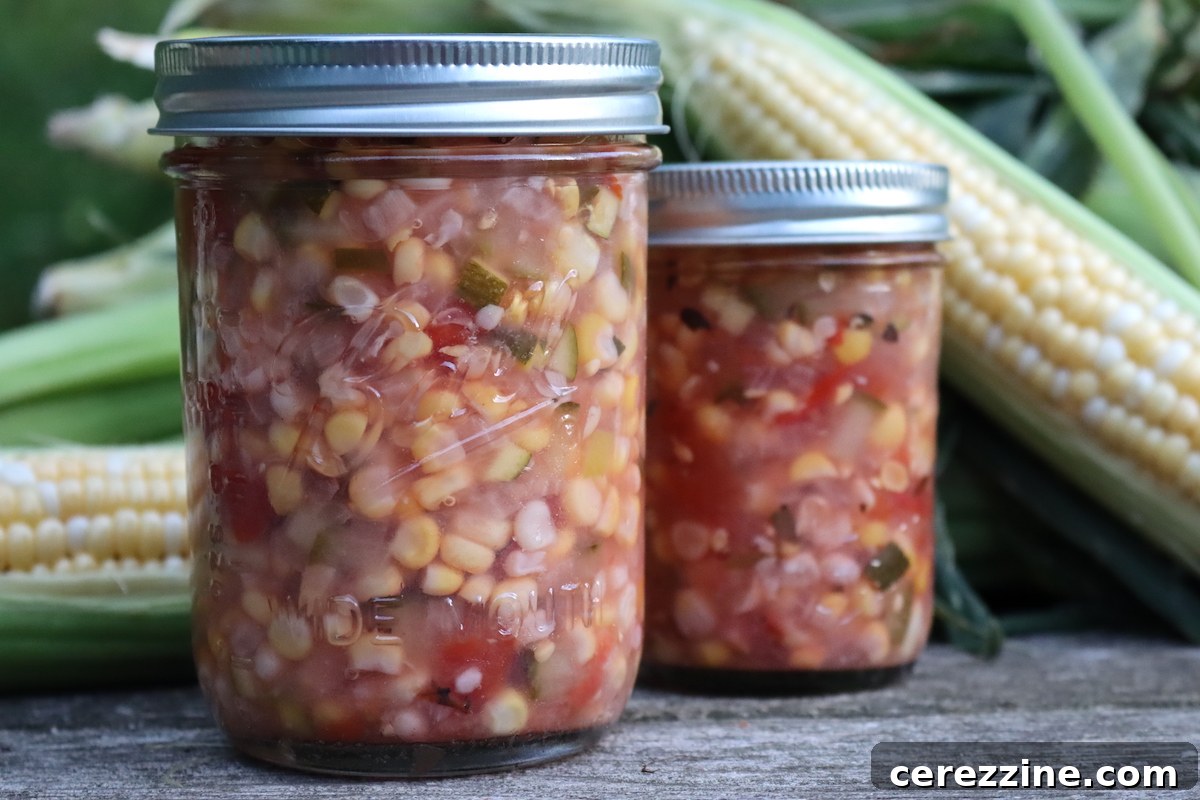
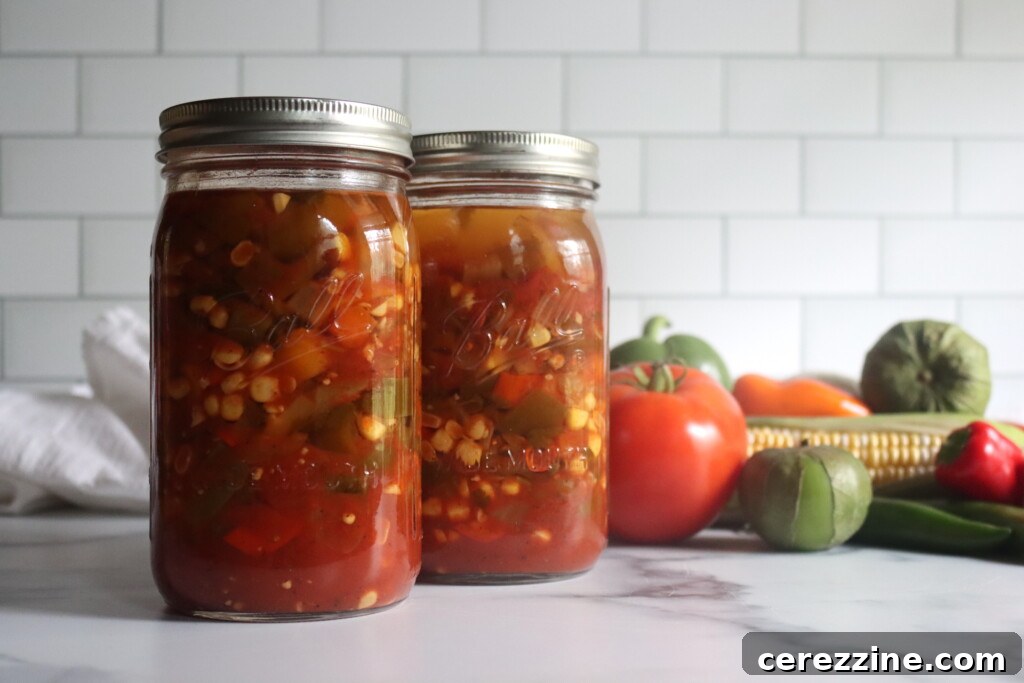
The inherent sweetness of fresh corn finds an exquisite balance against the salty and tart notes characteristic of traditional relish. When diced with other summer vegetables such as crisp cucumbers, vibrant peppers, and juicy tomatoes, homemade corn relish becomes a jarred embodiment of summer itself. While it incorporates a variety of ingredients, corn undeniably takes center stage, with the other vegetables contributing not just beautiful color and satisfying texture but also helping to perfectly round out the flavor profile.
Thanks to the generous addition of vinegar, corn relish is a safe and delightful candidate for water bath canning. This means you can enjoy the satisfaction of preserving this condiment without the need to set up your pressure canner!
- Corn Relish Recipe for Canning: A classic, tested recipe for a quintessential summer preserve.
Pickled Corn: Crunchy and Versatile
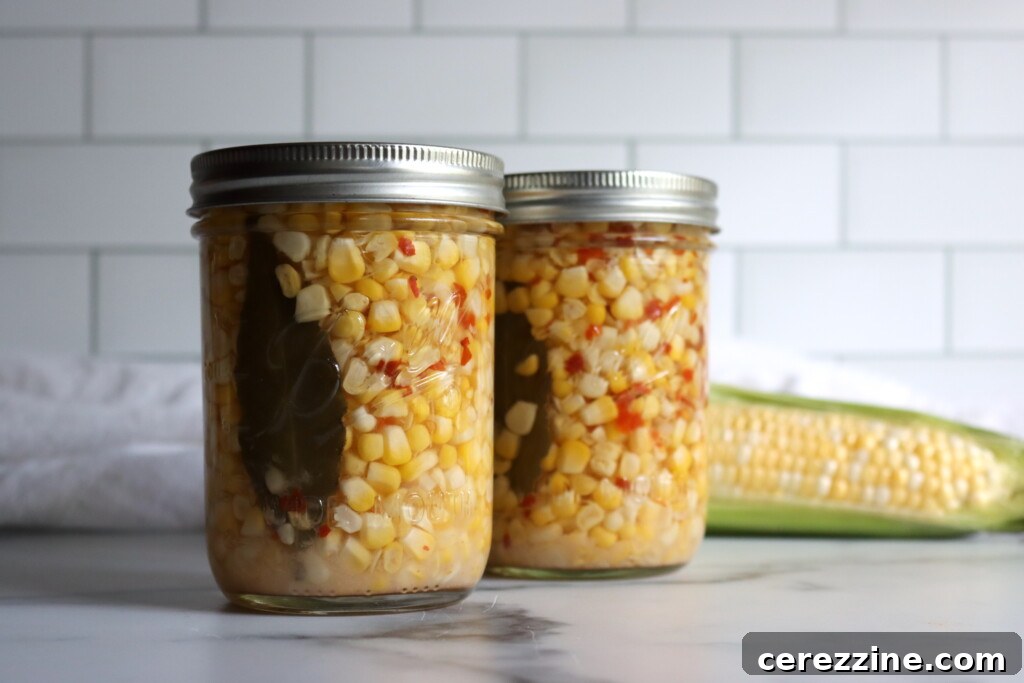
Much like corn relish and salsa, pickled corn utilizes vinegar to acidify this naturally low-acid vegetable, rendering it safe for water bath canning. While not typically eaten straight from the jar like a traditional cucumber pickle, pickled corn offers a delightful crunch and a tangy sweetness that elevates a wide range of dishes. Its unique profile makes it a fantastic culinary ingredient.
Pickled corn shines on hot dogs, serving as a bright, tangy alternative to standard relish. Beyond that, its versatility extends to topping tacos, garnishing hearty soups, or even being incorporated into a fresh salad for an unexpected burst of flavor. The final application largely depends on how you choose to season the corn during the pickling process, allowing for endless creative adaptations.
- Pickled Corn: A fundamental recipe for preserving corn with a tangy kick.
- Pickled Corn Salad: A ready-to-eat side dish combining pickled corn with other vegetables.
Hearty Corn Soups for Your Pantry
Homemade soups are an excellent way to utilize the abundant sweetness of fresh corn, transforming it into nourishing, ready-to-eat meals. Soup canning recipes are straightforward to process in a pressure canner, providing incredible convenience on busy days.
Many canned soup varieties can be heated and served directly from the jar. However, certain types, particularly creamy chowders, require a few additional ingredients such as thickeners (like flour or cornstarch), butter, and milk, which are not safe for canning. These elements must be incorporated at the time of serving. Despite this, the ability to can homemade soup bases—where you simply add the dairy and thickeners when reheating—still offers a tremendous advantage in terms of meal preparation efficiency and flavor development. It ensures a wholesome, delicious meal is always just minutes away.
- Chicken and Corn Chowder: A comforting classic, ready for those chilly evenings.
- Southwestern Vegetable Soup: A flavorful and hearty option with a kick.
- Roasted Poblano Corn Chowder: A sophisticated chowder with a smoky, spicy depth.
- Chicken Soup with Corn: A perennial favorite, made even better with fresh corn.
- Spicy Tomato Vegetable Soup (with corn): A robust and zesty soup for those who enjoy a little heat.
- Vegetable Soup with Corn: A foundational recipe, perfect for customizing with your favorite garden veggies.
- Beef Stew with Corn: A hearty, complete meal in a jar.
- Canning Roasted Corn Stock (corn broth): An ingenious way to capture corn flavor for future soups and dishes.
Nostalgic Corn Cob Jelly
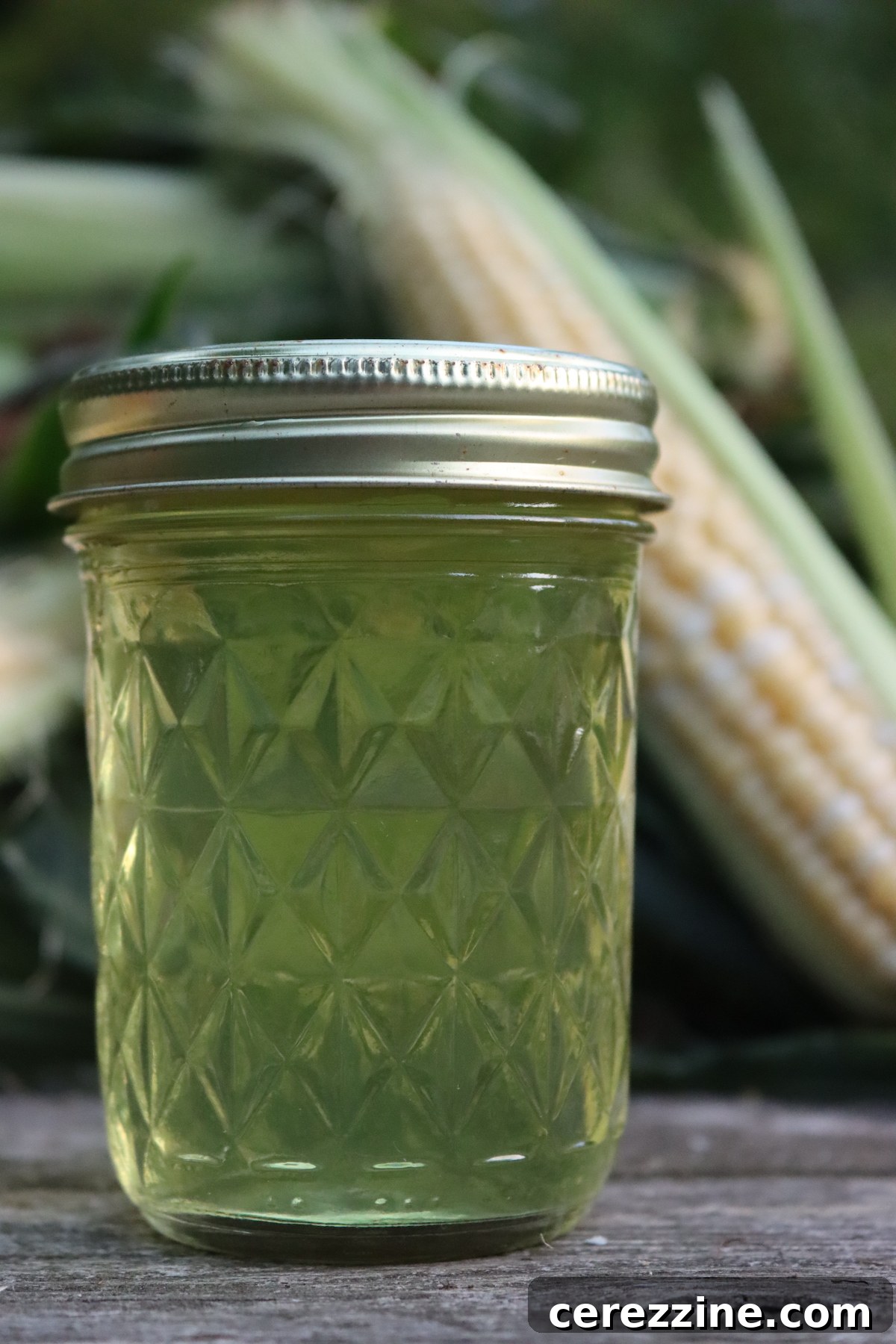
Corn cob jelly is a charming, old-fashioned preserve that ingeniously transforms the residual flavor found in corn cobs into a uniquely delightful summer jelly. It’s essentially the concentrated essence of fresh, sweet corn, captured in a shimmering, spreadable form. This surprisingly delicious jelly is perfect for slathering on your morning toast, offering a sweet, subtle reminder of sunny summer days long after the harvest season has passed. It’s an excellent way to ensure no part of your corn harvest goes to waste.
- Corn Cob Jelly: An intriguing recipe that turns humble corn cobs into a pantry gem.
Expand Your Canning Horizons with More Summer Recipes
Beyond corn, summer offers a plethora of produce perfect for canning, allowing you to stock your pantry with a diverse range of homemade goodness. Exploring additional canning recipes ensures your pantry remains abundant and varied, providing delicious options for every season. Dive into these guides to maximize your summer harvest and enjoy its flavors all year long:
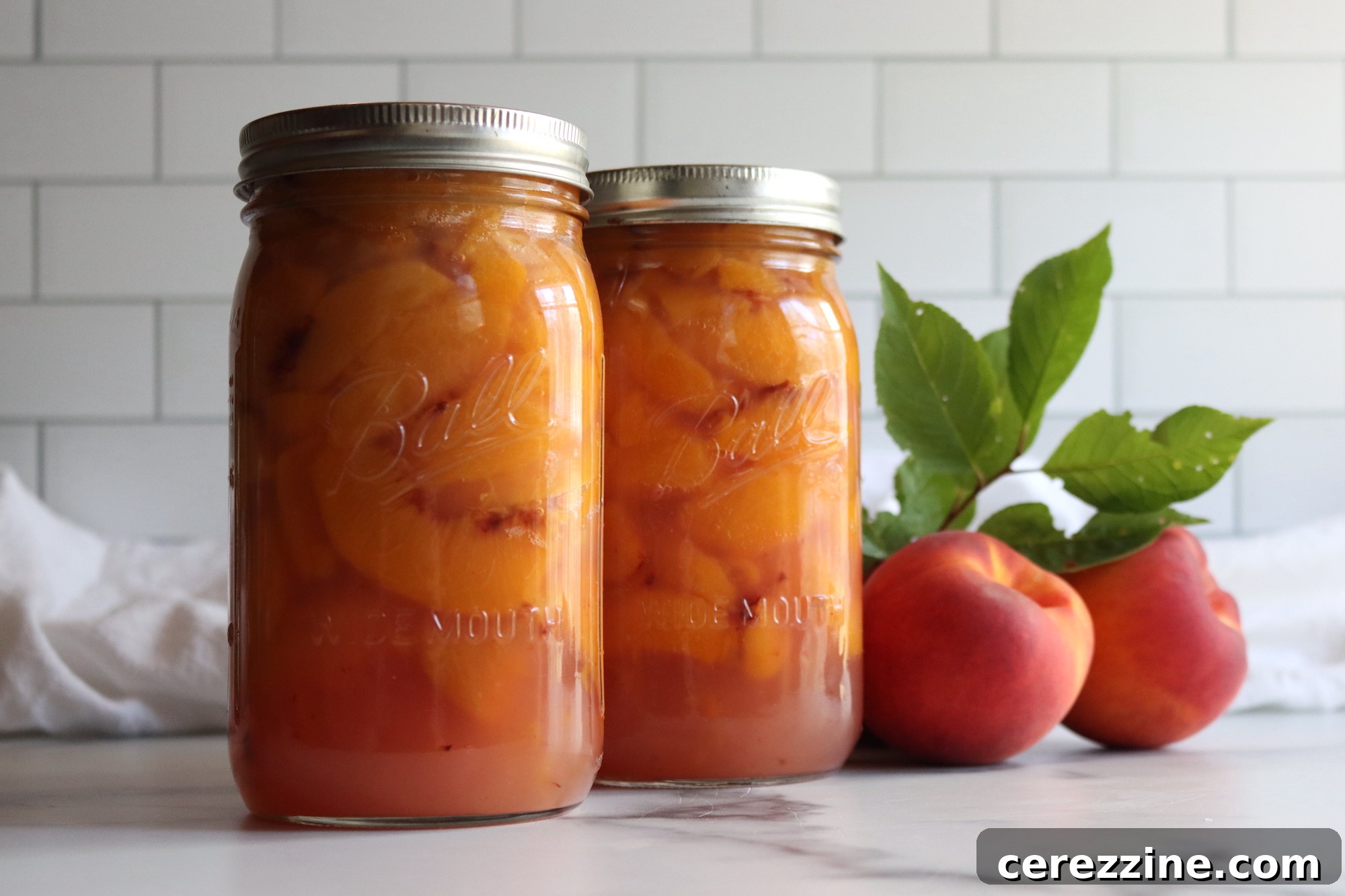
- Canning Peaches: Sweet, juicy peaches are a summer canning essential.
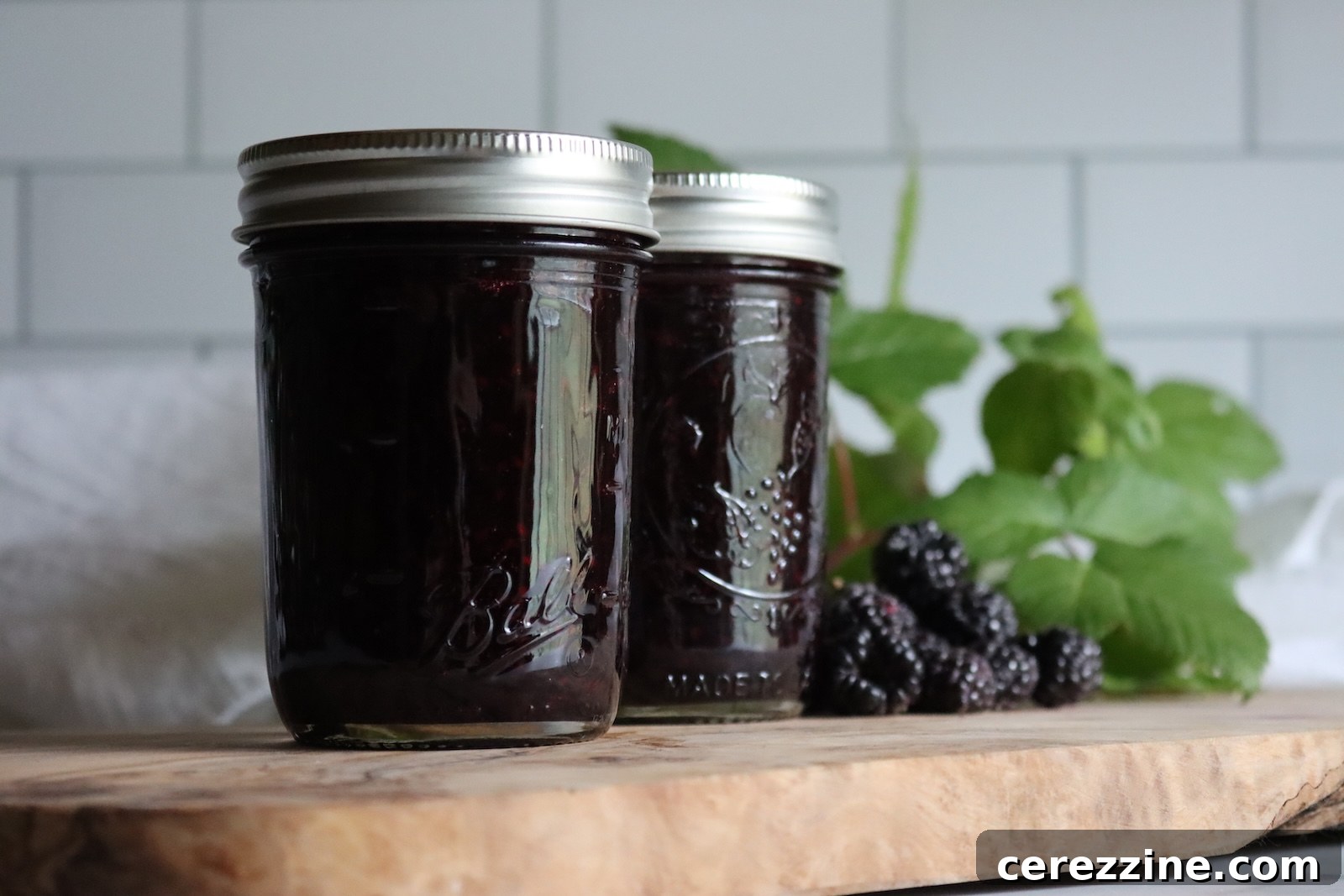
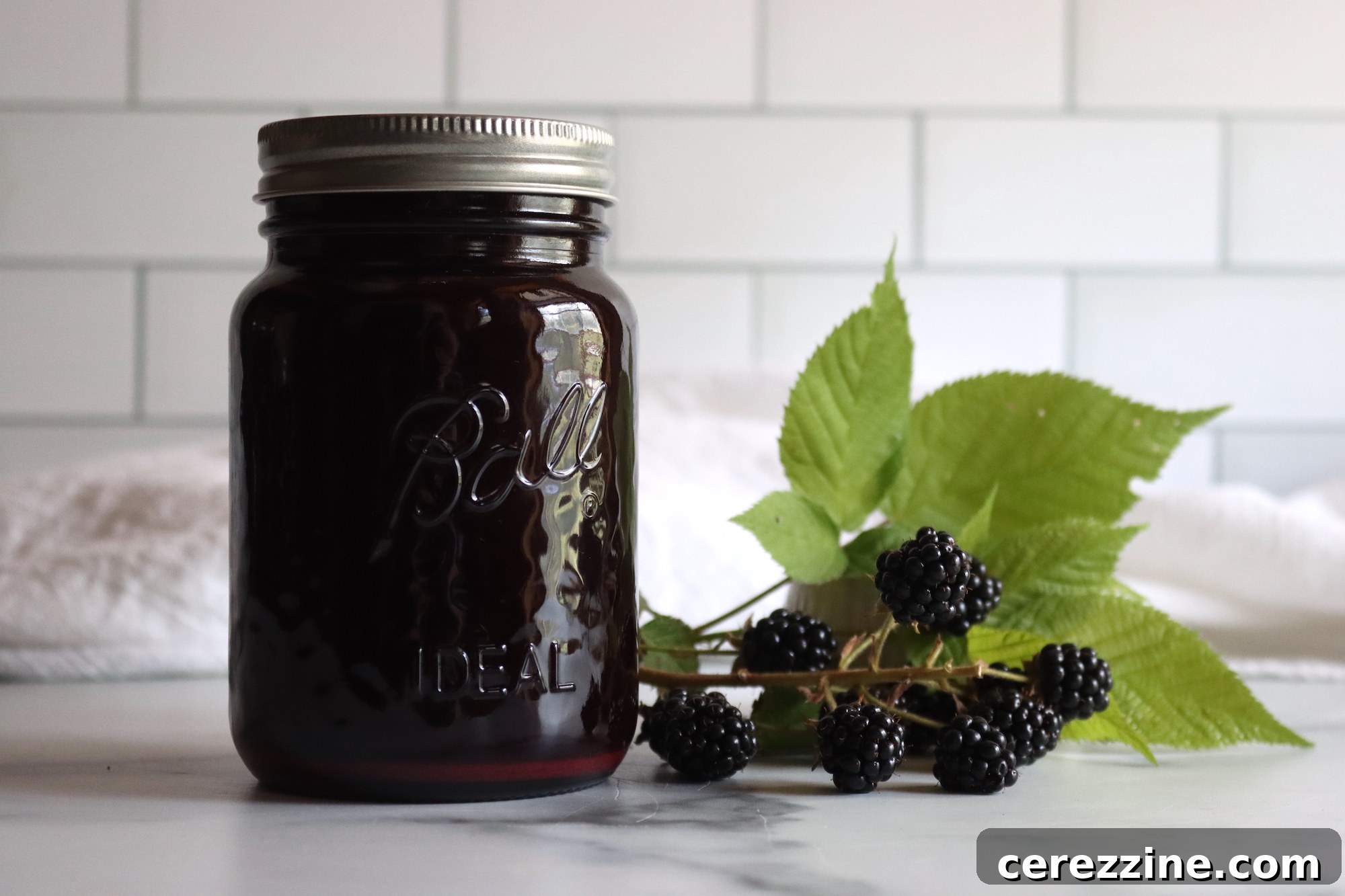
- Canning Blackberries: Preserve the vibrant taste of fresh blackberries for desserts and jams.
- Canning Peppers: From sweet bells to fiery jalapeños, peppers add zest to your pantry.
- Canning Cherries: Capture the tart-sweet goodness of cherries for pies and snacks.
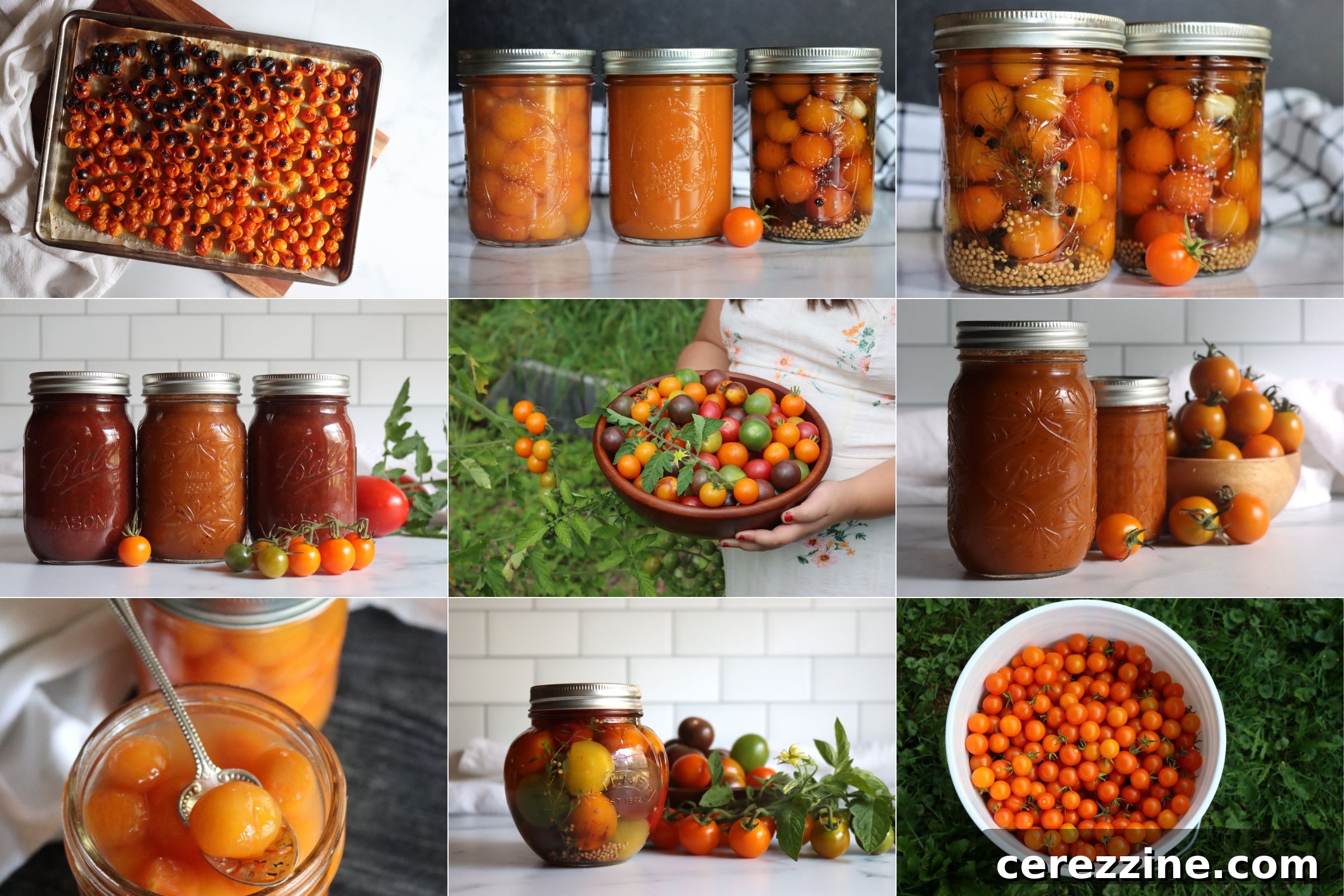
- Canning Tomatoes: The cornerstone of many pantries, essential for sauces, soups, and more.
Comprehensive Canning Recipe Guides for Every Season
Whether you’re new to canning or a seasoned pro, these curated recipe collections cover all the bases, ensuring you have reliable, tested methods for preserving a wide variety of produce. Expand your canning repertoire and fill your shelves with homemade goodness:
- Apple Canning Recipes: Transform crisp autumn apples into sauces, pie fillings, and more.
- Rhubarb Canning Recipes: Preserve the unique tartness of rhubarb for delicious desserts.
- Cranberry Canning Recipes: Ensure you have vibrant cranberries ready for holiday meals or year-round enjoyment.
- Zucchini Canning Recipes: Handle your zucchini abundance creatively with these diverse recipes.
- Vegetable Canning Recipes: A general guide to preserving a wide array of garden vegetables.
- Soup Canning Recipes: Keep your family warm and fed with convenient, homemade canned soups.
- Pressure Canning Recipes: Master the essential techniques for safely preserving low-acid foods.