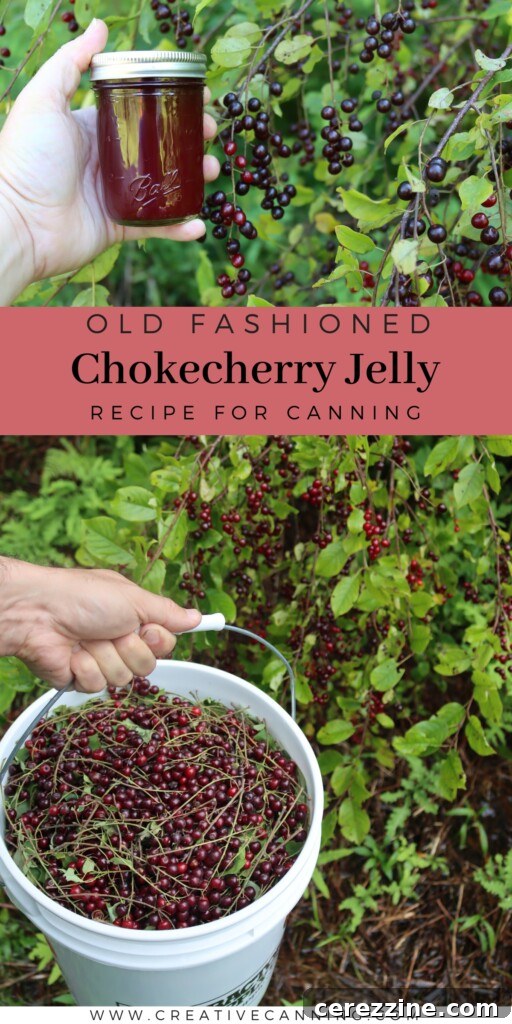
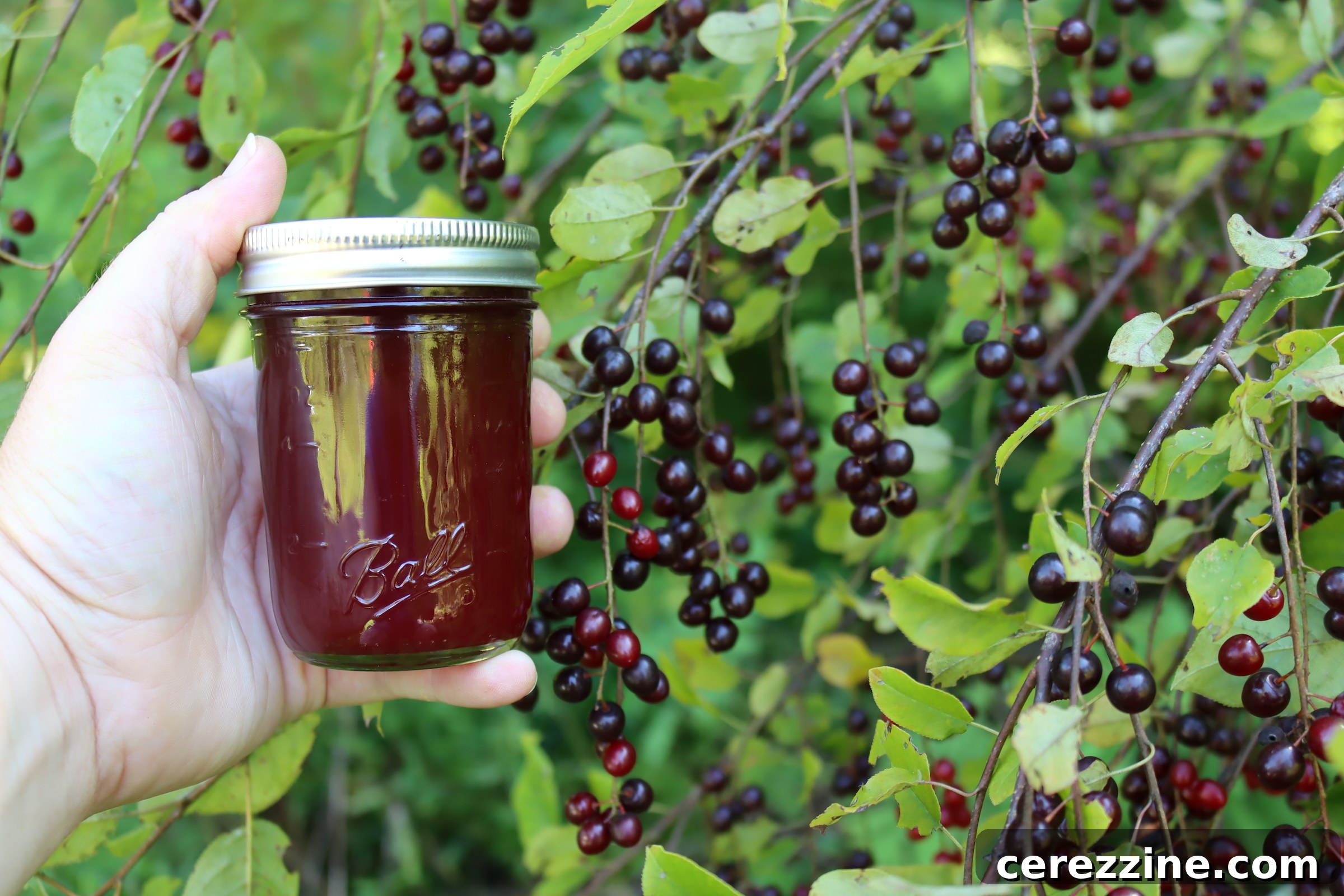
Discover the rich tradition and vibrant flavor of homemade chokecherry jelly—a beloved wildcrafted preserve that brings the essence of nature directly to your pantry. If you’re fortunate enough to find chokecherries growing in your local area, embracing the simple art of jelly making transforms these tart berries into a culinary masterpiece. Perfect for sharing with loved ones or enhancing your own breakfast table, this bold, ruby-red jelly is more than just a spread; it’s a taste of history and the wild, sparking conversations with every spoonful.
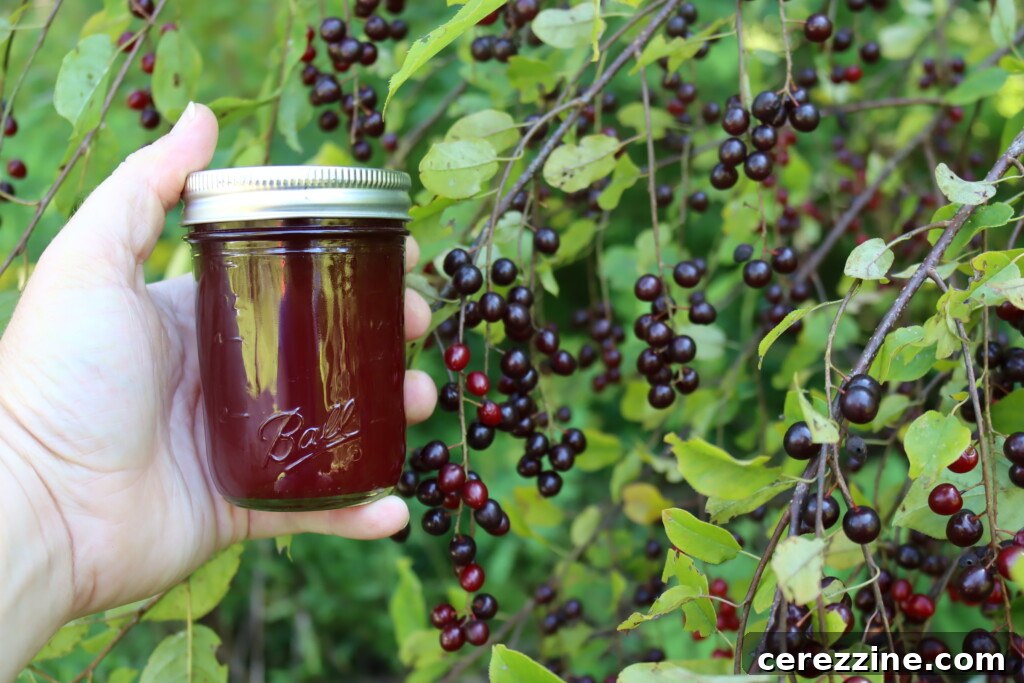
Chokecherry jelly boasts a heritage deeply embedded in North American culinary traditions. Long before it graced modern homestead kitchens, Indigenous peoples across the continent widely gathered chokecherries. They utilized this versatile fruit in various preparations, from savory sauces to nutrient-rich pemmican. While the raw fruit is often deemed too astringent for direct consumption, a bit of careful cooking combined with sugar works magic, transforming the berries into a truly remarkable preserve. The result is a jelly with a distinctively bold, tart flavor and an alluring, deep red hue that captures the spirit of late summer.
For today’s homesteaders and foragers, the process of making chokecherry jelly transcends the final product. It offers a cherished opportunity to reconnect with nature, spending peaceful hours outdoors harvesting a native fruit that continues to thrive abundantly in many regions. This seasonal ritual not only provides a delicious preserve but also fosters a deeper appreciation for wild edibles and sustainable living.
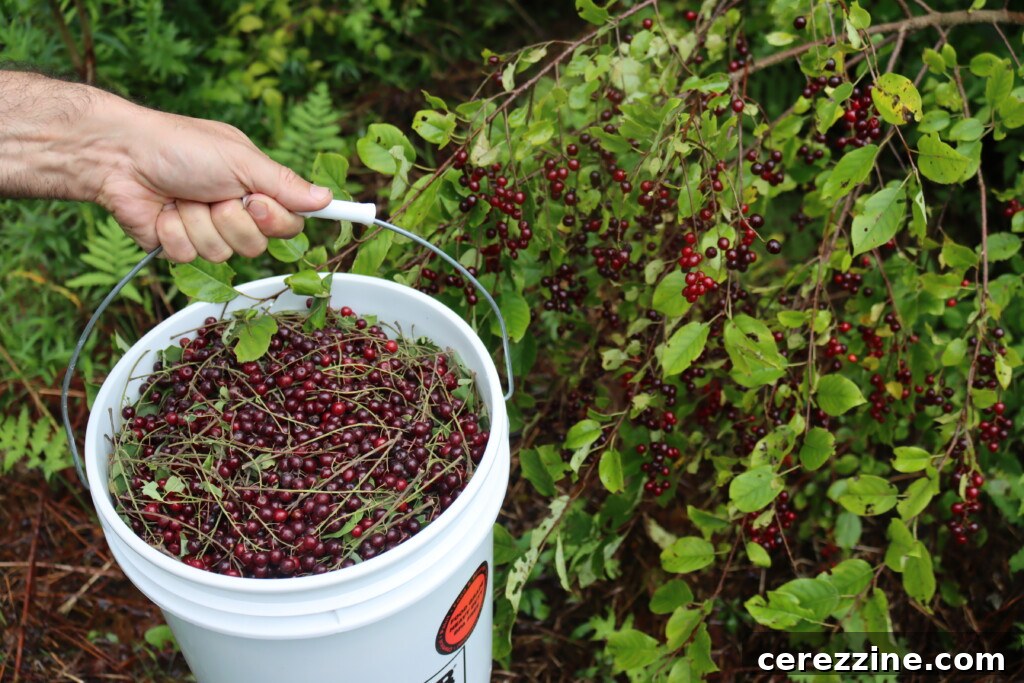
Chokecherries are relatively easy to identify in the wild, typically found along forest edges, roadsides, and open fields. Once located, these prolific bushes can yield a bounty of fruit, making it possible to harvest by the bucketload from just a few plants.
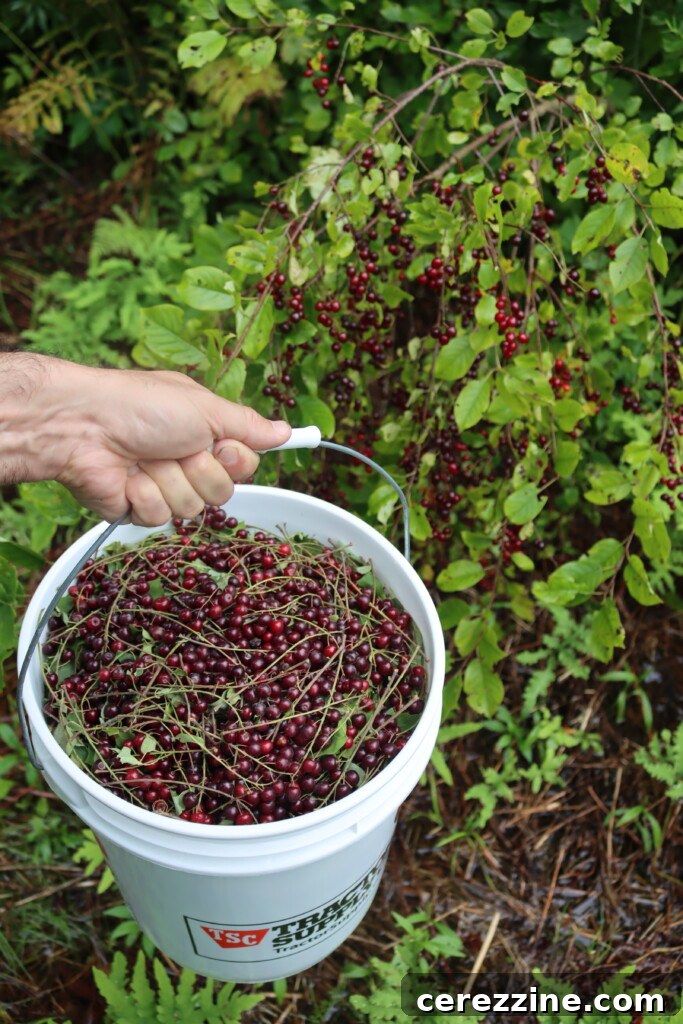
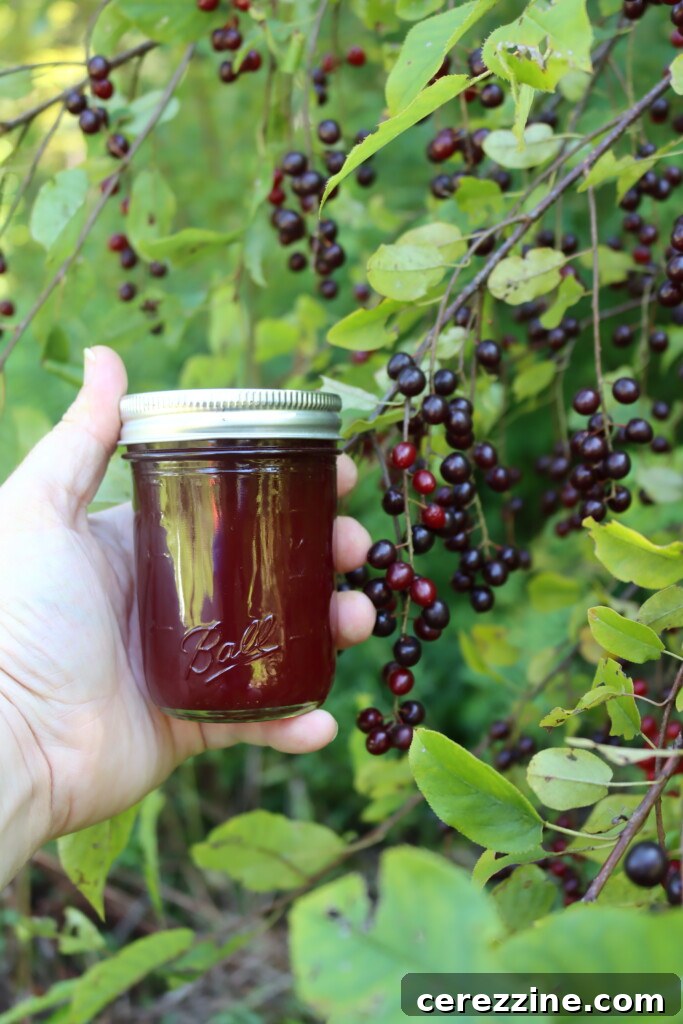
Crafting this vibrant jelly requires only a few basic ingredients and a simple process, culminating in jars of ruby-red goodness that encapsulate the essence of a bygone summer. Each batch connects you to a time-honored tradition, linking past generations of resourceful food preservers with the present. Whether your goal is to stock a well-provisioned pantry or to simply carry on a meaningful seasonal practice, homemade chokecherry jelly is a rewarding endeavor that celebrates both the land and its enduring culinary legacy.
Essential Ingredients for Perfect Chokecherry Jelly
Making delicious chokecherry jelly is surprisingly straightforward, requiring only three fundamental ingredients: pure chokecherry juice, granulated sugar, and powdered pectin. The quantities are easy to remember, designed to yield a standard batch that typically fills about six half-pint jars and utilizes one full box of commercial pectin for a reliably firm set.
- 4 cups chokecherry juice: To obtain this amount, you’ll need approximately 2 to 2½ pounds of fresh chokecherries, which translates to roughly 7 to 9 cups of whole fruit (after stemming). The quality of your juice is paramount to the jelly’s flavor and color.
- 4 cups granulated sugar: This precise amount provides the ideal balance to the chokecherries’ inherent tartness. It enhances their unique wild flavor without making the jelly overly sweet or masking its distinctive character. Sugar is also crucial for the setting process when using standard pectin.
- 1 box powdered pectin: For a consistently firm jelly, use the entire 1.75-ounce box of powdered pectin. If your preference leans towards a thinner, more pourable consistency—ideal for syrups—you can reduce the pectin to half a box, or even omit it entirely for a true syrup.
This recipe offers flexibility while ensuring the unique, robust flavor of the chokecherries remains the star. If you opt for a low-sugar or no-sugar pectin, you can adjust the sugar content to suit your dietary preferences or taste. However, it’s vital to remember that standard powdered pectin relies on a 1:1 ratio of juice to sugar to achieve its proper gelled consistency. Deviating from this ratio with standard pectin may result in a runny jelly.
While this recipe specifically utilizes boxed pectin for a foolproof approach, it is sometimes possible to make chokecherry jelly without any added pectin. Chokecherries are generally considered a “moderate” pectin fruit, meaning their natural pectin content can vary. Therefore, achieving a successful set without added pectin can be a bit more challenging and the results less predictable. To avoid wasting your valuable harvesting efforts and ensure a firm, beautiful jelly, this pectin-enhanced recipe is highly recommended for consistent success. If you’re interested in experimenting, separate instructions are available for making chokecherry jelly without added pectin.
Preparing Pure Chokecherry Juice for Jelly
Before you can embark on the exciting journey of jelly making, the first crucial step is to efficiently extract the flavorful juice from your harvested chokecherries. This process can be accomplished using various methods, depending on the equipment you have readily available in your kitchen.
Effortless Steam Juicer Method
If you own a steam juicer, this method is by far the most efficient and hands-off way to extract clean, vibrant chokecherry juice. Simply wash your freshly picked chokecherries and load them into the juicer’s top basket. Add the recommended amount of water to the base of the juicer, then place it on your stovetop. As the water heats and steams, it gently draws the juice from the fruit, which then collects in the center chamber. This method yields a clear, sediment-free juice that is ready to use immediately, requiring no further straining.
Traditional Stovetop Method
Don’t have a steam juicer? No problem at all. The traditional stovetop method is equally effective. Begin by placing approximately 7 to 9 cups of fresh chokecherries (about 2 to 2½ pounds) into a large, heavy-bottomed stockpot. Add about 3 cups of water—just enough to lightly cover the fruit. Bring the mixture to a rolling boil over high heat, then reduce the heat to a gentle simmer. Cover the pot and allow the fruit to cook for 15 to 20 minutes, or until the chokecherries are noticeably soft and have visibly released their rich, dark juice.
Once the fruit has softened, carefully strain the entire mixture through a jelly bag or a colander meticulously lined with several layers of cheesecloth. To ensure a crystal-clear jelly, resist the urge to squeeze the pulp. Squeezing can force small particles through the cloth, which might result in cloudy jelly. Instead, allow the juice to drain slowly and naturally for at least a couple of hours, or even overnight, for the best results. This patient approach guarantees a beautifully clear and flavorful juice.
You will need exactly 4 cups of this extracted juice to prepare one batch of chokecherry jelly. If you find yourself with any extra juice, you can easily freeze it in airtight containers for future jelly-making sessions or use it to create a delightful chokecherry syrup.
Step-by-Step Guide to Making Chokecherry Jelly
Once your exquisite chokecherry juice has been carefully extracted—whether through the convenience of a steam juicer or the traditional stovetop method followed by patient straining—you are perfectly poised to embark on the main event: crafting the jelly. Accuracy is key in this stage, so be sure to measure your juice precisely; you’ll need exactly 4 cups for one full batch to ensure proper setting and flavor balance.
Begin by pouring the measured chokecherry juice into a deep, heavy-bottomed pot or a large Dutch oven. This depth is important to accommodate the significant foaming that occurs during boiling. Stir in the entire box of powdered pectin until it is fully dissolved. Place the pot over high heat and bring the mixture to a vigorous, full rolling boil, stirring occasionally to prevent the pectin from sticking to the bottom. A “full rolling boil” means a boil that cannot be stirred down. Once this stage is reached, quickly add all 4 cups of granulated sugar at once. Stir continuously and vigorously to ensure the sugar dissolves completely into the boiling juice mixture.
Return the pot to a hard, rolling boil that cannot be stirred down, and continue boiling for precisely one full minute, stirring constantly throughout. During this minute, the mixture will foam up significantly, so it’s crucial to ensure your pot is no more than half-filled at the start of this step to prevent any messy boil-overs. Use a wooden spoon or heat-resistant spatula to manage the foam if it threatens to overflow.
After the exact one-minute boiling time, promptly remove the pot from the heat. Skim off any excess foam from the surface with a spoon if desired, though it’s purely for aesthetic purposes. Immediately and carefully ladle the hot, shimmering jelly into your prepared, sterilized jars, leaving a precise ¼ inch of headspace at the top. This headspace is vital for creating a proper vacuum seal during the canning process. Wipe the rims of the jars meticulously with a clean, damp cloth to remove any jelly residue, which could interfere with the seal. Apply two-part canning lids (flats and rings) and tighten the rings to fingertip-tight.
Process the filled jars in a boiling water bath canner for 10 minutes. Remember to adjust this processing time for higher altitudes to ensure safe preservation. Start timing only once the water in the canner returns to a full rolling boil after the jars have been submerged.
Once processed, carefully remove the jars from the canner and place them on a clean towel or a wire rack, allowing them to cool undisturbed for 12 to 24 hours. During this cooling period, the jelly will continue to set and firm up. It’s important not to move or jostle the jars during this time to avoid disrupting the setting process. The jelly may take up to two full days to reach its final, firm consistency. After cooling, check all seals to ensure they are concave and do not flex when pressed. Any unsealed jars should be refrigerated and consumed within a few weeks. Properly sealed jars can be stored in a cool, dark pantry for 12 to 18 months, ready to be enjoyed throughout the year.
Important Altitude Adjustments for Canning Chokecherry Jelly
When canning any preserve, including chokecherry jelly, adjusting processing times for elevation is a critical safety measure. Water boils at a lower temperature at higher altitudes, meaning food takes longer to process safely. The standard boiling water bath processing time for chokecherry jelly is 10 minutes for elevations up to 6,000 feet above sea level.
However, if you reside at an elevation above 6,000 feet, it is imperative to increase the processing time to 15 minutes. This extended time ensures that the jars reach and maintain the necessary temperature for safe sealing and proper preservation, preventing spoilage. Always start timing your processing only once the water in your canner has returned to a full, vigorous rolling boil. When canning at high altitudes, always consult and follow tested recipes and guidelines from reputable sources to guarantee the safety and quality of your homemade preserves.
Transforming Your Harvest into Chokecherry Syrup
If your preference leans more towards a delectable fruit syrup, or if a batch of your jelly happens to not set as firmly as desired, this versatile recipe can be easily adapted to create a wonderful chokecherry syrup. The key modification lies in adjusting the pectin content. For a luscious, pourable syrup, simply reduce the amount of pectin to half a box. If you desire a more traditional, thin wild fruit syrup, you can omit the pectin altogether.
The process for making the syrup remains largely the same: combine the chokecherry juice and sugar (and half pectin if using) and bring to a boil. Simmer until the mixture reaches your desired consistency, which will be thinner than jelly but still coats a spoon. Once prepared, the chokecherry syrup can be bottled and stored in the refrigerator for immediate use. For longer shelf stability, process the syrup in canning jars using the same boiling water bath method and processing times as you would for jelly. This ensures you can enjoy the vibrant flavor of chokecherries year-round in a different, equally delicious form.
Essential Tips for Working with Wild Chokecherries
Working with wild-foraged chokecherries is a rewarding experience, but it comes with a few important considerations to ensure safety and the best possible outcome for your preserves.
- Never Consume Raw Chokecherries: It is crucial to understand that chokecherries, particularly their pits and leaves, contain compounds that can be toxic if consumed in large raw quantities. The fruit’s flesh is safe and delicious once properly cooked, and the juicing process effectively strains out any potentially harmful solids, making the juice perfectly safe for consumption.
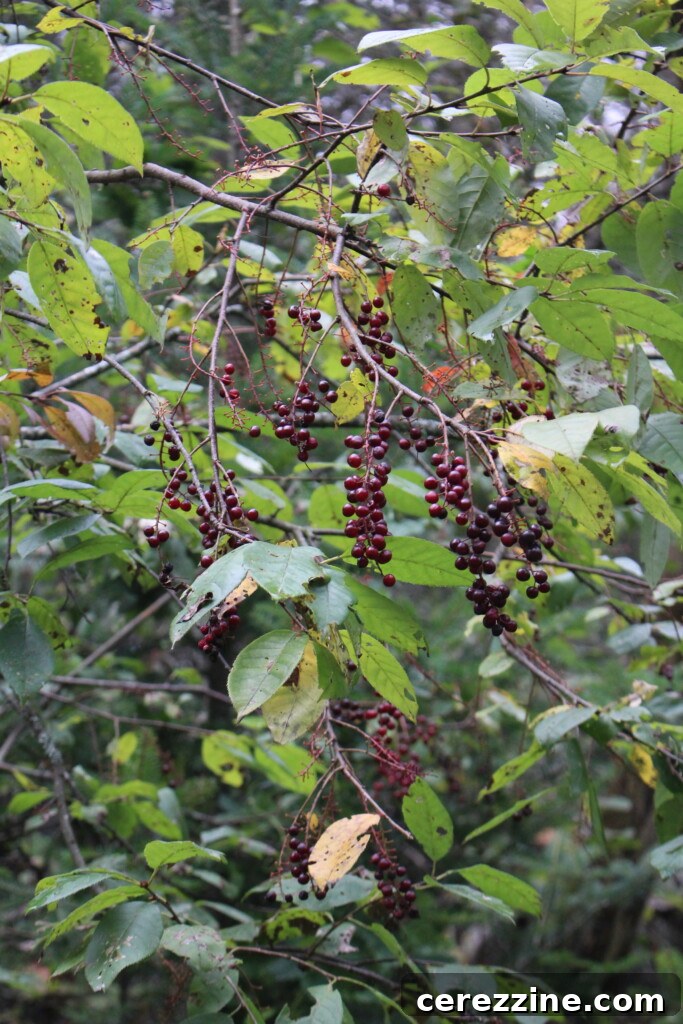
- Harvest Only Fully Ripe Fruit: For the most superior flavor and color, ensure you harvest only fully ripe chokecherries. These will typically be a deep purple to almost black color. Red or under-ripe berries will possess an intensely astringent, puckery taste and can introduce an undesirable bitterness to your jelly, greatly diminishing its quality and enjoyment.
- Double-Check Your Identification: Before consuming any wild plant, absolute positive identification is paramount. Chokecherries can, at times, be confused with other wild fruits that may look similar but are either unpalatable or potentially toxic, such as buckthorn, black nightshade, or pokeweed. If you are new to foraging, always consult a reliable field guide, seek advice from an experienced forager, or err on the side of caution until you are 100% confident in your identification.
Delightful Serving Suggestions for Chokecherry Jelly
While chokecherry jelly is undoubtedly a classic on a warm piece of toast or a freshly baked scone, its bold, unique flavor profile lends itself to a surprising array of culinary applications beyond the breakfast table. Don’t limit this wildcrafted gem; explore its versatility to elevate simple dishes and complement more complex flavors.
Its inherent tartness and rich, complex fruit notes pair exceptionally well with strong, sharp cheeses, making it a fantastic addition to a charcuterie board. Consider it as a gourmet condiment alongside grilled meats such as pork chops or roasted chicken, where its bright flavor can cut through richness and add a layer of sophistication. For those who enjoy wild game, chokecherry jelly transforms into an extraordinary glaze for venison or duck, enhancing the meat with its tannic fruitiness. You can also whisk it into salad dressings for a fruity tang, stir it into yogurt or oatmeal, or even use it as a filling for tarts and pastries. Its distinct character and vibrant color make it a versatile ingredient, adding depth and intrigue to both sweet and savory creations.
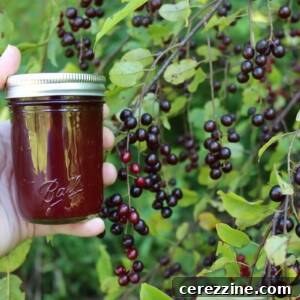
Chokecherry Jelly
Chokecherry jelly is a traditional wild fruit preserve made with just three ingredients: chokecherry juice, sugar, and pectin. This tart, ruby-red jelly is easy to make at home and perfect for canning, capturing the bold flavor of foraged chokecherries in every jar.
Prep Time: 1 hour
Cook Time: 10 minutes
Canning Time: 10 minutes
Total Time: 1 hour 20 minutes
Yields: Approximately 5 half-pint jars (48 servings)
Equipment
-
Steam Juicer
-
Jelly Strainer with Bag
Ingredients
- 4 cups chokecherry juice (from about 2 to 2½ pounds chokecherries, or 7 to 9 cups stemmed)
- 4 cups granulated sugar
- 1 box powdered pectin (1.75 ounce box, or 6 Tbsp if using bulk pectin; use full box for jelly, half or none for syrup)
Instructions
- Prepare jars and canner by sterilizing jars and bringing a boiling water bath canner to temperature.
- Combine juice and pectin in a large, deep saucepan. Stir to dissolve and bring the mixture to a rolling boil over high heat and boil hard for 1 minute. (If you’re making chokecherry syrup instead of jelly, you can skip the pectin or only use half as much for a thinner, pourable preserve.)
- Add sugar all at once and stir constantly. Return to a hard boil and cook for exactly 1 minute.
- Remove from heat and immediately ladle the hot jelly into sterilized jars, leaving ¼ inch headspace. Wipe rims, apply two-part lids, and process in a boiling water bath canner for 10 minutes (adjust for altitude).
- Let cool undisturbed for 12 to 24 hours. Check seals before storing.
Notes
To extract chokecherry juice, you’ll need about 7 to 9 cups of fresh chokecherries (roughly 2 to 2½ pounds). You can use a steam juicer for a hands-off approach: just place the fruit in the top basket, add water to the base, and let the steam extract the juice into the collection reservoir. If you don’t have a steam juicer, add the chokecherries to a stockpot with about 3 cups of water—just enough to cover the fruit. Bring to a boil, reduce to a simmer, cover, and cook for 15 to 20 minutes until the fruit is soft and releasing juice. Strain the mixture through a jelly bag or cheesecloth without pressing, and allow it to drain for several hours or overnight. You’ll need 4 cups of strained juice to make one batch of jelly.
Chokecherry Syrup
If you prefer syrup instead of jelly, you can reduce the pectin to half a box or omit it entirely. For a no-pectin version, simply simmer the juice and sugar together until the mixture thickens slightly, then jar and process as usual. Jelly made with full pectin may take up to 48 hours to fully set. Store sealed jars in a cool, dark place for up to 18 months.
Altitude Adjustments for Canning Chokecherry Jelly
The standard water bath processing time for chokecherry jelly is 10 minutes at elevations up to 6,000 feet. If you live above 6,000 feet, increase the processing time to 15 minutes to ensure a safe seal and proper preservation. Start timing once the water returns to a full rolling boil, and always use tested recipes when canning at high altitude.
Nutrition Information (per serving)
Calories: 78 kcal
Carbohydrates: 20 g
Protein: 0.1 g
Fat: 0.1 g
Saturated Fat: 0.001 g
Polyunsaturated Fat: 0.001 g
Sodium: 4 mg
Potassium: 34 mg
Fiber: 0.1 g
Sugar: 19 g
Vitamin A: 0.03 IU
Calcium: 2 mg
Iron: 0.2 mg
Nutrition information is automatically calculated, so should only be used as an approximation.
Explore More Wild Foraged Preserves
If the satisfaction of preserving wild fruits, like chokecherry jelly, has captured your interest, there’s a whole world of delicious possibilities waiting to be explored. Embracing the art of wildcrafting allows you to create unique, seasonal preserves that truly connect you with the bounty of nature. Each of these recipes utilizes foraged or homegrown ingredients, providing a wonderful way to stock your pantry with homemade goodness while making the most of what the natural world generously offers.
Consider making a batch of wild grape jelly for a bold, tangy spread that perfectly encapsulates the flavors of autumn. This robust jelly is ideal for pairing with strong cheeses or serving alongside roasted meats.
Elderberry jelly is another seasonal treasure, celebrated not only for its rich, distinctive flavor but also for the immune-boosting properties often associated with elderberries. It’s a wonderful way to harness nature’s wellness benefits in a delicious form.
For a preserve that offers a delightful tartness and a vibrant burst of color, red currant jelly is an excellent choice. Its bright, zesty flavor adds a refreshing zip to everything from morning toast to elegant roast meats, making it a versatile pantry staple.
You might also enjoy hawthorn jelly, crafted from the often-overlooked berries of hawthorn bushes in early autumn. This unique jelly offers a delicate flavor with subtle apple notes. Alternatively, try dandelion jelly, a charming springtime treat known for its mild, honey-like flavor that beautifully captures the sweet essence of wildflowers in a jar.