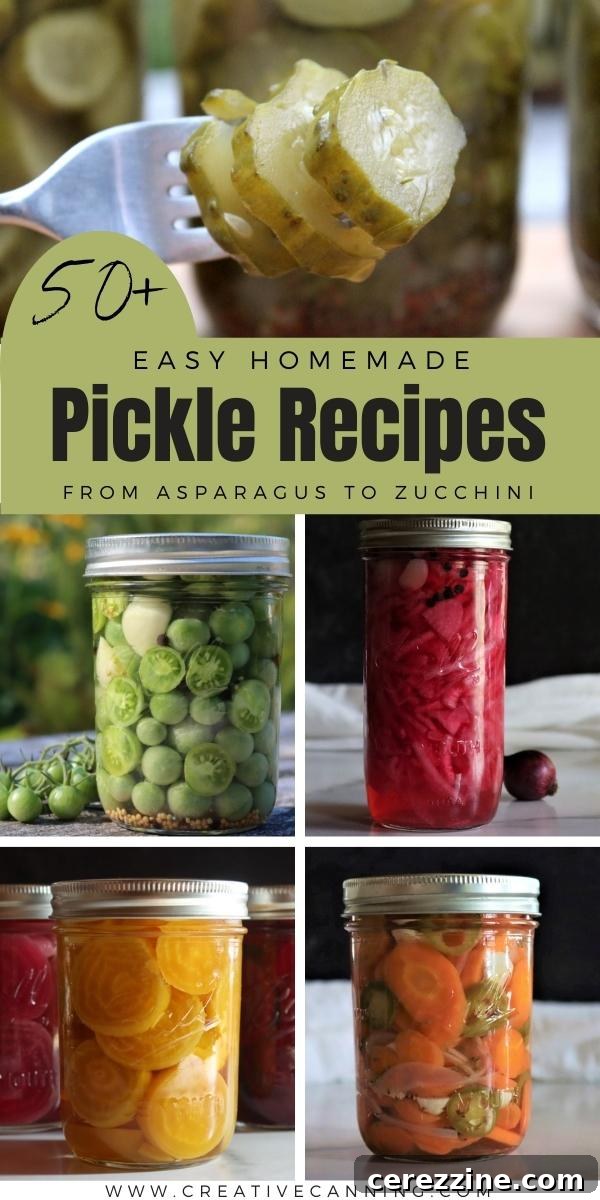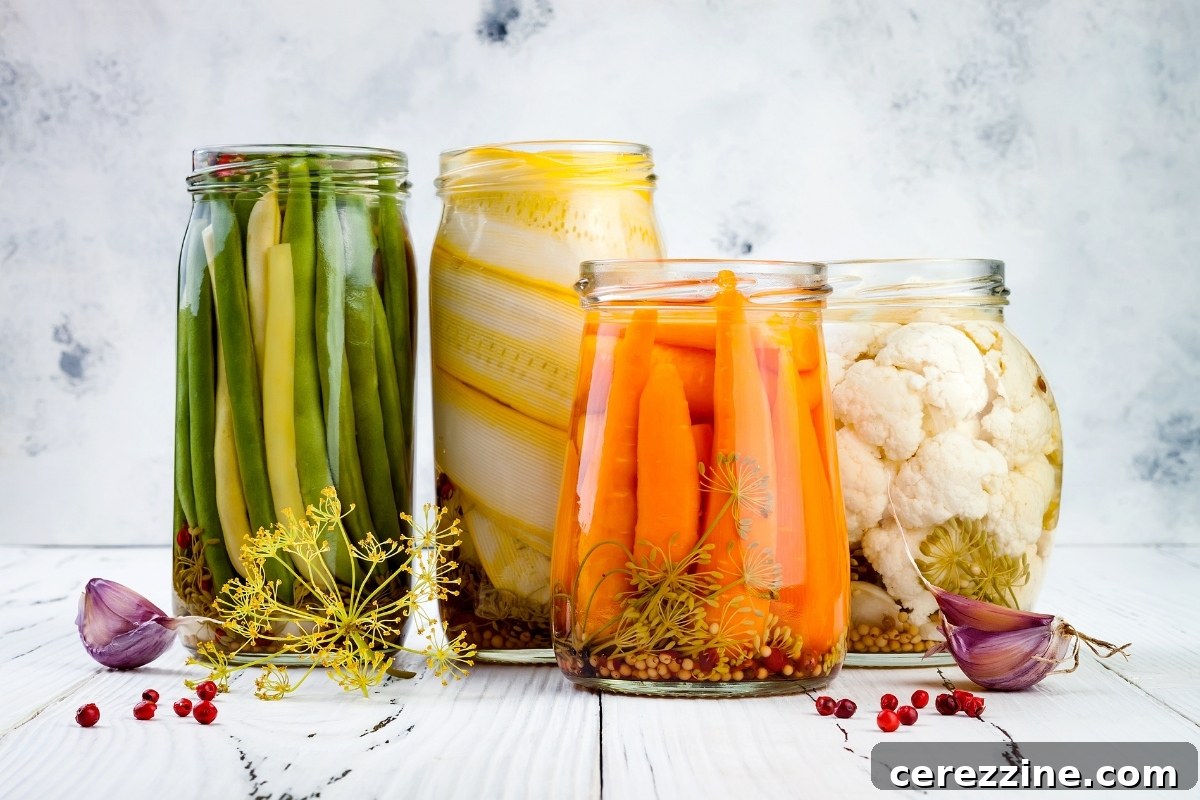
Pickling is an ancient and incredibly versatile culinary art, extending far beyond the familiar cucumber. If your imagination conjures only classic dill or sweet bread and butter pickles when you hear the word “pickling,” prepare to embark on a flavorful journey. This comprehensive guide will reveal the exciting world of pickling, teaching you how to transform a vast array of vegetables and even fruits into delightful, long-lasting treats. From crisp asparagus spears to tangy pickled plums, you’ll discover innovative ways to preserve your harvest and elevate your meals.
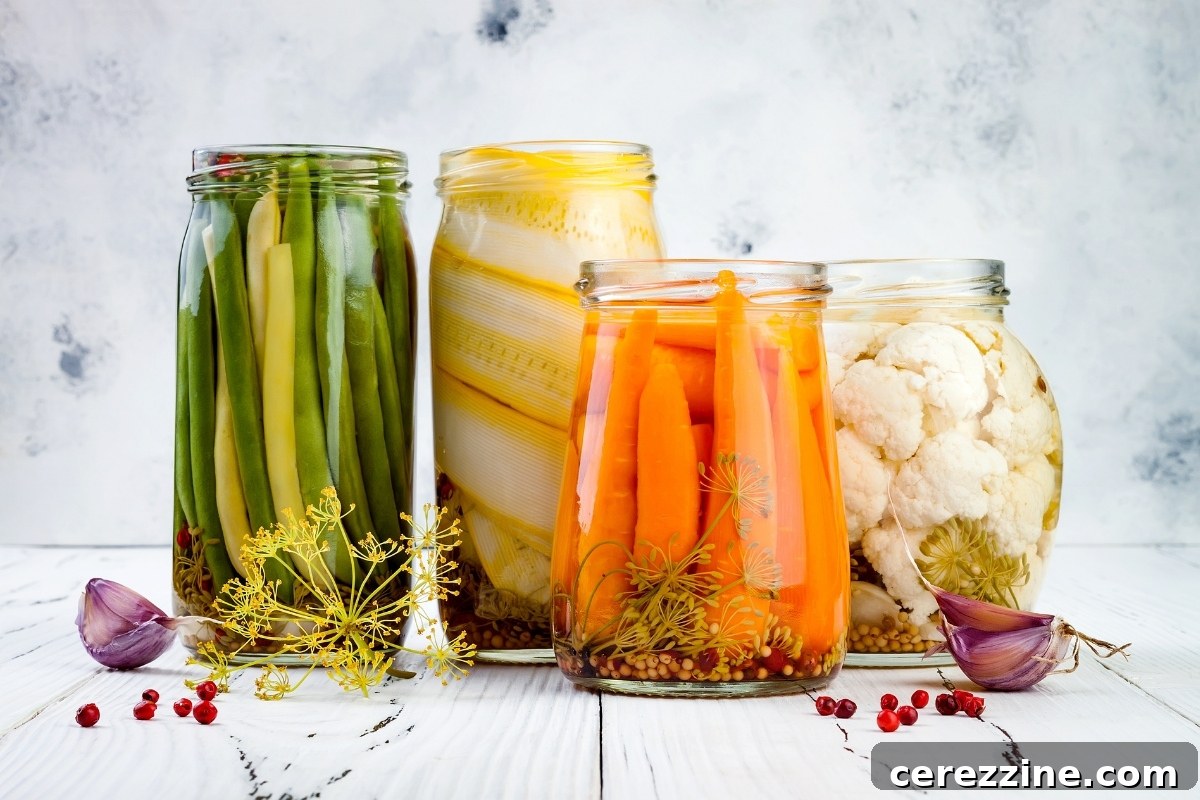
While cucumber pickles are undeniably delicious and hold a special place in many hearts, they represent merely the gateway to an expansive universe of preserved foods. Nearly any produce, be it garden-fresh vegetables or seasonal fruits, can be given new life through the simple yet magical process of pickling. This method is not only an excellent way to preserve bounty but also an opportunity to infuse foods with complex, exciting flavors that can enhance countless dishes.
Perhaps, like many, your exposure to pickles was limited to those accompanying a hamburger, or a stray pickled item on an antipasto platter at a social gathering. The idea of crafting these yourself might have seemed daunting or reserved for culinary experts. However, home pickling is surprisingly accessible and immensely rewarding. My own journey into this craft began during my homesteading days, overwhelmed by a surplus of cucumbers. Soon, I ventured into creating dilly beans from green beans and quickly discovered the joy of pickled carrots, which became an instant family favorite snack. This initial exploration opened my eyes to the incredible variety of foods that can be pickled, a practice cherished across diverse cultures worldwide. The sheer number of amazing recipes available is truly astonishing.
If you’re searching for inventive ways to utilize your garden’s abundance, or simply looking to add new dimensions to your cooking, pickling is your answer. Before long, you’ll find yourself incorporating these vibrant, tangy, and often sweet additions into every meal, delighting your family with an array of novel flavors and textures.
Pickling Basics: Crafting Your Perfect Brine
The foundation of any successful pickling endeavor lies in creating the perfect brine. Once you’ve selected your desired fruit or vegetable, you’ll need to prepare a liquid solution designed to both preserve and flavor your produce. The beauty of homemade pickling is the unparalleled flexibility it offers in customizing sugar, salt, and spice levels, allowing you to tailor flavors precisely to your palate. However, certain fundamental principles of brine composition remain essential for safety and optimal results.
Vinegar is the cornerstone of pickling, serving as the primary preservative due to its acidity. Most pickling brines require a minimum of 50% vinegar by volume. This critical 1:1 ratio means that for every cup of other liquid you add to your brine (such as water, fruit juice, or even wine), you must incorporate at least one cup of vinegar. This ensures the brine’s pH level is low enough to inhibit the growth of harmful bacteria and guarantee a safe product.
When selecting vinegar, its type is less critical than its acidity level, which should be standardized to at least 5%. While rice vinegar can be used, it often contains closer to 3% acidity, requiring you to adjust the ratio to include more than 50% vinegar to maintain safety. Always check the label! Most brands of apple cider vinegar and distilled white vinegar are reliably standardized to 5% acidity. Other varieties like champagne vinegar, white wine vinegar, and malt vinegar are also excellent choices, each imparting its unique flavor profile, but remember to verify their acidity on the label.
While theoretically possible to pickle with only vinegar, the result is often overwhelmingly sour. The exception to this rule is the bread and butter style pickle, which uses an all-vinegar liquid base but balances the intense sourness with a significant amount of sugar, creating its signature sweet and zesty profile. For most other pickles, a balanced flavor profile necessitates the inclusion of some sugar, even if it’s just a small quantity.
The other half of your brine liquid is typically water, but this is where your creativity can truly shine. Experiment with fruit juices or even wine to introduce exciting and unique flavor notes that complement your chosen produce.
Beyond the liquids, both salt and sugar are nearly always present in a basic pickle brine. While they possess preservative qualities individually, their primary roles in pickling fruits and vegetables are flavor enhancement and balancing. While it’s technically possible to omit them, I strongly advise against it, as your pickles will likely lack the depth and deliciousness you desire. Salt tempers sweetness and enhances the natural flavors, while sugar rounds out the tartness of the vinegar and brings out the inherent sweetness in the produce.
The exact quantities of salt and sugar will vary significantly from recipe to recipe, reflecting different desired flavor profiles. Some recipes might suggest as little as ¼ to ½ teaspoon of salt per pint, while others recommend up to 1 teaspoon. Similarly, sugar can range from 1 tablespoon to 2 tablespoons per pint. Always refer to your specific recipe for precise measurements, but feel free to adjust slightly to suit your personal preference after understanding the basic ratios.
And don’t forget the spices! A basic pickling brine of vinegar, water, sugar, and salt provides the essential preservation base, but it’s the spices that truly define the character and flavor explosion of your pickles. Thoughtfully selected spices transform vegetables and fruits, making them truly “pop” with taste.
Here are some commonly used spices in homemade pickle recipes, but this list is by no means exhaustive:
- Dill seed (a classic for a reason!)
- Mustard seed (adds a pleasant tang and subtle heat)
- Coriander seed (bright, citrusy notes)
- Peppercorns (black, white, or mixed for varying levels of spice)
- Fresh garlic cloves (essential for robust flavor)
- Sliced onions or shallots (for aromatic depth)
- Red pepper flakes (for a touch of heat)
- Bay leaf (earthy, herbaceous notes)
- Oregano (Mediterranean flair)
- Celery seed (subtle savory bitterness)
- Cloves (warm, aromatic, pairs well with sweet pickles)
- Cinnamon sticks (especially for fruit pickles or sweet vegetable pickles)
When following a recipe, feel empowered to customize the spices to match your taste preferences. Omitting or adding spices will not compromise the safety of your pickled goods, as long as you adhere strictly to the recommended vinegar ratio in the brine. This freedom allows for endless experimentation and the creation of truly unique pickled delights.
Achieving Perfectly Crisp Pickles
One of the most frequent frustrations for home picklers is ending up with soft or soggy pickles. The ideal pickle offers a satisfying “crunch” with every bite; a limp, mushy pickle is simply not appealing. It took me considerable trial and error to consistently achieve that coveted crispness, and you’ll encounter a myriad of recommendations online. Through experimentation, I’ve found that a combination of several factors consistently yields delightfully crunchy pickles.
Firstly, the quality of your produce is paramount. Always select small, firm fruits or vegetables that are just barely ripe, not overripe or soft. Think about it: a soggy cucumber cannot magically transform into a crispy pickle. Starting with fresh, firm ingredients is the most critical step. This is also why it’s best to pickle foods as soon as possible after harvesting them from your garden. The longer they sit, especially at room temperature, the more their natural enzymes begin to break down, leading to softening.
If immediate pickling isn’t possible, a helpful technique is to soak your cucumbers or other vegetables in an ice water bath for several hours before processing. This helps to rehydrate and firm up the cellular structure, contributing to a crisper final product.
Beyond fresh produce and pre-soaking, I rely on two additional methods that consistently produce crisp pickles: using Ball Pickle Crisp and incorporating tannins into the jar.
Ball Pickle Crisp is a remarkably easy solution, readily available in the canning section of most grocery or hardware stores. These small, white granules contain calcium chloride, which helps vegetables retain their firmness by interacting with pectin in the cell walls. Simply follow the directions on the container, typically adding ⅛ to ¼ teaspoon per jar, depending on its size, before canning. It’s a highly effective and widely trusted product.
Alternatively, or in addition to Pickle Crisp, you can introduce natural sources of tannins into your jars. Tannins are compounds found in certain plants that inhibit the pectinase enzymes responsible for softening vegetables during the pickling process. Adding a few fresh oak leaves, grape leaves, or even ½ teaspoon of loose black tea to each jar can yield excellent results. While these natural additions are very effective, they won’t perform miracles if your produce is already significantly soft. They work best as a preventative measure to maintain the existing firmness of fresh ingredients.
Effortless Quick Refrigerator Pickles
For those times when you crave the bright, tangy flavor of pickles but don’t have the time or inclination for the full canning process, quick refrigerator pickles are an ideal solution. Especially during hot weather, dragging out a large water bath canner can be the last thing you want to do. This convenience is a major reason why refrigerator pickles have soared in popularity.
The process couldn’t be simpler: prepare your chosen fruits or vegetables, slice them as desired, pack them into clean jars with your preferred spices, and then pour a quickly prepared hot brine over them. The brine, typically made by combining vinegar, water, salt, and sugar on the stove until dissolved, infuses the produce with flavor as it cools. Once sealed, these jars go directly into your refrigerator, as their name suggests.
Because they are not processed in a water bath, refrigerator pickles have a shorter shelf life compared to their canned counterparts. Generally, they will keep for up to six weeks when stored properly. To maximize their freshness and crispness, I recommend storing them towards the back of your fridge, where temperatures tend to be most consistent and coldest. This method is perfect for enjoying seasonal produce with minimal effort and immediate gratification.
Long-Term Preservation: Canning Pickles
If your goal is to enjoy your homemade pickles far beyond a few weeks, canning them in a hot water bath is the definitive method for long-term, shelf-stable storage. Pickles are inherently well-suited for water bath canning due to their high acidity levels. As long as you use a properly formulated brine recipe with the correct vinegar ratio, this low-temperature pasteurization method is highly effective at eliminating spoilage microorganisms and ensuring a safe product.
The initial steps for canning pickles mirror those for refrigerator pickles: begin by thoroughly washing and preparing your fruits or vegetables, slicing them to your desired size and shape. Pack your chosen spices into clean canning jars, followed by the prepared produce. Depending on the recipe, you might either cook the food briefly in the brine before jarring, or simply pour the hot brine directly over the raw ingredients in the jars. Many traditional pickle recipes follow the latter method, known as raw pack, for crispier results.
A crucial element in water bath canning is maintaining the proper headspace. Headspace is the unfilled space between the top of the food (and brine) in the jar and the underside of the lid. The USDA recommends leaving ½ inch of headspace for all pickles processed in a boiling water bath. Correct headspace is essential for creating a strong vacuum seal, as it allows for proper expansion and contraction of contents during processing and cooling.
Once filled and sealed with lids and bands, jars are submerged in a boiling water bath canner for a specified duration. The general processing time for pint jars of pickles is 15 minutes, but it is absolutely imperative to consult your specific recipe and adjust for altitude if you live above 1,000 feet. Always err on the side of caution and follow tested recipes from reliable sources to ensure food safety.
A World of Flavor: Diverse Pickling Recipes
This extensive collection of pickling recipes offers a journey through a wide spectrum of flavors and textures, covering almost every fruit and vegetable imaginable. Many of these recipes are canning-approved, providing shelf-stable options for long-term storage. However, some are specifically designed for quick pickling, intended for refrigerator storage, especially for items that aren’t safely processed via canning (like pickled eggs, which are best kept chilled and are intentionally omitted from this list due to safety recommendations for home canning).
While many people instinctively associate pickling solely with vegetables, this list proudly includes fruits, which offer a delightful balance of sweet and sour that can be surprisingly addictive. Pickled fruits, such as apples, can become your new favorite snack or a unique accompaniment to both savory and sweet dishes.
Apples & Crabapples
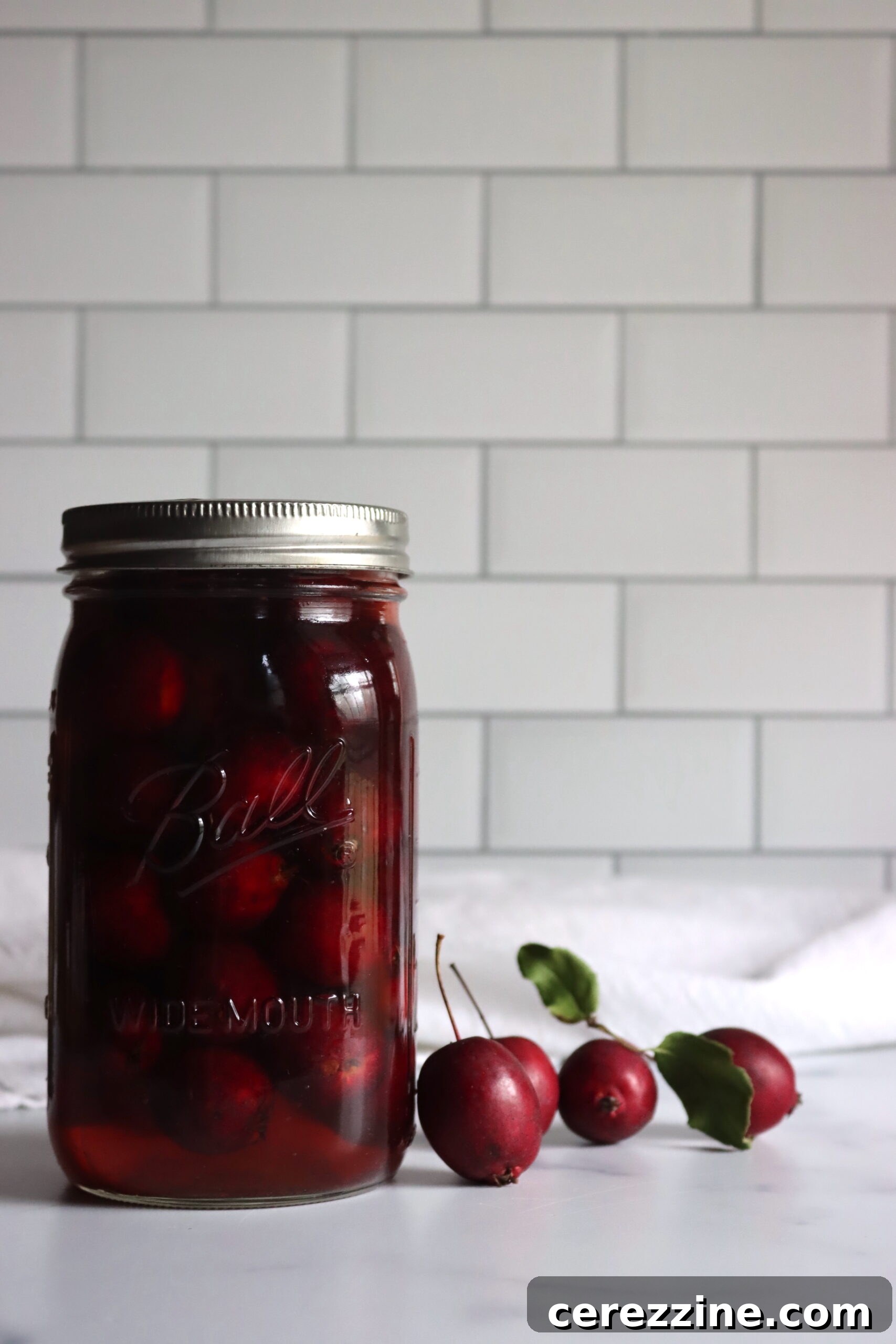
When autumn brings a bounty of apples, consider pickling them as a unique and flavorful preservation method. Pickled apple slices deliver a tantalizing blend of tangy and sweet, making them a fantastic addition to various meals. Imagine them nestled inside a grilled cheese sandwich, served alongside succulent pulled pork, or as a vibrant component of a cheese board.
The beauty of pickling apples lies in the ability to experiment with flavor profiles, emphasizing either sweet or tart notes. Maple syrup, cinnamon, cloves, and other fall-inspired spices marry wonderfully with apples. Don’t hesitate to try different apple varieties; each offers a unique texture, crispness, and flavor that will shine through in your pickles.
- Quick Pickled Apples
- Apple Refrigerator Pickles
- Spiced Crab Apple Pickles
Apricots
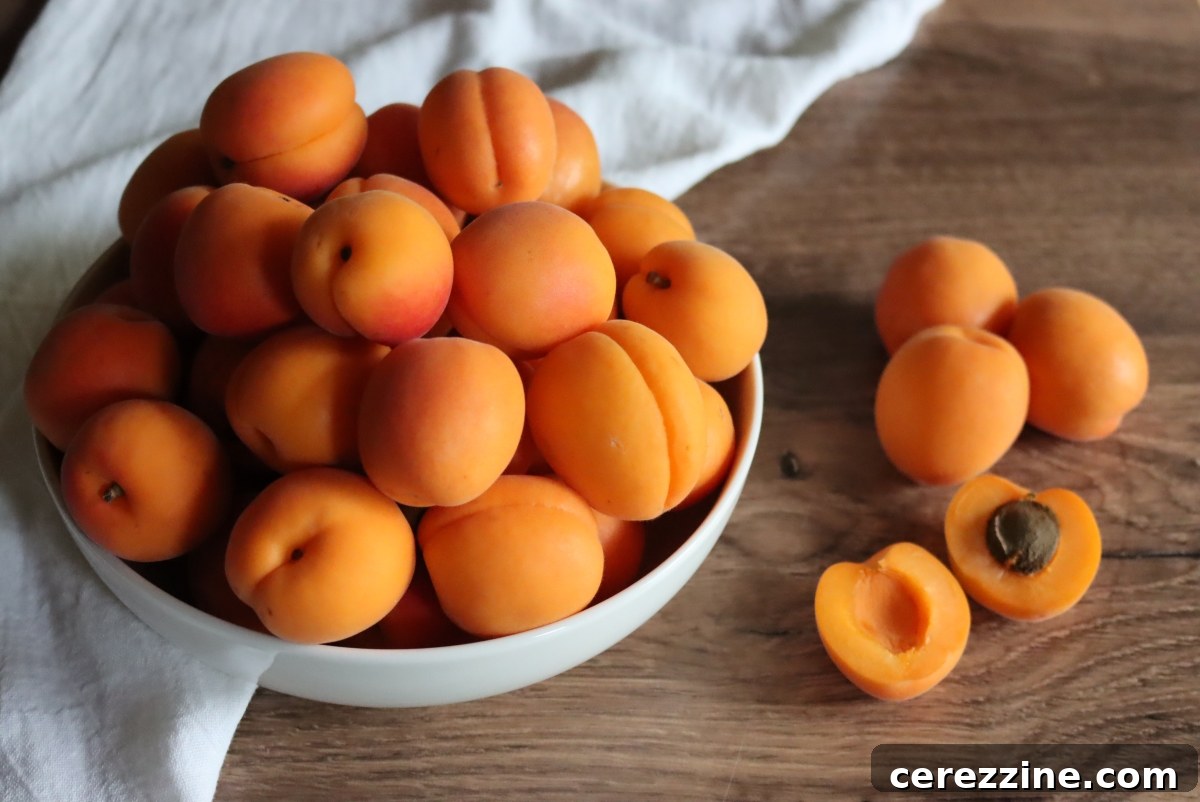
It might seem unconventional, but pickling apricots creates a truly exquisite sweet and sour treat. The vibrant flavors of pickled apricots beautifully complement baked ham, BBQ dishes, and even hearty stews. Alternatively, they are utterly irresistible eaten straight from the jar as a refreshing snack. Beyond their delicious taste, the bright, sun-kissed color of these jars will add a cheerful glow to your pantry shelves, especially during the colder, drearier winter months.
- Sweet and Sour Pickled Apricots
- Bourbon Pickled Apricots
- Pickled Apricots
Artichokes
Pickled artichoke hearts are a sophisticated addition to any appetizer spread or cheese tray, suitable for enjoyment all year round. Imagine a bite-sized piece of cheese atop a cracker, crowned with a tender, tangy pickled artichoke heart—a perfect pre-dinner delight. Depending on the recipe, some pickled artichokes boast a fresh, spring-like flavor that makes them an excellent ingredient in salads. For the best texture and firmness, it’s generally recommended to use small artichoke hearts. And for an unexpected culinary twist, don’t overlook them as a wonderfully gourmet pizza topping!
- Pickled Artichoke
- Pickled Baby Artichokes
Asparagus
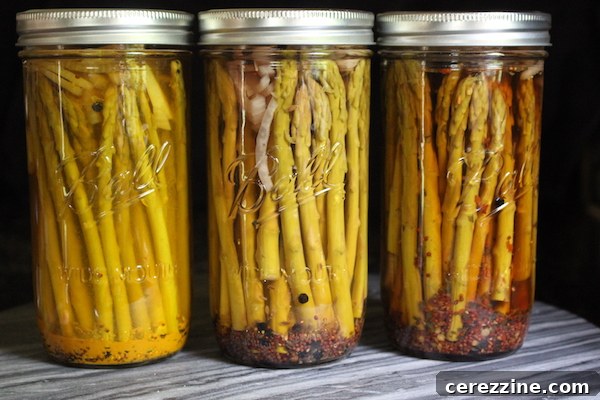
Among the first pickles of the season, pickled asparagus is a personal favorite, heralding the arrival of spring. Asparagus maintains a remarkably crisp texture when pickled, as the acidity of the vinegar excels at preserving its structure far better than pressure canning plain asparagus. Unlike the milder flavor of cucumber pickles, asparagus offers a more distinct and robust taste. I particularly enjoy pickled asparagus spears as a vibrant addition to salads or paired with homemade fish cakes. Essentially, any dish that would benefit from fresh asparagus can be elevated by the salty, tangy kick of its pickled counterpart.
- Pickled Asparagus (3 Ways!)
Beets
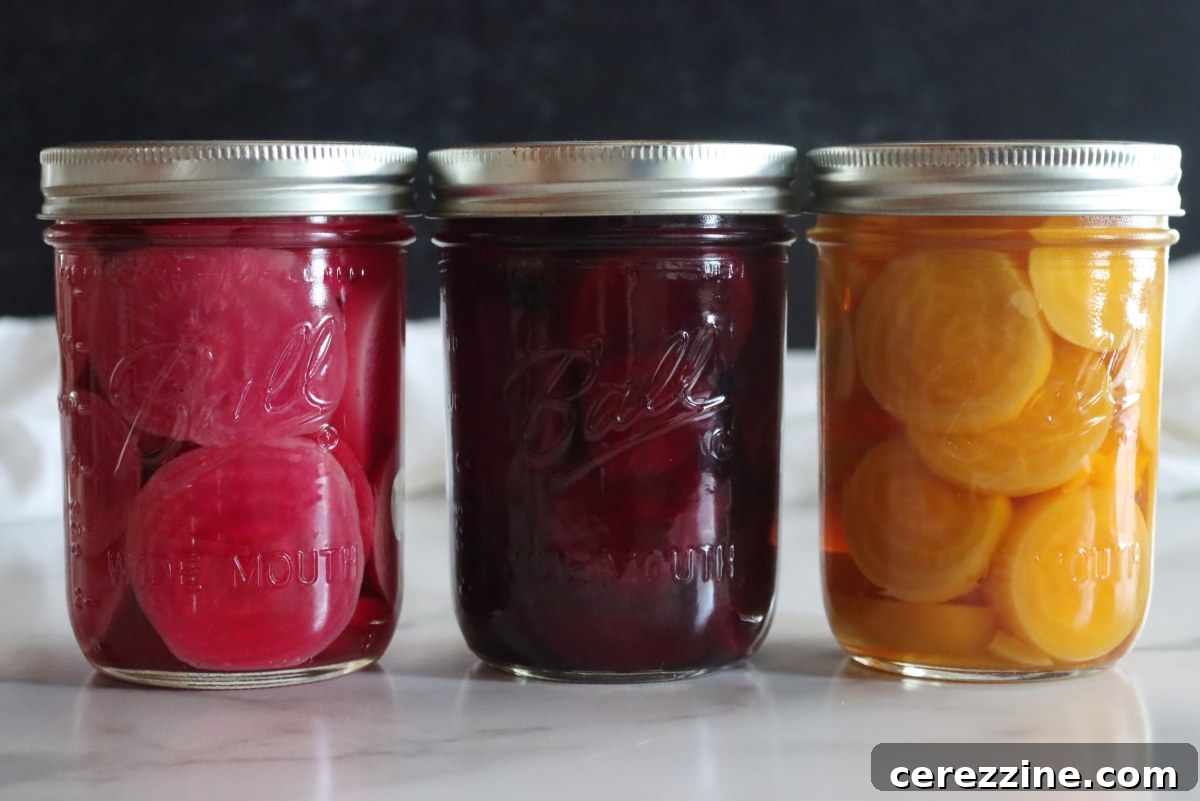
Beets, a quintessential spring vegetable, are often among the first crops planted each year, making them an excellent candidate for your early-season pickling experiments. Pickling beets is a time-honored tradition, a testament to how exceptionally well they preserve. You might even recall your grandparents serving these vibrantly colored, tangy root vegetables. Pickled beets hold their crispness beautifully and offer a simple yet effective way to manage a bumper crop from the garden, ensuring their robust flavor can be enjoyed long after harvest season.
- Easy Refrigerator Pickled Beets
- Quick Pickled Beets
- Pickled Beets
Blackberries
If your seasonal harvest leaves you with an abundance of blackberries, don’t limit yourself to jams and pies—try pickling them! While the concept of pickled berries might sound unusual at first, their unique flavor profile works surprisingly well, whether drizzled over fresh salads or even decadent ice cream. My introduction to pickled blackberries came on a charcuterie board at a friend’s house, and it was love at first bite. The combination of cheese and these sweet-sour berries creates an astonishingly balanced flavor profile—sweet, salty, and savory all at once, truly a palate-pleasing delight.
- Sweet and Sour Pickled Blackberries
- Easy Pickled Blackberries
- Spiced & Pickled Blackberries
Blueberries
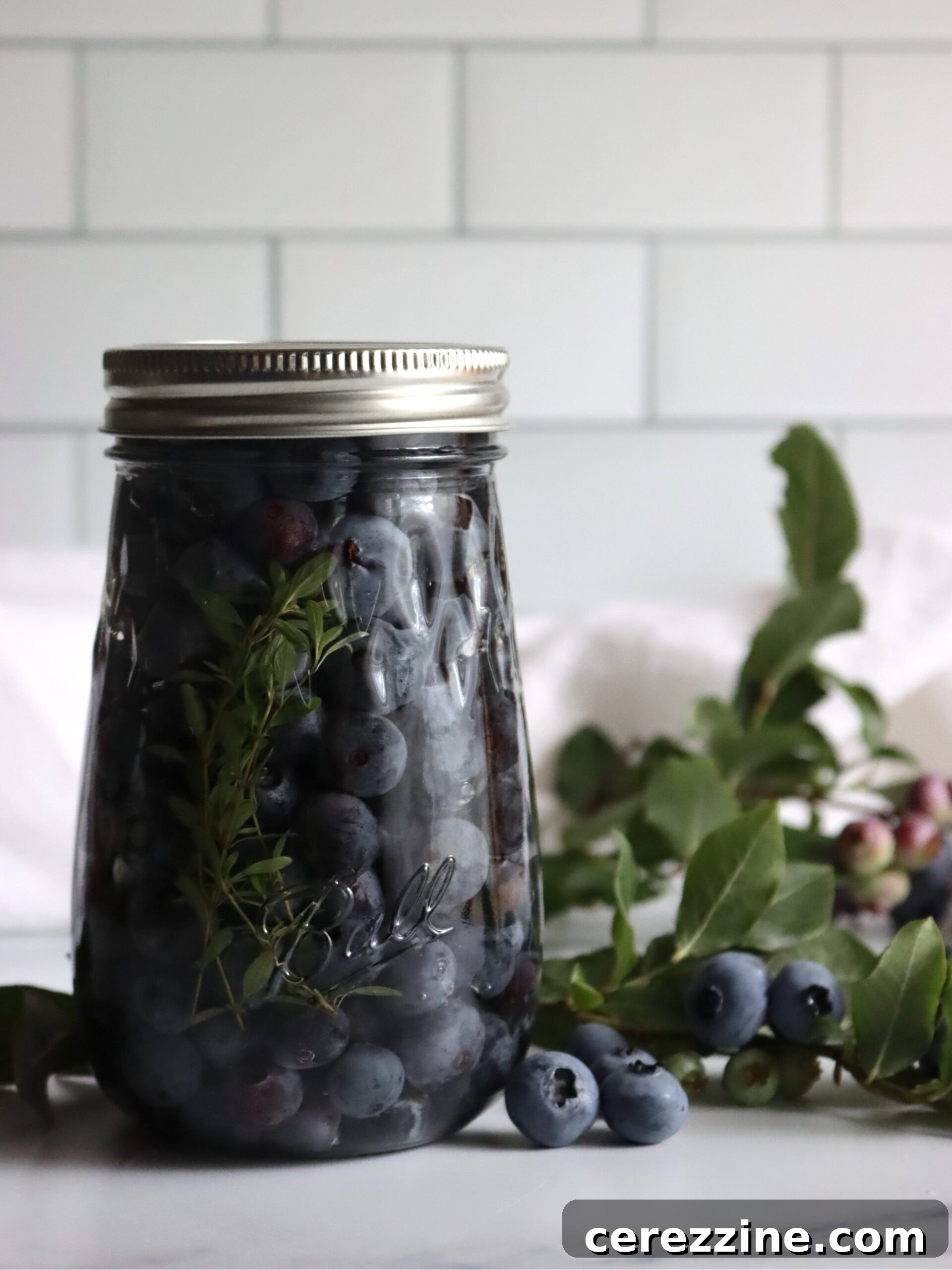
Blueberry season is a highlight for many, and pickling these vibrant berries offers a delightful way to extend their enjoyment. Pickled blueberries are an exquisite accompaniment to various meat and fish dishes, adding a burst of sweet-tart flavor. If you sweeten the brine further with additional sugar, these versatile berries can be drizzled over ice cream or other desserts for a sophisticated touch.
Another fantastic application for pickled blueberries is serving them over fresh goat cheese as an elegant appetizer. I assure you, your guests will be thoroughly impressed and eager to discover your secret ingredient!
- Pickled Fresh Blueberries
- Pickling Blueberries with Rosemary
- Sweet and Tangy Pickled Blueberries
Broccoli
Pickled broccoli makes for a fantastic and surprisingly versatile snack. Broccoli florets and particularly their stems readily absorb the flavors of your brine, allowing for the creation of a wide array of flavor profiles. The stems, in particular, retain an excellent crunch when pickled, making them an ideal candidate for this preservation method. You can incorporate pickled broccoli into appetizer salads or serve it as a unique vegetable side dish. Some recipes lean towards a spicy kick, while others highlight tangy and sweet notes.
Utilizing broccoli stems for pickling is an excellent way to minimize food waste, especially since many people prefer the florets for other culinary uses. This approach transforms a commonly discarded part of the vegetable into a delicious, crunchy treat.
- Spicy Quick Pickled Broccoli
- Pickled Broccoli Stems
- Spicy Pepper Pickled Broccoli
- Quick Pickled Broccoli
Brussels Sprouts
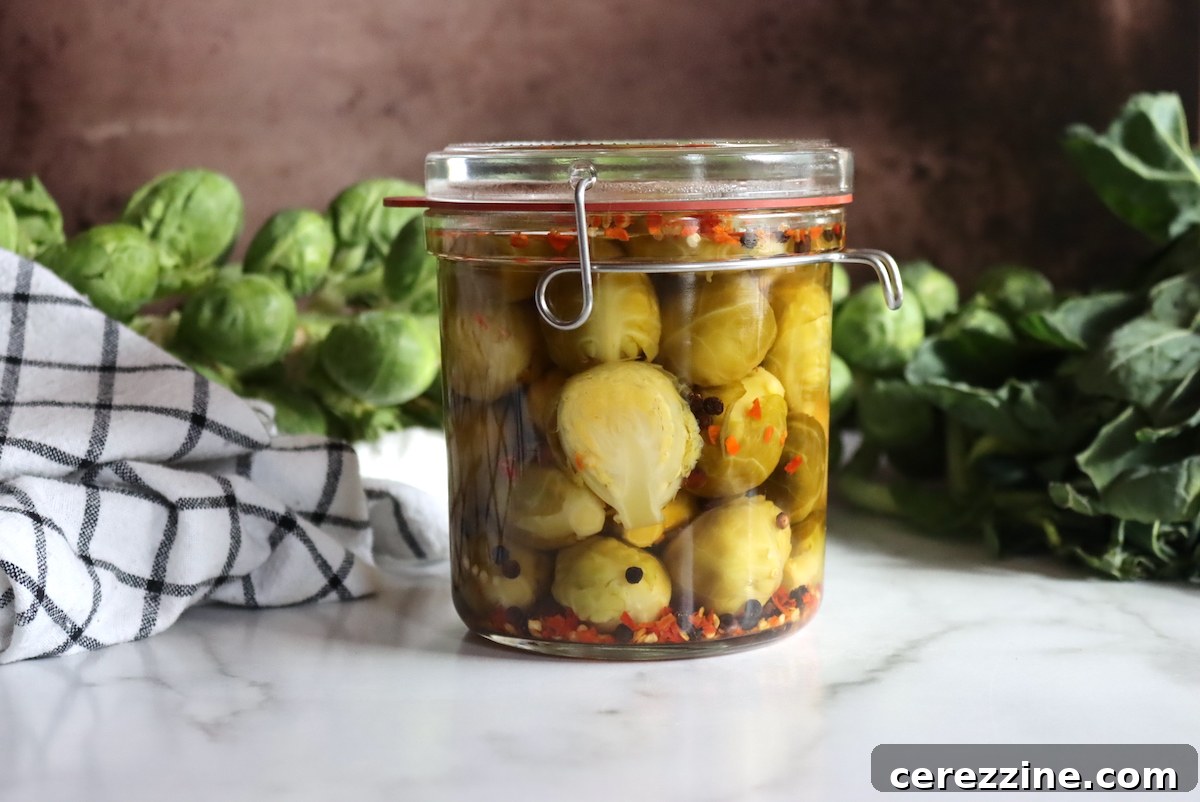
Brussels sprouts are notoriously difficult to can safely using traditional methods, but pickling offers a wonderful solution for preserving an abundant harvest. These miniature cabbages maintain their satisfying crunch exceptionally well when pickled, making them a unique and flavorful addition to your pantry.
Much like other vegetables, Brussels sprouts are excellent at absorbing the flavors of the pickling brine. This characteristic allows you to experiment with various spices, creating pickles that range from fiery and spicy to subtly sweet and tangy, catering to any preference.
- Pickled Brussels Sprouts
Cabbage
Pickling cabbage is a widely practiced and traditional method, famously used to create long-lasting versions of coleslaw. You’ll find an abundance of recipes to explore and countless ways to enjoy pickled cabbage, from adding a handful of crunchy texture to your sandwiches to serving it as a vibrant condiment.
Having jars of pickled cabbage readily available in the kitchen is incredibly convenient. It functions beautifully as a versatile condiment, complementing almost any meal, from savory pork to grilled chicken. Another advantage of pickling cabbage is its speed and ease; it pickles remarkably fast, often ready to eat on the very same day it’s prepared! However, it’s important to note that there are currently no canning-approved recipes for processing pickled cabbage, and its flavor and texture are generally considered best when enjoyed fresh as a quick refrigerator pickle.
- Easy Pickled Cabbage
- Pickled Red Cabbage
- Sweet & Tangy Pickled Cabbage
Carrots
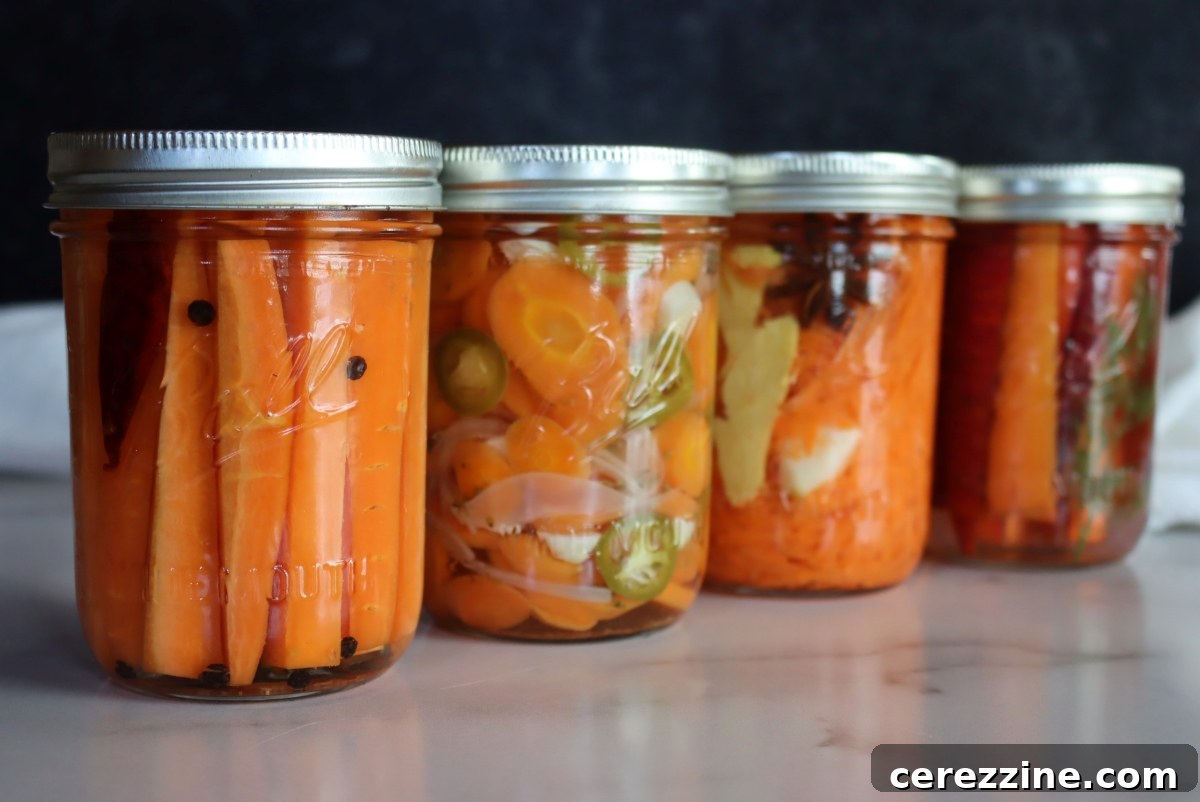
Carrots are one of my absolute favorite vegetables to pickle. My children adore homemade pickled carrot sticks, making them a staple snack in our household year-round. I personally prefer ours with a slightly sweeter profile and a little less salt, but the beauty of home pickling is the freedom to adjust flavors precisely to your liking. I recently began incorporating them into all my appetizer trays, and now our family specifically requests pickled carrots, confirming their universal appeal. It’s safe to say they’re a hit with everyone!
- How to Make Pickled Carrots
- Mexican Pickled Carrots
- Spicy Pickled Carrots
- Quick Pickled Carrots
Cauliflower
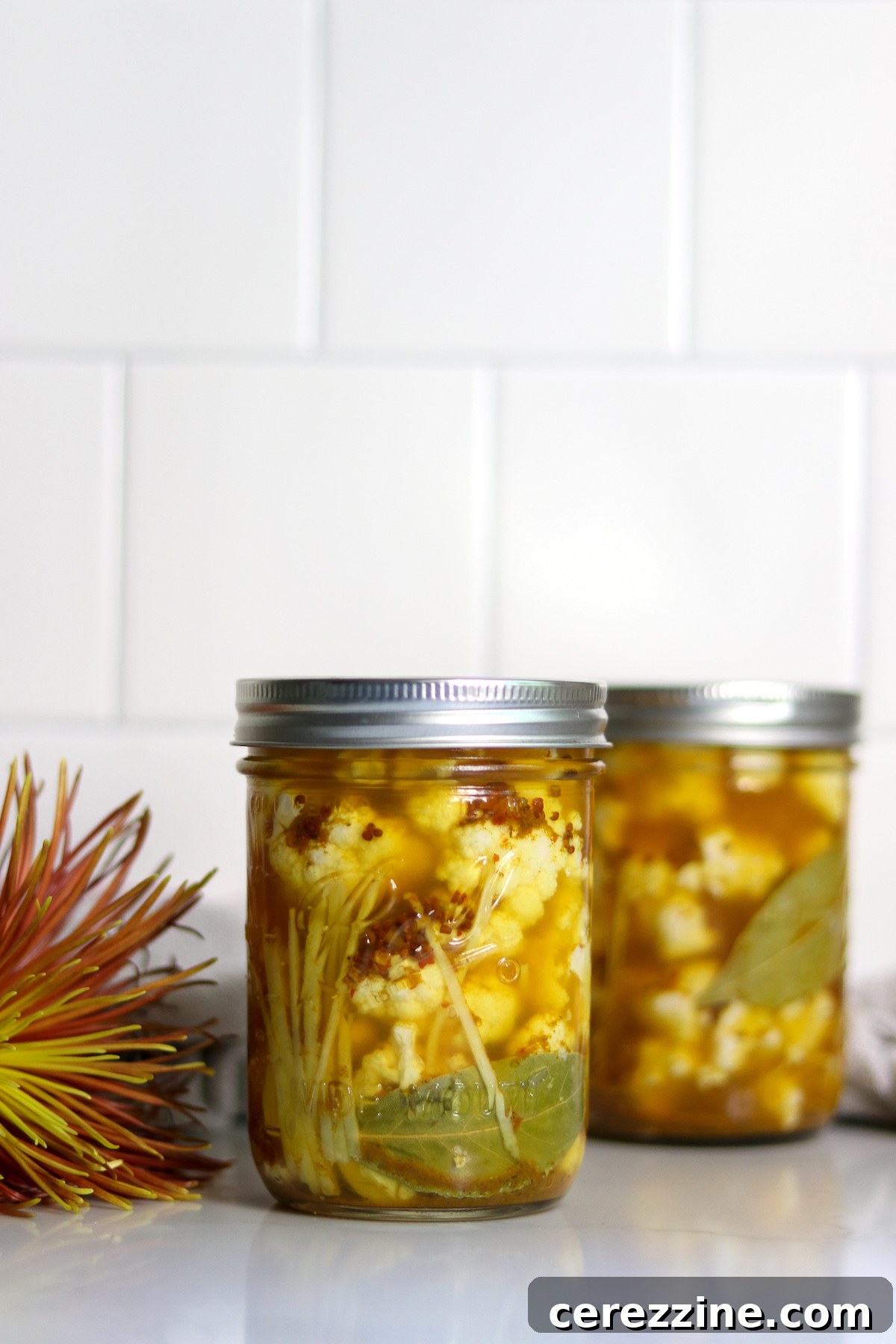
My first encounter with pickled cauliflower at an Amish grocery store was a revelation. I had explored countless cauliflower recipes, but pickling had never crossed my mind. This versatile vegetable, however, beautifully absorbs any flavors and spices it’s paired with, making it an excellent candidate for pickling. Pickled cauliflower offers numerous culinary uses, from a delightful appetizer to a flavorful topping on toast for a light meal. Moreover, pickling stands out as one of the few safe and effective methods for preserving cauliflower, aside from freezing, as it is not recommended for pressure canning.
- Curry Pickled Cauliflower
- Pickled Cauliflower
- Refrigerator Pickled Cauliflower
- Spicy Pickled Cauliflower
- Lemony Pickled Cauliflower Recipe
Celery
Celery, known for its distinct flavor and satisfying crunch, is another excellent candidate for quick pickling. This tangy, crisp pickle is remarkably easy to prepare and offers a refreshing twist. While it’s not ideal for traditional canning, it shines as a refrigerator pickle, providing instant gratification. I’ve discovered countless ways to incorporate pickled celery into meals, from chopping it into chicken and tuna salads for added zest and crunch to serving it alongside spicy hot wings. Its crisp texture and bright flavor also make it a wonderful addition to charcuterie boards, pairing beautifully with cold meats and cheeses.
- Quick Pickled Celery
- Spicy Pickled Celery Sticks
- Quick Pickle Sticks
Cherries
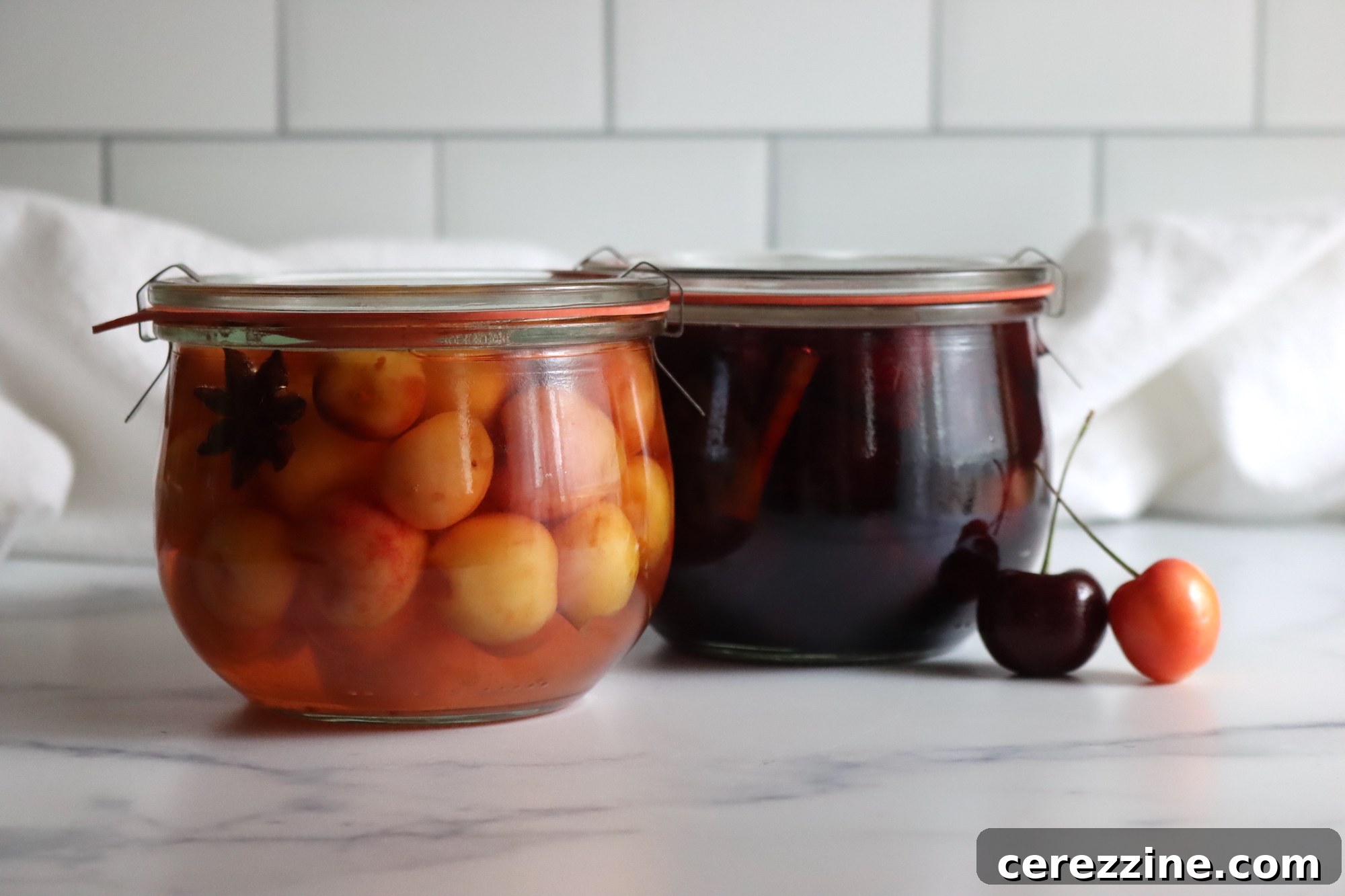
Pickled cherries offer a delightful and expedited way to savor this beloved summertime fruit, as they are often ready to enjoy more quickly than many other pickled items. If you’re seeking a unique and vibrant addition to your charcuterie board or a refreshing component for a summer salad, pickled cherries are an exceptional choice. The first time I sampled them, I was captivated by their perfect balance of sweet and sour. Each bite delivers a burst of intense flavor, making them an incredibly addictive snack.
- Easy Pickled Cherries
- Vanilla Bean Pickled Cherries
- Simple Spiced Pickled Cherries
Corn
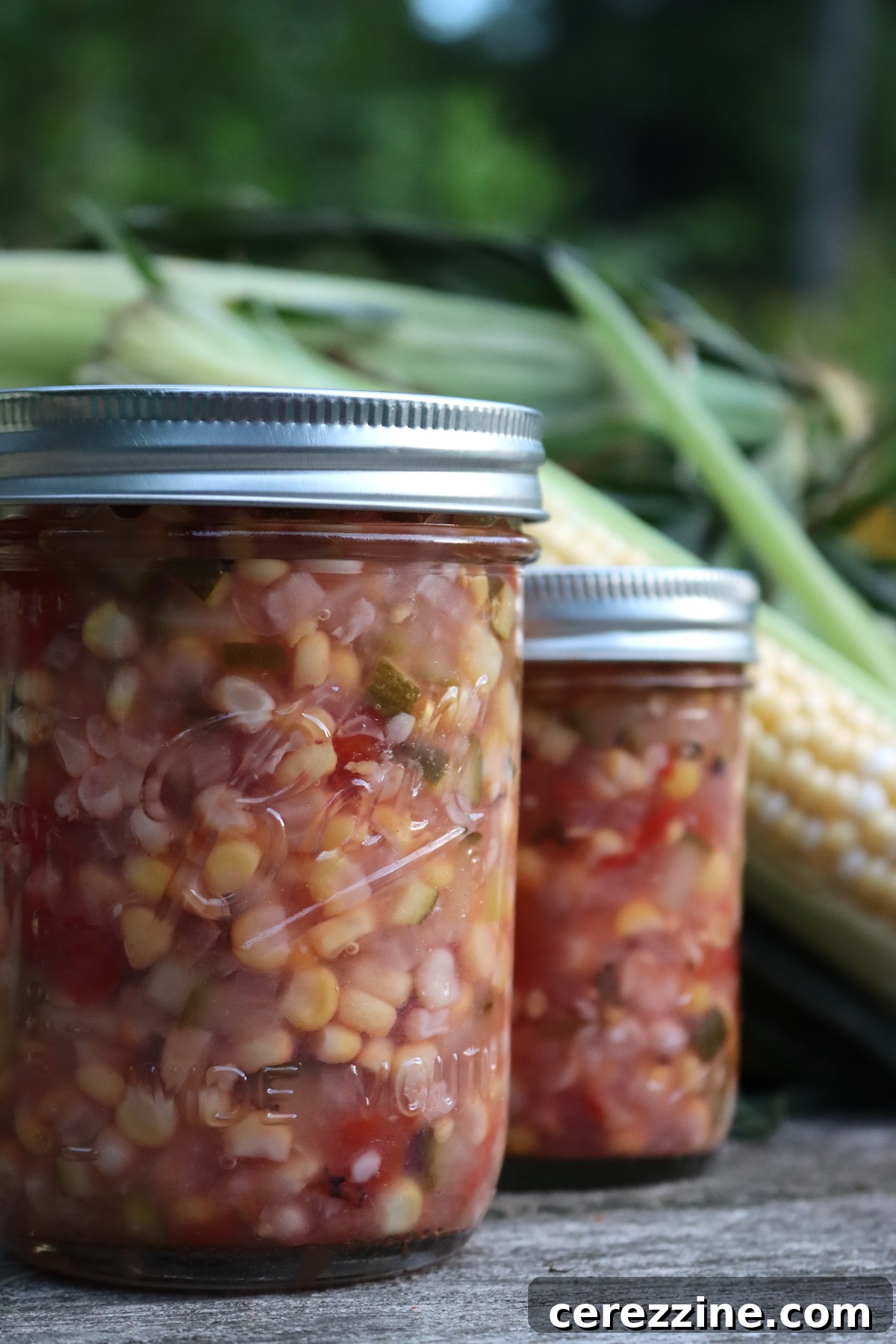
While summer and fresh corn on the cob are an iconic pairing, once you’ve had your fill of the classic preparation, consider pickling corn for a delicious twist. I make an effort to add several jars of pickled corn to our pantry each year, as its sweet and tangy flavor is wonderfully versatile. It tastes excellent when mixed into green salads, pasta salads, or added to homemade salsa, offering a burst of summery goodness even in colder months.
- Pickled Corn Recipe
- Pickled Corn with Red Onions and Cilantro
- Pickled Corn on the Cob Recipe
- Pickled Corn Relish Recipe For Canning
Cranberries
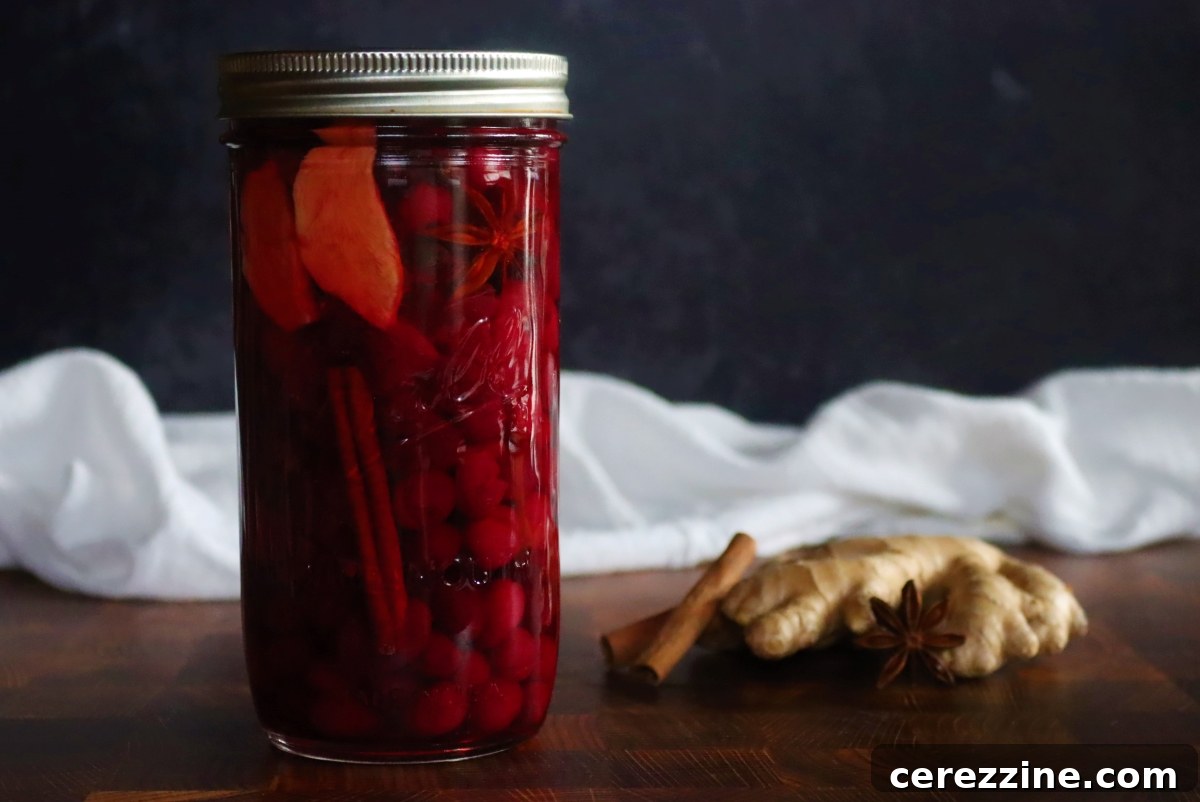
Cranberry enthusiasts will be thrilled by the tangy delight of pickled cranberries. These little sweet and tart gems offer endless culinary possibilities: stir them into drinks, serve them as a vibrant topping for cooked meats, or arrange them on a festive charcuterie board. I particularly enjoy having a few jars on hand during the holiday season. Pickled cranberries not only serve as a beautiful table centerpiece but also pair wonderfully with cheese spreads before Thanksgiving dinner or as a festive component of your Christmas feast.
- Pickled Cranberries
- Quick Pickled Cranberries
- Easy Pickled Cranberries
Cucumber
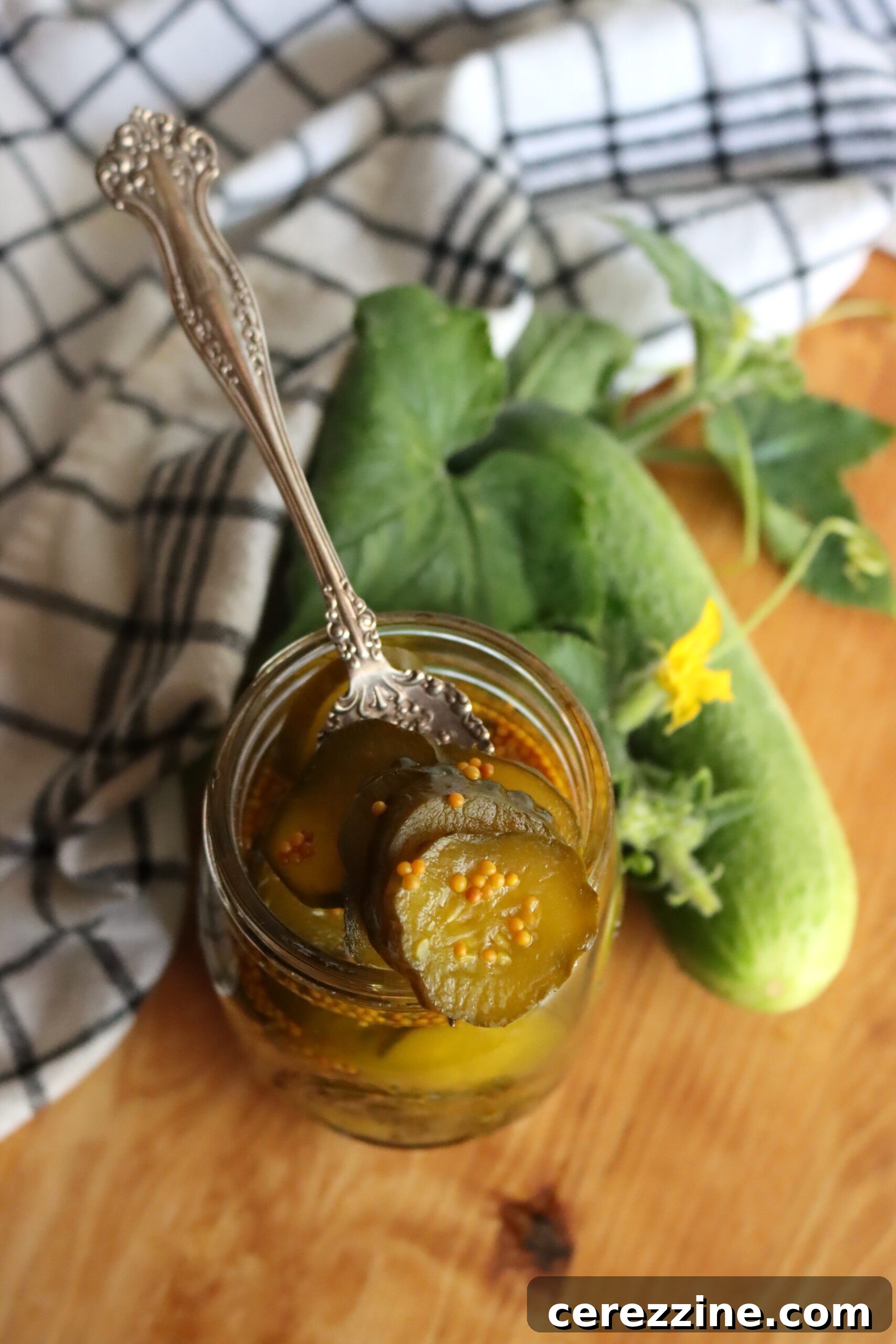
When most people think of pickling, cucumbers are almost certainly the first vegetable that comes to mind. While this article aims to broaden your pickling horizons, there’s a very good reason for their enduring popularity: they are incredibly versatile and delicious when pickled. Classic dill pickles are just the beginning; the beauty of cucumber pickles lies in the literally dozens of ways you can adjust seasonings to create almost any flavor profile you desire. Traditional pickling spices like garlic, turmeric, dill, and coriander are always a hit, but don’t shy away from experimenting with warmer spices such as allspice and clove for a unique twist.
- Bread and Butter Pickles
- Dill Pickle Spears
- Sweet Dill Pickle Relish
- Baby Pickles (Gherkins or Cornichons)
- German Mustard Pickles (Senfgurken)
- Russian Bear Claw Pickles
- Vermont Maple “Tongue” Pickles
Daikon
Daikon, a variety of radish, deserves its own special mention in the world of pickling due to its prominent role in many global cuisines. Widely recognized in Eastern countries, pickled daikon recipes are abundant and celebrated. These crisp, mildly peppery radishes are a staple accompaniment to Vietnamese and Korean dishes, offering a refreshing counterpoint to rich flavors. Its popularity makes growing daikon in your garden an excellent choice for any aspiring pickler looking to explore international flavors.
- Quick Pickled Carrots & Daikon Radishes
- Danmuji – Korean Pickled Daikon Radish
- Pickled Daikon Radishes
Eggplant
Preserving eggplant can be challenging, as it’s generally not well-suited for traditional canning or freezing methods. This makes pickling an incredibly sensible and effective way to extend the shelf life of this versatile vegetable. Pickled eggplant readily absorbs fresh spices and stores beautifully, making it a delicious addition to your pantry. Try serving it as part of an antipasto platter, layered into sandwiches, or as a flavorful topping on pizza. I personally love pickled eggplant infused with garlic, oregano, and other classic Italian seasonings for a truly authentic taste.
- Pickled Eggplant
Fennel
Pickled fennel is a remarkably delicious and aromatic condiment that pairs wonderfully with a wide array of dishes, especially grilled recipes. Whether you enjoy it straight from the jar as a refreshing snack or incorporate it into salads for a burst of flavor, it’s guaranteed to spice up your culinary creations. My favorite recipes for pickled fennel often feature star anise and orange, which impart a delightful, complex flavor profile that beautifully complements grilled meats or seafood, adding an unexpected gourmet touch.
- Pickled Fennel Recipe
- How to Make Quick Pickled Fennel
- Quick & Easy Pickled Fennel
Figs
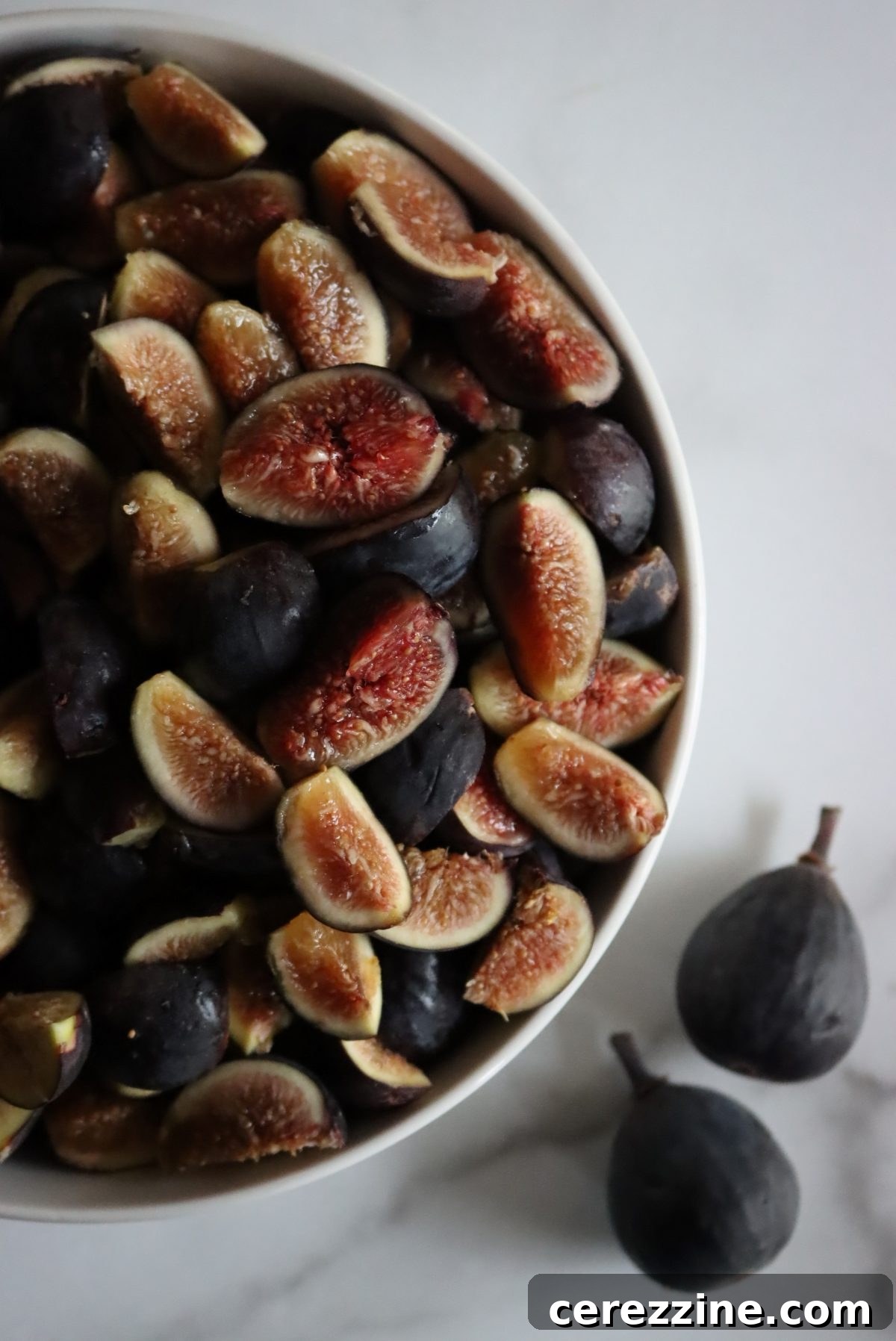
If pickling figs sounds novel, prepare to be pleasantly surprised! Figs are exceptionally well-suited for pickling, offering a luscious sweet and sour flavor that harmonizes beautifully with rich meats like pork, turkey, and game. I’ve also discovered that they are a fantastic complement to hard cheeses and crackers, making them a sophisticated addition to any cheese board. For the best results, varieties like Kadota or Adriatic figs are often recommended due to their ability to maintain their color even when ripe, though any fig variety can be successfully pickled for a delightful treat.
- Spiced Pickled Figs
- Pickled Figs in Balsamic Recipe
- Ginger Spiced Pickled Figs
Grapes
Don’t expect pickled grapes to taste like your typical sweet fruit; they possess an intense, complex flavor where the sweetness of the grape beautifully balances the tanginess of the pickling brine. Many are surprised and delighted by this unique creation! You’ll find pickled grapes to be a wonderful pairing with a variety of cheeses, adding a burst of unexpected flavor and texture. They are also an excellent addition to green salads, elevating them with their vibrant taste and intriguing profile.
- Pickled Red Grapes Recipe
- Quick Pickled Grapes
- Pickled Grapes with Rosemary and Chiles
- Crisp & Spicy Pickled Grapes
Garlic
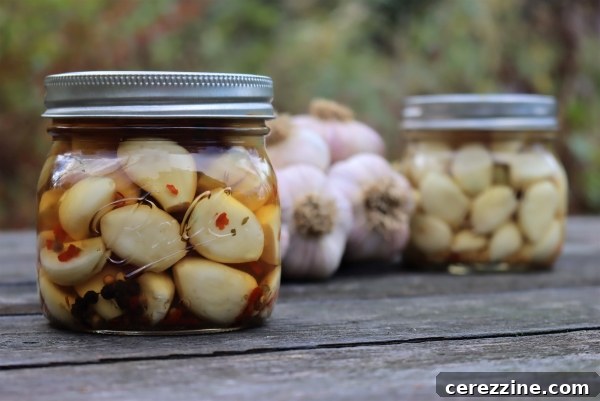
For those who adore both pickles and garlic, pickled garlic is an absolute must-try. These flavorful cloves can be stored in the refrigerator for months, and some recipes are even suitable for safe canning, offering long-term pantry storage. Whether you prefer them plain and tangy or with a spicy kick, you’ll relish munching on pickled garlic. They make a fantastic addition to salads, an essential component of an antipasto dish, or even a unique snack all on their own.
- How to Make Pickled Garlic
- Spicy Pickled Garlic
- Easy Pickled Garlic
Ginger
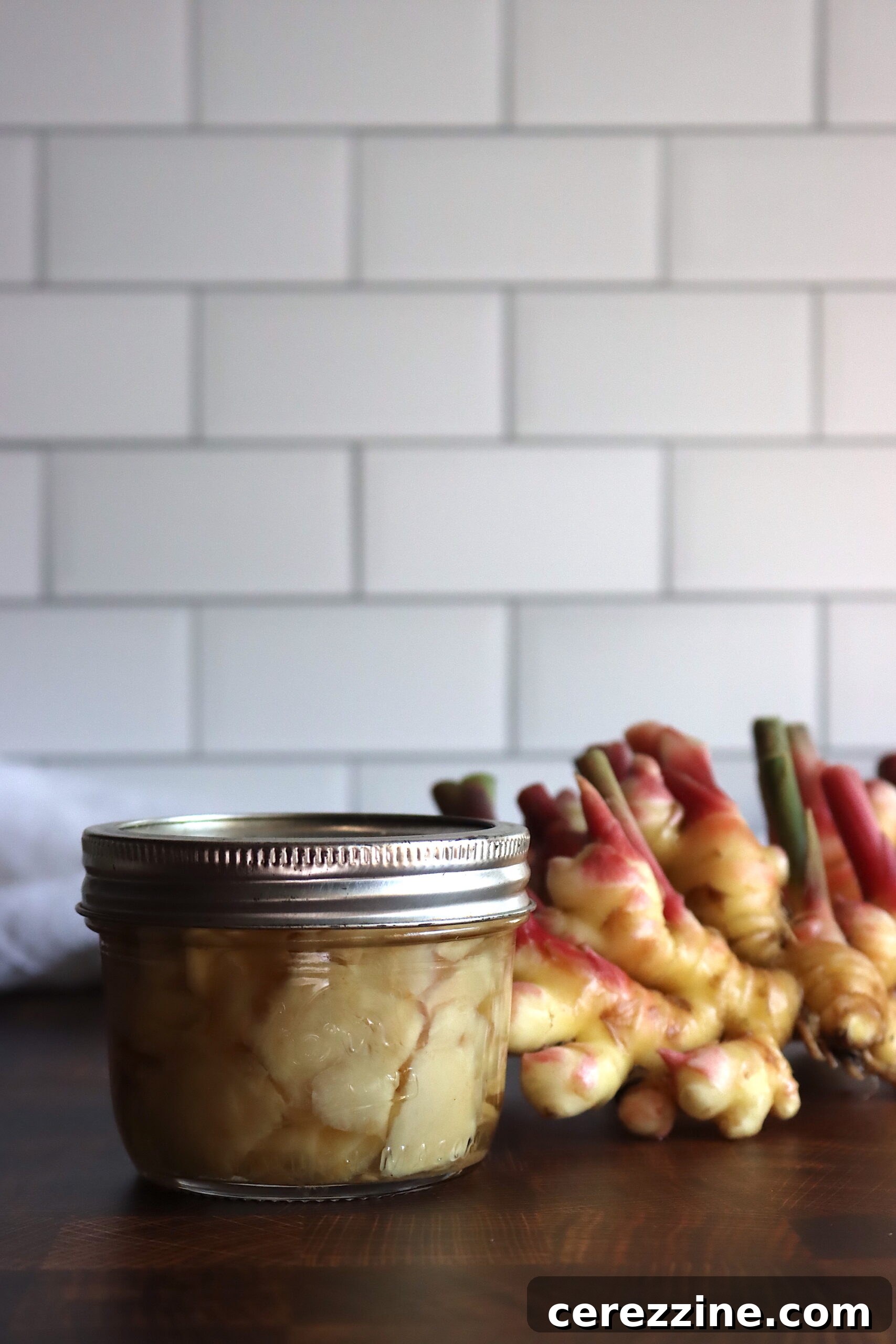
Pickled ginger, known as gari, is a familiar sight in Japanese restaurants, typically served alongside sushi or sashimi to cleanse the palate and enhance the delicate flavors of the dishes. While you can readily find pickled ginger at most Asian markets, preparing it at home is often simpler than you might imagine. For regular sushi makers, crafting your own gari can also lead to significant cost savings, while allowing you to customize its sweetness and acidity to perfection.
- Easy Pickled Ginger – Gari
- Pickled Sushi Ginger
- Homemade Pickled Ginger
Green Beans
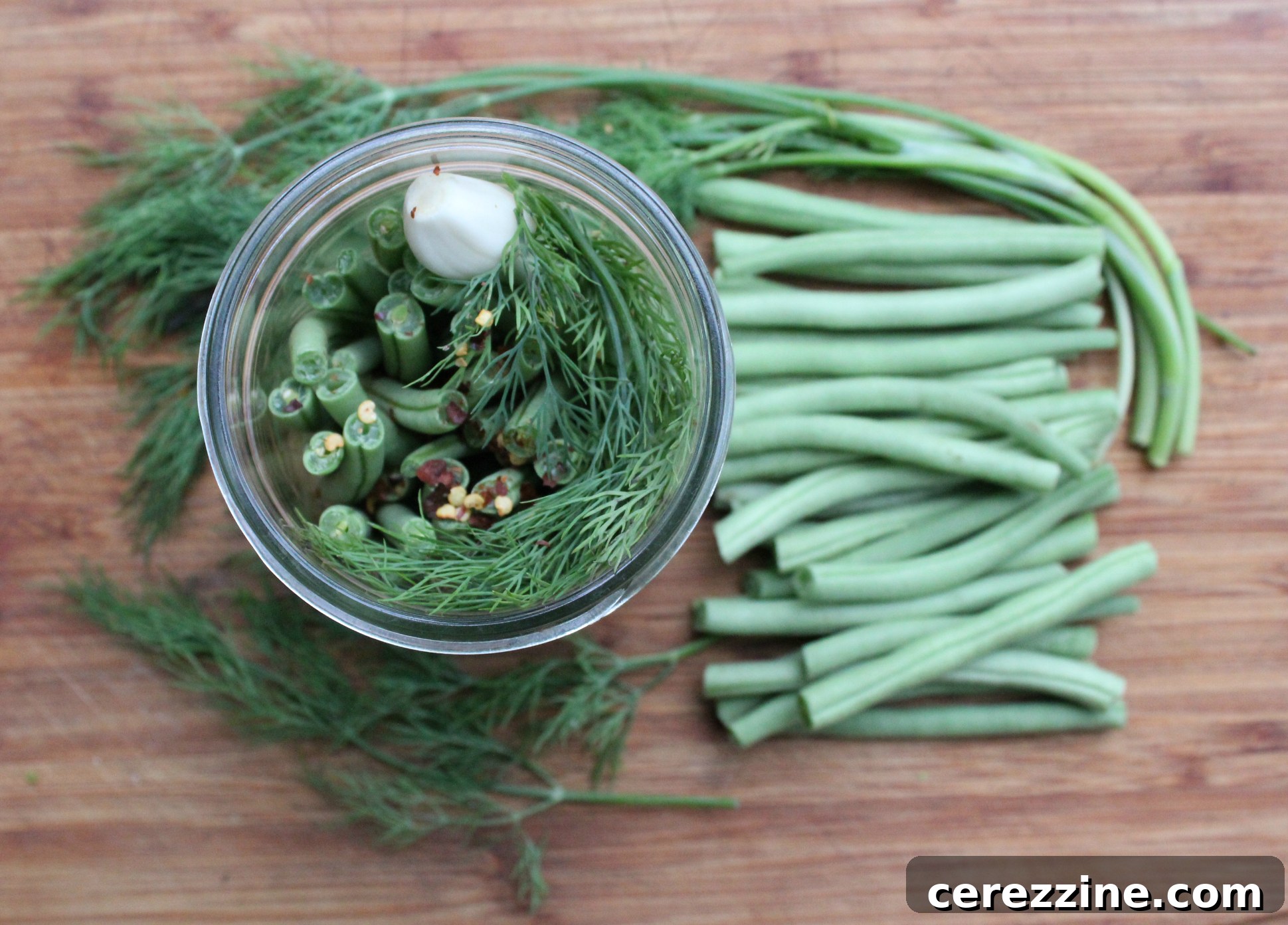
Green beans are another vegetable that I find exceptionally adept at soaking up robust flavors. My first taste of dilly beans years ago was an instant love affair, transforming a simple vegetable into a zesty, addictive snack. The beauty of pickling green beans lies in their capacity to absorb whatever spices you choose to infuse into your brine, encouraging endless experimentation to create a flavor profile you truly adore. Our family, for instance, has a particular fondness for zesty and spicy pickled green beans, making them a year-round staple.
- Dilly Beans Recipe for Canning
- Crisp Pickled Green Beans Recipe
- Quick Pickled Green Beans
- Spicy Pickled Green Beans
Kohlrabi
Kohlrabi, aptly named “cabbage turnip” in German, is a wonderfully crunchy vegetable with a mild, slightly sweet cabbage-like flavor. Its firm, crisp texture, similar to that of broccoli stems, makes it perfectly suited for pickling or thinly shaving into various dishes. Pickled kohlrabi is a delightful treat, offering a refreshing bite that pairs wonderfully alongside classic comfort foods like hamburgers or hot dogs. Shredded pickled kohlrabi also works exceptionally well in vibrant pickled salads or as an eye-catching garnish, adding both flavor and visual appeal to your culinary creations.
- Shredded Kohlrabi Quick Pickle Recipe
- Pickled Kohlrabi Recipe
- Quick Kohlrabi Pickles
Mushrooms
Pickled mushrooms are incredibly straightforward to prepare and offer a remarkable versatility in their use. I especially enjoy serving them on charcuterie boards, where their earthy, tangy flavor provides a wonderful counterpoint to cheeses and cured meats, or as a savory topping for meat dishes, particularly steak. The real fun lies in experimenting with different mushroom varieties, as each brings its unique flavor and texture to the pickle. Whether you choose common button mushrooms, delicate morels, or any other type you discover, you’re sure to create a truly delicious treat.
- Zesty Marinated Mushrooms
- Easy Pickled Mushrooms
- Canned Pickled Mushrooms
- Pickled Mushrooms with Garlic and Thyme Recipe
Onions
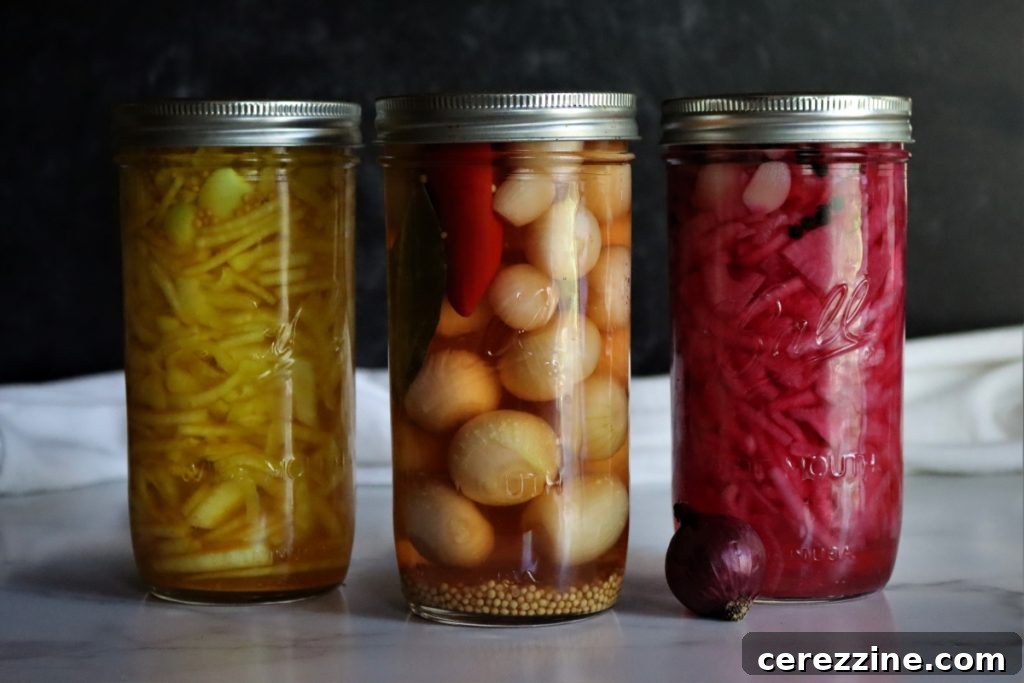
Pickled onions are an addictively delicious condiment that adds a bright, tangy, and subtly sweet punch to countless dishes. Red onions, in particular, lend a beautiful pop of vibrant color that elevates the visual appeal of any meal. In my kitchen, pickled red onions are an indispensable staple, finding their way into a multitude of preparations. They taste exceptional on sandwiches, add a zesty crunch to salads, and are a delightful component of antipasto platters. The harmonious blend of sharp onion flavor with the zing of vinegar creates a perfect dimension of taste that will keep you coming back for more.
- How to Make Pickled Onions
- Pickled Onions in 15 Minutes
- Small Batched Pickled Onions
Okra
If you find yourself with an abundance of okra from your garden and are unsure how to utilize it all, pickling is an outstanding solution. Pickled okra offers an addictive crunchy bite and can be safely canned for long-term storage or simply kept in the refrigerator for quicker consumption. This Southern delicacy is a traditional option on relish trays and a popular side dish, particularly in regions where okra thrives. Its unique texture and ability to absorb a flavorful brine make it a must-try for any pickling enthusiast.
- Grandma Oma’s Pickled Okra
- Pickled Okra
- Southern Pickled Okra
Peaches
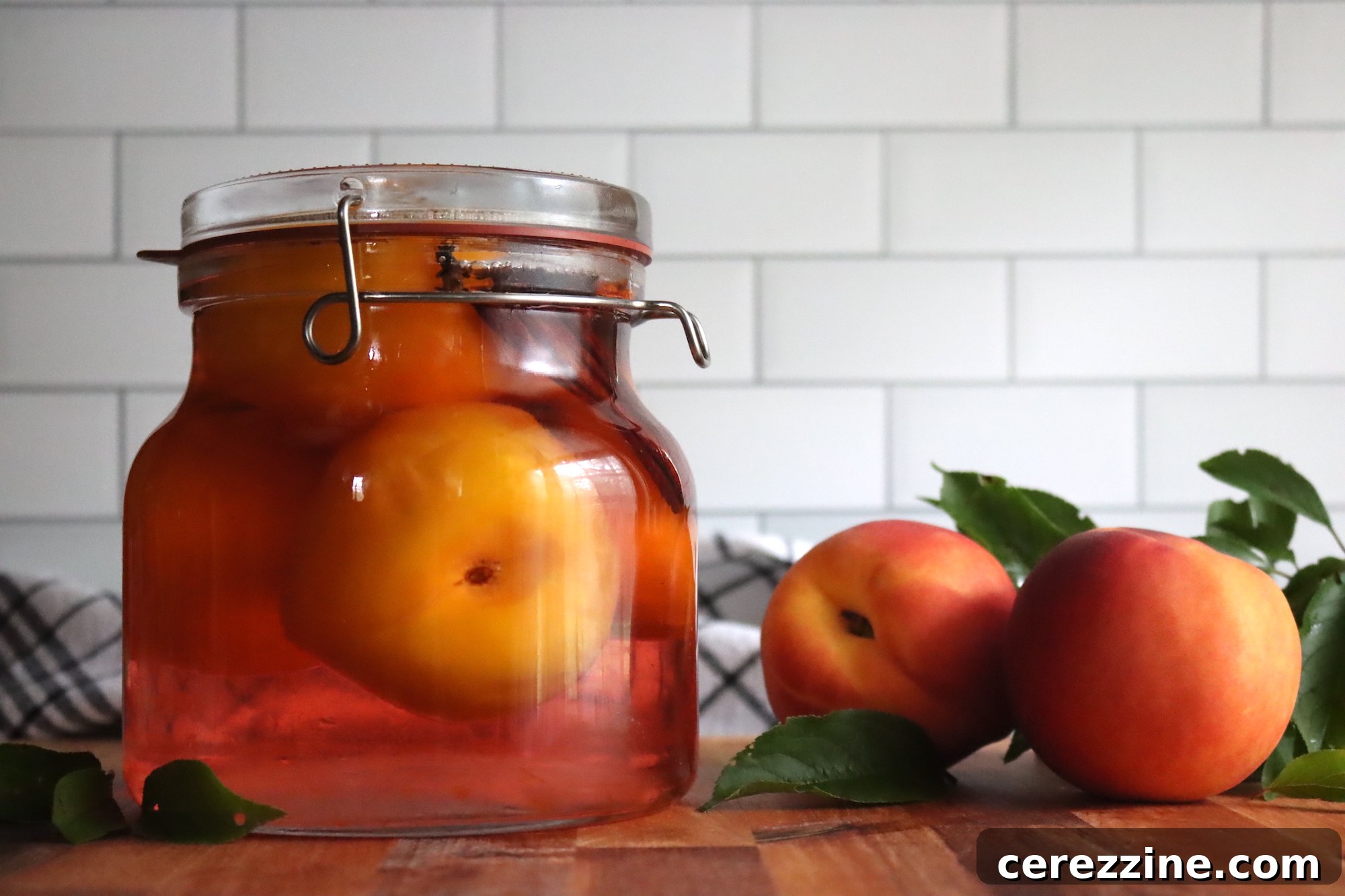
Another beloved Southern classic, pickled peaches are a quintessential addition to any picnic spread. These delectable treats are perfect served alongside sandwiches or as a distinctive side dish for dinner. When I first encountered the concept of pickled peaches, I admit I was skeptical about their taste. To my surprise, pickled peaches offer a complex flavor profile: sweet yet sharply vinegary, with delicate hints of spices. Enjoy them as a finger food, incorporate them into your cheese and cracker board, or even serve them as an unexpected topping over ice cream for a truly unique dessert experience.
- Southern Pickled Peaches
- Pickled Peaches with Sweet Spices
Peas
Peas, particularly varieties like sugar snap peas, are a delightful spring vegetable that handles the pickling process remarkably well, retaining their distinctive “pea flair” without becoming mushy. Instead, they absorb the tartness of the brine beautifully, making them an excellent ingredient for quick pasta dishes, vibrant garnishes for soups, or a crunchy addition to salads. A particularly harmonious pairing is pickled peas with asparagus; these two spring vegetables complement each other wonderfully, both in flavor and season.
- Sugar Snap Pickled Peas
- Quick Pickled Snap Peas Recipe
- Dilly Pickled Snap Peas
Pears
If you’ve yet to experience the delight of pickled pears, you are truly missing out on a unique culinary treat. These luscious fruits are remarkably well-suited for pickling, resulting in a delicious sweet, tangy, and spiced flavor profile. Pickled pears serve as an unexpectedly delicious condiment that you didn’t even realize your pantry needed. They are another fantastic item to feature on your charcuterie board, as their complex flavors pair beautifully with a variety of hard and soft cheeses, artisanal breads, crunchy nuts, and fresh berries, creating a sophisticated and memorable spread.
- Quick Pickled Pears
- Pickled Seckel Pears
- Sweet and Sour Spiced Pickled Pears
Peppers
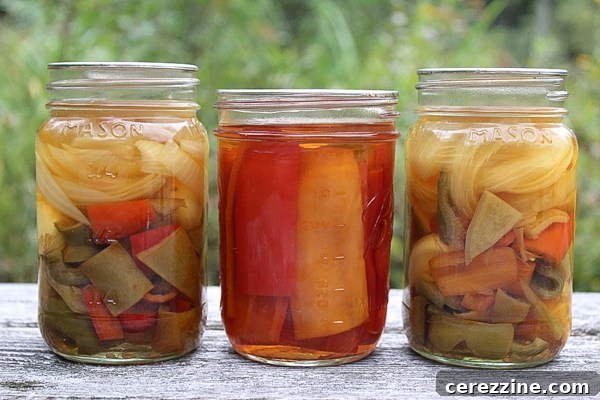
For gardeners with an abundance of peppers, pickling offers a continuous supply of flavorful additions to your meals throughout the year. The diverse world of peppers, with varieties ranging from fiery hot to delightfully sweet, means that pickling them yields an exciting spectrum of flavors and heat levels. Fortunately, all types of peppers pickle exceptionally well. In my home, we’ve transitioned to making homemade pickled pepperoncini and banana pepper rings instead of buying them. The flavor of homemade versions is simply superior, fresh, and bursting with zesty goodness!
- Pickled Peppers
- Pickled Jalapenos
- Quick Refrigerator Pickled Pepperoncini
- Homemade Pickled Jalapenos
- Pickled Banana Peppers
Pineapple
Prepare to discover your next favorite pickled food: pickled pineapple. This unique treat offers a delightful combination of sweet and sour, often with a pleasant hint of heat depending on the spices used in the brine. Pickled pineapple excels when paired with fish dishes, shredded pork, or any meal that benefits from a bright, acidic, and tangy zest. I find that pickled pineapple pairs particularly well with hot peppers, transforming into a unique and incredibly tasty sweet and spicy relish that elevates virtually anything it touches.
- Spicy Pickled Pineapple
- Easy Pickled Pineapples
- Quick Pickled Pineapple with Jalapeno
Plums
Sweet, pickled plums are a cherished snack in China, celebrated for their complex flavor profile. These plums are typically steeped in a brine that perfectly balances salt, sweetness, and spices. Interestingly, the flavorful brine itself is often mixed with sparkling water to create a refreshing and unique beverage. When pickling plums, opt for firm varieties to ensure they maintain their texture and avoid becoming mushy. Using rice vinegar can result in a less intensely acidic pickle, allowing the plum’s natural sweetness to shine through.
- Japanese Pickled Plums – Umeboshi
- Salty Sweet Spiced Pickled Plums
- Easy Pickled Plums Recipe
Pumpkins
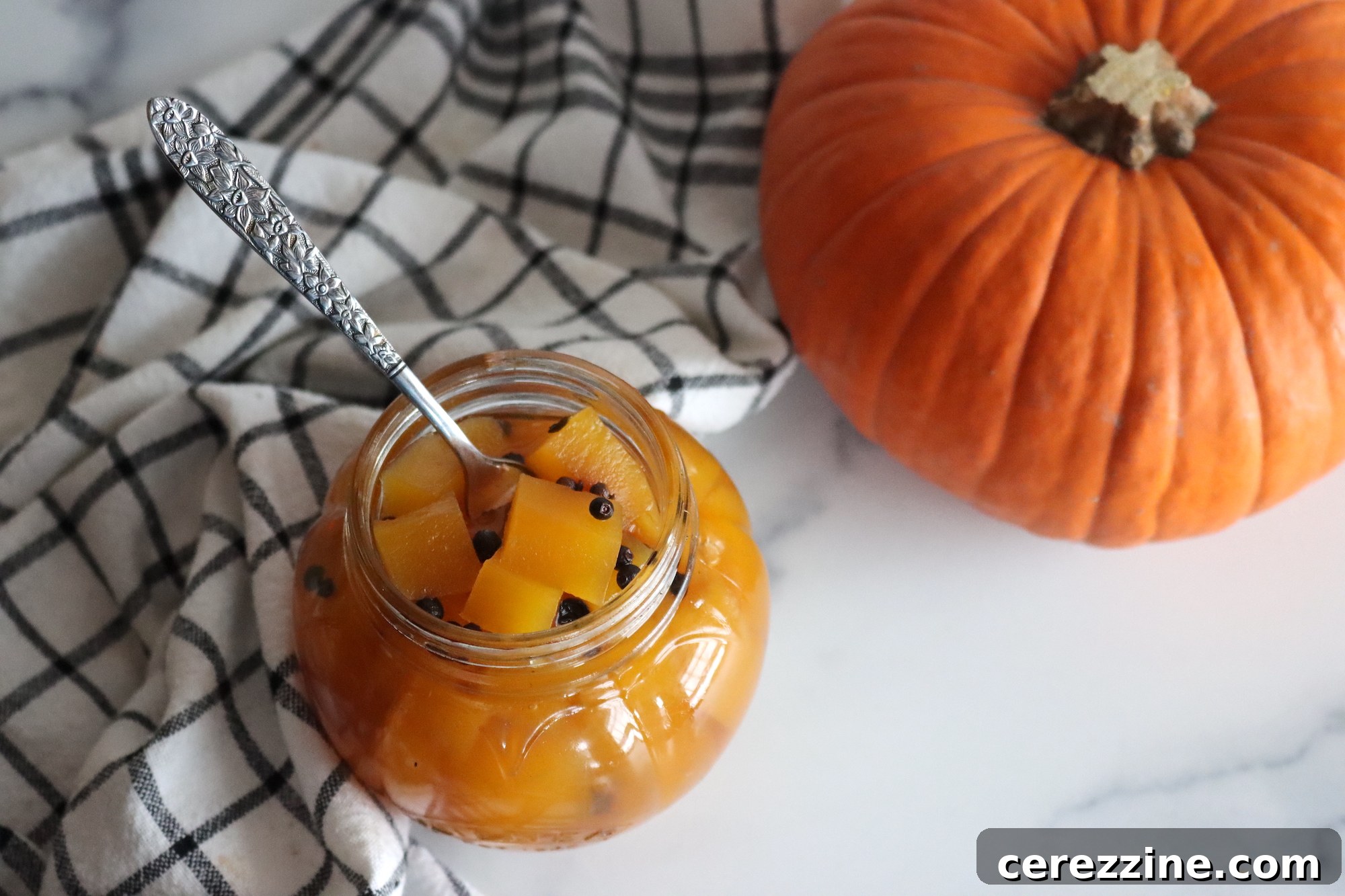
Pickled pumpkins are a delightful and often unexpected side dish that beautifully complements turkey or other meat-based meals. Depending on the recipe you choose, the warm, aromatic flavors of cinnamon, cloves, and cardamom can harmonize exquisitely with the sweet and sour brine, creating a truly comforting experience. While it might surprise some, pickling pumpkins is a popular tradition throughout Northern Europe. The texture of pickled pumpkin can vary from delightfully crunchy to tender-soft, depending on the cooking time. So, while it may not always deliver the classic “crunch” of a cucumber pickle, its enticing flavors are sure to win you over.
- Pickled Sugar Pumpkin
Ramps
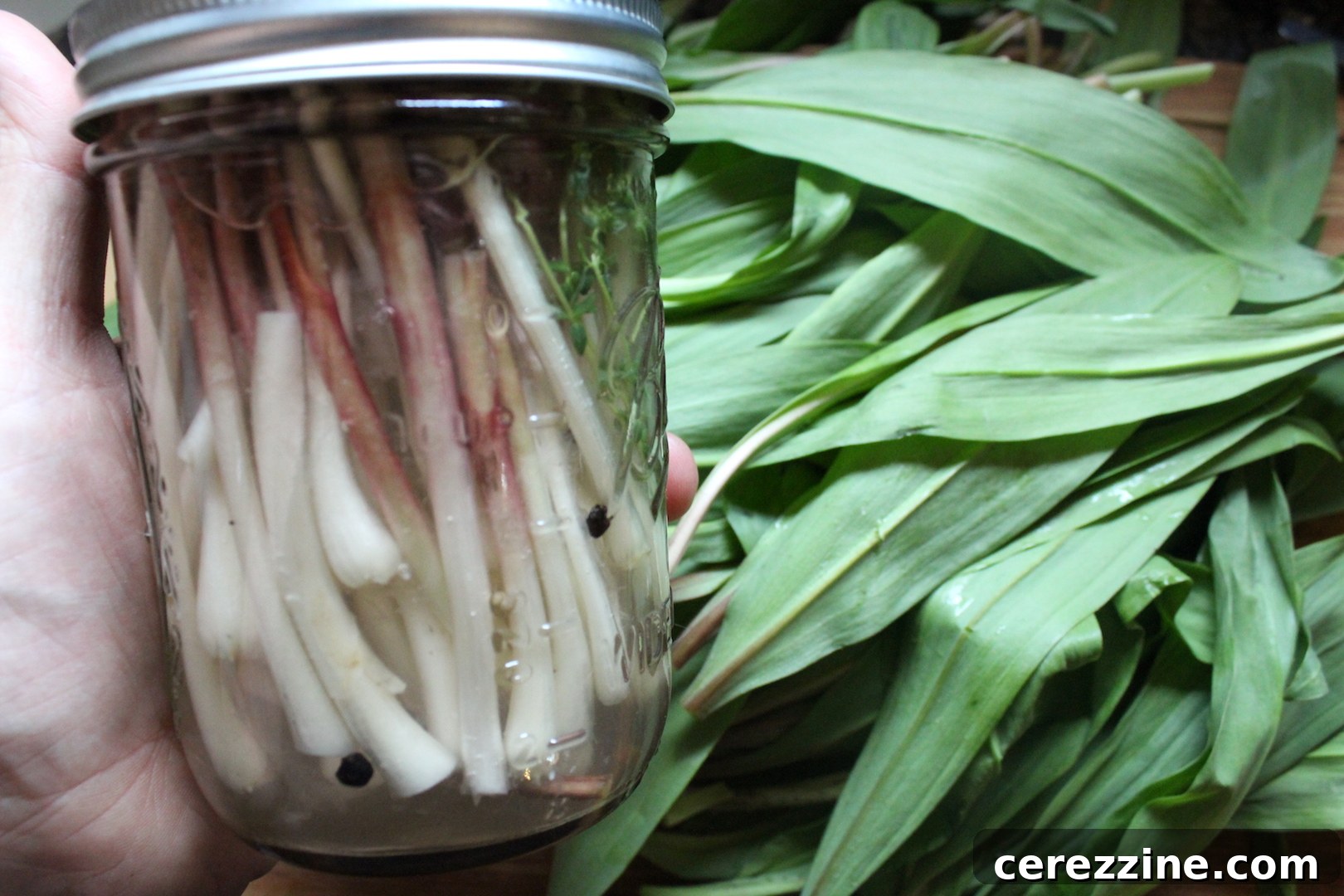
Ramps, a prized wild onion, are only in season for a brief period each spring. Pickling ramps offers an ingenious way to extend this fleeting season, allowing you to enjoy their distinctive garlicky-onion flavor year-round, preserved in an aromatic brine. Pickled ramps pair exquisitely with robust cured meats like soppressata as part of a sophisticated charcuterie spread or cheese platter. Feel free to unleash your creativity with these recipes; some suggest that ramps pair wonderfully with the subtle sweetness of shallots or even a fiery kick from hot peppers for an intensified flavor experience.
- Pickled Ramps – Recipe for Canning
- Easy Pickled Ramps
Raspberries
Here’s another delightful berry you might not have considered for pickling, but it’s an innovation worth exploring. Pickled raspberries offer a surprising flavor journey. Raspberries meld beautifully with warm spices like cinnamon and anise, creating a complex taste profile. If you incorporate enough sugar into the brine, these pickled fruits can even yield a luscious syrup, perfect for drizzling over ice cream for a gourmet dessert experience. They provide a wonderful sweet-tart contrast that can enhance both savory and sweet dishes.
- Pickled Raspberries
- Pickled Raspberries with Spices
Radishes
Radishes, another quintessential spring vegetable, are often among the first crops to be harvested from the garden. For years, I struggled to find creative ways to use up our excess radishes until I discovered the magic of pickling them. Pickled radishes are incredibly quick and easy to make, and they offer a fantastic way to enhance your dishes. You’ll find them to be a delightful blend of sweet, tangy, and subtly spicy, but most importantly—delicious! Their vibrant color and satisfying crunch make them a superb addition to salads, tacos, or as a stand-alone snack.
- Spicy Quick Pickled Radishes
- Quick Pickled Radishes
- Pickled Radishes for Canning
Rhubarb
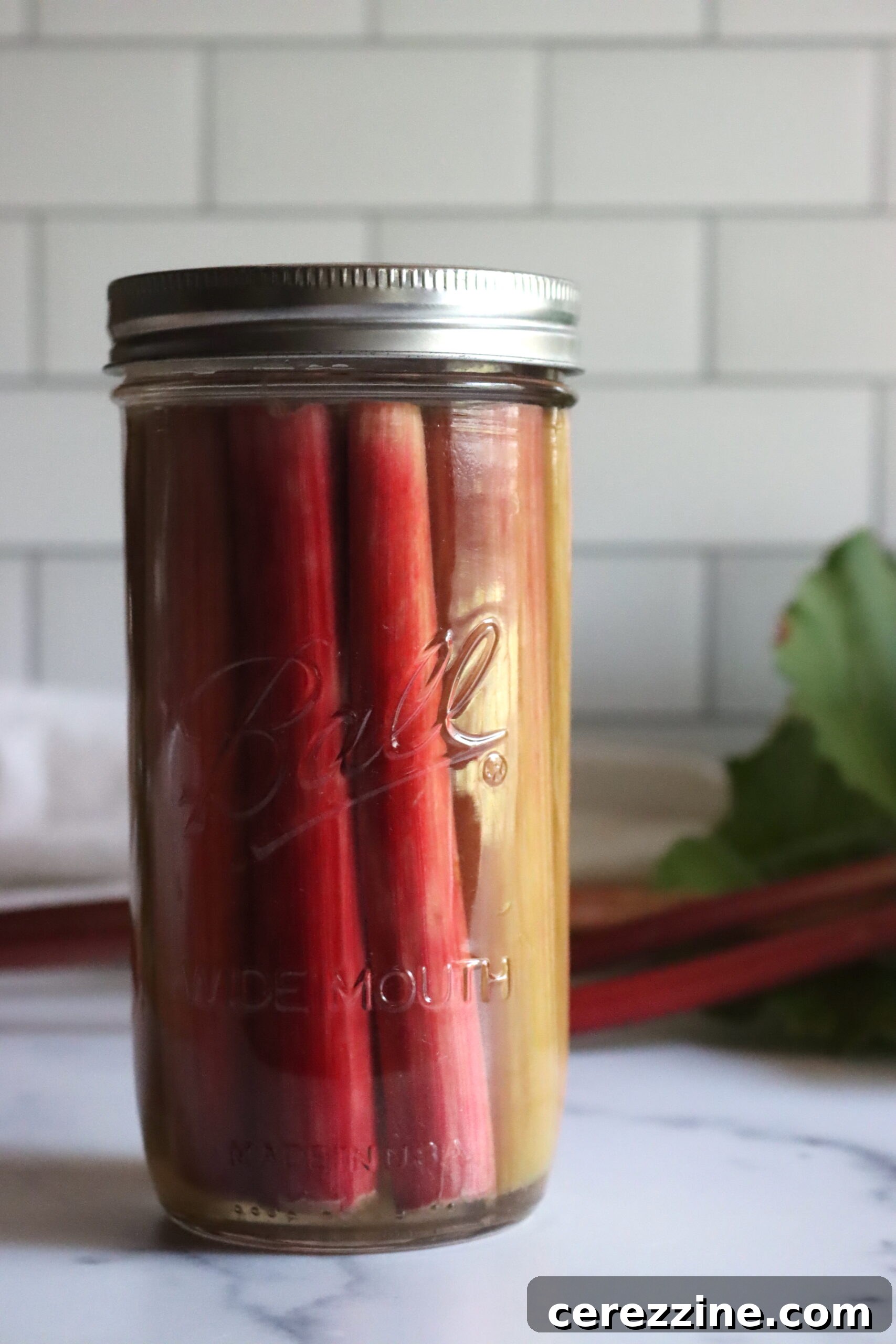
Although its tartness often leads people to believe it’s a fruit, rhubarb is technically a vegetable. While commonly used in crisps, jams, and crumbles, its fibrous, crunchy texture makes it an exceptional candidate for pickling. Pickled rhubarb masterfully accentuates the inherent tartness and satisfying crunch of the stalks, creating a vibrant and unique condiment. It’s remarkably easy to make and results in beautiful, ruby-colored pickles that can brighten any plate and palate.
- Pickled Rhubarb
- Easy Quick Pickled Rhubarb
- Refrigerator Sweet and Spicy Pickled Rhubarb
Spring Onions
If your garden yields an abundance of fresh spring onions, consider pickling them as a fantastic way to preserve their delicate, pungent flavor. Pickled spring onions are incredibly versatile, playing various roles in the kitchen. Spoon a generous helping on top of a juicy burger for an extra zing, arrange them as part of an elegant appetizer spread at a party, or pair them with creamy goat cheese and crusty baguette rounds for a simple yet sophisticated snack. Truly, you can’t go wrong with these vibrant, tangy additions!
- Pickled Spring Onions Recipe
- Pickled Spring Onions & Asparagus
- Best Pickled Spring Onion Recipe
Sunchokes (or Jerusalem Artichokes)
Sunchokes, also known as Jerusalem artichokes, are a unique root vegetable typically found at specialty markets and farmers’ markets during the fall and winter months. These fascinating tubers are derived from a type of perennial sunflower and are equally delicious enjoyed raw or cooked. Their raw texture is crisp and lightly sweet, somewhat akin to jicama, while cooked, they can resemble potatoes. A notable characteristic of sunchokes is their high inulin content, a prebiotic fiber that’s great for digestive health but can unfortunately cause gas for some individuals.
Happily, when sunchokes are pickled, the process effectively mitigates the gas-inducing properties, allowing you to fully savor this distinctive vegetable without the common side effects! They retain their appealing crunch and absorb the pickling brine beautifully.
- Pickled Jerusalem Artichokes
Squash
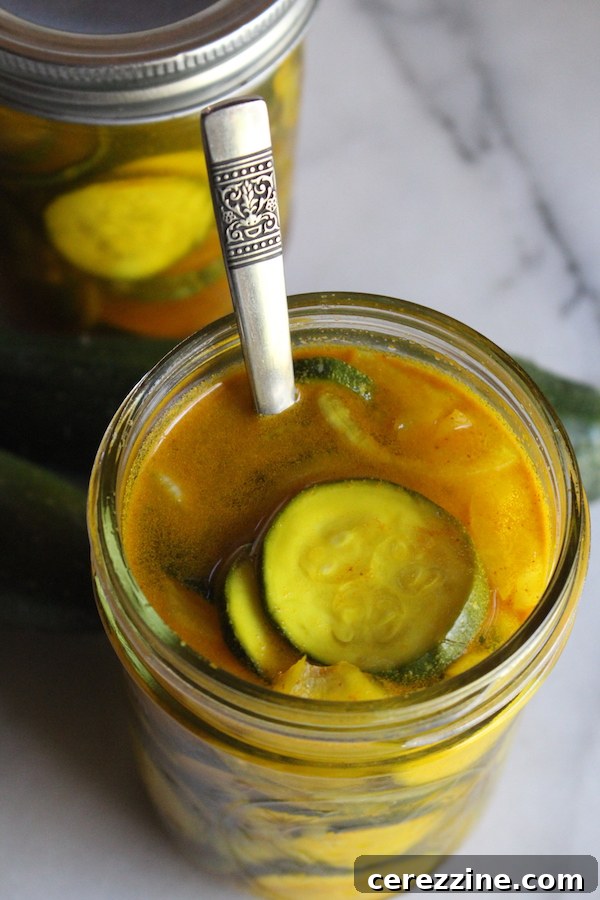
Squash, particularly smaller varieties, pickles remarkably well, much like cucumbers. It readily absorbs the flavors of the brine and offers a satisfying bite. When selecting squash for pickling, it’s crucial to avoid overly large specimens, as these tend to have oversized seeds that are undesirable in pickles. Small, firm squash are ideal. This makes pickled squash an excellent substitute for cucumbers, especially if you prefer not to grow cucumbers but still desire a similar pickled vegetable. It’s a fantastic way to utilize your summer squash harvest creatively.
- Bread and Butter Zucchini Pickles
Strawberries
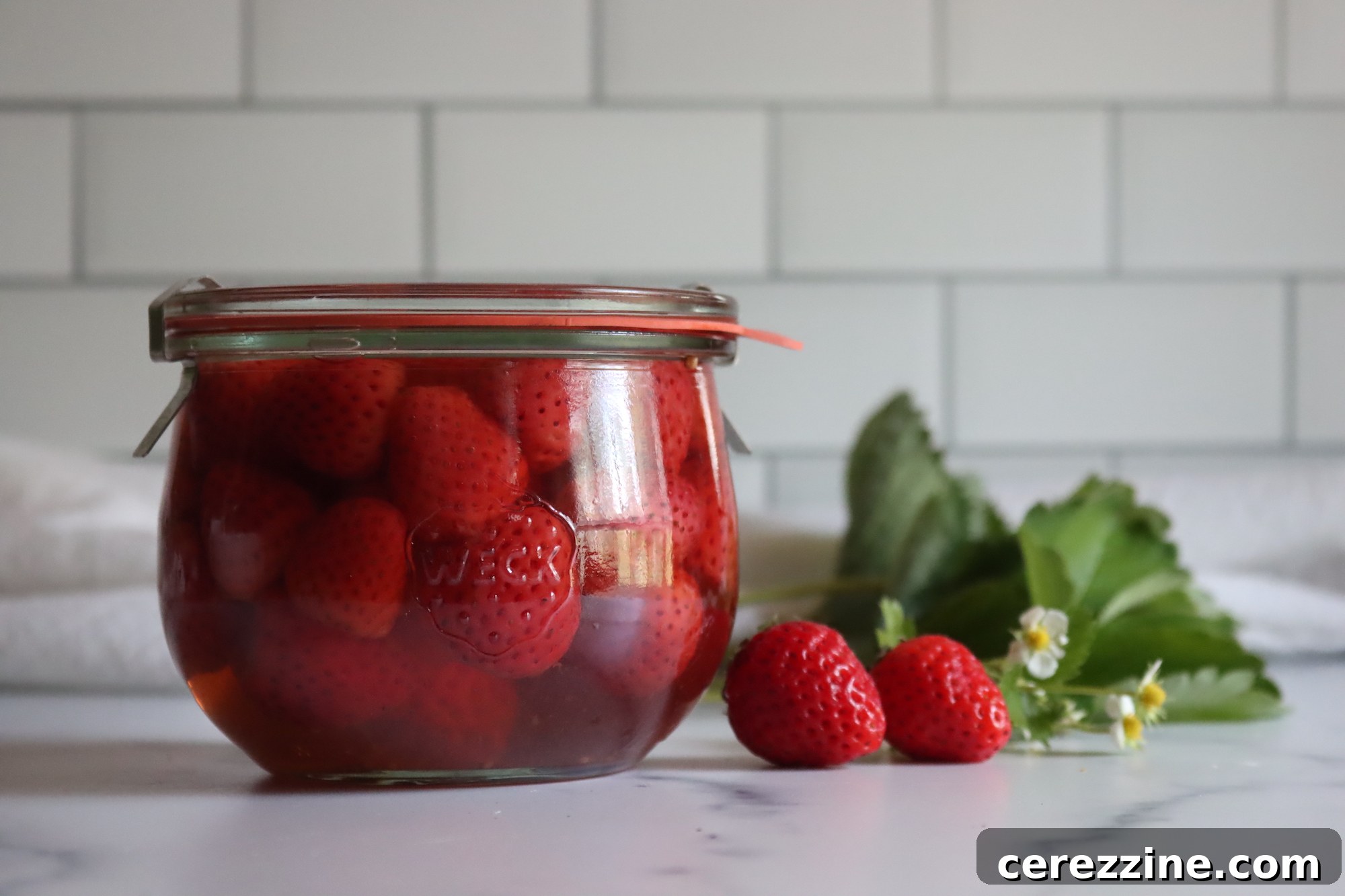
Pickled strawberries are a delightfully easy-to-make treat that offers a refreshing and utterly unexpected flavor experience. While not what most people anticipate when thinking of pickles, you might just discover a new obsession. These sweet-tart berries can be tossed into vibrant salads, served elegantly with cheese and crackers on a charcuterie board, or even used as a unique topping. The beauty of pickling strawberries lies in the flexibility to adjust the sugar and spice levels in the brine, allowing you to craft a flavor profile that perfectly suits your palate and creative culinary aspirations.
- Pickled Strawberries
Swiss Chard
Swiss chard, known for its vibrant array of stem colors, offers crunchy, thin stalks that are typically sautéed or eaten raw. However, pickling provides a wonderful method to preserve the striking beauty and crisp texture of these stems. Pickled Swiss chard stems are undoubtedly best as a quick refrigerator pickle, as there are currently no safe canning recipes approved for them. Serve these colorful and tangy pickles alongside burgers, roasted chicken, or as a zesty topping for baked potatoes—a delicious and visually appealing treat!
- Spicy Pickled Swiss Chard Stems
- Quick Pickled Chard Stems
- Pickled Rainbow Chard Stems
Turnips
A classic Middle Eastern delicacy, pickled turnips are an addictively tangy and flavorful complement to a variety of dishes, including roasted chicken, gyros, or falafel. Turnips are generally an underrated vegetable, and consequently, not commonly considered for pickling. However, the combination of their inherent mild peppery notes with a bright vinegar brine and often a hint of heat creates a truly irresistible condiment. Most recipes incorporate a handful of sliced beets, which impart a gorgeous pink hue to the turnips, adding to their appeal. Don’t forget to include garlic, as its robust flavor pairs exceptionally well with turnips!
- Middle Eastern Pickled Turnips
- Pickled Turnips
- Quick Pickled Turnips Recipe
Tomatillos
Pickling is an excellent way to utilize any fresh tomatillos you have on hand, preventing them from going to waste in the refrigerator. Typically about the size of a large cherry tomato, tomatillos are perfectly suited for pickling. While delicious simply eaten as a tangy snack, I’ve discovered countless ways to incorporate them into meals. They add a zesty, bright flavor to quesadillas, enchiladas, or various other side dishes, offering a distinctive Mexican-inspired twist to your pickled repertoire.
- Quick Pickled Tomatillos
- Refrigerator Pickled Tomatillos
- Spicy Pickled Tomatillos
Tomatoes
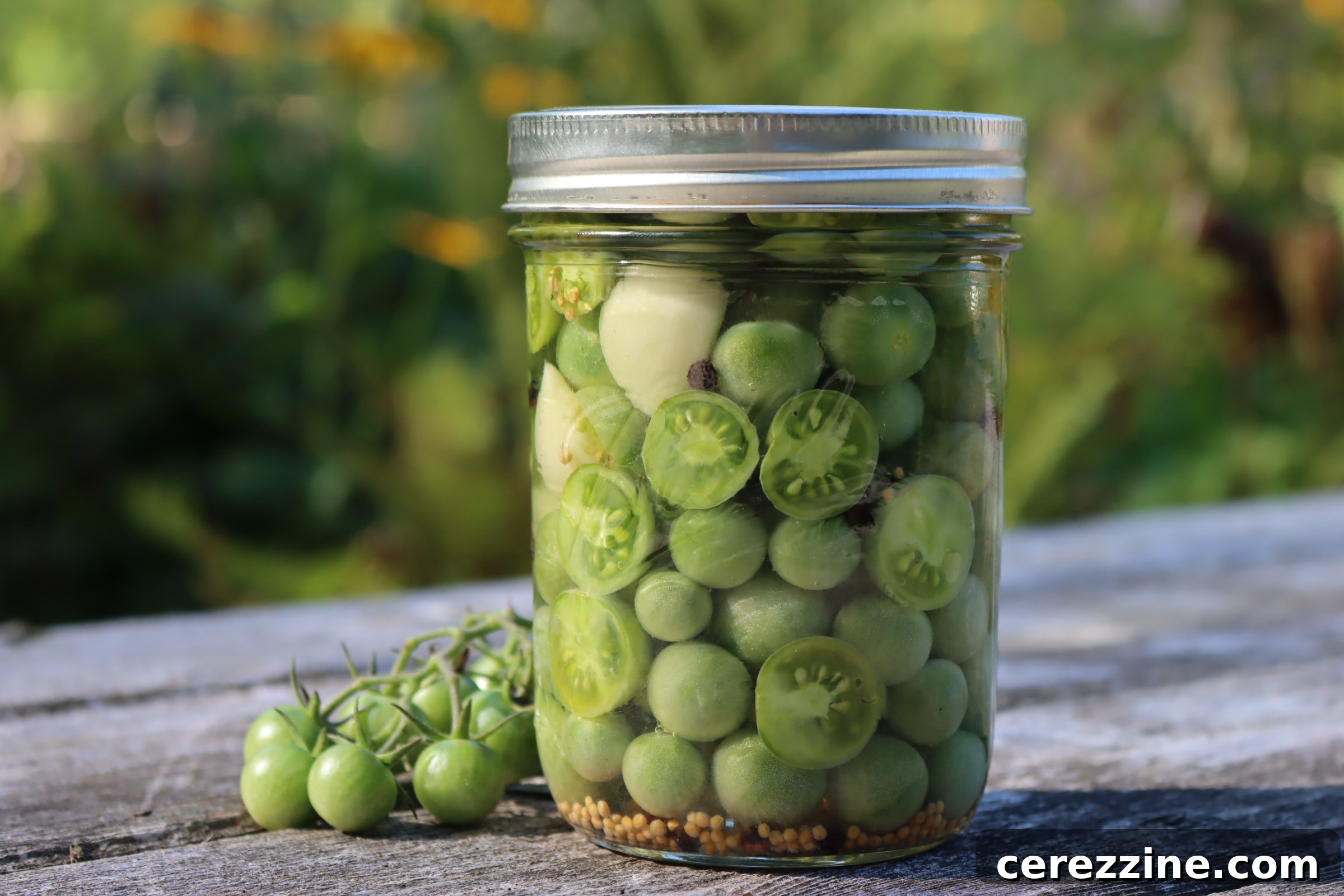
While often preserved through canning or sauces, pickling tends to be one of the last methods people consider for tomatoes. However, if you find yourself with a bumper crop, pickling offers a superb and delicious way to store them. I have a particular fondness for pickled cherry tomatoes; I always seem to harvest more than we can consume by other means. Pickling them ensures they go to good use and can be enjoyed later as a vibrant snack or side. Don’t forget the joy of pickling green tomatoes, which offer a different, firmer texture and unique tartness perfect for preservation.
- Pickled Cherry Tomatoes
- Pickled Green Tomatoes Recipe
Watermelon
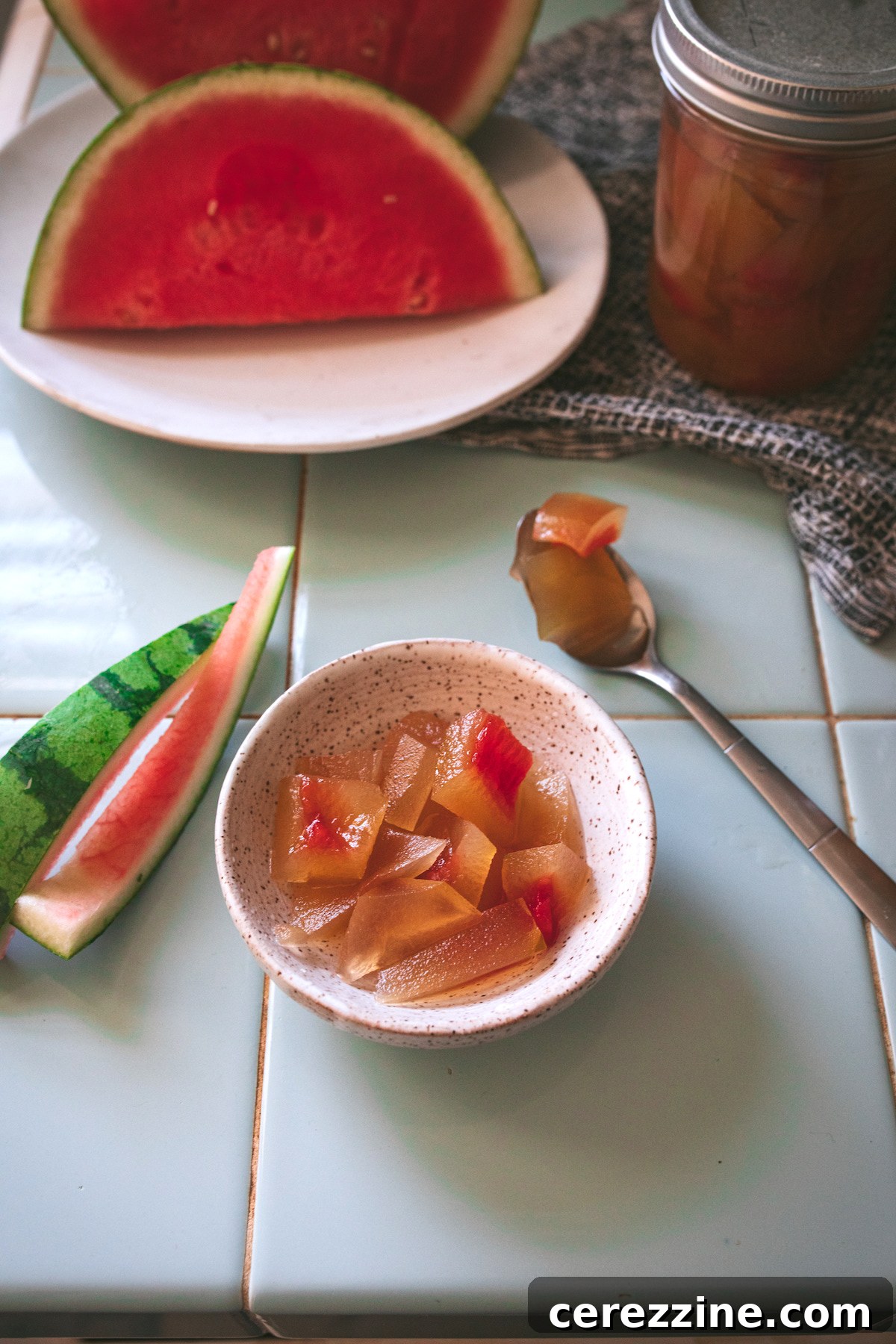
While the juicy flesh of watermelon is delicate, its rind has been a beloved pickling candidate for generations. Watermelon rind pickles offered a much-needed burst of flavor to otherwise bland winter meals on the prairie during the early settler days, even earning fond mentions in the classic “Little House on the Prairie” books. Imagine a winter diet consisting primarily of salt pork and corn grits; a few tangy pickles, even those made from rind, would go a long way in spicing things up and adhering to the philosophy of “waste not, want not.” These recipes endure to this day not just for their historical significance, but because they actually yield a surprisingly delicious result. Watermelon rind wonderfully absorbs flavors while maintaining a delightful crispness, making it a unique and satisfying pickle.
- Watermelon Rind Pickles
Zucchini
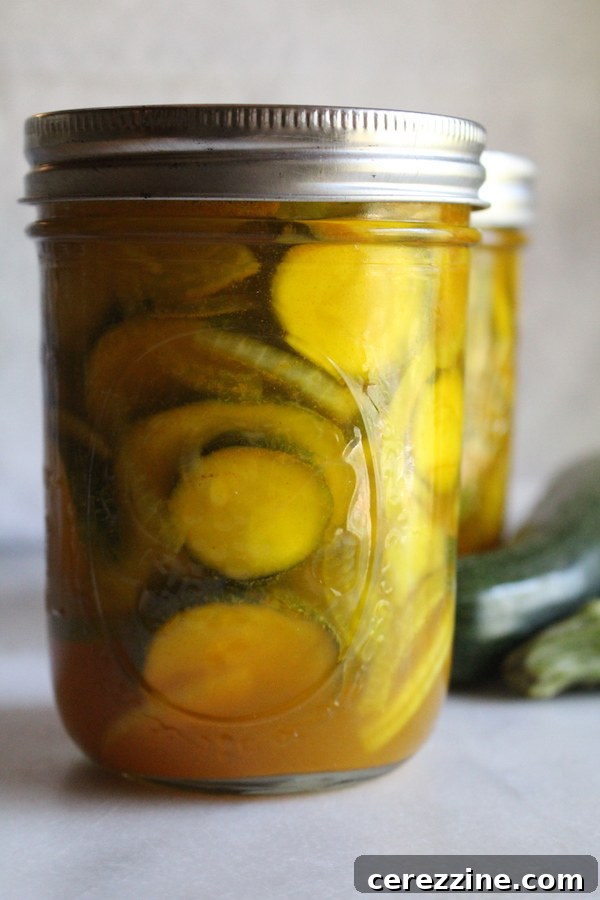
Much like its cousin the cucumber, zucchini possesses a mild, adaptable flavor that makes it an ideal canvas for homemade pickles. Its subtle taste readily absorbs the various spices and flavors of your pickling brine, resulting in a perfectly balanced and satisfying bite. I am particularly fond of transforming zucchini into bread and butter pickles, as the sweet and tangy profile of that classic recipe works absolute wonders with the natural flavors of zucchini. It’s a fantastic way to utilize an abundant summer squash harvest and create a delicious alternative to traditional cucumber pickles.
- Bread and Butter Zucchini Pickles
This extensive collection represents many of my cherished pickling recipes, providing methods to transform nearly every fruit and vegetable imaginable. If there are any of your personal favorites that I might have overlooked, please don’t hesitate to share them in the comments below. I am always eager for the opportunity to discover and try out new and exciting pickling recipes!