
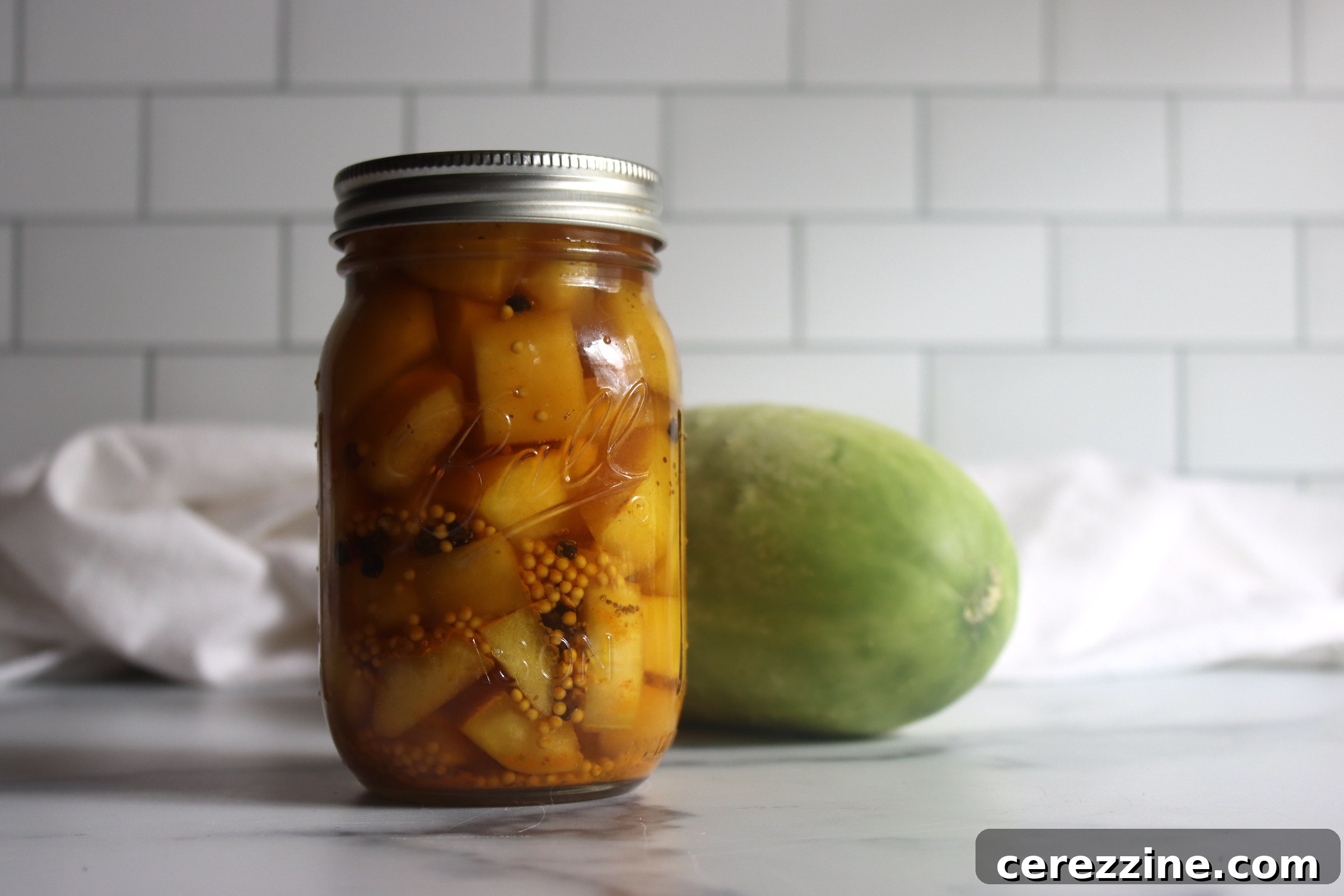
Danish Asier pickles made with ripe cucumbers, sugar, and warm spices. A sweet, spiced canning recipe perfect for overgrown garden cucumbers.
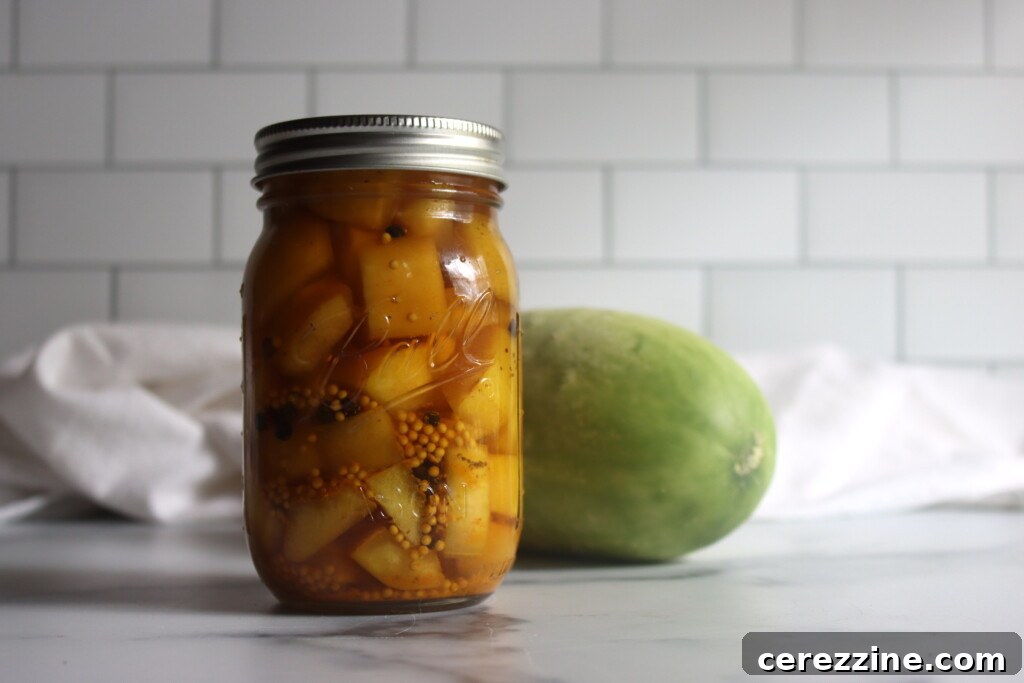
Authentic Danish Asier Pickles: The Ultimate Recipe for Overgrown Cucumbers
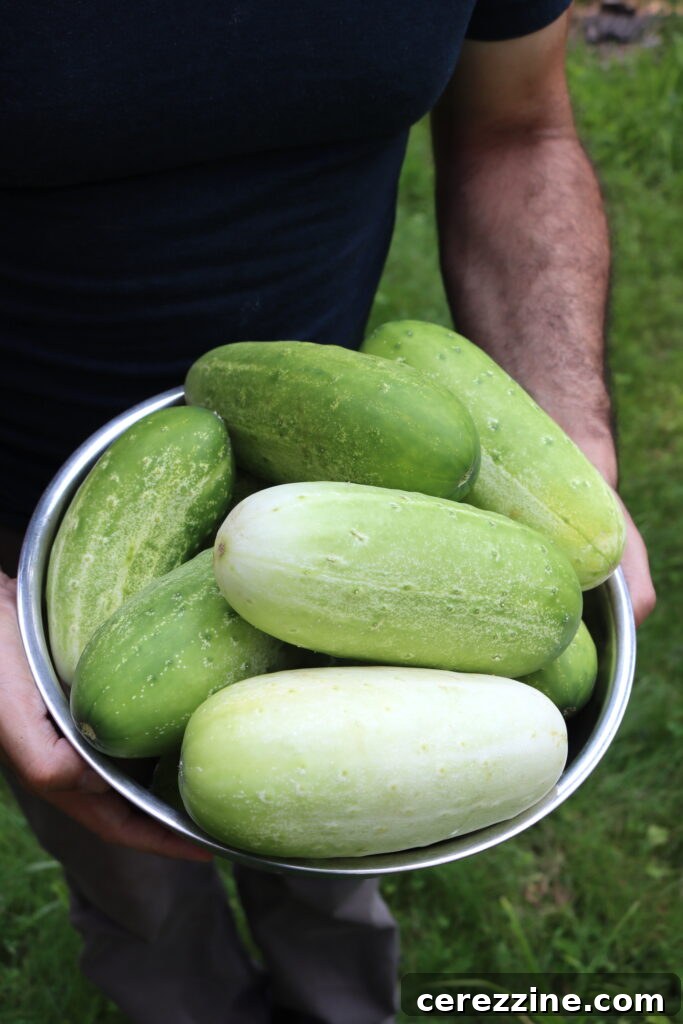
Every dedicated gardener eventually encounters the delightful, yet sometimes daunting, challenge of an unexpected harvest. Picture this: you venture into your garden, anticipating crisp, green cucumbers, only to discover a few oversized specimens hiding beneath a canopy of leaves. These aren’t the tender, snackable cukes you usually pick; they’re fully ripe, often a vibrant yellow, and packed with mature seeds. While they might seem past their prime for fresh eating or standard slicing pickles, these garden giants are, in fact, absolutely perfect for crafting a time-honored Scandinavian delicacy: traditional Danish Asier Pickles.
Instead of composting these bountiful surprises, this recipe invites you to transform them into something truly exceptional—a batch of delightfully crisp, sweet, tangy, and warmly spiced pickles. Danish Asier Pickles are a culinary staple in Scandinavian homes, celebrated for their robust flavor and satisfying texture. This guide will walk you through the simple, two-day process of turning your overgrown cucumbers into a cherished pantry item, ensuring both safety and an explosion of authentic taste.
What Makes Danish Asier Pickles a Unique Culinary Delight?
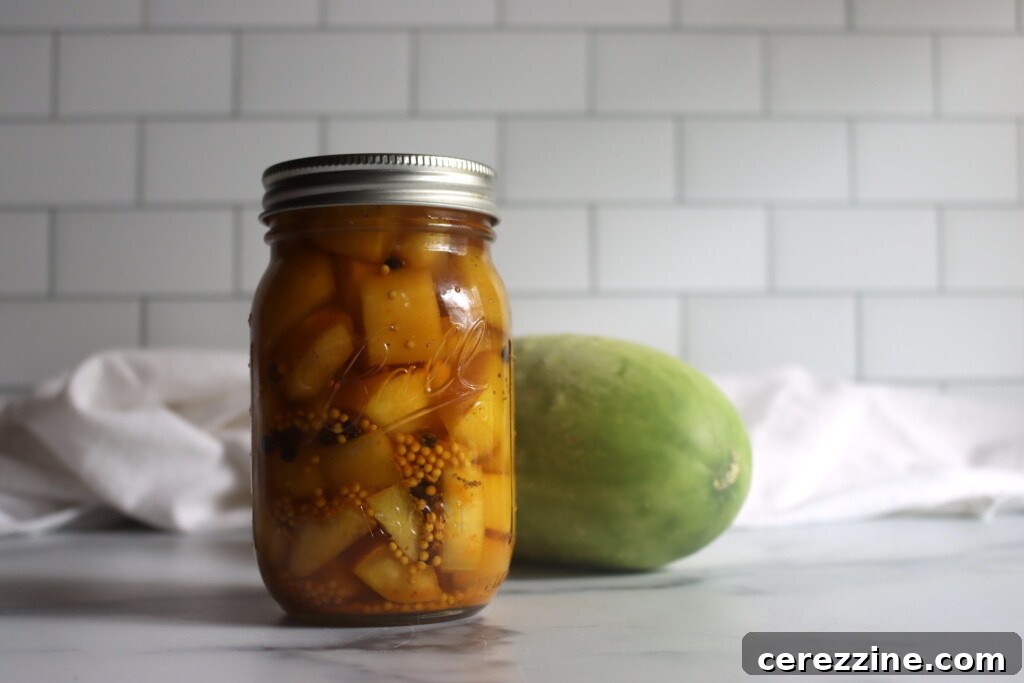
Danish Asier pickles stand out in the world of preserved foods. They are characterized by their chunky cucumber pieces, enveloped in a sweet and tangy vinegar brine, and infused with a distinctive blend of warm spices. Unlike many dill or sour pickle varieties, Asier pickles embrace a richer, sweeter profile, which is beautifully balanced by the acidity of the vinegar and the earthy warmth of the spices. This unique combination creates a pickle that is both refreshing and deeply comforting.
A Taste of Scandinavian Tradition and Culture
Asier pickles are more than just a condiment; they are a testament to Scandinavian ingenuity in preserving seasonal produce. Historically, they provided a flavorful way to enjoy cucumbers long after the summer harvest. In Denmark, these pickles are a beloved accompaniment to a wide array of dishes. You’ll often find them served alongside rich, savory fare like roast pork, traditional meatballs (frikadeller), or as a vital component of the iconic open-faced sandwiches known as smørrebrød. Their tender texture and complex flavor make them an indispensable part of a traditional Danish meal, adding brightness and warmth to every bite.
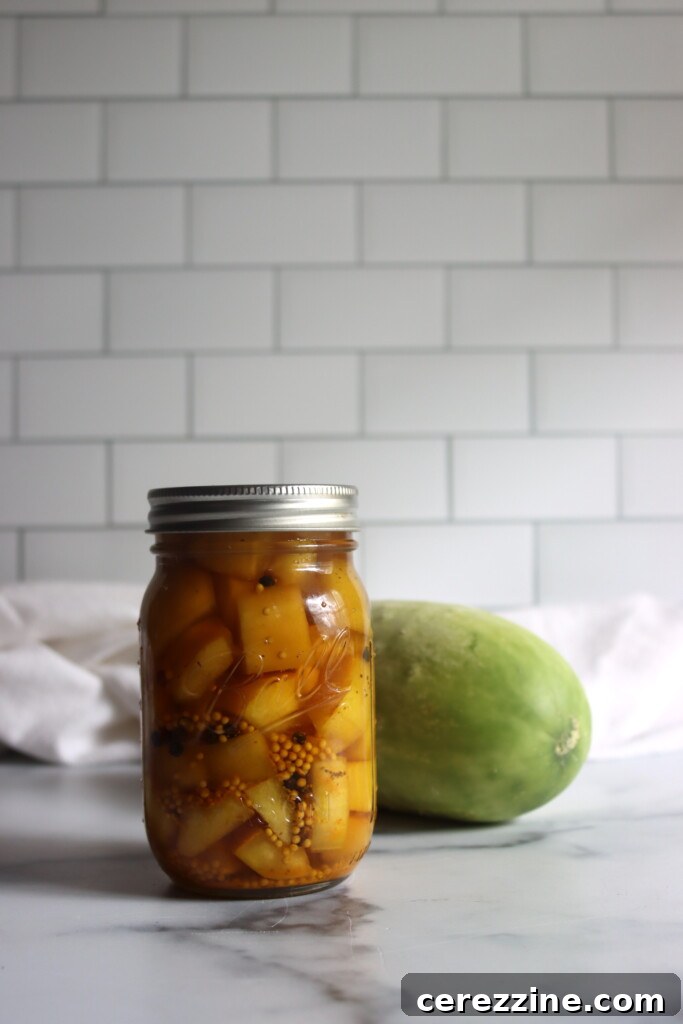
Why You’ll Adore This Danish Asier Pickles Recipe
- Ideal for Overgrown Cucumbers: This recipe is a revelation for gardeners, providing a truly delicious purpose for those large, ripe cucumbers that are too mature for other uses. Say goodbye to garden waste!
- Unforgettable Sweet and Spiced Flavor: The harmonious blend of brown sugar with turmeric, ginger, mustard seed, and black peppercorns creates an aromatic and uniquely satisfying taste experience that will delight your palate.
- Authentic Scandinavian Experience: Crafting these pickles offers a genuine connection to Danish culinary heritage, allowing you to enjoy a classic preservation method at home.
- Incredibly Versatile: From enhancing roast dinners and cheese boards to elevating traditional sandwiches, these pickles are a fantastic culinary companion for countless dishes.
- Rewarding and Simple Canning: With clear, two-day instructions, even novice canners can achieve fantastic results and stock their pantry with homemade goodness.
Understanding the Essential Ingredients for Danish Asier Pickles
The magic of Danish Asier Pickles lies in a carefully selected combination of ingredients, each contributing to their signature sweet, tangy, and warmly spiced profile. While there are similarities to other sweet pickle recipes, the distinct addition of brown sugar and specific warm spices truly defines their Scandinavian character. This particular recipe draws inspiration from “The Joy of Pickling,” a trusted resource for safe and delicious home canning.
Pre-Soak Ingredients: Laying the Foundation for Perfect Pickles
- 3 1/4 lbs Ripe Cucumbers, peeled and seeded (approximately 3 large): The star of the show! For Asier pickles, seek out cucumbers that have fully matured, often exhibiting a yellow hue and containing large, well-developed seeds. These characteristics, which might render them less appealing for fresh consumption, are precisely what makes them ideal here. Their firm flesh holds up beautifully during the pickling process, absorbing the brine without becoming mushy.
- 1/4 cup Pickling Salt: Crucial for the initial salt soak, pickling salt is a pure granulated salt free from anti-caking agents or iodine. These additives, found in common table salt, can lead to cloudy brine or discolored pickles. The overnight salt soak is a fundamental step that extracts excess moisture from the cucumbers. This not only enhances their texture, making them crisper, but also preps them to better absorb the flavorful pickling brine, ensuring a truly delicious and well-preserved pickle.
Pickling Brine Ingredients: Crafting the Signature Flavor
- 3 cups Cider Vinegar (5% acidity): Vinegar is the preservative and tang-provider for your pickles. Cider vinegar is highly recommended for Danish Asier pickles due to its mellow, slightly fruity notes that harmonize wonderfully with the sweet and warm spices. If unavailable, white vinegar (at least 5% acidity) can be used, but cider offers a more complex flavor. Always confirm your vinegar’s acidity level for safe canning.
- 1 cup Light Brown Sugar: A defining ingredient for Asier pickles. Brown sugar contributes a rich, molasses-like sweetness and a beautiful caramel depth, giving the brine its characteristic amber color. Its complex flavor profile provides a perfect counterpoint to the vinegar and an ideal partner for the warm spices.
- 1 cup Granulated Sugar: Working in conjunction with brown sugar, granulated sugar ensures a clean, bright sweetness that prevents the brine from becoming too heavy or cloying. The blend of both sugars achieves a balanced sweetness, allowing the subtle nuances of the spices to shine through.
- 1 tsp Black Peppercorns: These add a delicate, earthy heat and a pungent aroma, contributing a foundational warmth to the overall spice blend without dominating the other flavors.
- 1 tsp Mustard Seeds: A classic pickling spice, mustard seeds introduce a distinct, slightly sharp, and pungent flavor, vital for the traditional Asier taste profile.
- 1/2 tsp Celery Seeds: These small seeds impart a unique, subtly bitter, and earthy-celery note, adding an intriguing layer of herbal complexity to the pickling brine.
- 1 tsp Ground Turmeric: Beyond its striking golden-orange hue, turmeric provides an earthy, warm, and slightly bitter flavor. It is essential not only for the visual appeal but also for the authentic taste of Danish Asier Pickles.
- 1/2 tsp Ground Ginger: Ground ginger brings a vibrant, zesty, and slightly spicy warmth. Its aromatic qualities perfectly complement the brown sugar and turmeric, elevating the entire flavor profile.
Essential Equipment for Successful Danish Asier Pickles Canning
Achieving safe and delicious homemade preserves requires the right tools. Here is a list of essential equipment that will make your Danish Asier Pickles canning project smooth and successful:
- Water Bath Canner: A large pot specifically designed for canning, featuring a rack at the bottom to keep jars off the pot’s base and allow water to circulate. This is fundamental for safely processing high-acid foods like pickles.
- Canning Jars with Lids and Rings: Choose standard canning jars (pint or quart sizes work well for this recipe) that are specifically designed for heat processing. Always inspect jars for chips or cracks, especially around the rims. New, unused canning lids are crucial for ensuring a reliable, airtight seal every time.
- Large Non-Reactive Bowl or Container: Essential for the overnight salt soak of your cucumbers. Materials like glass, ceramic, or food-grade plastic are ideal. Avoid reactive metals such as aluminum or copper, which can interact negatively with salt and vinegar, potentially affecting flavor and safety.
- Large Saucepan: Needed for preparing the pickling brine. Choose one with sufficient capacity to hold all the brine ingredients and the cucumber chunks.
- Sharp Knife and Cutting Board: For efficiently peeling, deseeding, and chopping your cucumbers into uniform chunks.
- Measuring Cups and Spoons: Accurate measurements are key to successful pickling, ensuring the correct balance of flavors and safe acidity levels.
- Jar Lifter: An indispensable tool for safely gripping and transferring hot jars into and out of the boiling water canner, preventing burns and spills.
- Canning Funnel: A wide-mouthed funnel that fits snugly into the jar opening, minimizing spills and helping to keep jar rims clean during filling. Clean rims are vital for a proper seal.
- Headspace Tool: A small, often multi-functional tool used to precisely measure the headspace (the empty space between the food and the jar lid). Correct headspace is critical for vacuum seal formation.
- Bubble Remover / Non-Metallic Spatula: Used to gently release any trapped air bubbles from the packed jars before sealing. Removing air ensures all food is submerged in brine and helps create a strong seal.
- Clean Cloths: Keep several clean cloths on hand for wiping down jar rims before applying lids, as any food residue can prevent a perfect seal.
How to Make Danish Asier Pickles: A Detailed Two-Day Process
Crafting these traditional pickles involves a careful, two-day approach. The first day is dedicated to preparing the cucumbers and initiating a salt soak, while the second day focuses on creating the brine, pickling, and safely preserving your delicious creations through canning.
Day 1 – Preparation and the Essential Salt Soak
- Prepare the Cucumbers: Begin by thoroughly washing your ripe, overgrown cucumbers under cold water. Using a sturdy vegetable peeler, remove the tough outer skin. Next, slice each cucumber in half lengthwise. With a spoon, carefully scoop out the mature seeds and any pulpy, watery interior. This step is crucial, as removing the seeds prevents the pickles from becoming too watery or bitter.
- Chop the Cucumbers: After deseeding, cut the cucumber halves into strips. Then, chop these strips into chunky ¾- to 1-inch cubes. The substantial size of these pieces is characteristic of authentic Asier pickles, providing a satisfying, hearty bite that absorbs flavor beautifully.
- Initiate the Salt Soak: Transfer all the chopped cucumber chunks into a large, non-reactive bowl or container (glass, ceramic, or food-grade plastic work best). Sprinkle the ¼ cup of pickling salt evenly over the cucumbers and toss them gently but thoroughly to ensure every piece is coated. Cover the bowl loosely and allow the cucumbers to sit overnight (for approximately 8-12 hours) at room temperature. This vital salt soak draws out a significant amount of water from the cucumbers, firming up their texture and concentrating their natural flavor, which is key to preventing soggy pickles and promoting optimal brine absorption.
Day 2 – Rinse, Brine Creation, and Pickling
- Rinse Cucumbers Thoroughly: The next morning, you will observe a substantial amount of liquid collected in the bowl. Drain the salted cucumbers in a colander. Rinse them meticulously under cold running water for several minutes, gently tossing them to ensure all excess salt is removed. This thorough rinsing step is paramount to prevent your finished pickles from being excessively salty. Set the rinsed cucumbers aside in the colander to drain completely while you prepare the pickling brine.
- Prepare the Pickling Brine: In a large, non-reactive saucepan, combine the cider vinegar, light brown sugar, granulated sugar, black peppercorns, mustard seeds, celery seeds, ground turmeric, and ground ginger. Bring this mixture to a strong, rolling boil over medium-high heat, stirring continuously until both the brown and granulated sugars are completely dissolved. This ensures a smooth, homogeneous, and evenly flavored brine.
- Briefly Cook Cucumbers in Brine: Once the brine is boiling vigorously, add the thoroughly drained cucumber chunks to the saucepan. Allow the mixture to return to a hard boil. Let it cook for precisely 1 minute. This brief cooking time serves to gently tenderize the cucumbers and allows them to immediately begin absorbing the rich flavors of the brine without becoming overly soft or mushy. Immediately remove the saucepan from the heat after 1 minute.
- Pack the Jars: Carefully ladle the hot cucumber chunks into sterilized pint or quart canning jars, ensuring you leave ½ inch of headspace. Headspace is the empty space between the food and the rim of the jar, and it is crucial for creating a proper vacuum seal during processing.
- Fill with Brine and Remove Air Bubbles: Pour the hot pickling brine over the cucumbers, ensuring they are completely submerged while still maintaining that ½ inch of headspace. Insert a clean, non-metallic utensil (such as a plastic spatula or chopstick) into each jar and gently run it around the inside to release any trapped air bubbles. Adjust the liquid level by adding more brine if necessary to maintain the correct headspace after removing bubbles.
- Clean Rims and Apply Lids: Wipe the rims of the jars clean with a damp, clean cloth. Any food residue on the rim can prevent a proper seal. Center new, warmed canning lids on top of the jars, then apply the screw bands (rings) and tighten them finger-tight.
- Process in a Water Bath Canner: Carefully place the filled and sealed jars onto the rack in your preheated water bath canner. Ensure the jars are fully submerged by at least 1 inch of water. Bring the water to a rolling boil. Once boiling, process pint jars for 10 minutes and quart jars for 15 minutes. Remember to adjust these processing times for higher altitudes (refer to the detailed altitude adjustments section below).
- Cool and Store: After the processing time is complete, turn off the heat and carefully remove the jars from the canner using a jar lifter. Place them upright on a towel-lined counter, spaced apart, and allow them to cool undisturbed for 12–24 hours. As they cool, you should hear the lids “pop,” indicating a successful seal. Once completely cool, check all seals by pressing on the center of the lid; it should be concave and not flex. Store properly sealed jars in a cool, dark place.
While these pickles can be enjoyed right away, their flavors truly deepen, meld, and mature beautifully after a minimum of two weeks of curing in the jar. Patience in this stage will be richly rewarded with an even more complex and delicious pickle!
Critical Canning Altitude Adjustments for Danish Asier Pickles
For safe and effective home canning, it is absolutely essential to adjust your processing times according to your elevation above sea level. This is because water boils at lower temperatures at higher altitudes, requiring longer processing to ensure the safety and shelf-stability of your preserves. Always adhere to these guidelines for water bath canning:
- For 0 to 1,000 Feet in Elevation: Process pint jars for 10 minutes, and quart jars for 15 minutes.
- For 1,001 to 6,000 Feet in Elevation: Process pint jars for 15 minutes, and quart jars for 20 minutes.
- Above 6,001 Feet in Elevation: Process pint jars for 20 minutes, and quart jars for 25 minutes.
Danish Asier Pickles Recipe
By: Ashley Adamant
Traditional Danish Asier pickles made with overripe cucumbers, sweetened with brown sugar, and spiced with turmeric and ginger. A perfect way to use big garden cukes.
- Servings: 30 Servings, Makes 4 to 5 pints
- Prep Time: 8 hrs
- Cook Time: 10 mins
- Canning Time: 10 mins
- Total Time: 8 hrs 20 mins
Equipment
- Water Bath Canner
- Canning Jars (Pint or Quart) with new lids and bands
- Large Non-Reactive Bowl
- Large Saucepan
- Sharp Knife and Cutting Board
- Measuring Cups and Spoons
- Jar Lifter
- Canning Funnel
- Headspace Tool
- Non-Metallic Spatula or Bubble Remover
- Clean Cloths
Ingredients
Pre-Soak:
- 3 1/4 lbs Ripe Cucumbers, peeled and seeded (about 3 large)
- 1/4 cup pickling salt
Pickling Brine:
- 3 cups cider vinegar (5% acidity)
- 1 cup light brown sugar
- 1 cup granulated sugar
- 1 tsp black peppercorns
- 1 tsp mustard seeds
- 1/2 tsp celery seeds
- 1 tsp ground turmeric
- 1/2 tsp ground ginger
Instructions
- Prepare Cucumbers: Wash, peel, slice lengthwise, and scoop out seeds from ripe cucumbers. Chop into ¾- to 1-inch cubes.
- Salt Soak: Toss cucumbers with 1/4 cup pickling salt in a non-reactive bowl. Cover and let sit overnight (8-12 hours) at room temperature.
- Rinse: The next day, drain and rinse cucumbers thoroughly under cold water to remove excess salt. Let them drain completely.
- Prepare Brine: In a large saucepan, combine cider vinegar, both sugars, and all spices. Bring to a hard boil, stirring until sugars dissolve.
- Cook Cucumbers: Add drained cucumber pieces to the boiling brine. Return to a hard boil for 1 minute, then immediately remove from heat.
- Pack Jars: Carefully ladle hot cucumber chunks into sterilized canning jars, leaving ½ inch headspace.
- Add Brine & Debubble: Pour hot brine over cucumbers to cover, maintaining ½ inch headspace. Use a non-metallic utensil to remove air bubbles. Adjust brine level if needed.
- Seal Jars: Wipe jar rims clean, center new lids, and apply screw bands finger-tight.
- Process: Process jars in a boiling water bath canner for 10 minutes (pints) or 15 minutes (quarts). Adjust processing time for your altitude (see notes below).
- Cool & Cure: Carefully remove jars and cool on a towel-lined surface for 12-24 hours. Check seals. Store properly sealed jars in a cool, dark place. For best flavor, allow pickles to cure for at least two weeks before enjoying.
Notes
Canning Altitude Adjustments:
Water boils at a lower temperature at higher altitudes, so jars need to be processed a bit longer to ensure safety and shelf stability. Please follow these altitude adjustments for water bath canning Danish Asier Pickles:
- 0 to 1,000 Feet in Elevation: Process pint jars for 10 minutes, and quart jars for 15 minutes.
- 1,001 to 6,000 Feet in Elevation: Process pint jars for 15 minutes, and quart jars for 20 minutes.
- Above 6,001 Feet in Elevation: Process pint jars for 20 minutes, and quart jars for 25 minutes.
Nutrition Information
(Approximate values per serving, based on 30 servings)
- Calories: 66 kcal
- Carbohydrates: 15g
- Protein: 0.4g
- Fat: 0.2g
- Saturated Fat: 0.01g
- Polyunsaturated Fat: 0.02g
- Monounsaturated Fat: 0.03g
- Sodium: 948mg
- Potassium: 100mg
- Fiber: 0.4g
- Sugar: 15g
- Vitamin A: 36 IU
- Vitamin C: 2mg
- Calcium: 17mg
- Iron: 0.3mg
Nutrition information is automatically calculated and should only be used as an approximation. Actual values may vary based on ingredient sourcing and preparation.
Serving Suggestions & Storage for Your Danish Asier Pickles
Once your homemade Danish Asier Pickles have had the recommended curing time of at least two weeks, they are ready to become a star on your table! Their exceptional sweet and spiced flavor profile makes them incredibly versatile. Here are some delightful ways to enjoy your preserved treasures:
- Complement to Roast Meats: This is a quintessential pairing. The tangy sweetness of Asier pickles provides a perfect counterpoint to the richness of roast pork, beef, lamb, or poultry. They are especially wonderful with a traditional holiday roast or a hearty Sunday dinner.
- On Traditional Smørrebrød: Embrace their Scandinavian heritage by serving thin slices of Asier pickles on open-faced rye bread sandwiches. Layer with pâté, various cold cuts, or cheeses for an authentic and delicious experience.
- Enhance Cheese Boards and Charcuterie: Add a vibrant, flavorful contrast to your next cheese or charcuterie platter. Their sweetness pairs beautifully with strong, savory cheeses and cured meats, offering a refreshing bite.
- Alongside Hearty Stews and Casseroles: Serve these pickles as a refreshing side dish with robust stews, comforting casseroles, or any rich meal that benefits from a bright, tangy element to cut through the richness.
- Chopped in Salads: Finely chop a few slices of Asier pickles and incorporate them into potato salad, tuna salad, egg salad, or even green salads for an unexpected burst of sweet and tangy flavor.
Storage Recommendations for Long-Lasting Freshness:
Properly canned Danish Asier Pickles, stored in a cool, dark, and dry place (such as a pantry, cellar, or cupboard), will maintain their excellent quality for at least one year, and often longer. Once a jar has been opened, it must be stored in the refrigerator. For optimal freshness, flavor, and texture, consume opened pickles within 2-3 weeks.
Other Delicious Ripe Cucumber Recipes for Your Garden Bounty
If your garden continues to produce an abundance of those beautiful, overgrown cucumbers even after making a batch of Asier pickles, rejoice! These larger, more mature cucumbers are incredibly versatile and perfect for a wide array of other pickling and preserving projects. Don’t let them go to waste; explore these fantastic alternative ways to utilize your garden’s generous yield:
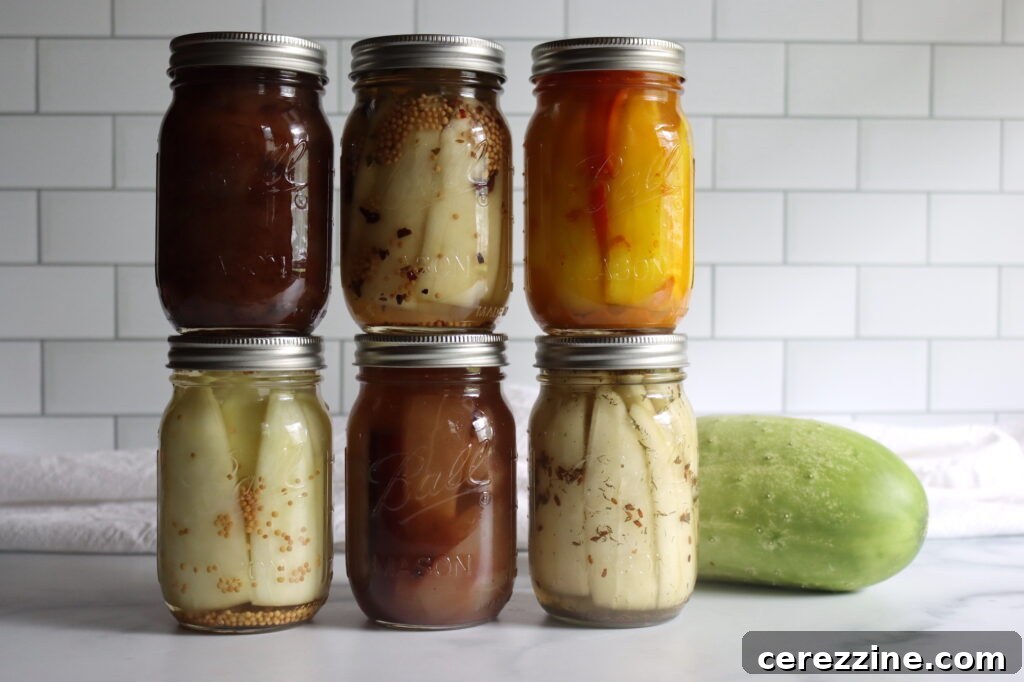
- Russian Bear Claw Pickles: A unique and often savory pickle recipe, frequently featuring robust flavors like garlic and dill, offering a distinct departure from sweeter varieties.
- Vermont Cucumber “Tongue” Pickles: Known for their characteristic lengthwise slice (resembling a tongue) and a delightful balance of sweet-and-sour notes in their brine.
- Dutch Pickles: Often a mild, sweet, and lightly spiced pickle that shares some conceptual similarities with Asier pickles but boasts its own regional flavor nuances and spice blends.
- Ruth’s Pickles (from the American South): A beloved classic sweet pickle originating from the American South, perfect for those who appreciate a brine with a pronounced sugary sweetness.
- Senfgurken (German Mustard Pickles): These robust German pickles highlight mustard as a key ingredient in their brine, providing a tangy, savory, and often spicier alternative to sweeter cucumber preparations.
- Sunshine Pickles: A generally sweet and mild pickle recipe popular across various regions in the United States, offering a straightforward and pleasing method for preserving larger cucumbers.
Conclusion: Embrace Your Garden’s Generosity with Danish Asier Pickles
Transforming those unexpectedly large cucumbers into Danish Asier Pickles is more than just a functional canning project; it’s an rewarding act of culinary creativity and a tribute to time-honored traditions. This recipe offers a delightful and resourceful way to minimize food waste, celebrate the abundance of your garden, and fill your pantry with jars of sweet, tangy, and warmly spiced goodness that will bring joy to your table for months to come. Whether you are a seasoned canner looking for a new favorite or a curious beginner eager to try your hand at preserving, this comprehensive guide provides all the necessary steps to create a truly authentic and flavorful pickle that will be cherished by family and friends. So, next time you discover those overgrown cucumbers, don’t let them go to waste—turn them into a delicious taste of Denmark!