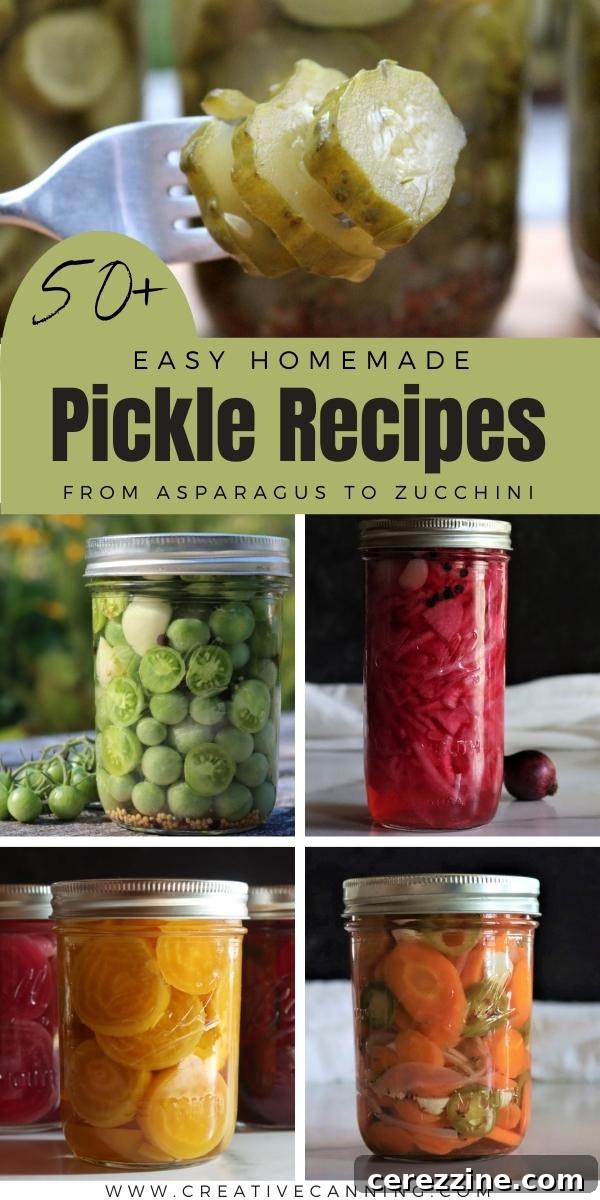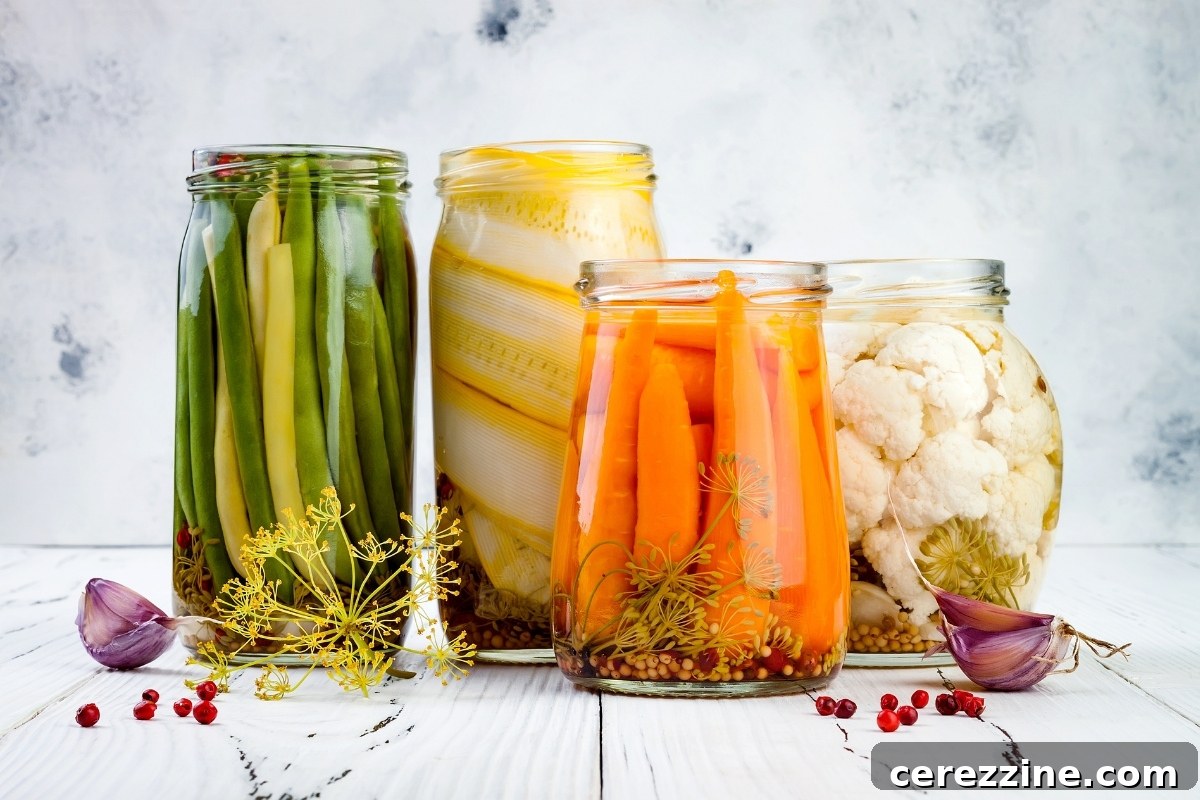
Pickling is a time-honored tradition that extends far beyond the humble cucumber. Imagine a world where the vibrant flavors of your garden’s bounty, from crisp asparagus spears to tender zucchini slices, can be enjoyed year-round. This comprehensive guide will take you on a delicious journey into the diverse realm of pickling, revealing how you can transform nearly any vegetable – and even many fruits – into tantalizing preserves. Whether you’re a seasoned homesteader or a curious beginner, get ready to unlock a universe of tangy, sweet, and savory delights that will invigorate your palate and elevate your meals.
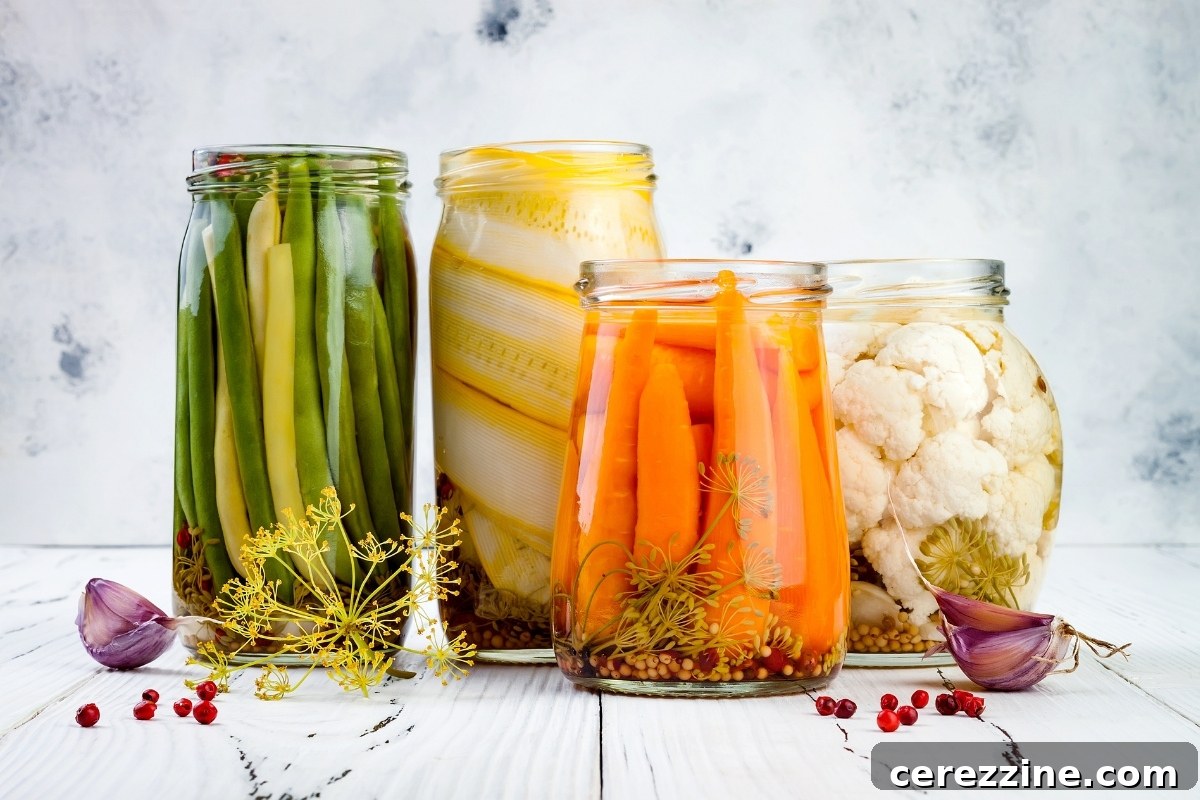
When the word “pickles” comes to mind, most people instantly envision jars filled with classic dill spears or the sweet and tangy crunch of bread and butter slices. Unquestionably, these cucumber pickles are beloved staples, but they represent merely the tip of a vast and exciting culinary iceberg. The art of pickling is an ancient and versatile preservation method that allows you to capture the peak freshness and flavor of almost any food, be it fruits or vegetables. It’s a surprisingly straightforward process that requires little more than a good recipe and a willingness to explore new tastes.
Perhaps, like many, your exposure to pickled foods was limited to the solitary slice on a hamburger or an occasional bite from an antipasto platter. The thought of crafting these savory treats yourself might have seemed daunting or reserved for experienced chefs. However, the world of homemade pickles is wonderfully accessible, offering endless opportunities for creativity and flavor customization.
My own journey into pickling began with a simple desire to preserve the abundant harvest from my homestead. Cucumbers were, naturally, the starting point. Yet, it wasn’t long before I discovered the magic of transforming green beans into “dilly beans” or pickling carrots, which quickly became a cherished family snack. This initial exploration opened my eyes to the incredible variety of foods that could be pickled, a practice deeply ingrained in many cultures worldwide, each boasting unique and mouth-watering recipes.
If you find yourself overwhelmed by a garden bursting with produce, or simply seeking innovative ways to add zest to your pantry, pickling offers an elegant solution. Not only does it extend the shelf life of fresh ingredients, but it also introduces an exciting dimension of flavor and texture to your everyday cooking. Soon, you’ll be incorporating pickled dishes into your meals in countless ways, delighting your family with new and exciting culinary experiences.
Pickling Basics: Mastering the Art of Brine
At the heart of every successful pickle lies a well-crafted brine. This flavorful liquid is not just a carrier for taste but also the primary agent of preservation. While homemade pickling offers immense flexibility in adjusting sweetness, saltiness, and spice levels, understanding the fundamental components of a basic brine is crucial for safety and delicious results.
Vinegar is the cornerstone of pickling, providing the acidity necessary to inhibit bacterial growth and preserve your food. Most standard pickling recipes recommend a brine composition of at least 50% vinegar by volume. This means that for every cup of other liquid you add – be it water, fruit juice, or wine – you must include at least one cup of vinegar to maintain the critical 1:1 ratio. While the specific type of vinegar can vary, it’s paramount to ensure it has a standardized acidity of at least 5%. Rice vinegar, for example, often has a lower acidity of around 3%, which would necessitate a higher proportion in your brine to achieve the desired safety level. Always check the label on your apple cider vinegar, distilled white vinegar, champagne vinegar, white wine vinegar, or malt vinegar to confirm it meets the 5% acidity requirement. Each vinegar type will impart its own subtle flavor notes, allowing you to fine-tune your pickles to perfection.
While it is technically possible to pickle solely with vinegar, the resulting product can be overwhelmingly sour. The notable exception to this rule is bread and butter style pickles, which skillfully balance the intense vinegar with a generous amount of sugar, creating their signature sweet and tangy profile. For most other pickles, a touch of sweetness is essential.
Sugar plays a vital role in balancing the sharp acidity of the vinegar, bringing out the natural sweetness in fruits and vegetables, and contributing to the overall flavor complexity. While some recipes call for a significant amount of sugar, many require only a small quantity to achieve the proper equilibrium. The other half of your brine liquid is typically water, though this is another area where you can unleash your culinary creativity. Experiment with fruit juices or even wine to infuse your pickles with truly unique and sophisticated flavor profiles.
Beyond the liquids, salt and sugar are indispensable ingredients in a basic pickling brine. Both act as preservatives independently, but their combined presence in pickling contributes significantly to the taste and texture of your finished product. While omitting them is technically possible, I strongly advise against it; your pickles will undoubtedly lack the depth of flavor and enjoyable texture you desire. The precise amounts of salt and sugar will vary widely by recipe, but generally, expect to use anywhere from ¼ to 1 teaspoon of salt per pint, and 1 to 2 tablespoons of sugar per pint. These ratios are carefully designed to harmonize the flavors and ensure effective preservation.
But the true soul of your pickles lies in the spices. A basic brine of vinegar, water, sugar, and salt provides the foundation, but it’s the aromatic spices that truly transform raw ingredients into an explosion of flavor. Spices elevate vegetables and fruits, making them truly “pop” on your palate.
Common spices frequently found in homemade pickle recipes include:
- Dill seed
- Mustard seed
- Coriander seed
- Peppercorns
- Garlic
- Onions
- Red pepper flakes
- Bay leaf
- Oregano
When following a recipe, feel empowered to customize the spice blend to suit your personal preferences. Adding or omitting spices will not compromise the safety of your pickles, as long as you adhere strictly to the recommended vinegar proportions in the brine. This allows for endless experimentation, letting you craft pickles that are uniquely yours.
Crisp Pickles: The Secret to that Perfect Crunch
One of the most frequent complaints among home picklers is the dreaded soggy pickle. There’s nothing quite as satisfying as biting into a pickle and hearing that delightful crunch. A soft, flabby pickle, on the other hand, can be incredibly disappointing. Achieving that consistent crispness can seem like a mystery, but after much experimentation, I’ve discovered reliable methods that consistently deliver a satisfying snap.
Firstly, the quality of your produce is paramount. Always select small, firm fruits or vegetables that are just barely ripe, avoiding anything overripe or already soft. The simple truth is, you cannot transform a soggy cucumber into a crispy pickle. Begin with ingredients that inherently possess a firm texture, as this provides the best foundation for a crunchy finished product. Ideally, pickle your produce as soon after harvesting as possible. The longer fruits and vegetables sit, especially at room temperature, the more their cell walls begin to break down, leading to softness. If immediate pickling isn’t possible, an ice water bath for several hours can significantly help maintain firmness.
Beyond starting with quality ingredients, two key additions consistently produce crisp pickles: Ball Pickle Crisp and the inclusion of tannins.
Ball Pickle Crisp, a readily available product in most canning sections, offers an incredibly easy solution. These small, white granules, primarily calcium chloride, work by interacting with the pectin in the fruit or vegetable’s cell walls, helping them maintain their rigidity. Simply follow the package directions, typically adding ⅛ to ¼ teaspoon per jar, depending on its size, before canning. This simple step can make a dramatic difference.
Adding natural tannins to your jars is another effective, traditional method. Tannins, naturally occurring compounds found in various plants, help to firm up the cell walls. Good sources include oak leaves, grape leaves, or even black tea. Placing a small oak leaf, a few fresh grape leaves, or ½ teaspoon of loose black tea directly into each jar can significantly contribute to crispness. It’s important to remember, however, that these methods are most effective when starting with firm produce; they are not a magical cure for already soft fruits or vegetables.
Quick Refrigerator Pickles: Instant Gratification with Flavor
For those who crave the vibrant flavors of homemade pickles without the commitment of traditional canning, quick refrigerator pickles are an absolute game-changer. They’ve soared in popularity, especially on hot days when the thought of firing up a canner is less than appealing. Refrigerator pickles offer an immediate reward, allowing you to enjoy your creations in just a few days.
The process couldn’t be simpler: prepare a flavorful brine on your stovetop, pack your chosen vegetables or fruits into clean jars with your desired spices, pour the hot brine over them, and seal the jars. As their name suggests, these pickles are stored in the refrigerator, where the cold temperature and acidic brine work together to preserve them. The beauty of refrigerator pickles lies in their rapid preparation and vibrant, fresh taste.
It’s important to note that refrigerator pickles have a shorter shelf life compared to their canned counterparts, typically remaining fresh for up to six weeks when stored correctly. To maximize their longevity and maintain consistent coolness, always keep them towards the back of your fridge. This method is ideal for smaller batches and for enjoying seasonal produce promptly, offering a delicious and low-fuss introduction to the world of pickling.
Canning Pickles: Long-Term Preservation for Year-Round Enjoyment
When long-term storage is your goal, canning homemade pickles is the definitive method. Pickles are inherently high in acidity, thanks to their vinegar-based brine, making them perfectly suited for the boiling water bath canning method. This low-temperature pasteurization process effectively eliminates spoilage-causing bacteria and creates an airtight seal, allowing you to store your delicious preserves safely for months, or even years, in your pantry.
The initial preparation for canning pickles mirrors that of refrigerator pickles. Begin by thoroughly washing your chosen fruits or vegetables and slicing them to your desired size. Pack your spices into clean canning jars, followed by the prepared produce. Simultaneously, prepare your pickling brine on the stove. Depending on the recipe, you might either cook the vegetables briefly in the brine before packing the jars, or simply pour the hot brine directly over the raw produce already in the jars. Always refer to your specific recipe for precise instructions.
A critical element in canning pickles, and indeed all canned goods, is maintaining the proper headspace. Headspace refers to the empty space between the surface of the food and the rim of the jar. The USDA recommends leaving ½ inch of headspace for all pickles processed in a boiling water bath. This space is essential for a proper seal to form and prevents the jar from overflowing during processing, which could compromise the seal. Once jars are filled and headspace is adjusted, lids and rings are applied, and the jars are carefully lowered into a boiling water bath canner. The general processing time for pint jars of pickles is 15 minutes, but it is absolutely crucial to consult the specific recipe you are following, as processing times can vary based on altitude and the type of pickle. Adhering to these guidelines ensures both the safety and quality of your preserved pickles.
Pickling Recipes: A World of Flavor Beyond Cucumbers
This curated collection of pickling recipes offers an extensive array of options, many of which are approved for safe canning, while others are specifically designed for quick refrigeration. It’s important to note that certain foods, like pickled eggs, are not recommended for canning due to safety concerns and are best enjoyed as refrigerator pickles. While we all love a jar of pickled eggs, their low acidity makes them unsuitable for water bath canning.
Prepare to broaden your horizons as this list embraces both vegetables and a surprising variety of fruits. The notion that pickling is exclusively for vegetables is a common misconception. Opening yourself to pickled fruits, such as apples, can unveil a delightful interplay of sweet and sour flavors that might just become your new favorite snack or condiment. Get ready to transform your harvest into an exciting pantry of preserved treasures!
Apples (& Crabapples)
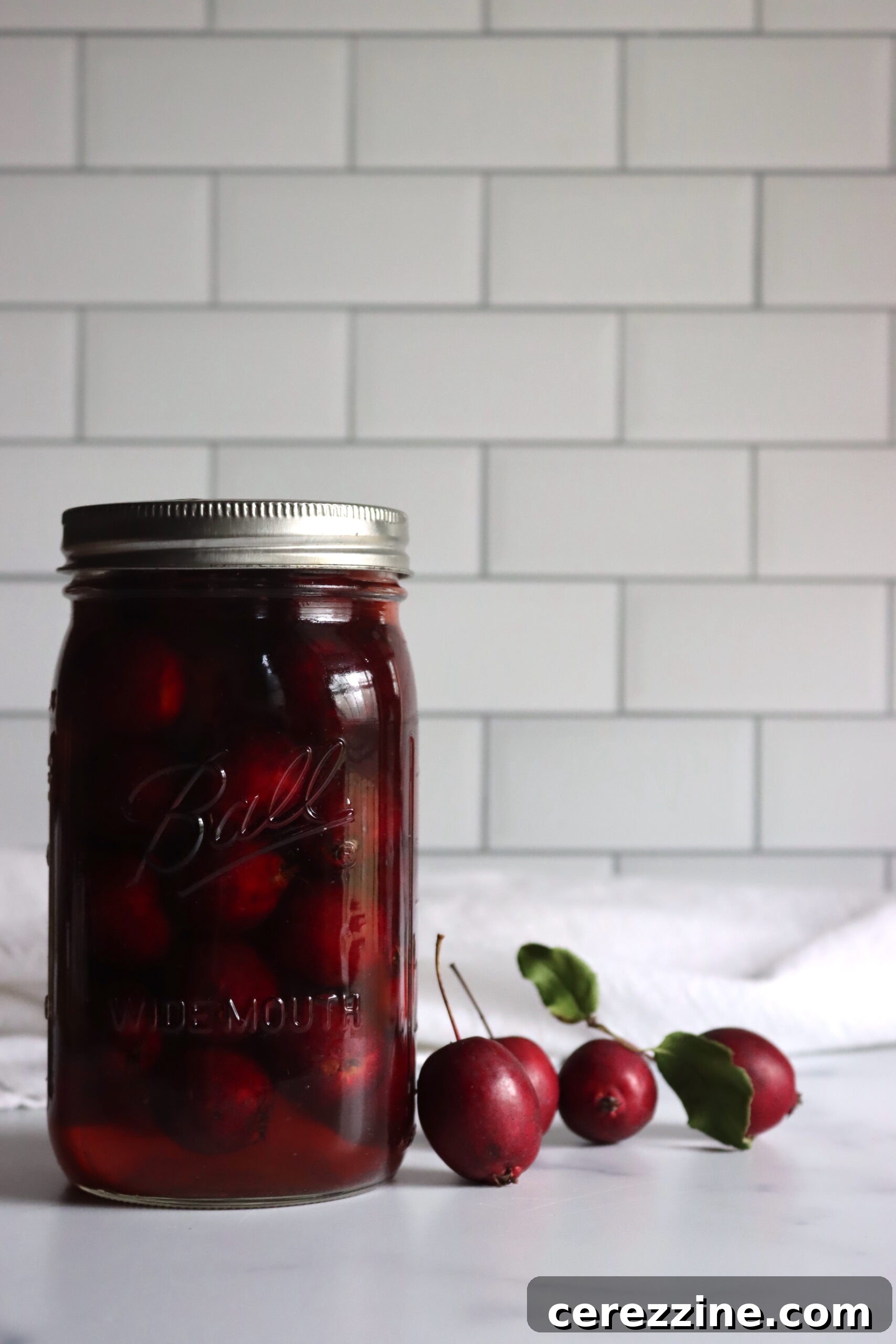
When autumn brings forth a bountiful apple harvest, consider pickling apples and crabapples for a unique and flavorful preservation method. Pickled apple slices offer a wonderfully tangy yet sweet flavor profile, making them an excellent accompaniment to a surprising range of dishes. Imagine them elevating a grilled cheese sandwich, cutting through the richness of pulled pork, or adding a vibrant counterpoint to charcuterie boards.
The beauty of pickling apples lies in the ability to experiment with flavors, leaning towards either a sweeter or more tart brine. Maple syrup and warm, fall-inspired spices like cinnamon, cloves, and allspice work fantastically with this fruit. Don’t hesitate to try different apple varieties, as each offers distinct textures, crispness levels, and tastes when pickled, ensuring a truly personalized creation.
- Quick Pickled Apples
- Apple Refrigerator Pickles
- Spiced Crab Apple Pickles
Apricots
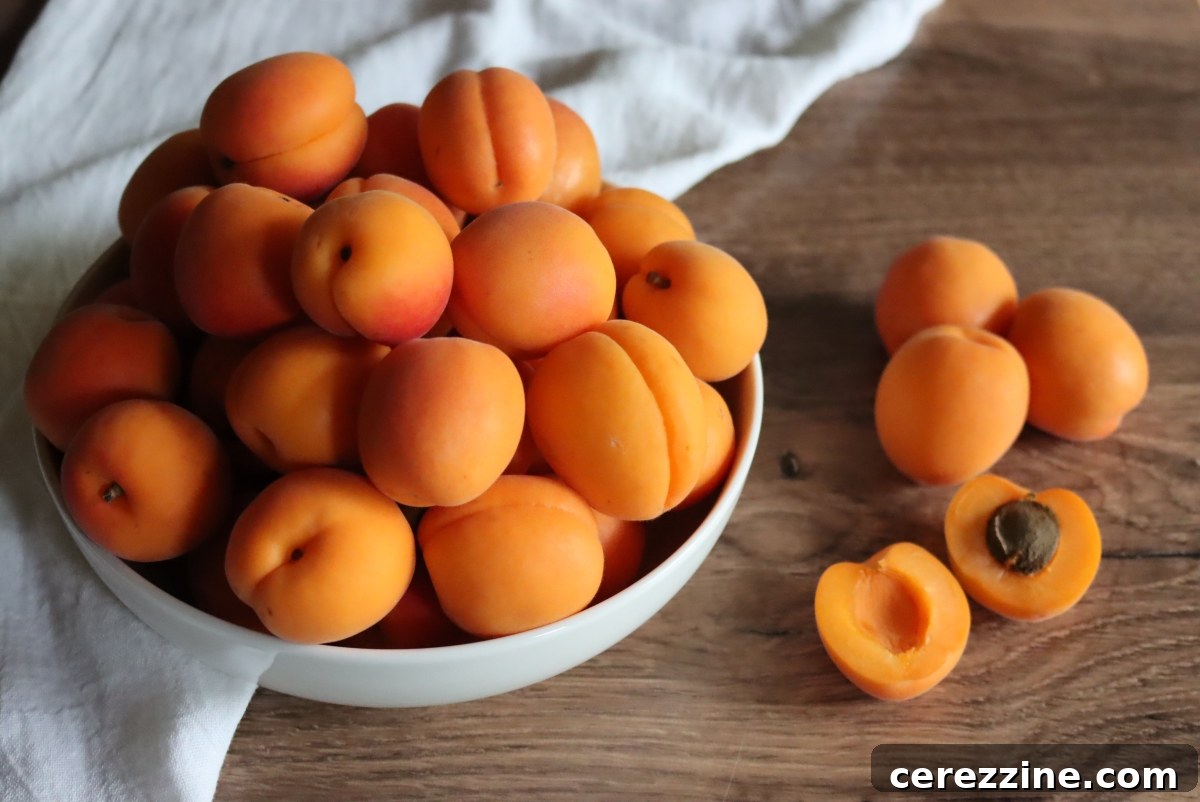
The idea of pickling apricots might seem unconventional at first, but these succulent fruits transform into a perfect sweet and sour treat. Their vibrant, complex flavors pair exceptionally well with savory dishes such as baked ham, barbecued meats, or even roasted poultry. Of course, they are equally delicious enjoyed straight from the jar, offering a burst of sunshine in every bite.
Beyond their exquisite taste, jars of pickled apricots add a stunning visual appeal to your pantry shelves, their bright hues providing a cheerful contrast during the often dreary winter months. They are a delightful way to extend the enjoyment of apricot season.
- Sweet and Sour Pickled Apricots
- Bourbon Pickled Apricots
- Pickled Apricots
Artichokes
Pickled artichokes are a gourmet delight that truly belongs on appetizer platters or elegant cheese boards throughout the year. Their tender yet firm texture and distinctive flavor make them a sophisticated addition to any gathering. A simple pairing with a bit of cheese on a cracker creates an exquisite pre-dinner snack that is both satisfying and flavorful.
Depending on the recipe, some pickled artichokes can boast a fresh, spring-like essence, making them a superb ingredient in salads, adding a tangy complexity. For the best results and to maintain optimal firmness, it’s generally recommended to use small artichoke hearts. And for those who love a unique pizza topping, pickled artichokes add a wonderfully zesty twist that is unexpectedly delicious.
- Pickled Artichoke
- Pickled Baby Artichokes
Asparagus
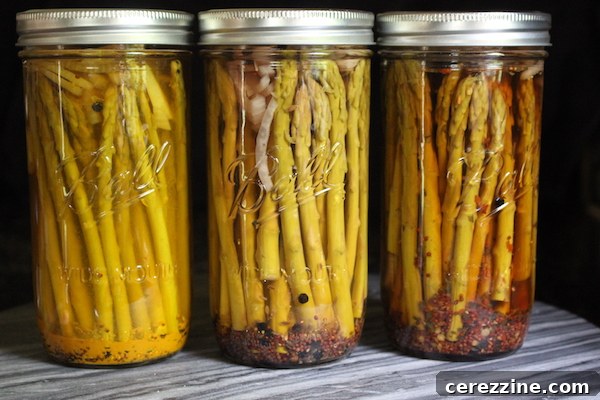
Pickled asparagus often heralds the start of the pickling season and holds a special place among my favorites. What makes asparagus particularly excellent for pickling is its remarkable ability to retain crispness. The vinegar in the brine actively helps preserve its firm texture, often better than methods like pressure canning plain asparagus.
Unlike the more subtly flavored cucumber pickles, pickled asparagus offers a distinct, robust flavor profile. I thoroughly enjoy adding these tangy spears to vibrant salads or serving them alongside homemade fish cakes. Essentially, any dish that would benefit from the fresh flavor of asparagus, combined with a welcome kick of salt and vinegar, will be beautifully complemented by pickled asparagus.
- Pickled Asparagus (3 Ways!)
Beets
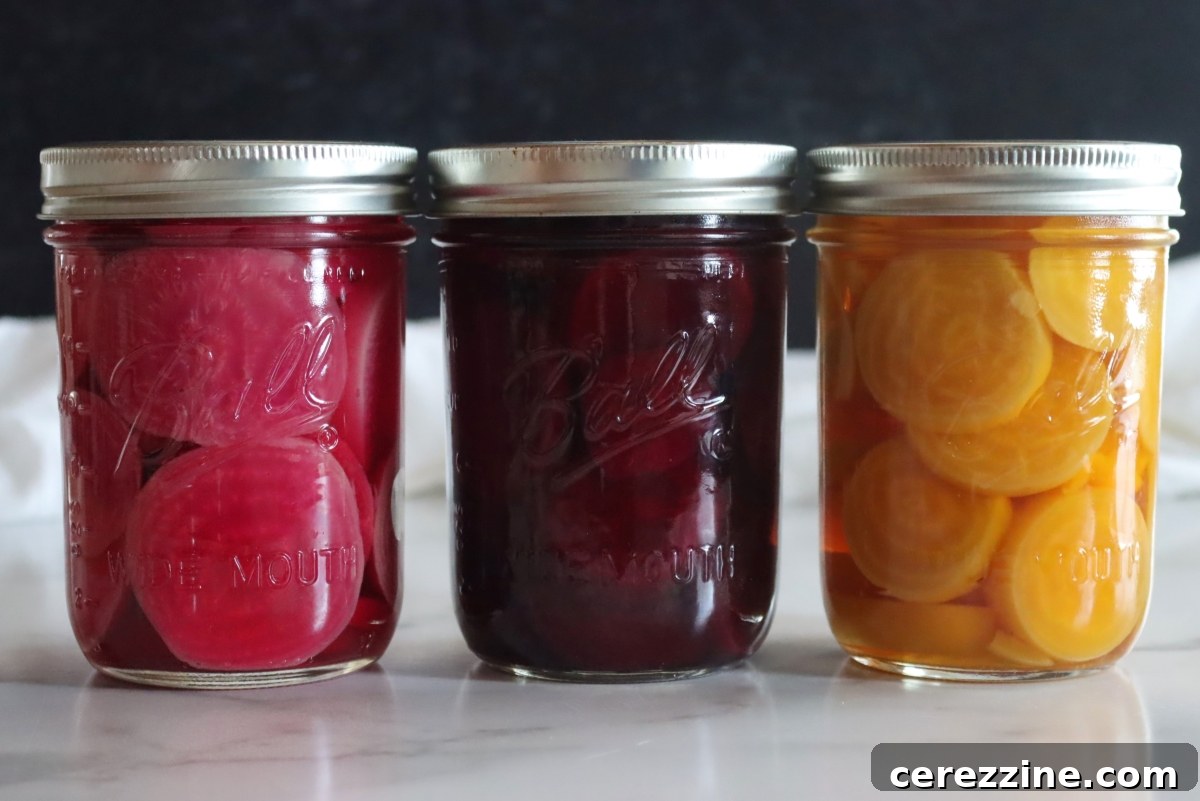
Beets are a quintessential spring vegetable, often among the first plantings in many home gardens each year. This makes pickled beets a perfect choice to kick off your annual pickling adventures. They are not only beautiful with their deep, earthy hues but also incredibly well-suited to the pickling process, earning them a place as a traditional and beloved dish in many cultures.
Many will fondly recall grandparents serving classic pickled beets, and for good reason: they maintain their desirable crispness wonderfully and offer an exceptionally easy and delicious method for preserving abundant beet harvests. Whether you enjoy their natural sweetness balanced by a tangy brine, or appreciate their firm texture, pickled beets are a truly satisfying and timeless preserve.
- Easy Refrigerator Pickled Beets
- Quick Pickled Beets
- Pickled Beets
Blackberries
Don’t let an excess of seasonal blackberries go to waste; try pickling them for an unexpectedly delightful treat! While pickled berries might sound unusual at first, their unique flavor profile works surprisingly well, offering a sophisticated twist when drizzled over fresh salads or even vanilla ice cream.
My personal introduction to pickled blackberries was on a charcuterie board at a friend’s house, and it was love at first bite. The combination of creamy cheese and the sweet, tangy, and savory notes of pickled blackberries creates a flavor explosion that truly knocks your socks off. This balance of flavors makes them an addictive addition to any spread or dish, proving that berries are far more versatile than commonly thought.
- Sweet and Sour Pickled Blackberries
- Easy Pickled Blackberries
- Spiced & Pickled Blackberries
Blueberries
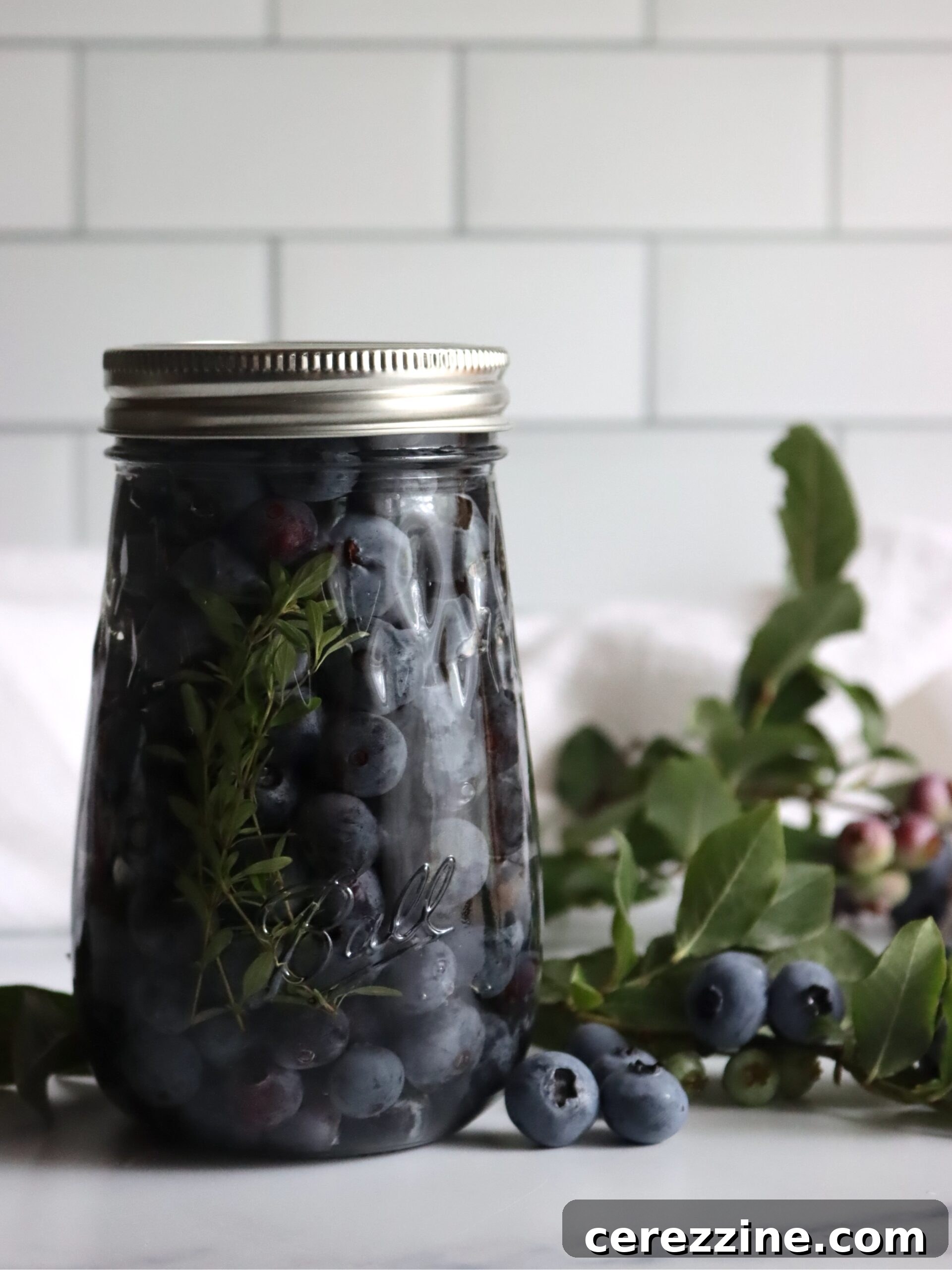
Blueberry season is always a highlight on the homestead, and pickling these luscious berries is a fantastic way to extend their enjoyment. Pickled blueberries serve as an exquisite accompaniment to rich meat and delicate fish dishes, adding a bright, piquant contrast. If you prefer a sweeter pickle, adjust the brine with extra sugar and try drizzling them over ice cream or other decadent desserts for a truly unique topping.
Another ingenious way to utilize pickled blueberries is as an elegant appetizer. Served atop creamy goat cheese, perhaps with a sprinkle of fresh herbs or a drizzle of honey, they are guaranteed to impress your guests and leave them asking for your secret recipe!
- Pickled Fresh Blueberries
- Pickling Blueberries with Rosemary
- Sweet and Tangy Pickled Blueberries
Broccoli
Pickled broccoli makes for a wonderfully crunchy and flavorful snack, and its florets and stems readily absorb the flavors of your chosen brine, allowing for an exciting array of taste profiles. The stems, in particular, retain their satisfying crunch beautifully when pickled, making them an excellent candidate for this preservation method.
Consider incorporating pickled broccoli into appetizer salads, serving it as a vibrant vegetable side dish, or even as a garnish. Many recipes offer options ranging from delightfully spicy to classic tangy and sweet, catering to various preferences. Broccoli stems are often discarded or underutilized, so pickling them is a brilliant zero-waste strategy to enjoy every part of this nutritious vegetable, turning something often overlooked into a delicious highlight.
- Spicy Quick Pickled Broccoli
- Pickled Broccoli Stems
- Spicy Pepper Pickled Broccoli
- Quick Pickled Broccoli
Brussels Sprouts
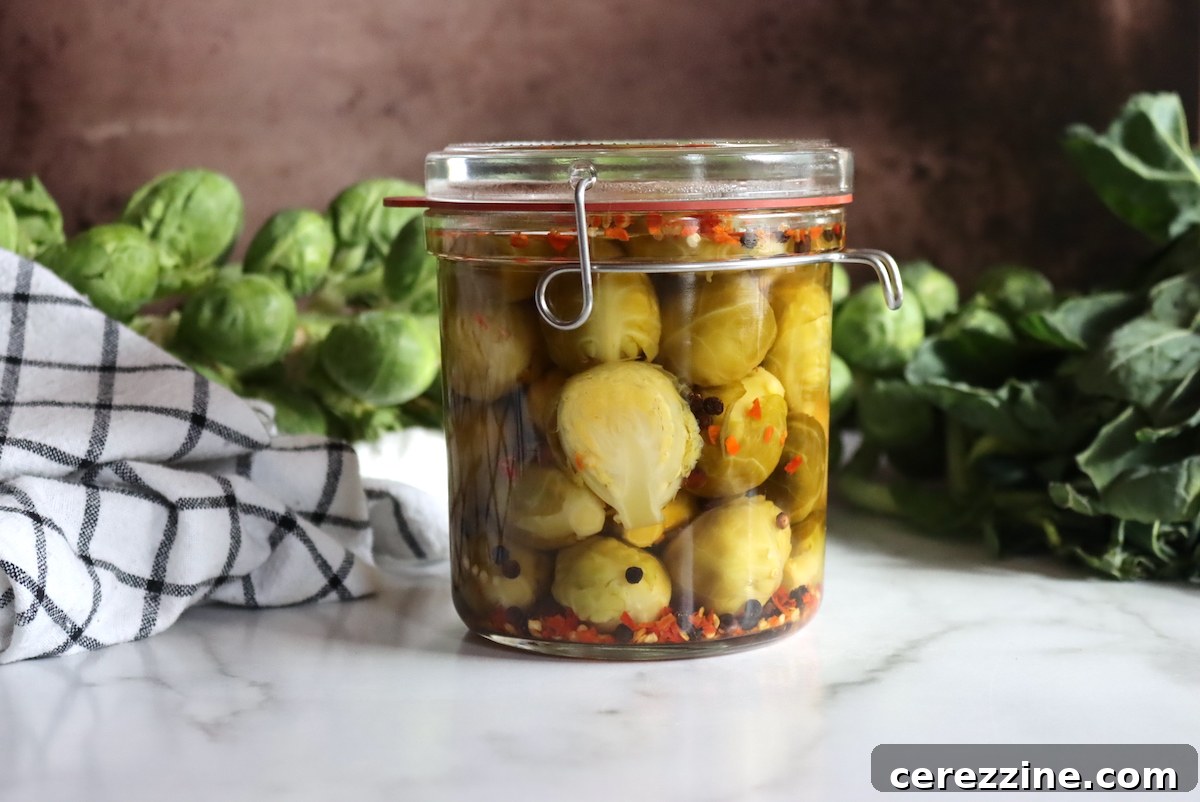
Brussels sprouts are not typically found in conventional canning recipes, but pickling them opens up a fantastic avenue for preservation. If your garden yields an abundance of these miniature cabbages, pickling is an excellent choice, as they possess an inherent firmness that allows them to maintain their satisfying crunch exceptionally well in the brine.
Much like other versatile vegetables, Brussels sprouts readily absorb the flavors you introduce through your spice blend. This adaptability means you can create a wide spectrum of tastes, from a fiery kick to a delicately sweet and tangy profile, ensuring your pickled Brussels sprouts perfectly match your culinary desires. They make a unique and delicious addition to any meal or snack.
- Pickled Brussels Sprouts
Cabbage
Pickling cabbage is a widely recognized and celebrated practice, forming the basis for many long-term storage solutions like classic coleslaw. There are countless recipes to explore, each offering unique flavor profiles and myriad ways to enjoy this versatile preserve, from adding a crunchy handful to sandwiches to serving it as a dynamic side dish.
Having jars of pickled cabbage on hand is a true kitchen asset. It functions beautifully as a condiment, complementing almost anything from rich pork dishes to succulent chicken. One of its most appealing attributes is its ease of preparation and rapid pickling time, often allowing you to enjoy it on the very same day you create it. However, it’s worth noting that while delicious, there are currently no canning-approved recipes for pickled cabbage that retain its optimal freshness and texture. For the best results, stick with quick refrigerator pickles to truly appreciate its vibrant taste and satisfying crunch.
- Easy Pickled Cabbage
- Pickled Red Cabbage
- Sweet & Tangy Pickled Cabbage
Carrots
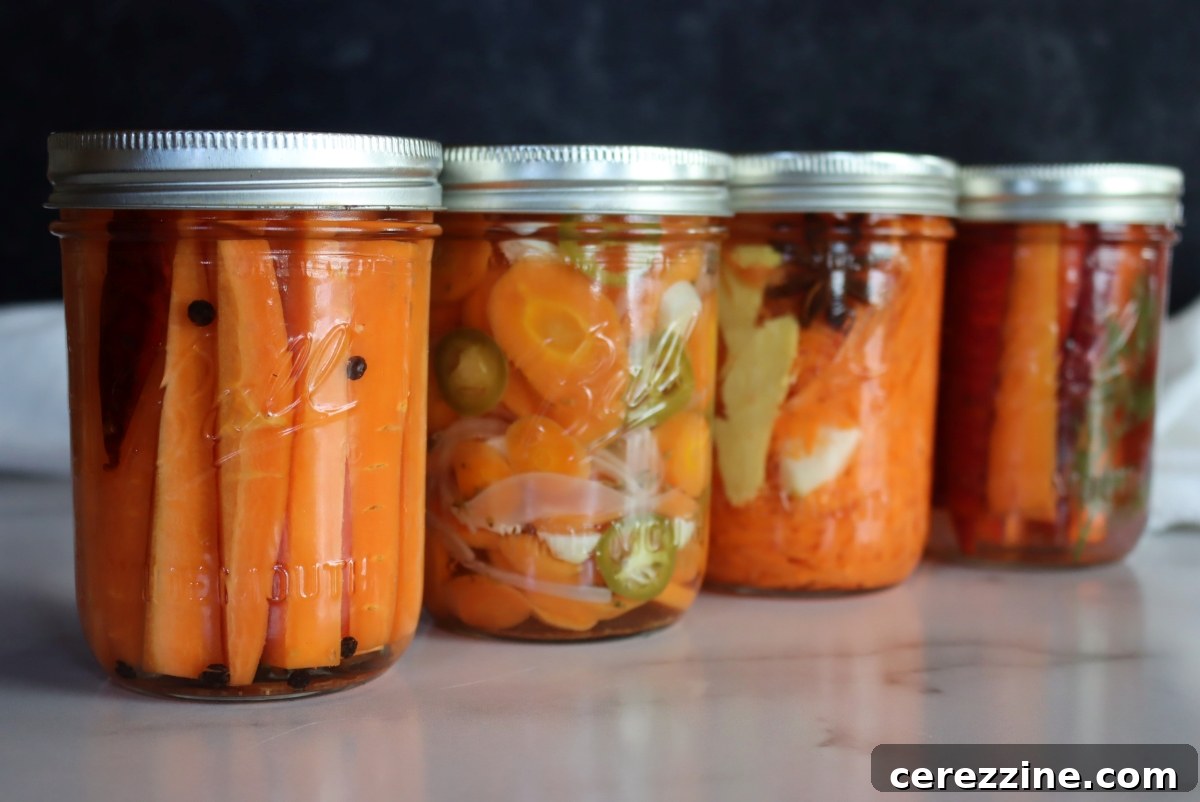
Carrots are undoubtedly one of my absolute favorite vegetables to pickle. My children adore homemade pickled carrot sticks, and I make sure to keep a steady supply on hand throughout the year as a healthy and flavorful snack. While I prefer a brine with slightly less salt and a bit more sugar to accentuate their natural sweetness, the beauty of pickling is that you can easily adjust the flavors to perfectly match your family’s preferences.
Recently, I started adding these vibrant orange sticks to all our appetizer trays, and they’ve become an eagerly anticipated item. It’s safe to say that pickled carrots are a resounding hit with everyone, offering a delightful crunch and a tangy-sweet flavor that brightens any meal or snack time.
- How to Make Pickled Carrots
- Mexican Pickled Carrots
- Spicy Pickled Carrots
- Quick Pickled Carrots
Cauliflower
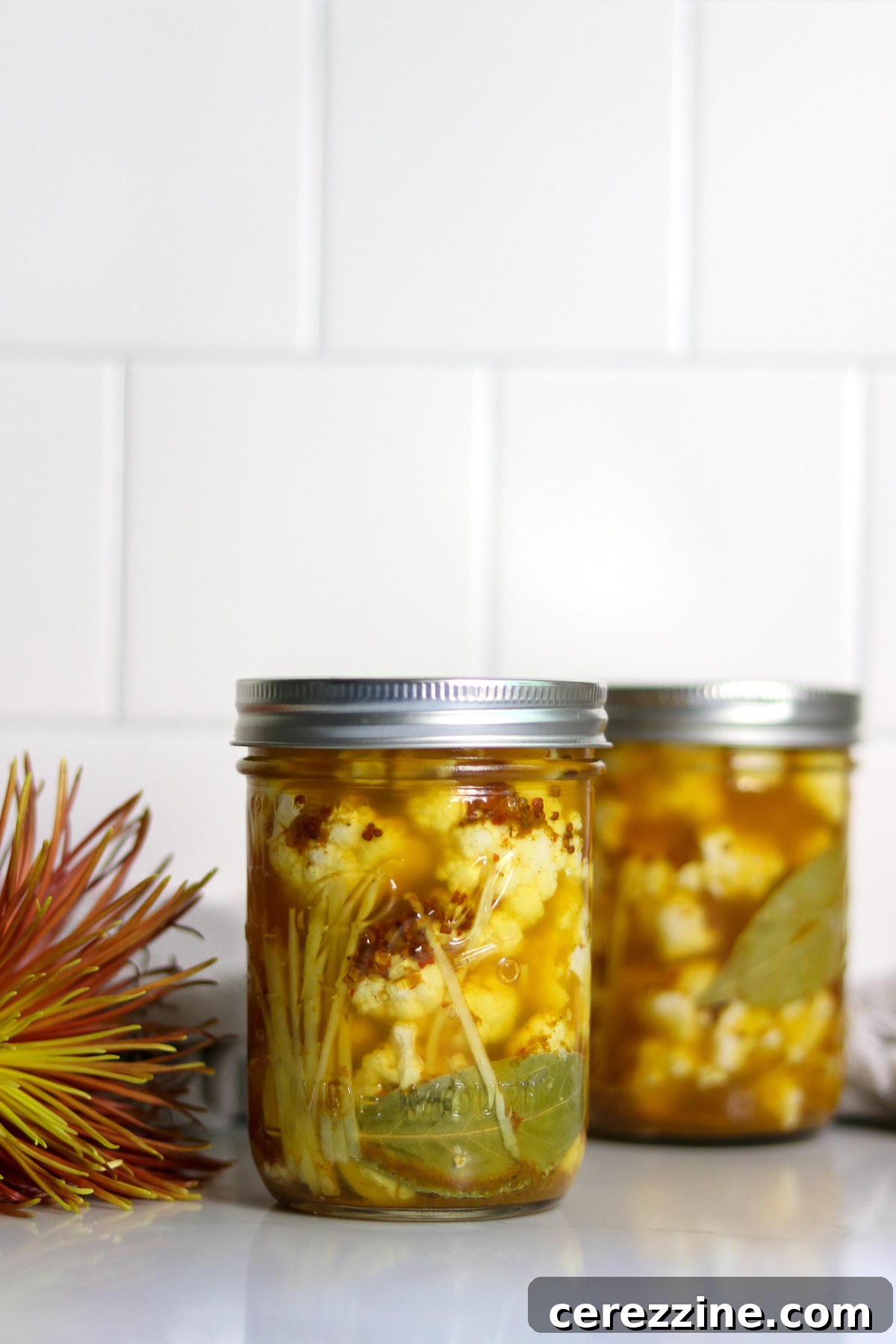
My culinary horizons truly expanded the first time I encountered pickled cauliflower in an Amish grocery store. It was a revelation! Despite having tried countless cauliflower recipes, the idea of pickling it had never crossed my mind. Yet, this versatile vegetable readily absorbs whatever flavors and spices you introduce, making it an ideal candidate for pickling.
You’ll discover numerous ways to enjoy pickled cauliflower, whether as a refreshing appetizer, a unique topping for toast, or as a vibrant side dish. Pickling stands out as one of the few effective ways to preserve cauliflower besides freezing, as it’s not considered safe for pressure canning. This method allows you to enjoy its crisp texture and infused flavors long after the harvest season has passed.
- Curry Pickled Cauliflower
- Pickled Cauliflower
- Refrigerator Pickled Cauliflower
- Spicy Pickled Cauliflower
- Lemony Pickled Cauliflower Recipe
Celery
Celery is another excellent choice for quick pickling, transforming into a tangy, crunchy delight that is remarkably simple to prepare. While it’s not the best candidate for traditional canning methods, it shines brilliantly as a refrigerator pickle, offering a fresh burst of flavor and texture.
I’ve discovered countless ways to incorporate pickled celery into my cooking. It adds a wonderful zest and crunch to chicken and tuna salads, and makes a fantastic accompaniment to spicy hot wings. Served alongside cold meats and cheeses, it’s a stellar addition to any charcuterie board, offering a refreshing counterpoint to richer flavors.
- Quick Pickled Celery
- Spicy Pickled Celery Sticks
- Quick Pickle Sticks
Cherries
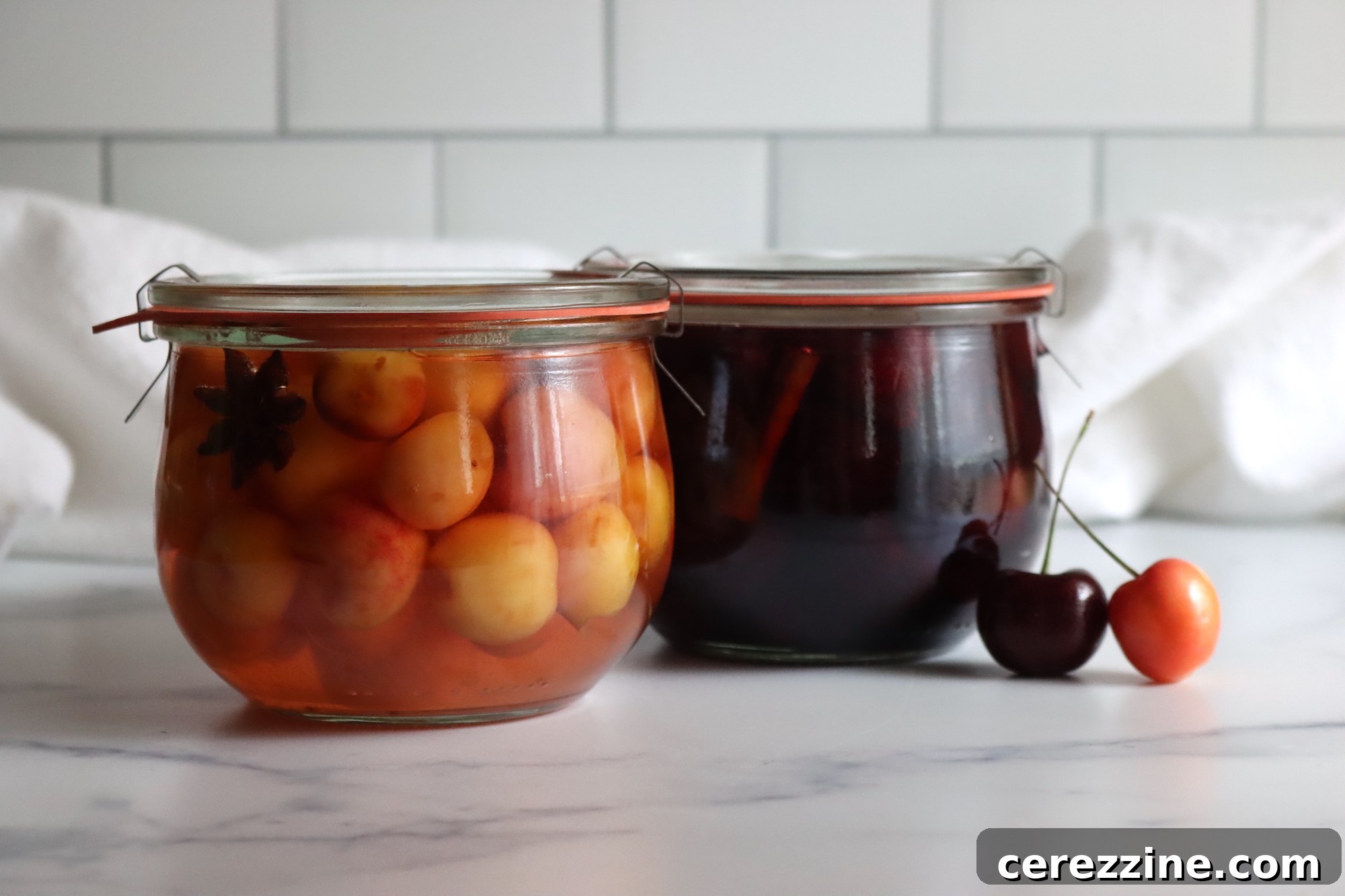
Pickled cherries offer a delightful and speedy method to savor this quintessential summertime fruit, often ready to enjoy much faster than other preserved fruits. If you’re seeking an exciting and sophisticated addition to your charcuterie board or a bright component for a vibrant summer salad, pickled cherries are an ideal choice.
The first time I tasted them, I was captivated by their exquisite balance of sweet and sour notes. Each bite delivers a burst of intense flavor, making them an unexpectedly addictive snack. Their unique profile adds a gourmet touch to any spread or dish, truly elevating the humble cherry into something extraordinary.
- Easy Pickled Cherries
- Vanilla Bean Pickled Cherries
- Simple Spiced Pickled Cherries
Corn
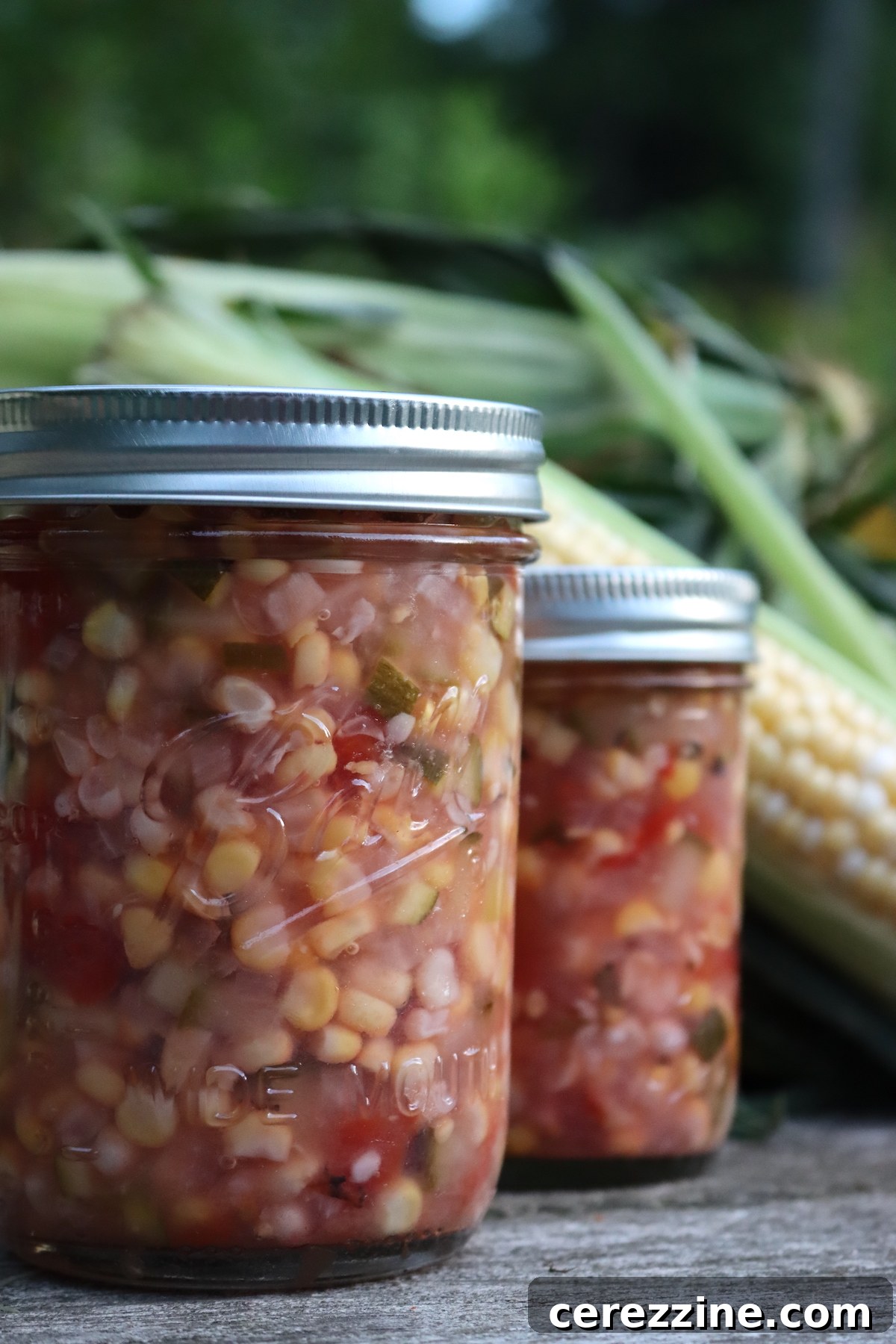
Summer and corn are an iconic duo, but once you’ve had your fill of corn on the cob, consider the fantastic alternative of pickling corn. This method allows you to extend the joy of sweet summer corn long into the colder months.
I make it a point to add several jars of pickled corn to our pantry annually. It’s an incredibly versatile ingredient that tastes fantastic when mixed into green salads, pasta salads, or even fresh salsas, adding a burst of tangy sweetness and a pleasant textural crunch. Pickling corn is a simple yet rewarding way to capture and enjoy the essence of summer whenever you desire.
- Pickled Corn Recipe
- Pickled Corn with Red Onions and Cilantro
- Pickled Corn on the Cob Recipe
- Pickled Corn Relish Recipe For Canning
Cranberries
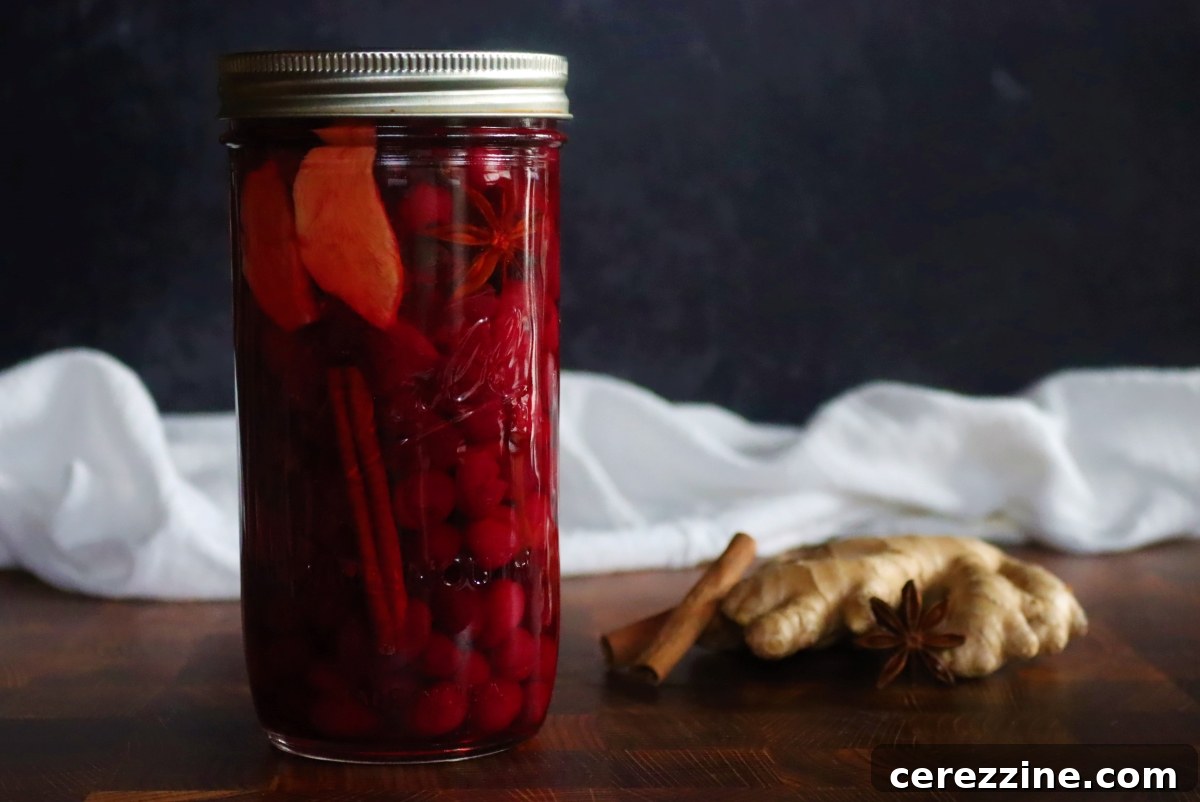
Cranberry enthusiasts will undoubtedly fall in love with pickled cranberries. These little gems offer an endless array of uses, from adding a tart, vibrant note to cocktails, to serving as an elegant topping for cooked meats, or gracing a festive charcuterie board. Their bright color and complex flavor make them a standout ingredient.
I particularly enjoy having a few jars of pickled cranberries available during the holiday season. They serve not only as a delicious addition to your menu but also as a beautiful table centerpiece. Imagine them alongside your cheese spread before Thanksgiving dinner or as a distinctive element of your Christmas feast. Their sweet and tangy profile with a hint of spice is truly captivating.
- Pickled Cranberries
- Quick Pickled Cranberries
- Easy Pickled Cranberries
Cucumber
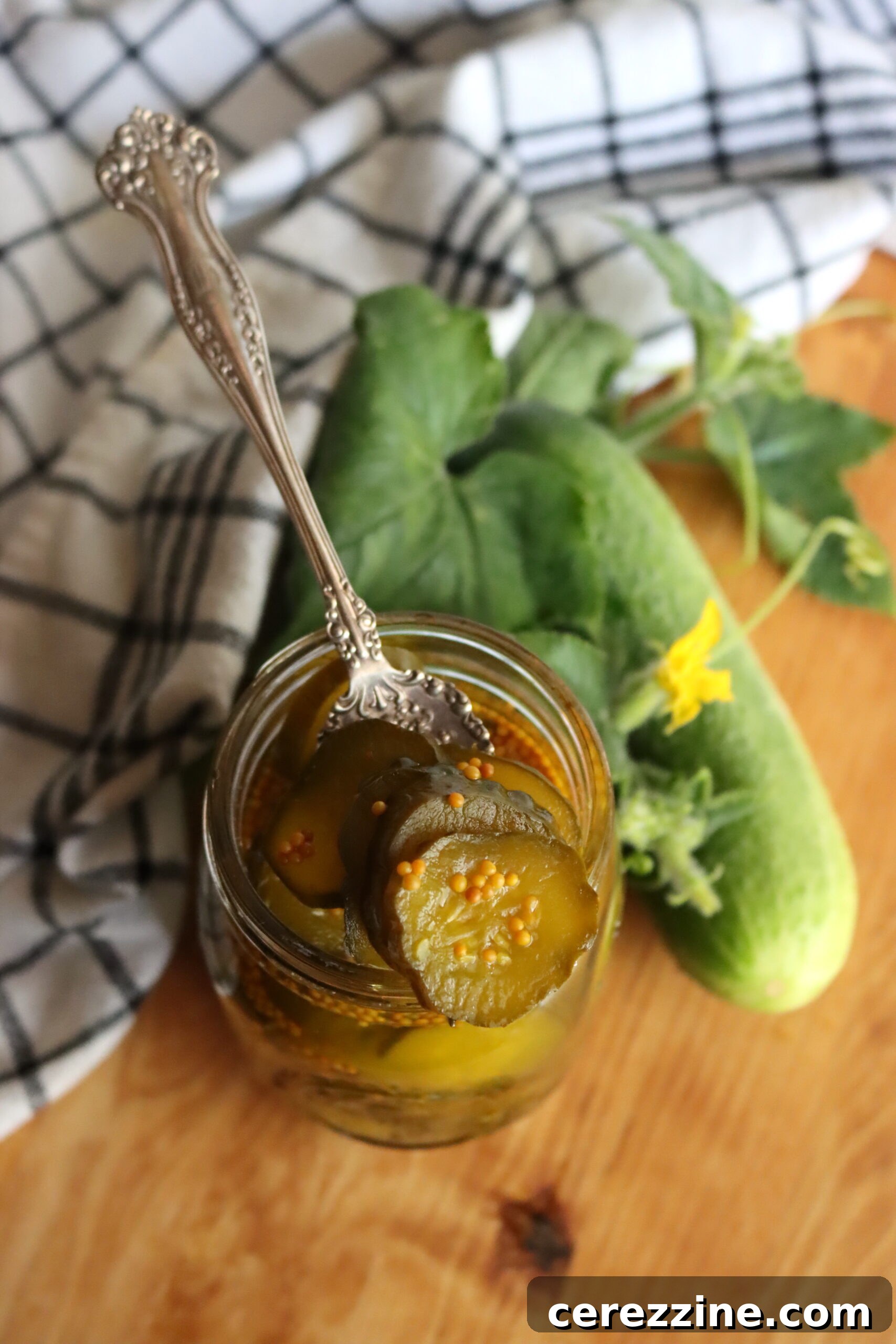
While cucumbers are indeed the most commonly associated vegetable with pickling, and for good reason due to their crisp texture and mild flavor, it’s essential to remember they are just one of many fantastic options. Classic dill pickles, with their iconic garlicky and herbaceous notes, are merely the beginning of what you can achieve with cucumbers.
The versatility of cucumber pickles is truly remarkable. You can literally adjust the seasonings in dozens of ways to create an astonishing variety of flavors. Beyond the traditional dill, garlic, turmeric, and coriander, consider experimenting with warm spices like allspice and clove for a different take. You can craft anything from sweet bread-and-butter pickles to spicy sriracha pickles, making cucumber an incredibly adaptable canvas for your pickling artistry.
- Bread and Butter Pickles
- Dill Pickle Spears
- Sweet Dill Pickle Relish
- Baby Pickles (Gherkins or Cornichons)
- German Mustard Pickles (Senfgurken)
- Russian Bear Claw Pickles
- Vermont Maple “Tongue” Pickles
Daikon
While daikon is technically a variety of radish, its prominence in the pickling world warrants a special mention. This crisp, mildly spicy root vegetable is a staple in many Eastern cuisines, and as such, you’ll discover a wealth of pickled daikon recipes, each showcasing its unique qualities. It’s a key ingredient in dishes from across Asia, reflecting its deep cultural significance.
Pickled daikon radishes are famously paired with Vietnamese and Korean dishes, offering a refreshing, tangy counterpoint that cuts through rich flavors. Their distinct texture and ability to absorb vibrant seasonings make them an excellent addition to your garden this year, promising delicious and authentic culinary experiences.
- Quick Pickled Carrots & Daikon Radishes
- Danmuji – Korean Pickled Daikon Radish
- Pickled Daikon Radishes
Eggplant
Preserving eggplant can often be a challenge, as it isn’t particularly well-suited for traditional canning or freezing methods due to its texture. This makes pickling eggplant a sensible and highly effective solution for extending its season and enjoying its unique flavor year-round.
Pickled eggplant blends beautifully with fresh spices and stores exceptionally well. Consider serving it as a sophisticated antipasto, layering it into sandwiches for an extra burst of flavor, or using it as a distinctive pizza topping. I especially love pickled eggplant prepared with generous amounts of garlic, oregano, and other classic Italian seasonings, which perfectly complement its earthy notes and soft texture.
- Pickled Eggplant
Fennel
Pickled fennel is a truly delicious and versatile condiment that elevates almost any dish, particularly grilled recipes. Whether you prefer to enjoy it straight from the jar, savor its unique anise-like flavor in salads, or use it as a garnish, it promises to add a sophisticated, vibrant kick to your culinary creations.
Among my favorite recipes, those incorporating star anise and orange truly stand out. These additions imbue the pickled fennel with an incredible depth of flavor that complements grilled meats and vegetables perfectly, making it an indispensable secret weapon in your kitchen for adding a gourmet touch.
- Pickled Fennel Recipe
- How to Make Quick Pickled Fennel
- Quick & Easy Pickled Fennel
Figs
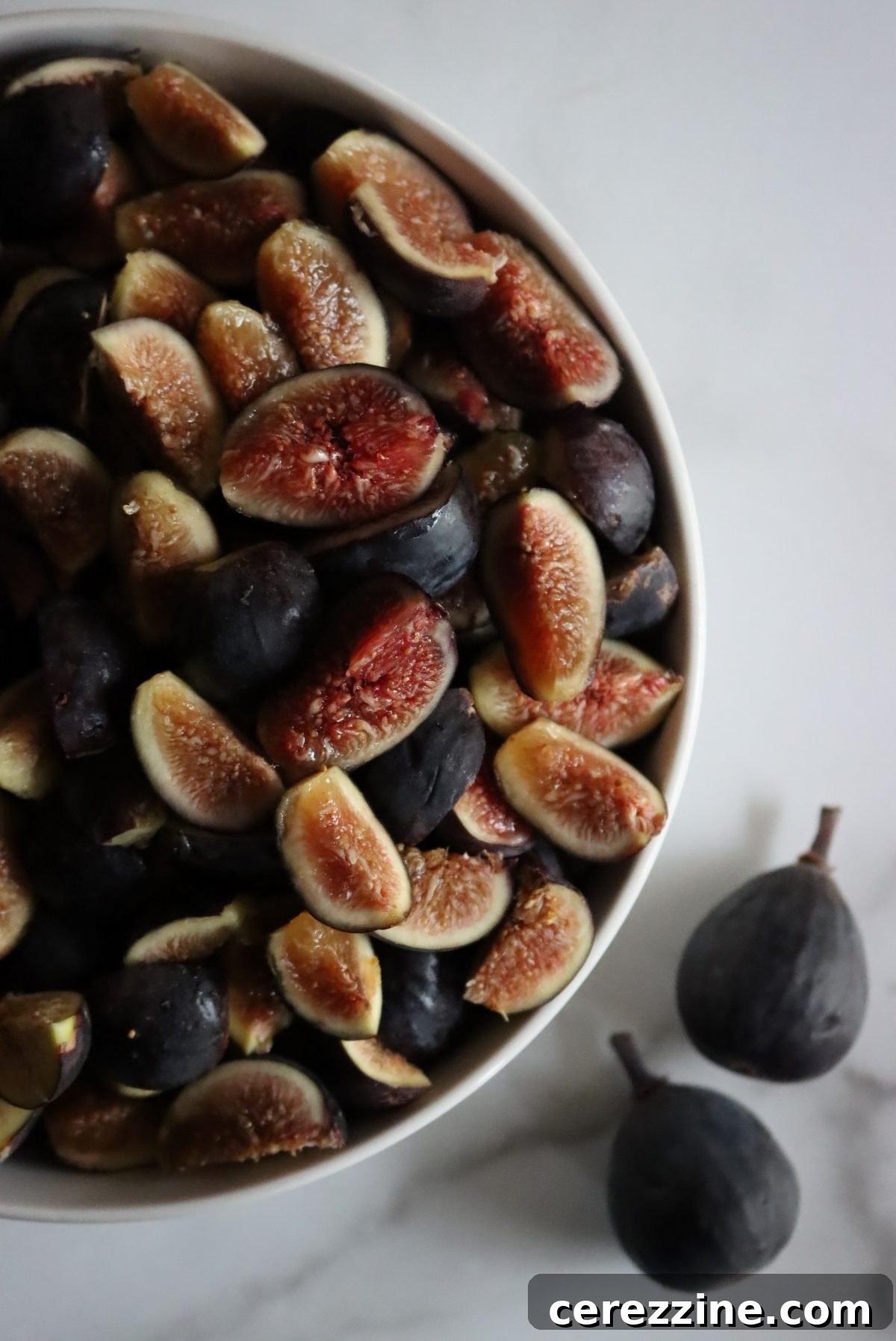
If you’ve never considered pickling figs, you’re in for a delightful surprise! Figs take exceptionally well to pickling, developing a complex sweet and sour flavor profile that pairs exquisitely with rich meats like pork, turkey, and various game meats. I’ve also found them to be a fantastic complement to an array of hard cheeses and crispy crackers, adding a gourmet touch to any appetizer spread.
While any fig variety can be pickled, Kadota or Adriatic figs are often recommended due to their ability to maintain their vibrant color and firm texture, even when fully ripe. Pickled figs offer a unique and sophisticated way to enjoy this seasonal fruit, extending its appeal beyond its fresh harvest.
- Spiced Pickled Figs
- Pickled Figs in Balsamic Recipe
- Ginger Spiced Pickled Figs
Grapes
Prepare to have your expectations subverted with pickled grapes. Far from tasting like overly sweet table grapes, these preserves develop an intense, complex flavor where the sugar in the brine beautifully balances the inherent tanginess of the fruit. This surprising combination makes them a truly captivating culinary experience.
You’ll discover that pickled grapes are a magnificent pairing for a variety of cheeses, adding a burst of sweet-tart sophistication to any cheese board. They also provide a unique and refreshing element when scattered over crisp green salads, offering an unexpected twist that will surely delight your taste buds.
- Pickled Red Grapes Recipe
- Quick Pickled Grapes
- Pickled Grapes with Rosemary and Chiles
- Crisp & Spicy Pickled Grapes
Garlic
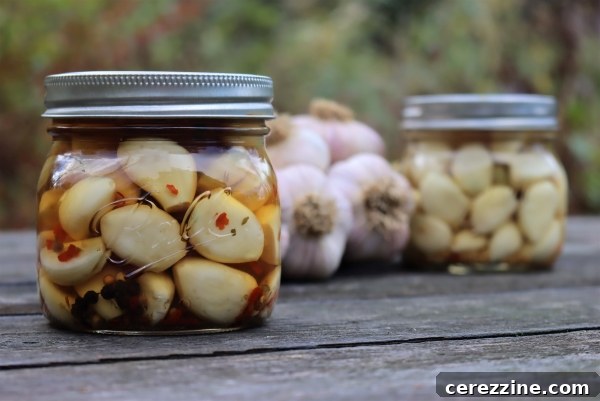
For lovers of both pickles and garlic, pickled garlic is an absolute must-try. These tangy cloves preserve beautifully in the refrigerator for months, and some recipes are even suitable for canning, offering a long-lasting supply of this flavorful condiment.
Whether you prefer your pickled garlic plain and pungent or infused with a spicy kick, you’ll find immense satisfaction in munching on these delectable bites. They are a fantastic addition to fresh salads, providing a burst of flavor, or can be elegantly arranged on an antipasto dish, offering a sophisticated twist to your spread.
- How to Make Pickled Garlic
- Spicy Pickled Garlic
- Easy Pickled Garlic
Ginger
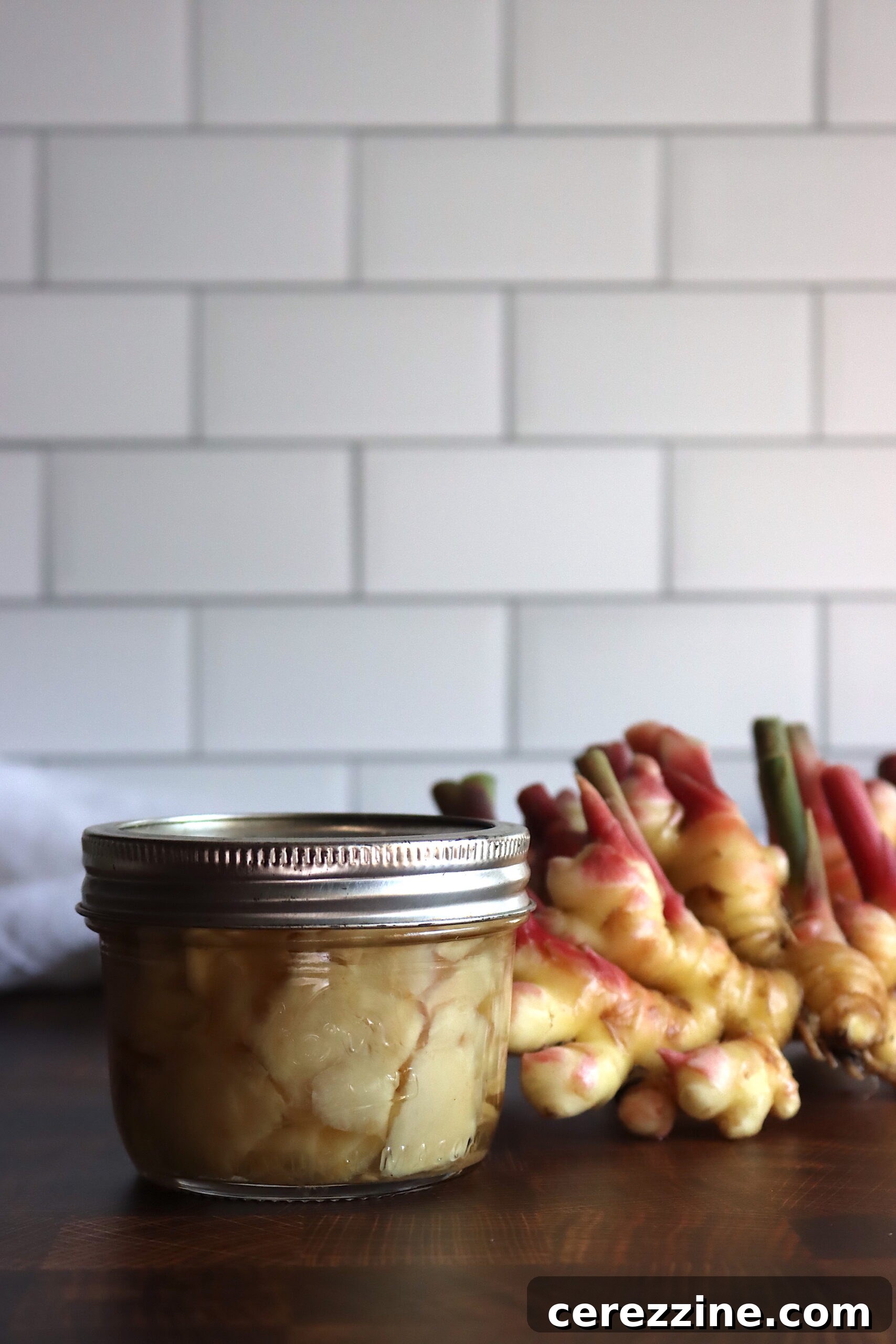
Pickled ginger, known as “gari” in Japanese cuisine, is a familiar sight in Japanese restaurants, where it’s traditionally served alongside sushi and sashimi. Its primary purpose is to cleanse the palate between different pieces, enhancing and allowing you to fully appreciate the nuanced flavors of your dishes.
While readily available at most Asian markets, crafting pickled ginger at home is surprisingly straightforward and incredibly rewarding. For those who regularly prepare sushi at home, making your own gari not only ensures the freshest taste but also offers significant cost savings, making it a smart and delicious culinary endeavor.
- Easy Pickled Ginger – Gari
- Pickled Sushi Ginger
- Homemade Pickled Ginger
Green Beans
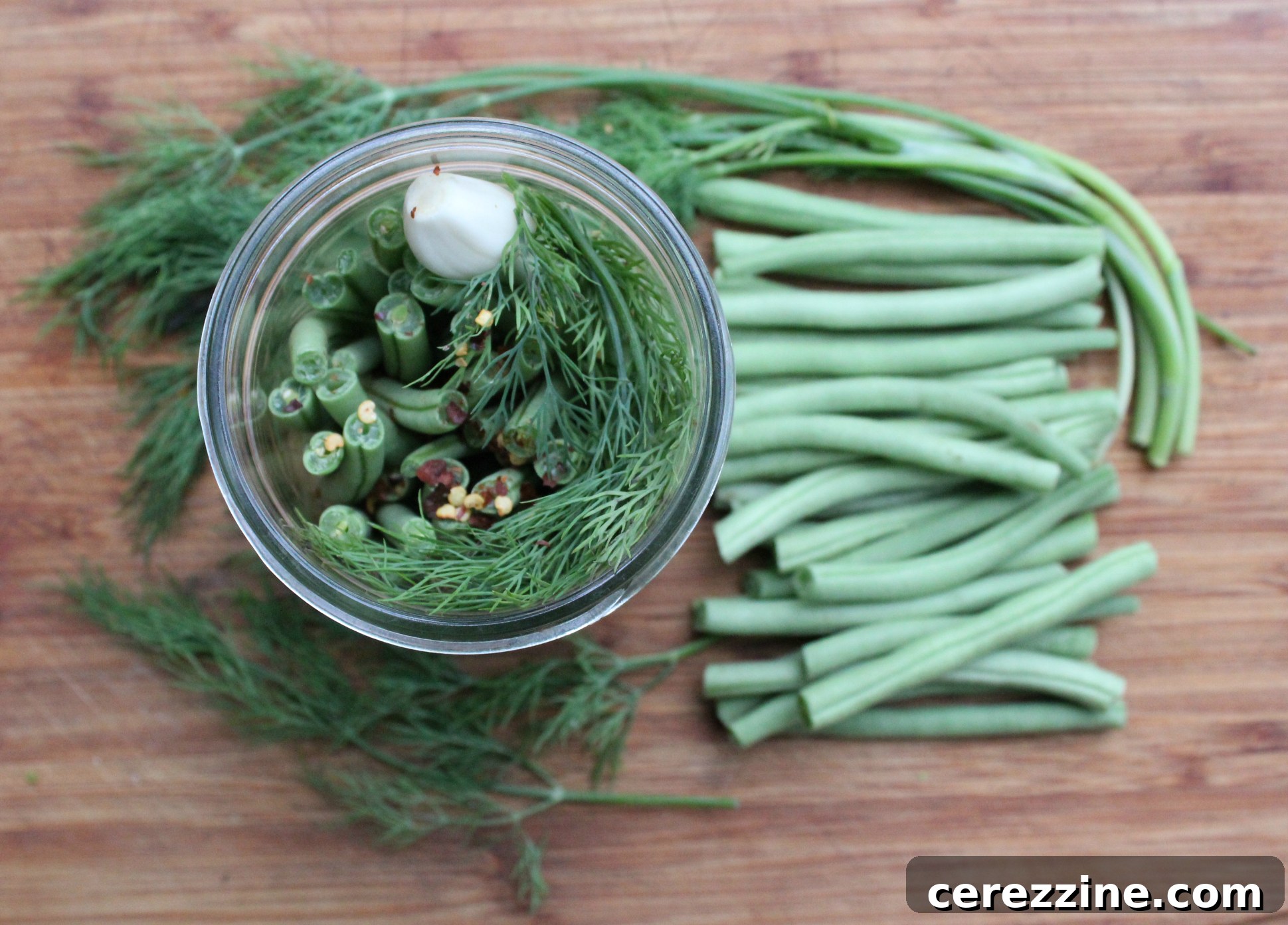
Green beans are another remarkable vegetable that I find soaks up pickling flavors exceptionally well, making them a fantastic candidate for preservation. My first encounter with “dilly beans” years ago was an instant love affair – a revelation of flavor and crunch.
The beauty of pickling green beans lies in their versatility; they readily absorb whatever spices you infuse into your brine, allowing you to create truly personalized flavor profiles. Our family, for instance, has a particular fondness for zesty and spicy pickled green beans, making them an exciting snack or side dish. Experiment with different spice combinations to discover your own perfect dilly bean recipe!
- Dilly Beans Recipe for Canning
- Crisp Pickled Green Beans Recipe
- Quick Pickled Green Beans
- Spicy Pickled Green Beans
Kohlrabi
Kohlrabi, whose name aptly translates to “cabbage turnip,” is a wonderfully crunchy vegetable boasting a mild, cabbage-like flavor. Renowned for its firm texture, akin to that of broccoli stems, it holds up exceptionally well to pickling or when shaved thinly into various dishes, making it a versatile and often underrated ingredient.
Pickled kohlrabi transforms into a delicious treat, offering a satisfying crunch and tangy flavor that pairs beautifully with hearty meals like hamburgers or hot dogs. When shredded, pickled kohlrabi also works wonderfully in salads, adding a refreshing bite, or can serve as an elegant garnish, enhancing both the taste and presentation of your dishes.
- Shredded Kohlrabi Quick Pickle Recipe
- Pickled Kohlrabi Recipe
- Quick Kohlrabi Pickles
Mushrooms
Pickled mushrooms are surprisingly easy to prepare and offer a plethora of culinary applications. Their earthy, umami-rich flavor, combined with a tangy brine, makes them a fantastic addition to charcuterie boards or as a savory topping for various meat dishes, especially grilled steak. They are truly an underrated gourmet delight.
Experimenting with different mushroom varieties can unlock a world of distinct flavors and textures. Whether you opt for the common button mushrooms, the prized morels, or any other type you discover, pickling them promises to create a uniquely delicious and flavorful treat. Each variety brings its own subtle nuances to the pickling process, offering endless opportunities for culinary exploration.
- Zesty Marinated Mushrooms
- Easy Pickled Mushrooms
- Canned Pickled Mushrooms
- Pickled Mushrooms with Garlic and Thyme Recipe
Onions
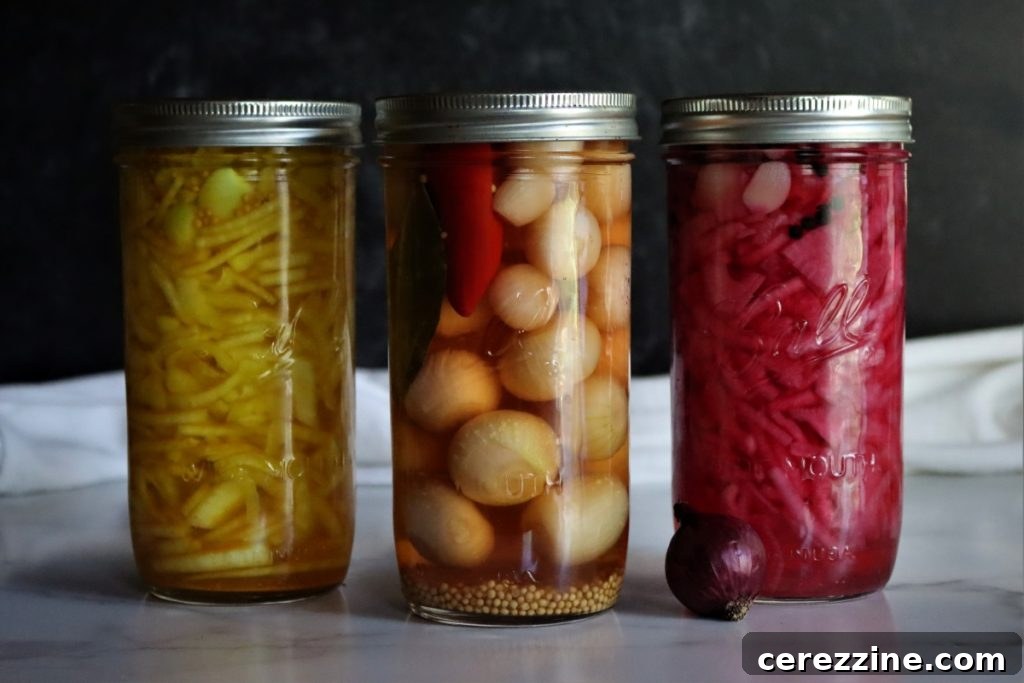
Pickled onions are an irresistibly addictive treat, offering a vibrant tangy-sweet flavor and a delightful crunch. Red onions, in particular, lend a brilliant pop of color to any dish, making them as visually appealing as they are delicious. They’re a truly valuable staple to keep in any kitchen.
I find countless ways to incorporate pickled red onions into my daily cooking. They are magnificent on sandwiches, adding a zesty kick, and transform any salad into something special. As part of an antipasto platter, their bright, vinegary zest complements cured meats and cheeses perfectly. The combination of onion flavor with that characteristic zippy tang creates a dimension of flavor that is simply unparalleled and highly versatile.
- How to Make Pickled Onions
- Pickled Onions in 15 Minutes
- Small Batched Pickled Onions
Okra
If you’re wondering how to utilize an abundant okra harvest from your garden, pickling is an excellent and flavorful solution. Pickled okra boasts an incredibly addictive crunchy bite, and it’s a vegetable that can be safely canned for long-term storage or simply kept in the fridge for quicker consumption.
This savory preserve is a traditional staple on relish trays and as a side dish, particularly prevalent in the Southern United States where okra grows prolifically. Its unique texture and ability to absorb a spiced, tangy brine make it a beloved classic that adds a distinct Southern charm to any meal.
- Grandma Oma’s Pickled Okra
- Pickled Okra
- Southern Pickled Okra
Peaches
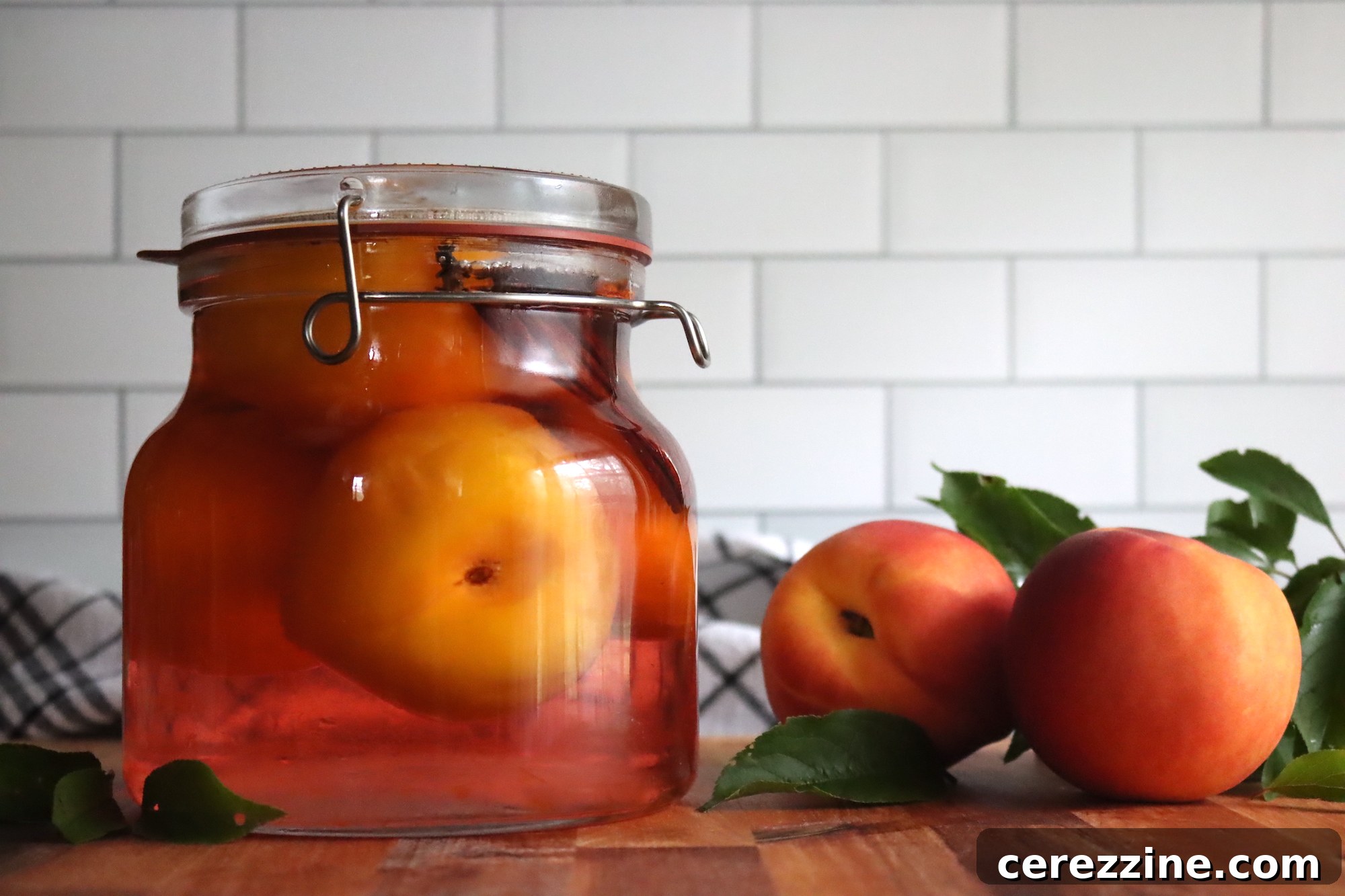
Pickled peaches are another delightful Southern favorite that truly belongs on every picnic spread and at every dinner table. These sweet and tangy treats make a fantastic accompaniment to sandwiches or serve as an unexpected yet delicious side dish, adding a gourmet touch to any meal.
When I first heard of pickled peaches, I admit I was skeptical. However, the surprising reality is that they are utterly delicious – a perfect harmony of sweet fruit, a sharp vinegary tang, and a hint of warm spices. Enjoy them simply with your fingers, arrange them on a sophisticated cheese and cracker board, or even use them as an intriguing topping over ice cream for an adventurous dessert. Their versatility is truly remarkable.
- Southern Pickled Peaches
- Pickled Peaches with Sweet Spices
Peas
Peas, those beloved spring vegetables, handle the pickling process with remarkable grace, retaining all their inherent “pea flair” while absorbing the delightful tartness of the brine. This makes them an excellent ingredient for quick pasta dishes, providing a fresh, tangy pop, or as an elegant garnish for comforting soups and vibrant salads.
One particularly harmonious pairing to explore is pickled peas with asparagus; these two spring vegetables share complementary flavors and textures that make them sing together. Pickling offers a wonderful way to capture the essence of spring peas, allowing you to enjoy their unique taste long after their brief season has passed.
- Sugar Snap Pickled Peas
- Quick Pickled Snap Peas Recipe
- Dilly Pickled Snap Peas
Pears
If you’ve yet to experience the unique pleasure of pickled pears, you are truly missing out on a culinary gem. These elegant fruits adapt beautifully to pickling, developing a complex flavor profile that is sweet, tangy, and subtly spiced. Pickled pears are an unexpected yet utterly delicious condiment that you didn’t even realize your pantry needed.
They are an exceptional addition to any charcuterie board, with their flavors harmonizing wonderfully when paired with an array of hard and soft cheeses, artisanal bread, crunchy nuts, and fresh berries. Pickled pears offer a sophisticated touch, transforming simple ingredients into a gourmet experience that is both memorable and utterly delightful.
- Quick Pickled Pears
- Pickled Seckel Pears
- Sweet and Sour Spiced Pickled Pears
Peppers
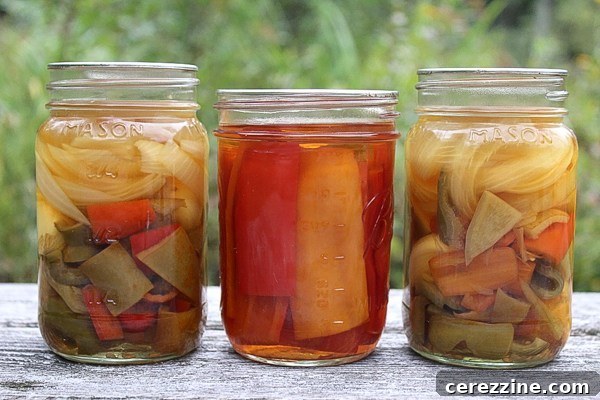
For those blessed with an abundant pepper harvest, pickling offers an endless supply of versatile and flavorful preserves. Each type of pepper, from fiery jalapeños to sweet bell peppers, boasts a unique flavor profile that translates into distinctly different pickles. This diversity means you can create a wide array of pickled peppers to suit every taste and culinary application.
Fortunately, all varieties of peppers pickle exceptionally well. We’ve found that making homemade pickled pepperoncini and pickled banana pepper rings far surpasses the store-bought versions in terms of fresh flavor and satisfying crunch. The enhanced taste you achieve by pickling peppers at home is truly a rewarding experience, allowing you to customize spice levels and enjoy vibrant flavors year-round.
- Pickled Peppers
- Pickled Jalapenos
- Quick Refrigerator Pickled Pepperoncini
- Homemade Pickled Jalapenos
- Pickled Banana Peppers
Pineapple
Prepare for your next favorite pickled food: pickled pineapple. This tropical delight offers an exciting combination of sweet and sour notes, often with a delightful hint of heat, depending on the spices you choose to incorporate into the brine. It’s a truly unique flavor experience that brightens any dish.
Pickled pineapple excels when paired with various meals, particularly fish dishes and shredded pork, where it provides a much-needed burst of acidity and tangy zest. Its vibrant flavor profile cuts through richness beautifully. I find that pickled pineapple does exceptionally well with hot peppers, creating a unique sweet and spicy relish that adds an unforgettable kick to tacos, burgers, or any dish needing a tropical, spicy punch.
- Spicy Pickled Pineapple
- Easy Pickled Pineapples
- Quick Pickled Pineapple with Jalapeno
Plums
Sweet, pickled plums are a highly popular and cherished snack in China, offering a fascinating glimpse into diverse culinary traditions. These plums are carefully steeped in a brine that perfectly balances saltiness, sweetness, and a medley of spices, resulting in a complex and addictive flavor. The residual brine is often mixed with sparkling water to create a refreshing and unique beverage.
For a less acidic pickle, plums pair wonderfully with rice vinegar. It is crucial to select firm plums to ensure they maintain their texture and avoid becoming mushy during the pickling process. Pickled plums offer a delightful way to enjoy this seasonal fruit, providing a truly exotic and flavorful experience.
- Japanese Pickled Plums – Umeboshi
- Salty Sweet Spiced Pickled Plums
- Easy Pickled Plums Recipe
Pumpkins
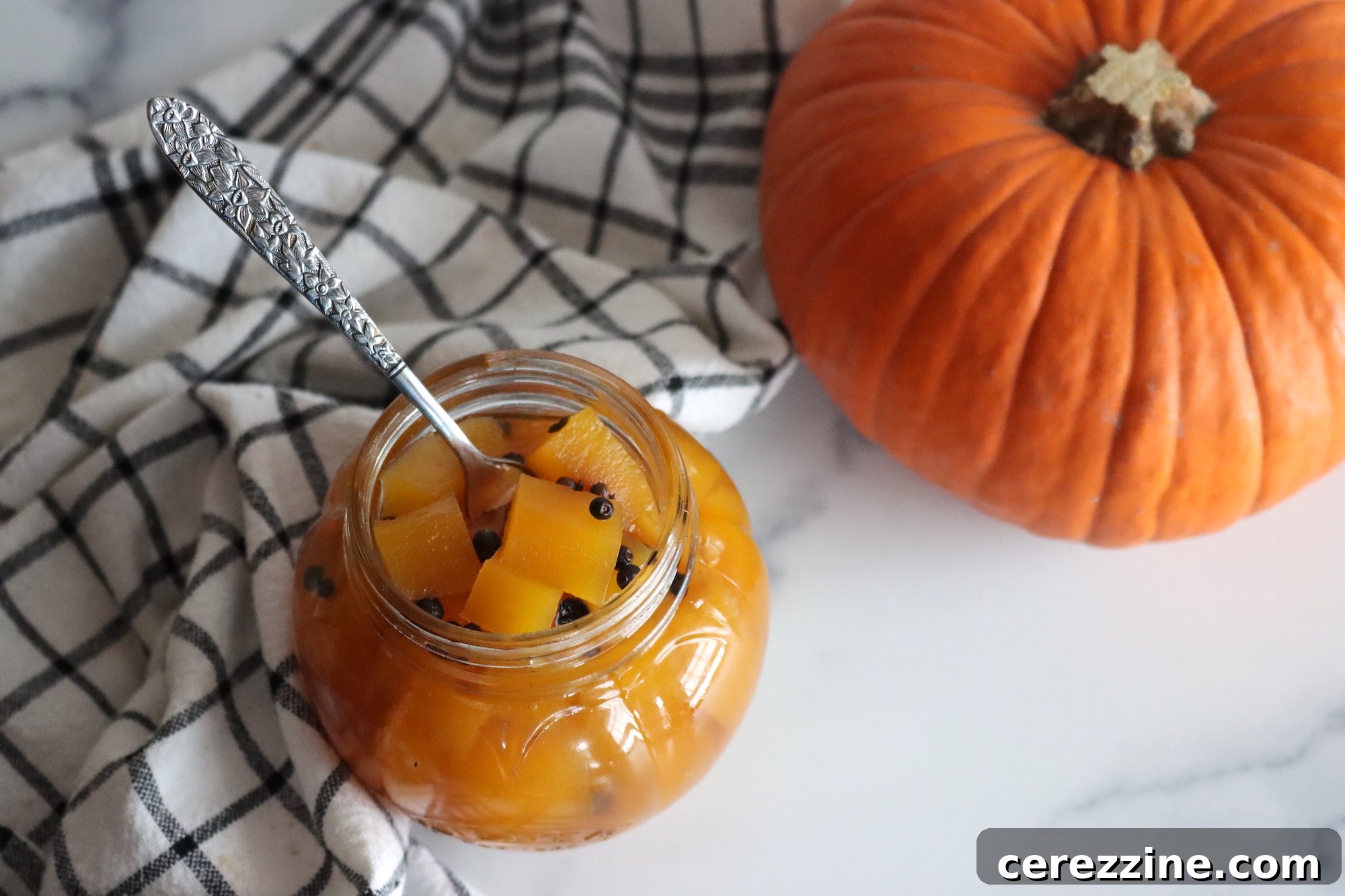
Pickled pumpkins offer a uniquely delicious side dish that pairs exceptionally well with traditional holiday fare like turkey, or other meat-based meals. Depending on the specific recipe, the warm, comforting flavors of cinnamon, cloves, and cardamom beautifully complement the sweet and sour notes of the brine, creating a truly enticing preserve.
While often surprising to Western palates, pickling pumpkins is a popular tradition throughout Northern Europe. The texture of pickled pumpkin can range from pleasantly crunchy to satisfyingly soft, primarily influenced by the cooking time. So, while it might not deliver the crisp snap of a classic cucumber pickle, its captivating flavors and rich history make it a fascinating and worthwhile addition to your pickling repertoire.
- Pickled Sugar Pumpkin
Ramps
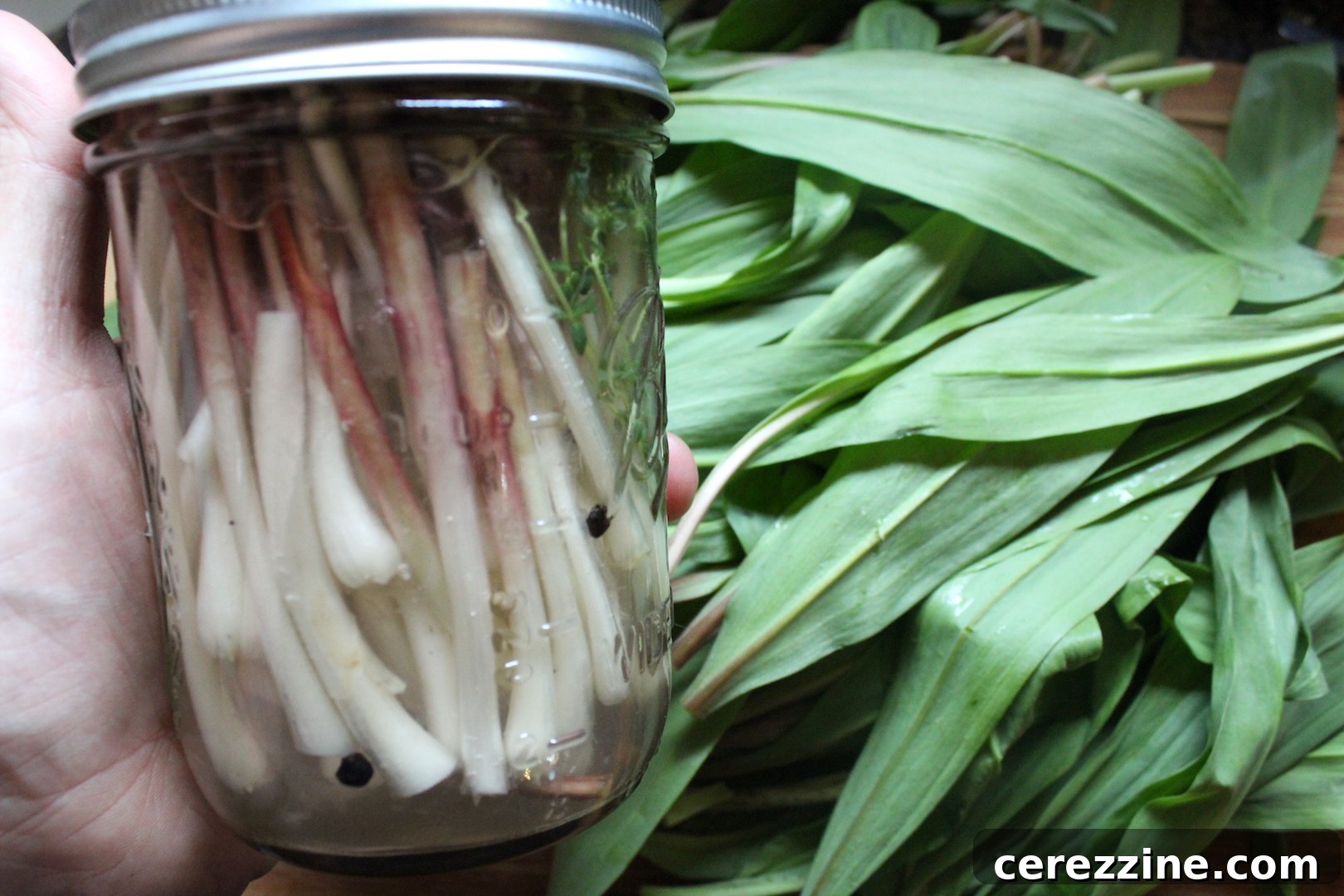
Ramps, those elusive wild leeks, grace us with their presence for only a fleeting period each spring. Pickling offers a brilliant solution to extend this precious season, allowing you to savor their unique garlicky-onion flavor year-round, preserved in an aromatic brine that captures their essence perfectly.
Pickled ramps pair exquisitely with robust flavors, such as soppressata, making them a sophisticated component of any charcuterie spread or cheese platter. Don’t be afraid to get creative with your recipes; some enthusiasts suggest pairing ramps with delicate shallots for a milder approach, while others advocate for the bold addition of hot peppers to create a more intense and memorable bite. Their distinctive taste is truly a gourmet delight.
- Pickled Ramps – Recipe for Canning
- Easy Pickled Ramps
Raspberries
Here’s another berry that might surprise you in the pickling department: raspberries. While perhaps an unconventional choice, pickling raspberries opens up a world of intriguing flavor combinations that are both delightful and unexpected.
Raspberries harmonize beautifully with warm spices like cinnamon and star anise, creating a complex and aromatic profile. If you adjust the sugar content in the brine to be sufficiently high, these pickled fruits can even yield a delicious, tangy syrup perfect for drizzling over ice cream, adding a gourmet twist to a simple dessert. Their unique sweet-tart balance makes them a truly versatile pickled fruit.
- Pickled Raspberries
- Pickled Raspberries with Spices
Radishes
Radishes are quintessential spring vegetables, often among the very first crops to be harvested from the garden. For years, I struggled to find creative ways to utilize our surplus radishes until I discovered the magic of pickling them. This method quickly transformed them into a beloved staple.
Pickled radishes are incredibly quick and easy to make, and they significantly enhance any dish with their vibrant flavor. They offer a delightful combination of sweet, tangy, and a subtle spicy kick, but above all, they are simply delicious! Their crisp texture and bright color make them a fantastic addition to tacos, salads, or as a crunchy side with sandwiches.
- Spicy Quick Pickled Radishes
- Quick Pickled Radishes
- Pickled Radishes for Canning
Rhubarb
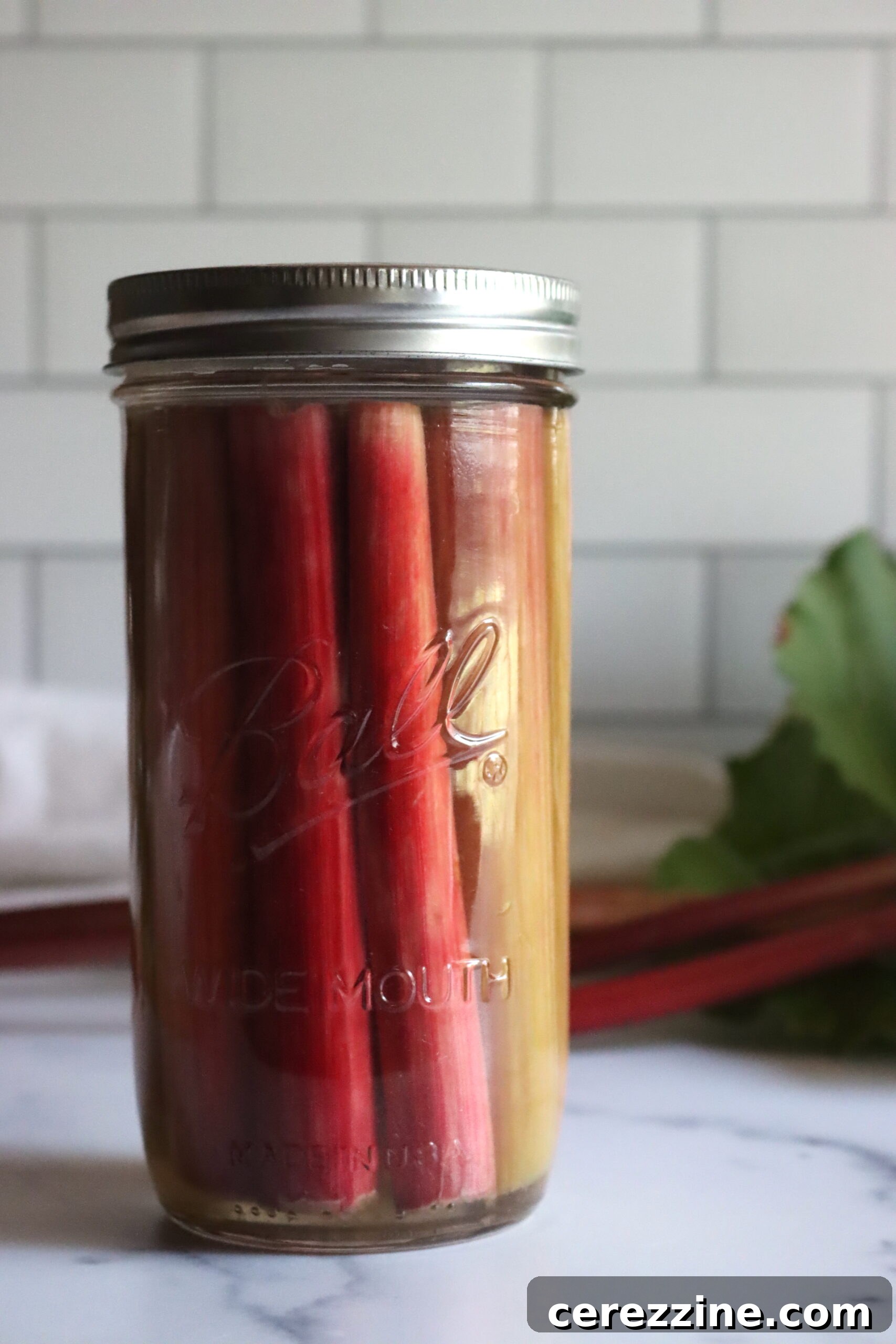
While commonly used in sweet applications like crisps, jams, and crumbles, rhubarb is technically a vegetable, despite its characteristic sourness. Its distinct fibrous and crunchy texture makes it an exceptional candidate for pickling, offering a unique and delicious alternative to traditional preparations.
Pickled rhubarb skillfully plays up the inherent tartness and satisfying crunch of the stalk. It’s a remarkably easy preserve to make, yielding beautiful, ruby-colored pickles that are as visually appealing as they are flavorful. These tangy, vibrant pickles can add a refreshing counterpoint to rich meats or serve as an intriguing component on a cheese board, showcasing rhubarb’s savory potential.
- Pickled Rhubarb
- Easy Quick Pickled Rhubarb
- Refrigerator Sweet and Spicy Pickled Rhubarb
Spring Onions
If your garden is overflowing with a bounty of spring onions, pickling them is a fantastic way to utilize this seasonal delight and extend its enjoyment. Their mild, sweet-onion flavor and delicate crunch make them an ideal candidate for pickling, transforming them into a versatile condiment.
Pickled spring onions can play a multitude of roles in your kitchen. Spoon a generous helping over a juicy burger for an added layer of tangy flavor, include them as a sophisticated element on an appetizer platter for guests, or pair them with creamy goat cheese and crusty baguette rounds for an elegant snack. You truly can’t go wrong with these vibrant and flavorful preserves!
- Pickled Spring Onions Recipe
- Pickled Spring Onions & Asparagus
- Best Pickled Spring Onion Recipe
Sunchokes (or Jerusalem Artichokes)
Sunchokes, also known as Jerusalem artichokes, are a fascinating root vegetable frequently found at specialty markets and farmers markets during the cooler fall and winter months. Originating from a type of perennial sunflower, they possess a unique flavor and texture, equally delicious whether enjoyed raw or cooked. When raw, they resemble jicama with a crisp, lightly sweet profile, and when cooked, they develop a potato-like consistency.
A notable characteristic of sunchokes is their high inulin content, a prebiotic beneficial for digestive health, but also known for causing digestive discomfort in some individuals. The wonderful news is that when sunchokes are pickled, the inulin is broken down, effectively eliminating the gas-inducing side effects. This allows you to fully savor this distinctive vegetable without any discomfort, enjoying its unique flavor and satisfying crunch.
- Pickled Jerusalem Artichokes
Squash
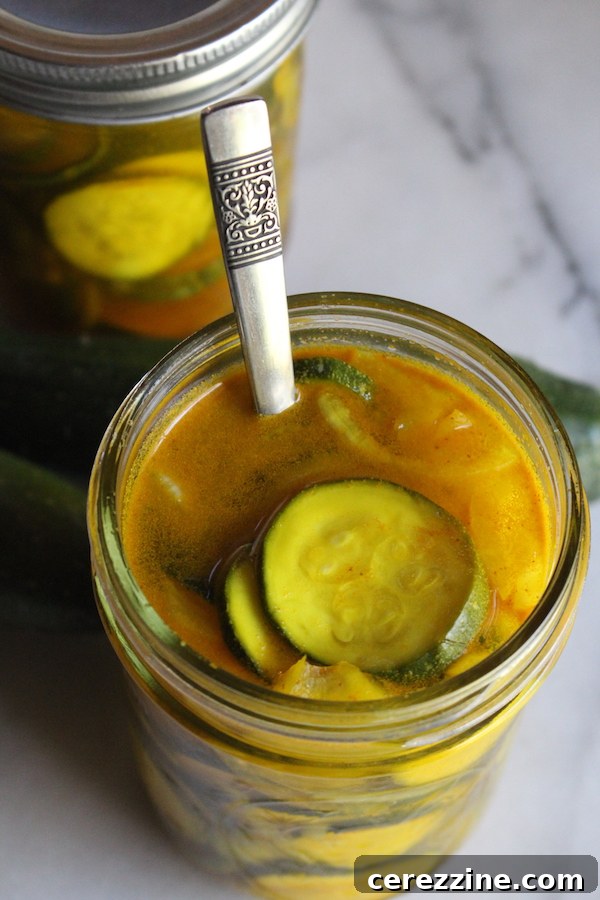
Squash lends itself beautifully to pickling, much like its cousin, the cucumber. Its mild flavor allows it to readily absorb the vibrant spices and seasonings of homemade pickles, yielding a perfectly satisfying bite. To ensure the best texture and avoid large, unappetizing seeds, it’s crucial to select small, young squash varieties for pickling. Larger squash often develop tough skins and prominent seeds that are undesirable in pickles.
For those who may not be fond of cucumbers or are simply looking for a novel way to utilize their garden’s squash bounty, pickled squash serves as an excellent and flavorful substitute. It offers a similar crispness and versatility, making it a fantastic addition to your pickling repertoire.
- Bread and Butter Zucchini Pickles
Strawberries
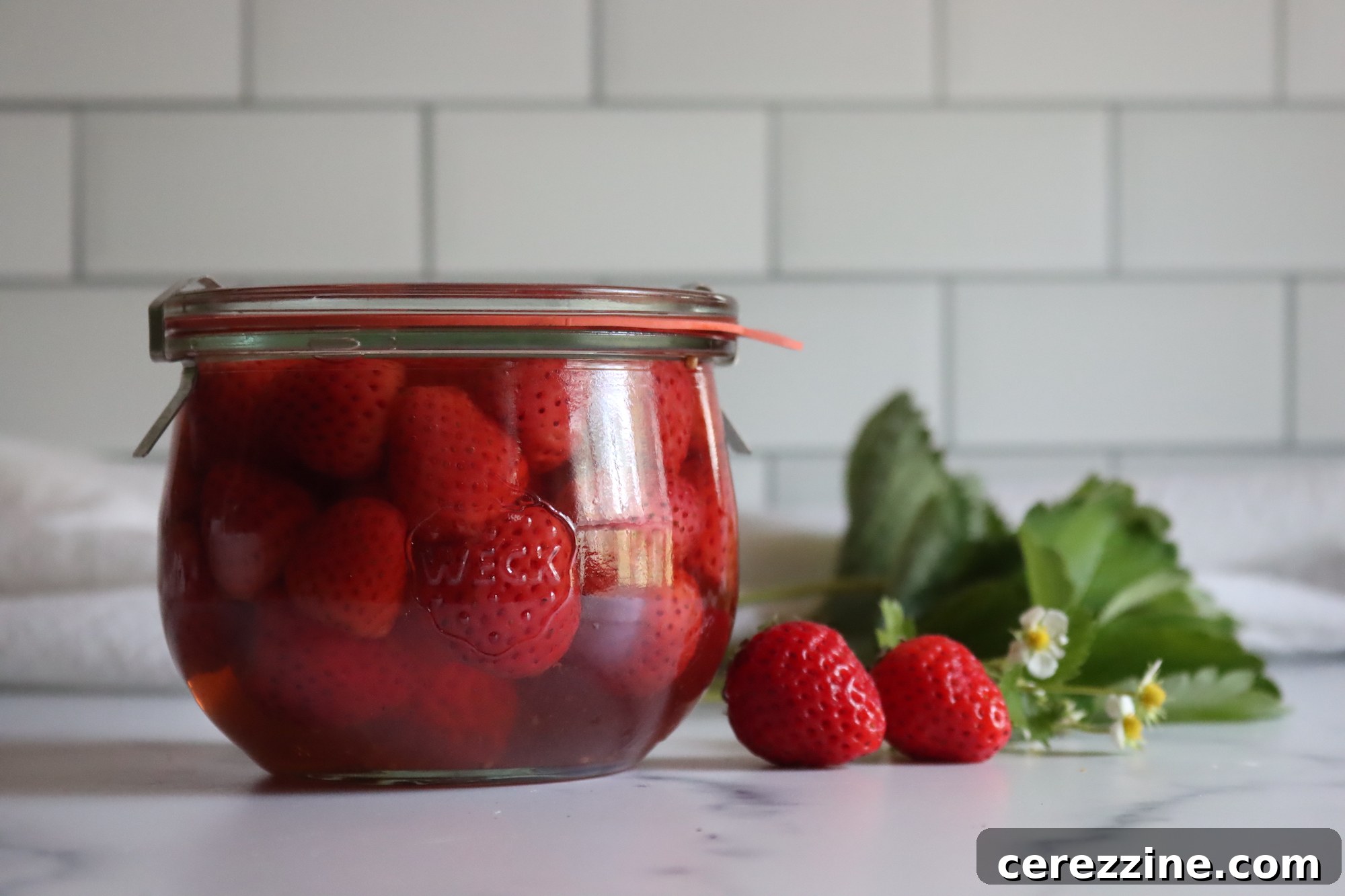
Pickled strawberries are a delightfully easy and wonderfully unexpected treat to make, offering a refreshing and intriguing flavor profile that most people won’t anticipate. While perhaps not a conventional choice, you may find yourself unexpectedly captivated by their unique charm.
These sweet-tart preserves can be served in a variety of ways: tossed into fresh green salads for a burst of unexpected flavor, or elegantly presented alongside cheese and crackers for a sophisticated appetizer. Feel free to experiment with the precise amounts of sugar and spices added to your brine to craft a flavor profile that perfectly suits your palate, ensuring each jar is a personalized delight.
- Pickled Strawberries
Swiss Chard
Swiss chard, known for its vibrant array of colors, boasts crunchy, thin stems that are often overlooked in favor of its leafy greens. While most commonly sautéed or eaten raw, pickling offers a fantastic way to preserve the striking beauty and satisfying crunch of these stems, transforming them into a delightful treat.
It’s important to note that pickled Swiss chard stems are best enjoyed as quick refrigerator pickles, as there are no safely approved canning recipes for them. Serve these tangy, flavorful stems alongside juicy burgers, roasted chicken, or as a vibrant topping for baked potatoes – they add an irresistible zest and a beautiful splash of color to any dish!
- Spicy Pickled Swiss Chard Stems
- Quick Pickled Chard Stems
- Pickled Rainbow Chard Stems
Turnips
Pickled turnips are a classic Middle Eastern preserve, celebrated for their addictive combination of heat and vinegar. They serve as the perfect complement to richly flavored dishes such as roasted chicken, savory gyro, or crispy falafel, adding a burst of tangy zest that cuts through richness beautifully.
Turnips are, in general, an underrated vegetable, making pickled turnips a less common but highly rewarding pickling project. Most recipes wisely include a handful of sliced beets, which not only add an earthy sweetness but also impart a gorgeous, vibrant pink hue to the turnips. And don’t forget the garlic! Its pungent flavor pairs exceptionally well with turnips, elevating this simple preserve to something truly special.
- Middle Eastern Pickled Turnips
- Pickled Turnips
- Quick Pickled Turnips Recipe
Tomatillos
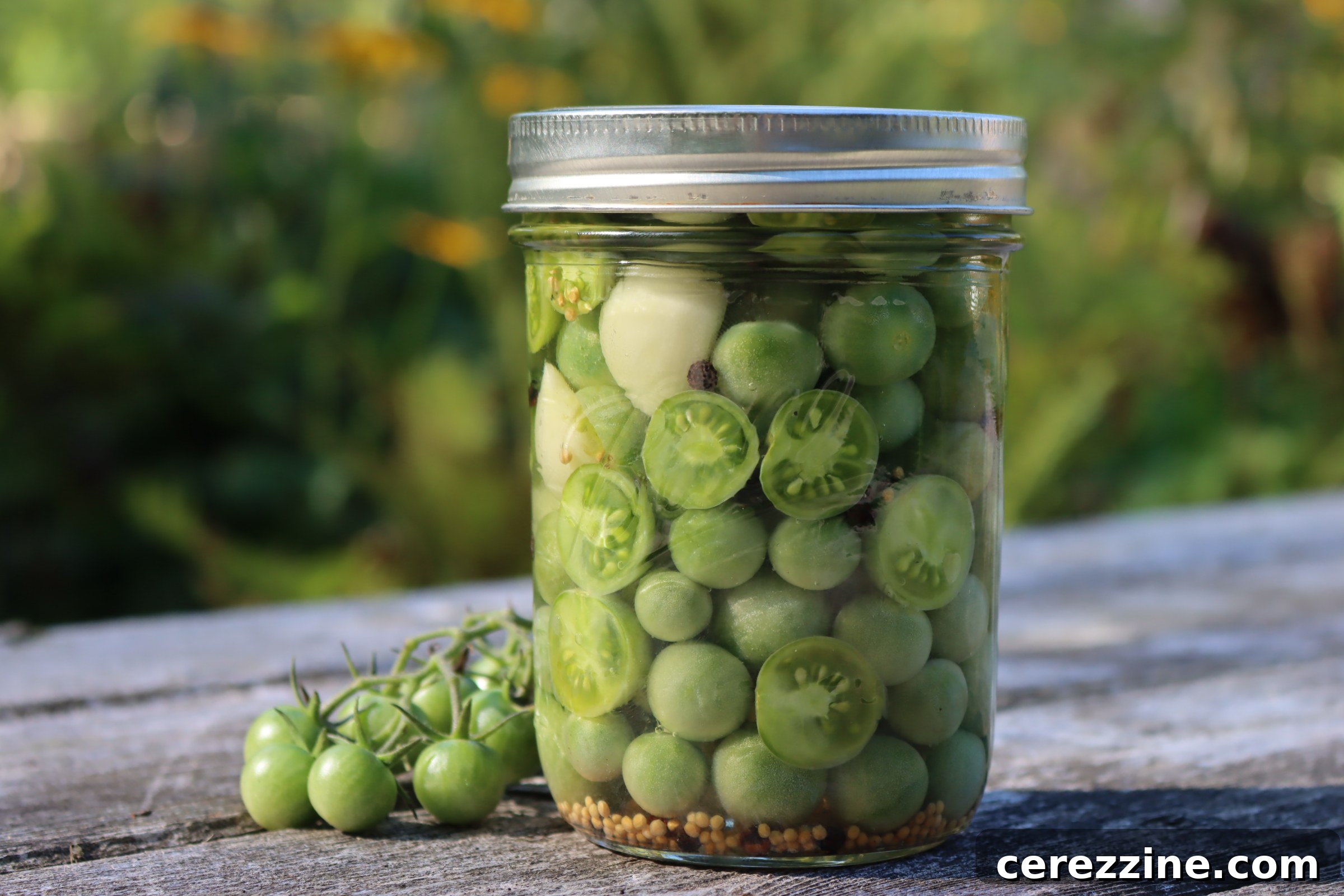
Pickling offers an excellent and flavorful method to utilize any fresh tomatillos you might have lingering in your refrigerator. Typically about the size of a large cherry tomato, their compact size makes them perfectly suited for pickling, allowing them to absorb the brine’s flavors beautifully.
Beyond simply enjoying them as a delicious snack, I find countless ways to incorporate pickled tomatillos into my cooking. They add a bright, tangy zest to quesadillas, enchiladas, and various other side dishes, infusing them with a unique and zippy flavor. Their versatility makes them a wonderful pantry staple for adding a Mexican-inspired kick to your meals.
- Quick Pickled Tomatillos
- Refrigerator Pickled Tomatillos
- Spicy Pickled Tomatillos
Tomatoes
While often a less conventional choice for preservation, pickling can be a fantastic way to handle an abundant tomato harvest, especially if you find yourself with more than you can consume through other methods. It offers a unique and delicious alternative for storing these summer favorites.
I have a particular fondness for pickled cherry tomatoes. Each year, my garden produces an overwhelming quantity of cherry tomatoes, far more than we can eat fresh or use in sauces. Pickling them allows me to put this bounty to excellent use, enjoying their tangy burst of flavor long after the growing season. Don’t limit yourself to just cherry tomatoes; exploring pickled green tomatoes also opens up another world of delightful possibilities and flavors.
- Pickled Cherry Tomatoes
- Pickled Green Tomatoes Recipe
Watermelon
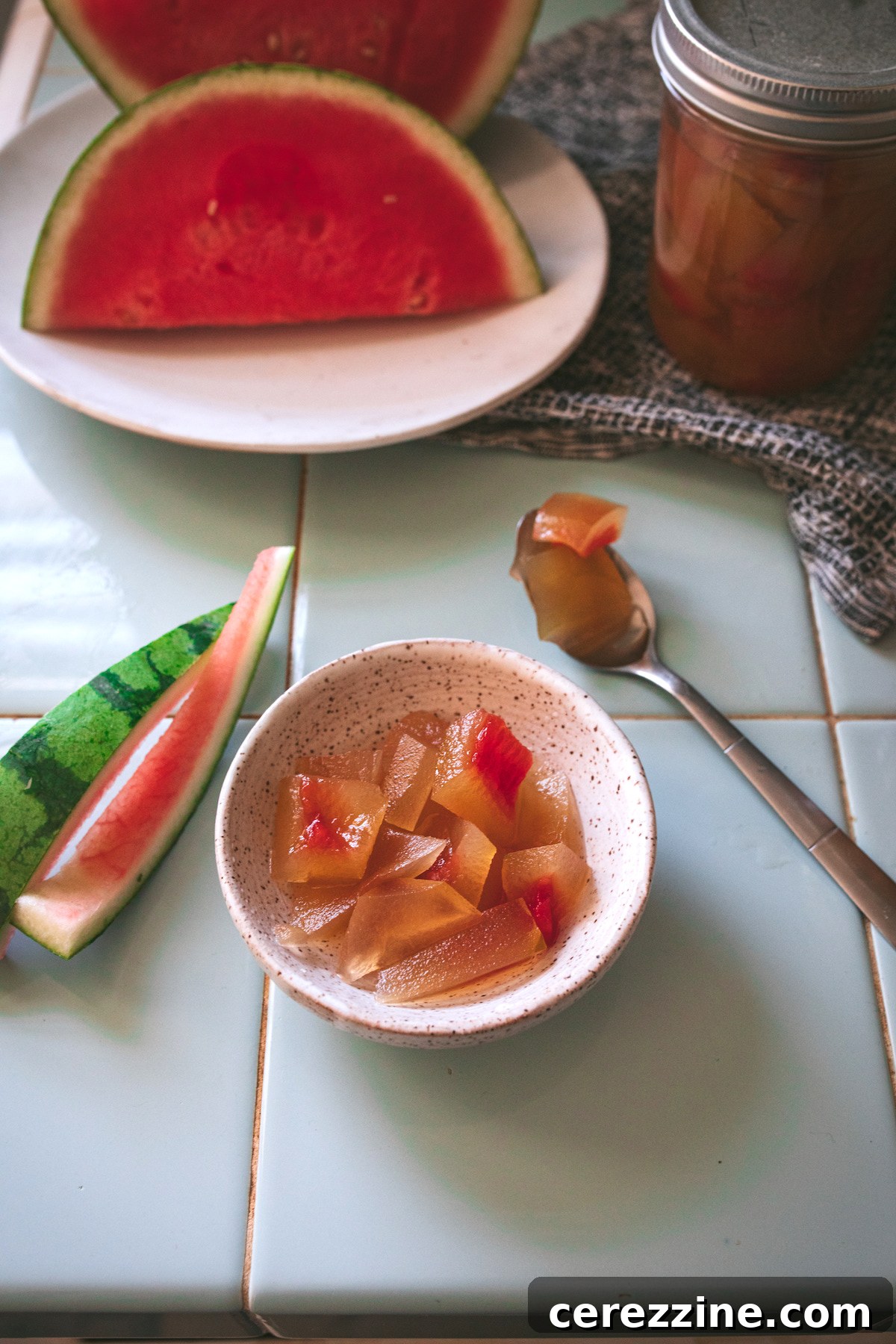
While the juicy flesh of watermelon is typically enjoyed fresh, the rind, often discarded, has been a cherished item for pickling for generations. In the harsh winters of early settler days on the prairie, pickled watermelon rind provided a much-needed burst of flavor to otherwise monotonous meals consisting primarily of salt pork and corn grits. Its fond mention in classic literature, like the Little House on the Prairie books, speaks to its historical significance as a vibrant treat.
This tradition endures to this day precisely because pickled watermelon rind is, unexpectedly, incredibly delicious. The rind takes on flavors wonderfully, absorbing the sweet and tangy brine while maintaining a delightful crispness. It’s a testament to the ingenuity of past generations in embracing a “waste not, want not” philosophy, transforming a humble byproduct into a surprisingly sophisticated and satisfying preserve.
- Watermelon Rind Pickles
Zucchini
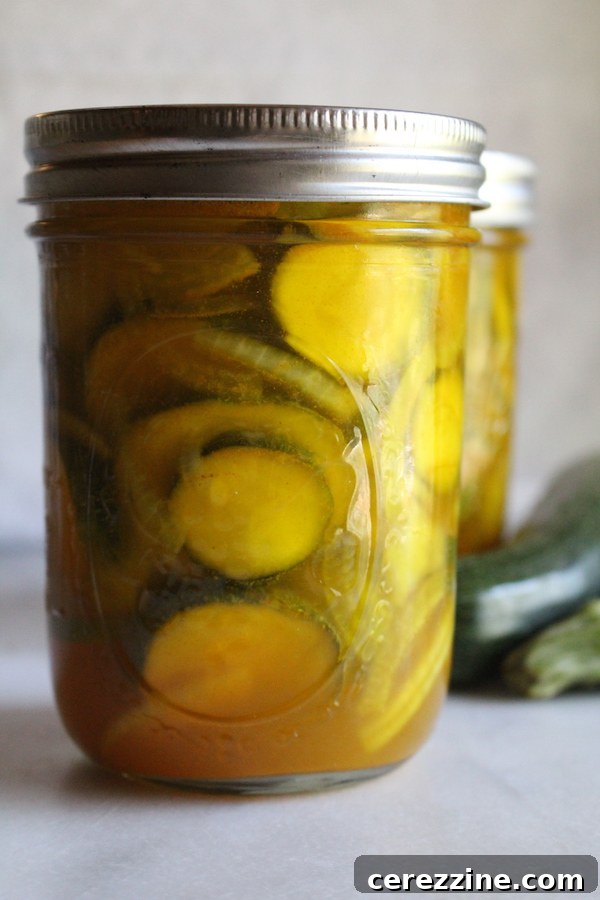
Much like its close relative, the cucumber, zucchini possesses a mild and versatile flavor profile that makes it an ideal candidate for pickling. It readily absorbs the array of spices and seasonings in a homemade pickle brine, transforming into a delicious and crunchy preserve that’s incredibly satisfying.
I’m particularly fond of transforming zucchini into classic bread and butter pickles. The delightful sweet and tangy flavor of this traditional pickle recipe works absolute wonders with the natural mildness of zucchini, creating a harmonious and utterly addictive combination. This method is an excellent way to use up an abundant zucchini harvest, ensuring none of this versatile vegetable goes to waste.
- Bread and Butter Zucchini Pickles
This extensive list covers nearly every fruit and vegetable imaginable for pickling, offering a gateway to a world of culinary discovery. If I’ve somehow overlooked any of your cherished favorites, please don’t hesitate to share them in the comments below. I am always eager for the opportunity to try out a new pickling recipe and expand my repertoire!