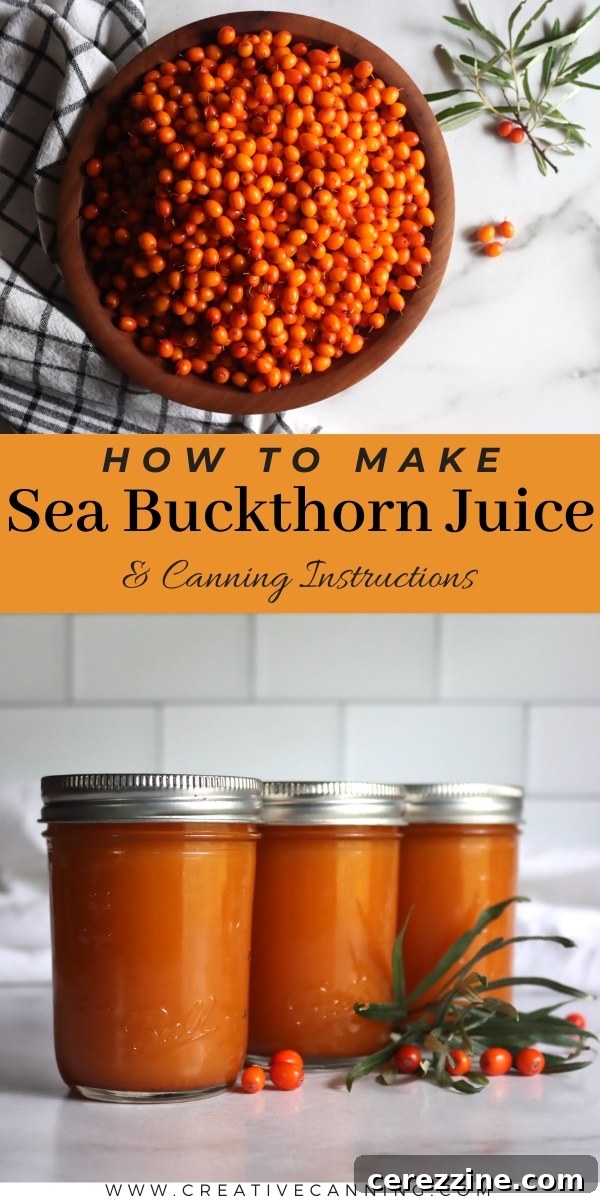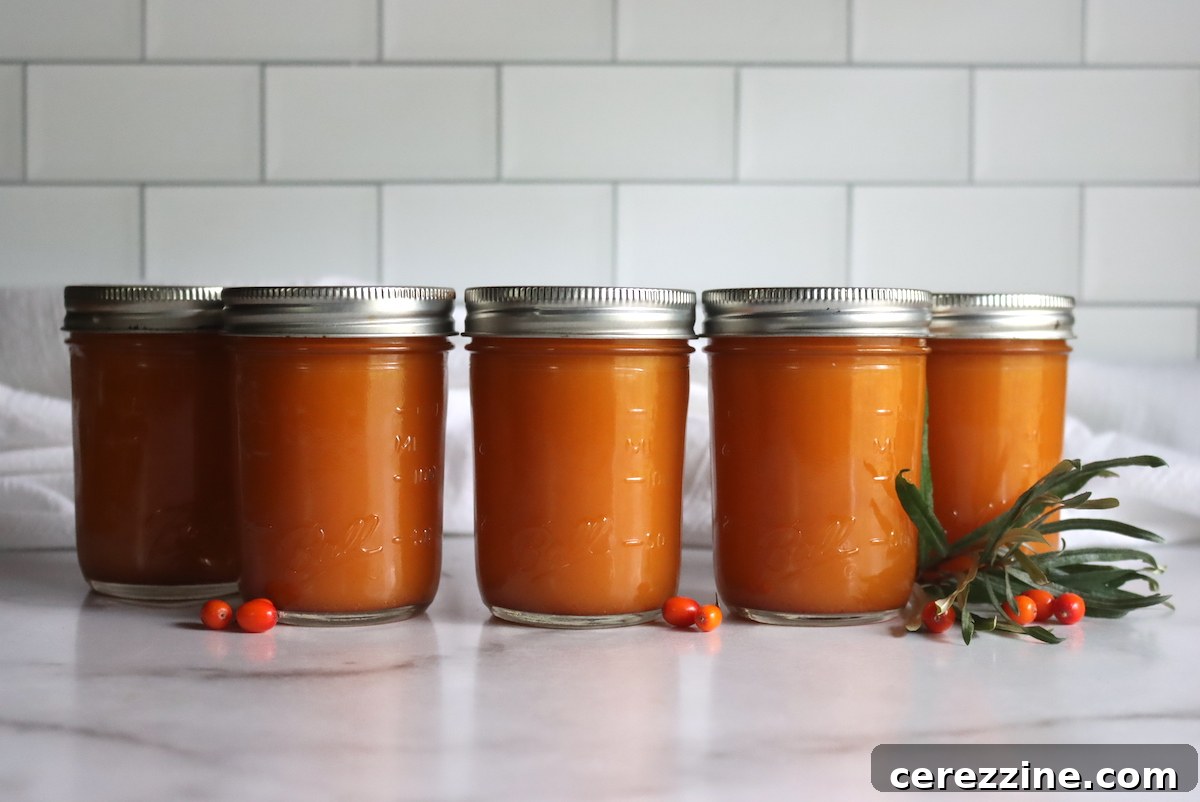
In the realm of superfoods, few can rival the vibrant power and unique flavor of sea buckthorn. Often hailed as the “Siberian pineapple,” this nutrient-dense berry yields a juice that is not only exquisitely tropical and tart but also brimming with health-boosting properties. Learning to preserve this golden elixir through home canning means you can enjoy its remarkable benefits and delightful taste throughout the year. Dive into the world of sea buckthorn juice and discover how this bright orange marvel can transform your pantry and your well-being.
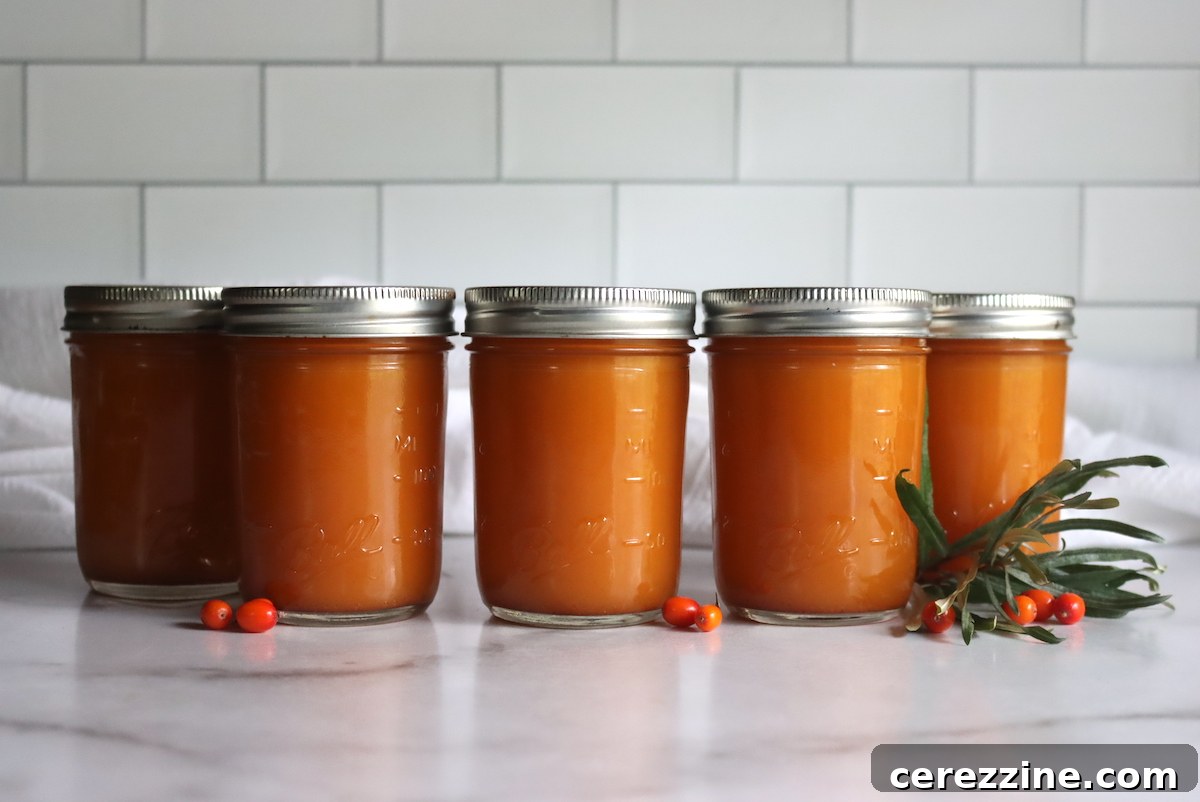
Sea buckthorn juice, also affectionately known as seaberry juice, offers a refreshing taste that perfectly balances the zesty notes of orange with the subtle sweetness of pineapple. Its naturally high acidity rivals that of lemon juice, making it an ideal candidate for safe water bath canning. Beyond its delightful flavor, this bright orange beverage is a powerhouse of vitamins, minerals, and antioxidants, garnering significant attention from health enthusiasts and home preservers alike.
What is Sea Buckthorn? The Nutrient-Dense “Siberian Pineapple”
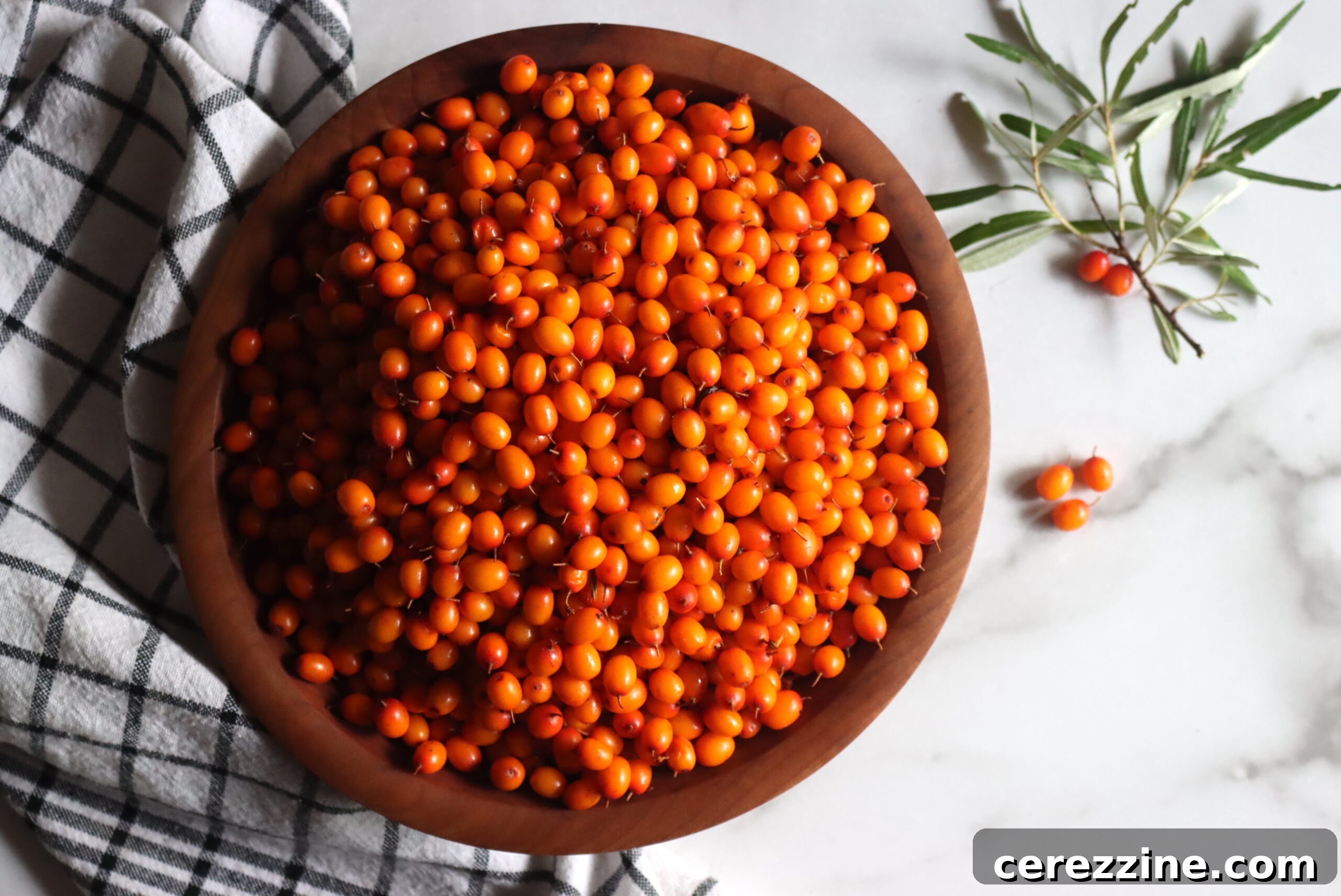
Sea buckthorn, scientifically known as Hippophae rhamnoides, is a fascinating and resilient thorny shrub renowned for its small, intensely vibrant orange berries. These berries, which cling to the branches, have earned it various evocative names, including seaberry, sandthorn, sallowthorn, and most notably, “Siberian pineapple” due to their tropical flavor profile. Native to a wide range of regions across Europe and Asia, from the Atlantic coasts of Western Europe to the mountain ranges of China, sea buckthorn thrives particularly well in cold, harsh climates, showcasing its remarkable hardiness.
The plant itself is a marvel, adapted to survive in challenging environments like coastal areas, riverbanks, and dry mountainous terrain. Its deep root system helps prevent soil erosion, making it an environmentally beneficial species. Historically, sea buckthorn has been used for centuries in traditional medicine, particularly in Tibetan and Mongolian cultures, where its berries, leaves, and oil were prized for their healing properties. Today, its incredible nutritional profile has brought it into the spotlight as a modern superfood, celebrated for its versatility in culinary and medicinal applications.
Unveiling the Power of Seaberry Juice: Incredible Health Benefits
Don’t let their small size fool you; sea buckthorn berries are truly mighty. They are celebrated for their exceptional nutritional density, packing a formidable punch of health benefits into every drop of juice. The berries are an outstanding source of Vitamin C, often surpassing oranges by many multiples. They also provide significant amounts of Vitamins A, E, and K, as well as several B vitamins. This rich vitamin complex contributes to overall well-being and supports various bodily functions.
Beyond vitamins, sea buckthorn berries are loaded with powerful antioxidants, including flavonoids, carotenoids (like beta-carotene, which gives them their distinctive orange hue), and phenolic compounds. These antioxidants are crucial for combating free radicals in the body, which are unstable molecules that can cause cellular damage and contribute to aging and chronic diseases. Regular consumption of sea buckthorn juice can help reduce oxidative stress, promoting cellular health and potentially offering protective effects against various ailments.
What truly sets sea buckthorn apart is its rare combination of omega fatty acids. It’s one of the few plant sources that contains all four major omegas: omega-3, omega-6, omega-9, and the unique omega-7. Omega-7, in particular, is valued for its role in maintaining healthy skin and mucous membranes, supporting hydration and regeneration from within. The presence of these fatty acids, along with its anti-inflammatory properties, makes sea buckthorn juice a valuable addition for promoting cardiovascular health, improving digestion, and reducing chronic inflammation throughout the body. Its immune-boosting capabilities, attributed to its high vitamin C and antioxidant content, make it an excellent choice for supporting your body’s natural defenses, especially during colder months.
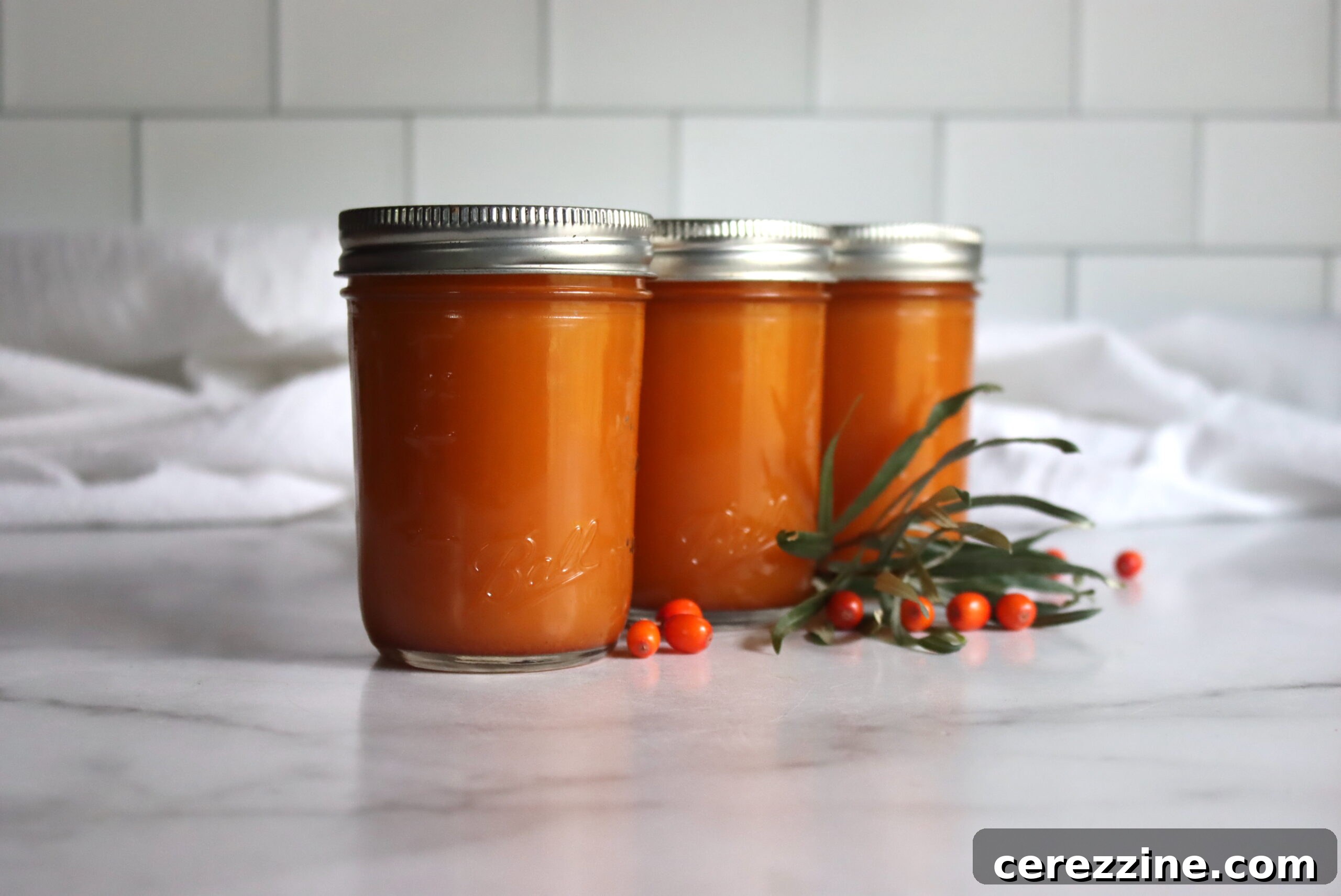
Why Home Canning Sea Buckthorn Juice is a Must-Try
The appeal of home canning sea buckthorn juice extends far beyond its health benefits and unique flavor. It’s an incredibly rewarding and practical way to preserve the seasonal bounty of this superfood. One of the most significant advantages of canning sea buckthorn juice is its natural composition. The berries are exceptionally juicy, making the extraction process straightforward, and they contain minimal pectin, which simplifies juicing without thick gels forming unexpectedly.
Crucially, sea buckthorn berries are naturally very acidic, with a pH typically ranging between 2.5 and 2.8. This high acidity is a game-changer for home canners, as it means the juice is inherently safe for water bath canning without the need to add any additional acids, such as lemon juice. Its pH is comparable to that of fresh lemon juice, providing a natural safeguard against spoilage and ensuring a safe, stable product when properly processed. This makes sea buckthorn juice an excellent choice for beginners and experienced canners alike, offering peace of mind along with delicious results.
By canning sea buckthorn juice at home, you capture its peak freshness and nutritional value, allowing you to enjoy its vibrant tropical flavor and myriad health benefits year-round. It’s a wonderful way to bring a piece of the harvest into your daily routine, whether as a refreshing drink, a culinary ingredient, or a nourishing addition to your morning smoothie. The satisfaction of stocking your pantry with homemade, natural goodness is truly unparalleled.
Essential Ingredients for Canning Sea Buckthorn Juice
The beauty of canning sea buckthorn juice lies in the simplicity of its ingredient list. You need very few items to create this potent, delicious beverage. For a standard canner batch, yielding approximately two pints or four half-pints, the core ingredients are quite minimal:
- 8 cups of fresh or frozen sea buckthorn berries
- 2 cups of water
- Sweetener of choice (optional, to taste)
When foraging for fresh sea buckthorn berries, remember that the shrubs are famously thorny. Wearing protective gloves and long sleeves is highly recommended to shield your skin from their sharp spines. After harvesting, thoroughly rinse the berries to remove any dirt, leaves, or debris. A handy tip for easier juicing: consider freezing the berries for at least a few hours, or even overnight. Freezing helps to soften their tough skins, making the juice extraction process significantly more efficient and yielding more liquid. While juicing is a primary use, don’t forget that sea buckthorn berries are versatile and can be used in other recipes, such as jams or jellies. You might even consider processing a larger batch to try multiple recipes!
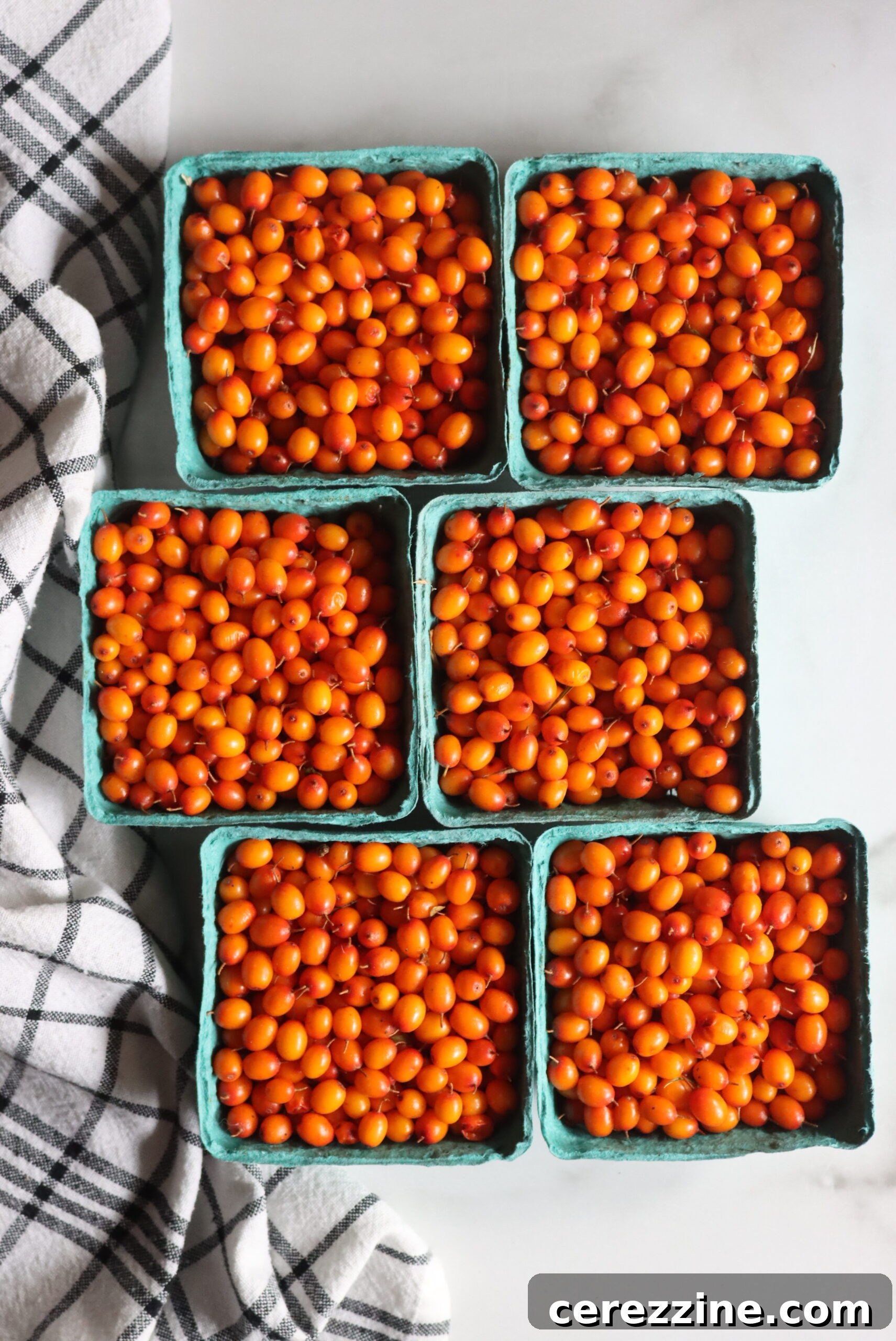
Step-by-Step Guide: How to Make and Can Sea Buckthorn Juice
Preparing Your Sea Buckthorn Berries for Juicing
Before you begin juicing, ensure your sea buckthorn berries are clean and ready. Wash them thoroughly under cool running water, picking out any small stems, leaves, or unripe berries. As mentioned, freezing the berries can greatly assist in juice extraction. The freezing and thawing process breaks down the cell walls, allowing more juice to be released. If you’ve harvested a large quantity, freezing them in batches is an excellent way to prepare them for juicing at your convenience.
Extracting the Golden Elixir: Juicing Methods
There are several effective ways to extract juice from sea buckthorn berries, each with its own advantages:
1. Simmering Method: This is a popular and straightforward approach. Place 8 cups of cleaned berries and 2 cups of water into a large saucepan. Bring the mixture to a gentle boil, then reduce the heat and simmer for about 5 to 10 minutes. During simmering, use a potato masher or a sturdy spoon to gently mash the fruit, encouraging it to release its vibrant juices. This method helps soften the berries, leading to a higher juice yield.
2. Blender/Food Processor Method: For a raw juice base, you can blend the cleaned berries with 2 cups of water until smooth to create a runny puree. While this method is quick, it may not extract as much liquid as simmering, and the resulting juice might be thicker due to more pulp.
3. Steam Juicer or Food Mill Method: These tools are highly efficient for separating juice from pulp and seeds. A steam juicer works by gently heating the berries, allowing steam to release their juice, which then collects in a lower compartment. A food mill, especially a hand-crank model like this nifty hand crank food mill, is excellent for pressing cooked or softened berries, quickly separating the juice from the solids. My kids particularly enjoy using the food mill, and it can process a gallon of berries in roughly 10 minutes, making it a family-friendly task!
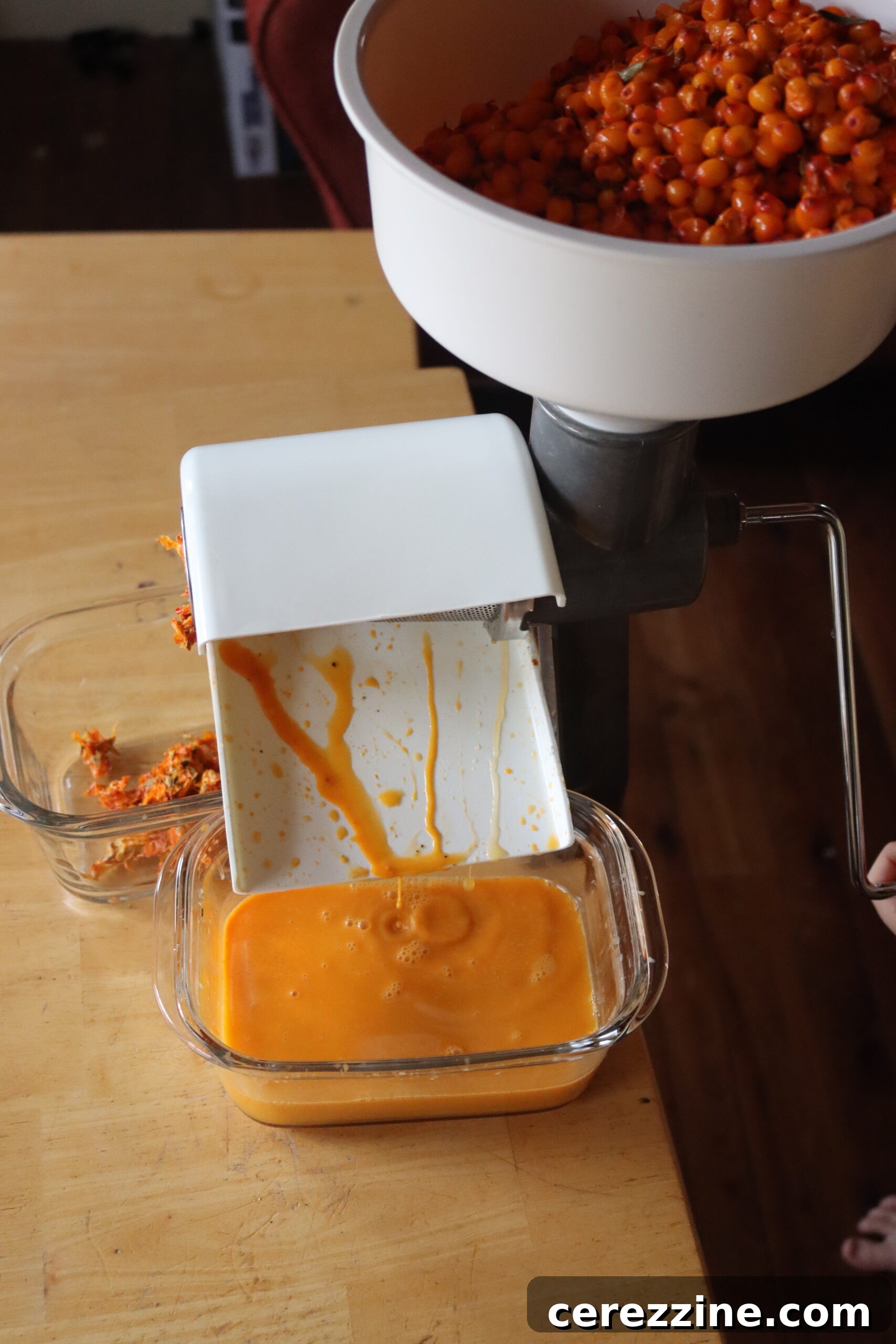
Whichever method you choose, the ultimate goal is to separate the bright orange juice from the pulp and seeds. You should generally expect about 2 cups of fresh fruit to yield 1 cup of juice. From a gallon of raw fruit, you can anticipate getting approximately a half-gallon (8 cups) of juice, along with about a pint (2 cups) of seeds and pulp. Don’t discard the seeds and pulp immediately! Sea buckthorn seeds are in high demand, as many people want to grow their own sea buckthorn plants, which can be hard to source. Share them with gardening friends or consider drying them for future use.
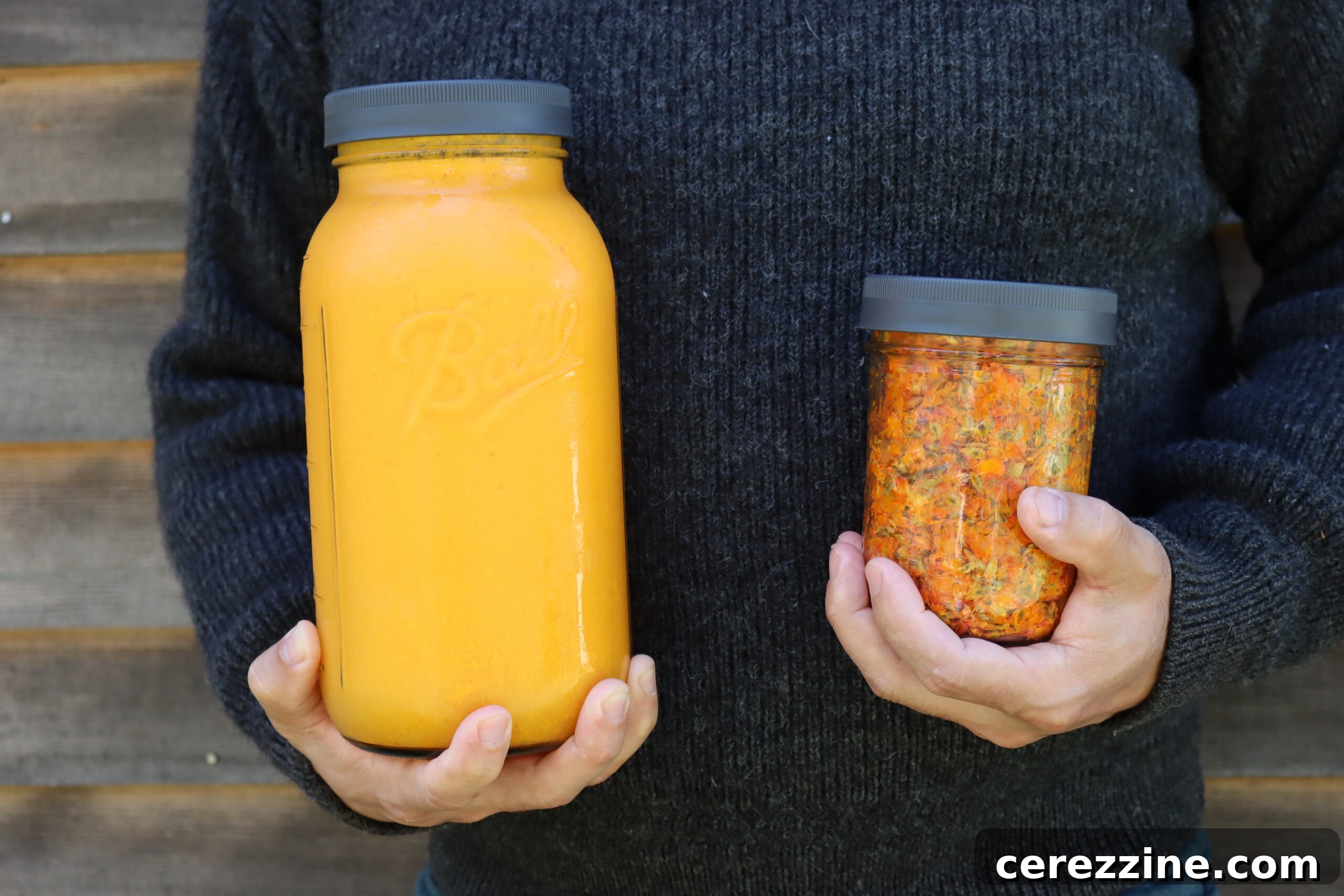
Safe Water Bath Canning Process
Once you have your freshly extracted sea buckthorn juice, it’s time for the final preservation steps:
- Prepare Jars and Lids: Begin by sterilizing your canning jars and lids. You can do this by boiling them in water for at least 10 minutes. Keep them hot until ready to fill.
- Fill Jars: Use a canning funnel to carefully pour the hot sea buckthorn juice into the sterilized jars. Leave approximately 1/4 to 1/2 inch of headspace at the top of each jar. This space is crucial for proper sealing and to allow for expansion during processing.
- Clean Rims and Seal: Wipe the rims of the jars with a clean, damp cloth to remove any residue that could interfere with the seal. Place the sterilized lids on top, followed by the screw bands. Tighten the bands fingertip-tight—meaning just until you feel resistance, without overtightening.
- Process in Water Bath Canner: Gently place the filled jars onto a rack in a large pot of boiling water or a dedicated water bath canner. Ensure that the water level covers the tops of the jars by at least one inch. Bring the water back to a rolling boil.
- Processing Time: Process the jars for 10 minutes if you are at an elevation below 6,000 feet. If you are above 6,000 feet in elevation, increase the processing time to 15 minutes to account for lower boiling points.
- Cool and Store: Once the processing time is complete, carefully remove the jars from the hot water using a jar lifter. Place them on a towel or a wire rack on your countertop, ensuring they are not touching each other, and allow them to cool undisturbed for 24 hours. As they cool, you will often hear a satisfying popping sound, indicating that the vacuum seal has formed. After 24 hours, check the seals by pressing on the center of each lid; if it doesn’t flex, it’s sealed. Remove the screw bands, label your jars with the contents and date, and store them in a cool, dark place for up to a year.
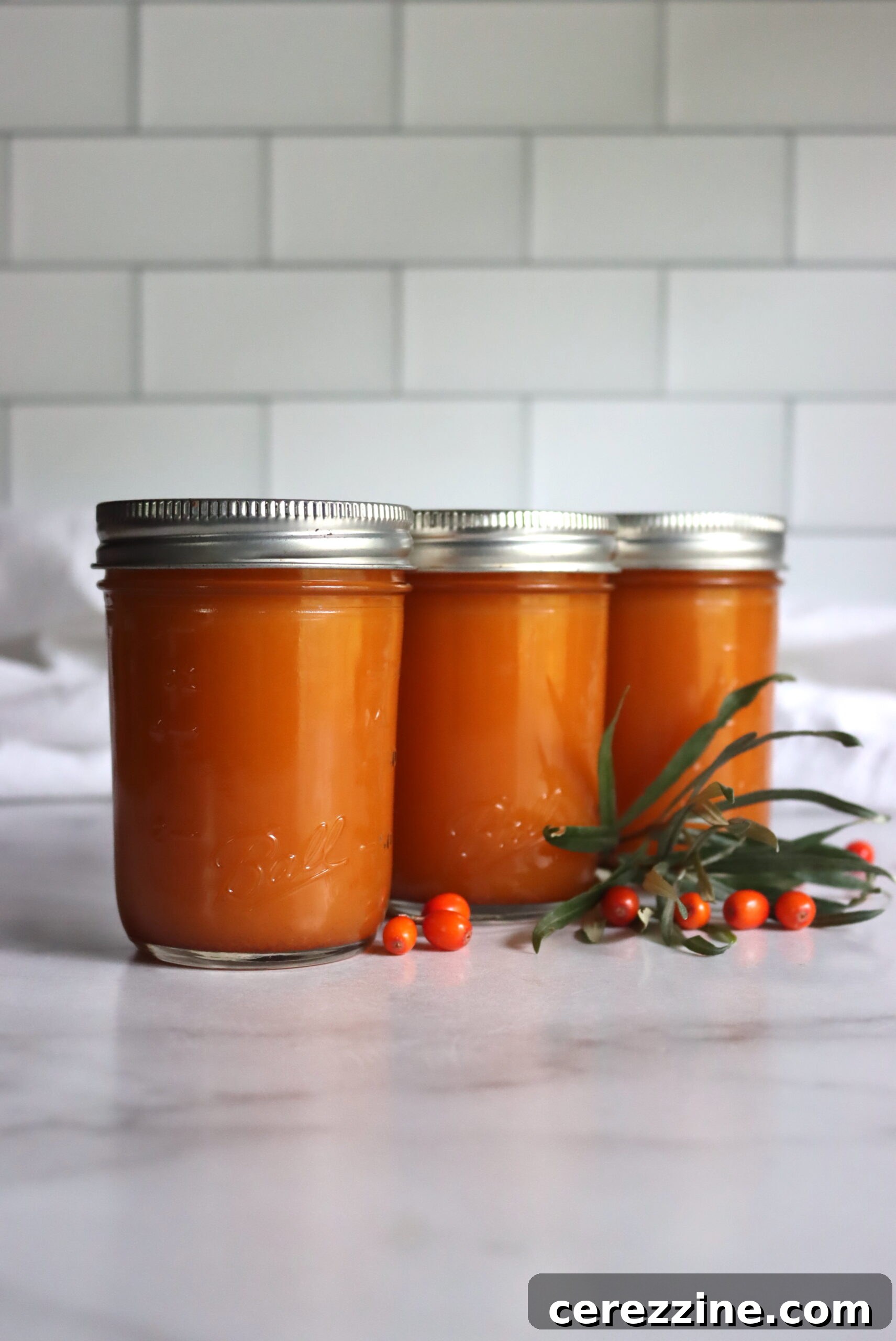
Creative Ways to Enjoy Your Home-Canned Sea Buckthorn Juice
Once you’ve successfully canned your batches of sea buckthorn juice, a world of culinary possibilities opens up. This versatile and nutritious beverage can be enjoyed in countless ways, adding a burst of tropical flavor and a wealth of health benefits to your diet.
The simplest way to enjoy it is chilled, served straight up as a refreshing and invigorating drink. You can also incorporate it into your favorite smoothie recipes for an extra nutrient boost and a tangy twist. But don’t stop there! Sea buckthorn juice is surprisingly adaptable for both sweet and savory applications in the kitchen.
Consider these creative ideas to make the most of your golden juice:
- Experiment with Flavors: Elevate your sea buckthorn juice by infusing it with fresh herbs like mint, basil, or rosemary for a sophisticated and refreshing twist. A slice of ginger or a pinch of cardamom can also add intriguing layers of flavor.
- Pair with Other Fruits: Blend sea buckthorn juice with other fruit juices to create unique flavor combinations. It pairs beautifully with apple, orange, peach, or even a hint of cranberry for a more complex and balanced beverage.
- Utilize the Pulp: Don’t let the leftover pulp go to waste! It’s still packed with fiber and nutrients. Incorporate it into baking recipes like muffins, quick breads, or energy bars. You can also dry the pulp to make a nutrient-rich powder for smoothies or sprinkle over yogurt.
- Add Whole Berries to Dishes: If you have any fresh or frozen whole sea buckthorn berries, they make a fantastic addition to salads, yogurt bowls, or even as a tangy garnish for roasted meats.
- Culinary Applications: Use sea buckthorn juice as a base for vibrant and savory sauces or marinades. Its acidity and tropical notes can tenderize meats and add a unique zing to poultry, fish, or vegetable dishes. Try reducing it slightly with a touch of honey or maple syrup for a glaze.
- Get Boozy: For adult beverages, sea buckthorn juice is a fantastic mixer. Blend it with vodka, gin, or even a dry sparkling wine for a unique and vibrant cocktail or mimosa. The possibilities for creative concoctions are endless.
- Sweet Treats: Beyond drinks, sea buckthorn juice can be used to make delicious desserts. Think sorbets, popsicles, custards, or even a tangy curd for tarts. You can even turn your sea buckthorn juice into homemade Seaberry Jelly!
The versatility of sea buckthorn juice, combined with its impressive nutrient and antioxidant profile, truly makes it a jewel of the home pantry.
Sea Buckthorn Juice Recipe
Sea Buckthorn Juice
By Ashley Adamant
Sea buckthorn juice (also known as seaberry juice) has a wonderful tropical flavor, and it’s easy to preserve this hearty northern fruit in home-canned juices. The juice tastes like a mix between orange and pineapple, and it’s almost as acidic as lemon juice, making it a good choice for water bath canning (or fresh homemade seaberry-ade).
Equipment
- Water Bath Canner
- Food Mill (optional, for efficient juicing)
- Large saucepan
- Fine mesh strainer or cheesecloth
- Canning jars and lids
- Jar lifter
- Canning funnel
Ingredients
- 8 cups sea buckthorn berries, fresh or frozen
- 2 cups water
- Sweetener of choice, optional, to taste (e.g., sugar, honey)
Instructions
- Wash the sea buckthorn berries thoroughly, removing any stems or leaves.
- In a large pot, combine the berries and water. Bring to a boil and then simmer for 10 minutes, mashing the berries gently with a spoon to release their juices.
- Use a fine mesh strainer or cheesecloth to strain the cooked mixture, extracting the juice into a clean pot. (A food mill also works exceptionally well for this, and can be used with raw or cooked berries for maximum yield.)
- If desired, add your chosen sweetener to the juice and stir until completely dissolved. Taste and adjust to your preference.
- Bring the juice back to a boil, then reduce the heat and simmer for another 5 minutes. This ensures a hot pack for canning.
- Carefully pour the hot juice into your prepared, hot, sterilized canning jars, leaving about 1/4 inch of headspace at the top. Wipe the rims clean to ensure a proper seal and secure with sterilized lids and bands (fingertip-tight).
- Place the filled jars on a rack in a large pot of boiling water or a water bath canner. Make sure the water covers the jars by at least an inch. Process for 10 minutes if you’re below 6,000 feet in elevation, or process for 15 minutes if you’re above 6,000 feet.
- Remove the jars from the water bath using a jar lifter and let them cool completely on a towel on your countertop for 12-24 hours. Check seals, label, and store in a cool, dark place for up to a year.
Nutrition
Nutrition information is automatically calculated, so should only be used as an approximation. Per serving (assuming 32 servings from 2 pints):
Calories: 12kcal, Carbohydrates: 3g, Protein: 0.1g, Fat: 0.03g, Saturated Fat: 0.002g, Polyunsaturated Fat: 0.01g, Monounsaturated Fat: 0.004g, Sodium: 1mg, Potassium: 20mg, Fiber: 1g, Sugar: 1g, Vitamin A: 15IU, Vitamin C: 4mg, Calcium: 2mg, Iron: 0.1mg
Explore More Home Canning Adventures
If you’ve enjoyed the rewarding process of canning sea buckthorn juice, why not explore other delicious and nutritious home-canned juices? Expanding your repertoire of preserved liquids is a fantastic way to capture the essence of different fruits and enjoy their flavors long after their season has passed. Each fruit offers unique characteristics that make for delightful beverages and versatile ingredients in your kitchen.
Discover more juice canning recipes to stock your pantry:
- Canning Rhubarb Juice
- Canning Strawberry Juice
- Canning Grape Juice