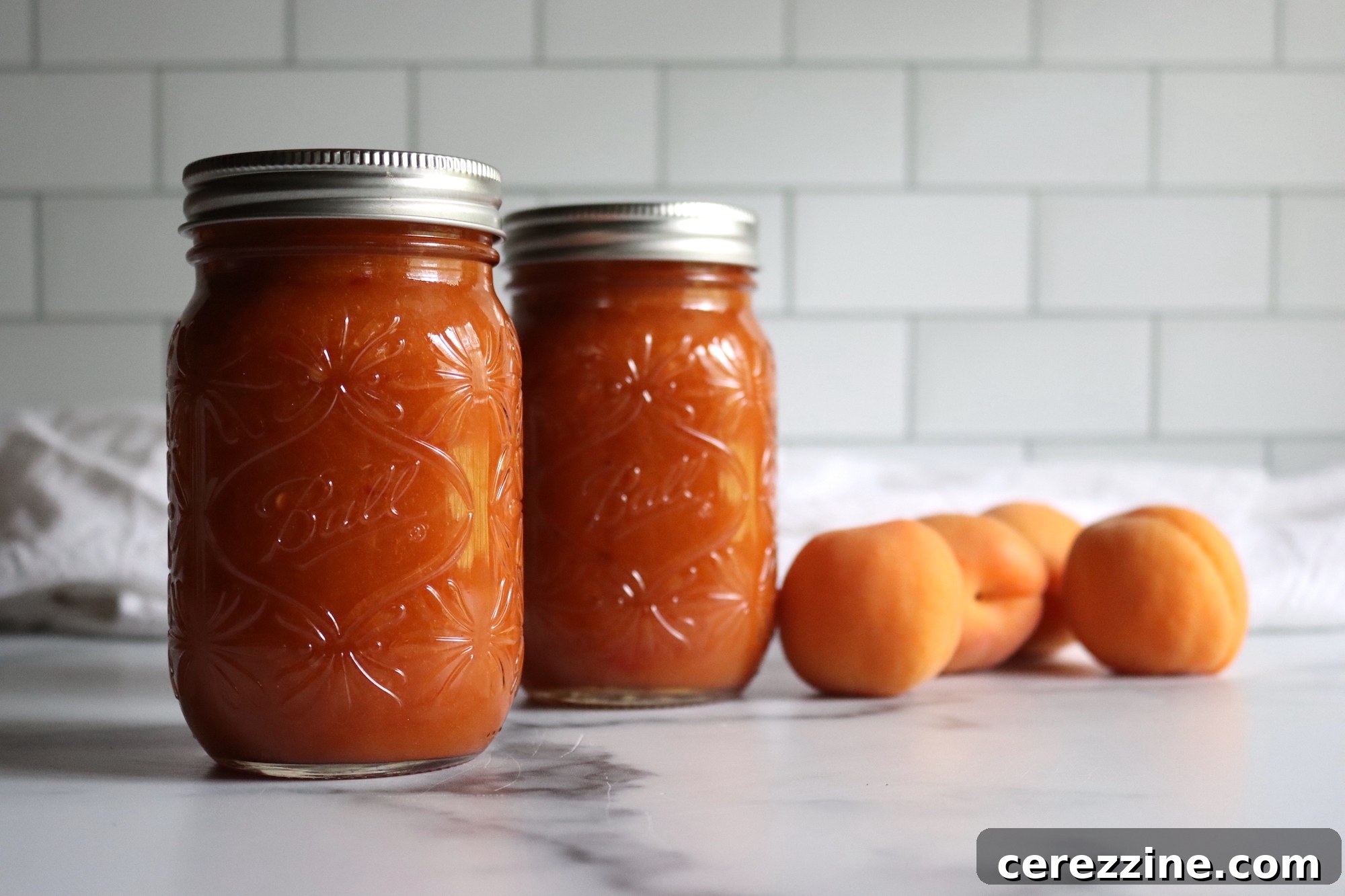
Welcome to a culinary journey that promises to transform your grilling experience: homemade Apricot BBQ Sauce. Forget the bland, store-bought options and elevate your summer cookouts with a sauce that’s both easy to make and bursting with sophisticated flavor. This golden-orange masterpiece, speckled with hints of red, is far more than just a condiment; it’s a versatile flavor enhancer perfect for basting succulent grilled chicken, brushing over tender ribs, or drizzling generously on flaky salmon. What’s even better? This delicious sauce can be easily canned, allowing you to savor the essence of summer all year long, long after the grilling season has passed.
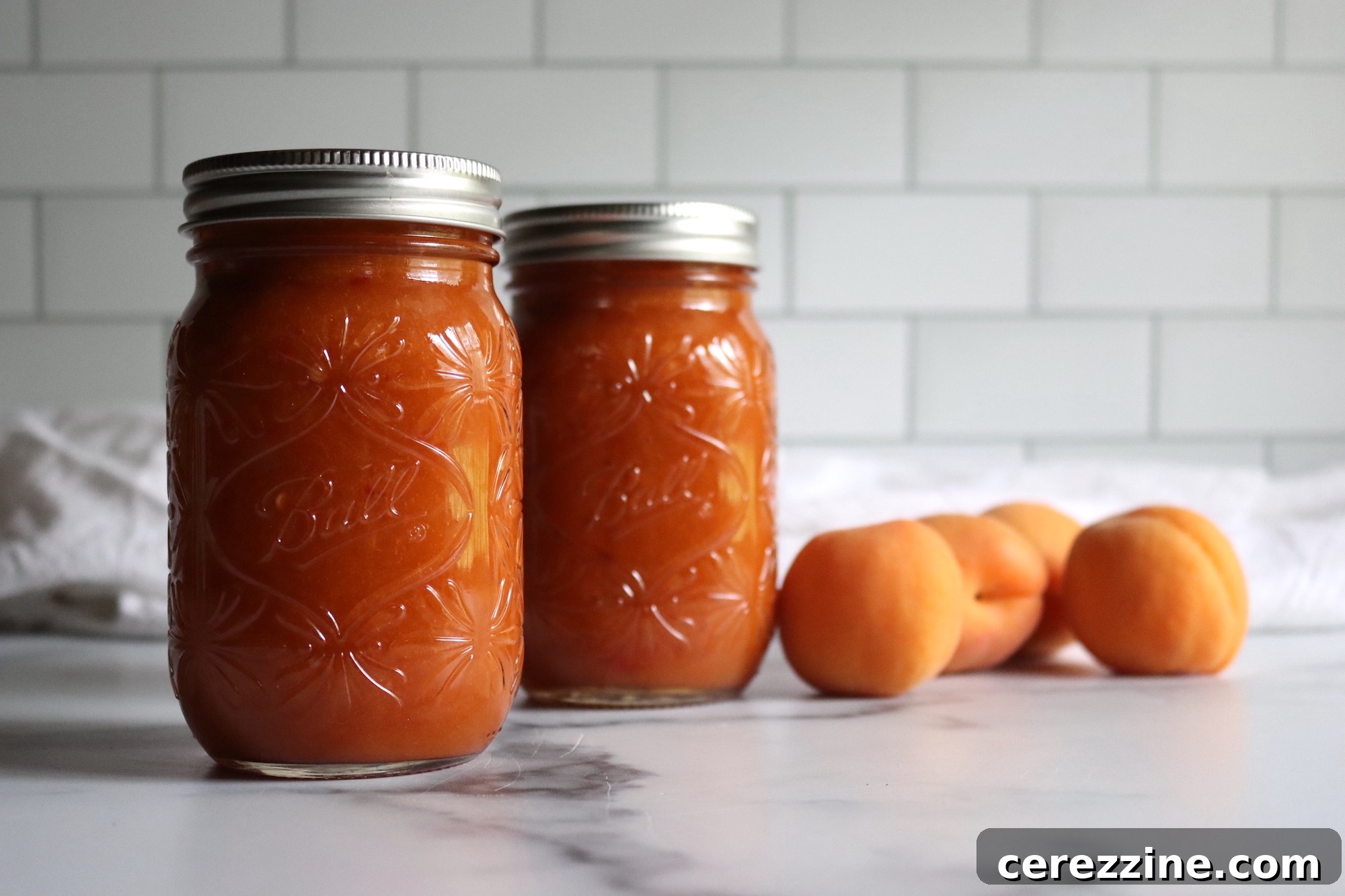
The Allure of Apricots in BBQ Sauce
Apricots are truly the unsung heroes of fruit-based BBQ sauces. Their delicate sweetness, beautifully complemented by a subtle tartness, creates a flavor profile that is both vibrant and balanced. Unlike some fruits that can overpower with sweetness or acidity, apricots offer a nuanced base, making them an ideal choice for a complex BBQ sauce. When combined with other classic BBQ ingredients like the rich depth of honey, the tang of cider vinegar, and a medley of warming spices, apricots transform into a sauce that is incredibly rich and full-bodied, yet surprisingly versatile to pair with almost any grilled or roasted dish.
I find this homemade apricot BBQ sauce particularly exceptional when slathered over grilled chicken, where its fruity notes beautifully caramelize, creating an irresistible crust. It also performs wonderfully with pork, adding a bright counterpoint to the rich meat, whether it’s slow-cooked pulled pork or grilled pork chops.
Essential Ingredients for Your Apricot BBQ Sauce
This recipe is a delightful adaptation inspired by the comprehensive resource, The Ball Complete Book of Home Canning. While their original recipe features peach BBQ sauce, they themselves highlight the interchangeability of stone fruits in canning recipes. In fact, Ball specifically suggests that using apricots can yield a richer, more profound flavor in certain recipes, such as their peach salsa. Based on this expert advice and my own culinary experiments, I firmly believe that apricots truly elevate this BBQ sauce, making it superior to its peach counterpart.
To prepare a four-pint batch of this incredible sauce, you will need the following fresh and pantry staples. Precision in measurements, especially for canning, is crucial for both flavor and safety.
- 6 cups finely chopped, pitted apricots (unpeeled): Choose ripe, firm apricots. Leaving the skins on not only saves time but also adds a lovely texture and additional nutrients to the sauce. Ensure they are washed thoroughly before chopping.
- 1 cup finely chopped onion (approximately 1 large onion): A yellow or sweet onion works best here, providing a foundational savory note that complements the apricots.
- 3 Tbsp finely chopped garlic: Fresh garlic is key for a robust flavor. Aim for finely minced pieces to ensure even distribution throughout the sauce.
- 1-1/4 cups honey: Honey provides a natural sweetness that beautifully balances the tartness of the apricots and vinegar, while also contributing to the sauce’s rich consistency.
- 3/4 cup cider vinegar: This is a critical ingredient, not just for its tangy flavor but primarily for its role in preserving the sauce for canning. Do NOT reduce this amount for safety reasons.
- 1 Tbsp Worcestershire sauce: Adds a layer of umami and complexity, deepening the overall flavor profile of the BBQ sauce.
- 2 tsp dried hot pepper flakes: These flakes introduce a pleasant warmth and a touch of heat, making the sauce more interesting without being overly spicy. If you prefer a milder sauce, you can omit them entirely, or for those who love a fiery kick, feel free to increase the amount to your liking. Remember, when canning, you can always adjust dry spices to taste without compromising safety, but never alter the ratio of acidic ingredients.
- 2 tsp dry mustard: Contributes a subtle, earthy pungency that enhances the spice blend and complements the fruit.
- 2 tsp salt: Essential for seasoning and balancing all the flavors in the sauce.
A note on customization: while you have flexibility with dry spices like pepper flakes and dry mustard to adjust the heat and pungency to your personal preference, it is absolutely crucial not to alter the amount of vinegar. The vinegar content is precisely calculated to ensure the safety and proper preservation of the sauce when canned. The honey, on the other hand, is added for sweetness. If you desire a tangier sauce, you can slightly reduce the amount of honey, but always keep the vinegar quantity consistent.
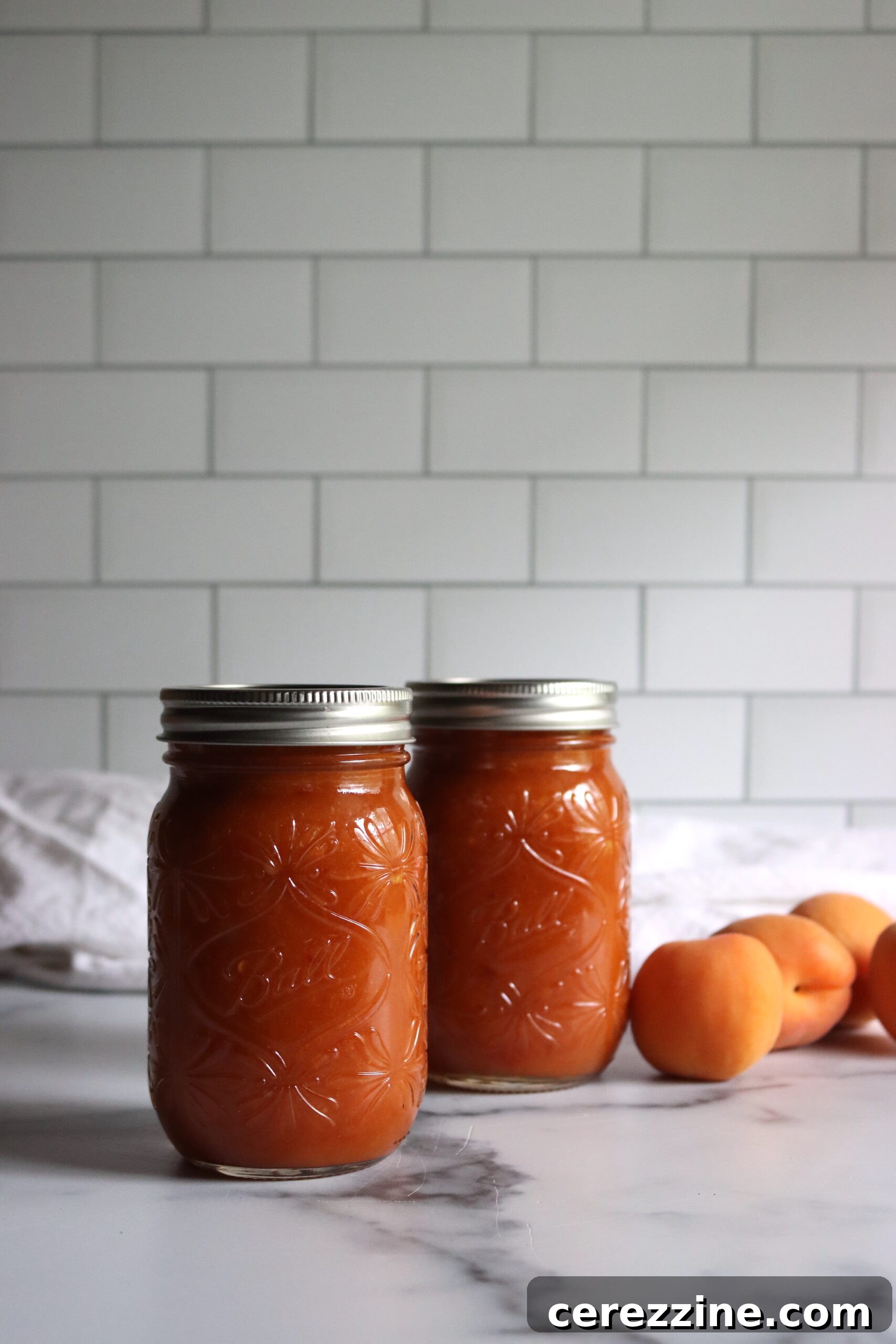
Crafting Your Apricot BBQ Sauce: A Step-by-Step Guide
Making this apricot BBQ sauce is a straightforward process, but paying attention to each step ensures a perfect consistency and flavor, especially if you plan on canning it for long-term storage.
1. Preparation is Key
Before you even start cooking, ensure your canning equipment is ready. Begin by sterilizing your jars and lids according to standard canning practices. This usually involves washing jars in hot, soapy water, rinsing them well, and then either boiling them or running them through a dishwasher’s sanitizing cycle. Keep them hot until filling to prevent thermal shock and facilitate proper sealing. Your water bath canner should also be filled and heating up.
2. Cooking the Sauce to Perfection
In a large, heavy-bottomed saucepan or Dutch oven, combine all your prepared ingredients: the finely chopped apricots, onion, minced garlic, honey, cider vinegar, Worcestershire sauce, hot pepper flakes, dry mustard, and salt. Stir everything together thoroughly to ensure the spices and liquids are well incorporated with the fruit and vegetables.
Bring this mixture to a rolling boil over medium-high heat, stirring occasionally to prevent sticking and ensure even cooking. Once the sauce begins to boil vigorously, reduce the heat to a gentle simmer. Continue to cook, stirring frequently, for approximately 25 minutes. During this time, the sauce will gradually thicken to a consistency similar to a thin commercial BBQ sauce. The continuous stirring helps break down the fruit and prevents scorching.
For those who prefer a velvety smooth texture, you have a couple of options: carefully transfer batches of the hot sauce to a food processor and blend until smooth, or use an immersion blender directly in the saucepan. Blend to your desired smoothness. If you appreciate a more rustic, textured sauce, you can simply leave it as is, with small chunks of apricot and onion adding character.
3. Filling and Sealing the Jars
Once your sauce has reached the desired consistency, carefully ladle the hot BBQ sauce into your prepared, hot jars. It is crucial to leave precisely 1/2 inch of headspace from the rim of the jar. Headspace is essential for creating a strong vacuum seal and allowing for food expansion during processing. Too little headspace can lead to food boiling out during processing, and too much can prevent a proper seal.
After filling, gently tap the jars on your counter a few times to release any trapped air bubbles. You can also use a non-metallic bubble remover tool or a clean spatula to dislodge bubbles around the edges. Any air left in the jar can interfere with the seal or affect the quality of the sauce over time. Wipe the rims of the jars meticulously with a clean, damp towel to remove any sauce residue. Even a tiny speck of food can prevent a proper seal.
Center the hot lids on the jars and screw on the metal bands until they are “fingertip tight.” This means screwing them on just enough so they meet resistance, but not overly tight, which can prevent air from escaping and hinder the sealing process. This ensures a proper seal will form during processing.
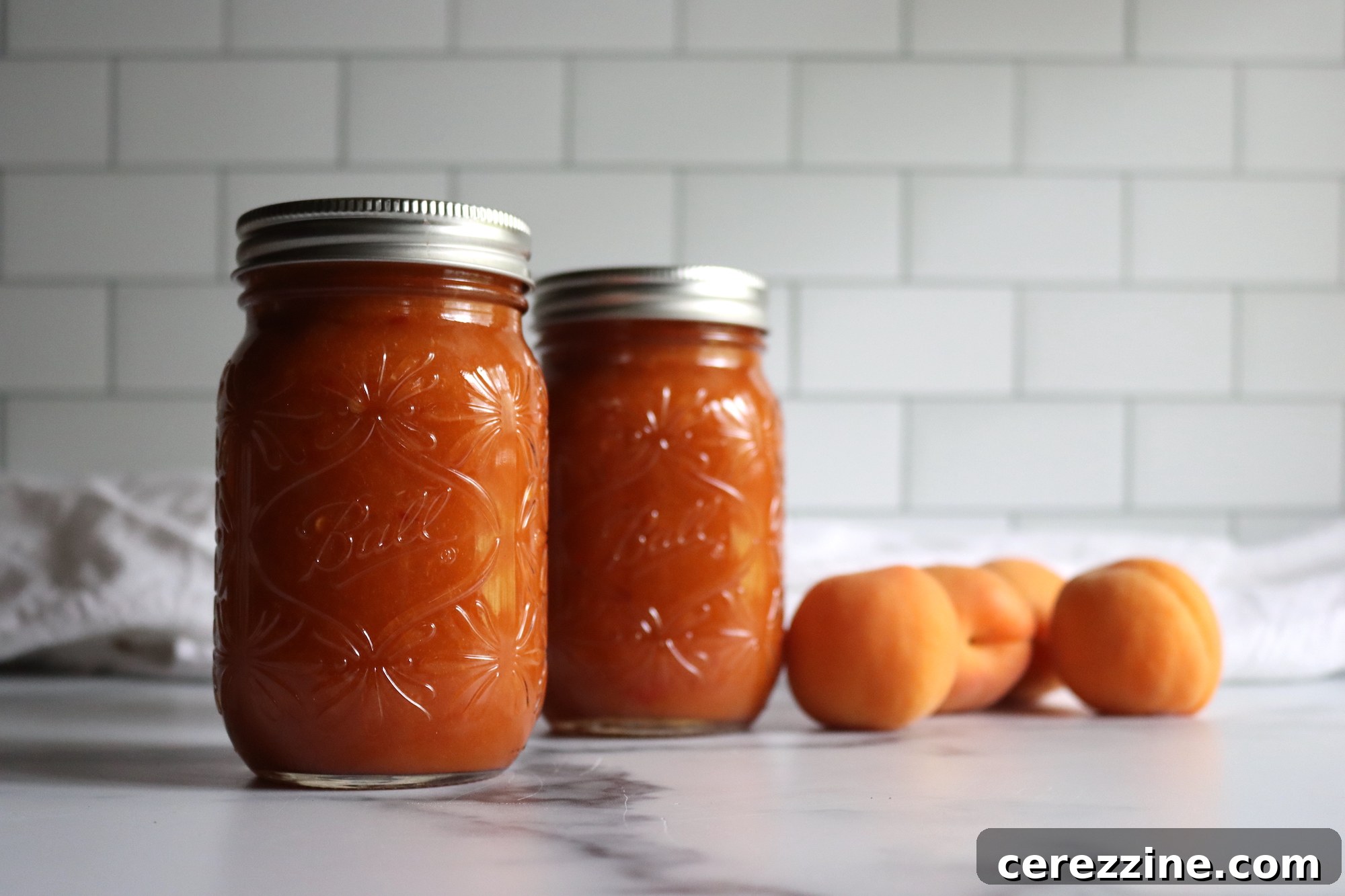
Canning Apricot BBQ Sauce for Long-Term Storage
Water bath canning is the recommended method for preserving this apricot BBQ sauce, as it is a high-acid food. This process ensures the jars are safely sealed, extending the shelf life of your homemade creation for many months. Follow these guidelines carefully:
Processing Times for Water Bath Canning:
The processing time varies depending on your altitude. Always use the appropriate time for your elevation to ensure safety and proper preservation:
- For altitudes of 0 to 1,000 feet: process half-pints for 15 minutes and pints for 20 minutes.
- For altitudes of 1,001 to 3,000 feet: process half-pints for 20 minutes and pints for 25 minutes.
- For altitudes of 3,001 to 6,000 feet: process half-pints for 25 minutes and pints for 30 minutes.
- For altitudes of 6,001 feet and above: process half-pints for 25 minutes and pints for 30 minutes.
When using a water bath canner, ensure that the jars are fully submerged in water, with at least one inch of water covering the jar tops. Bring the water to a rolling boil before you start your timer. The processing time begins only once the water has reached a full, vigorous boil.
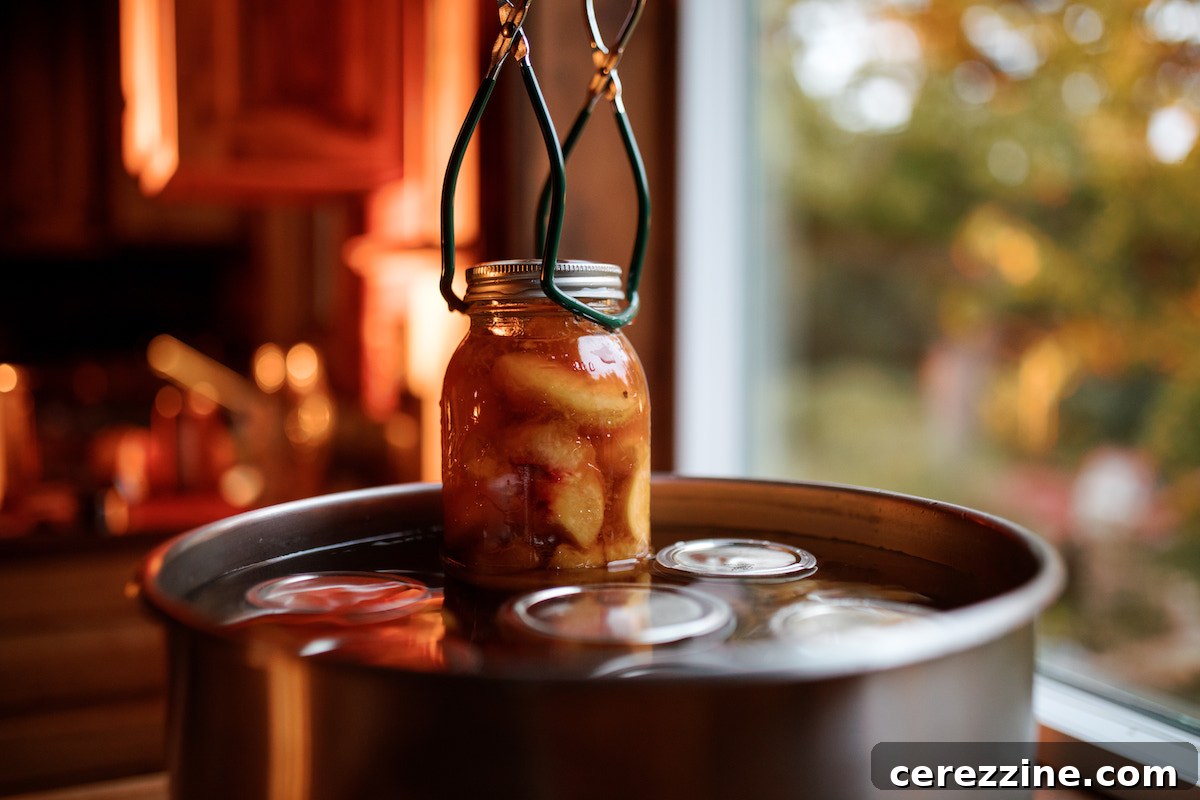
Once the specified processing time is complete, carefully turn off the heat and allow the canner to cool for 5 minutes before removing the jars. This prevents siphoning and helps ensure a good seal. Using a jar lifter, carefully remove the hot jars from the canner and place them upright on a clean towel or cooling rack, ensuring there is space between each jar for air circulation. Let them cool undisturbed for 12 to 24 hours.
After the cooling period, it’s time to check the seals. A properly sealed jar will have a lid that is concave (curved inwards) and does not flex or pop up when pressed in the center. If any jar did not seal, you can either reprocess it with a new lid (within 24 hours) or store it in the refrigerator and use it within a few weeks.
Label your successfully sealed jars with the date of canning and store them in a cool, dark, and dry place, such as a pantry or basement. Properly canned and sealed jars of Apricot BBQ Sauce will maintain their peak quality on the pantry shelf for 12 to 18 months. Once a jar is opened, always refrigerate any unused sauce and consume it within a few weeks to ensure freshness and quality.
Apricot BBQ Sauce Recipe
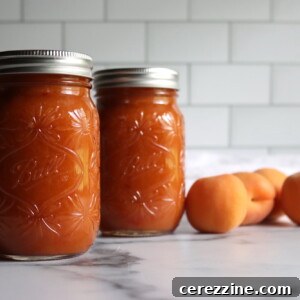
Apricot BBQ Sauce is a perfect twist on the classic, offering the same zesty goodness but with a unique fruity undertone that will elevate your grilled chicken, ribs, and even salmon. Its vibrant flavor and rich texture make it an unforgettable addition to any meal.
Prep Time: 10 minutes
Cook Time: 30 minutes
Additional Time (Canning): 20 minutes
Total Time: 1 hour
Yields: 64 servings (Makes 4 pints)
Author: Ashley Adamant
Equipment
- Water Bath Canner
- Large Saucepan or Dutch Oven
- Canning Jars (Pints or Half-Pints)
- Lids and Bands
- Jar Lifter
- Bubble Remover Tool / Spatula
- Food Processor or Immersion Blender (optional, for smoother sauce)
Ingredients
- 6 cups Apricots, finely chopped, pitted, unpeeled
- 1 cup onion, finely chopped (about 1 large onion)
- 3 Tbsp garlic, finely minced
- 1-1/4 cups honey
- 3/4 cup cider vinegar
- 1 Tbsp Worcestershire sauce
- 2 tsp dried hot pepper flakes (adjust to taste)
- 2 tsp dry mustard
- 2 tsp salt
Instructions
- Prepare your water bath canner by filling it with water and bringing it to a simmer. Wash and sterilize your canning jars and lids, keeping them hot until ready to fill.
- In a large saucepan or Dutch oven, combine the finely chopped apricots, onion, garlic, honey, cider vinegar, Worcestershire sauce, dried hot pepper flakes, dry mustard, and salt. Stir well to combine all ingredients.
- Bring the mixture to a boil over medium-high heat, stirring occasionally. Once boiling, reduce the heat to a simmer and continue to cook for approximately 25 minutes, stirring frequently, until the sauce thickens to a consistency resembling thin commercial BBQ sauce.
- If you prefer a smoother sauce, carefully transfer batches to a food processor and blend until desired consistency, or use an immersion blender directly in the pot.
- Ladle the hot BBQ sauce into your hot, sterilized jars, leaving exactly 1/2 inch of headspace from the rim.
- Remove any air bubbles by gently tapping the jars on the counter or using a non-metallic tool. Wipe the rims of the jars clean with a damp cloth to ensure a proper seal.
- Center the hot lids on the jars and screw on the metal bands until they are fingertip tight.
- Carefully place the jars into the hot water bath canner, ensuring they are fully submerged by at least one inch of water. Bring the water to a rolling boil.
- Process half-pint jars for 15 minutes and pint jars for 20 minutes at altitudes of 0-1,000 feet. Adjust processing times for higher altitudes as per the notes below.
- Once processing is complete, turn off the heat and let the canner cool for 5 minutes before removing the jars. Place the jars on a clean towel or cooling rack and allow them to cool undisturbed for 12-24 hours.
- After cooling, check the seals on the lids. The center of the lid should be concave and not flex when pressed. Store properly sealed jars in a cool, dark place for up to 12-18 months. Refrigerate opened jars and use within a few weeks.
Notes
Altitude adjustments for water bath canning:
- For 0 to 1,000 feet: process half-pints for 15 minutes and pints for 20 minutes.
- For 1,001 to 3,000 feet: process half-pints for 20 minutes and pints for 25 minutes.
- For 3,001 to 6,000 feet: process half-pints for 25 minutes and pints for 30 minutes.
- For 6,001 feet and above: process half-pints for 25 minutes and pints for 30 minutes.
Nutrition
Nutrition information is automatically calculated, so should only be used as an approximation. Per serving (assuming 64 servings per batch):
- Calories: 14kcal
- Carbohydrates: 3g
- Protein: 0.3g
- Fat: 0.1g
- Saturated Fat: 0.01g
- Polyunsaturated Fat: 0.02g
- Monounsaturated Fat: 0.04g
- Sodium: 77mg
- Potassium: 48mg
- Fiber: 0.4g
- Sugar: 3g
- Vitamin A: 280IU
- Vitamin C: 2mg
- Calcium: 4mg
- Iron: 0.1mg
Enjoyed this recipe? Feel free to share your thoughts and experiences in the comments below!
Beyond Grilling: Creative Ways to Use Your Apricot BBQ Sauce
While this Apricot BBQ Sauce is undeniably a star on the grill, its incredible versatility extends far beyond. Don’t limit yourself to just basting chicken or ribs. Here are some innovative ways to incorporate this delightful sauce into your everyday cooking:
- Pulled Pork Perfection: Use it as a vibrant and tangy sauce for slow-cooked pulled pork. The apricots cut through the richness of the pork beautifully.
- Meatball Glaze: Toss cooked meatballs (whether homemade or frozen) with this sauce for a quick and flavorful appetizer or a simple weeknight dinner.
- Dipping Delight: Serve it as an exciting dipping sauce for chicken tenders, crispy fries, or even spring rolls. Its unique flavor profile makes it a standout.
- Sandwich Spread: Spread a thin layer on your favorite sandwich or wrap for an unexpected burst of sweet and savory flavor. It’s particularly good with turkey or ham.
- Pizza Base: For an adventurous twist, use this apricot BBQ sauce as a base for a gourmet pizza. Top with chicken, red onion, and cilantro for a unique BBQ chicken pizza experience.
- Roasted Vegetables: Toss root vegetables like carrots, sweet potatoes, or parsnips with a spoonful of the sauce before roasting for a caramelized, flavorful side dish.
Tips for Success and Flavor Variations
To ensure your Apricot BBQ Sauce is consistently delicious and perfectly preserved, keep these additional tips in mind:
- Choosing Apricots: Opt for fresh, ripe, but firm apricots. Overly soft apricots can make the sauce too mushy, while under-ripe ones might lack the necessary sweetness. Frozen apricots can also be used, but ensure they are thawed before chopping.
- Adjusting Heat: If you love a spicier sauce, consider adding a pinch of cayenne pepper or a dash of hot sauce along with the red pepper flakes. For a milder version, you can reduce the pepper flakes or omit them entirely. Remember, dry spice adjustments are safe for canning.
- Smoky Notes: For a deeper, smoky flavor, you can add a quarter teaspoon of liquid smoke to the sauce while it simmers, or use smoked paprika in place of some regular paprika (if adding any).
- Smooth vs. Chunky: The choice is yours! For a chunkier sauce, chop your apricots a little larger. For ultra-smooth, blend until no pieces remain. Both textures are delicious.
- Substituting Stone Fruits: While apricots are highly recommended for this recipe, other stone fruits like peaches or plums can be used. However, always refer to a trusted canning guide (like Ball’s) for specific recipes and ensure the acidity levels are safe for water bath canning. Minor fruit substitutions in tested recipes are generally safe if the acidity is similar.
Frequently Asked Questions About Apricot BBQ Sauce
Here are answers to some common questions you might have when making or using this delicious sauce:
Q: Can I use dried apricots instead of fresh?
A: While fresh apricots provide the best flavor and texture for this specific recipe, you could experiment with rehydrated dried apricots. However, the liquid ratios might need adjustment, and the flavor profile will be more concentrated and less fresh. For canning safety, sticking to the tested recipe with fresh fruit is recommended.
Q: Do I have to can this BBQ sauce?
A: No, canning is optional. If you don’t want to can it, you can simply prepare the sauce and store it in an airtight container in the refrigerator for up to 3-4 weeks. Freezing is also an excellent option for longer storage without canning.
Q: Can I freeze Apricot BBQ Sauce?
A: Absolutely! This sauce freezes beautifully. Pour cooled sauce into freezer-safe containers or bags, leaving headspace for expansion. It can be frozen for up to 6 months. Thaw in the refrigerator before use.
Q: What type of apricots are best for this recipe?
A: Any sweet and slightly tart variety of apricot will work well. Look for apricots that are brightly colored, plump, and yield slightly to gentle pressure. If you can find local, seasonal apricots, they will undoubtedly offer the best flavor.
Q: My sauce isn’t thickening. What should I do?
A: Continue to simmer the sauce, uncovered, stirring frequently. The thickening process relies on the evaporation of liquid. If it’s taking longer than 25 minutes, don’t worry, just keep simmering until it reaches your desired “thin commercial BBQ sauce” consistency.
More Apricot Canning Recipes
If you’ve fallen in love with the versatility of apricots for canning, you’re in for a treat! Explore more exciting apricot canning recipes to stock your pantry:
- Canning Apricot Pie Filling: Prepare delicious pie fillings year-round.
- Canning Apricots: Preserve whole or halved apricots for various uses.
- Apricot Jam: A classic spreadable delight for your breakfast toast.
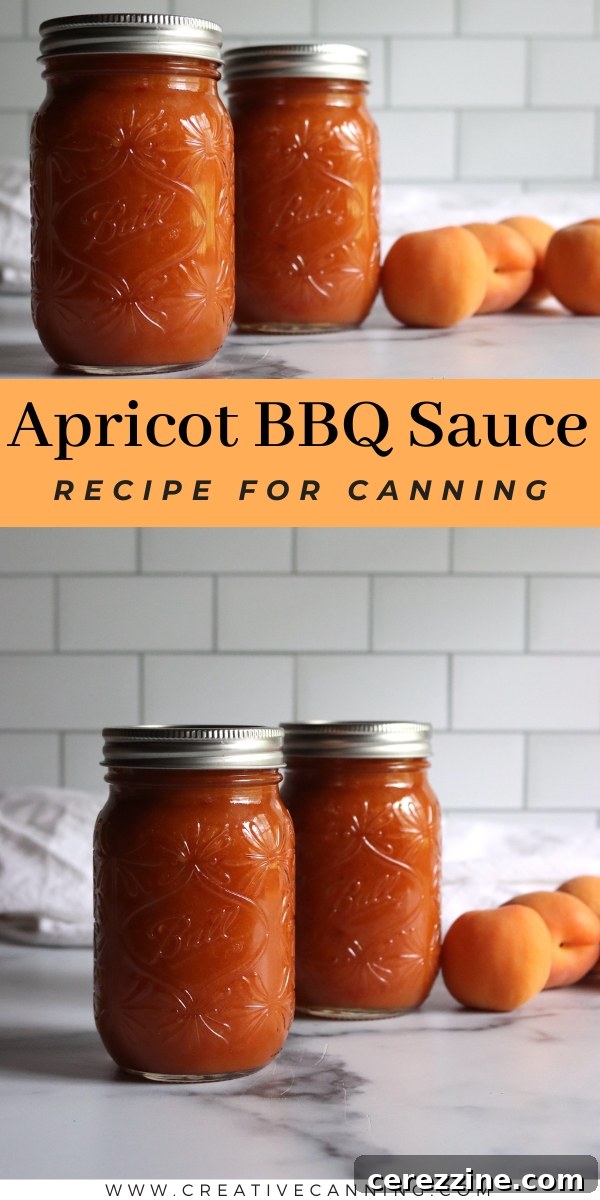
Crafting your own Apricot BBQ Sauce is a rewarding experience, offering a unique flavor that will undoubtedly impress. Whether you choose to enjoy it fresh or preserve it through canning, this recipe brings a touch of gourmet to your table and celebrates the vibrant taste of apricots. Happy grilling and happy canning!