
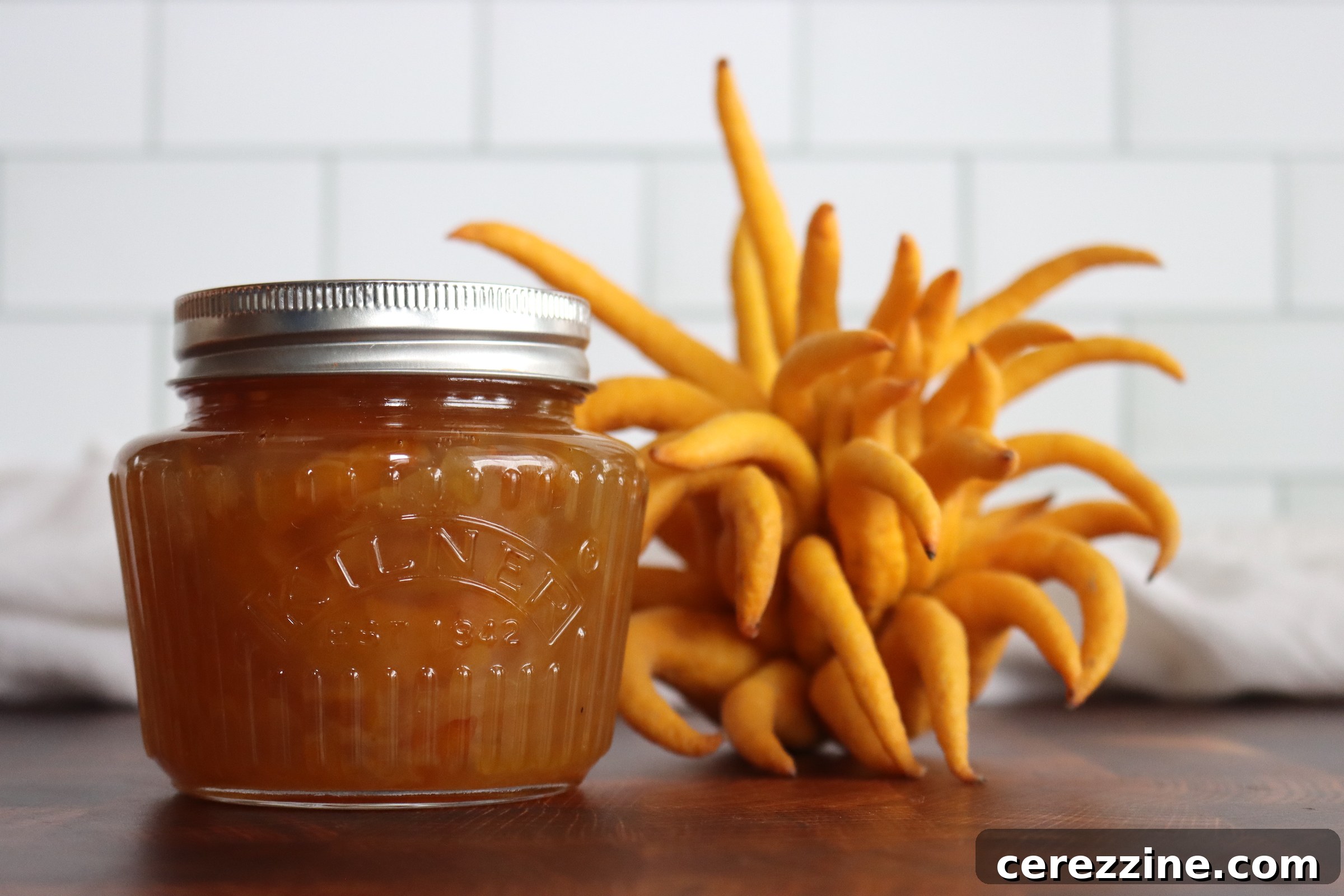
Experience a culinary revelation with Buddha’s Hand Marmalade, an exquisite spread that transcends the ordinary. This unique citrus fruit, often admired for its striking, finger-like appearance and intoxicating aroma, transforms into a truly exceptional preserve. Unlike conventional marmalades, Buddha’s Hand offers a delicate, floral fragrance combined with a bright, zesty flavor, creating a gourmet spread perfect for elevating your breakfast toast or enhancing sophisticated desserts. Dive into this detailed guide to craft a batch of homemade Buddha’s Hand marmalade that captures the very essence of this captivating citron.
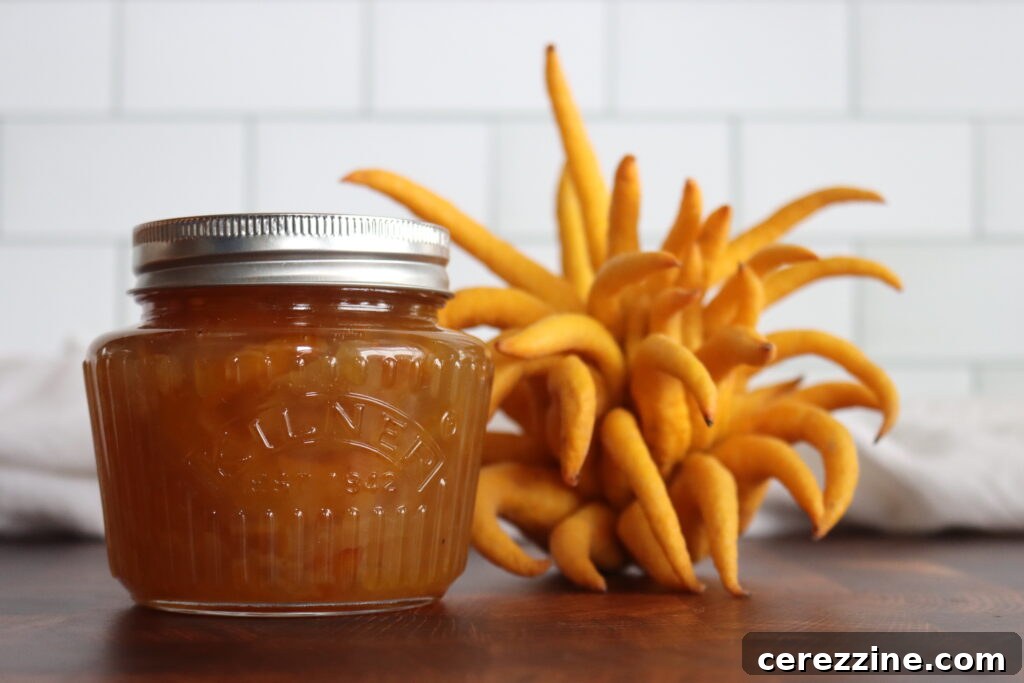
The allure of Buddha’s Hand citron is undeniable, particularly during the colder months when its vibrant yellow form and captivating scent grace grocery store produce aisles. My children, year after year, are enchanted by these fantastical fruits, often bringing them home purely for their aromatic charm. For a time, they serve as fragrant centerpieces, perfuming our home with their exotic scent until they eventually lose their freshness. However, despite their delightful aroma, finding compelling Buddha’s Hand recipes has always been a challenge, leaving us with beautiful but often unused fruit.
This year, inspired to move beyond mere admiration, I decided to embark on a culinary experiment: making Buddha’s Hand marmalade. The results were nothing short of spectacular. This recipe beautifully harnesses the fruit’s incredible floral fragrance, perfectly balanced by a touch of acidity from fresh lemon juice. The resulting marmalade is a testament to the fruit’s unique character, proving it’s far more than just a decorative curiosity.
What makes this particular Buddha’s Hand marmalade recipe stand out is its relative simplicity and speed. Unlike some traditional multi-day marmalade preparations, this method is designed to be completed efficiently, yielding a luscious, naturally set spread without the need for added pectin. The magic lies in the natural pectin found within the fruit’s peel, combined with just the right amount of sugar and lemon, creating a perfectly gelled consistency that’s both vibrant and aromatic.
Unveiling the Mystery of Buddha’s Hand Citron
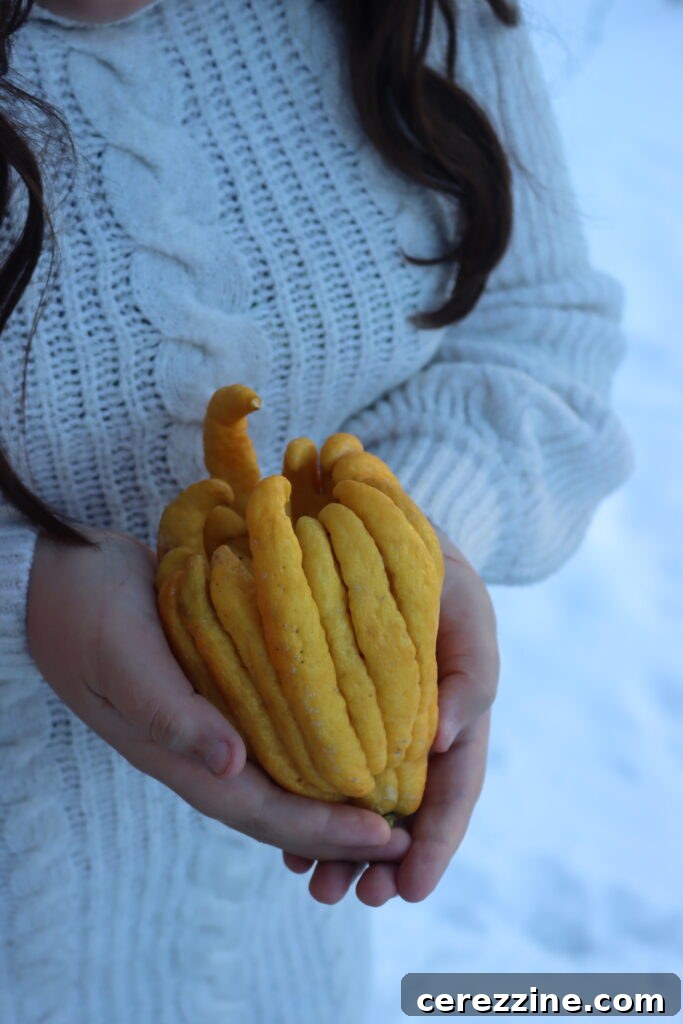
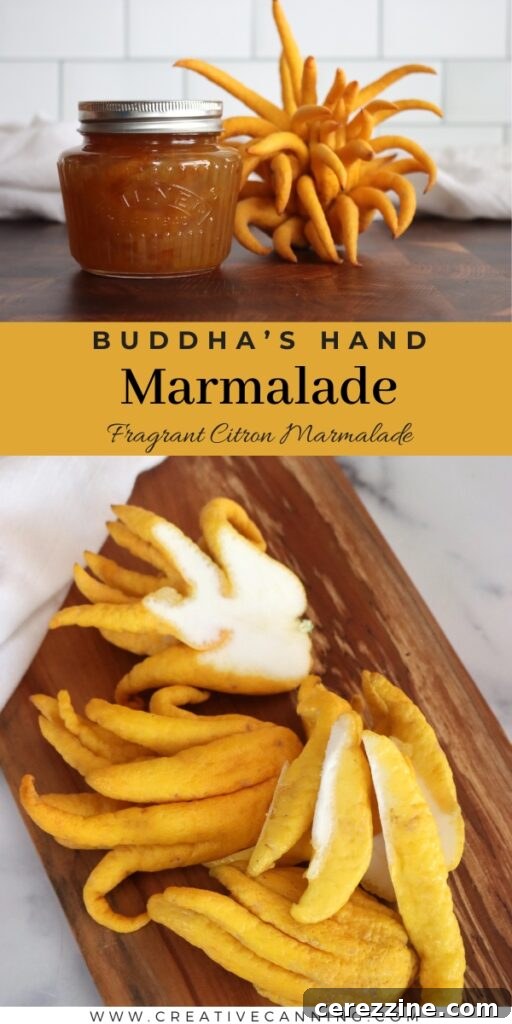
Before we delve into the recipe, let’s take a moment to appreciate the star of our show: the Buddha’s Hand citron (Citrus medica var. sarcodactylis). Originating from Northeast India or China, this ancient citrus variety is renowned for its unusual shape, resembling a human hand with finger-like segments. Unlike most citrus fruits, Buddha’s Hand typically contains very little to no pulp or juice. Instead, its value lies almost entirely in its thick, fragrant zest and white pith, which are remarkably less bitter than those of other citrus varieties. This unique composition makes it an exceptional candidate for marmalade, allowing its pure, ethereal fragrance to shine without overwhelming tartness.
Choosing the right Buddha’s Hand for your marmalade is key. Look for fruits that are firm, bright yellow, and intensely fragrant. Avoid any with soft spots, mold, or excessive browning. The fresher the fruit, the more potent and delightful your marmalade will be. This exotic fruit is truly a marvel, and its transformation into a sweet, aromatic spread is a culinary journey worth taking.
Buddha’s Hand Marmalade Recipe: Ingredients and Equipment
Crafting the perfect Buddha’s Hand marmalade requires careful attention to each ingredient and the right tools. Here’s a breakdown of what you’ll need and why:
- Buddha’s Hand Citron (1 lb, about 2 medium-sized hands): This is the foundation of our marmalade. Its aromatic peel, rich in essential oils, provides the unique floral and zesty notes. Since it largely lacks juice and pulp, we’ll focus solely on preparing the fragrant rind. When selecting, look for firm, bright yellow fruits with an intense perfume.
- Water (6 cups): Essential for softening the dense peel and facilitating the release of natural pectin. Water also helps create the syrupy base of the marmalade, allowing the flavors to meld beautifully during the cooking process.
- White Sugar (3 cups): More than just a sweetener, sugar plays a vital role in preserving the marmalade and, most importantly, in gelling it. It interacts with the fruit’s natural pectin to achieve that signature translucent, spreadable consistency without needing commercial pectin.
- Lemon Juice (1/4 cup, from 2 fresh lemons): Fresh lemon juice is crucial. Its acidity balances the sweetness of the sugar, brightens the overall citrus flavor, and prevents sugar crystallization. Crucially, acid is also necessary to activate the pectin in the fruit, ensuring your marmalade sets properly. Always opt for freshly squeezed lemon juice for the best flavor.
Essential Equipment:
- Large, heavy-bottomed saucepan or stockpot
- Sharp knife and cutting board
- Measuring cups and spoons
- Long-handled spoon or heat-proof spatula
- Instant-read thermometer (optional, but highly recommended for accuracy)
- Small plates (for the cold plate test)
- Sterilized jars (half-pint or pint size) with new lids
- Water bath canner and canning tools (jar lifter, funnel, headspace tool) if planning long-term storage
Making Buddha’s Hand Marmalade: A Step-by-Step Guide
Creating this aromatic marmalade is a rewarding process. Follow these steps carefully to ensure a perfect batch:
1. Prepare the Buddha’s Hand: Begin by thoroughly washing the Buddha’s Hand citron under cold water. Pat it dry. Using a sharp knife, thinly slice the entire fruit, striving for uniform thickness. Since Buddha’s Hand generally contains no juice or pulp, you will primarily be slicing the fragrant peel and pith. If you encounter any residual pulp, simply discard it, as only the aromatic peel and its underlying pith are desired for this recipe. Aim for slices that are thin enough to soften evenly but still substantial enough to provide texture in the finished marmalade.
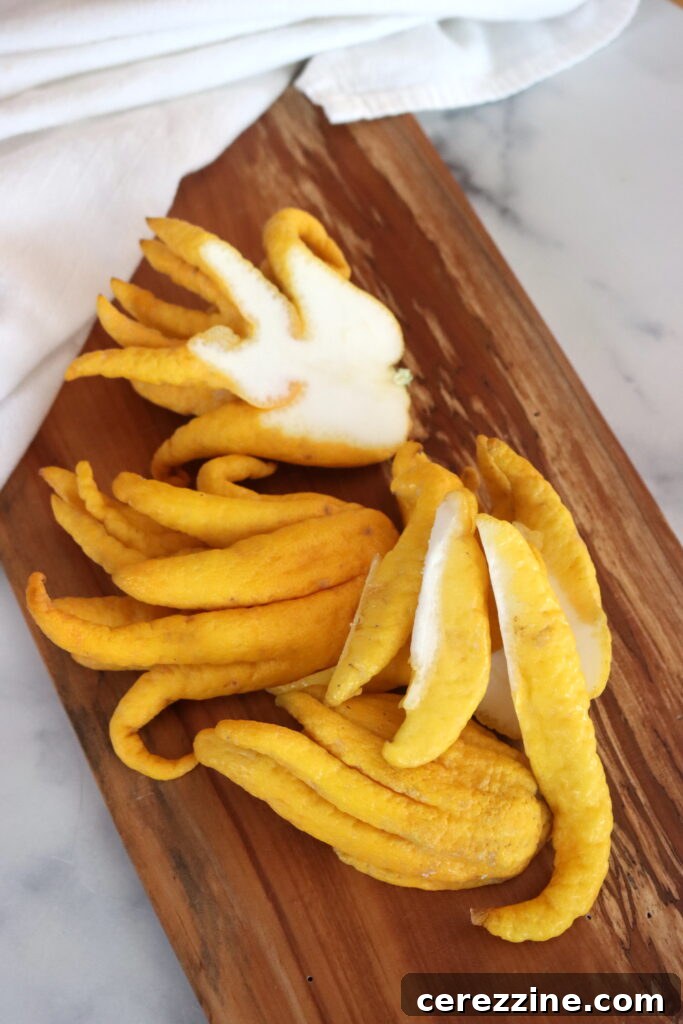
2. Initial Soak for Pectin Release: Once sliced, transfer the Buddha’s Hand pieces into a large, heavy-bottomed saucepan. Pour six cups of cold water over the fruit, ensuring it’s completely submerged. Allow the fruit to soak for approximately one hour. This crucial soaking period serves a dual purpose: it begins to soften the firm peel and, more importantly, encourages the natural pectin within the fruit to release into the water. Pectin is the natural gelling agent that will give your marmalade its desired consistency without needing artificial additives.
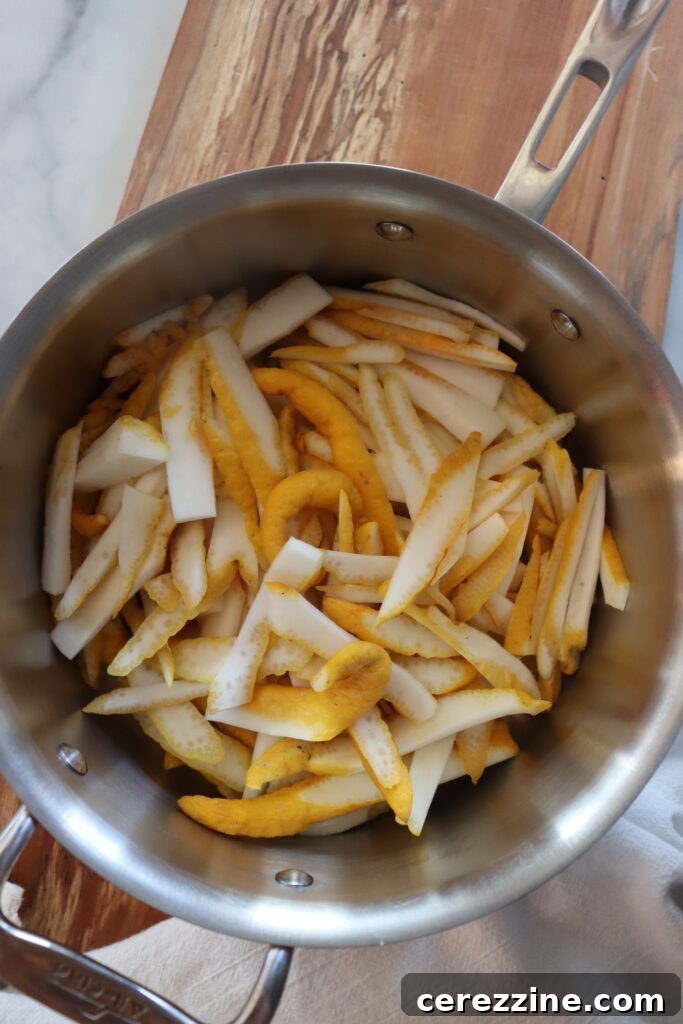
3. Boil and Soften: After the soaking period, bring the contents of the saucepan to a vigorous, rolling boil over high heat. Reduce the heat slightly to maintain a strong simmer and continue to cook for about 30 minutes. During this stage, the peel will soften considerably, and any latent bitterness often associated with citrus pith will be significantly reduced, preparing the fruit for its transformation into sweet marmalade.
4. Sweeten and Acidify: Next, carefully stir in the measured white sugar. Continue stirring gently until the sugar has completely dissolved, ensuring no granules remain. Then, add the freshly squeezed lemon juice. The lemon juice is vital for two reasons: it provides the necessary acidity to activate the pectin, allowing the marmalade to set, and it adds a bright, fresh counterpoint to the sweetness, enhancing the overall flavor profile.
5. The Gentle Simmer to Set: Return the mixture to a slow, gentle boil. This low, steady heat is essential for developing the marmalade’s ideal consistency. Continue to cook, stirring occasionally to prevent sticking, for an additional 30 to 45 minutes. The marmalade will gradually thicken as the water evaporates and the pectin activates. Keep a close eye on it, as the consistency can change quickly once it nears completion.
6. Testing for the Perfect Set: Achieving the right set is an art. There are two primary methods to test for doneness:
- Temperature Test: Use an instant-read thermometer. The marmalade is typically ready when it reaches a temperature of 220°F (104°C) at sea level. Adjust this temperature for higher altitudes (subtract 2°F for every 1,000 feet above sea level).
- Cold Plate Test: Before you start cooking, place a few small ceramic plates in the freezer. When you suspect the marmalade is ready, spoon a small amount onto a chilled plate. Let it sit for about a minute, then push it gently with your finger or the back of a spoon. If the surface wrinkles and the marmalade holds its shape, it has reached its ideal set. If it’s still too liquid, continue cooking and retest every 5-10 minutes.
7. Jarring and Optional Canning: Once your marmalade has reached the desired consistency, carefully ladle the hot mixture into clean, prepared jars. Leave about 1/4 inch of headspace at the top of each jar. Wipe the rims clean, center new lids on the jars, and screw on the bands finger-tight.
For long-term, shelf-stable storage, process the sealed jars in a boiling water bath canner. Bring the canner to a boil, then carefully lower the jars onto the rack. Ensure the jars are covered by at least 1 inch of water. Cover the canner and process for 10 minutes. If you are above 6,000 feet in elevation, increase the processing time to 15 minutes. After processing, turn off the heat, remove the canner lid, and let the jars sit in the hot water for 5 minutes before carefully removing them.
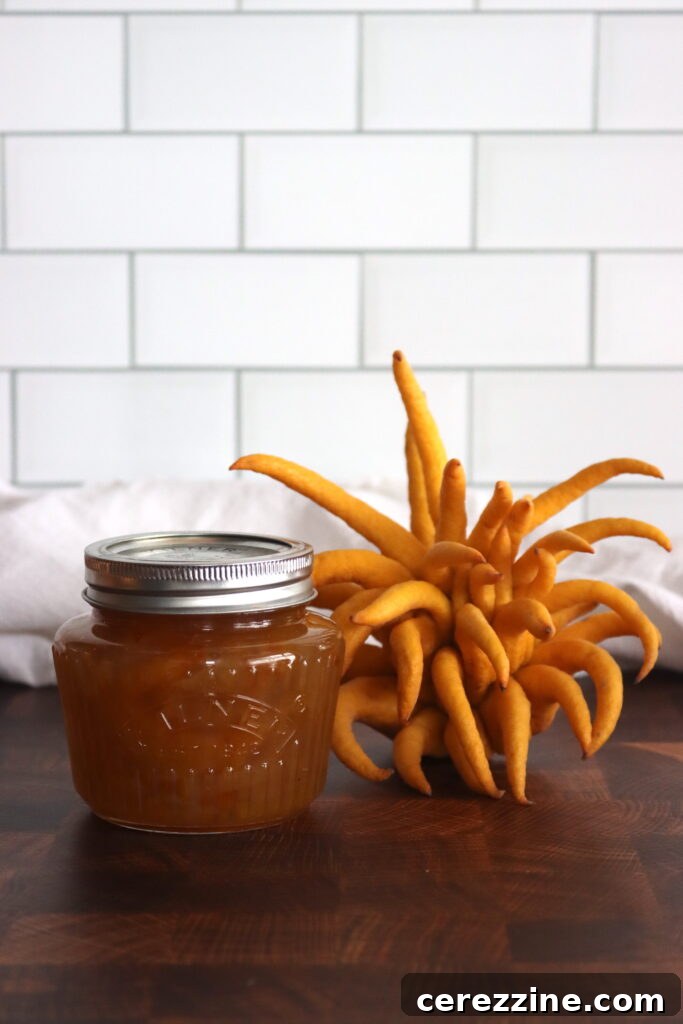
8. Cooling and Final Set: Place the jars on a clean towel on your countertop and allow them to cool completely, undisturbed, for at least 12-24 hours. As the marmalade cools, it will continue to thicken and solidify. While many marmalades set within 24-48 hours, Buddha’s Hand marmalade can sometimes take up to a week to reach its final, perfect consistency. Don’t be discouraged if it seems a bit soft initially; patience is key. Once fully set, check the seals on your canned jars. Any jars that didn’t seal should be refrigerated and consumed within a few weeks. Store properly sealed jars in a cool, dark place for up to a year.
This bright, aromatic, and uniquely floral marmalade is now ready to enjoy. Its complex citrus profile and captivating fragrance make it a truly special homemade treat, perfect for countless culinary applications.
Tips for Success with Buddha’s Hand Marmalade
- Uniform Slicing: Strive for thin, even slices of the Buddha’s Hand. This ensures that the peel softens uniformly and contributes a consistent texture to your marmalade.
- Patience with Soaking and Boiling: Do not rush the soaking and initial boiling phases. These steps are crucial for softening the peel and extracting natural pectin, which is fundamental for a well-set marmalade without added pectin.
- Don’t Skimp on Lemon Juice: Fresh lemon juice is not just for flavor; its acidity is essential for activating the pectin in the fruit. Using bottled lemon juice can sometimes result in a less flavorful or improperly set marmalade.
- Monitor the Simmer: Maintain a gentle simmer during the final cooking stage. A rolling boil can cause the marmalade to burn and reduce too quickly, potentially affecting flavor and texture. Stir regularly to prevent sticking.
- Master the Set Test: Familiarize yourself with both the temperature and cold plate tests. Practice makes perfect, and correctly identifying the setting point will prevent both runny and overly stiff marmalade.
- Proper Sterilization: If you plan to can your marmalade, ensure all jars and lids are properly sterilized. This is paramount for food safety and the longevity of your preserves.
- Be Patient with Setting: Buddha’s Hand marmalade, like many no-pectin marmalades, can take some time to fully set. Give it at least 24-48 hours, and sometimes up to a week, before assessing its final consistency.
Serving Suggestions and Culinary Inspirations
Buddha’s Hand marmalade is far too versatile to be confined solely to toast (though it’s utterly delightful there!). Its unique floral and citrus notes open up a world of culinary possibilities:
- Breakfast & Brunch: Spread generously on freshly baked croissants, scones, English muffins, or classic toast. Swirl it into plain yogurt or oatmeal for an aromatic morning boost.
- Cheese Boards: Pair this exquisite marmalade with soft, creamy cheeses like brie, goat cheese, or ricotta, or complement sharper aged cheddars. Its bright flavor cuts through richness beautifully.
- Desserts: Use it as a filling for tarts, cakes, or thumbprint cookies. Drizzle it over panna cotta, cheesecake, or vanilla ice cream. It can also be incorporated into glazes for fruit tarts or used to make a delicate citrus curd.
- Savory Pairings: Don’t limit it to sweet dishes! A dollop of Buddha’s Hand marmalade can make a fantastic glaze for roasted chicken or duck, or a surprising accompaniment to pork tenderloin. Its zestiness can elevate pan sauces or vinaigrettes.
- Beverages: Stir a spoonful into hot tea for a soothing, fragrant drink, or use it as a base for unique cocktails, adding a sophisticated citrus twist to gin or vodka concoctions.
The enchanting flavor of Buddha’s Hand marmalade invites creativity in the kitchen. Experiment and discover your favorite ways to enjoy this golden, aromatic preserve.
Explore More Marmalade Recipes
Once you’ve mastered the art of Buddha’s Hand Marmalade, a world of other exquisite citrus preserves awaits your culinary exploration! The techniques you’ve learned here are transferable to a wide variety of fruits, allowing you to capture the essence of different citrus seasons.
Delight your palate with the delicate flavor and thin-skinned sweetness of Meyer lemon marmalade. For a stunning visual and rich, slightly berry-like flavor, try crafting a vibrant Blood Orange Marmalade. And of course, the comforting familiarity of traditional orange marmalade is always a welcome classic.
Don’t forget the tiny but mighty kumquat! Making kumquat marmalade is an excellent way to preserve these unique fruits, as their size and tartness make them challenging to prepare using other methods. The possibilities are truly endless when it comes to citrus marmalade recipes – each fruit offering its own distinct charm and flavor profile.
12
servings (Makes two half-pint jars)
Buddha’s Hand Marmalade
30
50
10
1 30
Print Recipe
Ingredients
- 1 lb Buddha’s Hand Citron, about 2 medium
- 6 cups water
- 3 cups white sugar
- 1/4 cup Lemon Juice, from 2 fresh lemons
Instructions
-
Thinly slice the Buddha’s Hand peel, keeping the zest intact. Most fruit do not have juice or pulp, just pith and peel. If you do find pulp, discard it. All you want is sliced, fragrant peel.
-
Place the peel into a large saucepan and cover with 6 cups of water.
-
Let it sit for about 1 hour to help soften the peel and release pectin.
-
Bring the pan to a rolling boil over high heat and allow it to cook for about 30 minutes.
-
Stir in the sugar and allow it to dissolve completely. Add the lemon juice.
-
Maintain a slow, gentle boil for another 30 to 45 minutes to develop the ideal consistency. Test for set using an instant-read thermometer (final temp is 220°F at sea level) or on a plate that’s been placed in the freezer. Finished marmalade should gel when it hits the cold plate, and wrinkle back when you push it with a spoon.
-
Ladle the hot marmalade into a prepared jar.
-
If canning, process in a water bath canner for 10 minutes, or 15 minutes if above 6,000 feet in elevation.
-
Allow the marmalade to cool; it will thicken as it sets. This marmalade can take up to a week to set fully, but it’ll most likely set in 24 to 48 hours.
Nutrition
Carbohydrates: 54g,
Protein: 1g,
Fat: 0.2g,
Saturated Fat: 0.002g,
Polyunsaturated Fat: 0.001g,
Sodium: 7mg,
Potassium: 6mg,
Fiber: 1g,
Sugar: 51g,
Vitamin A: 29IU,
Vitamin C: 13mg,
Calcium: 16mg,
Iron: 0.2mg
Nutrition information is automatically calculated, so should only be used as an approximation.
Embrace the enchanting world of Buddha’s Hand citron and transform this extraordinary fruit into a truly magnificent marmalade. With its captivating fragrance and bright, nuanced flavor, your homemade Buddha’s Hand marmalade will not only be a delightful treat but also a conversation starter. Enjoy the process of creating this unique preserve, and savor every aromatic spoonful!