Homemade French Cornichons: A Guide to Perfect Tiny Pickles
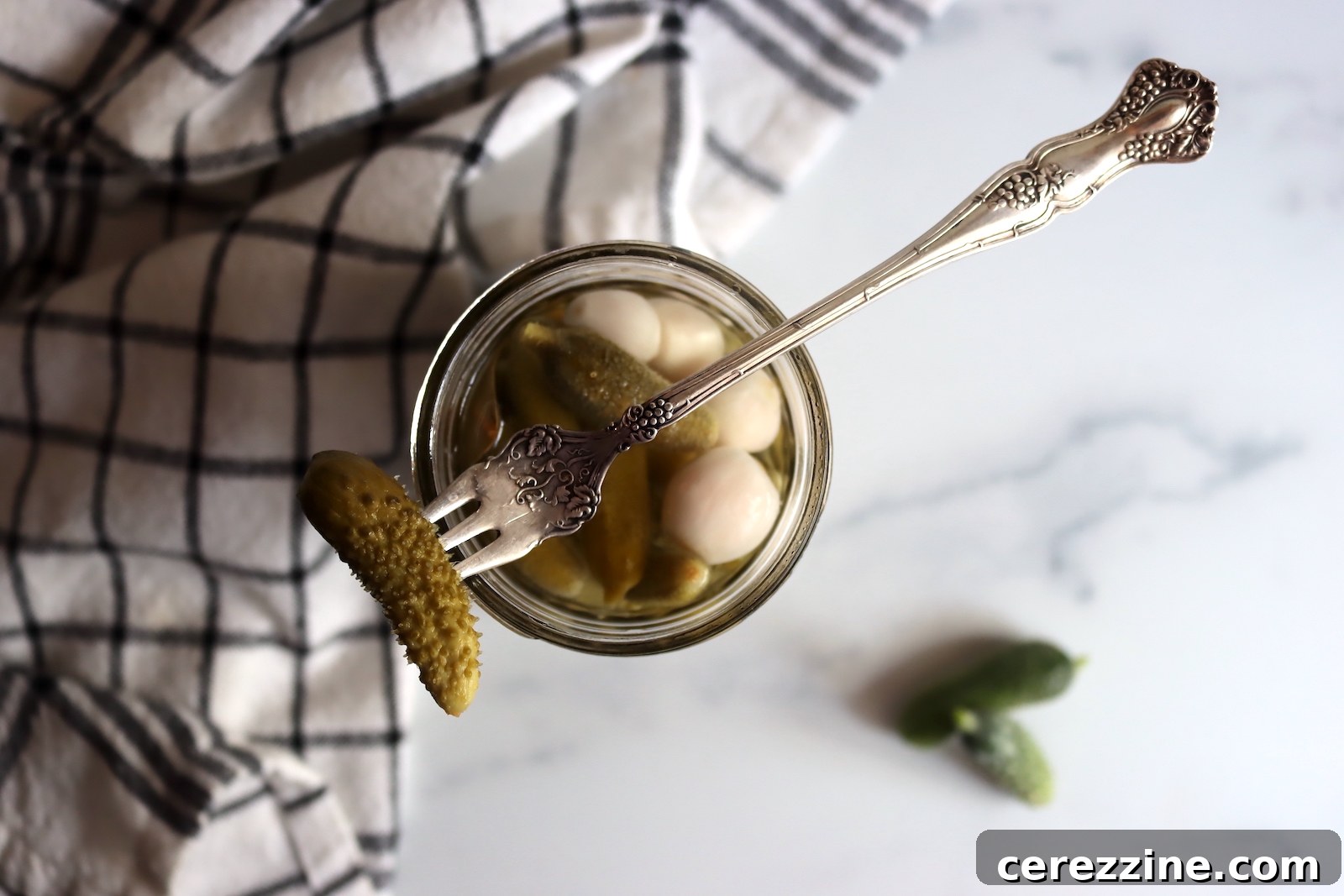
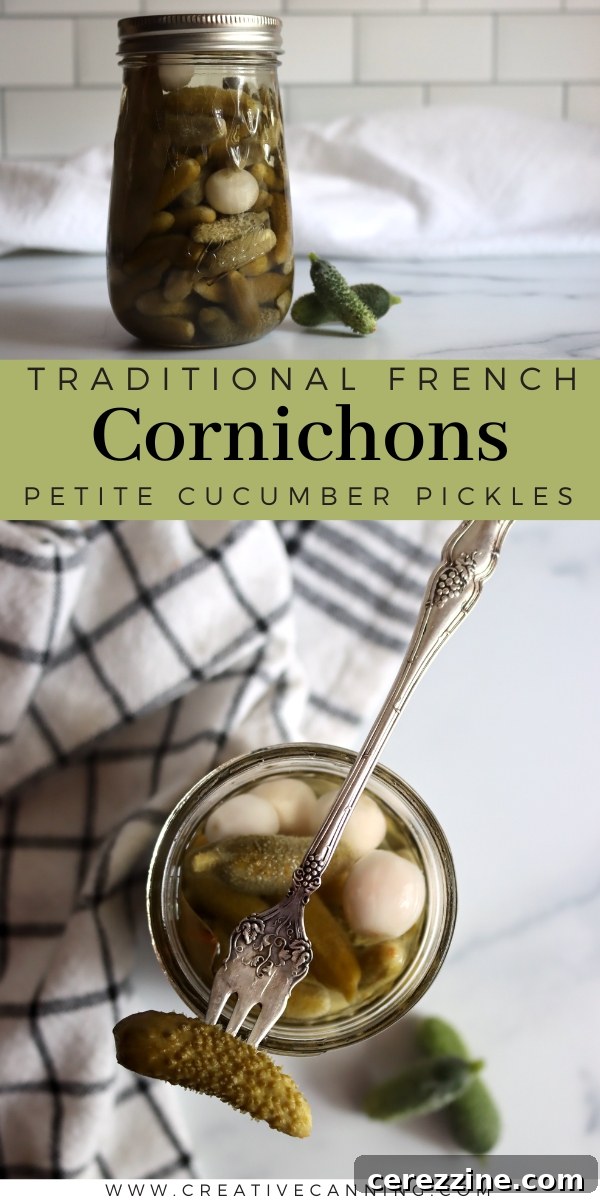
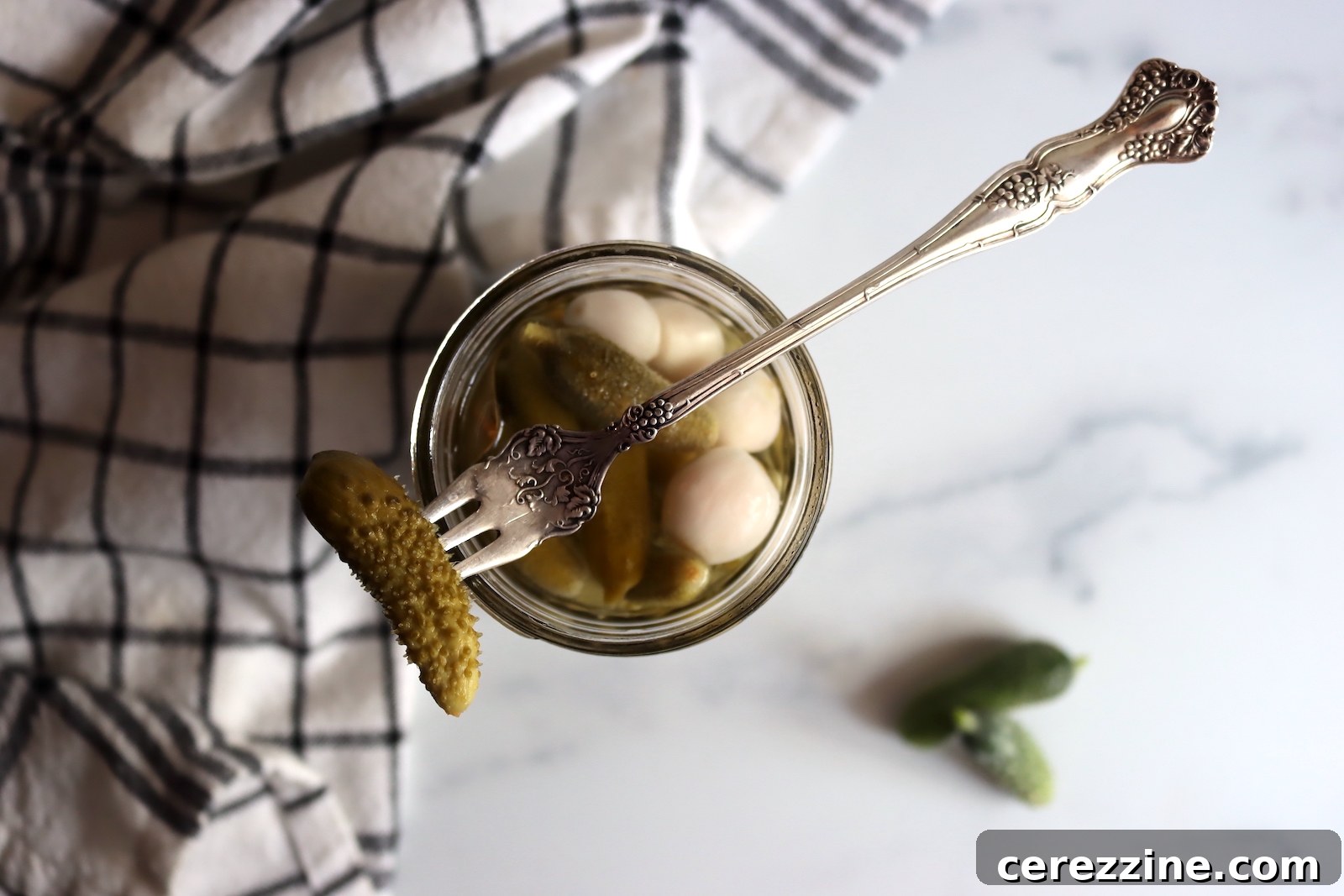
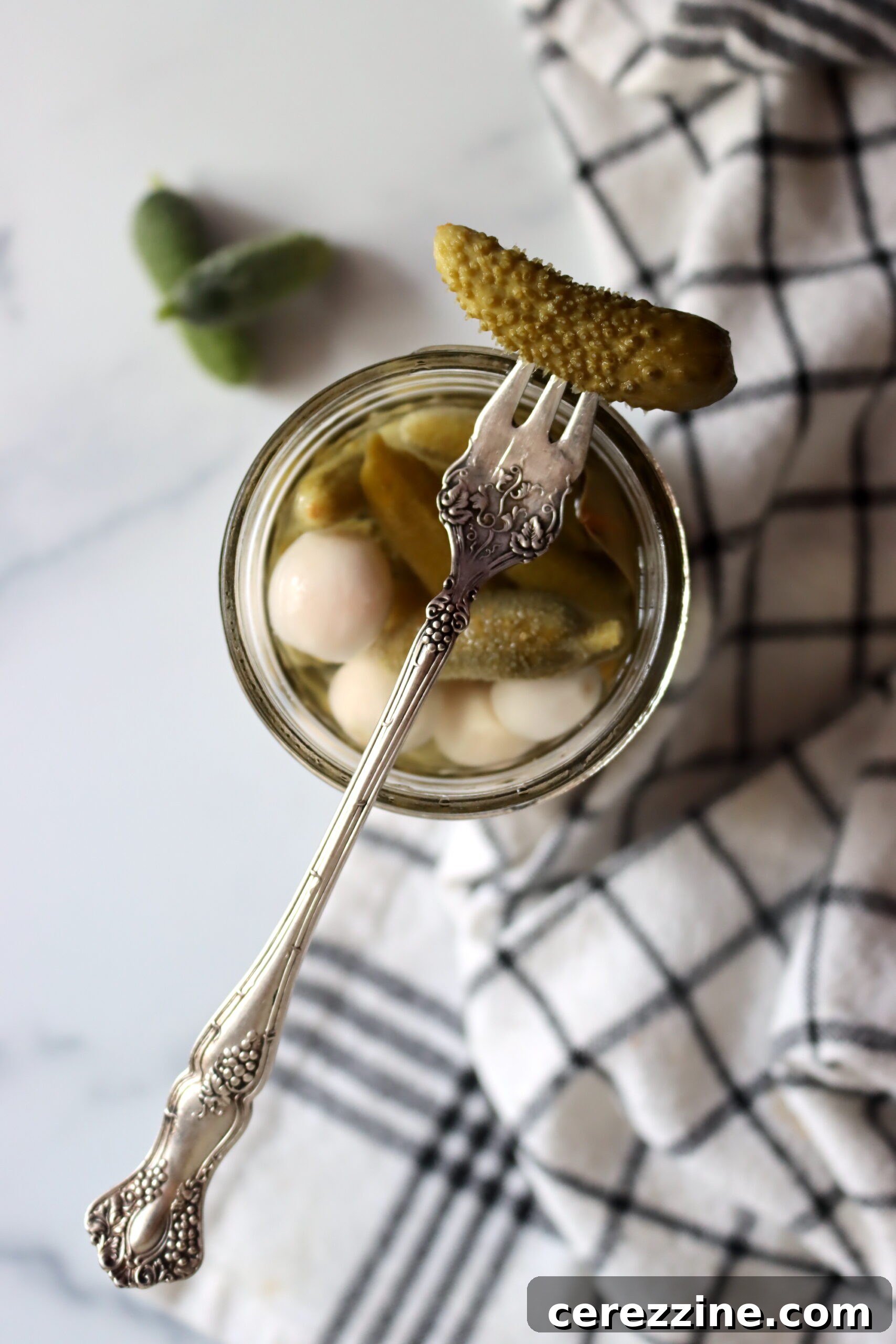
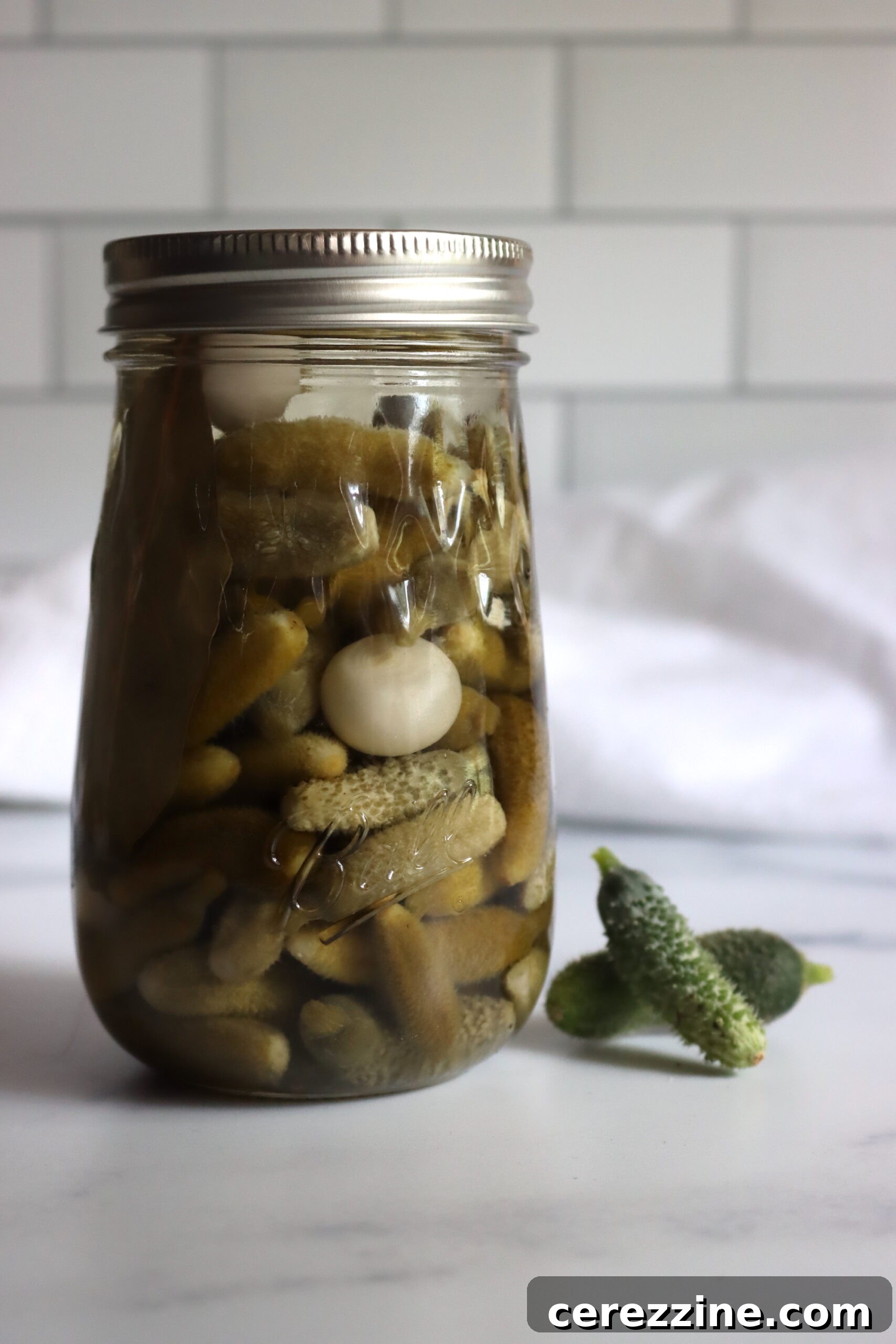
Cornichons, those delightful miniature pickles, are a quintessential element of French cuisine, celebrated for their vibrant tang and satisfying crunch. Originating from France, these tiny gherkins are typically made from immature cucumbers, harvested when they are just 1 to 1.5 inches long. Far from being just a garnish, these piquant baby pickles elevate charcuterie boards, gourmet sandwiches, and countless other dishes, adding a burst of flavor that truly transforms a meal. If you’ve ever savored their crisp bite and wondered how to capture that authentic taste, you’re in for a treat. Making your own homemade cornichons is a rewarding culinary adventure that brings the exquisite flavors of France right into your kitchen.
What makes these small pickles so incredibly delicious and distinct? It’s a combination of their unique raw material and a perfectly balanced pickling brine. Unlike standard cucumbers, the specific gherkin varieties used for cornichons are naturally smaller and possess a more concentrated flavor profile. When these diminutive cucumbers are immersed in a meticulously crafted blend of vinegar, salt, and aromatic spices such as mustard seed, dill, and coriander, they develop their signature sharp, zesty, and incredibly piquant taste. This traditional French pickling method ensures that every cornichon delivers an irresistible zing and a firm texture that stands up beautifully to richer foods.
While readily available in specialty stores, the experience of crafting your own cornichons from scratch is unparalleled. Not only does it allow you to fine-tune the flavor to your personal preference, but it also guarantees the freshest, crispest pickles possible. Imagine reaching for a jar of your own perfectly preserved, tangy treats, knowing exactly what went into them. This guide will walk you through every step of creating authentic French cornichons, ensuring you achieve that ideal balance of tartness and crunch that makes these tiny pickles a beloved delicacy across centuries.
The Art of Sourcing Gherkins: Finding Your Perfect Tiny Cucumbers
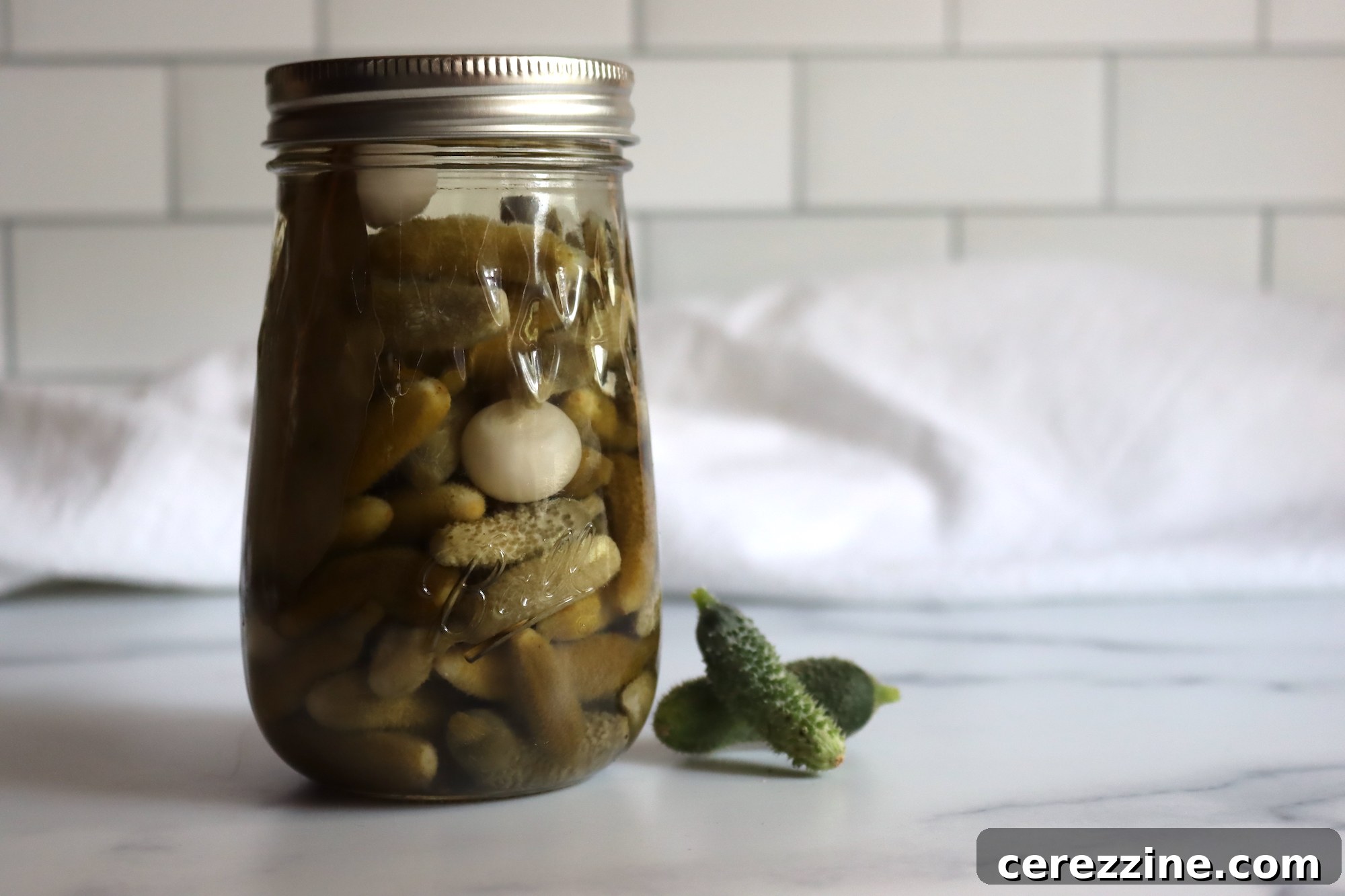
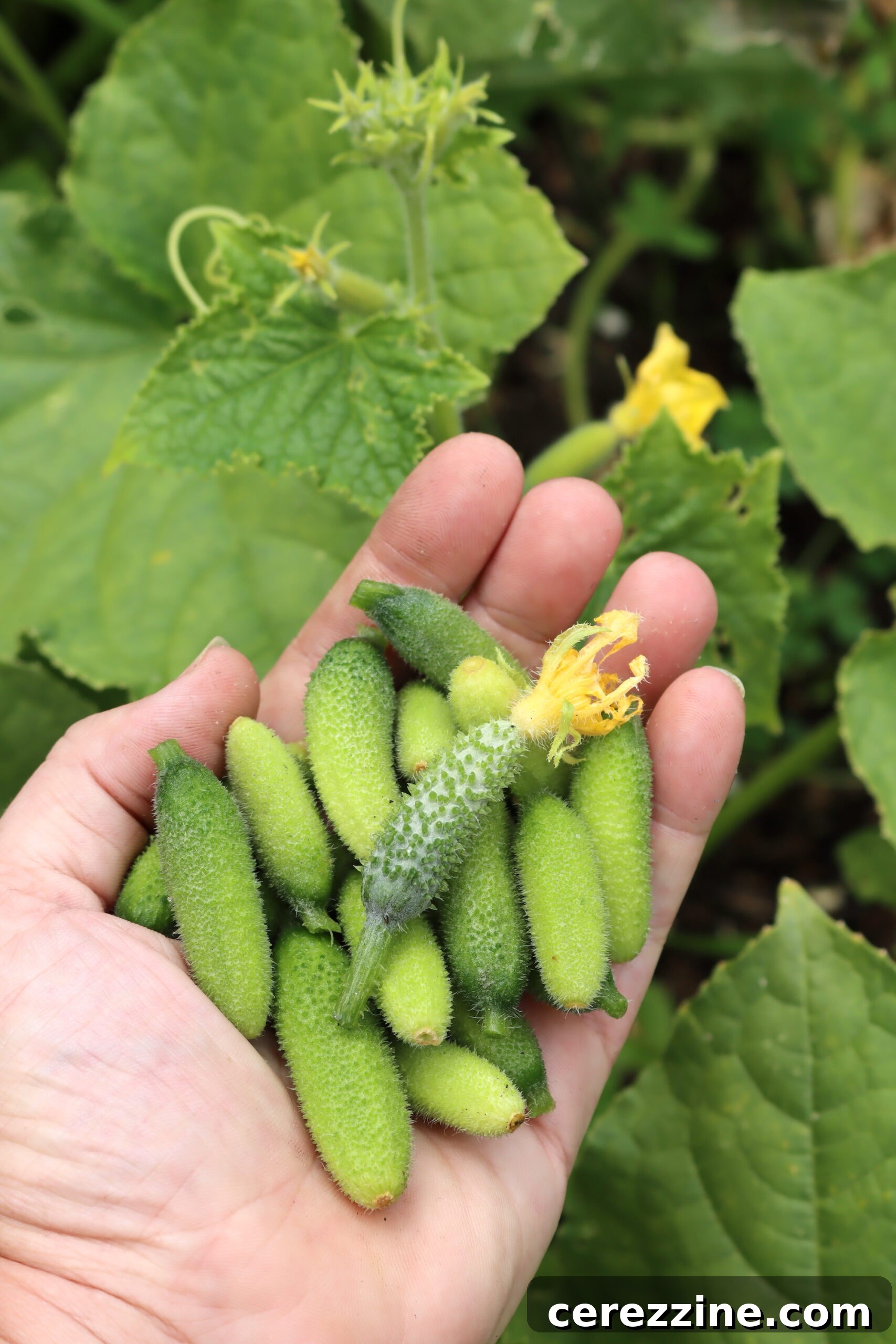
One of the most crucial, and often trickiest, steps in making authentic cornichons is finding the right cucumbers. For true French cornichons, you need very small gherkins, ideally no more than 1 to 2 inches in length. These are immature cucumbers, harvested long before they reach full size. Their small stature contributes significantly to the tender-crisp texture and concentrated flavor that defines a good cornichon.
If you’re an avid gardener, growing your own gherkins is undoubtedly the best way to ensure a steady supply of these tiny beauties. Many cucumber varieties produce an abundance of fruits, and thinning the crop early on by picking the smallest cucumbers not only provides you with perfect cornichon material but also benefits the overall health and yield of your cucumber plants. Look for varieties specifically labeled as “gherkin” or “cornichon” cucumbers for the best results, as these are bred to produce small, flavorful fruits.
For those without a garden, sourcing can be a bit more challenging but certainly not impossible. Your best bet is often a local farmer’s market. Farmers frequently pick smaller, immature cucumbers to encourage more production, and they might be delighted to sell you these “mini cucumbers” for your pickling project. Don’t hesitate to speak with local growers in advance, explaining your specific need for very small cucumbers for cornichons. Building a relationship with a local farm can be incredibly rewarding, ensuring you get the freshest produce for your homemade French pickles.
Occasionally, you might find suitable small cucumbers in well-stocked grocery stores or international markets, especially during peak cucumber season. Look for firm, blemish-free cucumbers that fit the 1 to 2-inch size requirement. The freshness of your gherkins directly impacts the final quality and crispness of your cornichons, so choose wisely!
Ingredients for Authentic French Cornichons
This traditional recipe for French Cornichons draws inspiration from Kevin West’s acclaimed book, Saving the Season, where he meticulously adapted preserving techniques from his culinary journeys through France. The beauty of this recipe lies in its simplicity, utilizing foundational ingredients that come together to create a complex and irresistible flavor.
To prepare a canner batch yielding approximately four pint jars (or two quarts), you will need the following:
- 2 lbs very small cucumbers (gherkins – ideally 1 to 2 inches in size)
- 10-12 individual cocktail onions, trimmed and peeled
- ¼ cup kosher salt
- 5-inch branch of fresh tarragon
- 2 small bay leaves
- ½ tsp black peppercorns
- 2 tsp yellow mustard seeds
- 4 cups white wine vinegar
The Importance of Vinegar Choice
While many pickling recipes allow for a variety of vinegars, the choice of vinegar for traditional French cornichons is critical for achieving their signature clean and bright finish. Although any vinegar standardized to at least 5% acidity can technically be used for safe canning, white wine vinegar is highly recommended for cornichons.
- White Wine Vinegar: This is the gold standard for cornichons. Its delicate, fruity acidity perfectly complements the gherkins and spices, yielding a crisp, bright flavor that is both traditional and refined. It imparts a clean finish without overpowering the nuanced flavors of the herbs and mustard seeds.
- Champagne Vinegar: An excellent alternative to white wine vinegar, champagne vinegar offers a slightly milder, even more elegant acidity. It will also produce beautifully flavored cornichons, though it might be a bit more expensive.
- Apple Cider Vinegar: While fantastic for many other pickles, such as bread and butter pickles, apple cider vinegar carries an earthy, sometimes fruitier, undertone. This characteristic, while delicious in its own right, can clash with the delicate, clean profile desired for classic cornichons. It tends to impart a flavor that veers away from the authentic French taste.
- Distilled White Vinegar: This is generally too harsh and strong for cornichons. Its sharp, unyielding acidity can strip away the subtle complexities of the gherkins and spices, resulting in a less refined and somewhat aggressive pickle flavor. It lacks the aromatic qualities that white wine vinegar brings to the brine.
By selecting white wine vinegar, you ensure your homemade cornichons will possess the authentic, balanced flavor profile that makes them a culinary delight.
How to Make Homemade Cornichons: Step-by-Step
Embarking on the journey to make your own cornichons is an exciting and rewarding process. Following these steps carefully will ensure you achieve perfectly crisp, flavorful French pickles.
Preparation is Key
Before you begin, gather all your ingredients and equipment. If you plan on canning your cornichons for shelf stability, ensure your pint jars, lids, and rings are thoroughly sterilized. This crucial step minimizes the risk of spoilage and is essential for safe preservation. Wash your jars in hot soapy water, rinse them, and then sterilize them by boiling for 10 minutes or using a dishwasher’s sanitizing cycle.
The Salting Process: Unlocking Crispness
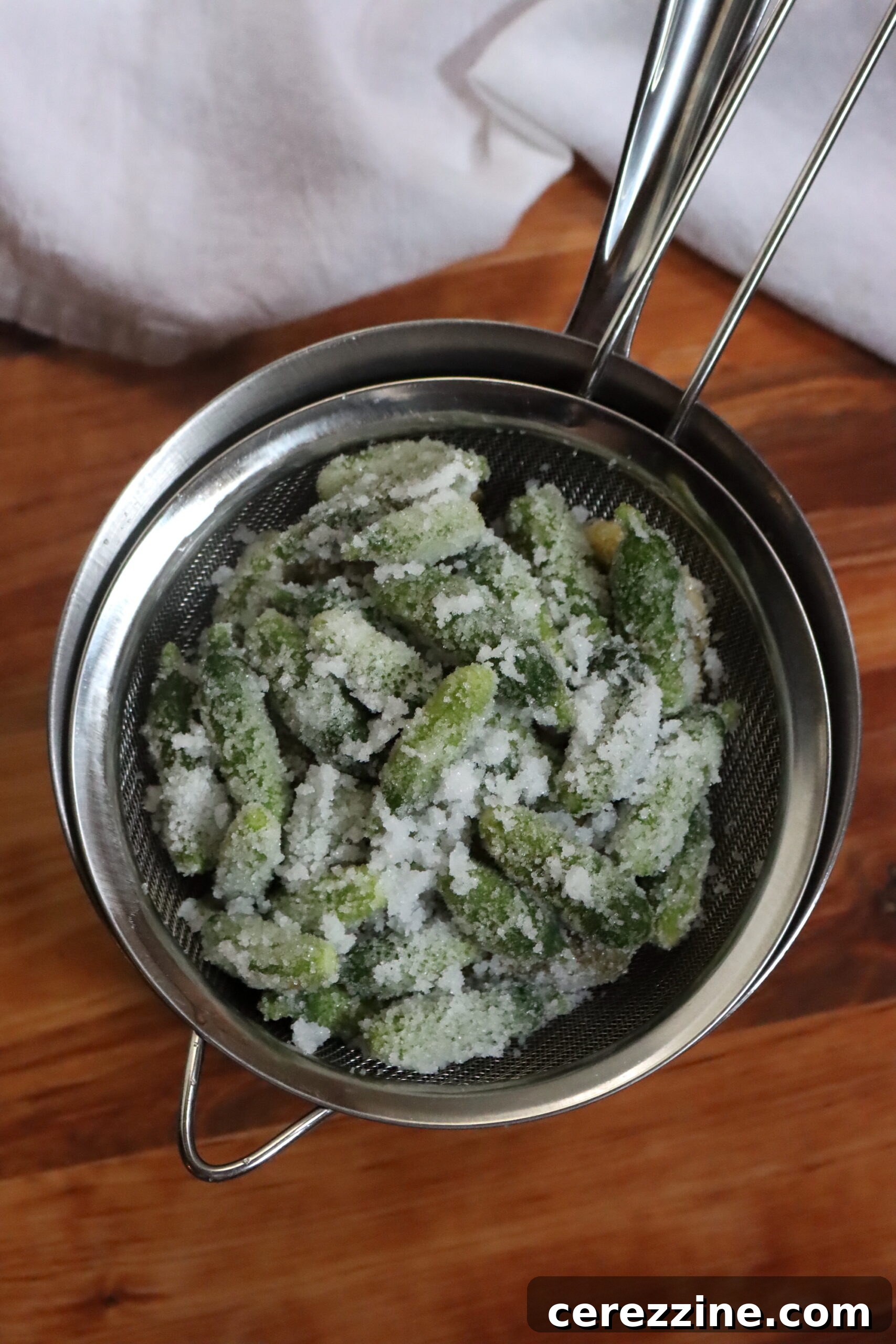
Next, meticulously wash your tiny cucumbers. Use a sharp knife to trim off a very thin 1/16-inch slice from the blossom end of each gherkin. This small cut is important as enzymes in the blossom end can sometimes lead to softer pickles. Be sure to leave about ¼-inch of the stem attached. Place the prepared cucumbers into a large mixing bowl. Add the kosher salt, ensuring you have enough to generously coat every gherkin. Stir them thoroughly until they appear “frosted” with salt. This heavy coating is not just for flavor; it’s a vital step in achieving crispness.
Transfer the salted gherkins to a colander and let them sit for approximately two hours. During this time, the salt performs a critical function: it draws out excess water from the cucumbers through osmosis. This reduction in water content is what prevents your cornichons from becoming soggy, allowing them to develop that characteristic firm, crisp texture that is so desirable. Without this brining step, your finished pickles would likely be soft and lack the satisfying bite expected from a true cornichon.
Rinsing and Packing the Jars
After the two-hour salting period, it’s imperative to thoroughly rinse the gherkins under fresh running water. This step is crucial to remove all the excess salt clinging to their exterior. While the salt played a vital role in drawing out moisture and initiating flavor absorption, leaving too much on the surface would result in excessively salty pickles. Pat the gherkins dry with a clean kitchen towel before proceeding.
Now, carefully pack the rinsed and dried gherkins into your sterilized pint jars. As you pack them, layer in the trimmed and peeled cocktail onions, fresh tarragon branches, bay leaves, black peppercorns, and yellow mustard seeds. Distribute these aromatics as evenly as possible among the jars to ensure consistent flavor throughout your batch. A tight pack is desirable, but avoid bruising the delicate gherkins.
Creating the Brine
In a saucepan, bring your white wine vinegar to a rolling boil. Once boiling, carefully pour the hot vinegar over the cucumbers and aromatics in each jar, ensuring they are completely submerged. Leave at least ½ inch of headspace from the rim of the jar. This headspace is essential for proper sealing during canning and to prevent liquid from siphoning out. Use a clean, damp cloth to wipe the rims of the jars thoroughly, removing any vinegar or cucumber residue that could interfere with a proper seal.
Refrigerator Pickles vs. Canning
At this stage, you have two options:
- Refrigerator Pickles: If you prefer to make quick, refrigerator-stable cornichons, simply allow the filled jars to cool completely to room temperature. Once cooled, seal them with lids and rings and store them in the refrigerator. These delicious pickles will need to infuse for at least one week, preferably two, to develop their full, complex flavor. They typically last for several months in the refrigerator.
- Canned Cornichons: For long-term, shelf-stable storage, proceed to the canning instructions outlined in the next section.
Water Bath Canning Cornichons for Shelf Stability
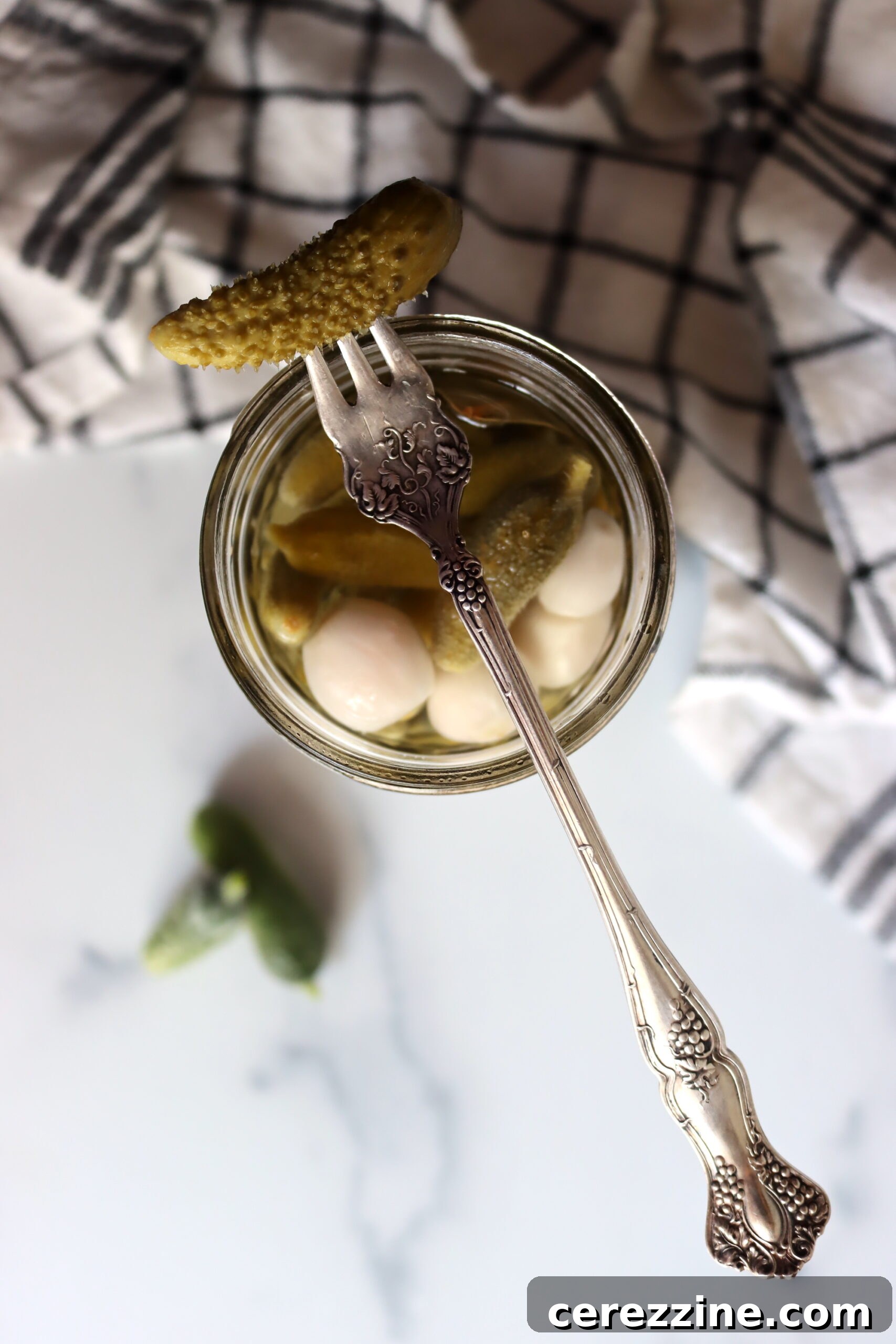
Canning cornichons using the water bath method is a reliable way to preserve these delightful pickles for up to a year or more. The process is similar to canning other high-acid pickles, requiring careful attention to detail for safety and quality.
Processing the Jars
Once your jars are filled with gherkins and hot brine, and the rims are wiped clean, center new, clean canning lids on top of each jar. Apply the screw bands finger-tight – this means tightening them until resistance is met, then a quarter turn more, avoiding over-tightening. This allows air to escape during processing, which is essential for a proper seal.
Carefully place the sealed jars onto the rack in your water bath canner, ensuring they are not touching each other. Lower the rack into the canner, making sure the water level covers the tops of the jars by at least 1 inch. If needed, add more boiling water to reach this level. Bring the water to a full, rolling boil. Once the water is vigorously boiling, start your processing timer.
- For pint jars, process for 10 minutes.
- For quart jars, process for 15 minutes.
Remember to adjust processing times for your specific altitude (see the altitude adjustment table below).
Cooling and Sealing
When the processing time is complete, turn off the heat under the canner. Allow the jars to remain in the hot water bath for an additional five minutes. This helps the jars stabilize and reduces the risk of “siphoning” (liquid loss) or thermal shock when they are removed, contributing to better seal success. Carefully remove the hot jars from the canner using a jar lifter, placing them upright on a folded kitchen towel or a wire rack on your countertop. Ensure there’s space between each jar to allow for even cooling. Avoid placing them directly on a cold surface, as this can cause temperature shock and potential breakage.
Let the jars cool undisturbed for 12 to 24 hours at room temperature. As they cool, you will hear satisfying “pinging” sounds as the lids seal, indicating a vacuum has formed. After the cooling period, check all seals. Press the center of each lid; if it doesn’t flex, the jar is sealed. If any jar has not sealed, refrigerate it immediately and consume its contents within a few weeks as a refrigerator pickle. Remove the screw bands from sealed jars (they can cause rust and make lids difficult to open later). Wipe the jars clean, label them with the date and contents, and store them in a cool, dark, dry place. Properly canned cornichons will retain their quality for at least one year.
Altitude Adjustments for Canning Cornichons
Because water boils at lower temperatures at higher altitudes, processing times need to be adjusted to ensure safe canning. Refer to the table below for correct processing durations based on your elevation:
- For 0 to 1,000 Feet in Elevation: Process pint jars for 10 minutes, and quart jars for 15 minutes.
- For 1,001 to 6,000 Feet in Elevation: Process pint jars for 15 minutes, and quart jars for 20 minutes.
- Above 6,001 Feet in Elevation: Process pint jars for 20 minutes, and quart jars for 25 minutes.
Note: If using jars smaller than a pint, the canning times are the same as for pint jars.
Serving Cornichons: Beyond the Charcuterie Board
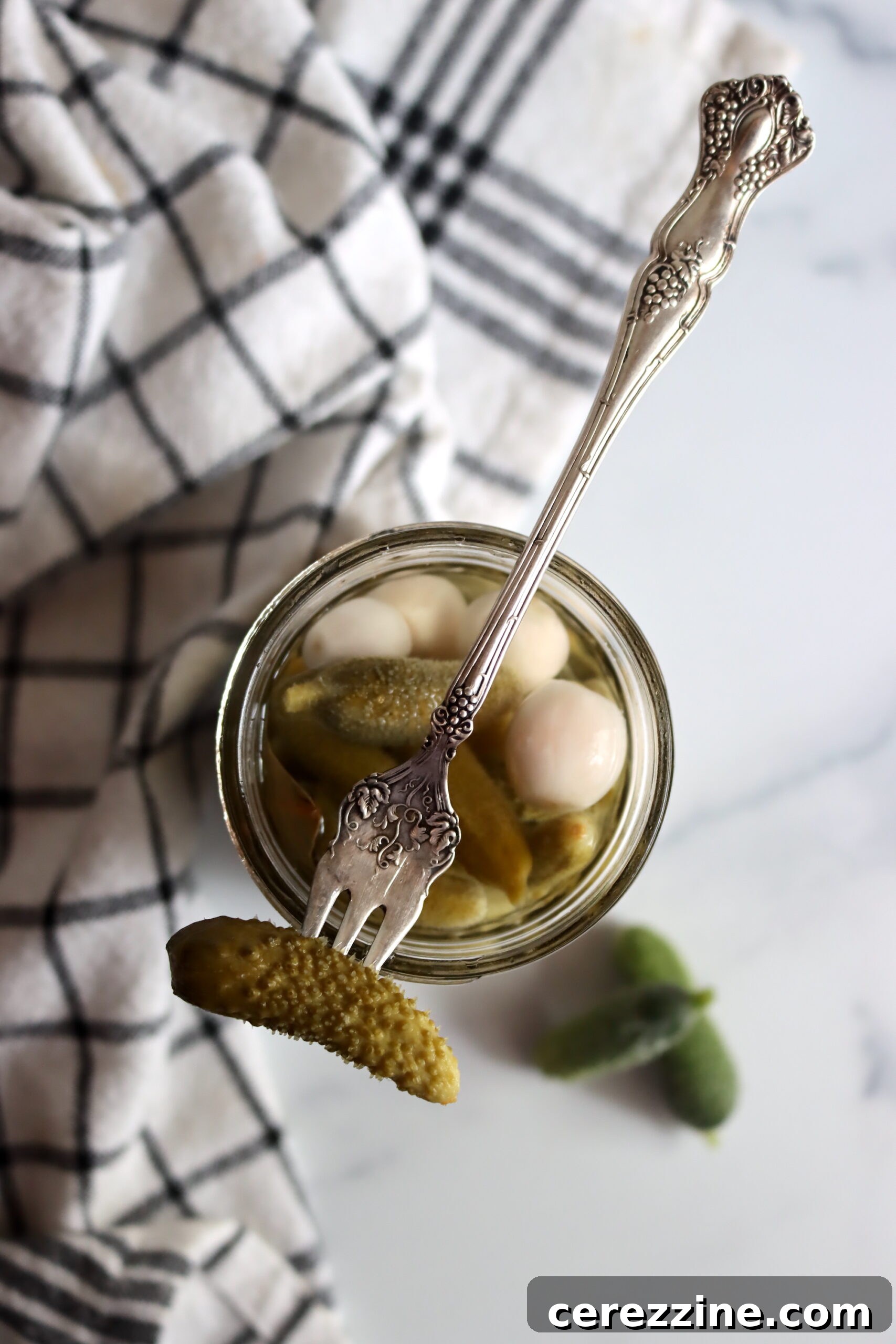
One of the best things about homemade cornichons is their incredible versatility. Ready to eat straight from the jar, they require no special preparation to be enjoyed. Simply pop open a jar, and you have a gourmet condiment at your fingertips.
Cornichons are perhaps most famously known as a perfect accompaniment to a charcuterie board. Their sharp, acidic bite brilliantly cuts through the richness of creamy cheeses like Brie, Camembert, or goat cheese, and complements the savory depth of cured meats such as prosciutto, salami, or pâté. They provide a refreshing counterpoint that cleanses the palate and enhances the overall experience.
But don’t limit these tiny French pickles to just cheese and meat platters! Their vibrant flavor makes them a fantastic ingredient in many other dishes:
- Salads and Sandwiches: Finely chop cornichons and mix them into tuna salad, egg salad, or chicken salad for an extra layer of zesty flavor and crunch. Add sliced cornichons to your favorite sandwiches, wraps, or even hot dogs for a gourmet touch.
- Dips and Sauces: Dice them small and fold them into sour cream, Greek yogurt, or crème fraîche with fresh herbs like dill or chives to create a quick, tangy dip that’s perfect for crudités or potato chips. They are also a classic ingredient in traditional tartare sauce, adding essential flavor to accompany fried fish or seafood.
- Garnishes: Use whole or sliced cornichons as a garnish for cocktails like a Gibson martini, or alongside rich, savory dishes to provide a contrasting element.
- Creative Culinary Uses: Don’t be afraid to experiment! Try incorporating chopped cornichons into deviled eggs, potato salad, or even a classic steak tartare. Their acidity can also brighten up rich stews or pan sauces.
- Fried Cornichons: For an irresistible, addictive snack, consider breading and frying your cornichons. Simply dip each pickle in a beaten egg wash, then coat it generously with a mixture of seasoned panko breadcrumbs and grated Parmesan cheese. Fry them in hot oil until golden brown and crispy, then serve immediately with a creamy dipping sauce.
Whether you’re serving them as part of an elaborate spread or simply as a delightful snack, your homemade cornichons will be a testament to your culinary prowess. And remember, the refrigerator pickles option ensures you always have a fresh stash on hand for spontaneous cravings or last-minute entertaining.
Traditional French Cornichons
By: Ashley Adamant
Cornichons (or tiny baby pickles) are a traditional cucumber pickle from France, made with immature cucumbers that are only 1 to 1 1/2 inches long. These crunchy little pickles are perfect on a charcuterie plate, or anywhere you’d use a pickle.
Servings: 64 servings (Makes 4 pints or 2 quarts)
Prep Time: 2 hrs
Cook Time: 10 mins
Total Time: 2 hrs 10 mins
Equipment
- Water Bath Canner
- Large mixing bowl
- Colander
- Saucepan
- Pint jars with lids and rings
- Jar lifter
- Clean kitchen towels
Ingredients
- 2 lbs very small cucumbers, gherkins (typically 1 to 2 inches in size)
- 10-12 small cocktail onions, trimmed and peeled
- ¼ cup kosher salt
- 5 inch tarragon stem
- 2 small bay leaves
- ½ tsp black peppercorns
- 2 tsp yellow mustard seeds
- 4 cups white wine vinegar
Instructions
- If canning, ensure all equipment is ready. Sterilize your jars, lids, and rings.
- Wash cucumbers thoroughly and cut off a 1/16-inch slice from the blossom end, leaving ¼-inch of stem attached.
- Place cucumbers in a large mixing bowl and add kosher salt. Stir well to heavily coat the gherkins until they appear frosted.
- Let the gherkins sit in a colander with excess salt for two hours. This essential step draws out extra moisture, ensuring crisp pickles.
- Rinse the gherkins with fresh water and pat them dry with a clean kitchen towel. Ensure all excess salt is removed from the exterior.
- Pack the gherkins tightly into the sanitized pint jars, layering the onions, tarragon, bay leaves, peppercorns, and mustard seeds throughout.
- Bring the white wine vinegar to a boil in a saucepan.
- Pour the boiling vinegar over the cucumbers in the jars, leaving ½ inch headspace at the top. Wipe jar rims clean.
- Add new lids and bands to your jars. If making refrigerator pickles, allow jars to cool to room temperature before storing in the refrigerator. For canning, proceed to the next step.
- If canning, load the jars into the water bath canner, ensuring they are covered by at least 1 inch of water. Process for 10 minutes for pint jars in a boiling water bath. Adjust for altitude as needed (refer to the altitude adjustments section in the article).
- Turn off the heat and allow the jars to remain in the canner for another five minutes (this helps prevent thermal shock and siphoning).
- Carefully remove the jars from the canner and let them cool undisturbed on a folded rag or wire rack for 24 hours at room temperature.
- After cooling, check the seals. Remove bands, label, and store in a cool, dark, dry place.
Notes
Refer to the “Altitude Adjustments for Canning Cornichons” section above for detailed processing times based on your elevation. Proper altitude adjustment is critical for food safety when canning.
Nutrition
(Approximate values per serving)
Calories: 6kcal, Carbohydrates: 0.5g, Protein: 0.2g, Fat: 0.1g, Saturated Fat: 0.01g, Polyunsaturated Fat: 0.02g, Monounsaturated Fat: 0.02g, Sodium: 444mg, Potassium: 32mg, Fiber: 0.1g, Sugar: 0.2g, Vitamin A: 19IU, Vitamin C: 1mg, Calcium: 6mg, Iron: 0.2mg
Nutrition information is automatically calculated and should only be used as an approximation.
Explore More Pickle Recipes
The world of pickling is vast and exciting! If you enjoyed making these French cornichons, consider trying your hand at other delightful cucumber pickle variations or exploring the versatility of pickling other vegetables.
Cucumber Pickle Recipes
- Old Fashioned Lime Pickles (Cucumber pickles with pickling lime)
- Dill Pickle Chips
- Classic Dill Pickle Spears
- Bread and Butter Pickles
Vegetable Pickling Recipes
Expand your preserving skills by putting up a few more seasonal vegetables with these fantastic pickling recipes:
- Pickled Corn Salad
- Pickled Three Bean Salad
- Pickled Green Tomatoes
- Pickled Green Beans (Dilly Beans)
- Pickled Jalapenos
- Pickled Fiddleheads