Transforming Home-Canned Recipes with Wine: A Guide to Elevated Flavor and Culinary Creativity
In the world of home canning, the pursuit of flavor is as vital as the preservation itself. A simple yet remarkably effective technique to elevate your pantry staples from ordinary to extraordinary is the judicious use of wine. Far beyond merely adding moisture, a splash of wine introduces layers of sophisticated flavor, aromatic complexity, and a gourmet touch that endures long after your jars have cooled and settled on the shelf. Imagine deepening the rich notes of savory sauces and meats with a robust red, or brightening the vibrant character of soups and even fruit preserves with a crisp white. This practice is not only perfectly safe for canning but opens up a delightful avenue for experimentation, allowing you to infuse your home-canned goods with unique and restaurant-worthy flavors.
The addition of wine bestows an incredible depth and a nuanced flavor profile upon a wide array of home-canned foods. From hearty, savory meals-in-a-jar like Beef Burgundy and French Onion Soup to rich tomato sauces and delicate fruit preserves, wine acts as a culinary enhancer. It subtly elevates a recipe’s taste, lending a sophisticated complexity that enhances the overall experience without leaving an overpowering “boozy” taste in the finished product. This approach allows home canners to produce preserves that rival gourmet offerings, all from the comfort of their own kitchen.
It’s crucial to understand, however, that while wine adds undeniable culinary value, its primary role in canning is flavor—not preservation. While it does contribute some acidity, this contribution is generally insufficient and too variable to replace the rigorously tested acidification methods required for safe water bath or pressure canning. The acidity from wine is there to make other flavors pop, to brighten and balance, and in this role, it performs wonderfully. But when it comes to guaranteeing the safety and shelf-stability of your canned goods, adherence to established acidification guidelines with standardized ingredients remains paramount.
Why Incorporate Wine into Your Canning Recipes?
Wine, a natural product of fermented grapes, inherently contains a blend of acids, sugars, and tannins. These components are not only delightful to the palate but also incredibly effective at enhancing flavor profiles and balancing the sweetness or richness of other ingredients in cooking and, by extension, in canning.
In the context of canning recipes, wine serves the same invaluable purposes it does in stovetop cooking, but with the added benefit of preserving these enhanced flavors for future enjoyment:
- Adds Depth and Richness: Red wines, with their deeper color and complex berry or earthy notes, excel at intensifying the savory elements in meat-based stews, gravies, or robust tomato sauces. They introduce umami and a lasting finish that transforms simple dishes.
- Balances Acidity and Sweetness: Lighter, crisp white wines are superb at cutting through richness, brightening flavors, and adding a refreshing counterpoint. They can lift the profile of seafood dishes, vegetable soups, or even fruit preserves, preventing them from tasting overly sweet or heavy.
- De-glazes and Enriches Sauces: When simmered with sautéed onions, browned meats, or roasted vegetables, wine effectively de-glazes the pan, dissolving caramelized bits and integrating those complex browned flavors back into the liquid. This process creates a more harmonious and profoundly flavorful sauce base that holds up beautifully through the canning process, delivering a restaurant-quality taste directly from your pantry.
Even after the rigorous heat processing involved in canning, the wine leaves behind its subtle yet distinct fruity, floral, and earthy undertones. These aromatic compounds and concentrated flavors integrate into the dish, making the finished jars taste more layered, sophisticated, and undeniably restaurant-worthy. It’s a testament to the transformative power of wine in culinary applications, extended into the realm of home preservation.
Effective Substitutions for Alcohol in Canning Recipes
For those who prefer to omit wine or spirits from their canning recipes, there are numerous straightforward and equally effective substitutions that will still deliver a wonderfully balanced flavor profile. It’s important to remember that in most canning contexts, alcohol is included for its contribution to depth and acidity, not for its preservative qualities. Therefore, replacing it with non-alcoholic alternatives will not compromise canning safety, provided the rest of the recipe’s ingredients and processing guidelines remain unchanged.
For savory recipes that typically call for wine, such as soup canning recipes and meal-in-a-jar canning recipes, a direct and simple replacement is to use extra broth—be it vegetable, beef, or chicken broth—in place of the wine. To effectively mimic the subtle acidity and brightness that wine would typically impart, consider enhancing the broth by mixing in a small splash of a mild, flavorful vinegar. Excellent choices include champagne vinegar, white wine vinegar, or apple cider vinegar, which offer a gentle tang without an overpowering sourness.
A practical guideline to follow is to use approximately 1 tablespoon of mild vinegar per cup of broth or water when replacing wine. This ratio helps to replicate the nuanced acidic balance found in wine.
In the case of tomato-based dishes, plain water can work adequately as a substitute. However, to truly brighten and lift the flavors, incorporating a small amount of vinegar or lemon juice is highly recommended. These additions complement the natural acidity of tomatoes and enhance the overall taste.
For sweet recipes that might feature wine, such as wine jellies or fruits canned in a wine syrup, the ideal substitute is fruit juice. Grape, apple, or pear juice are excellent choices, as they provide a similar balance of sweetness and acidity while harmonizing with the fruit flavors already present in the recipe. These juices will contribute the liquid, sweetness, and a touch of tartness, ensuring the finished product remains vibrant and flavorful.
These straightforward swaps guarantee that your recipes will remain rich in flavor, perfectly balanced, and completely alcohol-free, all without necessitating any adjustments to the established canning safety protocols or processing times.
Does Wine Increase Food Acidity Enough to Ensure Canning Safety?
The short answer is: not reliably. This is a critical point for anyone considering home canning.
Wine inherently possesses a pH range of approximately 2.9 to 4.0, with specific values varying based on the grape varietal, vintage, fermentation process, and aging. While this pH range technically classifies wine as acidic, its acidity is neither uniform nor reliably consistent enough to function as a tested acidifying agent for safe home canning. The variability in wine’s acidity from one bottle to another, even within the same style, coupled with potential changes during fermentation, aging, and the addition of various ingredients, makes it an unpredictable factor in a controlled preservation environment.
Due to this inherent variability, wine cannot be used as a substitute for bottled lemon juice, vinegars (specifically those with 5% acetic acid), or citric acid when these ingredients are explicitly required for canning safety. The acidity levels of these standardized products are carefully measured and guaranteed, providing a consistent and safe pH level necessary for inhibiting the growth of harmful bacteria, such as Clostridium botulinum, particularly in low-acid foods. The acidity of wine, on the other hand, is not standardized for this purpose.
That being said, incorporating wine into a *previously tested and approved canning recipe* is generally safe when it is used as a partial or complete replacement for water, broth, or other non-acidifying liquids—provided the original recipe already adheres to stringent canning safety guidelines and includes the necessary, standardized acidifiers if it’s a high-acid product or is processed under pressure for low-acid foods.
Consider these examples:
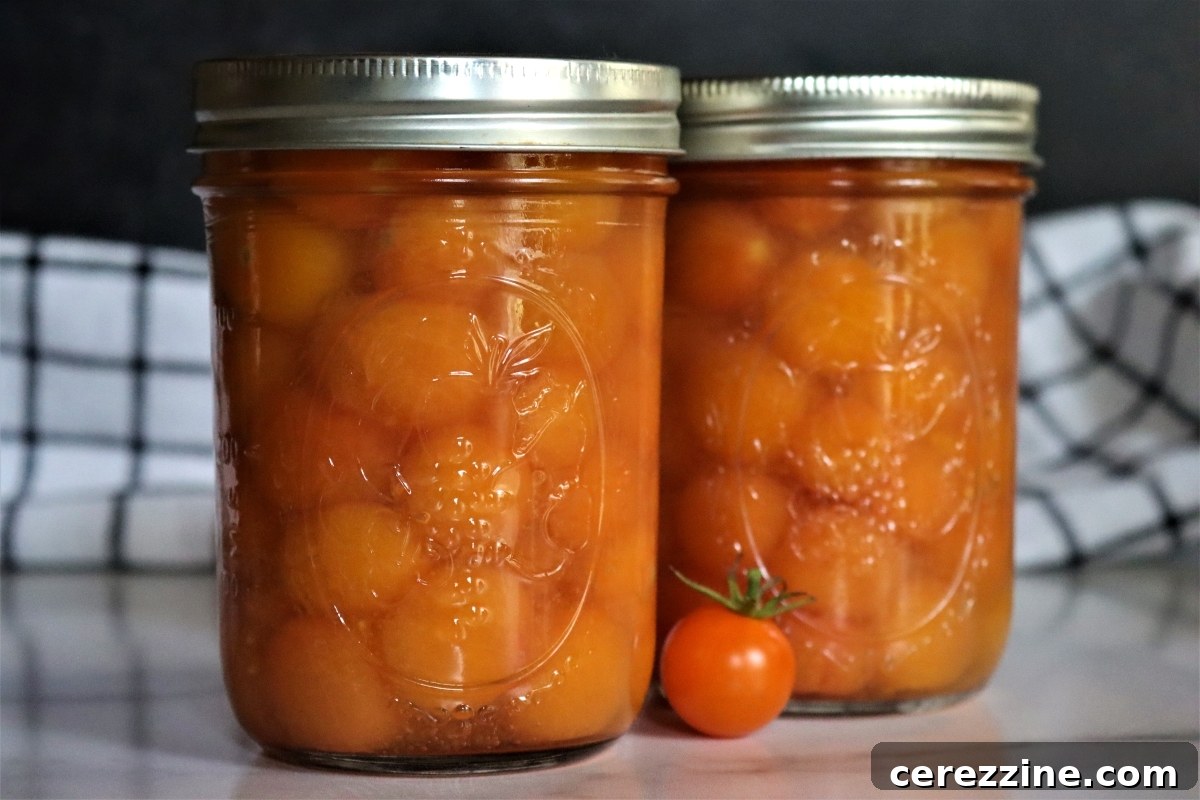
- In a recipe like Canning Tomatoes in Red Wine, the wine replaces the general packing liquid but does not, and cannot, substitute for the required bottled lemon juice or citric acid that ensures the tomatoes remain safely acidic for water bath canning.
- For Beef Burgundy, the red wine forms an integral part of the broth mixture, contributing significant flavor. However, this recipe is always processed using pressure canning guidelines, which are specifically designed for low-acid foods, irrespective of the wine content.
- In French Onion Soup, a modest quantity of dry white wine is added to achieve flavor balance within the broth. This addition is for taste, not to alter the acidity requirements for safe pressure canning.
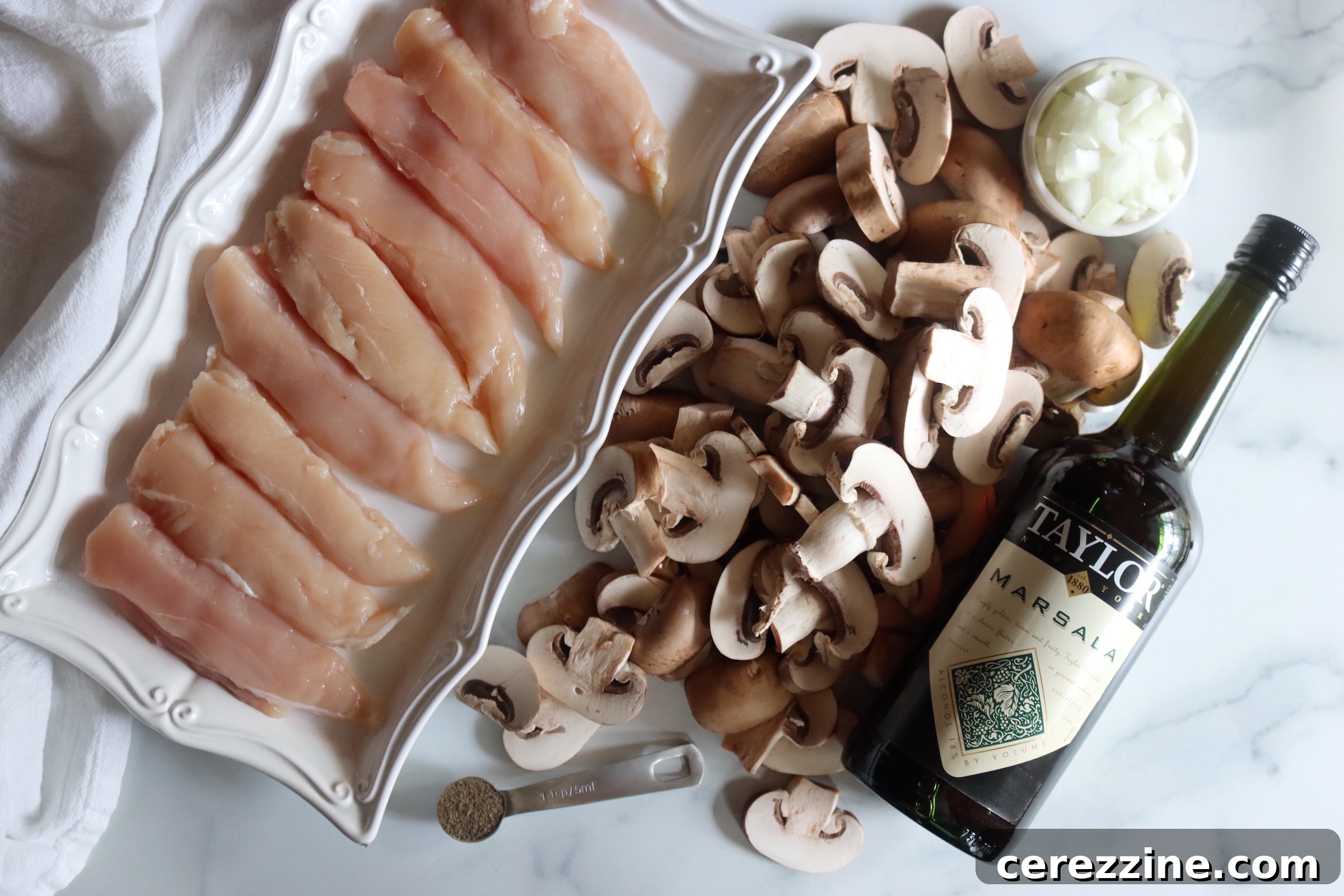
- Recipes such as Chicken Marsala and Coq au Vin rely heavily on wine for the creation of their characteristic rich, complex sauces. The wine imparts profound depth of flavor that withstands pressure canning beautifully, all while strictly adhering to all safety standards for low-acid meals in a jar.
The overarching principle here is crystal clear: wine enhances flavor but is not a guarantor of food safety in canning. You must always adhere to the correct and tested acidification methods for the specific type of recipe you are preserving, ensuring that your home-canned goods are both delicious and safe for consumption.
Understanding Alcohol’s Behavior During Canning
A common concern regarding the use of alcoholic beverages in canning revolves around the fate of the alcohol itself. During the cooking and subsequent heat processing phases of canning, the majority of the alcohol content rapidly evaporates. Alcohol has a lower boiling point than water (approximately 173°F or 78°C), meaning it begins to vaporize and dissipate from the mixture relatively quickly once heat is applied. This process leaves behind only trace amounts of residual alcohol, but crucially, it concentrates and preserves the complex flavors, acids, sugars, and aromatic compounds originally contributed by the wine or spirit.
By the time a canning recipe has been simmered for an extended period, carefully ladled into jars, and then subjected to either a boiling-water bath or the high temperatures and pressures of a pressure canner, the residual alcohol content is typically minimal, often negligible. What remains are the essence of the beverage—the flavorful acids, the concentrated sugars, and the structure-giving tannins—all of which profoundly enrich the finished preserve, contributing depth and character without the intoxicating effects.
From a food safety perspective, therefore, alcohol is safe to use in canning recipes. Its presence, even initially, does not interfere with the critical sealing process of the jars, nor does it compromise the overall preservation efficacy. The high heat of processing effectively neutralizes any potential risks related to alcohol content, ensuring the food remains safe for consumption over its shelf life.
It’s worth noting that there are specific instances where alcohol is intentionally added right before or after processing, with the deliberate goal of preserving a higher alcohol content in the finished product. Recipes for brandied pears are a classic example, where the fruit is often soaked in brandy, or a recipe for blackberries might call for a splash of framboise liqueur, adding both an intense fruity flavor and a delightful boozy note to the preserve. In such cases, the alcohol’s preservative qualities (at higher concentrations) are leveraged, and the finished product might be considered an alcoholic preserve.
Both methods—cooking off the alcohol or intentionally retaining it—are perfectly safe for canning, provided the recipe adheres to proper safety guidelines for the specific food type. The choice often comes down to the desired flavor profile and end use of the canned good.
Selecting the Ideal Wine for Your Canning Projects
The adage “cook with wine you’d drink” holds true for canning. While you don’t need an expensive vintage, a decent, palatable wine will always yield superior results compared to cheap, highly processed “cooking wines.” If a canning recipe suggests wine but doesn’t specify a type, a general rule of thumb is to opt for something dry, rather than sweet, unless you are deliberately aiming for a dessert preserve or pairing it with sweet fruits.
For Savory Dishes and Meats
- Dry Red Wines: These are excellent choices for imparting robust flavors and deep color. Varietals like Cabernet Sauvignon, Merlot, Malbec, or Pinot Noir are superb for rich, hearty tomato-based sauces, beef stews, venison, or lamb. They contribute tannins, dark fruit notes, and an earthy complexity that holds up well during processing.
- Dry White Wines: Offering crispness and brightness, dry whites are ideal for lighter savory applications. Sauvignon Blanc, Pinot Grigio, or an unoaked Chardonnay work beautifully in poultry dishes, fish chowders, seafood recipes, and many vegetable preparations. They add a zesty, sometimes herbaceous, note without overwhelming delicate flavors.
For Sweet Preserves and Fruit-Based Creations
- Sweet White Wines: These wines, such as Moscato, Riesling (especially a late-harvest or semi-dry style), or Gewürztraminer, are fantastic for complementing the natural sweetness of fruit preserves or syrups. They introduce aromatic, sometimes floral or honeyed, notes that harmonize beautifully with peaches, apricots, or berries.
- Sparkling Wines: Used in smaller quantities in jellies or fruit fillings, sparkling wines (like Prosecco or Cava) can add subtle floral notes and a unique effervescence that contributes to a lighter mouthfeel in the finished product. Ensure to cook off most of the carbonation if using for a liquid base.
Practical Tips for Wine Selection
If you don’t frequently consume wine or find yourself with leftover bottles, consider purchasing a small 4-pack of mini bottles. This allows you to select the precise style required for a recipe without committing to or wasting a full bottle. It’s an economical and practical solution for home canners.
A crucial piece of advice: always steer clear of “cooking wines” sold in grocery stores. These products are often heavily salted, contain added preservatives, and are typically of very poor quality. The flavors they impart are generally inferior and can detract from your efforts. Instead, always opt for real, drinkable wine, even if it’s an inexpensive table wine. The quality of the wine directly impacts the quality of your finished preserve.
Integrating Wine into Fruit Canning Recipes
Wine’s versatility extends wonderfully to high-acid fruit preserves. Because these recipes are inherently safe for water bath canning due to their natural acidity, home canners have greater freedom to experiment with creative flavor pairings and explore new dimensions of taste. The wine primarily serves to enhance and complement the fruit’s natural sweetness and tartness, adding a layer of sophistication.
Here are some inspiring applications:
- Canning Pears in White Wine Syrup: Imagine poaching ripe pears in a fragrant syrup composed of white wine, sugar, and subtle hints of vanilla bean or cardamom. This combination yields a luxurious, aromatic preserve that is perfect on its own, with cheese, or as an elegant dessert topping.
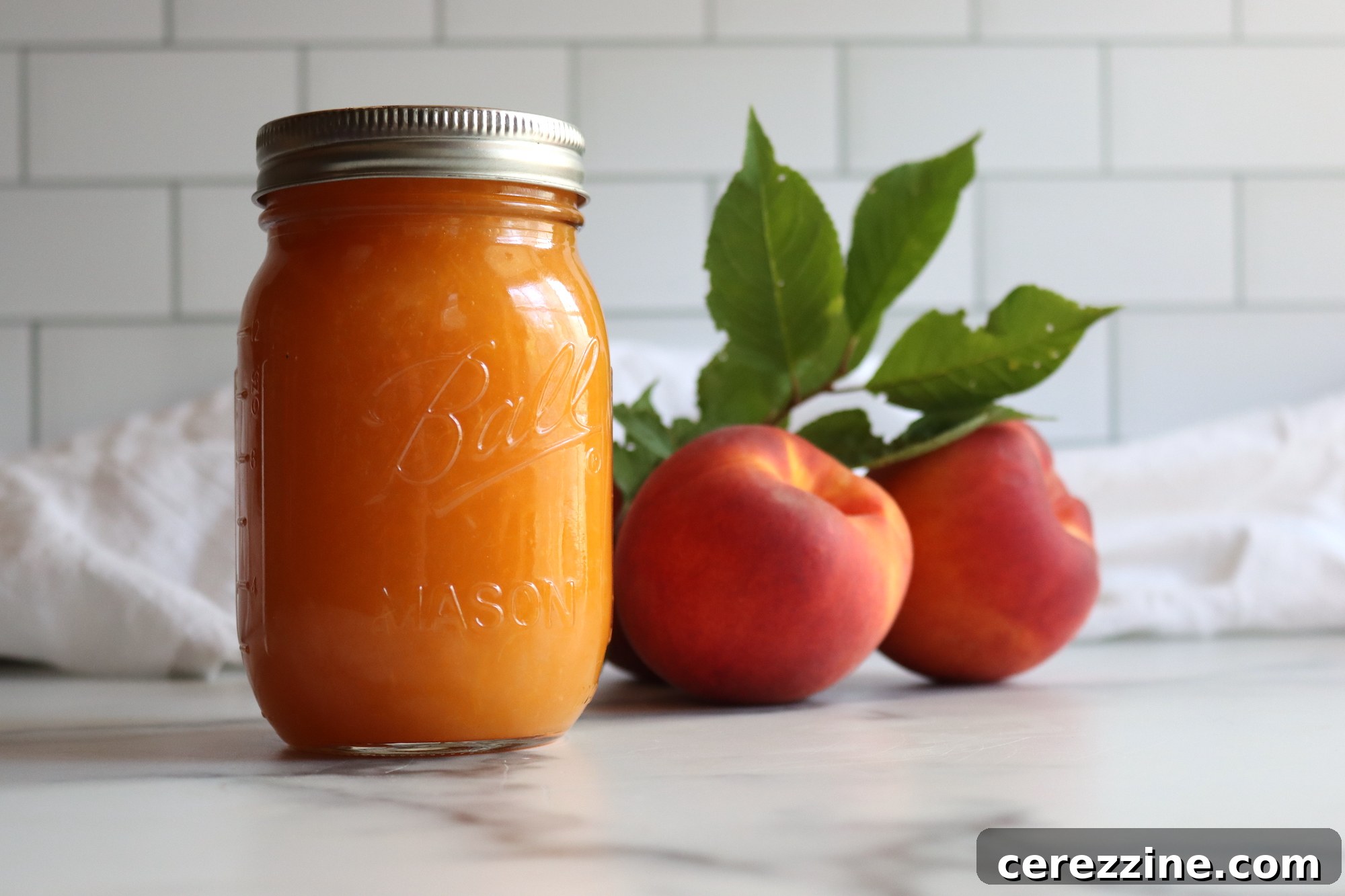
- Canning Peaches in Moscato or Riesling Syrup: Sweet white wines like Moscato or Riesling are a perfect match for the lusciousness of peaches. Their floral, honeyed, or apricot notes naturally complement the fruit’s sugars, creating a light, highly aromatic syrup that elevates canned peaches to a gourmet delight.
- Gourmet Wine Jellies: Utilizing red, white, or even sparkling wine with pectin and sugar allows for the creation of sophisticated jellies. These preserves can range from a robust Cabernet jelly, excellent with meats or cheese, to a delicate Rosé jelly, perfect for toast or scones. They offer a unique flavor profile distinct from traditional fruit jellies.
In these fruit-based applications, the wine typically replaces part or all of the traditional syrup liquid. Crucially, because the base fruit is already high in acid, the recipe remains safely within the guidelines for water bath canning. This method allows for significant flavor innovation without compromising safety. Similarly, brandied fruits (such as brandied cherries or pears) are also popular, as are recipes incorporating various liqueurs. In most fruit canning recipes, the addition of these alcohols is primarily for flavor; additional acidification is often not necessary due to the fruit’s inherent acidity.
Exploring Other Alcohols: Beer, Brandy, and Liqueurs in Canning
While wine is the most common alcoholic ingredient found in home canning recipes, the world of food preservation is rich with traditional and innovative uses for other spirits and fermented beverages. These additions are always for enhancing flavor, texture, and aroma, transforming simple preserves into culinary masterpieces.
- Brandy or Whiskey: These distilled spirits are frequently incorporated into rich fruit preserves like jams, marmalades, or fruit butters. Typically added towards the end of the cooking process, the alcohol component largely evaporates during simmering, leaving behind a subtle, warm, and complex flavor. For instance, a Whiskey Maple Pear Butter exemplifies how the smoky, sweet notes of whiskey can elevate a simple fruit spread into something truly exceptional and utterly delicious!
- Liqueurs (such as Grand Marnier, Chambord, or Amaretto): Liqueurs, with their concentrated flavors and often higher sugar content, are used in small, strategic amounts in fruit jams, jellies, or pie fillings. They are chosen to complement and intensify the fruit’s natural taste, adding a dessert-like finish. For example, Amaretto pairs wonderfully with cherry recipes, enhancing their almond-like undertones, while Chambord (a raspberry liqueur) beautifully elevates various berry preserves. These additions turn everyday fruit into a sophisticated treat.
- Beer or Ale: Less common but equally effective, beer and ale can be found in savory canning recipes, particularly those for chili bases or robust barbecue sauces. Dark, malty beers (like stouts or porters) are favored for their ability to add incredible depth, a hint of roasted flavor, and a pleasant bitterness that balances richness. It’s crucial to thoroughly cook down the beer before processing to allow its flavors to meld and its alcohol to evaporate, leaving behind a profound complexity.
It is important to reiterate that all these alcoholic ingredients are considered safe for canning when used appropriately as flavoring components within tested recipes. Their alcohol content does not negatively impact the jar’s seal, nor does it interfere with the overall preservation process. The heat involved in the canning process effectively eliminates any significant residual alcohol, ensuring that the finished product is safe, stable, and deliciously flavorful.
Determining the Right Amount of Wine for Your Recipes
When incorporating wine into tested canning recipes, the amount typically replaces a portion of the recipe’s existing liquid content. In most cases, wine can replace up to one-third of the total liquid specified in a recipe without significantly altering the overall consistency or safety parameters. However, in more robust, flavor-forward recipes, such as a traditional Beef Burgundy, the wine might constitute half or even more of the cooking liquid, as it’s a foundational element of the dish’s character.
If you are confident in your canning knowledge and considering adapting an existing, *tested canning recipe* to include wine, you can generally replace some or all of the water or broth with wine. However, this must be done with careful consideration and strict adherence to specific guidelines to ensure safety and stability:
- Do Not Alter Other Critical Ingredients or Proportions: It is paramount not to change the quantities or types of other ingredients, especially those that affect the recipe’s acidity (like vinegar or lemon juice) or its density and heat penetration characteristics (such as starches, thickeners, or high-fat ingredients). Any significant modification to these elements can compromise the safety of the recipe.
- Maintain Proper Processing Method: Always ensure that you continue to use the correct processing method for the food type. For instance, low-acid foods (like meats, most vegetables, and mixed meals) must always be processed in a pressure canner for the specified time and pressure, regardless of any wine additions. High-acid foods (like fruits, pickles, and most tomatoes with added acid) can be processed in a boiling-water bath.
- Keep Headspace and Jar Sizes Consistent: The recommended headspace (the empty space between the food and the lid) and the specified jar sizes are critical for proper sealing and safe processing. These should never be altered. Using different jar sizes or incorrect headspace can lead to seal failures or under-processing.
Using wine in your home canning recipes introduces an unparalleled elegance and depth of flavor that genuinely distinguishes your pantry offerings. Whether it’s a rich red wine infusing a Tomato Basil Pasta Sauce with umami, a crisp white brightening a Seafood Chowder Base, or a sweet Riesling adding aromatic complexity to Pear Preserves, wine imbues each jar with subtle character and a gourmet quality.
Remember this foundational principle: wine enhances flavor, but it does not ensure safety. Always diligently follow thoroughly tested recipes and adhere strictly to the required acidification guidelines pertinent to your chosen canning method. When used correctly and within established safety parameters, wine and other spirits can transform your home-canned foods, making them taste as if they’ve come straight from a sophisticated French bistro—all without compromising their shelf stability or safety.
FAQ: Using Wine and Other Alcohols in Canning Recipes
Absolutely, yes! Wine is perfectly safe to incorporate into both water bath and pressure canning recipes when it’s used as part of the tested liquid ingredients. It serves to add significant flavor, complexity, and aromatic depth to your preserves. However, it’s crucial to remember that wine is not a preservative or an acidifier for safety purposes. Therefore, you must continue to follow all standard canning safety guidelines, including proper processing times and methods, and ensure any required standardized acidifiers (like lemon juice or vinegar) are still used.
No, under no circumstances should you substitute wine for the critical acidifying agents such as bottled lemon juice, vinegar (5% acetic acid), or citric acid that are required for safe canning. While you can replace water or broth with wine in tested recipes, these acidifiers have standardized and precise acidity levels that are vital for inhibiting bacterial growth and ensuring your canned goods are shelf-stable and safe to eat. Wine’s acidity is too variable and unreliable for this crucial role.
The best type of wine depends on the recipe and desired flavor profile. For savory dishes like meat stews, robust tomato sauces, or vegetable preparations, opt for a dry wine. This could be a dry red like Merlot or Cabernet Sauvignon, or a dry white such as Sauvignon Blanc or Pinot Grigio. For desserts or fruit preserves, a sweet white wine like Riesling, Moscato, or Gewürztraminer will complement the fruit beautifully. Always choose a wine you would enjoy drinking yourself, and critically, avoid “cooking wines” which often contain added salt, preservatives, and offer inferior flavor.
During the cooking and canning process, most of the alcohol evaporates due to heat. Alcohol has a lower boiling point than water, so it dissipates relatively quickly during simmering and the subsequent heat processing (water bath or pressure canning). Only trace amounts of residual alcohol typically remain in the finished product. The primary contribution of the wine or spirit becomes its concentrated flavor, aromatic compounds, and acids, rather than its alcohol content.
Yes, other alcoholic beverages like beer, brandy, and liqueurs can also be safely used in canning recipes as flavoring agents. Brandy or whiskey might be added to fruit butters or jams, while liqueurs like Amaretto or Chambord can enhance fruit preserves. Dark beers can add depth to savory items like chili or barbecue sauce. Similar to wine, the alcohol content largely evaporates during processing, leaving behind rich, complex flavors. Always use them in conjunction with tested recipes and established canning safety guidelines.