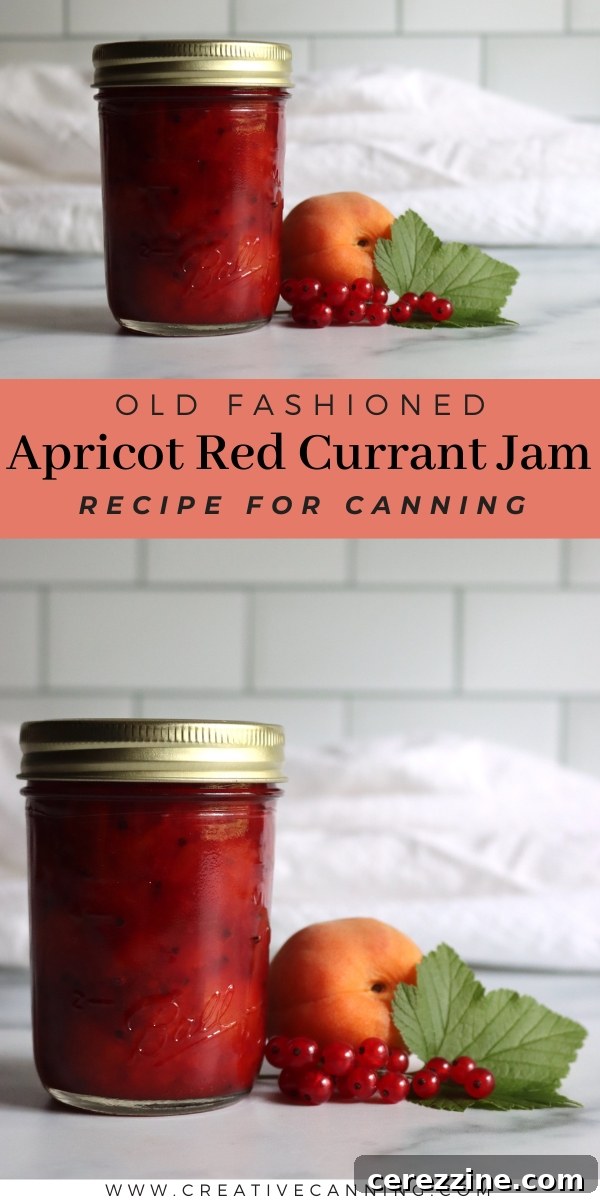
Delicious Apricot Red Currant Jam: A Perfect Blend of Sweet and Tart
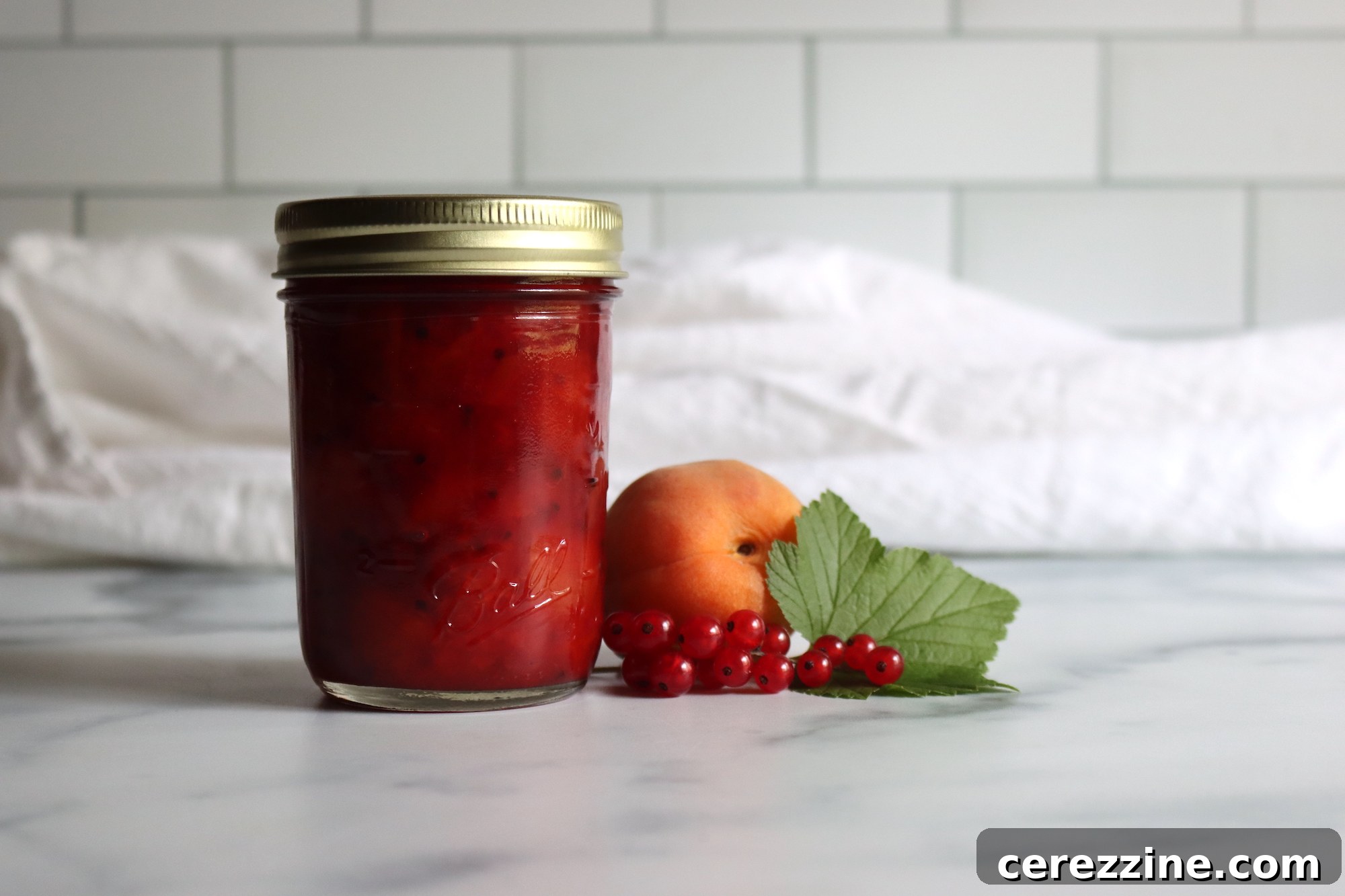
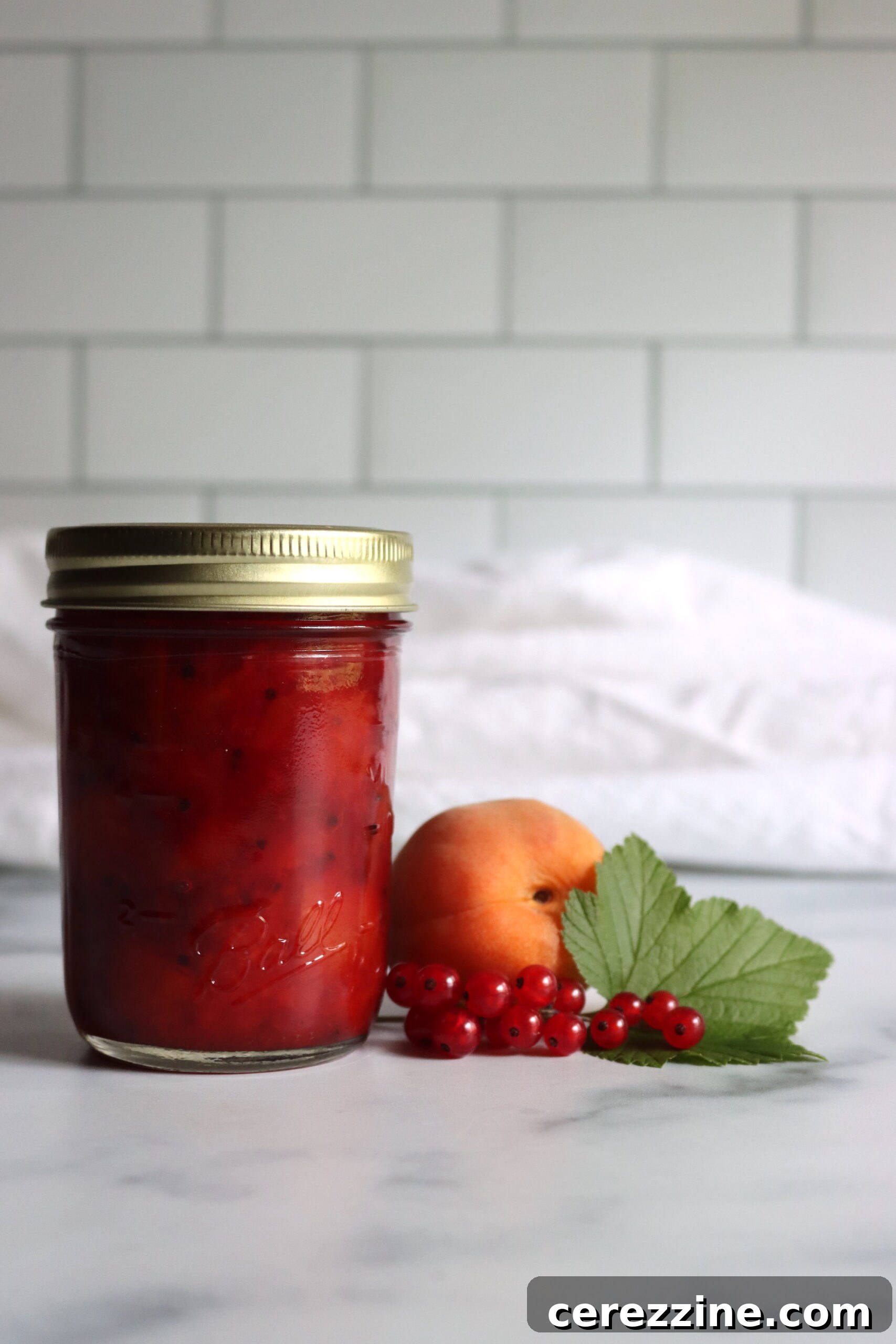
There’s nothing quite like the taste of homemade jam, especially when it captures the vibrant essence of summer fruits. This delightful Apricot Red Currant Jam recipe perfectly marries the mellow sweetness of ripe apricots with the bright, tangy zest of red currants, creating an exquisite spread that will awaken your taste buds. It’s a perfect addition to your breakfast toast, a spoonful in your yogurt, or as a sophisticated accompaniment to a cheese board. With its beautiful jewel-toned hue and irresistible flavor, this jam is more than just a preserve; it’s a celebration of seasonal bounty.
The magic behind this jam lies in the natural synergy of its ingredients. Red currants are renowned for their high pectin content and natural acidity, which means this recipe achieves a perfect gel set without the need for added commercial pectin. Coupled with the juicy, flavorful apricots and a hint of lemon, you get a wonderfully balanced jam that is both sweet and refreshingly tart. What’s even better is that these two fantastic summer fruits often hit their peak season at roughly the same time, making them ideal partners for your preserving projects.
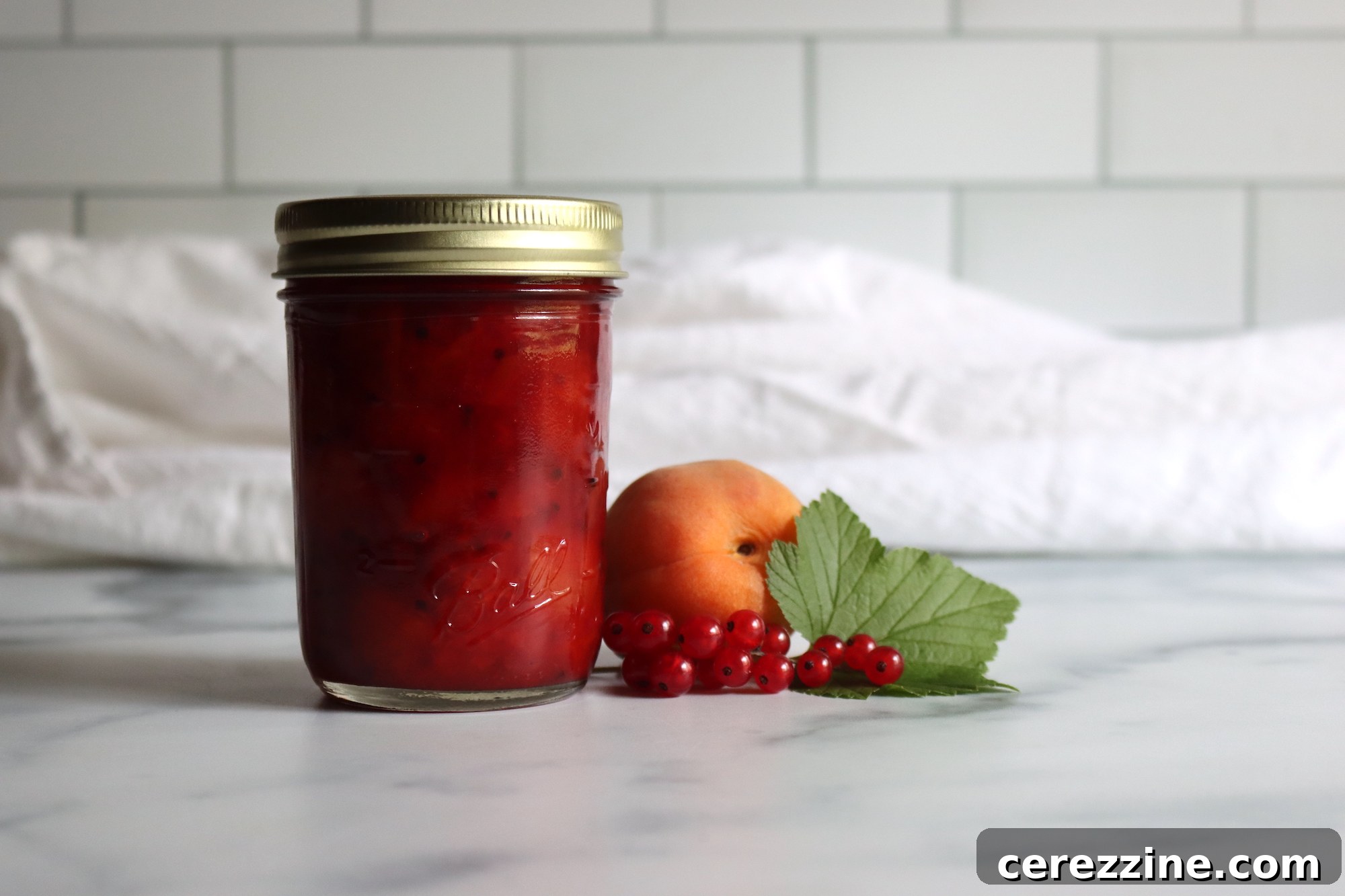
Making homemade jam is a rewarding experience, transforming simple fruits into something truly special. This recipe guides you through each step, ensuring a successful batch of Apricot Red Currant Preserves every time. Whether you’re an experienced canner or new to the art of preserving, you’ll find this recipe straightforward and enjoyable.
Why Apricots and Red Currants are Perfect Together
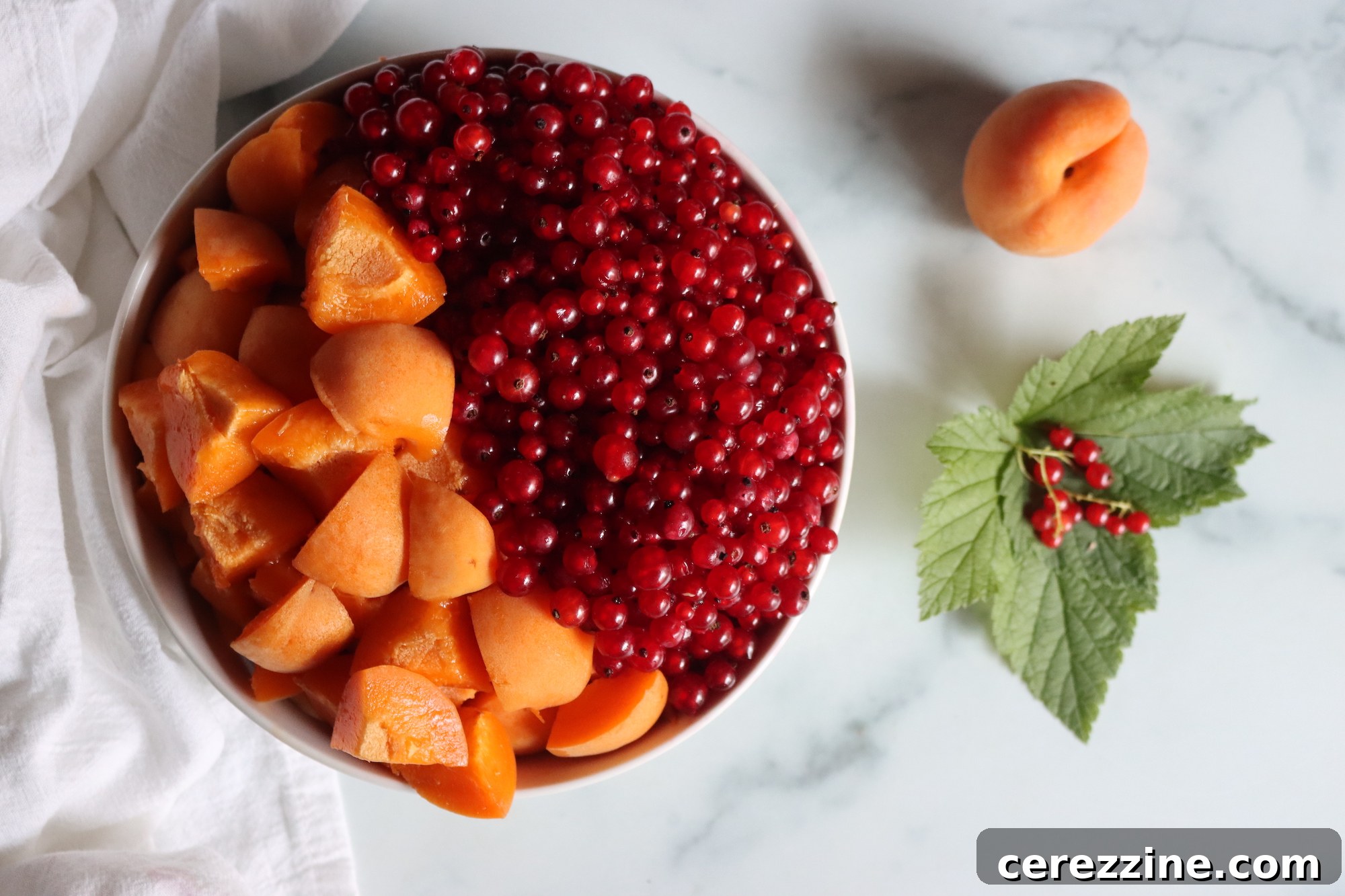
Apricots offer a delicate, fragrant sweetness and a soft, yielding texture when cooked. They bring a sunny warmth to the jam, providing a beautiful base flavor. Red currants, on the other hand, are small, glossy berries bursting with a distinct tartness and a subtle herbaceous note. Their vibrant color is also key, contributing to the gorgeous ruby-red hue of the finished jam.
Beyond their complementary flavors, red currants are a natural jam maker’s friend. Their naturally high pectin content ensures a firm, spreadable jam without the need for commercial pectin, which can sometimes alter the fruit’s pure flavor. This makes the recipe simpler and allows the authentic taste of the fruits to shine through. The acidity of the red currants also brightens the apricots, preventing the jam from becoming overly sweet and creating that desirable balanced profile that connoisseurs crave. This combination results in a spread that is both deeply satisfying and refreshingly light, truly embodying the taste of summer.
Choosing and Preparing Your Fruits for Optimal Flavor
The quality of your jam starts with the quality of your fruit. For the best Apricot Red Currant Jam, select apricots that are ripe but firm. They should have a vibrant orange-yellow color and a sweet, fragrant aroma. Avoid any with green patches, as they are underripe, or those that are bruised or overly soft. While it’s tempting to peel apricots, we recommend leaving the peels on for this recipe. The skins add extra pectin and contribute to the jam’s overall texture and color, and they soften beautifully during cooking.
Red currants should be bright red, plump, and firm, still attached to their stems. Avoid any shriveled or dull-looking berries. When it comes to preparing them, stemming red currants can be a bit tedious but is well worth the effort. A small fork or even your fingers can be used to gently strip the berries from their stems. Be gentle, as they are delicate and can burst easily.
Always wash both fruits thoroughly under cool running water before preparation. For the lemon, choose a large, fresh lemon with smooth, unblemished skin for the best zest and juice.
56
servings, Makes 7 half pint jars (8 oz each)
Apricot Red Currant Jam
Ashley Adamant
10 minutes
10 minutes
10 minutes
30 minutes
Rate
Equipment
-
Water Bath Canner
-
Large, Deep Stainless Steel Saucepan
-
Jar Lifter
-
Funnel
-
Ladle
-
Bubble Remover/Headspace Tool
Ingredients
- 5 cups apricots, chopped and pitted, but unpeeled
- 4 cups red currants, stemmed
- Zest and juice of 1 large lemon
- 5 cups granulated sugar
Instructions
-
1. Prepare Canning Equipment: Before you begin cooking the jam, ensure your water bath canner is set up and heating. Sterilize your jars by placing them in a pot of hot water, bringing it to a boil, and simmering for at least 10 minutes. Keep them hot until ready to fill. Place lids in a separate small pot of simmering water (do not boil) to soften the sealing compound. Gather all necessary canning tools: jar lifter, funnel, and headspace tool.
-
2. Combine Fruits and Lemon: In a large, deep stainless steel saucepan or stockpot, combine the chopped apricots, stemmed red currants, finely chopped lemon zest, and fresh lemon juice. Stir the mixture gently to combine the fruits and distribute the lemon evenly.
-
3. Cook the Fruit Mixture: Bring the fruit mixture to a rolling boil over medium-high heat, stirring occasionally to prevent sticking and ensure even cooking. Continue to boil for about 5-7 minutes, allowing the fruits to soften and release their juices.
-
4. Add Sugar and Boil: Once the fruit mixture is boiling and softened, gradually add the granulated sugar, stirring constantly to help it dissolve completely. Continue to boil the mixture vigorously, stirring frequently to prevent scorching on the bottom of the pan. The jam should boil hard for about 15-20 minutes, or until it visibly thickens and coats the back of a spoon. The mixture will bubble and become more concentrated as it cooks down.
-
5. Test for Gel Stage: To determine if your jam has reached the desired gel stage, perform the cold plate test. Place a small spoonful of the hot jam onto a chilled plate (kept in the freezer for a few minutes). Return the plate to the freezer for one minute. Remove the plate and gently push your finger through the jam. If the surface wrinkles and the jam holds its shape, it’s ready. If it’s still runny, continue boiling for a few more minutes and retest. Alternatively, use a candy thermometer; the jam should reach 220°F (104°C) at sea level for a proper set.
-
6. Skim Foam: Once the jam has reached the gel stage, remove the saucepan from the heat. Skim off any foam that has formed on the surface using a metal spoon. This step improves the clarity and appearance of the finished jam.
-
7. Fill Jars: Carefully ladle the hot jam into your sterilized, hot jars using a canning funnel, leaving about 1/4-inch headspace from the rim. This headspace is crucial for proper sealing and creating a vacuum. Remove any air bubbles by running a non-metallic spatula or bubble remover around the inside of the jar. Adjust headspace if necessary.
-
8. Seal and Process: Wipe the rims of the jars with a clean, damp cloth to remove any sticky residue. Center a warm, sterilized lid on each jar, then screw on the bands until they are fingertip tight. Do not overtighten. Place the filled jars into the prepared water bath canner, ensuring that the water covers the tops of the jars by at least 1 inch. Bring the water to a full rolling boil and process the jars for 10 minutes. If you are at an altitude above 6,000 feet, you will need to adjust the processing time to 15 minutes.
-
9. Cool and Check Seals: After processing, carefully remove the jars from the canner using a jar lifter and place them on a clean towel on your countertop, leaving space between them. Let them cool undisturbed for 12-24 hours. During this time, you should hear a “pop” sound as the lids seal. After cooling, check the seals by pressing down on the center of each lid. If it doesn’t flex or “pop” back, the jar has sealed properly. Any unsealed jars should be refrigerated and consumed within a few weeks.
-
10. Store: Label your sealed jars with the contents and date. Store them in a cool, dark, dry place. Properly canned apricot red currant jam can be stored for up to one year, or even longer for best quality. Once opened, refrigerate the jam and consume within a month.
Notes
If you’re unsure about the gel stage, it’s generally better to cook the jam a bit longer than to undercook it. An undercooked jam will be more like a syrup or sauce, which is still delicious but not ideal for a jam consistency. This particular jam benefits from the abundant natural pectin in red currants, so it tends to set beautifully and relatively quickly.
For a smoother jam, you can use an immersion blender directly in the pot after skimming off the foam, before ladling into jars. Blend until it reaches your desired consistency. Be careful to avoid splashing hot jam.
Nutrition
Carbohydrates: 20g,
Protein: 0.3g,
Fat: 0.1g,
Saturated Fat: 0.01g,
Polyunsaturated Fat: 0.02g,
Monounsaturated Fat: 0.03g,
Sodium: 0.4mg,
Potassium: 58mg,
Fiber: 1g,
Sugar: 20g,
Vitamin A: 270IU,
Vitamin C: 5mg,
Calcium: 5mg,
Iron: 0.1mg
Nutrition information is automatically calculated, so should only be used as an approximation.
Essential Tips for Successful Jam Making and Canning
Making delicious Apricot Red Currant Jam is a rewarding process, but a few key tips can ensure your success and the safety of your preserves:
Canning Safety First
- Sterilization is Key: Always sterilize your jars and lids properly. This eliminates bacteria and fungi that could spoil your jam or, worse, cause foodborne illness. Keeping jars hot until filled also prevents thermal shock when introducing hot jam.
- Accurate Headspace: Maintaining the correct 1/4-inch headspace is critical. Too little headspace can cause the jam to boil out during processing, leading to poor seals. Too much headspace can result in inadequate vacuum and a weak seal.
- Clean Rims: After filling, wipe the jar rims meticulously with a clean, damp cloth. Even a tiny bit of jam residue can prevent a proper seal.
- Proper Processing: Water bath canning is essential for high-acid foods like this jam. Follow the recommended processing times and adjust for altitude to ensure a safe, shelf-stable product.
Jam Making Tips
- Use a Large Pot: Jam boils vigorously. A large, deep pot (like an 8-quart stainless steel saucepan or stockpot) is crucial to prevent boil-overs, which can be messy and dangerous.
- Stir Frequently: Especially after adding sugar, the jam can easily stick and burn to the bottom of the pan. Constant stirring, particularly towards the end of the cooking process, is vital.
- Don’t Rush the Gel Test: The cold plate test is your best friend. Don’t eyeball it; take the time to chill a plate and properly test for the wrinkle stage. If it’s not ready, keep cooking and retest. It’s better to slightly overcook than undercook jam.
- Skim the Foam: While not critical for safety, skimming off the foam (mostly air bubbles and fruit solids) creates a more visually appealing, clearer jam.
Creative Ways to Enjoy Your Apricot Red Currant Jam
This vibrant Apricot Red Currant Jam is incredibly versatile and can elevate many dishes:
- Breakfast Staple: The classic choice! Spread it generously on warm toast, fluffy pancakes, or crispy waffles.
- Yogurt & Oatmeal: Swirl a spoonful into your morning yogurt or oatmeal for a burst of fruity flavor.
- Cheese Boards: Its sweet-tart profile makes it a fantastic accompaniment to soft cheeses like brie or goat cheese, and harder cheeses like cheddar or Gruyère.
- Baking: Use it as a filling for tarts, thumbprint cookies, or layer cakes. It’s also delicious in homemade pastries or croissants.
- Glazes & Sauces: Whisk it with a little water or vinegar to create a quick glaze for roasted chicken or pork. It can also be incorporated into savory sauces for a touch of sweetness and acidity.
- Dessert Topping: Drizzle it over vanilla ice cream, panna cotta, or a simple pound cake for an instant upgrade.
Frequently Asked Questions About Apricot Red Currant Jam
Can I use frozen apricots or red currants?
Yes, you can absolutely use frozen fruit for this jam. If using frozen apricots, ensure they are thawed and chopped as directed. For frozen red currants, you can typically use them directly from frozen. Be aware that frozen fruits may release more liquid, so the cooking time might be slightly longer to reach the gel stage.
What if my jam doesn’t set?
If your jam doesn’t set after cooling for 24 hours, don’t despair! It means it didn’t reach the proper gel stage during cooking. You can reprocess it. Empty the jam back into a large pot, bring it back to a boil, and cook it for another 5-10 minutes, retesting for the gel stage. Alternatively, you can embrace it as a delicious fruit syrup or topping for desserts.
Can I reduce the amount of sugar?
While tempting, significantly reducing sugar in traditional jam recipes that don’t use added pectin can impact the set and preservation quality. Sugar plays a crucial role in activating pectin and acts as a preservative. If you wish to make a lower-sugar jam, it’s best to use a specific low-sugar pectin recipe designed for this purpose, which will provide precise guidelines for fruit, sugar, and pectin ratios.
Do I have to water bath can the jam?
Water bath canning is recommended for shelf stability. If you don’t want to can it, you can store the jam in clean jars in the refrigerator for up to 3-4 weeks. For longer storage without canning, freezing is an option. Ladle the cooled jam into freezer-safe containers, leaving plenty of headspace, and freeze for up to 6 months.
What is the best way to zest a lemon?
To get the most zest without the bitter white pith, use a microplane zester. Grate only the bright yellow outer layer of the lemon. If using a vegetable peeler as mentioned in the original text, peel strips of zest carefully, avoiding the pith, then finely chop them.
Love this recipe? Share your thoughts below!
More Apricot Canning Recipes to Explore
If you’ve fallen in love with preserving apricots, there are many other delightful ways to enjoy this versatile fruit. Expand your canning repertoire with these unique apricot canning recipes:
- Canning Apricots: Learn how to preserve plain apricots in syrup or water, perfect for pies, cobblers, or simply enjoying on their own.
- Canning Apricot Pie Filling: Prepare your pie filling ahead of time, so a delicious apricot pie is just a jar away.
- Classic Apricot Jam: A timeless recipe focusing solely on the pure, sweet flavor of apricots.
- Spiced Apricot Preserves: Add a warming blend of spices to your apricots for a cozy, aromatic spread.
- Tangy Apricot Chutney: A savory and sweet condiment that pairs wonderfully with roasted meats or curries.
Embrace the season’s bounty and fill your pantry with these homemade treasures. Each jar of Apricot Red Currant Jam is a taste of summer, ready to brighten any day.