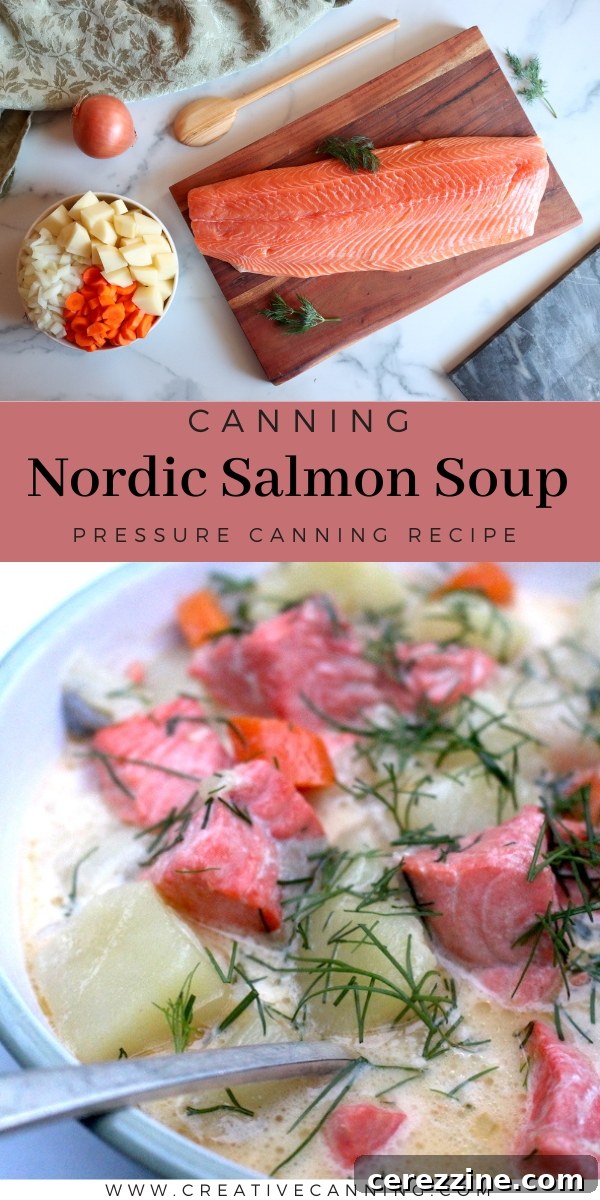
Welcome to the ultimate guide for crafting and preserving a beloved Scandinavian classic: Nordic Salmon Soup. This hearty, flavorful dish, known as Lohikeitto in Finland, Laksesuppe in Norway and Denmark, and Laxsoppa in Sweden, is more than just a meal; it’s a comforting embrace, especially cherished during the long, cold Nordic winters. Featuring tender, flaky salmon, robust potatoes, sweet carrots, aromatic onions, and a rich, creamy broth, this soup is a symphony of flavors that delights the palate and nourishes the soul. What makes it even more appealing is its suitability for pressure canning, transforming a seasonal treat into a pantry staple you can enjoy year-round.
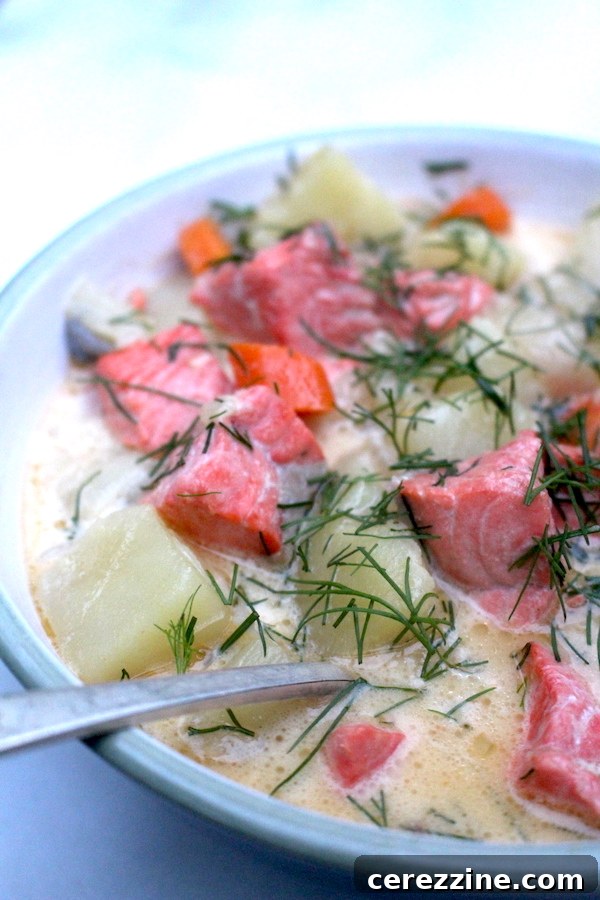
The beauty of Nordic Salmon Soup lies in its simplicity and the quality of its fresh ingredients. Each spoonful delivers a harmonious blend of savory salmon, softened vegetables, and a luscious broth that truly warms you from the inside out. Beyond its delicious taste, this soup is packed with essential nutrients, offering a healthy and wholesome option for any meal. The ability to pressure can this delightful soup means you can prepare batches in advance, ensuring you always have a taste of Nordic comfort ready to serve, whether for a quick weeknight dinner or an unexpected gathering.
While the Finnish Lohikeitto often serves as the foundational recipe, the Nordic region boasts a vibrant array of variations, each with its own unique twist. Norwegian Laksesuppe might incorporate the delicate anise flavor of fennel, the brightness of diced tomatoes, and a subtle warmth from spices like basil and paprika. Danish chefs might enrich their Laksesuppe with crisp celery, tender cabbage, and a hint of curry powder for an unexpected zest. In Sweden, Laxsoppa frequently includes vibrant greens such as spinach and is often thickened with egg yolks and flour to achieve an extra-creamy texture. This adaptability makes the Nordic Salmon Soup a fantastic candidate for home canning, as the basic recipe provides a versatile canvas for your culinary explorations.
This comprehensive guide will walk you through every step of creating and safely pressure canning your own batch of Nordic Salmon Soup. We’ll cover ingredient selection, preparation techniques, the precise canning process, and even creative serving suggestions to help you make the most of this wonderful canned delicacy. Prepare to transform fresh salmon and vegetables into a convenient, shelf-stable meal that captures the essence of Scandinavian home cooking.
Ingredients for Home-Canned Nordic Salmon Soup
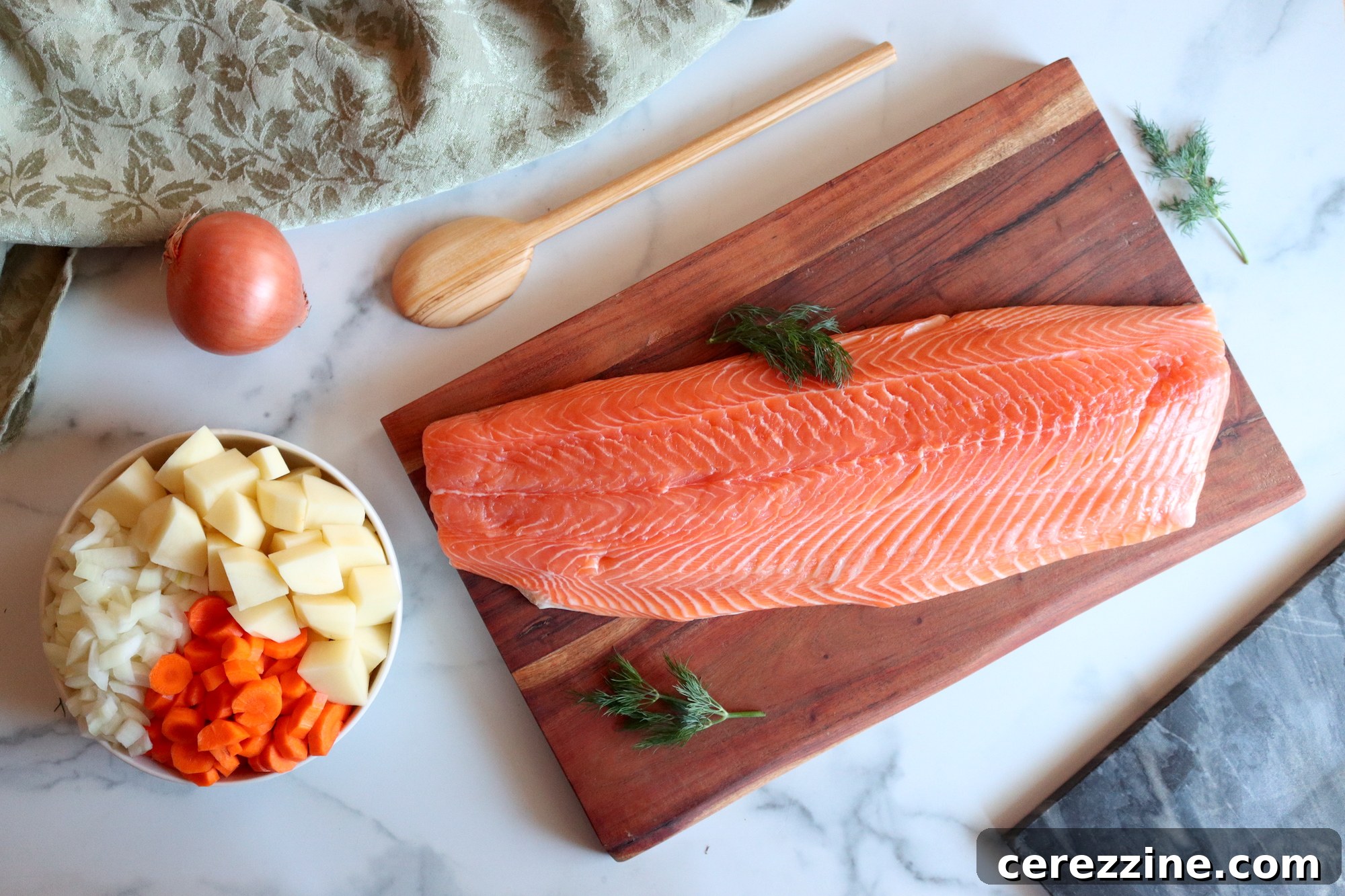
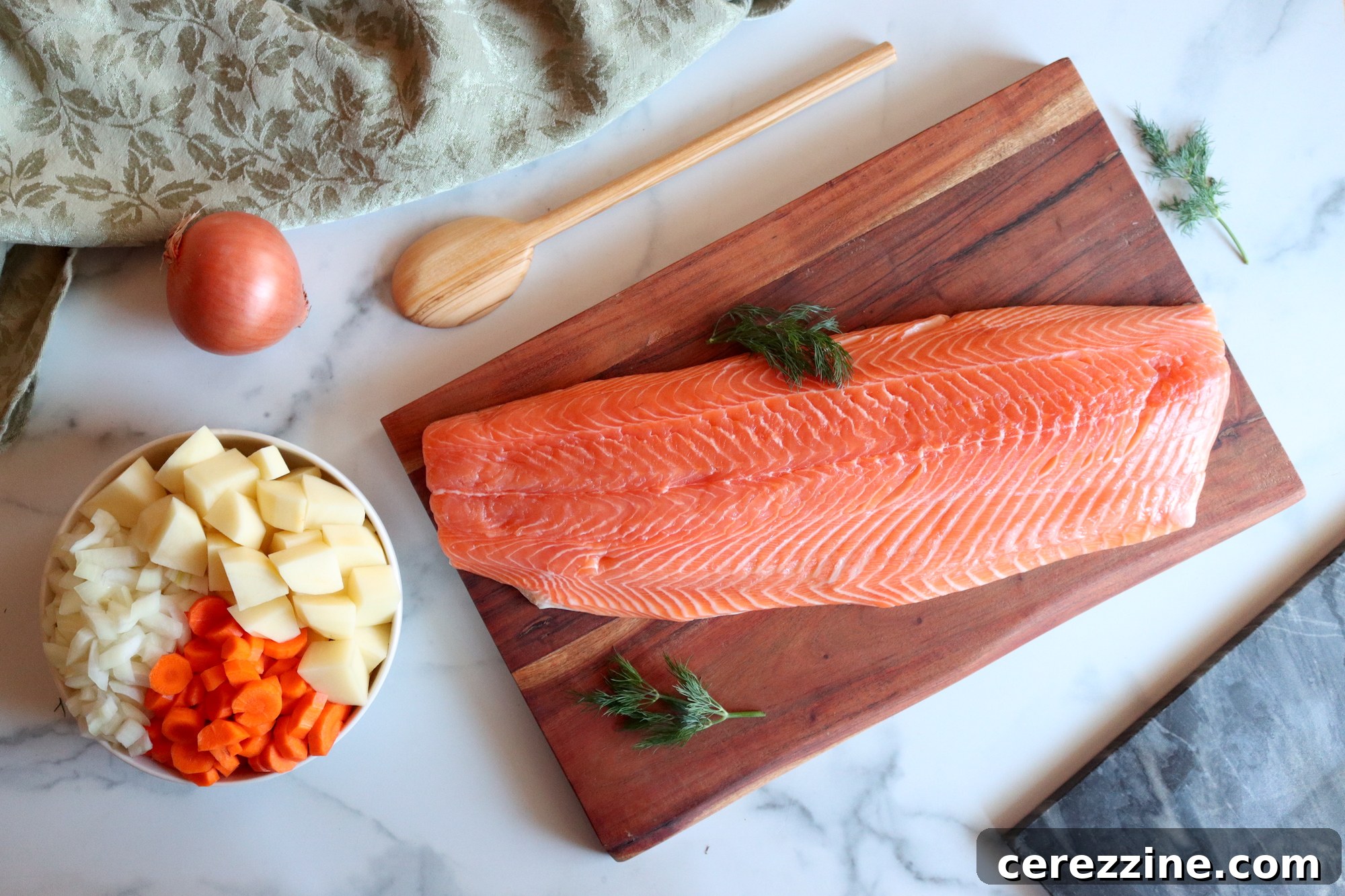
Our recipe for pressure canning Nordic Salmon Soup is thoughtfully adapted from the University of Alaska’s reliable Hearty Soup canning protocol. This trusted guidance allows for the creation of customized soup canning recipes, provided you adhere strictly to their specific guidelines for ingredient types, processing times, and pressures. For a standard canner batch, yielding approximately eight pint jars of this delicious soup, you will need the following core ingredients:
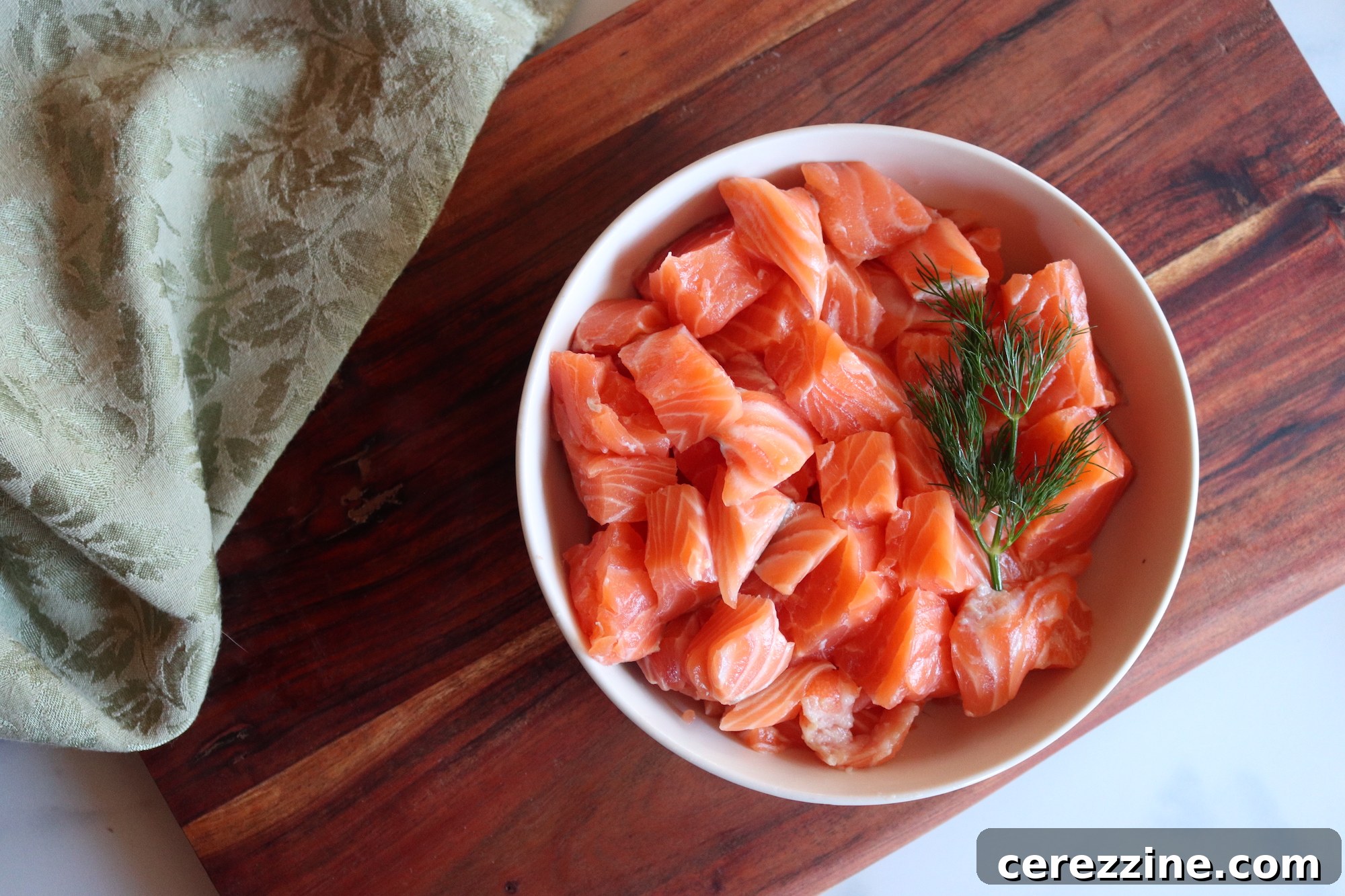
- 1.5 lbs Salmon: Aim for fresh, high-quality salmon. Wild-caught varieties often offer superior flavor and texture.
- 2.5 lbs Potatoes: This equates to roughly 7 cups once peeled and chopped. Use starchy or all-purpose potatoes that hold their shape well during canning.
- 1 lb Carrots: Approximately 3 cups when chopped. Carrots add natural sweetness and vibrant color.
- 1 Large Onion: About 10 oz, or 2 cups chopped. Onions provide an essential aromatic base for the soup.
- 2 Quarts Broth: You can choose fish stock for an authentic seafood flavor, or opt for chicken broth or vegetable broth for broader appeal. Ensure your broth is low in sodium to better control the final flavor.
- 4 tsp Canning Salt: Use canning or pickling salt, which is free of anti-caking agents that can cloud your broth.
- 1 tbsp Fresh Dill: This herb is quintessential to Nordic cuisine, offering a bright, fresh flavor that complements salmon beautifully.
For an extra layer of sophistication, you can replace a portion of the broth with a dry white wine, such as Sauvignon Blanc or Pinot Grigio. The subtle acidity and fruity notes of the wine can truly elevate the flavor profile of your home-canned soup. Remember, this recipe is designed to be a versatile base. While you cannot add cream, egg yolks, or cabbage directly to the jars before canning due to safety concerns and potential texture changes, these regional-specific additions can be incorporated when you serve the soup, allowing you to customize each bowl to your preference for a truly authentic Nordic chowder experience.
If you’re feeling adventurous and wish to recreate the Norwegian version, consider adding diced fennel and tomatoes to your serving bowl. For a Danish twist, incorporate celery, cabbage, and a dash of curry powder just before eating. And if you’re leaning towards the Swedish style, don’t forget a handful of fresh spinach and a swirl of a pre-made flour-and-egg-yolk liaison for that signature creamy finish when you reheat it. Personally, I find profound satisfaction in the soup’s inherent simplicity. I prefer to serve it gently warmed, finished with a generous splash of heavy cream and a scattering of fresh dill, allowing the pure flavors of the salmon and vegetables to shine.
Mastering the Art of Canning Nordic Salmon Soup
Embarking on the pressure canning journey for Nordic Salmon Soup requires careful preparation and adherence to safety guidelines. Before you begin the actual canning process, ensure all your ingredients are prepped and your equipment is ready. This meticulous approach guarantees both safety and the best possible quality for your preserved soup.
Ingredient Preparation: Building the Flavor Foundation
First and foremost, select your salmon with care. Using fresh, wild-caught salmon will yield a significant difference in the final flavor and texture of your soup. Cut the salmon into bite-sized pieces, roughly 1-inch cubes. A traditional Nordic touch involves leaving some smaller bones in, as they will soften completely during the pressure canning process, contributing additional minerals and a deeper savory flavor to the broth. However, if you prefer bone-free salmon, feel free to remove them.
Next, prepare your vegetables. Peel and chop your potatoes into approximately 1/2-inch to 3/4-inch cubes. Carrots should be peeled and chopped into similar-sized pieces. Dice your large onion finely to ensure it blends seamlessly into the soup’s base. Once all your ingredients are prepped, combine the salmon, potatoes, carrots, and onions in a very large stockpot or Dutch oven. Pour in your chosen hot broth or a mixture of broth and white wine, ensuring all solid ingredients are adequately covered. Bring this mixture to a rolling boil and let it simmer gently for five minutes. This crucial step helps to meld the flavors together and begins the cooking process for the vegetables, preventing them from becoming mushy during canning.
After the brief boil, it’s time to season. Add the canning salt and fresh dill to the soup mixture. Remember to be conservative with your seasoning at this stage, as flavors tend to intensify during the pressure canning process. It’s always easier to add more seasoning when serving than to correct an overly salted batch.
The Pressure Canning Process: Safety and Preservation
Safety is paramount in pressure canning. Begin by ensuring your canning jars are clean and heated. While sterilizing jars isn’t strictly necessary for foods processed for 10 minutes or more in a pressure canner, starting with hot jars prevents thermal shock when filled with hot soup. Ladle the hot soup mixture into each hot jar, leaving a precise one-inch headspace from the rim of the jar. This headspace is critical for proper sealing and preventing siphoning during processing. Use a non-metallic tool, like a plastic knife or bubble remover, to remove any air bubbles trapped within the soup. If needed, add more hot broth to maintain the one-inch headspace.
Wipe the rims of each jar thoroughly with a clean, damp cloth to remove any food particles, which could prevent a proper seal. Place the lids and screw bands on, tightening them to fingertip-tightness. Add the recommended amount of water to your pressure canner, typically 2-3 inches, and place the filled jars onto the canner rack. Secure the canner lid and turn on the heat.
Allow the canner to heat up and begin venting steam from its vent pipe for a full 10 minutes. This critical step ensures that all air is expelled from the canner, creating a true pressure environment. After venting, place your weighted gauge or dial gauge onto the vent pipe. Monitor the pressure carefully, bringing it up to the required level: 11 lbs pressure for dial gauge canners or 10 lbs pressure for weighted gauge canners. It is absolutely essential to adjust this pressure according to your altitude. Once the correct pressure is reached, begin your processing time. Process pint jars for a total of 100 minutes. If at any point the pressure drops below the recommended level during processing, you must immediately bring the pressure back up and restart your timer from the beginning.
Once the 100-minute processing time is complete, turn off the heat and allow the pressure canner to depressurize naturally. Do not attempt to force open the canner lid. This natural depressurization period is crucial for preventing liquid loss from the jars and ensuring safe sealing. Once the pressure gauge reads zero, wait an additional 5-10 minutes before carefully removing the canner lid, opening it away from your face to avoid steam burns. Carefully remove the hot jars using a jar lifter and place them on a clean towel or cooling rack, ensuring there is space between each jar for air circulation.
Allow the jars to cool undisturbed at room temperature for 12 to 24 hours. During this time, you should hear a “ping” sound as the lids seal. After the cooling period, check all seals by pressing the center of each lid; if it doesn’t flex, the jar is sealed. Remove the screw bands, wipe down the jars, label them with the contents and date, and store them in a cool, dark place. Properly canned, your homemade Nordic Salmon Soup will be ready to enjoy for up to a year or even longer, offering a delicious and convenient meal solution.
Altitude Adjustments for Pressure Canning
When pressure canning, the processing times remain constant regardless of altitude, but the required pressure must be adjusted to compensate for lower atmospheric pressure at higher elevations. Failing to make these adjustments can lead to under-processed food and potential safety risks. Here are the precise altitude adjustments for pressure canning Nordic Salmon Soup:
For Dial Gauge Pressure Canners:
- 0 to 2,000 feet in elevation: 11 lbs pressure
- 2,001 to 4,000 feet in elevation: 12 lbs pressure
- 4,001 to 6,000 feet in elevation: 13 lbs pressure
- 6,001 to 8,000 feet in elevation: 14 lbs pressure
For Weighted Gauge Pressure Canners:
- 0 to 1,000 feet in elevation: 10 lbs pressure
- Above 1,000 feet: 15 lbs pressure
Serving Your Delicious Nordic Salmon Soup
The moment you’ve been waiting for! When it’s time to savor your meticulously canned Nordic Salmon Soup, the process is wonderfully straightforward: simply heat and eat. The rich, deeply flavorful broth, combined with tender, perfectly cooked salmon pieces and softened vegetables, creates a satisfying and complete meal all on its own. However, the true joy of this soup lies in its versatility. You can effortlessly elevate its flavors and textures with a few simple additions, transforming it into a gourmet experience. A generous splash of heavy cream or a dollop of crème fraîche stirred in just before serving adds a luxurious richness and iconic Nordic creaminess. A scattering of fresh dill not only enhances the authentic flavor but also adds a beautiful pop of color and aromatic freshness.
Feel free to get creative with your toppings and accompaniments, making each serving unique. Here are a few curated ideas to inspire your Nordic Salmon Soup dining experience:
- Fresh Rye Bread: A staple in Scandinavia, a thick slice of hearty, freshly baked rye bread is the perfect accompaniment. Its dense texture and slightly sour notes complement the richness of the soup beautifully.
- Smoked Salmon Salad: For a lighter, yet equally flavorful pairing, serve your soup alongside a crisp salad featuring thinly sliced smoked salmon, a medley of fresh greens, and a vibrant, tangy mustard-dill dressing.
- Pickled Vegetables: Embrace traditional Nordic flavors by offering a side of homemade pickled beets, cucumbers, or even gherkins. Their bright acidity provides a wonderful contrast to the soup’s richness.
- Cheese and Crackers: Create a mini-Nordic cheese board with an assortment of regional cheeses like creamy Jarlsberg, nutty Västerbotten, or sharp Feta (from Denmark), paired with crisp, rustic crackers.
- Herbed Butter: Soften unsalted butter and blend it with finely chopped fresh dill, a squeeze of lemon zest, and a pinch of sea salt. This flavorful butter is exquisite spread on warm bread or crackers.
- Chilled Apple Cider: A glass of crisp, chilled apple cider offers a refreshing counterpoint to the warm, savory soup, adding an additional layer of fruity complexity to your meal.
- Crispy Potato Pancakes: Prepare traditional potato pancakes (latkes or rösti) until golden and crispy. Serve them alongside the soup with a dollop of sour cream or crème fraîche for a truly indulgent and textural pairing.
- Fresh Herbs and Lemon: Beyond dill, consider garnishing with finely chopped chives, parsley, or a fresh lemon wedge to squeeze over each bowl for a burst of citrusy brightness.
- Hard-Boiled Egg Slices: A classic addition to many Scandinavian soups, thin slices of hard-boiled egg add a touch of protein and a creamy texture.
Recipe: Home-Canned Nordic Salmon Soup
This recipe provides a delicious and shelf-stable way to enjoy the comforting flavors of Nordic Salmon Soup any time. Yields 8 pint jars (16 servings).
Prep Time: 20 minutes
Cook Time: 10 minutes
Canning Time: 1 hour 40 minutes
Total Time: Approximately 2 hours 10 minutes (not including cooling)
Equipment:
- Large stockpot or Dutch oven
- Pressure Canner
- 8 Pint canning jars with new lids and bands
- Jar lifter
- Canning funnel
- Bubble remover tool
Ingredients:
- 1.5 lbs salmon, cut into 1-inch pieces
- 2.5 lbs potatoes, peeled and chopped into 1/2 to 3/4-inch cubes (about 7 cups)
- 1 lb carrots, peeled and chopped into 1/2 to 3/4-inch pieces (about 3 cups)
- 1 large onion, finely diced (about 10 oz or 2 cups)
- 2 quarts (8 cups) fish stock, chicken broth, or vegetable broth (low sodium recommended)
- 4 tsp canning salt
- 1 tbsp fresh dill, finely chopped (optional, or added at serving)
Instructions:
- **Prepare Ingredients:** Cut salmon into bite-sized pieces. Peel and chop potatoes, carrots, and onions to the specified sizes.
- **Combine and Boil:** In a large stockpot, combine the chopped salmon, potatoes, carrots, and onions. Pour in the hot broth (or broth/wine mixture) until all solid ingredients are covered. Bring the mixture to a rolling boil and simmer for 5 minutes to meld flavors and partially cook vegetables.
- **Season:** Stir in the canning salt and fresh dill (if adding before canning). Remember, flavors intensify during canning, so season conservatively.
- **Prepare Jars:** Ensure your canning jars are clean and hot. Using a canning funnel, ladle the hot soup mixture into the hot pint jars, leaving exactly one inch of headspace from the rim.
- **Remove Air Bubbles:** Use a bubble remover tool or non-metallic spatula to carefully remove any trapped air bubbles from the jars. Add more hot broth if necessary to maintain the one-inch headspace.
- **Clean Rims and Seal:** Wipe the rims of the jars clean with a damp cloth. Place new, pre-warmed lids on the jars, followed by the screw bands, tightened to fingertip-tightness.
- **Prepare Canner:** Place the jars onto the rack in your pressure canner. Add 2-3 inches of water to the canner. Secure the canner lid.
- **Vent Steam:** Turn the heat to high. Allow a steady stream of steam to vent from the canner’s vent pipe for 10 full minutes to ensure all air is removed.
- **Process:** After venting, place the weighted gauge or dial gauge onto the vent pipe. Bring the pressure up to the required level (11 lbs for dial gauge, 10 lbs for weighted gauge). Adjust pressure for your altitude (refer to Altitude Adjustments section above).
- **Maintain Pressure:** Once the target pressure is reached, begin processing pints for 100 minutes. Maintain a consistent pressure throughout the entire processing time. If the pressure drops at any point, restart the timer from zero.
- **Depressurize Naturally:** After 100 minutes, turn off the heat and allow the canner to depressurize completely and naturally. Do not try to rush this process.
- **Cool Jars:** Once the pressure gauge reads zero, wait an additional 5-10 minutes before carefully removing the canner lid. Using a jar lifter, transfer the hot jars to a clean towel or cooling rack, ensuring they are not touching.
- **Check Seals and Store:** Allow jars to cool undisturbed for 12-24 hours. After cooling, check the seals by pressing the center of each lid. If it doesn’t flex, the jar is sealed. Remove screw bands, label jars with contents and date, and store in a cool, dark place.
Notes:
This recipe adheres to the University of Alaska’s Hearty Soup canning protocol, which provides safe guidelines for creating your own soup recipes provided you follow their specific processing times and pressures. For safety reasons, fish and recipes containing fish are only approved for canning in pint jars, not quart jars. Always ensure your salmon is fresh and of high quality for the best results.
Nutrition Information (Approximate per serving):
Calories: 136kcal, Carbohydrates: 17g, Protein: 10g, Fat: 3g, Saturated Fat: 0.4g, Polyunsaturated Fat: 1g, Monounsaturated Fat: 1g, Cholesterol: 23mg, Sodium: 1097mg, Potassium: 611mg, Fiber: 3g, Sugar: 3g, Vitamin A: 5009IU, Vitamin C: 16mg, Calcium: 26mg, Iron: 1mg.
Nutrition information is automatically calculated and should only be used as an approximation. Exact values may vary based on ingredients and preparation.
We hope you enjoy this detailed guide to canning and serving Nordic Salmon Soup. Your feedback is valuable! Please feel free to leave a comment below to share your experience or ask any questions.
Explore More Fish and Seafood Canning Recipes
Nordic salmon soup is a comforting Scandinavian classic, but it’s just one of many delicious ways to pressure can fish and seafood at home. Expanding your repertoire of home-canned meals can provide convenience and allow you to enjoy seasonal catches year-round. Explore other delightful soup recipes designed for safe pressure canning, offering hearty and flavorful options for your pantry.
- For another salmon-based delight, try the hearty Canning Salmon Chowder Base, a versatile foundation for a creamy chowder.
- If you prefer to use other types of fish, our adaptable Canning Fish Chowder Base provides a fantastic starting point for various seafood chowders.
Beyond soups, the world of seafood canning is vast and rewarding. Consider these staples and gourmet choices to stock your shelves:
- Learn the process for Canning Tuna, ensuring you have a steady supply of this lean protein for salads, sandwiches, and casseroles.
- For a more luxurious treat, explore Canning Crab, a sophisticated option for special occasions or gourmet meals.
Discover even more options and detailed instructions in our comprehensive list of Fish Canning Recipes. And, of course, for maximum versatility, simply canning salmon alone in a jar remains an incredibly practical and healthy choice, allowing you to use it in countless dishes without the prior effort of preparing a full soup.
Discover More Homemade Soup Canning Recipes
If you’re looking to fill your pantry with even more easy and delicious homemade soup-in-a-jar canning recipes, you’re in the right place. Home-canned soups are fantastic for meal prep, emergency food storage, or simply having a comforting meal ready in minutes. Expand your collection with these tried-and-true recipes:
- Brighten your menu with Canning Carrot Soup, a naturally sweet and vibrant option perfect for any season.
- For a hearty and wholesome meal, try Canning Split Pea Soup, a classic that’s both economical and delicious.
- Combine robust flavors with Canning Sausage, Potato and Kale Soup, a satisfying and nutrient-packed option for cooler weather.
- And for a timeless family favorite, master the art of Canning Chicken Soup, a staple that brings comfort and nourishment whenever needed.