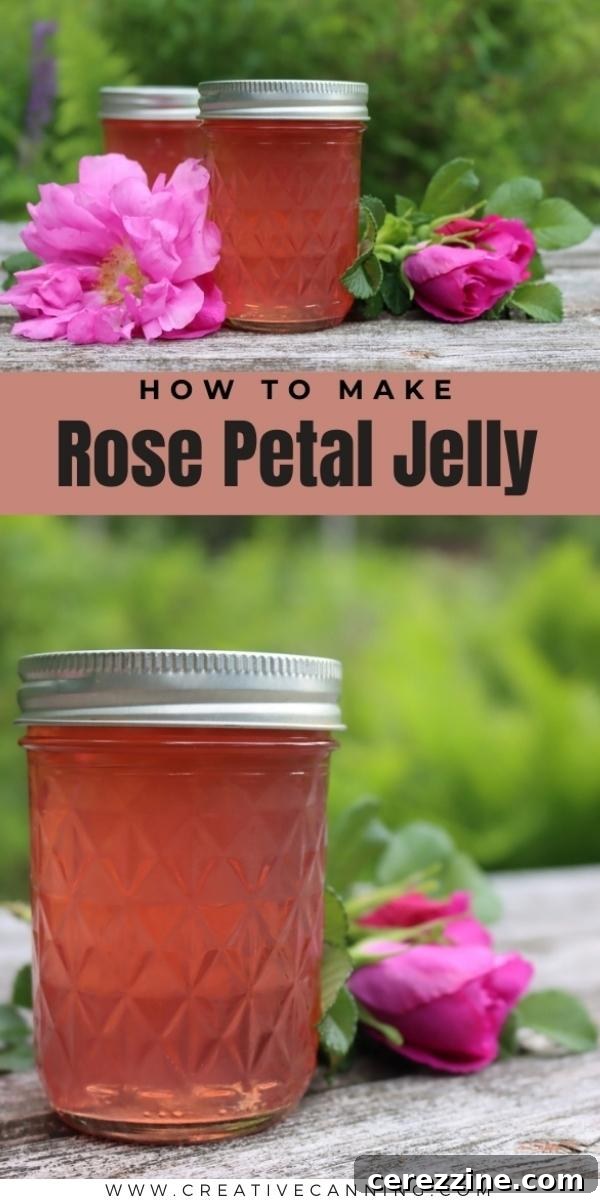
Homemade Rose Petal Jelly: Capture Summer’s Essence in a Jar
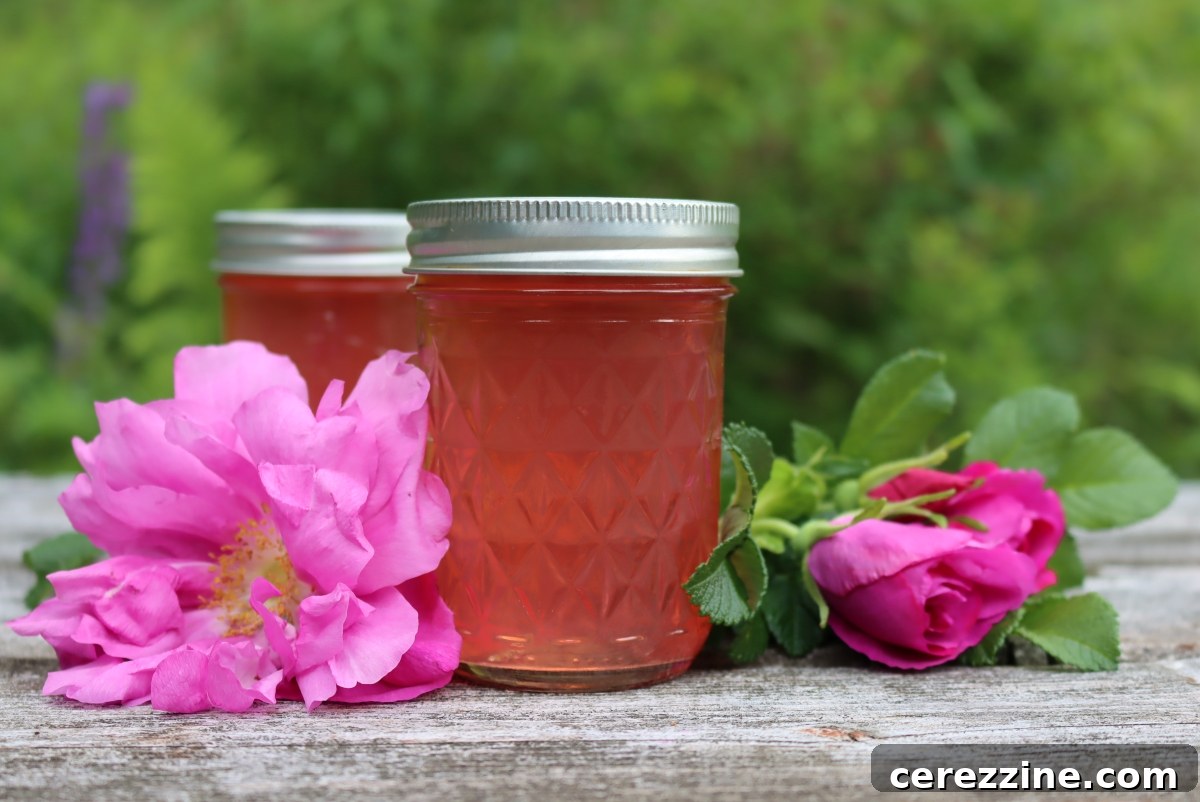
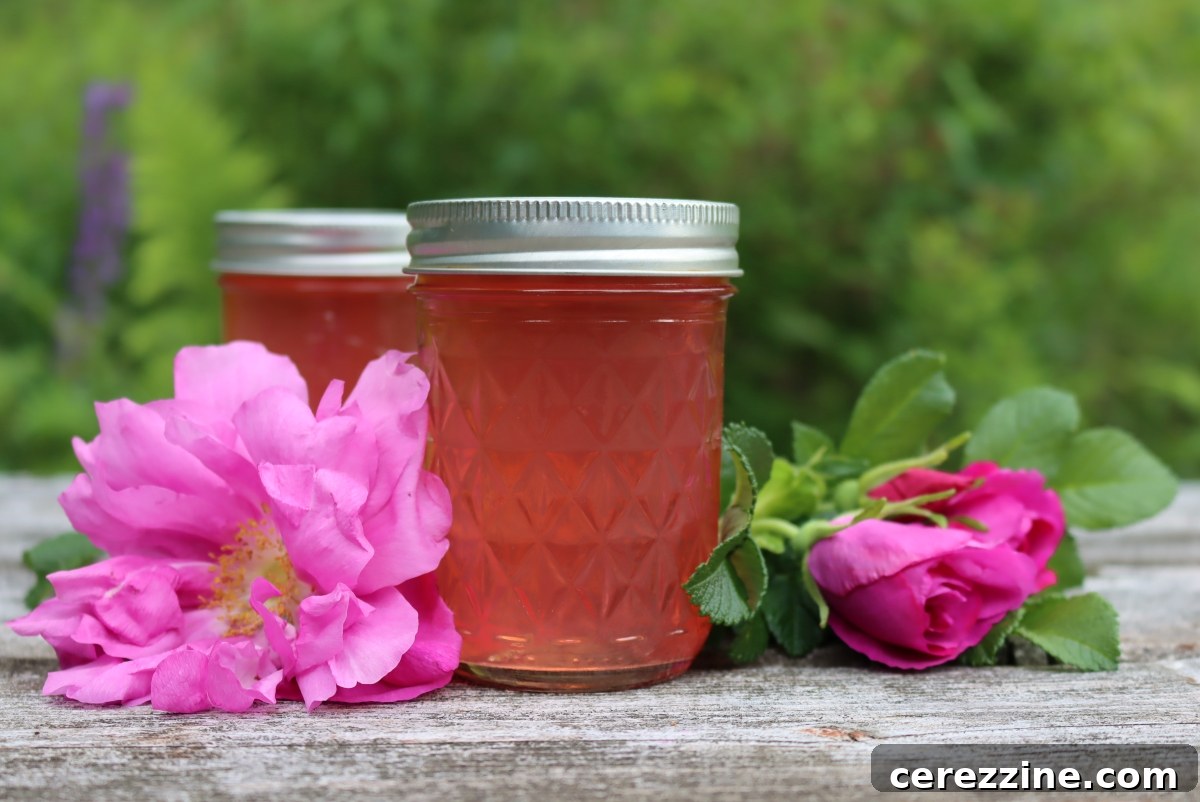
There’s an undeniable magic in preserving the fleeting beauty and fragrance of summer. Among the most enchanting ways to do so is by crafting your own homemade rose petal jelly. This delicate, pink-hued spread isn’t just a treat for the palate; it’s a jarred moment of sunshine, a sweet whisper of romance that can brighten even the dullest winter day. Known universally as the “Queen of Flowers” and an enduring symbol of love, roses lend an unparalleled elegance and a subtly sweet, floral flavor to this exquisite preserve. Whether you’re a seasoned canner or a curious beginner, learning how to make this delightful flower jelly recipe is surprisingly simple and incredibly rewarding.
Imagine spreading the essence of a blooming garden onto your morning toast or gifting a jar of homemade love to someone special. Rose petal jelly truly feels unique and celebratory, transforming an ordinary moment into something extraordinary. I distinctly remember making a special batch for my daughter’s kindergarten “graduation.” While it might seem like a small milestone, we believe in celebrating all achievements, big and small. The joy on her face when she received her very own jar, brimming with the lovely flavor of summer roses and infused with extra love, was a memory I’ll always cherish.
Why Make Rose Petal Jelly? More Than Just a Treat
Beyond its captivating taste and aroma, making rose petal jelly offers several compelling reasons to get started in your kitchen:
- A Unique Culinary Experience: It’s a fantastic way to experiment with edible flowers and create something truly gourmet and distinctive.
- Sentimental Value: Homemade gifts imbued with the beauty of nature and personal effort are always cherished.
- Seasonal Preservation: Capture the peak flavor and fragrance of summer roses to enjoy year-round.
- Surprisingly Easy: Despite its sophisticated appeal, this recipe is remarkably straightforward, making it perfect for both novice and experienced preservers.
- Versatile Uses: Delicious on toast, scones, or pastries, and also an elegant accompaniment to cheese boards, desserts, or even savory dishes.
At a Glance: Your Rose Petal Jelly Recipe Guide
Recipe Summary
- Recipe Name: Rose Petal Jelly
- Recipe Type: Flower Jelly Recipe, Edible Flowers
- Canning Method: Water Bath Canning
- Prep Time: Approximately 10-15 minutes (plus steeping time)
- Cook Time: 10 minutes
- Canning Time: 10 minutes (optional, but recommended for pantry storage)
- Yield: 4 to 5 half-pint jars
- Recommended Jar Sizes: Quarter-pint, half-pint, or pint jars
- Headspace: 1/4 inch
- Key Ingredients: Fresh Edible Rose Petals, Water, Lemon Juice, Sugar, Powdered Pectin
- Difficulty: Easy! Essentially, you’re making a fragrant rose tea and setting it with pectin.
- Similar Flower Jellies: The process is akin to making other delightful garden flower jellies like Peony Jelly, Tulip Jelly, Violet Jelly, Pansy Jelly, Forsythia Jelly, or Lilac Jelly.
Crafting Your Rose Petal Jelly: A Step-by-Step Guide
The journey to your own jar of rose petal jelly begins with sourcing the freshest, most fragrant rose petals. This is arguably the most crucial step for a truly exceptional jelly.
1. Sourcing and Preparing Your Rose Petals
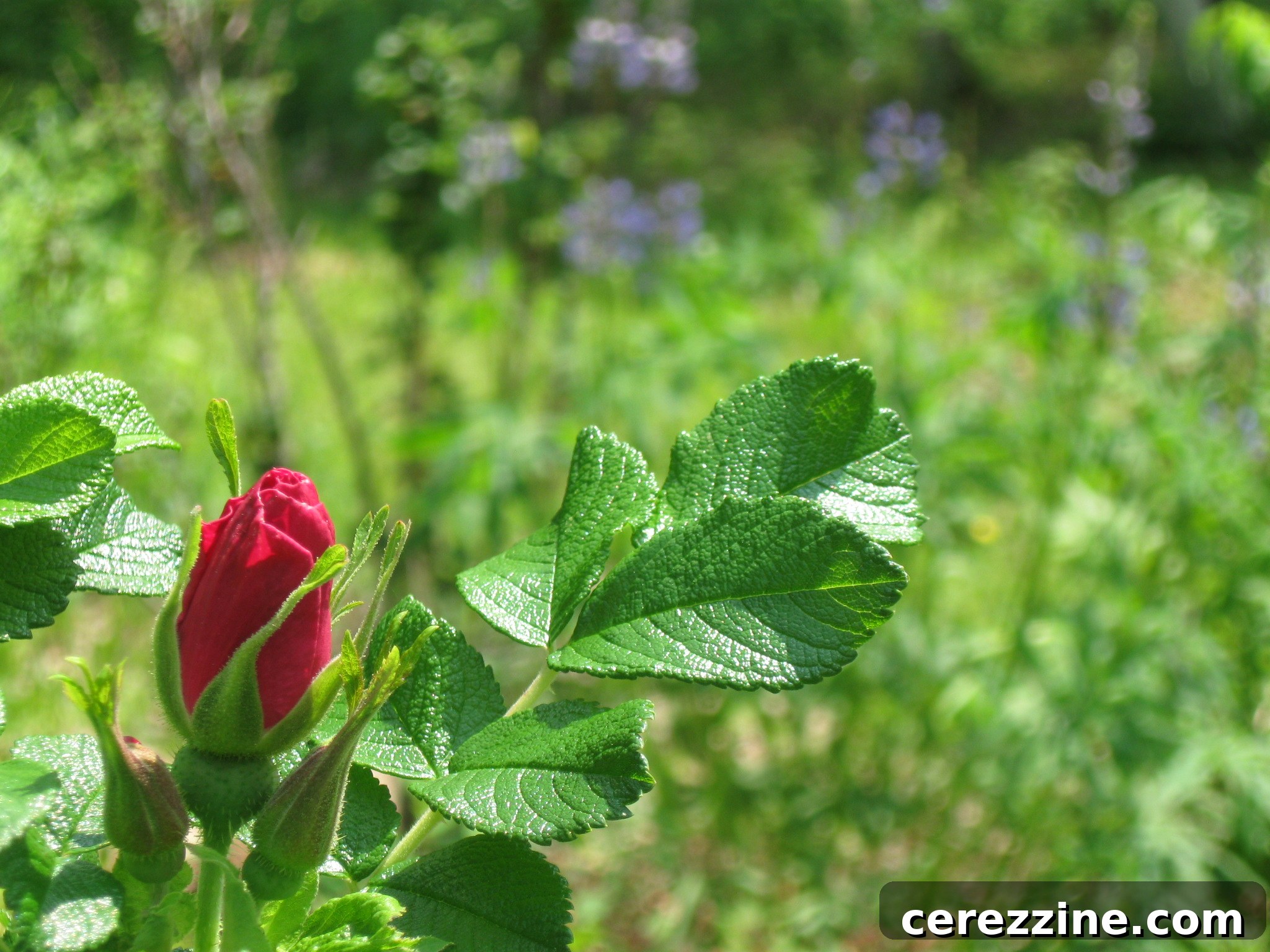
For the best flavor and safety, always use fresh, unsprayed, and organic rose petals. Avoid roses from florists, as they are often treated with chemicals. If you’re harvesting from your own garden, aim to gather petals later in the day, after the dew has evaporated and the blossoms have been thoroughly pollinated by bees. This ensures the bees have had their fill, and your petals will boast their most intense floral fragrance. An added bonus? You’ll leave plenty of rose hips behind for foraging when autumn arrives.
If you don’t have access to your own pesticide-free roses, don’t despair! High-quality, organic food-grade rose blossoms can be purchased online from reputable suppliers such as Mountain Rose Herbs or Starwest Botanicals. Alternatively, chat with friends or neighbors who might have organic rose bushes and offer to exchange a jar of your finished jelly for a bounty of their beautiful petals – it’s a win-win!
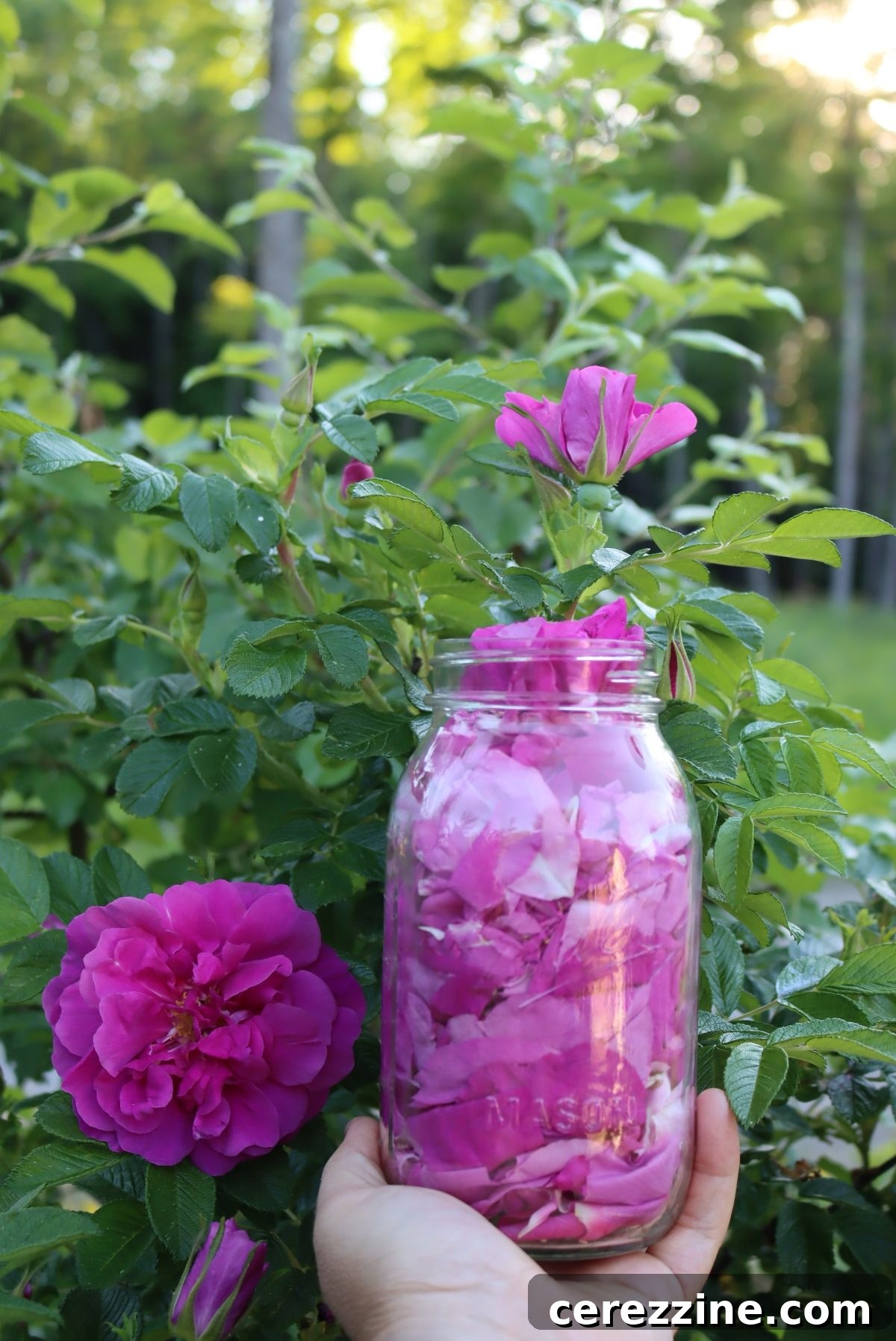
You’ll need approximately 4 cups of fresh rose petals for this recipe. Carefully inspect each petal, removing any dirt, insects, or debris. Gently place the clean petals into a quart-sized Mason jar or a 4-cup Pyrex measuring cup until it’s full but not overly compressed.
2. Infusing the Rose Petal Tea
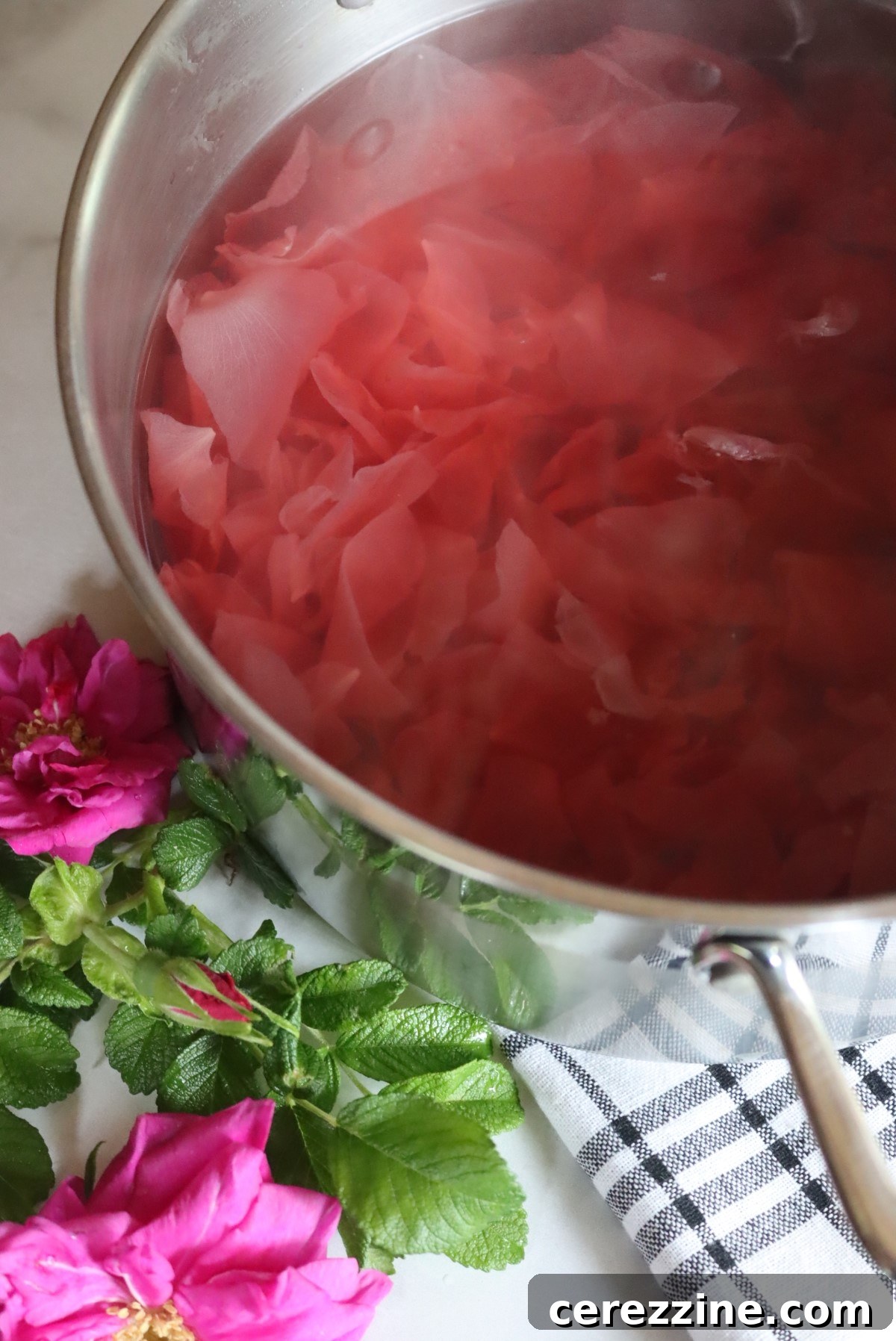
Once your petals are ready, pour 4 cups of boiling water over them. Allow the petals to steep for 10 to 15 minutes. This steeping process is crucial for extracting their delicate flavor and aroma into a fragrant rose tea. After steeping, use a fine mesh strainer to separate the infused rose tea from the petals, pouring the liquid into a clean saucepan or jam pot.
3. The Magic of Lemon Juice
Now, add 2 tablespoons of lemon juice to your rose infusion. You might notice that the rose tea initially lacks a vibrant color; it’s often a muted brownish or greenish hue. This is where the lemon juice works its magic! It not only brightens the flavor, making the rose notes truly pop, but also transforms the color into a beautiful, appealing pink. More importantly, lemon juice is indispensable for two other reasons: it balances the sweetness of the sugar and provides the necessary acidity for the pectin to set properly, ensuring your jelly thickens. Furthermore, it acts as a natural preservative, making the jelly safe for canning. Do not skip or reduce the amount of lemon juice!
4. Adding Pectin and Sugar for the Perfect Set
For this recipe, we’ll generally recommend using a standard powdered pectin, such as Sure Jell original pectin. This type of pectin typically requires a 1:1 ratio of liquid to sugar. So, for 4 cups of rose tea, you’ll need 4 cups of granulated sugar. This will result in a traditional, sweet jelly, yielding approximately 5 half-pint jars as listed in the recipe.
Understanding Pectin Types and Sugar Ratios:
- Regular Pectin (High Sugar): As mentioned, this requires a 1:1 liquid to sugar ratio (e.g., 4 cups liquid to 4 cups sugar). It creates a very sweet, firm jelly and is often referred to as “old-fashioned” jelly.
- Low Sugar Pectin: If you prefer a less sweet rose petal jelly, a low sugar pectin is an excellent choice. With this, you can use significantly less sugar – sometimes as little as ½ cup for the same amount of liquid, achieving a more nuanced floral flavor. Low sugar pectin is a reliable option for many home preservers.
- Pomona’s Universal Pectin: This is a popular two-part low-sugar pectin (pectin powder and a calcium powder). If using Pomona’s, you’ll need to follow the specific instructions provided in their box, often aligning with their guidelines for recipes like mint jelly, adjusting sugar to your preference.
- Liquid Pectin: While an option, liquid pectin often demands a much higher sugar content to set effectively (e.g., 7 cups of sugar for 4 cups of liquid). The order of adding ingredients also differs, with pectin typically added last. Due to the very high sugar levels required, liquid pectin often results in an exceedingly sweet jelly, which might overshadow the delicate rose flavor. If an intensely sweet jelly is your goal, this could be an option, but for a balanced floral taste, other pectins are usually preferred.
Bring the rose tea and lemon juice mixture to a rolling boil. Add the packet of pectin, stirring continuously to ensure it fully dissolves. Maintain a full, vigorous boil for 1 minute. It’s critical to allow the pectin this solitary minute to dissolve before adding the sugar; otherwise, your jelly might not set correctly.
Next, carefully stir in the 4 cups of granulated sugar until it is completely dissolved. Bring the mixture back to a rolling boil and continue boiling for another full minute. At this stage, your rose petal jelly is cooked and ready for the next step.
5. Filling Jars and Storing Your Jelly
Carefully ladle the hot rose petal jelly into your prepared ½-pint jars, leaving ¼ inch of headspace at the top. At this point, you have a couple of options for storage:
- Refrigeration: If you plan to enjoy your jelly soon, simply apply lids, let the jars cool to room temperature, and then store them in the refrigerator for up to 1 month.
- Freezing: For slightly longer storage without canning, the jelly can be frozen for up to 6 months. Ensure jars are freezer-safe and allow adequate headspace for expansion.
However, the best way to enjoy this delicate preserve for many months, especially for gifting or long-term pantry storage, is through water bath canning.
Canning Rose Petal Jelly for Long-Term Enjoyment
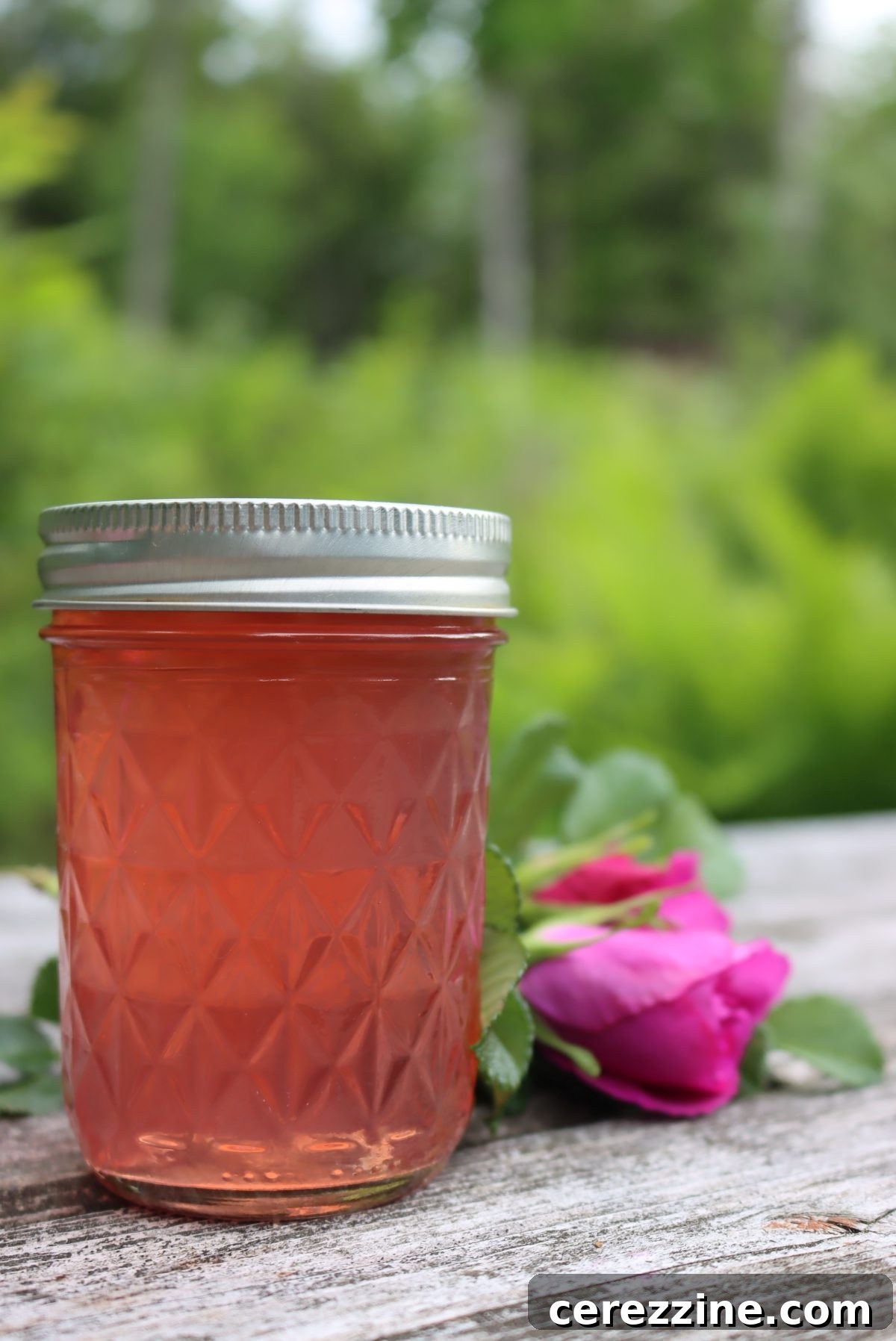
Canning rose petal jelly ensures its longevity and stability, allowing you to savor the taste of summer even in the depths of winter, or to share it as a truly unique gift. It also frees up valuable refrigerator and freezer space.
Water Bath Canning Process:
- Prepare Jars: Ensure your canning jars are clean and warm. Wash lids and bands.
- Fill Jars: After filling your jars with the hot jelly, leaving ¼ inch headspace, wipe the rims clean. This is crucial for a proper seal.
- Apply Lids and Bands: Place the two-part canning lids onto the jars. Screw the bands on until they are “fingertip tight” – snug but not overly tightened.
- Load Canner: Carefully place the filled jars into a water bath canner that contains simmering water. Ensure the water covers the jar tops by at least 1 inch.
- Process Jars: Bring the water to a rolling boil. Once boiling, process the jars for 10 minutes. Adjust processing time for your altitude if necessary (refer to reliable canning guides for specific adjustments).
- Cool and Check Seals: After 10 minutes, turn off the heat and let the jars sit in the canner for 5 minutes before carefully removing them. Place the hot jars on a towel-lined surface, ensuring they are not touching, and allow them to cool completely for 12-24 hours.
- Store: Once cooled, check the seals. Lids should be concave and not flex when pressed. Any unsealed jars should be stored in the refrigerator and consumed immediately. Properly canned and sealed jars will maintain their quality on your pantry shelf for 12-18 months. Refrigerate after opening.
Beyond the Jar: Serving Suggestions and Rose-Inspired Culinary Adventures
Your homemade rose petal jelly is incredibly versatile! Here are some ideas to inspire your culinary creativity:
- Classic Pairings: Spread generously on freshly baked croissants, scones, or warm toast.
- Elegant Appetizers: Serve alongside a soft goat cheese or cream cheese on crackers for a sophisticated starter.
- Dessert Enhancer: Drizzle over vanilla ice cream, plain yogurt, or use as a filling for delicate tarts and cakes.
- Beverage Boost: Stir a spoonful into sparkling water or a cup of herbal tea for a refreshing floral note.
- Gift Giving: A jar of this exquisite jelly makes a thoughtful and personal gift for birthdays, holidays, or as a hostess thank-you.
Looking for more delightful rose recipes to incorporate this tasty edible flower into your kitchen? Consider exploring:
- Rose Wine (or a delicate rose mead for adults!)
- Rose Petal Jam
- Rose and Gin Cocktails
- Rose Cake
- Rose Milk Tea
If you tried this Rose Petal Jelly, or any other recipe on Creative Canning, we’d love to hear from you!
Share your experience and photos by following us on social media!
Explore More Edible Flower Jellies
Tulip Jelly
Are Flower Jellies Safe for Canning?
Lilac Jelly
40 servings, makes 5 half-pint jars
Rose Petal Jelly
Ashley Adamant
10 mins
10 mins
10 mins
30 mins
Pin
Equipment
-
Water Bath Canner
-
Fine Mesh Sieve
-
Saucepan or Jam Pot
-
Canning Jars (Half-pint recommended)
Ingredients
- 4 cups rose petals, clean, unsprayed
- 4 cups water
- 2 Tbsp. lemon juice
- 1 to 4 cups sugar*, see notes
- 1 box powdered pectin, 1.75 oz box or 6 Tbsp, either regular or low sugar
Instructions
- Add clean, unsprayed rose petals to a heat-proof container (either a quart jar or a large glass Pyrex measuring cup will work well).
- Cover the rose petals with 4 cups of boiling water. Let the rose petals steep for 10 to 15 minutes to infuse the water with their flavor and aroma.
- Carefully strain the rose-infused tea into a saucepan or jam pot using a fine mesh sieve. Discard the spent petals. Add 2 tablespoons of lemon juice to the rose tea. Observe how the color brightens!
- Bring the rose tea and lemon juice mixture to a rolling boil. Stir in the powdered pectin until it is completely dissolved. Continue to boil vigorously for 1 full minute. Important: The jelly will not set properly if the pectin and sugar are added at the same time. Ensure the pectin dissolves first.
- Next, add 1 to 4 cups of granulated sugar (refer to notes below for sugar quantities based on pectin type). Stir until the sugar is fully dissolved. Bring the mixture back to a rolling boil and boil for another full minute.
- Carefully ladle the hot rose tea mixture into prepared ½-pint jelly jars, leaving ¼-inch headspace at the top. If you are not canning the rose jelly, simply apply lids, let the jelly cool to room temperature, and store it in the refrigerator for up to 1 month or in the freezer for up to 6 months.
- To can rose jelly: Apply two-part canning lids until fingertip tight. Load the jars into a prepared hot water bath canner, ensuring jars are covered by at least 1 inch of water. Bring the water to a rolling boil and process for 10 minutes.
- After processing, carefully remove jars from the canner and place them on a towel-lined counter to cool completely for 12-24 hours. Check seals; properly sealed jars will have concave lids that do not flex. Store sealed jars in a cool, dry, dark place for up to 18 months. Refrigerate after opening.
Notes on Sugar and Pectin
*Lowering sugar will also reduce the overall yield of the jelly. The yield of 5 half-pints is calculated for a full sugar recipe using regular pectin.
If you are using standard powdered pectin (like regular Sure Jell), you must adhere to a 1:1 ratio of liquid to sugar for the jelly to set correctly. This means for 4 cups of rose petal tea, you’ll need 4 cups of sugar. This method typically results in a very sweet jelly, often referred to as “old-fashioned” in its sweetness profile.
For those who prefer a less sweet preserve, consider using a low sugar pectin. Brands like Sure Jell also offer a reliable low-sugar option, which allows you to use significantly less sugar—sometimes as little as ½ cup for the same liquid volume—without compromising the set. I’ve found low sugar pectin to be very dependable for achieving a delightful texture with reduced sweetness.
If you choose to use Pomona’s Universal Pectin, which is a popular two-part low-sugar pectin (including pectin powder and a calcium powder packet), the instructions will differ. You should always follow the specific guidelines provided in the Pomona’s box for fruit jellies, often mirroring their suggestions for recipes like mint jelly, and adjust sugar levels according to your taste preferences.
Finally, liquid pectin is another option, but it requires a different order of ingredient addition (pectin usually last, sugar first) and significantly more sugar to set (often around 7 cups of sugar for 4 cups of liquid). Due to these high sugar requirements, liquid pectin tends to produce a super-sweet jelly. While it sets reliably, it might overpower the subtle floral notes of the rose. Use this if you specifically desire a very sweet rose petal jelly.
Nutrition
Calories: 23kcal
,
Carbohydrates: 6g
,
Protein: 0.01g
,
Fat: 0.02g
,
Saturated Fat: 0.001g
,
Polyunsaturated Fat: 0.002g
,
Sodium: 4mg
,
Potassium: 1mg
,
Fiber: 0.1g
,
Sugar: 5g
,
Vitamin A: 0.1IU
,
Vitamin C: 0.3mg
,
Calcium: 1mg
,
Iron: 0.04mg
Nutrition information is automatically calculated, so should only be used as an approximation.
Enjoyed this recipe? Share your thoughts!
More Floral Jelly Recipes to Explore
Making jelly with flowers is a wonderful way to capture the unique essence of different blossoms. The process is often quite similar, and the results are always enchanting. Don’t limit yourself to roses; there are plenty of other tasty and beautiful blooms you can use!
- Dandelion Jelly
- Violet Jelly
- Peony Jelly
- Lilac Jelly
- Elderflower Jelly
- Pansy Jelly
Delicious Summer Jelly Recipes
Beyond floral delights, summer brings an abundance of fruits perfect for transforming into flavorful jellies. Keep your pantry stocked with these vibrant and delicious options!
- Strawberry Jelly
- Plum Jelly
- Peach Jelly
- Blackberry Jelly
- Raspberry Jelly