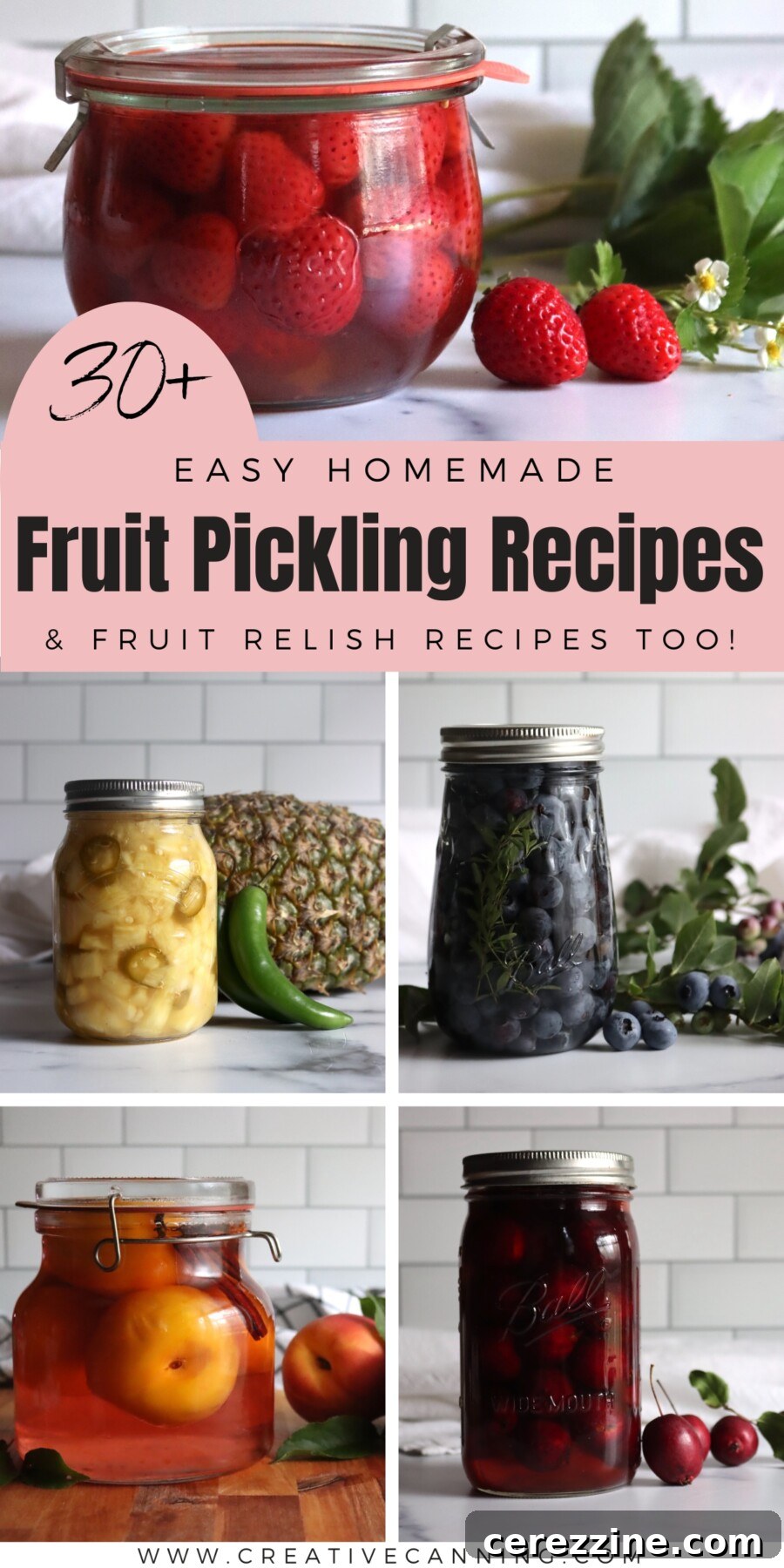
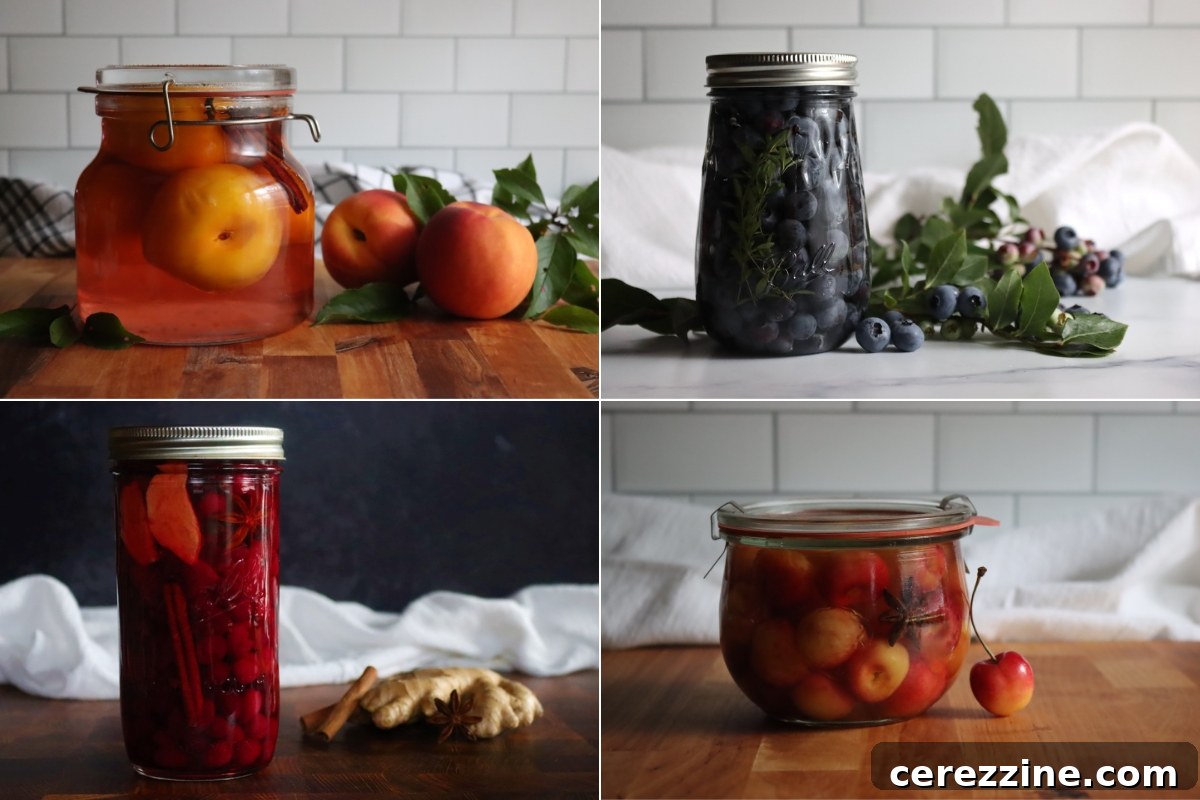
Fruit pickling is a culinary art form that offers a delightful twist on traditional preservation methods, bringing together the vibrant freshness of fruit with the piquant tang of vinegar and a harmonious blend of spices. Far from being a mere relic of grandmother’s pantry, this age-old technique is experiencing a well-deserved resurgence, captivating modern palates with its unique sweet-sour-spiced flavor profile. Unlike conventional cucumber pickles, which often lean towards savory notes and classic dill, pickling fruit unlocks a spectrum of taste and aroma that can transform an ordinary meal into an extraordinary culinary experience.
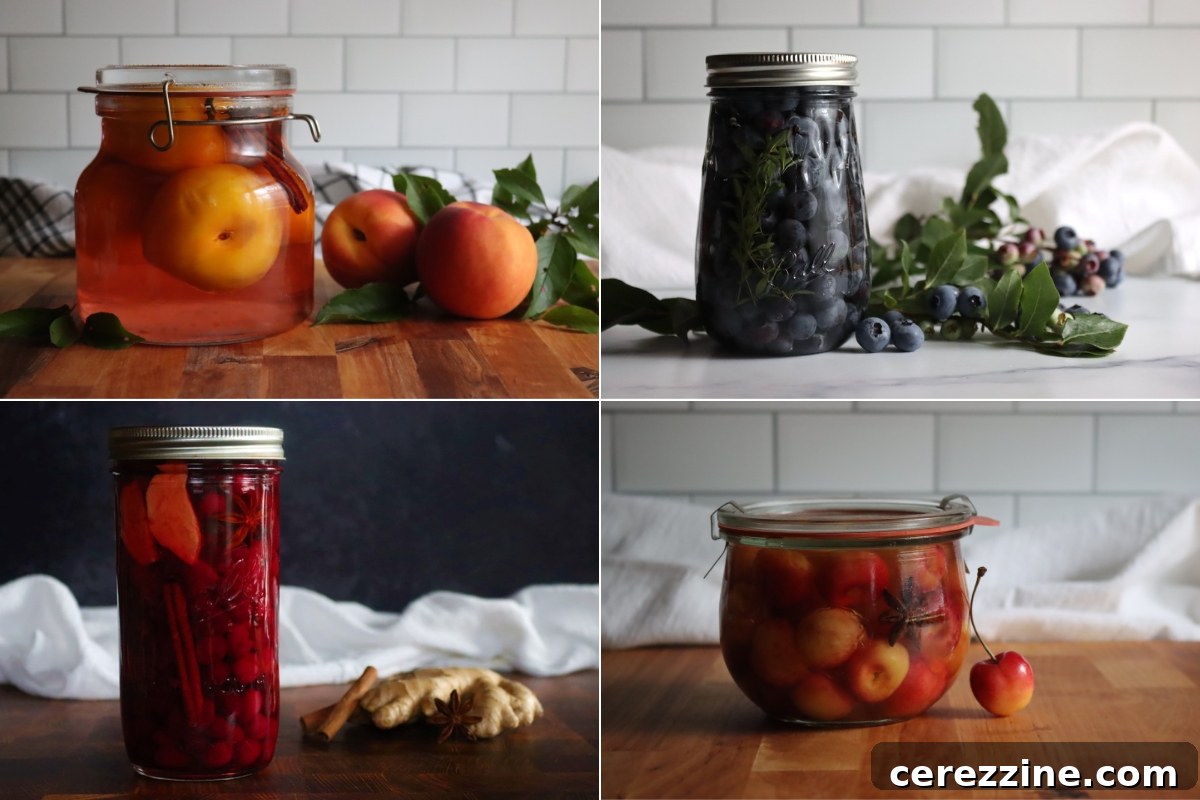
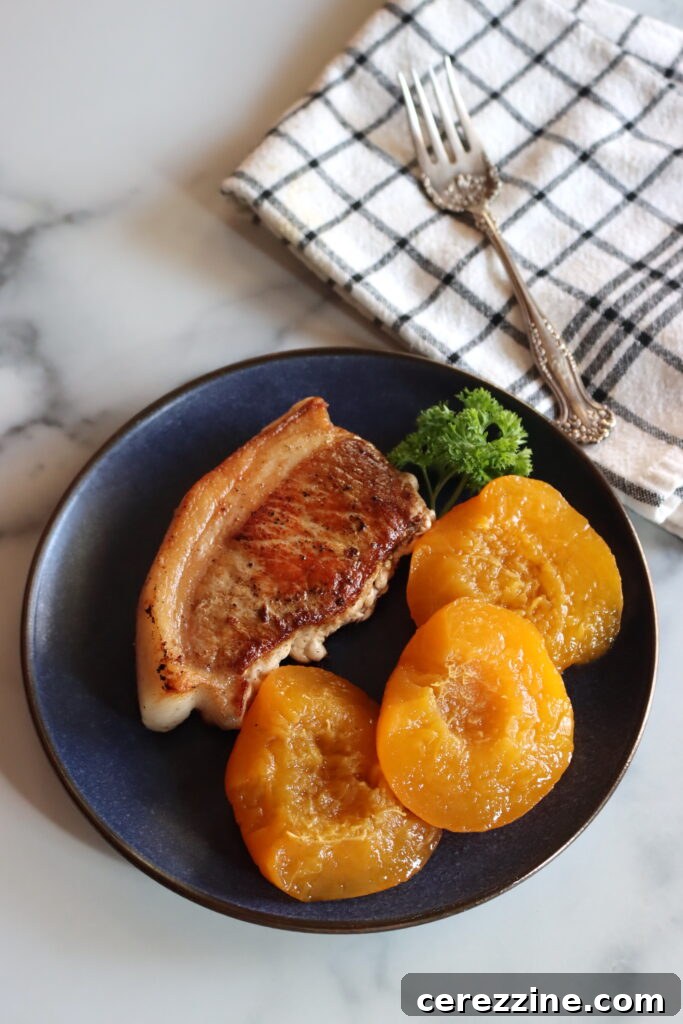
If your pickling journey has been limited to dill spears and bread-and-butter slices, preparing pickled fruit will open up a universe of exciting possibilities. Imagine a spoonful of bright, sweet-tart peaches cutting through the richness of roast pork, a vibrant mix of berries elevating a simple cheese board, or a zesty tropical relish turning an everyday salad into a dish you genuinely crave and proudly serve to guests. These aren’t your typical sour pickles; instead, they offer a complex interplay of sweetness, acidity, and aromatic spices like cinnamon, clove, allspice, and ginger, creating a sophisticated condiment that truly stands out.
Most fruit pickling recipes rely on a balanced brine of vinegar and sugar, often enhanced with a quick simmer in a fragrant spiced syrup. This process not only preserves the fruit but also infuses it with layers of flavor that evolve over time. Many of these delightful preparations are also perfectly suited for water bath canning, allowing you to stock your pantry with these gourmet treasures to enjoy year-round, capturing the essence of each season’s bounty.
Why Embrace Fruit Pickling? A Culinary Revelation
Beyond the simple act of preservation, pickling fruit offers a myriad of compelling reasons for both novice and experienced home cooks to explore. It’s an opportunity to extend the life of seasonal produce, reduce food waste, and infuse your meals with unparalleled depth and excitement. Here’s why this classic technique deserves a prime spot in your kitchen:
- Unforgettable Flavor Profiles: Fruit pickles provide a unique balance of sweet, sour, and savory notes, often with an aromatic spice kick. This complexity makes them far more versatile than many other condiments, capable of complementing a wide range of dishes, from rich meats to fresh salads and artisanal cheese boards.
- Elevate Everyday Meals: A jar of homemade pickled fruit can transform simple weeknight dinners into something special. They add brightness to heavy meats, a delightful tang to rich cheeses, and an unexpected zest to salads and sandwiches, making every bite more intriguing.
- Preservation with Panache: When you have an abundance of seasonal fruit, pickling offers an elegant way to preserve its peak freshness and flavor. You can enjoy the taste of summer berries or autumn apples long after their season has passed, bringing sunshine to colder months.
- Reduce Food Waste: Have slightly past-their-prime apples, a surplus of plums, or an excess of berries? Pickling is an excellent solution for salvaging fruit that might otherwise go to waste, giving it a delicious second life and contributing to a more sustainable kitchen.
- Perfect for Gifting: Beautifully jarred pickled fruits make thoughtful and impressive gifts for holidays, hosts, or just to share a taste of your culinary creativity. Their unique charm and homemade touch are always appreciated.
- A World of Versatility: From delicate berries to robust pome fruits and exotic tropical varieties, nearly every fruit has the potential to be pickled. Each type offers its own distinct character, texture, and culinary applications, encouraging endless experimentation.
Essential Tips for Successful Fruit Pickling at Home
To ensure your pickled fruit recipes turn out perfectly every time, bursting with flavor and maintaining ideal texture, keep these fundamental guidelines in mind. Mastering these basics will pave the way for delicious and safe home-pickled treats, making your efforts truly rewarding.
- Choose the Right Fruit: The foundation of any great fruit pickle is the fruit itself. Select firm, blemish-free fruit that is just ripe or slightly underripe. Overly ripe fruit can become mushy and lose its structural integrity during the pickling process, resulting in a less appealing texture.
- Quality Vinegar is Key: The vinegar forms the backbone of your brine. Use high-quality vinegars such as apple cider vinegar, white vinegar, or white wine vinegar, depending on the desired flavor profile. Avoid synthetic or overly strong vinegars that might overpower the delicate fruit flavors, opting for those with a pleasant aroma and taste.
- Balance Sweetness and Acidity: The sugar in fruit pickle brines serves multiple purposes beyond just sweetness. It helps balance the vinegar’s acidity, contributes to the fruit’s texture, and can even act as a mild preservative. Always follow recipe recommendations for sugar-to-vinegar ratios to achieve optimal flavor and safety.
- Spice it Up (or Down): Spices are what make fruit pickles truly special, infusing them with aromatic depth. Common choices include whole cinnamon sticks, cloves, allspice berries, star anise, fresh ginger slices, and peppercorns. Feel free to adjust quantities to your preference, but don’t be afraid to experiment with new combinations like cardamom, nutmeg, or even a hint of chili flake for an intriguing kick.
- Proper Jar Sterilization: For shelf-stable pickles, always sterilize your canning jars and lids according to USDA-approved methods. This is crucial for food safety and preventing spoilage, ensuring your efforts last for months to come.
- Gentle Handling: Many fruits, especially berries and stone fruit, are delicate. Handle them gently during preparation and packing into jars to prevent bruising or crushing, which can lead to an unappealing appearance and texture.
- Consider Water Bath Canning: For long-term, shelf-stable storage, follow tested recipes for water bath canning. This heat processing creates a vacuum seal, ensuring safety and extending the shelf life of your delicious homemade pickles significantly.
- Allow for Resting Time: While some quick pickles can be eaten right away, most fruit pickles benefit immensely from a few weeks or even months of resting time. This allows the flavors of the fruit, vinegar, and spices to meld and deepen, resulting in a more complex, nuanced, and satisfying product. Patience is a virtue in pickling!
Fruit Pickling Recipes by Fruit Type: A Guide to Seasonal Delights
The “best” pickled fruit recipe is often dictated by the inherent characteristics of the fruit itself. From the crispness of an apple to the delicate texture of a strawberry, each fruit presents unique opportunities and challenges for the discerning pickler. This comprehensive guide categorizes recipes by fruit family, making it effortlessly easy to discover the perfect pickling method for whatever seasonal bounty you have on hand, ensuring optimal results every time.
Some fruits, like firm apples and pears, maintain their structure beautifully, slicing neatly and offering a satisfying bite that holds up well in brine. Others, such as soft berries, require a more gentle touch and specific techniques to prevent them from breaking down into a mushy consistency. Stone fruit, with its natural sweetness and juicy flesh, beautifully absorbs warm, aromatic spices, transforming into a luxurious condiment that complements savory dishes exceptionally well. Even humble melon rinds can be magically transformed into crisp, sweet-and-sour confections, while bold tropical fruits stand up confidently to assertive flavors like chili, ginger, and lime, creating vibrant and exotic pickles. By understanding these subtle nuances and tailoring your approach, you can create truly exceptional and unforgettable fruit pickles that highlight the best qualities of each fruit.
To simplify your browsing experience and help you make informed choices, the recipes below are thoughtfully grouped by fruit type. Whether you’re staring at a vibrant bowl of ripe peaches from the farmer’s market, have a bag of frozen cranberries waiting to be used, or are left with a pile of nutrient-rich watermelon rinds after a summer BBQ, you can quickly navigate to the most relevant section. This organizational structure also highlights the diverse styles within fruit pickling – from traditional sweet-spiced pantry staples that evoke nostalgia, to brighter, spicier, or more modern interpretations designed to perfectly complement each fruit’s natural attributes and suit contemporary tastes.
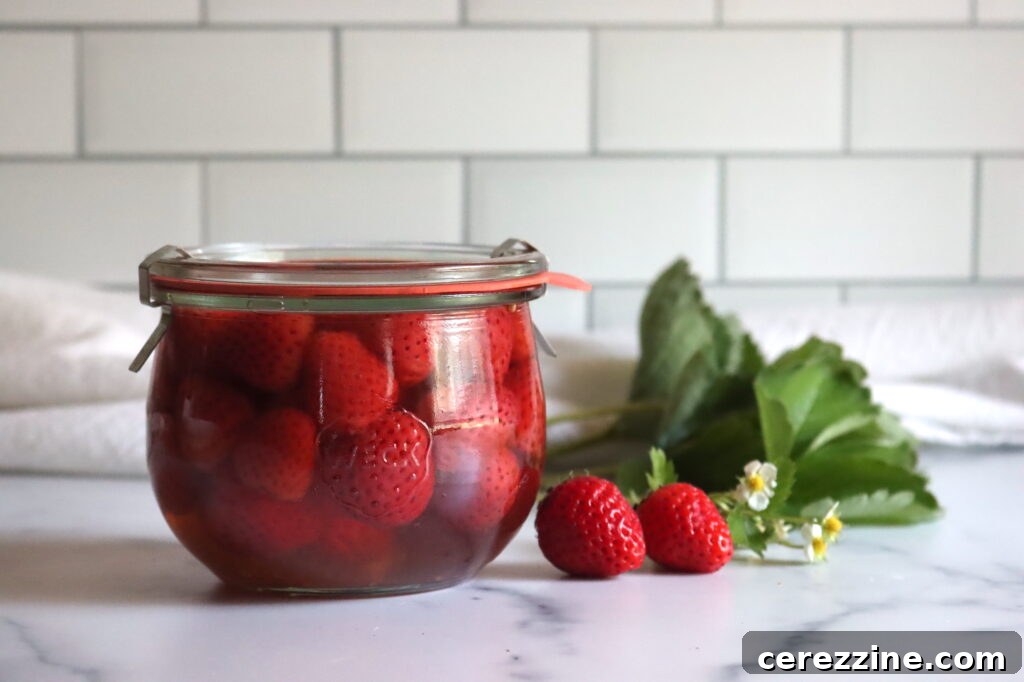
Berries: Sweet, Tangy, and Surprisingly Versatile
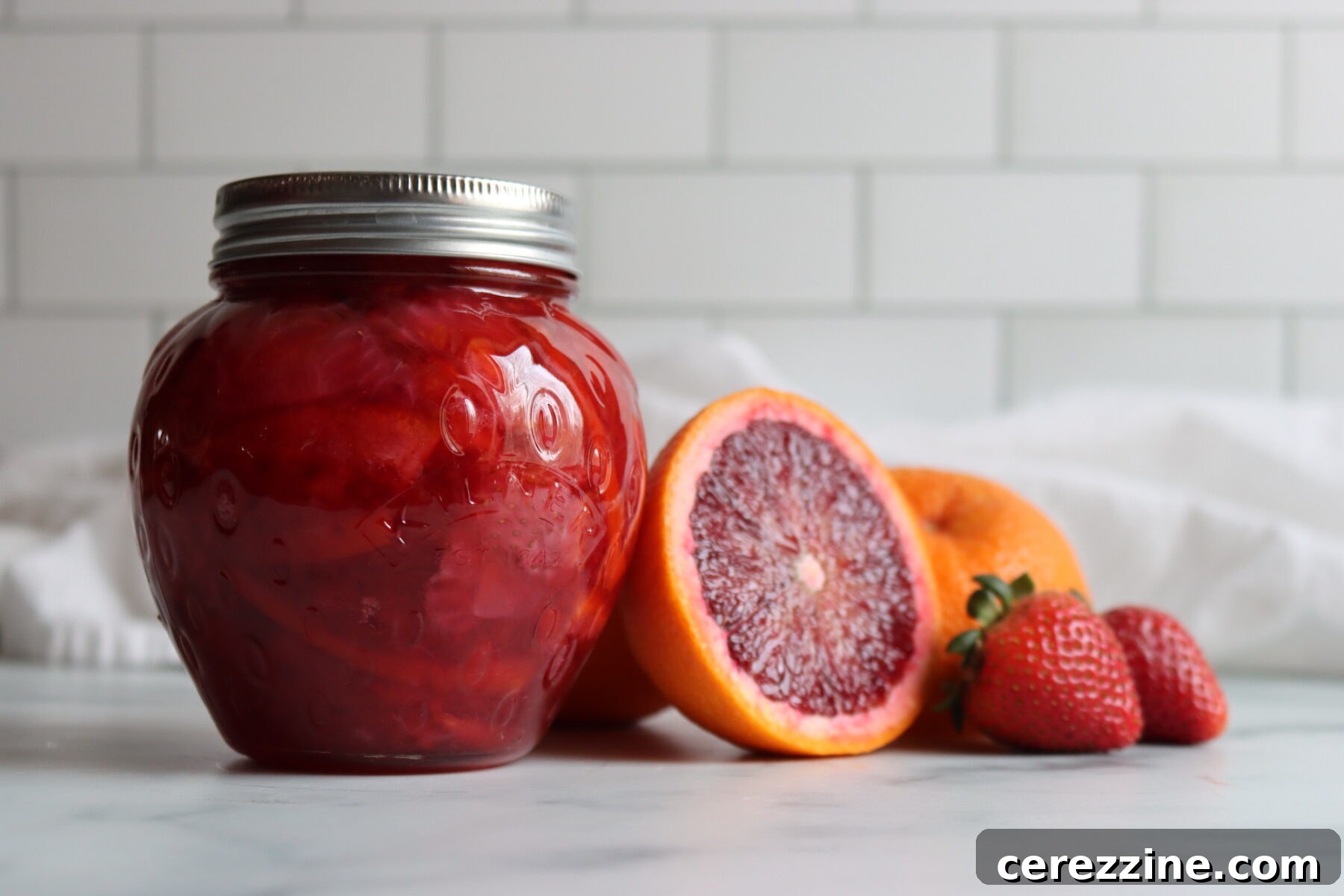
Berry pickles are a revelation, offering a bright, punchy, and utterly delightful experience that surprises many who are accustomed to savory pickles. The vinegar adds a lively tang, yet the fruit’s inherent sweetness and vibrant flavor remain wonderfully prominent, especially when infused with carefully chosen complementary spices. For a classic sweet-and-spicy profile, lean into warm, comforting notes like cinnamon, allspice, and clove, which beautifully enhance the berries’ natural sugars. Alternatively, for a fresher, more vibrant pickle, consider zesty additions like bright lemon peel and a hint of fresh ginger, which provide an invigorating lift. These pickles are not only a treat for the palate but also a feast for the eyes, making them some of the prettiest jars you can line your pantry shelves with—perfect for thoughtful gifts or adding a vibrant splash of color to drab winter meals, bringing a taste of summer even in the colder months.
The primary challenge with pickling berries lies in their delicate texture. To achieve the best results and prevent them from becoming mushy, always opt for firm, just-ripe fruit. Handle them with extreme care and maintain a gentle cooking process (often just a quick steep in hot brine) to prevent the berries from collapsing or turning to mush. Blueberries and cranberries are particularly resilient, holding their shape beautifully through the pickling process due to their naturally tougher skins. Strawberries also perform well, provided they are pickled whole and are not overly ripe, allowing them to retain a pleasant bite and their iconic shape, making them visually appealing in the jar.
Serving suggestions for pickled berries are endless and creative. Spoon them generously over Greek yogurt or ice cream for a unique dessert, incorporate them into a vibrant fruit salad for added zing, use them as a sophisticated relish for grilled chicken, duck, or pork, or simply enjoy them straight from the jar as a refreshing, sweet-tart snack. Their bright, sweet-tart profile makes them an excellent counterpoint to rich and savory dishes, providing a much-needed burst of freshness.
- Pickled Blueberries
- Spicy Blueberry Relish
- Pickled Strawberries
- Strawberry Raspberry Relish
- Pickled Cranberries
- Pickled Currants
- Pickled Gooseberries
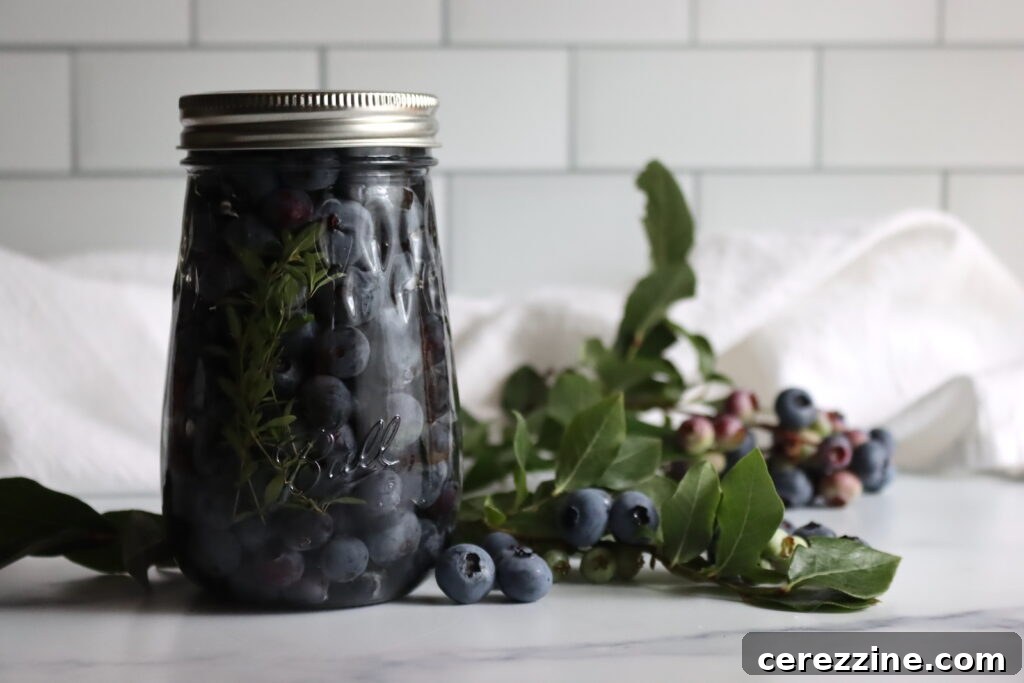
Stone Fruit: A Symphony of Sweetness and Spice
Stone fruit pickles are celebrated as true pantry classics, and for excellent reason. Fruits like peaches, plums, and cherries possess a natural affinity for spiced syrup, soaking up the aromatic brine with remarkable ease. The result is a product that beautifully blurs the lines between a traditional pickle and a luxurious dessert topping – offering a delightful sweet-tart bite that is simply irresistible and profoundly versatile. These are the jars I consistently reach for when preparing hearty, rich dishes like roast pork, succulent duck, or glazed ham, as their bright acidity and complex sweetness expertly cut through the richness of the meat, enhancing every mouthful like few other condiments can, providing a gourmet counterpoint.
The key to successful stone fruit pickling lies in selecting fruit that is ripe enough to be flavorful and fragrant, but still firm enough to maintain its integrity throughout the pickling process. Overly soft fruit will break down and become mushy, while underripe fruit may lack the desired sweetness and aromatic complexity. Cherries are particularly forgiving, holding their shape exceptionally well even when processed, and requiring minimal fuss. Plums, on the other hand, offer wonderful flexibility, allowing you to create pickles that lean either more towards a sweet-spiced indulgence or a brighter, tangier profile, depending on your preference and the specific recipe chosen. Interestingly, pickling can be a fantastic way to “save” fruit that might be a bit bland or less exciting on its own, transforming it into a vibrant, flavorful, and highly sought-after condiment.
Beyond serving with meats, pickled stone fruits are excellent additions to elegant cheese boards, particularly with creamy brie, tangy goat cheese, or sharp aged cheddar. They can also be finely chopped and stirred into vibrant salsas, used as a luxurious topping for pancakes or waffles, or even incorporated into baked goods like muffins or tarts for an unexpected burst of sweet-tart flavor, making them a truly versatile ingredient in your kitchen.
- Pickled Cherries
- Pickled Peaches
- Peach, Tomato and Pepper Relish (Oscar Relish)
- Pickled Plums
- Pickled Apricots
- Pickled Nectarines
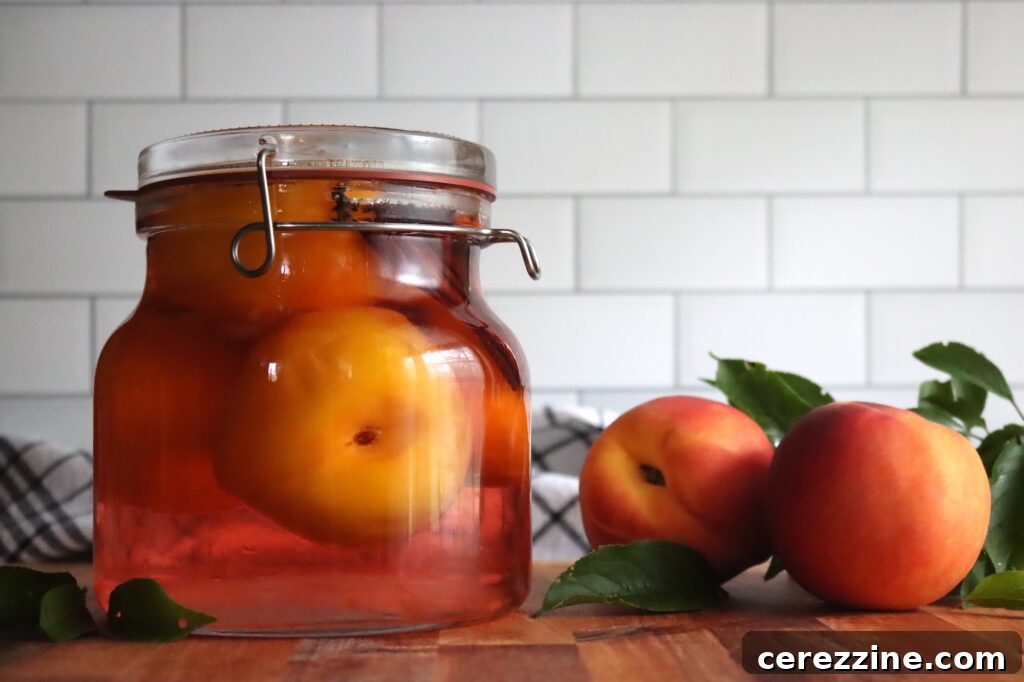
Pome Fruit: Hearty, Classic, and Incredibly Rewarding
Apples and pears are foundational choices for crafting sturdy, old-fashioned fruit pickles that feel perfectly at home alongside hearty roasted meats, elaborate holiday feasts, and sophisticated charcuterie boards. These robust fruits are remarkably forgiving to work with, holding their shape exceptionally well throughout the pickling process, making them an ideal starting point for anyone new to the fascinating world of fruit pickles. Unlike more delicate berries or some stone fruits, pome fruits rarely turn to mush, consistently delivering a satisfying, firm texture that pairs naturally with traditional pickling spices like cinnamon, cloves, star anise, and allspice, creating a comforting and familiar flavor.
I often treat these types of pickles as an elegant condiment or a refined side dish rather than a simple snack to be eaten straight from the jar. Their firm texture and remarkable ability to absorb a rich, sweet-spiced brine make them a sophisticated accompaniment to a wide array of dishes. Crabapples, when pickled whole, are particularly classic and visually stunning, making for a truly impressive pantry item or a decorative element on a festive table. For more practical everyday serving, thinly sliced apple rings or pear halves offer convenience and versatility without compromising on flavor or appeal. Consider using a mix of sweet and tart apple varieties, or firm, slightly underripe pears, to achieve the most complex and appealing flavor profile in your finished pickles.
Beyond their traditional pairings with pork, poultry, and game, pickled pome fruits can be chopped into vibrant relishes for sandwiches or hot dogs, served alongside strong, aged cheeses for a delightful contrast, or even warmed gently and spooned over oatmeal or vanilla ice cream for a unique and comforting dessert experience. Their hearty nature and classic flavors make them a versatile and cherished addition to any pantry.
- Spiced Apple Rings
- Sweet Apple Relish
- Harvest Time Apple Relish
- Pickled Crabapples
- Pickled Pears
- Pear Relish
- Pickled Quince
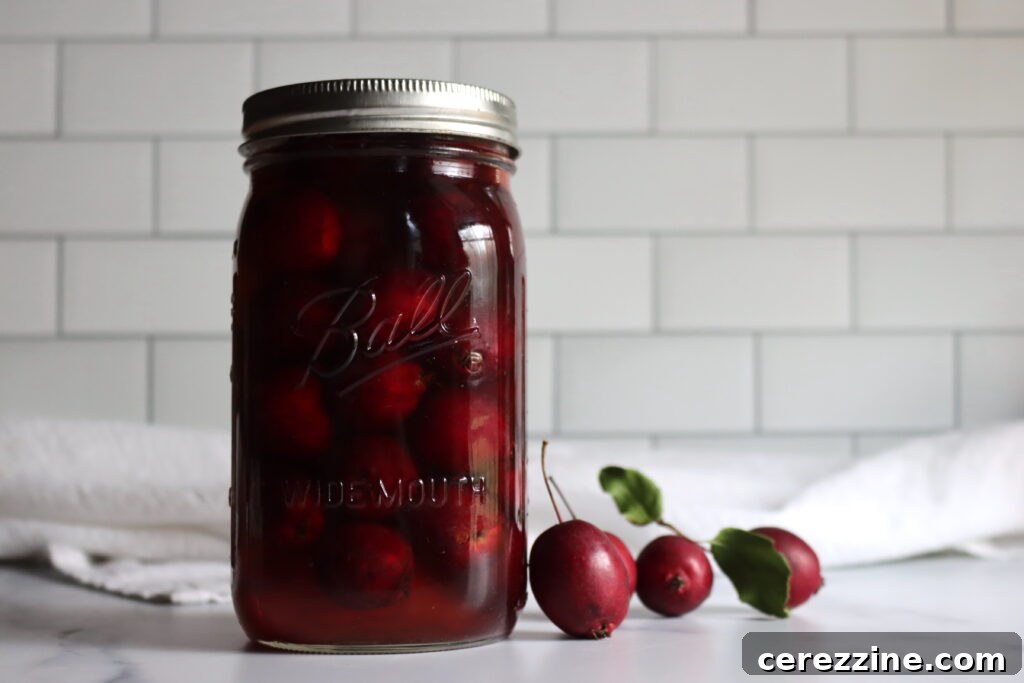
Melons: The Unexpected Crisp and Tangy Treat
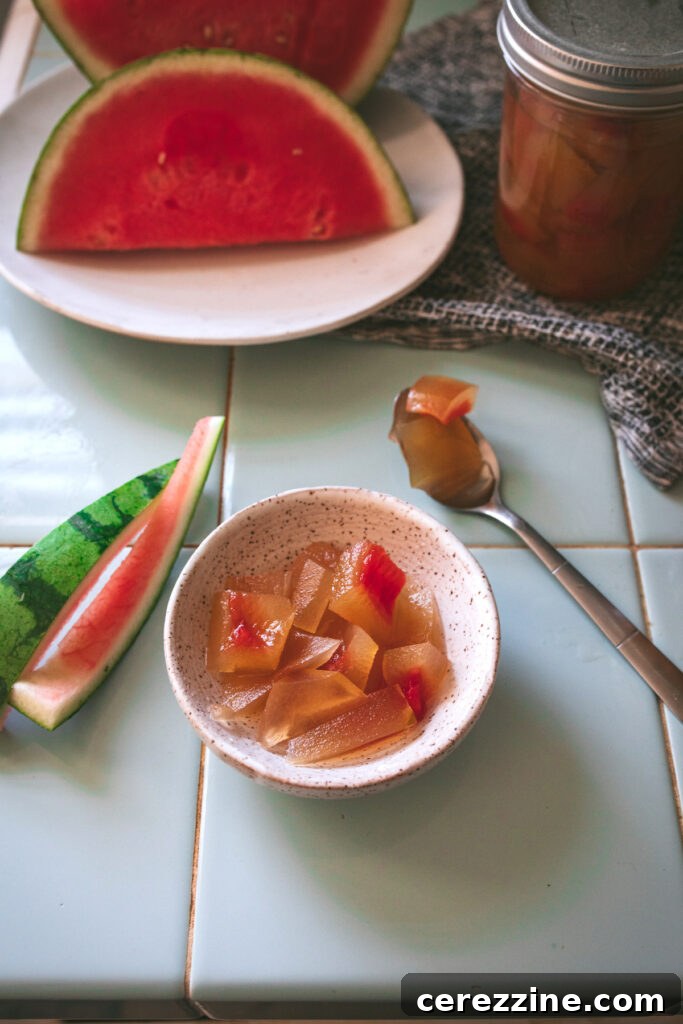
When it comes to pickling melons, the true star of the show often isn’t the sweet, juicy flesh itself, but rather the humble rind. Transformed by a spiced sweet-tangy syrup, melon rind takes on an incredibly crisp, almost candy-like texture that is both surprising and utterly addictive. Watermelon rind pickles are undoubtedly the most renowned in this category, celebrated for their unique texture and remarkable ability to absorb a rich, flavorful brine, often steeped with ginger and citrus. However, other firm melons, when caught at the ideal stage of ripeness (typically slightly underripe), can also yield equally delightful results, offering a creative way to utilize parts of the fruit typically discarded.
While cantaloupe rind generally isn’t the best candidate for pickling due to its softer, less robust texture, the fruit itself offers an amazing opportunity for a distinctive fruit pickle. Using slightly underripe and firm cantaloupe flesh ensures it holds its shape and provides a pleasant, toothsome bite rather than turning mushy. The subtle sweetness of the melon, combined with a zesty brine, creates a refreshing and unusual pickle that pairs wonderfully with savory dishes, light appetizers, or even as a unique palate cleanser between courses. This unexpected application of melon elevates it to a gourmet level.
Think beyond just traditional pickling spices for melons; consider incorporating fresh ginger, vibrant lime zest, a hint of white pepper, or even a touch of star anise to enhance their unique flavors and aromatic complexity. Pickled melon rinds are fantastic served alongside rich meats like pork or ham, as part of an elegant appetizer platter, or finely chopped into a vibrant relish for barbecues. Cantaloupe pickles can be enjoyed with grilled fish, in sophisticated summer salads, or as a sweet-and-sour component on a cheese board, proving that creativity in the kitchen knows no bounds.
- Pickled Watermelon Rind
- Cantaloupe Pickles
Citrus Fruit: A Burst of Brightness and Zest
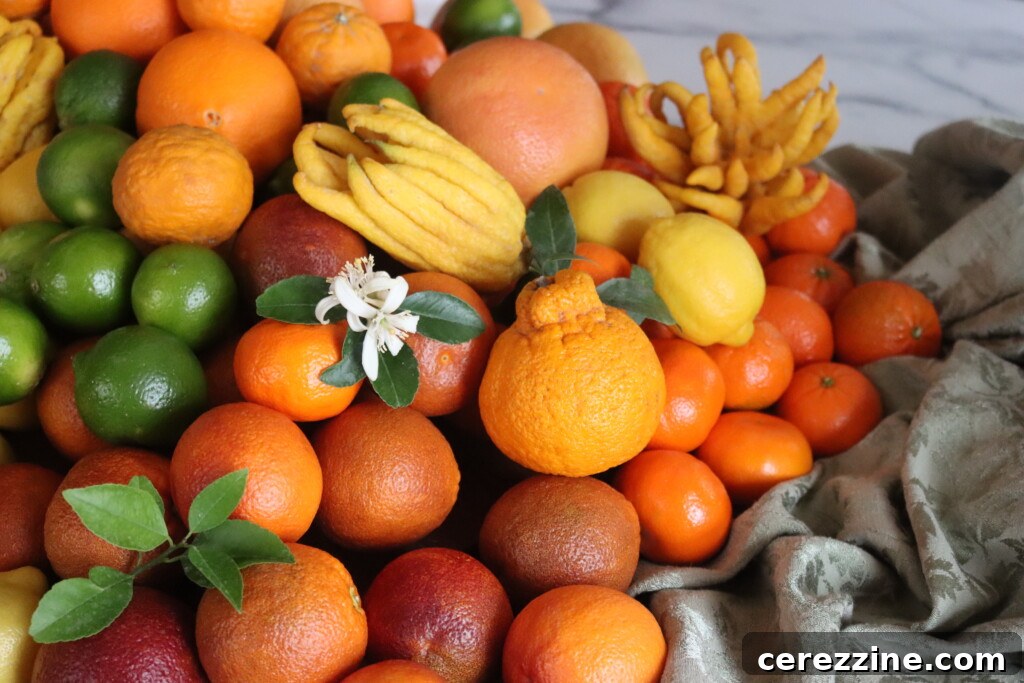
Citrus pickles are a true culinary gem, offering an unparalleled burst of bright, bold flavor that can instantly elevate even the simplest of meals. Lemons, limes, and oranges are exceptional candidates for pickling; their sturdy structure allows them to hold their shape beautifully, while their natural bitterness and intense fragrance mellow into something truly extraordinary once they’ve had time to luxuriate in a sweet-tart brine or a traditional salt cure. These are the jars I habitually turn to when a dish cries out for contrast—something to expertly cut through richness, awaken roasted meats, or add a vibrant pop of acidity and color to an otherwise classic cheese board, transforming it into a gourmet experience.
It’s important to view citrus pickles more as a potent condiment or an aromatic flavoring agent rather than a snack to be eaten by the handful. A little goes a very long way, as their intense flavors are designed to enhance, not overpower. Imagine paper-thin slices tucked into a gourmet sandwich for a zesty kick, finely chopped segments integrated into a lively relish to accompany seafood, or a splash of their fragrant brine stirred into dressings and marinades to imbue them with a profound depth of flavor. Their versatility extends to Middle Eastern and North African cuisines, where preserved lemons are a staple, adding an irreplaceable salty-sour punch to tagines, couscous, and vibrant salads. Experiment with different citrus varieties, from the intensely aromatic kumquats to the classic Meyer lemon, each offering its own unique contribution to the pickling jar, promising a spectrum of nuanced flavors.
- Pickled Oranges
- Sweet Pickled Lemons
- Pickled Kumquats
- Civil War Era Pickled Limes
Tropical Fruit: Exotic Flavors with a Tangy Kick
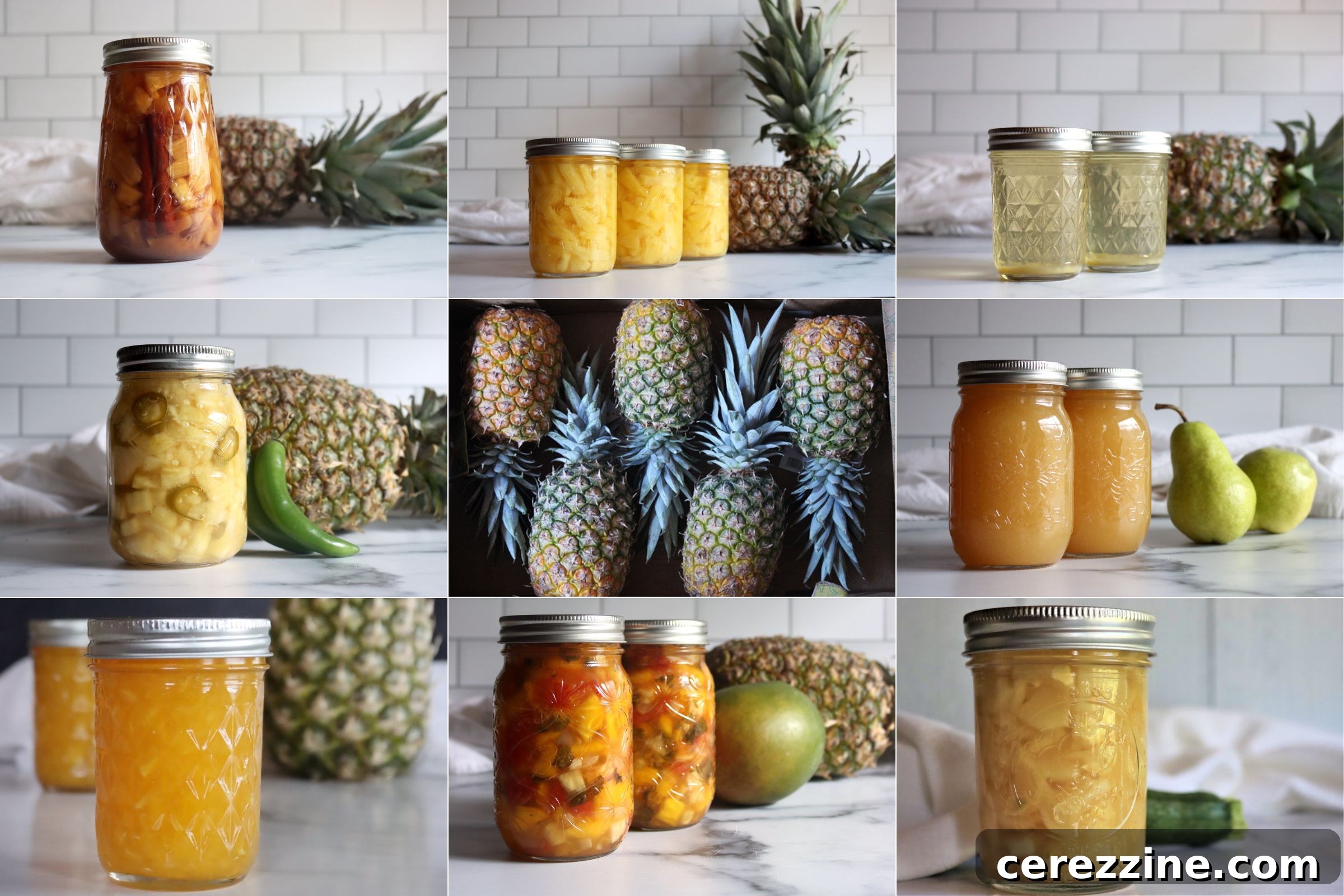
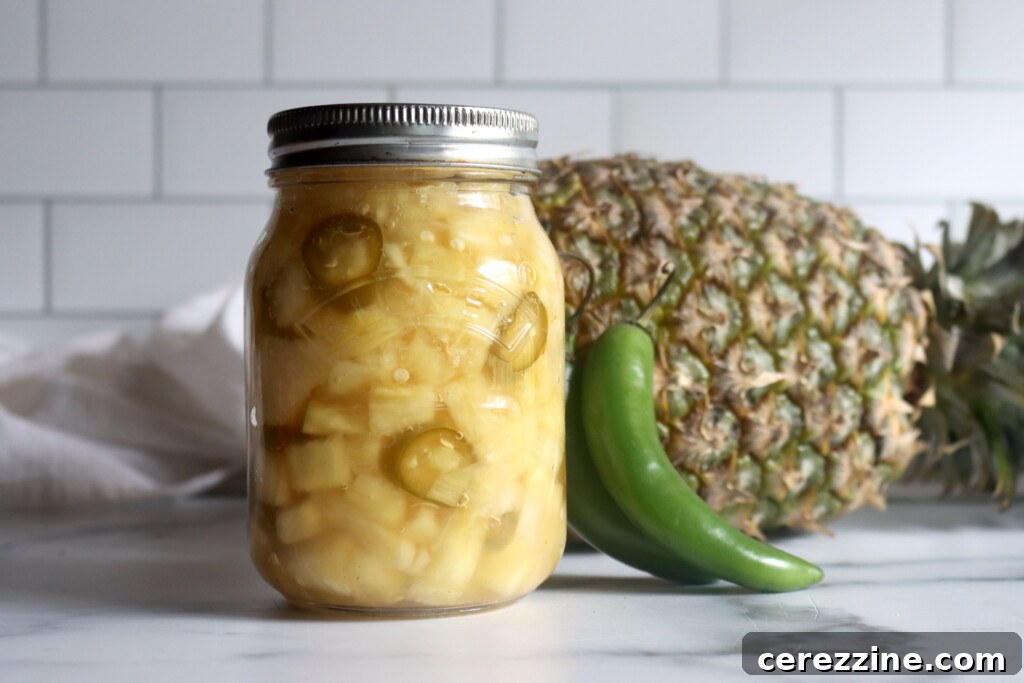
Tropical fruit pickles are a vibrant and exciting addition to any pantry, offering bold, punchy flavors that are incredibly useful when you crave something sweet-tart with a delightful hint of heat. Fruits like pineapple, mango, and even firm papaya are robust enough to handle assertive flavors, making them perfect candidates for incorporating adventurous spices and seasonings. This is where I truly enjoy experimenting with additions like vibrant chile (fresh or dried, depending on desired heat level), fragrant ginger (freshly grated or sliced), and occasionally a bright, zesty touch of lime (always ensuring the recipe is designed to balance these strong elements for a harmonious result). These exquisitely flavored jars are simply fantastic alongside tacos, rice bowls, grilled meats, and anything that benefits from a rich, savory, or spicy counterpoint, often drawing inspiration from global culinary traditions and adding an exotic flair to your dishes.
Texture plays a crucial role here, though in a slightly different manner than with more delicate fruits. The goal is to select tropical fruits that are bursting with flavor yet still possess a firm structure to withstand the pickling process. Pineapple, with its inherent fibrous nature, holds up remarkably well through the pickling process, retaining a satisfying chew and a vibrant taste. Mango is best utilized when it’s just shy of fully ripe; this ensures it won’t shred or become overly soft and mushy in the pickling jar, preserving its distinct texture and offering a pleasant tartness that complements the pickling brine beautifully. Avoid overly ripe mangoes, which can become stringy or disintegrate.
These pickled tropical fruits are more than just condiments; they are fantastic “finishing” components for a wide variety of dishes, adding a gourmet touch with minimal effort. You can effortlessly chop them into a quick, zesty salsa to accompany grilled fish or chicken, spoon them generously over pulled pork sandwiches for an unexpected burst of flavor, or even add a splash of their tangy brine to brighten up a sauce or dressing. They are the kind of versatile jar that makes a basic weeknight meal feel like a thoughtfully planned culinary creation, adding an exotic flair that is sure to impress your family and guests.
- Spicy Pickled Pineapple
- Sweet Spiced Pickled Pineapple
- Pineapple Jalapeño Relish
- Papaya Atchara (Filipino Pickles w/ Papaya, Carrot, Bell Pepper)
- Filippino Green Pickled Mango
“Unique” Fruits: Beyond the Ordinary, Into the Exquisite
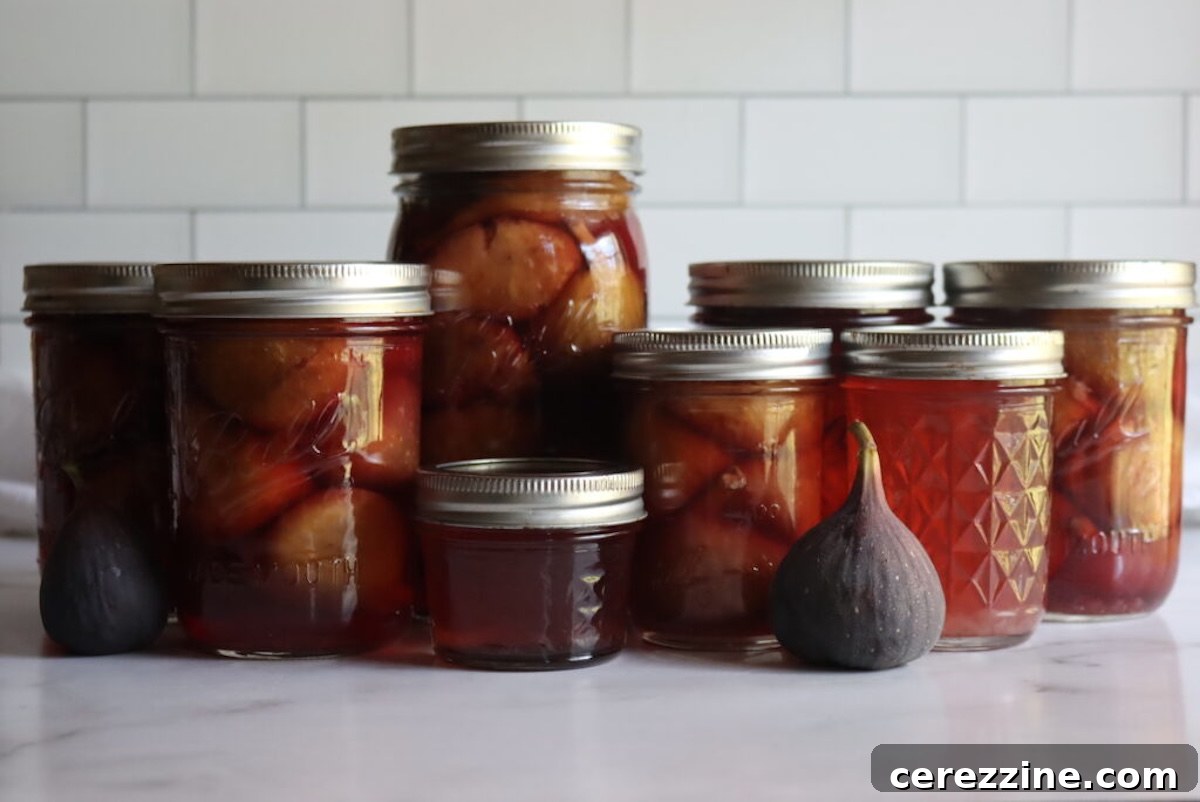
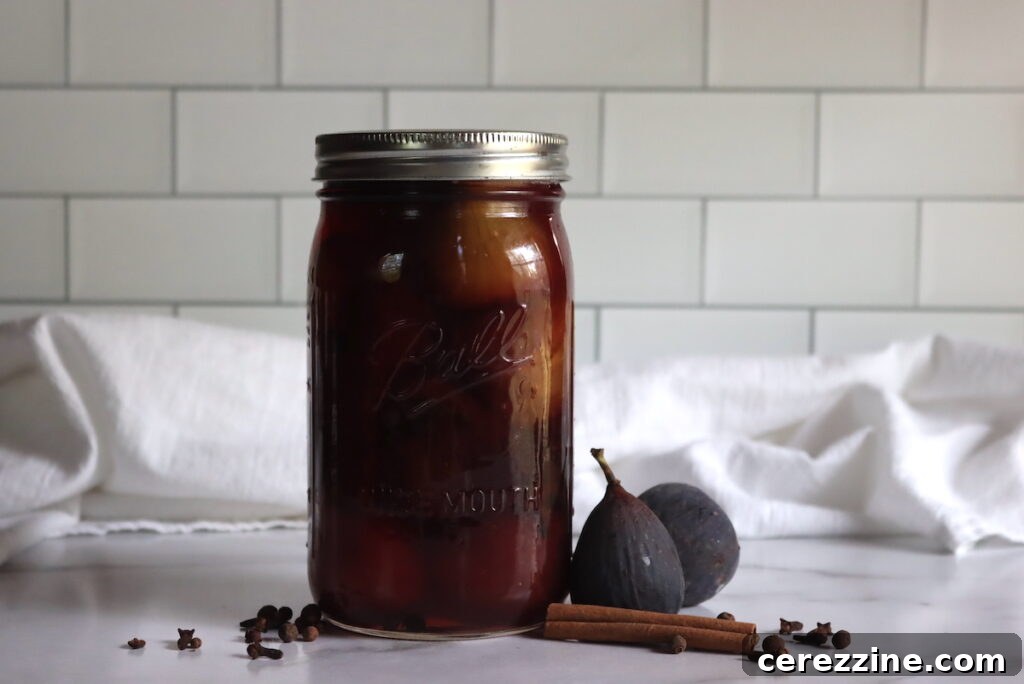
Venturing beyond the common fruit varieties reveals a treasure trove of “unique” fruits that absorb pickling spices with exceptional grace, transforming into truly memorable and frequently requested delicacies. Figs, persimmons, and other less conventional choices often deliver surprising depth and aromatic complexity, making them standout additions to any pantry and conversation starters at any gathering. These fruits tend to be highly seasonal and fleeting, presenting a perfect opportunity to capture their peak flavor and extend their enjoyment through the timeless art of pickling, preserving their ephemeral beauty and taste.
When pickling figs, aim for those that are tender but still hold their shape, avoiding overly soft or bruised specimens, which can disintegrate in the brine. Persimmons, on the other hand, require careful selection; firm, non-astringent varieties like Fuyu are ideal, ensuring a pleasant, crisp texture, whereas soft, pudding-ripe fruit (like Hachiya) will not yield desirable results and should be avoided for pickling. These particular pickles are among my top recommendations for serving with a sophisticated cheese board. Their intricate balance of sweet and tangy notes, coupled with a captivating aroma, creates an unparalleled pairing for rich blue cheese, sharp aged cheddar, or creamy goat cheese, elevating the entire tasting experience to a gourmet level. They also make exquisite complements to game meats, rich pâtés, or roasted poultry, adding a distinctive gourmet touch that is sure to impress.
- Pickled Figs
- Pickled Persimmons
- Pickled Grapes
- Pickled Rhubarb
Beyond Fruit Pickles: Exploring the World of Home Preservation
If you’ve caught the “pickling bug” with these incredible fruit pickles, know that you’ve only just scratched the surface of the vast and rewarding world of home preservation. The joy of transforming fresh produce into shelf-stable delicacies extends far beyond sweet-and-sour fruits, offering endless opportunities to capture seasonal flavors and stock your pantry with homemade goodness, embracing a fulfilling aspect of self-reliance and culinary creativity.
For those looking to expand their preservation repertoire and fully utilize the bounty of the garden, particularly at the end of the season, exploring other pickling methods is a natural and exciting next step. Consider classic savory options like green tomato canning recipes, which expertly turn unripe tomatoes into tangy, versatile delights, perfect for adding a zesty kick to meals. Or delve into the rich history of Chow Chow and Piccalilli recipes, traditional chopped vegetable pickles that add a wonderfully complex crunch and flavor to robust dishes, acting as a staple condiment. And of course, Relish Recipes offer another fantastic way to utilize an abundant harvest, transforming various vegetables and fruits into versatile, flavorful condiments suitable for everything from hot dogs to elegant entrées. Each method presents its own unique flavor profile and culinary applications, ensuring your pantry remains stocked with a diverse array of homemade preserves, ready to elevate any dish and impress your guests.
What are your personal favorite and most creative pickling recipes, whether fruit-based or otherwise? We’d love to hear your experiences, unique ideas, and cherished family recipes! Share your go-to jars and unexpected pairings in the comments below. Happy pickling and preserving!