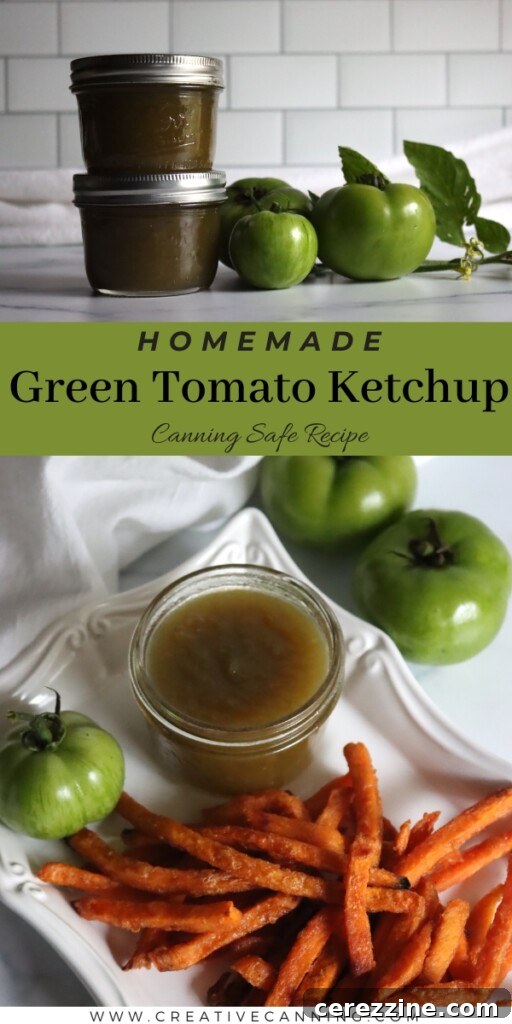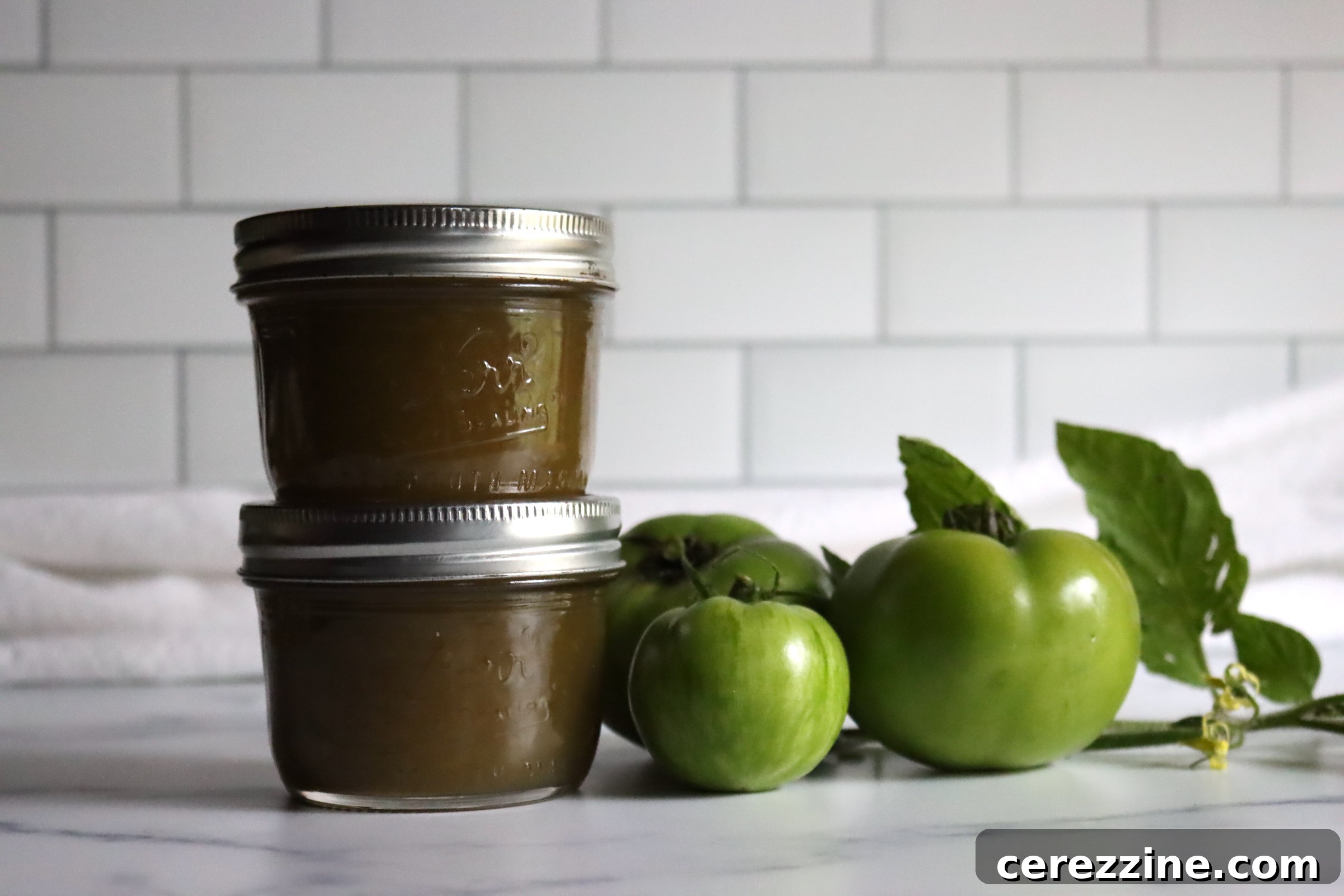
As summer’s vibrant produce begins to wane, home gardeners often find themselves with an abundance of unripe green tomatoes. Rather than letting these treasures go to waste, transform them into a culinary masterpiece: homemade green tomato ketchup. This unique condiment offers a delightful tangy sweetness that stands apart from conventional ketchup, making it a perfect preserve to extend the flavors of summer well into the cooler months. Whether you’re looking to stock your pantry with delicious homemade goods or seeking an impressive gift for fellow food enthusiasts, this green tomato ketchup recipe promises a condiment that’s both distinctive and incredibly satisfying.
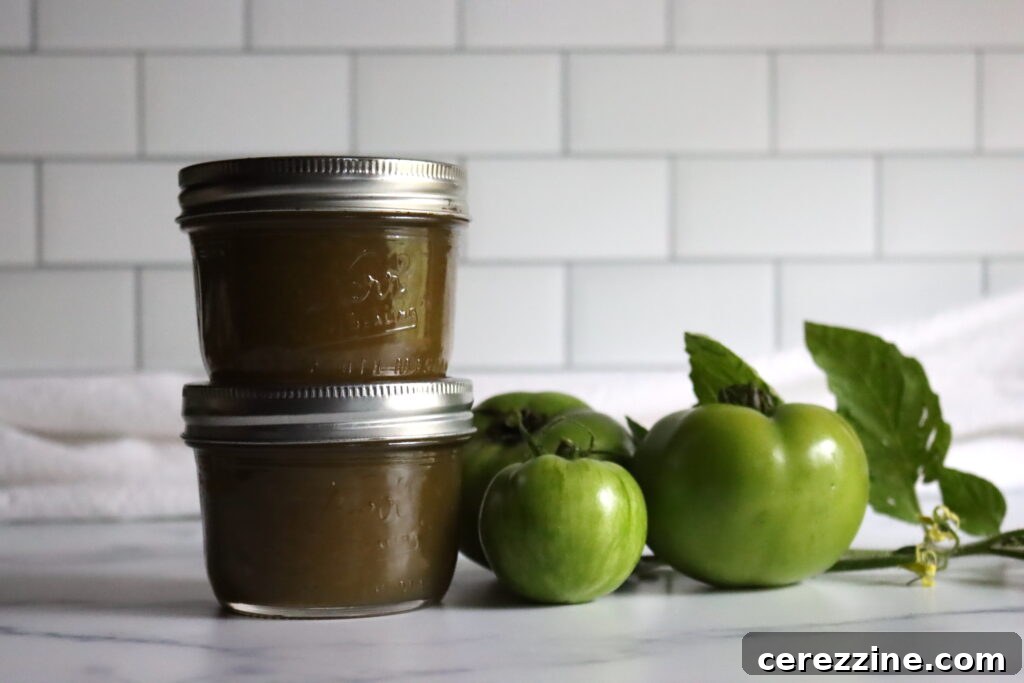
The beauty of homemade green tomato ketchup lies in its bright, zesty character, which is beautifully balanced with savory undertones and a hint of spice. This recipe provides a fantastic alternative to classic tomato ketchup, utilizing those end-of-season green tomatoes that might otherwise be overlooked. It’s a wonderfully rewarding project that results in a versatile condiment, perfect for pairing with everything from grilled burgers and hot dogs to crispy fries and savory sandwiches. Beyond its delicious taste, crafting your own ketchup allows you to control the ingredients, ensuring a wholesome and natural product free from artificial additives and excessive sugars often found in store-bought varieties. It’s a simple yet impactful way to embrace sustainable living and enjoy garden-fresh flavors year-round.
The Irresistible Appeal of Green Tomato Ketchup
While red tomato ketchup is a kitchen staple, its green counterpart brings a different, equally captivating flavor profile to the table. Green tomatoes, being unripe, possess a higher acidity and firmer texture, which translates into a bolder, tangier ketchup. When cooked down with aromatic onions, a touch of sweetness, and a thoughtful blend of spices, these tart tomatoes transform into a rich, complex condiment. This homemade version offers a depth of flavor that commercial ketchups simply cannot match, showcasing the natural brightness of the green tomatoes in every spoonful. It’s an excellent way to capture the essence of your garden and extend the harvest season beyond its typical boundaries.
Ingredients for Homemade Green Tomato Ketchup
This recipe is designed for a small batch, yielding approximately 2 pints of delicious green tomato ketchup. Feel free to scale up the ingredients if you have a larger harvest of green tomatoes or wish to preserve more jars. For best results, consider using roma or paste tomatoes if you have them, as their lower water content results in a thicker ketchup, much like when making traditional red ketchup. However, any variety of firm, unripe green tomatoes will work beautifully.
- 6 pounds of green tomatoes: Approximately 12 medium-sized tomatoes. Choose firm, unblemished tomatoes.
- 1 1/2 cups onions, chopped: This is roughly 1 pound or one large onion. Onions add a foundational savory sweetness to the ketchup.
- 1 Tbsp dry mustard: Contributes a subtle, pungent warmth and helps in the thickening process.
- 1 tsp Worcestershire sauce: Adds a complex umami depth that rounds out the flavor profile.
- 2 tsp mixed pickling spices: Highly recommended for their aromatic complexity. These often include cinnamon, cloves, allspice, mustard seeds, and peppercorns, providing a classic preserving flavor.
- 1 tsp black pepper: For a gentle, earthy heat.
- 1 1/2 cups Apple Cider Vinegar: Essential for the ketchup’s tanginess and acts as a vital preservative for safe canning.
- 3/4 cup honey (or to taste): Offers a natural sweetness that beautifully complements the tartness of the green tomatoes. Adjust to your preference.
- 1 Tbsp Kosher salt (or to taste): Balances all the flavors and is crucial for preservation.
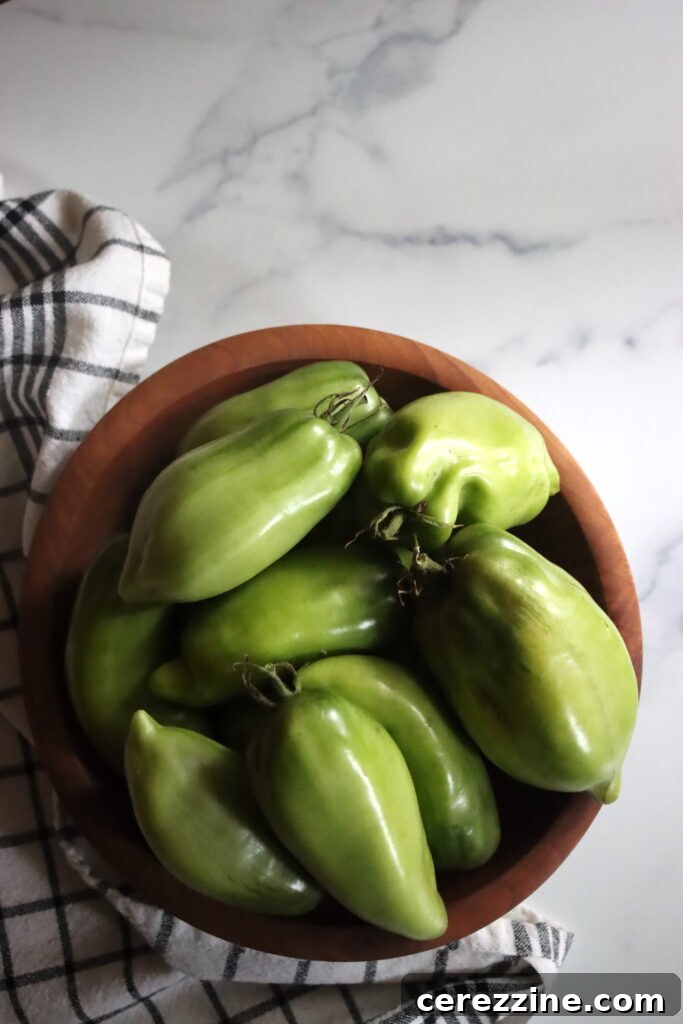
While apple cider vinegar is preferred for its milder acidity and fruity notes that enhance the ketchup’s overall flavor, white vinegar can be used as a substitute if it’s what you have on hand. Just be aware that white vinegar has a sharper, more neutral flavor profile, which might make the ketchup taste a bit harsher. The mixed pickling spices are truly a game-changer for this recipe. They are typically added whole in a sachet (like a cheesecloth bag) and removed before blending, ensuring their flavors infuse the mixture without leaving coarse pieces. If you don’t have mixed pickling spices, a small pinch of ground cinnamon and allspice can provide a similar aromatic warmth, though the full spectrum of flavors from a complete pickling spice blend is unmatched.
How to Make Green Tomato Ketchup: A Step-by-Step Guide
Creating this flavorful green tomato ketchup is a rewarding process that combines simple steps with patient cooking. Follow these detailed instructions to craft your own delicious preserve:
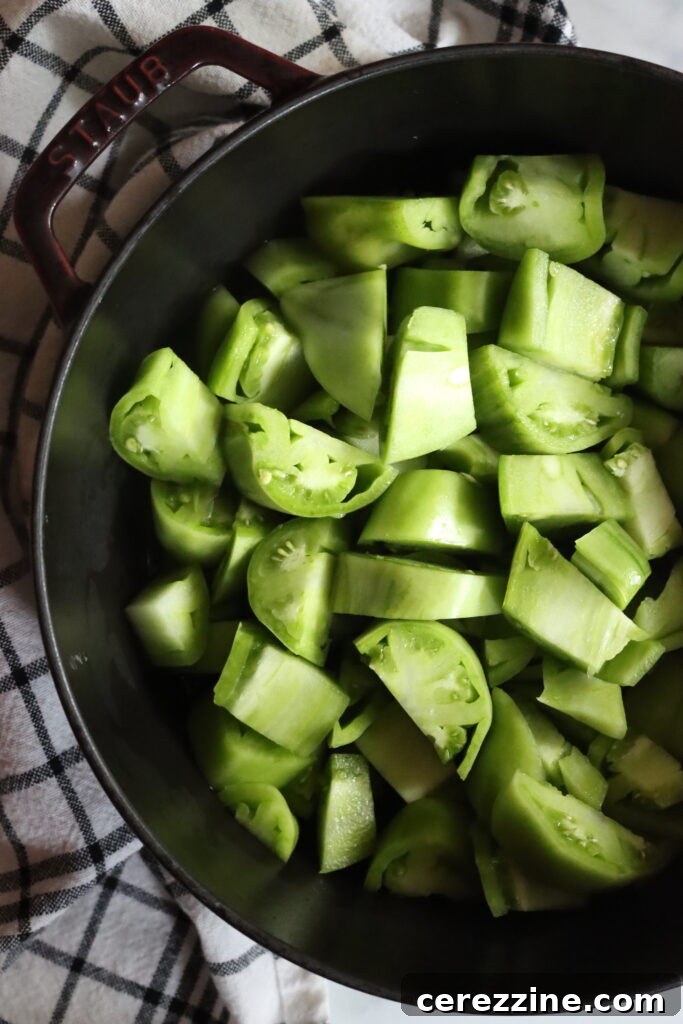
- Preparation of Ingredients: Start by thoroughly washing your green tomatoes. Chop or slice them into manageable pieces. Peel and chop the onions into small, uniform pieces to ensure even cooking.
- Combine and Simmer: Place the chopped green tomatoes and onions into a large, heavy-bottomed Dutch oven or stockpot. Add the dry mustard, Worcestershire sauce, and black pepper. If using mixed pickling spices, enclose them in a small cheesecloth bag and add it to the pot. This makes for easy removal later. Pour the apple cider vinegar over the vegetables and spices, stirring gently to combine. At this stage, only the honey and salt are withheld.
- Slow Cooking for Flavor Development: Bring the mixture to a gentle simmer over low heat. Cover the pot partially and allow it to cook for approximately 4 hours, stirring occasionally to prevent sticking and ensure even cooking. This extended simmering time is crucial; it allows the tomatoes and onions to break down completely, releasing their natural juices and enabling all the flavors to meld into a rich, aromatic base for your ketchup. The consistency will thicken, and the vegetables will become very soft.
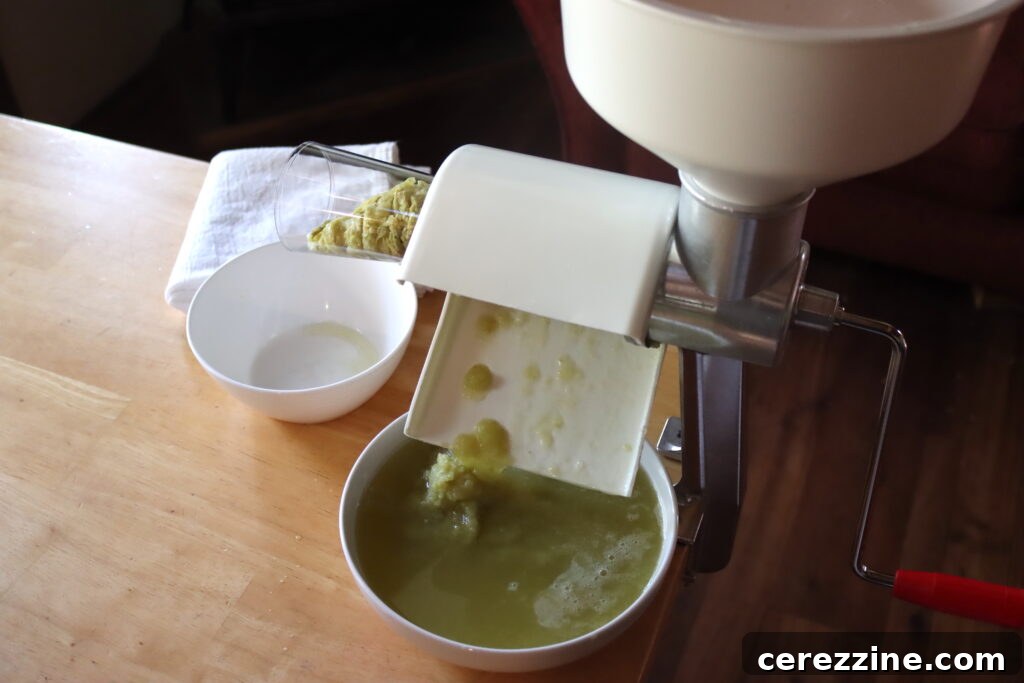
- Puree to Perfection: Once the mixture has cooked down and softened considerably, remove the cheesecloth bag containing the pickling spices. It’s now time to achieve that classic smooth ketchup texture. You can use a traditional blender (working in batches, filling it only one-third full to avoid hot splattering and venting the lid with a kitchen towel) or an immersion blender directly in the pot. For an exceptionally smooth and even consistency, a food mill is an excellent tool, as it purees the mixture while simultaneously separating out seeds and skins.
- Strain for Smoothness: If you used a blender, strain the pureed mixture through a fine-mesh strainer set over a large bowl. Press the solids firmly with a spoon or spatula to extract as much liquid as possible, discarding the remaining seeds and skins. If you used a food mill, this straining step is typically integrated into the milling process.
- Thicken and Season: Return the smooth ketchup base to the clean Dutch oven or stockpot. Bring it to a boil over medium-high heat, then reduce the heat to low. Stir in the honey, which will provide the perfect counterbalance to the tomatoes’ tartness. Taste the ketchup and add Kosher salt as needed to enhance and balance the flavors. Continue to cook the ketchup uncovered over low heat, stirring frequently, until it thickens to your desired consistency. This can take anywhere from 30 minutes to an hour, depending on the initial liquid content and how thick you prefer your ketchup. The goal is a rich, spoonable consistency.
Canning Your Green Tomato Ketchup for Long-Term Storage
Water bath canning is a safe and effective method for preserving your homemade green tomato ketchup, ensuring it remains delicious and stable for months. This process creates an airtight seal that prevents spoilage.
- Prepare Canning Equipment: While your ketchup is thickening, prepare your canning setup. Fill a water bath canning kettle with enough water to cover your jars by at least 2 inches. Bring the water to a boil, then reduce it to a simmer to keep the water hot.
- Sterilize Jars and Lids: Place your clean pint or half-pint canning jars in the simmering water bath canner to sterilize them. Keep them in the hot water until you are ready to fill them. Simultaneously, place new canning lids (only the flat sealing part) in a small saucepan, cover them with water, and bring to a gentle boil. Remove the saucepan from the heat once the lids are heated.
- Fill the Jars: Once the ketchup has reached its desired thickness, carefully remove one hot jar from the canner. Using a canning funnel, ladle the hot green tomato ketchup into the jar, leaving a ¼-inch headspace at the top (the space between the ketchup and the rim of the jar). It is crucial not to overfill or underfill the jars.
- Seal the Jars: Wipe the rim of the filled jar thoroughly with a clean, damp cloth to remove any ketchup residue. This ensures a proper seal. Place a hot, sterilized sealing lid onto the jar, then screw on a canning ring just until “finger-tight.” Do not over-tighten, as this can prevent the air from escaping and the lid from sealing correctly.
- Process in Water Bath: Carefully place the filled and sealed jars into the water bath canner, ensuring they are fully submerged under at least 2 inches of water. Bring the water back to a rolling boil. Process the jars for 15 minutes. Remember to adjust the processing time based on your altitude (refer to the altitude adjustments section below).
- Cool and Check Seals: Once the processing time is complete, carefully remove the hot jars from the canner using a jar lifter. Place them on a clean towel or cooling rack, ensuring there is space between each jar for air circulation. Allow them to cool undisturbed for 12 to 24 hours. As the jars cool, you should hear a “pop” sound as the lids seal.
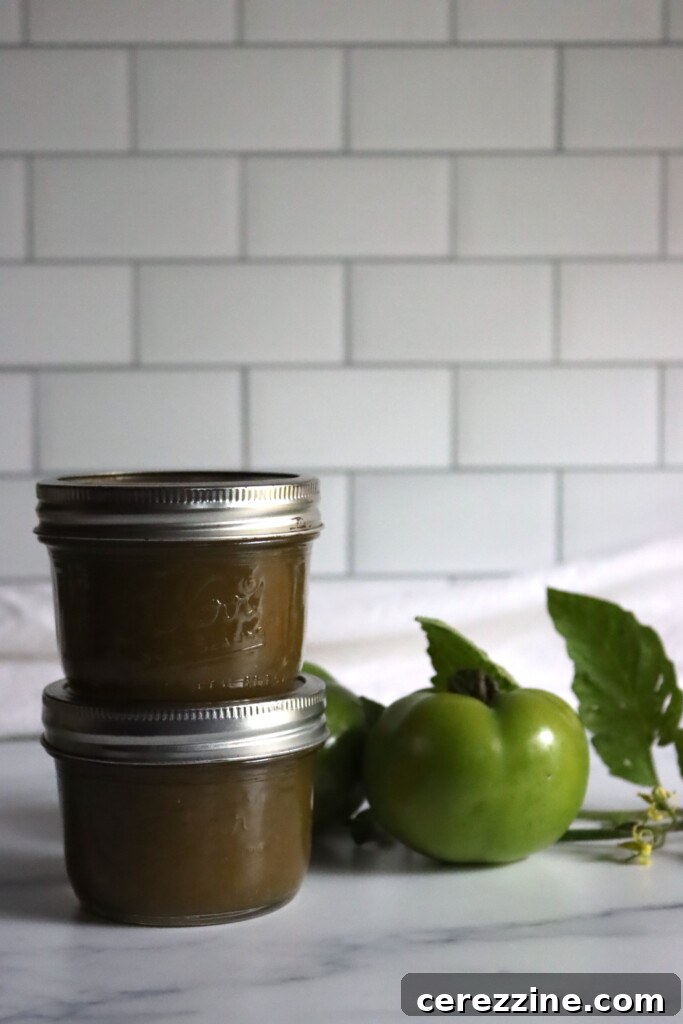
- Store Properly: After 24 hours, check the seals by pressing down on the center of each lid. If the lid does not flex or pop up and down, the jar is sealed. Properly sealed jars can be stored in a cool, dark, dry place for up to one year. Any jars that did not seal should be refrigerated and consumed within 3 months.

Altitude Adjustments for Canning
When water bath canning, altitude plays a significant role because water boils at lower temperatures at higher elevations. To ensure safe preservation, increase your processing time according to your elevation:
- 0 to 1,000 feet: Process jars for 15 minutes.
- 1,001 to 6,000 feet: Process jars for 20 minutes.
- 6,001 to 8,000 feet: Process jars for 25 minutes.
- Above 8,001 feet: Process jars for 30 minutes.
It is important to note that this recipe is safe for processing in pint-sized jars or smaller. Do not attempt to process this green tomato ketchup in jars larger than a pint, as this can compromise the safety and shelf stability of the product.
Expert Tips for Perfect Green Tomato Ketchup
To ensure your green tomato ketchup turns out perfectly every time, keep these helpful tips in mind:
- Handle Hot Ingredients Safely: When blending hot liquids, extreme caution is necessary. Always fill your blender only one-third full. Ensure the lid is vented (if your blender has this feature) and cover it with a kitchen towel to contain any steam or splatters. An immersion blender offers a safer alternative as it can be used directly in the cooking pot.
- Invest in Canning Tools: While canning might seem daunting, having the right tools makes a huge difference. Essential canning equipment includes a water bath canner, canning jars with new lids and rings, a jar lifter for safely handling hot jars, a canning funnel to prevent spills, and a headspace tool to measure the precise headspace. These tools make the process safer, more efficient, and ultimately more enjoyable.
- Experiment with Flavors: The base recipe for green tomato ketchup is wonderfully versatile. Feel free to adjust the spice profile to suit your taste. A pinch of ground cloves, a touch of nutmeg, or even a tiny amount of smoked paprika can introduce intriguing new dimensions of flavor. For a spicier kick, consider adding a finely chopped jalapeño or a dash of cayenne pepper during the simmering stage.
- Choosing the Right Tomatoes: Opt for firm, unblemished green tomatoes. While any unripe tomato will work, paste varieties like Roma tomatoes tend to yield a thicker ketchup due to their lower water content.
- Adjusting Sweetness and Acidity: The balance of sweet and tart is key in ketchup. Taste your ketchup before the final thickening stage and adjust the honey or salt as needed. Remember that flavors intensify as the ketchup cools and ages slightly.
How to Use Your Homemade Green Tomato Ketchup
The tangy-sweet profile of homemade green tomato ketchup makes it incredibly versatile and a fantastic complement to a wide array of dishes. Its unique flavor adds a gourmet touch that will impress anyone lucky enough to try it.
- Classic Pairings: Elevate your favorite grilled burgers, hot dogs, and sandwiches with a generous dollop of this vibrant ketchup. Its zesty flavor provides a refreshing contrast to rich meats.
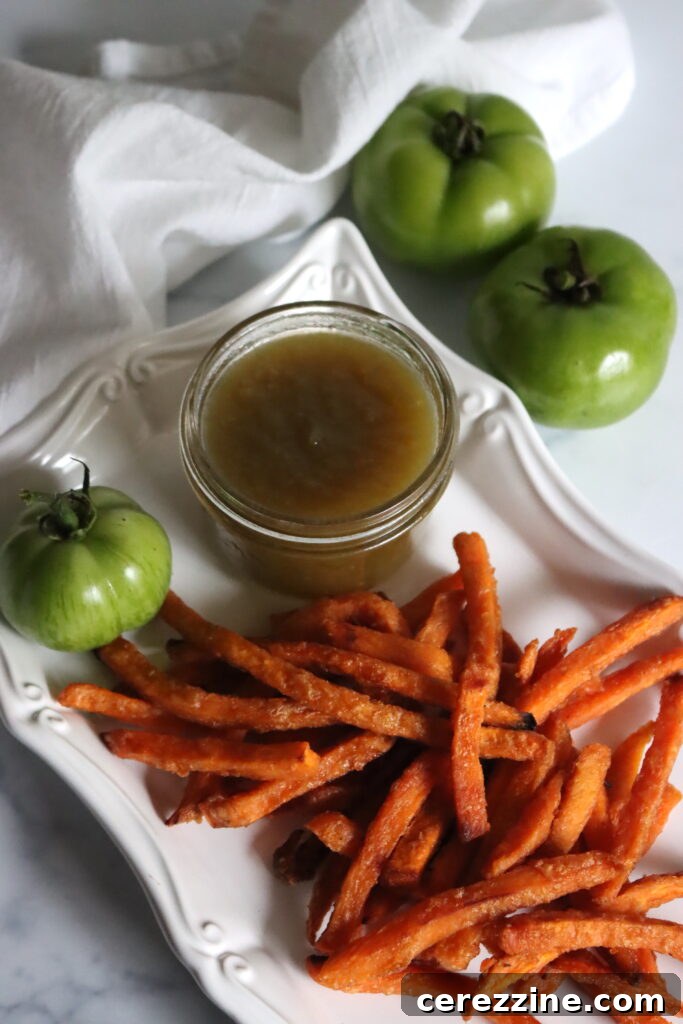
- Dipping Delight: Use it as a gourmet dipping sauce for crispy French fries, sweet potato fries (a personal favorite!), chicken tenders, onion rings, or even vegetable fritters. It offers a sophisticated twist on the classic fry dipping experience.
- Sauce Base: Incorporate it into homemade barbecue sauces for a unique flavor base. Mix it with a bit of mustard, brown sugar, and apple cider vinegar for a tangy, complex BBQ sauce perfect for ribs, pulled pork, or grilled chicken.
- Marinades and Glazes: Whisk it into marinades for pork or chicken, or use it as a glaze for roasted vegetables. Its acidity and sweetness can tenderize and flavor beautifully.
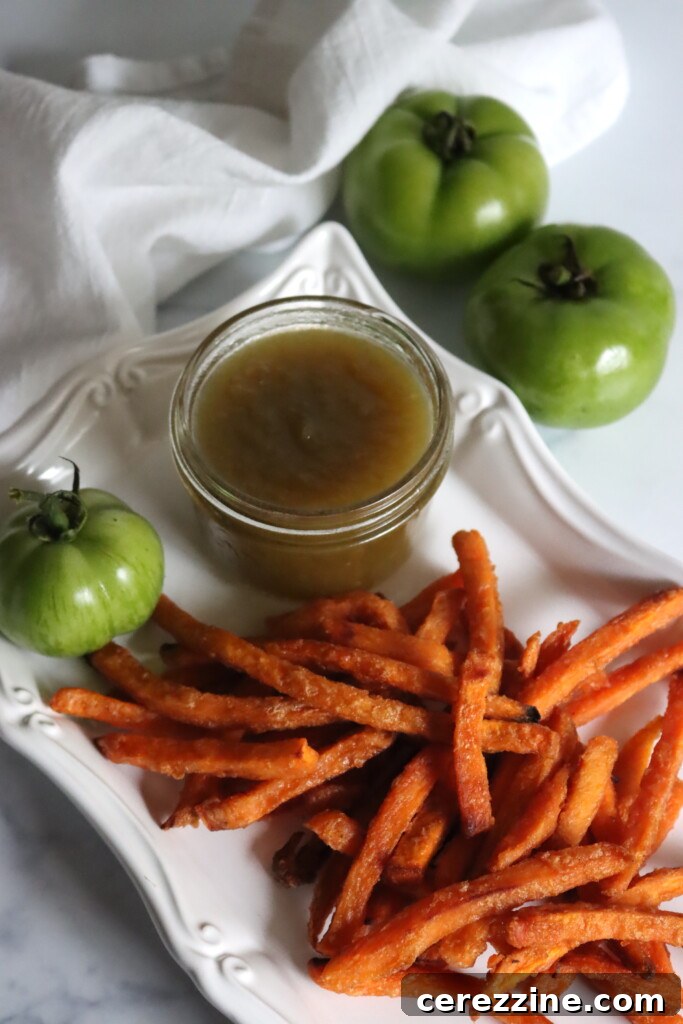
So, the next time you find your garden overflowing with unripened green tomatoes as autumn approaches, don’t despair. Instead, embrace the opportunity to create something truly special and delicious. Homemade green tomato ketchup is a fantastic way to celebrate the harvest, reduce food waste, and fill your pantry with a condiment that’s bursting with fresh, tangy flavor.
Green Tomato Ketchup Recipe
This recipe yields approximately 2 pints (about 64 servings) of tangy and sweet homemade green tomato ketchup.
Prep time: 15 mins
Cook time: 5 hours
Canning Time: 15 mins
Ingredients
- 6 lbs green tomatoes (about 12 medium tomatoes)
- 1 1/2 cups onions, chopped (about 1 lb or 1 large onion)
- 1 Tbsp dry mustard
- 1 tsp Worcestershire sauce
- 2 tsp mixed pickling spices (optional, but recommended)
- 1 tsp black pepper
- 1 1/2 cups Apple Cider Vinegar (or white vinegar)
- 3/4 cup honey (or to taste)
- 1 Tbsp Kosher salt (or to taste)
Instructions
- Prep Ingredients: Chop or slice green tomatoes and onions. Place them in a large Dutch oven or stockpot. Add black pepper, dry mustard, Worcestershire sauce, and mixed pickling spices (contained in a cheesecloth bag, if using). Pour vinegar over the vegetables and spices. (Do not add honey or salt yet).
- Cook Mixture: Simmer the mixture over low heat for approximately 4 hours, stirring occasionally. The vegetables should become very soft and cooked down.
- Blend Ketchup: Remove the spice bag (if used). Puree the cooked mixture in batches using a blender or immersion blender until smooth. For an extra smooth consistency, strain through a fine mesh strainer to remove any remaining solids, seeds, or skins. Alternatively, use a food mill to blend and strain simultaneously.
- Thicken Ketchup: Return the strained, pureed mixture to the pot. Bring to a boil over medium-high heat, then reduce to low. Stir in the honey. Taste and add Kosher salt as needed to achieve the desired balance of sweet and tangy. Continue to simmer uncovered, stirring occasionally, until the ketchup thickens to your preferred consistency (typically 30-60 minutes).
- Prepare Canning Supplies: While the ketchup thickens, prepare your water bath canner, pint or half-pint jars, and new sealing lids according to standard canning practices. Sterilize jars in simmering water and heat lids in a separate saucepan.
- Can Ketchup: Ladle the hot ketchup into the sterilized jars, leaving a ¼-inch headspace. Wipe the jar rims clean with a damp cloth. Place hot lids on the jars and screw on rings until finger-tight.
- Process Jars: Carefully place filled jars into the water bath canner, ensuring they are covered by at least 2 inches of water. Bring to a rolling boil and process for 15 minutes, adjusting time for altitude as specified in the notes below.
- Cool and Store: After processing, carefully remove jars and let them cool undisturbed on a clean towel for 12-24 hours. Check seals (lids should be concave and not flex when pressed). Store properly sealed jars in a cool, dry place for up to one year. Refrigerate any unsealed jars and use within 3 months.
Notes
Altitude Adjustments for Canning
- For 0 to 1,000 feet in elevation, process jars for 15 minutes.
- For 1,001 to 6,000 feet in elevation, process jars for 20 minutes.
- For 6,001 to 8,000 feet in elevation, process jars for 25 minutes.
- Above 8,001 feet, process jars for 30 minutes.
This recipe can be processed safely in pint or smaller jars. Do not process in jars larger than pint size.
Nutrition Information (per serving, approximate)
Calories: 25kcal, Carbohydrates: 6g, Protein: 1g, Fat: 0.1g, Saturated Fat: 0.02g, Polyunsaturated Fat: 0.05g, Monounsaturated Fat: 0.04g, Sodium: 153mg, Potassium: 100mg, Fiber: 1g, Sugar: 5g, Vitamin A: 273IU, Vitamin C: 10mg, Calcium: 8mg, Iron: 0.3mg
Nutrition information is automatically calculated and should only be used as an approximation.
Beyond Ketchup: Exploring Other Green Tomato Canning Recipes
If you’ve enjoyed transforming your green tomatoes into this delightful ketchup, you’ll be thrilled to discover the myriad of other ways these versatile unripe fruits can be preserved. End-of-season green tomatoes offer a unique culinary canvas for a variety of flavorful canning projects that will stock your pantry with distinct and delicious preserves.
- Green Tomato Salsa Verde: A vibrant and tangy alternative to traditional tomatillo-based salsa verde. Green tomatoes provide a similar bright acidity, creating a refreshing and versatile salsa perfect for tacos, enchiladas, or as a dip.
- Green Tomato Chutney: Offering a slightly different profile from ketchup, a chunky green tomato chutney is a savory-sweet condiment packed with spices, raisins, and sometimes apples. It’s an exquisite accompaniment to roasted meats, cheeses, or curries, adding a burst of complex flavor to any plate.
- Pickled Green Tomatoes: For a crisp, tart, and refreshing side, pickled green tomatoes are an excellent choice. Sliced or wedged, they retain a satisfying crunch and a vibrant tang that cuts through rich meals, providing a bright counterpoint to heavy dishes.
- Canned Green Tomato Slices: Did you know you can simply can green tomato slices? This preparation allows you to enjoy classic fried green tomatoes well beyond the growing season. The canned slices are ready to be breaded and fried whenever the craving strikes, bringing a taste of summer comfort to any time of year.
These are just a few ideas to get you started. There are over 20 unique green tomato canning recipes available, each offering a creative way to ensure not a single tomato from your harvest goes to waste. From sweet relishes to savory spreads, the possibilities are abundant for these often-underestimated green gems.