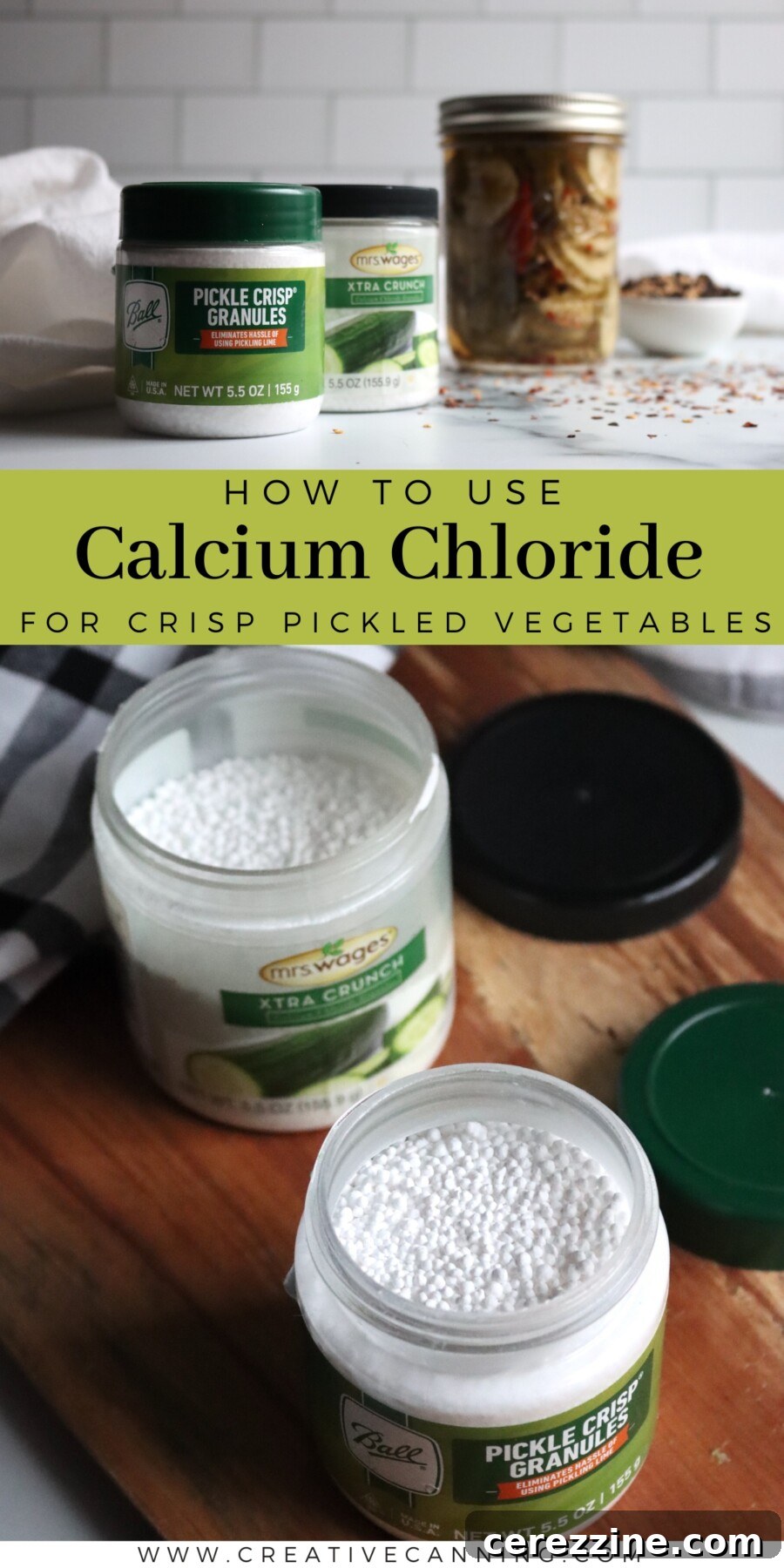
Achieving perfectly crisp pickles at home is a culinary quest many home canners embark on, often facing the frustrating reality of soft, mushy results even with the freshest cucumbers. The transformation from a firm, garden-fresh cucumber to a tender pickle after heat processing is a common challenge. Thankfully, modern canning techniques offer an elegant solution: calcium chloride. Marketed under popular brand names like Pickle Crisp and Xtra Crunch, this simple mineral salt has revolutionized the world of home pickling, ensuring vegetables retain their satisfying firmness in the jar.
While not a requirement for safe food preservation, incorporating just a small amount of calcium chloride can significantly improve the texture of your canned goods. Understanding its mechanism, proper application, and when it’s most beneficial will empower you to elevate your home canning, producing pickles and vegetables that are not only delicious but also delightfully crunchy. This guide delves into everything you need to know about this indispensable ingredient, helping you decide if it’s the secret weapon your canning routine has been missing.
If you’ve ever opened a jar of homemade pickles only to find them lacking that coveted crunch, rest assured, it’s not necessarily a reflection of your canning skills. Several factors contribute to the softening of vegetables during the canning process. The intense heat of water bath or pressure canning can break down cell walls, while natural enzymes present in cucumbers themselves, and even the mineral content of your local water, can all contribute to a less-than-crisp outcome. This is precisely why calcium chloride has become a staple in countless modern pickle recipes.
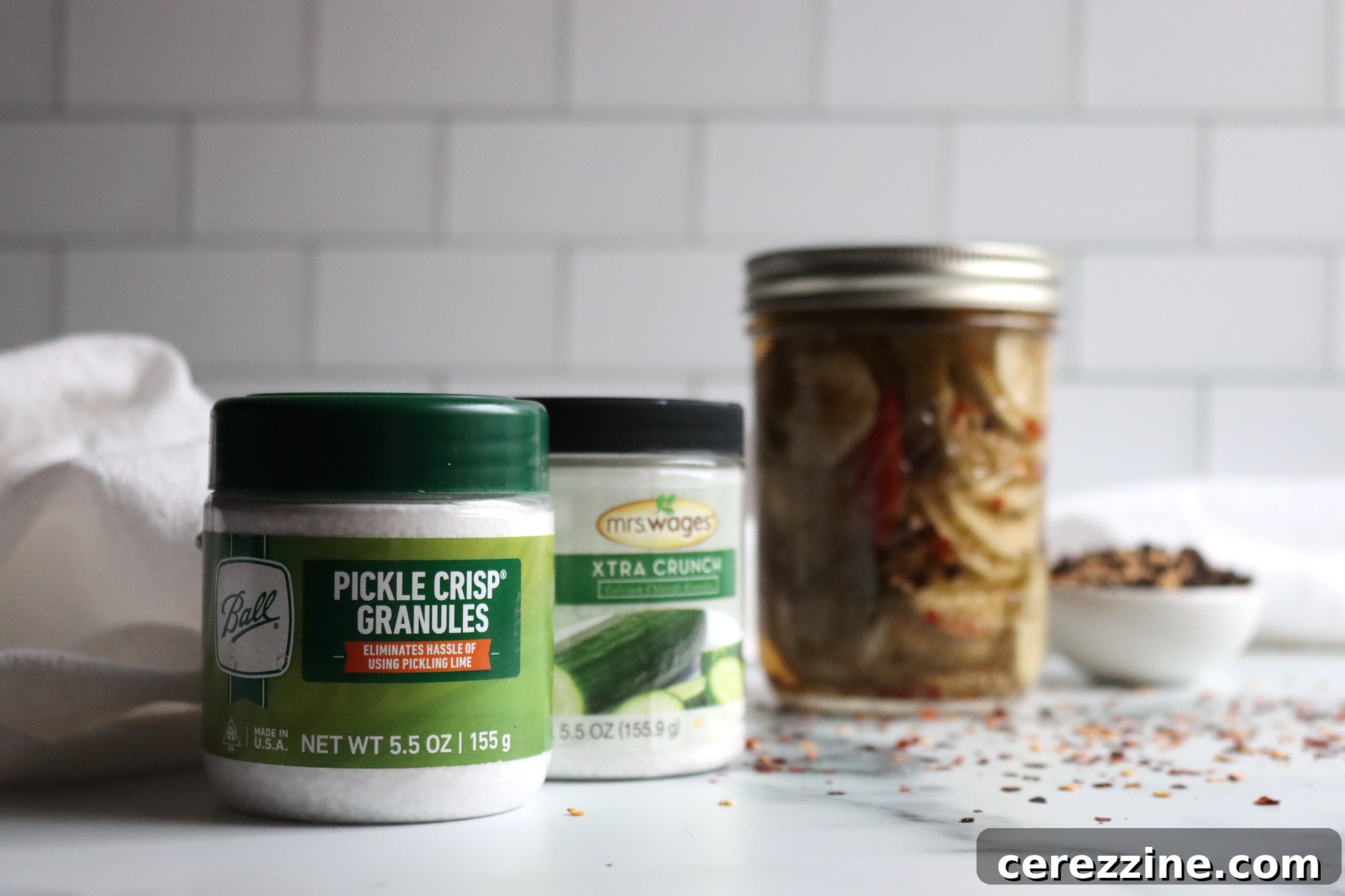
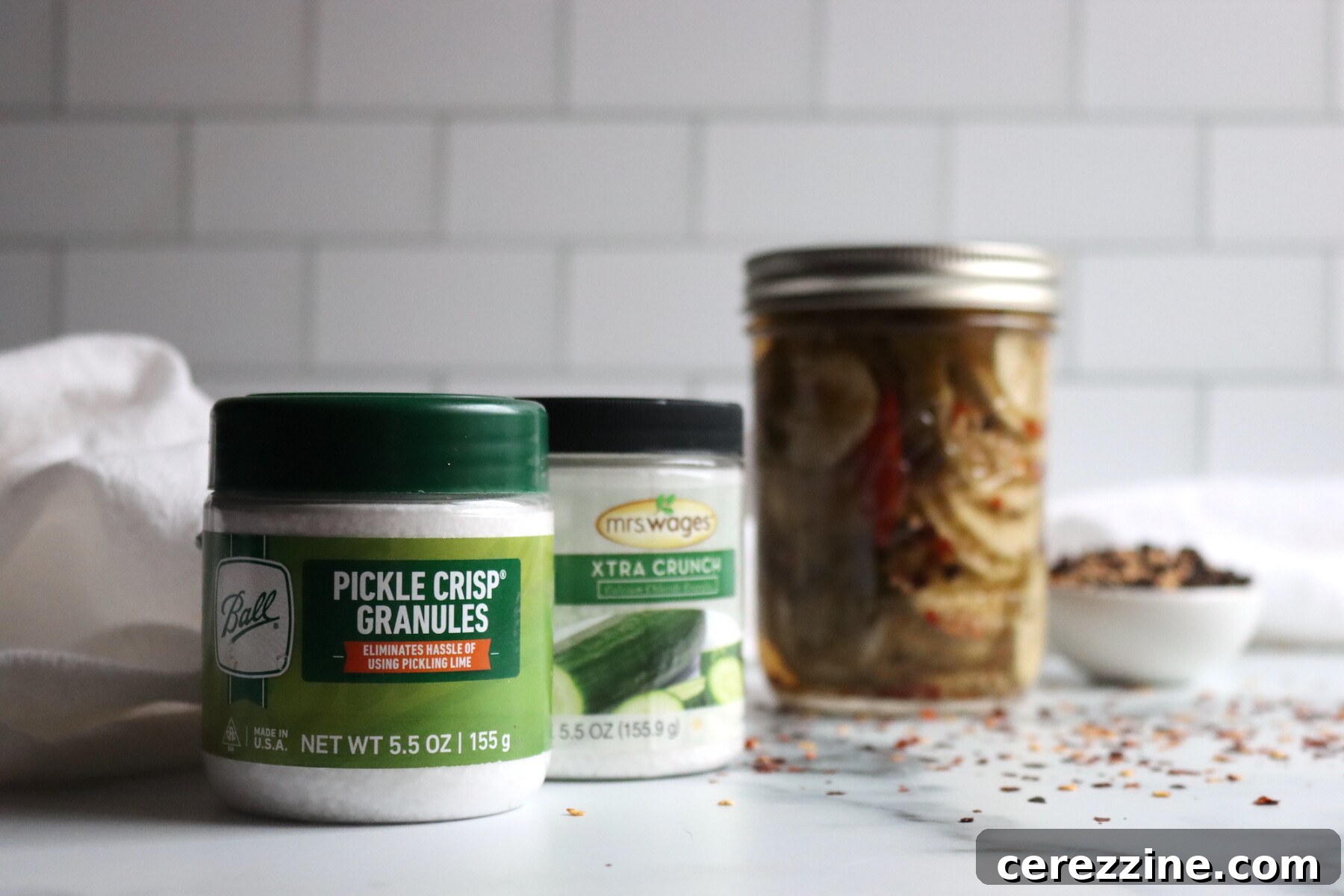
Widely available and sold as Pickle Crisp from Ball Canning or Xtra Crunch by Mrs. Wages, calcium chloride acts as a neutral-tasting firming agent. Its primary role is to help vegetables maintain their structural integrity throughout the rigorous processing and extended storage periods. Completely optional yet profoundly effective, its inclusion can transform homemade pickles from merely good to truly exceptional – the kind you’ll want to enjoy straight from the jar, appreciating every satisfying bite.
What Is Calcium Chloride? The Science Behind the Crunch
Calcium chloride (CaCl₂) is far from a laboratory invention; it’s a naturally occurring mineral salt derived from various sources, including limestone and brine. Its presence in many commercial food products, such as canned beans, diced tomatoes, and pickles, is a testament to its proven ability to help food retain its desirable texture despite high-heat processing.
In the context of canning, calcium chloride works its magic by strengthening the natural pectin found within the cell walls of fruits and vegetables. Pectin, a complex carbohydrate, provides much of a plant’s structure. During the canning process, the combined forces of heat and acidic brines can cause these pectin molecules to break down, leading to softening. Calcium chloride intervenes by allowing calcium ions to bind with these pectin molecules, forming calcium pectate. This creates a more robust, cross-linked structure that is far more resistant to breakdown, effectively helping the food maintain its firmness and shape within the jar.
This remarkable compound is odorless, flavorless, and entirely food-safe when used in recommended amounts. This means it will not impart any unwanted taste to your finished recipe; its sole influence is on texture. Essentially, it provides a little extra calcium boost to your produce, and a tiny pinch goes an incredibly long way.
Both Ball Canning’s Pickle Crisp and Mrs. Wages’ Xtra Crunch are precisely the same food-grade calcium chloride, differing primarily in brand and often, price point (Xtra Crunch can sometimes be slightly more economical). Both brands typically come in 5.5-ounce containers, which is a substantial quantity capable of treating approximately 80 quarts or 160 pints of pickles. As a stable mineral salt, calcium chloride boasts an indefinite shelf life, making a single small jar a long-term investment for any dedicated home canner.
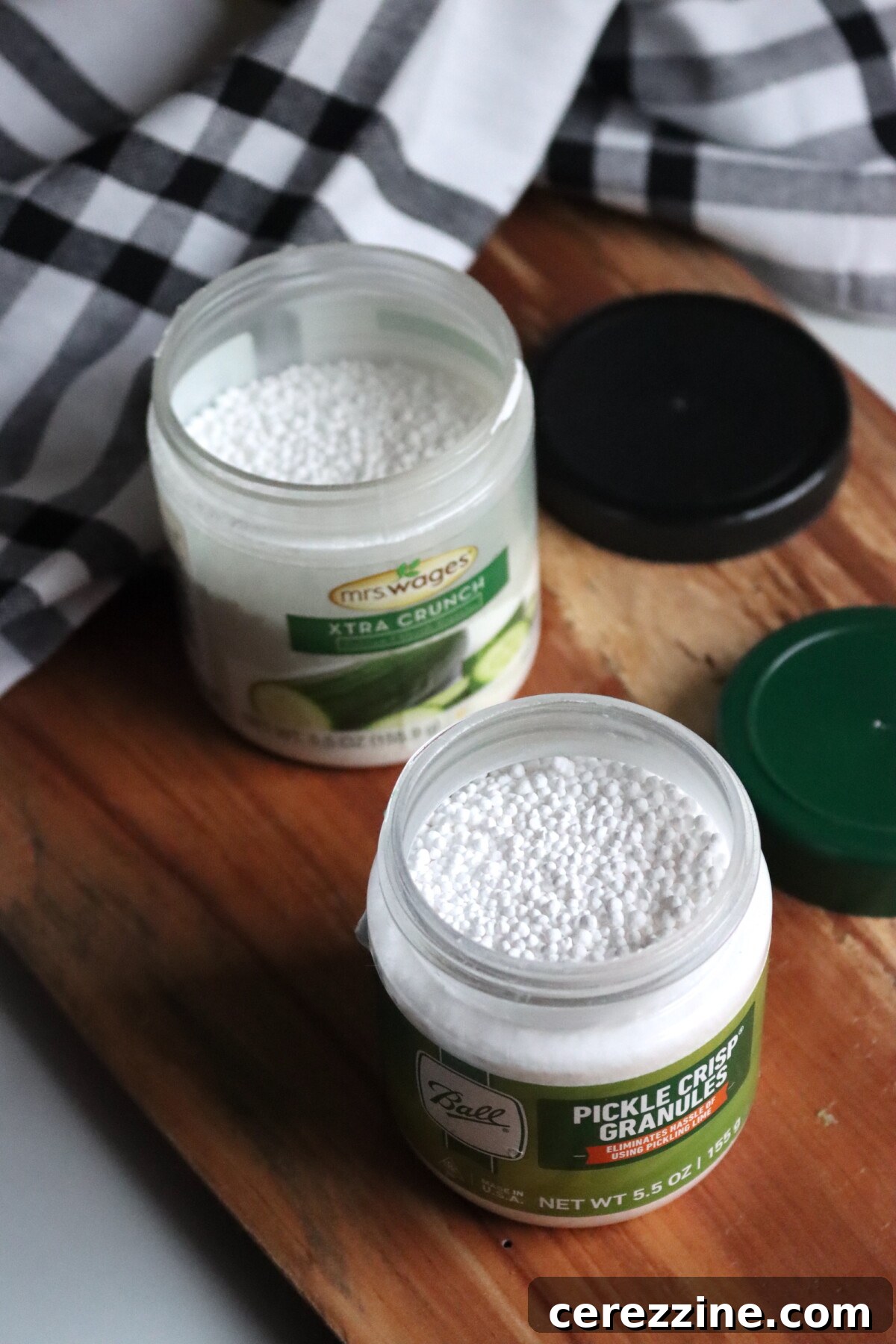
How to Use Calcium Chloride for Optimal Crispness
Incorporating calcium chloride into your home canning routine is remarkably straightforward and requires only minimal amounts. The most effective method is to add it directly to each empty canning jar before you begin filling it with vegetables and brine.
The standard recommendations for calcium chloride usage are:
- Half Pints: ¹⁄₁₆ teaspoon per jar (approximately 0.3 ml)
- Pints: ⅛ teaspoon per jar (approximately 0.6 ml)
- Quarts: ¼ teaspoon per jar (approximately 1.2 ml)
For most typical pickle recipes, an amount equivalent to about ¹⁄₁₆ teaspoon per cup of preserve is sufficient. This translates to ⅛ teaspoon for a common pint-sized jar, which holds roughly two cups of product. This small dose is usually enough to achieve a noticeable improvement in firmness without affecting flavor.
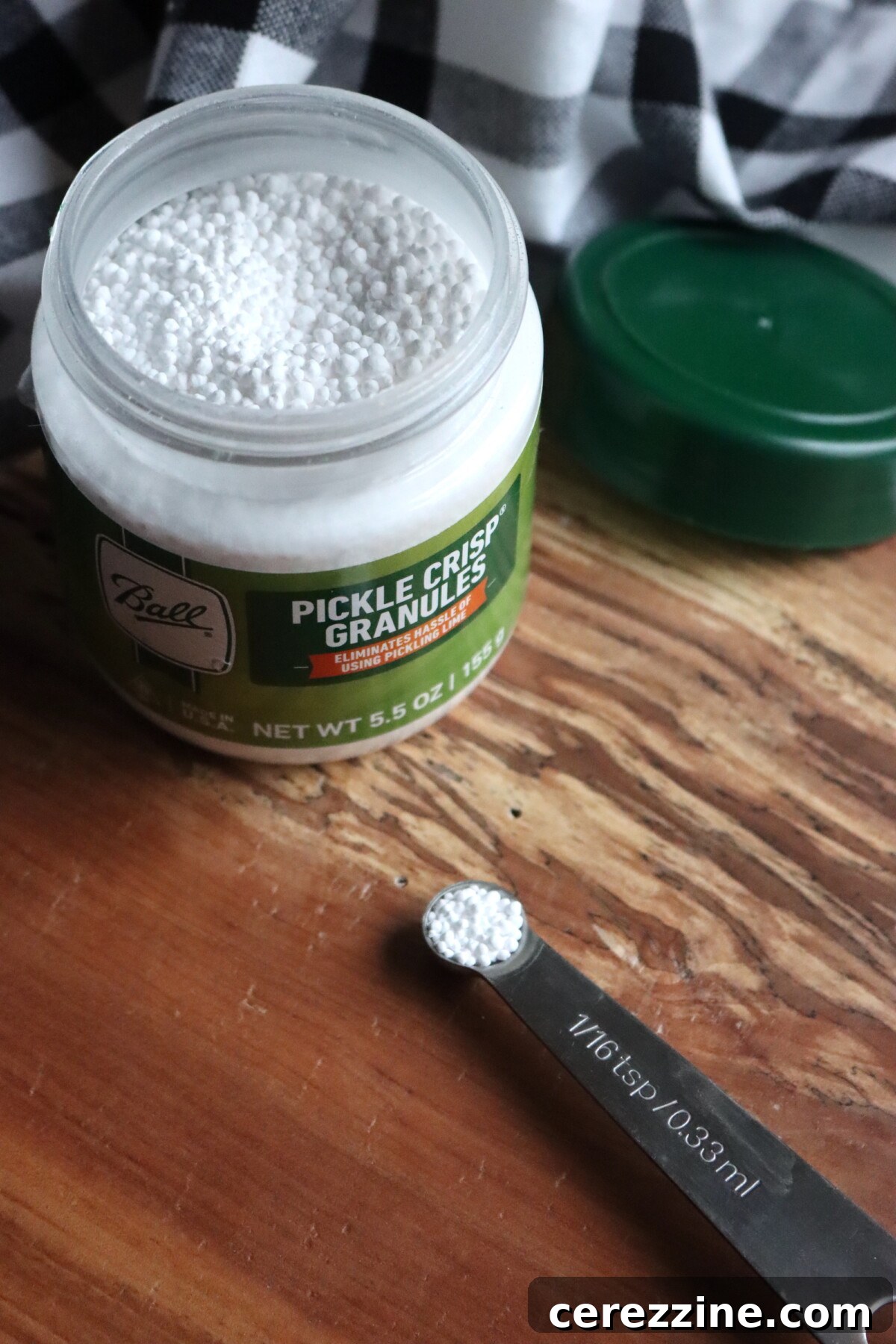
It’s important to note that while the standard amounts are effective, some recipes, particularly those designed for vegetables that tend to soften considerably (like pickled daikon radishes or carrots), might recommend slightly higher doses, up to ¾ teaspoon per pint. This increased amount is perfectly safe and can contribute to an even firmer result. However, adding significantly more than 1 ½ teaspoon per quart is generally unnecessary and can become counterproductive. The pectin can only bind with so much calcium, and any excess will not enhance crispness further.
To use, simply sprinkle the precise amount of granules directly into the bottom of each clean, empty jar. There’s no need to pre-dissolve it; the granules will fully dissolve once the hot brine or syrup is added and the jar is processed. Rest assured, calcium chloride will not cloud your brine or alter its appearance.
Once the calcium chloride is in the jar, proceed with your canning recipe as you normally would: pack the jars with your prepared vegetables, pour in the hot brine, remove air bubbles, adjust headspace, and process according to tested and approved guidelines (e.g., USDA or NCHFP recommendations). Remember, calcium chloride is a texture enhancer, not a preservative. It plays no role in extending shelf life or ensuring the safety of your canned goods. Those crucial aspects depend entirely on proper recipe adherence, sterilization, and processing techniques.
Furthermore, calcium chloride is not a magic fix for substandard produce. It will not miraculously transform overripe, soft, or poorly handled vegetables into crisp delights. For the best possible results, always begin with the freshest, firmest ingredients available. Think of calcium chloride as a powerful supplement to good canning practices, not a shortcut to compensate for deficiencies in your produce or process.
Can You Use Too Much Calcium Chloride? Understanding the Limits
While adding a bit extra calcium chloride won’t compromise the safety of your food, it’s a case where more isn’t necessarily better. Exceeding the recommended amounts can, in some instances, lead to undesirable outcomes. Excessive calcium chloride has the potential to impart a bitter, metallic, or overtly salty taste to your canned goods, which would detract from their overall flavor. Once the pectin within your vegetables has bound with the available calcium ions, any additional calcium chloride will simply remain in the liquid without contributing further to firmness. For optimal results—achieving maximum crispness without any off-flavors—it’s best to adhere to the standard range of ⅛ tsp to ¾ tsp per pint or ¼ tsp to 1 ½ tsp per quart.
When to Use Calcium Chloride: A Versatile Canning Aid
Calcium chloride’s utility extends far beyond just cucumber pickles. It can be effectively used in virtually any canning recipe where maintaining a desirable texture is a priority. While most commonly associated with pickling, it performs admirably with a variety of fruits and vegetables, ensuring they hold their shape and firmness.
- Cucumber Pickles: This is arguably where calcium chloride shines brightest. Cucumbers, with their high water content and delicate cellular structure, are notoriously prone to softening during the heat of the canning process. Calcium chloride is almost always beneficial in cucumber pickling recipes. Whether you’re crafting tangy dill pickles, sweet and sour sweet pickles, or the ever-popular classic bread and butter pickles, a tiny bit of this firming agent can make all the difference in achieving that satisfying crisp snap.
- Other Pickled Vegetables: Beyond cucumbers, calcium chloride is a game-changer for a wide array of pickled vegetables. Peppers, whether hot or sweet, often lose their delightful snap and become soft after heat processing. It’s highly recommended for recipes like pickled banana peppers and pickled jalapeños. The same applies to other vegetable pickling recipes, such as pickled green tomatoes, which can turn unpleasantly mushy in the jar without intervention. Adding calcium chloride helps these vegetables retain a pleasant bite and texture.
- Tomatoes: If you’ve ever purchased commercially canned diced tomatoes, you’ve likely noticed their consistent firmness. This is largely due to the inclusion of calcium chloride. At home, you can achieve similar results, preventing your diced or whole canned tomatoes from breaking down into a sauce-like consistency. It helps them stay firm and intact, closer to their fresh state, even after extensive storage.
- Beans and Legumes: Pressure canning beans and other legumes can sometimes result in a softer texture compared to their commercially canned counterparts. While calcium chloride won’t make them crunchy, it significantly helps them maintain their individual shape and a desirable firmness, preventing them from becoming overly mushy during both processing and storage. This is particularly useful for pressure canned beans.
- Canned Fruits: In certain fruit canning applications, especially with more delicate varieties, calcium chloride can also be beneficial. It helps maintain the integrity of fragile fruits canned in syrup, preventing them from disintegrating. This can be especially helpful when canning cherries or canning raspberries, where preserving their shape is often desired.
Alternatives for Keeping Pickles Firm: Traditional vs. Modern Approaches
Before the widespread availability and popularity of food-grade calcium chloride, home canners employed various methods to combat soft pickles. Some of these techniques still hold merit, particularly for traditional fermentation, but many are either less reliable or considerably more labor-intensive than simply adding calcium chloride.
Pickling Lime (Calcium Hydroxide): A Method with Caution
Historically, food-grade pickling lime (calcium hydroxide) was a common ingredient used to soak cucumbers before pickling. It works by firming the produce. However, its use comes with a significant caution: if the pickling lime is not meticulously rinsed off the vegetables, residual lime can neutralize the pickling vinegar, raising the pH and creating an environment where harmful bacteria can thrive, thereby making your pickles unsafe for consumption. For this reason, pickling lime is generally no longer recommended for modern home canning practices, except in very specific, extensively tested recipes where the instructions for rinsing are followed with absolute precision. An example of such a traditional recipe might be lime pickled cucumbers, which requires careful adherence to the detailed soaking and rinsing steps.
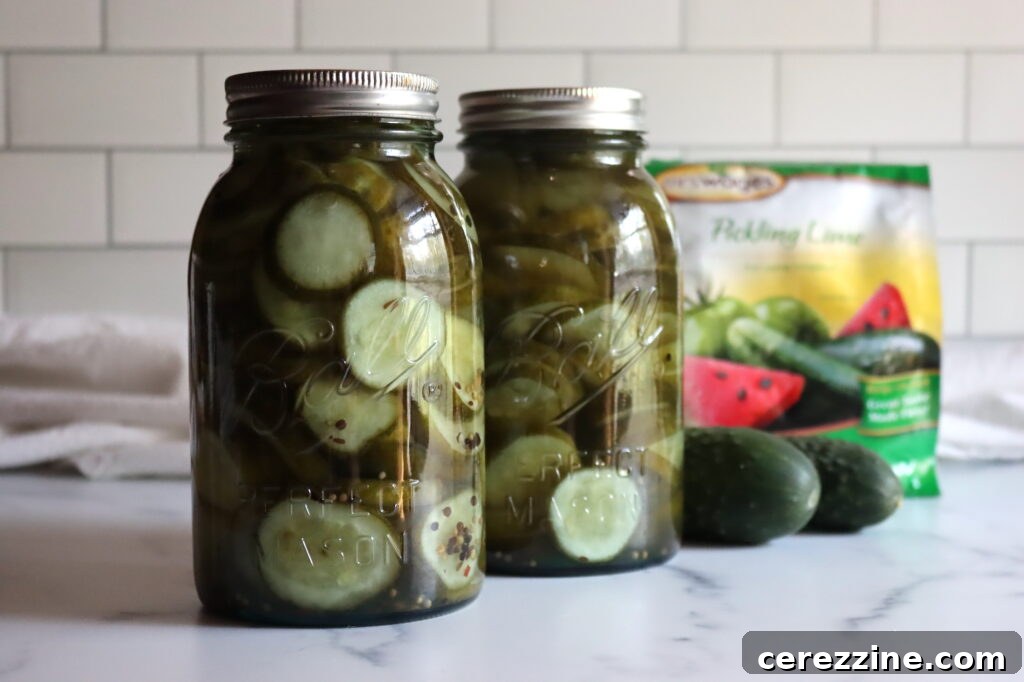
Alum (Potassium Aluminum Sulfate): An Outdated Option
Another substance once commonly found in pickling recipes was Alum (potassium aluminum sulfate). While it was believed to contribute to crispness, modern research and canning guidelines have largely deprecated its use in home canning. Studies indicate that alum provides little to no lasting benefit to pickle crispness after the heat of processing. Furthermore, excessive use of alum can lead to an unpleasant bitter or metallic taste in canned goods and may even cause mild digestive irritation. Because alum contains aluminum, a mineral that the human body doesn’t require and struggles to process efficiently, leading authorities like the USDA and the National Center for Home Food Preservation (NCHFP) advise against its inclusion in home canning recipes. While small, incidental amounts are unlikely to be acutely dangerous, it’s prudent to favor safer, more effective alternatives such as calcium chloride.
Tannin-Rich Leaves (Grape, Cherry, Currant, Oak): A Traditional Touch
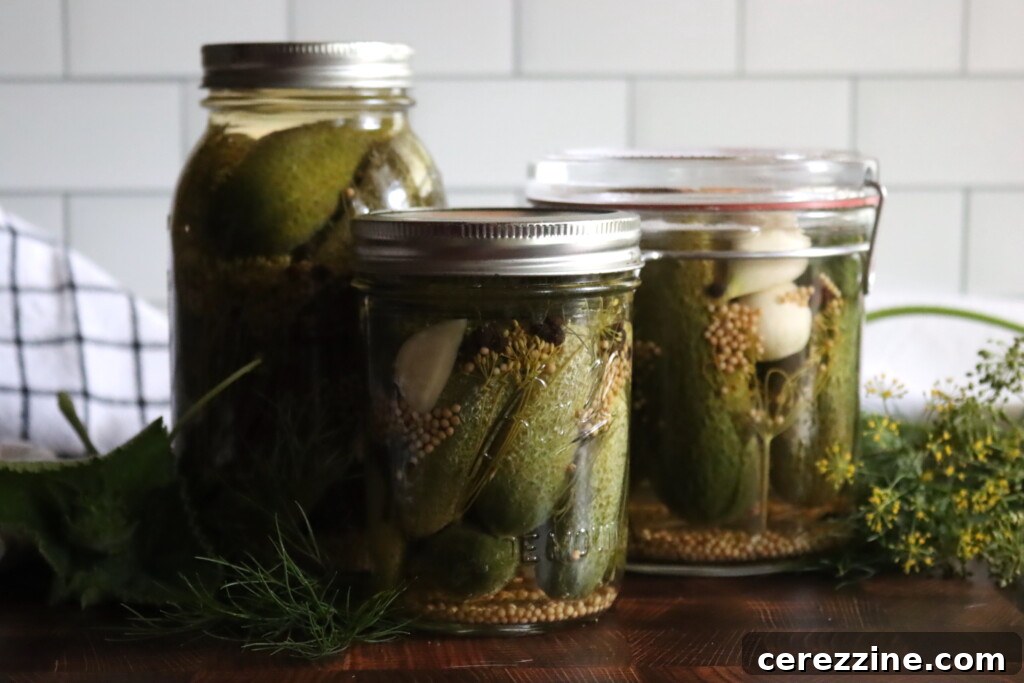
A time-honored method, especially in traditional fermented pickling, involved adding leaves rich in tannins, such as those from grape, cherry, currant, or oak trees, to pickle jars. Tannins are natural compounds known for their astringent properties, which can help slow down the enzymatic softening process in vegetables. These leaves are still a fine addition to modern vinegar-canned pickles, contributing a subtle firmness and sometimes a lovely earthy flavor. However, it’s generally acknowledged that their firming effect is not as pronounced or dependable as that achieved with calcium chloride. Moreover, sourcing fresh tannin-rich leaves can be a challenge for many, especially those without access to sprawling orchards or natural landscapes. While they offer a rustic charm and some benefit, they typically won’t deliver the consistent, powerful crunch that modern firming agents provide. For those with access, they are a delightful complementary ingredient, but not a primary crisping solution.

Overnight Salting or Ice Baths: Pre-Treatment for Texture
Many traditional pickling recipes incorporate a pre-treatment step where cucumbers are soaked in salt water or an ice bath overnight. This process helps to draw out some of the excess water from the cucumbers and slightly firms their flesh, contributing to a better texture in the final product. It remains a valuable preparatory step, particularly for larger cucumbers which tend to be more watery. However, while beneficial, these methods alone typically won’t guarantee the intense crunch often desired, especially after heat processing, without the aid of calcium chloride. If your chosen recipe specifies these pre-treatment steps, it is crucial to follow them diligently. Calcium chloride should be viewed as an enhancement to the recipe as written, not a substitute for other important procedural steps like salting or ice baths, which can be essential for the overall success and safety of certain pickle varieties.
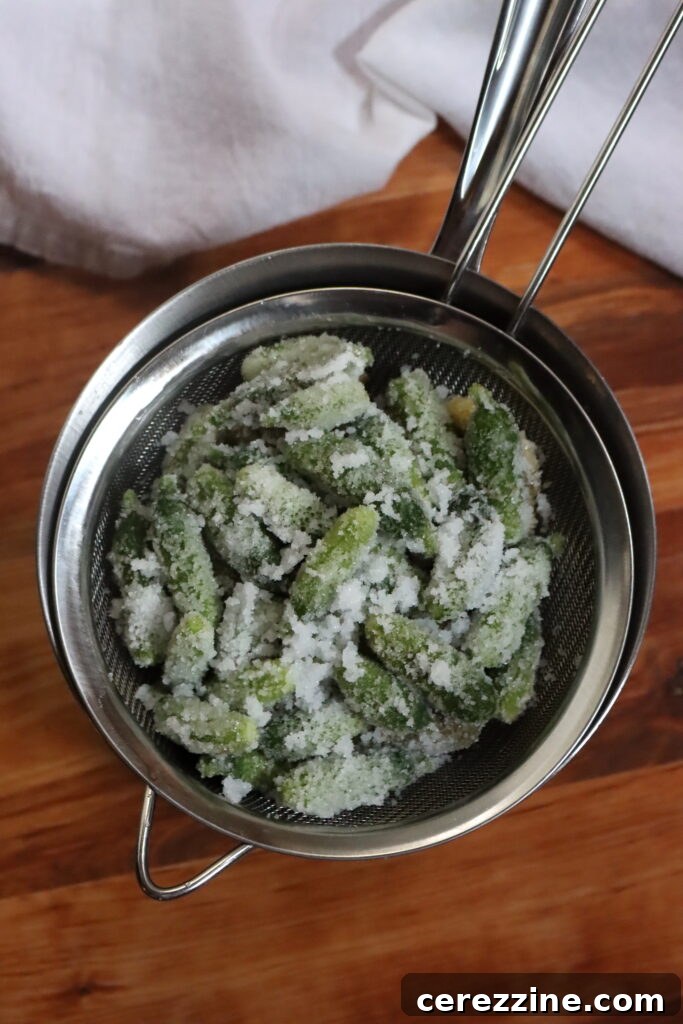
Trimming the Blossom End: A Simple Yet Essential Step for Cucumbers
For cucumber pickles, one simple yet incredibly effective practice is to always trim about 1/16th of an inch from the blossom end of each cucumber before pickling. This small, seemingly insignificant step is vital because the blossom end contains enzymes that are particularly adept at breaking down pectin. If left intact, these enzymes can significantly contribute to the softening of the cucumber, even after it’s been sealed in a jar. This recommendation is a universal best practice in virtually every cucumber pickling recipe, regardless of whether you plan to use a firming agent or not. While trimming the blossom end is excellent for preventing excessively soggy pickles, it’s important to understand that it won’t single-handedly create crisp pickles. It primarily acts as a preventative measure against enzymatic softening, and its benefit is, of course, limited specifically to cucumbers.
Making Crisp Canned Goods: The Modern Advantage
Calcium chloride stands out as one of those subtle, unsung heroes in the world of home canning. It’s an ingredient that quietly works behind the scenes, yet makes a profound difference in the final quality of your preserved foods. It’s crucial to remember that while it delivers remarkable results, calcium chloride is not a panacea; it cannot magically restore crispness to already limp or overripe produce, nor does it play any role in ensuring the safety of your canned goods. Its singular, powerful contribution is to help your pickles, vegetables, and even some fruits maintain their beautiful texture through the rigors of processing and the duration of storage.
If you cherish a firm, crunchy pickle, or if you simply desire your home-canned tomatoes and beans to possess a more appealing, store-bought-like integrity, then calcium chloride is an invaluable, science-backed tool that deserves a permanent spot in your pantry. It represents a significant advancement in home food preservation, offering an easy and reliable way to enhance the sensory experience of your homemade delights, transforming them from good to truly exceptional.
FAQs: Using Calcium Chloride (Pickle Crisp)
Is calcium chloride safe to use in home canning?
Yes. Calcium chloride is approved by the National Center for Home Food Preservation (NCHFP) and recognized as safe by the FDA for food use. When used according to recommended guidelines, it does not alter the acidity, flavor, or safety of your canning recipes. Its sole function is to help maintain a crisp texture in processed foods.
How much Pickle Crisp should I use per jar?
General recommendations suggest adding ⅛ teaspoon per pint jar or ¼ teaspoon per quart jar. For foods that require extra crispness, some sources indicate that up to ¾ teaspoon per pint or 1 ½ teaspoon per quart can be beneficial, but exceeding these amounts is typically unnecessary and can potentially affect flavor. Sprinkle the granules directly into each empty jar before packing your food and liquid, then proceed with your recipe as usual.
Can I use calcium chloride in any canning recipe?
Yes, you can safely add calcium chloride to virtually any tested canning recipe where texture retention is desired. It is particularly effective and widely recommended for vinegar pickles, various canned vegetables (like green beans or carrots), and tomato products, helping the pieces hold their shape and firmness during storage.
Does Pickle Crisp affect the flavor of canned foods?
No, when used in the recommended small amounts, food-grade calcium chloride is completely flavorless and odorless. It does not alter the acidity levels or overall taste profile of your canned foods. However, if used in excessive quantities far beyond the guidelines, it can sometimes impart a subtle bitter, salty, or metallic taste, though this typically occurs at levels far greater than what is necessary or useful in canning.
Canning Tutorials & More Insights
Looking for more answers to common canning questions and expert guidance?
Troubleshooting Jelly That Didn’t Set (and How to Fix It)
What is Pickling Salt? (And Substitutions)
Can You Can in the Instant Pot? (& Electric Pressure Canning Options)