
The Ultimate Guide to Amish Chow Chow: A Timeless Homemade Relish Recipe
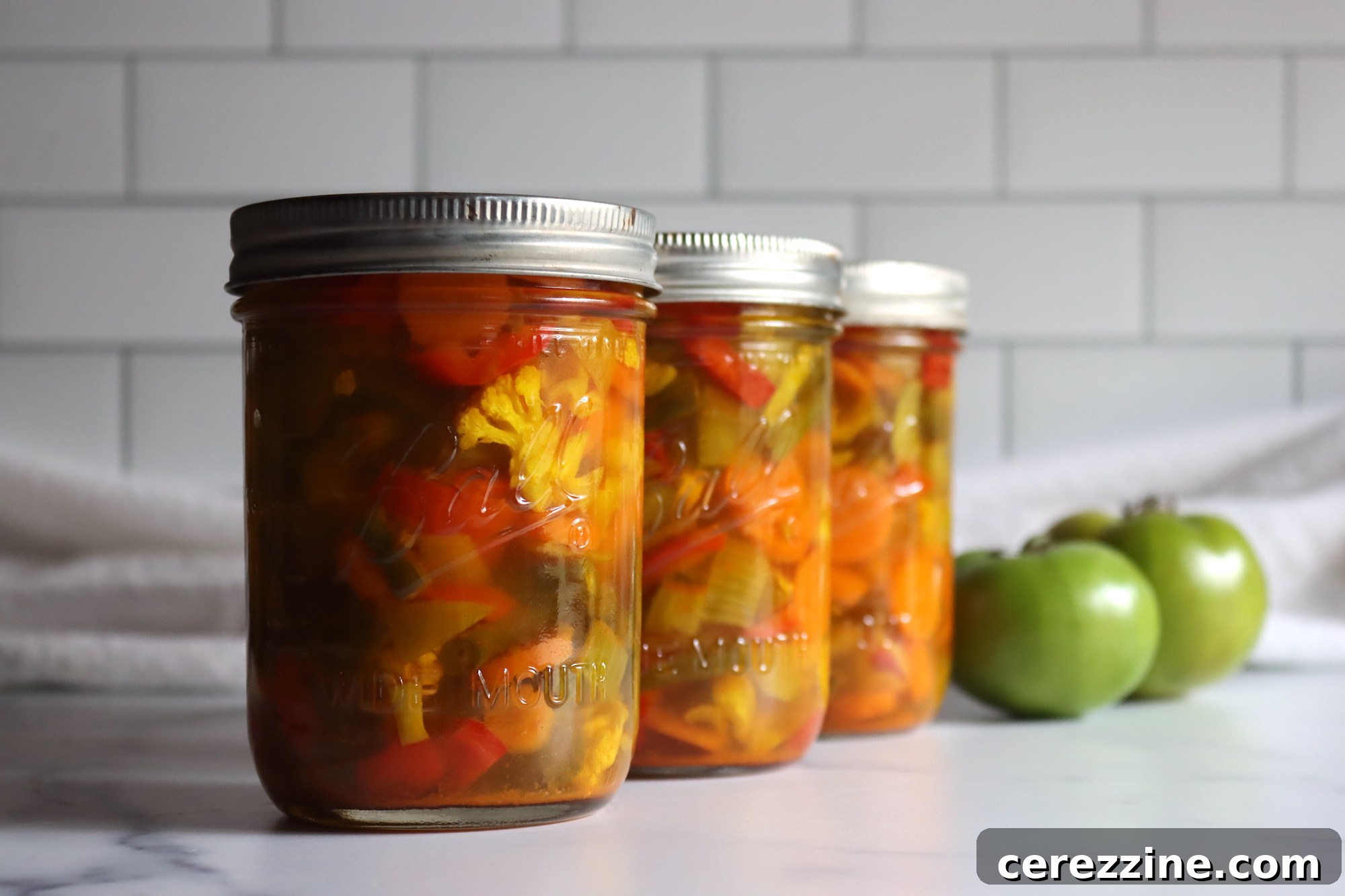
Step into a world of vibrant flavors and rich culinary heritage with Amish Chow Chow, a beloved homemade relish that has graced tables for generations. More than just a condiment, this chunky, sweet-tangy preserve is a testament to the art of food preservation, transforming garden-fresh vegetables into a delightful side dish perfect for any occasion.
Amish Chow Chow is a traditional, robust relish that embodies the spirit of using nature’s bounty to its fullest. It’s not merely about pickling vegetables; it’s about crafting a harmonious blend of crisp textures and bold tastes that awaken the palate. Imagine the crunch of fresh cabbage and bell peppers, the subtle sweetness of carrots, and the unique zest of green tomatoes, all infused with a perfectly balanced vinegar brine. This isn’t just a recipe; it’s a journey back to a time when preserving the harvest was a way of life, ensuring delicious, wholesome food was available year-round, even in the depths of winter.
This classic relish shines brightest at community gatherings, potlucks, and family suppers, offering a refreshing counterpoint to richer, heavier dishes. It’s an ingenious and delicious method for utilizing an abundance of garden vegetables at the close of the growing season, transforming what might otherwise go to waste into a pantry staple. If you’re ready to explore a culinary tradition that’s both practical and profoundly satisfying, delving into the world of homemade Amish Chow Chow is an excellent place to start.
Exploring the Diverse World of Chow Chow (and Piccalilli)
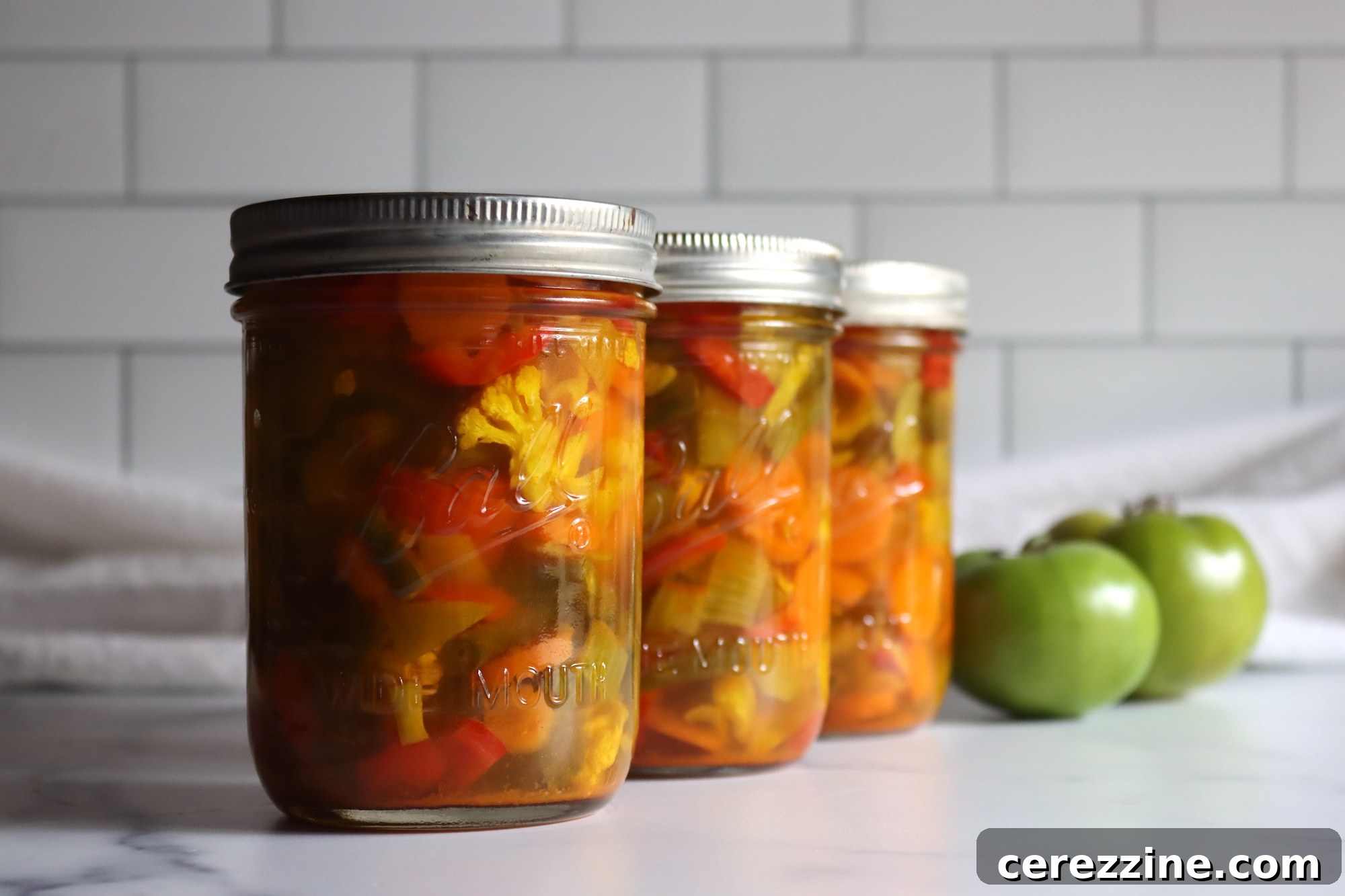
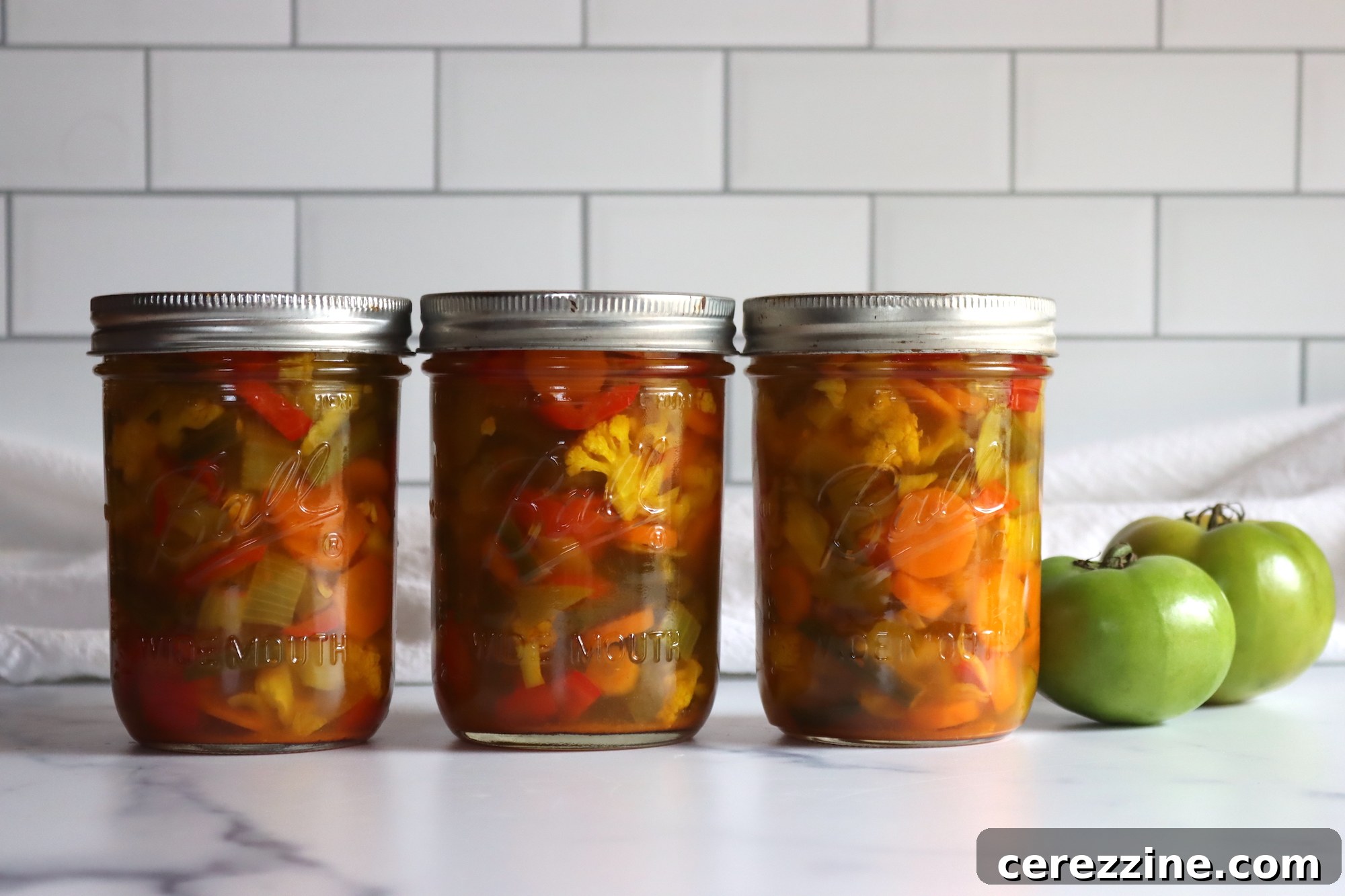
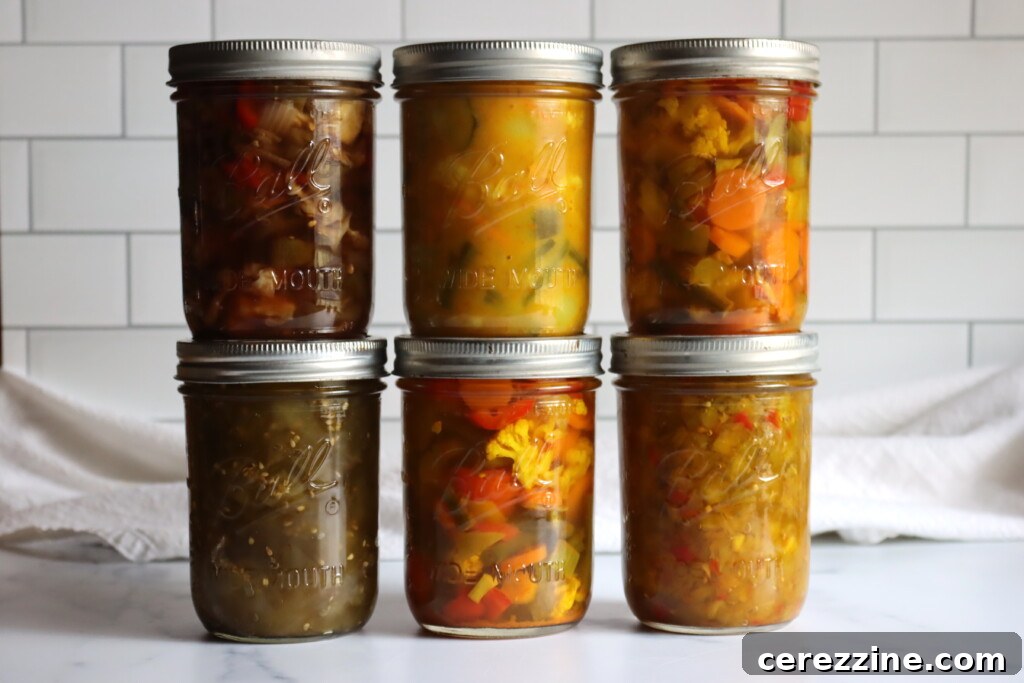
While this particular recipe for Amish Chow Chow celebrates a chunky mix of cauliflower, carrots, and beans swimming in a sweet-tangy vinegar brine, the term “Chow Chow” or “Piccalilli” is a broad umbrella for a fascinating array of pickled vegetable relishes found across different cultures and regions. Each variation boasts its own unique character, influenced by local produce, preferred spices, and culinary traditions. Understanding these differences can inspire you to experiment and find your perfect version.
- Southern Chow Chow: Hailing from the American South, this rendition often emphasizes a simpler blend, primarily focusing on crisp cabbage and tangy green tomatoes. It typically omits beans and carrots found in other versions, leaning into a more piquant and sometimes spicy profile, often with a hint of red pepper flakes. It’s a staple alongside fried chicken, black-eyed peas, or rich barbecue.
- New England Piccalilli: Journeying north, New England’s take on piccalilli introduces a touch of sweetness and a more intricate spice blend. Brown sugar often plays a role, creating a deeper, caramelized flavor that beautifully complements the pickled vegetables. Spices like turmeric, mustard powder, and ginger are common, giving it a distinctive golden hue and aromatic complexity, often served with corned beef or strong cheeses.
- Canadian Green Tomato Chow Chow: Across the border, Canadian versions often highlight the versatility of green tomatoes. This style tends to be more pared down, focusing on the tartness of unripe tomatoes combined with onions and peppers, making for a straightforward yet utterly satisfying relish. It’s a popular accompaniment for meat pies, cold cuts, and hearty winter meals.
- British Piccalilli: For a truly robust and mustard-heavy experience, British Piccalilli is the archetype. This thick, vibrant yellow relish is characterized by a strong mustard base, often incorporating turmeric for its brilliant color, and a medley of vegetables like cauliflower, gherkins, and onions. It’s traditionally served with cold meats, pork pies, or as part of a ploughman’s lunch, offering a bold and unmistakable flavor.
Each of these styles, while distinct, shares the common goal of preserving the harvest and adding a burst of flavor and texture to a meal. They are culinary cousins, each reflecting the ingenuity and resourcefulness of the regions they represent.
A Quick Look at the Recipe: Amish Chow Chow Essentials
Before we dive into the detailed steps, here’s a snapshot of what you’ll need and what to expect:
- Recipe Name: Amish Chow Chow
- Recipe Type: Relish Canning Recipe
- Canning Method: Water Bath Canning
- Prep Time: 1 Day (overnight soak for vegetables)
- Cook Time: Approximately 10-15 minutes (active cooking)
- Canning Process Time: 10 Minutes (adjust for altitude)
- Yield: Approximately 4 Pints
- Jar Sizes: Quarter Pint, Half Pint, and Pint are ideal
- Headspace: 1/2 inch
- Ingredients Overview: A delightful mix of fresh vegetables, white vinegar, sugar, and essential spices.
- Difficulty: Easy. While it requires an overnight soak, none of the individual steps are complex or difficult, making it accessible for beginners and seasoned canners alike.
Essential Ingredients for Authentic Amish Chow Chow
Creating a truly memorable batch of Amish Chow Chow begins with selecting the right ingredients. This recipe is wonderfully adaptable, allowing for flexibility while staying true to its traditional roots. For a standard canner batch yielding approximately four pints, here’s what you’ll need, along with insights into ingredient choices:
Vegetables and Spices: The Heart of the Relish
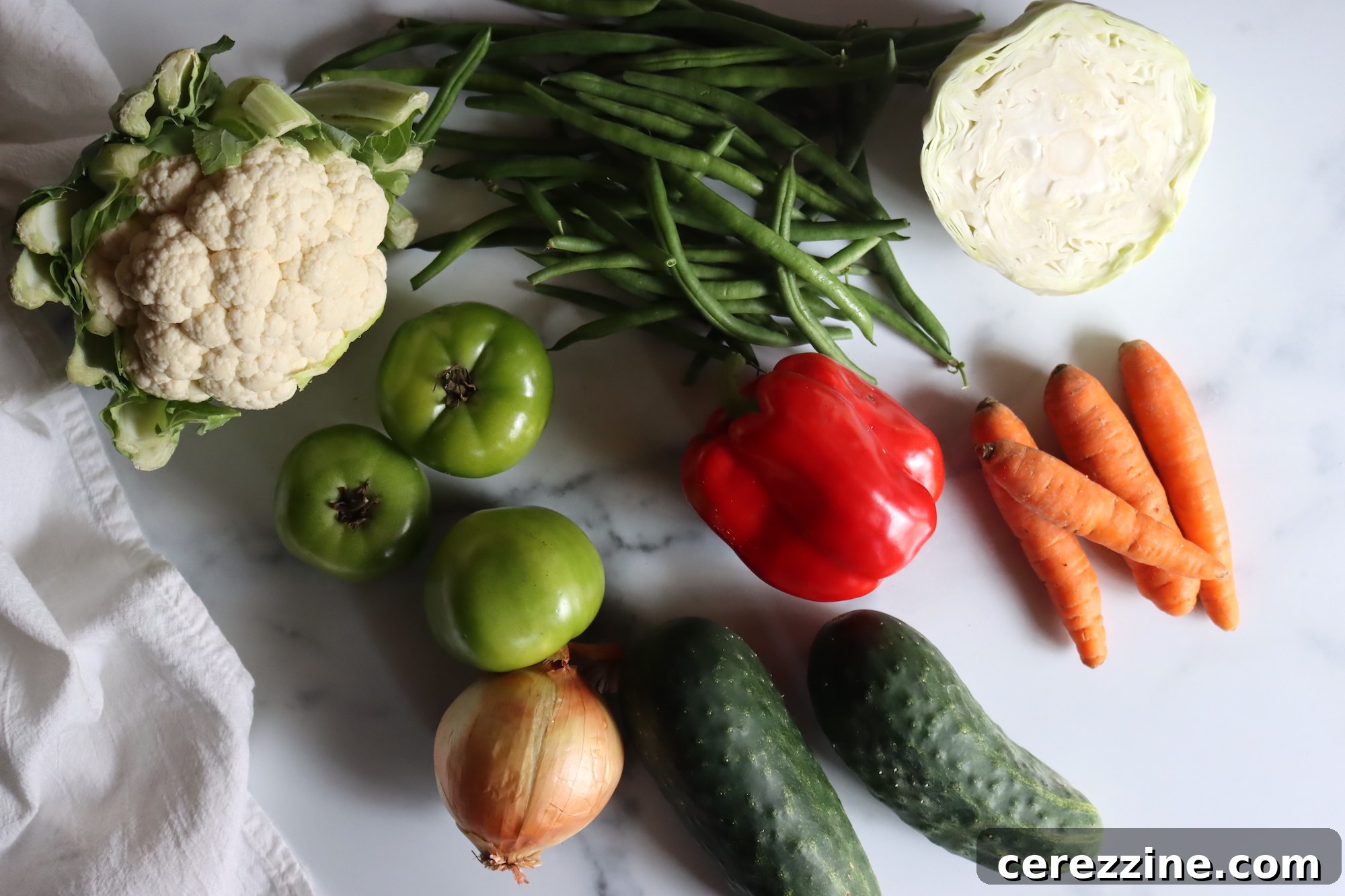
- 1 cup green tomatoes (chopped): Unripe green tomatoes are crucial for the classic tangy profile and firm texture of traditional chow chow. Their tartness is a cornerstone of the flavor.
- 1 cup cabbage (chopped): Cabbage provides a delightful crunch and a slightly peppery undertone that complements the other vegetables.
- 1 cup bell peppers (chopped): Use any color of bell pepper (green, red, yellow, orange) for a burst of fresh flavor and color. Green bell peppers are traditional for their slightly bitter edge.
- 1 cup cucumber (chopped): Adds a refreshing, crisp element. Choose pickling cucumbers for the best texture.
- 1 cup yellow onions (chopped): Onions contribute a pungent sweetness that is essential to any good relish.
- 1 cup cauliflower (broken into small florets): This is a key ingredient for many deluxe Amish Chow Chow versions, adding extra texture and absorbing the brine beautifully.
- 1 cup carrots (chopped): Carrots lend natural sweetness and a vibrant color, alongside a satisfying bite.
- 1 cup green beans (chopped): Green beans add another layer of fresh garden flavor and a distinct tender-crisp texture.
- 2 tsp celery seed: A classic pickling spice that provides a warm, earthy, and slightly bitter note, characteristic of many relishes.
- 2 tsp mustard seed: Essential for that signature tangy, slightly spicy mustard flavor that defines chow chow. Yellow mustard seeds are commonly used.
For the Salt Water Soak:
- 2 quarts water: The base for drawing out excess moisture and pre-seasoning the vegetables.
- ¼ cup salt: Non-iodized canning or pickling salt is recommended to avoid discoloration and ensure proper preservation.
For the Pickling Brine:
- 2 cups sugar: Balances the acidity of the vinegar and the tartness of the green tomatoes, creating the sweet-tangy flavor profile.
- 2 cups white vinegar: A minimum of 5% acidity white vinegar is absolutely critical for safe water bath canning and provides the essential pickling tang. Do not substitute with lower acidity vinegars.
Ingredient Flexibility and Essential Considerations:
The beauty of this recipe lies in its adaptability. Most canning-safe vegetables can be substituted or added to this relish due to its high vinegar content. The acid in the pickling liquid acts as the primary preservative, making relishes more forgiving than other canning recipes in terms of exact vegetable proportions. If you have a particular aversion to an ingredient, feel free to swap it out for more of another preferred vegetable. For example, if you’re not a fan of cauliflower, you could increase the amount of cabbage or bell peppers.
However, for a truly traditional experience, especially if it’s your first time, I highly recommend following the recipe as written. The inclusion of green tomatoes, in particular, is a hallmark of authentic chow chow and piccalilli recipes across North America, contributing a unique tartness and texture that cannot be replicated with ripe tomatoes.
Step-by-Step Guide to Crafting Your Amish Chow Chow
Making Amish Chow Chow is a rewarding process that combines simple steps with a little patience to yield a truly delicious result. Follow these instructions carefully to ensure a flavorful and safely preserved relish.
1. Initial Vegetable Preparation and Overnight Soak
Begin by thoroughly washing all your vegetables: green tomatoes, cabbage, bell peppers, cucumbers, onions, and cauliflower. Chop them into uniform, small, bite-sized pieces. Consistency in size helps with even pickling and a better final texture. Once chopped, place these vegetables in a large, non-reactive bowl.
In a separate container, dissolve the ¼ cup of salt in 2 quarts of water to create your brine. Pour this salt solution over the chopped vegetables in the bowl, ensuring they are fully submerged. This overnight soak is a crucial step: it helps to draw out excess moisture from the vegetables, intensifying their flavor, and ensuring they remain crisp after canning. Cover the bowl and let it sit at room temperature for at least 12 hours, or overnight.
2. Preparing the Harder Vegetables
The next day, drain and thoroughly rinse the soaked vegetables. This removes the excess salt and any impurities. Set them aside.
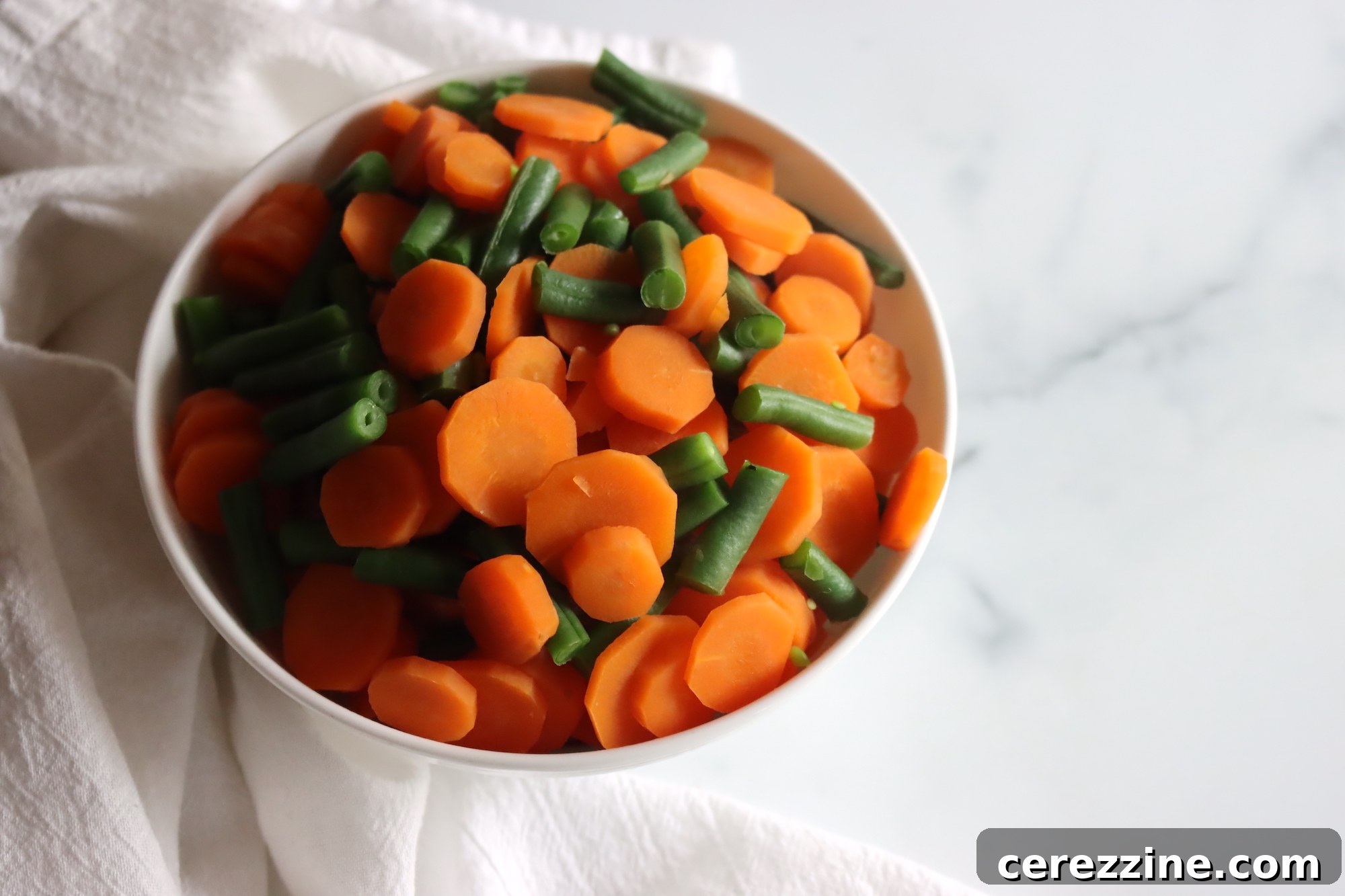
In a separate pot, bring a small amount of water to a boil. Add the chopped carrots and green beans to the boiling water and cook for approximately ten minutes. This blanching step is important because carrots and green beans are denser and take longer to soften than the other vegetables. Pre-cooking them ensures they achieve a tender-crisp texture in the final chow chow, preventing them from being too hard or too mushy. Once cooked, drain them well and add them to the bowl with the other rinsed vegetables.
3. Creating the Flavorful Brine and Combining Ingredients
In a large, non-reactive stockpot, combine the sugar and white vinegar for your pickling brine. Bring this mixture to a rolling boil over medium-high heat, stirring occasionally to ensure the sugar fully dissolves. Once boiling, add all of the prepared vegetables (the overnight-soaked and rinsed vegetables, plus the blanched carrots and green beans) and the celery and mustard seeds to the pot. This is the moment where the distinct flavors truly begin to meld.
4. Heating Through and Preparing for Storage
Continue to heat the mixture in the large pot, stirring occasionally, until it reaches a gentle boil. Allow it to simmer for 2-3 minutes, ensuring all the ingredients are thoroughly heated through and have begun to absorb the flavorful brine. The vegetables should still retain some of their crispness.
At this stage, you have two options for storage:
- Refrigerator Pickle: If you prefer not to can, you can ladle the hot chow chow into clean jars, allow them to cool to room temperature, and then store them in the refrigerator. This “refrigerator pickle” will remain fresh and delicious for several weeks.
- Water Bath Canning (for Shelf-Stability): For a shelf-stable preserve that can be enjoyed for up to a year, you will need to proceed with water bath canning. This method ensures long-term preservation and safety.
Mastering the Art of Water Bath Canning for Shelf-Stable Relish
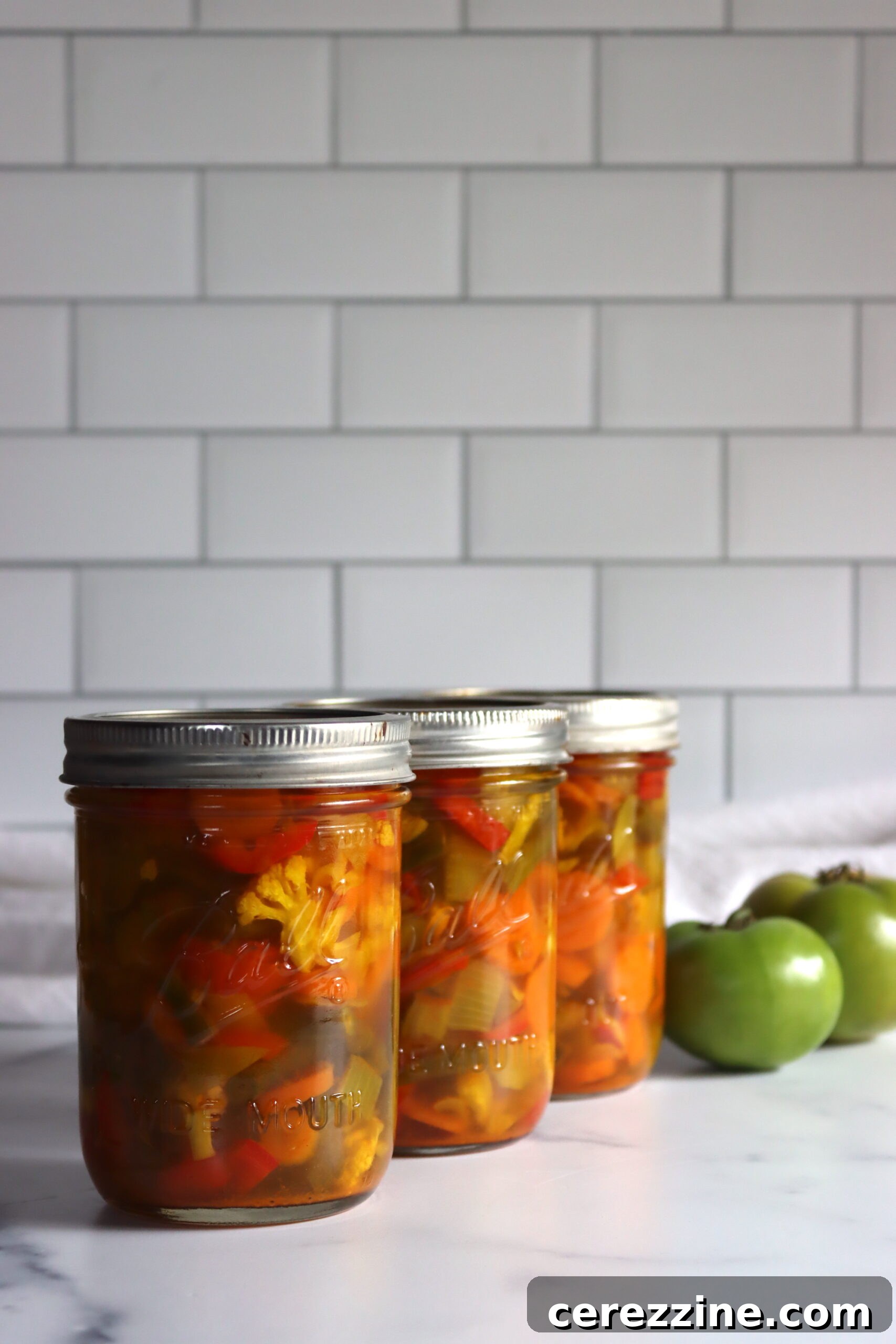
Water bath canning is a safe and effective method for preserving high-acid foods like Amish Chow Chow, allowing you to store your homemade relish in the pantry for up to a year. Follow these steps carefully to ensure a successful and safe canning process.
1. Prepare Your Canning Equipment
Before you begin, ensure your water bath canner, jars, lids, and bands are clean and ready. Wash jars in hot, soapy water, rinse thoroughly, and keep them hot (either in the canner, a warm oven, or a dishwasher) to prevent thermal shock when adding the hot chow chow. New lids should be simmered in hot (not boiling) water to soften the sealing compound; bands simply need to be clean.
2. Packing the Jars
Using a slotted spoon or ladle, carefully pack the hot Amish Chow Chow into your hot pint jars. Leave a ½-inch headspace between the surface of the relish and the rim of the jar. This headspace is crucial for proper sealing and to allow for expansion during processing. If necessary, add more chow chow to ensure the vegetables are adequately submerged in the pickling liquid. Use a non-metallic utensil (like a plastic spatula or chopstick) to remove any air bubbles by gently running it around the inside of the jar.
3. Clean Rims and Secure Lids
Wipe the rims of each jar thoroughly with a clean, damp cloth. Any food residue on the rim can prevent a proper seal. Place a sanitized lid on top of each jar, ensuring it’s centered. Then, screw on the band fingertip tight – this means tightening until you feel resistance, but without excessive force. Over-tightening can interfere with the sealing process.
4. Processing in the Water Bath Canner
Carefully load the filled and sealed jars into the hot water bath canner. Ensure the jars are not touching each other or the sides of the canner, allowing for even heat circulation. Add more hot water to the canner if needed, ensuring that the tops of the jars are covered by at least one inch of water. Bring the water to a full, rolling boil. Once boiling vigorously, begin your processing time.
Process pint jars for ten minutes if you are at an altitude of 0 to 1,000 feet. For higher altitudes, adjustments are necessary to ensure food safety (see altitude adjustment guide below).
5. Cooling and Checking Seals
Once the processing time is complete, turn off the heat and carefully remove the canner lid. Allow the jars to sit in the hot water for about 5 minutes before carefully lifting them out using a jar lifter. Place the hot jars on a clean towel or cooling rack, ensuring they are not touching each other, and allow them to cool undisturbed at room temperature for 12 to 24 hours.
As the jars cool, you should hear a “ping” sound as the lids seal. After 24 hours, check the seals by pressing down on the center of each lid. If the lid is concave and does not flex, it is sealed. If a lid is still convex or pops when pressed, it has not sealed properly. Any unsealed jars should be refrigerated immediately and consumed within a few weeks. Properly sealed jars can be labeled with the date and stored in a cool, dark place for up to one year.
Altitude Adjustments for Safe Canning
Altitude affects the boiling point of water, which in turn impacts the effectiveness of water bath canning. To ensure the safety and longevity of your Amish Chow Chow, it’s crucial to adjust processing times according to your elevation:
- For 0 to 1,000 Feet in Elevation: Process pint jars for 10 minutes and quart jars for 15 minutes.
- For 1,001 to 6,000 Feet in Elevation: Process pint jars for 15 minutes and quart jars for 20 minutes.
- Above 6,001 Feet in Elevation: Process pint jars for 20 minutes and quart jars for 25 minutes.
Savoring Your Homemade Amish Chow Chow: Serving Suggestions and Pairings
Congratulations! You’ve successfully canned your own batch of delicious Amish Chow Chow. Now comes the best part: enjoying its unique sweet-tangy flavor. This versatile condiment or side dish can elevate a wide array of meals, adding a burst of freshness and a delightful crunch.
Traditional Pairings and Classic Uses:
- Hearty Meats: Amish Chow Chow is an exceptional accompaniment to grilled or roasted meats. Its acidity cuts through the richness of pork, beef, and chicken, making it a perfect partner for pulled pork, pot roast, or a simple grilled steak.
- Sandwiches and Burgers: Forget plain pickles! A spoonful of chow chow adds incredible texture and flavor to burgers, hot dogs, and any kind of sandwich, from cold cuts to a classic grilled cheese.
- Potlucks and Community Suppers: True to its origins, serve Amish Chow Chow as a vibrant side dish at gatherings. It brightens up casseroles, heavy stews, and bean dishes, offering a refreshing contrast.
- Fried Foods: The tangy bite of chow chow is a fantastic counterpoint to the richness of fried chicken, fish, or even homemade potato fries.
Creative Serving Ideas:
- Cheese and Cracker Boards: Add a small bowl of Amish Chow Chow to your charcuterie or cheese board for a surprising and delightful element. Its vibrant flavor pairs wonderfully with sharp cheeses and crusty bread.
- Salad Topper: Stir a tablespoon into potato salad, macaroni salad, or coleslaw for an extra layer of flavor and texture. It can also be a unique topping for green salads.
- Deviled Eggs: Mix a little finely chopped chow chow into your deviled egg filling for an unexpected zing.
- Tacos and Burritos: Use it as a fresh, pickled topping for fish tacos or pulled pork burritos.
- Breakfast Boost: Surprisingly delicious alongside scrambled eggs or a savory breakfast hash.
Remember that Amish Chow Chow boasts an intense, concentrated flavor due to the pickling process. A little goes a long way! Start with smaller portions to allow your taste buds to fully appreciate its complex profile. Its vibrant taste and crunchy texture will quickly make it a staple in your culinary repertoire.
If you tried this Amish Chow Chow recipe, or any other recipe on Creative Canning, leave a ⭐ star rating and let me know what you think in the 📝 comments below!
And make sure you stay in touch with me by following on social media!