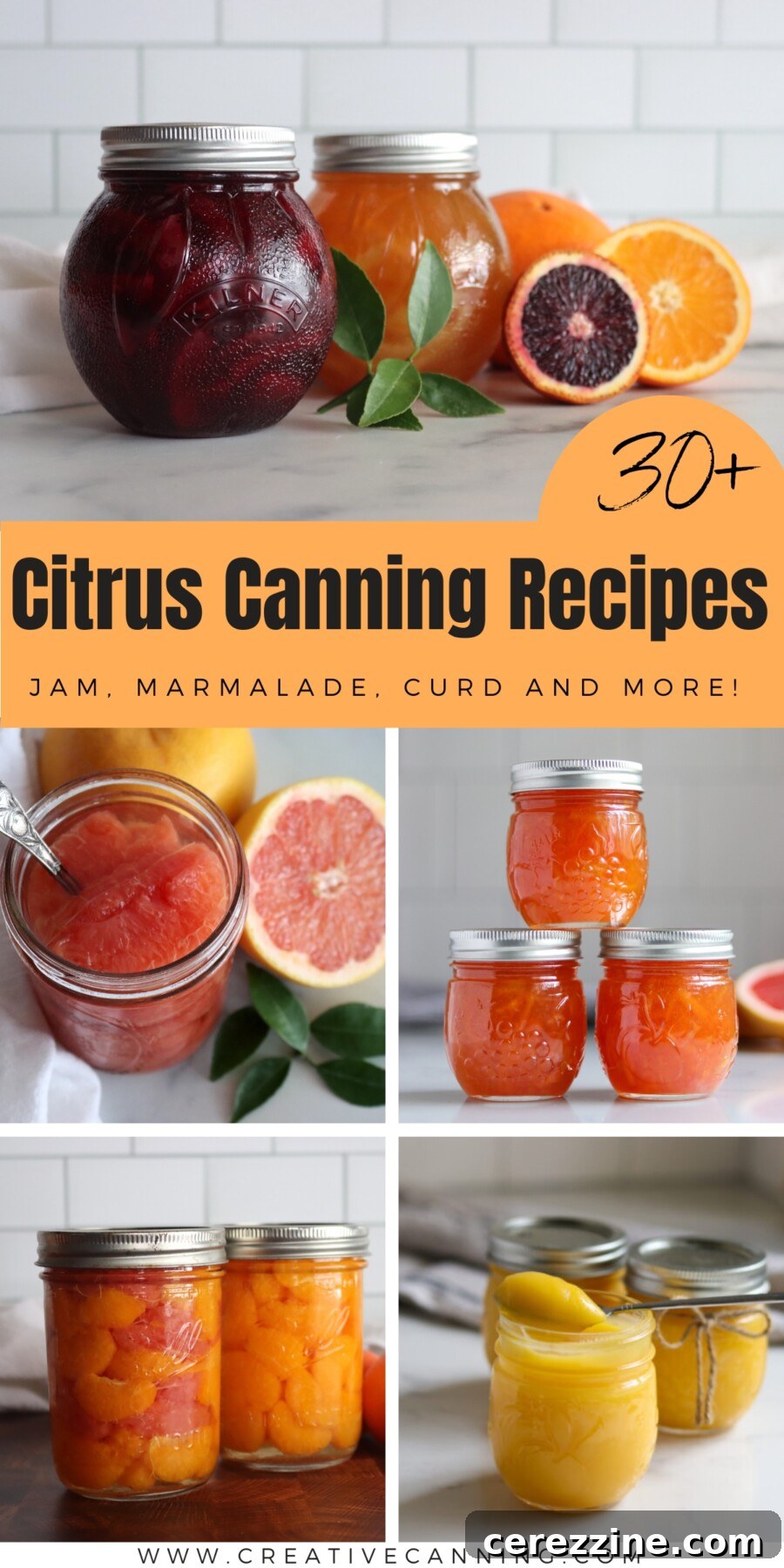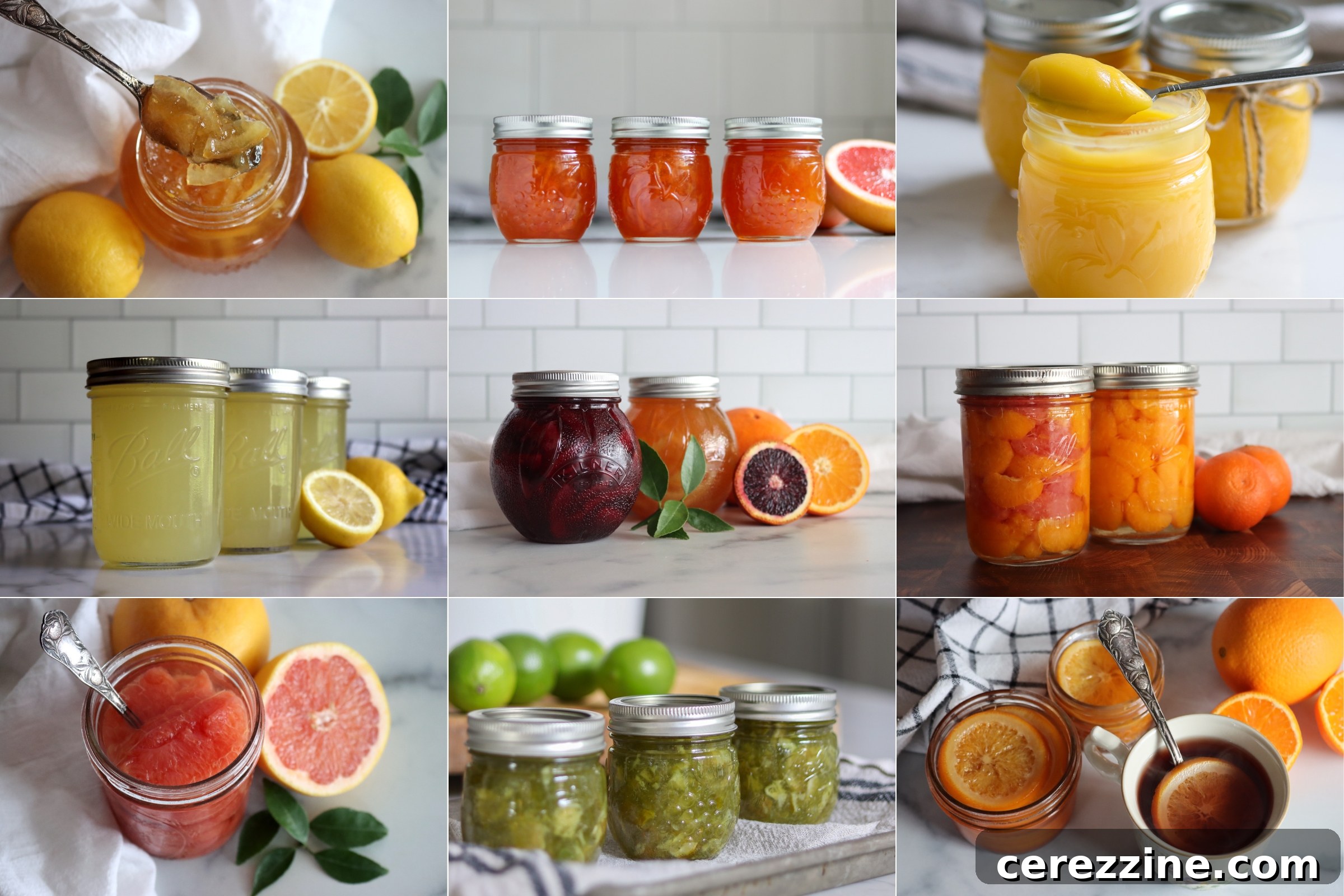
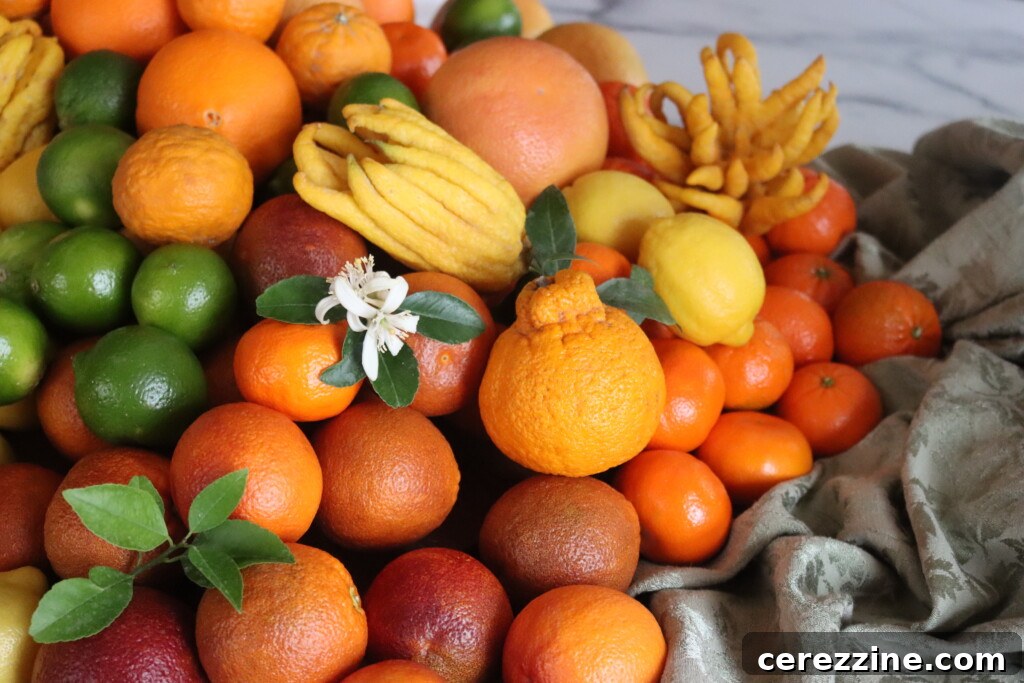
Citrus canning recipes are a beloved tradition, transforming the vibrant bounty of winter citrus into a ray of sunshine that lasts through the coldest months. When the garden slumbers under a blanket of snow and chilly days stretch on, reaching for a jar of homemade, bright lemony curd, tangy marmalade, or tender orange sections suspended in sweet syrup feels like a delicious triumph over the season. This act of preservation not only extends the enjoyment of these flavorful fruits but also connects us to age-old practices of making the most of nature’s seasonal gifts.
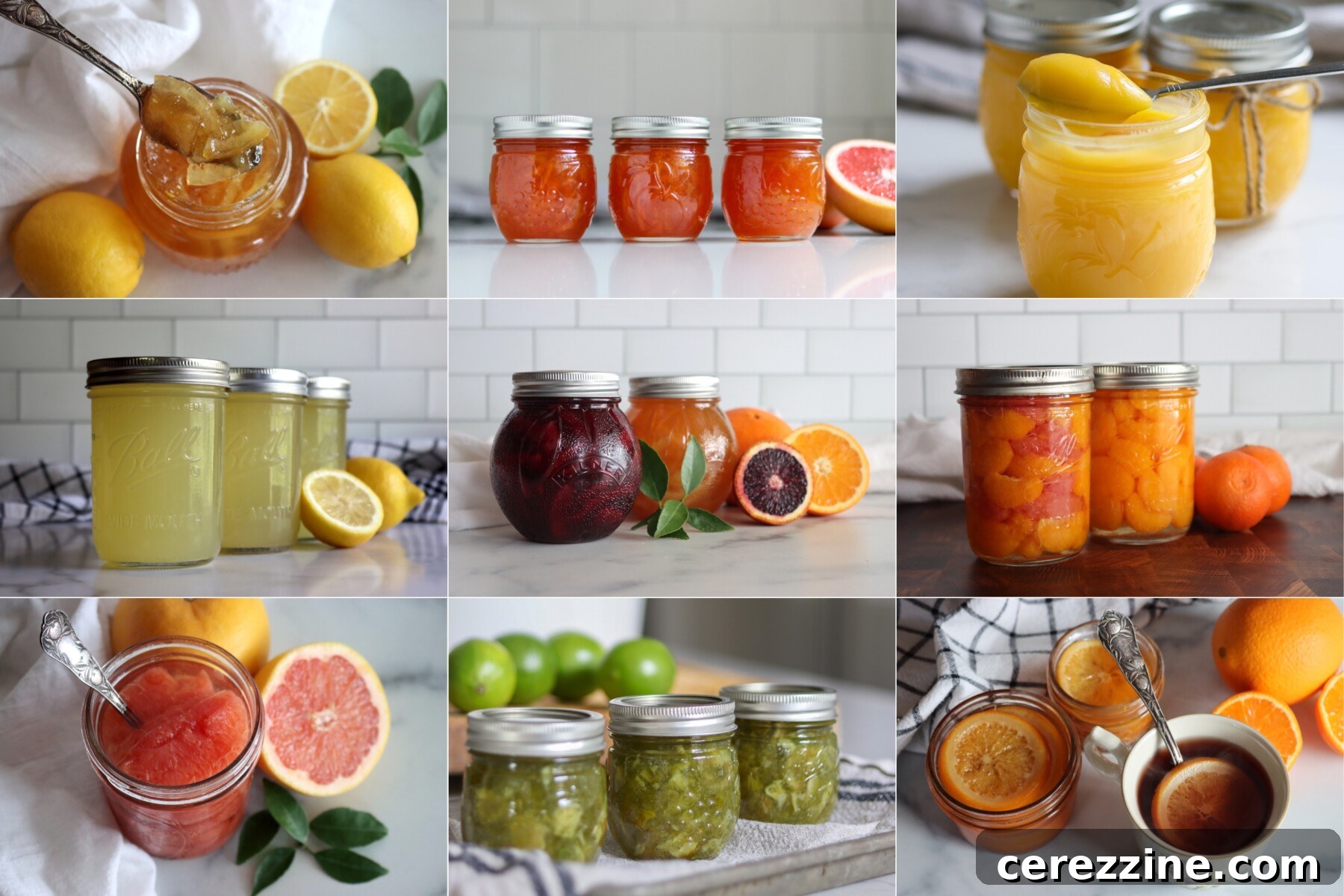
While exotic citrus varieties aren’t typically native to cooler climates like New England, they stand out as some of the most versatile and valuable “winter fruits” for home preserving. Winter marks the peak season when grocery stores are abundant with the freshest and most flavorful citrus, often at irresistible prices. Many home preservers have experienced the delightful dilemma of returning home with a generous box of oranges or a substantial bag of lemons – a deal too good to pass up – only to realize how quickly the cheerful pile can accumulate on the kitchen counter. Canning provides the perfect solution to harness this seasonal abundance, preventing waste and ensuring year-round access to these zesty treasures.
Today, the convenience of purchasing lemons and oranges year-round is largely taken for granted. However, this is a relatively modern luxury. In centuries past, citrus was far more seasonal and considered a precious commodity. People developed ingenious preservation methods to utilize every single part of the fruit, including the vitamin-rich and flavorful peel. This holistic approach not only maximized resources but also led to the creation of unique and complex flavors that we still cherish today.
The history of citrus preservation is deeply woven into the fabric of communities. For instance, here in Vermont, many local food co-ops trace their origins back a hundred years to “citrus buying groups.” Families would pool their resources to order large quantities of citrus by the case from southern states. These communal efforts weren’t just about procurement; they extended to working together during the cold winter months to process and preserve the fruit. This spirit of shared endeavor highlights the enduring value and practicality of preserving citrus.
It’s this rich history that imbues citrus canning recipes with such a timeless appeal. Far from being mere culinary curiosities, preparations like marmalades, jellies, concentrated drink bases, and even savory chutneys are incredibly practical. They offer delightful ways to capture and keep bright, fresh flavors readily available in your pantry, long after the last of the fresh winter harvest has vanished from store shelves. Home canning allows you to control the ingredients, reduce food waste, and enjoy customized flavors tailored to your taste, making it a sustainable and rewarding hobby.
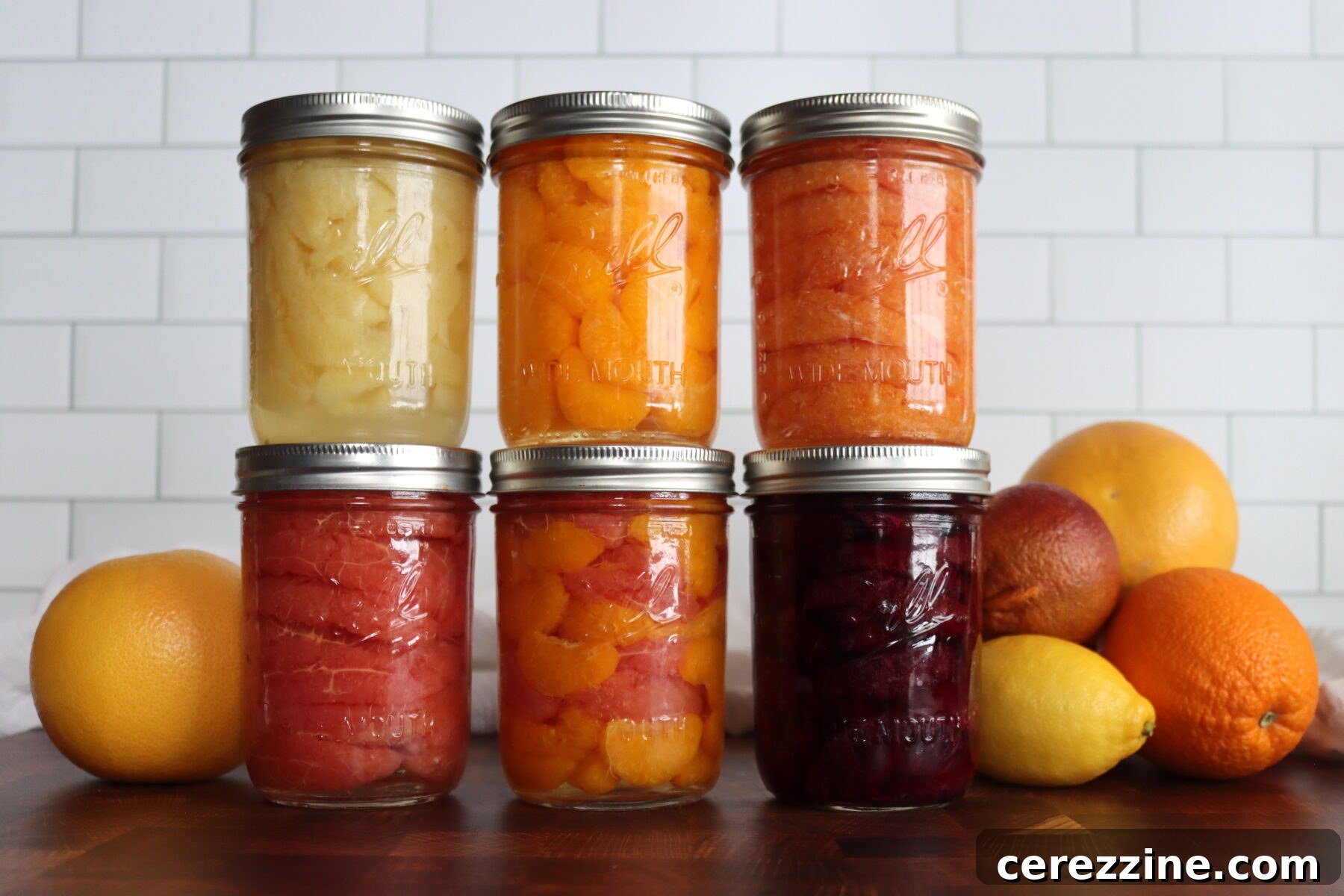
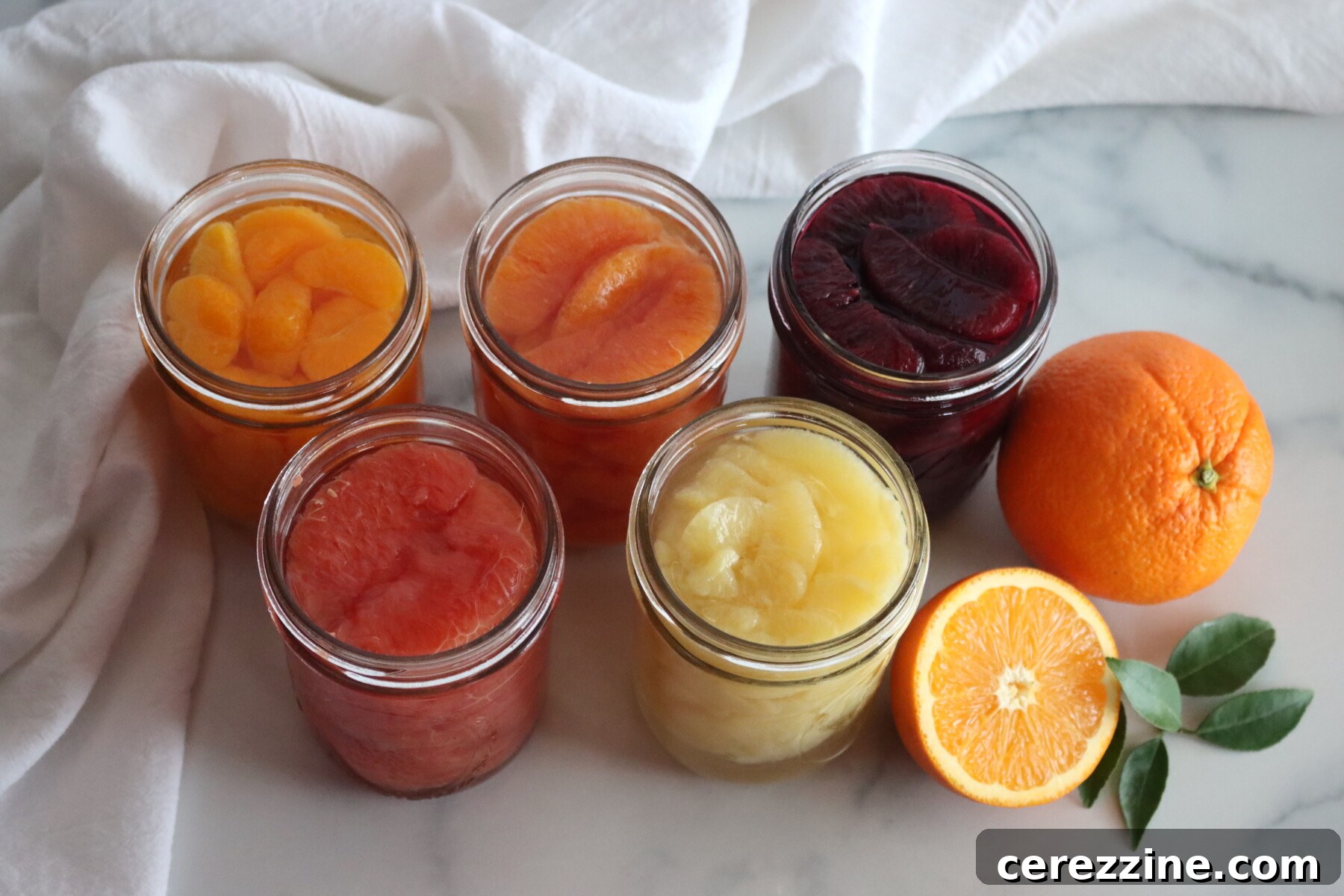
Canning Citrus Sections in Syrup (or Juice)
Imagine having perfectly segmented oranges or grapefruits at your fingertips, ready to elevate quick desserts, refresh salads, or brighten any snack plate. Canning citrus sections makes this dream a pantry reality. The secret to achieving pristine, bright jars lies in meticulously removing the white pith, the part of the fruit that harbors bitterness, and then packing the fruit segments in a hot syrup or fruit juice. This careful preparation ensures a clean, sweet, and pure citrus flavor with every bite.
To simplify the often-tedious task of pith removal, a few drops of Pectic Enzyme can make a significant difference. This enzymatic aid helps to dissolve the tough membranes and pith, making the segmentation process smoother and more efficient, ultimately yielding beautifully clean fruit sections for canning.
These jars of preserved citrus are incredibly versatile and serve as simple, yet elegant, classic pantry staples. They are particularly valuable for those who enjoy crafting quick “something special” desserts without the fuss of baking. Picture spooning them over creamy yogurt or cottage cheese for a healthy breakfast, layering them into delicate parfaits with granola and whipped cream, or serving them alongside a slice of pound cake with a dollop of fresh cream for a sophisticated treat. Their vibrant color and fresh taste can instantly brighten any dish, making them a must-have for any home preserver.
- Canning Oranges
- Canning Grapefruit
The Art of Marmalade Making
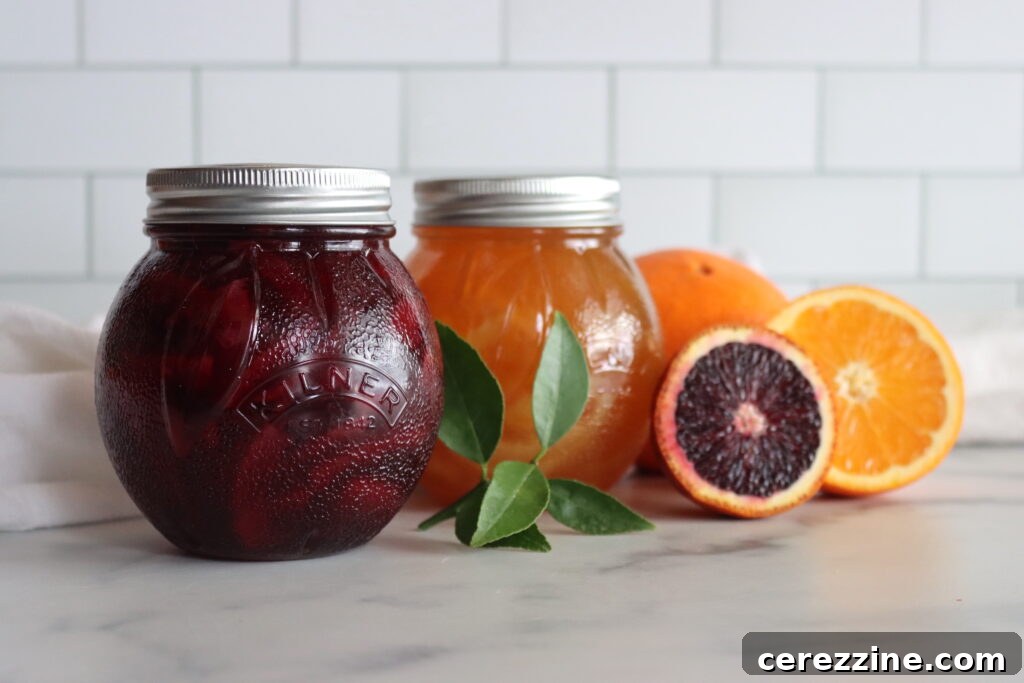
Marmalade truly represents the pinnacle of citrus preservation: a magnificent balance of sweet and tangy, with just enough characteristic bitterness to make it profoundly interesting and utterly addictive. It is also, perhaps, the most ingenious way to utilize the entire fruit, including the peel. This whole-fruit approach is what imbues marmalade with its maximum flavor potential and that signature “bite” or slight chewiness that defines a truly exceptional jar. The pectin naturally present in citrus peel is crucial for achieving the perfect gelled consistency, making it a naturally self-setting preserve.
While classic orange marmalade often serves as the gateway into this delightful world, mastering the fundamental technique opens up a universe of possibilities. Once comfortable with the process, you can effortlessly branch out into a myriad of other citrus varieties. Explore the bright zest of lemon marmalade, the aromatic punch of lime, the intriguing tartness of kumquat, the bold tang of grapefruit, or even showcasestopper fruits like the uniquely fragrant Buddha’s Hand. Each citrus fruit brings its own distinctive flavor profile and character to the marmalade, inviting endless experimentation and culinary adventure. The process of making marmalade, though sometimes perceived as intricate, is deeply rewarding, yielding jars of glistening, jewel-toned preserves that are perfect for toast, pastries, or even as glazes for savory dishes.
- How to Make Marmalade (With Any Citrus)
- Orange Marmalade
- Low-Sugar Orange Marmalade
- Blood Orange Marmalade
- Meyer Lemon Marmalade
- Lemon Marmalade
- Lime Marmalade
- Kumquat Marmalade
- Grapefruit Marmalade
- Buddha’s Hand Marmalade
- Three Citrus Marmalade
- Orange Flower and Pistachio Marmalade
- Seville Orange Marmalade
- Orange Chili Marmalade
Sunny Citrus Jellies & Jams
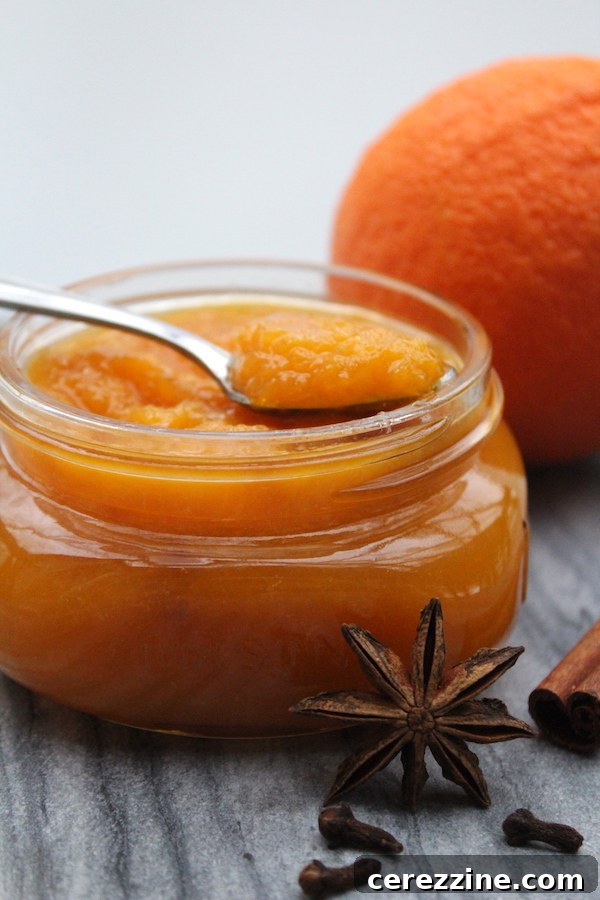
Citrus jelly truly captures pure sunshine in a jar, offering a delightful alternative for those who adore the bright, tangy flavor of citrus but prefer to omit the peel found in marmalades. Orange jelly is a quintessential classic, renowned for its radiant color and vibrant taste. It’s particularly convenient because several tested versions allow for the use of frozen concentrate, meaning you can whip up a batch even when fresh fruit isn’t readily available or if you’re looking for a quick, fuss-free option. This flexibility makes it a fantastic year-round pantry staple.
Beyond their delicious taste, citrus jellies and jams make excellent “giftable” preserves. Their clear, jewel-like appearance and familiar, comforting flavors appeal to almost everyone. There’s also ample room for creative customization; spiced versions, infused with warming notes like cinnamon, cloves, or ginger, are especially cozy and inviting during the colder winter months. These preserves spread beautifully on toast, biscuits, or croissants, and can also be used as a glaze for poultry or a bright accompaniment to a cheese board, adding a touch of homemade elegance to any occasion.
- Spiced Orange Jam
- Orange Jelly (NCHFP)
- Orange Jelly (NCHFP, frozen concentrate version)
- Orange Jelly (Ball)
- Orange Plum Jam
- Rhubarb Orange Jam
Indulgent Lemon (and Lime) Curd
If marmalade is your go-to for daily toast and tea, then citrus curd is truly the “special occasion” preserve. This luxurious spread is renowned for its incredibly rich, velvety-smooth texture and intensely vibrant lemon flavor. A jar of homemade lemon curd has the magical ability to transform plain yogurt, a simple tart shell, or even fresh berries into an exquisite dessert with minimal effort. Its bright, zesty character and decadent consistency make it a truly indulgent treat.
However, this delightful category comes with an important nuance: tested, shelf-stable canned lemon curd is typically intended for shorter storage periods compared to most other canned goods. Quality changes, such as flavor degradation or textural shifts, tend to appear sooner. For this reason, many experienced canners treat it as a “use it this season” preserve rather than a long-term, one-year pantry staple. It’s best enjoyed within a few months to truly appreciate its peak freshness and quality.
For those eager to expand their curd repertoire, many extension programs offer tested variations beyond classic lemon, such as a refreshing lemon-lime curd. This provides a fantastic option if you find yourself with an abundance of limes, ensuring that none of that beautiful citrus goes to waste. These curds are perfect for filling pastries, topping cheesecakes, or simply savoring by the spoonful.
- Lemon Curd
- Canning Lemon Lime Curd (Utah State University Extension)
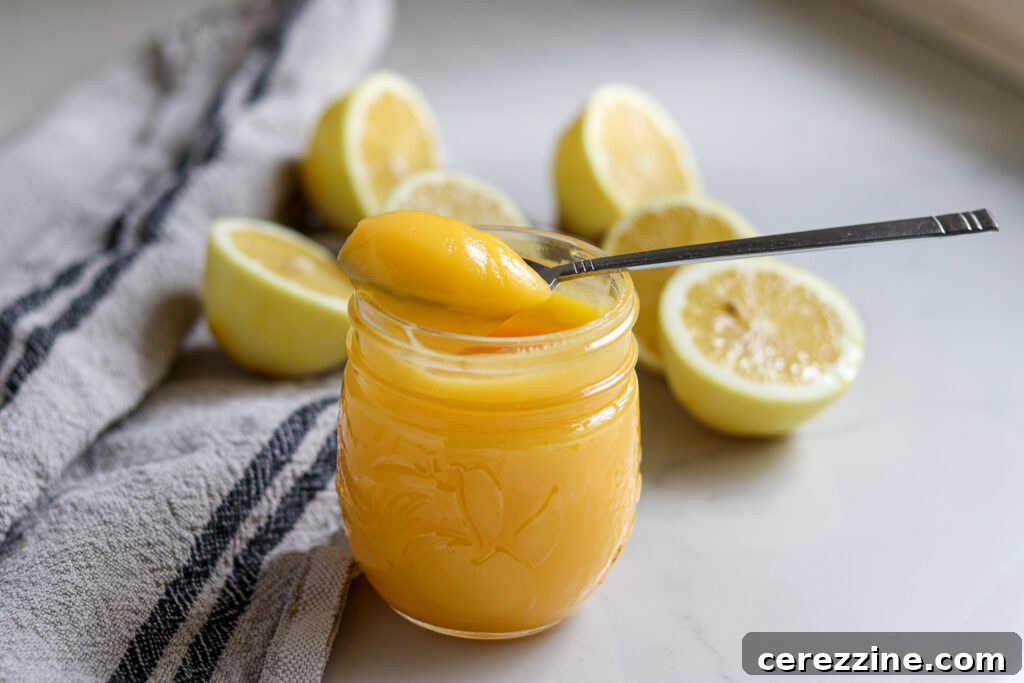
Refreshing Citrus Drink Concentrates
For those who appreciate the convenience of “instant homemade” refreshments on bustling days, citrus drink concentrates are an absolute game-changer. These preserves are essentially pantry-ready sunshine, offering a quick and effortless way to enjoy a delicious, homemade beverage. Simply pop open a jar, dilute with water to your desired strength, and you instantly have refreshing lemonade or limeade without the need to haul out a juicer or squeeze countless fresh fruits. They are a healthy and economical alternative to store-bought options, allowing you to control the sugar content and ingredients.
Once you discover the ease and satisfaction of making these concentrates, it’s remarkably simple to build a diverse collection. Start with classic lemonade and zesty limeade, then explore exciting fruit-citrus blends like strawberry lemonade or blueberry limeade. These concentrates capture the essence of summer, delivering a taste of warm, sunny days even when the snow is falling outside. They’re not just for plain drinks; consider using them as bases for creative cocktails and mocktails, adding a vibrant burst of flavor to your entertaining repertoire. Having these concentrates on hand means you’re always just moments away from a thirst-quenching, flavorful drink.
- Lemonade (& Lemonade Concentrate)
- Limeade (& Limeade Concentrate)
- Strawberry Lemonade Concentrate
- Blueberry Lemonade Concentrate
- Watermelon Lemonade Concentrate
- Plum Lemonade Concentrate
- Cherry Limeade Concentrate
- Canning OrangeJuice
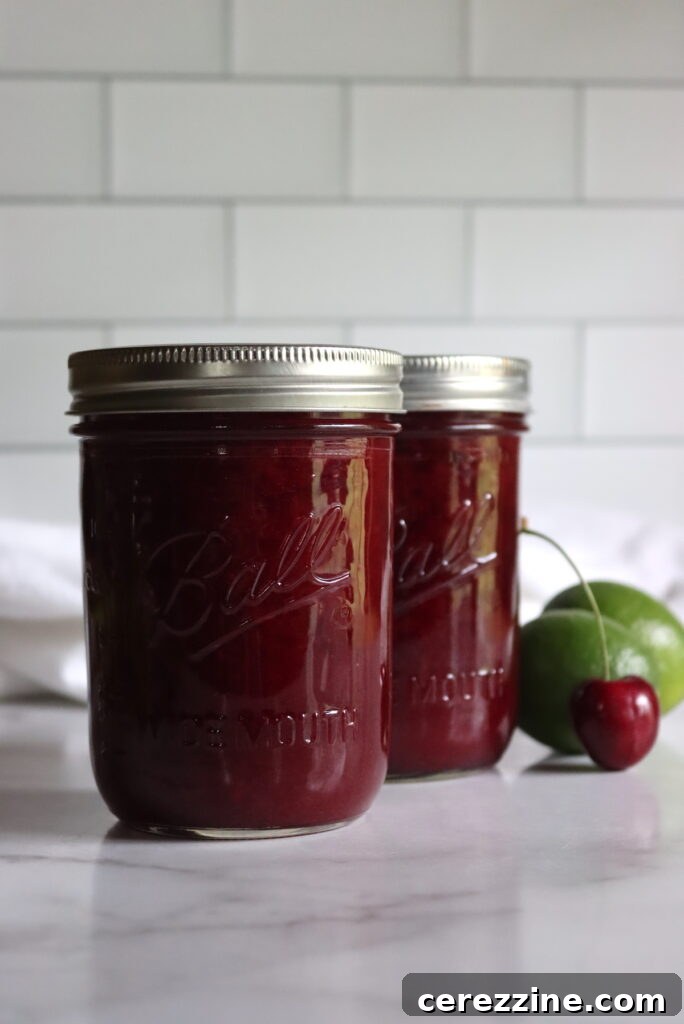
Exquisite Citrus Dessert Sauces & Toppers
Not every delightful citrus preserve is destined for toast. Some of the most satisfying jars are those specifically crafted to elevate desserts, designed to be spooned generously over creamy ice cream, drizzled elegantly on a decadent cheesecake, or used to simply dress up a humble slice of pound cake. These dessert sauces offer a burst of bright, tangy sweetness that can transform an ordinary treat into something truly extraordinary.
These recipes often emphasize the pure, fruit-forward essence of citrus, making them a fantastic solution for utilizing a surplus of mandarins, clementines, or any other citrus variety you might have acquired during a momentary lapse in judgment – when “just a few” turns into an entire crate! Beyond their obvious applications, these sauces can also be used as fillings for crepes, toppings for pancakes or waffles, or even incorporated into smoothies for an extra layer of flavor. They bring a lively zest and beautiful color, making them a vibrant addition to your dessert repertoire and a wonderful way to enjoy citrus in a sweet, luxurious form.
- Sunshine Citrus Dessert Sauce (Bernardin)
- Oranges in Cointreau (Bernardin)
- Cranberry Orange Sauce
- Orange Slices in Honey Syrup
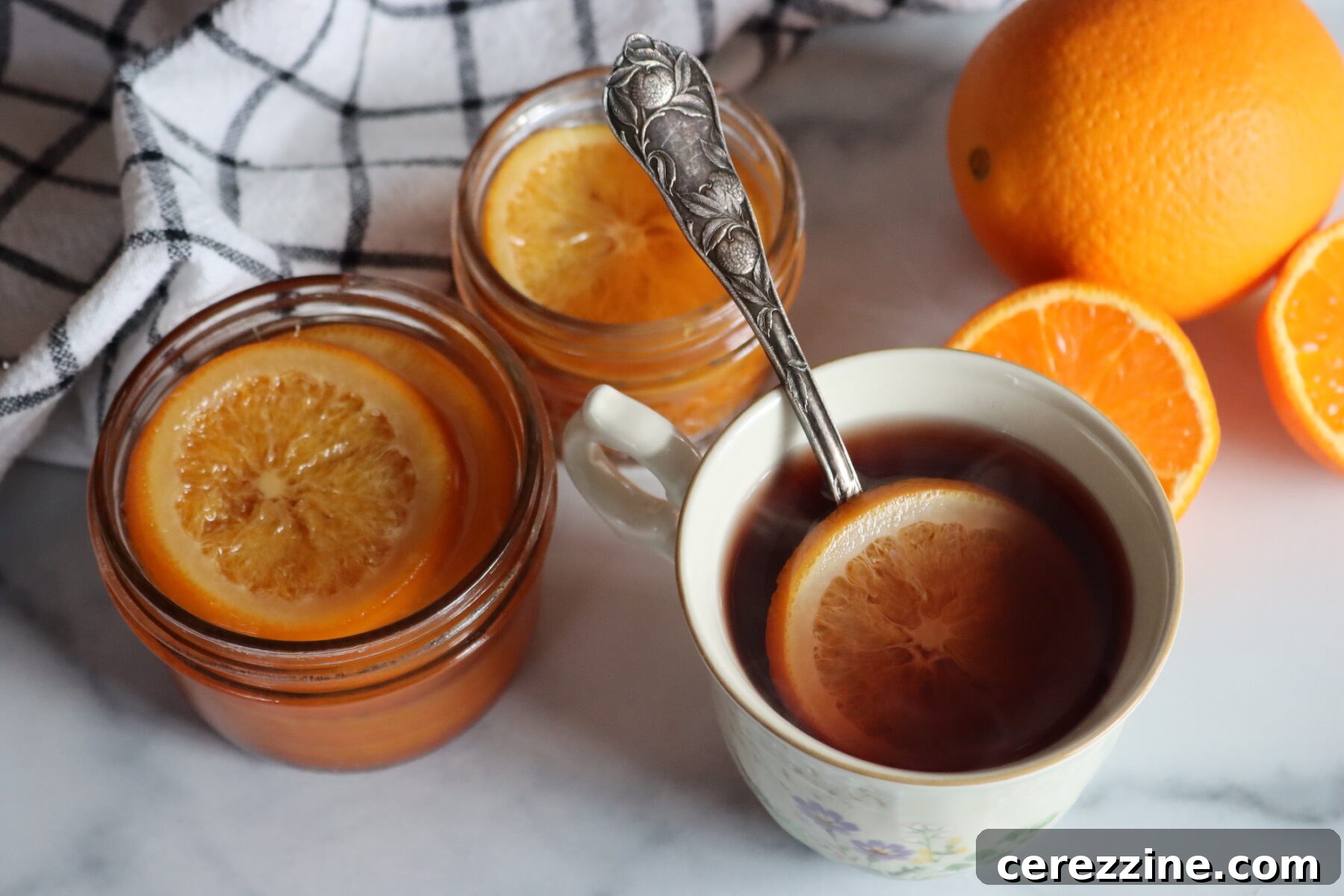
Unexpected Citrus Pickles
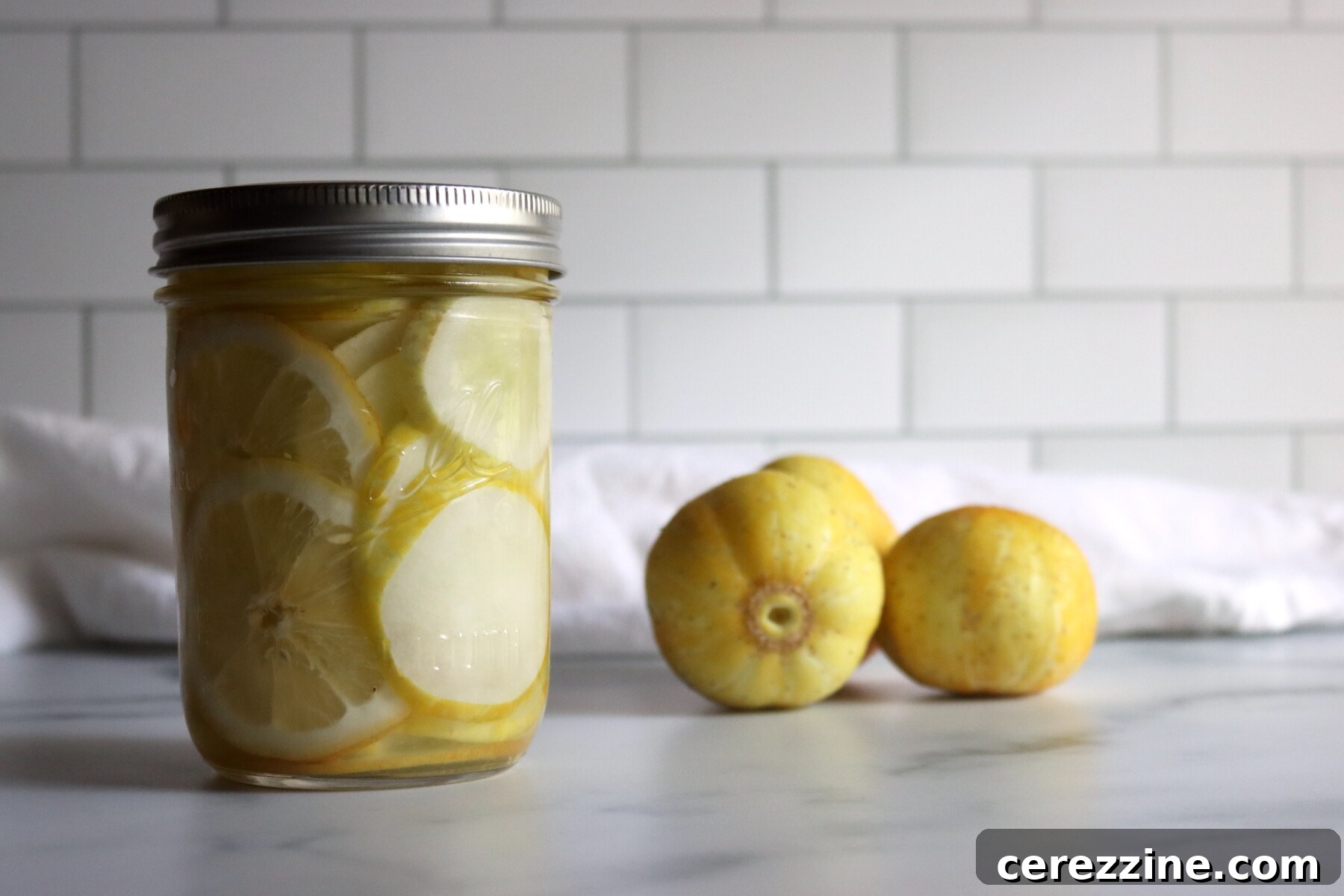
Citrus plays a surprisingly nuanced and transformative role in pickles, not necessarily as the primary pickled fruit, but as the bright, zippy acidic component that completely alters and elevates the overall flavor profile. Lemon juice, in particular, is celebrated for its ability to make pickles taste lighter, fresher, and notably less harsh than those made with straight vinegar. It introduces a subtle tang and aromatic complexity that can truly set a pickle apart.
If you have a fondness for sweet-tart condiments – the kind that perfectly complement a sophisticated cheese board, cut through the richness of roasted meats, or add a vibrant kick to sandwiches – then this category of citrus-infused pickles is a delightful addition to your pantry. From refreshing cucumber pickles brightened by lemon to more exotic lime pickles, these preserves offer a unique flavor dimension. They challenge traditional notions of pickling, demonstrating the incredible versatility of citrus beyond sweet applications. Experiment with various vegetables, knowing that a touch of citrus will bring an unexpected, delightful zing.
- Cucumber Lemon Pickles (Bernardin)
- Lime Pickle (Bernardin)
- Pickled Beets with Fennel Seed and Orange
Aromatic Citrus Chutneys
Chutney is truly where citrus finds its most compelling expression in savory applications. The inherent sweetness, invigorating acidity, and delicate aromatics of citrus fruits harmonize exquisitely with warm, earthy spices, pungent onions, and tangy vinegar. This intricate combination yields a condiment that feels perfectly at home alongside a succulent roast pork, nestled in a hearty turkey sandwich, or as a sophisticated accompaniment to a gourmet cheese board. Citrus elevates chutneys, providing a complex flavor profile that tantalizes the palate.
Citrus performs beautifully in chutneys because it contributes both a subtle bitterness and a vital brightness, preventing the overall flavor from becoming flat or one-dimensional. Some chutney variations lean heavily into the lemon, creating a profile that might even echo the vibrant complexity of a savory marmalade. Others utilize orange more as a supporting note, its gentle sweetness and floral undertones expertly tying together a medley of robust flavors. Whether it’s a cranberry-orange blend or an adventurous lemon-peach fusion, citrus ensures these chutneys are lively, balanced, and deeply satisfying, offering a burst of flavor with every spoonful.
- Cranberry Orange Chutney (NCHFP)
- Orange Rhubarb Chutney (Bernardin)
- Lemon Peach Turmeric Chutney (Ball)
Ultimately, citrus canning recipes yield some of the most satisfying and frequently utilized jars in any home pantry. Their inherent versatility and vibrant flavors ensure they don’t just sit on the shelf; they truly get used. A single spoonful of homemade marmalade can transform a mundane breakfast into a special, delightful ritual. A jar of lemonade concentrate effortlessly turns into a refreshing treat in mere minutes, perfect for unexpected guests or a quick pick-me-up. And having canned citrus sections on hand provides an incredibly easy way to brighten desserts, add zest to salads, or enhance savory dishes, especially when fresh fruit options are scarce or out of season.
Once you’ve embraced the art of home canning and stocked your pantry with a few of these essential citrus staples, the perception of citrus shifts. It ceases to be merely a “seasonal impulse buy” that might go to waste. Instead, it transforms into one of the most accessible, economical, and rewarding ways to ensure that real, fresh, and vibrant flavors are always available in your kitchen, enriching your meals and elevating your culinary experience all winter long. Explore these diverse methods and discover the joy of preserving citrus!
More Creative Canning Recipe Lists
If you’re eager to continue stocking your pantry and seeking further tested canning inspiration, whether by ingredient or project type, these comprehensive roundups are an excellent next stop on your preservation journey. Dive in and discover even more ways to fill your shelves with homemade goodness.
30+ Strawberry Canning Recipes: Sweet Ways to Preserve Summer
100+ Soup Canning Recipes: Hearty Meals for Your Pantry
30+ Cucumber Pickle Recipes (Beyond Dill Pickles): Explore New Flavors