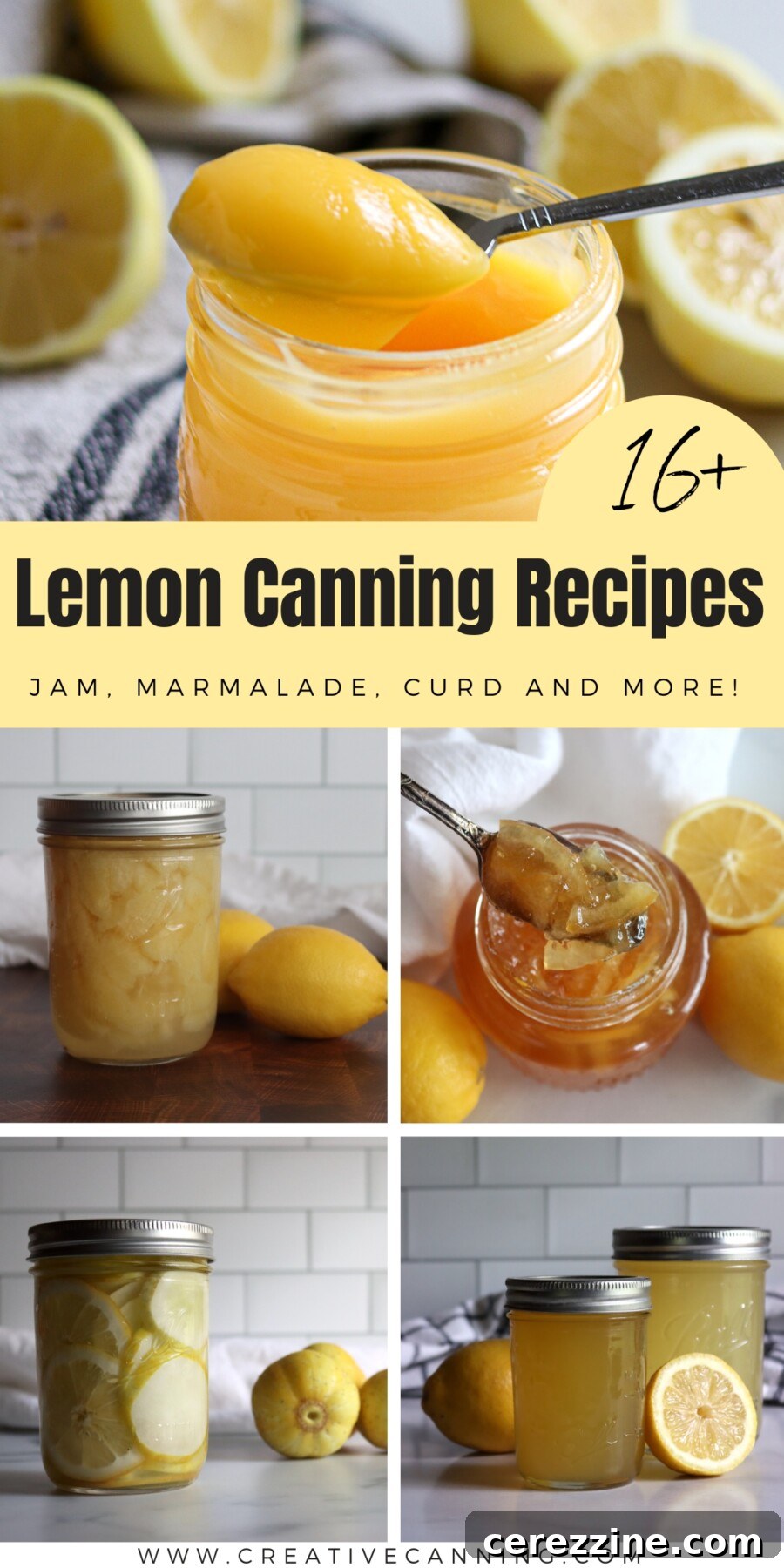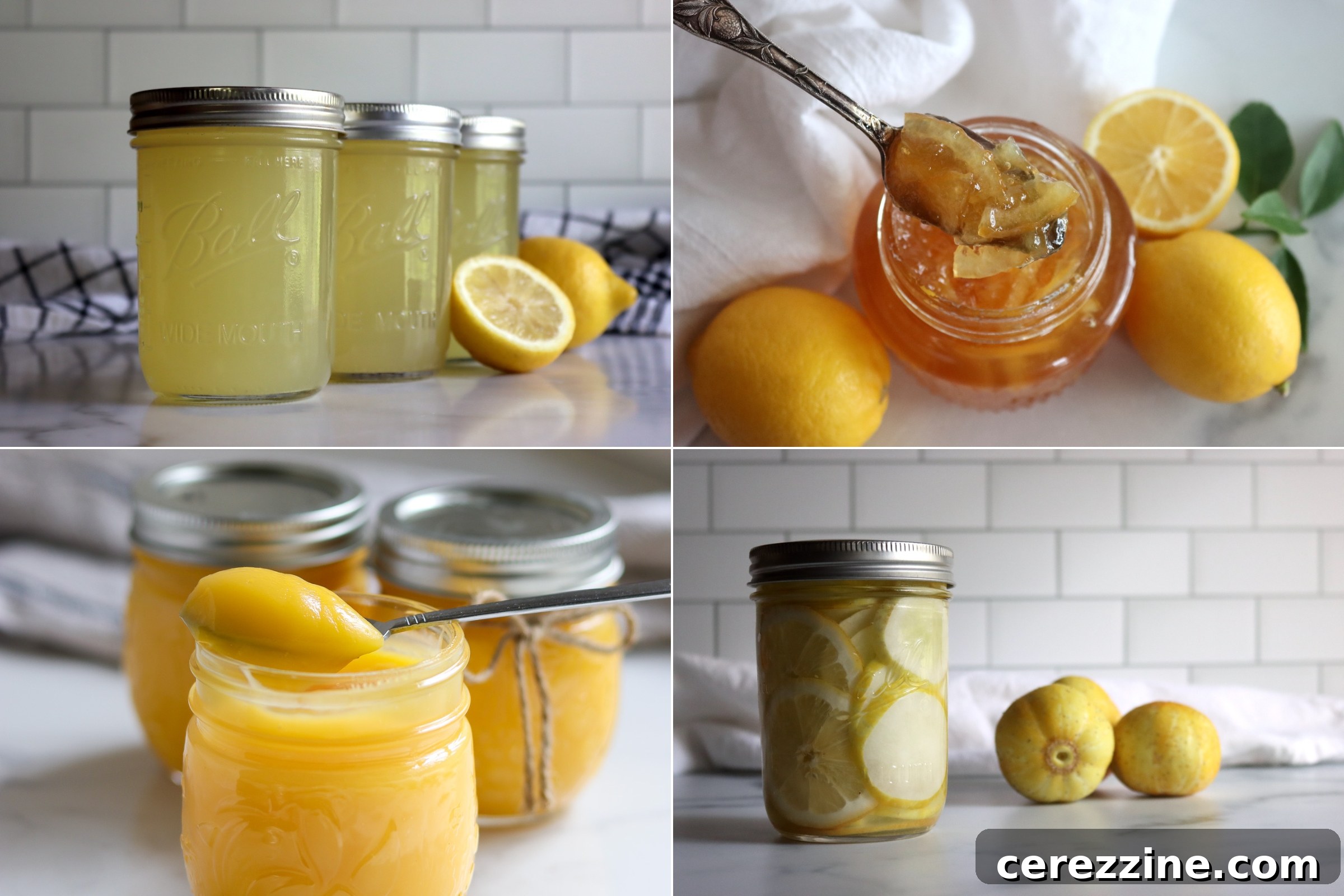
Lemon canning recipes offer an exquisite way to capture the vibrant essence of fresh citrus, ensuring its bright flavor can be enjoyed long after the harvest season. Lemons, with their inherent acidity and delightful aroma, are extraordinarily versatile, making them a superb candidate for a wide array of homemade preserves, including jams, jellies, marmalades, and refreshing drink concentrates.
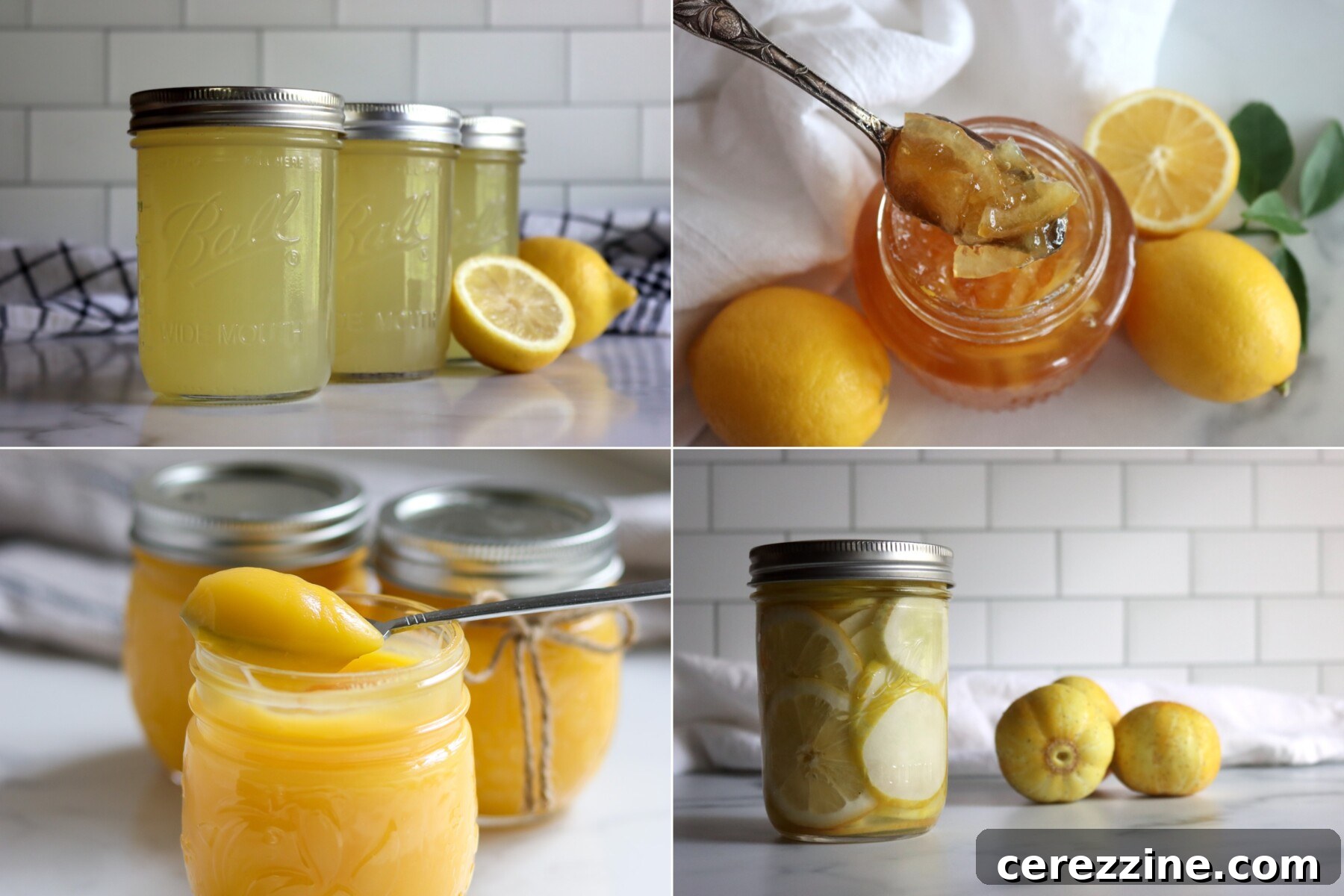
While an abundance of citrus canning recipes exist, it’s the dedicated lemon canning recipes that I find myself turning to most frequently once the chill of winter truly settles in. Lemons possess a unique ability to infuse a burst of sunshine into even the simplest pantry meals, transforming repetitive February dinners into something truly special. Their bright, zesty character can elevate a dish from mundane to magnificent with just a spoonful or a squeeze.
Furthermore, lemons stand out as one of the most accessible “winter fruits” to preserve at home. Unlike many seasonal fruits that become scarce and expensive during colder months, grocery store lemons are often plentiful and surprisingly affordable precisely when other fruit options dwindle. It’s easy to find yourself grabbing an extra bag or two, drawn in by their invigorating scent, and before you know it, a cheerful pile has accumulated on your kitchen counter, practically begging to be preserved.
Historically, lemons were regarded as a precious commodity, and their every component was utilized to its fullest potential. The peel, the juice, and even the pulp were transformed into something useful, most often in the form of preserves designed to extend the brief citrus season into the long months ahead. This tradition speaks to the enduring value and versatility of this remarkable fruit.
It is this rich history and inherent practicality that makes lemon canning recipes feel so profoundly sensible to me today. Imagine the satisfaction of reaching for a jar of homemade lemon marmalade, a few pints of vibrant lemonade concentrate, or even a small pot of creamy lemon curd. These aren’t just emergency rations; they transform the pantry from a place of “survival mode” into a thoughtfully curated collection, brimming with planned-ahead culinary delights. They are a testament to seasonal eating and smart food preservation, adding a touch of gourmet flair to everyday life.
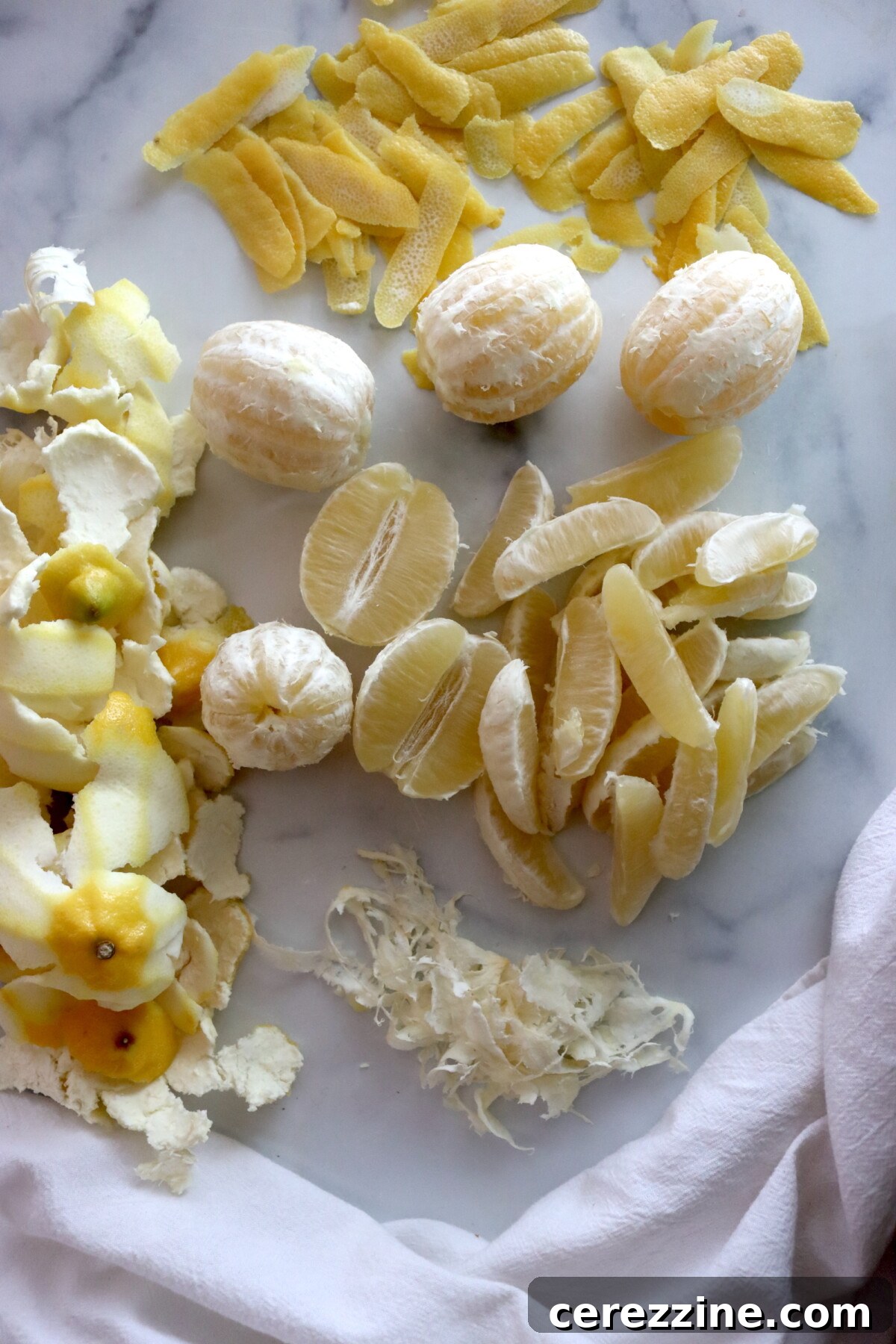
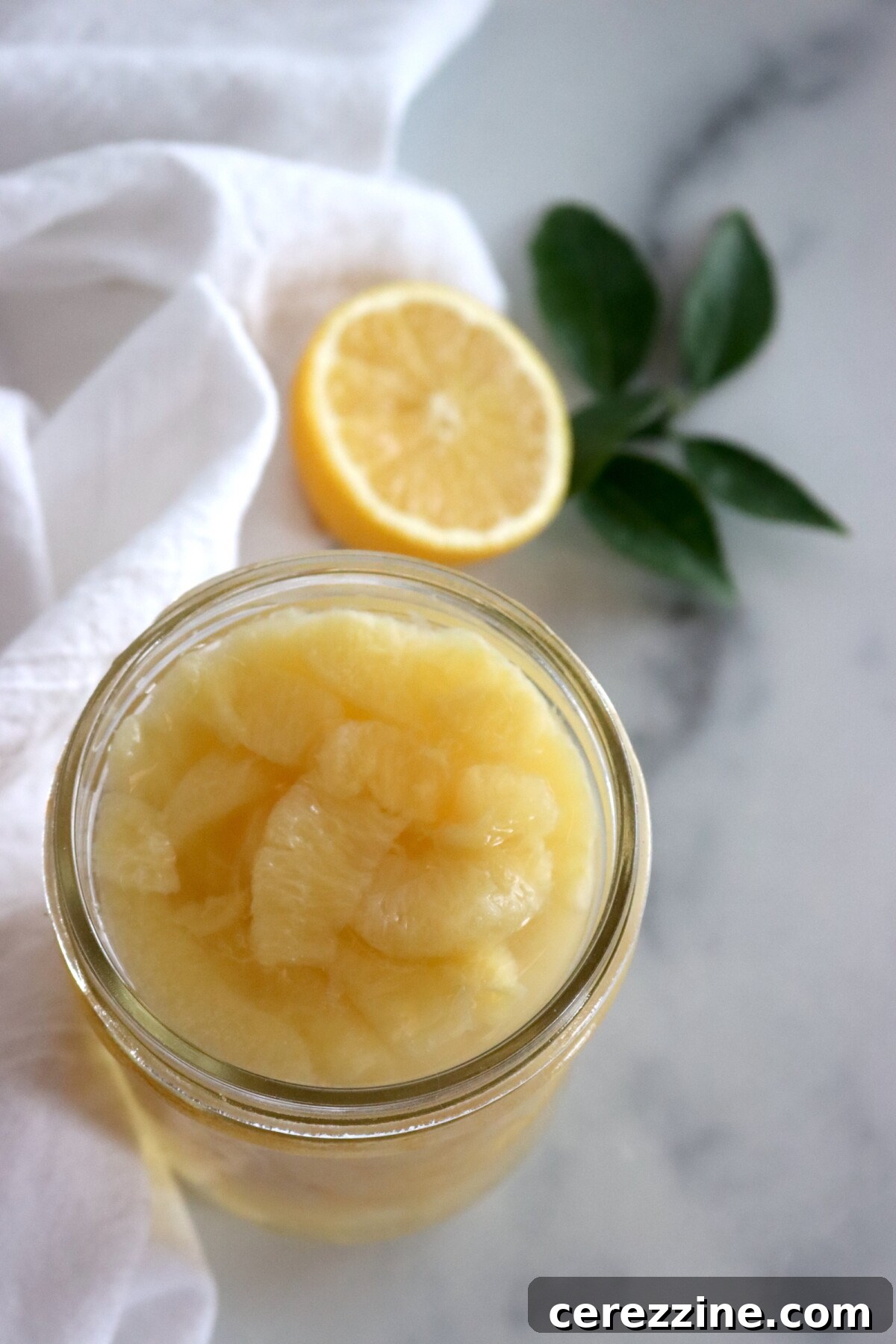
Canned Lemon Sections in Syrup (or Juice)
While lemons might not be the immediate choice that comes to mind for canning fruit sections – with canning oranges or canning grapefruit being more common selections – preserving lemons in a heavy syrup yields a truly remarkable product. These beautifully preserved slices are fantastic for both cooking and baking, and their unique tart-sweet profile adds an unexpected depth. When meticulous care is taken to remove excess pith and to pack them properly, you’ll be rewarded with jars of glistening lemon sections that are perfect for enhancing your tea, elevating desserts, or adding a quick zest to weeknight sauces.
This category also brilliantly showcases the utility of preserving lemon juice. Even if you’re not ready to embark on a large batch of marmalade, having ready-to-use forms of lemon—be it slices or pure juice—is one of those small, yet profoundly impactful, pantry conveniences. Imagine the ease of whipping up a vinaigrette, deglazing a pan, or adding a citrusy kick to a marinade without having to reach for fresh lemons. Preserved lemon juice maintains its potency and bright flavor, making it an indispensable ingredient for countless culinary applications throughout the year. It’s an effortless way to keep the refreshing taste of lemons at your fingertips, reducing food waste and saving time in the kitchen.
- Canning Citrus Sections
- Lemon Slices in Honey Syrup (coming soon!)
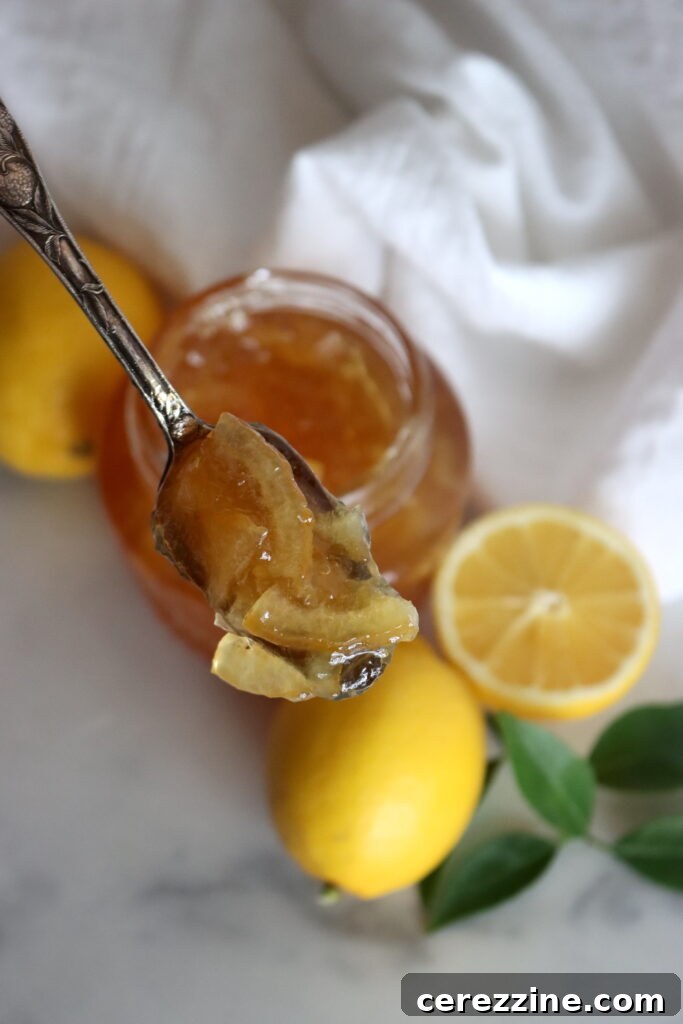
Homemade Lemon Marmalade: A Zesty Delight
Lemon marmalade is truly the quintessential “use the whole fruit” preserve, a testament to the lemon’s incredible versatility, and it’s exceptionally difficult to surpass its pure, bright lemon flavor. This classic preserve offers a captivating balance of sweet, tangy, and just enough bitterness to create a complex and interesting taste profile. The key to its exquisite texture and flavor often lies in the meticulous preparation: keeping the slices thinly cut and patiently allowing the flavors to meld during the cooking process. The slight bitterness from the peel is not a flaw but a cherished characteristic that distinguishes marmalade from other preserves, adding a sophisticated depth.
For those who prefer a slightly softer, perhaps more floral and less intensely bitter experience, Meyer lemons make an especially lovely marmalade. Meyer lemons, a hybrid of a lemon and a mandarin orange, boast a thinner rind and a sweeter, less acidic pulp. This results in a marmalade that feels a bit more dessert-like, offering a delicate sweetness while still delivering that unmistakable, invigorating lemony punch. It’s a sublime choice for a gourmet breakfast or as an elegant accompaniment to afternoon tea. Whether spread on toast, dolloped onto scones, used as a glaze for roasted poultry, or swirled into yogurt, lemon marmalade is a versatile and utterly delightful addition to any pantry, embodying the essence of preserved sunshine.
- Classic Lemon Marmalade
- Meyer Lemon Marmalade
- Lemon Ginger Marmalade
Bright & Versatile Lemon Jellies & Jams
For lemon aficionados who adore the distinct flavor but prefer a preserve without the peel, lemon jelly and lemon jam present a delightful option. These preserves tend to be smooth, glossy, and beautifully translucent (in the case of jelly), making them perfectly at home on a slice of morning toast or a warm scone. Yet, their utility extends far beyond the breakfast table. They are surprisingly versatile as a baking ingredient, capable of transforming ordinary confections into extraordinary treats. Imagine vibrant lemon jam as a luscious filling for thumbprint cookies, a tangy layer in a celebratory cake, or a simple, elegant glaze for pastries and tarts. Their bright acidity cuts through richness, adding a refreshing counterpoint.
Moreover, if you frequently engage in the time-honored tradition of making old-fashioned fruit jams, lemon proves to be one of the most invaluable supporting ingredients you can have stocked in your pantry. Even when it’s not the star fruit, a dash of lemon juice works wonders. Its natural acidity not only helps to balance the sweetness of other fruits, preventing jams from tasting cloyingly sugary, but it also contributes to a cleaner, brighter finish in homemade preserves. Lemon juice also contains pectin, which can aid in setting less pectin-rich fruits. It’s the secret ingredient that makes many fruit preserves sing, adding a subtle complexity and enhancing the overall flavor profile. Having bottled lemon juice or a jar of lemon jelly on hand is like having a secret weapon for all your preserving adventures.
- Lemon Honey Jelly
- Lemon Ginger Cold Care Jelly
- Vibrant Lemon Jam
Indulgent Lemon Curd & Decadent Dessert Sauces
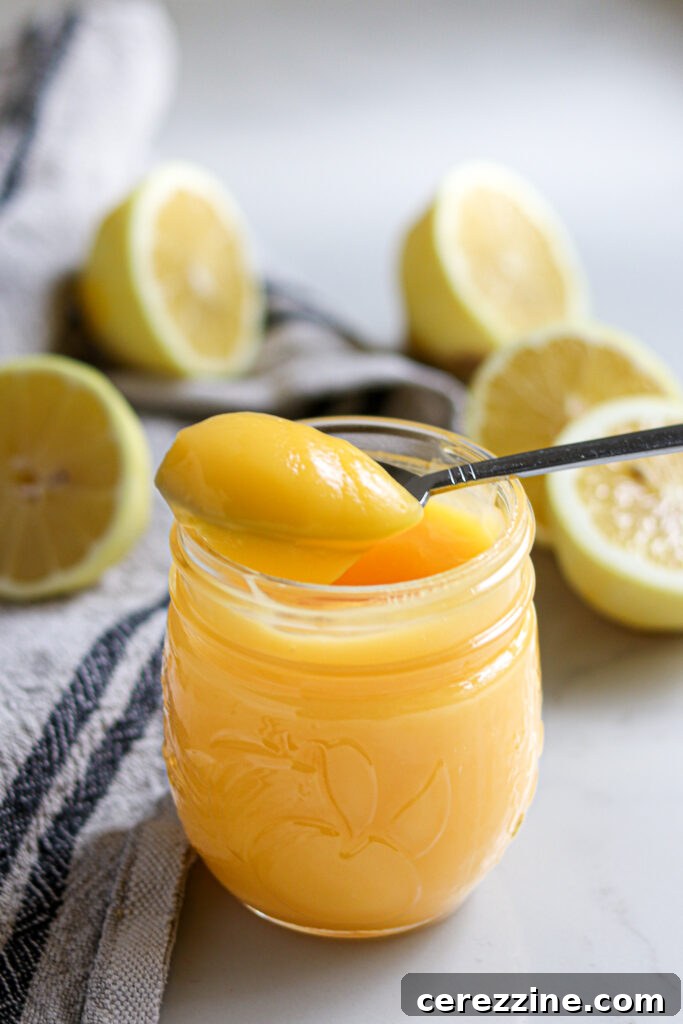
Not every exquisite lemon preserve is destined solely for toast. Some of the most treasured and useful lemony jars are those you specifically crack open for dessert. These luxurious concoctions are designed to elevate any sweet treat, whether spooned generously over scoops of vanilla ice cream, artfully swirled into the creamy batter of a cheesecake, or simply used to dress up a plain bowl of fresh fruit. Lemon curd, with its velvety smooth texture and intensely tart-sweet flavor, is perhaps the most iconic of these dessert-focused preserves, promising an instant touch of gourmet sophistication.
Fruit butters, another delightful category, are especially exceptional in this regard because they are wonderfully thick, spreadable, and feel like a “finished” topping straight out of the jar. When lemon is incorporated into fruit butters, it plays a magnificent role, especially with deeper, richer fruits like prunes or apples. The bright acidity of the lemon cuts through the inherent sweetness and heaviness of these fruits, preventing the flavor from becoming cloying or one-dimensional. Instead, it creates a perfectly balanced and complex taste sensation that tantalizes the palate. Having a jar of homemade lemon curd or a lemon-infused fruit butter on hand means effortless elegance for any dessert, transforming simple ingredients into memorable culinary experiences.
- Canning Lemon Curd
- Lemon Prune Honey Butter (Bernardin)
- Meyer Lemon Syrup
Homemade Citrus Drink Concentrates: Instant Refreshment
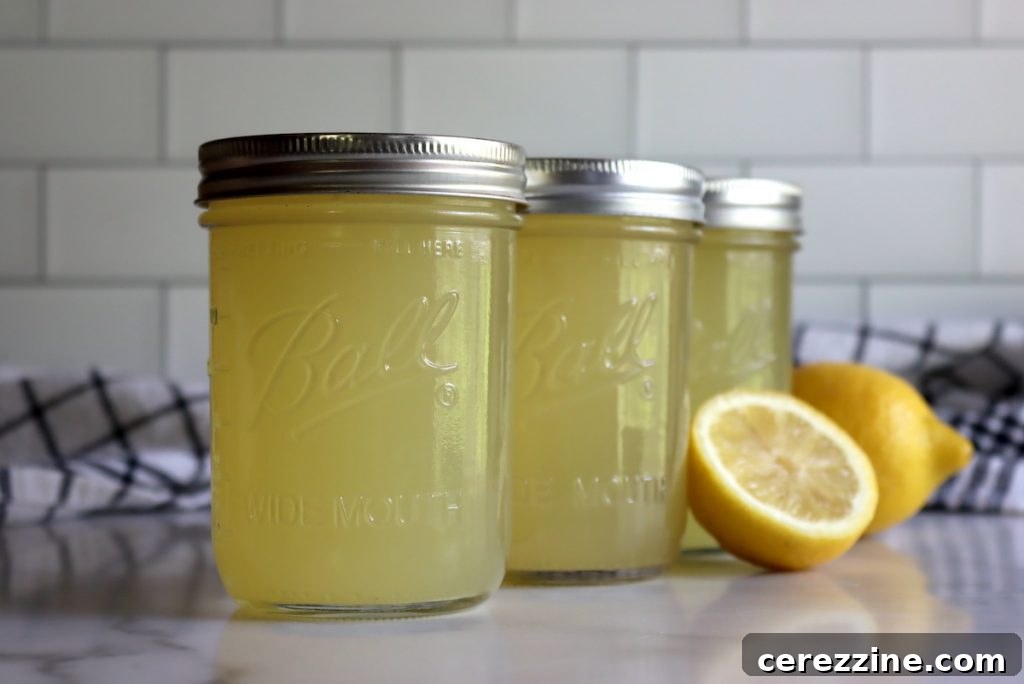
If the idea of “instant homemade” convenience appeals to you, then lemon drink concentrates are an absolute game-changer. Imagine the sheer ease of simply popping open a jar, adding water, and instantly having a perfectly refreshing glass of lemonade without the hassle of hauling out a juicer, squeezing countless lemons, or frantically searching for a recipe on a busy day. These concentrates bottle up the sunshine, making spontaneous refreshment a reality at any moment, and are a fantastic way to enjoy the vibrant taste of lemons year-round, regardless of fresh fruit availability.
Once you’ve mastered the technique of creating a basic lemonade concentrate, a world of flavorful possibilities opens up. It becomes incredibly easy to build a whole little lineup of custom beverages tailored to your taste. Berry versions, in particular, are exceptionally delicious and benefit immensely from the addition of lemon. The lemon’s natural acidity and bright flavor prevent the berry concentrates from tasting flat or overly sweet, even after they’ve been patiently sitting in the pantry for a while. The citrusy tang provides a perfect counterpoint to the sweetness of the berries, creating a harmonious and invigorating drink. These homemade concentrates are not just for basic lemonade; they can be mixed with sparkling water for a spritzer, used as a base for cocktails, or even added to smoothies for an extra burst of flavor. They embody convenience, flavor, and the joy of homemade goodness.
- Classic Lemonade & Lemonade Concentrate
- Strawberry Lemonade Concentrate
- Blueberry Lemonade Concentrate
- Watermelon Lemonade Concentrate
- Plum Lemonade Concentrate
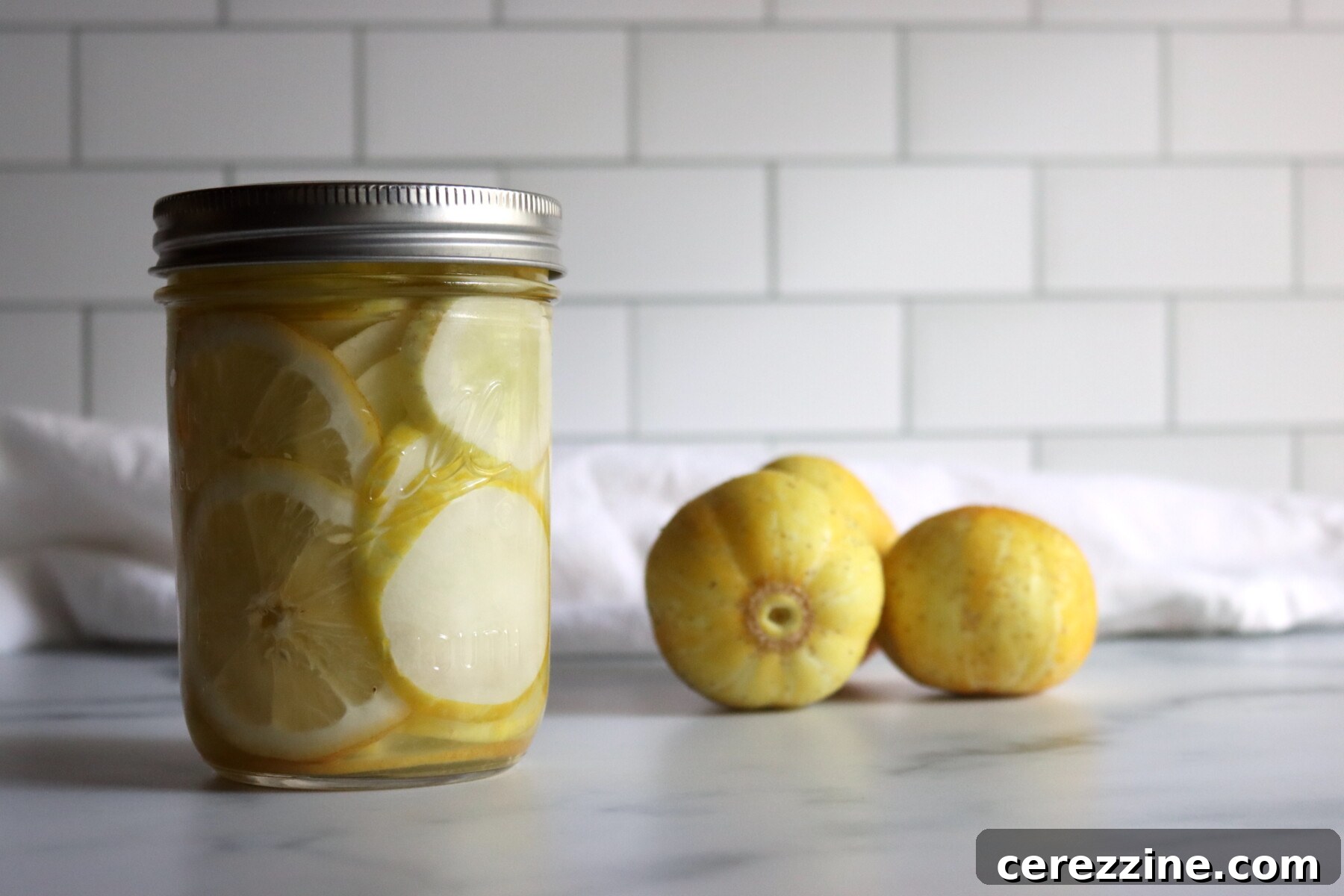
Bright & Tangy Lemon Pickles
In the realm of pickles, lemon takes on a wonderfully distinctive role. Here, it’s not typically “the thing being pickled” itself, but rather the vibrant, zippy acidic component that completely transforms the overall flavor profile of the preserve. Lemon-based pickles tend to possess a lighter, fresher, and more nuanced taste compared to versions made with straight vinegar. This characteristic makes them particularly appealing, especially when served alongside richer, heavier foods where their brightness can cut through and refresh the palate. The lemon imparts a clean, crisp finish that elevates the entire pickling experience.
If you have a fondness for sweet-tart, old-fashioned pickles that perfectly belong on a classic relish tray or served alongside savory roast meats, then this is a fun and rewarding category to keep well-stocked in your pantry. The subtle addition of lemon introduces an extra layer of sparkle and complexity, preventing the jar from tasting one-note and ensuring a delightful interplay of flavors. Consider pickling cucumbers, green beans, or even onions with a lemon-infused brine. The lemon not only preserves the vegetables but also enhances their natural flavors with its signature zest, making these pickles a versatile and delicious accompaniment to a variety of meals and gatherings. They offer a refreshing twist on traditional pickled vegetables, bringing a burst of sunshine to your plate.
- Cucumber Lemon Pickles
Exotic & Aromatic Lemon Chutneys
Lemon is an absolutely superb ingredient in chutney because it contributes a remarkable triumvirate of flavors: sweetness, bitterness, and acidity, all in one glorious package. This complex profile is essential for preventing chutney from tasting flat or overly simplistic, allowing it to develop into a truly dynamic condiment. The lemon’s bright notes pair beautifully with warm spices, savory onions, and tangy vinegar, creating a harmonious blend that feels instantly “pantry useful” for a multitude of culinary applications. It provides the perfect backbone for a rich, flavorful chutney that can complement almost any meal.
The spectrum of lemon chutneys is wonderfully broad. Some versions lean almost marmalade-like in their character, focusing on the fruit’s inherent sweetness and slight bitterness, often with a hint of warmth from ginger or other spices. Others ingeniously utilize whole sliced lemon to brighten up and add zest to softer, sweeter fruits. Peaches, for instance, are especially good here, their mellow sweetness perfectly balanced by the sharp tang of lemon, creating a chutney that is both comforting and invigorating. These are the versatile jars I consistently reach for when assembling an impressive cheese board, crafting a gourmet sandwich, or serving alongside succulent roast pork or chicken. A spoonful of lemon chutney can transform a simple dish into an exotic culinary adventure, proving just how invaluable preserved lemons can be in the creative kitchen.
- Lemon Peach Turmeric Chutney
In essence, lemon canning recipes are among the most rewarding preserves to have on hand, not just for their delightful flavors, but because they are genuinely used and appreciated day after day. A generous spoonful of homemade marmalade instantly enlivens a simple breakfast, a pint of vibrant lemonade concentrate transforms into a refreshing treat in mere minutes, and a small jar of creamy lemon curd makes dessert feel utterly effortless and luxurious. Once you’ve taken the step to stock even a few of these lemon basics, the once daunting task of “using up lemons before they shrivel” transforms into a joyous opportunity. Lemons cease to be a perishable problem and instead become one of the easiest and most effective ways to infuse real brightness, zest, and homemade goodness into your pantry, ensuring a taste of sunshine all winter long and beyond.
Explore More Citrus Canning Recipe Ideas
20+ Orange Canning Recipes
20+ Lime Canning Recipes