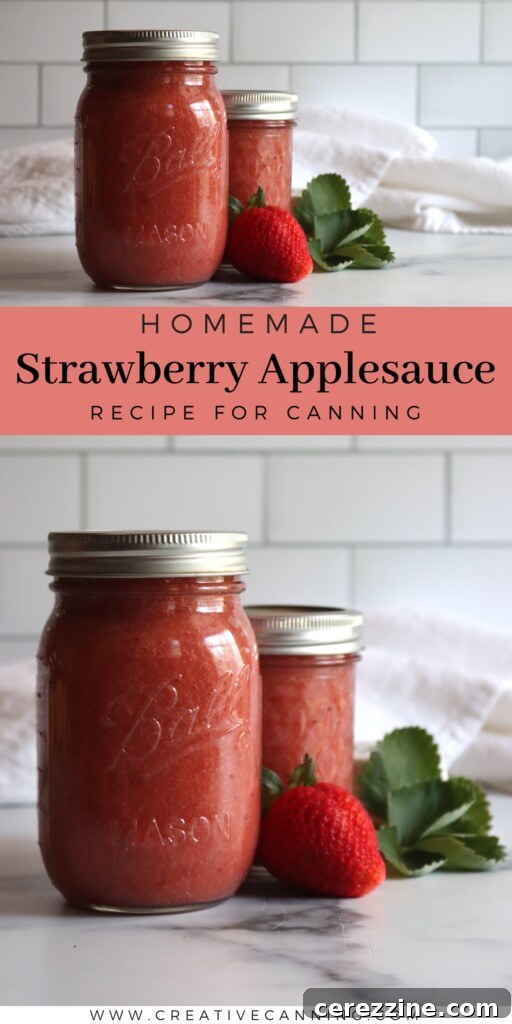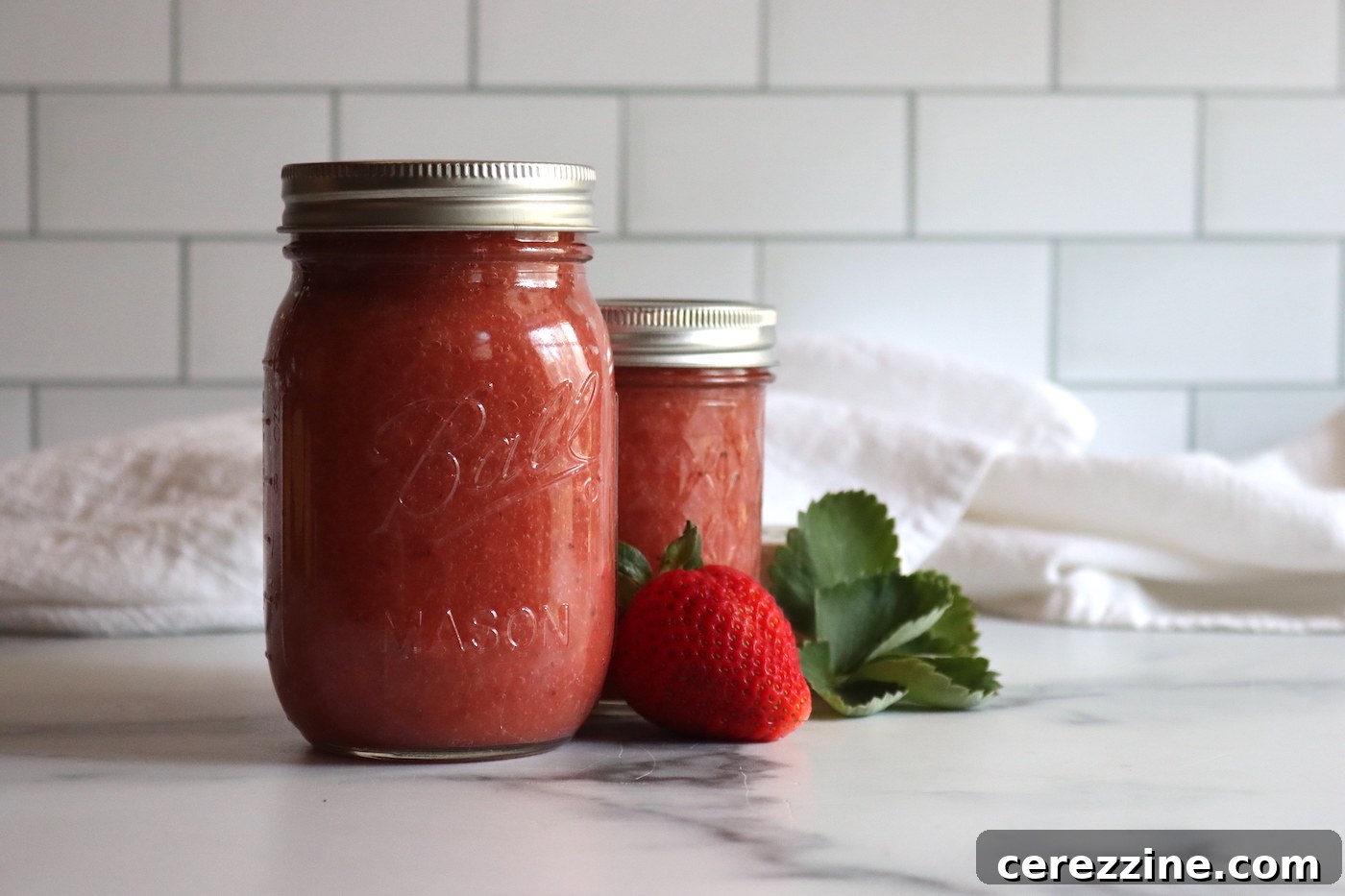
Strawberry applesauce is more than just a delightful snack; it’s a vibrant celebration of seasonal flavors, combining the comforting sweetness of apples with the bright, tangy zest of fresh strawberries. This naturally rosy-hued fruit sauce is an irresistible treat for both children and adults, offering a refreshing twist on traditional applesauce. Perfect for preserving the bounty of spring and summer, this recipe is designed for flexibility – you can sweeten it to your exact preference or leave it naturally unsweetened if your chosen fruits are bursting with flavor. Whether you’re a seasoned canner or new to home preservation, this easy-to-follow guide will help you create a wholesome, delicious, and shelf-stable strawberry applesauce that captures the essence of fresh fruit in every spoonful.
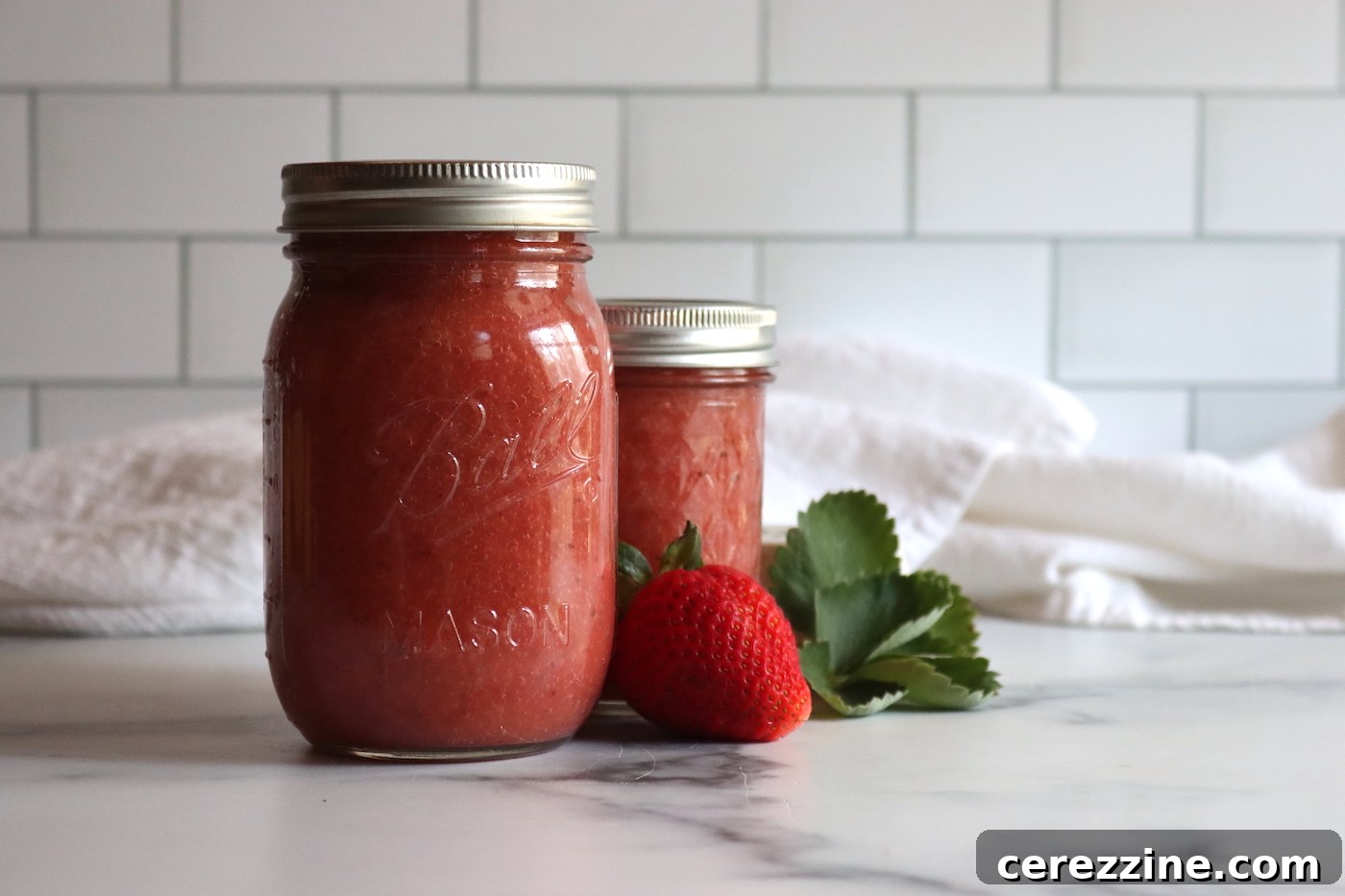
Making homemade strawberry applesauce is a fantastic way to utilize an abundance of fresh, ripe apples and juicy strawberries when they are at their peak. This naturally pink sauce isn’t just visually appealing; it’s incredibly versatile and perfect for a variety of uses. It’s an excellent candidate for canning, allowing you to stock your pantry with healthy, homemade goodness that lasts for months. One of its greatest advantages is that you don’t need to add any sugar unless you specifically desire a sweeter profile, making it a wholesome choice for conscious eaters.
Imagine filling lunchboxes with this vibrant, flavorful sauce, knowing exactly what ingredients went into it. Or perhaps you’re planning ahead for the colder months, eager to enjoy the taste of summer long after the harvest. This simple berry applesauce recipe comes together quickly, making it an ideal choice for meal prepping. Whip up a large batch at the start of a busy school week, and you’ll have a nutritious and convenient snack or side dish ready for your little ones (or yourself!).
If you’re already familiar with canning classic apple varieties, this strawberry variation is an exciting addition to your repertoire. The strawberries infuse the applesauce with a beautiful blush color and a distinctly summery flavor that will transport you to warm, sunny days with every taste. Best of all, it adheres to the same safe water bath canning methods as plain applesauce, ensuring that your preserved goods are not only delicious but also secure for long-term storage. Plus, you have the creative freedom to adjust the apple-to-strawberry ratio to perfectly match your personal taste preferences, allowing for endless customization.
Why Make Your Own Strawberry Applesauce?
There are countless reasons to choose homemade over store-bought when it comes to fruit sauces. Firstly, you have complete control over the ingredients, ensuring no artificial flavors, colors, or excessive sugars make their way into your family’s diet. You can select the freshest, ripest organic fruits available, maximizing both flavor and nutritional value. Secondly, the taste of homemade strawberry applesauce is unparalleled. The vibrant, balanced flavors of fresh apples and strawberries simply cannot be replicated by commercial products. Finally, the process itself can be incredibly rewarding, offering a sense of accomplishment and a deeper connection to the food you consume. It’s a fantastic way to engage with seasonal produce and reduce food waste by preserving surplus fruit.
The Magic of Flavor: Choosing Your Apples and Strawberries
The secret to exceptional strawberry applesauce lies in selecting the right fruit. While any apple and strawberry combination will yield a tasty result, a thoughtful selection can elevate your sauce from good to truly outstanding.
Choosing Your Apples:
For the best results, aim for a blend of apple varieties. Combining sweet apples with a few tart ones creates a more complex and balanced flavor profile, often reducing or eliminating the need for added sugar. Here are some recommendations:
- Sweet Apples: Gala, Fuji, Golden Delicious, Honeycrisp, Braeburn. These varieties break down nicely and provide a natural sweetness.
- Tart Apples: McIntosh, Cortland, Granny Smith, Pink Lady. A touch of tartness adds depth and prevents the sauce from becoming cloyingly sweet.
Using a mix, such as two parts sweet to one part tart, often strikes the perfect balance. Always choose firm, blemish-free apples for the freshest taste.
Selecting Your Strawberries:
Opt for ripe, fragrant strawberries. The riper they are, the more natural sweetness and intense berry flavor they will impart. Don’t worry if your berries are slightly overripe, as long as they aren’t showing signs of spoilage or mold. Overripe but still good strawberries are perfect for sauces as they break down easily and release more juice. Freshly picked strawberries from a local farm or your garden will offer the most potent flavor.
Essential Ingredients for Strawberry Applesauce
This delightful recipe calls for simple, wholesome ingredients, allowing the natural flavors of the fruit to shine through:
- 4 pounds apples, peeled, cored, and chopped. (Refer to notes below for best varieties and yield considerations.)
- 1 pound strawberries, hulled and chopped. For an even more intense berry flavor, you can increase this to up to 2 pounds without altering canning times.
- 1 cup water. You can substitute apple juice for the water if you desire a slightly sweeter sauce and an enhanced apple flavor.
- Optional: Sugar, honey, or maple syrup to taste. While often unnecessary with ripe fruit, these can be added if you prefer a sweeter sauce or are using particularly tart apples.
- Optional: Spices or Extracts. A pinch of cinnamon, a dash of vanilla extract, or a squeeze of lemon juice can add wonderful complexity.
The beauty of this recipe lies in its adaptability. While I personally love the pure taste of just apples and strawberries, feel free to experiment with additional sweeteners or flavorings. Honey, for instance, pairs beautifully if you find your apples leaning towards the tart side. Lemon extract can brighten the berry notes, while a touch of vanilla can add warmth and depth.
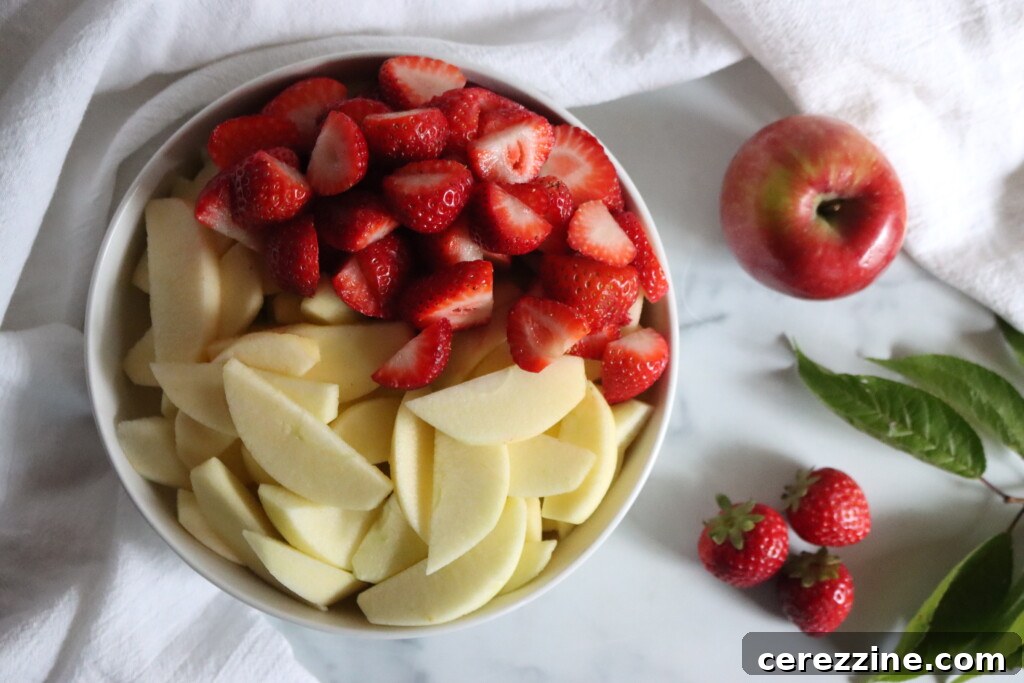
Preparing the Fruit for Cooking
Proper fruit preparation is crucial for a smooth cooking process and a delicious final product. Take your time with these steps to ensure uniform cooking and optimal texture.
Apples:
Begin by thoroughly washing your apples. Then, peel, core, and dice them into roughly 1-inch pieces. Dicing them to a consistent size ensures they cook evenly. Expect some weight loss during this preparation stage; approximately 4 pounds of whole apples will yield about 2.5 to 3 pounds of prepared apple pieces. While some recipes suggest leaving the skins on for added nutrients, for a consistently smooth applesauce, peeling is recommended unless you plan to use a food mill.
Strawberries:
Wash the strawberries gently and hull them by removing the green leafy tops and the small white core. Once hulled, give them a rough chop. One pound of strawberries typically yields about 3 cups once hulled and chopped. If you crave a more pronounced berry flavor, don’t hesitate to increase the strawberry quantity up to 2 pounds (approximately 6 cups). This will result in a richer color and deeper strawberry notes without affecting the canning safety or processing times.
Cooking Your Delicious Strawberry Applesauce
The cooking process is straightforward, allowing the fruits to break down into a tender, flavorful sauce. If you plan on canning, it’s wise to have your canning equipment ready before you begin cooking.
Canning Equipment Preparation (If Canning):
Before you start cooking, prepare your water bath canner by filling it with water and bringing it to a simmer. Wash half-pint, pint, or quart jars thoroughly with hot, soapy water, rinse them, and keep them hot until they are ready to be filled. You can achieve this by keeping them in the simmering canner, a dishwasher on a sanitize cycle, or a warm oven. Inspect two-piece canning lids (new lids are recommended for best seals) and keep them warm according to manufacturer instructions. Maintaining heat throughout this process helps prevent thermal shock when filling the jars with hot applesauce.
Combining and Simmering:
Place your prepared apples, strawberries, and water (or apple juice) into a large, heavy-bottomed pot. The heavy bottom helps prevent scorching. Cover the pot and bring the mixture to a boil over medium-high heat. Once it reaches a rolling boil, reduce the heat to a gentle simmer. Continue cooking for approximately 20 minutes, stirring occasionally to prevent sticking and ensure even cooking. The goal is for the apples to become very soft and easily mashed, and the strawberries should break down almost completely, releasing their vibrant color and juices.
Achieving Your Desired Applesauce Texture
Once your fruit is tender and cooked through, it’s time to transform it into applesauce. You have several options, depending on your preferred texture:
- For a Perfectly Smooth Sauce: For a velvety smooth consistency, use an immersion blender directly in the pot, blending until all chunks are gone. Alternatively, carefully transfer the hot mixture in batches to a food processor or standard blender and process until smooth. Be cautious when blending hot liquids, as steam can build up.
- For a Classic Applesauce Texture (with or without skins): If you want to remove any remaining skins or small, fibrous bits, or if you opted to leave the apple skins on, a food mill is your best friend. Simply pass the cooked mixture through the food mill. This method yields a wonderfully consistent texture, retaining some of the natural pulp while filtering out unwanted solids.
- For a Delightfully Chunky Sauce: If you enjoy a heartier texture with discernible pieces of fruit, a potato masher is all you need. Mash the cooked fruit directly in the pot to your desired level of chunkiness. This provides a rustic, homemade feel that many prefer.
After processing to your preferred texture, taste the sauce. If your apples and strawberries were perfectly ripe, you might find it sweet enough on its own. However, if you desire a sweeter sauce or used tart apples, feel free to add sugar to taste. Start with 1 to 3 tablespoons per pint jar’s worth of sauce, stirring well, and tasting as you go until you reach your ideal sweetness. You can also incorporate a pinch of cinnamon, a swirl of vanilla extract, or a tiny dash of nutmeg at this stage for added flavor complexity.
Preserving Summer: Canning Strawberry Applesauce
Canning is a fantastic way to extend the shelf life of your homemade strawberry applesauce, allowing you to enjoy the taste of fresh fruit all year long. Follow these steps for safe and effective water bath canning.
Once your strawberry applesauce is cooked, processed to your desired consistency, and piping hot, carefully ladle it into your prepared, hot canning jars. Ensure you leave precisely ½ inch of headspace at the top of each jar. This headspace is crucial for proper sealing and to prevent food from expanding too much during processing, which could cause seals to fail.
After filling, use a clean, damp cloth to meticulously wipe the rims of the jars. Any residue, such as fruit pulp or juice, can prevent a proper seal. Place the clean, warm lids on top of the jars, followed by the screw bands. Tighten the screw bands until they are “fingertip-tight” – meaning snug, but not overly tight. Overtightening can interfere with the sealing process.
Gently place the filled jars into your boiling water bath canner, ensuring they are fully submerged by at least 1 inch of water. Bring the water back to a rolling boil, then begin timing the processing. Process pints and half-pints for 15 minutes, and quarts for 20 minutes. Remember to adjust these times for your specific altitude, as detailed in the section below.
Once the processing time is complete, turn off the heat, but do not remove the jars immediately. Allow them to sit undisturbed in the hot canner for an additional 5 minutes. This cooling period helps to prevent siphoning (loss of liquid from the jars) and encourages a stronger seal. After 5 minutes, carefully remove the jars from the canner using a jar lifter and place them on a towel-lined counter or a wire rack. Ensure there is adequate space between jars for air circulation. Let them cool completely, undisturbed, for 12 to 24 hours. You will likely hear satisfying “pop” sounds as the lids seal.
After the cooling period, check all seals. A properly sealed lid will be concave (curved inwards) and will not flex when pressed in the center. If any jars did not seal, refrigerate them and consume within a few weeks, or reprocess them within 24 hours using new lids. Label your sealed jars with the contents and date, then store them in a cool, dark pantry. Properly water bath canned strawberry applesauce will maintain its quality for 12 to 18 months, although it often remains good beyond that timeframe.
Altitude Adjustments for Safe Canning
When canning, it’s essential to adjust processing times based on your altitude. Water boils at a lower temperature at higher elevations, meaning food needs more time to be adequately processed. Failure to adjust for altitude can lead to under-processed food and potential safety risks. The following adjustments ensure your strawberry applesauce is safely preserved:
- 0 to 1,000 feet: Process pints and half-pints for 15 minutes; quarts for 20 minutes.
- 1,001 to 3,000 feet: Process pints and half-pints for 20 minutes; quarts for 25 minutes.
- 3,001 to 6,000 feet: Process pints and half-pints for 20 minutes; quarts for 30 minutes.
- Above 6,000 feet: Process pints and half-pints for 25 minutes; quarts for 35 minutes.
It’s important to note the specific difference in processing times for pints and quarts, particularly in the mid-range altitudes. While pint jars between 1,000 and 6,000 feet require the same 20-minute processing, the required time for quarts increases with elevation. Always use the appropriate time for your jar size and altitude to ensure food safety.
Freezing for Future Enjoyment
If canning isn’t your preferred method, or if you simply want a quick and easy way to preserve your strawberry applesauce, freezing is an excellent alternative. Once your applesauce has cooked and reached your desired consistency, allow it to cool completely to room temperature. Transfer the cooled applesauce into freezer-safe containers, leaving at least ½ inch of headspace to account for expansion during freezing. Glass jars specifically designed for freezing (with straight sides) or rigid plastic containers work best. You can also use heavy-duty freezer bags, squeezing out as much air as possible before sealing. Label each container with the contents and date, then freeze for up to 1 year. Thaw in the refrigerator overnight before serving.
Serving Suggestions and Creative Uses
Strawberry applesauce is incredibly versatile and can be enjoyed in many ways:
- Classic Snack: Simply spoon it straight from the jar for a refreshing and healthy snack.
- Breakfast Booster: Swirl it into oatmeal, yogurt, or cottage cheese. It’s also delicious as a topping for pancakes, waffles, or French toast.
- Baking Ingredient: Use it as a natural sweetener and moistening agent in muffins, cakes, quick breads, or even as an egg substitute in some recipes.
- Meat Accompaniment: Serve it alongside pork chops or roasted chicken for a sweet and savory balance.
- Smoothie Base: Blend it into your morning smoothies for added fruitiness and natural sweetness.
- Dessert Topping: Drizzle over ice cream, use as a filling for crepes, or layer in parfaits.
Troubleshooting and Common Questions (FAQ)
Absolutely! Frozen strawberries work beautifully in this recipe, and you don’t need to make any adjustments. In fact, pre-frozen berries often break down more easily during cooking, contributing to an even smoother sauce. Just add them directly to the pot with the apples and water.
Yes, you can safely adjust the ratio of apples to strawberries to suit your preferences. Increasing the strawberry content to up to 2 pounds (about 6 cups) will result in a more deeply flavored and richly colored sauce without compromising canning safety. For optimal texture and balance, maintaining at least a 2:1 apple-to-strawberry ratio by weight (after prep) is generally recommended, but feel free to experiment.
Peeling apples is primarily a matter of preference for texture. If you’re using a food mill, you can skip peeling entirely, as the mill will effectively remove skins and any tougher bits during processing. However, if you’re aiming for a super smooth puree using an immersion blender or food processor, we recommend peeling the apples to achieve that silky consistency. Leaving the skins on does add a bit more fiber and nutrients, and it won’t impact canning safety, so choose the method that best suits your desired outcome.
No, adding sugar is entirely optional for this recipe. If you select sweet, ripe apples and fragrant strawberries, the fruit’s natural sugars will often provide sufficient sweetness. This recipe is considered high-acid, making it safe for water bath canning even without any added sugar. Taste the sauce after cooking and decide if you want to enhance the sweetness with sugar, honey, or maple syrup.
While it is technically possible to pressure can applesauce, it is not necessary. Strawberry applesauce is a high-acid fruit preserve, meaning that water bath canning is the scientifically tested and recommended method for safe preservation. If you prefer to use a pressure canner, you must strictly follow the specific times and pressures outlined in the National Center for Home Food Preservation (NCHFP) guidelines for applesauce to ensure safety.
Browning, or oxidation, can occur if apples are exposed to air for too long before cooking. The strawberries in this recipe naturally help prevent some browning with their vibrant color. To minimize browning, work quickly when peeling and dicing apples, or place them in a bowl of lightly salted water or water with a squeeze of lemon juice immediately after cutting. Also, ensure jars are filled to the correct headspace and processed properly, as air left in the jar can contribute to browning over time.
If your applesauce is too thin, you can return it to the pot and simmer it uncovered for a longer period, stirring frequently, to allow excess moisture to evaporate and thicken the sauce. If it’s too thick, you can thin it out by adding a small amount of water or apple juice until it reaches your desired consistency. Make these adjustments before canning.
Tips for Strawberry Applesauce Success
To ensure your homemade strawberry applesauce turns out perfectly every time, keep these key tips in mind:
- Choose Sweet, Ripe Apples: The sweeter your chosen apples, the less (if any) additional sugar you’ll need to add, resulting in a naturally flavorful sauce.
- Opt for Fragrant, Ripe Strawberries: Fully ripe strawberries provide the best flavor, aroma, and a beautiful, vibrant color to your sauce.
- Sugar is Optional: Remember, this recipe is safe for canning even without added sugar. Taste and adjust only if necessary, preferring the natural sweetness of the fruit.
- Customize to Your Taste: Don’t be afraid to make it your own! A pinch of cinnamon, a dash of nutmeg, or a splash of vanilla extract can add wonderful depth. For an adventurous twist, try blending with other seasonal berries like raspberries, blueberries, or blackberries; these substitutions are safe and won’t impact canning times.
- Don’t Overfill Jars: Always adhere to the ½ inch headspace rule for safe canning and proper sealing.
- Check Seals Thoroughly: After cooling, always verify that your jars have properly sealed before storing.
- Label and Store Properly: Clearly label your jars with the contents and date, and store them in a cool, dark place away from direct sunlight for optimal preservation.
Yield and Batch Size Considerations
This recipe, utilizing approximately 4 pounds of apples (which yields about 2.5 to 3 pounds once peeled and cored) and 1 pound of hulled and chopped strawberries (roughly 3 cups), typically yields about 3 pints of finished sauce. The exact yield can vary slightly depending on factors like how juicy your specific fruit is and how long you simmer the sauce, as longer simmering reduces liquid content. If you choose to increase the strawberry content to 2 pounds, your overall yield may go up slightly, but remember that strawberries also reduce quite a bit during cooking due to their high water content.
Planning for a larger harvest or simply want more delicious strawberry applesauce on hand? You can safely double this recipe. Just make sure you use a pot large enough to accommodate the increased volume of fruit without it overflowing and to allow for even cooking, preventing scorching at the bottom.
More Delightful Strawberry Canning Recipes
Canning Strawberry Lemonade Concentrate
Canning Strawberry Pie Filling
Christmas Jam
Old Fashioned Strawberry Jam (No Added Pectin)
12
servings, Makes 3 Pints
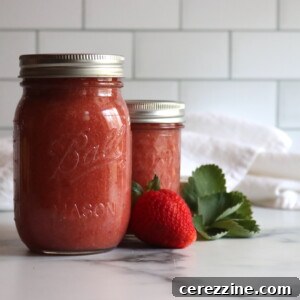
Homemade Strawberry Applesauce Recipe
15
20
15-35
50+
Equipment
-
Water Bath Canner
-
Immersion Blender (optional, for smooth sauce)
-
Food Mill (optional, for removing skins)
-
Large Pot
-
Canning Jars (Pint, Half-Pint, or Quart)
-
Jar Lifter
-
Funnel (for filling jars)
-
Ladle
Ingredients
- 4 lbs apples, as purchased, peeled, cored, and chopped (yields approx. 2.5-3 lbs prepared)
- 1 lb strawberries, hulled and chopped (approx. 3 cups; can increase to 2 lbs for stronger flavor)
- 1 cup water, or apple juice for added sweetness
- Sugar, honey, or maple syrup to taste, optional
- Optional spices: Pinch of cinnamon, vanilla extract, or lemon extract
Instructions
-
Prepare Canning Equipment (If Canning): Wash and sterilize 3 pint jars (or equivalent in half-pints/quarts) and their lids. Keep jars hot in a simmering water bath canner, warm oven, or dishwasher.
-
Combine Ingredients: In a large, heavy-bottomed pot, combine the peeled, cored, and chopped apples, hulled and chopped strawberries, and 1 cup of water (or apple juice).
-
Cook the Fruit: Cover the pot and bring the mixture to a boil over medium-high heat. Once boiling, reduce the heat to a simmer and cook for approximately 20 minutes, stirring occasionally. The apples should become very soft and the strawberries will break down significantly.
-
Process to Desired Texture: Once tender, process the mixture to your preferred consistency. For a smooth sauce, use an immersion blender directly in the pot, or transfer in batches to a food processor/blender. For a classic applesauce texture, run it through a food mill. For a chunky sauce, simply mash with a potato masher.
-
Sweeten and Flavor (Optional): Taste the sauce. If desired, add sugar, honey, or maple syrup to taste. Stir well. If adding any optional spices like cinnamon or vanilla extract, incorporate them now. Return the sauce to a gentle boil before filling jars.
-
Fill Jars (If Canning): Ladle the hot strawberry applesauce into the prepared hot jars, leaving exactly ½ inch of headspace. Wipe the rims clean with a damp cloth to ensure a good seal.
-
Apply Lids and Process: Place lids on the jars and screw on bands fingertip-tight. Carefully place jars in the hot water bath canner, ensuring they are covered by at least 1 inch of water. Bring to a rolling boil and process for 15 minutes for pints/half-pints, and 20 minutes for quarts (adjust for altitude as per the Altitude Adjustments section).
-
Cool and Check Seals: Turn off the heat and let jars sit in the canner for 5 minutes before carefully removing them. Place jars on a towel-lined counter to cool undisturbed for 12-24 hours. Check seals (lids should be concave and not flex when pressed). Label and store properly sealed jars.
-
For Freezing: If not canning, allow the cooked applesauce to cool completely. Transfer to freezer-safe containers, leaving ½ inch headspace. Label and freeze for up to 1 year.
Notes
Apple Varieties: Use a mix of naturally sweet apples (like Fuji, Gala, Golden Delicious, Honeycrisp) and tart apples (like McIntosh, Cortland, Granny Smith) for a balanced flavor without excessive added sugar. Always select firm, ripe fruit.
Strawberry Quantity: One pound of fresh strawberries yields about 3 cups hulled and chopped. For a bolder strawberry flavor and color, you can increase this to up to 2 pounds (approximately 6 cups) without any changes to the canning or cooking times.
Sweetener (Optional): With ripe, sweet apples and strawberries, added sugar is often not needed. Taste the sauce after cooking. If you desire more sweetness, stir in 2–3 tablespoons of sugar, honey, or maple syrup at a time, adjusting until it suits your palate. It is safe to can this recipe without any added sugar.
Texture Options: Achieve a chunky sauce by mashing with a potato masher. For a smooth sauce, use an immersion blender or run the mixture through a food mill or blender. A food mill is also great for removing skins if you skipped peeling the apples. You can strain out strawberry seeds for an extra smooth finish, but this is entirely optional.
Yield: This recipe yields approximately 3 pints of strawberry applesauce. The exact amount can vary slightly based on fruit juiciness and cooking duration. Increasing strawberries may slightly increase the yield.
Freezer Option: For a simple preservation method, allow the cooked applesauce to cool completely, then transfer to freezer-safe containers (leaving ½ inch headspace). Freeze for up to 1 year. Thaw in the refrigerator before enjoying.
Jar Sizes: This recipe is suitable for quarter pint, half pint, pint, or quart jars. Quarter and half-pint jars are excellent for single servings or lunchboxes, and their processing times are the same as pint jars.
Altitude Adjustments for Canning
Always adjust your canning processing times based on your elevation to ensure food safety:
- 0 to 1,000 feet: 15 minutes for pints and half-pints; 20 minutes for quarts.
- 1,001 to 3,000 feet: 20 minutes for pints and half-pints; 25 minutes for quarts.
- 3,001 to 6,000 feet: 20 minutes for pints and half-pints; 30 minutes for quarts.
- Above 6,000 feet: 25 minutes for pints and half-pints; 35 minutes for quarts.
Note: Processing times for pint jars between 1,000 and 6,000 feet remain consistent at 20 minutes, while quart jar times increase incrementally with altitude.
Nutrition
Serving:
0.5
cups
,
Calories:
91
kcal
,
Carbohydrates:
24
g
,
Protein:
1
g
,
Fat:
0.4
g
,
Saturated Fat:
0.05
g
,
Polyunsaturated Fat:
0.1
g
,
Monounsaturated Fat:
0.03
g
,
Sodium:
3
mg
,
Potassium:
220
mg
,
Fiber:
4
g
,
Sugar:
18
g
,
Vitamin A:
86
IU
,
Vitamin C:
29
mg
,
Calcium:
16
mg
,
Iron:
0.3
mg
Nutrition information is automatically calculated, so should only be used as an approximation.
Enjoyed this recipe? Share your thoughts below!