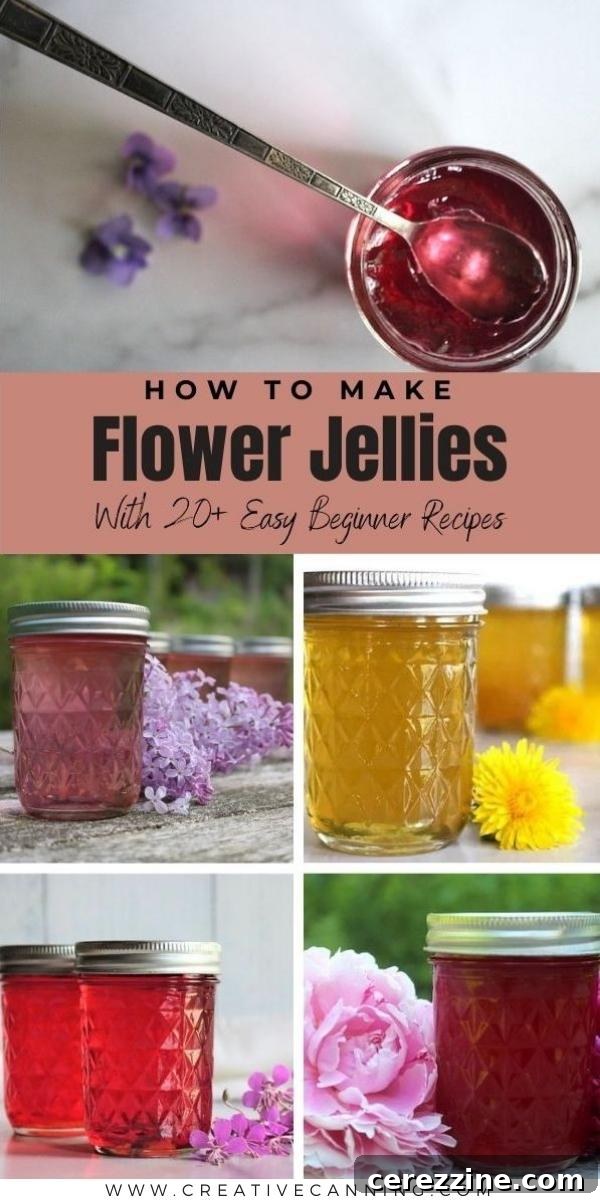
Flower jelly offers a delightful and simple way to capture the ephemeral flavors and enchanting aromas of fresh edible blossoms, allowing you to savor their unique essence throughout the year. Imagine spreading the delicate taste of spring on your toast even in the depths of winter!
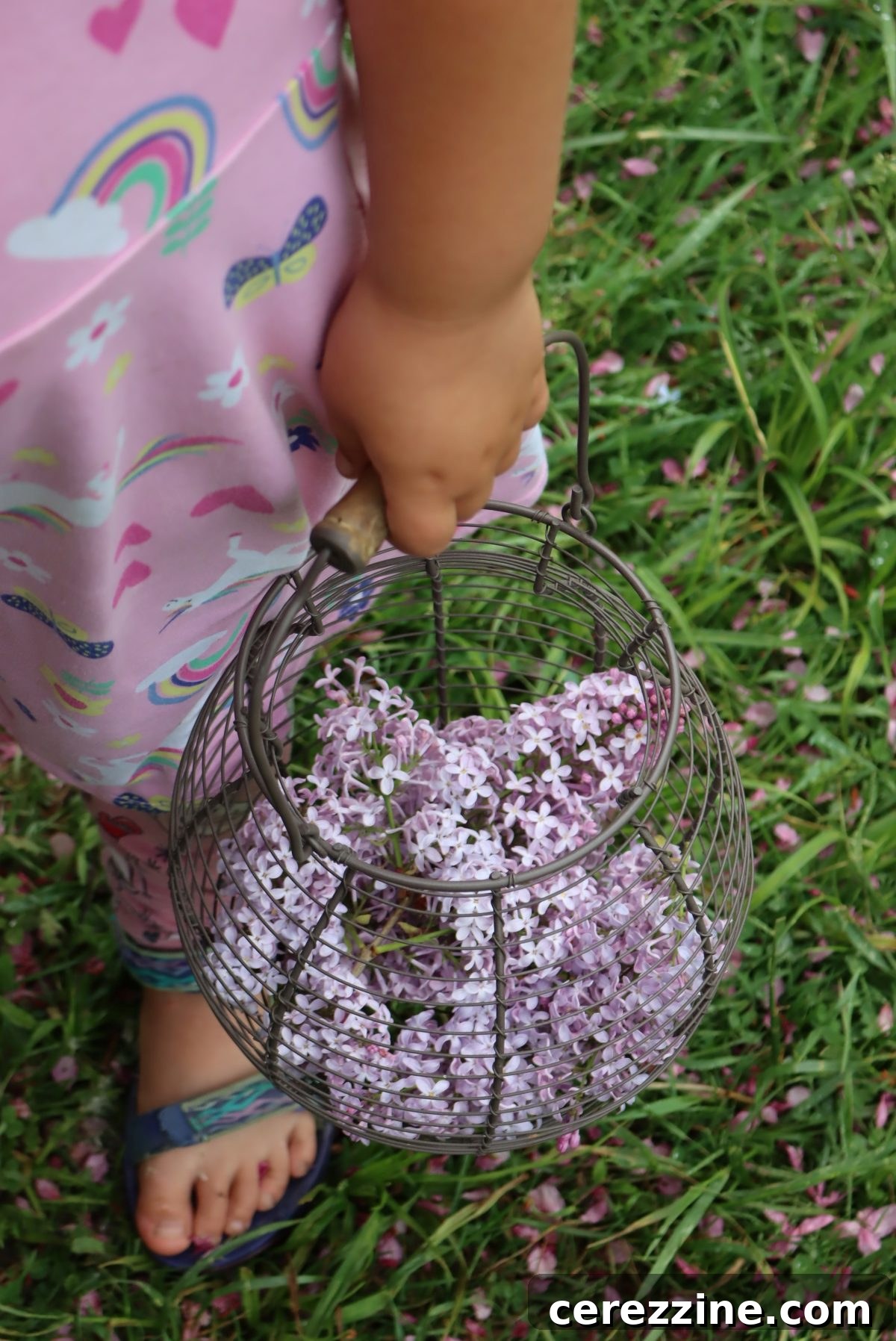
While I’ve crafted countless batches of fruit jams and jellies over the years, floral jellies hold a special place in our home, particularly for my daughter. There’s a certain magic in transforming vibrant petals into a shimmering, flavorful preserve that truly captivates her imagination. The joy of harvesting a basket of fragrant blossoms for jelly-making far surpasses the labor of picking gallons of blueberries; it’s an adventure filled with smiles and excitement.
Watching my little one skip through the garden, gathering flowers with unbridled enthusiasm, inspires me to experiment with every edible bloom we encounter. Each batch of floral jelly is not just a treat for the palate, but a little jar of preserved happiness, a tangible reminder of sunny days and blooming landscapes.
Prioritizing Safety with Edible Flowers
Before embarking on your floral jelly adventure, it is absolutely paramount to ensure that the blossoms you intend to use are safe for consumption. Not all flowers are edible, and some can even be toxic. Adhering to strict safety guidelines will ensure your jelly-making experience is both delicious and worry-free.
Here are crucial safety considerations:
- Positive Identification: Always be 100% certain of your flower identification. If foraging wild blossoms, consult reliable field guides or experienced foragers. Never consume a plant you cannot positively identify.
- Pesticide-Free Zones: Only harvest flowers from areas known to be free of herbicides, pesticides, and other chemical treatments. Avoid roadsides, drainage ditches, and commercially treated lawns or gardens. Opt for organic gardens or pristine wild areas.
- Cleanliness: Thoroughly inspect and clean your harvested flowers, removing any insects, dirt, or debris. Gently rinse them if necessary, but avoid prolonged soaking which can diminish their delicate flavor and aroma.
- Allergy Awareness: As with any new food, there’s always a possibility of an allergic reaction. Start with a small batch if you’re trying a flower for the first time, and consume a small amount initially to gauge your body’s response.
- Medicinal Properties: Many edible flowers also possess medicinal properties. While the quantities used in jelly are generally not considered a “therapeutic dose,” it’s wise to research the specific blossom you’ve chosen to ensure its actions do not conflict with any existing health conditions or medications you may be taking. For example, hawthorn blossoms can influence blood pressure, and violet blossoms are mildly diuretic.
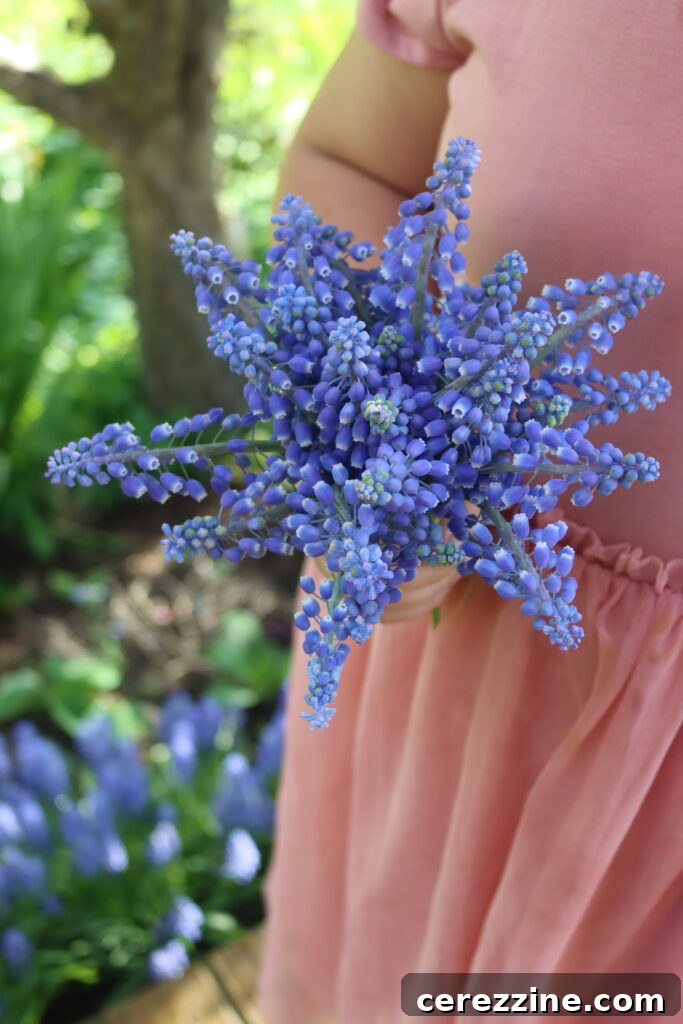
Crafting Your Own Floral Jelly: The Essential Steps
The beauty of making floral jellies lies in the adaptability of the basic recipe. While each flower contributes its unique flavor, color, and character, the fundamental process remains remarkably consistent. This allows for endless experimentation and customization, whether you choose to add spices, fruit juices, or simply let the pure essence of the flower shine.
Here’s a step-by-step guide to creating your homemade flower jelly:
1. Harvesting and Preparing Your Blossoms
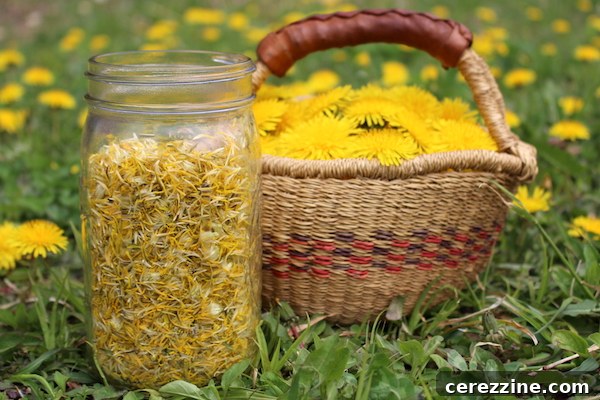
Begin by harvesting approximately 3 to 4 cups of fresh flower petals. For most flowers, such as roses or lilacs, you’ll want primarily the petals, separating them from any green sepals, stems, or bitter-tasting parts. For flowers like dandelions, which have a significant amount of green material attached, focus on plucking only the bright yellow petals to avoid any bitterness. Once harvested, gently clean the petals, ensuring they are free from any debris or insects. A quick, gentle rinse can be helpful, but avoid soaking them as this can wash away some of their delicate flavor.
Measure your cleaned petals into a quart-sized mason jar or a heatproof bowl. This provides a convenient measure and prepares them for the next step: infusion.
2. Infusing the Floral Tea
Once your petals are ready, pour 4 cups of boiling water directly over them. This hot infusion process is where the magic truly happens, extracting not only the delicate flavors but also the natural colors from the blossoms. Allow the petals to steep for about 10 minutes, or longer for a more intense flavor. You’ll notice the water transforming into a floral tea, sometimes with surprising color changes.
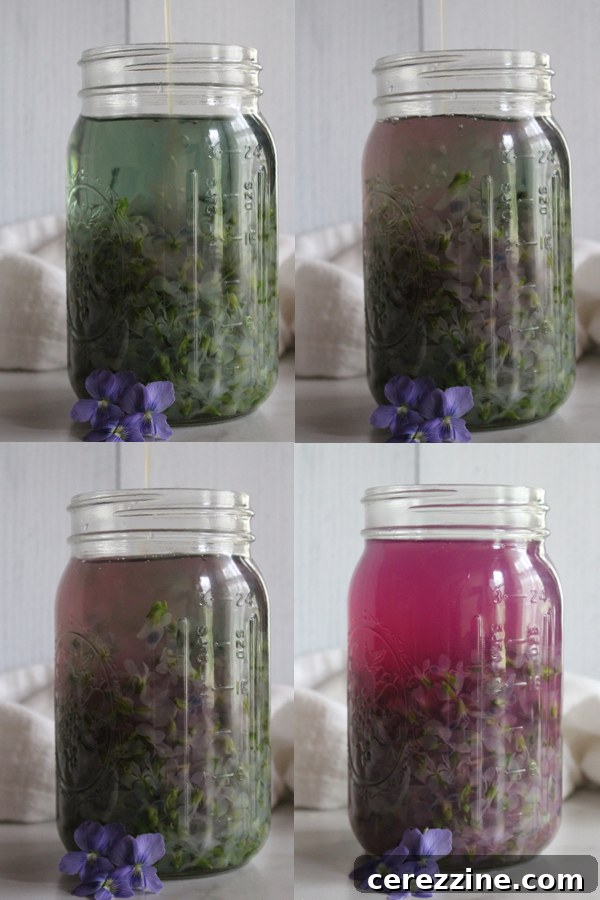
For instance, bee balm will yield a beautiful red tea, as expected. However, pink or purple flowers like lilacs and violets can produce a striking turquoise or greenish-blue tea. Don’t be alarmed by this vibrant shift! This is due to the water extracting antioxidants, similar to the compounds found in blueberries. The true color will reveal itself in the next stage of the process.
3. Preparing for Gelling: Lemon Juice and Pectin
After the petals have infused, strain the floral tea into a saucepan or jam pot, discarding the spent petals. Now, it’s time to add the lemon juice. For most floral jellies, 2 tablespoons of lemon juice per 4 cups of floral tea is ideal. Lemon juice is a vital ingredient, serving multiple purposes:
- Color Activation: For many flowers, particularly violets and lilacs, the acidity of lemon juice acts as a natural pH indicator, transforming the bluish tea into stunning shades of pink or purple.
- Flavor Balance: It provides a necessary tartness that brightens and accentuates the delicate floral flavors, preventing the jelly from being overly sweet or cloying. For violets, the extra tartness can even bring out berry-like notes.
- Pectin Activation & Safety: Critically, lemon juice (or the citric acid in pectin) lowers the pH of the mixture, which is essential for activating pectin and ensuring your jelly sets properly. This acidity is also a key factor in making your jelly safe for canning, inhibiting bacterial growth. Do not skip the lemon juice, even if you’re making a refrigerator preserve!
Next, bring the floral tea and lemon juice mixture to a rolling boil. Once boiling, add one box (1.75 oz) of powdered pectin. I highly recommend using a dependable brand like Sure Jell, either the regular or low-sugar variety, for consistent results and excellent texture. Stir continuously to ensure the pectin dissolves completely. Crucially, allow the mixture to boil vigorously for one full minute *before* adding any sugar. This step is non-negotiable for successful gelling.
Adding sugar too early, or simultaneously with pectin, can prevent the pectin from properly denaturing and gelling, resulting in a runny jelly. This is one of the most common reasons for a failed set. Other common pitfalls include overcooking (boiling longer than 5 minutes) and attempting to double the batch size. Stick to the recipe for best results.
4. The Final Boil and Jarring
After the pectin has boiled for one minute, add your sugar. The amount of sugar will depend on the type of pectin you’re using. For regular pectin, a 1:1 ratio of liquid to sugar (typically 4 cups of sugar for 4 cups of tea) is required for a firm set. This produces a traditional, sweeter jelly. If you prefer a less sweet option, opt for a low-sugar pectin, which allows you to use as little as 1/2 to 2 cups of sugar per batch, while still achieving a good set. Low-sugar pectin is a versatile choice as it works well with full-sugar recipes too.
Stir the sugar until it is fully dissolved. Bring the mixture back to a rapid boil and maintain it for exactly one full minute. Immediately ladle the hot jelly into clean, sterilized jars, leaving 1/4 inch of headspace at the top.
5. Storage and Preservation
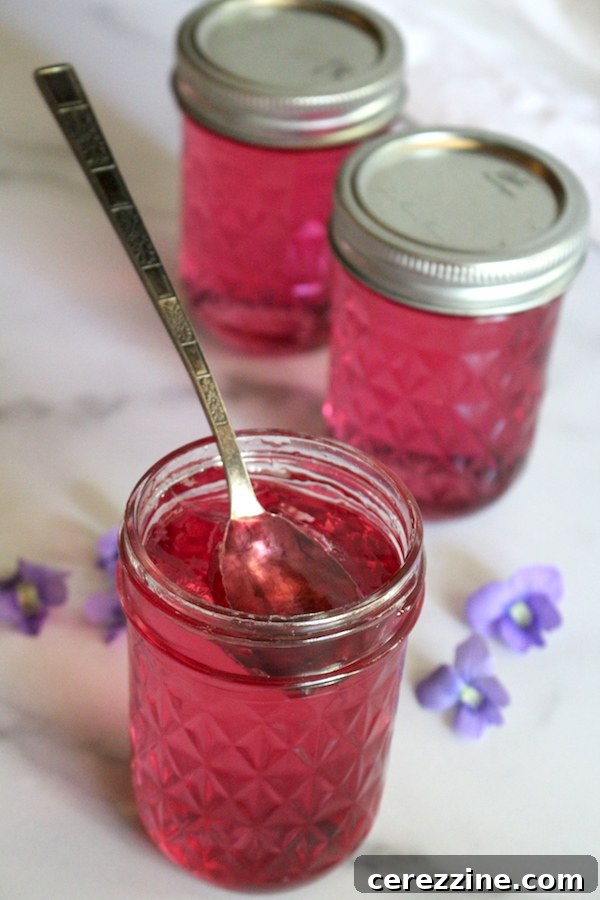
A standard batch, especially with full sugar, typically yields about 5 half-pint (8 oz) jars. The yield may be slightly less with reduced sugar recipes. For long-term shelf stability, processing your flower jelly in a water bath canner is optional but recommended. Process the jars for 10 minutes. The lemon juice added earlier is crucial for ensuring the acidity level required for safe water bath canning.
If you choose not to can, simply allow the jars to cool to room temperature on your countertop. Once cooled and sealed, store them in the refrigerator for up to a month or in the freezer for up to six months. When freezing, always use straight-sided, freezer-safe jars to prevent breakage.
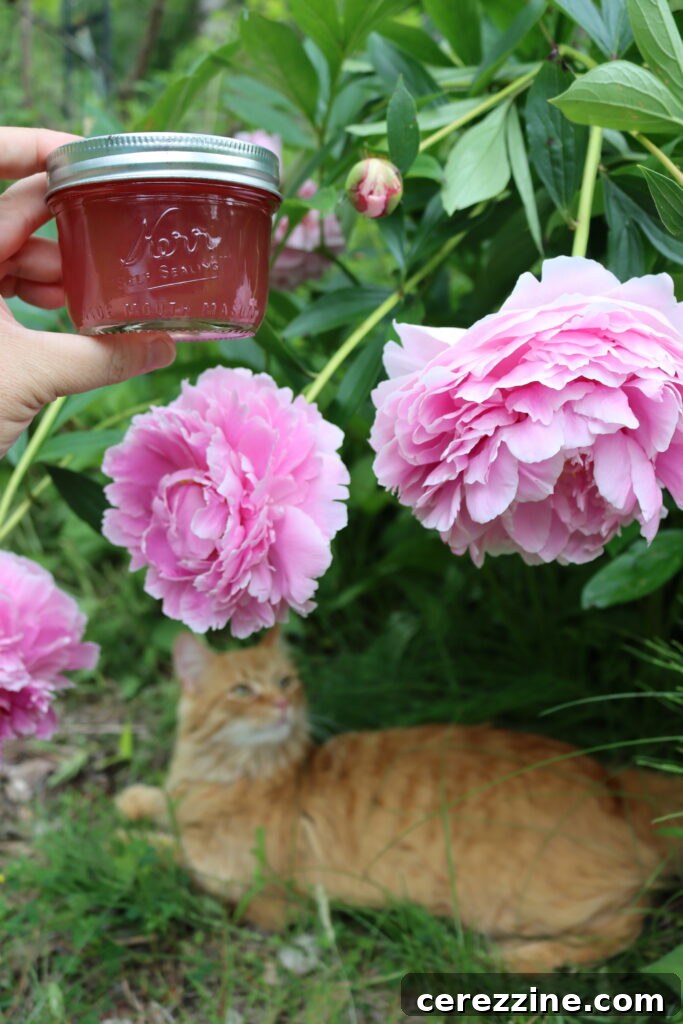
A World of Flavors: Inspiring Floral Jelly Recipes
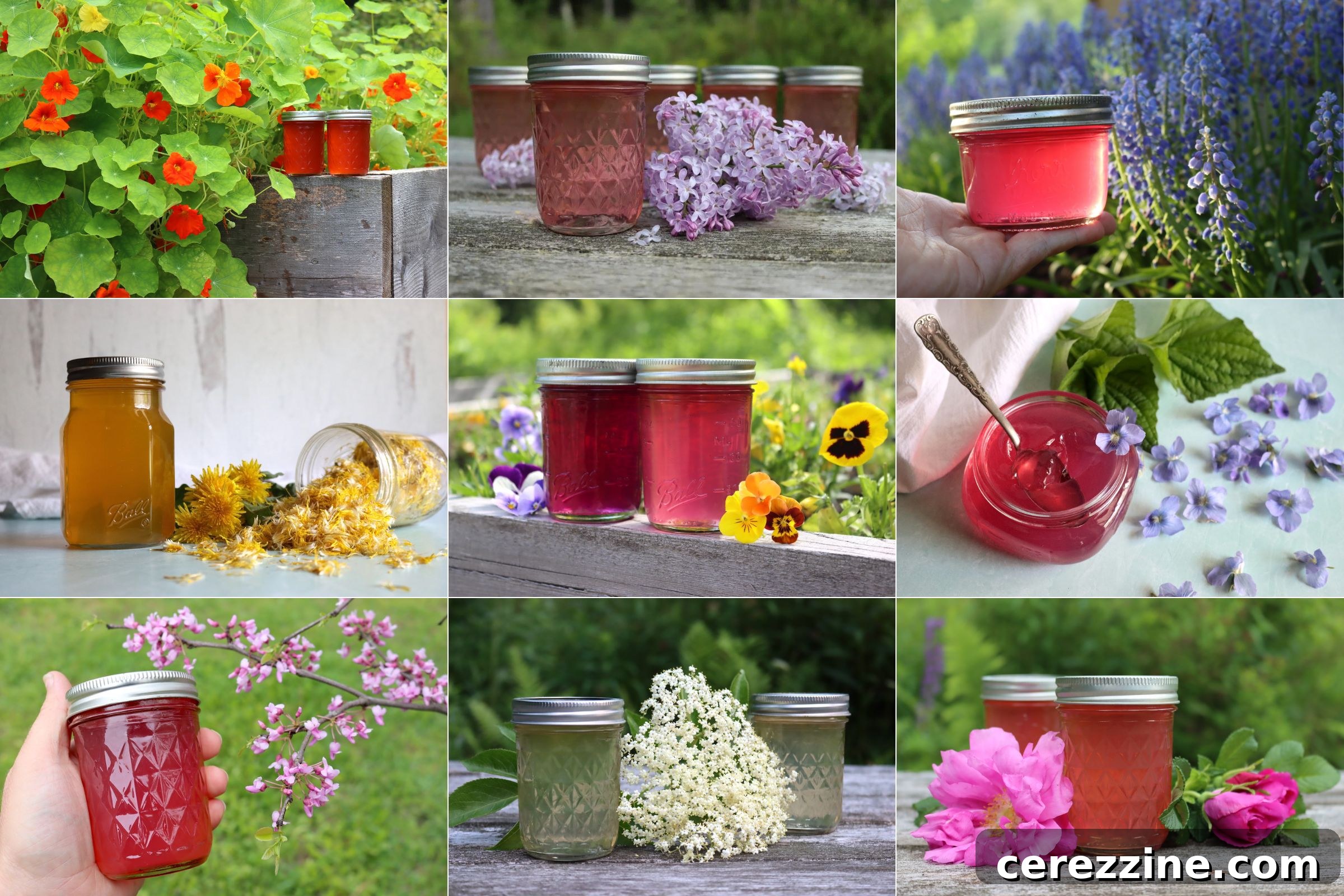
With the basic floral jelly recipe mastered, a world of edible flower possibilities awaits! Remember to always remove sepals, stems, and any green parts, as they can sometimes impart an undesirable bitter flavor. While the basic recipe is a fantastic starting point, some floral jellies benefit from additional ingredients that complement their unique profiles. For example, nasturtium jelly, with its peppery kick, can be enhanced with a few Sichuan peppercorns during the infusion.
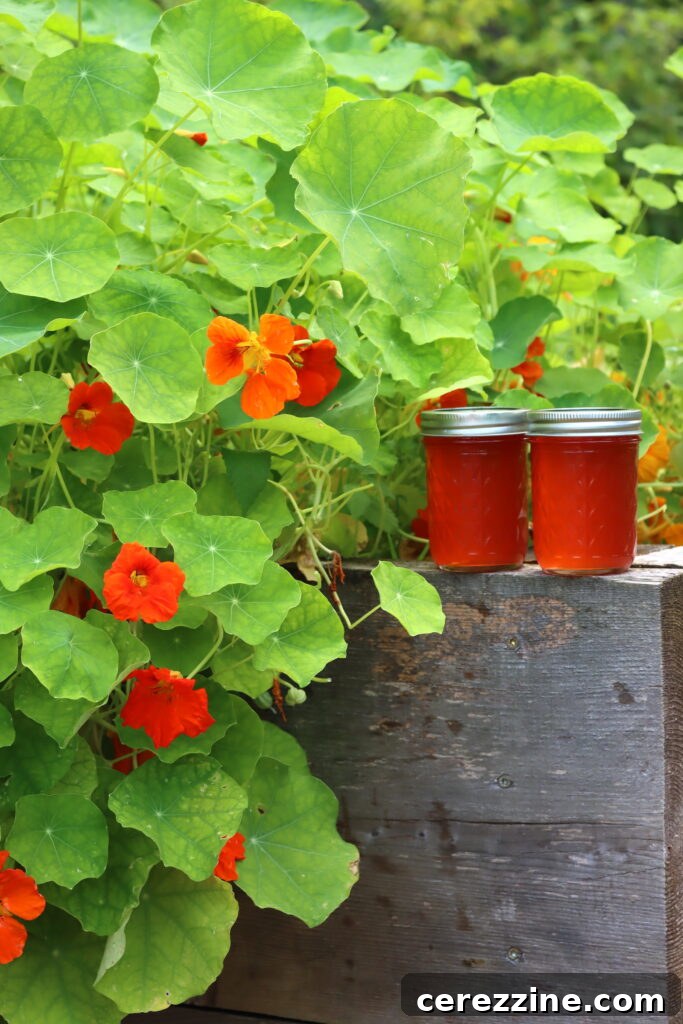
Here are some of the most popular and tastiest floral jellies to ignite your culinary creativity:
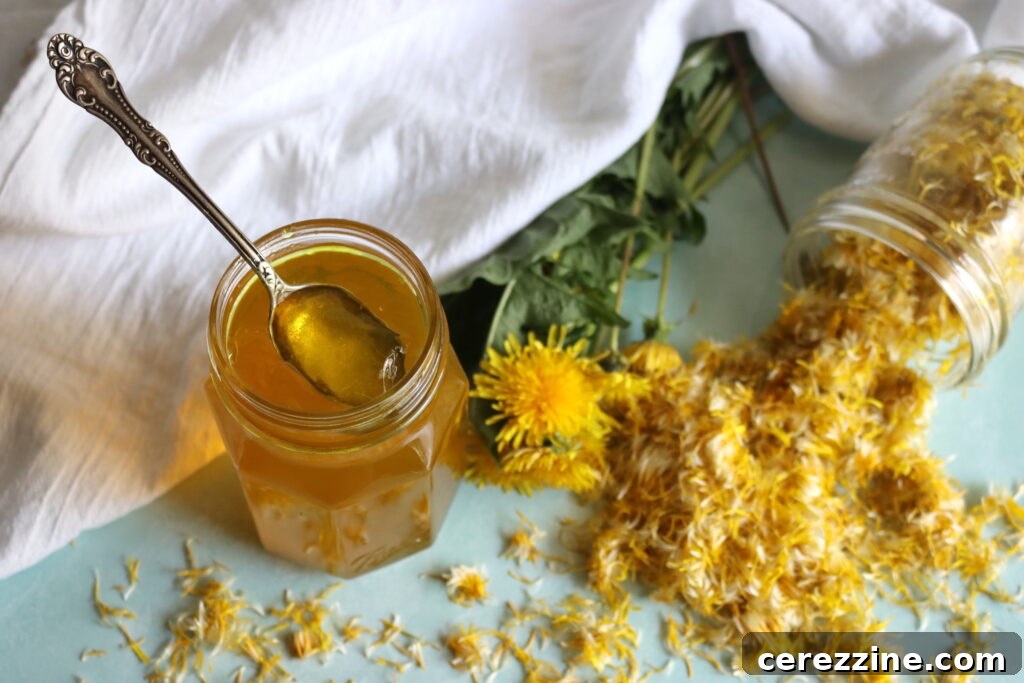
Dandelion Jelly: Nature’s Golden Sweetener
Dandelion jelly is a true sunny delight, boasting a beautiful bright yellow color and a flavor remarkably similar to honey. In fact, dandelion syrup (the jelly base without pectin) is often used as a vegan honey substitute due to its convincing taste. This jelly offers a light, floral sweetness with just a hint of honey, making it a delightful addition to morning toast. It’s a perennial favorite, especially for its cheerful color and subtle, inviting aroma.
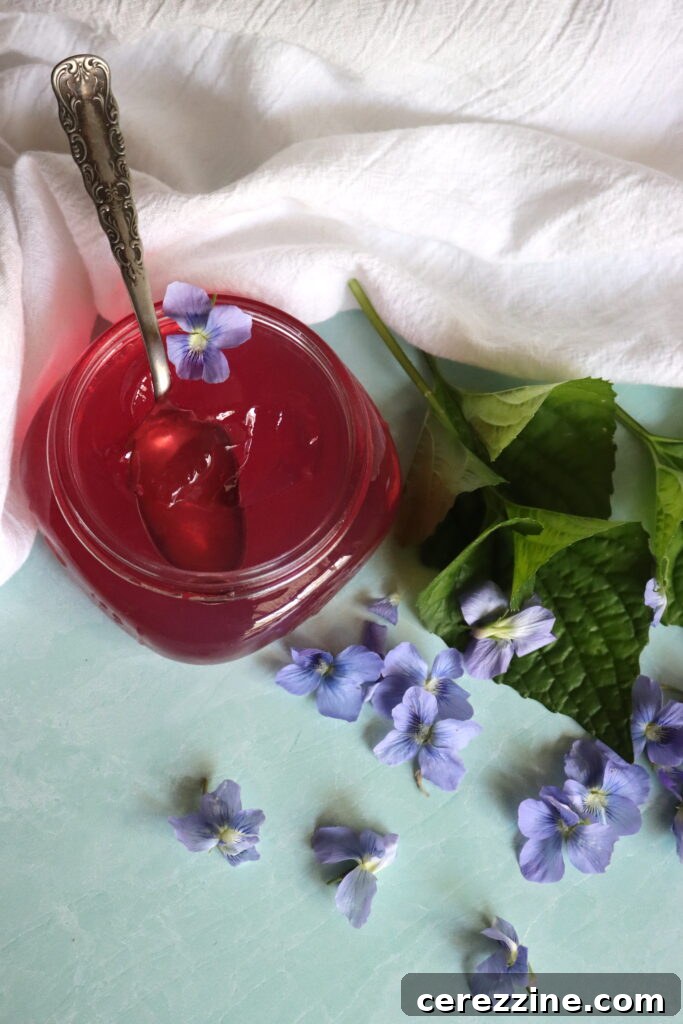
Wild Violet Jelly: A Burst of Spring Berries
Prepare to be amazed by wild violet jelly! Its infusion initially creates a vivid teal hue, but with the magical addition of lemon juice, it transforms into a stunning magenta (pinkish-purple). Beyond its captivating color, the flavor is truly exceptional. Believe it or not, violet jelly tastes reminiscent of fresh spring berries, offering delicate floral notes intertwined with hints of blueberry and black raspberry. It’s a truly unique and delicious preserve.
Lilac Jelly: Capturing Spring’s Fragrance
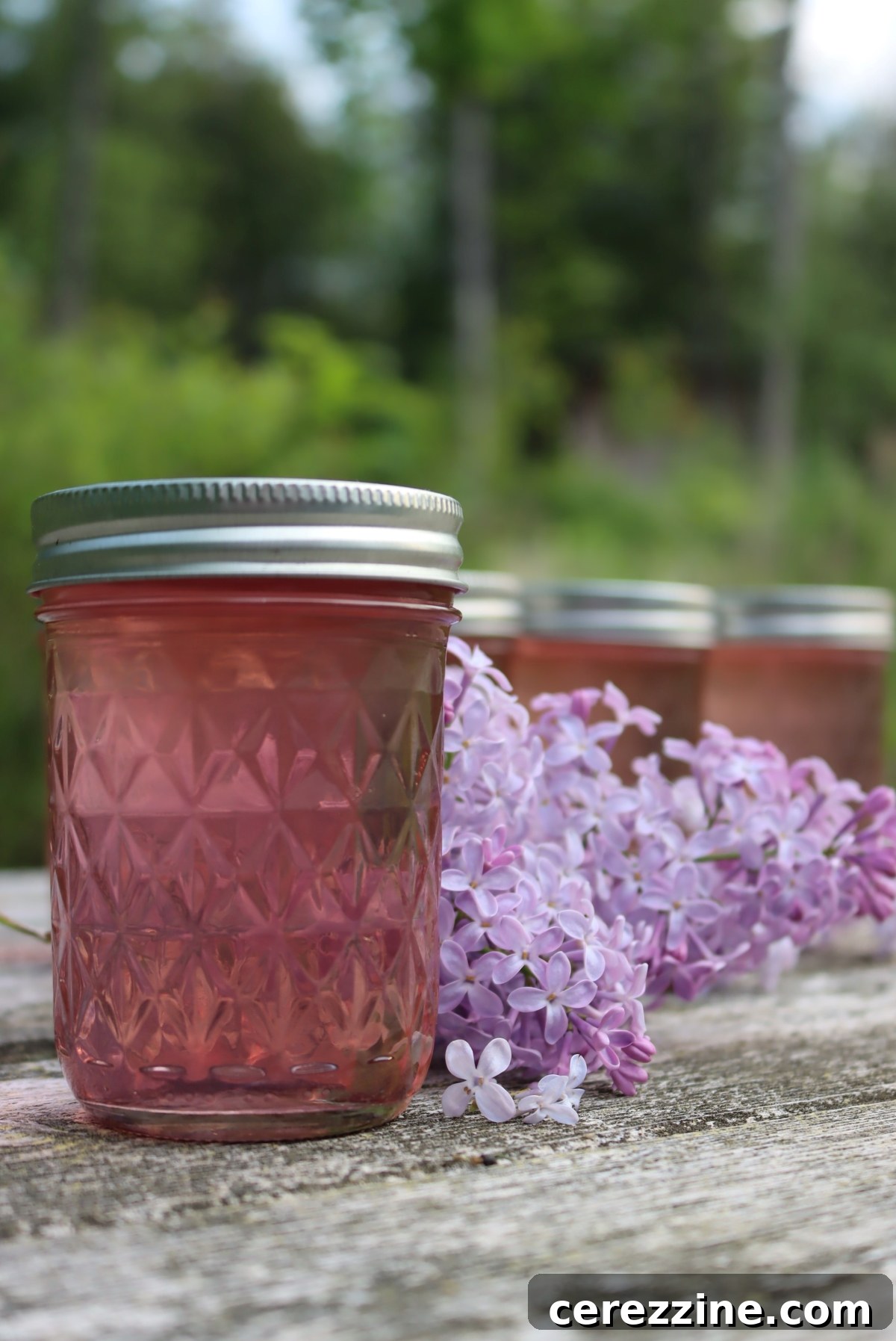
Lilac jelly embodies the purest “floral” essence among all the flower jellies I’ve created. Its flavor precisely mirrors the sweet, heady fragrance of fresh lilacs carried on a gentle spring breeze. This jelly promises to be an extraordinary treat during the colder months, a small jar of springtime sunshine to brighten any gloomy winter morning.
Bee Balm Jelly: An Herbal Twist
Bee balm jelly offers a distinctive profile, leaning more towards an herbal character than purely floral. While still sweet, its taste carries savory undertones, a reflection of bee balm’s (Monarda sp.) use in Mediterranean cuisine as a seasoning akin to oregano. Although leaves are typically used in savory dishes, the blossoms provide a milder, yet equally intriguing, herbal note. Its vibrant red color is an undeniable visual treat!
Fireweed Jelly: A Forager’s Delight
Fireweed jelly is a true wild-foraged treasure, only possible in regions where fireweed (also known as rose willow herb) flourishes. This resilient plant thrives in disturbed areas, much like dandelions, readily colonizing sites after fires, floods, or other natural and man-made disruptions. As with any wild edible, accurate identification is essential before transforming its tasty blossoms into jelly.
Apple Blossom Jelly: A Springtime Harvest
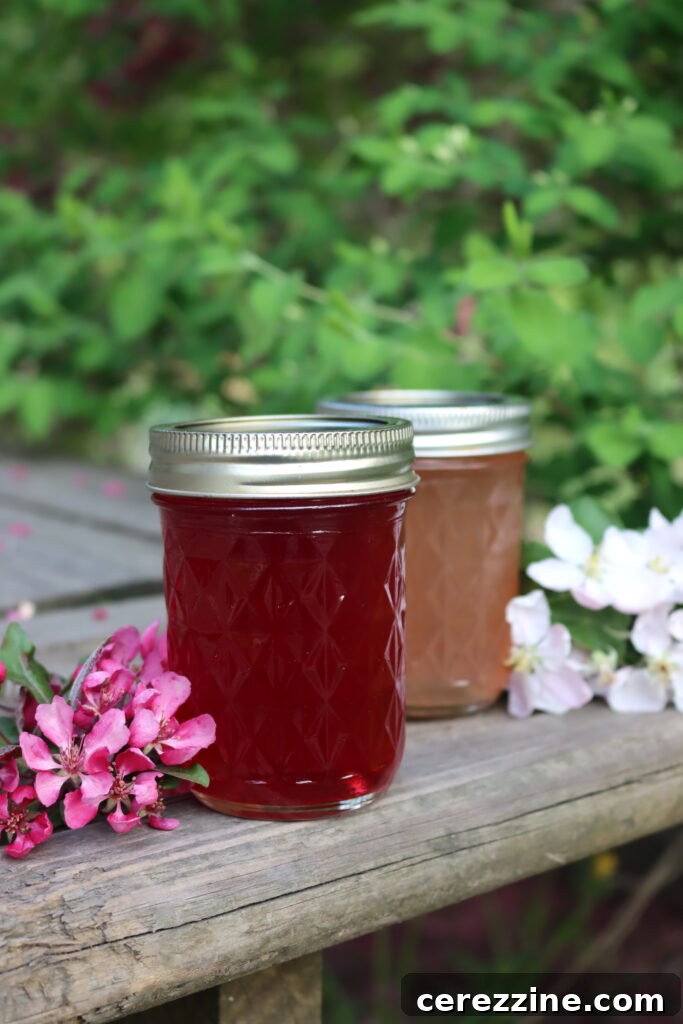
Apple blossom jelly, or any fruit tree blossom jelly (like peach or cherry blossom), is a delightful spring project. Fruit trees naturally produce more blossoms than they can develop into fruit, and thinning some of these blooms can actually benefit the tree’s overall fruit production. This practice allows you to enjoy a unique, subtly fruity floral jelly while also supporting your orchard.
Clover Blossom Jelly: Accessible and Sweet
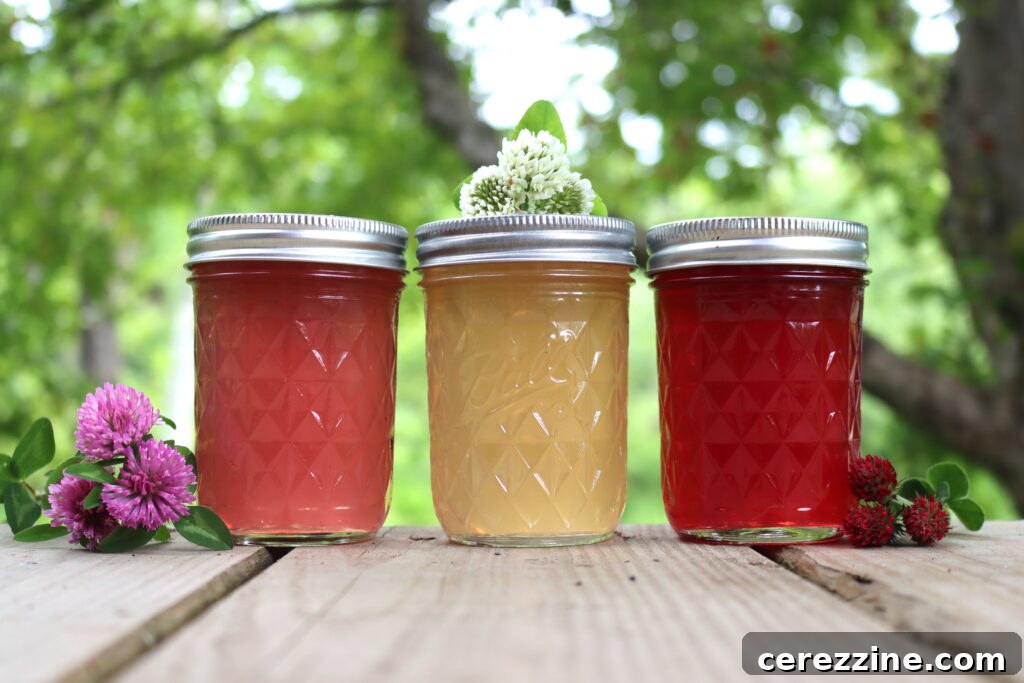
Who doesn’t have access to abundant wild clover blossoms? Clover blossom jelly is an easy and rewarding project. You can use any color of edible clover flowers, whether white, red (which often appears pink), or crimson clover, each contributing its own subtle variations to the final product.
Beyond these favorites, a plethora of other blossoms can be transformed into exquisite jellies:
- Black Locust Jelly
- Borage Jelly
- Chamomile Jelly
- Clover Blossom Jelly
- Daylily Jelly
- Elderflower Jelly
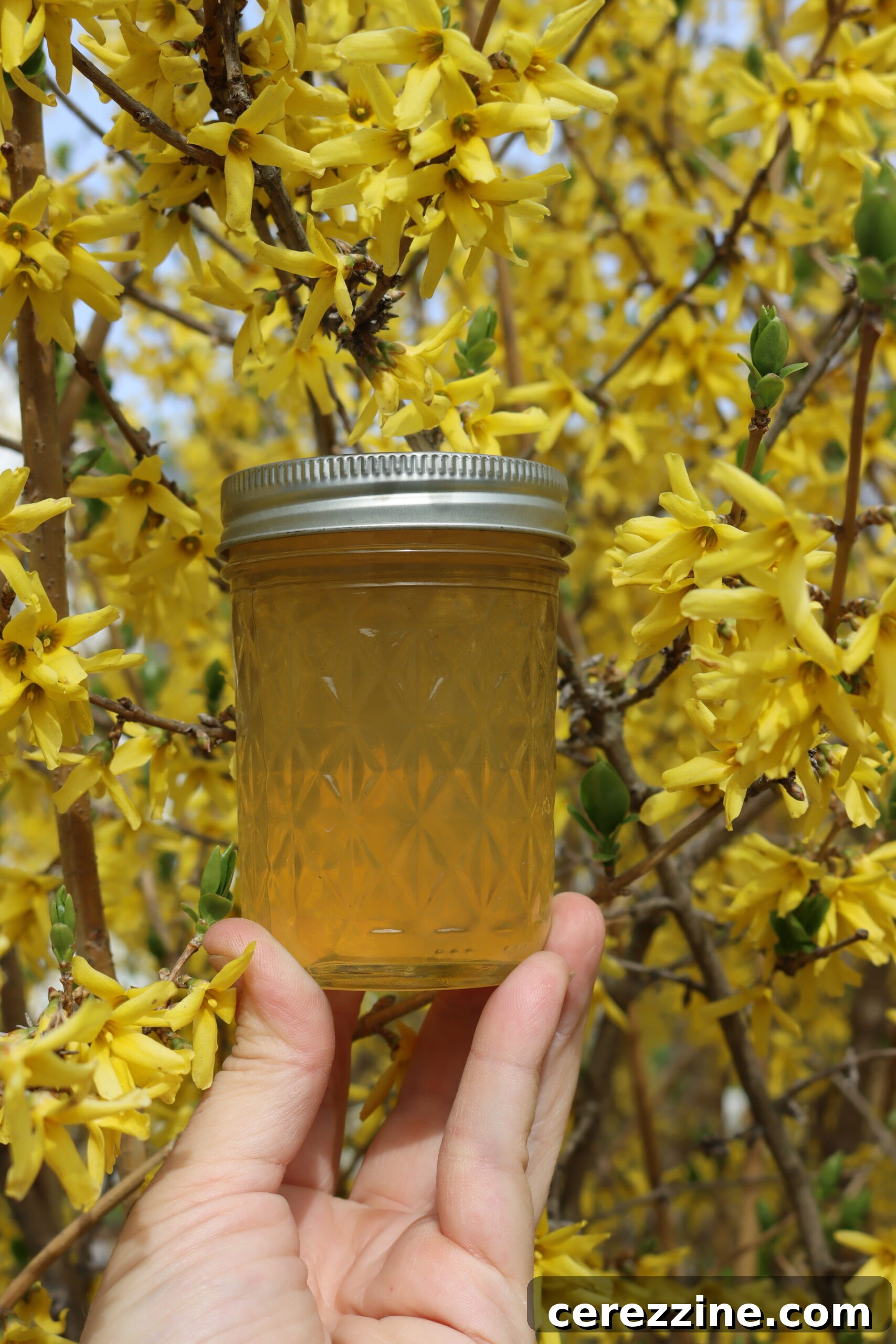
- Forsythia Jelly
- Grape Hyacinth Jelly
- Hibiscus Jelly
- Honeysuckle Jelly
- Kudzu Blossom Jelly
- Lavender Jelly
- Milkweed Jelly
- Pansy Jelly
- Peony Jelly
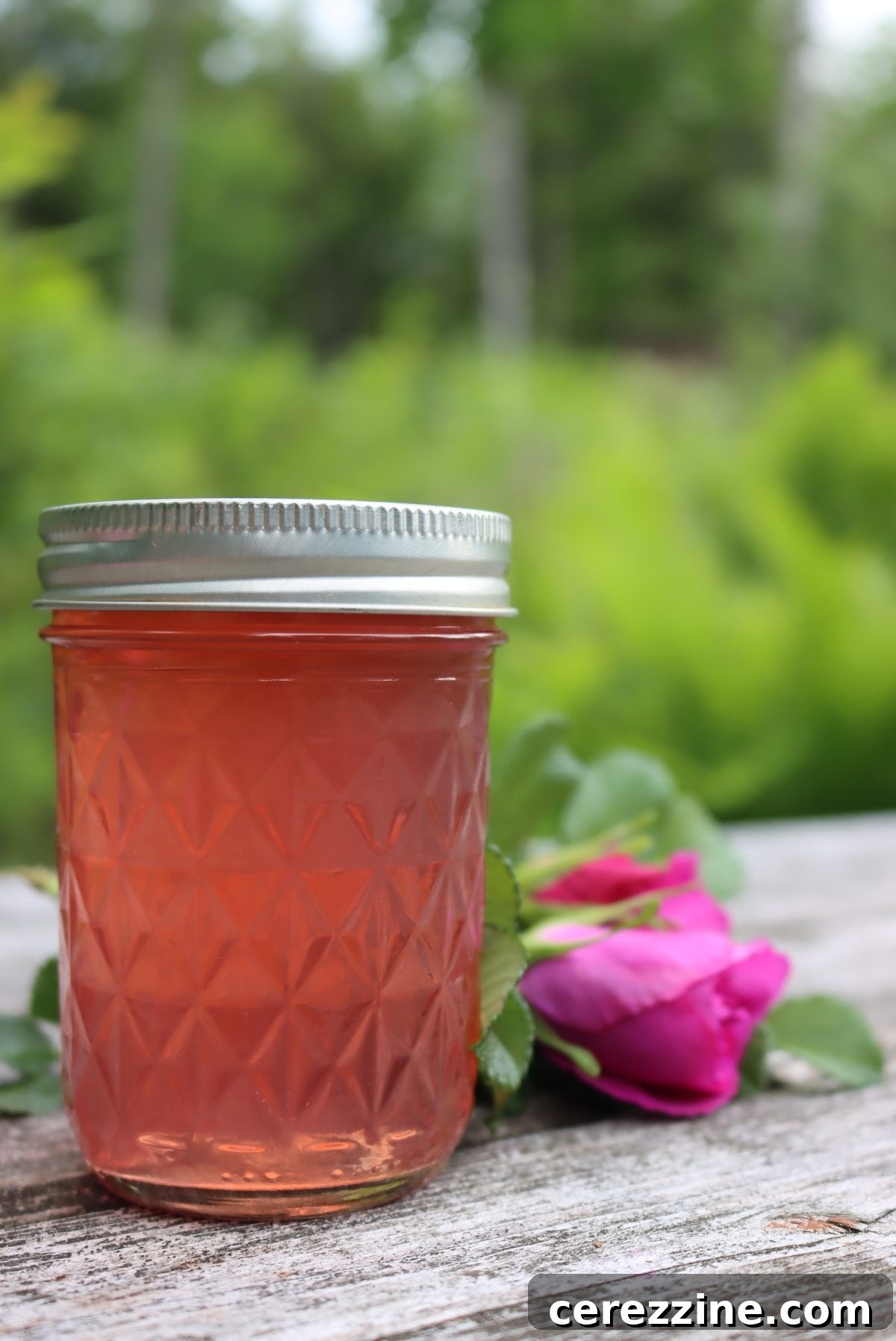
- Rose Petal Jelly
Beyond Jelly: Exploring Floral Jams
While many flower preparations involve straining the petals to create a clear jelly, some recipes embrace the petals themselves, leading to what are known as “floral jams.” Rose jam is a prime example of this, offering an absolutely divine experience. The rose petals remain tender and supple even after cooking, adding not only a beautiful color but also a delightful texture to the finished jam.
Not all flowers are suited for jam-making, as some can become fibrous or lose their appeal when cooked. However, for certain blossoms, including whole or finely processed petals in the jam yields truly exceptional results:
- Rose Petal Jam
- Johnny Jump Up Jam
- Hibiscus Jam
Floral-Infused Herbal Preserves
The versatility of edible flowers extends beyond standalone jellies. They can also be harmoniously incorporated into fruit preserves, adding an unexpected layer of complexity and aroma. Blueberry lavender jam, for instance, is a timeless pairing that highlights how well floral notes can complement fruity flavors. This opens up a world of creative possibilities for infusing your favorite fruit jams with delicate floral essences.
Experiment with these tasty floral-infused fruit jam recipes:
- Blueberry Lavender Jam
- Strawberry Elderflower Jam
- Roasted Strawberry Chamomile Jelly
- Daylily Citrus Jelly
- Peach Lavender Jam
32
Servings (About 4 to 5 half pint Jars)
Flower Jelly
Ashley Adamant
15 mins
5 mins
10 mins
30 mins
Rate
Ingredients
- 4 cups edible flower blossoms
- 4 cups water
- 2 tbsp lemon juice
- 1 to 4 cups sugar, *see note
- 1 box powdered pectin, 1.75 oz box pectin (Regular or Low Sugar)
Instructions
-
Separate 4 cups of edible flower blossoms from their stems, carefully removing any green parts.
-
Pour 4 cups boiling water over the top of the flower blossoms and allow the tea to infuse for about 10 minutes.
-
Strain the floral tea into a saucepan or jam pot. Add the lemon juice, which will help bring out the best color in the jelly, but it’s also required to balance the sugar in the recipe and help the pectin set. Beyond that, it adds acidity to help preserve the jelly, so don’t skip the lemon!
-
Bring the mixture to a boil and add the powdered pectin, stirring to dissolve. Allow the mixture to boil for 1 minute before adding sugar. (Note: Do not add the sugar at the same time as the pectin, or before the pectin, or the jelly will not set.)
-
Add the sugar, stirring to dissolve (See notes on quantity). Bring the mixture back to a full boil for 1 minute before ladling into jelly jars leaving 1/4 inch headspace.
-
If canning, process in a water bath canner for 10 minutes. Otherwise, allow the jars to cool completely on the counter before storing in the refrigerator (for up to a month) or the freezer for up to 6 months.
Notes
Beyond that, it’s always possible to react to new foods, so please be careful when making big batches of things you’ve never tried before.
Many flowers are medicinal as well as edible, and while the quantities used in jelly generally aren’t considered a “therapeutic dose,” be sure that their actions don’t conflict with any health conditions you may have. For example, hawthorn blossoms are used in blood pressure preparations, and violet blossoms are mildly diuretic.
Do a bit of background research on the particular blossom you’ve chosen.
A note on sugar…
If using standard pectin, you must use a 1:1 ratio of liquid to sugar. That means for 4 cups flower blossom tea you’d need a minimum of 4 cups sugar to get the jelly to set. That results in a very sweet “old-fashioned” jelly. To reduce the sugar, simply use low-sugar pectin instead and then make the jelly as instructed but using less sugar. I suggest sure jel low sugar, which is very dependable.
Lowering sugar will also lower yield, and the yield of 5 half-pints is for a full sugar recipe.
If using Pomona’s Universal Pectin, the instructions are different as that is a 2-part low sugar pectin, with pectin powder and calcium water as an activator. Most pectins include citric acid to help drop the pH, but Pomona’s doesn’t. If you’re using Pomona’s for a floral jelly, you’ll need to increase the lemon juice to 1/2 cup (from 2 Tbsp). Follow the instructions provided in the Pomona’s box for mint jelly.
If using liquid pectin, the order of operations is different (pectin is added last, sugar first). Liquid pectin also requires a lot more sugar to set (7 cups sugar to 4 cups liquid). I don’t recommend liquid pectin because of the high sugar levels required for set, but it will work if that’s your preference.
Nutrition
Calories: 29kcal
,
Carbohydrates: 8g
,
Protein: 0.01g
,
Fat: 0.03g
,
Saturated Fat: 0.001g
,
Polyunsaturated Fat: 0.002g
,
Sodium: 5mg
,
Potassium: 1mg
,
Fiber: 0.1g
,
Sugar: 6g
,
Vitamin A: 0.1IU
,
Vitamin C: 0.4mg
,
Calcium: 1mg
,
Iron: 0.05mg
Nutrition information is automatically calculated, so should only be used as an approximation.
Like this? Leave a comment below!
More Edible Flower Recipes and Uses
Once you’ve experienced the magic of flower jellies, you’ll undoubtedly be eager to explore even more ways to enjoy the bounty of edible blossoms. From refreshing beverages to delightful desserts, flowers can elevate a wide range of culinary creations.
Discover other fantastic recipes incorporating edible flowers:
- Rose Cordial
- Elderflower Cordial
- Lilac Wine
- Dandelion and Honey Ice Cream
- Dandelion Shortbread Cookies
Comprehensive Edible Flower Guides
For those who wish to delve deeper into the world of edible flowers, these comprehensive guides offer dozens of additional ways to harvest, prepare, and enjoy various blossoms:
- 60+ Dandelion Recipes
- 60+ Nasturtium Recipes
- 15+ Ways to Use Borage
- How to Eat a Rose (Rose Recipes)
- How to Eat Lilacs (Lilac Recipes)
- How to Eat a Peony (Peony Recipes)