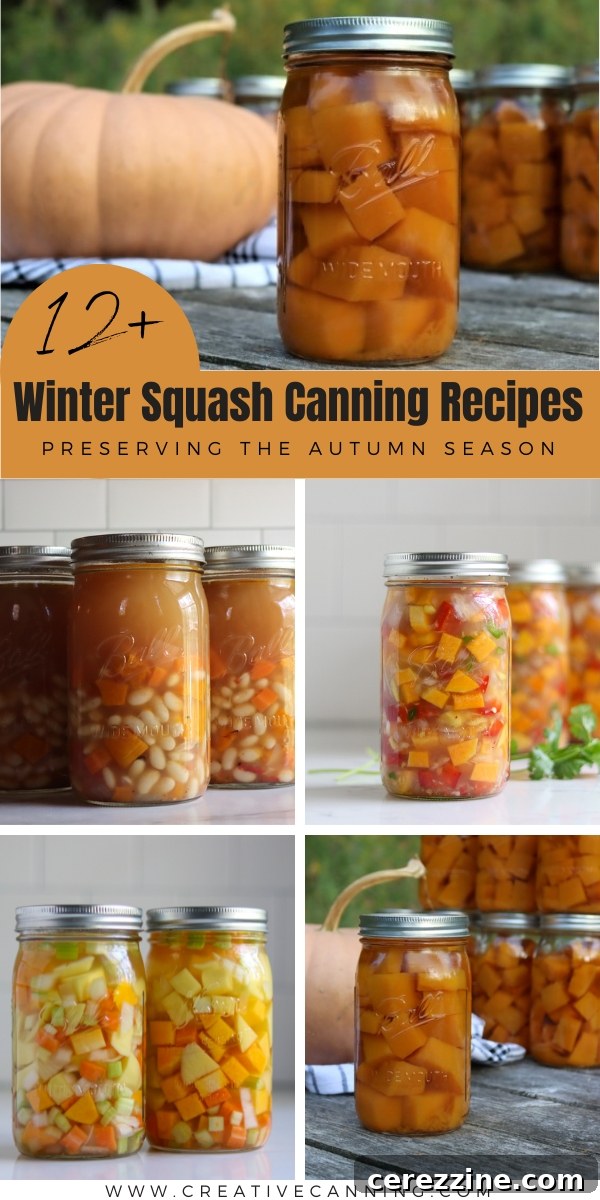
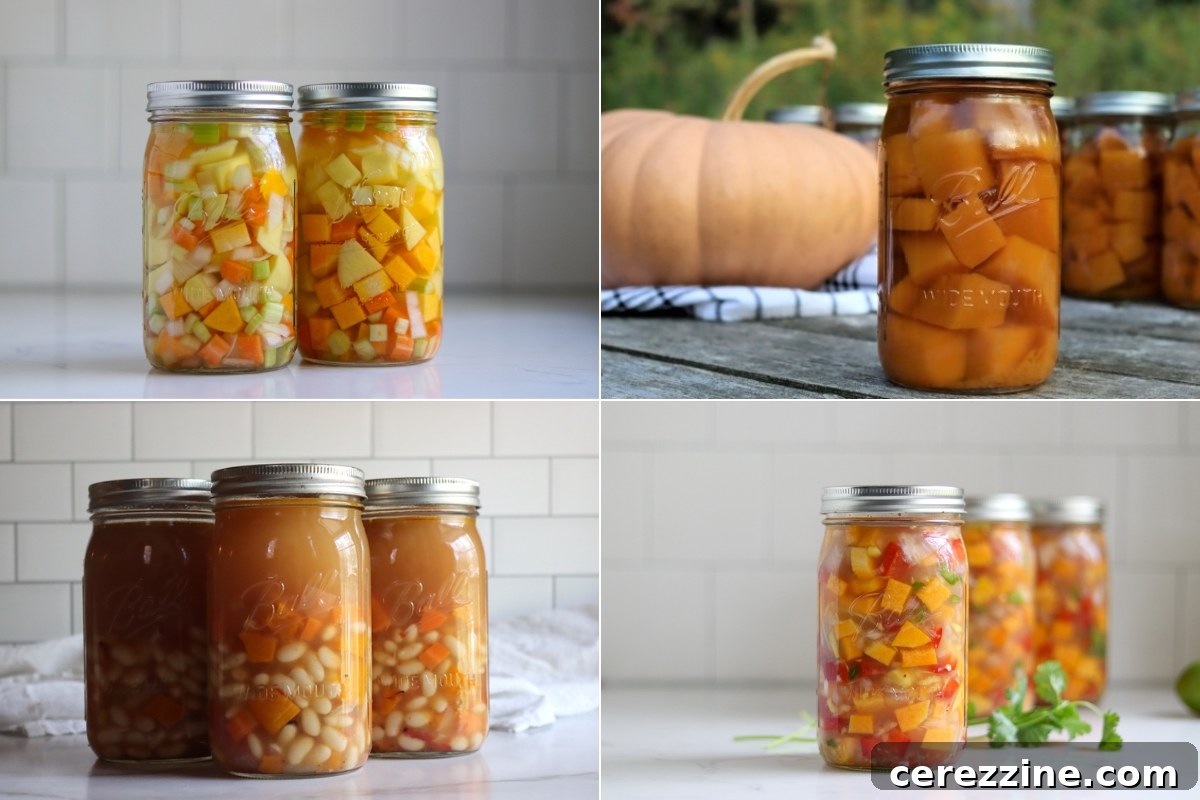
Canning pumpkin and other beloved winter squash varieties like butternut, kabocha, or acorn squash can seem daunting for the home canner. However, with the right knowledge and tested recipes, safely preserving these nutritious vegetables at home is not only achievable but also incredibly rewarding. This comprehensive guide will walk you through the essential steps, safety guidelines, and delicious recipe ideas to confidently can your winter squash harvest.
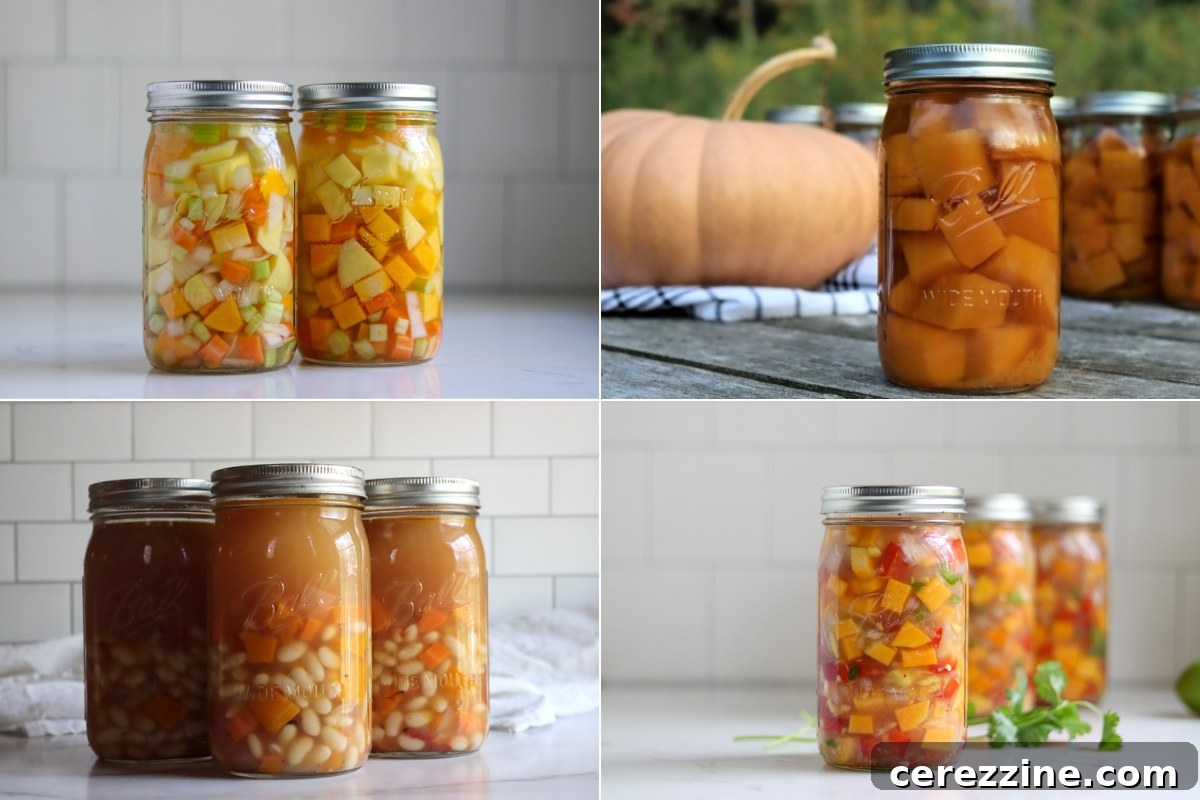
While winter squash keeps well in a cool, dark root cellar, such storage options are becoming increasingly rare for many households. Even if you’re fortunate enough to have a suitable cellar, the process of cleaning, peeling, and roasting a whole pumpkin can be incredibly time-consuming, especially on busy weeknights. Home canning offers a convenient solution, allowing you to batch this work all at once and enjoy ready-to-use pumpkin for many meals throughout the year.
Imagine the ease of pulling a jar of perfectly cooked pumpkin from your pantry shelf for a quick weeknight dinner or a bustling holiday meal. It’s significantly simpler than tackling a fresh, whole squash when time is short. This pre-prepped ingredient opens up a world of culinary possibilities, from comforting soups and savory stews to unique pickled pumpkin dishes.
The versatility of canned pumpkin extends far beyond mere convenience. You can preserve plain cubes in water, broth, or syrup, or transform them into an array of delicious, ready-to-eat meals. This guide will explore various safe and tested recipes, enabling you to stock your pantry with homemade goodness that truly stands out from store-bought options.
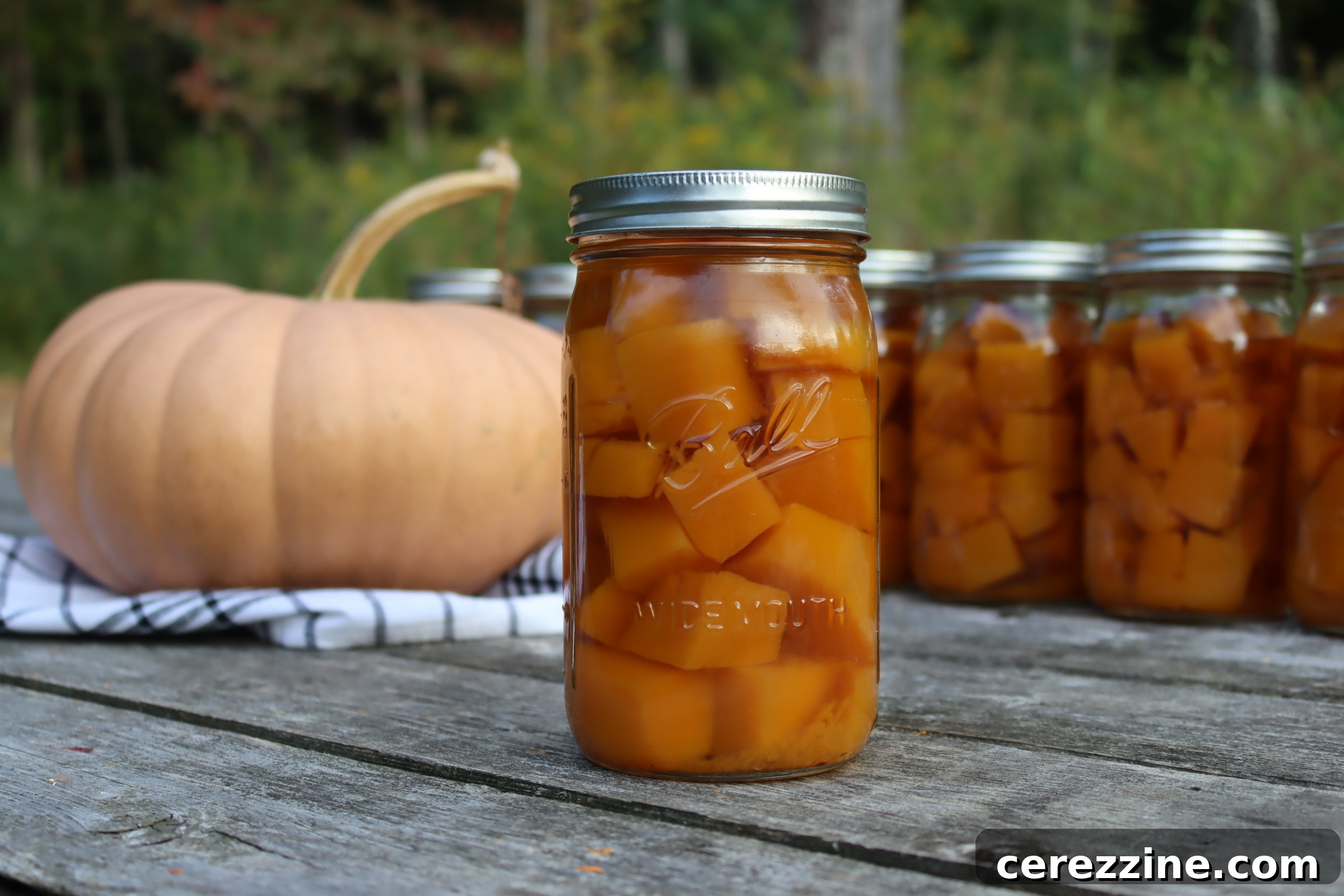
Among the most popular and satisfying uses for home-canned winter squash are hearty soups and stews. When prepared correctly, pumpkin chunks maintain their structure beautifully through the pressure canning process, resulting in visually appealing and delicious meals that are ready in minutes. You can serve them as chunky, rustic dishes, or, if you prefer a velvety texture, simply puree them before heating.
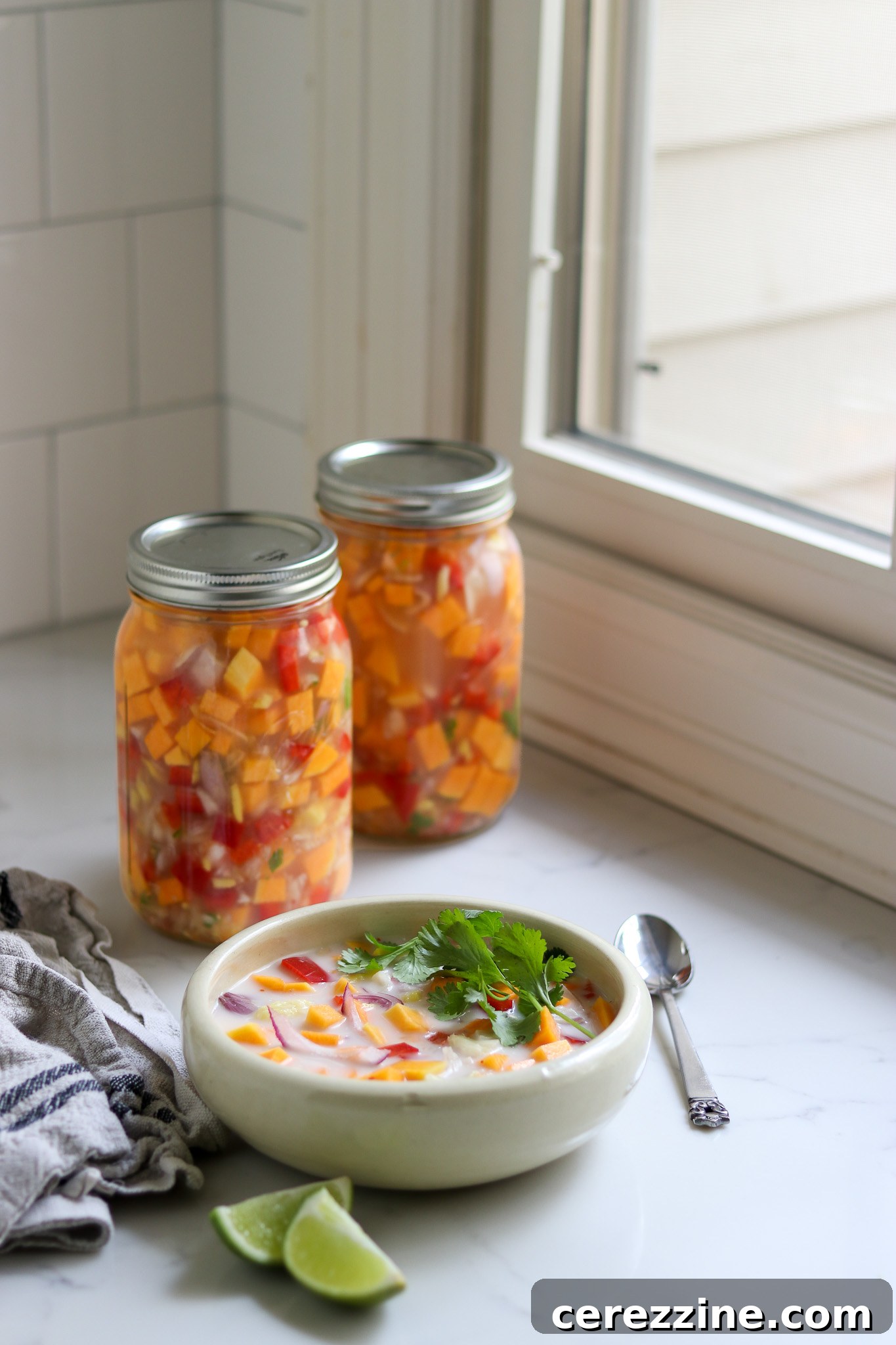
The ability to preserve pumpkin in chunks allows for greater culinary creativity, as it absorbs the rich flavors of well-seasoned broths with ease. This approach offers a delightful alternative to the often overused smooth pumpkin puree, showcasing pumpkin’s incredible adaptability in dishes like a vibrant Thai Pumpkin Coconut Soup.
Is Winter Squash Safe for Home Canning? Understanding the Essentials
Yes, pumpkin and all other forms of winter squash are indeed safe for home canning, provided they are preserved in chunks rather than as a smooth puree. This crucial distinction is rooted in food safety science and the varying densities of different squash varieties.
When you can pumpkin puree, its thickness and density can vary significantly depending on the specific squash variety, its moisture content, and how finely it’s pureed. In a commercial canning operation, stringent standardization ensures the exact same variety and density are used consistently, allowing for precise heat penetration and cooling rates. Furthermore, commercial canneries often use tin cans, which heat and cool much more efficiently than the glass jars we use at home. Without this rigorous standardization and specific equipment, there’s simply no consistently safe way to ensure adequate heat penetration to the center of a dense pumpkin puree in a home canning setting. This poses a risk of botulism, a serious foodborne illness.
Therefore, tested home canning recipes for winter squash always specify canning in 1-inch cubes. This ensures uniform heat distribution throughout the jar, effectively destroying harmful bacteria and spores. While you can’t can pureed pumpkin for shelf-stable storage, canning winter squash in chunks opens up a world of unique offerings that you simply can’t find in a grocery store. Anyone can buy a can of pumpkin puree, but a gourmet pumpkin and white bean soup from your pantry shelf is a homemade delight.
Essential Instructions for Safely Pressure Canning Winter Squash
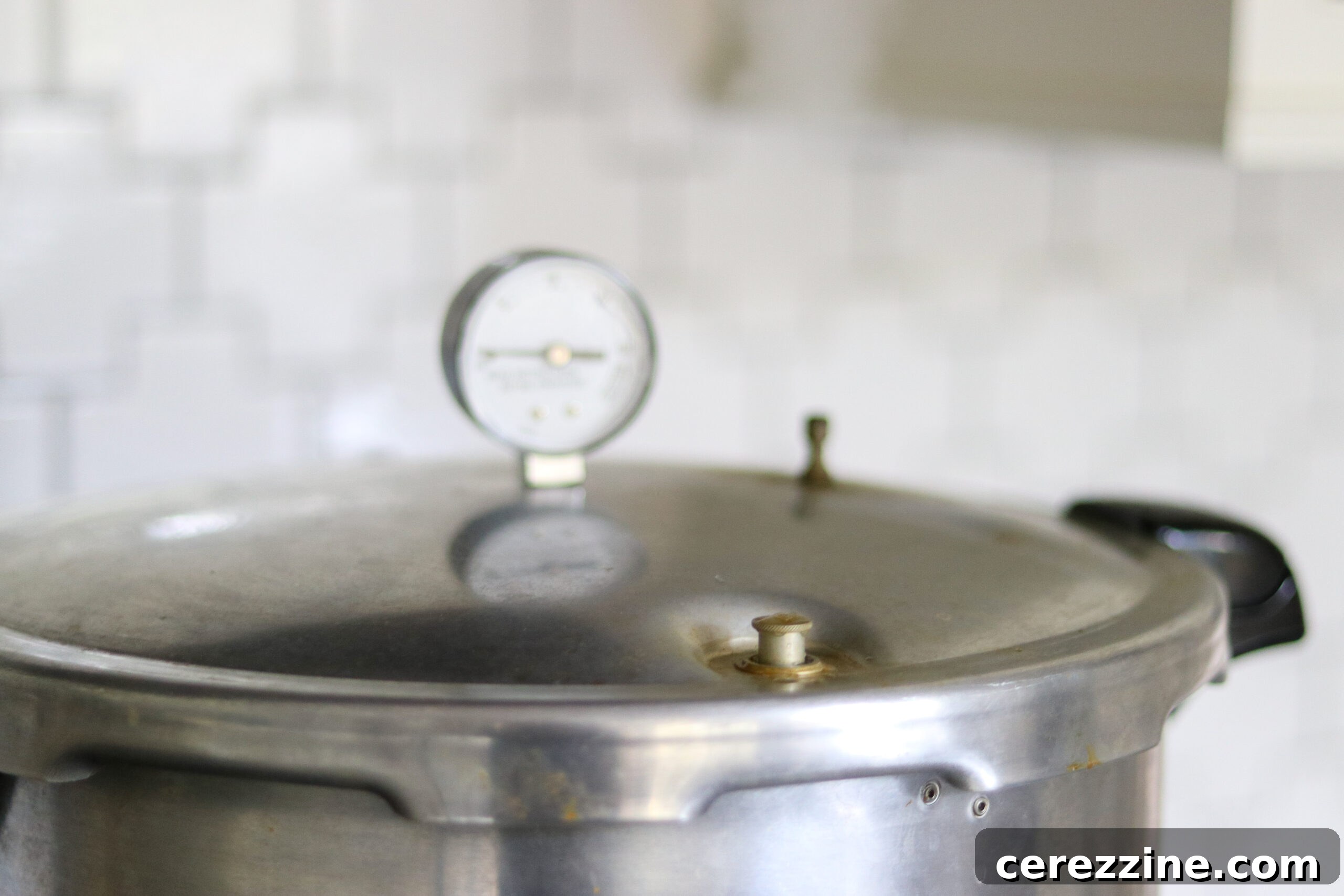
It is paramount to understand that pumpkin and all types of winter squash are low-acid vegetables. This means they are not safe for water bath canning, which only reaches boiling temperatures. To safely preserve low-acid foods and prevent the growth of harmful bacteria like Clostridium botulinum, they must be processed in a pressure canner. A pressure canner reaches much higher temperatures (typically 240-250°F or 116-121°C), ensuring a safe and shelf-stable product.
General instructions for pressure canning plain pumpkin or winter squash cubes are as follows:
- Preparation: Begin by thoroughly cleaning the squash. Carefully peel the skin using a sharp vegetable peeler or knife, and then scoop out all seeds and stringy fibers.
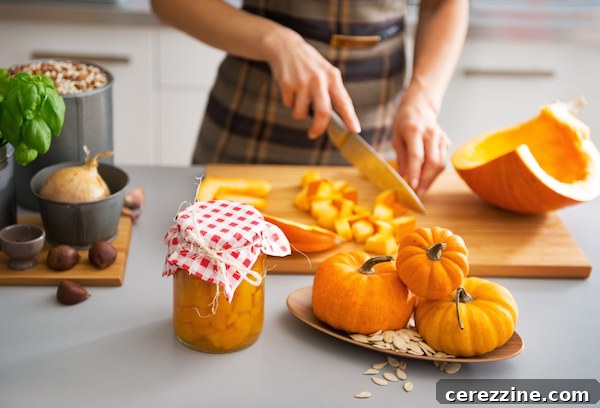
- Cubing: Cut the cleaned squash flesh into uniform 1-inch cubes. Consistency in size is important for even heat penetration during canning.
- Blanching (Hot Pack Method): Place the squash cubes into a large pot of boiling water and blanch for 2 minutes. This brief cooking step, known as hot packing, helps to shrink the squash slightly, remove air, and ensures a better pack in the jars.
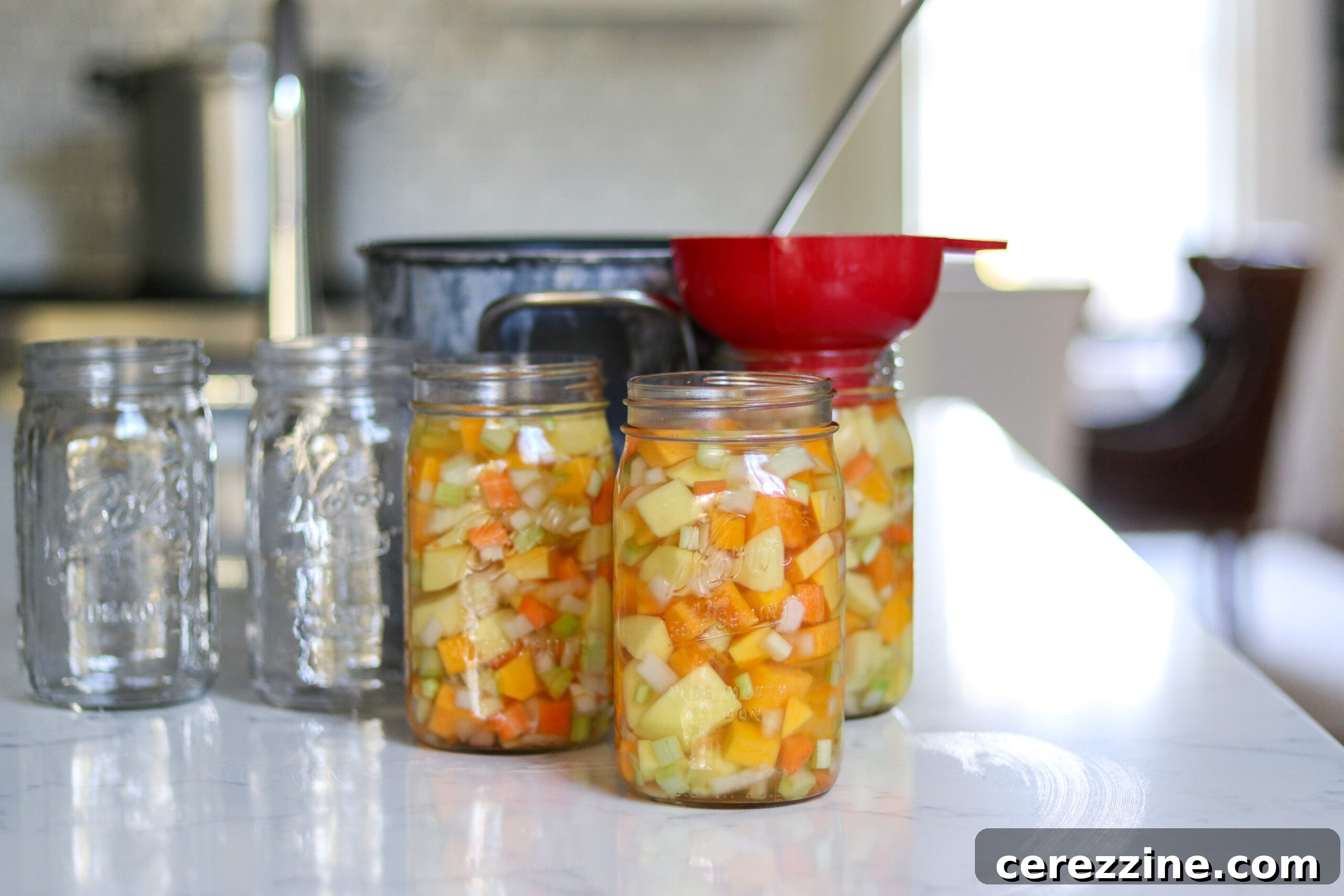
- Packing Jars: Carefully pack the hot squash cubes into clean, hot canning jars, leaving 1 inch of headspace. Headspace is the empty space between the food surface and the rim of the jar, essential for proper sealing.
- Adding Liquid: Pour fresh boiling water, broth (meat or vegetable), or a light syrup over the squash, maintaining the 1-inch headspace. Use a bubble remover tool or a non-metallic spatula to remove any trapped air bubbles from the jars. Wipe jar rims clean with a damp cloth.
- Sealing: Place new, pre-warmed canning lids on the jars and secure with screw bands, tightening only to fingertip-tight.
- Pressure Processing: Process the jars in a properly venting pressure canner for the specified time: 55 minutes for pint-sized jars and 90 minutes for quart-sized jars. Ensure you adjust the pressure according to your altitude.
Altitude adjustments are critical for safe pressure canning, as water boils at lower temperatures at higher altitudes, affecting internal jar temperatures. Always follow these guidelines for canning pumpkin:
Dial Gauge Pressure Canner Settings:
- 0 to 2,000 Feet: 11 pounds pressure
- 2,001 to 4,000 Feet: 12 pounds pressure
- 4,001 to 6,000 Feet: 13 pounds pressure
- 6,001 to 8,000 Feet: 14 pounds pressure
- Above 8,001 Feet: 15 pounds pressure
Weighted Gauge Pressure Canner Settings:
- 0 to 1,000 Feet: 10 pounds pressure
- Above 1,001 Feet: 15 pounds pressure
Regardless of your altitude, pumpkin and winter squash must always be pre-blanched and hot packed into jars. The processing times remain constant: 55 minutes for pints and 90 minutes for quarts. After processing, allow the canner to cool naturally until the pressure drops to zero before opening. Remove jars and let them cool undisturbed for 12-24 hours on a towel on your countertop.
When canning pumpkin as part of a soup, you must adhere to the specific instructions provided by tested soup canning recipes, such as those from the USDA or university extensions. Most tested soup recipes typically require longer canning times of 75 minutes for pints and 90 minutes for quarts. This extended processing time accounts for other ingredients often present in soups, such as meats, beans, or various root vegetables, which may have different heat penetration characteristics.
The altitude adjustments for canning soup remain the same as for canning plain pumpkin. It is absolutely essential to follow a reliable, tested pressure canning recipe for any soup containing low-acid ingredients to ensure safety.
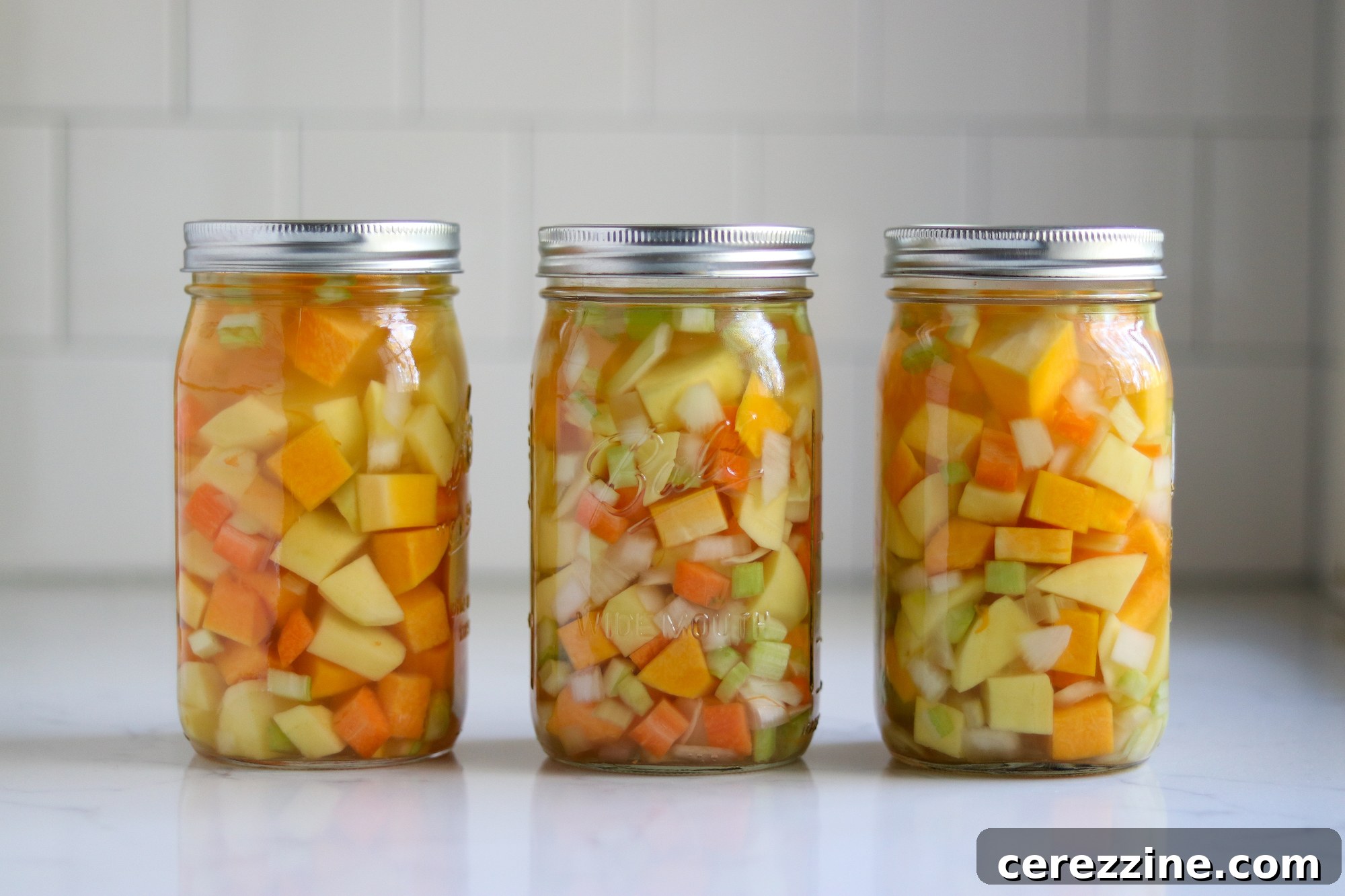
Inspiring Winter Squash Canning Recipes for Every Palate
The majority of tested winter squash canning recipes focus on savory soups or simply preserving plain squash in chunks. However, the world of possibilities extends far beyond classic pureed butternut squash soup. Home canning allows you to explore unique flavor profiles and preparation methods that are often unavailable commercially. For instance, while less common in the United States, pickled pumpkin is a cherished delicacy in German and Austrian kitchens, showcasing the squash’s versatility.
It’s important to note that while many desire to can pumpkin jam or pumpkin butter, there are no specific, nationally tested canning recipes for these products due to the low acidity of pumpkin. However, you can create delicious preserves that are heavy in added acid (like citrus marmalades) and sugar, which can achieve a safe pH level for water bath canning. Always exercise caution and consider home pH testing for such recipes.
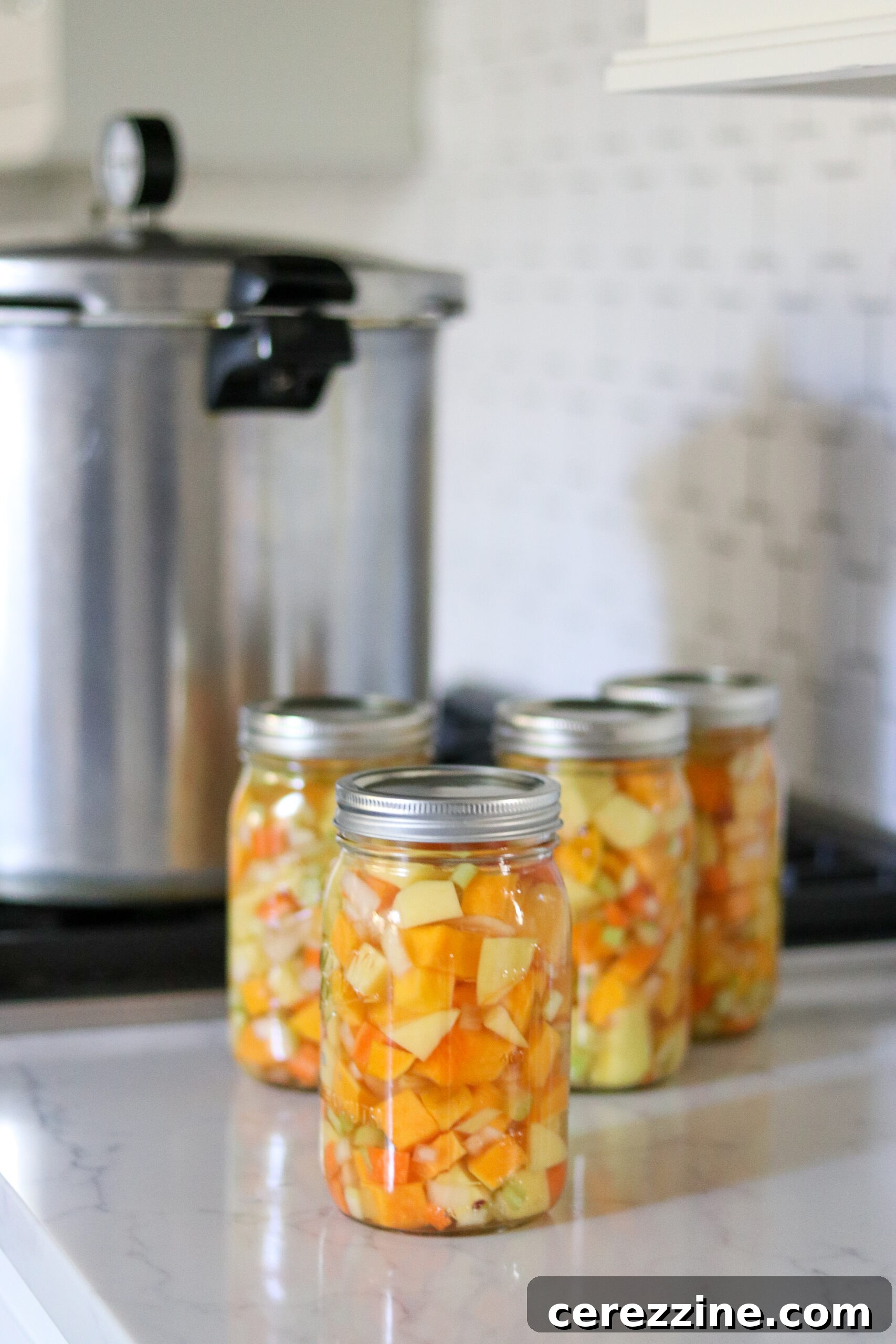
Canning Plain Pumpkin and Winter Squash Cubes
The fundamental recipe for preserving pumpkin and other winter squash involves canning 1-inch cubes in a liquid medium and processing them in a pressure canner. This method provides a versatile base for countless future meals.
While water is the simplest canning liquid, there are several approved variations to enhance flavor. You can use a light to heavy sugar syrup, spiced sugar syrup, or acidic fruit juices such as apple, grape, cranberry, or pineapple juice. Tomato juice is another excellent option for a savory base. In terms of spices, your creativity is the limit, as reasonable amounts of dry spices can always be added to home canning recipes to infuse your squash with unique aromas and tastes.
- Canning Pumpkin At Home
- Canning Butternut Squash
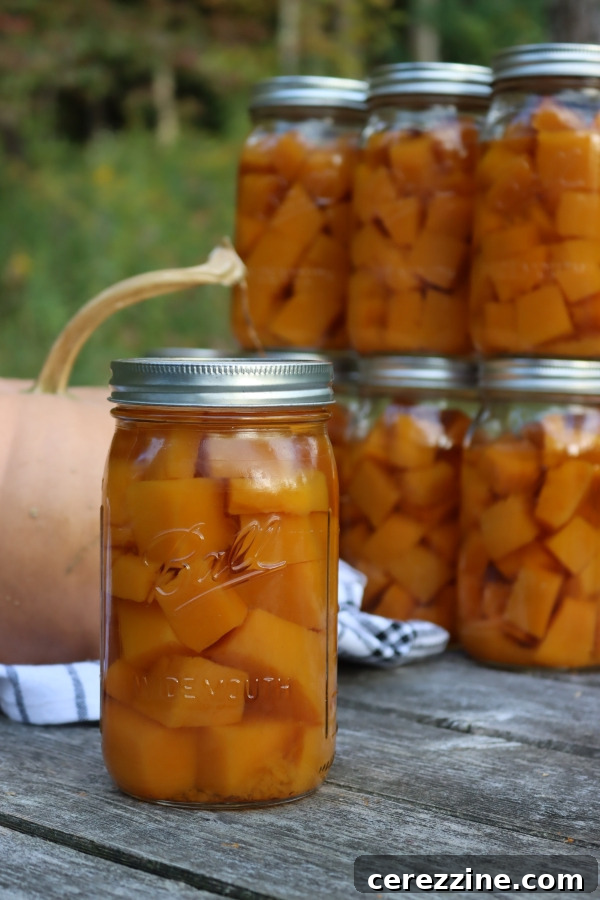
Canning Savory Pumpkin and Winter Squash Soups
In my opinion, home-canned pumpkin and winter squash soups truly allow this humble vegetable to shine. They offer unparalleled convenience and gourmet flavor.
When canning pumpkin in broth (either vegetable or meat-based), the processing times must be slightly increased compared to plain cubed pumpkin. For safety, you’ll need to process pints for 75 minutes and quarts for 90 minutes. You can follow the USDA’s “Your Choice Soup” recipe guidelines, which allow for a flexible combination of ingredients, or utilize another pre-tested pumpkin soup canning recipe.
Remember, the pumpkin must always be in chunks rather than pureed for safe canning. However, this doesn’t mean you can’t enjoy smooth pumpkin soup! You can prepare and can a chunky pumpkin soup base mix, and then simply puree it with an immersion blender or food processor just before serving to achieve that desired velvety texture.
- Thai Coconut Squash Soup (Ball Tested Recipe, coconut milk added at serving)
- Butternut (or Pumpkin) Soup Base (Puree at serving)
- Butternut Squash and White Bean Soup
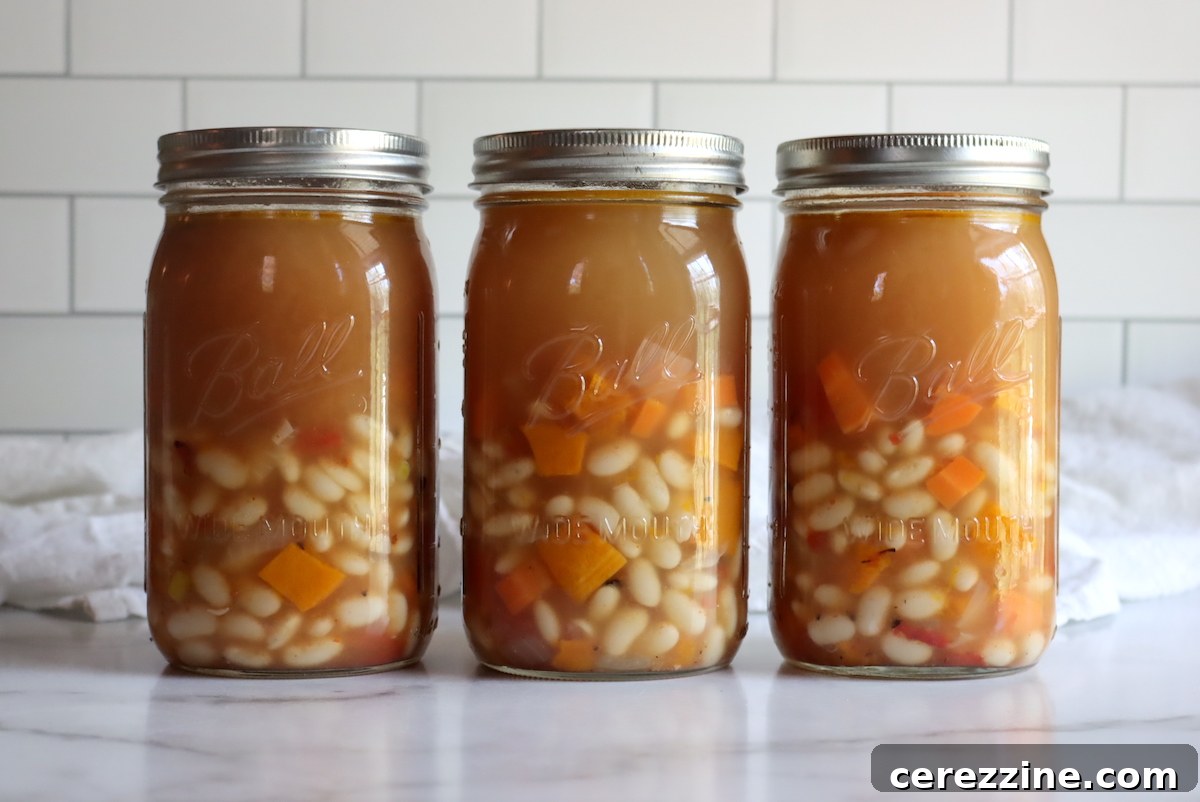
Pumpkin Jams, Jellies, and Marmalades: A Cautious Approach
It’s important to address the often-asked question about canning pumpkin jams, jellies, and marmalades. The National Center for Food Preservation (NCHFP) does not currently have tested recipes for these specific pumpkin preserves. This is primarily because pumpkin is a low-acid vegetable, and safe gelled preserves typically rely on the natural acidity of fruits for boiling water bath canning.
As stated by the National Center for Food Preservation:
“Gelled preserves rely on the natural acidity present in most fruits for safe food preservation. Most fruits have natural acids so resulting jams or jellies can be safely canned in a boiling water bath process. Pumpkin, however, is a low acid vegetable and cannot be safely canned in the boiling water bath process. A jam or sweetened preserve would have to have enough sugar and/or added acid to be treated safely without concerns about botulism. A certain acidity level is also required to cause the pectin molecule to form a gel structure. The USDA and Georgia Cooperative Extension currently do not have any tested recipes to recommend for safely canning pumpkin preserves (jams, jellies, conserves, or pumpkin butter) and storing them at room temperature. These pumpkin products must be stored in the refrigerator or freezer and treated the same as fresh pumpkin.”
That said, many home canning enthusiasts use recipes for pumpkin jams and marmalades that incorporate a significant proportion of highly acidic ingredients, such as lemon juice, orange juice, or other citrus. These added acids can potentially lower the overall pH of the mixture to a safe level (below 4.6) for boiling water bath canning. While these recipes are not officially tested by national organizations, some individuals may choose to test their batch’s pH at home using pH strips to ensure it falls within the safe range for water bath canning. Always proceed with caution and understand the risks involved with untested recipes.
- Pumpkin Jam
- Pumpkin Pie Jam
- Pumpkin Marmalade (preserves)
- Candied Pumpkin Preserves
- French Pumpkin Jam (Confiture De Citrouille)
Delicious Pickled Pumpkin Recipes
Pickled pumpkin offers a distinctive and delightful way to preserve winter squash, transforming it into a tangy, sweet-and-sour condiment. Typically, pumpkin is pickled in a flavorful sweet vinegar base, infused with a blend of warming spices like cinnamon, cloves, and allspice. The resulting relish is a fantastic accompaniment to autumn and holiday meals, much like cranberry sauce at Thanksgiving, adding a burst of unique flavor to your plate.
The addition of sugar in the brine beautifully balances the acidity of the vinegar, creating a perfectly tangy and aromatic pickle. For successful and safe pickled pumpkin for canning, ensure the pumpkin chunks are relatively small, around 1 inch, to allow for proper pickling and heat penetration. Crucially, the pickling brine must contain more than 50% vinegar with a minimum acidity of 5% to ensure a safe pH level for water bath canning.
- Pickled Pumpkin with Canning Instructions
- Quick Pickled Pumpkin (Can use canning instructions in the post above)
Explore More Autumn Canning Recipes
Keep your canner bustling this fall by exploring a variety of seasonal canning recipes that capture the essence of autumn’s bounty. From sweet fruit preserves to savory pickled vegetables, extending your harvest through canning is a rewarding endeavor.
- Cranberry Apple Jam
- How to Make Fruit Butter
- Pear Butter
- Pear Sauce
- Pickled Green Tomatoes