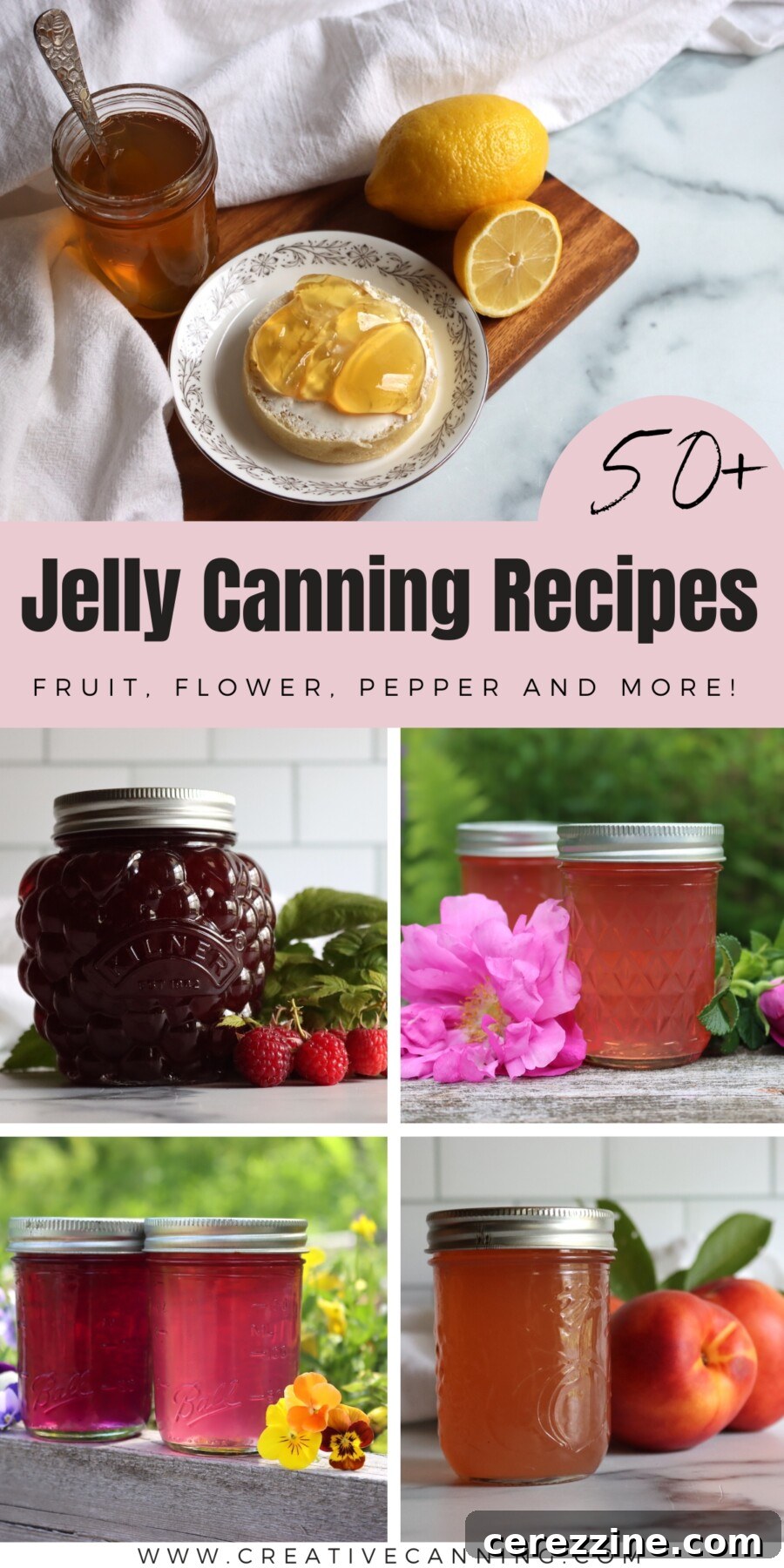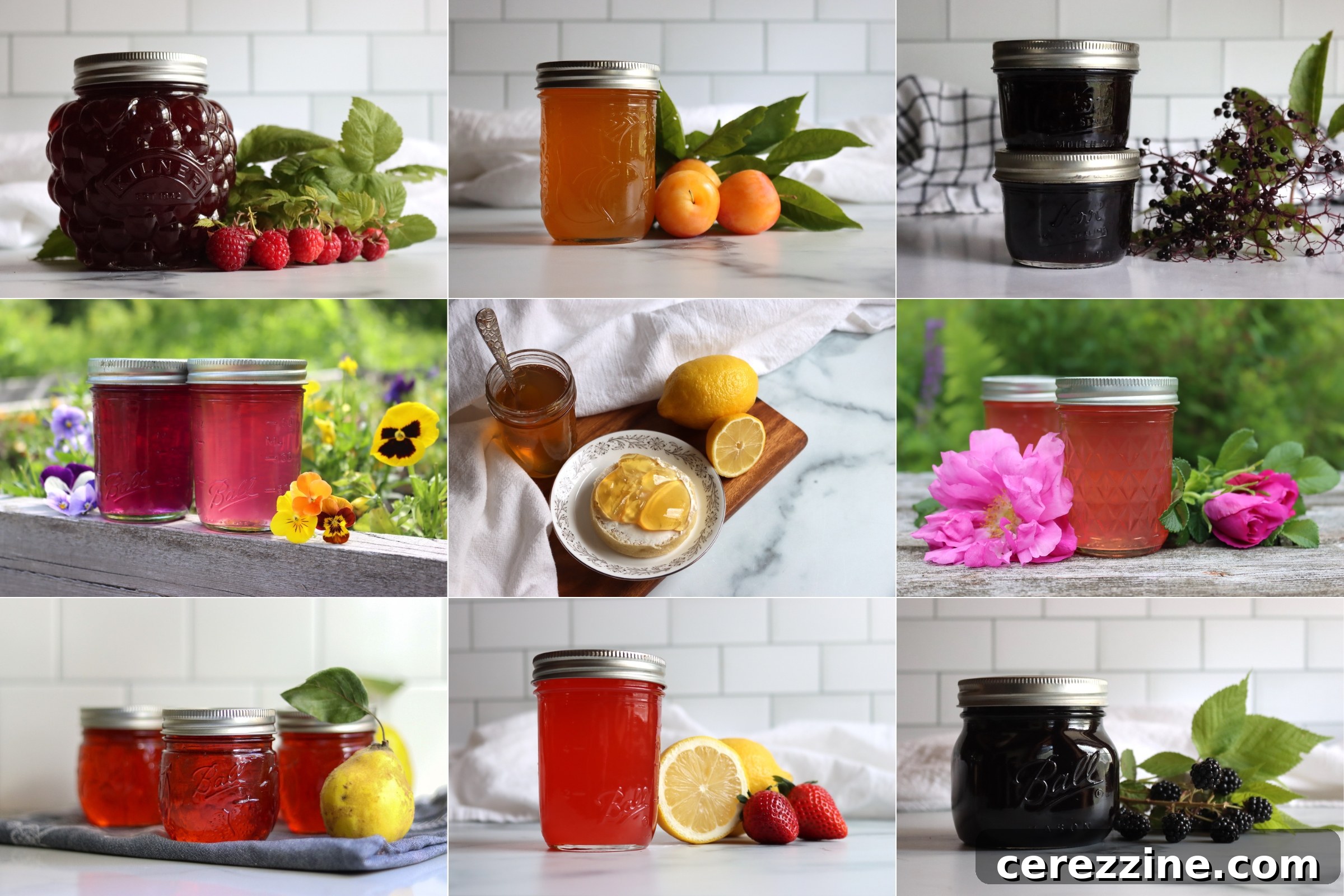
Jelly canning recipes are a delightful gateway for home canners to encapsulate the pure essence of fruit, flower, and herb flavors in their most pristine form. Unlike their pulp-filled counterparts, jams, jellies are crafted from extracted juice, resulting in a perfectly clear, glistening spread that allows the vibrant, natural taste of its source to truly shine. This delicate texture and brilliant clarity make homemade jelly a highly coveted preserve, perfect for everything from a simple breakfast toast to elegant desserts and charcuterie boards.
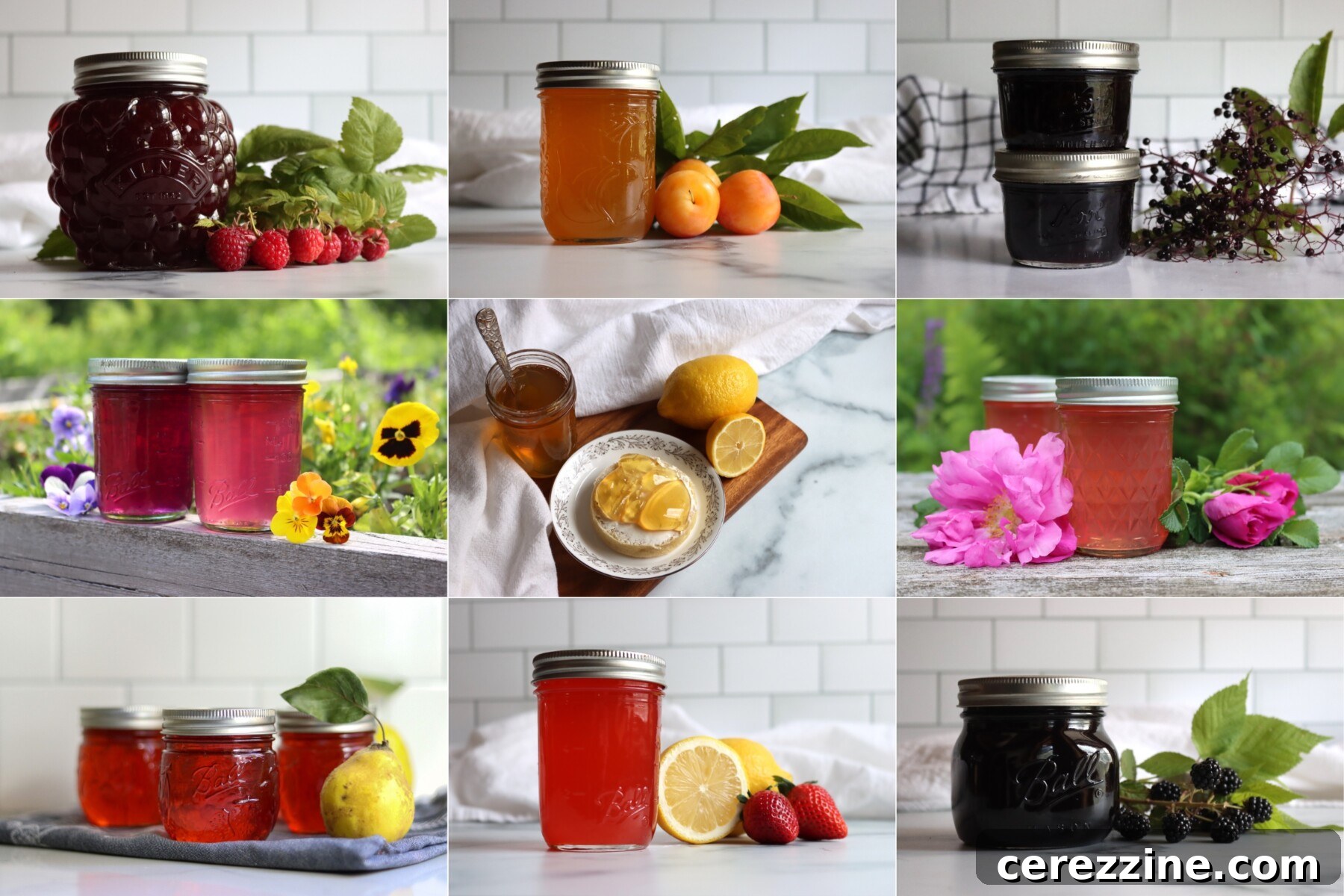
Whether your harvest comes from bountiful backyard berries, the unexpected treasures of foraged wild grapes, or fragrant herbs from your garden, there’s an ideal jelly recipe waiting to transform your seasonal bounty into something truly special and long-lasting. The art of making jelly is not only a rewarding culinary pursuit but also a fantastic way to preserve flavors, ensuring a taste of summer (or spring, or fall) is always within reach, even in the depths of winter.
The good news for aspiring home canners is that jelly making is incredibly accessible for all skill levels. For beginners and those seeking quick results, commercial pectin simplifies the process dramatically, allowing you to create perfectly set jelly in under an hour from start to finish. This method provides reliability and speed, making it an excellent entry point into the world of fruit preservation.
For more experienced canners, or those working with fruits naturally rich in pectin, the traditional method without added pectin offers a different kind of satisfaction. This approach often takes longer and demands a bit more attention, but it yields a distinctively silkier texture and can be a more economical choice. Regardless of the method you choose, the fundamental process remains consistent: extract the juice from your chosen fruit (or steep herbs/flowers for infusion), combine it with sugar and an acid, cook the mixture to its precise gel point, and then preserve it safely in a water bath canner. This timeless practice ensures your homemade jellies are not only delicious but also shelf-stable.
Mastering Jelly with Commercial Pectin: Simplicity and Reliability
Commercial pectin is a game-changer for jelly makers, especially those new to canning or working with fruits naturally low in pectin. It effectively removes much of the guesswork, allowing for consistent results every time. The most common ratio typically involves 4 cups of fruit juice, 4 cups of sugar, and 1 box of commercial pectin, a combination that reliably sets almost any jelly. It’s crucial to remember that powdered and liquid pectins have different instructions regarding when they should be added during the cooking process. Always refer to the specific directions provided with your chosen pectin type to ensure a perfect set.
Should your jelly not set as expected, don’t despair! This is a common hurdle, even for seasoned canners. Resources like Troubleshooting Jelly That Didn’t Set (and How to Fix It) offer invaluable step-by-step guidance on diagnosing common issues and effectively rectifying them. Understanding the science behind pectin and its interaction with sugar and acid is key to successful jelly making.
One of the greatest advantages of using commercial pectin is the speed of the process. Pectin-based jellies come together remarkably quickly because the mixture only needs to reach a full rolling boil for a mere minute before it’s ready for jarring. Following this, the jars typically require just 10 minutes of processing in a boiling water bath canner for most recipes at elevations up to 1,000 feet. This efficiency means you can complete an entire batch of delicious homemade jelly in a single morning or afternoon, making it a perfect project for busy schedules or spontaneous bursts of canning inspiration.
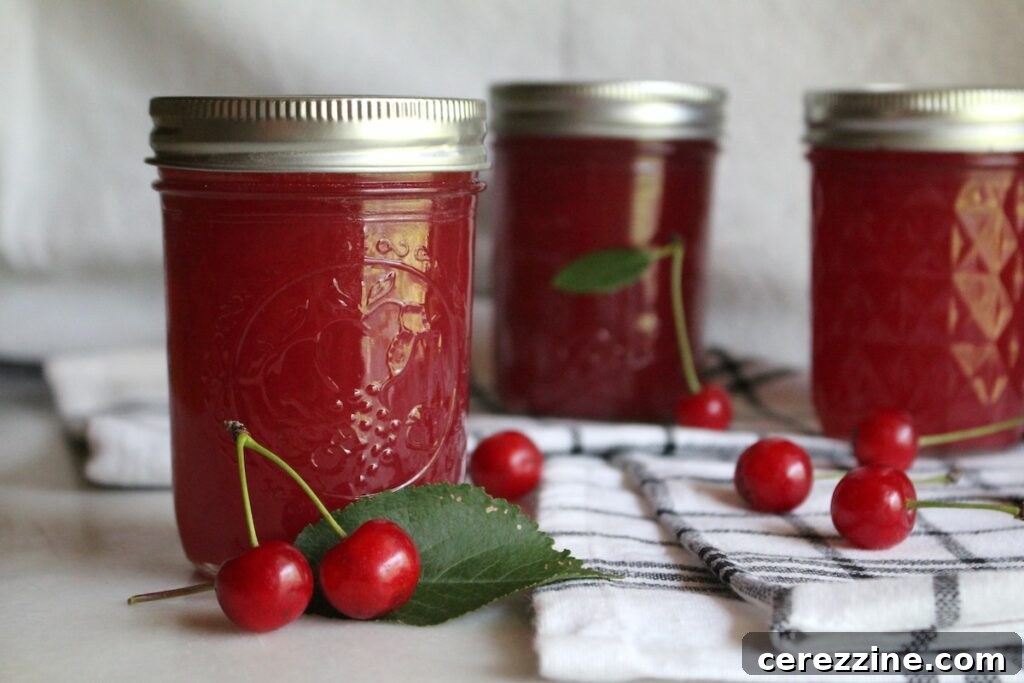
Embracing Tradition: Old-Fashioned Jellies Without Added Pectin
Crafting jelly without the aid of commercial pectin is a cherished skill, often pursued by experienced canners who appreciate a more traditional approach and the nuanced textures it produces. This method is particularly successful when working with fruits naturally abundant in pectin, such as apples, crabapples, certain grape varieties, gooseberries, and some plums. The classic technique involves simmering the fruit juice and sugar until the mixture reaches a specific temperature: 220°F (which is 8 degrees Fahrenheit above the boiling point of water at sea level). At this precise temperature, the fruit’s natural pectin is sufficiently activated and concentrated to ensure the juice will gel firmly as it cools.
For those who prefer not to rely solely on temperature, or as an additional verification, traditional doneness tests are indispensable. The “sheeting test” involves dipping a cold metal spoon into the vigorously boiling jelly, lifting it, and observing how the liquid drips from the edge. When the drops coalesce and fall from the spoon in a single, continuous “sheet” or curtain rather than individual drips, the jelly has reached its gel point. Another reliable method is the “cold plate test.” For this, simply place a small dollop of the hot jelly onto a chilled plate, allow it to cool for a minute, and then gently push it with your finger. If the jelly surface wrinkles and maintains its shape, it’s ready to be jarred.
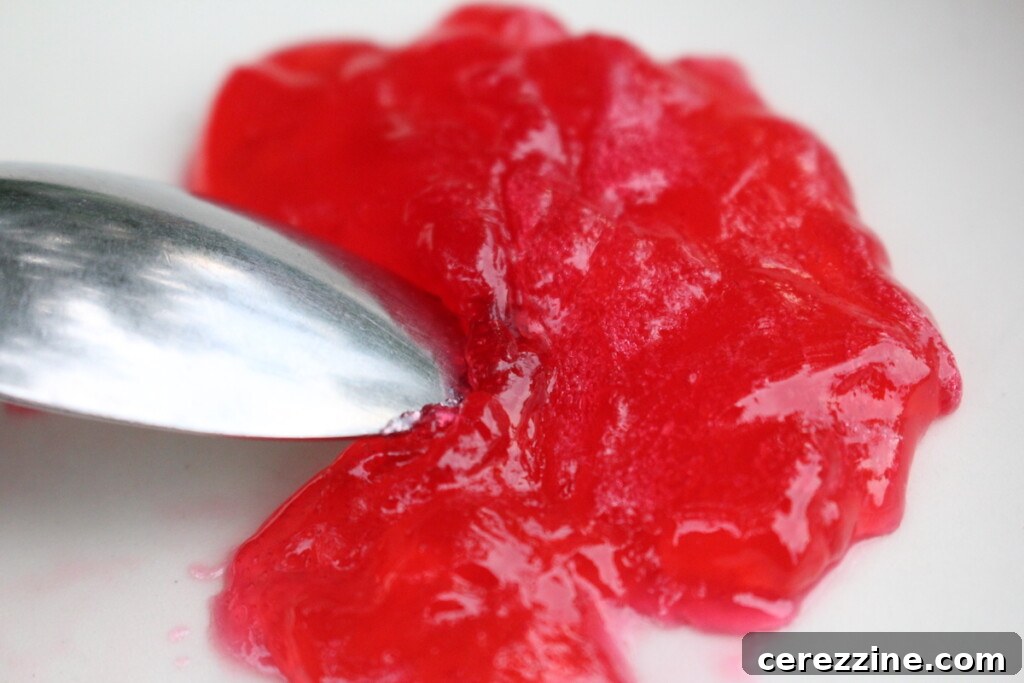
The appeal of old-fashioned jelly making extends beyond mere tradition; it offers both practical and qualitative advantages. Jellies made without added pectin often boast a silkier, more delicate, and less firm texture, which many discerning palates prefer over the sometimes-stiffer consistency of commercial pectin jellies. There’s also a considerable cost-saving benefit. With a box of commercial pectin costing around $6 or more, skipping it can save over a dollar per jar in your batch. If you’re utilizing homegrown or foraged fruit, your only significant expenses become sugar and new jar lids, making the final product remarkably economical and a true testament to sustainable living.
While low-pectin fruits like strawberries, cherries, and blueberries generally necessitate the addition of commercial pectin for a proper set, the option to forgo it when working with naturally high-pectin fruits is a wonderful freedom. This method connects you more deeply with the inherent qualities of the fruit itself, celebrating nature’s ability to create perfect preserves without external intervention.
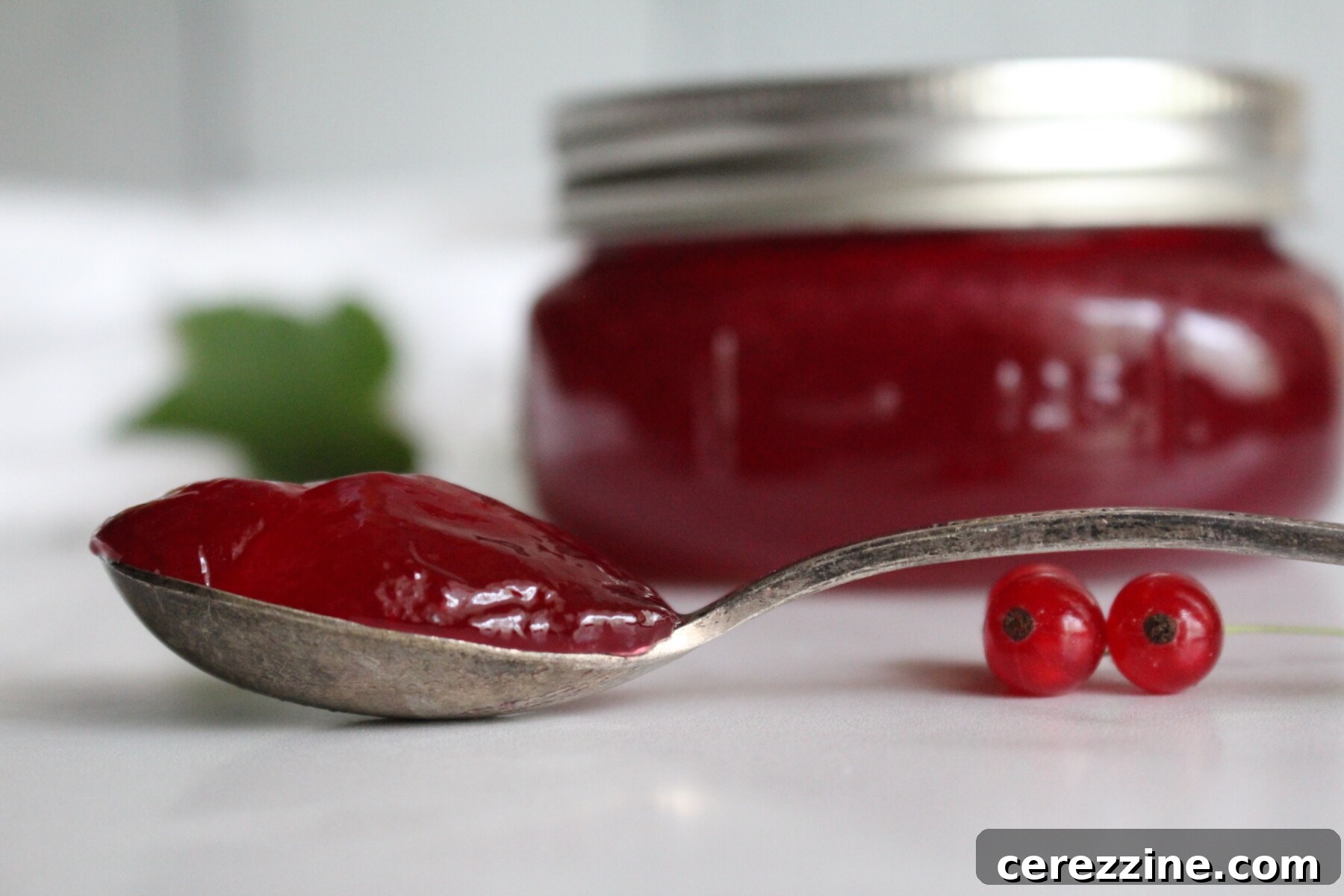
Timeless Classics: Apple, Pear, and Quince Jelly Recipes
Apples, pears, and quinces have long been revered in the world of jelly making, primarily due to their naturally high pectin content. These fruits are outstanding choices for canners eager to venture into making jelly without commercial pectin, as they inherently possess all the necessary components for achieving a beautiful, firm gel. Their robust pectin levels make them reliable and forgiving, even for those new to the traditional no-pectin method.
Apple jelly, in particular, stands out as a foundational recipe, a “gateway” to home canning that has graced countless pantry shelves for generations. Its subtly tart and relatively neutral flavor profile also makes it an ideal base for infusing with other delicate flavors, such as herbs and flowers, expanding the creative possibilities for unique jelly combinations.
- Apple Jelly: The quintessential no-pectin jelly, best made with tart apple varieties for optimal flavor and set.
- Crabapple Jelly: Utilizes the small, intensely tart crabapples that often grow prolifically in backyards and along country roadsides, yielding a bright, vibrant jelly.
- Quince Jelly: Transforms the rock-hard, wonderfully aromatic, yet astringent quince fruit into a fragrant, translucent preserve with a distinctive rosy hue.
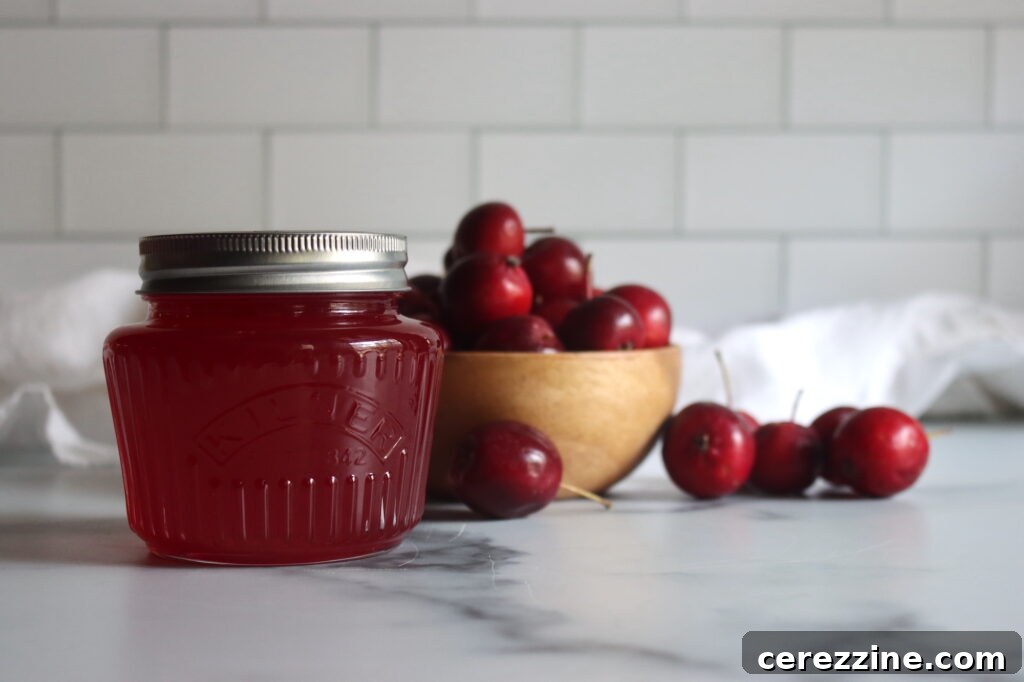
Bursting with Flavor: Essential Berry Jelly Recipes
Berry jellies are a quintessential way to capture the intense, vibrant flavors of summer in a clear, brilliantly colored, and utterly seedless spread. While berries are undeniably fantastic for making jams, creating jelly offers a smooth, delightful alternative that glides effortlessly onto toast, pastries, and is exceptionally versatile for baking applications where seeds might be undesirable. The pure fruit essence without any textural interruption is what makes berry jellies so appealing.
Most popular berries are naturally low in pectin, meaning commercial pectin is typically a necessary ingredient to ensure a reliable and consistent set. However, there are notable exceptions: currants and gooseberries are naturally high in pectin, making them excellent candidates for no-pectin jellies. Blackberries and raspberries possess moderate amounts of pectin, allowing for successful jelly production both with or without added pectin, depending on the ripeness of the fruit and the specific recipe used.
- Aronia Jelly: Harnesses the antioxidant-rich power of aronia berries, also known as chokeberries, into a unique and healthful preserve.
- Blackberry Jelly: A versatile recipe that can be prepared either with or without the addition of commercial pectin, showcasing the deep flavor of blackberries.
- Black Raspberry Jelly (Seedless): Delivers all the intense, sweet-tart flavor of black raspberries, completely free of seeds for a luxuriously smooth experience.
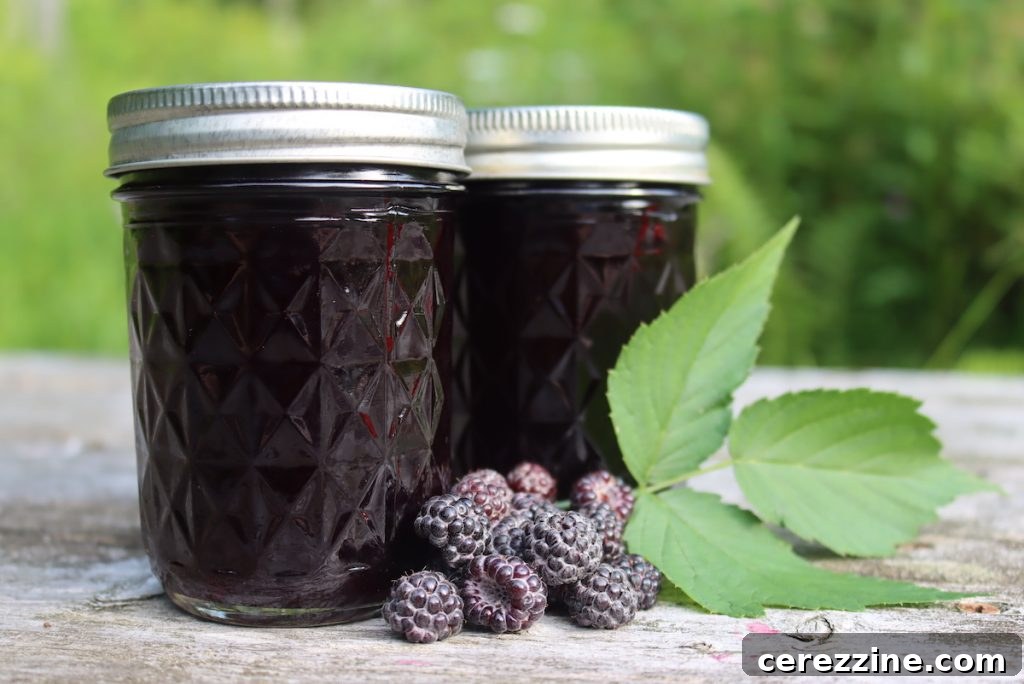
- Cranberry Jelly: A quintessential preserve, perfect for holiday feasts but equally delightful for year-round enjoyment, offering a bright, tart kick.
- Elderberry Jelly: Captures the deep, complex, and slightly earthy flavor of foraged elderberries, a truly unique treat.
- Gooseberry Jelly: A traditional, often overlooked preserve with a wonderfully bright, intensely tart flavor profile.
- Raspberry Jelly: The seedless version of the beloved classic summer berry spread, offering pure, unadulterated raspberry taste.
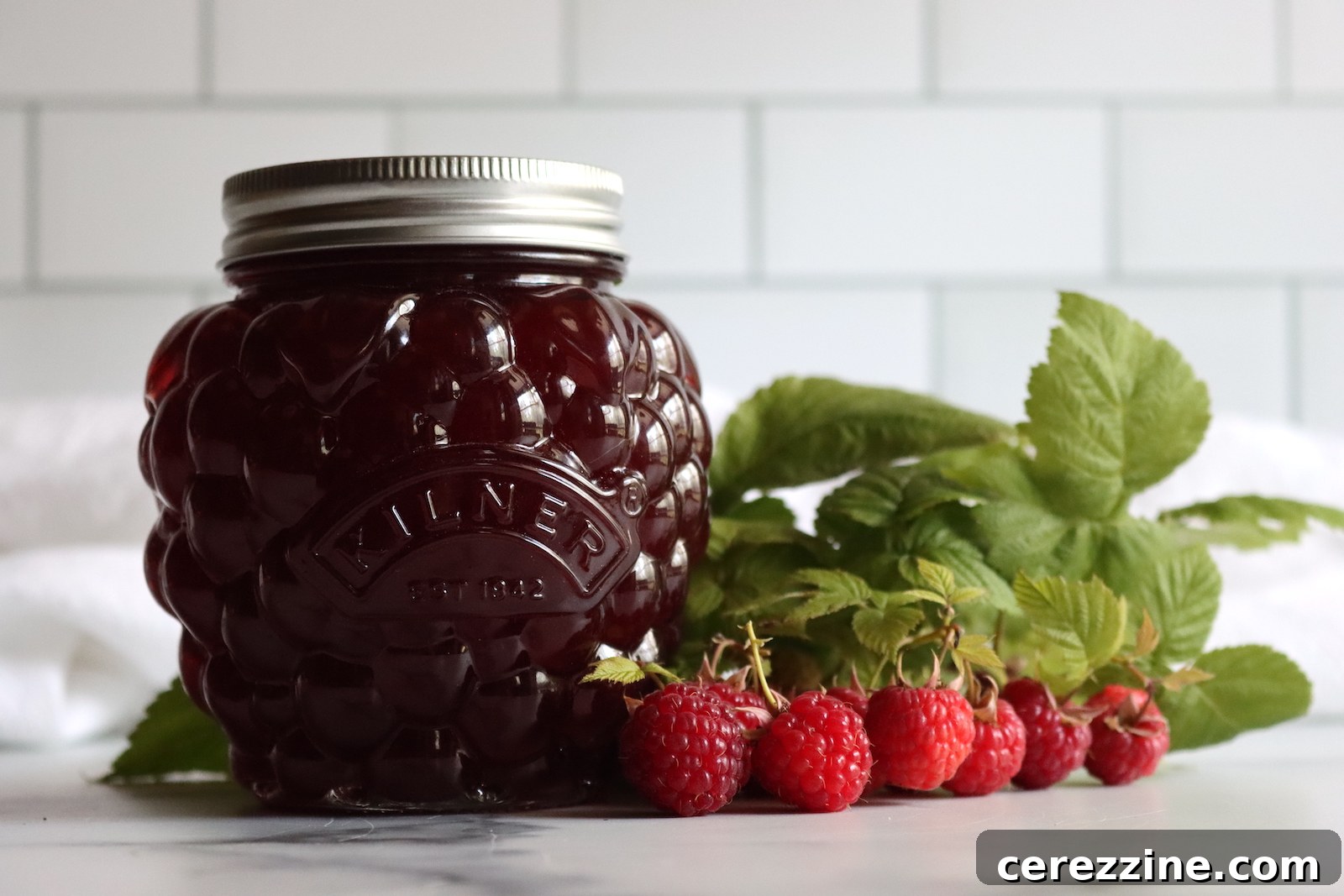
- Red Currant Jelly: The classic, sophisticated accompaniment to roasted lamb and game meats, renowned for its tartness and beautiful color.
- Saskatoon Jelly: Highlights the unique, nutty-sweet flavor of serviceberries, also known as juneberries or shadbush, a North American treasure.
- Sea Buckthorn Jelly: Captures the exceptionally bright, citrusy tang and impressive nutritional value of these hardy, nutritious berries.
- Strawberry Jelly: The quintessential essence of summer’s most celebrated berry, sweet, fragrant, and universally loved.
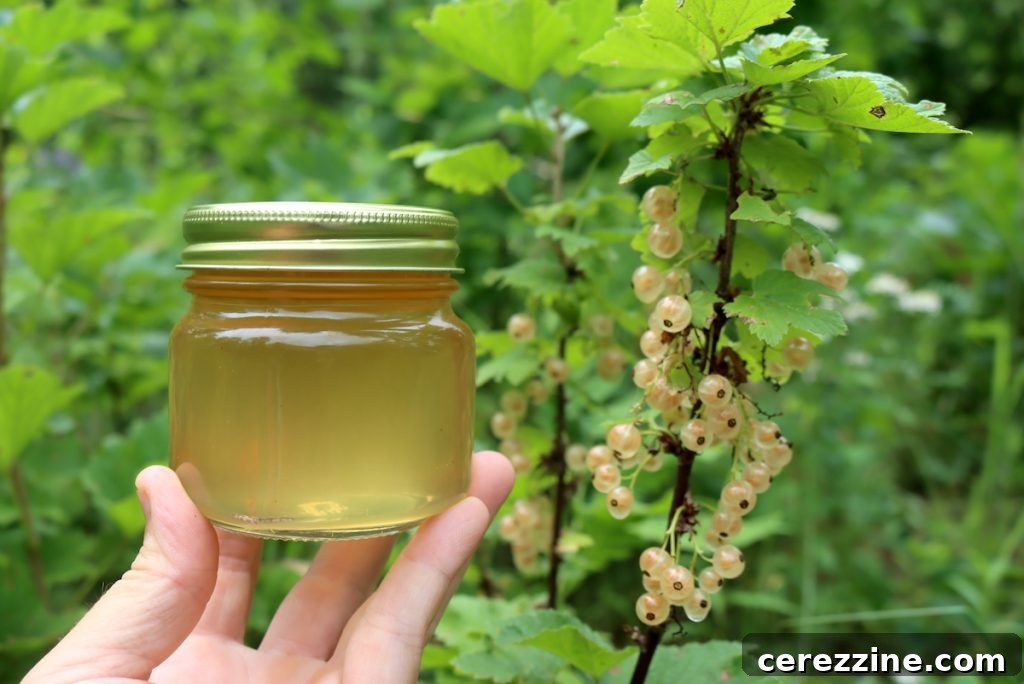
- White Currant Jelly: A delicate and subtly sweet preserve with honey-like undertones, offering a refined twist on the classic currant jelly.
Sweet Harvest: Grape and Muscadine Jelly Recipes
Grape jelly holds an undeniable place as an American pantry staple, a comforting flavor of childhood for many. Yet, making your own transcends the ordinary, offering the incredible opportunity to explore grape varieties you’ll simply never find on supermarket shelves. Wild grapes, in particular, yield an extraordinary jelly with an intensity and complexity of flavor that cultivated grapes often struggle to match. Their robust character makes for truly unforgettable preserves.
Further south, muscadines and scuppernongs, native to the American South, produce distinctively flavored jellies that have been regional culinary treasures passed down through generations. These unique grapes offer a rich, earthy, and sometimes musky sweetness that sets them apart. Grapes generally contain moderate levels of natural pectin. However, experience often shows that for a consistently reliable set, particularly with cultivated varieties, adding boxed commercial pectin is frequently beneficial and recommended to ensure your grape jelly is perfectly firm.
- Grape Jelly: The fundamental recipe for classic Concord or other cultivated grape varieties, a family favorite.
- Grape-Plum Jelly: A harmonious blend that combines the sweetness of grapes with the tartness of plums for a more complex and intriguing flavor profile.
- Muscadine Jelly (or Scuppernong Jelly): A cherished Southern classic, crafted from these unique native grapes, offering a taste of regional heritage.
- Wild Grape Jelly: Captures the intense, untamed flavor of foraged wild grapes, a truly rustic and rewarding preserve.
Elegant & Aromatic: Stone Fruit Jelly Recipes
Stone fruits, including succulent peaches, fragrant apricots, sweet cherries, and luscious plums, are renowned for making incredibly beautiful and aromatic jellies. While these fruits are more commonly transformed into hearty jams or velvety fruit butters, the process of extracting their pure juice and crafting it into jelly yields a distinctly smooth, clear, and elegant spread. This delicate presentation allows their natural perfumes and nuanced flavors to come to the forefront.
Plums, in particular, are excellent candidates for jelly, often possessing moderate to high pectin content. This makes them suitable for no-pectin jelly recipes, especially if you incorporate a proportion of slightly underripe fruit, which contains higher levels of pectin. In contrast, peaches, apricots, and cherries are typically lower in natural pectin and usually require the addition of commercial pectin to achieve a reliably firm and satisfying set. This ensures your beautiful stone fruit jellies have the perfect consistency.
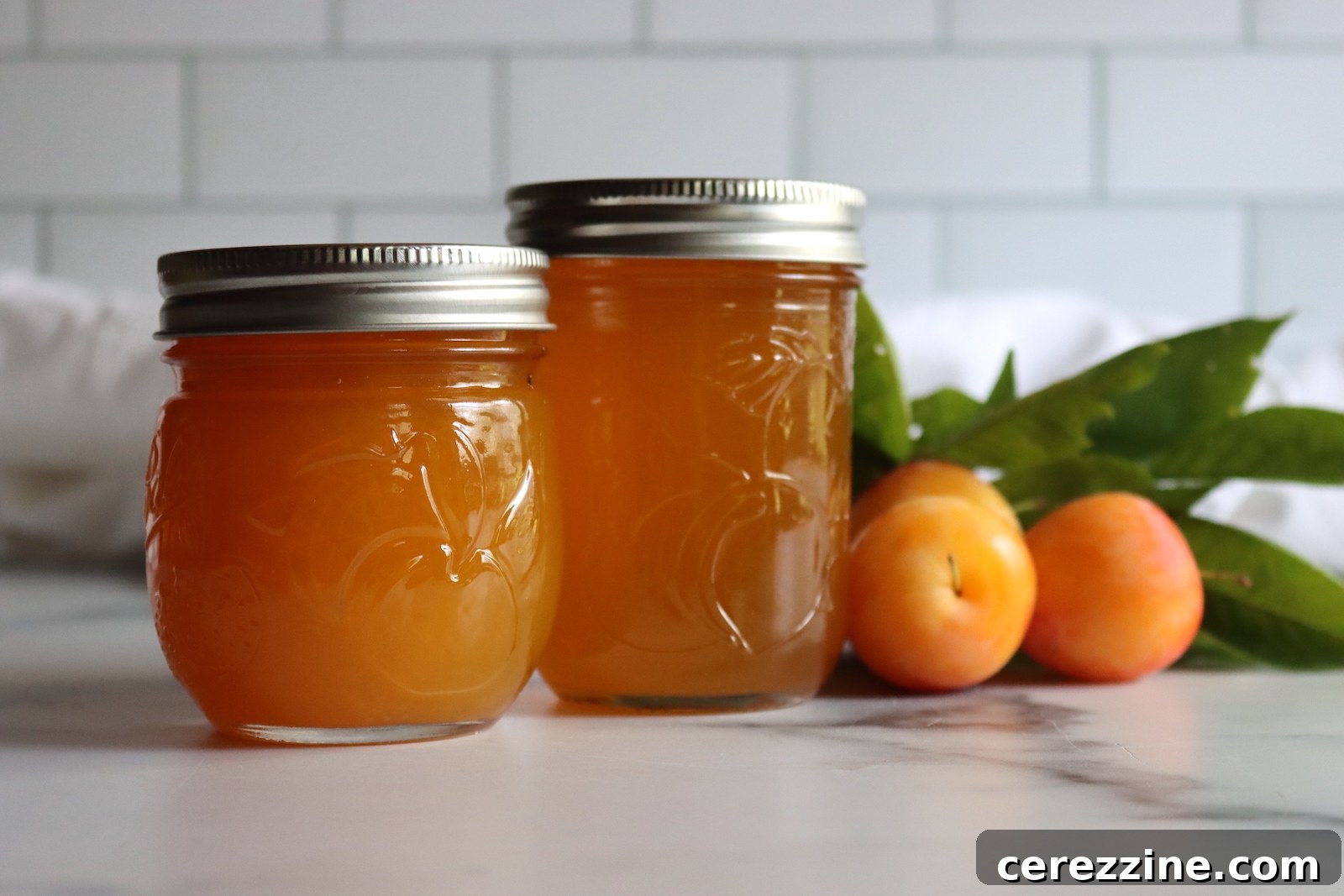
- Apricot Jelly: Beautifully showcases the delicate, floral, and subtly sweet flavor of fresh apricots, a taste of sunshine.
- Cherry Jelly: Versatile for both sweet and sour cherries, allowing for distinct and delicious flavor profiles, from bright and tart to deeply sweet.
- Chokecherry Jelly: Expertly transforms the notably astringent wild chokecherry into a surprisingly delicious and vibrant spread with a unique flavor.
- Peach Jelly: A delightful way to capture the quintessential flavor of summer peaches in a perfectly smooth, seedless, and aromatic preserve.
- Pin Cherry Jelly: Makes excellent use of these small, tart wild cherries, offering a bright and zesty jelly with a lovely color.
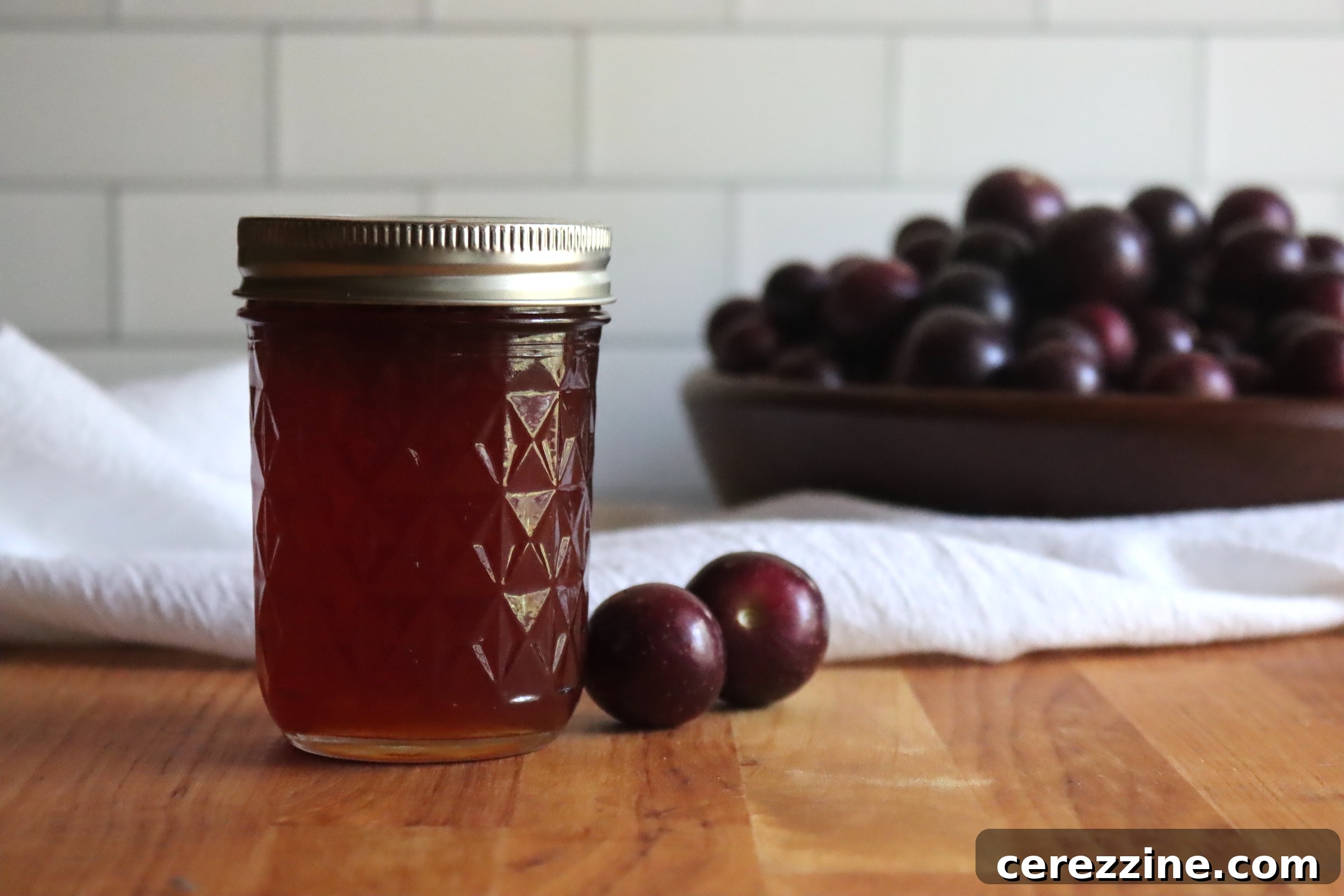
- Plum Jelly: A adaptable recipe that can be made successfully with or without added pectin, depending on the plum variety and desired texture.
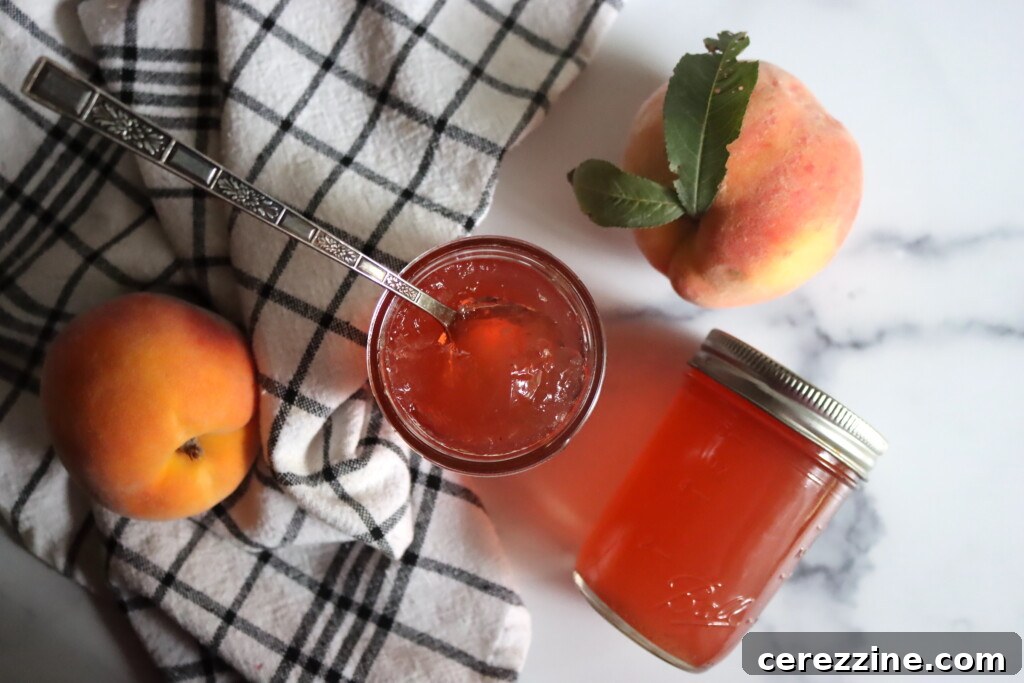
Beyond the Orchard: Other Fruit and Unique Jelly Recipes
Some of the most intriguing and memorable jellies come from unexpected and unconventional sources, turning everyday ingredients into gourmet delights. Rhubarb, with its vibrant stalks, makes a stunningly beautiful pink jelly that offers a delightful tartness, a perfect balance of sweet and tangy. Watermelon jelly is a true revelation, capturing the refreshing essence of summer in a surprising and utterly delicious way, far beyond its fresh fruit form.
Another beloved traditional recipe is corn cob jelly, a true testament to resourceful home preserving. This unique spread is created by extracting the sweet, milky liquid from boiled corn cobs, which is then transformed into a honey-like jelly with a subtle, comforting flavor. These innovative and often heirloom recipes are not just conversation starters; they make truly wonderful and thoughtful gifts, offering a distinctive homemade touch that you simply cannot purchase in any store. They celebrate creativity, tradition, and the joy of discovering new flavor possibilities.
- Corn Cob Jelly: An old-fashioned, surprisingly delicious recipe that yields a golden, honey-like spread from boiled corn cobs.
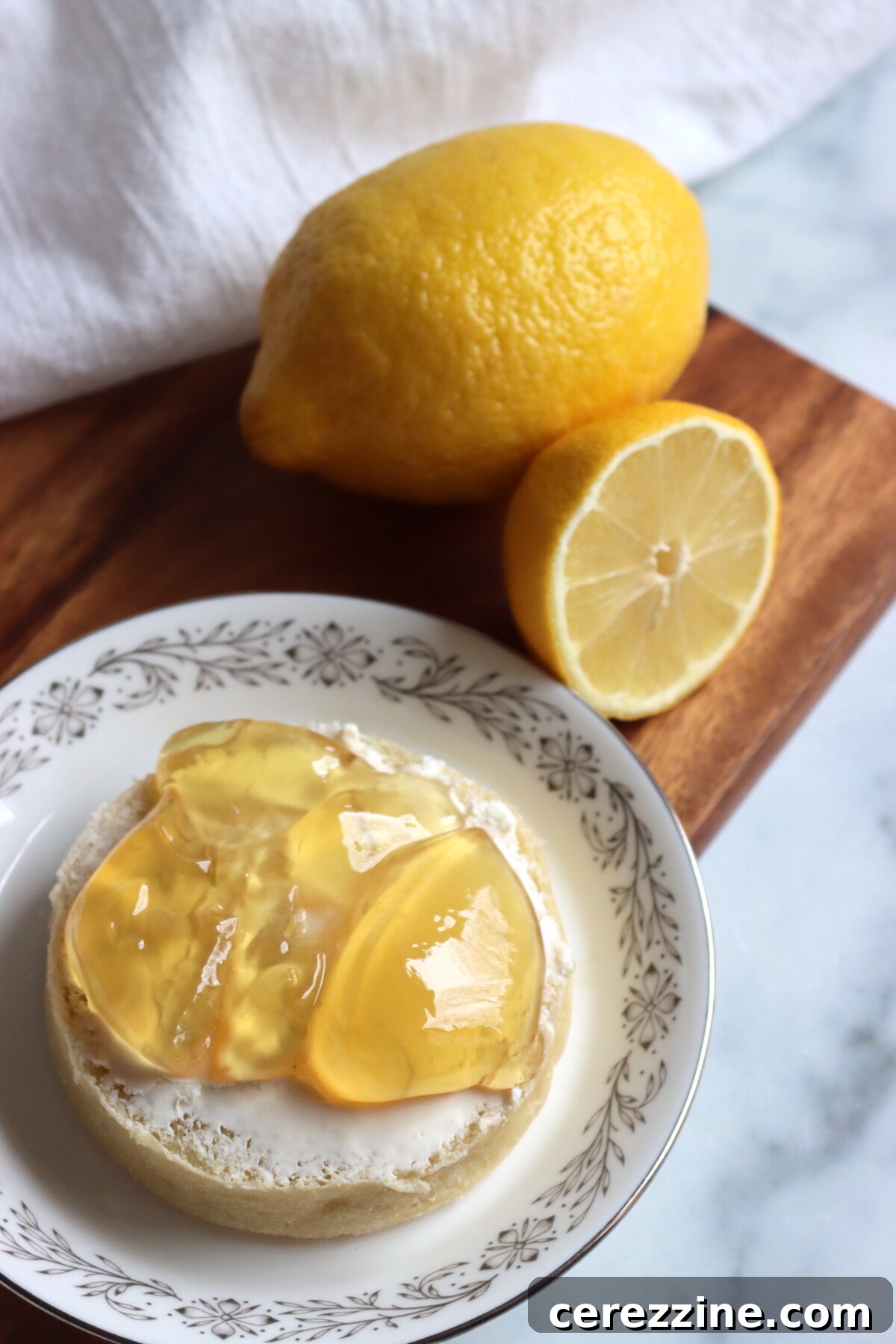
- Lemon Jelly: A bright, zesty, and intensely citrusy spread, perfectly suited for pairing with warm scones, delicate tea cakes, or as a vibrant filling.
- Pepper Jelly: A classic appetizer jelly that expertly combines the sweetness of bell peppers with the subtle kick of hot peppers, often served over cream cheese.
- Pepper-Mayhaw Jelly: A unique Southern fusion, blending the distinctive flavor of native mayhaw fruit with a touch of pepper for a sweet and savory kick.
- Rhubarb Jelly: Transforms garden rhubarb into a delicate, beautifully pink spread that balances tartness with sweetness, a true springtime treat.
- Watermelon Jelly: An unexpected yet delightful way to preserve the refreshing and subtle flavor of watermelon, a surprising taste of summer.
A Garden of Flavors: Exquisite Floral Jelly Recipes
Floral jellies are arguably among the most visually stunning and exquisitely fragrant preserves you can create in your home kitchen. These delicate, aromatic jellies are crafted by gently steeping edible flower petals in hot water, allowing their subtle colors and intoxicating flavors to infuse into the liquid. This fragrant infusion then serves as the liquid base for the jelly. To ensure a proper set and add body, apple juice or white grape juice is often incorporated, providing natural pectin and a harmonious backdrop for the floral notes.
Before embarking on the delightful journey of making flower jelly, it is absolutely paramount to prioritize safety. Always ensure that the flowers you use come from plants that have not been sprayed with pesticides or other chemicals. Furthermore, accurate identification of the flower species is crucial, as some beautiful blooms can be toxic. Even safe, edible flowers can trigger allergic reactions in some individuals, so proceed with caution if you have known sensitivities. For comprehensive information on the safety aspects of canning with flowers, consult resources like Are Flower Jellies Safe for Canning? For a wide array of inspiring recipes and a detailed guide, delve into How to Make Flower Jelly (with 20+ Recipes!).
- Apple Blossom Jelly (Or Cherry, Peach, Pear, etc.): A delicate jelly crafted from the beautiful blossoms of various fruit trees, capturing their ephemeral spring scent.
- Bee Balm Jelly: Offers a unique citrusy, oregano-like flavor, a delightful surprise from this garden herb.
- Black Locust Flower Jelly: Possesses a delicate, berry-like sweetness, derived from the fragrant blossoms of the black locust tree.
- Borage Jelly: Features a faint, refreshing taste reminiscent of cucumber, with a beautiful pale blue hue.
- Calendula Flower Jelly (and Marigold Jelly): Creates a vibrant, sunny golden color and a subtle, pleasant flavor.
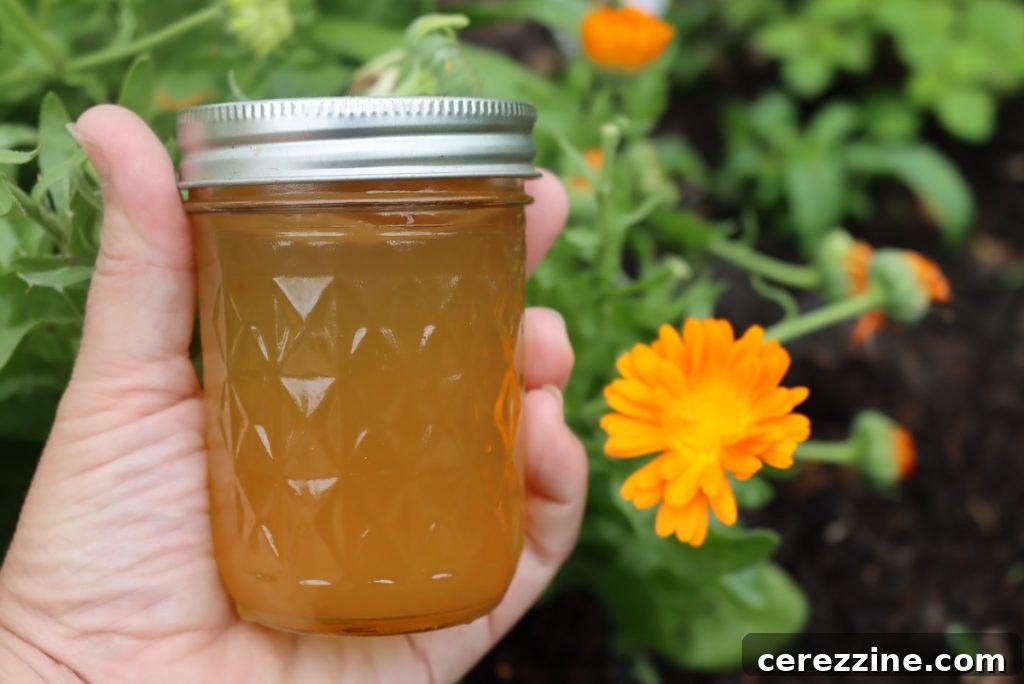
- Chamomile Jelly: Infused with the soothing, subtly floral, and apple-like notes of chamomile flowers, perfect for relaxation.
- Clover Jelly: Captures the essence of wildflower honey with its delicate sweetness and golden color, a lovely taste of the meadow.
- Dandelion Jelly: Transforms common lawn “weeds” into a remarkable honey-like golden spread, a true triumph of resourcefulness.
- Grape Hyacinth Jelly: Delivers a mild, subtly grape-like flavor from these tiny, charming spring flowers, with a beautiful purple hue.
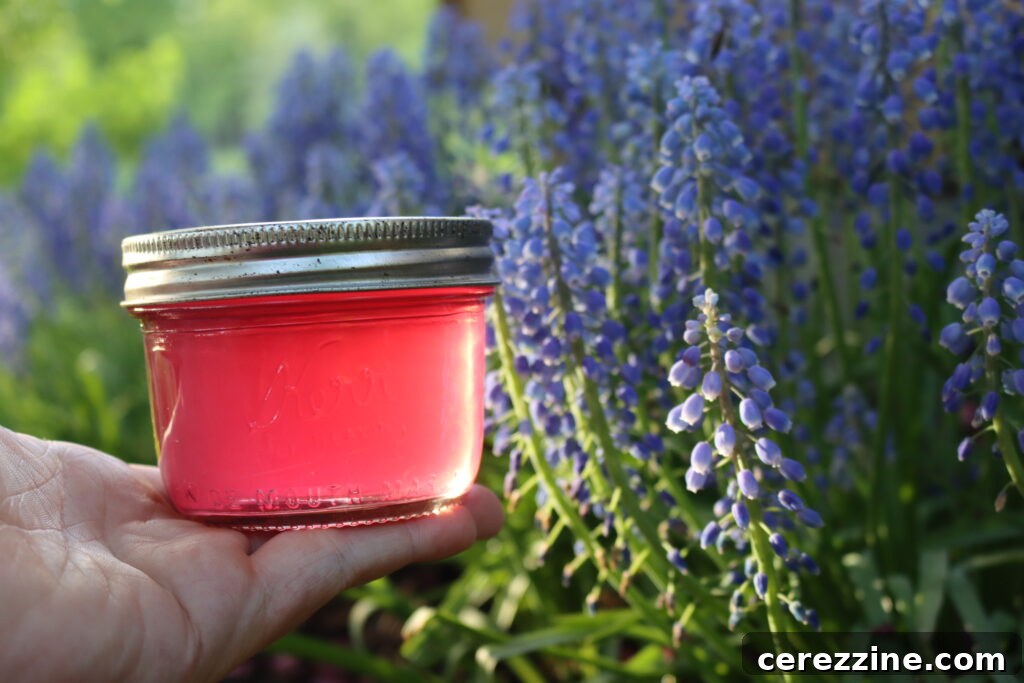
- Elderflower Jelly: Showcases the sweet, honey-like fragrance of elderflowers, creating an ethereal and elegant preserve.
- Fireweed Jelly: A regional delicacy, particularly popular in Alaska and northern regions, made from the beautiful pink blooms of fireweed.
- Forsythia Jelly: Utilizes one of the very first harbingers of spring, tasting surprisingly like peaches with its sunny yellow color.
- Lilac Jelly: Captures the intoxicating, heady scent of spring lilacs in a delicate, perfumed jelly, a true seasonal luxury.
- Nasturtium Jelly: Offers a unique peppery kick from these vibrant edible flowers, adding an unexpected zing to your plate.
- Pansy Jelly: Not only visually beautiful with its array of colors but also wonderfully mild-flavored, a gentle introduction to floral jellies.
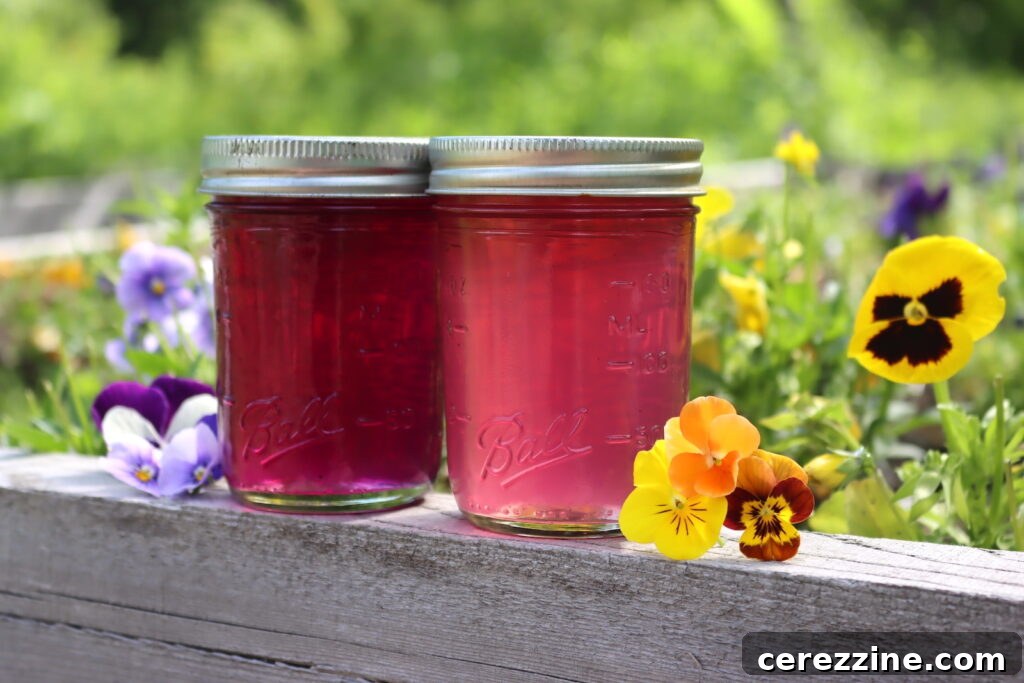
- Peony Jelly: Captures the heady, romantic fragrance of garden peonies in a truly luxurious and aromatic spread.
- Redbud Jelly (and Syrup): Makes wonderful use of the beautiful, vibrant pink blossoms of the redbud tree, a sign of early spring.
- Rose Petal Jelly: Boasts a delicate, sweet floral flavor, making it a perfect accompaniment for tea time or special occasions.
- Tulip Jelly: Offers a subtle, almost herbal flavor, a surprisingly refined preserve from garden tulips.
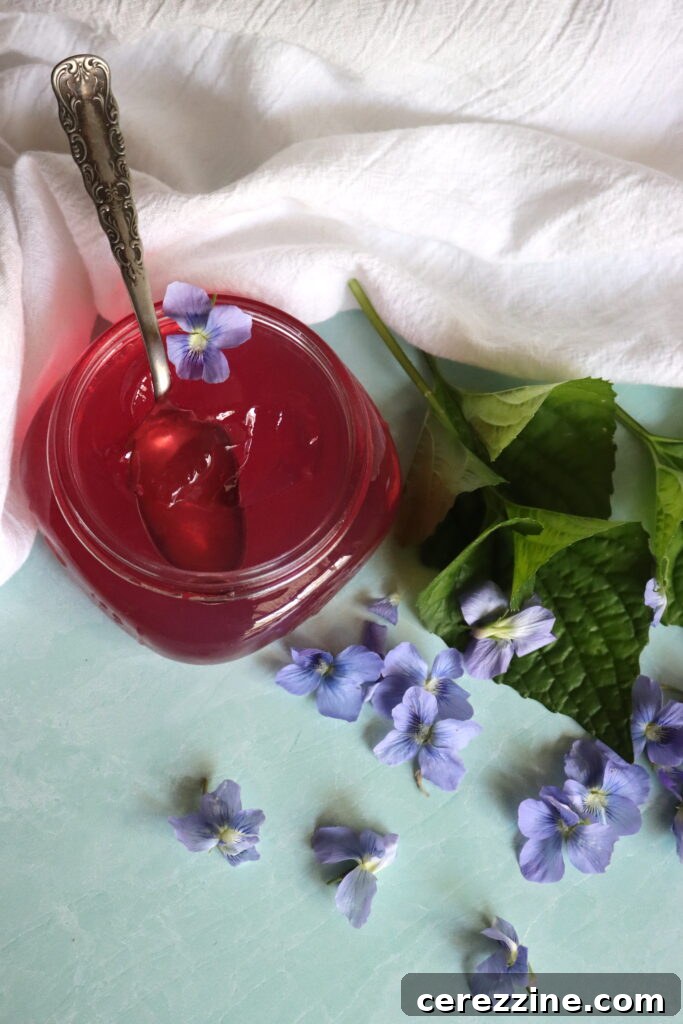
- Violet Jelly: Produces a stunning, jewel-toned purple color from wild violets, with a charming berry-like flavor, a true springtime magic.
Distinctive Flavors: Herbal Jellies (Savory or Sweet)
Herbal jellies offer a captivating divergence from traditional fruit preserves, branching out into a world of both savory and subtly sweet possibilities. Savory jellies, often infused with herbs, peppers, wine, or even garlic, are expertly crafted to be paired with robust meats, an array of cheeses, and crisp crackers, rather than being spread on morning toast. Mint jelly, for instance, is the quintessential accompaniment to roast lamb, a pairing steeped in culinary tradition. Meanwhile, pepper jelly has evolved into a beloved Southern entertaining staple, famously served spooned over a block of cream cheese with crackers, making for an effortlessly elegant appetizer.
These unique and sophisticated jellies make truly impressive, thoughtful gifts and add an exquisite homemade touch to any charcuterie board or gourmet spread. The underlying technique for creating herbal jellies is remarkably similar to that of floral jellies: the chosen flavoring ingredient (herbs, spices, etc.) is steeped in a liquid to create a potent infusion, which is then used as the base for the jelly. This method ensures maximum flavor extraction and a clear, aromatic final product. For a more detailed exploration of the general methodology and versatile applications of these captivating preserves, consult How to Make Herbal Jelly (Savory or Sweet).
- Chive Blossom Jelly: A beautiful and delicately flavored jelly that pairs exceptionally well with fresh goat cheese or as a garnish.
- Herb Jelly, Fine: A sophisticated blend that combines classic herbes de Provence with white wine, perfect for savory applications.
- Herb Jelly, Light: A versatile recipe utilizing basil, mint, thyme, or sage with no-sugar-needed pectin, ideal for health-conscious canners.
- Lemon Balm Jelly: Offers a bright, uplifting citrusy mint flavor, making for a refreshing and fragrant preserve.
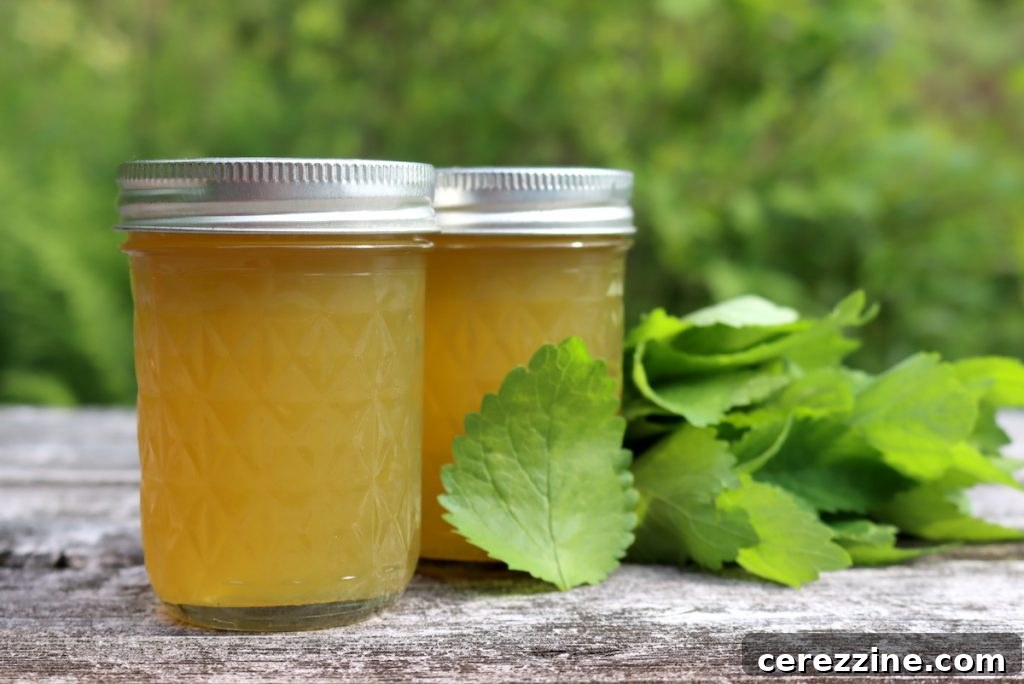
- Mint Jelly: The traditional and timeless accompaniment to roast lamb, offering a cool, herbaceous counterpoint to rich meats.
- Rosemary Jelly: A deeply aromatic jelly that is perfect with roasted meats, hard cheeses, or as a glaze for poultry.
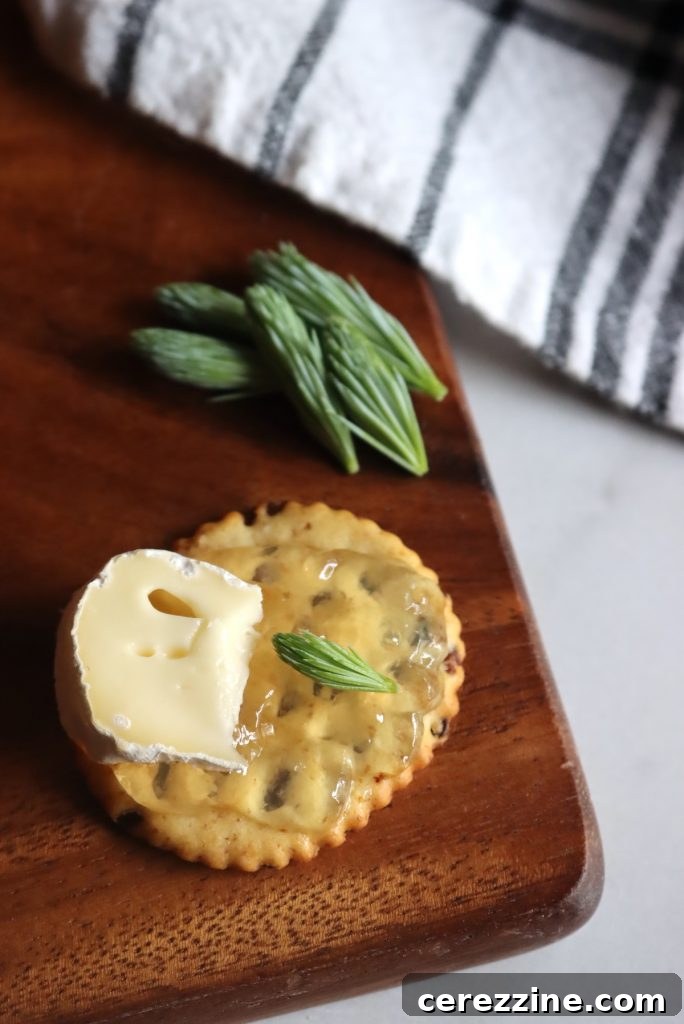
- Spruce Tip Jelly: A unique preserve that captures the bright, zesty, and slightly resinous flavor of new spruce growth, a taste of the wild forest.
- Wine Jelly: Transforms robustly flavored wines into a sophisticated jelly, ideal for pairing with cheeses, charcuterie, and gourmet appetizers.
Jelly making is one of those wonderfully rewarding skills that often appears intimidating from afar but quickly demystifies once you take the plunge. Many home canners find themselves wondering why they waited so long! The journey typically begins with a readily available fruit and a reliable, tested recipe. Before you know it, a fragrant batch of homemade jelly will be cooling on your countertop, usually in about an hour, filling your kitchen with delightful aromas and your heart with a sense of accomplishment.
Once you’ve mastered the fundamental techniques of extracting juice, achieving the perfect set, and safely processing your jars, the possibilities for creative preservation expand exponentially. That patch of wild grapes along the fence line transforms from an overlooked tangle into next fall’s exciting jelly project. The intoxicating lilacs blooming outside your window can be captured as delicate spring gifts. Even the rampant mint taking over a corner of your garden finally finds a purpose beyond just mojitos, becoming a refreshing, unique preserve. Embrace the adventure of jelly canning; it’s a journey of flavor, tradition, and homemade joy.
Expand Your Canning Horizons: More Recipe Lists
Eager for further inspiration to fill your pantry with delicious homemade delights?
How to Make Flower Jelly (with 20+ Recipes!)
30+ Cranberry Canning Recipes
100+ Meal in a Jar Canning Recipes
Find the perfect recipe
Searching for something else specific to preserve? Enter keywords below to discover the ideal canning recipe for your needs!