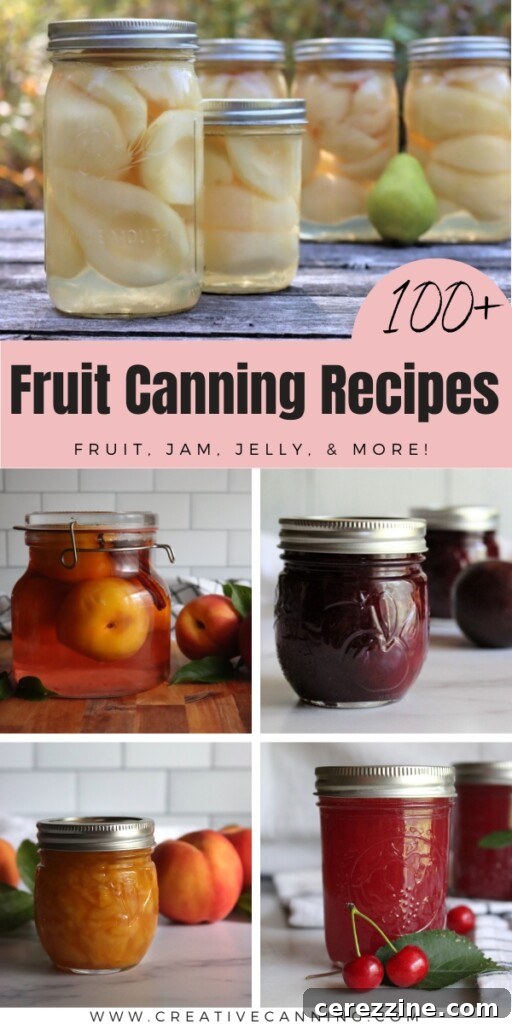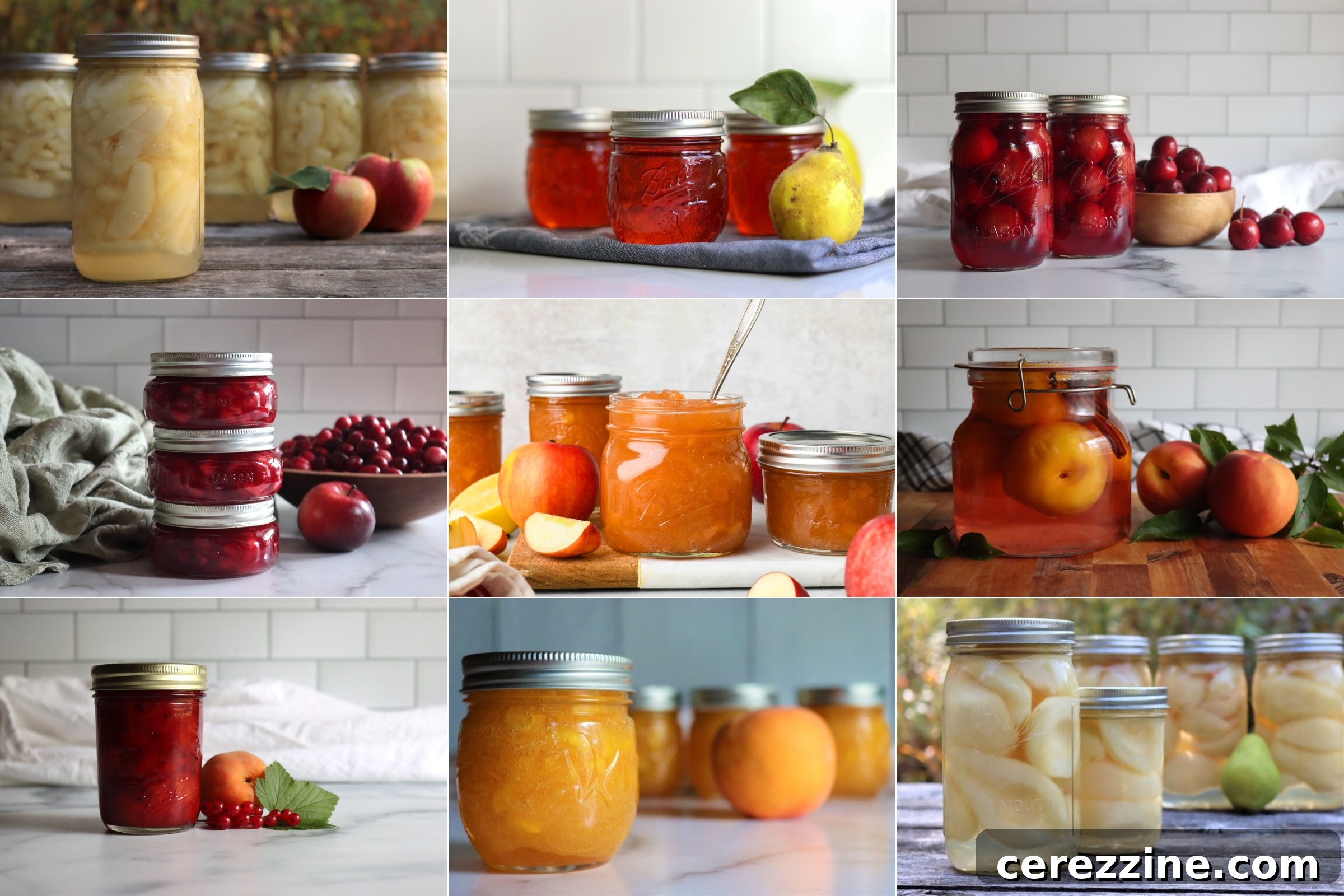
Canning fruit is a timeless tradition, offering a delightful way to capture the vibrant flavors of summer and autumn harvests, preserving them for enjoyment year-round. Imagine a pantry filled with shimmering jars of homemade goodness – it’s a testament to self-reliance and the simple luxury of seasonal eating. This practice is not only deeply satisfying but also surprisingly straightforward, especially for beginners. Most fruits are naturally high in sugar and acid, characteristics that make them perfectly suited for the quick and accessible water bath canning method.
While many traditional canning recipes call for added sugar, it’s important to understand its true role. Sugar primarily influences the fruit’s texture, firmness, and flavor, rather than acting as a preservative in water bath canning. The natural acidity of the fruit is the key to safe preservation. This means you have the freedom to adjust sugar levels according to your personal preference – whether you opt for less sugar, a sugar substitute, or no added sugar at all. Feel empowered to experiment and tailor your canned fruits to suit your dietary needs and taste buds.
For those new to the world of home preservation, beginning with fruit is often recommended. Many popular fruits, such as blueberries, apples, pears, and peaches, are inherently high in acid and can be safely processed using a simple water bath canner. In most cases, additional ingredients like sugar or lemon juice are optional enhancements, not strict requirements for safety. This inherent simplicity makes fruit an excellent starting point for building confidence in your canning journey.
The versatility of fruit canning is truly remarkable, allowing you to prepare your harvest in countless ways to suit any culinary application. You can preserve fruits whole, halved, diced, or even puréed. The liquid you choose for canning – be it plain water, fruit juice, or a light syrup – will impact the final flavor and texture, offering further opportunities for customization. Consider how you typically enjoy your fruit or what recipes you envision using it in, then select the preparation method that best aligns with your needs. Beyond basic fruit, you can also transform your fresh produce into delicious jams, jellies, fruit butters, and pie fillings, all of which are suitable for water bath canning at home.
Before diving into specific fruit recipes, if you’re entirely new to water bath canning, I highly recommend familiarizing yourself with the fundamental techniques. A solid understanding of the process will ensure both safety and success. My comprehensive beginner’s guide to using a water bath canner is an excellent resource to get you started. Additionally, reviewing my detailed canning supplies list will help you gather all the necessary equipment upfront, preventing frustrating interruptions once you’ve begun a recipe.
The vast majority of fruits fall into the category of high-acid foods, making them perfectly safe for water bath canning. This means you generally won’t need a pressure canner for these recipes. While pressure canners are invaluable tools for home preservers, their primary use is for low-acid foods like vegetables, meat, and soup. Understanding the distinction between high and low-acid foods is a cornerstone of safe home canning practices.
Safely Canning Fruit: Understanding Acidity
While most fruits boast sufficient acidity for water bath canning, some are considered “borderline” safe due to their slightly higher pH levels. For these specific fruits, the addition of lemon juice or citric acid is absolutely critical, not optional. This added acidity lowers the pH to a safe level (below 4.6), preventing the growth of harmful bacteria and ensuring the longevity and safety of your home-canned goods. In such recipes, the lemon juice serves a vital preservative function, making it an essential ingredient.
Lemon juice often plays multiple roles in canning. In some preparations, like canned blueberries, it’s added to enhance and brighten the fruit’s natural flavor profile. For recipes such as applesauce, it helps maintain the fruit’s vibrant color and prevents undesirable browning. However, as previously emphasized, its most crucial function in certain fruits is to increase the overall acidity, transforming an otherwise unsafe food into one that can be safely preserved through water bath canning. Always follow tested recipes diligently, especially regarding acidic additives.
To be unequivocally safe for water bath canning, the food product must maintain a pH level of 4.6 or below. This acidic environment inhibits the growth of bacteria like Clostridium botulinum, which thrives in low-acid, oxygen-free conditions found in canned goods. When canning fruits that are not naturally high in acid, failing to add the necessary acidifier can pose a serious health risk.
Here are some examples of low-acid (or high-pH) fruits that are generally not safe for water bath canning without substantial added acidity. It’s crucial to consult a reliable, tested recipe if you wish to can these:
- Asian Pears (standard pear varieties are typically high-acid and safe)
- Bananas (very low in acid)
- Cantaloupe (and other melons like honeydew)
- Coconut (including coconut milk or flesh)
- Elderberries (often require added acid or processing as jam/jelly with pectin and sugar)
- Ripe Mangos (green, unripe mangos are more acidic and can be canned with added acid; ripe ones require significant acidification)
- Persimmon (requires added acid)
- Watermelon (low in acid)
- White Peaches (standard yellow peaches are fine; white peaches have lower acidity)
Safety should always be your top priority when canning at home. If you have any doubt about the pH level of the fruit you intend to use, always err on the side of caution. Look up reliable pH information for the specific variety or, even better, stick to tested, research-backed canning recipes from reputable sources like the National Center for Home Food Preservation (NCHFP) or Ball Blue Book. Never improvise with low-acid foods.
Preparing Fruit for Canning: Steps for Success
The foundation of any successful canning project begins with fresh, high-quality fruit. Select firm, ripe, and blemish-free produce. Thoroughly wash your fruit under cool running water to remove any dirt, debris, or residues. Beyond basic cleaning, most recipes, particularly for fruits like apples, pears, plums, and peaches, suggest removing the skin before canning. While not strictly mandatory for safety, this step significantly improves the final product’s texture and overall appeal. The decision to peel or not ultimately rests with your personal preference.
When it comes to packing, two primary methods are commonly employed: “hot pack” and “raw pack.” The “hot pack” method involves briefly cooking or heating your fruit to a simmer before packing it into jars. This process helps to drive out air from the fruit’s tissues, preventing floating and ensuring a denser, more uniform pack in the jar. While it requires a bit more effort upfront, hot packing generally results in a better finished product with superior texture and less shrinkage.
Alternatively, the “raw pack” method involves placing raw, unprepared fruit directly into canning jars. Boiling water, fruit juice, or syrup is then poured over the raw fruit before the jars are sealed and processed. This method is quicker and less labor-intensive, making it popular for fruits that don’t easily lose their shape or for those who prefer a firmer texture in their finished product. However, raw-packed fruit often shrinks more in the jar and may appear to “float” as air escapes during processing.
Choosing the right canning liquid also plays a significant role in the outcome. Many fruits can be safely canned in plain water, a popular choice for the health-conscious looking to avoid added sugars. However, canning in plain water can sometimes result in a somewhat bland or “washed-out” flavor, as the fruit’s natural sweetness can leach into the water. To prevent this dilution of flavor and maintain the fruit’s natural sweetness, I often opt for an extra light syrup. This subtly sweetened liquid helps to preserve the fruit’s character without making it overly sweet, mimicking its natural taste.
Syrups can be prepared in various strengths, ranging from extra light to heavy, depending on the fruit and your desired sweetness level. Detailed measurements for canning syrups are available here, providing a guide to match the right syrup to your fruit.
For those seeking to avoid added sugar without sacrificing flavor, acidic fruit juices such as apple, pear, grape, or cranberry juice are exceptional canning liquids. They impart additional flavor notes and prevent the “washed-out” effect sometimes associated with plain water, resulting in a more flavorful and appealing end product. These juices provide a wonderful balance, enhancing the fruit’s taste while remaining sugar-free.
Beyond simply canning minimally processed slices or whole fruit, the world of fruit canning expands into a delightful array of safe and delicious recipes. Depending on the fruit you’re working with, you might explore making homemade jam, jelly, flavorful syrups, tangy chutneys, savory relishes, rich fruit butters, or robust pie fillings. Each offers a unique way to enjoy your harvest throughout the year, adding homemade goodness to your meals and desserts.
Comprehensive Fruit Canning Recipes Collection
This extensive collection of fruit canning recipes is thoughtfully organized by fruit type, making it easy to navigate and find inspiration for your harvest. Under each fruit category, I have endeavored to include a wide array of safe and tested canning options. You’ll find basic recipes for preserving fruit in plain water, juice, or syrup, alongside more specialized preparations like fruit pickles, flavorful compotes, sweet jams, versatile sauces, and much more. This curated list aims to provide diverse ways to enjoy the bounty of your fruit trees and bushes, ensuring every surplus fruit finds a delicious purpose.
While the internet offers a treasure trove of information, it’s worth noting that not every fruit canning recipe can be found online. Sometimes, delving into a good old-fashioned canning book remains the most reliable and comprehensive source for this traditional skill. For instance, The Ball Complete Book of Home Preserving is an unparalleled resource, featuring tested recipes for virtually every fruit type imaginable. It’s one of my absolute favorites and an essential reference that I wholeheartedly recommend for every beginner and seasoned canner alike to have on their bookshelf.
Apples: A Fall Favorite for Canning
The arrival of fall brings with it the delightful tradition of apple picking, filling baskets with crisp, juicy fruit. While enjoying a fresh apple pie or two is a must, you’ll quickly discover a surplus that demands creative preservation. For the fortunate few equipped with a root cellar, storage apples can remain fresh for several months. However, for most of us, canning provides the perfect solution to extend the apple season well into winter. Canning apples offers a fantastic range of possibilities, from staples like applesauce and apple slices to more adventurous flavors such as pickled apples and rich apple jam. The versatility of apples makes them a canning dream.
- Apple Slices
- Apple Pie Filling
- Applesauce
- Apple Butter
- Apple Cider
- Apple Juice
- Apple Jam
- Apple & Raspberry Jam
- Apple Syrup (Boiled Cider)
- Apple Chutney
- Apple Ketchup
- Apple Hot Sauce
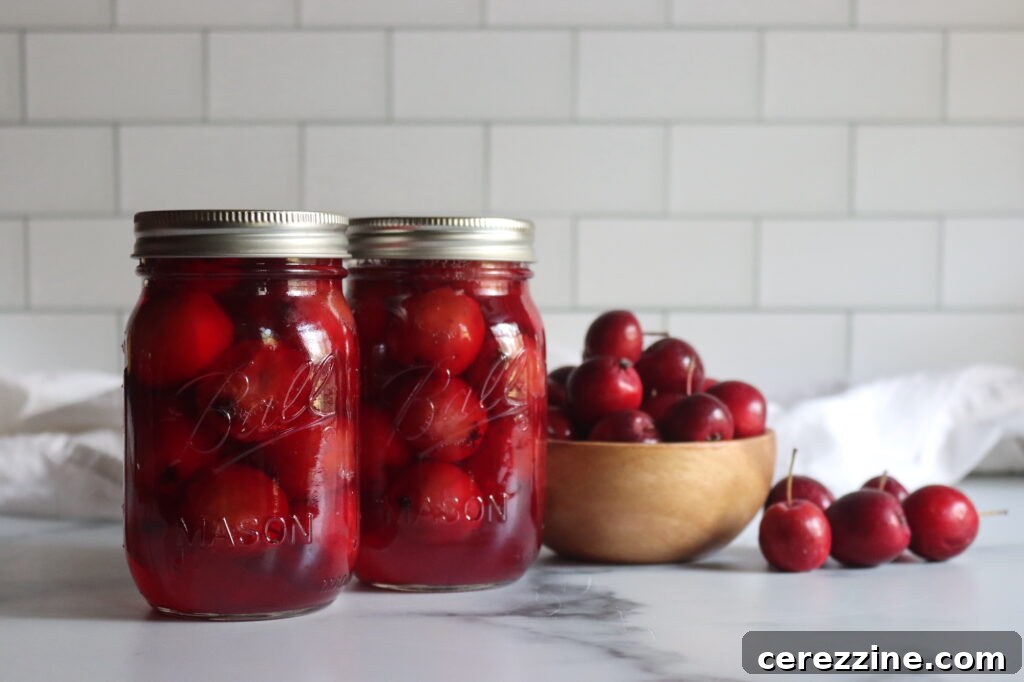
- Crabapple Jelly
- Old Fashioned Spiced Crabapples
- Pickled Apple Slices
- Harvest Time Apple Relish
Apricots: Golden Gems of the Orchard
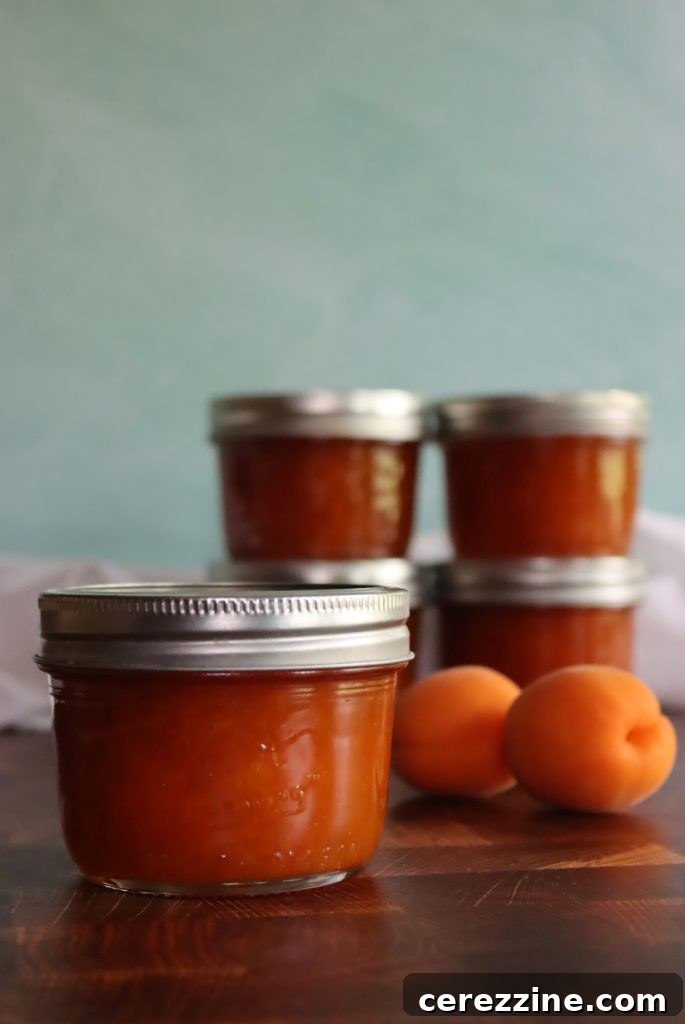
Having family in California with an abundant apricot tree has shown me firsthand the sheer volume of this delightful fruit that a single tree can produce. Traditionally, these bountiful harvests were often frozen, consuming considerable freezer space. Thankfully, apricots are exceptionally well-suited for canning, offering a simple and delicious alternative for preservation. Their natural sweetness and acidity make them ideal for various canned goods. The task of finding apricot canning recipes proved to be wonderfully straightforward, revealing a treasure trove of options for preserving this golden fruit.
Apricots shine in canning, transforming into luscious fruit halves, rich pie fillings, velvety apricot butter, and more. Their tender flesh and distinctive flavor make for truly exquisite preserves that capture the essence of summer. Explore these recipes to make the most of your apricot harvest.
- Whole (and half) Apricots
- Apricot Jam
- Apricot Jelly
- Apricot Pie Filling
- Apricot Butter
- Sweet and Sour Pickled Apricots
- Apricot Chutney
Aronia (Chokeberries): Tart & Nutrient-Rich
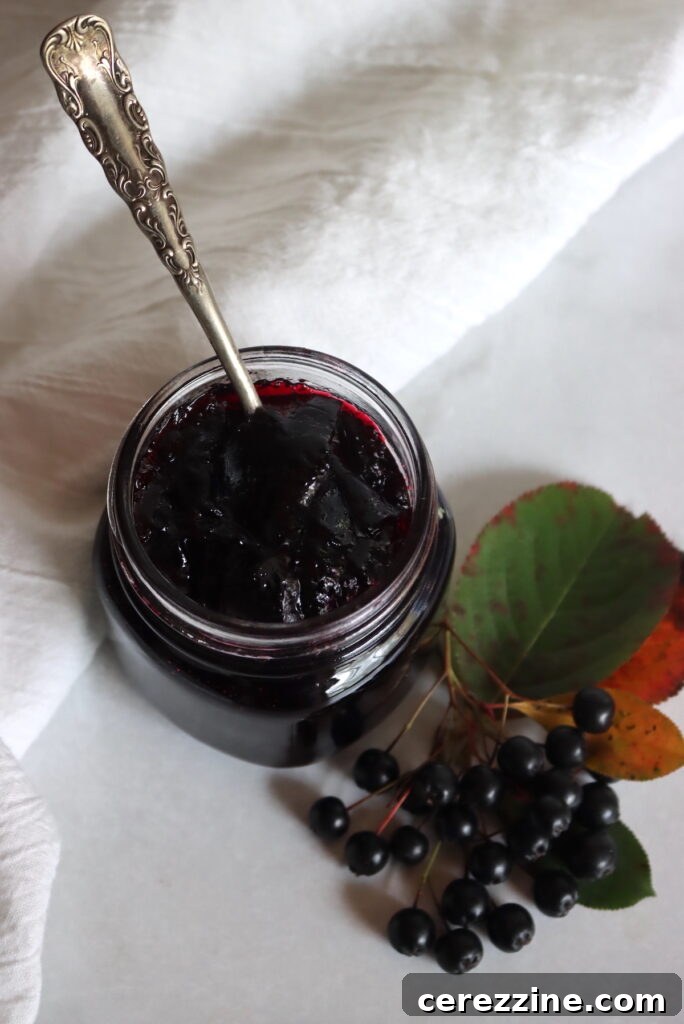
Aronia fruits, commonly known as “chokeberries,” often get a bad rap due to their intensely tart and astringent flavor when eaten fresh. However, their nutritional profile is impressive; they’re packed with antioxidants and are considered a “superfood” by many. From a culinary perspective, these berries truly shine when their tartness is balanced with added sugar, making them exceptional for preserves. Their robust flavor is particularly well-suited for jams and jellies.
A notable characteristic of aronia is its lack of natural pectin, meaning you’ll need to incorporate commercial pectin (either boxed or liquid) to achieve a proper set for your jam or jelly. It’s also important to distinguish between “chokeBERRIES” and “chokeCHERRIES,” the latter being a commonly foraged wild edible that will be discussed later. Aronia offers a unique flavor profile that, when properly prepared, is both delicious and incredibly healthy.
- Aronia Jelly
- Aronia Jam or Preserves
- Aronia Simple Syrup
Blackberries: A Prolific & Versatile Berry
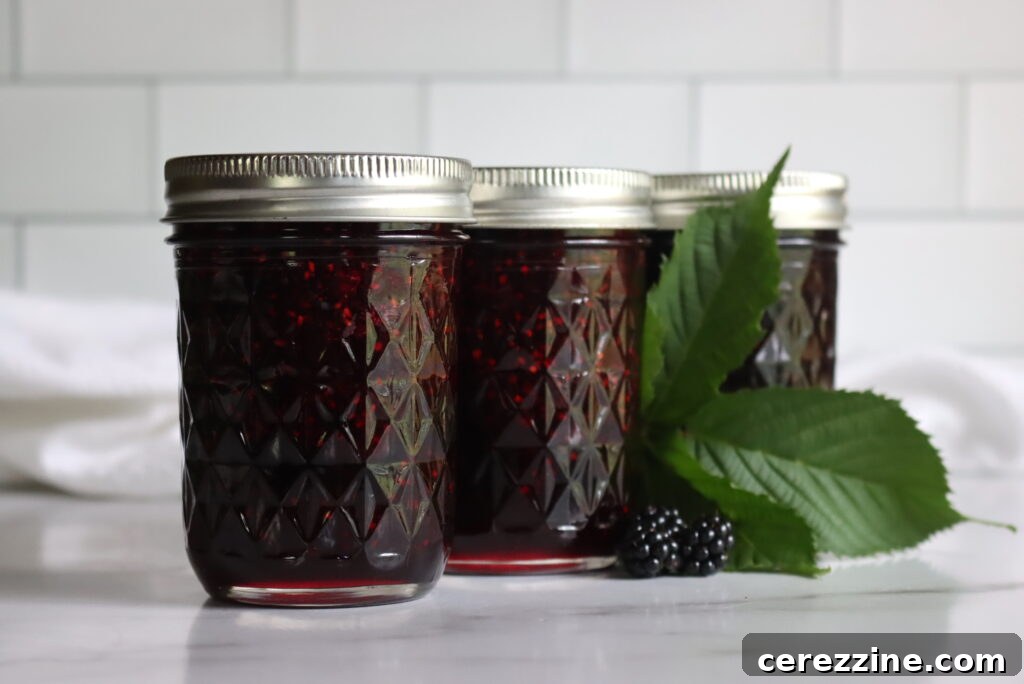
Blackberries are a household staple for my family, particularly in the form of jam. My husband’s fondness for plain blackberry jam on toast and sandwiches means a substantial portion of our annual berry harvest is dedicated to this delicious preserve. Yet, even after filling our jam jars, there always seem to be leftovers. Whether you’re cultivating them in your home orchard or discovering them during foraging expeditions in local wild spaces, blackberries are incredibly productive. Our family consistently gathers buckets of these juicy fruits, prompting a continuous search for diverse preservation methods.
Fortunately, blackberries are remarkably versatile for canning, lending themselves beautifully to a variety of preparations. From simple whole canned berries to rich jams and jellies, there are many excellent ways to extend their fresh flavor throughout the year. Their natural pectin content often aids in achieving a good set for jellies and jams, making them a rewarding fruit for home preservers.
- Canning Blackberries
- Blackberry Jam
- Blackberry Jelly (Seedless)
- Blackberry Pie Filling
- Maple Berry Smooch
- Blackberry Peach Jam
Blackcurrants: Shade-Loving Powerhouses
Blackcurrants hold a special place on our homestead, largely because they flourish in areas where other fruits struggle. They are remarkably well-suited to shady, moist conditions, making them an ideal choice for the woodland garden environment here in Vermont. These resilient shrubs are among the few fruit producers that offer substantial yields even in full shade; in fact, blackcurrants actively dislike direct sun exposure, which can scorch their delicate leaves and fruit.
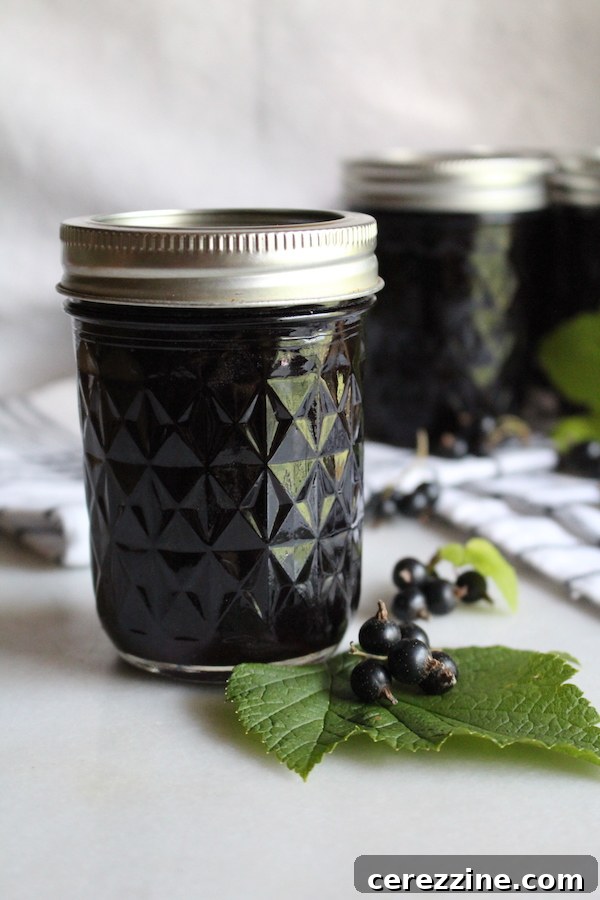
While not as widely cultivated in the United States, blackcurrants are immensely popular in Britain, where their cool, cloudy summers and frequent rain provide the perfect climate for them to thrive. Fresh blackcurrants are intensely tart and astringent, making them unsuitable for raw eating. However, their robust flavor transforms beautifully when cooked, resulting in absolutely delicious jams and other preserves. Their high pectin content also makes them excellent for setting jellies.
Each year, a significant portion of our blackcurrant harvest is lovingly preserved using one of these cherished recipes, ensuring we can enjoy their unique taste long after the growing season has ended.
- Blackcurrant Jam
- Blackcurrant Jelly
- Canning Whole Currants
Blueberries: A Sweet & Versatile Berry
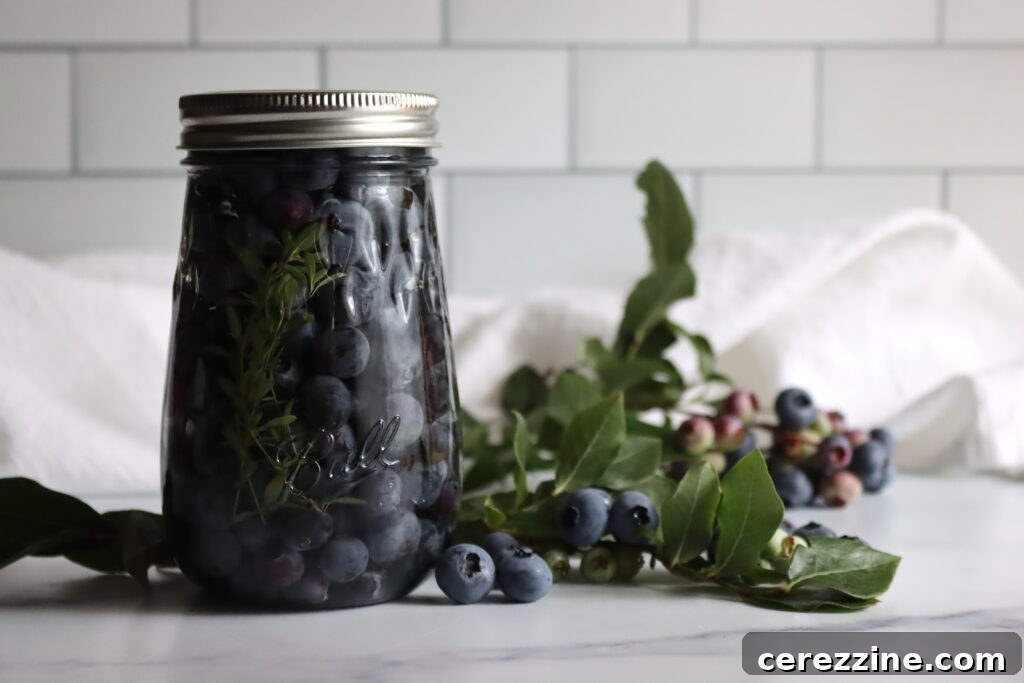
Our family has an immense love for blueberries, prompting us to cultivate and harvest them in large quantities each season. While freezing is a convenient way to store some, keeping our entire blueberry supply in the freezer isn’t practical due to limited space. Therefore, a significant portion of our harvest is always dedicated to canning, allowing us to enjoy these delightful berries throughout the year. Blueberries are naturally acidic and excellent for water bath canning, making them a safe and easy choice for home preservers.
There are numerous delicious ways to can blueberries. I particularly enjoy preserving the whole berries, which are perfect for incorporating into muffins, pancakes, or simply spooning over yogurt. Beyond whole fruit, blueberries transform wonderfully into flavorful jams, clear jellies, and hearty pie fillings. Interestingly, while blueberries are acidic enough for safe canning on their own, most recipes suggest adding lemon juice. This addition isn’t always for safety but rather to enhance and brighten their flavor. However, if you are making pie filling, lemon juice is crucial as it’s often required for safe canning when using clear gel (a canning-safe thickener) to achieve the desired consistency.
- Canning Blueberries
- Blueberry Pie Filling
- Blueberry Jam
- Blueberry Jelly
- Blueberry Lemonade Concentrate
- Blueberry Peach Jam
- Pickled Blueberries
- Blueberry Lime Jam
- Blueberry Butter
- Blueberry Syrup
Cantaloupe: A Challenging Canning Fruit
When it comes to canning, cantaloupe presents a unique challenge, as there are regrettably few reliable recipes for its preservation. The primary hurdle lies in its low acidity, which renders it unsafe for standard water bath canning unless substantial amounts of lemon juice or other highly acidic ingredients are incorporated. The National Center for Home Food Preservation (NCHFP), a leading authority on food safety, does not offer tested recipes for plain cantaloupe. However, a select few tested recipes can be found in reputable canning books and online.
If you choose to seek out additional cantaloupe canning recipes, extreme caution is advised to ensure safety. I strongly recommend against trusting any recipe that does not explicitly call for a significant quantity of high-acid ingredients such as vinegar, lemon juice, lime juice, or pineapple juice. Always verify that you are using a scientifically tested and approved recipe, not one that has been developed improvisationally or is intended solely for refrigerator storage. Prioritizing safety is paramount with low-acid foods like cantaloupe.
- Cantaloupe Pickles (NCFP Recipe)
- Salted Cantaloupe Jam (Ball Canning Recipe)
Cherries: Sweet & Tart Delights for Preserving
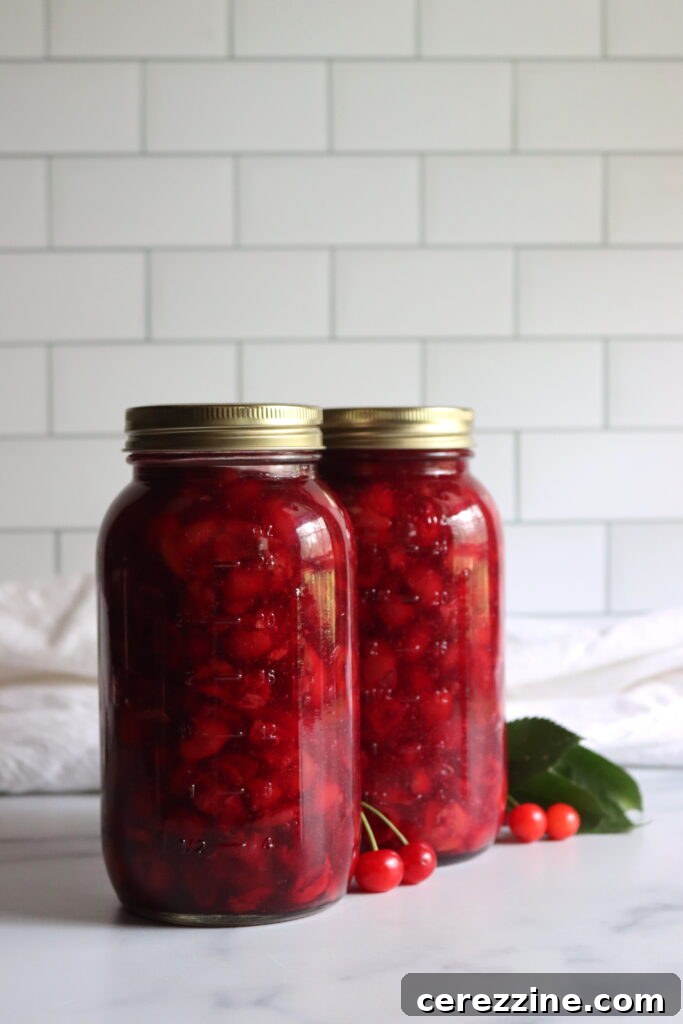
On our homestead in the cool Northeast, we primarily cultivate tart pie cherries. While too sour for fresh eating, these cherries excel in preserves and pie fillings, imparting a rich, tangy flavor that is highly prized. For those fortunate enough to reside in warmer climates, where sweet cherries flourish, they too are excellent candidates for canning, offering a different but equally delightful flavor profile.
Regardless of variety, all cherries possess sufficient natural acidity to be safely canned using the water bath method. However, it’s worth noting that cherries are naturally low in pectin. If your aim is to create a jam, you’ll likely need to add commercial pectin (either boxed or liquid) to achieve a proper set. Without it, you might end up with a delicious but looser consistency, perhaps more akin to a sauce or syrup. Plan accordingly when preparing your cherry harvest for canning.
- Sour Cherry Jam
- Black Cherry Jam
- Cherry Jelly
- Cherry Butter
- Canning Cherry Pie Filling
- Cherry Twist
Chokecherries: Wild & Flavorful
Despite its somewhat unappealing name, the chokecherry is a fantastic tart fruit, closely related to many of our beloved domesticated stone fruits. While their astringent quality makes them less desirable for fresh eating, chokecherries truly shine when transformed into delicious jellies and syrups. Their robust, tangy flavor is wonderfully concentrated through cooking and processing, making for unique and flavorful preserves.
I genuinely enjoy canning wild chokecherries that I forage. However, I always advise fellow foragers to explore a variety of chokecherry recipes before committing their entire harvest to a single method. This ensures you discover the full potential of these fascinating wild fruits. Their natural pectin content also aids in achieving a good set for jellies.
- Chokecherry Jelly (and Jam)
- Chokecherry Syrup
Cornelian Cherry: Hardy & Unique
The Cornelian Cherry, a type of fruiting dogwood, offers a unique and hardy fruit option, particularly popular in Eastern Europe. These resilient trees are cold-tolerant, thriving even in USDA Zones 4 or 5, making them an exciting and distinct addition to any homestead seeking cold-tolerant orchard crops. Their ability to withstand harsh winters makes them an excellent choice for northern climates where other stone fruits might struggle.
We cultivate a few Cornelian Cherry trees here in Vermont, and each year we enjoy a portion of the fresh fruit before dedicating the rest to homemade jam. The fruit has a pleasant, tart flavor that develops beautifully when cooked, making for a wonderfully distinctive preserve. Their natural pectin content also helps jams to set nicely.
- Cornelian Cherry Jam
Cranberry: A Winter Canning Gem
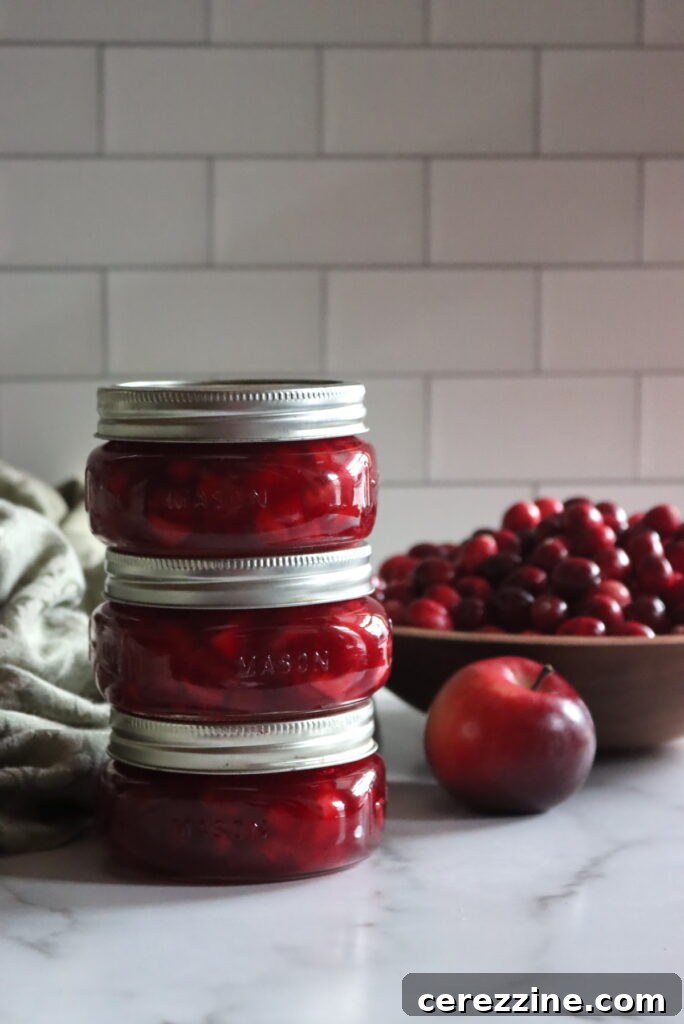
While most of my canning activities are concentrated during the abundant summer months, cranberries stand out as a delightful exception. They are typically the sole fruit found simmering in my canning pot during the winter season. Most people are familiar with classic canned cranberry sauce, a holiday staple, but the versatility of cranberries extends far beyond this traditional preparation. There are a plethora of fantastic cranberry canning recipes available to keep your pantry stocked with diverse flavors.
Cranberries are naturally high in acid and pectin, making them excellent candidates for water bath canning. Beyond sauces, they transform beautifully into vibrant jellies, zesty relishes, and flavorful juices. Their tartness pairs wonderfully with other fruits, making them a superb ingredient for combination jams. Whether you’re aiming for traditional holiday fare or year-round culinary adventures, cranberries offer a distinctive and healthy option for your canning efforts.
- Cranberry Sauce
- Canning Whole Cranberries
- Canning Cranberry Juice
- Christmas Jam
- Cran-Raspberry Jam
- Cranberry Orange Marmalade
- Cranberry Apple Jam
- Cranberry Pear Jam
- Brandied Cranberry Apple Mincemeat
Figs: Sweet & Abundant
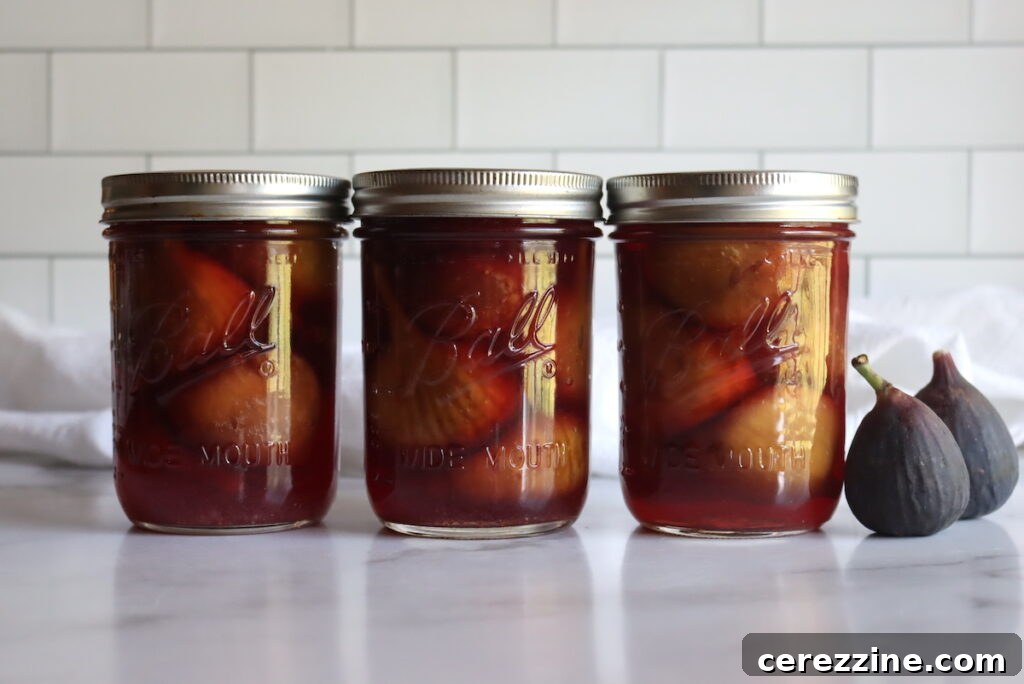
My childhood in California was marked by abundant fig harvests, often yielding buckets of these sweet, earthy fruits. The perennial challenge was discovering diverse and effective ways to preserve them all, ensuring none of this delicious bounty went to waste. Fortunately, figs are exceptionally well-suited for canning. Their natural sweetness, combined with a sufficient level of acidity, makes them perfect candidates for water bath canning, transforming them into delectable preserves that can be enjoyed throughout the year.
Figs excel in a variety of canned forms, from rich jams that capture their unique flavor to whole preserved figs, ideal for desserts or served alongside savory dishes. Their tender flesh and delightful texture make them a rewarding fruit to work with in the canning kitchen. Explore these recipes to make the most of your fig harvest and enjoy their distinct flavor long after the season ends.
- Fig Jam
- Canning Whole Figs
Gooseberry: An Underrated English Favorite
Gooseberries, though often overlooked in the United States, enjoy considerable popularity among home growers in England, where their cloudy, wet summers provide ideal growing conditions. On our cool Vermont homestead, I’ve discovered that these resilient shrubs also thrive in moist, shady spots, yielding abundant harvests each July. Their ability to produce prolifically in less-than-ideal sunny locations makes them a valuable addition to any diverse edible landscape.
Characterized by their distinct acidity and tartness, gooseberries are ideally suited for making vibrant jams and jellies. Furthermore, they are an excellent natural source of pectin, a quality that makes them incredibly useful for combining with other fruits that are lower in pectin. By adding gooseberries, you can help other jams achieve a perfect set while also imparting a delightful tangy note. Whether canned on their own or integrated with other fruits, gooseberries offer a truly unique and delicious flavor profile for your preserves.
- Gooseberry Jam
- Gooseberry Jelly
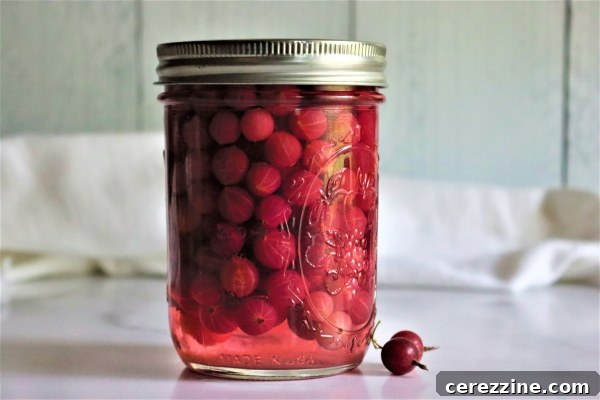
- Canning Gooseberries
Grapes: Beyond Store-Bought Jelly
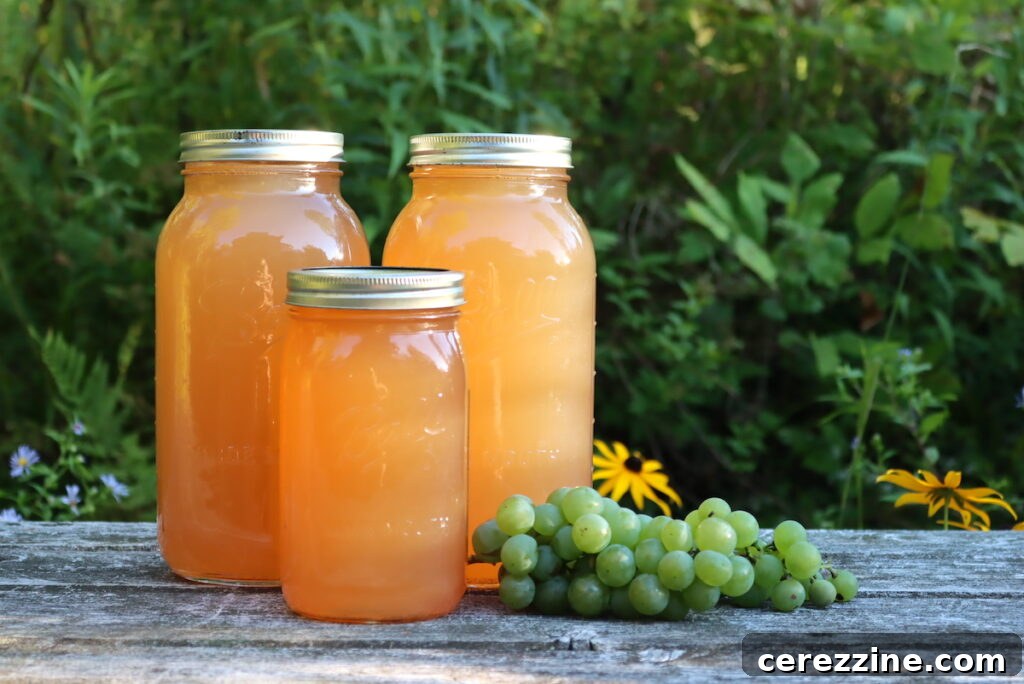
While grape jelly is a ubiquitous grocery store staple, the art of preserving fresh grapes at home is a rewarding experience that few undertake. Beyond the classic, childhood-favorite grape jelly, I also cherish old-fashioned grape jam, complete with the delightful texture of the fruit peels. Canning grapes opens up a world of possibilities far beyond these traditional spreads.
Grapes are naturally high in acid, making them excellent candidates for water bath canning. There’s a wide array of enjoyable grape canning recipes to explore, including a wonderfully flavorful pie filling that captures their essence for baking, and even surprisingly tasty pickled grapes, which offer a unique sweet-and-sour condiment. Whether you’re growing your own grapes or sourcing them from a local vineyard, preserving them at home allows you to enjoy their rich flavors in diverse and creative ways throughout the year.
- Grape Jelly
- Grape Jam (with skins)
- Canning Grape Pie Filling
- Pickled Grapes
- Canning Whole Grapes
- Grape Juice
Ground Cherry (Husk Cherry): A Sweet Surprise
These intriguing little plants are botanical relatives of the tomatillo, with their fruits similarly encased in a delicate paper husk. However, unlike their savory cousin, ground cherries reveal a rich, sweet, and distinctly pineapple-like flavor, offering a delightful surprise. Native to Peru, ground cherries have been a fairly common annual plant in American gardens for centuries, often recognized from classic literature like the Little House on the Prairie books. Occasionally, you might encounter them in specialty supermarkets, though they may be marketed under various names, including “poha berry,” “goldenberry,” or “cape gooseberry.”
Growing ground cherries is remarkably easy, much like cultivating tomatoes or tomatillos. They thrive with minimal care and typically yield an abundant harvest of small, round fruits. As they ripen, the fruits develop an inviting orange-yellow hue and offer a pleasant, sweet flavor profile that beautifully combines notes of pineapple and strawberry. Since we began growing them, I’ve discovered a plethora of wonderful recipes that highlight their unique taste.
When canning ground cherries, the addition of lemon juice is absolutely essential. This is because ground cherries are considered borderline in terms of acidity for safe water bath canning, making the acidification a critical step for preservation safety. Never skip this ingredient in ground cherry canning recipes.
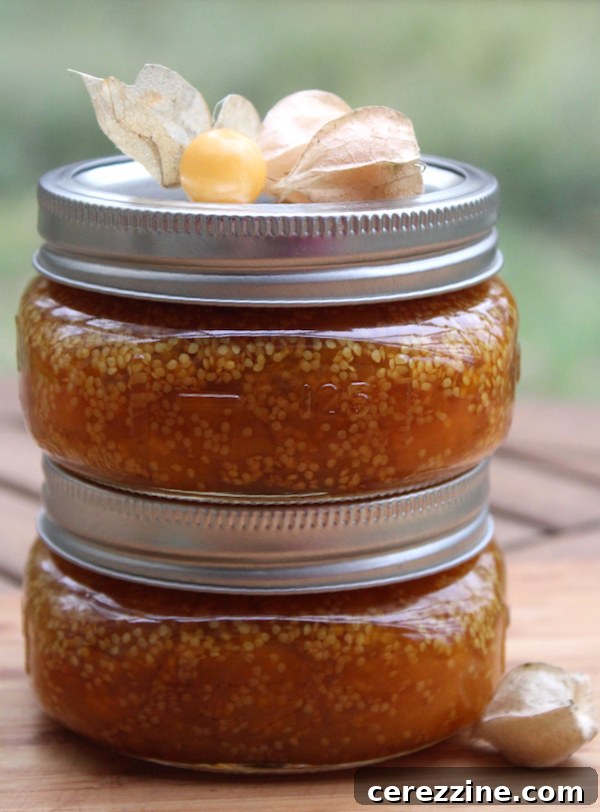
- Ground Cherry Jam (AKA. Husk Cherry Jam)
Haskap Berries (Honeyberries): The Ultimate Cold-Hardy Fruit
Haskap berries, also known as honeyberries, are among the most remarkably cold-hardy fruits you can find. Their extraordinary resilience allows them to thrive even in challenging USDA Zone 2 climates, a characteristic that has made them incredibly popular in regions like Canada, Siberia, and Eastern Europe. This extreme hardiness, combined with their ease of cultivation and often more prolific yields than blueberries, has steadily increased their popularity in the United States.
While Haskap berries don’t transport well, limiting their widespread availability in conventional grocery stores, you might discover them at local farmers markets or find plants to grow your own. I absolutely adore these soft fruits, which boast a delightful flavor profile reminiscent of a blend between blueberries and grapes. However, due to their delicate nature, it’s crucial to preserve them promptly to prevent spoilage. Thankfully, Haskap berries are exceptionally well-suited for making delicious and distinctive jams, capturing their unique taste for year-round enjoyment.
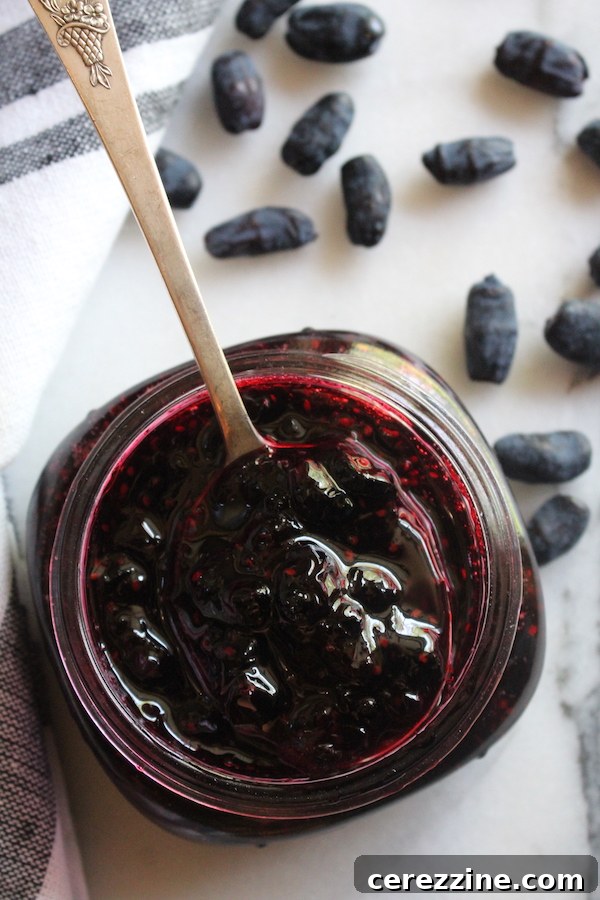
- Haskap Jam
Hawthorn: A Forager’s Delight
Hawthorn trees typically pique the interest of avid foragers due to their wild origins and distinctive fruits. These trees, members of the rose family, typically grow to about 15 feet tall and are notable for their sharp thorns. They produce small fruits that bear a strong resemblance to crabapples in appearance, though their flavor profile is subtly different, often described as a unique cross between crabapples and rose hips – slightly tart, somewhat floral, and mildly sweet.
The fruits themselves tend to be dry and mealy, making them generally unsuitable for fresh eating. However, hawthorn berries truly transform when cooked and preserved, yielding surprisingly decent jellies and flavorful syrups. Their natural pectin content also helps in achieving a good set for preserves, making them a rewarding ingredient for those willing to forage and experiment. Harnessing the wild flavors of hawthorn offers a unique addition to your pantry.
- Hawthorn Jelly
Kiwi: A Tropical Twist for Canning
When considering fruits for canning, kiwi might not be the first that comes to mind for many. However, it’s actually an excellent candidate for preservation, offering a unique tropical flavor to your pantry. Kiwis are naturally abundant in pectin, making them an outstanding choice for crafting delicious jams. Some home canners even strategically add kiwi to other fruit preparations to help them set more effectively, thanks to this high pectin content.
A fun fact about kiwis is that they typically ripen in the winter months, offering a welcome canning project when the flurry of summer harvests has subsided. On our Vermont homestead, we cultivate hardy kiwi berries, a resilient relative of the more commonly known grocery store kiwi. These berries share the same delightful tropical flavor but are hardy down to USDA Zone 3. You can easily substitute these hardy kiwi berries for traditional kiwi in most canning recipes, expanding your options for winter preservation.
- Kiwi Jam
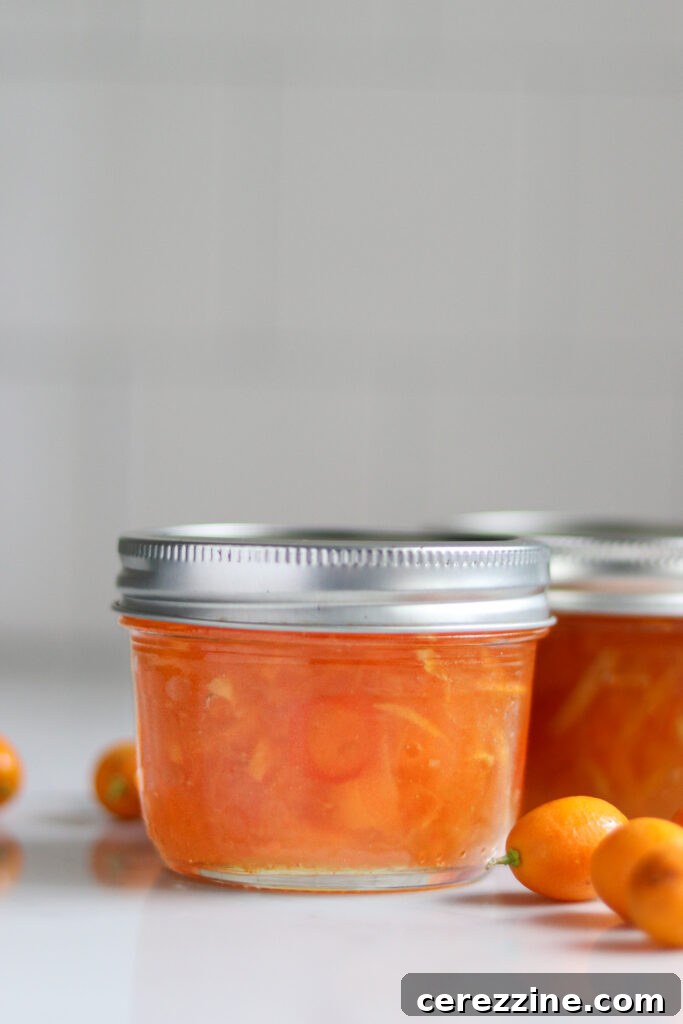
Kumquat: A Citrus Delight for Jam
Kumquats are truly distinctive among citrus fruits. Unlike most of their relatives, the delightful sweetness of a kumquat is concentrated primarily in its peel, rather than its flesh. This unique characteristic makes them exceptional for creating marmalades and jams, particularly when the entire fruit is thinly sliced and incorporated into the mix. The combination of the sweet peel and the slightly tart pulp creates a wonderfully complex and aromatic preserve.
Most kumquats possess ample natural pectin, which typically aids in achieving a beautiful set for jams without the need for additional pectin. However, it’s worth noting that pectin levels can vary based on growing conditions and ripeness. If you encounter difficulty getting your kumquat jam to set properly, consider adding a packet of liquid pectin towards the end of the cooking process as a helpful boost. That being said, in my experience, every batch of kumquat jam I’ve made has set up perfectly, yielding a rich and fragrant preserve.
- Kumquat Jam
- Kumquat Pickles
- Candied Kumquats (Canned using instructions from kumquat jam)
Lemon: The Canner’s Essential Ally
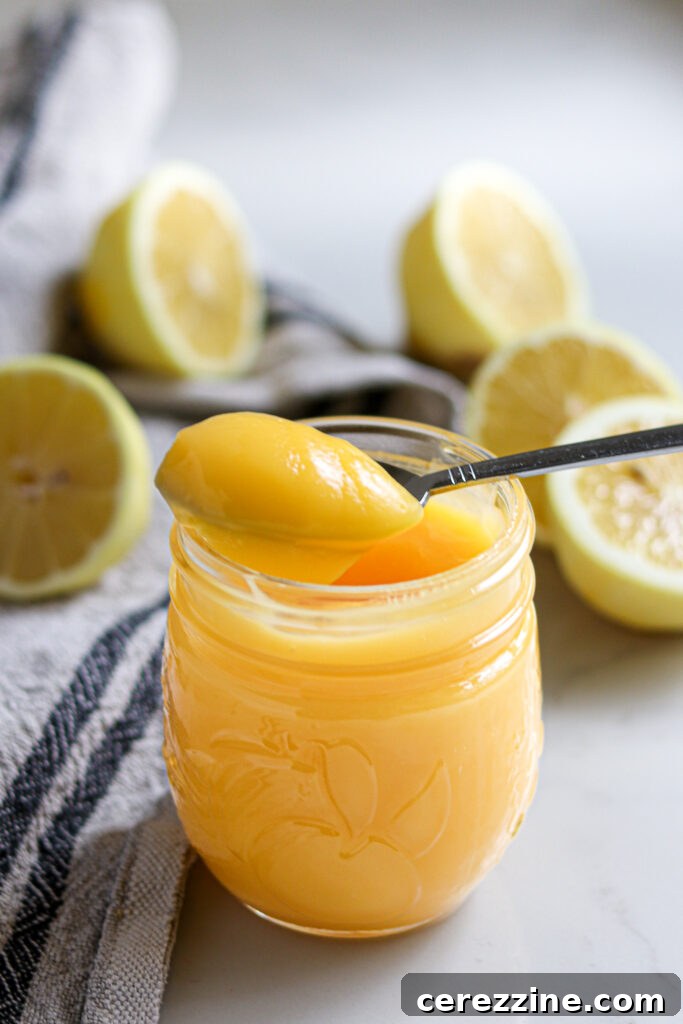
Lemon holds an indispensable position in every canner’s pantry, serving far more than just a flavor enhancer. Its exceptionally high acidity makes it a crucial ingredient for lowering the pH of many common canning recipes, transforming otherwise borderline-safe foods into safely preserved goods. From tangy ground cherry jam to robust tomato sauce, lemon juice often plays a pivotal role in ensuring safety. Beyond its preservative qualities, lemon juice also helps to maintain the vibrant color of produce and contains natural pectin, which assists jams and jellies in achieving a perfect set. Yet, lemon itself should not be overlooked as a fruit to be preserved on its own.
Canning lemon juice is an obvious and highly practical solution, allowing you to have this essential acidic component readily available throughout the year. However, there are also numerous other delightful ways to preserve fresh lemons. You can transform them into bright and zesty jams, clear jellies, or classic marmalades. For a truly unique treat, you can even can whole lemon slices in syrup, which can then be enjoyed as a sweet-tart confection or used to make homemade lemon drops. These methods ensure that the versatile flavor and acidity of lemons are always at your fingertips.
- Canning Lemons (3 Ways!)
- Lemon Curd
- Lemon Marmalade
- Meyer Lemon Marmalade
- Lemonade Concentrate
Loquat: An Exotic Preservation Opportunity
Loquats are flavorful members of the Rose family, native to China, offering a unique taste experience. While I would eagerly embrace the opportunity to can some myself, their availability is limited in the Northeast, making it a rare treat. However, canners from regions where loquats thrive often share enthusiastic feedback, confirming that these fruits produce truly exceptional jams and jellies.
Loquats are naturally sweet with a pleasant tartness and contain a good amount of pectin, which aids in the gelling process for preserves. Their distinct, somewhat floral and apricot-like flavor profile makes them a wonderful addition to any canner’s repertoire, especially for those living in suitable climates. If you have access to loquats, consider exploring these recipes to capture their delicious essence in a jar.
- Loquat Jam
- Loquat Jelly
Mango: A Tropical Treat for Preserving
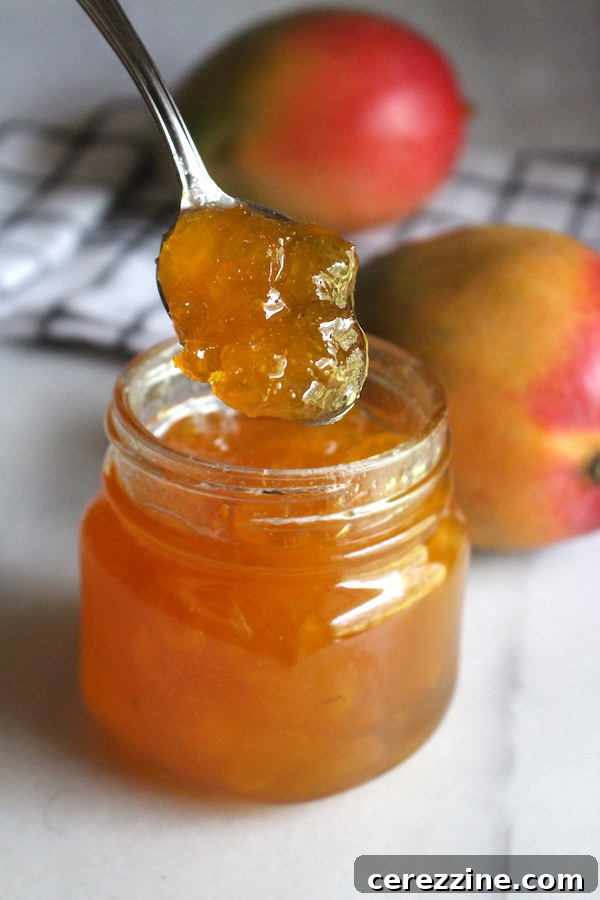
I possess an absolute adoration for mangoes in all their glorious forms; it truly stands out as one of my most cherished fruits. This passion naturally leads me to utilize it as much as possible, transforming fresh mangoes into everything from delicious mango wine to luscious, sweet mango jam. Its vibrant flavor and rich texture make it an incredibly versatile fruit for various culinary creations.
When it comes to canning, the ripeness of the mango is a critical factor for safety. Unripe, green mangoes are naturally acidic and can be safely canned with standard water bath methods. However, ripe mangoes are borderline acidic, meaning they require a carefully chosen recipe that incorporates a sufficient amount of lemon juice or another acidifier to ensure safe preservation. Always verify the ripeness and adhere strictly to tested recipes when canning this tropical delight to enjoy its exquisite taste year-round.
- Mango Jam
- Canning Mangoes
Mulberry: The Tree-Growing Berry
For those unfamiliar, mulberries bear a striking resemblance to blackberries, with the notable difference that they grow on trees. These prolific trees are often found as popular shade trees lining streets, adorning parks, and dotting playgrounds, making them surprisingly accessible for foraging even in urban environments. In more rural settings, mulberries are commonly found along river banks and in clearings, offering a bountiful wild harvest.
It’s also remarkably easy to cultivate mulberry trees, even on relatively small homesteads. Despite often sharing a significant portion of the harvest with eager birds, it’s entirely possible to gather enough berries from a single mature tree to dedicate to canning. Their natural sweetness and mild tartness make them excellent for jams, jellies, and other preserves, allowing you to capture their fleeting summer flavor for year-round enjoyment. The unique appeal of harvesting berries from a tree makes mulberries a distinct and rewarding fruit for home preservers.
- Mulberry Jam
Oranges: Beyond Classic Marmalade
When the thought of canning oranges arises, the classic image of vibrant orange marmalade likely comes to mind. Indeed, oranges are a traditional and excellent choice for crafting this vitamin C-rich preserve, beloved for its tangy-sweet flavor and distinct texture. However, the versatility of oranges extends far beyond marmalade, offering a variety of other delightful preservation methods.
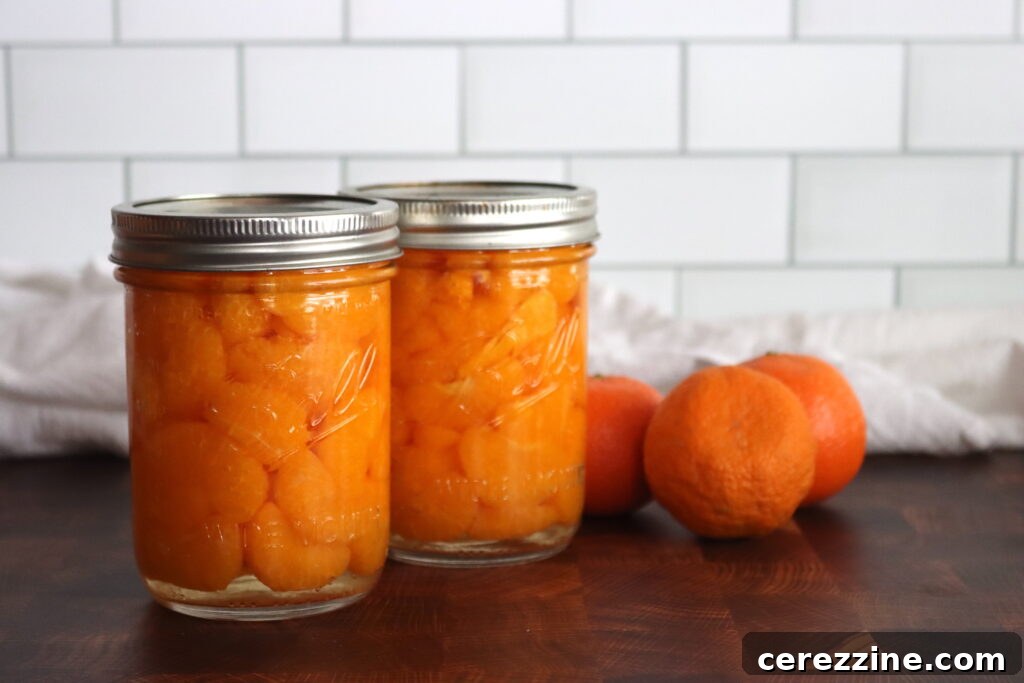
While I certainly appreciate a well-made marmalade, I also enjoy exploring alternative ways to preserve oranges. You can create a wonderfully flavorful orange jam, often made without the peels for a smoother consistency. Furthermore, canning whole or sliced oranges in a light syrup provides a refreshing treat. By utilizing clementines, you can even recreate the nostalgic taste of classic canned mandarin oranges, which are consistently a big hit with both children and adults alike. These diverse methods ensure you can capture the sunny essence of oranges in many forms throughout the year.
- Orange Marmalade
- Blood Orange Marmalade
- Orange Jam
- Canning Oranges
Passionfruit: Tropical Flavors in a Jar
My childhood in California instilled a deep love for passionfruit, often enjoyed fresh from the vine on walks home from school. Sadly, these incredibly prolific vines thrive exclusively in tropical or subtropical climates, making them unsuitable for cultivation in the Northeast. However, for those fortunate enough to reside in regions where passionfruit flourishes, canning offers a magnificent way to capture and bottle its exotic, tangy-sweet flavor, preserving it for year-round indulgence.
Passionfruit’s intense aroma and distinctive taste make it an exceptional candidate for jelly. Its natural acidity and unique flavor profile create a vibrant and refreshing preserve that transports you to a tropical paradise with every spoonful. If you are lucky enough to have access to this remarkable fruit, transforming it into a delicious passionfruit jelly is a truly rewarding endeavor, allowing you to savor its tropical essence long after the harvest season.
- Passionfruit Jelly
Peach: The Quintessential Taste of Summer
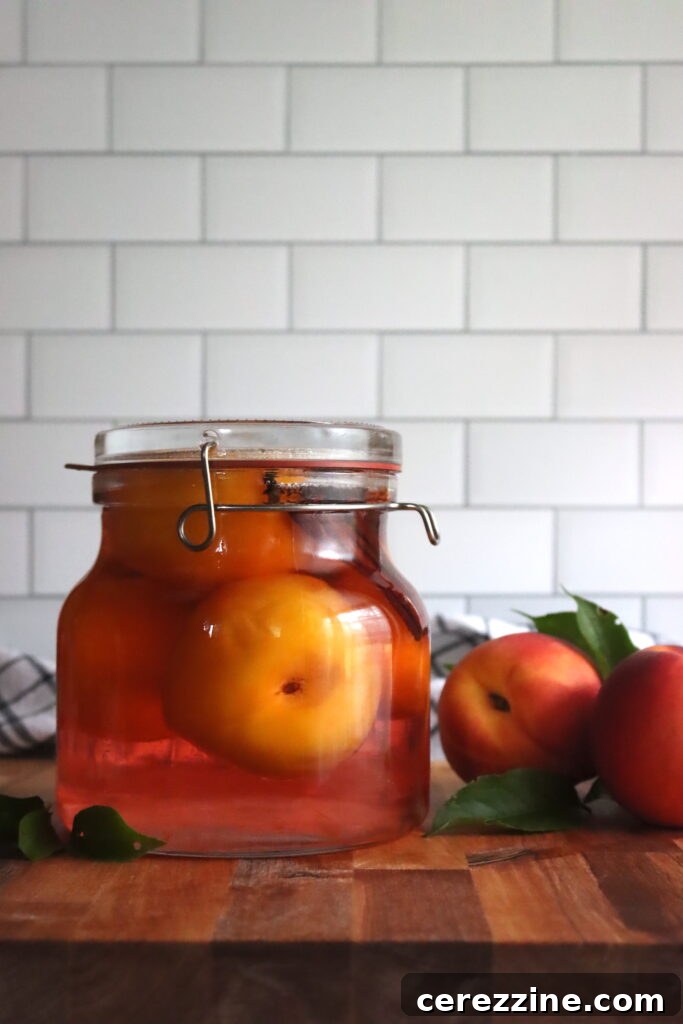
Peaches are, without a doubt, the very essence of summer captured in a fruit – rich, incredibly juicy, and wonderfully sweet. However, the peaches found in grocery stores often pale in comparison to the exquisite flavor of those picked fresh from your own tree or a local orchard. When these seasonal delights are at their peak each summer, preserving a portion of your harvest is an absolute must if you desire that authentic, unparalleled peach flavor to last well beyond the short season.
I frequently can peach slices or prepare peach pie filling, ensuring a ready supply for pies and cobblers throughout the cold winter months. Additionally, I always make a batch or two of classic peach jam or jelly for daily enjoyment and to spread on breakfast treats. A personal favorite is also utilizing peach scraps, like the peels from canning peaches, to create a flavorful peach scrap jelly, ensuring minimal waste and maximum deliciousness. Peaches are incredibly versatile for canning, allowing you to savor their sun-kissed sweetness in many forms.
- Canning Peaches
- Canning Peach Pie Filling
- Classic Peach Jam
- Low Sugar Peach Jam
- Peach Jelly
- Ginger Bourbon Peaches
- Pickled Peaches
Pears: An Ideal Fruit for Home Canning
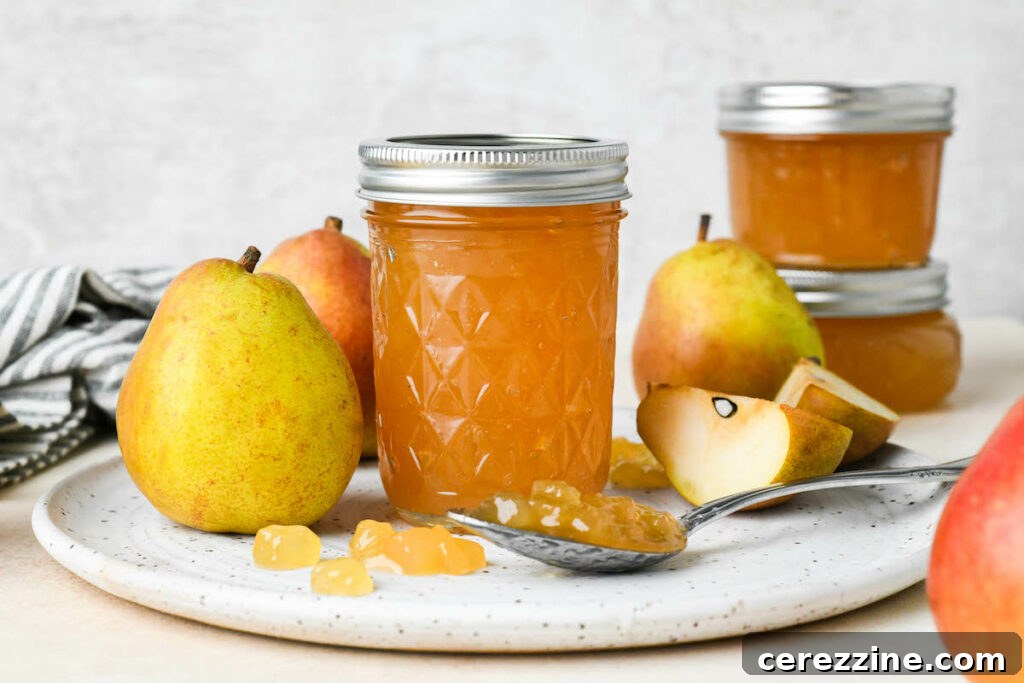
Pears stand out as one of the very best fruits for home canning. They share many similarities with apples in terms of preservation methods, but in many aspects, they are actually a bit easier to work with. Pears possess a remarkable ability to maintain their structure and texture during cooking, making them exceptionally well-suited for canning whole or in slices without turning mushy. This characteristic is a significant advantage for achieving an appealing final product.
The main consideration is that if you wish to make pear sauce or pear butter, you’ll need to purée them after cooking. While this adds an extra step, the effort is undoubtedly worth it, as pear sauce boasts wonderfully complex and nuanced flavors that are truly delightful. Furthermore, because pears don’t readily break down, you can also use them to create a chunky pear jam, offering a different textural experience.
It’s important to note a crucial distinction for safety: while most standard pear varieties are perfectly suitable for these recipes, Asian pears are not. Asian pears are not quite acidic enough for safe water bath canning in many forms. There is one specific tested recipe for canning Asian Pears as halves or slices, but they are generally unsafe for jams, jellies, or other preserves due to their lower acidity. Always confirm the pear variety you are using to ensure canning safety.
- Canning Pears
- Pear Sauce
- Pear Butter
- Pear Jelly
- Pear Jam
- Easy Bartlett Pear Mincemeat
Persimmon: Sweetness Balanced with Acidity
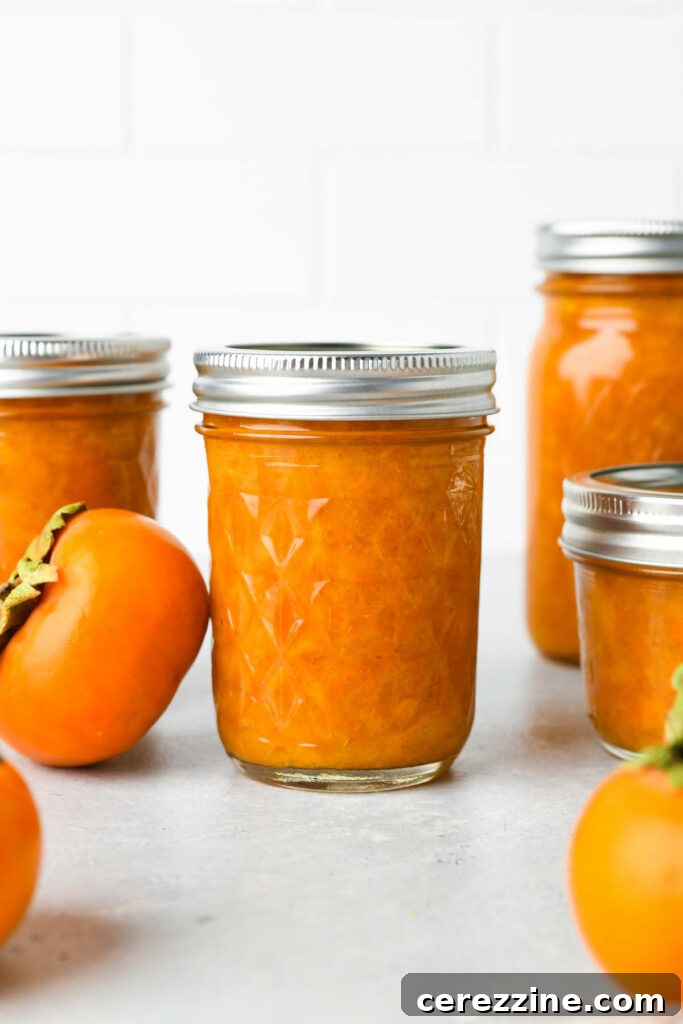
Persimmons are another one of my cherished autumn favorites, offering a unique sweetness and creamy texture that is truly delightful. However, they are not quite acidic enough to be safely canned on their own using the water bath method. To ensure safety, persimmons must be processed with the addition of lemon juice or another acidic juice. This essential step lowers the pH to a safe level, making them suitable for preservation.
Fortunately, the tartness of lemon juice pairs exceptionally well with persimmons. The bright, citrusy notes of the lemon beautifully balance and enhance the persimmon’s natural sweetness, creating a harmonious flavor profile. Personally, I find lime juice to be an even better complement, often using it to craft a particularly tasty persimmon jam. The combination yields a preserve that is both safe and exquisitely flavored, allowing you to enjoy the unique taste of persimmons long after their brief season.
- Persimmon Jam
Plum: Fast & Flavorful Preserves
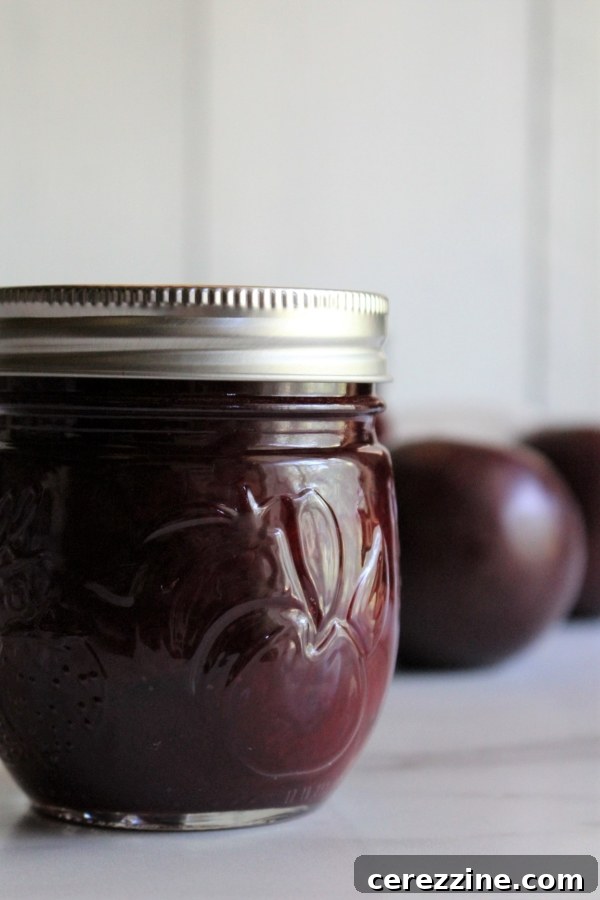
Fresh plums are a true seasonal delicacy, but these soft, juicy fruits have a very short shelf life and demand quick preservation to retain their exquisite flavor. Plum jam is a particular favorite of mine, cherished for its rich taste and vibrant color. The good news is that plum canning recipes typically come together quickly and easily. This is largely because plums readily release their juices when cooked and naturally contain a good amount of pectin, which helps jams and jellies set beautifully.
Beyond jams and jellies, I also love to can whole plums, typically in a light syrup, for use in winter baking. Imagine the pure delight of serving an upside-down plum cake made with home-canned plums on a cold January day – it truly feels like a magical treat straight out of a fairytale. Preserving plums allows you to extend their fleeting freshness and enjoy their unique sweet-tart flavor throughout the colder months.
- Canning Plums
- Plum Jam
- Plum Jelly
- Damson Jam
- Greengage Jam
- Plum Lemonade Concentrate
- Oriental Plum Sauce
Pomegranate: Jewel-Toned Winter Preserves
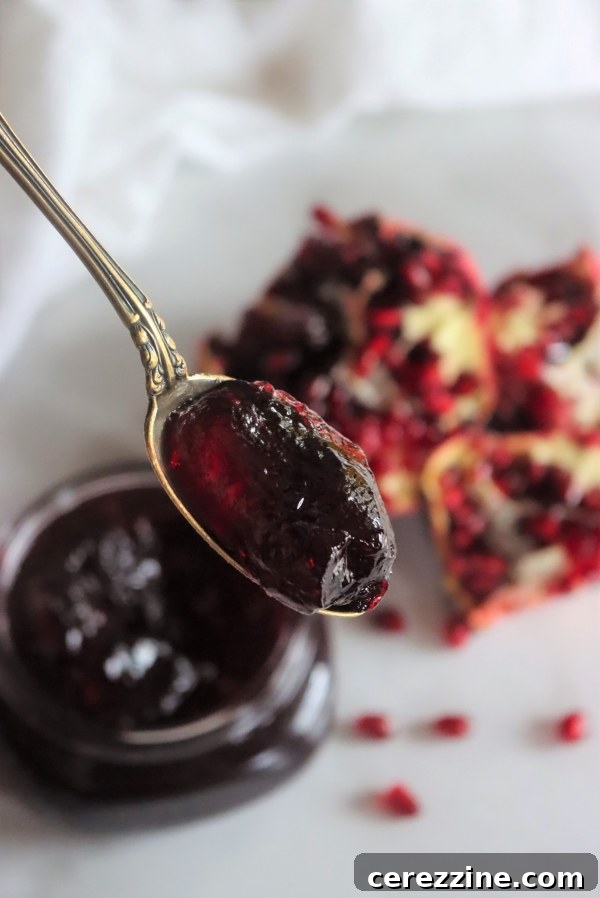
These striking, jewel-like fruits are a rare treat, being among the few fresh fruits available for canning during the winter months, alongside kiwis and cranberries. The most popular and rewarding use for canning pomegranates is undoubtedly making jam or jelly. You can extract the vibrant juice from the arils by gently simmering them and then straining the mixture through a jelly bag, much like preparing any other fruit for jelly. The resulting juice is incredibly flavorful and rich in color. Even if fresh pomegranates are hard to come by, you can still craft delicious jelly using good quality store-bought pomegranate juice.
Beyond preserves, I also thoroughly enjoy using pomegranate juice to make homemade pomegranate wine. It’s a festive and delicious beverage, perfect for holiday celebrations and a unique addition to your homemade libations. Whether as a sparkling jelly or a rich wine, pomegranates offer a distinctive winter flavor for your canning endeavors.
- Pomegranate Jelly
Prickly Pear: A Childhood Desert Gem
The prickly pear holds a special place in my childhood memories. While it no longer grows in my current home in Vermont, it was a ubiquitous part of the California landscape where I grew up. I have fond recollections of harvesting prickly pears from my grandfather’s backyard, navigating their thorny exterior to reach the sweet, vibrant fruit within. Their unique flavor and striking color make them a memorable fruit to preserve.
However, it’s crucial to understand that prickly pear is not acidic enough to be safely canned on its own using the water bath method. To ensure safety, you must use a tested recipe that includes a significant amount of lemon juice or another acidifier. This addition is vital for lowering the pH to a safe level for preservation. With the proper acidification, prickly pear transforms into a unique and delicious jam or jelly, allowing you to capture a taste of the desert for your pantry.
- Prickly Pear Jam
Quince: The Aromatic & Transformative Fruit
Quince certainly won’t win any beauty contests, often resembling hard, lumpy pears, a perception that might initially deter some. However, do not let their unassuming appearance mislead you! Quince possesses a truly magical quality: upon slow cooking, their firm flesh transforms, developing a fragrant, sweet flavor reminiscent of delicate roses. This transformation is one of the most rewarding aspects of working with quince.
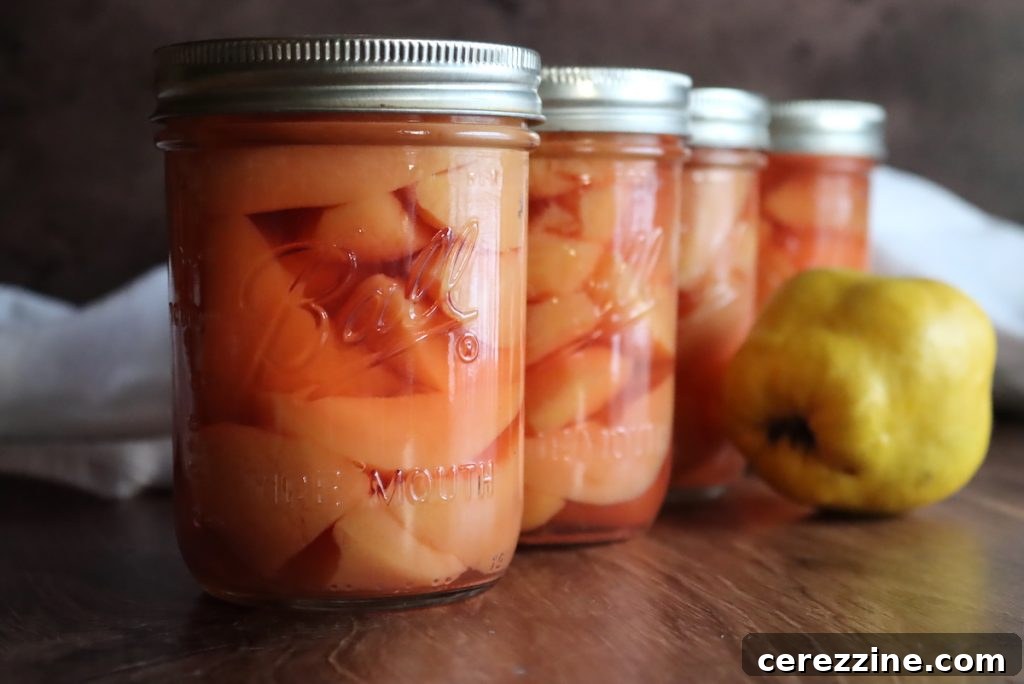
To unlock its delicious flavor, quince must be simmered for approximately 45 minutes. Fortunately, quince provides a built-in visual cue: as it cooks and develops its signature sweet, rose-like flavor, its flesh will turn a beautiful bright pink hue. This extended cooking period is perfectly suited for canning, allowing you to create exceptional preserves. You can use your quince harvest to make exquisite canned sliced quince in syrup, vibrant jams, or clear, aromatic jellies. It’s a truly unique fruit that rewards patience with unparalleled flavor.
- Quince Jam
- Quince Jelly
- Canning Sliced Quince in Syrup
Raspberry (or Black Raspberry): Delicate & Delicious
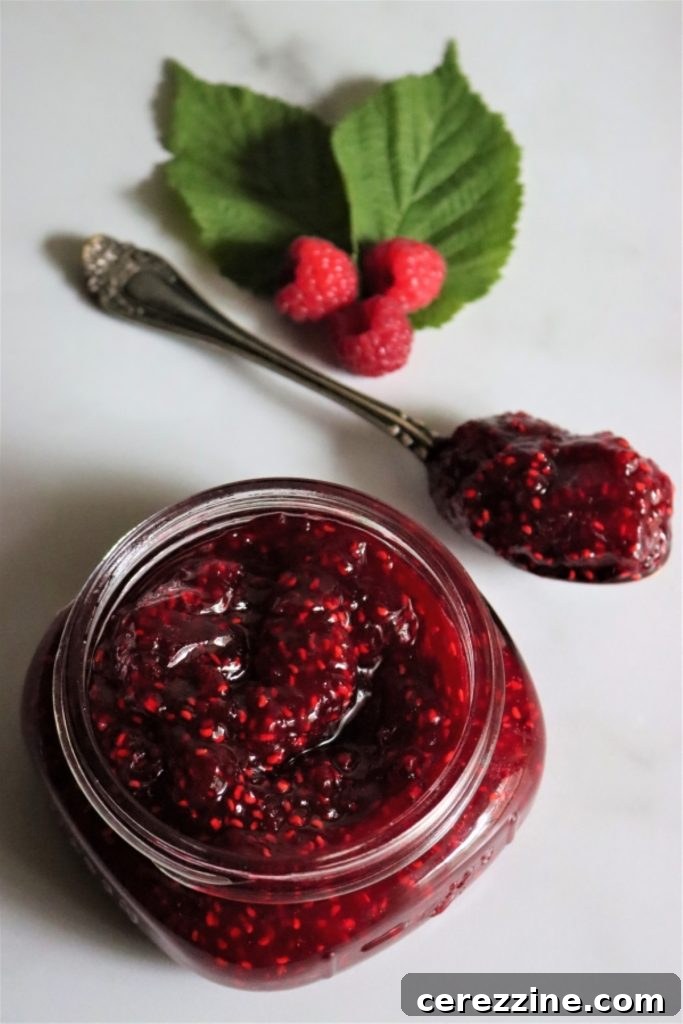
Who could resist the allure of fresh raspberries? These tender, flavorful berries are often found in abundance during their season, yet they are notoriously delicate and do not keep well fresh. Thankfully, their short shelf life is easily overcome through preservation, as raspberries make truly excellent jams and jellies, capturing their bright, sweet-tart essence for year-round enjoyment.
It often comes as a surprise to many home canners, but whole raspberries can be safely preserved through water bath canning. This is one of my favorite methods, yielding jars of intact berries that are perfect for spooning over ice cream, yogurt, or oatmeal, or for adding a burst of fresh flavor to baked goods. If you pick your raspberries fresh and process them immediately, they hold up remarkably well during the canning process, maintaining their shape and flavor beautifully. This allows you to savor the taste of summer raspberries even in the depths of winter.
- Raspberry Jelly
- Raspberry Jam
- Canning Raspberries
- Light Raspberry Dazzle Dressing – No Sugar Needed
Redcurrant: The Pectin-Rich Tart Berry
Redcurrants are another excellent, yet often underrated, fruit for the home canner. I particularly appreciate them for making jam due to their naturally high pectin content. This makes them superb additions to other fruit jams, such as strawberry or cherry, as they not only contribute a hint of their distinctive tart flavor but also significantly aid in achieving a proper set. Their ability to boost pectin levels makes them invaluable in the canning kitchen.
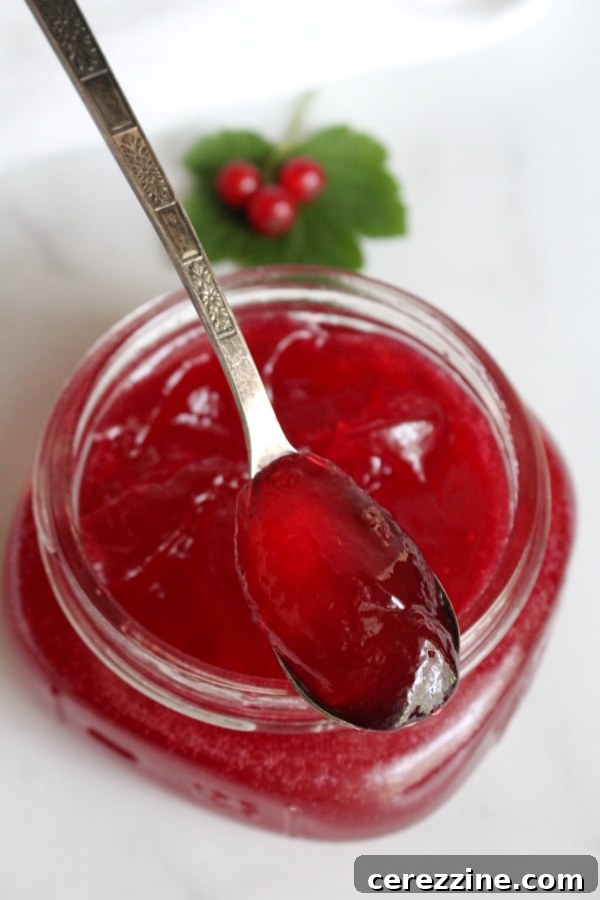
Of course, redcurrants are absolutely delicious when preserved on their own as well! I have a strong fondness for both clear redcurrant jelly and chunky redcurrant jam. Both are indispensable pantry staples for my family, providing a bright, tangy counterpoint to richer flavors. While white currants are less common, they also make a lovely white currant jelly, offering a slightly milder flavor profile. Exploring redcurrants in your canning endeavors will introduce a wonderful tartness and beautiful color to your preserves.
- Redcurrant Jelly
- Redcurrant Jam
Rhubarb: The “April Fruit” of the Garden
Rhubarb, while botanically a vegetable, is almost universally embraced in the culinary world as a fruit. The renowned author Barbara Kingsolver affectionately dubbed it “the April fruit” in her book detailing a year of local eating, and for good reason. Rhubarb is often the earliest fruit-like crop to emerge and be enjoyed from your homestead garden in the spring, signaling the end of winter’s scarcity and the beginning of fresh harvests.
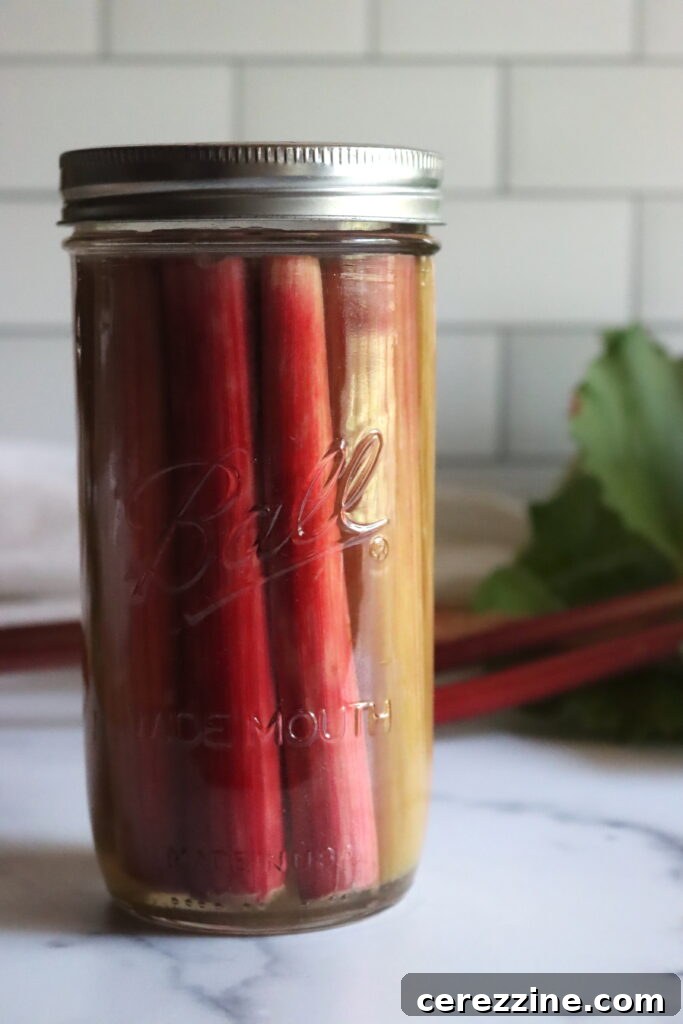
I adore spring rhubarb for crafting delightful crisps and tarts, but its natural high acidity also makes it perfectly suited for water bath canning. There is a wide array of fantastic rhubarb canning recipes available. You can easily put up versatile toppings like rhubarb jelly and jam, or preserve plain stewed rhubarb and pie filling, ideal for incorporating into desserts and other dishes later in the year. Rhubarb’s vibrant tartness and unique flavor make it a valuable and delicious addition to any canner’s pantry, bridging the gap between seasons with its early spring bounty.
- Rhubarb Jam
- Strawberry Rhubarb Jam
- Rhubarb Jelly
- Canning Plain Rhubarb
- Rhubarb Pie Filling
- Strawberry Rhubarb Pie Filling
- Pickled Rhubarb
Strawberry: The Sweet Herald of Summer
Following closely on the heels of rhubarb, the appearance of strawberries marks another thrilling moment in the spring garden. Each year, I’m absolutely delighted to see these radiant red jewels beginning to ripen. We indulge in as many fresh strawberries as possible, savoring their sweet juiciness, and then eagerly turn our attention to restocking the pantry. Perhaps it’s the sheer joy of emerging from a long winter, but I confess to sometimes getting a bit carried away with strawberry canning. Thankfully, I have an abundance of fantastic strawberry canning recipes at my disposal.
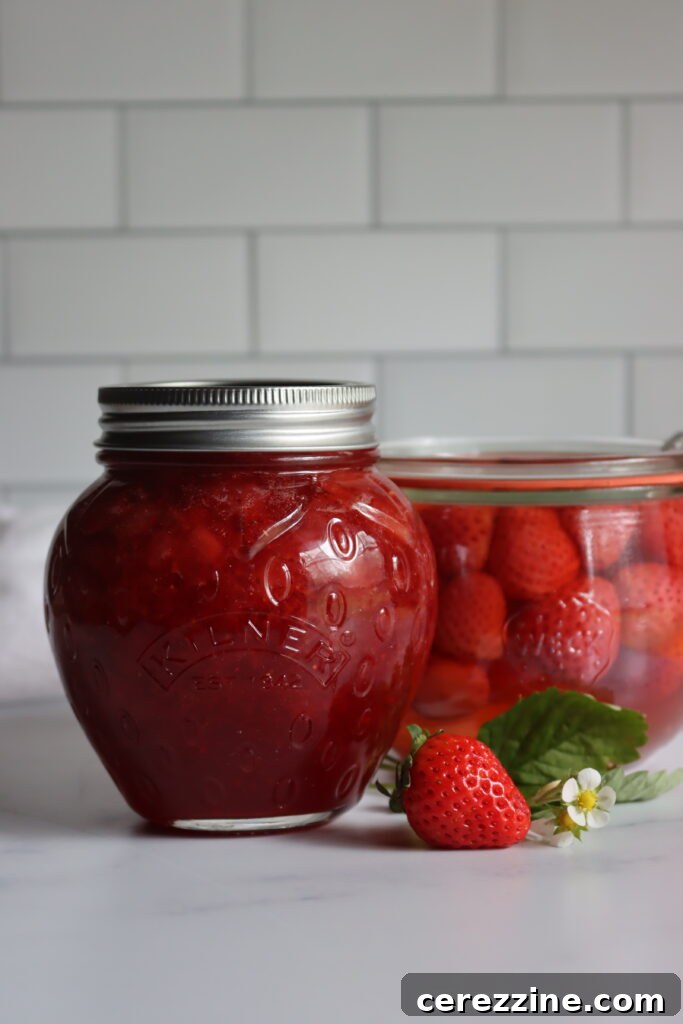
Strawberry jam and jelly remain timeless favorites, perfect for spreading on classic peanut butter and jelly sandwiches, warm biscuits, or morning toast. Beyond these beloved spreads, strawberries also preserve beautifully as whole fruit. These whole canned berries are ideal for incorporating into baked goods, or simply pouring over waffles, oatmeal, or yogurt, adding a burst of fresh flavor and vibrant color. Canning strawberries is a rewarding way to extend the pleasure of their harvest throughout the entire year.
- Canning Strawberries
- Low Sugar Strawberry Jam
- No Sugar Strawberry Jam
- Strawberry Jelly
- Strawberry Syrup
- Pickled Strawberries
Watermelon: A Challenging Yet Rewarding Canning Project
Watermelon is undoubtedly one of the most cherished and iconic fruits of summer, synonymous with picnics and warm weather gatherings. Unfortunately, despite its popularity, watermelon is not naturally acidic enough to be safely canned on its own using traditional water bath methods. I have diligently searched for reliable, approved recipes for canning plain watermelon, jam, or jelly for years, but have yet to find one that both meets safety standards and offers a palatable taste profile. The inherent low acidity is a significant hurdle for straightforward preservation.
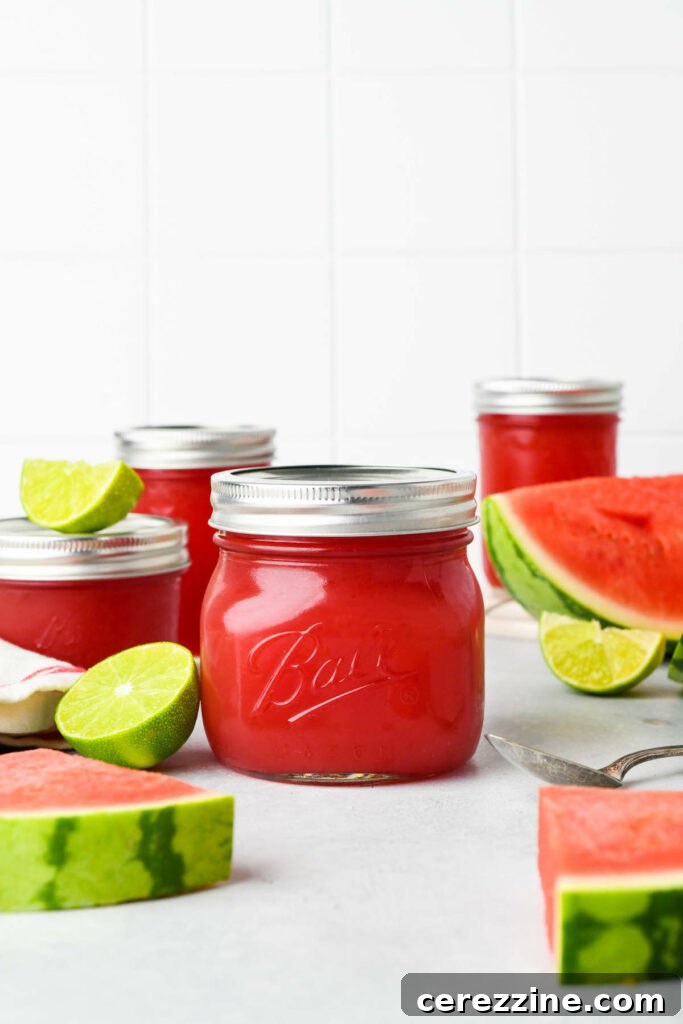
To safely can watermelon, it is absolutely essential to incorporate a substantial amount of added acidity. If you find yourself with an abundance of garden-fresh watermelon, there are safe and approved methods for preservation. For instance, canning a watermelon lemonade concentrate is a great option, as the lemon juice provides the necessary acidity for safe processing. Similarly, watermelon rind pickles are a classic and safe choice, with the vinegar acting as the vital acidifier. While direct canning of the fruit itself remains challenging, these creative solutions allow you to enjoy the essence of watermelon in a safe and delicious preserved form.
- Watermelon Lemonade Concentrate
- Watermelon Rind Pickles
- Watermelon Rind Preserves
- Watermelon Jelly
Expand Your Canning Horizons
If you’re eager to explore even more preservation possibilities and keep your pantry brimming with homemade goodness, I also offer a comprehensive guide featuring over 300 water bath canning recipes. This extensive collection covers a vast array of fruits, vegetables, and other delightful treats, ensuring you’ll always find inspiration for your next canning project. Happy preserving!
What have I missed? What are your favorite fruit canning recipes? Share your insights and help enrich our community of home preservers!