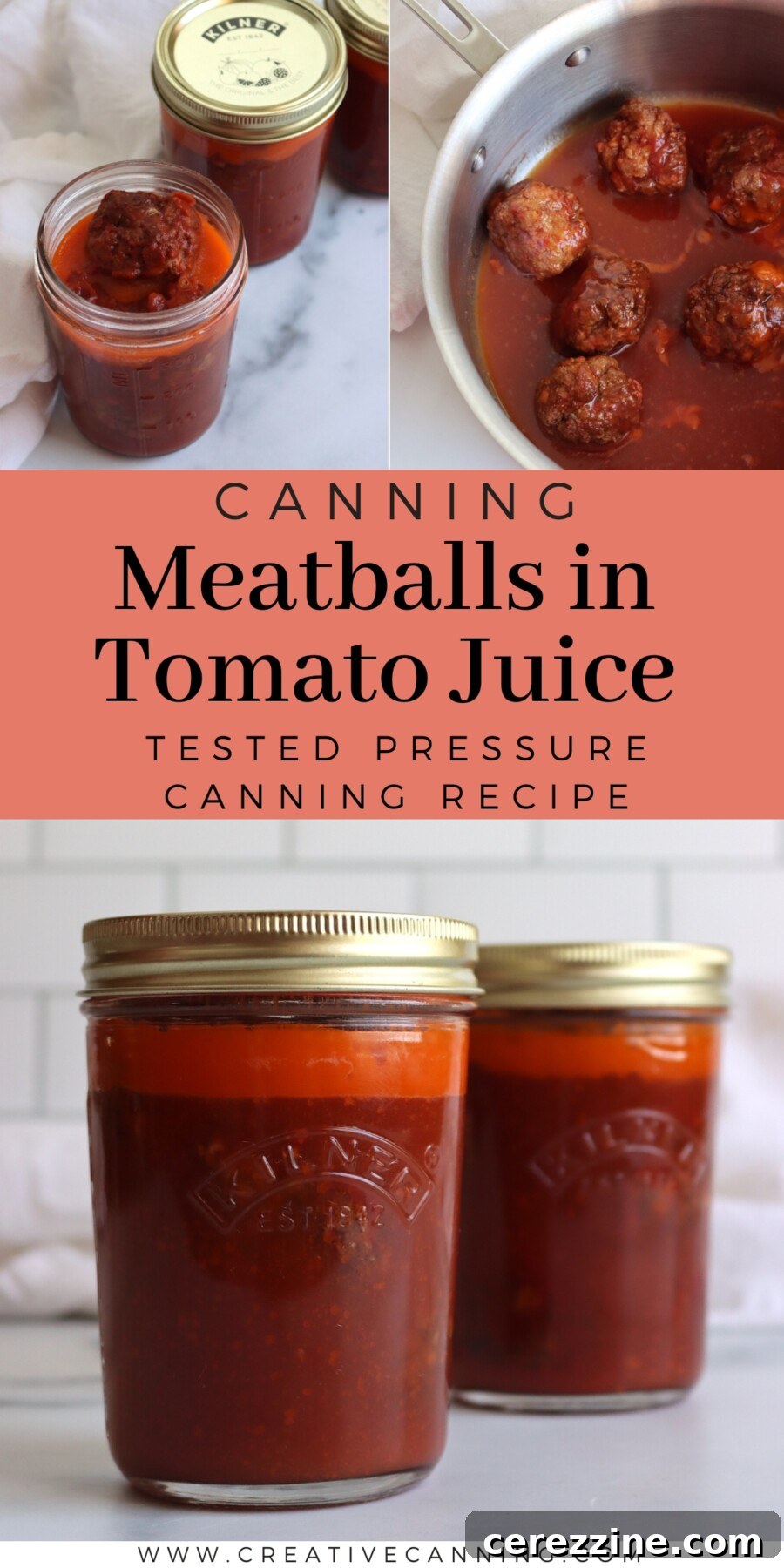
Canning meatballs in tomato juice creates a convenient pantry meal that goes from shelf to table in minutes. During reheating the tomato juice reduces into a rich, glossy sauce, so you are essentially canning browned meatballs in a thin canning liquid that finishes its transformation into sauce when heated.
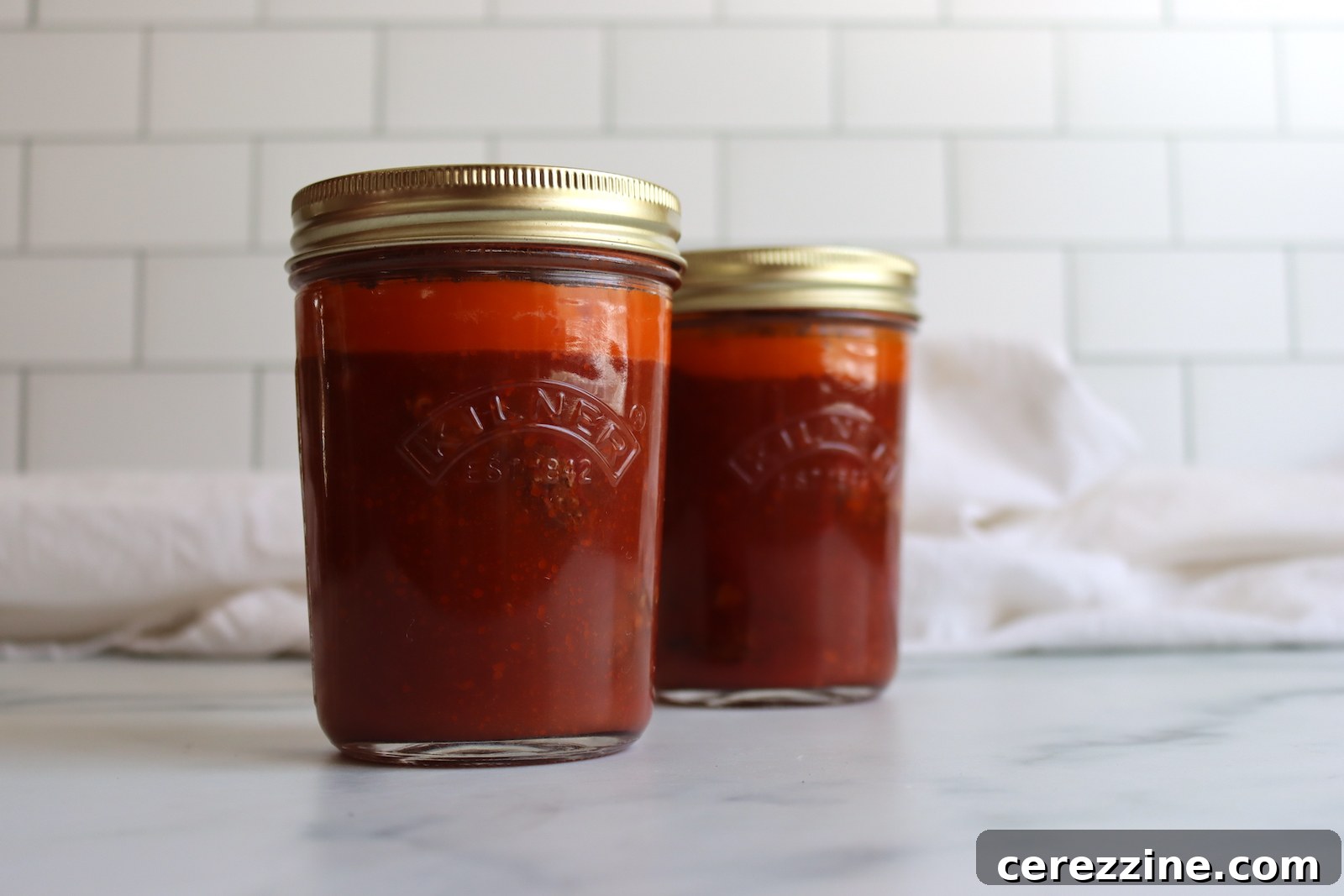
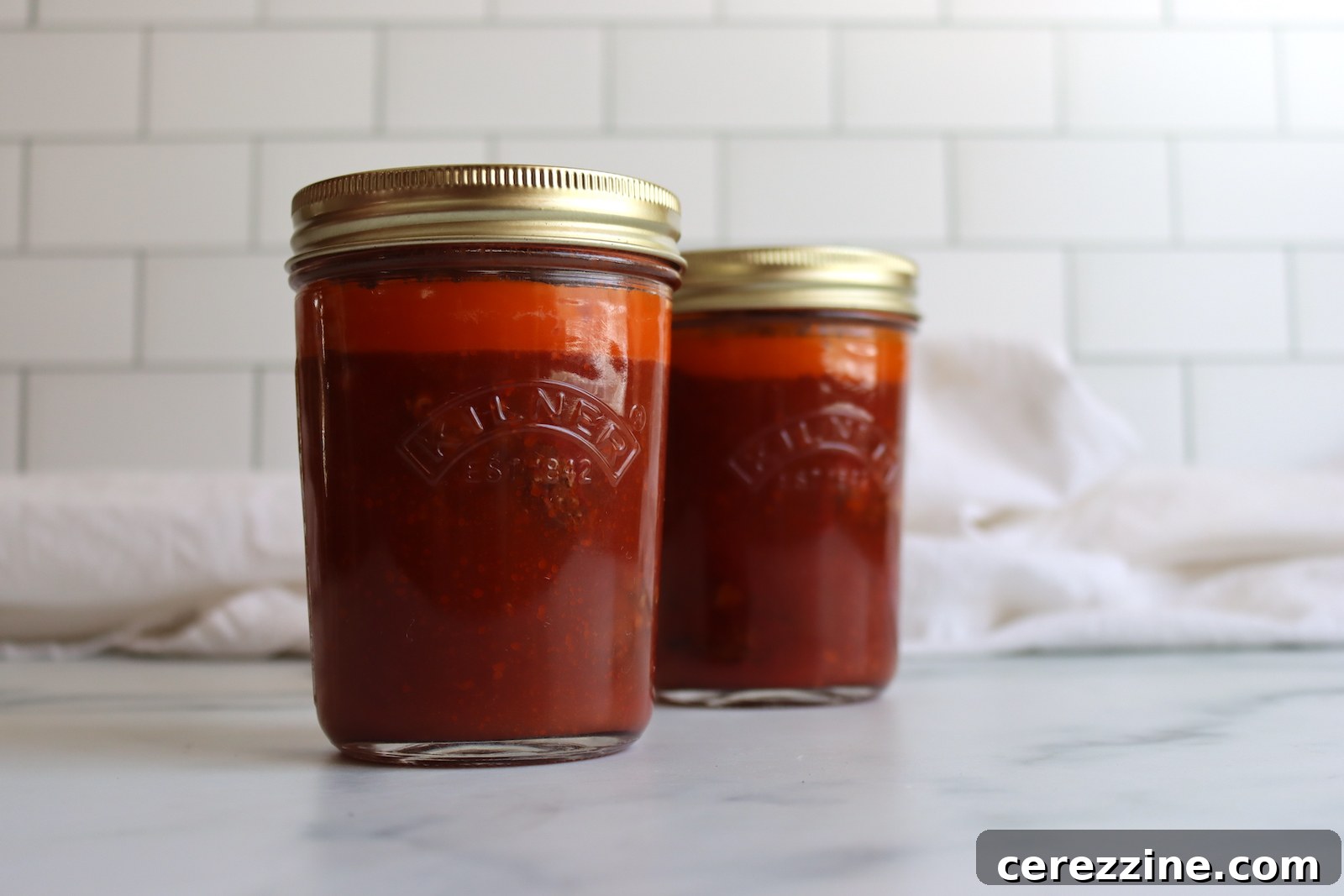
This recipe has been reviewed for safety and accuracy by a Master Food Preserver certified through the University of Cornell Cooperative Extension.
This method follows USDA guidance for canning ground and chopped meats. The essential safety points are straightforward: do not include binders such as egg, breadcrumbs, or flour in the meatballs, and use tomato juice rather than a thicker tomato product for the canning liquid. Tomato juice is thin enough to allow safe heat penetration during pressure processing; when reheated, it thickens into a proper sauce that coats the meatballs.
The recipe is intentionally flexible. Use beef, pork, Italian sausage, lamb, venison, or a combination. A 50/50 blend of ground beef and Italian sausage gives great flavor and seasons the meatballs without needing to measure many separate spices.
Notes from My Kitchen

I was surprised by how well these held up through pressure canning. The browned exterior keeps the meatballs intact, and the texture remains pleasantly firm rather than turning soft. The tomato juice contributes flavor while preserving the right mouthfeel.
My first batch became sandwiches: I heated a jar, let the juice reduce to a glossy sauce, piled meatballs onto a hoagie roll, added cheese, and toasted until melty. It tasted like a fresh-made pantry meal, and my family had no idea the components came from jars.
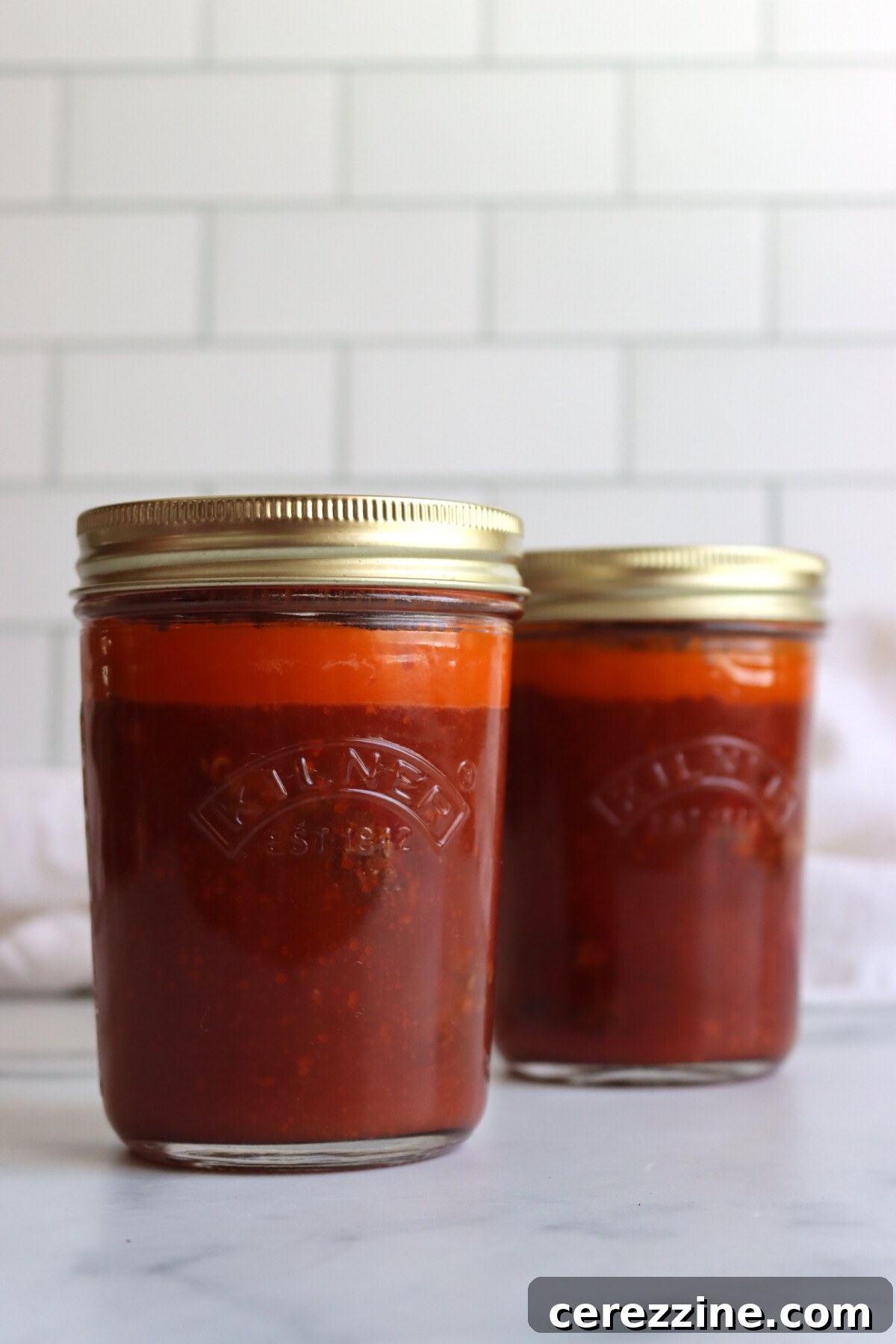
Quick Look at the Recipe
- Recipe Name: Canning Meatballs in Tomato Juice
- Recipe Type: Meal-in-a-jar canning recipe
- Canning Method: Pressure canning
- Prep/Cook Time: About 45 minutes active time
- Canning Time: 75 minutes for pints, 90 minutes for quarts (process times are per USDA guidelines)
- Yield: 6 pints or 3 quarts (with 2-inch meatballs)
- Jar Sizes: Pints or quarts
- Headspace: 1 inch
- Ingredients Overview: Ground meat (beef/Italian sausage blend recommended), tomato juice, salt and simple dry seasonings
- Difficulty: Easy. Forming and browning the meatballs takes some time, but the overall process is straightforward.
Ingredients for Meatballs in Tomato Juice
The recipe relies on three main components: meat, tomato juice, and seasoning. The short ingredient list is deliberate for safety and to keep the final product reliable when pressure canned.
- Ground beef: Use 80/20 for good flavor and moisture. Leaner beef will be drier after canning.
- Italian sausage: Provides built-in seasoning. A 50/50 mix of ground beef and Italian sausage yields well-seasoned meatballs without a long spice list. If using sausage, check the label to ensure it contains only meat, fat, salt, and dry seasonings—no binders.
- Salt: Add salt only to unsalted meat. General guidance is 1 teaspoon per pound of unsalted meat. The sample recipe uses 2 lbs ground beef and 2 lbs Italian sausage (the sausage is usually salted), so 2 teaspoons total is suggested. Adjust if your tomato juice or sausage is salted.
- Dry seasonings: Optional and flexible: garlic powder, onion powder, dried oregano, basil, parsley, black pepper, fennel seed, or red pepper flakes are all good choices.
- Tomato juice: The canning liquid. Use unsalted tomato juice, store-bought or home-canned. You will need about 3/4 to 1 1/4 cups per pint depending on meatball size: smaller meatballs pack more tightly and require less liquid, larger meatballs leave more gaps and require more juice.
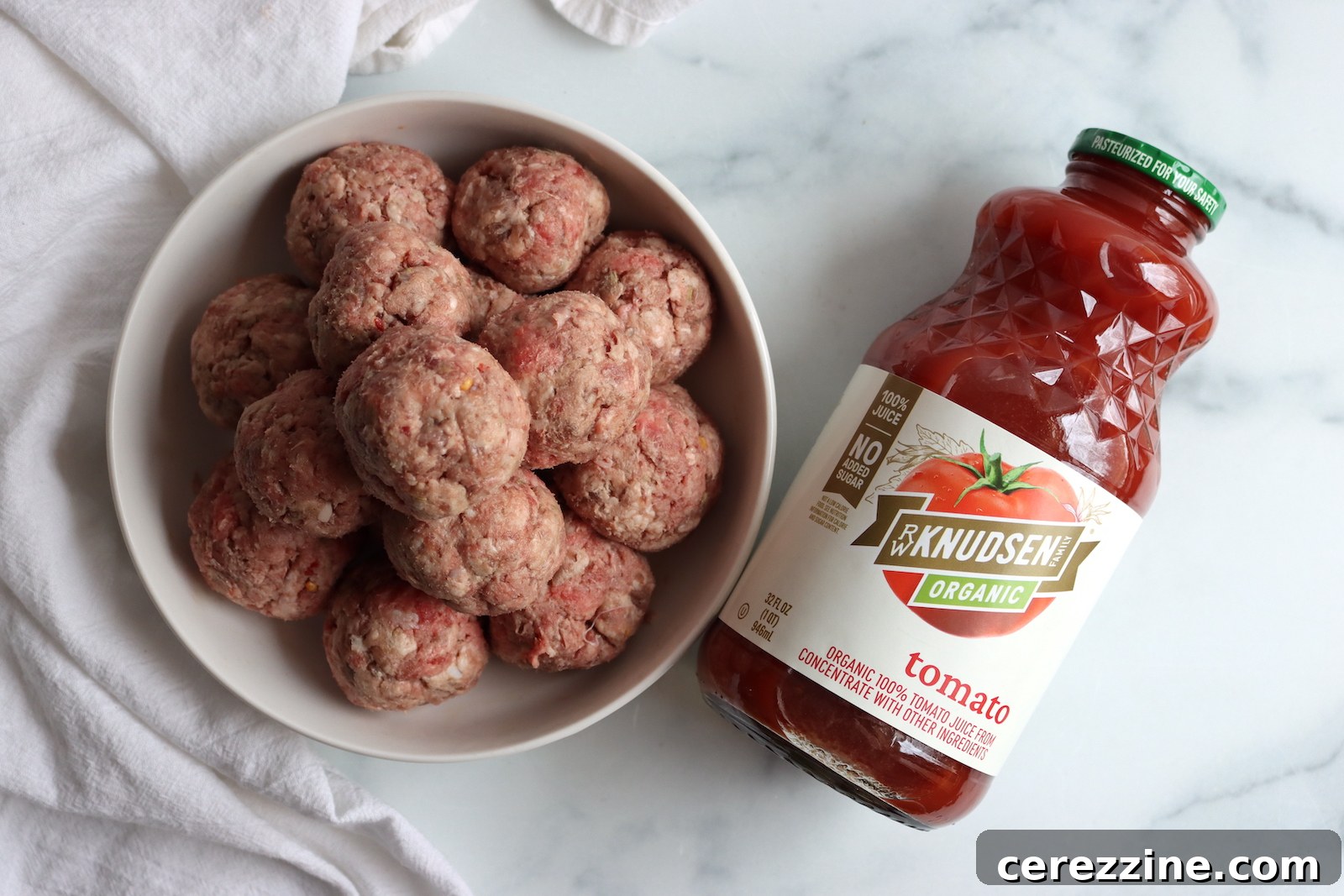
Important safety reminders: do not add any binders such as egg, breadcrumbs, crackers, flour, cornstarch, cheese, or dairy before canning. These ingredients alter density and can prevent adequate heat penetration during pressure processing. The browning step is essential to keep the meatballs intact in the jar.
Do not use ground poultry for this recipe; USDA processing times have not been established for ground chicken or turkey. The supported meats include beef, pork, lamb, veal, venison, bear, and sausage made without binders.
Step-by-Step Instructions
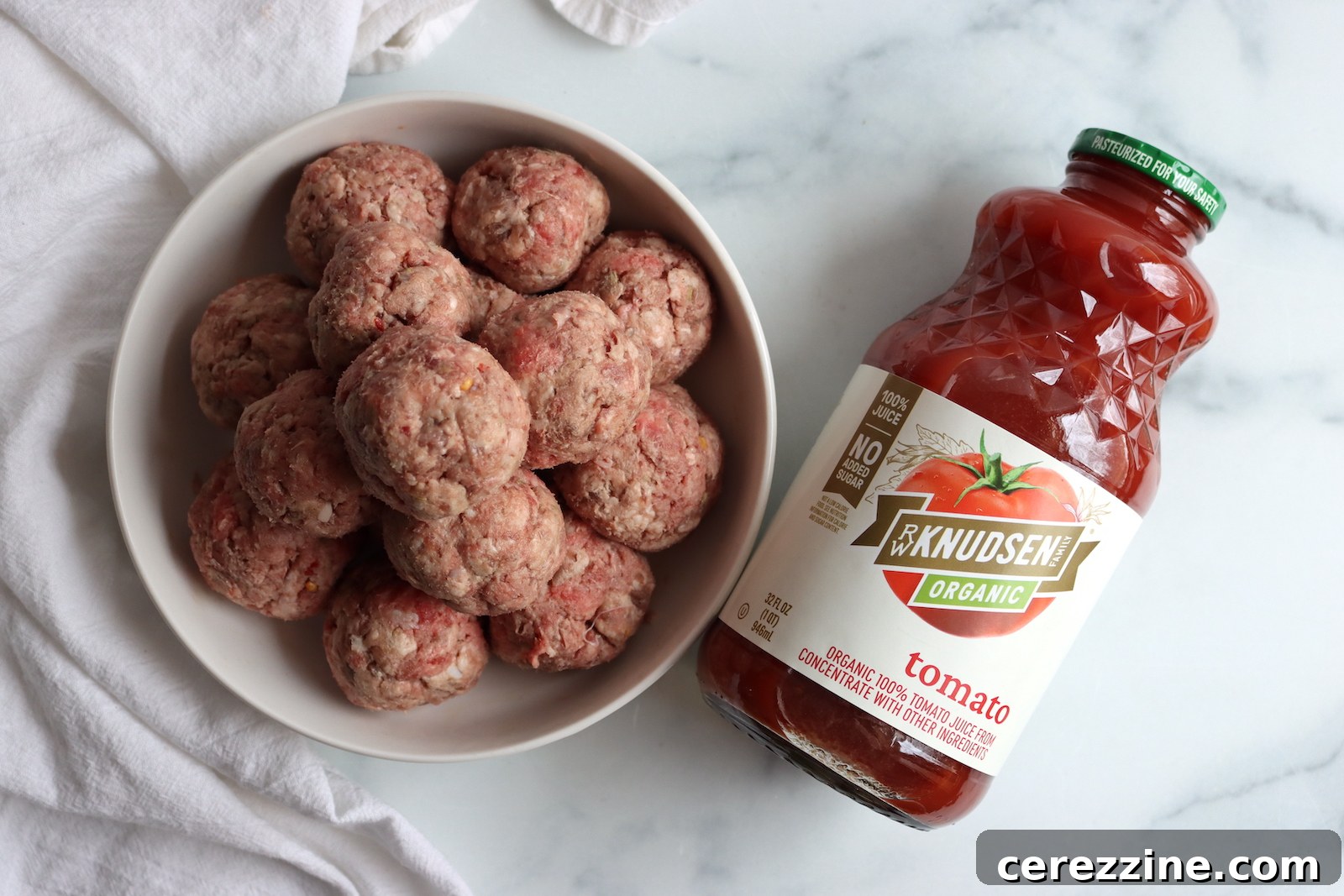
- Combine the ground beef, Italian sausage, salt, and any dry seasonings in a large bowl. Mix gently until just combined—overmixing makes dense meatballs. Form 1.5 to 2-inch meatballs. Do not add binders.
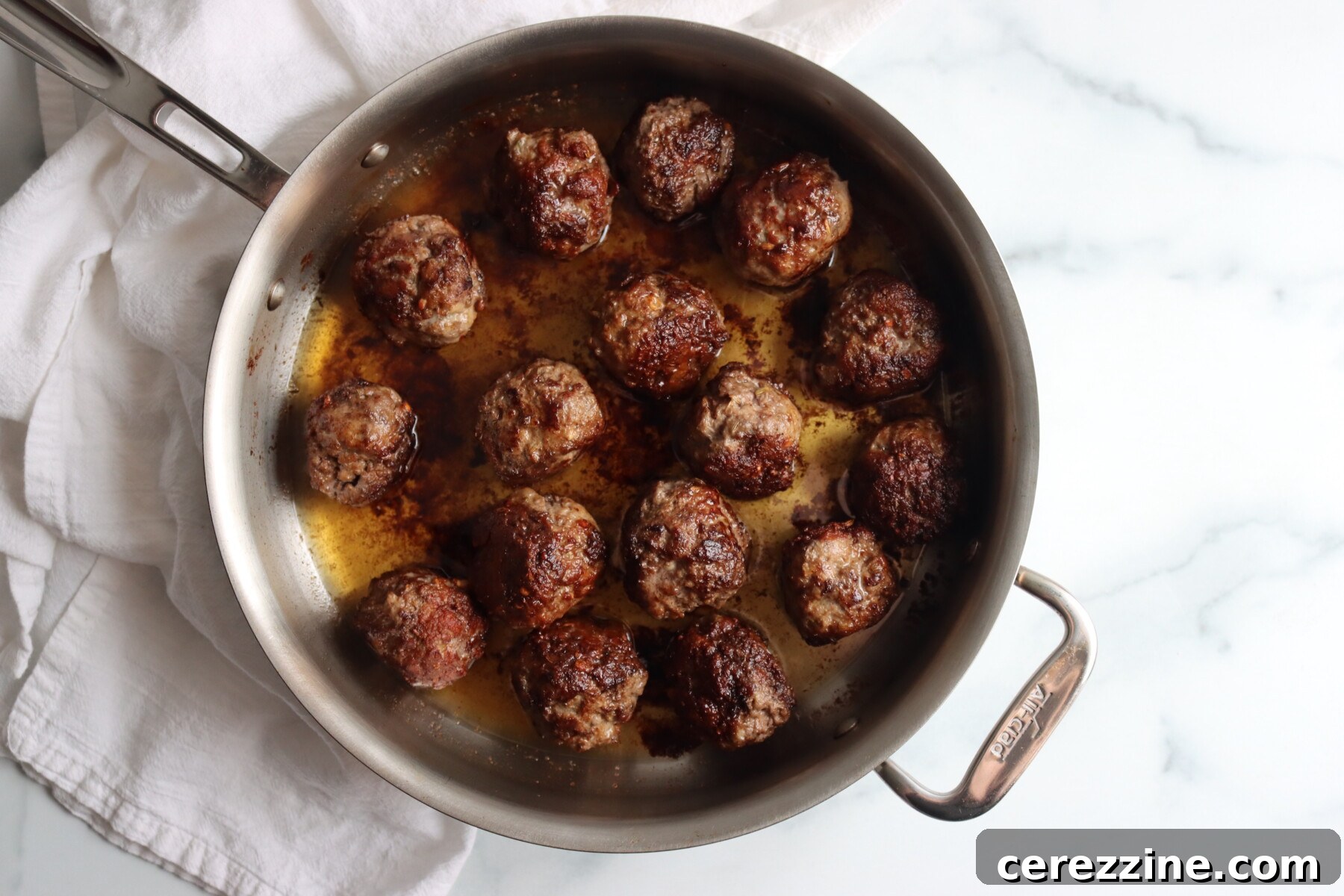
- Heat a little oil in a large skillet over medium-high heat. Brown the meatballs in batches with space between them so they sear instead of steam. Turn gently so all sides get browned. They do not need to be fully cooked—just well-seared. That crust helps them hold together during canning.
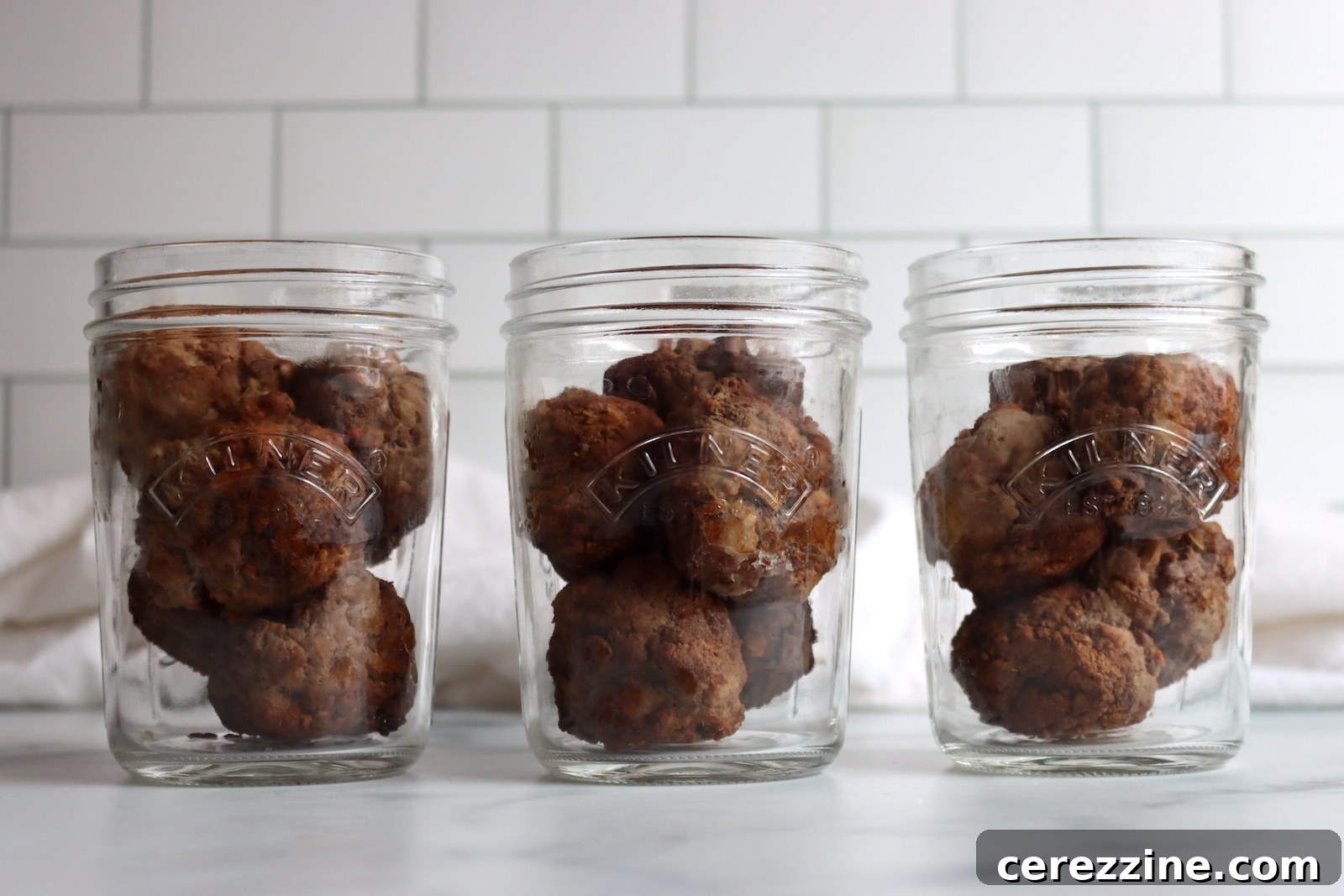
- Pack the hot meatballs loosely into hot jars. Do not crush or compress them—leave a good balance between meat and liquid. Maintain 1 inch headspace.
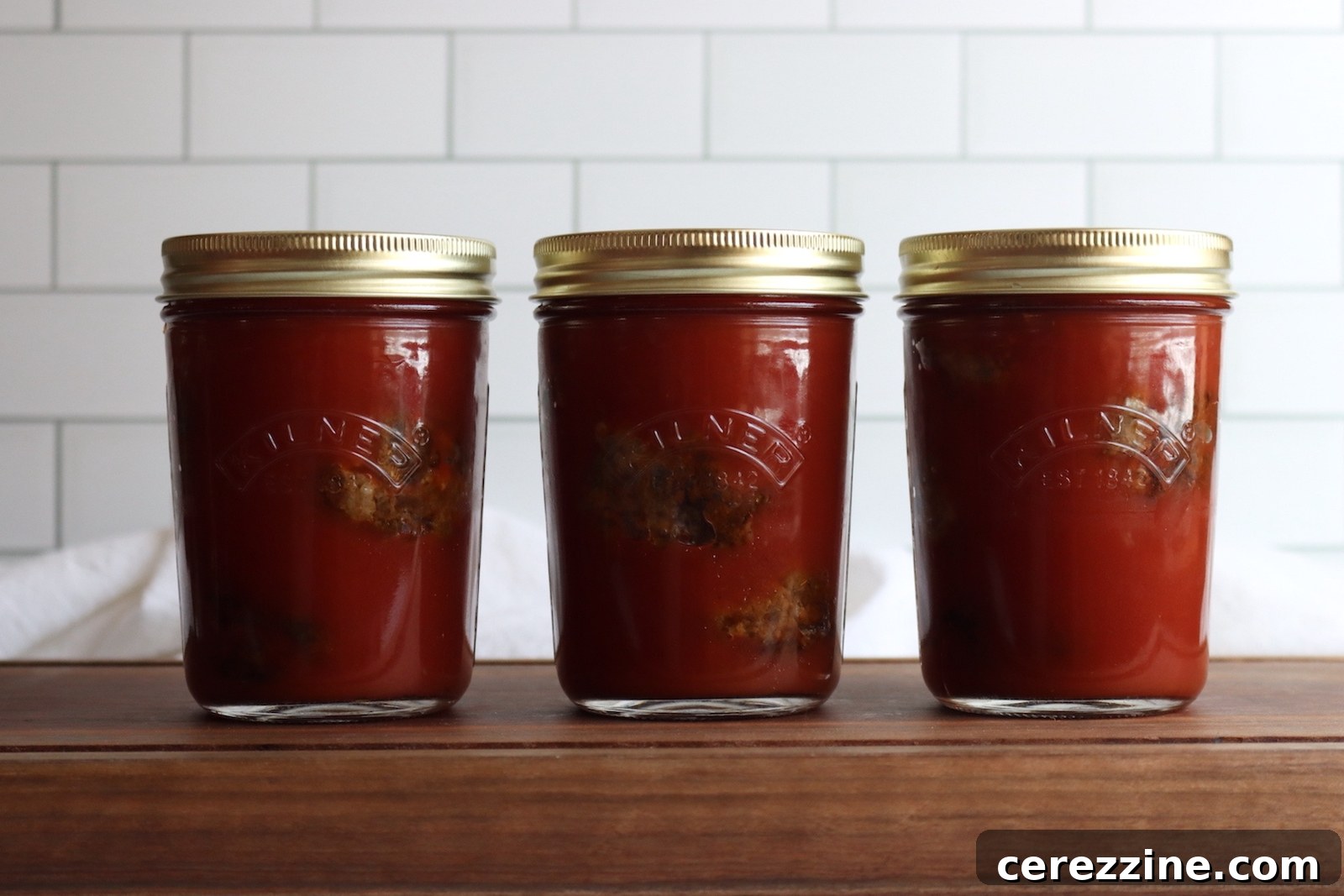
- Ladle the hot tomato juice over the meatballs to restore 1 inch headspace. Use roughly 3/4 to 1 1/4 cups per pint based on meatball size. Remove air bubbles, top up if needed, wipe rims, and apply lids and bands fingertip-tight.
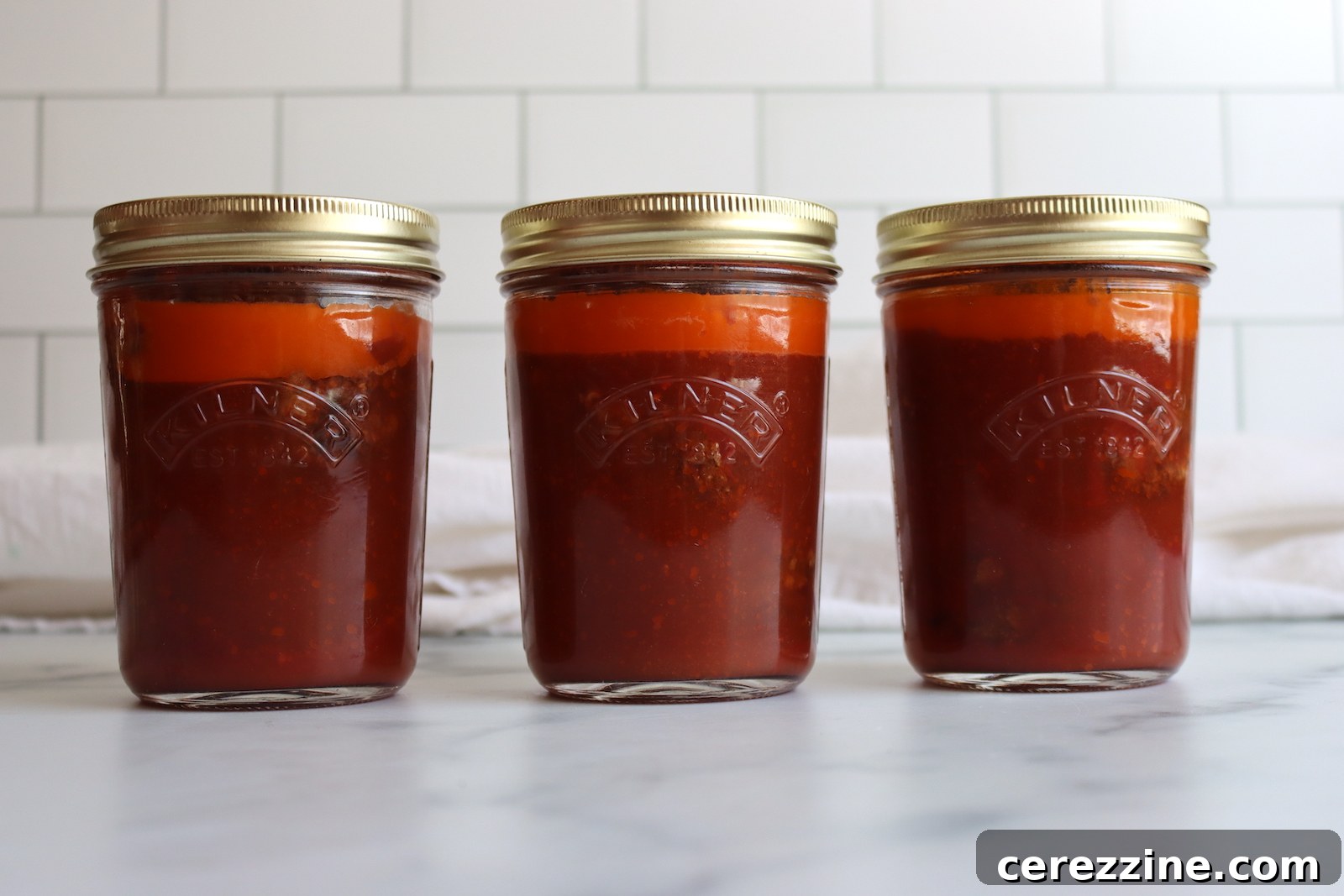
- Place jars into the preheated pressure canner. Lock the lid, vent for 10 minutes, then bring to the correct pressure. Process pints for 75 minutes and quarts for 90 minutes, adjusting pressure for your altitude. Allow the canner to cool and depressurize naturally. Remove jars and let cool undisturbed on a towel-lined counter for 12 to 24 hours. Check seals, label, and store in a cool, dark place.
Canning Meatballs in Tomato Juice
This is a hot-pack recipe: meatballs must be browned before packing. Browning develops a crust that keeps them intact during processing in the absence of eggs or binders. Do not raw-pack these meatballs.
Meatball size affects yield and liquid needs. Smaller 1.5-inch meatballs pack more densely and require about 3/4 cup tomato juice per pint, while larger meatballs require close to 1 1/4 cups per pint. The provided yield assumes roughly 2-inch meatballs.
Process pints for 75 minutes and quarts for 90 minutes, using the pressure specified for your canner type and adjusted for altitude according to USDA recommendations.
Altitude Adjustments
Processing times remain the same at different elevations, but required pressures change. Follow your pressure canner manufacturer’s guidance and USDA altitude adjustments when pressure canning meat products.
For dial gauge pressure canners, typical adjustments are:
- 0 to 2,000 feet: 11 lbs
- 2,001 to 4,000 feet: 12 lbs
- 4,001 to 6,000 feet: 13 lbs
- 6,001 to 8,000 feet: 14 lbs
For weighted gauge pressure canners, typical adjustments are:
- 0 to 1,000 feet: 10 lbs
- Above 1,000 feet: 15 lbs
Serving Ideas
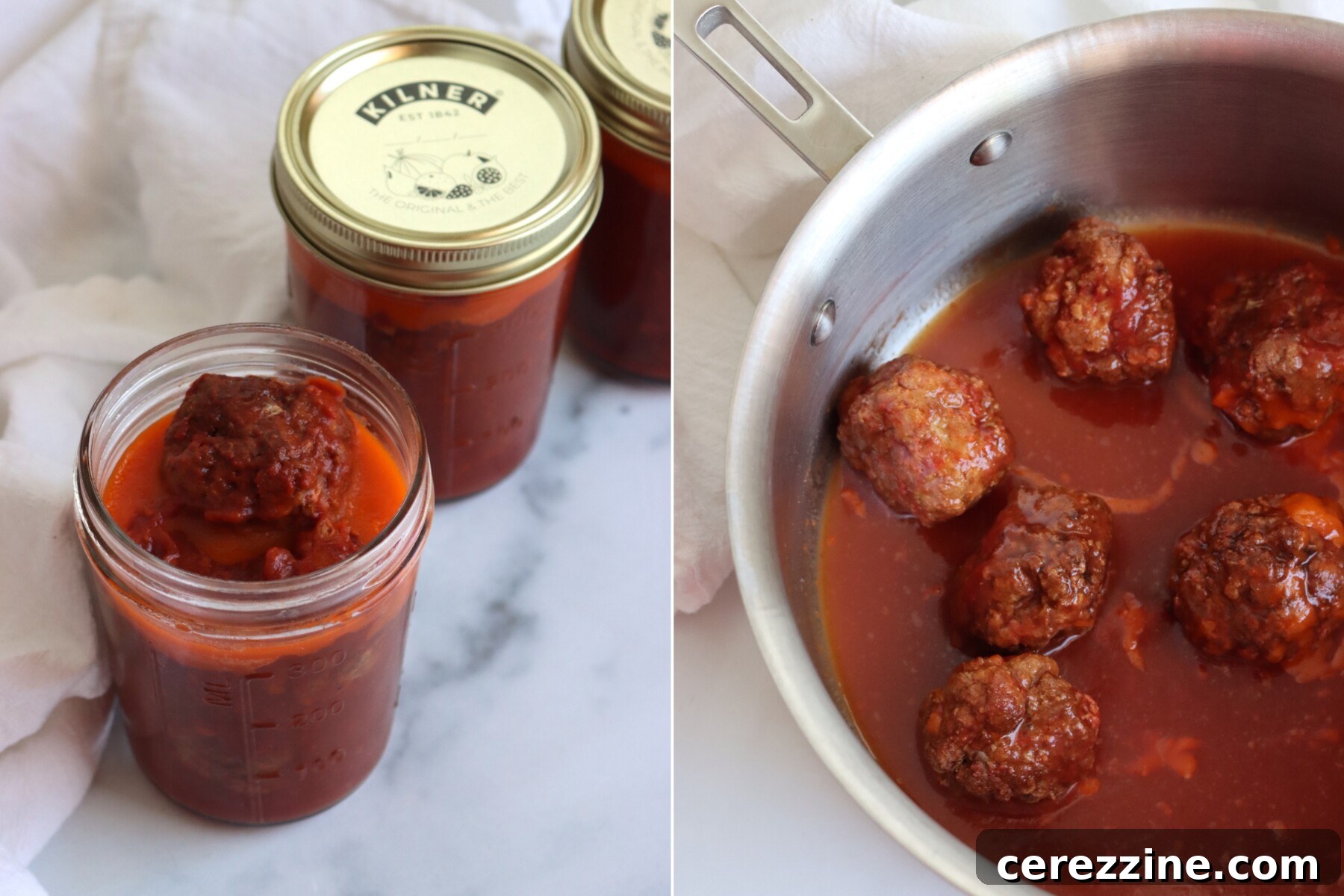
When you open a jar, pour the contents into a saucepan over medium heat. In minutes the tomato juice reduces to a thick, glossy sauce that clings to the meatballs, making a fast dinner. For a meatball sandwich, heat a jar, let the sauce thicken, place meatballs on a hoagie roll, top with mozzarella, and toast until the cheese melts.
For spaghetti and meatballs, heat a jar of these meatballs alongside your favorite pasta sauce and combine them in the pan—the two sauces meld into a dish that tastes slow-simmered. They also work well added to soups or stews, tossed with pasta and olive oil, or served over polenta with grated Parmesan. The tomato juice base is neutral and versatile with Italian-style meals.
Canning Meatballs FAQs
Binders change the density of the meatball and can prevent safe heat penetration during pressure canning. USDA processing times are based on plain ground meat without binders; adding them creates a denser product that may not reach a safe temperature throughout. Browning before canning is used instead to hold meatballs together.
Tomato juice is thin enough to allow proper heat movement through the jar during processing. Tomato sauce is thicker and alters heat transfer, so the tested processing times do not apply. Tomato juice will thicken into a sauce when reheated.
No. USDA processing times for ground meats do not include ground poultry, so there are no validated safe processing times for ground chicken or turkey in this style of recipe. Use the supported meats listed earlier.
Ground Beef Canning Recipes
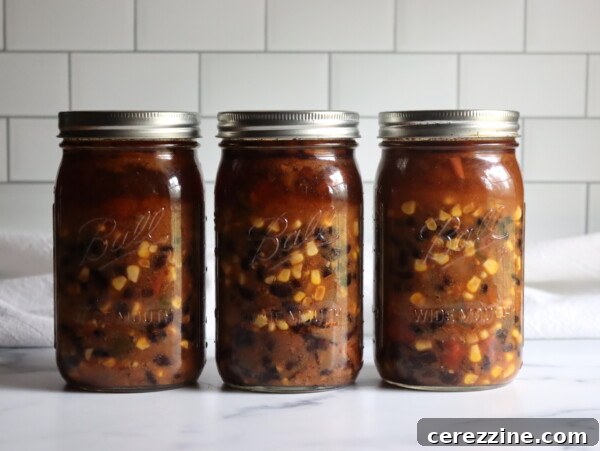
Canning Taco Soup
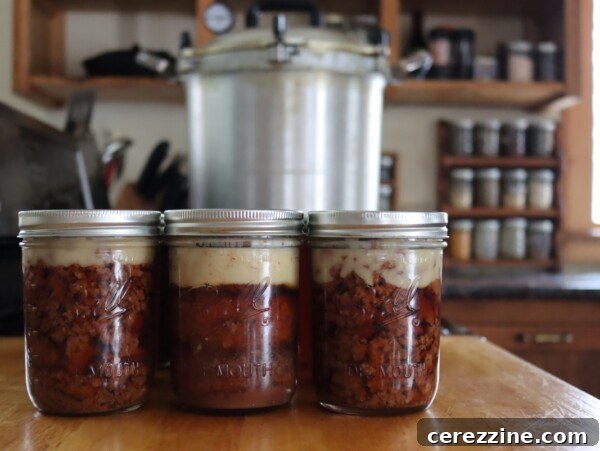
Canning Hamburger (Ground Beef)
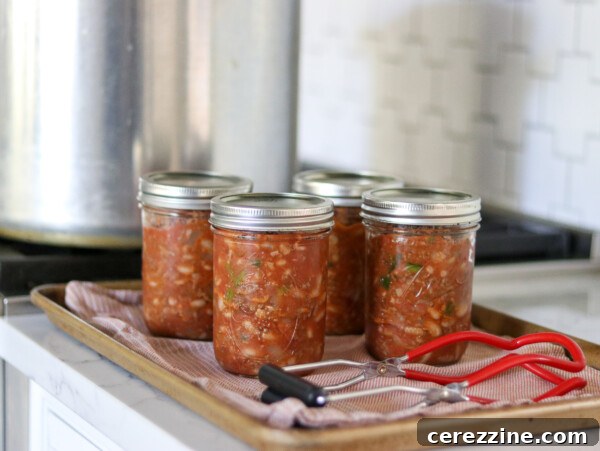
Canning Chili Con Carne
If you try this Canning Meatballs in Tomato Juice recipe, please leave a star rating and share your experience in the comments below.
Follow the recipe author on social media to stay updated.
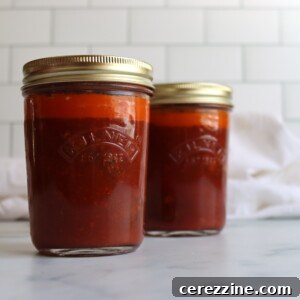
Canning Meatballs in Tomato Juice
Equipment
- Pressure canner
- Large heavy saucepan
- Canning funnel
- Canning jars, lids and bands
Ingredients
- 2 lbs ground beef
- 2 lbs Italian sausage, bulk
- 2 tsp salt
- 1 tsp garlic powder (optional)
- 1 tsp dried oregano (optional)
- 5 to 6 cups tomato juice, unsalted
- 1 tbsp vegetable oil, for browning
Instructions
- Prepare your pressure canner, jars, lids, and bands according to the manufacturer’s instructions. Keep jars hot. Warm the tomato juice in a saucepan and keep it at a simmer.
- Combine meats, salt, and dry seasonings in a bowl. Mix gently and form into 1.5–2-inch meatballs. Do not add binders.
- Brown meatballs in a lightly oiled skillet in batches so they sear, not steam. Brown on all sides; they need not be fully cooked.
- Pack hot meatballs loosely into hot jars, leaving 1 inch headspace. Do not compress.
- Ladle hot tomato juice over meatballs to 1 inch headspace (about 3/4 to 1 1/4 cups per pint). Remove air bubbles, wipe rims, and apply lids and bands fingertip-tight.
- Process jars in a preheated pressure canner: pints 75 minutes, quarts 90 minutes. Adjust pressure for altitude. Allow the canner to depressurize naturally, then cool jars undisturbed for 12–24 hours. Check seals and store in a cool, dark place.
Notes
Salt: Add about 1 tsp salt per pound of unsalted meat. Adjust if sausage or tomato juice are salted. Salt is for flavor, not preservation.
Meat: Use USDA-supported meats: beef, pork, lamb, sausage, veal, venison, or bear. Do not use ground poultry.
No binders: Avoid egg, breadcrumbs, flour, cheese, or other binders before canning; they interfere with safe heat penetration.
Tomato juice: Use tomato juice, not tomato sauce. The thinner juice allows validated processing times to work; it will thicken when reheated.
Yield and liquid: With 2-inch meatballs this recipe yields 6 pints or 3 quarts. Smaller meatballs require less tomato juice per pint; larger ones require more.
Storage: Store sealed jars in a cool, dark place and use within 12–18 months for best quality. Refrigerate after opening.
Altitude adjustments: Follow the pressure recommendations for your canner type and elevation when pressure canning meat products.
Nutrition
Carbohydrates: 5 g, Protein: 25 g, Fat: 40 g
Nutrition information is an approximation.
Meal in a Jar Canning Recipes
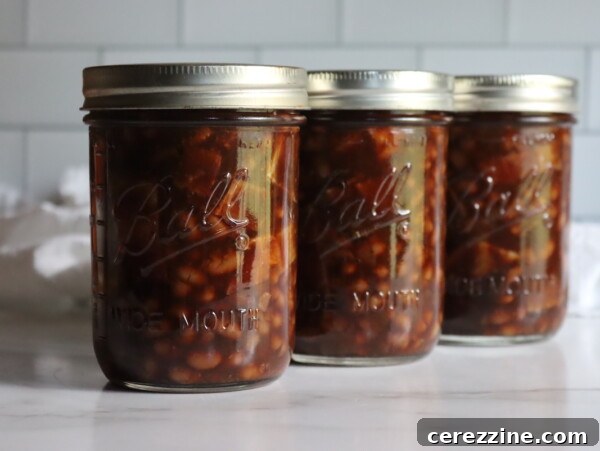
Canning Boston Baked Beans
Canning Chicken Pot Pie Filling
Canning French Fries
Find the perfect recipe
Looking for something else? Use the site search to find related canning recipes and meal-in-a-jar ideas.