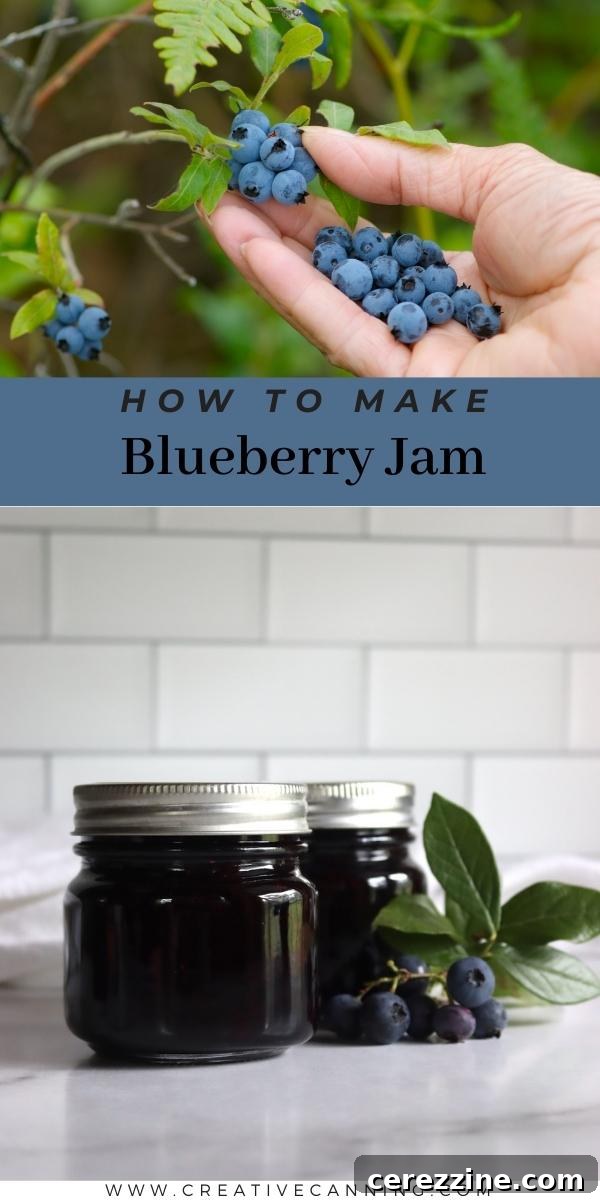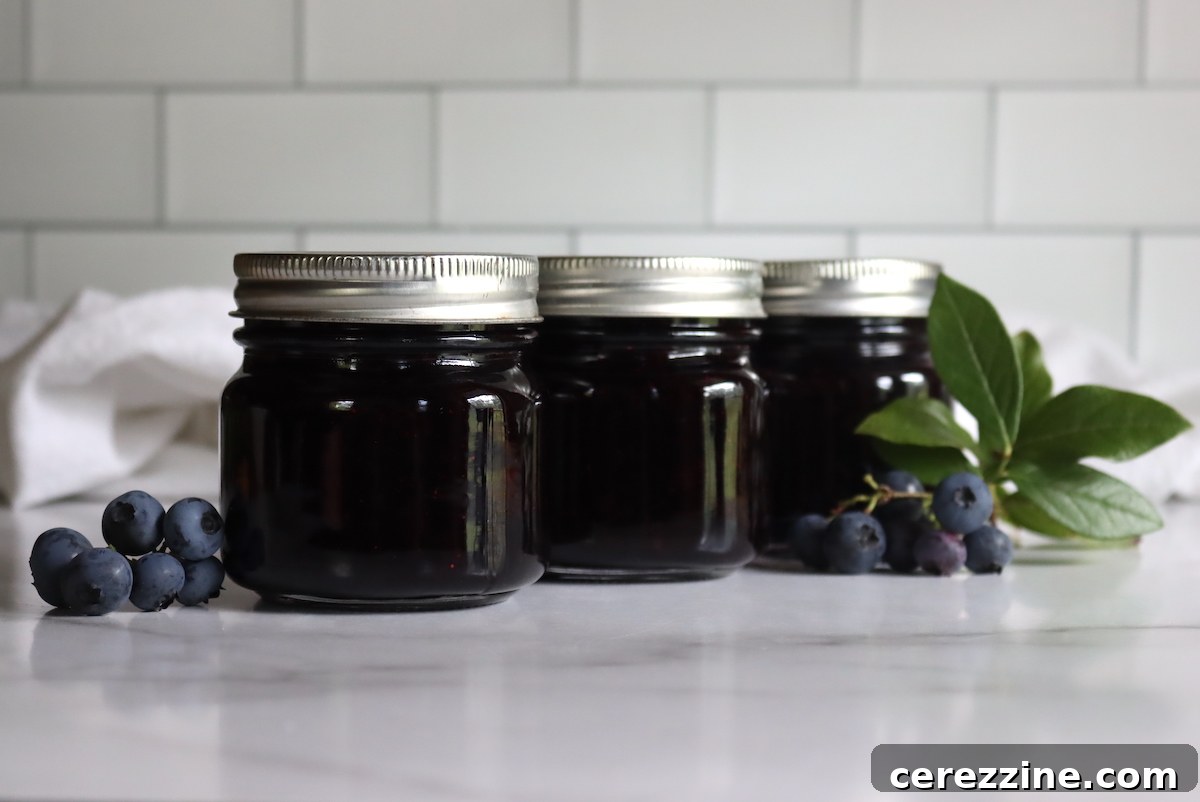
Welcome to the delightful world of homemade preserves, where simplicity meets incredible flavor. This guide will walk you through creating an exquisite blueberry jam that requires just a few basic ingredients and, remarkably, no added pectin. Forget about complicated steps or a long list of additives – with ripe blueberries, a touch of sugar, and a splash of lemon juice, you can craft a vibrant, naturally set jam that captures the essence of summer in every spoonful.
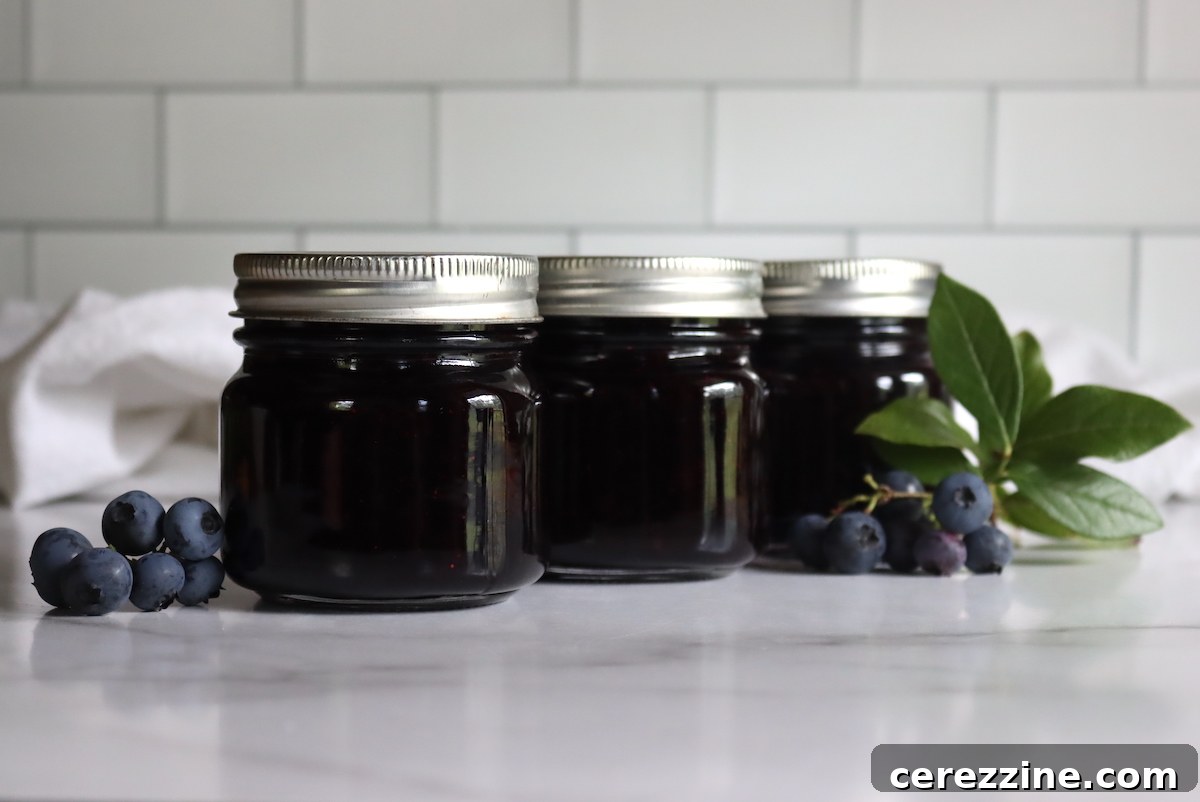
There’s nothing quite like a jar of homemade blueberry jam to brighten your mornings or elevate any dessert. This recipe celebrates the natural pectin and acidity found in blueberries, allowing you to achieve a perfect gel consistency without relying on commercial pectin. Whether you’re harvesting fresh berries from your garden, visiting a local farmer’s market, or simply picking up a basket from the grocery store, the key to an outstanding jam lies in selecting the highest quality fruit. Opt for plump, firm, and deeply colored blueberries that are bursting with natural sweetness and tartness, as these characteristics will define the exceptional flavor of your finished preserve.
Essential Ingredients for Perfect Blueberry Jam
Crafting this luscious blueberry jam is incredibly straightforward, demanding only a handful of ingredients to achieve a rich, flavorful spread. You won’t need any commercial pectin or excessive amounts of sugar for this simple yet profound recipe. Gather the following:
- 4 cups fresh blueberries: While fresh, ripe blueberries are highly recommended for the best flavor and texture, frozen blueberries can also be used. If using frozen, there’s no need to thaw them beforehand; simply add them to the pot as instructed.
- 2 cups granulated sugar: Sugar acts as both a sweetener and a crucial preservative, helping the jam set and extending its shelf life. Adjusting the sugar content slightly can alter the final consistency and sweetness, but this ratio provides a balanced, traditional jam.
- ¼ cup lemon juice: Freshly squeezed or good quality bottled lemon juice is essential. Blueberries naturally have some pectin and acidity, but the added lemon juice boosts the pectin content, aids in setting, and brightens the overall flavor profile without overpowering the distinct taste of blueberries.
The foundation of an unforgettable blueberry jam begins with the berries themselves. Choose ripe, firm blueberries. Carefully sort through them, removing any stems, leaves, or berries that are bruised, moldy, or unripe (green). This meticulous sorting ensures a clean flavor and proper setting of your jam. While many fruits require added pectin for gelling, blueberries contain enough natural pectin and acid, especially when combined with lemon juice, to create a beautifully thick consistency. This method allows the pure, unadulterated taste of blueberries to shine through, delivering a truly authentic homemade experience.
Crafting Homemade Blueberry Jam (The No-Pectin Method)
Making blueberry jam from scratch is a rewarding process. Follow these detailed steps to create a perfect batch every time, without the need for added pectin:
- Prepare Your Blueberries: Begin by thoroughly inspecting your blueberries. Remove any remaining stems, leaves, or debris. Discard any unripe, overripe, or damaged berries. Rinse the good berries gently under cool water and drain them well.
- Initial Cook: Place the 4 cups of cleaned blueberries into a large, heavy-bottomed saucepan or a dedicated jam pot. Add the ¼ cup of lemon juice. Important: Do NOT add the sugar at this stage. Starting the cooking process without sugar allows the berries to release their natural juices more effectively.
- Gentle Heat and Mashing: Begin cooking the blueberries over very low heat. Stir frequently to prevent sticking and scorching. Patience is key here; since there’s little liquid initially, cooking too quickly can burn the fruit. As the berries warm, they will gradually begin to “pop” and release their vibrant juices. Once they start to soften and a good amount of liquid has accumulated (typically 5-8 minutes), you can increase the heat to medium-high. Continue stirring constantly.
- Achieve Desired Texture: While the berries are cooking and releasing juices, gently mash them with a spoon or a potato masher. This helps break down the berries, ensuring a smooth, spreadable jam. You can mash more or less depending on whether you prefer a chunkier or smoother consistency. Keep a close eye on the pot, stirring continuously to prevent the fruit from sticking to the bottom and scorching, which can impart an unpleasant bitter taste to your jam.
- Introduce Sugar: After about 5-8 minutes of cooking, the blueberries should be tender, have released ample liquid, and be well-mashed. Now, it’s time to stir in the 2 cups of granulated sugar. Continue to cook the mixture over medium-high heat, stirring constantly, until the sugar fully dissolves.
- Reach the Gel Stage: Continue to cook the blueberry jam, stirring regularly, until it reaches the gel stage. This crucial phase typically takes about 20 minutes or a bit longer after the sugar is added, especially since we started on low heat. The jam will thicken considerably, and the bubbles will become smaller and more uniform.
- Testing for Gel Stage (Cold Plate Method): To accurately determine if your jam has reached the gel stage, prepare a few small plates or saucers by placing them in the freezer beforehand. When you believe the jam is ready, remove a cold plate from the freezer. Spoon about a tablespoon of hot jam onto the chilled plate and return it to the freezer for 1-2 minutes. After this brief cooling period, remove the plate and gently push the edge of the jam dollop with your fingertip. If the jam forms a “skin” or wrinkles, it has reached the gel stage and is ready. If your finger slides through it easily, or it seems watery, the jam needs more cooking time. Return it to the heat and continue cooking, checking every few minutes. Be patient and mindful of scorching; you may need to reduce the heat slightly as the jam thickens further.
- Testing for Gel Stage (Temperature Method): An alternative and often more precise method is to use a candy thermometer. Cook the jam until it consistently reaches 220°F (104°C) at sea level. This temperature indicates that enough water has evaporated, and the sugar-pectin ratio is optimal for gelling.
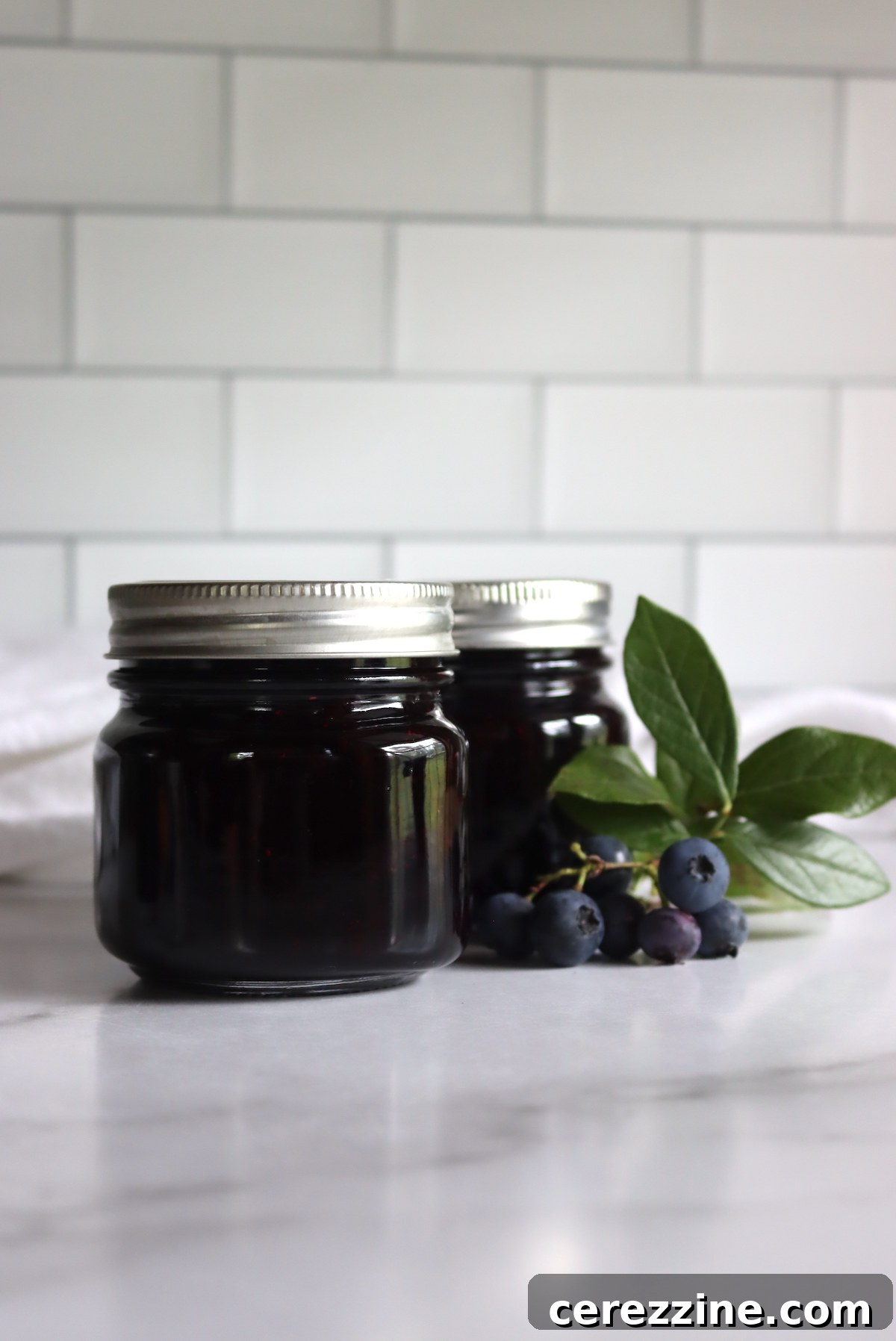
- Filling Jars: Once your jam has reached the perfect gel stage, carefully ladle or pour it into your prepared jars or containers. Ensure you leave ¼ inch of headspace at the top of each jar. This headspace is critical for proper sealing if you plan to can the jam.
- Sealing and Storage: Wipe the rims of the filled jars with a clean, damp cloth to remove any sticky residue. Apply the lids firmly. For immediate use, allow the jam to cool, then store it in the refrigerator for up to a month. For longer storage, or if you’ve made a large batch, you can freeze the jam for up to 6 months. Alternatively, proceed to the canning instructions below for shelf-stable storage.
Delightful Blueberry Jam Variations
Blueberries are incredibly versatile, offering a fantastic base for creative jam combinations. While this recipe focuses on a classic, pure blueberry flavor, don’t hesitate to experiment with these exciting variations:
- Mixed Berry Bliss: Enhance your blueberry jam by incorporating other seasonal berries. Adding raspberries or strawberries to the mix creates a complex flavor profile and a beautiful color. Maintain the overall fruit-to-sugar ratio for best results.
- Spiced Blue: Infuse your jam with warm spices for an autumnal twist. A pinch of ground cinnamon, a tiny dash of nutmeg, or a hint of cardamom can add depth and warmth. Add spices during the last 5-10 minutes of cooking.
- Citrus Zest Boost: Beyond lemon juice, consider adding the finely grated zest of an orange or lime along with the juice. The citrus oils will brighten the flavor and add a fragrant note.
- Herbaceous Harmony: For a sophisticated touch, try adding a sprig of fresh rosemary or a few basil leaves during the last few minutes of cooking. Remove the herbs before jarring. This unexpected pairing can be surprisingly delicious.
- Maple or Honey Sweetness: While this recipe uses granulated sugar, you can experiment with partial substitutions like maple syrup or honey for a different sweetness profile. Be aware that these can affect the jam’s texture and shelf life, especially if canning, so research specific recipes for these alternatives.
- Ginger Kick: A teaspoon of finely grated fresh ginger added towards the end of cooking can give your jam a delightful, spicy kick.
Mastering the Art of Canning Blueberry Jam
Canning your homemade blueberry jam is an excellent way to preserve the fresh taste of summer throughout the year. If you’ve got an abundance of blueberries or simply love the idea of a well-stocked pantry, water bath canning is a simple and reliable method to ensure your jam remains delicious and shelf-stable for up to 18 months or even longer.
Before you even begin cooking your jam, it’s crucial to prepare your canning equipment. This includes sterilizing your jars, lids, and bands. Familiarize yourself with the basics of water bath canning. If you’re new to the process, a beginner’s guide to water bath canning will provide comprehensive instructions on proper sterilization and safety protocols.
Once your blueberry jam has reached its perfect gel stage, as tested by either the cold plate or thermometer method, proceed with canning:
- Prepare Jars: Have your clean, hot canning jars ready. You can keep them hot in a simmering water bath, a warm oven, or a dishwasher cycle.
- Fill Jars: Carefully ladle the hot jam into the hot jars, making sure to leave precisely ¼ inch of headspace at the top of each jar. This space is essential for creating a strong vacuum seal during processing. A canning funnel with headspace measurements can make this step much easier and more accurate. Do not overfill.
- Clean Rims: Using a clean, damp cloth, wipe the rims of the filled jars thoroughly to remove any jam residue. Even a tiny bit of stickiness can prevent a proper seal.
- Apply Lids and Bands: Place the prepared two-part canning lids (flat lid and screw band) onto the jars. Screw the bands on fingertip-tight; do not overtighten, as this can prevent air from escaping and compromise the seal.
- Process in Water Bath Canner: Gently lower the filled and lidded jars into your preheated water bath canner. Ensure the jars are completely submerged in water by at least 1-2 inches. Bring the canner to a full, rolling boil. Once boiling, process the jars for 10 minutes. If you are canning at altitudes above 6,000 feet, increase the processing time to 15 minutes to account for the lower boiling point of water.
- Cool Down: After the processing time has elapsed, turn off the heat and allow the jars to remain in the hot water bath for an additional 5 minutes. This helps prevent “siphoning” (loss of liquid from the jars) and promotes a better seal.
- Remove and Cool: Using a jar lifter, carefully remove the hot jars from the canner. Place them upright on a towel-lined surface on your counter, ensuring there’s a little space between each jar for air circulation. Let them cool undisturbed for 12-24 hours.
- Check Seals and Store: After 24 hours, check the seals on your jars. The center of the lid should be concave (curved inwards) and should not flex when pressed. If any jar has not sealed properly, refrigerate it immediately and consume within a few weeks, or reprocess it with a new lid if done within 24 hours. Store sealed jars in a cool, dry, dark place, such as a pantry. Properly canned jam will maintain excellent quality on the shelf for approximately 18 months but can often be safely consumed beyond that, as long as the seal remains intact. Refrigerate after opening.
Creative Ways to Enjoy Your Homemade Blueberry Jam
With a batch of this vibrant homemade blueberry jam, the possibilities for culinary delight are endless. Beyond the classic toast, here are some inspiring ways to incorporate its rich, fruity flavor into your meals:
- Breakfast Staples: Spread it generously on your favorite artisan bread, warm croissants, flaky biscuits, or toasted English muffins. Elevate your morning pancakes or waffles by drizzling blueberry jam alongside maple syrup for an explosion of berry flavor. A spoonful on top of plain yogurt or oatmeal transforms a simple breakfast into a gourmet experience.
- Baked Goods Booster: Swirl a dollop into muffin batter or scone dough before baking for pockets of fruity goodness. Incorporate it into your favorite banana bread recipe for a moist, flavorful twist with delightful blue streaks. It’s also fantastic as a filling for tarts, crêpes, or even sandwiched between layers of a vanilla cake.
- Savory Pairings: Don’t limit jam to just sweets! Blueberry jam makes an excellent accompaniment to cheese boards, particularly with soft cheeses like brie or goat cheese. Serve it alongside roasted meats like pork or chicken for a surprising sweet-savory contrast. It can also be incorporated into glazes or marinades.
- Dessert Enhancer: Use it as a topping for vanilla ice cream, panna cotta, or cheesecake. Mix it with whipped cream to create a delightful fruit fool or use it as a vibrant layer in parfaits.
- Beverage Infusion: Stir a teaspoon or two into hot tea for a naturally sweetened, fruity drink, or mix it into sparkling water with a squeeze of lime for a refreshing homemade soda.
More Blueberry Canning Recipes to Explore
Blueberries are truly a gift for preservers, offering a multitude of ways to enjoy them in a jar. If you’ve loved making this jam, you might enjoy exploring other creative ways to preserve blueberries:
- Canning Blueberry Pie Filling
- Blueberry Butter
- Blueberry Syrup
- Blueberry Rhubarb Jam
- Canning Blueberries in Syrup
- Blueberry Jelly
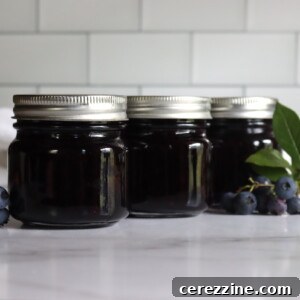
Blueberry Jam (without Added Pectin)
Ashley Adamant
20
20
10
50
16 servings (Makes 3-4 half pint (8 oz) jars)
Equipment
-
Water Bath Canner
-
Large, Heavy-bottomed Saucepan or Jam Pot
-
Canning Funnel (optional, but recommended)
-
Jar Lifter
-
Candy Thermometer (optional, for precise gel testing)
Ingredients
- 4 cups fresh blueberries
- 2 cups granulated sugar
- ¼ cup lemon juice
Instructions
-
Carefully pick through your blueberries, removing any stems, leaves, or damaged berries. Rinse them gently with clean water and drain thoroughly.
-
Place the cleaned blueberries and lemon juice into a large, heavy-bottomed saucepan or jam pot.
-
Over low heat, slowly cook the blueberries, stirring often, until they begin to pop and release their own juices. Be patient and watch carefully to prevent scorching, especially in this initial stage where there isn’t much liquid.
-
Lightly mash the blueberries with your spoon or a potato masher as they cook and stir, helping them to break apart and release more liquid. Continue cooking until the berries are tender and have formed a significant amount of juice.
-
Once the blueberries and lemon juice have created ample liquid, add the granulated sugar. Stir continuously until the sugar is completely dissolved.
-
Increase the heat to medium-high. Continue to stir and check frequently to ensure the jam is not scorching or sticking to the bottom of the pot.
-
Cook the jam until it reaches the gel stage, which typically takes approximately 20 minutes or slightly longer after adding the sugar.
-
Test the jam for the gel stage using the cold plate test (place a spoonful of hot jam on a frozen plate, chill for 1-2 minutes, then push with a fingertip – it should wrinkle) or by cooking until a candy thermometer reads 220°F (104°C).
-
Ladle or pour the hot jam into prepared, clean jars or containers, leaving ¼ inch of headspace at the top.
-
For long-term preservation, process the jam using a hot water bath canning method: wipe jar rims, apply lids fingertip-tight, and process in a boiling water bath canner for 10 minutes (or 15 minutes if above 6,000 feet in elevation). For immediate use, allow the jam to cool, then refrigerate or freeze until ready to eat.
Nutrition
Calories:
118kcal
Carbohydrates:
31g
Protein:
0.3g
Fat:
0.2g
Saturated Fat:
0.01g
Polyunsaturated Fat:
0.1g
Monounsaturated Fat:
0.02g
Sodium:
1mg
Potassium:
33mg
Fiber:
1g
Sugar:
29g
Vitamin A:
20IU
Vitamin C:
5mg
Calcium:
3mg
Iron:
0.1mg
Nutrition information is automatically calculated, so should only be used as an approximation.
Timeless Old-Fashioned Jam Recipes
If you adore the simplicity and pure flavor of traditional jams made without added pectin, relying solely on fruit, sugar, and a touch of love, then you’ll cherish these classic recipes:
- Raspberry Jam
- Cranberry Apple Jam
- Nectarine Jam
- Apricot Jam
- Persimmon Jam
Preserving Summer’s Bounty: Fruit Canning Recipes
Making the most of summer’s abundant fruit harvest is a joy for any home preserver. If you’re looking to put up more delicious fruits this season, explore this collection of essential fruit canning recipes:
- Canning Peaches
- Canning Plums
- Canning Blueberries
- Canning Blackberries
- Canning Raspberries