
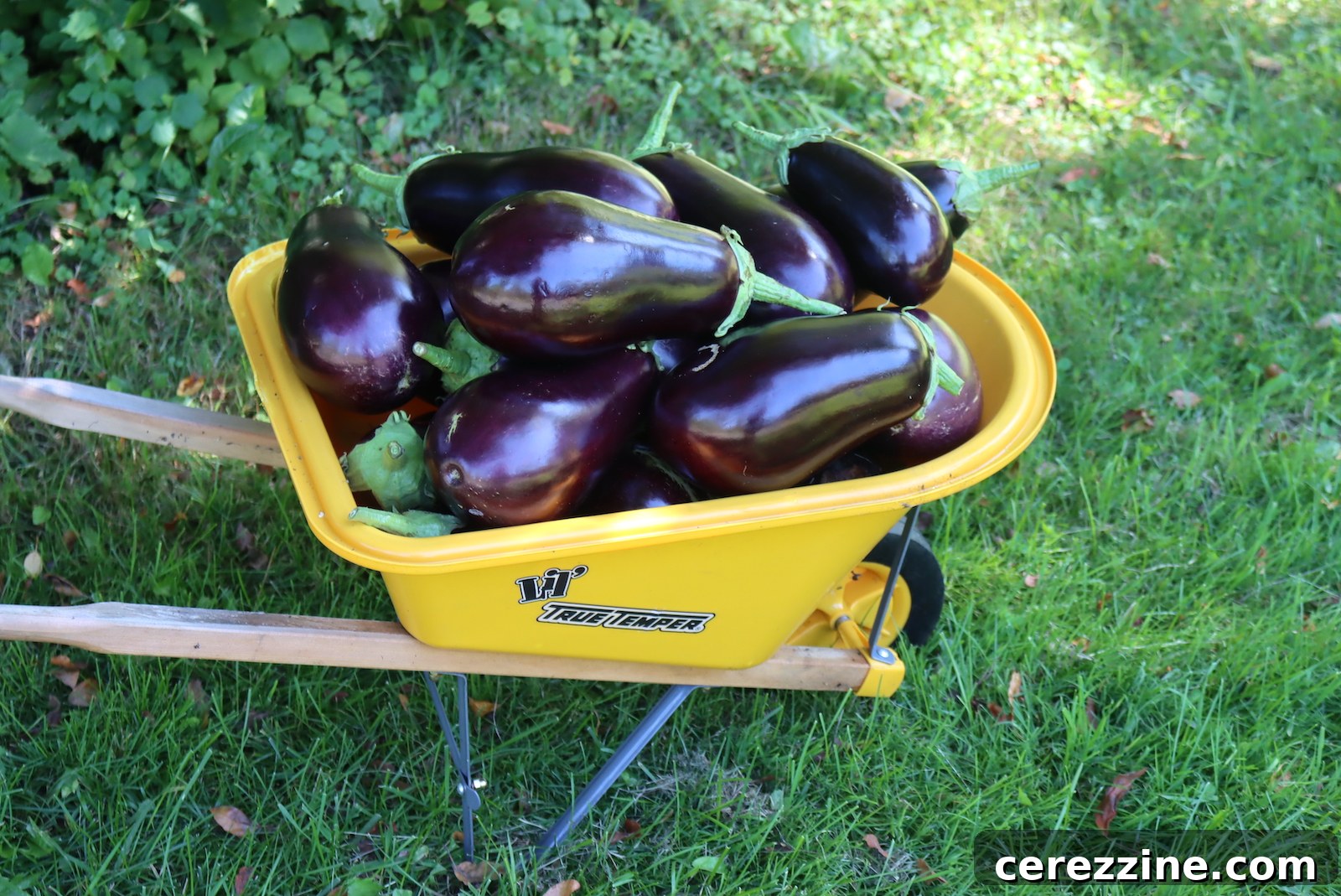
Eggplant canning recipes offer a fantastic solution for transforming a bountiful garden harvest into a diverse array of delectable and pantry-stable foods. From rich, savory sauces and tangy pickles to vibrant relishes, zesty salsas, and flavorful spreads, preserving eggplant ensures you can enjoy its unique taste long after the growing season has ended. This guide will explore safe and delicious methods for canning eggplant, helping you make the most of your summer yield.
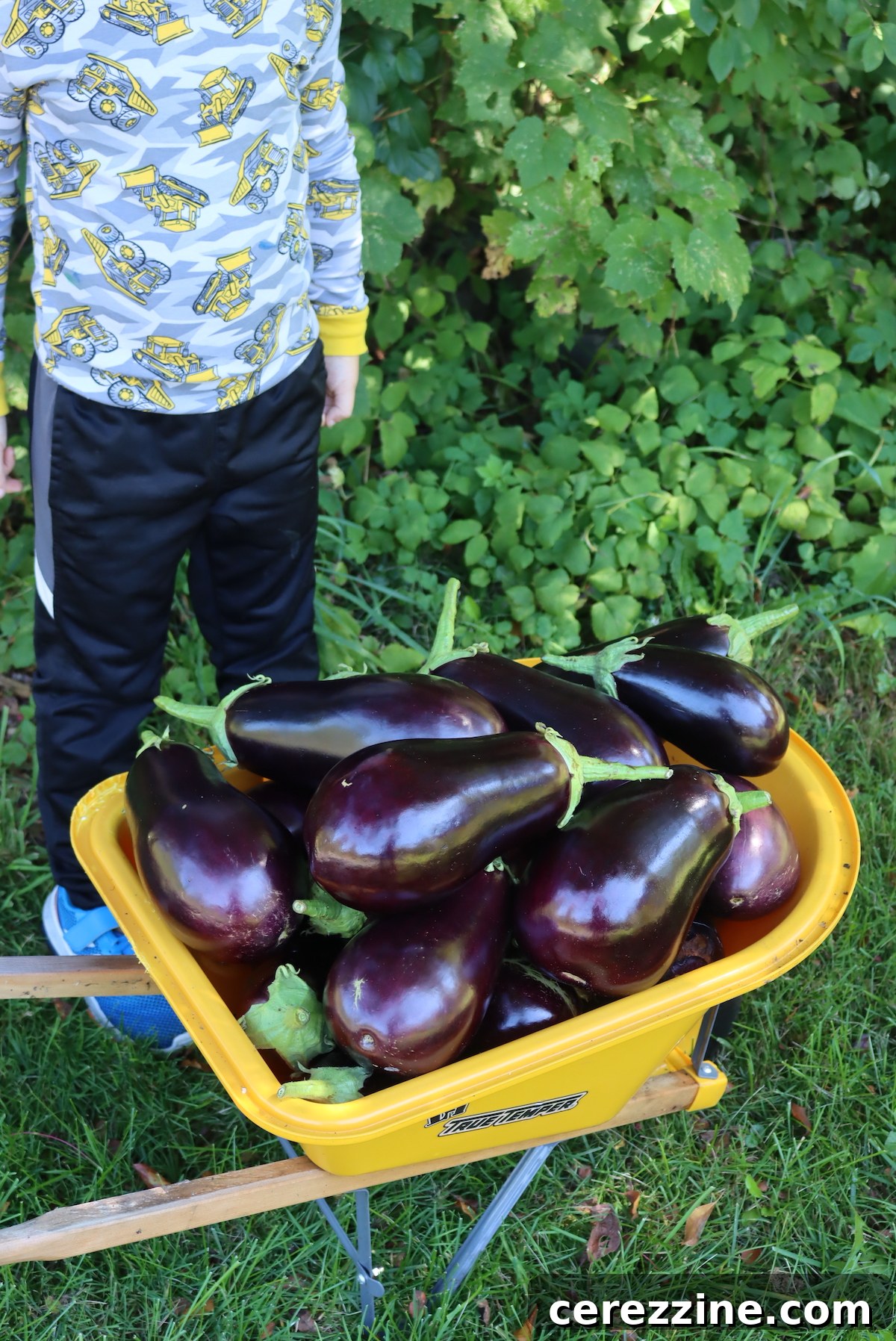
Eggplant, with its distinctive texture and ability to absorb flavors, is a rewarding vegetable to grow. However, it can often present a delightful challenge: one day you have just enough for a meal, and the next, your counter is overflowing with a mountain of gorgeous purple (or white, or striped!) fruits. While fresh eggplant is undoubtedly wonderful, its generous production often calls for effective preservation strategies. Canning stands out as a particularly satisfying method, turning seasonal abundance into year-round convenience.
It’s important to note that eggplant canning recipes are a bit unique compared to many other canning projects. This is because eggplant, on its own, cannot be safely canned plain. There are currently no tested and recommended guidelines for canning plain eggplant, either as a standalone product or freely added to other pressure canning recipes. We will delve into historical practices later, but for modern, safe home canning, this distinction is crucial.
While this might initially sound restrictive, it opens up a world of incredibly delicious and practical options. Instead of plain jars of a single vegetable, you get an array of culinary treasures: robust pasta sauces, piquant relishes, zesty pickled slices, versatile antipasto mixes, lively salsas, and other preserves that are far more versatile and useful on your pantry shelf. These methods not only preserve the eggplant but also enhance its flavor profile through the addition of complementary ingredients.
Modern, safe eggplant canning techniques primarily rely on ingredients that boost the acidity of the finished product, such as vinegar or tomatoes. These acidifiers bring the overall pH of the recipe into a safe range for water bath canning, preventing the growth of harmful bacteria. This is why most tested eggplant recipes fall into specific categories—categories that are not only safe but also exceptionally delicious, transforming your summer eggplant into pantry staples that will be enjoyed for months to come.
Eggplant Sauce Recipes for Home Canning
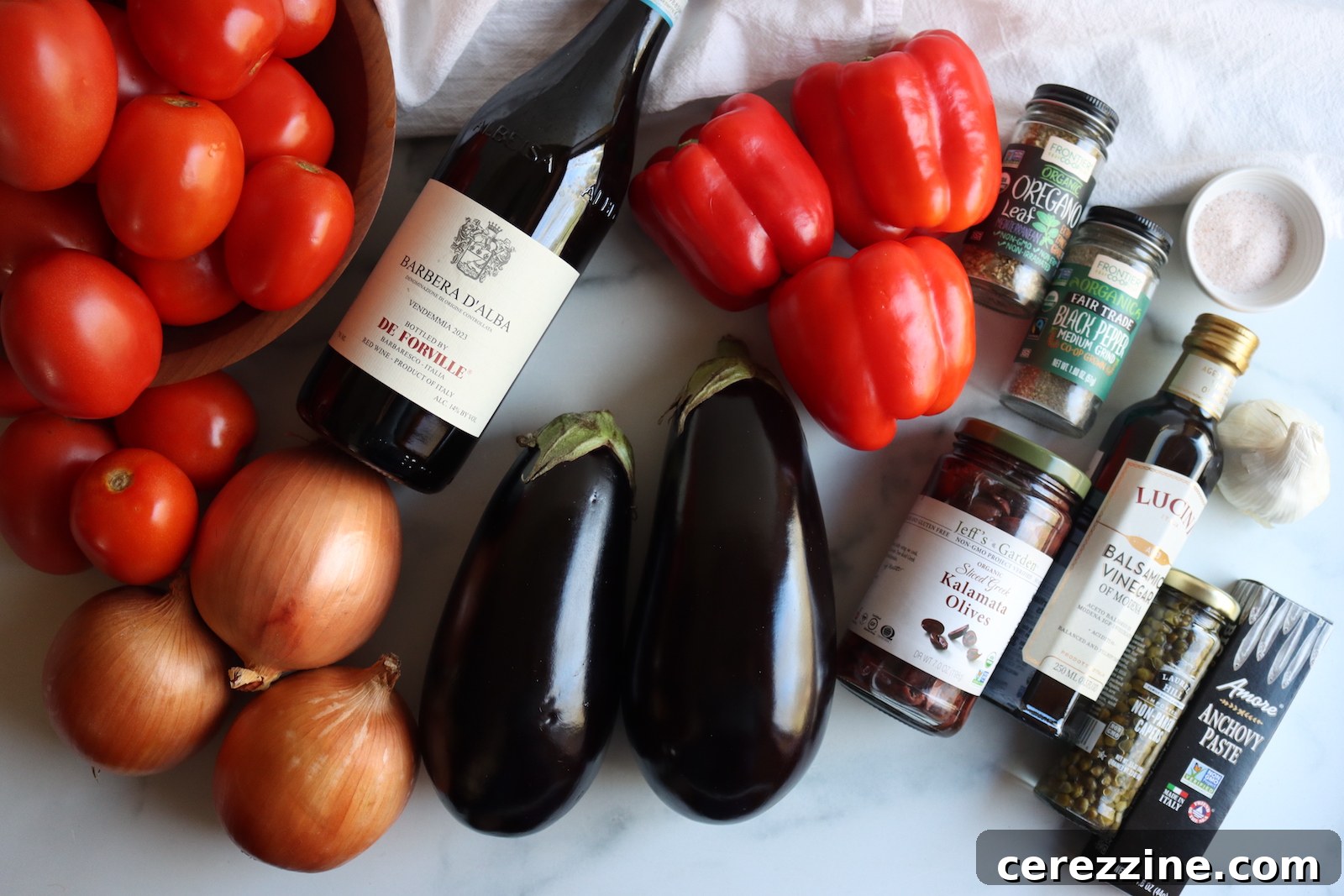
Canning eggplant in a sauce is often a favorite choice for home preservers, primarily because it simplifies future meal preparation. Eggplant is an ideal candidate for chunky, tomato-based sauces, where it softens beautifully and readily absorbs the vibrant, bold flavors characteristic of Mediterranean cuisine. Ingredients like olives, capers, bell peppers, and fragrant herbs infuse the sauce with a depth that makes it truly irresistible.
These jars of sauce are pantry heroes, ready to transform a simple weeknight into a gourmet experience. They are inherently hearty, packed with flavor, and incredibly versatile. Whether you’re spooning them over freshly cooked pasta, layering them into baked casseroles like lasagna or moussaka, or serving them alongside crusty bread and a wedge of cheese for a rustic supper, these sauces deliver warmth and satisfaction. The eggplant’s ability to melt into the sauce while still providing substance makes it an excellent base for rich, satisfying meals. Imagine the ease of opening a jar of homemade caponata or puttanesca on a cold winter evening, bringing a taste of summer directly to your table.
Recipes like Ball’s caponata-style and puttanesca-style sauces are particularly appealing because they offer a complete, balanced dish right in the jar. They incorporate a harmonious blend of vegetables, spices, and a touch of acidity, ensuring both safety and sensational flavor. These robust sauces are a testament to how effectively eggplant can be preserved and enjoyed.
- Roasted Eggplant & Puttanesca Sauce
- Sicilian Caponata Sauce
- Lemony Eggplant Caponata Sauce (Ball Complete Book of Preserving)
- Lemony Eggplant-Artichoke Caponata Sauce (All New Ball Book of Canning and Preserving), offering a delightful variation made with artichokes and whole lemons.
Delicious Pickled Eggplant Recipes for Your Pantry
Pickled eggplant represents a time-honored tradition in food preservation, particularly beloved in regions with strong Mediterranean culinary influences. If you appreciate the complex, savory-tangy flavors of Mediterranean cuisine, then pickled eggplant is an exceptional choice for your home canning endeavors. These recipes typically combine tender eggplant pieces with a harmonious blend of vinegar, aromatic garlic, fresh herbs, and a selection of simple seasonings. The result is a preserve that is distinctly tangy, wonderfully savory, and an exquisite accompaniment to a variety of dishes, especially grilled meats, robust cheeses, and warm, crusty bread.
For those unacquainted with it, pickled eggplant offers a culinary experience quite distinct from that of cucumber pickles. Its texture is notably softer and more substantial, providing a satisfying bite. The flavor profile is sophisticated and deeply savory, making it feel far more at home as an integral part of an antipasto platter or meze spread than beside a typical burger. It introduces an exciting new dimension to your preserved foods, offering a refreshing alternative to the ubiquitous dill pickles and sweet relishes. Whether served as an appetizer, a side dish, or an ingredient in a sandwich, pickled eggplant adds a gourmet touch to any meal.
- Eggplant Pickles (Ball) – An Italian-style preparation featuring balsamic vinegar and fragrant oregano.
- Pickled Eggplant Cubes (The Joy of Pickling) – A delightful recipe highlighting fresh basil and crisp white wine vinegar.
Versatile Eggplant Relish and Antipasto Recipes
This category is where eggplant truly shines in the world of home canning. Relishes and antipasto-style preserves are expertly crafted to leverage eggplant’s unique texture, especially when it’s combined with a medley of other late-summer vegetables. Think juicy tomatoes, vibrant peppers, crisp celery, pungent onions, and briny olives, all married together in a perfectly balanced sweet-sour, well-seasoned preserve. These combinations create a complex flavor profile that is both intriguing and utterly delicious.
These recipes prove particularly valuable when your garden is overflowing with a little bit of everything at once. They provide a brilliant solution for transforming those various odds and ends of summer produce into something far more exciting and flavorful than a simple mixed pickle. The beauty of eggplant relishes and antipasto lies in their incredible versatility at the table. They can be elegantly served with crackers and cheese for an effortless appetizer, generously spooned over grilled meats or fish to add a burst of flavor, tucked into sandwiches or wraps for a delightful lunch, or presented as a vibrant component of a larger appetizer spread for entertaining. Each bite offers a harmonious blend of textures and tastes, making these preserves a sophisticated addition to any meal.
- Vegetable Antipasto – A classic from Bernardin, incorporating carrots, green beans, cauliflower, peppers, and tomatoes for a robust mix.
- Antipasto Pickles – Featured by Canadian Living, a recipe quite similar to the Bernardin version above, offering another trusted option.
- Vegetarian Antipasto – Another excellent mixed vegetable antipasto-style preserve from Canadian Living, emphasizing a plant-based composition.
- Eggplant Tomato Relish (The Joy of Pickling by Linda Ziedrich, not currently available online) – A highly regarded recipe from a trusted canning authority, showcasing the classic pairing of eggplant and tomato.
Ajvar: A Unique Balkan Eggplant Pepper Spread
For those seeking an eggplant preserve that deviates from the conventional pickles and tomato sauces, Ajvar presents a truly exquisite option. This traditional Balkan-style spread is a culinary gem, celebrated for its rich, smoky, and deeply savory flavor profile. It is meticulously crafted from roasted eggplant and vibrant red bell peppers, which are then skillfully blended with aromatic garlic, a touch of salt, and a hint of vinegar. The result is a smooth, luscious condiment with a subtly spicy kick that is utterly addictive.
What makes Ajvar particularly appealing to the home canner is its remarkable versatility once it’s safely sealed and stored on the shelf. It serves beautifully as a spread, perfect for slathering on crusty bread or enriching sandwiches and wraps. It doubles as a delightful dip for crackers and fresh vegetables, offering a sophisticated alternative to everyday dips. Furthermore, Ajvar makes an outstanding flavorful condiment alongside grilled meats, poultry, or simple weeknight dinners, elevating any dish with its robust character. The process of roasting the vegetables before canning imparts a deeper, sweeter, and more complex flavor to the finished spread than most raw vegetable relishes. This method also provides an excellent opportunity to preserve both your abundant eggplant and sweet peppers simultaneously, making it a highly efficient and rewarding canning project.
- Ajvar (Eggplant and Pepper Spread) – A reliable recipe to guide you through making this incredible preserve.
Exciting Eggplant Salsa Recipes
While salsa might not be the immediate choice that comes to mind when considering ways to preserve a surplus of eggplant, it is, in fact, an exceptionally clever and delicious application. When eggplant is carefully incorporated into a tested salsa recipe alongside the more traditional tomatoes, it adds a wonderful dimension of body and richness. This transforms the finished salsa into something heartier and more substantial than a typical tomato-only version, offering a delightful texture and depth of flavor.
Eggplant salsa also introduces a welcome variety to your eggplant preservation efforts. Not everyone is looking solely for pasta sauce or pickled items, and a robust salsa-style preserve provides another effortless and flavorful avenue for integrating eggplant into your everyday meals. It’s the kind of versatile jar you’ll be eager to open—perfect for serving alongside crispy tortilla chips for a snack, as a vibrant accompaniment to grilled chicken or fish, or spooned generously over tacos, burritos, and rice bowls. The subtle earthiness of the eggplant beautifully complements the bright acidity of the tomatoes and the zest of other salsa ingredients, creating a truly memorable condiment. It’s an innovative way to enjoy the eggplant harvest and impress your family and friends with your canning prowess.
- Tomato and Eggplant Salsa – A proven recipe to safely create this unique salsa.
Understanding Historical Eggplant Canning Recipes: A Look Back at Obsolete Practices
For those curious about the evolution of home canning, it’s worth noting that older home canning books did, at one point, include instructions for plain pressure-canned eggplant. Specifically, vintage Ball Blue Books provided this advice for several decades before eventually discontinuing the recommendation. This historical context offers valuable insight into how canning practices and safety standards have evolved over time.
For instance, in the 1974 Ball Blue Book, the process detailed involved washing, paring, and then slicing or cubing the eggplant. The pieces were then soaked, briefly boiled, and packed hot into jars. Boiling water was added to cover the eggplant before pressure canning: pints for 30 minutes and quarts for 40 minutes, both at 10 pounds of pressure. Interestingly, Ball also candidly noted within the recipe that canned eggplant often turned out dark in color. This remark alone suggests that even back then, the finished product might not have been the most visually appealing or palatable, hinting at potential quality issues.
A significant shift occurred by 1977. Ball had completely removed these plain canning instructions from their publications. In their place, they offered much simpler and more beneficial advice: freeze eggplant instead. This new recommendation was accompanied by the explicit note that freezing yielded a superior product. This guidance has remained consistent ever since, reflecting a clear consensus in food preservation science. Consequently, modern, safe canning guidelines unequivocally do not include plain canned eggplant as a currently tested or recommended option. The absence of adequate acidity in plain eggplant means it cannot be safely processed in a water bath canner, and its low-acid nature requires specific, tested pressure canning protocols that simply do not exist for plain eggplant.
It is crucial to understand that Ball’s old process for plain eggplant was never re-tested under contemporary canning safety standards. While these historical recipes are undoubtedly fascinating from a food preservation history perspective, they should be regarded as obsolete recommendations rather than current, reliable guidance for today’s home canners. The advancements in food science and understanding of botulism risks mean that what was once considered acceptable is no longer deemed safe or of high quality.
Despite the updated recommendations, you might still occasionally encounter this older Ball-style process being repeated in some older books or online sources, including certain editions like the 2010 edition of Putting Food By. This particular publication continues to suggest a similar approach involving salting, simmering, packing in water, and then pressure canning. However, it is vital to reiterate that the mere presence of a recipe in a book, even a respected one, does not automatically qualify it as a modern, scientifically tested, and approved recommendation.
The most important takeaway for today’s diligent home canners is this: eggplant is best and most safely preserved within acidified recipes. This includes delicious preparations such as pickles, relishes, antipasto, vibrant salsas, and hearty sauces. Plain canned eggplant has been rightfully left behind, not only due to its often-poor quality (e.g., dark, mushy texture) but, more importantly, because it was never carried forward into the rigorous, scientifically validated canning guidance that ensures our safety today. By adhering to tested recipes that incorporate vinegar or tomatoes, you can confidently transform your eggplant harvest into a range of delicious and safe pantry staples.
If your garden blesses you with an abundance of eggplant, the recipes outlined in this guide represent some of the most effective and flavorful ways to convert it into truly useful and exciting additions to your pantry shelf. While eggplant might present a few more limitations in home canning compared to more acidic vegetables like cucumbers or tomatoes, the tested and safe recipes that do exist are incredibly flavorful, practical, and absolutely worth the effort. Embrace the challenge and enjoy the delicious rewards of preserving your eggplant harvest safely and creatively!