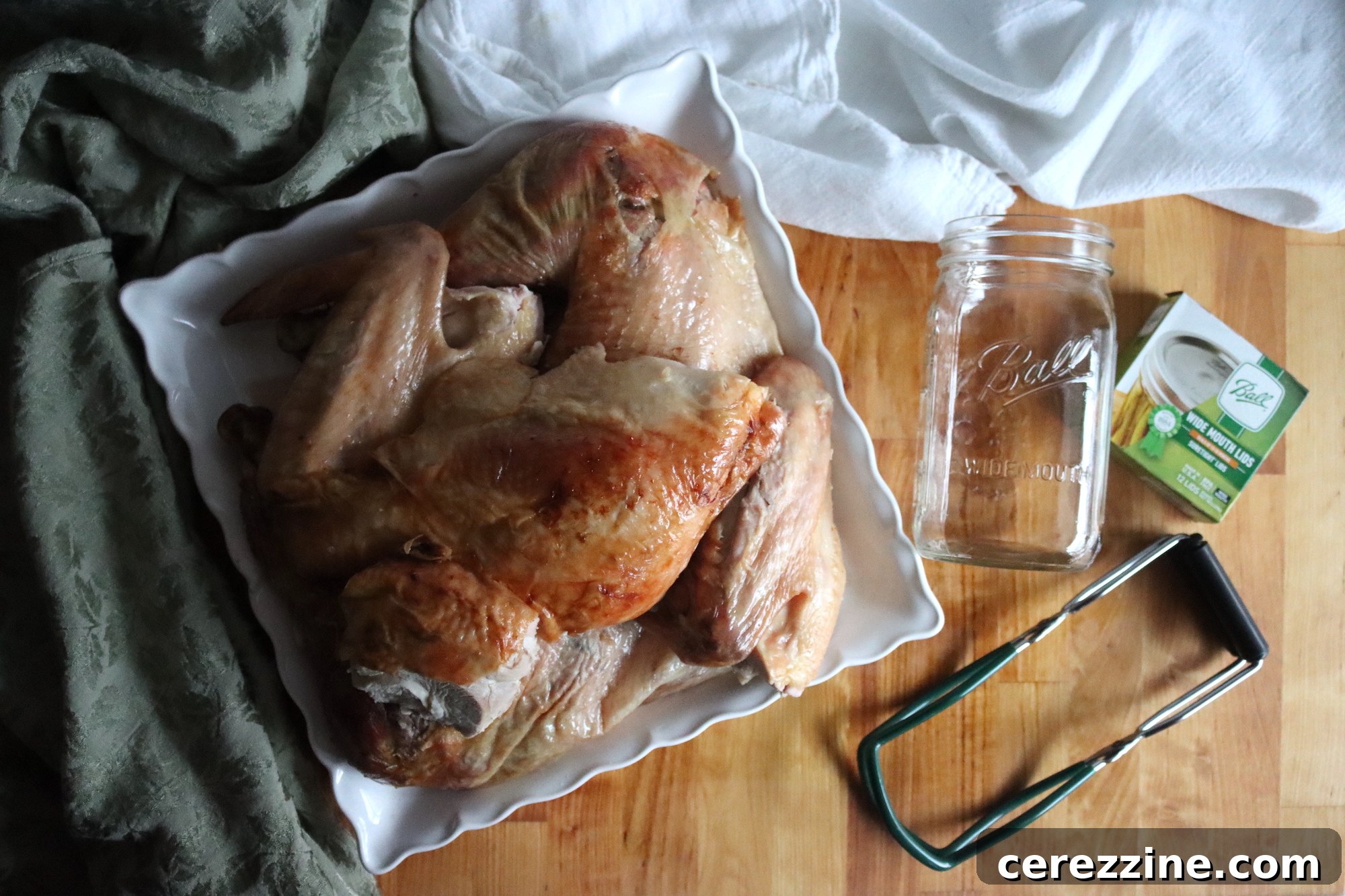
In the world of home food preservation, turkey canning recipes stand out as an incredibly practical and rewarding skill. Imagine having a pantry stocked with wholesome, ready-to-eat turkey, perfect for those busy weeknights when time is scarce. Whether you’ve just hosted a grand holiday feast and are staring down a mountain of delicious leftover turkey with no refrigerator space, or you’ve found an unbeatable deal on raw turkey in bulk, canning offers a smart solution to food waste and a path to culinary convenience.
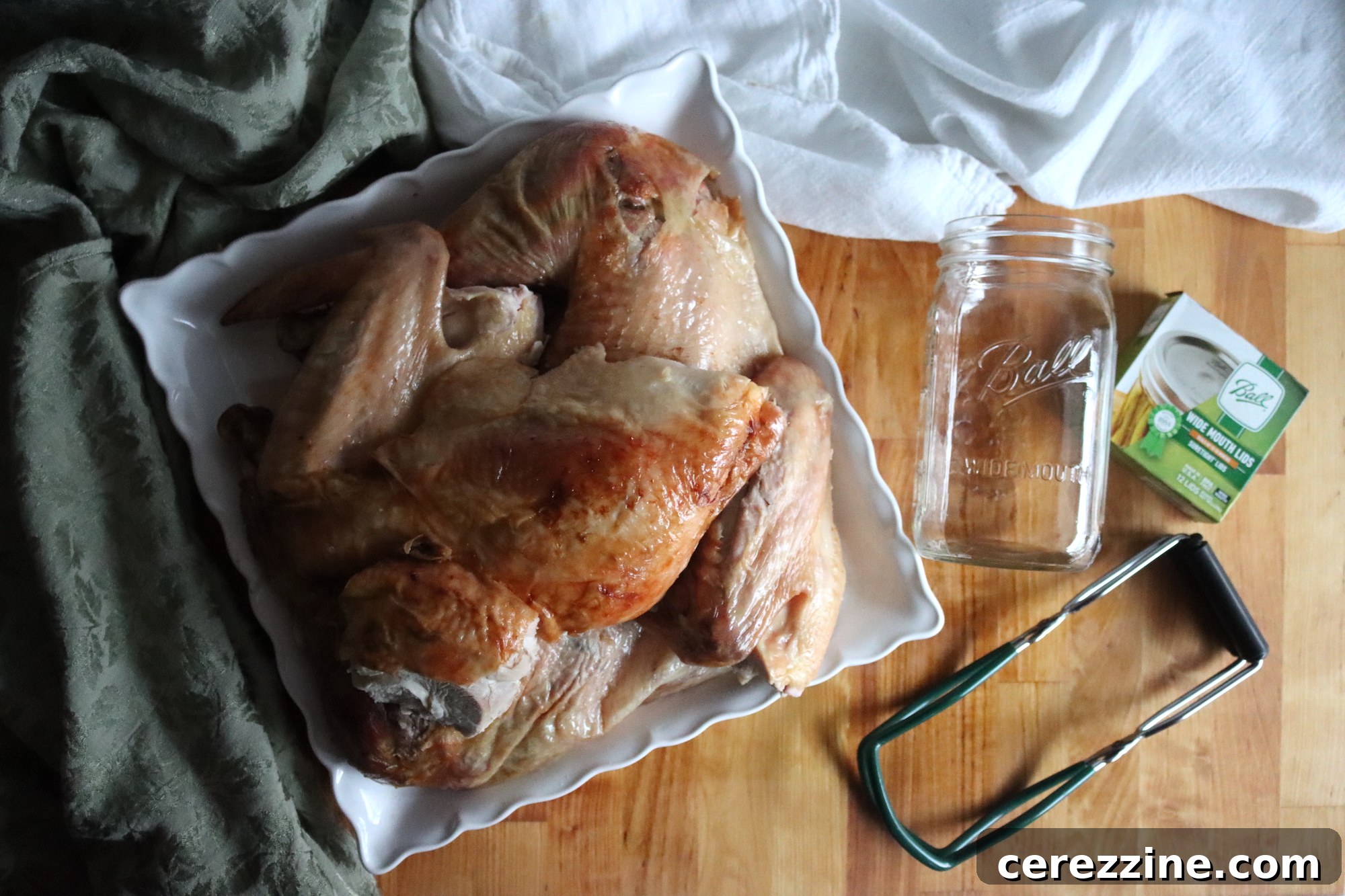
Canning turkey means transforming a versatile, high-protein, and often low-fat meat into a shelf-stable staple. This preservation method allows you to enjoy healthy, flavorful turkey year-round, pulled directly from your pantry. No more worrying about freezer burn or running out of valuable freezer real estate. It’s a method that works seamlessly with both cooked and raw turkey, making it ideal whether you’re preserving holiday remnants or proactively stocking your pantry with this lean poultry.
Is Canning Turkey Safe? Unpacking the Essentials
One of the most frequent questions from home canners is about the safety of preserving turkey, especially if it’s already been cooked. The resounding answer is: absolutely, yes! Pressure canning turkey is a perfectly safe and reliable method for preservation. This applies whether you’re working with fresh, raw turkey from the grocery store, homegrown poultry, or even wild turkey harvested during hunting season. The beauty of canning turkey lies in its adaptability; it can be processed bone-in or boneless, cooked or raw, offering flexibility for various needs and preferences.
While turkey is distinct from chicken, these two poultry types are often interchangeable in canning recipes. This means that many tried-and-true chicken canning recipes can be successfully adapted for turkey, and vice versa, including other poultry like duck, goose, or quail. However, turkey often presents unique scenarios. For instance, you might frequently be canning turkey that’s already cooked and deboned after a large meal, whereas chicken might typically be canned as raw, boneless pieces. Furthermore, ground turkey is widely available year-round, offering additional culinary possibilities that might be less common with ground chicken.
These distinctions sometimes lead to specialized turkey canning recipes, which we’ve gathered here to streamline your preservation efforts. Nevertheless, rest assured that using turkey as a substitute for chicken in almost any pressure canning recipe is a safe and acceptable practice, opening up a world of delicious, home-canned possibilities.
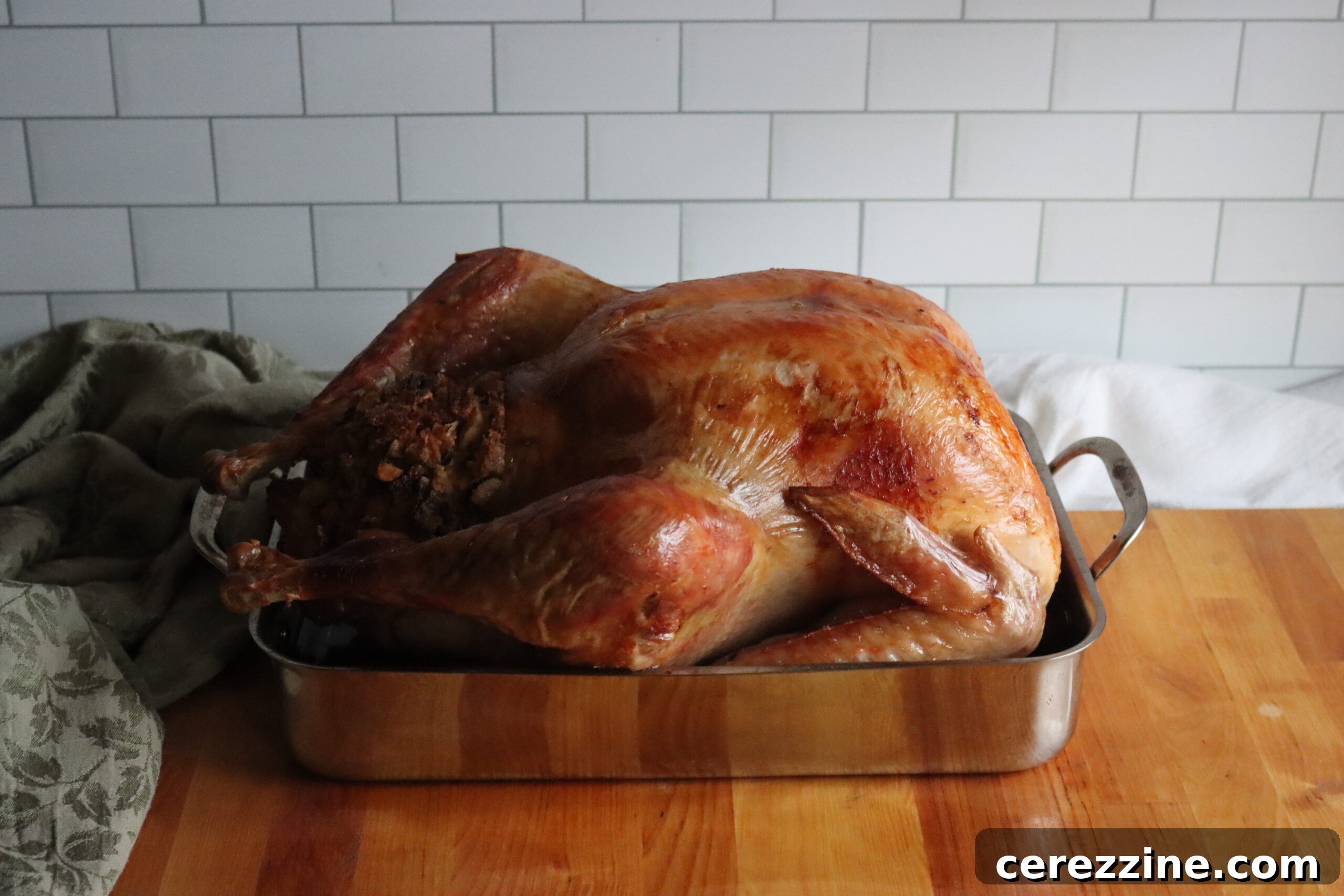
Essential Instructions for Pressure Canning Turkey
It is crucial to understand that turkey, like all meats and low-acid vegetables, must be pressure canned. Attempting to preserve turkey using a simple water bath canner is unsafe and can lead to serious health risks, including botulism. Pressure canners reach temperatures above 240°F (116°C), which is necessary to destroy harmful bacteria and spores present in low-acid foods. Water bath canning, which only reaches boiling temperature (212°F or 100°C), is suitable only for high-acid foods like fruits, jams, jellies, and pickles.
If you are new to pressure canning, we highly recommend familiarizing yourself with the process. A comprehensive beginner’s guide to pressure canning can provide the foundational knowledge needed to safely and successfully preserve food at home. Proper technique is paramount for both safety and quality.
Preparing Turkey for Canning: Raw Pack vs. Hot Pack
You have the option to can turkey either raw or cooked. Both methods are safe when properly pressure canned, but they can affect the final quality of the product:
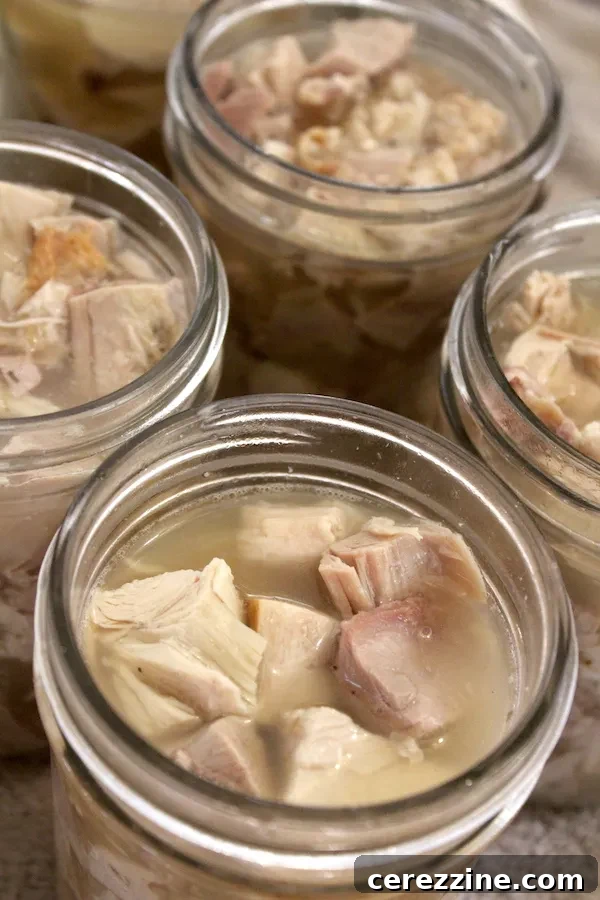
- Raw Pack: With the raw pack method, raw turkey pieces are packed directly into jars without prior cooking. During the canning process, the meat releases its own juices, filling the jar. While safe, this method can sometimes result in drier meat, particularly with lean poultry like turkey, and may lead to a less appealing appearance as the meat often shrinks and appears “floating” in the jar. Adding a bit of hot broth or water (preheated to boiling) can help improve the final texture and appearance, even with raw-packed turkey.
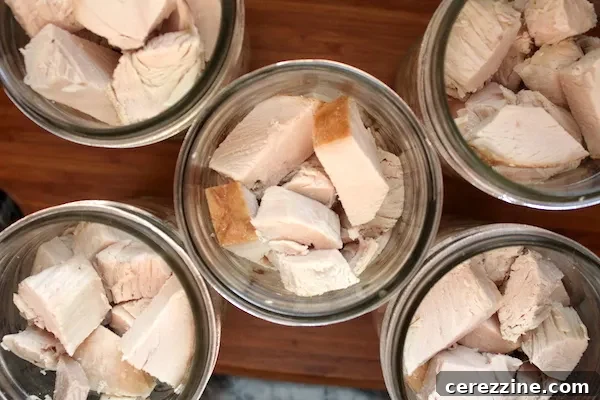
- Hot Pack: The hot pack method involves partially or fully cooking the turkey before packing it into jars. This is generally the preferred method for turkey, especially if you’re dealing with leftover cooked turkey or are aiming for optimal quality. Pre-cooking helps to shrink the meat slightly, allowing you to pack more into each jar and minimizes shrinkage during processing. With hot pack, it is essential to fill the jars with boiling hot broth or water to ensure good heat transfer and a better final product. The added liquid helps keep the turkey moist and flavorful.
Regardless of whether you choose raw or hot pack, we strongly recommend using turkey or chicken broth (instead of just water) to fill your jars. A good quality broth significantly enhances the flavor and moisture content of the canned turkey, making it much more appealing when you’re ready to use it. A pinch of salt per jar (about ½ teaspoon for pints, 1 teaspoon for quarts) can also boost the flavor profile.
Deboning and Sizing Your Turkey
If you’re canning a whole turkey or large parts, you’ll likely need to debone it. Partially cooking the turkey (roasting it until about two-thirds done) can make deboning much easier than working with raw meat. Once deboned, cut the turkey meat into uniform pieces, ideally 1-inch chunks or strips, to ensure even heat penetration during canning. This also makes the turkey easier to pack into jars and convenient for future use in recipes.
Jar Preparation and Filling
Before filling, ensure your canning jars are clean and free of chips or cracks. While heating jars isn’t strictly necessary for pressure canning safety (as the canner itself sterilizes), pre-warming them can prevent thermal shock, especially when using hot pack or adding hot liquid. Pack turkey pieces into jars, leaving 1 inch of headspace (the space between the food and the rim of the jar). If using hot pack, ladle hot broth over the meat, maintaining the 1-inch headspace. Remove air bubbles by running a clean non-metallic utensil around the inside of the jar. Wipe jar rims clean to ensure a good seal, then center the lids and apply screw bands fingertip-tight.
Turkey Canning Times and Pressures
Accurate processing times and pressures are non-negotiable for safe pressure canning. While specific recipes may have slight variations, the general guidelines for canning turkey are as follows:
- 75 minutes for pint jars
- 90 minutes for quart jars
These times apply to most turkey canning recipes, including plain turkey packed in broth, and most meat-based recipes where turkey constitutes a significant portion of the solids. However, there are exceptions:
- A brothy soup containing turkey, where less than half the jar is solids, typically requires a reduced processing time of 60 minutes for pints and 75 minutes for quarts (provided it doesn’t contain seafood or shellfish). For more details, refer to comprehensive soup canning recipes.
- For plain turkey broth or stock, with all solids filtered out, the canning times are shorter: 20 minutes for pints and 25 minutes for quarts.
- Recipes containing seafood or a combination of meats may require different or extended processing times. Always consult a tested, reliable recipe for specific instructions.
Altitude Adjustments for Turkey Canning Recipes:
Elevation affects boiling points, which in turn impacts the pressure needed in your canner. Always adjust pressure according to your altitude to ensure safety.
For dial gauge pressure canners:
- 0 to 2,000 feet in elevation – 11 lbs pressure
- 2,001 to 4,000 feet in elevation – 12 lbs pressure
- 4,001 to 6,000 feet in elevation – 13 lbs pressure
- 6,001 to 8,000 feet in elevation – 14 lbs pressure
For weighted gauge pressure canners:
- 0 to 1,000 feet in elevation – 10 lbs pressure
- Above 1,000 feet – 15 lbs pressure
Bone-in or Boneless Turkey Canning: What’s Best?
Many home canners are surprised to learn that it is safe to can meat with the bones still in. This “bone-in” method is particularly useful for meats like chicken wings or beef short ribs, where deboning can be cumbersome. However, when it comes to turkey, the large size and irregular shape of many bones can present a challenge for fitting them into standard canning jars while maintaining the required 1 inch of headspace. While technically permissible, if you choose to can bone-in turkey, you must ensure the bones fit within the jar with adequate headspace. Additionally, always exercise caution when serving bone-in canned items.
For these practical reasons, most canners opt for boneless turkey. Deboned turkey is easier to pack efficiently into jars, allows for consistent heat penetration, and results in a more user-friendly product that’s ready to be incorporated into various dishes without extra steps. While bone-in is a tested and safe option, boneless typically offers a more convenient and versatile end product for turkey.
Versatile Turkey Canning Recipes for Every Need
Turkey’s mild flavor and lean profile make it an incredibly versatile meat for canning. It can be canned as plain chunks, ground meat, or incorporated into a wide array of recipes, from comforting soups and hearty stews to spicy chilis and robust pot pie fillings. The year-round availability of ground turkey also expands its utility, allowing you to create shelf-stable meat-based pasta sauces or quick taco fillings any time.
Beyond its versatility, home-canned turkey offers unparalleled convenience. Imagine pulling a jar of perfectly seasoned turkey from your pantry and transforming it into a meal in minutes. It works beautifully seasoned with classic poultry herbs like sage, thyme, and rosemary, or can take on more exotic flavors for dishes like curries or Asian-inspired meals. There’s truly no limit to how you can utilize this precious pantry staple.
Canning Plain Turkey: Your Everyday Protein Solution
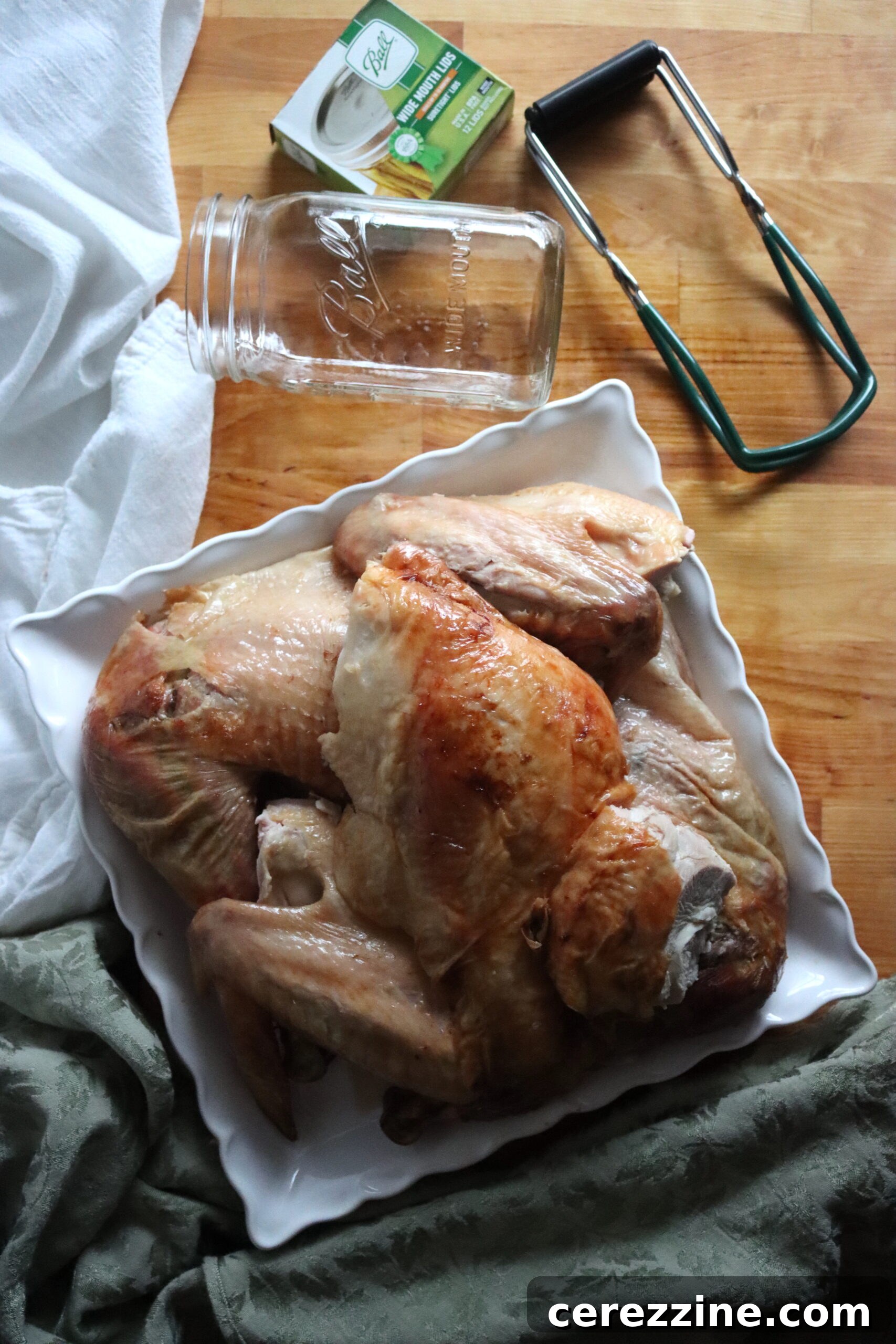
Canning plain turkey in water or broth is perhaps the simplest and most adaptable method. This creates a foundational ingredient that can be quickly transformed into sandwiches, salads, casseroles, or added to last-minute stir-fries. As discussed, it can be cooked or raw, bone-in or boneless, though boneless is often preferred for convenience.
For ground turkey, the canning process mirrors that of ground beef, often involving browning and draining before packing into jars. This allows you to create shelf-stable ground turkey for quick meals. You can even season it as ground turkey sausage before canning for an added flavor boost.
- Canning Leftover Turkey
- Canning Chicken (Excellent instructions, includes bone-in and raw pack options, directly applicable to turkey)
- Canning Ground Beef (Use these instructions for canning ground turkey)
Turkey Soup Canning Recipes: Warmth in a Jar
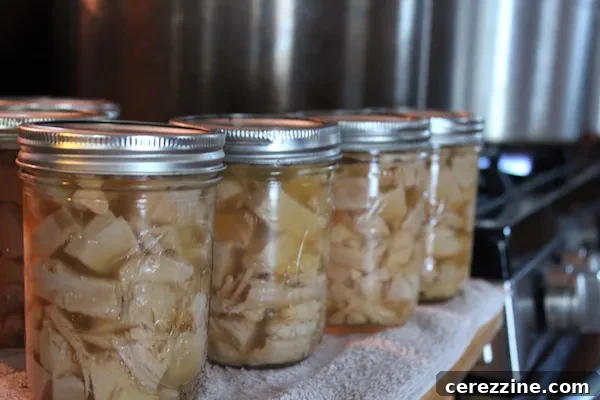
After a holiday meal, one of the most natural uses for leftover turkey (and its carcass) is a comforting turkey soup. Canning homemade turkey soup means you’ll have a wholesome, ready-to-heat meal whenever you need a dose of warmth and nourishment. The carcass can also be used to make a rich, flavorful turkey stock, perfect for soup bases or other culinary uses.
Many online resources offer delightful turkey soup canning recipes, from classic vegetable-packed versions to more adventurous international flavors. Explore these options to find your next pantry favorite:
- Mexican Turkey Soup
- Turkey and Vegetable Soup
- Turkey Soup with Carrot, Celery and Onion
- Turkey Soup with Corn, Carrot, and Celery
- Turkey Tortilla Soup
- Turkey Posole Verde
Turkey Chili Canning Recipes: Lean and Flavorful
While dedicated turkey chili canning recipes are somewhat rare, the good news is that turkey is an excellent substitute in most chicken chili recipes. Its lean profile makes for a healthier, yet equally satisfying, chili. Additionally, if you prefer to use ground turkey, you can easily adapt ground beef chili canning recipes.
These chili recipes are perfect for a quick dinner or emergency meal, offering robust flavors and hearty satisfaction straight from the jar:
- Chicken Chili Verde (Easily adaptable for turkey)
- White Chicken Chili (Delicious with turkey chunks)
- Canning Chili con Carne (Substitute ground turkey for beef)
Turkey Pot Pie Filling Canning Recipes: Ultimate Comfort Food
There’s nothing quite like a homemade pot pie, and having the filling pre-canned makes it incredibly simple to assemble on demand. While specific turkey pot pie canning recipes are not yet widely available (we aim to publish one soon!), chicken pot pie filling recipes are perfectly suited for turkey. The vegetables and creamy sauce base complement turkey beautifully.
Prepare these fillings ahead of time, and you’re just a crust away from a comforting, hearty meal:
- Chicken Pot Pie Filling (Excellent with turkey)
- Chicken Cottage Pie Filling (Another great option for turkey)
Turkey Meal in a Jar Canning Recipes: Complete Dinners Made Easy
Meal-in-a-jar canning recipes are the pinnacle of convenience, providing a complete or near-complete meal with minimal effort at serving time. While many chicken meal-in-a-jar options can be adapted, some recipes are specifically designed for turkey. We’re also excited to be working on a home-canned Turkey Tetrazzini recipe, a classic leftover turkey dish that will be a fantastic addition to your pantry!
These recipes offer a variety of flavors and styles, ensuring you have delicious, wholesome meals ready to go:
- Turkey and Gravy Meal in a Jar
- Turkey Goulash (Using Ground Turkey)
- Asian Turkey Meatballs
- Italian Meatball Soup (easily adapted with ground turkey meatballs)
- Turkey Tetrazzini (Coming Soon!)
Turkey Broth Canning Recipes: The Foundation of Flavor
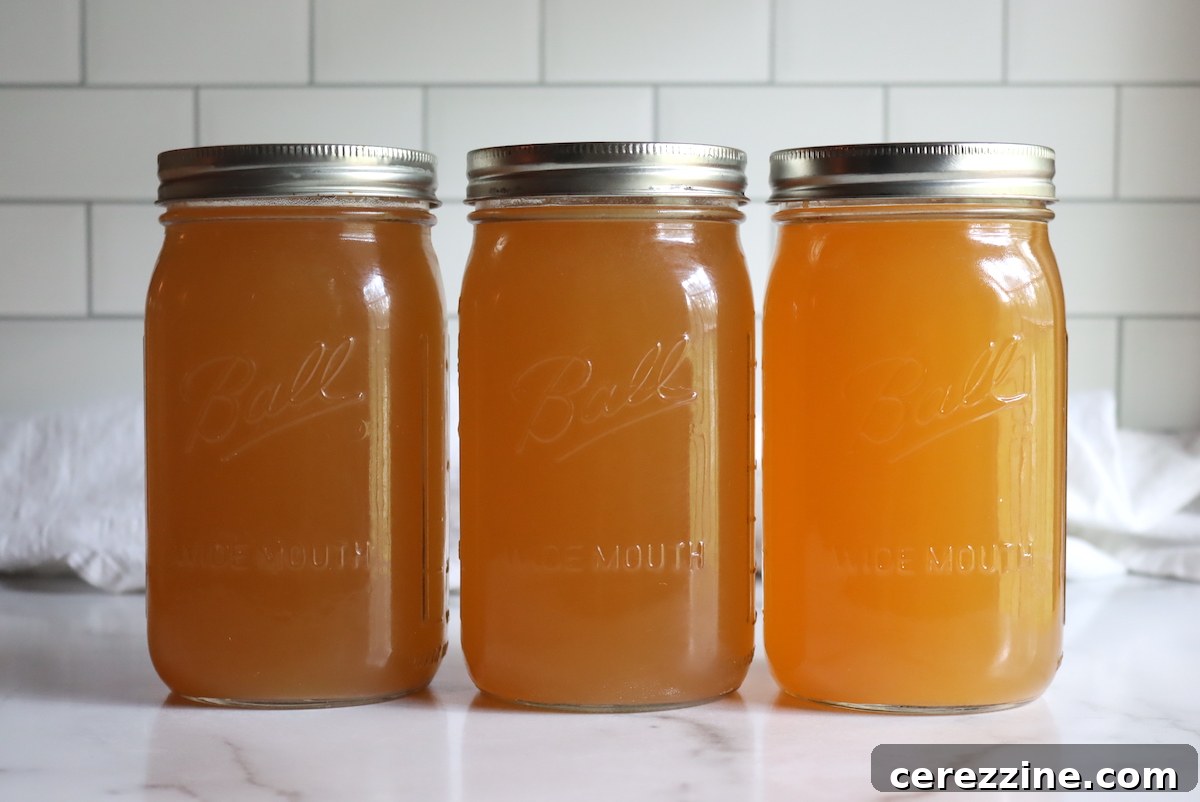
A good quality broth is the backbone of countless recipes, and canning turkey broth allows you to capture the rich flavors of a turkey carcass for year-round use. While you can certainly use a turkey carcass in general chicken broth recipes, having a dedicated turkey broth recipe, perhaps with hints of sage, celery, and carrots, is perfect for savory applications, especially around the holidays. No more wishing you had turkey broth for your Thanksgiving stuffing when the carcass is still in the oven!
- Canning Turkey Broth
Expand Your Canning Horizons
Turkey canning is just one facet of the rewarding world of home food preservation. If you’re eager to explore more ways to stock your pantry with delicious, homemade goodness, dive into our extensive collection of canning recipes for every season and ingredient. From fruits and vegetables to hearty meats and full meals, there’s always something new to learn and preserve!
- 100+ Canning Recipes from A to Z
- Pressure Canning Recipes
- Meat Canning Recipes
- Soup Canning Recipes
- Meal in a Jar Canning Recipes
- Vegetable Canning Recipes
- Fruit Canning Recipes