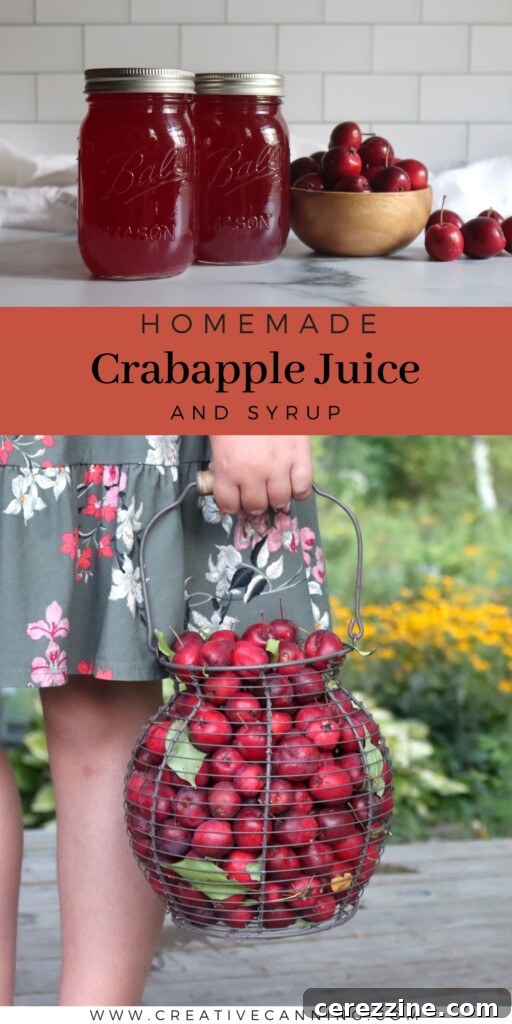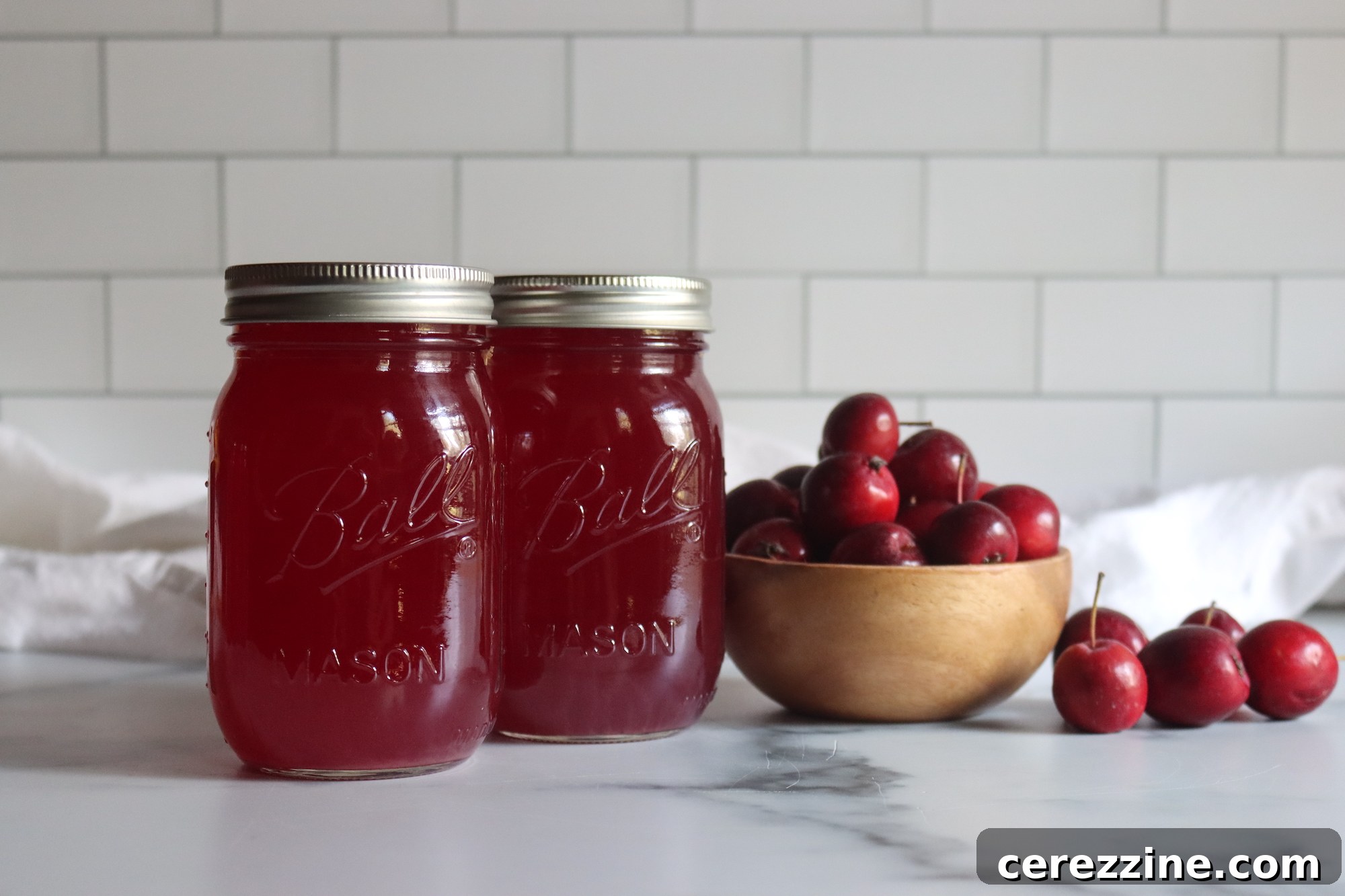
Homemade Crabapple Juice & Syrup: An Essential Guide to Water Bath Canning for a Bountiful Harvest
Crabapples, often overlooked, are a culinary treasure brimming with a vibrant, tart flavor that’s perfect for home preservation. Transforming a bumper crop of these beautiful fruits into homemade crabapple juice or a delightful crabapple syrup is a rewarding endeavor. Not only is it a simple and efficient way to store your harvest, but the resulting juice is incredibly versatile in the kitchen, adding a bright, tangy note to beverages, desserts, glazes, and savory dishes alike.
One of the greatest advantages of preserving crabapples is their natural acidity, which makes them inherently safe for water bath canning without the need for added lemon juice or other acidifiers. Plus, there’s no laborious peeling or coring required, simplifying the preparation process significantly. This guide will walk you through every step, ensuring you can confidently capture the exquisite taste of crabapples for enjoyment throughout the year.
Why Homemade Crabapple Juice is a Must-Have
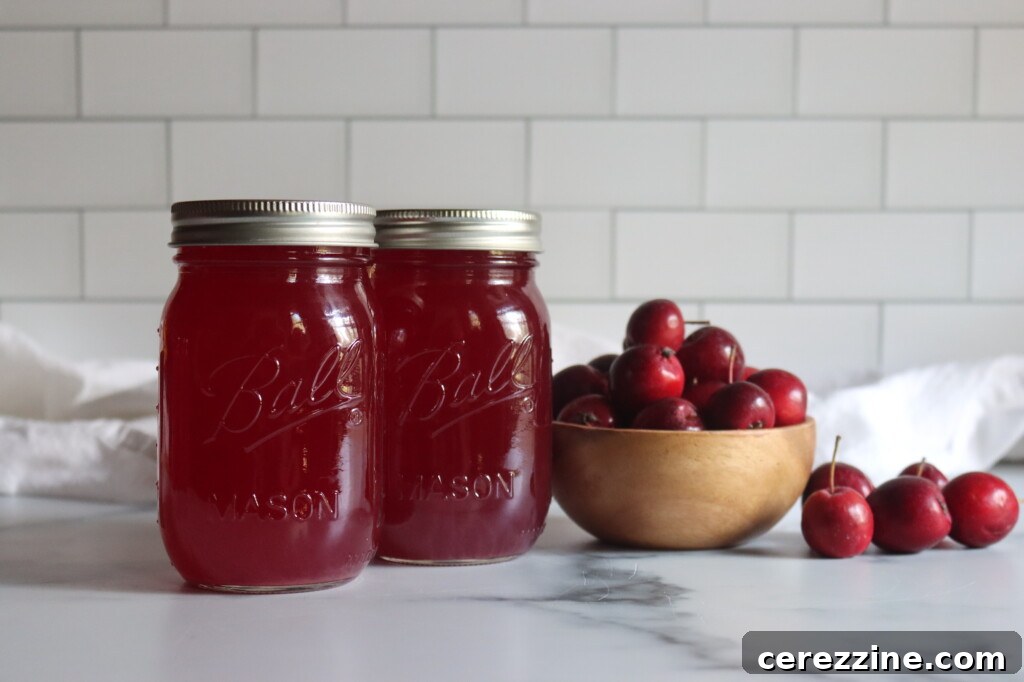
Crabapples, despite their diminutive size, possess an intense flavor profile that sets them apart. Their juice offers a bright, tangy zest that elevates everything from refreshing cocktails and spritzers to elegant sauces and glazes. When canned, this unique flavor is perfectly preserved, allowing you to enjoy the taste of autumn’s bounty long after the season ends. Homemade crabapple juice isn’t just a pantry staple; it’s a foundation for culinary creativity.
Beyond its culinary versatility, the process of making and canning crabapple juice is surprisingly straightforward. It’s an ideal project for both novice and experienced home canners, especially given the minimal fruit preparation required. A quick simmer to extract the juice, followed by straining and water bath canning, is all it takes. You have the flexibility to leave the juice unsweetened for a truly tart experience, add a touch of sugar for balance, or transform it into a rich, full-bodied syrup, depending on your intended uses.
The method shares similarities with making crabapple jelly, but with a simplified approach. Instead of boiling the juice down with sugar to achieve a gel set, you merely heat and preserve the liquid as is. This makes it perfect for direct consumption, or you can always reduce it later to create a flavorful sauce, a shiny glaze, or even a batch of homemade jelly.
Should you choose to convert your juice into a syrup, adding sugar is a simple step, and it remains perfectly suitable for water bath canning. This adaptability makes crabapple juice an incredibly rewarding item to add to your home-preserved pantry.
Choosing and Preparing Your Crabapples for Juicing
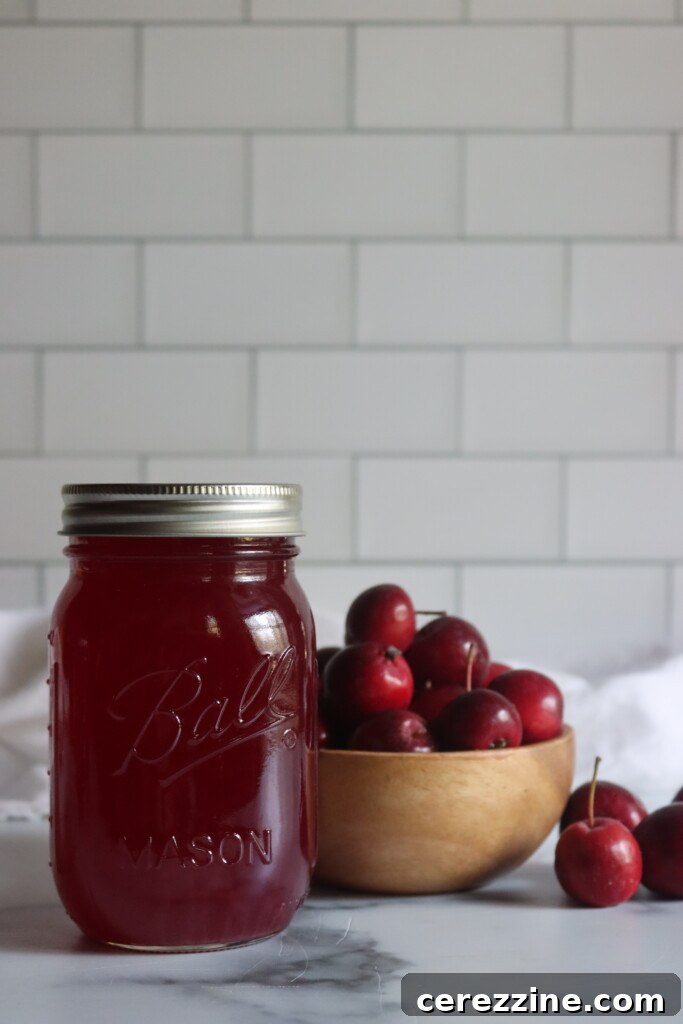
The secret to exceptional crabapple juice begins with selecting the right fruit. Look for firm, ripe crabapples that are free from major blemishes or signs of spoilage. While smaller varieties are perfectly fine, choose ones that are plump and have a vibrant color, indicating good ripeness and flavor. Any variety of crabapple will work for juicing, so feel free to use whatever is abundant in your area or garden.
Once harvested, thorough washing is crucial. Rinse your crabapples under cool running water, removing any clinging leaves, small twigs, or dirt. This step is essential for ensuring a clean, pure-tasting juice. One of the most appealing aspects of this recipe is that there’s no need for the tedious tasks of peeling or coring. The skins contribute to the beautiful rosy hue and much of the fruit’s pectin and flavor, while the seeds contain beneficial compounds that are extracted during the simmering process. Simply wash and you’re ready to go!
Essential Equipment for Making and Canning Crabapple Juice
While the process is simple, having the right tools can make it even smoother and more enjoyable. Here’s a list of key equipment you’ll need:
- Large Stock Pot: For simmering the crabapples and water. A capacity of at least 8-10 quarts is ideal to accommodate the fruit and liquid.
- Jelly Bag or Fine Mesh Strainer with Cheesecloth: Essential for separating the juice from the pulp. A jelly bag stand makes this process hands-free and more efficient, but a large colander lined with several layers of damp cheesecloth will also work.
- Potato Masher or Sturdy Spoon: To gently mash the softening crabapples and aid in juice extraction.
- Large Bowl or Measuring Cup: To collect the strained juice.
- Water Bath Canner: This specialized pot is necessary for safe canning. It comes with a rack to keep jars off the bottom and ensure even heat distribution.
- Canning Jars (Pints, Quarts, or Half-Gallons): Sterilized jars with two-piece lids (new flats, clean bands) are crucial for safe preservation. Choose sizes appropriate for your anticipated usage.
- Jar Lifter, Canning Funnel, and Ladle: These tools make handling hot jars and filling them cleanly much easier and safer.
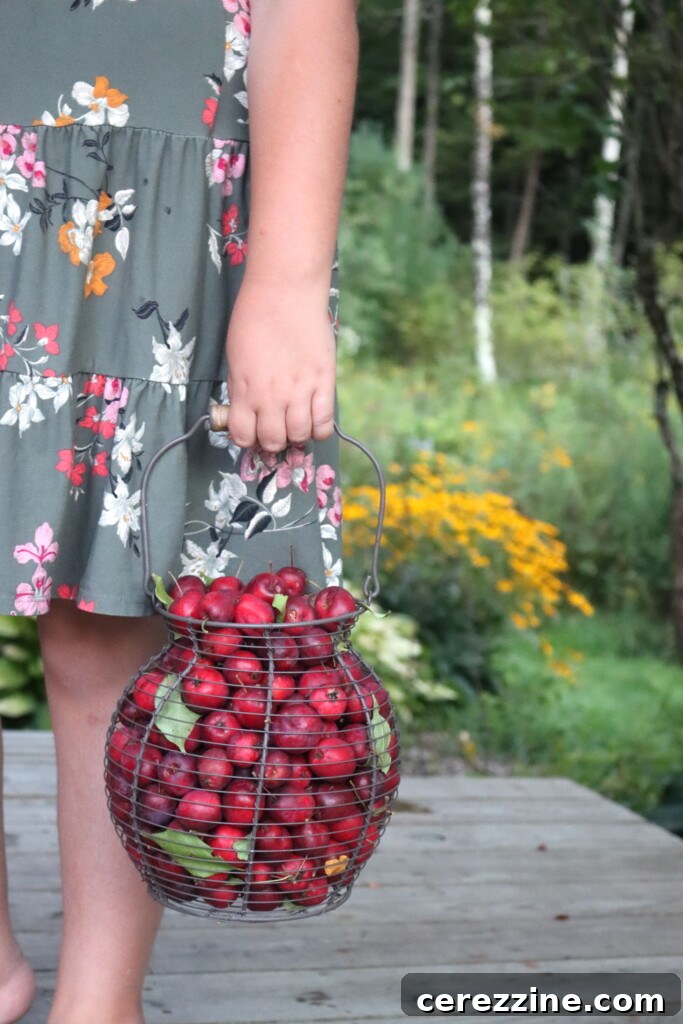
Ingredients for Homemade Crabapple Juice (or Syrup)
The beauty of this recipe lies in its simplicity. You only need a few core ingredients:
- Crabapples: Approximately 6 pounds. This quantity typically yields around 8 cups (or 4 pints) of juice, assuming standard juicing varieties and average moisture content.
- Water: 6 cups. This amount is sufficient to cover the crabapples and facilitate juice extraction without diluting the flavor too much.
- Sugar (Optional, for flavor or syrup): While not strictly required for preservation, crabapples are inherently tart. Adding sugar is a matter of taste.
If you plan to make crabapple syrup, you will use the same yield of 8 cups of juice and add between 4 to 8 cups of sugar. The amount depends on how sweet and thick you desire the finished syrup. A common ratio for a lighter syrup is 2 parts juice to 1 part sugar, while a richer, “simple syrup” consistency often uses a 1:1 ratio by volume. Regardless of whether you make juice or syrup, the canning instructions remain the same, as both are safely preserved using the water bath method.
Step-by-Step Guide to Making and Canning Crabapple Juice
1. Prepare the Fruit
Begin by thoroughly washing your crabapples. Remove any leaves, stems, or debris. Remember, there’s no need to peel or core them, which saves a significant amount of time and effort!
2. Simmer for Juice Extraction
Combine the cleaned crabapples and the 6 cups of water in your large stock pot. Bring the mixture to a rolling boil over medium-high heat. Once boiling, reduce the heat to a gentle simmer. Cook uncovered for about 20-25 minutes. During this time, stir occasionally and gently mash the softening fruit with a spoon or a potato masher. You’ll notice the juice gradually taking on a beautiful rosy or amber hue as the crabapples break down and release their vibrant pigments.
3. Strain the Juice
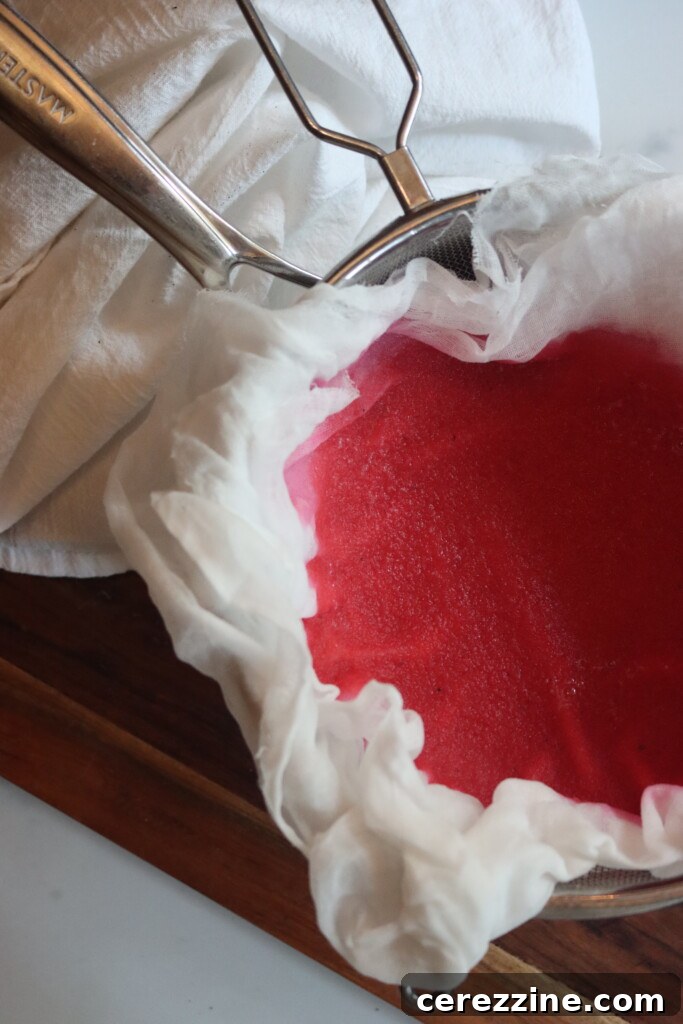
Once the crabapples are fully softened and the juice is richly colored, it’s time to strain. Carefully pour the mixture into a jelly bag or a large colander lined with several layers of damp cheesecloth positioned over a large bowl or measuring cup. For the clearest juice, resist the urge to press or squeeze the pulp. Allow gravity to do its work, letting the juice drip slowly and naturally. This slow drip ensures minimal pulp passes through, resulting in a beautifully clear beverage. A trick for extra clarity: I often strain the juice first through a fine mesh strainer to remove the larger fruit pieces, then re-strain it through a triple layer of dampened cheesecloth or a proper jelly bag to capture any remaining fine pulp.
4. Sweeten to Taste (Optional)
Now, taste your freshly strained crabapple juice. Crabapples are naturally tart, and many prefer to can the juice unsweetened, adding sugar later when serving specific drinks or dishes. However, if you desire a ready-to-drink sweetened juice, stir in a small amount of sugar. A good starting point is ¼ to ½ cup of sugar per quart of juice, adjusting according to your personal preference for sweetness. If you’re making crabapple syrup, this is where you’ll add the sugar: stir in ½ to 1 cup of sugar per cup of juice and heat gently until the sugar is fully dissolved.
Canning Crabapple Juice or Syrup for Long-Term Storage
Once your juice or syrup is prepared and sweetened (if desired), it’s time for water bath canning to ensure shelf-stability.
- Prepare Jars and Canner: Ensure your canning jars are clean and sterilized. Heat your water bath canner to a boil.
- Reheat Juice/Syrup: Return the strained and possibly sweetened juice or syrup to a clean pot and bring it back to a rolling boil.
- Fill Jars: Carefully ladle the hot juice or syrup into the hot, sterilized jars, leaving a ¼-inch headspace at the top.
- Clean Rims and Seal: Wipe the rims of the jars thoroughly with a clean, damp cloth to remove any drips. Center the two-piece lids (new flats) on the jars and apply the bands fingertip tight.
- Process in Water Bath Canner: Place the filled jars onto the rack in your preheated water bath canner, ensuring they are fully submerged by at least 1 inch of water. Bring the water back to a full boil.
- Processing Times:
- For half-pints, pints, and quarts: Process for 10 minutes if you are below 6,000 feet in elevation. If you are above 6,000 feet, increase the processing time to 15 minutes.
- For half-gallon jars: Crabapple juice (and apple juice in general) is one of the few items approved for canning in half-gallon jars, which is excellent if you have a very large yield. Processing times for half-gallons are: 10 minutes below 1,000 feet; 15 minutes between 1,000 and 6,000 feet; and 20 minutes above 6,000 feet. Note that these longer times apply only to half-gallon jars.
- Cool and Store: Once the processing time is complete, turn off the heat and let the canner cool for 5 minutes before carefully removing the jars with a jar lifter. Place them on a towel-lined surface in a draft-free area, allowing them to cool undisturbed for 12-24 hours. After cooling, check all seals. Any unsealed jars should be refrigerated and consumed within a week. Store properly sealed jars in a cool, dark pantry, and aim to use them within 12 to 18 months for best quality.
Creative Uses for Your Homemade Crabapple Juice and Syrup
The versatility of homemade crabapple juice is truly impressive. Its bright, tart flavor makes it a fantastic base for a wide array of culinary creations:
- Refreshing Beverages: Enjoy it chilled on its own, dilute it with sparkling water or seltzer for a crisp spritzer, or mix it with lemonade for a delightful sweet-tart drink.
- Cocktails and Mocktails: The tangy profile of crabapple juice makes it an excellent mixer for crafting unique cocktails, shrubs, and non-alcoholic mocktails.
- Homemade Jellies and Jams: It’s a natural choice for making vibrant, flavorful crabapple jelly, often requiring less added pectin due to the crabapples’ natural pectin content.
- Glazes and Sauces: Reduce the juice to create a tangy glaze for roasted meats (pork, chicken, duck) or vegetables. It can also form the base of a flavorful sauce for desserts or savory dishes.
- Marinades and Vinaigrettes: Use it to tenderize and flavor meats, or whisk it into a homemade salad dressing for a burst of unique fruitiness.
- Desserts: Incorporate crabapple juice into sorbets, granitas, fruit tarts, or even as a flavorful liquid in baking recipes.
- Holiday Drinks: Serve it warm with cinnamon sticks and cloves for a festive, non-alcoholic cider alternative.
Frequently Asked Questions About Canning Crabapple Juice
Crabapples are naturally acidic, typically with a pH between 3.0 and 3.4. This high acidity is crucial, as it makes them safe for water bath canning without the need for additional acid, like lemon juice.
Absolutely! Crabapple juice is naturally high in acid, which is the primary factor for safe water bath canning. You can safely can it completely unsweetened if you prefer a tart flavor, or you can sweeten it to taste before canning if you intend it to be ready-to-drink.
Homemade crabapple juice is incredibly versatile. It makes a delicious base for homemade jellies, vibrant glazes for meats, refreshing cocktails and mocktails, shrubs, and fruit punches. You can also drink it as-is, mix it with seltzer, or combine it with lemonade for a delightful tart beverage.
Cloudy juice usually occurs if the fruit pulp is pressed or squeezed during the straining process. For the clearest juice, allow it to drip naturally through a jelly bag or several layers of damp cheesecloth without applying any pressure. While aesthetics may be affected, cloudy juice is still perfectly safe and delicious to consume.
Yield and Storage Notes
Starting with six pounds of crabapples and six cups of water typically yields around 8 cups (4 pints) of strained juice. This yield can vary slightly depending on the juiciness of your specific crabapple variety and how long you simmer the fruit. If you strain more aggressively (though this may result in cloudier juice) or allow the fruit to sit overnight in the strainer, you might extract a bit more liquid.
If you opt to make crabapple syrup using this method, the typical yield is between 4 to 6 pints, which will depend on the amount of sugar you add and the final consistency you aim for.
Properly canned crabapple juice or syrup, stored in a cool, dark pantry, maintains its quality for 12 to 18 months. Always check for proper seals before storing, and refrigerate any jars that didn’t seal correctly.
More Apple & Crabapple Canning Recipes You’ll Love
Cranberry Applesauce
Crabapple Juice (and Syrup)
Crabapple Jelly
Crabapple Sauce
Crabapple Juice (and Syrup)
This homemade crabapple juice recipe uses whole crabapples and just enough water to extract their tart, flavorful juice. Can it plain or sweetened to taste—or make a simple crabapple syrup with added sugar for use in drinks and desserts.
Equipment
- Water Bath Canner
- Jelly Strainer with Bag
- Large Stock Pot
- Potato Masher or Sturdy Spoon
- Canning Jars (Half-pints, Pints, Quarts, or Half-Gallons)
- Canning Funnel
- Ladle
- Jar Lifter
Ingredients
- 6 lbs crabapples, washed
- 6 cups water
- Sugar to taste, optional (see notes for syrup)
Instructions
- Combine washed crabapples and water in a large stock pot.
- Bring to a boil, then reduce heat to a simmer. Cook uncovered for 20–25 minutes, gently mashing fruit occasionally as it softens.
- Strain juice through a jelly bag or several layers of damp cheesecloth. For clearer juice, do not press the pulp.
- Taste the juice. Sweeten as desired (e.g., ¼ to ½ cup sugar per quart for sweetened juice). For syrup, dissolve 4 to 8 cups sugar into 8 cups juice (½ to 1 cup sugar per cup juice). Return juice/syrup to the pot and bring to a boil.
- Ladle hot juice or syrup into hot, sterilized jars, leaving ¼ inch headspace.
- Wipe jar rims clean, apply two-piece lids (new flats), and tighten bands fingertip tight.
- Process jars in a boiling water bath canner:
- Half-pints, pints, quarts: 10 minutes below 6,000 feet elevation; 15 minutes above 6,000 feet.
- Half-gallons: 10 minutes below 1,000 feet; 15 minutes between 1,000 and 6,000 feet; 20 minutes above 6,000 feet.
- Remove jars from canner and let cool undisturbed for 12-24 hours. Check seals before storing.
Notes
- Juice Yield: 6 pounds of crabapples and 6 cups of water typically produce about 8 cups (4 pints) of strained juice.
- Juicing Method: No need to peel or core crabapples. Simmer whole, washed fruit in water until soft, then strain. You can also use an apple press or steam juicer.
- Sugar (Optional): Crabapple juice can be canned unsweetened or sweetened to taste. Add sugar after straining, adjusting to your preference.
- Crabapple Syrup Variation: To make syrup, use 8 cups of strained juice and add 4 to 8 cups of sugar, depending on desired sweetness and thickness. Follow the same canning instructions.
- Acidity & Safety: Crabapples are naturally high in acid, making them safe for water bath canning without added lemon juice.
- Storage: Store sealed jars in a cool, dark place for up to 12-18 months.
Nutrition
Nutrition information is automatically calculated for unsweetened juice per serving (1 cup) and should only be used as an approximation. Calories and sugar content will increase significantly if sugar is added for sweetened juice or syrup.
Serving: 1 cup, Calories: 114 kcal, Carbohydrates: 28g, Protein: 0.2g, Fat: 0.3g, Saturated Fat: 0.1g, Polyunsaturated Fat: 0.1g, Monounsaturated Fat: 0.01g, Sodium: 10mg, Potassium: 250mg, Fiber: 0.5g, Sugar: 24g, Vitamin A: 2IU, Vitamin C: 2mg, Calcium: 20mg, Iron: 0.3mg