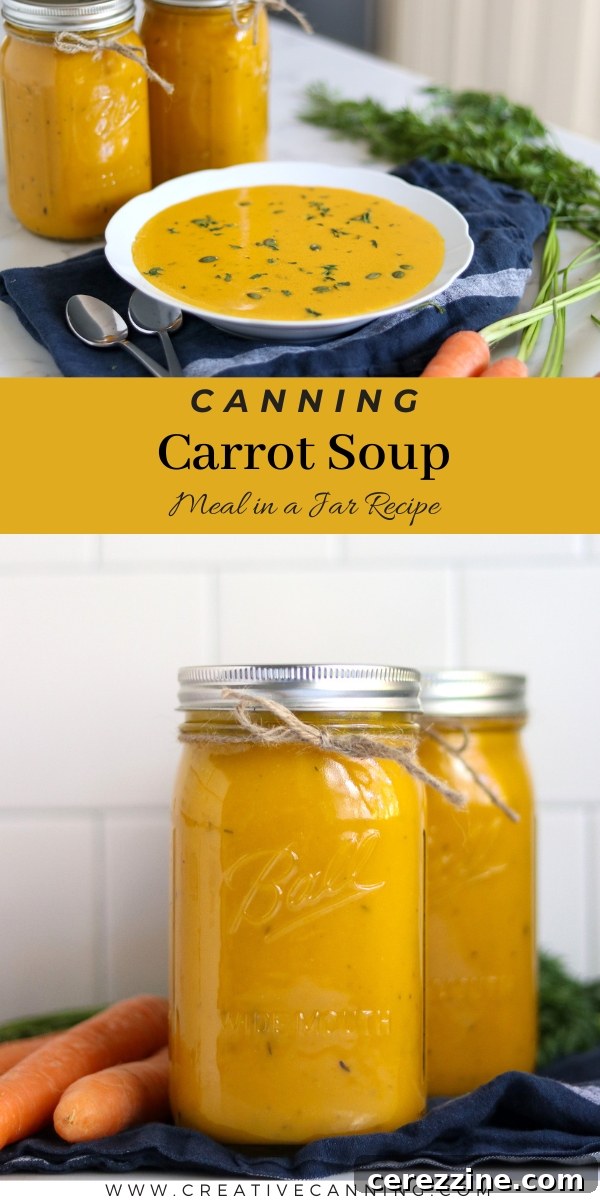
Mastering Homemade Carrot Soup: A Comprehensive Guide to Pressure Canning
Discover the satisfying art of pressure canning carrot soup, transforming fresh ingredients into a smooth, ready-to-heat meal. This guide explores one of the few tested and approved recipes for pureed vegetable soups, making it an invaluable addition to any home canner’s repertoire. Enjoy the convenience of wholesome, nourishing carrot soup, perfectly preserved for quick and easy enjoyment straight from your pantry shelf.
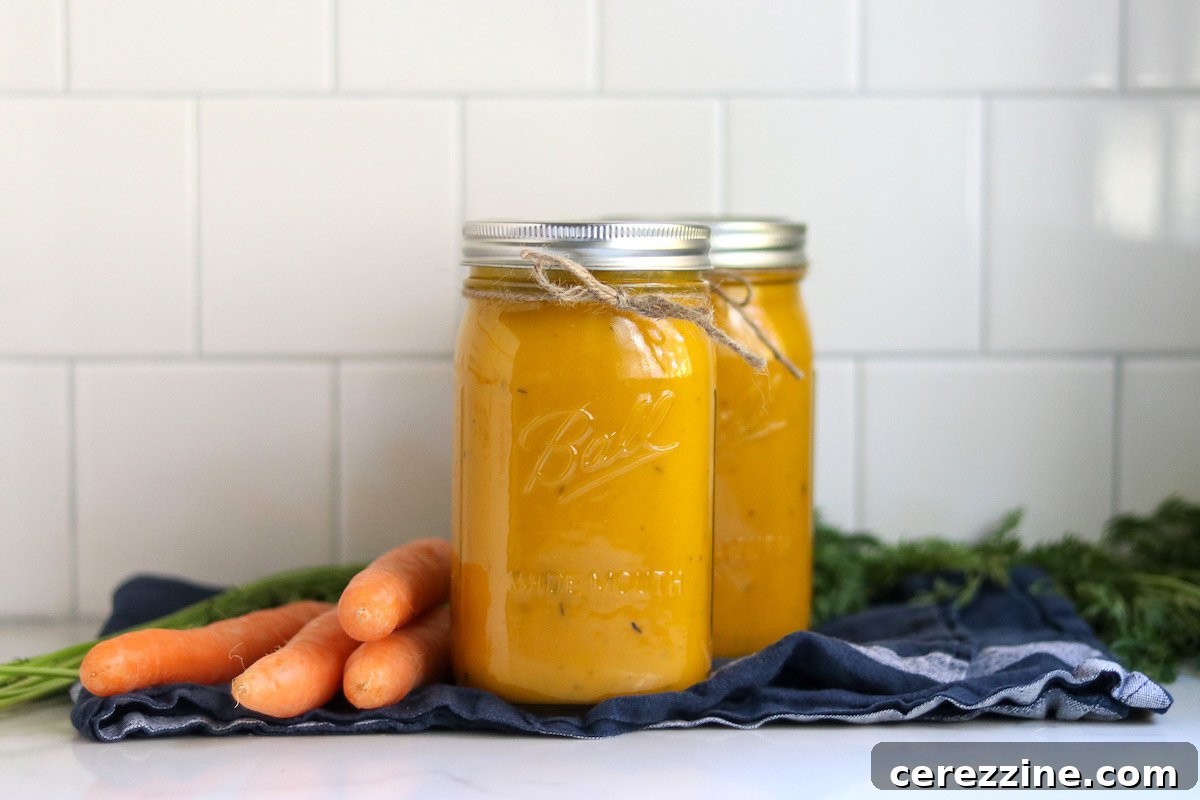
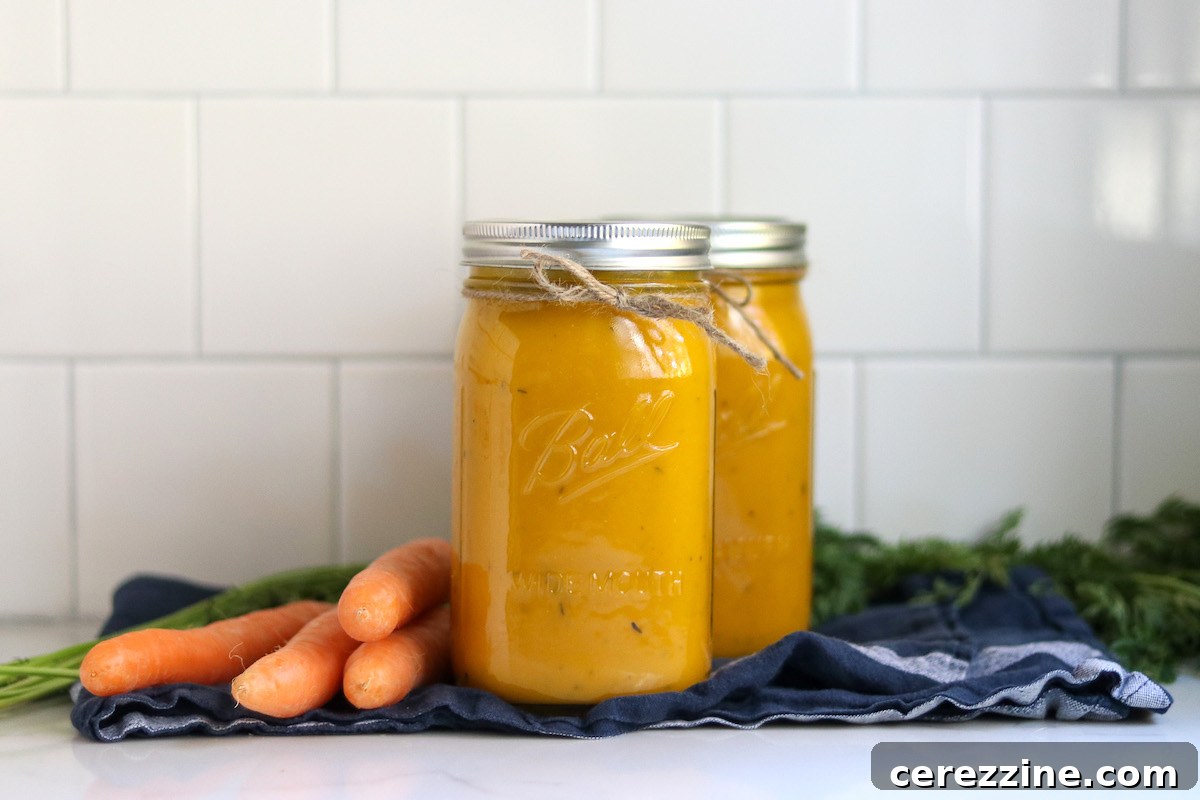
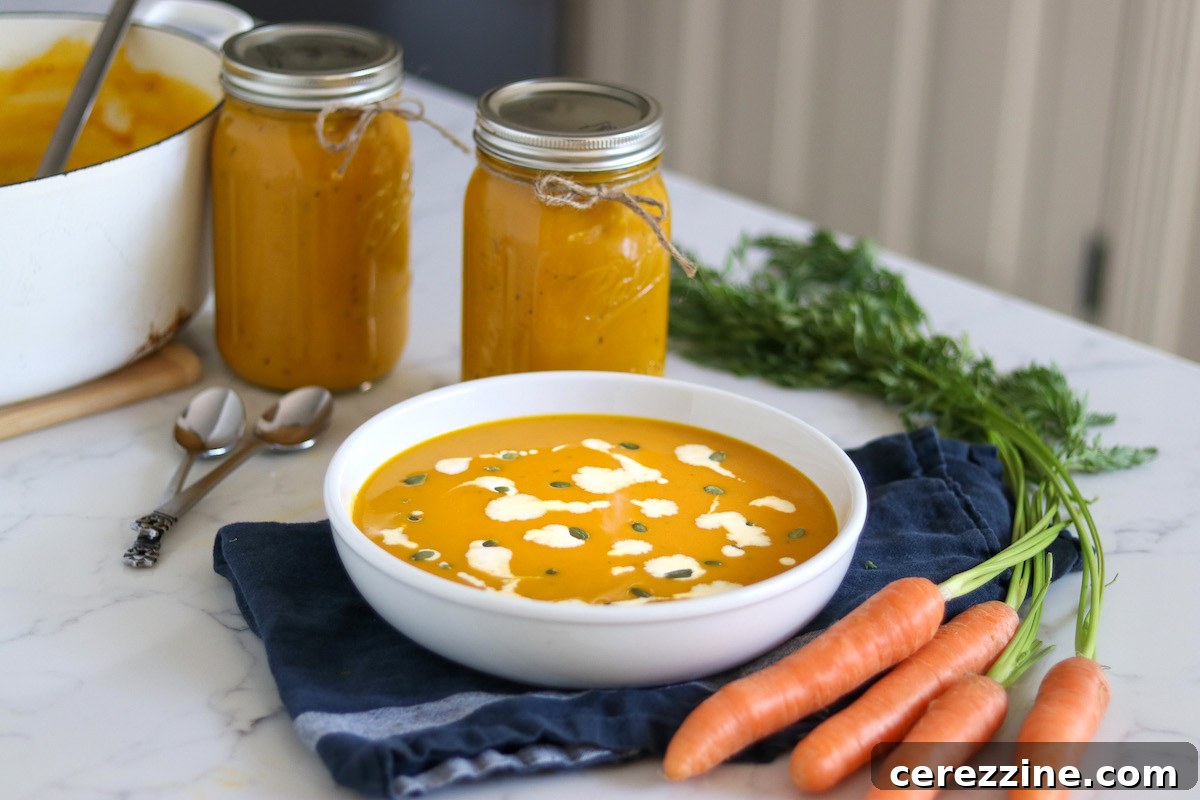
There’s nothing quite like a bowl of homemade carrot soup – simple yet profoundly comforting and deeply nourishing. This pressure canning recipe elevates that simple pleasure, allowing you to stock your pantry with jars of this vibrant, creamy goodness. We’ll build our soup on a rich foundation of bone broth, enhancing it with sweet carrots and aromatic spices to create a meal that truly satisfies.
For those seeking a plant-based option, this recipe is incredibly versatile. It functions beautifully as a vegetarian soup canning recipe by simply substituting vegetable broth for chicken or bone broth. The result is a healthy, delicious meal ready for any occasion.
The practical benefits of this pressure canned carrot soup are immense. Imagine having a wholesome, heat-and-eat meal at your fingertips after a long day, or being able to provide nourishing food for friends with limited kitchen facilities. This exact scenario inspired me years ago when I prepared this soup for friends living off-grid in a yurt. With only a wood stove for cooking, jars of this simple, complete soup made for effortless and satisfying meals.
Every element you need is already in the jar. There’s no need for last-minute pureeing or adding extra ingredients at serving time, unless you desire a specific garnish or flavor enhancement. Just heat and enjoy!
Understanding Safe Canning for Pureed Soups
When it comes to home canning, the safety of pureed soups is a common concern. Most pressure canning recipes are designed for chunky ingredients suspended in broth, rather than smooth, thick purees. This is because the density and heat penetration can differ significantly, making it harder to ensure proper sterilization throughout the jar. Consequently, there are very few tested and approved recipes for pureed soups available for home canners.
This particular carrot soup recipe is one of those rare exceptions. It was thoroughly tested by a leading authority in home food preservation, Ball Canning (known as Bernardin outside the US), many years ago. While they previously listed this recipe on their “Fresh Preserving” website, many of their free recipes have since been moved or are now primarily found in their cookbooks. This often reflects a shift in focus towards water bath canning for jams and jellies, which tend to be more popular among new canners.
However, pressure canning remains indispensable for preserving savory meals that truly put food on the table, especially for busy weeknights. It’s crucial to keep these established, tested recipes accessible to everyone who wishes to use them safely.
Even though this pureed carrot soup is tested for canning, it’s vital to remember the fundamental rules of safe home preservation. You absolutely cannot add any “non-canning safe” ingredients such as flour, dairy products (milk, cream, butter), or other thickeners directly into the jars before processing. These ingredients can interfere with heat penetration, making the soup unsafe for shelf storage.
Delicious additions like a dollop of crème fraîche or sour cream, or a swirl of coconut milk, are wonderful for enhancing the flavor and texture of your carrot soup, but they must always be added at the time of serving, after the jar has been opened and the soup reheated. This ensures both safety and the best culinary experience.
Crafting Your Perfect Canned Carrot Soup: Ingredients Breakdown
The original tested recipe, known as “Carrot and Fennel Soup,” was a staple on Ball Canning’s Fresh Preserving website until 2018. Fortunately, thanks to the internet archive, you can still reference the original version here. Our recipe builds on this classic, offering both the original combination and versatile adaptations.
Core Ingredients for the Base Recipe (Yields 6 Quarts or 12 Pints):
- 4 lbs carrots, peeled and sliced
- 2 bulbs fennel, sliced thin (approximately 1 cup) – Optional, see notes below
- 1 Tbsp olive oil
- 6 cups vegetable stock
- 6 cups water (or additional stock for richer flavor)
- 1/2 tsp white pepper
- Salt to taste
Flavor Enhancements & Approved Substitutions
While fennel contributes a unique, subtle licorice-like aroma and flavor to the soup, it is entirely optional. The recipe remains canning-safe without it, allowing you to create a delicious plain carrot soup. Ball Canning has also approved substitutions for fennel, such as an equivalent amount of chopped celery or onions, which can be sautéed to build a flavorful base.
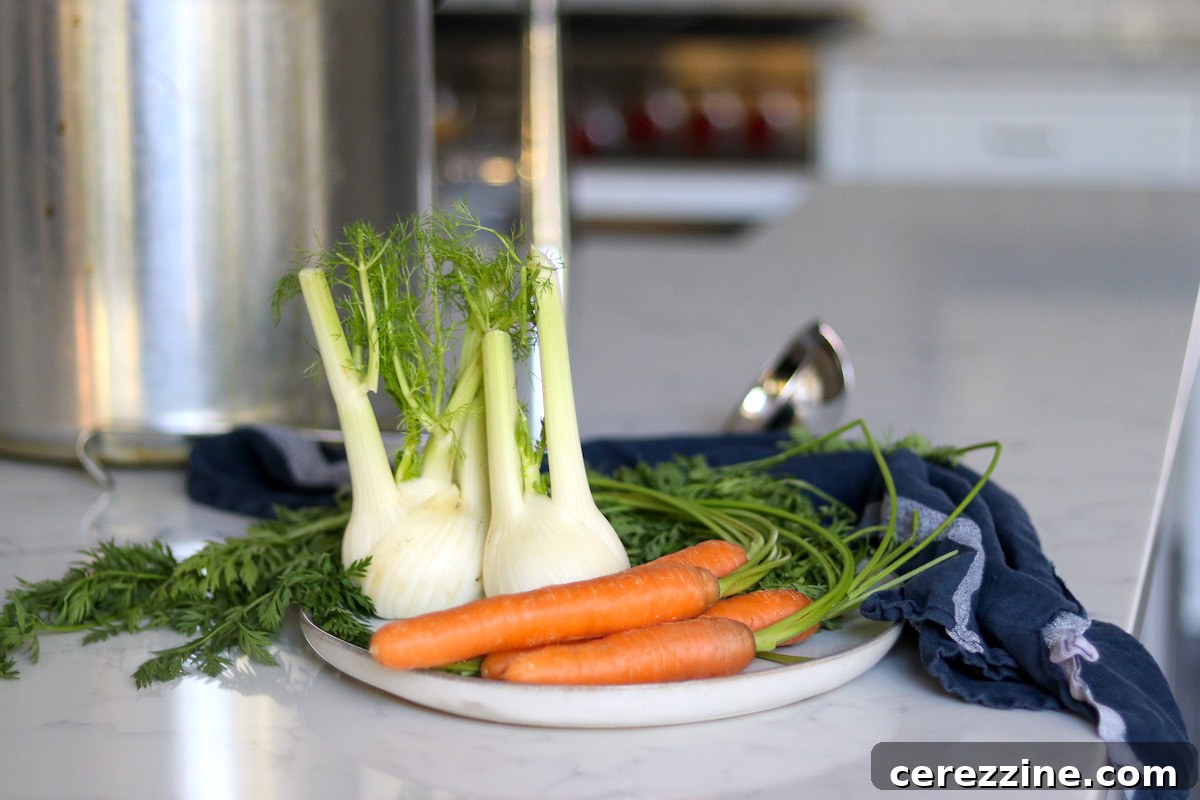
The original recipe suggests a mix of half stock and half water. However, for a significantly richer and more robust flavor, I highly recommend using all stock. Whether you opt for a vegetable stock for a vegetarian soup or a meat-based broth, the processing times for canning remain the same. My personal preference leans towards a savory chicken bone broth, but beef broth also works wonderfully, adding its own depth to the soup.
Unlocking Global Flavors: Spices and Seasonings
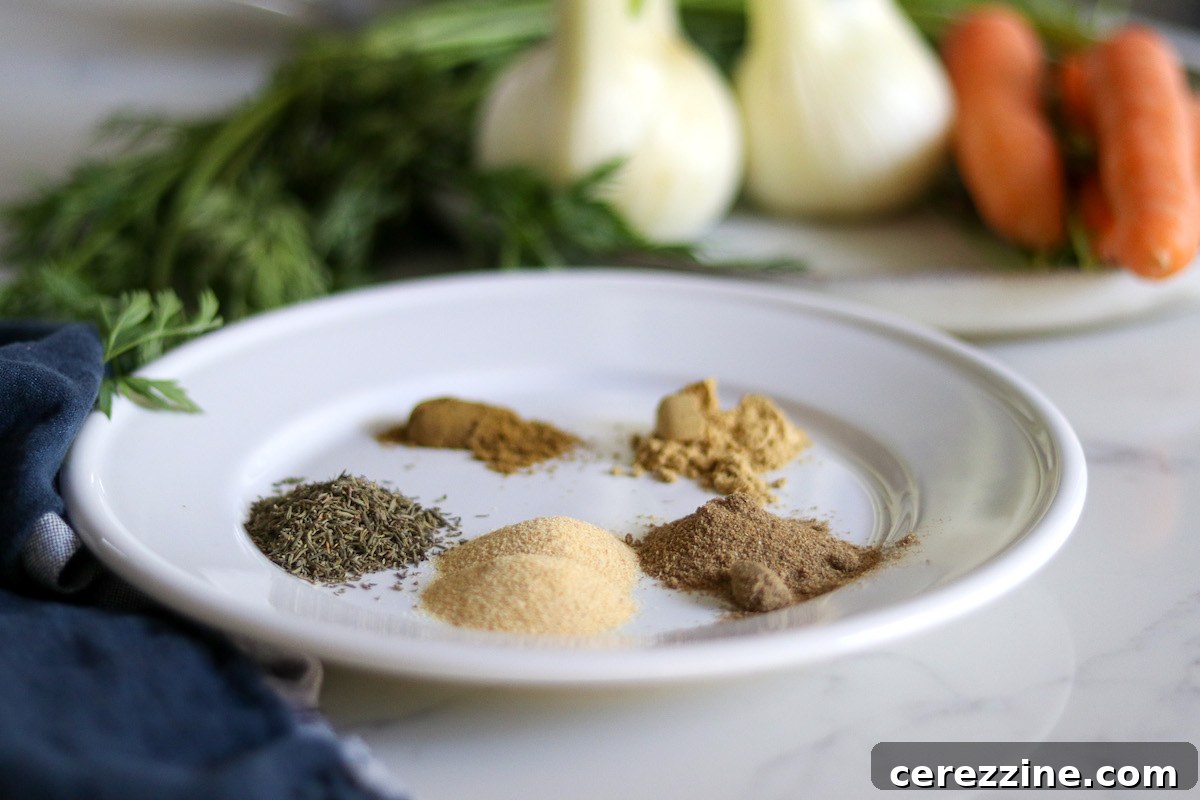
One of the great freedoms in canning is the ability to adjust the amounts and types of dry spices. As long as you use reasonable quantities – thinking in teaspoons or tablespoons, not cups – you can tailor the flavor profile to your liking without compromising canning safety. Excessive amounts of powdered spices could potentially alter the density or dryness, but a thoughtful addition will only enhance your soup. Who, after all, adds cups of powdered anything to soup?
Beyond dry spices, you can also incorporate reasonable amounts of acidic or salty liquid condiments, such as Worcestershire sauce, various vinegars (like apple cider vinegar), or lemon juice. Small quantities of sweeteners like granulated sugar, brown sugar, molasses, or maple syrup can also balance the flavors beautifully.
For a hearty, French-inspired carrot soup, I enjoy adding a touch of Worcestershire sauce, a tablespoon or two of cider vinegar for brightness, a dollop of molasses for depth, and savory dried herbs like thyme and sage. This combination creates a truly well-rounded and comforting flavor.
Another fantastic variation is a “Thai Carrot Soup.” This involves incorporating red curry paste, a splash of lime juice, and powdered ginger during preparation. This version is best served with a can of creamy coconut milk stirred in after heating, creating an incredibly rich and satisfying experience. My fondness for Thai-flavored canning recipes is also evident in my canning Thai Red Curry Duck recipe, a testament to how adaptable canning can be!
For more inspiration, Healthy Canning suggests a blend of 1 teaspoon each of onion powder, thyme, ginger, coriander, and black pepper, along with 1/2 teaspoon of cumin and 3 tablespoons of lemon juice. These additions can transform your carrot soup into a vibrant, aromatic delight.
Step-by-Step Guide: Preparing and Pressure Canning Carrot Soup
Follow these detailed steps to prepare and safely pressure can your homemade carrot soup, ensuring a delicious and shelf-stable product.
Initial Soup Preparation: From Farm to Puree
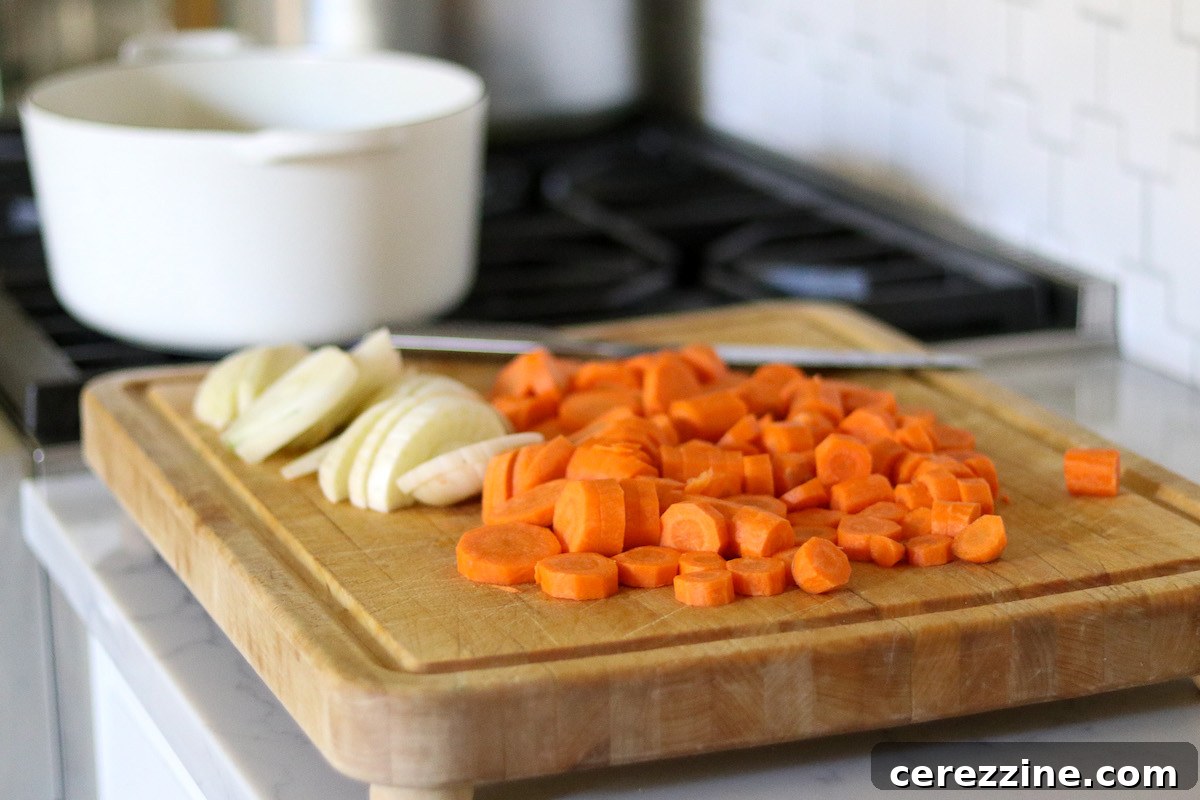
- Begin by peeling and slicing your carrots. If you’re incorporating fennel, celery, or onion, slice them thinly.
- In a large stock pot, heat 1 tablespoon of olive oil. Add the sliced fennel (or celery/onion, if using) and sauté until it becomes tender and translucent. This step builds a foundational flavor for your soup.
- Add the chopped carrots to the stock pot, along with 12 cups of water or stock (or a combination, as per your preference for richness).
- Bring the mixture to a boil, then reduce heat and simmer until the carrots are very tender. This usually takes about 15 to 20 minutes. Once tender, turn off the heat.
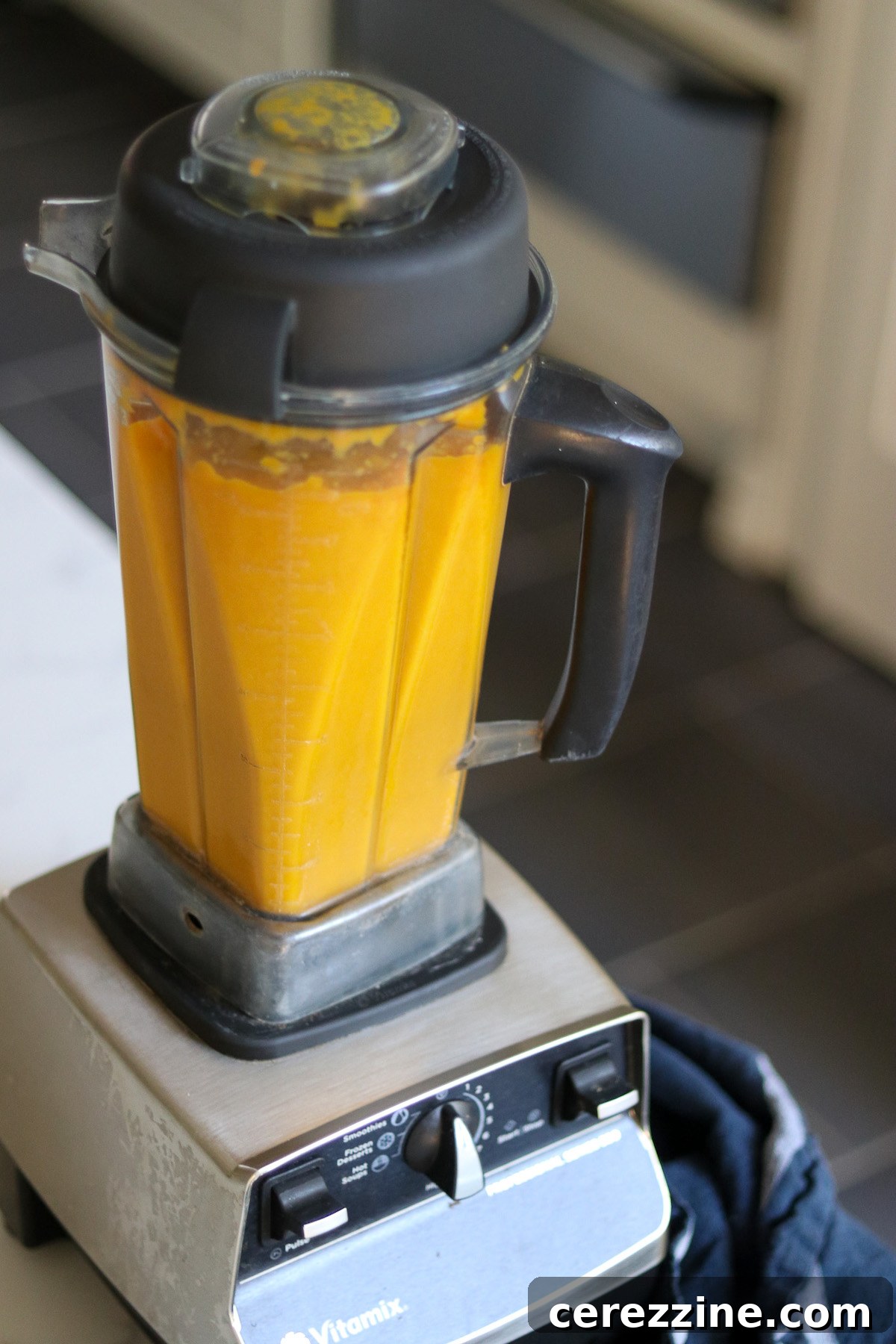
Once your carrots and any other vegetables are perfectly tender, it’s time to transform them into a smooth puree. You can achieve this using an immersion blender directly in the stock pot, or by carefully transferring batches of the hot soup to a regular blender. Exercise extreme caution during this step, as hot liquids can cause severe burns if not handled properly. After blending, return the pureed soup to the stock pot.
Seasoning and Simmering for Optimal Flavor
Now that your soup is beautifully blended, it’s time to refine its flavor. The original Ball Canning recipe suggests a simple touch of white pepper and salt to taste. However, this is your opportunity to truly customize the soup with your chosen dry seasonings. Remember to add spices in reasonable quantities, as some, like ginger, cinnamon, cloves, or cumin, tend to intensify in flavor during the canning process. Taste and adjust carefully before proceeding.
After seasoning, simmer the pureed soup for an additional 30 minutes on the stovetop. This allows the flavors to meld and deepen. If the soup becomes too thick during this simmering period, simply add a small amount of boiling water to reach your desired consistency.
Prepping Your Pressure Canner
While your soup simmers, prepare your pressure canner. It’s essential to have it ready to go as soon as the soup is finished simmering. Always refer to your specific canner’s manufacturer instructions, as models can vary slightly. Generally, this involves adding a few inches of water to the bottom, placing the canning rack or trivet inside, and preheating the canner to a gentle simmer (around 180°F or 82°C).
Filling Jars and Sealing for Preservation
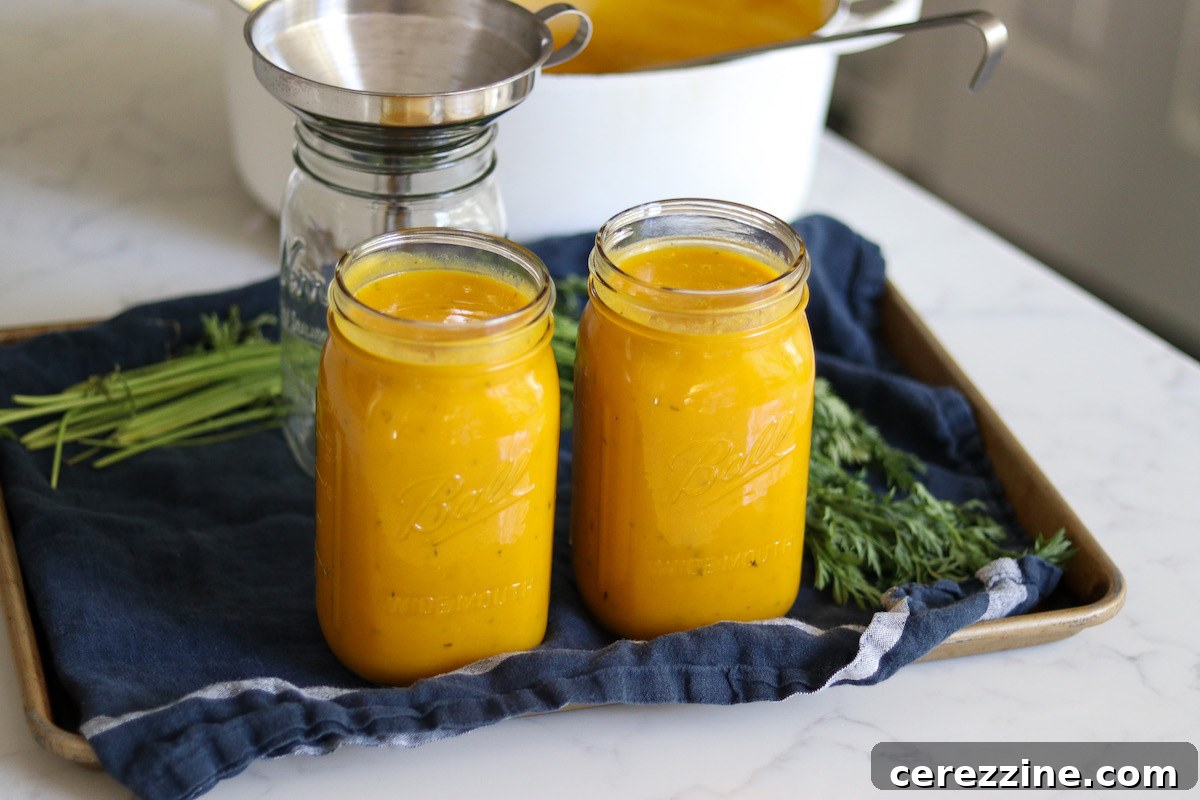
Once the soup has completed its 30-minute simmer, carefully ladle the hot soup into clean, prepared canning jars. You can use either pint or quart jars. Ensure you leave a precise 1-inch headspace from the rim of the jar to the top of the soup. Wipe the rims clean to ensure a good seal, then apply two-piece canning lids, tightening them “finger-tight” – snug but not overly tight.
The Pressure Canning Process
Carefully load the filled and sealed jars into your preheated pressure canner. Secure the canner lid according to your manufacturer’s instructions. For my 30 Quart All American Canner, I typically tighten all the bolts evenly, then allow the canner to vent a steady stream of steam from the vent pipe for a full 10 minutes. This crucial step ensures that all cold air is exhausted from the canner, creating an evenly heated, pure-steam environment for safe processing.
After venting, place the weighted gauge (or close the petcock for a dial gauge) to begin building pressure. Bring the canner up to the pressure appropriate for your altitude (see “Altitude Adjustments” below). Once the correct pressure is reached and stabilized, start your timer. Process pint jars for 40 minutes and quart jars for 50 minutes. Maintain a consistent pressure throughout the entire processing time, adjusting heat as needed.
Cooling, Checking Seals, and Long-Term Storage
Once the processing time is complete, turn off the heat source. Allow the pressure canner to cool down naturally and completely, without forcing the cooling process. Do not open the lid or remove the weight until the pressure gauge reads zero and no steam is escaping. This natural cooling period is essential for safe depressurization and proper jar sealing.
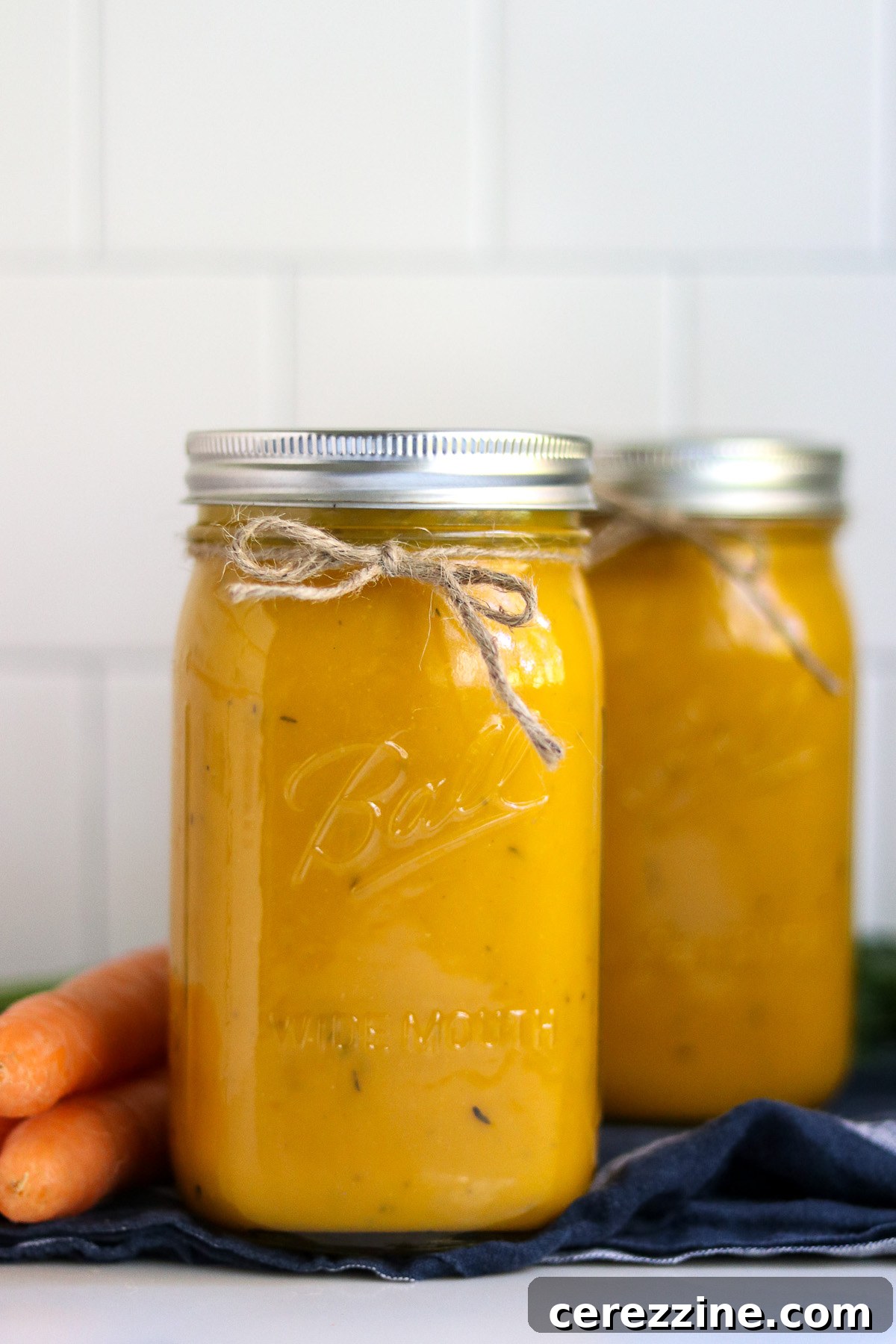
Once the canner is cool enough to handle, remove the jars and place them on a clean towel on your countertop, ensuring they are not touching each other. Let them sit undisturbed for 12-24 hours. After this cooling period, check all jar seals. A properly sealed lid will be concave (curved inwards) and will not flex when pressed. Any jars that have not sealed correctly should be stored in the refrigerator and consumed within a few days.
Properly pressure canned and sealed jars of carrot soup will maintain excellent quality on your pantry shelf for 18 months or even longer, provided the seals remain intact. Always refrigerate any opened jars after use.
Essential Altitude Adjustments for Pressure Canning
Altitude plays a critical role in pressure canning. While the canning time (40 minutes for pints, 50 minutes for quarts) remains constant regardless of your elevation, the canning pressure must be adjusted. Higher altitudes require higher pressure to achieve the same internal temperature and ensure food safety.
Dial Gauge Canners:
- 0 to 2,000 feet in elevation – 11 lbs pressure
- 2,001 to 4,000 feet in elevation – 12 lbs pressure
- 4,001 to 6,000 feet in elevation – 13 lbs pressure
- 6,001 to 8,000 feet in elevation – 14 lbs pressure
Weighted Gauge Canners:
- 0 to 1,000 feet in elevation – 10 lbs pressure
- Above 1,000 feet – 15 lbs pressure
Serving Your Delicious Home-Canned Carrot Soup
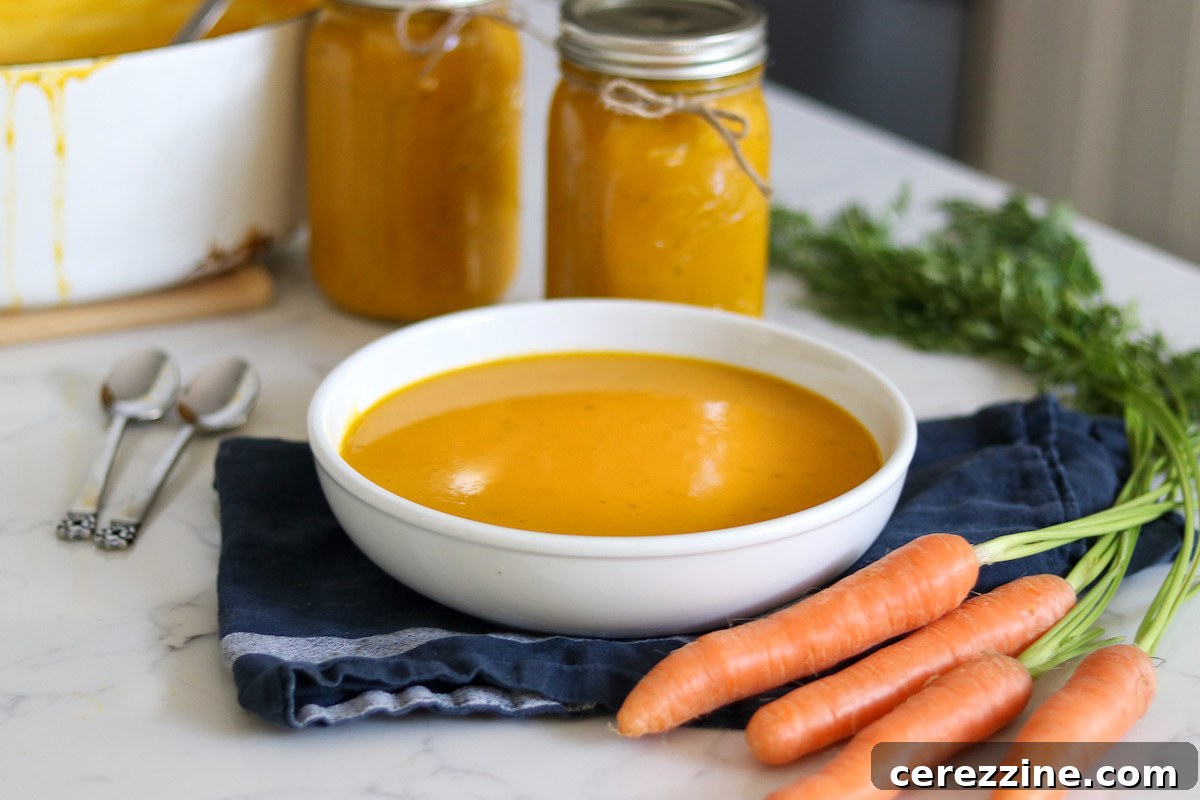
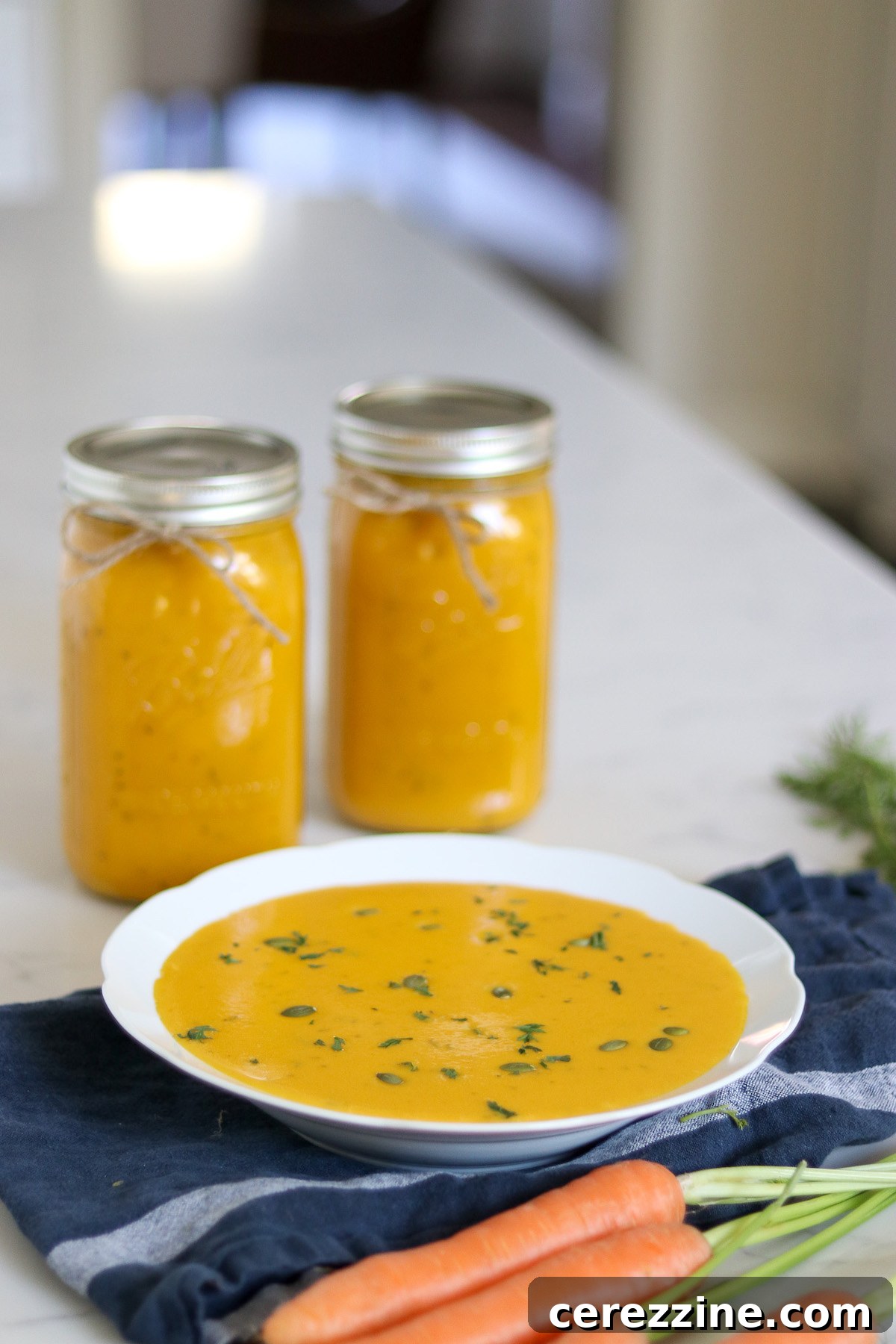
Once you’re ready to enjoy your homemade, pressure-canned carrot soup, simply open a jar and gently heat it in a saucepan on the stove or in the microwave. The soup is already perfectly prepared and delicious as is, offering a wholesome and convenient meal.
For an extra touch of indulgence, consider adding a dollop of crème fraîche or sour cream just before serving. A swirl of coconut milk or coconut cream, warmed with the soup, also adds a lovely richness and can enhance certain spice profiles (especially Thai-inspired versions). A sprinkling of fresh, diced herbs like chives or parsley, or a scattering of toasted pumpkin seeds, can provide both visual appeal and a delightful textural contrast. These garnishes are optional but highly recommended to elevate your soup experience.
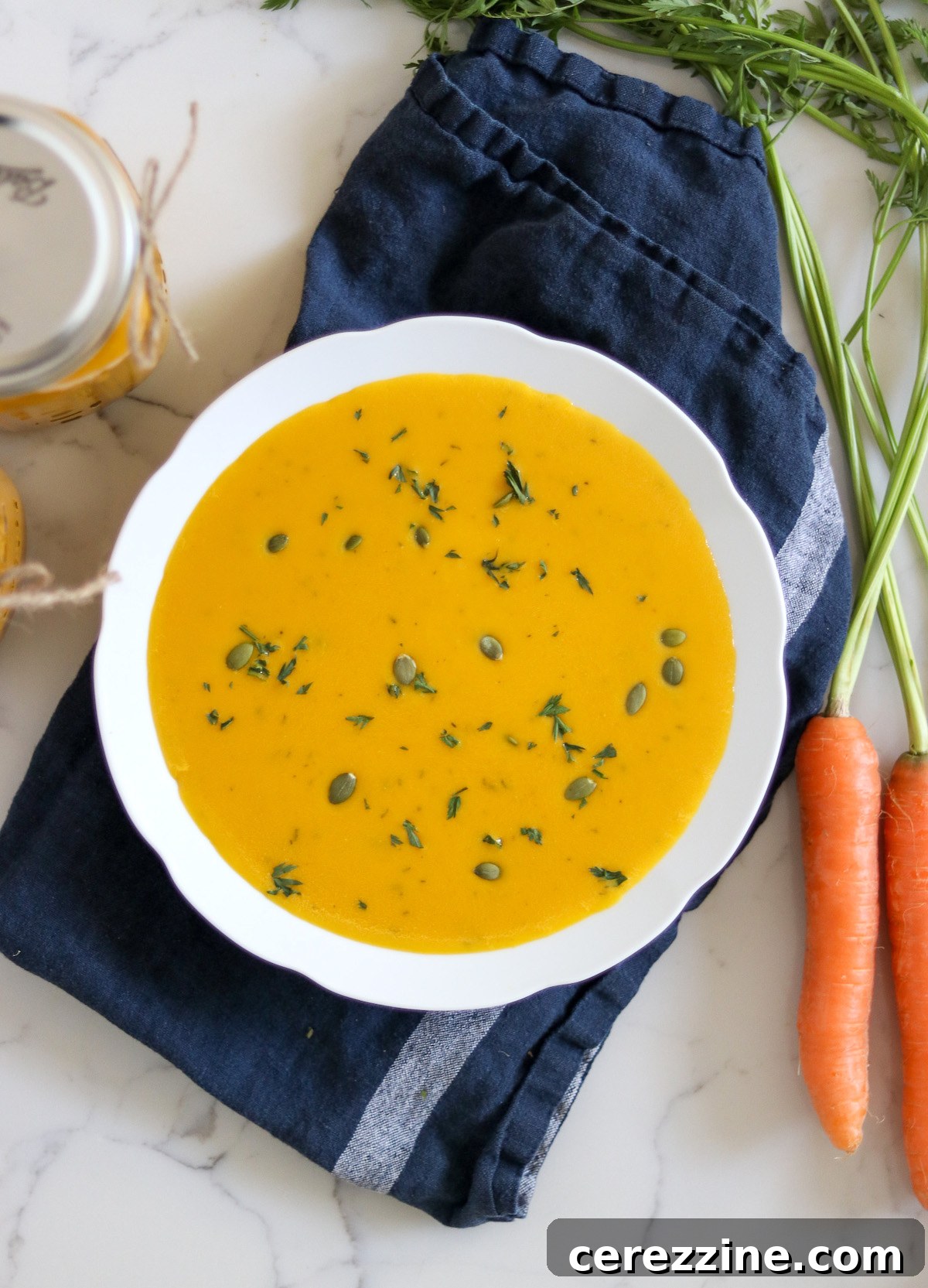
This tested recipe for canning carrot soup has been thoughtfully adapted from Ball Canning’s “Carrot and Fennel Soup” recipe. Beautiful photography for this post provided by Chez LaRae.
Printable Recipe Card: Canning Carrot Soup
Canning carrot soup offers a straightforward method to ensure a delicious, heat-and-eat meal is always available in your pantry.
Yields: 12 servings (Makes 6 quarts or 12 pints)
Prep time: 10 mins
Cook time: 1 hour
Canning time: 50 mins (for quarts)
Total time: Approximately 2 hours (excluding canner cool-down)
By: Ashley Adamant
Equipment
- Pressure Canner
- Large stock pot
- Immersion blender or standard blender
- Canning jars (pint or quart), lids, and bands
Ingredients
- 4 lbs carrots, peeled and sliced
- 2 bulbs fennel, sliced thin (about 1 cup) *optional, see notes
- 1 Tbsp olive oil
- 6 cups vegetable stock or chicken broth
- 6 cups water, or more stock *see notes
- Salt and pepper to taste (and other chosen seasonings)
Instructions
- Slice the fennel, onion, or celery if you are using it as an optional addition.
- In a large stock pot, sauté the prepared fennel (or onion/celery) in 1 tablespoon of olive oil until tender and translucent.
- Add the peeled and chopped carrots along with 12 cups of water/stock to the stock pot. Bring the mixture to a boil and cook until the carrots are tender, typically 15-20 minutes. Turn off the heat.
- Carefully puree the soup until smooth using an immersion blender directly in the pot, or by transferring it in batches to a standard blender. Exercise caution as the soup is very hot.
- While the soup is pureeing or simmering, begin preparing your pressure canner according to its manufacturer’s instructions.
- Return the pureed soup to the stock pot. Add salt and your chosen seasonings to taste. Simmer the soup for an additional 30 minutes, allowing flavors to meld. If the soup becomes too thick, add boiling water to achieve desired consistency.
- Ladle the hot soup into prepared pint or quart canning jars, ensuring a 1-inch headspace.
- Wipe jar rims clean and secure with two-part canning lids, tightening them “finger-tight.”
- Load the jars into your pre-heated pressure canner. Place the lid securely and vent steam from the canner for 10 minutes (for All American Canner type, verify for your model).
- Seal the canner and bring it up to the appropriate pressure for your altitude (refer to altitude adjustments below). Once stable pressure is reached, process pint jars for 40 minutes or quart jars for 50 minutes.
- After processing, turn off the heat and allow the pressure canner to cool naturally until the pressure gauge reads zero.
- Once cool, remove jars and check seals. Any unsealed jars should be refrigerated for immediate use.
- Properly pressure canned and sealed jars of carrot soup will maintain quality for 18 months on the pantry shelf and remain safe much longer if sealed. Refrigerate after opening.
Notes on Recipe Adaptations and Altitude
- Fennel: The fennel is optional. You can omit it or replace it with 1 cup of chopped celery or onions, sautéing them in the same step.
- Stock: For a richer flavor, it is recommended to use all stock instead of half stock and half water. You can use vegetable stock, chicken broth, or beef broth.
- Seasoning: Feel free to adjust the salt, pepper, and other dry spices to suit your personal preference. Taste the soup before canning, keeping in mind that some spices may intensify during processing. Start with 1-2 teaspoons of salt and adjust. Dried herbs like sage and thyme work exceptionally well.
- Canning Time: The processing time for canning is always 40 minutes for pints and 50 minutes for quarts, regardless of your altitude.
- Altitude Adjustments for Pressure:
For dial gauge pressure canners:
- 0 to 2,000 feet in elevation – 11 lbs pressure
- 2,001 to 4,000 feet in elevation – 12 lbs pressure
- 4,001 to 6,000 feet in elevation – 13 lbs pressure
- 6,001 to 8,000 feet in elevation – 14 lbs pressure
For weighted gauge pressure canners:
- 0 to 1,000 feet in elevation – 10 lbs pressure
- Above 1,000 feet – 15 lbs pressure
Nutrition Information (Approximate)
(Per serving based on 12 servings)
- Calories: 78 kcal
- Carbohydrates: 16g
- Protein: 1g
- Fat: 2g
- Saturated Fat: 0.2g
- Polyunsaturated Fat: 0.3g
- Monounsaturated Fat: 1g
- Sodium: 580mg
- Potassium: 485mg
- Fiber: 4g
- Sugar: 8g
- Vitamin A: 25510 IU
- Vitamin C: 9mg
- Calcium: 54mg
- Iron: 0.5mg
Nutrition information is automatically calculated and should be used as an approximation only.
Explore More Canning Adventures
If you’re eager to expand your home canning skills, especially with soups, explore these additional resources. Canning your own soups is an excellent way to prepare healthy, ready-to-eat meals for any time of year.
Delicious Vegetarian Soup Canning Recipes
- Chipotle Black Bean Soup
- Classic Vegetable Soup
- Spicy Tomato Vegetable Soup
- Tomato Soup Concentrate
Essential Root Vegetable Pressure Canning Guides
Keep your pressure canner busy and your pantry stocked with these versatile root vegetable canning recipes, perfect for adding to stews, casseroles, or enjoying as a side dish.
- Canning Potatoes
- Canning Carrots
- Canning Sweet Potatoes