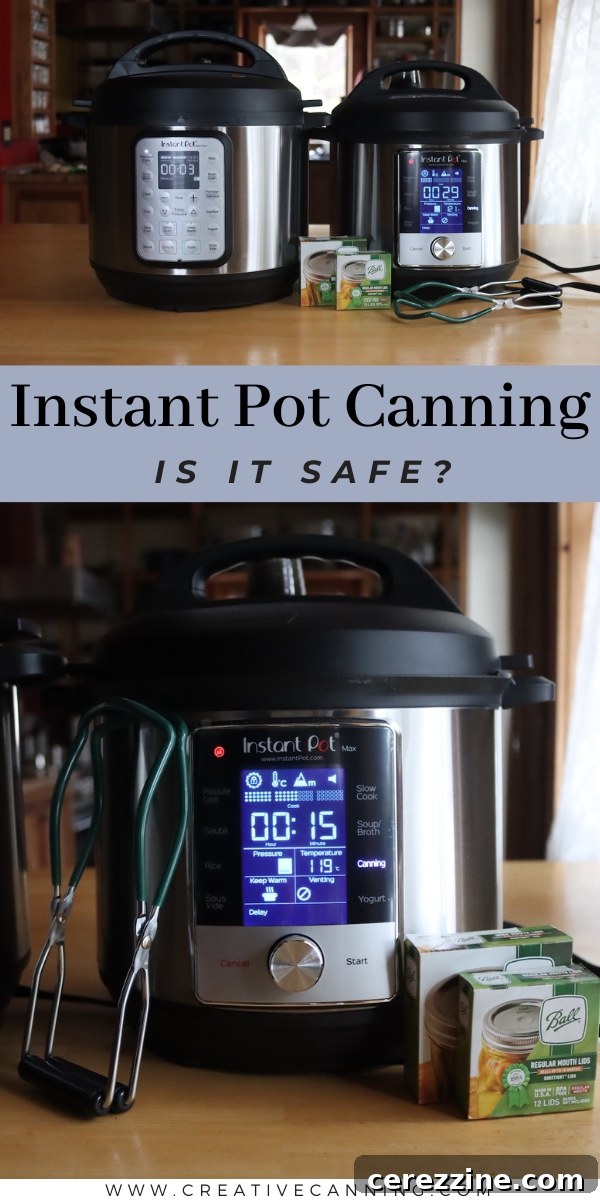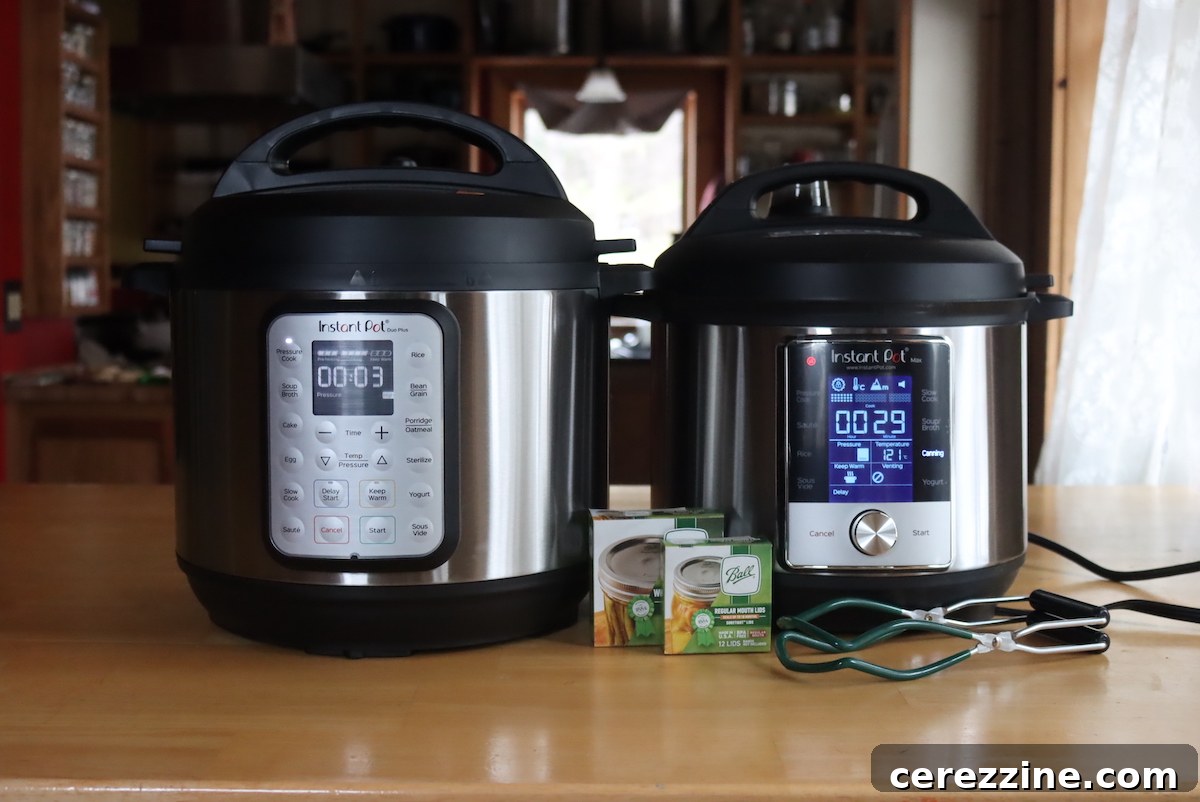
The allure of multi-functional kitchen gadgets often leads to one common question: can a popular appliance like the Instant Pot handle the rigorous demands of home canning? While the Instant Pot is undeniably a versatile pressure cooker, the critical query remains: is it truly an electric pressure canner, safe for preserving a wide range of foods?
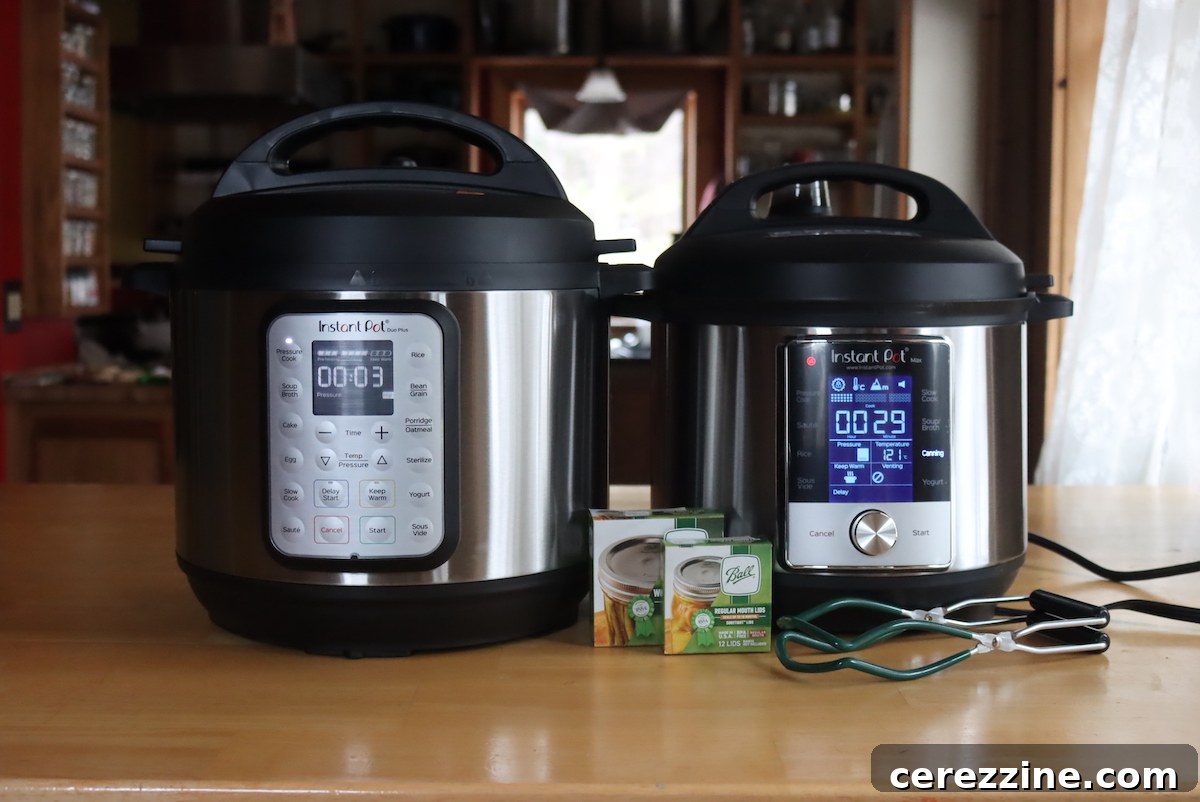
Since its release in 2010, the Instant Pot has revolutionized home cooking, demystifying pressure cooking for a new generation. Before this innovative countertop appliance, many home cooks viewed pressure cooking with trepidation, associating it with complicated stovetop models and a perceived risk. However, the Instant Pot changed that perception, making it effortless to achieve perfectly tender meats and quickly cooked dry beans without prior soaking, all from the convenience of a single pot.
The Instant Pot’s remarkable success quickly led users to wonder about its full capabilities. Beyond its primary function, people discovered it could proof bread, make delicious jams, and steam eggs to perfection. The innovation didn’t stop there; newer Instant Pot models now feature yogurt-making functions, and there’s even a fascinating book titled Instant Pot Cheese, which explores dozens of cheesemaking recipes specifically adapted for this versatile device. It truly pushed the boundaries of what a single kitchen appliance could do, allowing for unexpected culinary adventures like making homemade feta.
Given its impressive pressure-cooking prowess, the logical next question for many home preservation enthusiasts became: can you safely pressure can in an Instant Pot? After all, it is a pressure cooker. Why wouldn’t it be suitable for canning?
Is the Instant Pot Safe for Pressure Canning? Unpacking the Truth
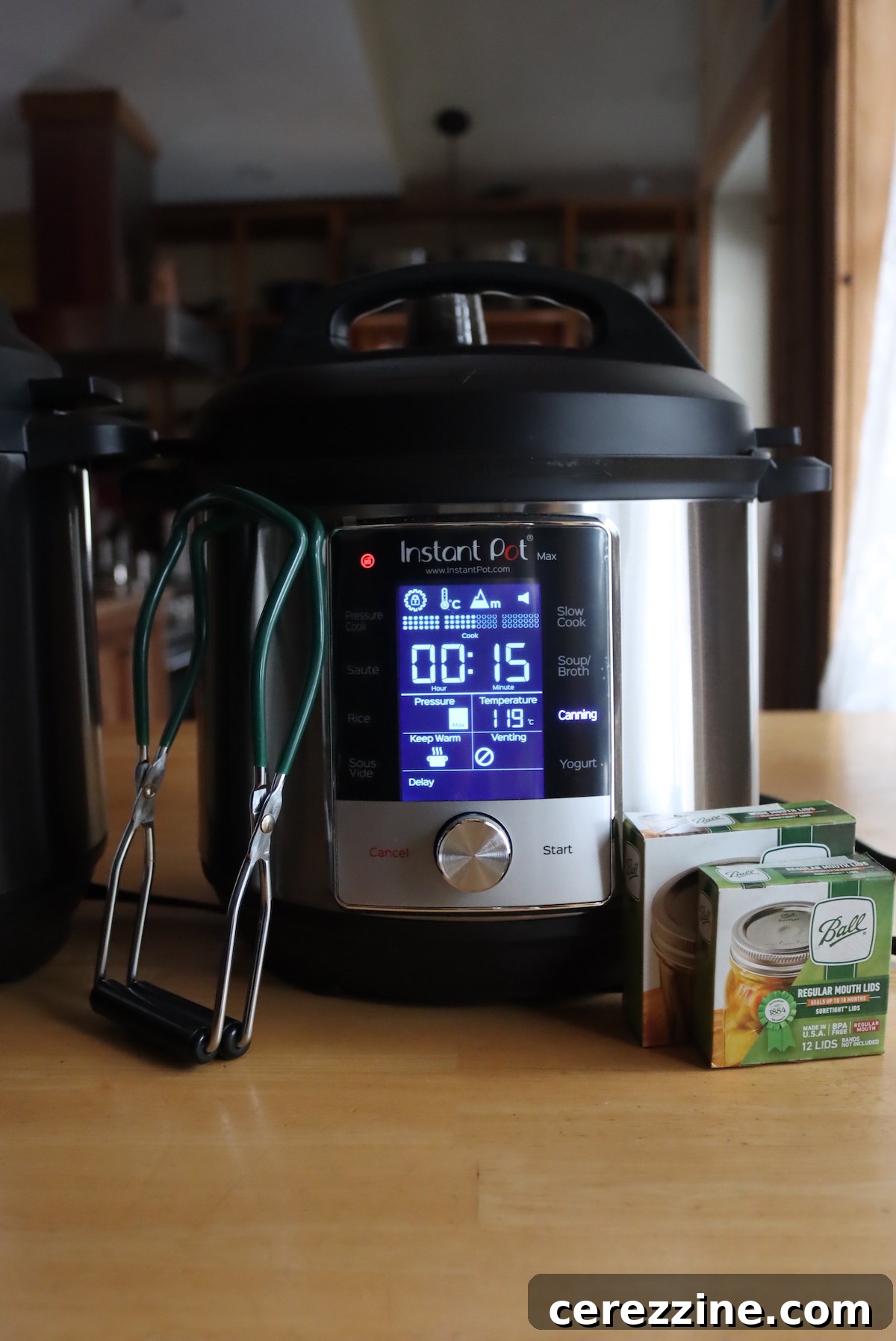
Despite its marketing and popular appeal, the unequivocal answer is no: the Instant Pot is not safe for pressure canning. This critical safety warning extends even to the Instant Pot Max, which misleadingly features a “canning” setting. While the term “canning” might suggest suitability for all types of preservation, a closer look at the official Instant Pot website clarifies that the “canning” setting on the Instant Pot is only approved for water bath canning high-acid foods such as jams, jellies, and pickles.
As of 2023, Instant Pot officially acknowledges that their appliances are unsafe for pressure canning. This distinction is crucial: while Instant Pots can be utilized for water bath canning—a method suitable for preserving high-acid foods like fruits, jams, and pickles—they absolutely cannot be used as a pressure canner for low-acid foods such as meats, vegetables, and soups. The difference isn’t just a matter of semantics; it’s a fundamental safety issue that could have severe health consequences.
To fully grasp why an Instant Pot, designed as a pressure cooker, is unsuitable for pressure canning, it’s essential to understand the distinct principles behind water bath canning and pressure canning, particularly concerning temperature requirements and microbial safety. Although the Instant Pot isn’t suitable, there is one electric pressure canner on the market—the Presto Precise Digital Pressure Canner—that does meet rigorous USDA guidelines for safe home canning, which we will explore later.
Understanding the Core Differences: Water Bath vs. Pressure Canning
Home canning employs two primary methods: water bath canning and pressure canning. Each is designed for specific types of food, determined by their acidity level. This distinction is paramount for safety.
The key to understanding which method to use lies in a food’s pH level:
- High-acid foods possess lower pH numbers (typically less than pH 4.6).
- Low-acid foods have higher pH numbers (greater than pH 4.6).
Simply put, the lower the pH value, the more acidic the food.
Water Bath Canning is the appropriate method for preserving high-acid foods. This category includes items like jams, jellies, fruits, fruit pie fillings, and pickles—all foods naturally below a pH of 4.6. This process involves submerging sealed jars in a pot of vigorously boiling water (212°F or 100°C) for a specific duration. The boiling temperatures are sufficient to destroy common spoilage organisms such as molds, yeasts, and many bacteria that cannot survive in highly acidic environments. However, these temperatures are not high enough to eliminate spores of dangerous bacteria that can thrive in less acidic conditions.
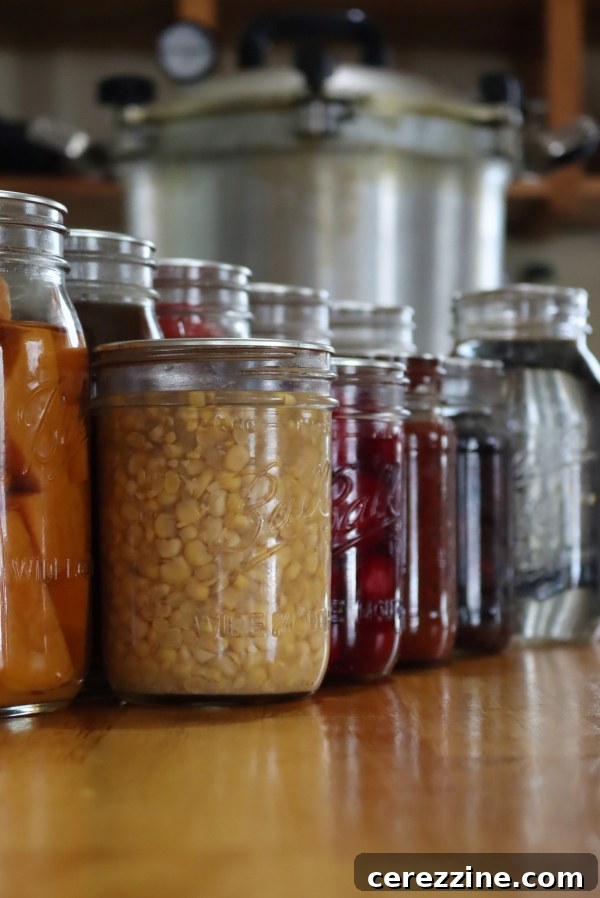
Pressure Canning is specifically engineered for foods with a pH above 4.6. This encompasses a broad range of staples including meats, poultry, seafood, most vegetables (like green beans, corn, potatoes), soups, stews, beans, and chili. Because these foods are low in acid, they require significantly higher temperatures to be safely preserved. A pressurized canning chamber allows temperatures to reach well above the boiling point of water, typically processing foods at or above 240°F (approximately 116°C). This elevated temperature is crucial because it is the minimum required to destroy the heat-resistant spores of Clostridium botulinum, the bacteria responsible for botulism, a potentially fatal foodborne illness. If these spores are not eliminated, they can germinate and produce a deadly toxin in the anaerobic environment of a sealed jar.
The Mechanics of Safety: How Pressure Canning Works
The fundamental principle of pressure canning revolves around achieving and maintaining a very specific, high temperature – 240°F (about 116°C) – for a precise duration. This sustained temperature is not arbitrary; it is the scientifically determined point at which Clostridium botulinum spores are reliably destroyed. The processing time varies depending on the food’s density and composition. For instance, less dense items like broth and stock require shorter processing times compared to denser foods such as meats, vegetables, or thick soups containing solids.
Regardless of the food being canned, the target temperature for safety remains constant: 240°F. Botulism is an extremely serious and potentially fatal condition, making it imperative that low-acid foods are processed under conditions that guarantee the destruction of its spores. These spores can only thrive in low-acid (high pH) environments, which is why they are not a concern in acidic foods like pickles, jams, and jellies, which can be safely preserved with water bath canning at 212°F (100°C).
While pressure is essential to reach these high temperatures, the actual pressure reading itself is secondary to the temperature. The critical factor is always the sustained temperature of 240°F. Botulism spores can survive temperatures just below this threshold, but once a food hits 240°F and maintains it for the specified processing time, the spores are inactivated. It’s not enough for the temperature to briefly touch 240°F; the entire pressure canning chamber must remain at or above this temperature throughout the complete processing cycle. This cycle can range from approximately 20 minutes for pints of broth, up to 75 minutes for soup, and even 100 minutes for seafood.
A crucial safety protocol in pressure canning dictates that if the temperature inside the canner drops below 240°F at any point during the processing time, the timer must be reset, and the full processing duration must begin again. This strict rule highlights the critical importance of consistent temperature control. For home canners, maintaining this precise temperature on a stovetop canner can be a challenge, making the prospect of an electric pressure canner that automates this process incredibly appealing.
(Indeed, such a device exists, but it’s not an Instant Pot. The Presto Precise Digital Pressure Canner, introduced in 2020, is currently the only electric pressure canner on the market that I confidently recommend, having personally tested various models.)
It’s also important to consider altitude. At higher elevations, the atmospheric pressure is lower, meaning more internal pressure is required within the canner to reach the same temperature of 240°F. Therefore, altitude adjustments are necessary; home canners living above 1,000 feet in elevation must increase the processing pressure accordingly. While approximately 10.5 to 11 pounds of pressure (psi) is sufficient to reach 240°F at sea level, it might require 15 psi to achieve the same temperature at elevations above 6,000 feet.
In summary, safe pressure canning is about sterilizing low-acid foods (like meat, beans, and vegetables) by maintaining a sustained temperature of 240°F or higher for a specific duration (ranging from 20 to 100 minutes) to eliminate dangerous botulism spores.
Why a Pressure Cooker Isn’t a Pressure Canner: The Instant Pot’s Limitations
Given the detailed explanation of how pressure canning works, it might seem logical to use an Instant Pot, a device explicitly labeled as a pressure cooker. However, the design and operational parameters of a typical Instant Pot fundamentally differ from the requirements for safe pressure canning.
An Instant Pot is engineered for pressure cooking, a process that prioritizes rapid cooking and tenderizing, rather than the precise and sustained high temperatures required for sterilization. Its “high” and “low” pressure settings do not correspond to fixed, precise psi levels or temperatures critical for canning. Instead, they operate within a range.
The “low” setting on an Instant Pot typically fluctuates between 4 psi and 7 psi. The heating element cycles on and off, bringing the pressure up to around 7 psi, then allowing it to drop to about 4 psi before kicking back on. This constant fluctuation, often described as a sine wave, means the internal temperature is never truly consistent. The “high” setting maintains pressure between approximately 10 psi and 12 psi. While 10.5 psi is needed to reach 240°F at sea level, the Instant Pot’s “high” setting dips below this critical threshold as it cycles. Each time the chamber pressure drops to 10 psi, it goes below the minimum safe temperature for processing low-acid foods. This inconsistency is a severe flaw for pressure canning, which demands unwavering temperature stability.
Furthermore, this calculation for 10.5 psi assumes you are at sea level. The reality is that much of the country, and indeed the world, lies above sea level, necessitating higher pressures to achieve safe canning temperatures. Here’s a quick reference for required pressures:
- 0 to 2,000 feet ~ 11 pounds pressure
- 2,001 to 3,000 feet ~ 12 pounds pressure
- 3,001 to 6,000 feet ~ 13 pounds pressure
- 6,001 to 8,000 feet ~ 14 pounds pressure
- 8,001 to 10,000 feet ~ 15 pounds pressure
Consider a large area like Los Angeles County, where elevations can range from sea level up to 5,000 feet. There is simply no mechanism within a standard Instant Pot to accurately adjust for these varied elevation requirements. While the Instant Pot Max does feature a screen that allows users to input their elevation, it’s critical to understand its limitations. My own testing has revealed that this setting does not actually alter the internal temperature or pressure when using the “canning” program. Instead, the screen merely displays a *calculated* temperature based on the entered altitude and internal pressure, rather than actively increasing the heat or pressure to compensate. It’s more of an informational readout than a functional adjustment, offering an “FYI” rather than ensuring safety. True altitude adjustments for pressure canning require the cooker to actively maintain a higher internal pressure to achieve 240°F, something the Instant Pot Max does not do.
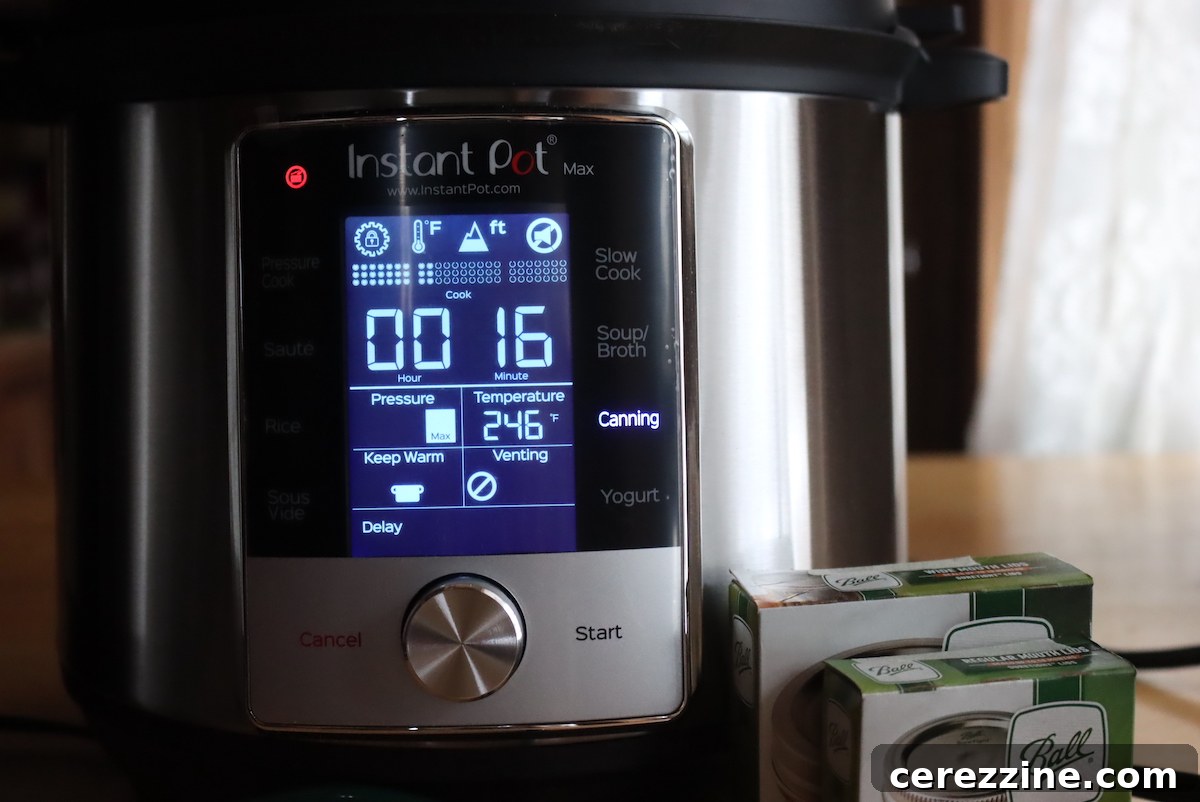
Even if you happen to reside precisely at sea level, the Instant Pot’s “high” setting, which fluctuates between 10-12 psi, is not consistently sufficient to guarantee 240°F. To reliably achieve the required pressure and temperature, one would need to live below sea level, a highly improbable scenario for home canners. Perhaps if you were attempting to can in the Badwater Basin of Death Valley, the lowest point in continental North America, an Instant Pot might *theoretically* achieve the necessary conditions. However, the impracticality of such a scenario underscores the device’s unsuitability for general home pressure canning. (Though, if you ever do manage it, please send a picture! It would certainly be a sight to behold.)
USDA’s Stance: Why Instant Pots Fail Pressure Canning Tests
It’s not just anecdotal evidence or personal testing that deems the Instant Pot unsafe for pressure canning. Various county extension offices, collaborating with the USDA, have conducted scientific tests on Instant Pots and other multi-cookers to assess their efficacy for safe food preservation. Their findings consistently demonstrate that these appliances are incapable of adequately processing food for pressure canning.
In 2019, the Utah extension office published a report detailing their tests on Instant Pots and several competitor multi-cooker brands. They attempted to pressure can chicken, pinto beans, and green beans at various altitudes. Alarmingly, all tested foods failed to reach safe processing temperatures at every altitude, confirming the devices’ inadequacy for safe pressure canning.
Beyond the inherent temperature and pressure instability discussed earlier, the USDA identifies several other crucial issues with these smaller electric multi-cookers. In a comprehensive report released in 2019, the USDA unequivocally states that canning in an Instant Pot is unsafe. They highlight the inability of these cookers to maintain the required consistent temperature as the primary concern but also point to other often overlooked factors.
Traditional pressure canning process times were established based on stovetop canners, which operated under certain key assumptions regarding chamber size and the time required for both heating and cooling. Small pressure chambers, like those found in Instant Pots, heat up and cool down much faster than conventional stovetop canners. Even if an Instant Pot *could* maintain the correct pressure, its compact size means it cools too rapidly to benefit from the crucial “cook-off” time. As explained by the USDA:
“One of the big concerns is that the USDA low-acid pressure process times rely on a combination of heat from the time the canner is coming to pressure, during the actual process time, and then during the early stages of cooling the canner and jars. Even after the heat is turned off under the canner, at the end of the recommended process time, the food remains at high enough temperatures for another period of time that can still contribute to killing of bacteria. This retained heat while the canner has to cool naturally to 0 pounds pressure before opening is used to advantage in calculating the total sterilizing value of the process to preserve some food quality. If anything is done to shorten the cooling period, including using a very small cooker, then the food could cool down more quickly, and be under-processed. (That is why we recommend using only pressure cookers that hold four or more quart-size jars.) Bacteria are not killed in the food only during the process time; the time it takes the canner to come up to pressure, the process time, and the cool-down time all matter. There is no way at this point in time to know exactly the percentage of contribution from cooling for each of the canning recommendations.”
Another significant issue cited by the USDA is proper venting. If the chamber is not adequately vented to release air before canning, pockets of air can remain, leading to lower actual temperatures inside the Instant Pot, even if a certain pressure is indicated. For safe pressure canning, the chamber must be fully saturated with pure steam to ensure uniform and accurate heat distribution. The USDA emphasizes:
“What matters is temperature, not pressure. One manufacturer says its cooker reaches the pressure required for canning, but that alone does not prove the food in the jars is heated throughout at the same rate as in the canner used for process development. A manufacturer should do process development work to document temperatures throughout the unit at a given pressure and throughout the whole process time. Just producing an interior pressure is not sufficient data for canning recommendations. For example, if air is mixed in the steam, the temperature is lower than the same pressure of pure steam. That’s why a proper venting process is so important in pressure canning – to obtain a pure steam environment inside the canner. Also, one has to know how to make adjustments in pressure readings at higher altitudes. The same pressure and process time combination cannot be used at all altitudes.”
The Instant Pot Max: Marketing vs. Reality in Canning
The Instant Pot Max, with its prominently advertised “canning” setting, created considerable confusion upon its release. The initial marketing suggested it was approved for pressure canning, making it seem like the ideal solution for modern home preservers. However, the reality quickly diverged from the promotional claims.
While the Instant Pot Max can momentarily reach a peak of 15 psi, its operational cycle for canning involves cycling down to maintain pressure between 10 to 12 psi for the majority of the processing time. This fluctuation is clearly illustrated in an informative graphic directly from the Instant Pot website, which depicts the pressure variations within the Instant Pot Max during operation:
Each time the heating element cycles off and the pressure dips to 10 psi, the internal temperature falls below the safe processing level required for low-acid foods at sea level. This problem is exacerbated at higher altitudes, where even 12 psi is insufficient to reach 240°F. The core issue is the inability to *maintain* consistent pressure at or above the minimum safe threshold for the entire duration of the canning process.
Immediately after the Instant Pot Max launched, the company’s PR team initially stated that it was suitable for pressure canning. However, as questions mounted and the technical requirements for safe pressure canning became clearer, it became evident that the developers of this “canning” setting had overlooked the critical need for sustained pressure, not just a momentary peak. You cannot safely pressure can by merely hitting 15 psi for a few seconds; consistent pressure throughout the entire cycle is non-negotiable.
Following this realization, Instant Pot representatives announced that McGill University would be testing the canner to verify its compliance with safe pressure canning guidelines. This was in 2018. However, no public report from McGill University ever materialized, and several years later, Instant Pot subtly revised its marketing materials. By 2023, the Instant Pot website now states the following regarding the “canning” setting on the Instant Pot Max:
“Pressure canners require a minimum of 15 psi for safe canning of low-acid foods, such as meat.
Most Instant Pot electric pressure cookers operate within a range of 10-12 psi, which is safe for water bath canning of high-acid foods, such as jams and chutneys.
Modifying cooking times, ingredients, or temperatures can be dangerous. Use the exact time, temperature/pressure, and method specified in the recipe to protect the food from harmful bacteria, molds, and enzymes. Read and carefully follow the instructions provided in the USDA’s Complete Guide to Home Canning.
The Instant Pot Max is the only electric pressure cooker with a dedicated Canning Smart Program.”
This carefully worded statement effectively walks back their previous claims. Despite mentioning a “dedicated Canning Smart Program,” they clearly differentiate between the “15 psi minimum for low-acid foods” and their cooker’s “10-12 psi range,” which is only deemed “safe for water bath canning of high-acid foods.” This confirms that even the Instant Pot Max’s “canning” setting is not, in fact, for pressure canning low-acid foods. It’s a clear acknowledgment, albeit a cautiously phrased one, that they made an error in their initial positioning of the product for pressure canning.
Is the Instant Pot Safe for Water Bath Canning? A Qualified Yes, But…
Since an Instant Pot is perfectly capable of boiling water consistently, it can indeed be used for water bath canning high-acid foods. In truth, any pot deep enough to fully submerge canning jars in boiling water can function as a water bath canner. A simple saucepan on your stovetop can achieve the same results.
One potential benefit of using an Instant Pot for water bath canning is its sealed chamber, which can contain steam and reduce humidity in your kitchen. However, this convenience comes with potential drawbacks that home canners should consider. While the Instant Pot Max might reach pressures of 10 to 12 psi, these temperatures, though insufficient for pressure canning, are significantly hotter than a standard boiling water bath (212°F). This elevated heat can negatively impact the quality of certain high-acid foods.
For example, processing jams at these higher Instant Pot temperatures can cause the pectin to denature, potentially resulting in a jam that doesn’t set properly or has an altered texture. When it comes to pickles, which are prized for their crispness, using the Instant Pot’s “canning” setting can turn them into soggy mush. Pickles can often be safely processed using low-temperature pasteurization treatments at 180°F, thanks to their high vinegar content. Maintaining a lower temperature helps preserve their texture, while the Instant Pot’s hotter environment will inevitably over-process delicate cucumbers.
Therefore, I do not recommend relying on the “canning” setting on your Instant Pot, even for water bath canning. If you choose to use your Instant Pot for water bath canning, a more advisable approach is to fill it with enough water to submerge your jars and then use the “sauté” setting to bring the water to a full, rolling boil. It is absolutely essential to place a canning trivet or a thick towel at the bottom of the Instant Pot to prevent direct contact between the jars and the heating element. The intense, concentrated heat from the heating element through the thin metal of the Instant Pot’s inner pot can cause jars to crack or break.
Embracing Safe Electric Pressure Canning: The Modern Solution
Let me be clear: I am a huge admirer of the Instant Pot. It’s an exceptionally useful and efficient countertop appliance that I use regularly for daily meal preparation. However, it is not, and was never designed to be, a pressure canner. To conflate the two is to compromise safety.
Attempting to pressure can in an Instant Pot is akin to playing Russian roulette with your food safety. While botulism spores are not always present, they are a dangerous possibility. You might “get away with it” a few times, processing food below safe temperatures without your family falling ill, but that’s a gamble no one should take. Eventually, the odds catch up. Consistently processing low-acid foods below the scientifically mandated 240°F will inevitably lead to a high risk of bacterial growth and toxin production. It is critical to abandon the illusion that an Instant Pot provides a safe method for preserving low-acid foods.
The good news is that for those seeking the convenience of an electric appliance for pressure canning, a truly safe and USDA-approved option exists. Introduced in 2020, the Presto Precise Digital Pressure Canner stands out as the only electric pressure canner model currently on the market that fully adheres to USDA guidelines for safe pressure canning. It offers an effortless and reliable canning experience, and it is the only electric unit I recommend without reservation. (For a more detailed perspective, you can read my full review of the Presto Digital Pressure Canner here, and a step-by-step guide on how to use an electric pressure canner here.)
The Presto Precise Digital Pressure Canner fundamentally differs from the Instant Pot. Instead of relying on fluctuating pressure settings, it continuously monitors the internal temperature of the chamber, ensuring it consistently stays at or above 240°F. This advanced feature means there’s no need for manual altitude adjustments; the canner automatically compensates to maintain the correct temperature, simplifying the process immensely for users across different elevations.
Beyond its core safety features, the Presto canner provides a guided canning experience. It walks you through each step, from warming jars to properly venting the canner, and will not allow you to proceed until each critical stage is correctly completed. This makes the entire process incredibly straightforward and significantly less intimidating, particularly for new canners.
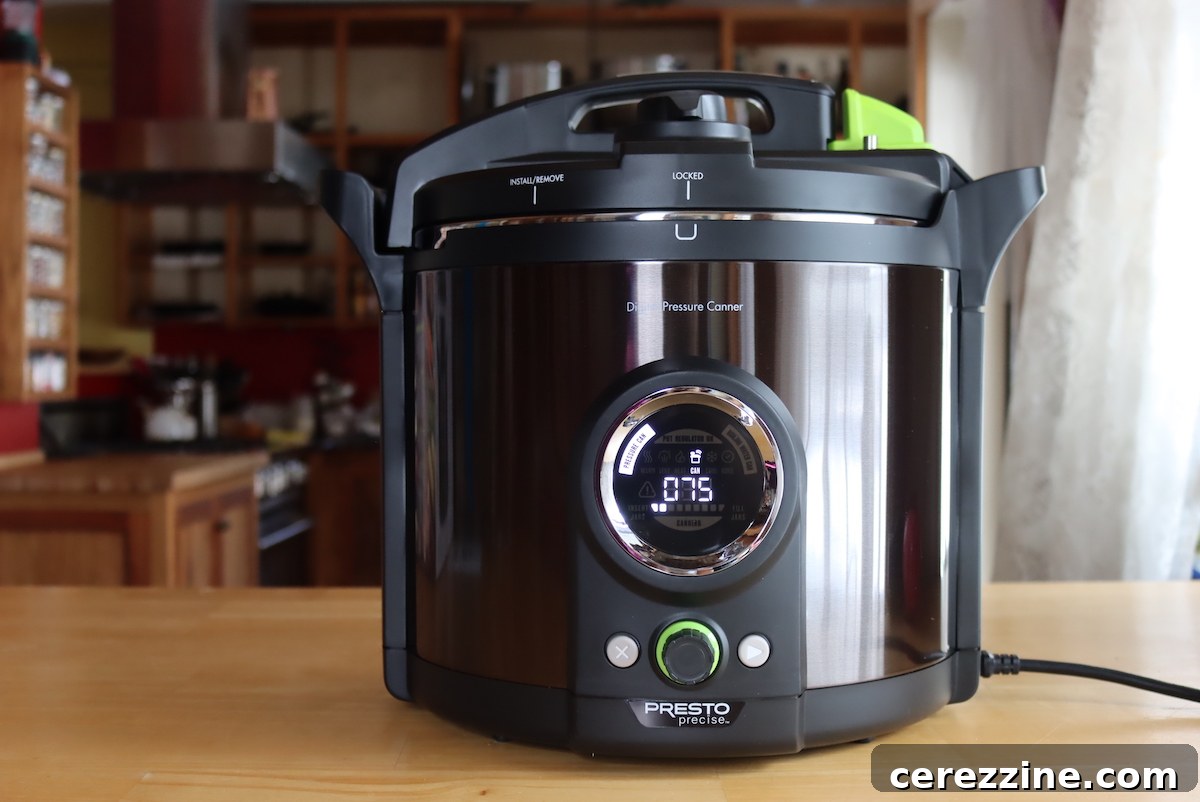
As someone who has been pressure canning for over a decade, I am genuinely enthusiastic about this innovative electric pressure canner. Its convenience allows me to effortlessly process small batches of leftovers after dinner, seamlessly integrating food preservation into my daily routine. The unit beeps to prompt you at each stage, but once processing begins, it operates in remarkable silence, drawing power from a standard wall outlet.
Experienced pressure canners know that traditional stovetop canning can be a noisy affair, with the canning weight constantly jiggling and the constant need to monitor and adjust stove burner temperatures to ensure safe processing. With the Presto Precise Digital Pressure Canner, once the jars are set and the cycle begins, the process is entirely hands-off, providing unparalleled peace of mind.
This appliance has the potential to truly transform home food preservation, making pressure canning accessible and unintimidating for a new generation of home cooks who are comfortable with electric multi-cookers like the Instant Pot but might be hesitant about traditional pressure canning. Its user-friendly interface and automated safety features mirror the ease and “not scary” nature of the electric pressure cookers we’ve all come to rely on over the past decade.
In conclusion, never attempt to pressure can in an Instant Pot; it simply does not achieve or maintain the appropriate temperatures required for safe preservation of low-acid foods. For a dependable, easy-to-use, and genuinely safe electric pressure canning experience, your investment should be in the Presto Precise Digital Pressure Canner.
(Please note: I have no affiliation with Instant Pot or Presto Canning. I purchased these products with my own funds for independent review purposes, and all opinions expressed are entirely my own.)
Further Canning Resources & Guides
Looking to deepen your knowledge of home canning? Explore these comprehensive guides and reviews:
- Beginner’s Guide to Pressure Canning: Your First Step to Safe Preservation
- How to Use an Electric Pressure Canner: A Step-by-Step Tutorial
- Presto Precise Digital Pressure Canner Review: An In-Depth Look
- What is Canning Salt? (And Safe Substitutions)