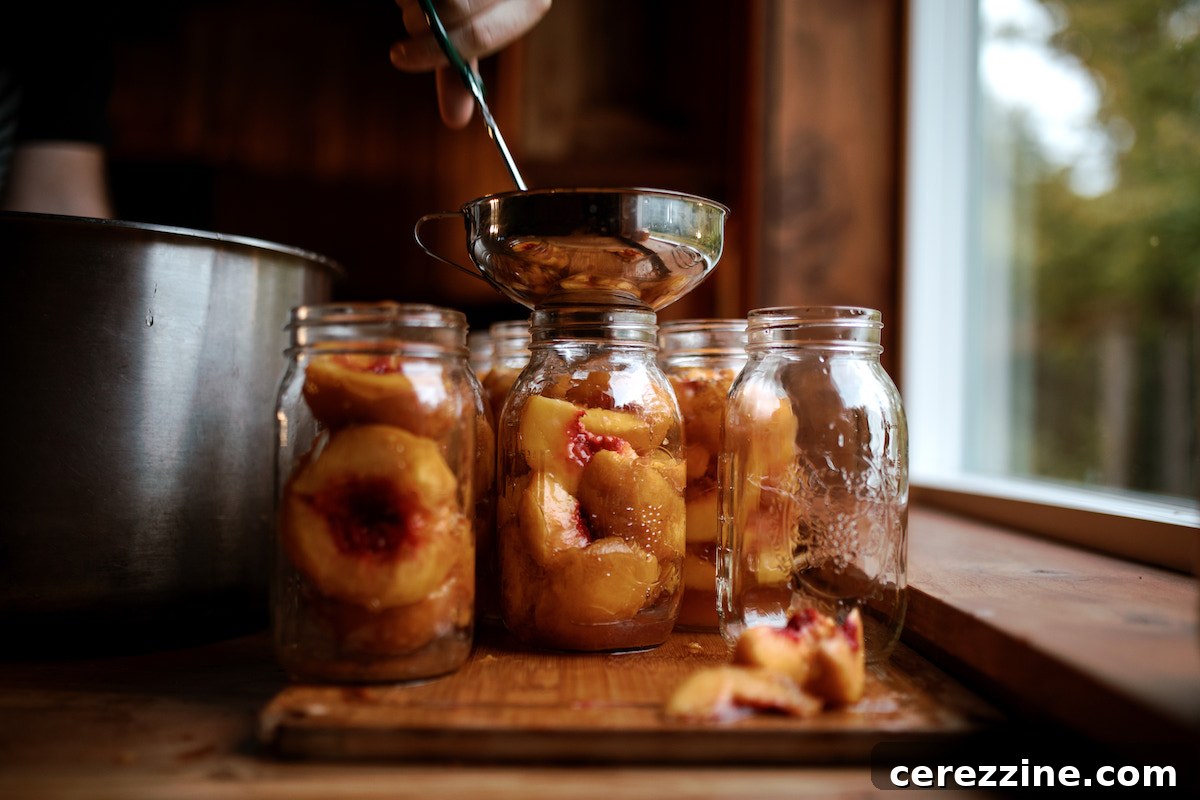
Syrups play a crucial role in canning fruit, offering a neutral base that enhances the natural sweetness, vibrant color, and firm texture of your homemade preserves. Far more than just sugar and water, a well-chosen syrup elevates the quality of your canned fruit, making it a delightful addition to your pantry.
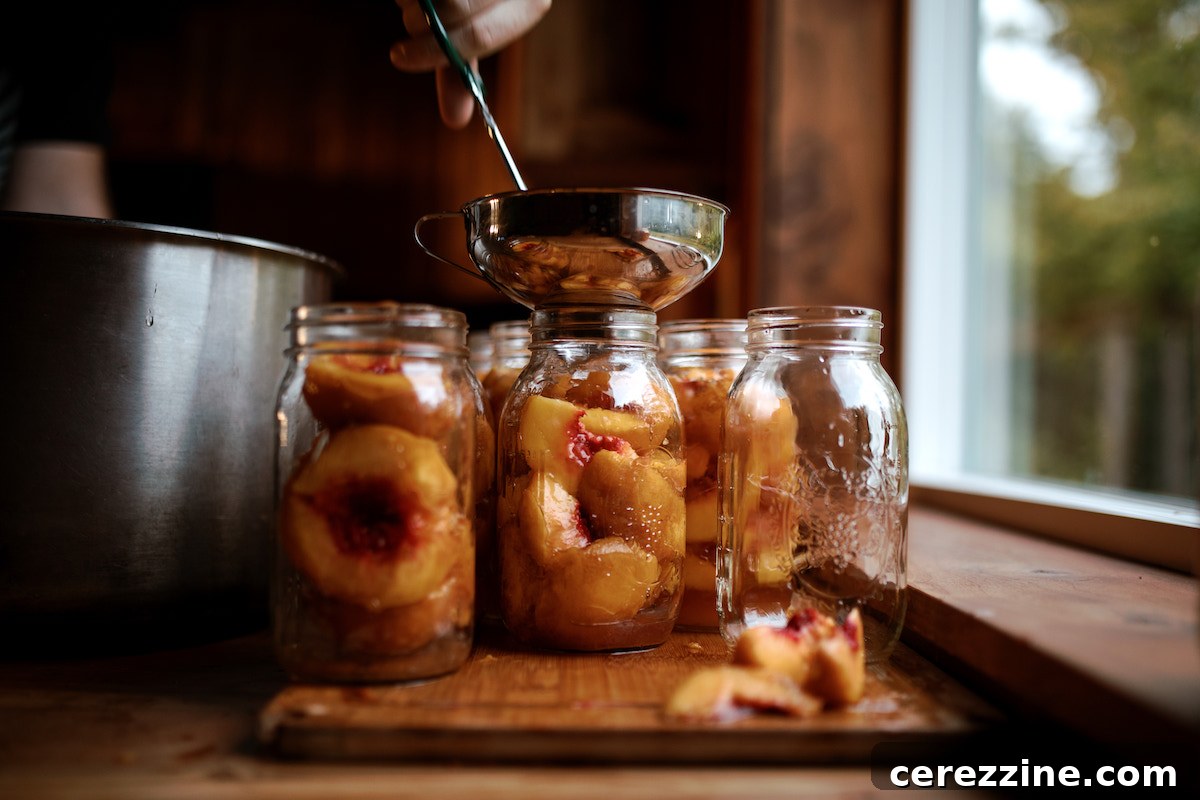
Canning fruit in a sugar syrup is an age-old method revered for its ability to beautifully preserve the essence of fresh fruit. While canning fruit in plain water might seem like a healthier alternative, it often results in a “washed-out” taste, diluted color, and softer texture. Even a minimal amount of sugar, however, creates an osmotic balance that helps the fruit retain its original flavor, vivid hue, and desirable firmness, ensuring a superior end product.
The choice of syrup strength is a personal preference, influenced by the fruit’s natural sweetness and how you plan to use the canned product. From a subtly sweetened extra-light syrup to a rich, heavy syrup, understanding the different concentrations is key to successful home canning. This guide simplifies the process, providing clear measurements for various syrup types, tailored for common canner batch sizes.
Understanding Syrup Strengths: Ratios for Home Canning
Determining the right amount of sugar for your canning syrup doesn’t have to be complicated. Below, you’ll find a straightforward table outlining the precise sugar and water ratios needed for standard 9-pint and 7-quart canner batches. These measurements are designed to guide you in creating perfectly balanced syrups, from barely sweet to luxuriously rich.
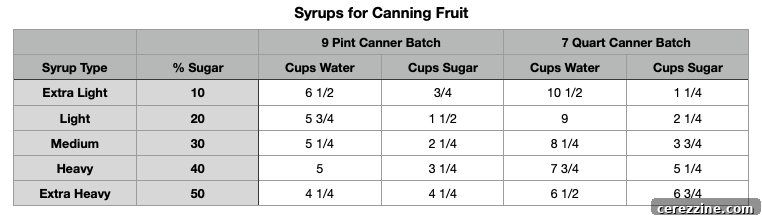
For those who prefer a textual breakdown, here are the measurements for each syrup concentration:
For a 9-Pint Canner Batch, you’ll need the following amounts:
- Extra-light syrup: 3/4 cups sugar to 6 1/2 cups water
- Light syrup: 1 1/2 cups sugar to 5 3/4 cups water
- Medium syrup: 2 1/4 cups sugar to 5 1/4 cups water
- Heavy syrup: 3 1/4 cups sugar to 5 cups water
- Extra-Heavy Syrup: 4 1/4 cups sugar to 4 1/4 cups water
For a 7-Quart Canner Batch, you’ll need the following amounts:
- Extra-light syrup: 1 1/4 cups sugar to 10 1/2 cups water
- Light syrup: 2 1/4 cups sugar to 9 cups water
- Medium syrup: 3 3/4 cups sugar to 8 1/4 cups water
- Heavy syrup: 5 1/4 cups sugar to 7 3/4 cups water
- Extra-Heavy Syrup: 6 3/4 cups sugar to 6 1/2 cups water
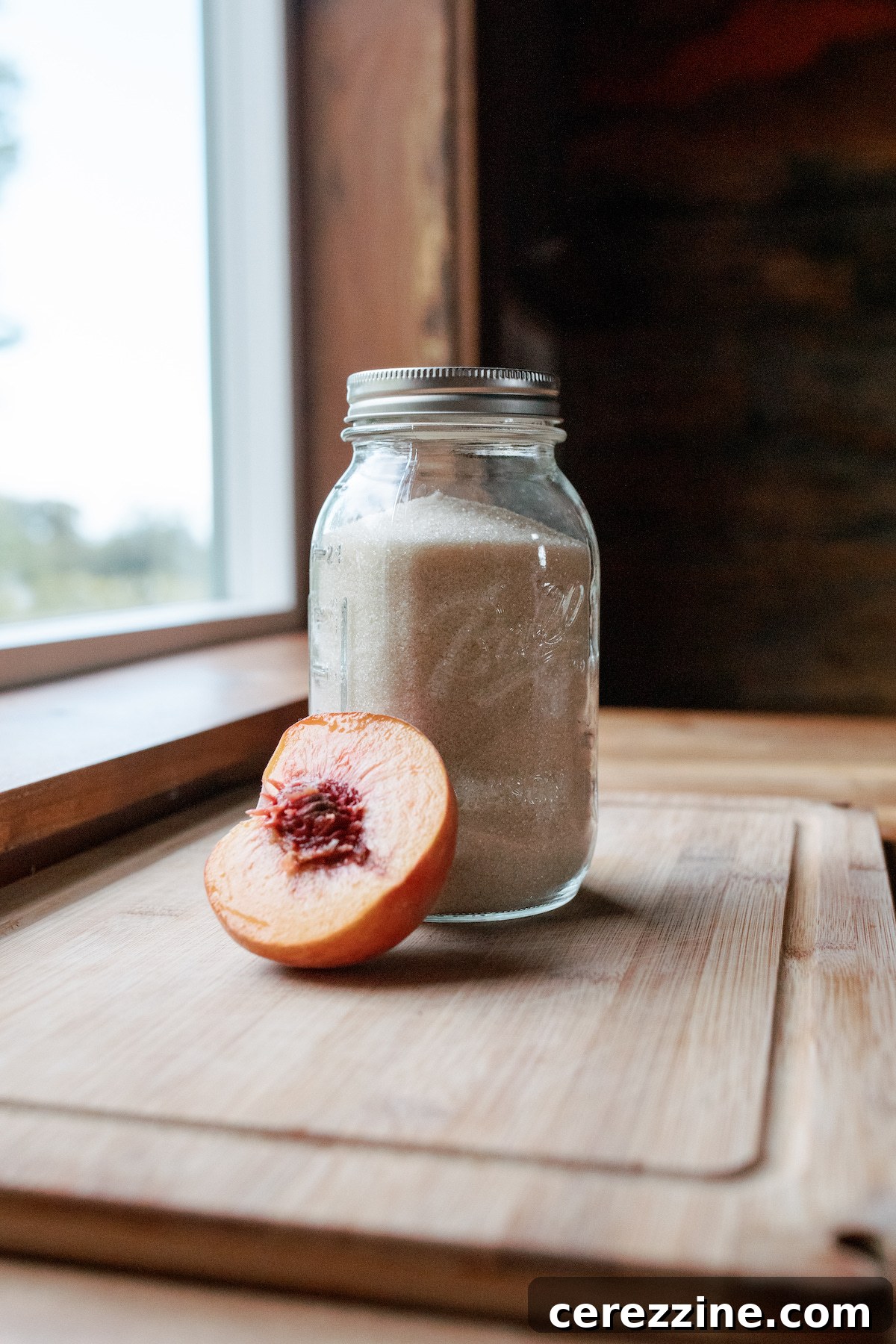
How to Prepare Syrup for Canning Fruit
Creating your canning syrup is a simple process, regardless of the desired strength. The key is to thoroughly dissolve the sugar and bring the mixture to a full boil to ensure proper consistency and safety for preservation.
- Select Your Syrup Strength: Begin by deciding on the appropriate syrup type for your fruit, ranging from extra light to extra heavy, based on the fruit’s natural sweetness and your personal preference.
- Measure Ingredients: Refer to the tables above and carefully measure the specified amounts of sugar and water for your chosen syrup strength and batch size (9 pints or 7 quarts).
- Combine and Heat: Pour the measured water into a saucepan, then add the sugar. Place the saucepan over medium-high heat.
- Dissolve Sugar and Boil: Stir the mixture continuously until all the sugar crystals are completely dissolved. Continue heating until the syrup reaches a full rolling boil. This ensures the sugar is fully integrated and the syrup is ready for use.
- Prepare for Canning:
- For Raw Pack: Once your fruit is prepared and packed into clean, hot canning jars, carefully ladle the boiling syrup over the fruit. Ensure you leave the recommended headspace, typically 1/2 inch for most canned fruits, unless your specific recipe indicates otherwise.
- For Hot Pack: Add your prepared fruit directly to the boiling syrup in the saucepan. Bring the mixture back to a boil and let it simmer for the duration specified in your canning recipe (usually just one to two minutes). Then, carefully pack the hot fruit and syrup into clean, hot canning jars, again leaving the appropriate 1/2-inch headspace.
- Final Steps: After filling the jars, remove any air bubbles using a non-metallic utensil, recheck and adjust headspace if necessary, wipe the jar rims clean, and apply lids and bands. Your jars are now ready for processing according to your chosen canning method (water bath or pressure canning) and specific fruit recipe, including any altitude adjustments.
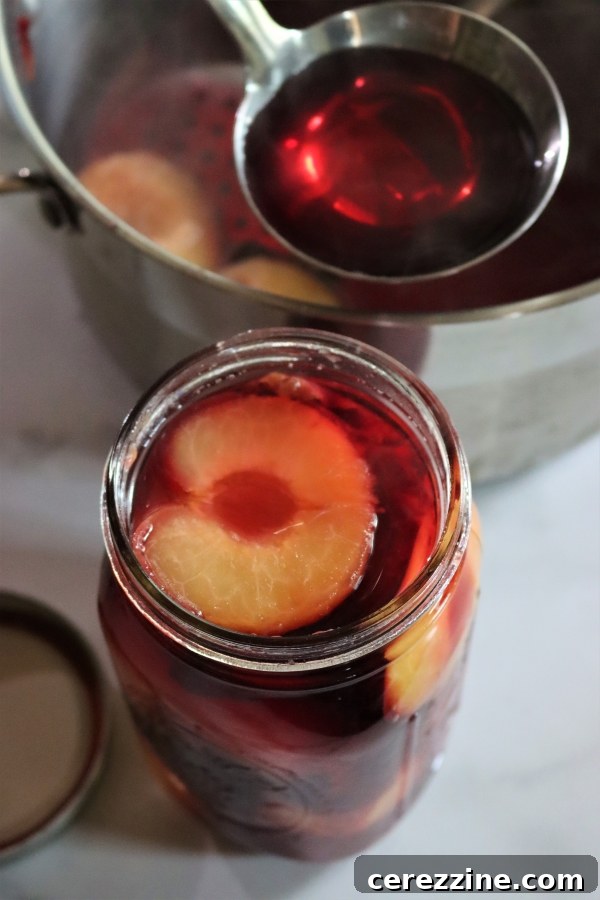
Choosing the Ideal Syrup for Your Fruit
The best syrup for preserving fruit is often a matter of personal taste, balanced with the natural tartness or sweetness of the fruit itself. While some prefer a very natural, fruit-forward flavor, others might opt for a sweeter profile reminiscent of store-bought canned goods. Understanding the characteristics of each syrup strength can help you make the perfect choice for your home-canned creations.
Many home canners, including myself, favor extra-light syrup. This concentration closely mirrors the natural sugar content of most fruits, preventing the fruit’s inherent sweetness from leaching into the canning liquid or becoming overly sweet. It results in a taste that is remarkably fresh and allows the authentic fruit flavor to truly shine. The fruit maintains its sweetness without becoming artificially enhanced.
However, for very tart fruits like gooseberries or sour cherries, an extra-light syrup might not provide enough sweetness for some palates. Ultimately, your personal preference dictates the ideal syrup choice. Experimentation is encouraged to find what your family enjoys most!
It’s also worth noting that these syrup ratios are versatile and can be used for “fruit-like” vegetables, such as canning rhubarb, or even for pressure-canned sweet potatoes and canning pumpkin cubes when a sweet pack is desired. Always consult a tested recipe for the specific food you are preserving.
The National Center for Home Food Preservation (NCHFP) provides excellent guidelines for recommended syrup strengths for various fruits, which are a great starting point:
Extra Light Syrup (~10% Sugar)
This is the ideal choice for naturally sweet fruits or when your goal is to preserve fruit as close to its original, fresh flavor as possible. With the lowest sugar content, it’s also the lowest-calorie option. It ensures that the fruit’s natural sugars are balanced, preventing them from being drawn out into the canning liquid, thus maintaining true fruit essence.
I frequently use extra-light syrup for the majority of my fruit canning recipes, particularly with inherently sweet varieties like peaches, pears, and plums. While the NCHFP generally labels this as the “low calorie” or “natural” option without specific fruit recommendations, its subtle sweetness makes it fantastic for allowing delicate flavors to flourish.
It truly excels when canning oranges or canning pineapple, as it allows their bright, tropical notes to shine through unimpeded. It’s also superb for canning grapes, especially the sweeter green varieties, where minimal added sugar is desired.
Light Syrup (~20% Sugar)
The NCHFP suggests light syrup for “sweetest fruits” and recommends it as a good starting point if you’re accustomed to the sweetness level of commercially canned fruit. It offers a noticeable but not overpowering sweetness that complements many fruits.
Light syrup is an excellent choice for canning peaches and canning apricots, providing a pleasant sweetness without masking the fruit’s natural taste. It’s also suitable for lighter batches when canning figs, though some prefer their figs to have a more candied profile, which would require a heavier syrup.
While I prefer extra-light for oranges, I opt for light syrup when canning grapefruit due to its more tart nature. Many people even lean towards medium syrup for grapefruit, illustrating the range of personal preference.
Medium Syrup (~30% Sugar)
Medium syrup is often the standard for commercially canned fruits that are naturally sweet, such as sweet apples, sweet cherries, most berries, and grapes. It provides a significant level of sweetness, making it a popular choice for those who enjoy a richer flavor profile in their preserves. For me, it’s often my go-to for tart fruits that need a bit more sugar to balance their acidity, so always adjust to your individual taste preferences.
The NCHFP specifically recommends medium syrup for canning apple slices, canning cherries, and for a variety of berry canning recipes, including canning raspberries and canning blueberries. Its balanced sweetness helps to enhance these fruits without making them overly saccharine, creating a delicious and versatile product.
Heavy Syrup (~40% Sugar)
Heavy syrup is best suited for tart fruits that benefit from a more pronounced sweetness to balance their acidity. This concentration helps to soften the tartness, creating a more palatable and enjoyable product. It’s commonly used with fruits like tart crabapples, sour cherries, gooseberries, and cranberries.
For cranberries, heavy syrup is a fantastic choice, transforming them into a delightful, almost candy-like treat perfect for holiday meals or desserts. The same applies to canning crabapples and canning gooseberries, where the added sweetness truly complements their intense flavors. While some might use heavy syrup for sour cherries, I typically stick to lighter syrups even for tart cherries to maintain more of their characteristic tang.
Extra Heavy Syrup (~50% Sugar)
This is the sweetest and densest syrup concentration, designed for creating candied fruits or when a very firm texture is desired. Extra heavy syrup can significantly alter the fruit’s texture, making it firmer and sometimes giving it a somewhat translucent appearance, similar to maraschino cherries. Due to its intense sweetness, many individuals, even those accustomed to commercially canned products, might find this syrup a bit excessive for everyday uses.
It’s generally reserved for specific applications where a highly preserved, almost confectionary fruit product is the goal. Use it sparingly and with careful consideration for the desired outcome, as it can easily overpower the natural fruit flavor.
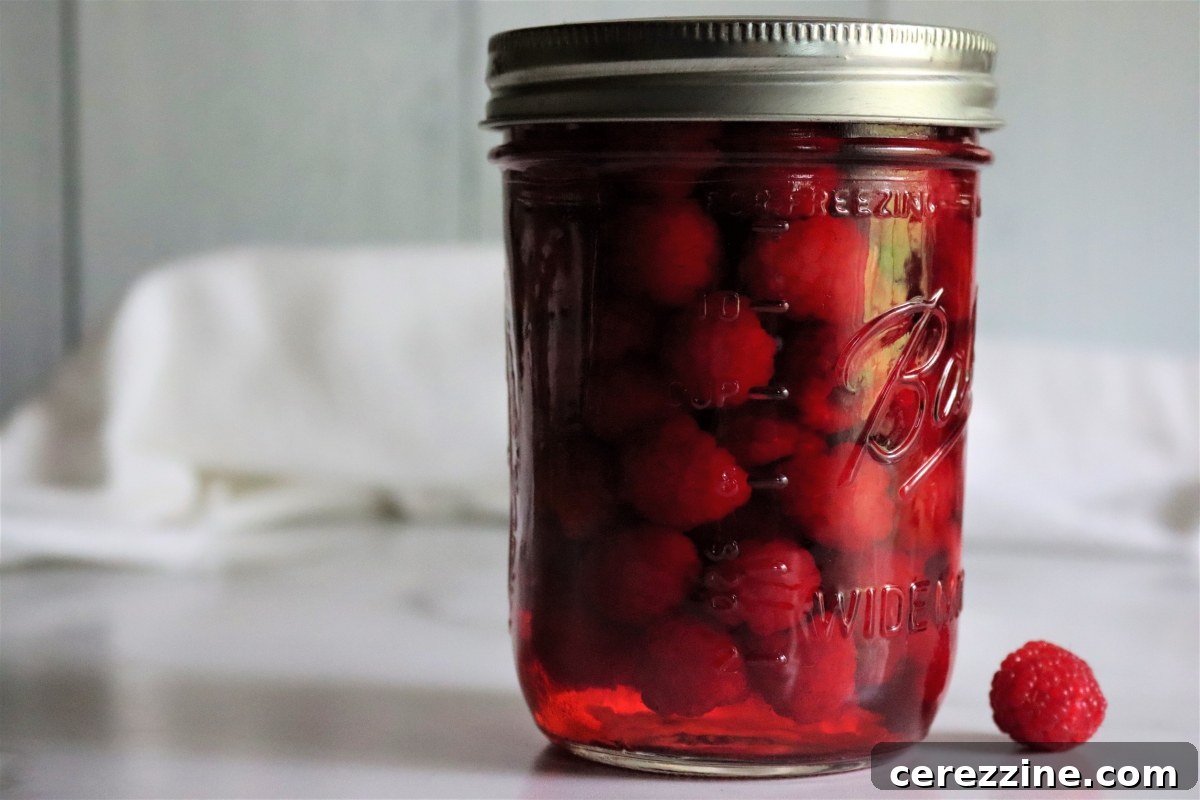
Exploring Alternative Sweeteners for Canning
For those looking to reduce refined sugar intake or explore different flavor profiles, alternative sweeteners can be a viable option in fruit canning. However, it’s essential to understand their properties and how they interact with the canning process and fruit flavors.
Natural alternatives like honey, maple syrup, or agave nectar can replace cane sugar. These sweeteners tend to be sweeter than granulated sugar, so most reliable sources recommend substituting 2/3 to 3/4 cup of liquid sweetener for every cup of sugar. This adjustment helps to achieve a similar sweetness level without making the product overly cloying.
When using alternative sweeteners, choose lighter varieties to preserve the fruit’s natural flavor. For instance, a light clover honey or Grade A extra fancy maple syrup will impart less of their own distinct flavor than darker, more robust grades. This ensures the delicate fruit notes remain at the forefront of your canned goods.
Regarding modern calorie-free sweeteners (e.g., sucralose, stevia, monk fruit blends), comprehensive testing for their safety and impact on canning quality is generally lacking from reputable sources like the NCHFP. While many home canners do use them, there’s no official guidance to confirm their long-term safety or whether they might affect the sealing, preservation, or flavor over time. Some artificial sweeteners can also develop off-flavors when subjected to heat, or they may not contribute to the texture and color preservation as effectively as sugar. If you choose to use them, do so with caution and be aware of potential taste and texture variations.
If your primary goal is to avoid added sugar, canning fruit in plain water or 100% fruit juice is a well-tested and safe alternative. White grape juice is often recommended as a neutral choice that adds a touch of sweetness and helps retain color and flavor without introducing strong, competing notes, making it superior to plain water in many cases.
Fruit Canning Recipes to Try
Now that you’re equipped with the knowledge of how to create the perfect sugar syrup for canning, it’s time to put your skills to practice! Explore these delicious fruit canning recipes and enjoy the fruits of your labor:
Canning Pineapple
Canning Peaches
Canning Raspberries
Canning Oranges
Rated 5 stars from 2 votes
Syrups for Canning Fruit
This comprehensive guide to canning syrups allows you to select the ideal sugar concentration for your fruit preservation needs. Designed for standard 9-pint or 7-quart canner batches, it ensures you achieve the perfect flavor and texture. Choose your desired syrup strength and batch size before you begin.
Pin
Rate
Ingredients
Extra Light Syrup
- 3/4 cup sugar, for 9 pint batch, or 1 1/4 cups for 7 quart batch
- 6 1/2 cups water, for 9 pint batch, or 10 1/2 cups water for a 7 quart batch
Light Syrup
- 1 1/2 cups sugar, for 9 pint batch, or 2 1/4 cups for 7 quart batch
- 5 3/4 cups water, for 9 pint batch, or 9 cups water for a 7 quart batch
Medium Syrup
- 2 1/4 cups sugar, for 9 pint batch, or 3 3/4 cups for 7 quart batch
- 5 1/4 cups water, for 9 pint batch, or 8 1/4 cups water for a 7 quart batch
Heavy Syrup
- 3 1/4 cups sugar, for 9 pint batch, or 5 1/4 cups for 7 quart batch
- 5 cups water, for 9 pint batch, or 7 3/4 cups water for a 7 quart batch
Extra Heavy Syrup
- 4 1/4 cups sugar, for 9 pint batch, or 6 3/4 cups for 7 quart batch
- 4 1/4 cups water, for 9 pint batch, or 6 1/2 cups water for a 7 quart batch
Instructions
- Choose your syrup strength and batch size from the lists above. This guide is designed so you select a specific syrup strength and batch size (e.g., Light Syrup for Pints) suitable for a tested fruit canning recipe. Do not combine all quantities listed.
- Combine the measured sugar and water in a saucepan. Heat, stirring until the sugar dissolves; bring to a full rolling boil.
- For Raw Pack: Pack prepared fruit into hot jars. Ladle boiling syrup over fruit, leaving 1/2 inch headspace unless your recipe specifies otherwise.
- For Hot Pack: Add prepared fruit to the boiling syrup; return to a boil for the time specified by your fruit recipe (often 1–2 minutes). Pack fruit and syrup into hot jars, leaving 1/2 inch headspace.
- Remove air bubbles, adjust headspace, wipe rims, and apply lids and bands.
- Process jars according to your specific fruit recipe, including any necessary altitude adjustments.
Notes
This recipe serves as a customizable guide, allowing you to choose from extra light to extra heavy syrup, tailored for standard canner batch sizes of 9 pints or 7 quarts. Always select your batch size and desired syrup concentration before you begin.
Recommended Syrup Use by Fruit (Quick Guide)
- Extra-Light or Light: Best for sweetest fruits or when you desire a very natural, fruit-forward flavor. (~10% sugar for extra light, or ~20% for light)
- Medium: Commonly used commercially for sweet apples, sweet cherries, most berries, and grapes. (~30% sugar)
- Heavy: Particularly helpful for tarter fruits such as tart apples, apricots, sour cherries, gooseberries, nectarines, peaches, pears, and plums. (~40% sugar)
- Extra-Heavy: Very sweet, with a firming effect on fruit; use sparingly, primarily for making candied fruits. (~50% sugar)
Variations
- Alternative sweeteners: You can substitute honey, light maple syrup, or agave for part or all of the sugar. Most sources suggest using 2/3 to 3/4 cup liquid honey per 1 cup of granulated sugar. Choose light, mild-flavored sweeteners (e.g., clover honey, Grade A golden maple syrup) to ensure the fruit flavor remains prominent.
- No-sugar options: Use plain water or 100% fruit juice (white grape juice is an excellent neutral choice). Be prepared for a less sweet result; however, fruit juice helps maintain a brighter flavor compared to plain water alone.
- Modern calorie-free sweeteners (e.g., sucralose, monkfruit blends) have not been extensively tested for canning quality by official food preservation organizations. While many individuals use them, be aware that heat stability and flavor can vary. If avoiding sugar is your main goal, fruit juice remains a reliably tested alternative.
- Make-ahead: Any extra syrup can be refrigerated for up to 1 week or frozen for use in future canning batches.
- Non-Fruit Preserves: These syrup ratios are also suitable for “fruit-style” vegetables like rhubarb, and for pressure-canned sweet potatoes or pumpkin cubes when a sweet pack is desired. Always follow the tested recipe specific to the food you are preserving.
Nutrition
Carbohydrates: 12g,
Fat: 0.04g,
Sodium: 0.1mg,
Potassium: 0.2mg,
Sugar: 12g,
Calcium: 0.1mg,
Iron: 0.01mg
Nutrition information is automatically calculated, so should only be used as an approximation.
Like this? Leave a comment below!